BEA
BEA manufactures fastening systems: pneumatic and manual staplers, nailers and coil nailers, together with the fasteners they drive. The catalogue covers 14, 140, 155, 195, 33, 380, 71, 90, 92, 95 and 97 series staples, SK and SKAM nails, S125 and S717 headless pin nails, DC and BDC strip and coil nails, CN gas concrete nails, T nails, W/WM corrugated fasteners, and carton closing, felt and hot melt glue guns.
Browse by category
A sample from featured product groups — see the full range in the list below.
Staplers & Nailers
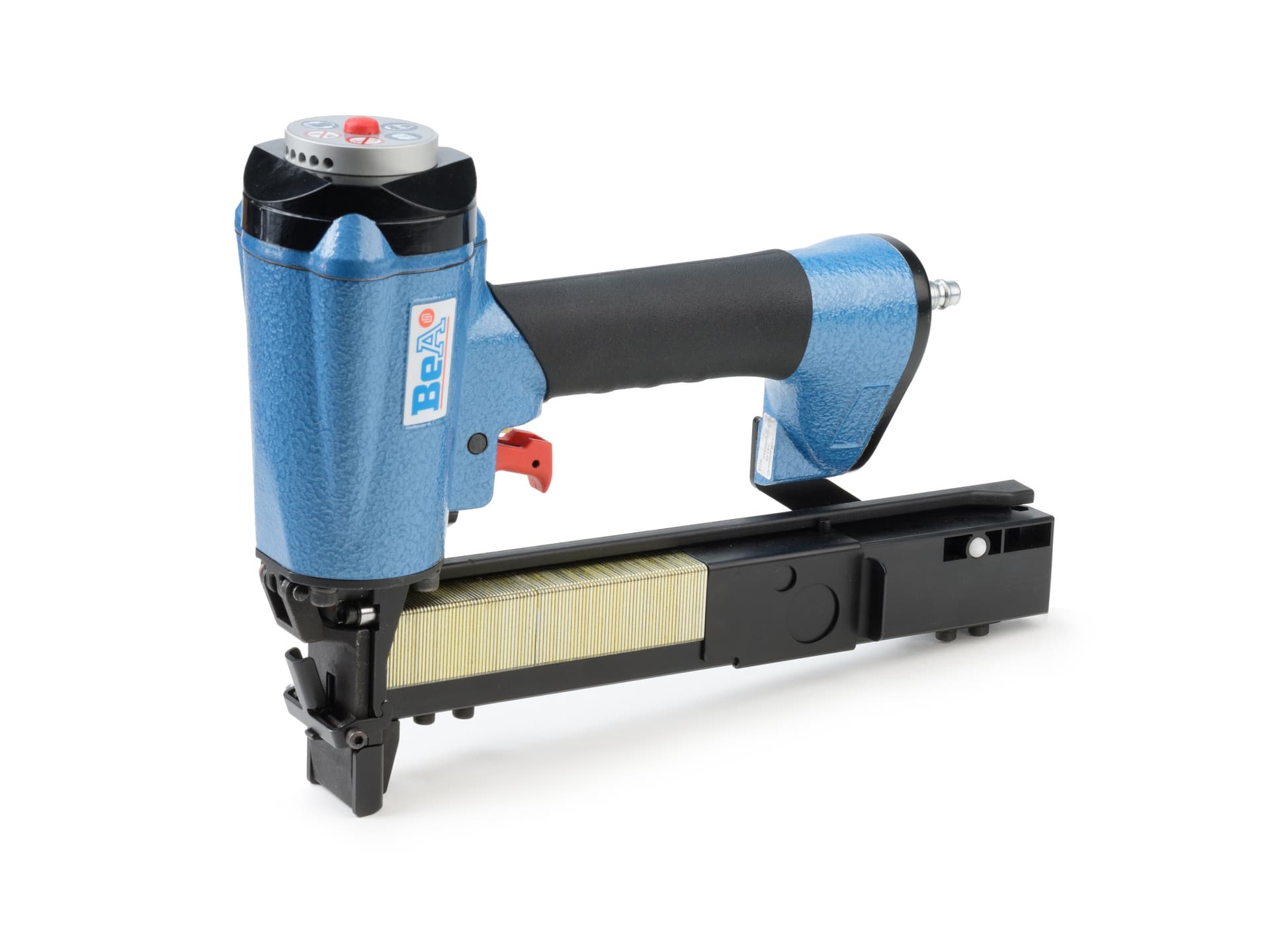
BEA 145/40-779C Stapler 18-40 mm
BEA · Staple & Nail Guns
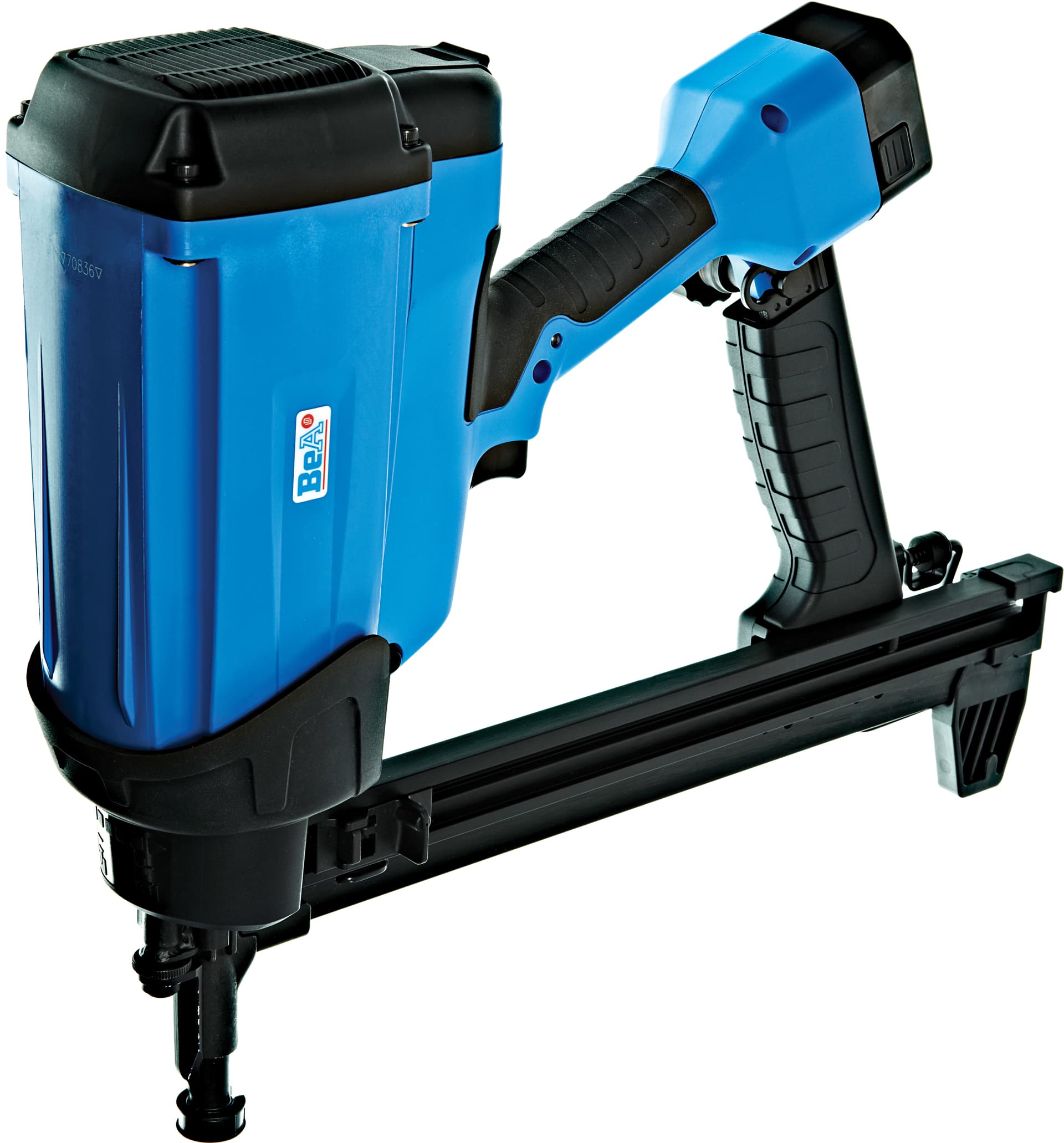
BEA CN40-668E Nailer
BEA · Staple & Nail Guns
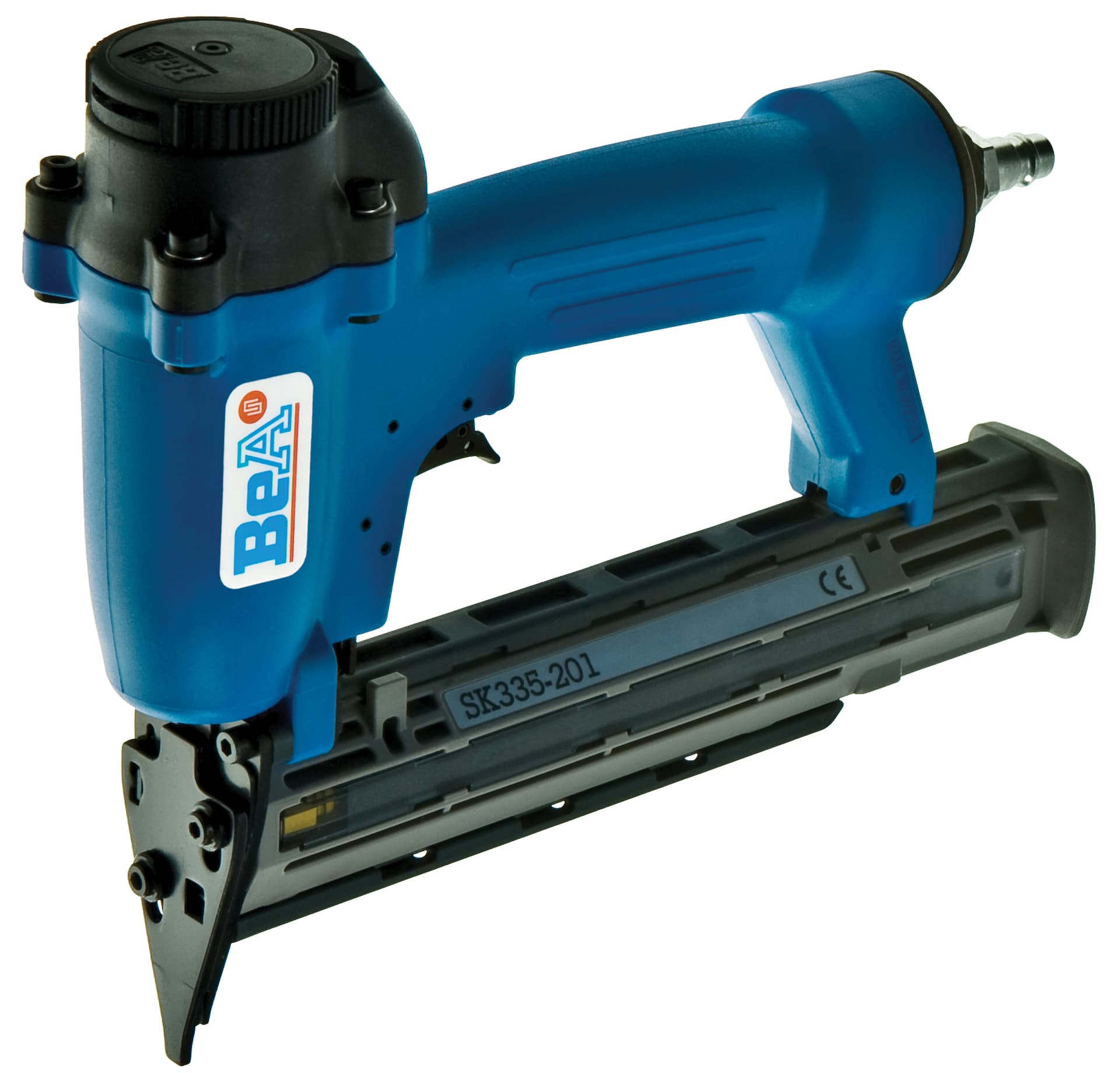
BEA SK335-201 Nailer
BEA · Staple & Nail Guns
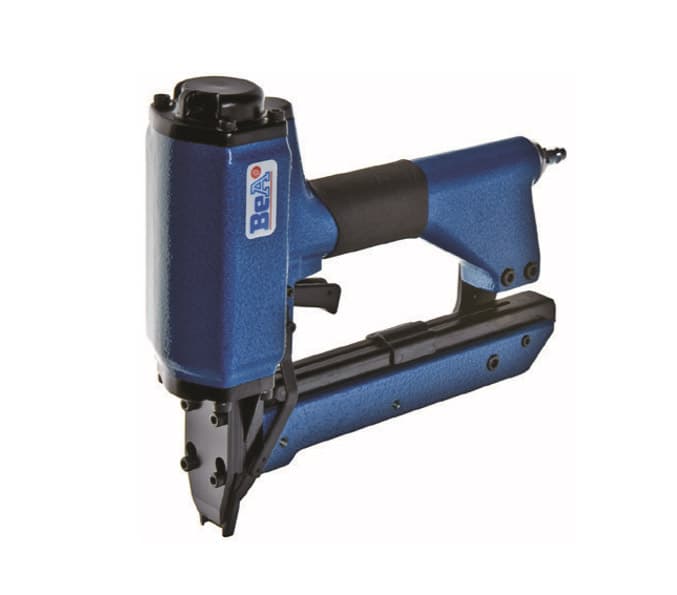
BEA T25-155 Nailer 13-25 mm
BEA · Staple & Nail Guns
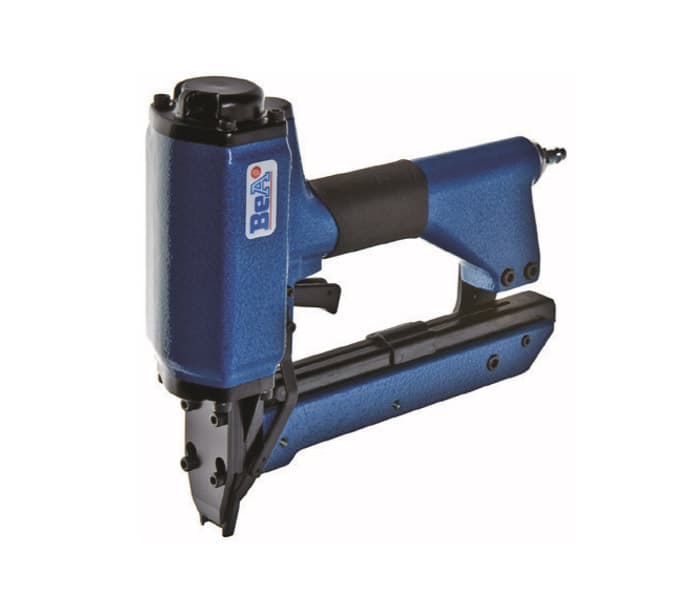
BEA 14/38-152 Nailer 15-40 mm
BEA · Staple & Nail Guns
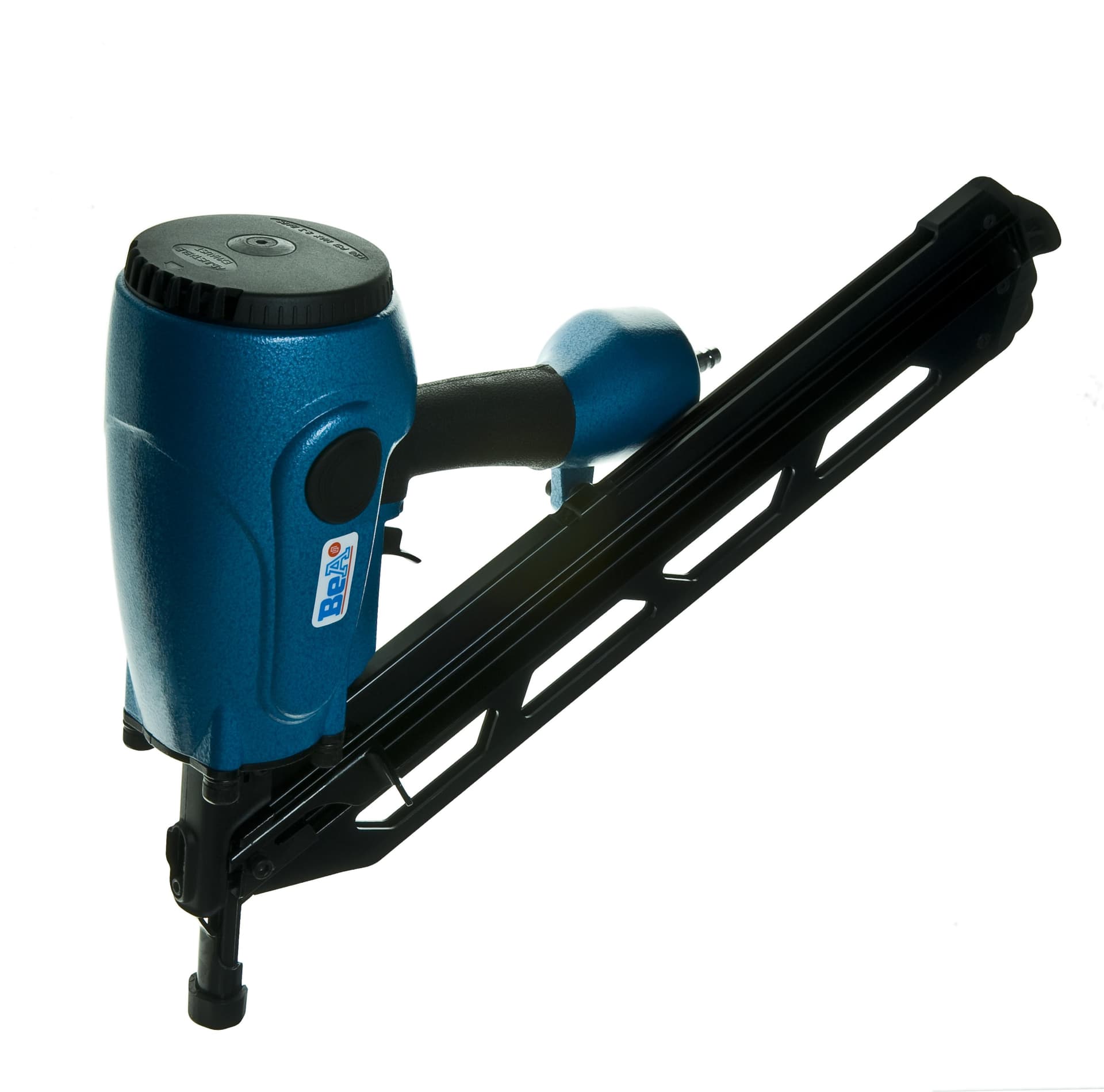
BEA D 100-934C Nailer 50-100 mm
BEA · Staple & Nail Guns
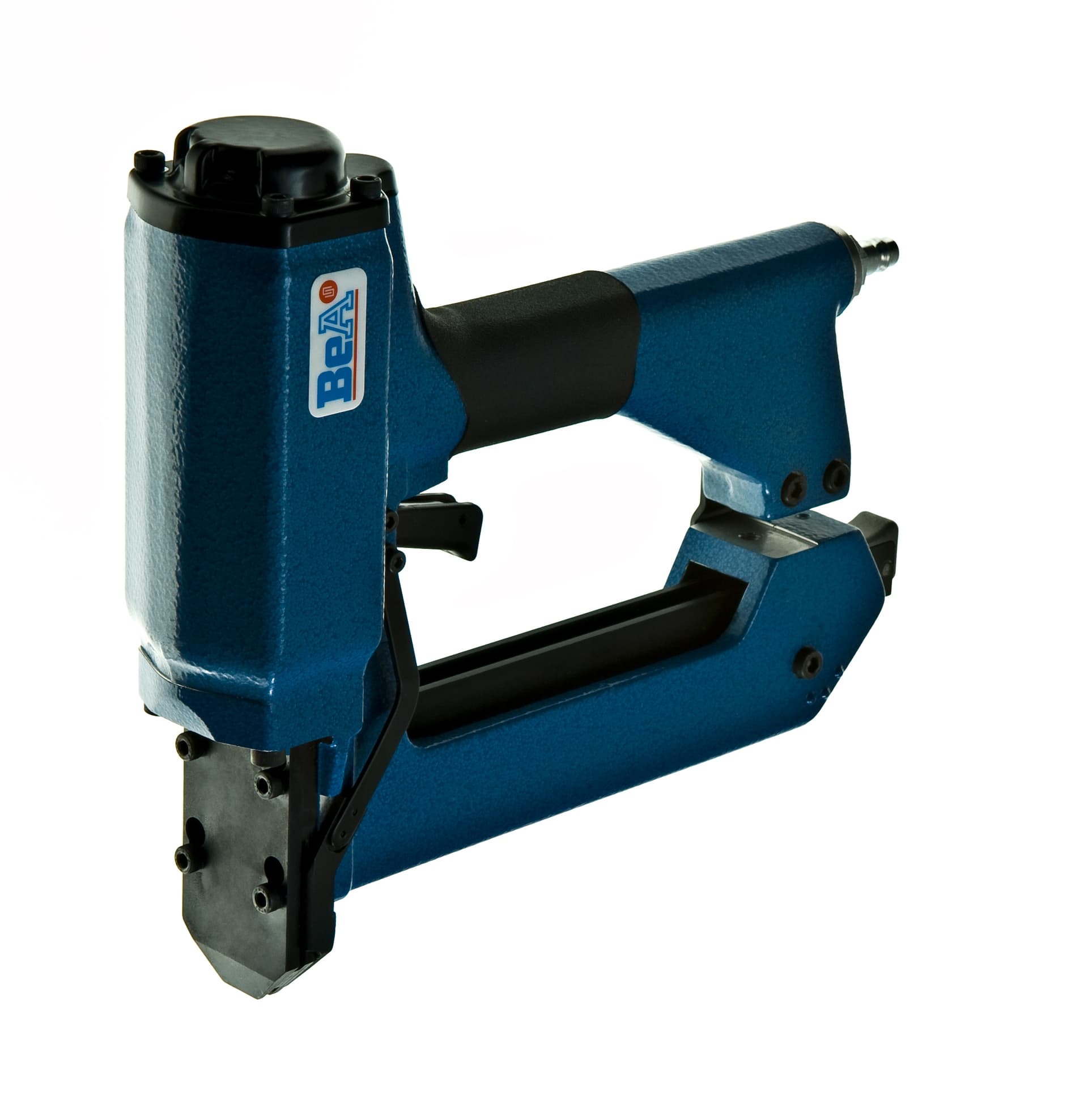
BEA WM 12-156 Corrugated Fastener Gun 6-12 mm
BEA · Staple & Nail Guns
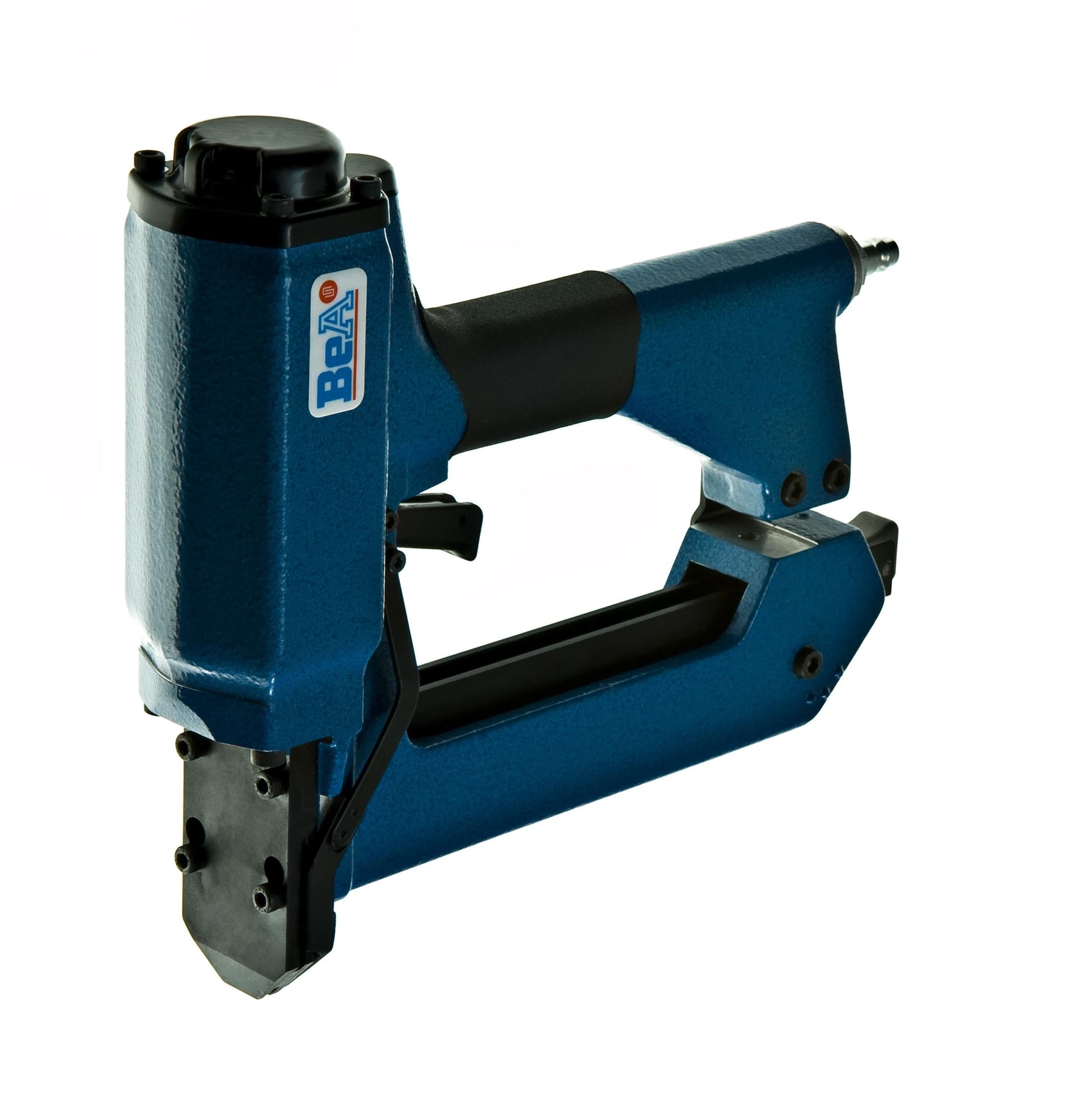
BEA W 15-358 Corrugated Fastener Gun 9-15 mm
BEA · Staple & Nail Guns
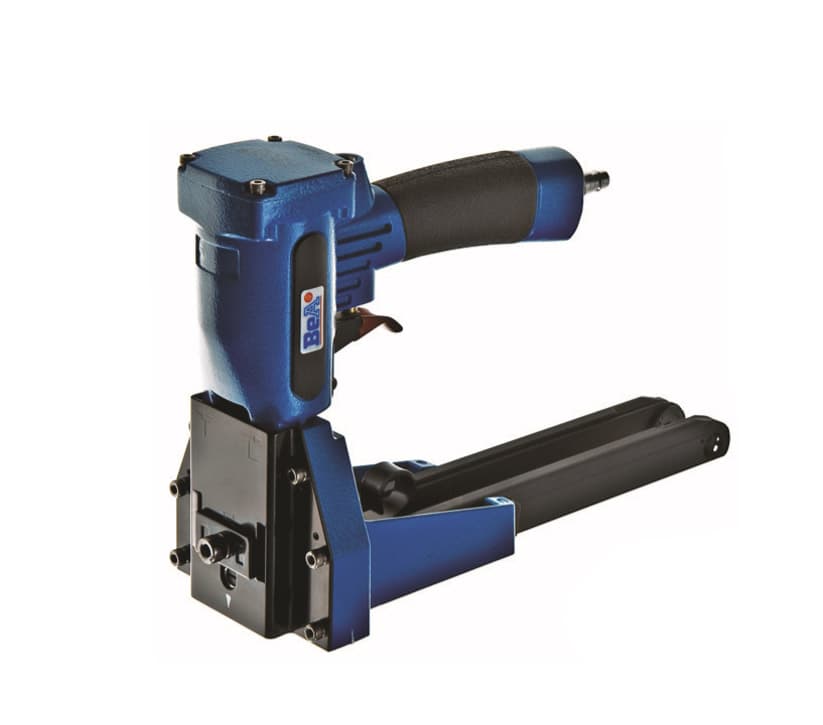
BEA ATA-18 Pneumatic Carton Closing Stapler 16-19 mm
BEA · Staple & Nail Guns
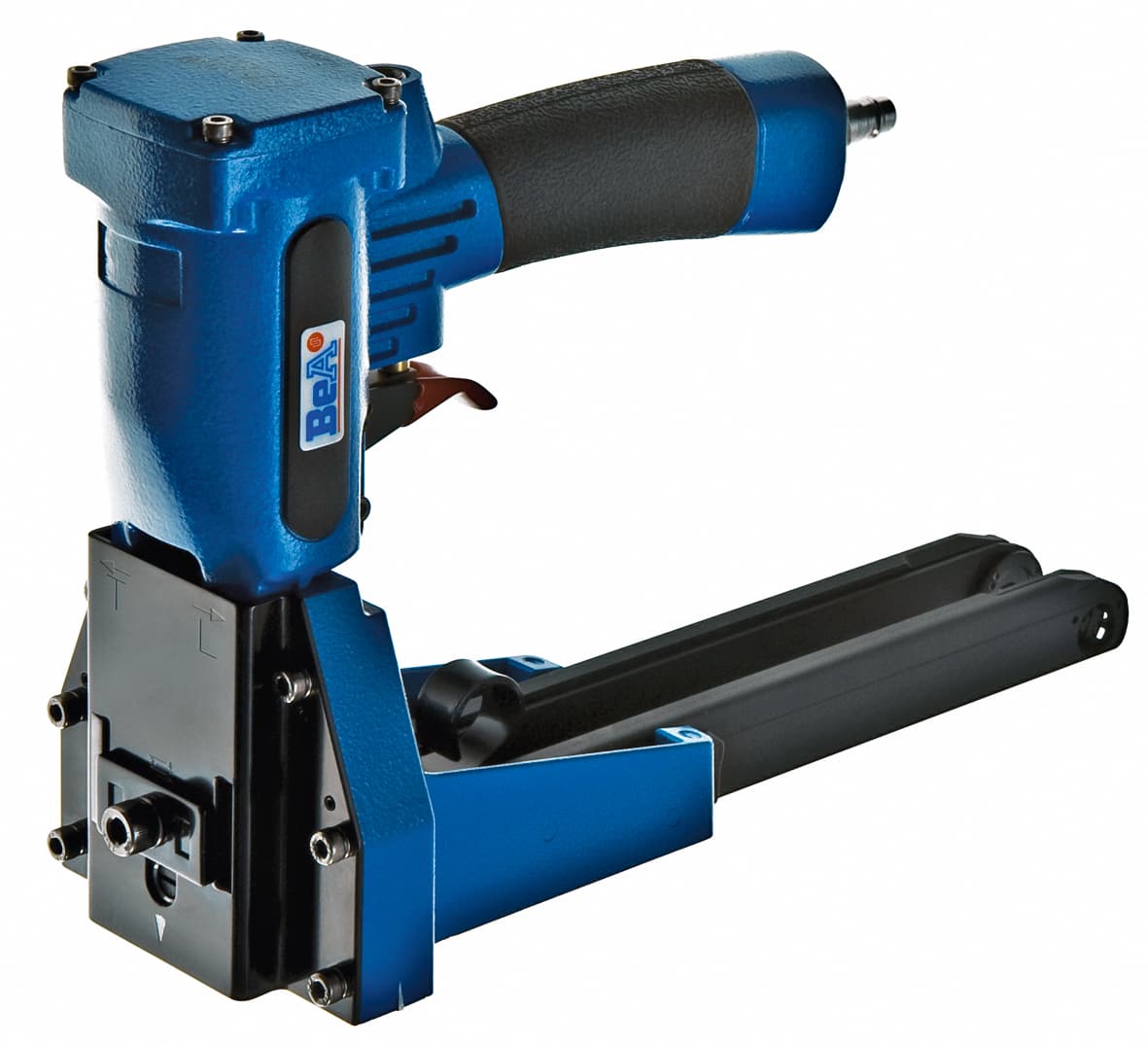
BEA ATA-22 Pneumatic Carton Closing Stapler 19-22 mm
BEA · Staple & Nail Guns
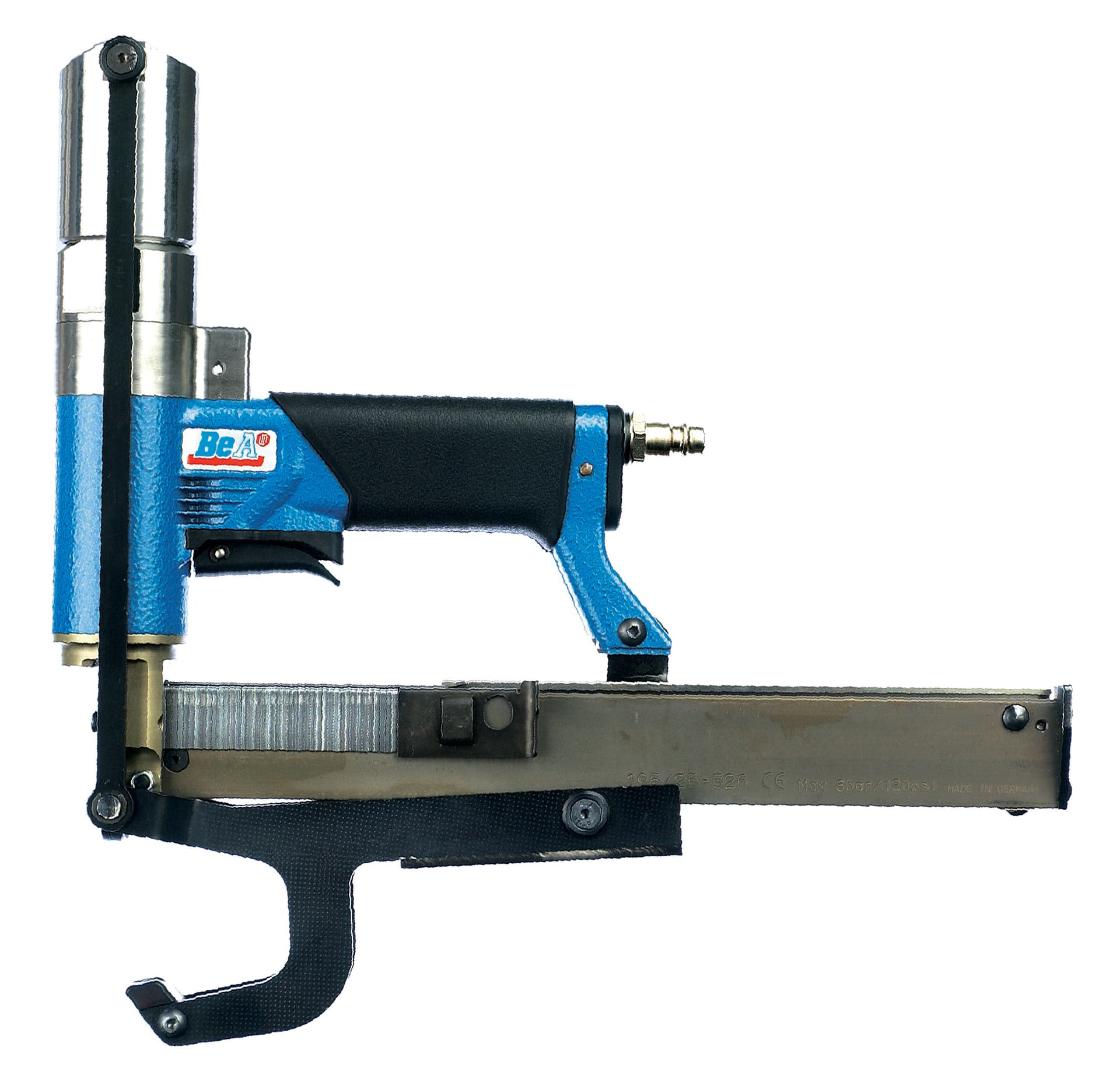
BEA P88/25-526 Felt Stapler
BEA · Staple & Nail Guns
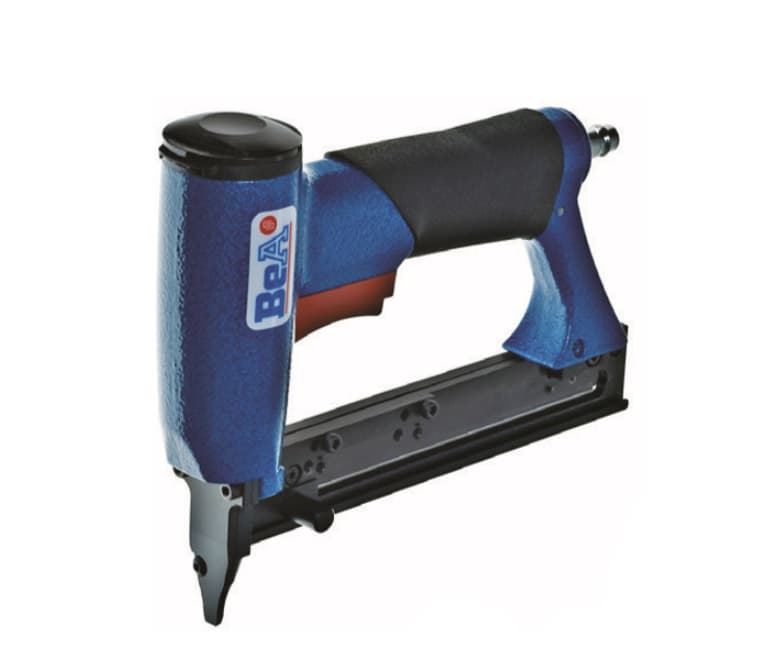
BEA S 125-569 Nailer 14-25 mm
BEA · Staple & Nail Guns
Manual Staplers
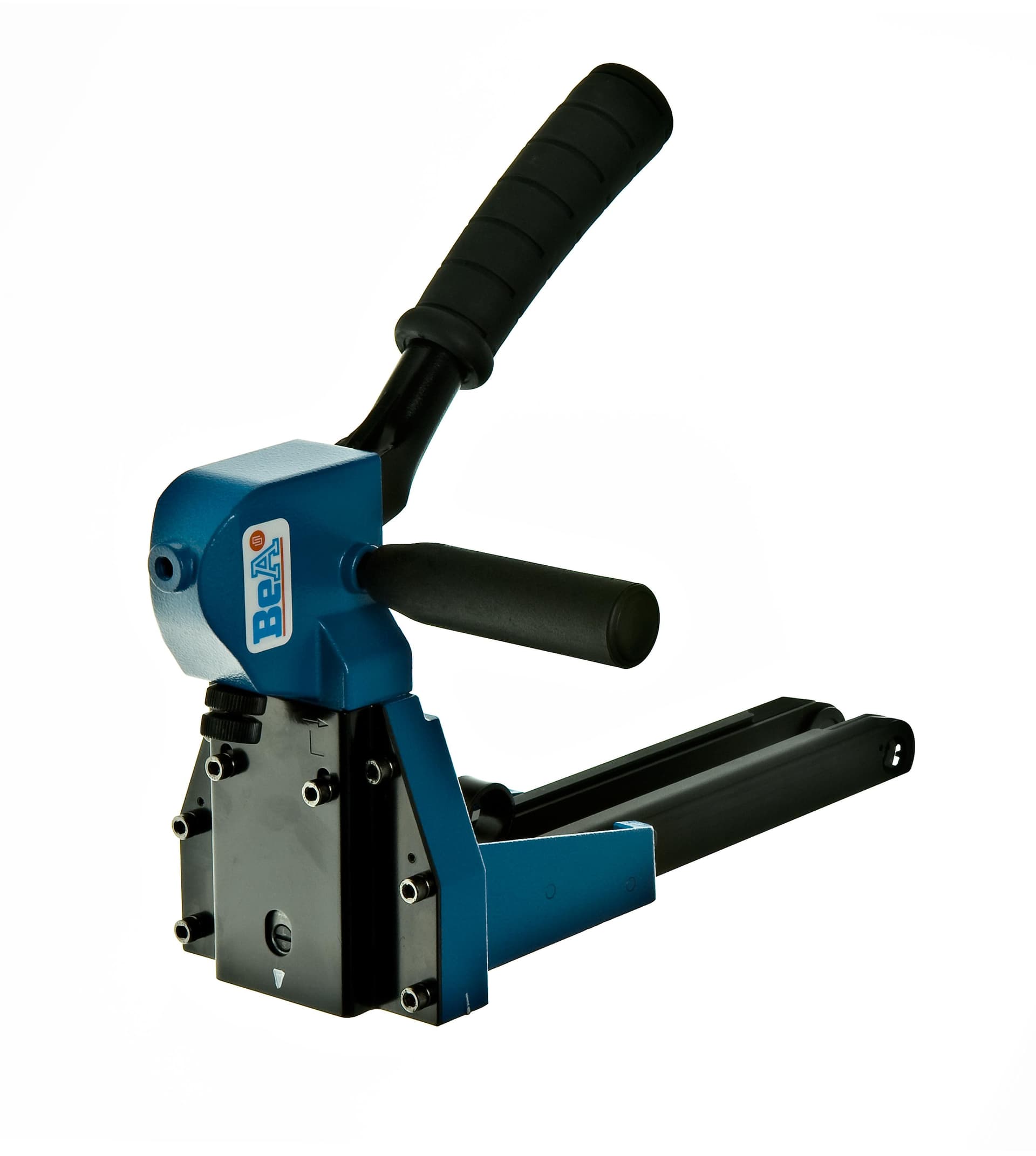
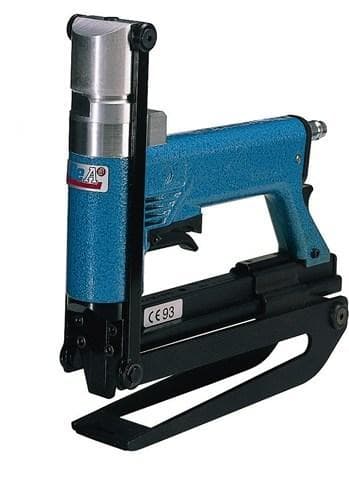
Staples
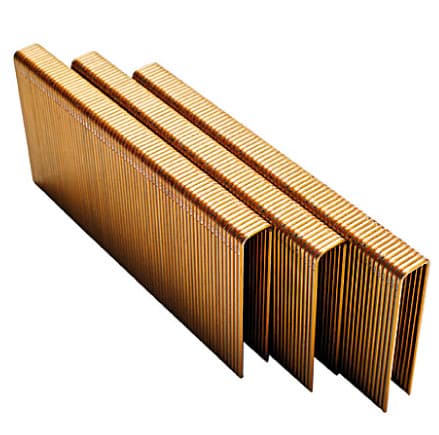
BEA 14/18 Staples 18 mm
BEA · Staples & Nails
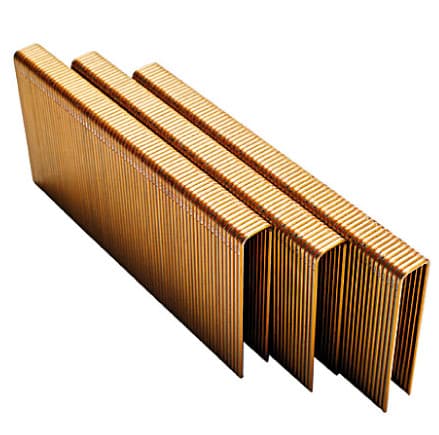
BEA 14/21 Staples 21 mm
BEA · Staples & Nails
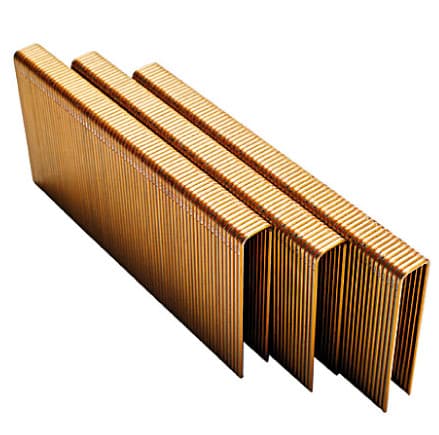
BEA 14/25 Staples 25 mm
BEA · Staples & Nails
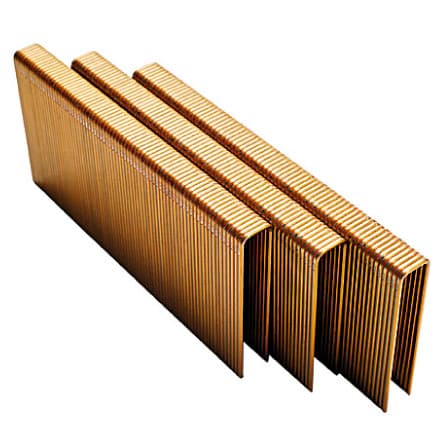
BEA 14/30 Staples 30 mm
BEA · Staples & Nails
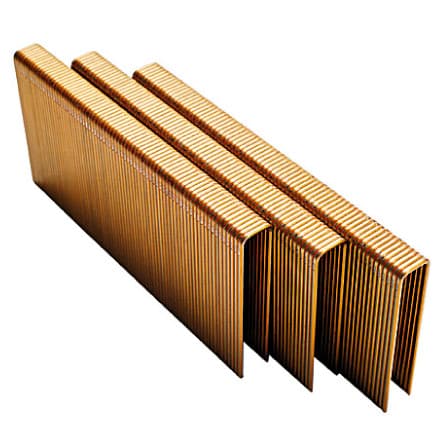
BEA 14/32 Staples 32 mm
BEA · Staples & Nails
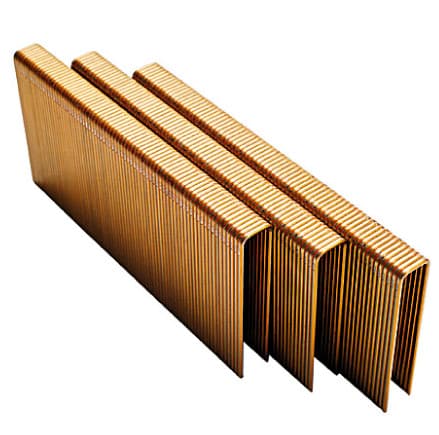
BEA 14/35 Staples 35 mm
BEA · Staples & Nails
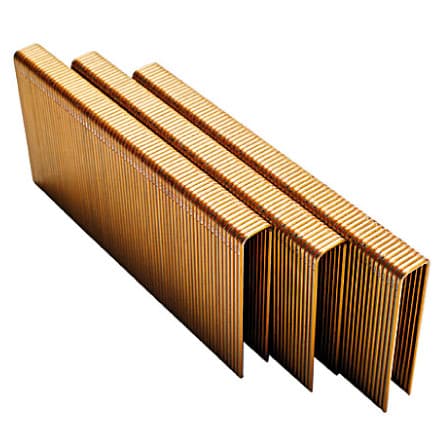
BEA 14/40 Staples 40 mm
BEA · Staples & Nails
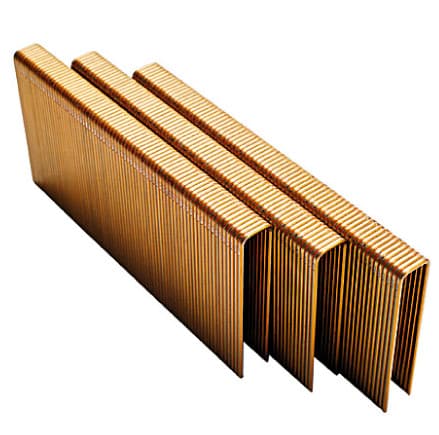
BEA 14/50 Staples 50 mm
BEA · Staples & Nails
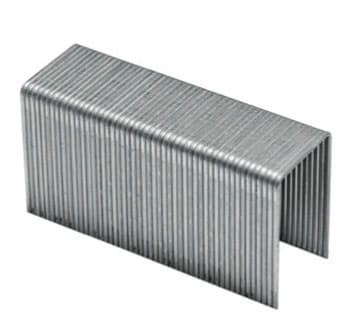
BEA 140/19 Staples 19 mm
BEA · Staples & Nails
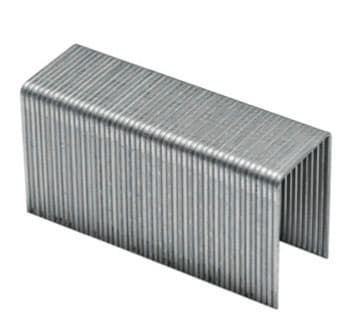
BEA 140/25 Staples 25 mm
BEA · Staples & Nails
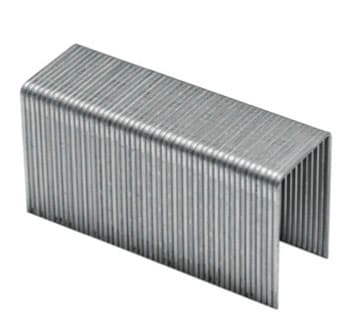
BEA 140/30 Staples 30 mm
BEA · Staples & Nails
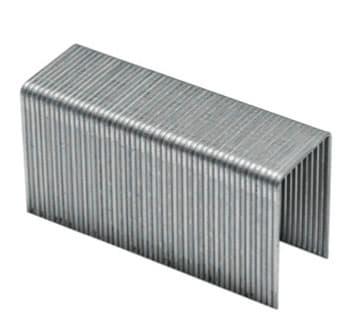
BEA 140/38 Staples 38 mm
BEA · Staples & Nails
Nails
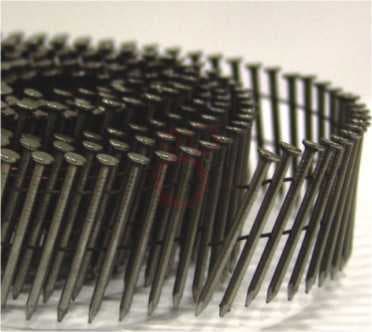
BEA Nails
BEA · Nails
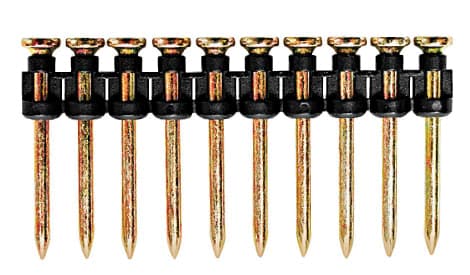
BEA CN 26X15 Concrete Nails
BEA · Nails
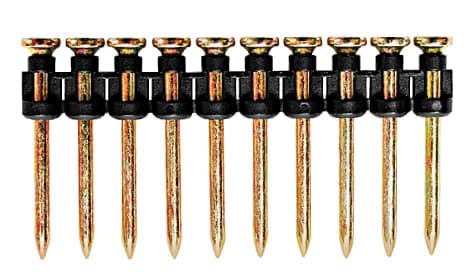
BEA CN 26X20 Concrete Nails
BEA · Nails
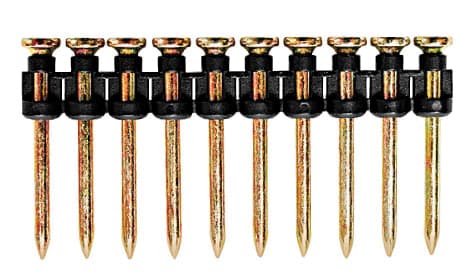
BEA CN 26X25 Concrete Nails
BEA · Nails
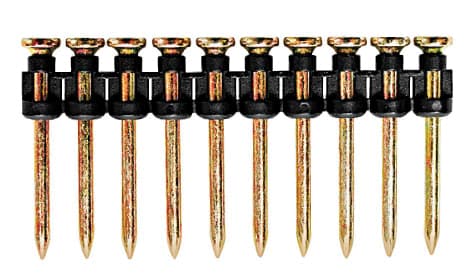
BEA CN 26X30 Concrete Nails
BEA · Nails
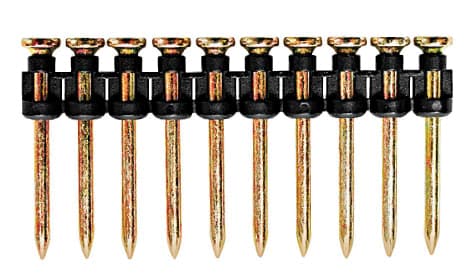
BEA CN 26X40 Concrete Nails
BEA · Nails
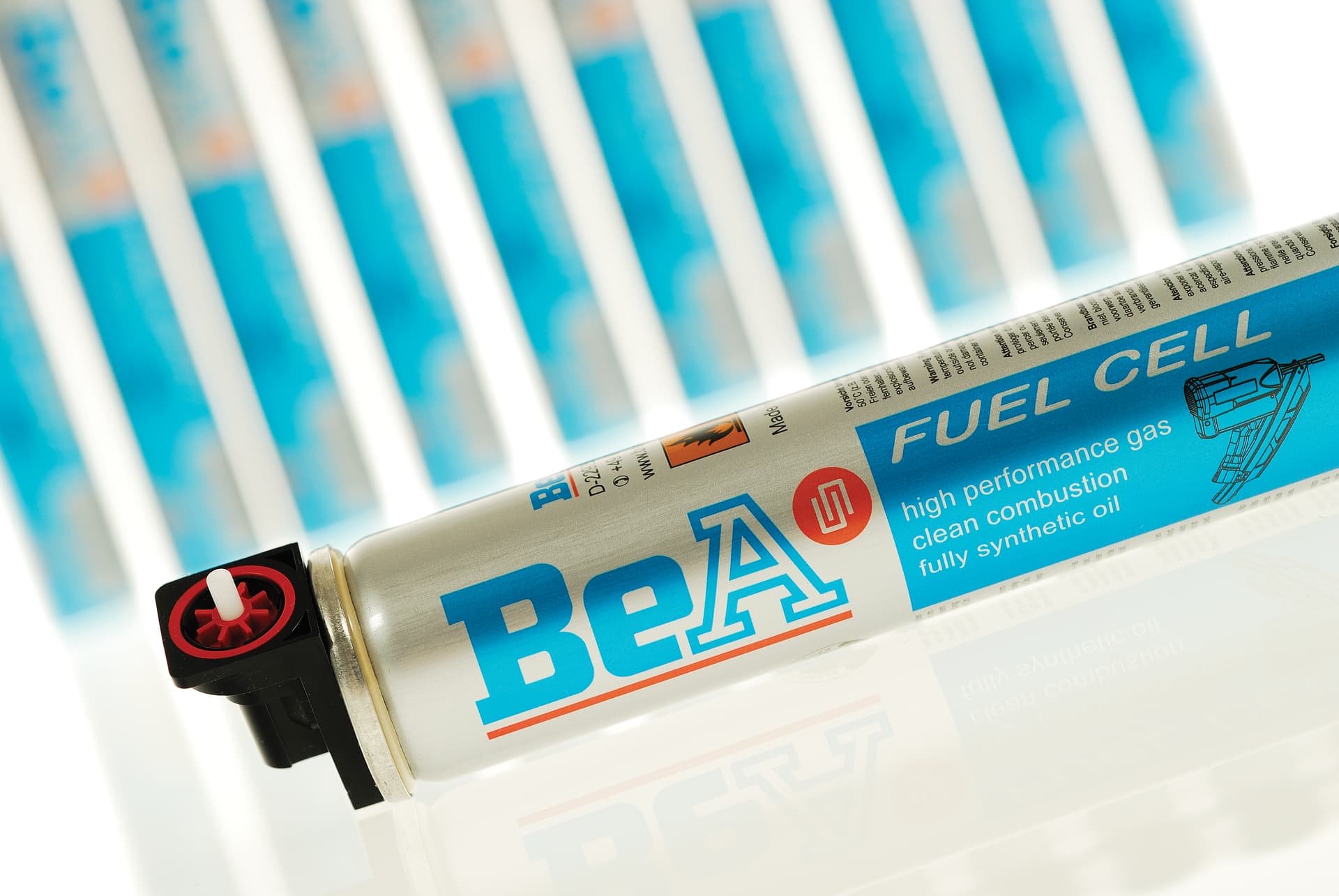
BEA CN60FCR Replacement Gas Cartridge
BEA · Nails
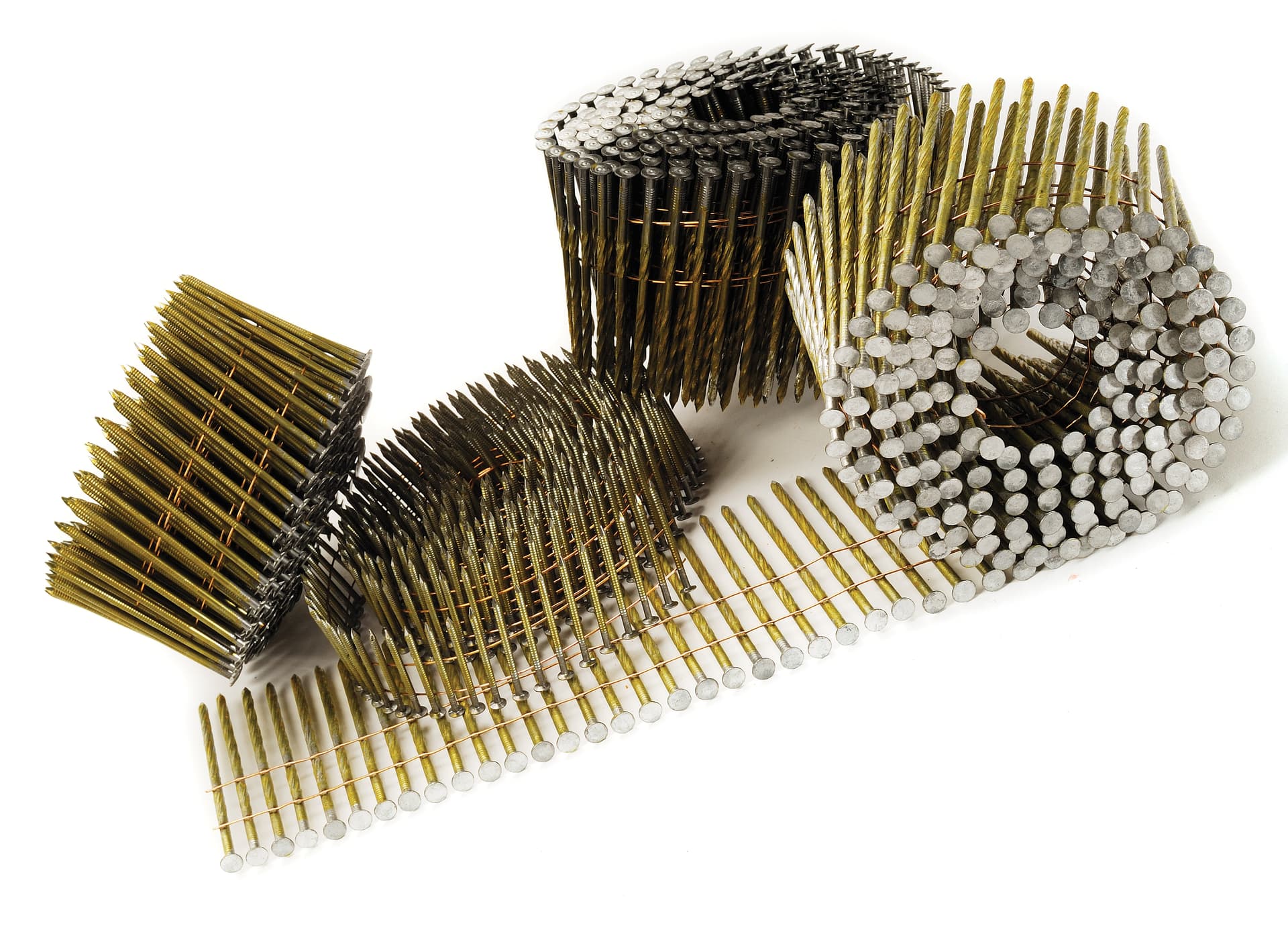
BEA DC2.1X35BK Head Nails
BEA · Nails
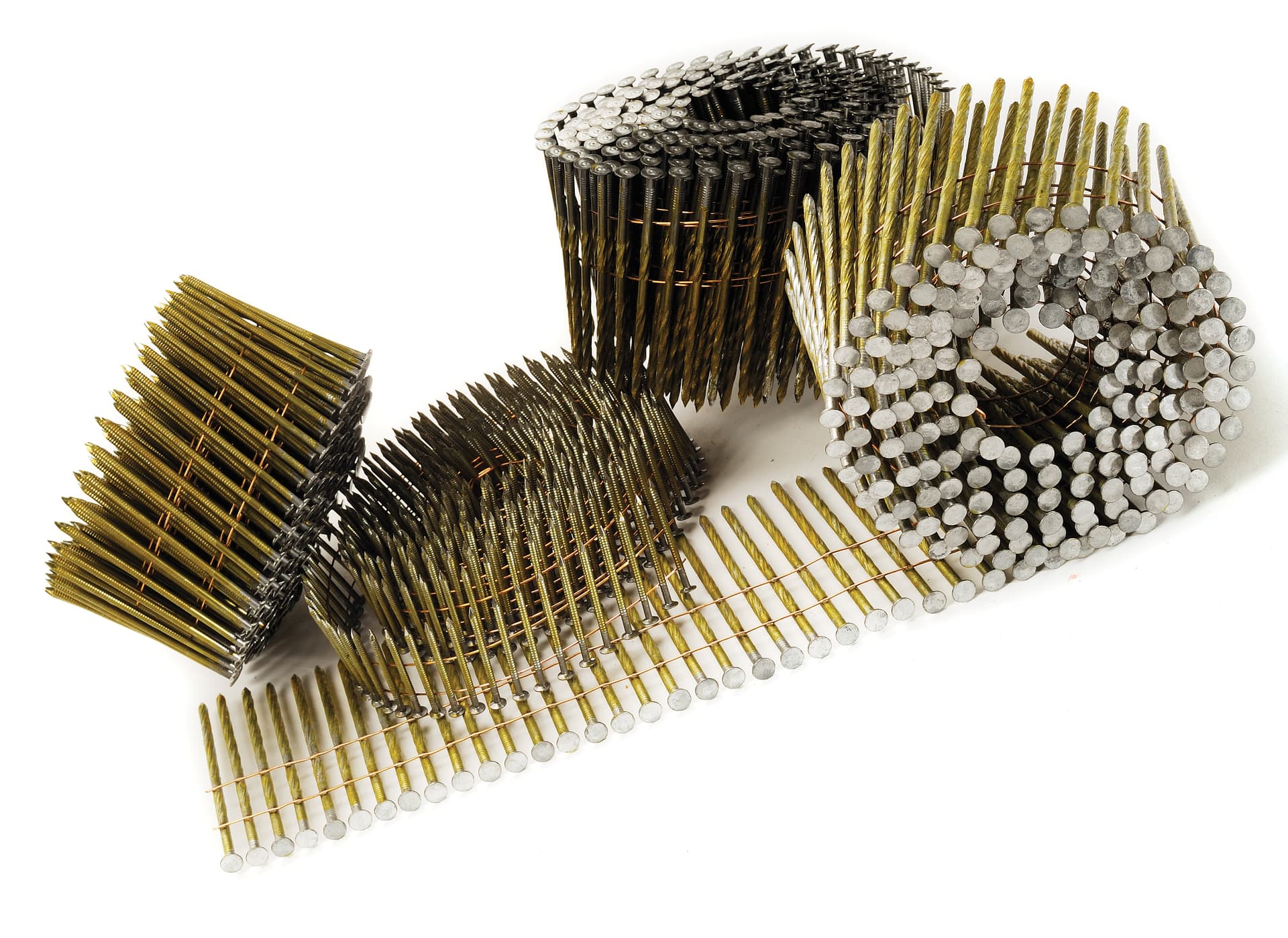
BEA DC2.1X40BK Head Nails
BEA · Nails
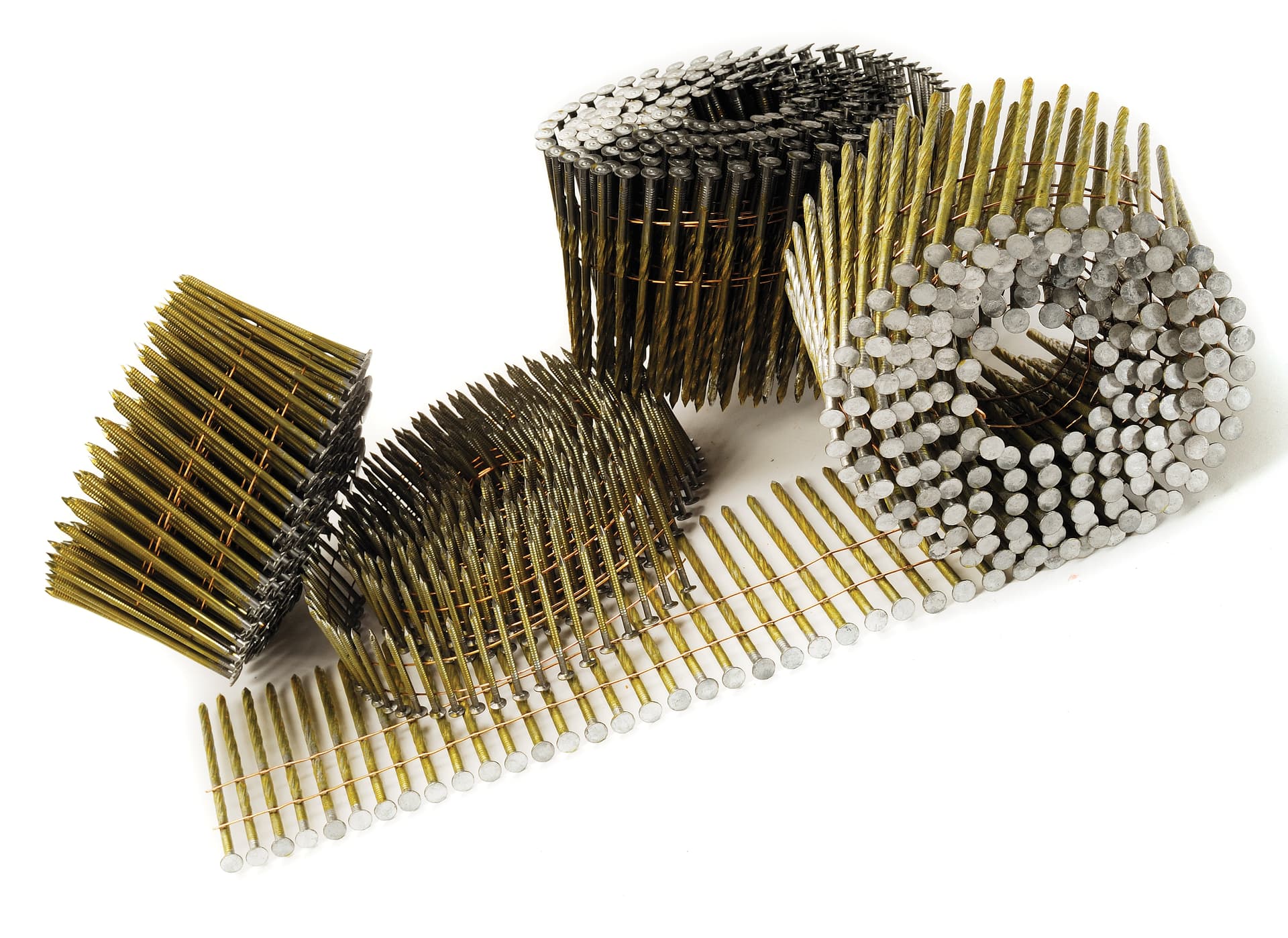
BEA DC2.1X45BK Head Nails
BEA · Nails
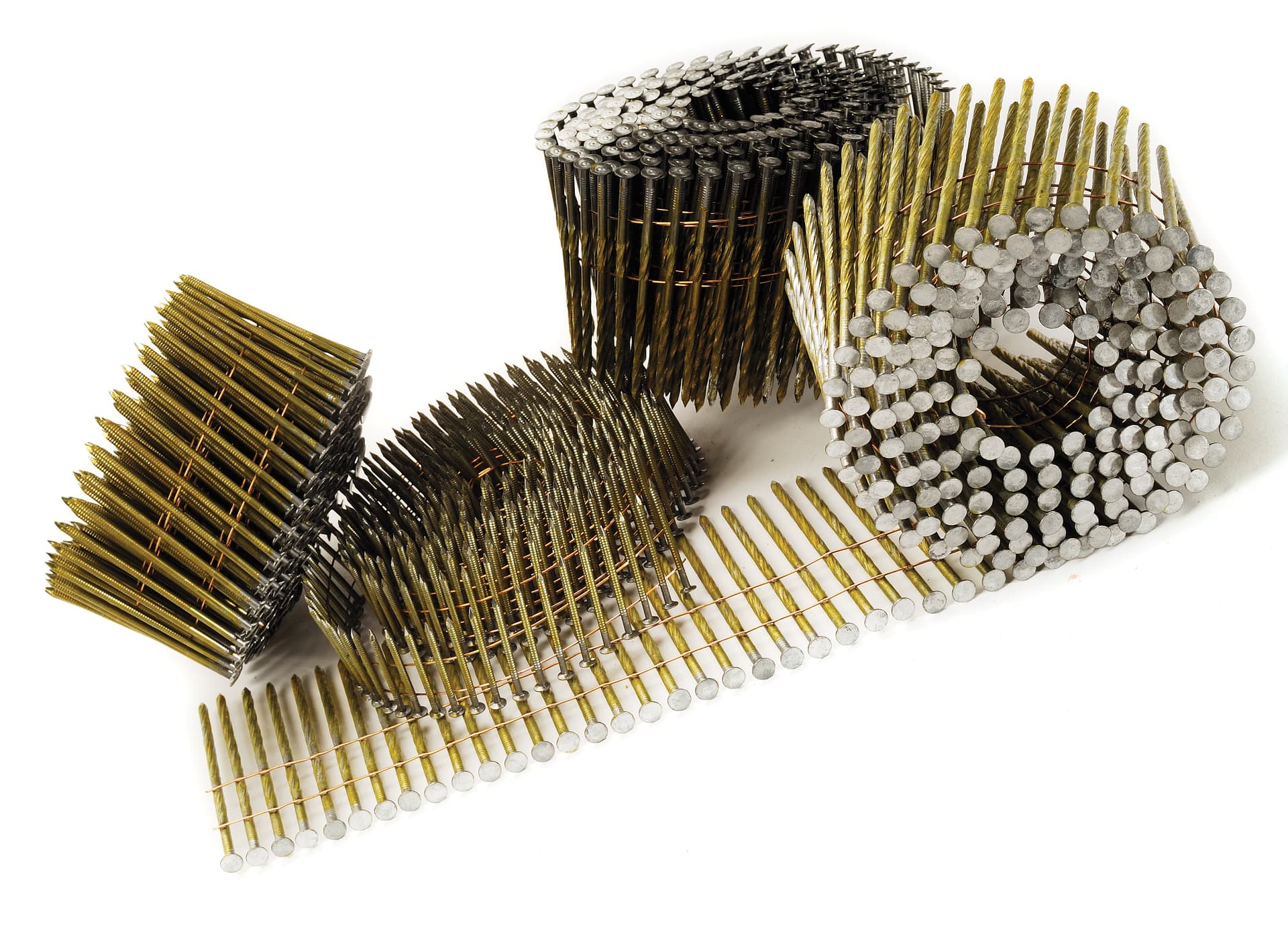
BEA DC2.1X50BK Head Nails
BEA · Nails
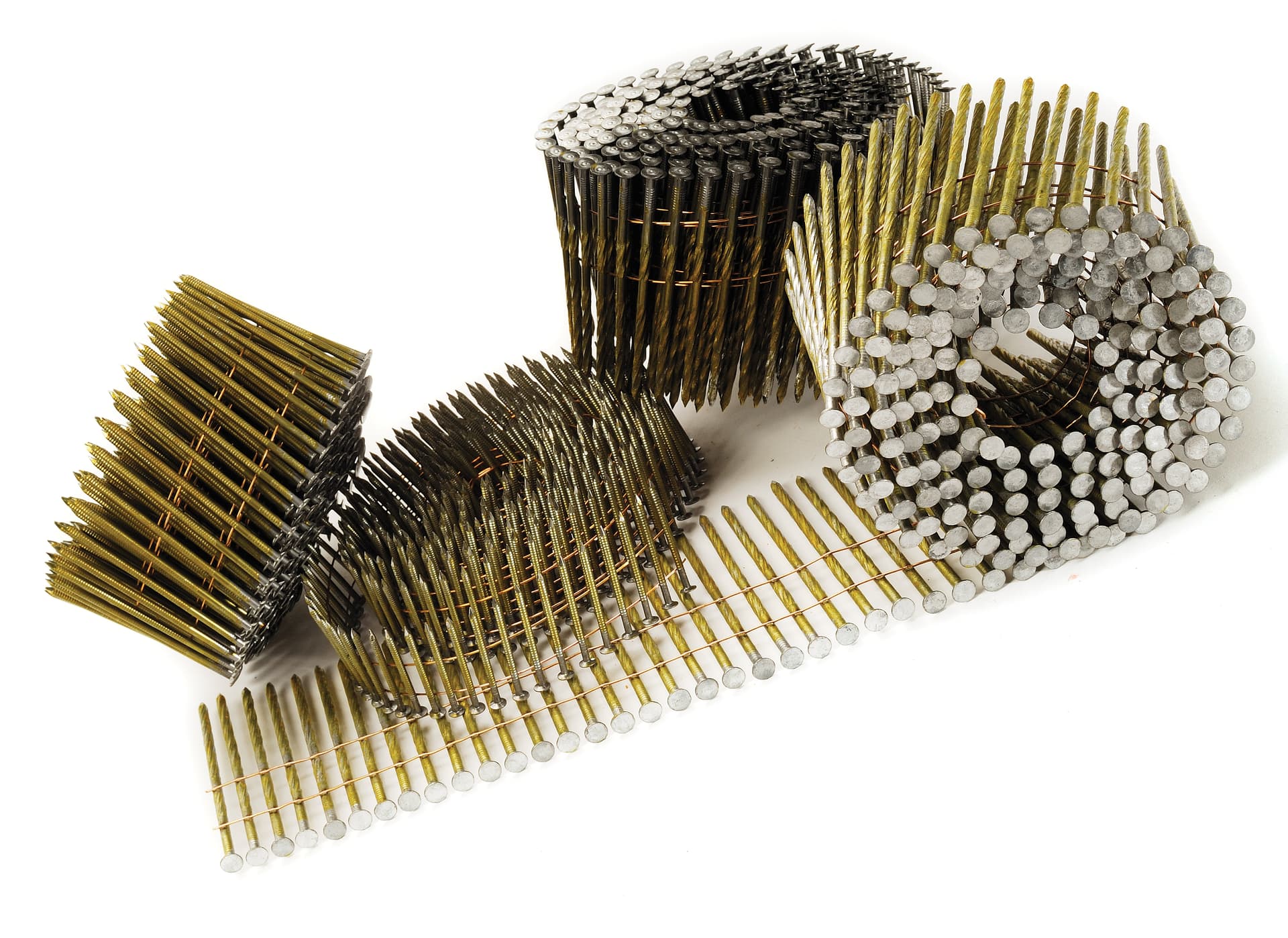
BEA DC2.5X45BK Head Nails
BEA · Nails
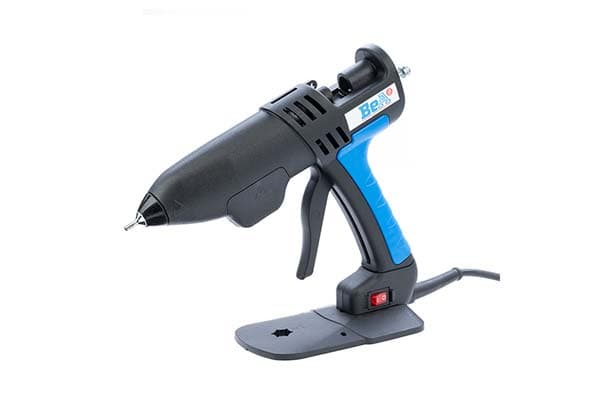
Hot Melt Glue Guns
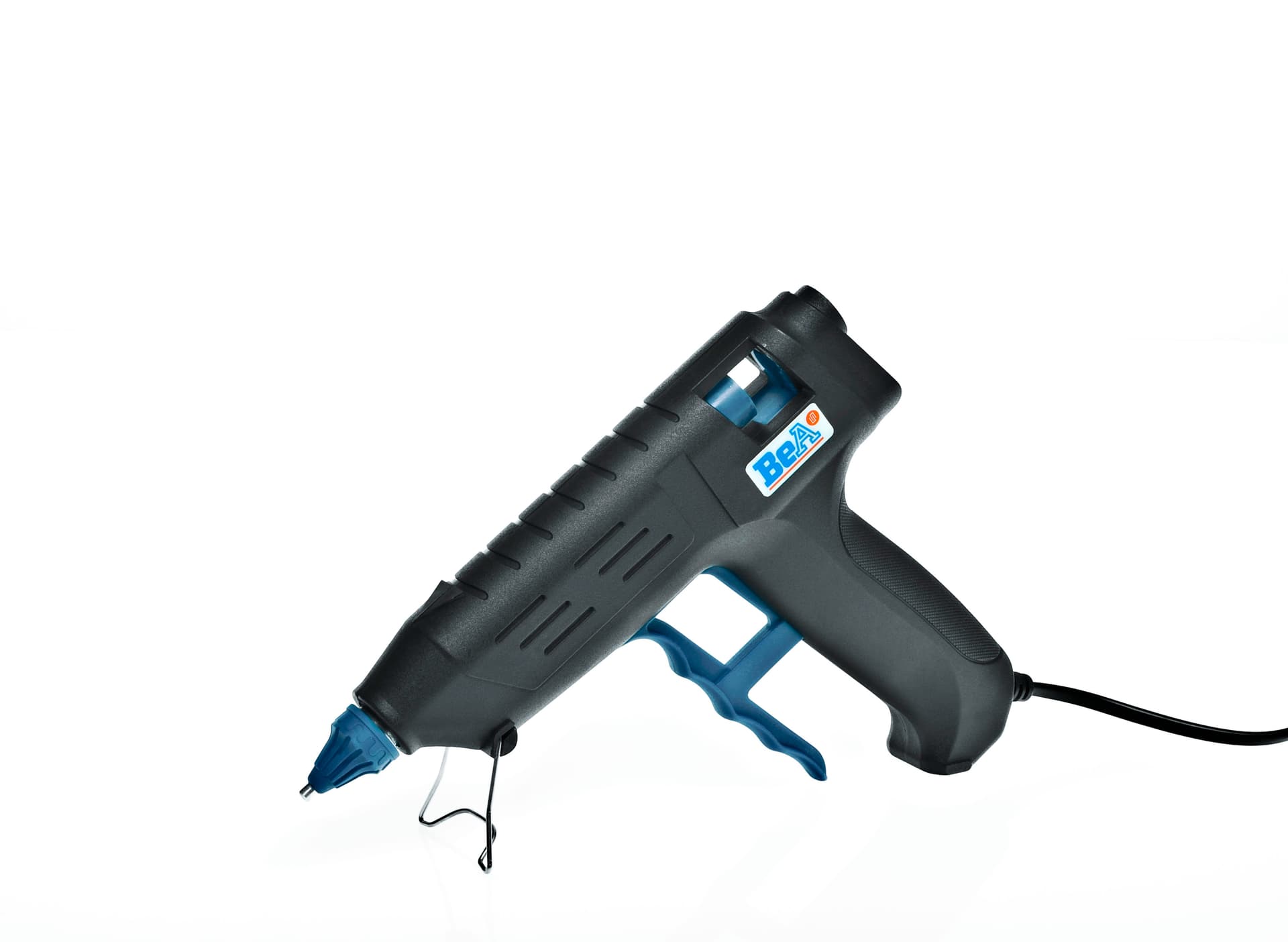
All products
Search within this brand or browse by page.
BEA 14/18 Staples 18 mm
BEA · Staples & Nails
BEA 14/21 Staples 21 mm
BEA · Staples & Nails
BEA 14/25 Staples 25 mm
BEA · Staples & Nails
BEA 14/30 Staples 30 mm
BEA · Staples & Nails
BEA 14/32 Staples 32 mm
BEA · Staples & Nails
BEA 14/35 Staples 35 mm
BEA · Staples & Nails
BEA 14/40 Staples 40 mm
BEA · Staples & Nails
BEA 14/50 Staples 50 mm
BEA · Staples & Nails
BEA 140/19 Staples 19 mm
BEA · Staples & Nails
BEA 140/25 Staples 25 mm
BEA · Staples & Nails
BEA 140/30 Staples 30 mm
BEA · Staples & Nails
BEA 140/38 Staples 38 mm
BEA · Staples & Nails
BEA 145/40-779C Stapler 18-40 mm
BEA · Staple & Nail Guns
BEA 195/15 Staples 15 mm
BEA · Staples & Nails
BEA 195/25 Staples 25 mm
BEA · Staples & Nails
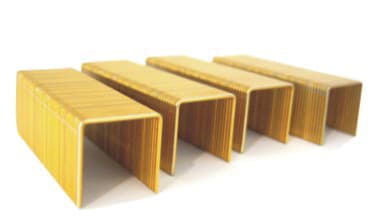
BEA 380/10 Staples 10 mm
BEA · Staples & Nails
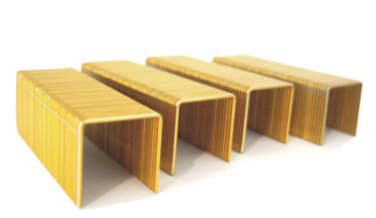
BEA 380/12 Staples 12 mm
BEA · Staples & Nails
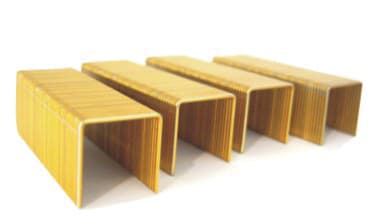
BEA 380/14 Staples 14 mm
BEA · Staples & Nails
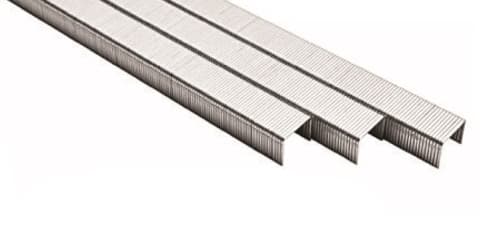
BEA 380/16 Staples 16 mm
BEA · Staples & Nails
BEA 71/10 Staples 10 mm
BEA · Staples & Nails
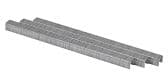
BEA 71/12 Staples 12 mm
BEA · Staples & Nails
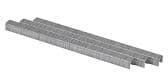
BEA 71/14 Staples 14 mm
BEA · Staples & Nails
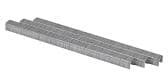
BEA 71/06 Staples 6 mm
BEA · Staples & Nails
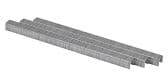
BEA 71/08 Staples 8 mm
BEA · Staples & Nails
1–24 of 150 · page 1 / 7
About BEA
The 150 BEA products in the catalogue are two halves: 53 tools and 97 consumables. In this brand they are not separate products — a tool accepts one fastener series and the wrong series will not even load into the magazine. That was the gap on the site: nothing said which tool took which staple. Every tool page now lists the compatible staples and nails in the catalogue, and every consumable page lists the tools that drive it.
In staples the series number is a family name: it fixes the crown width and the wire. The 71 series is fine wire, the staple of upholstery, interlining and light timber work. The 90 and 92 series are medium wire; they do the same job in a thicker wire, holding better and leaving a bigger mark. The 380 (80) series is wide crown, and the 14 and 155 series are the heaviest. The 140 series and the 195 upholstery type belong to their own tools. When the family is wrong the length does not matter at all: the staple will not go in.
Length is chosen for the material. The rule is simple: the staple or nail has to pass through the top piece and enter the one below by at least two or three times its own diameter. Too short and it does not hold; too long and it comes through the back or bends. Every consumable states its length in its name and its technical table, and every tool states the range it accepts.
In nails the family is set by the head. The SK series is a brad: there is barely a head, it leaves almost no mark, and it goes into trim, cladding and skirting where the surface shows. The S125 and S717 pins are fully headless and leave a finer mark still. SKAM is an angled head strip nail, and the angled magazine is what reaches into tight corners. D and DC strip nails are for rough framing, and BDC coil nails feed from a drum so the tool keeps working through production runs.
CN gas concrete nails are their own subject: the tool runs on a gas cartridge and a battery rather than a compressor, so it fixes straight into concrete where no hose can be dragged — electrical first fix, drywall track, cable tray. The catalogue carries the tool, its nails from 15 to 40 mm, and the replacement gas cartridge.
W and WM corrugated fasteners are not nails: they are corrugated steel pieces driven across a timber joint, pulling the two pieces together. In furniture and pallet making they are the fastest way to hold a corner joint. Carton closing staples are the packaging side of the range, driven by the pneumatic or manual carton closing tool.
Choosing a tool, magazine type and working pressure are the two decisions after the series. A top loading magazine reloads faster; a bottom loading one gives a narrower body. Working pressure on the tools here is usually 5-8 bar, and the compressor has to hold that continuously rather than peak at it. Each tool page states magazine type, capacity, working pressure and weight.
A length or type not on this page is not one we do not sell: the BEA range is wider than these 150 rows, and any of them can be requested by the catalogue code printed on the product page, such as BEA9040621. Seza Global supplies these wholesale; contact us for dealer and project pricing.
Frequently asked questions
Which staples fit my tool?
The tool's series decides. Every product page states the series and length range the tool accepts and lists the staples in the catalogue that fit it; the staple pages state the reverse. If the series is wrong the staple will not load, even at the right length.
What is the difference between the 71, 90 and 92 series?
Wire thickness and crown width. The 71 series is fine wire: it holds in upholstery, interlining and light timber work without marking. The 90 and 92 series are medium wire; they hold harder in a thicker wire and leave a bigger mark. The three do not substitute for each other — a tool takes one series.
How do I choose staple length?
The staple has to pass through the top piece and enter the one below far enough — in practice two to three times the wire diameter of embedment. Too short and it does not hold; too long and it comes through the back or bends. Each tool page states the range it accepts.
Brad nails (SK) or headless pins?
The head. An SK brad has a small head and holds better. S125 and S717 pins are fully headless: the mark is almost invisible, but they hold less. Pins where the surface shows and the mark must not, brads where holding power comes first.
Coil nails (BDC) or strip nails?
How they feed. Strip nails are glued side by side and load as a strip; coil nails are wound on a drum and carry far more. On production runs a coil nailer cuts reloading substantially.
How does a gas concrete nailer work?
The CN tool runs on a gas cartridge and a battery rather than a compressor. The gas is ignited and drives a piston that fires the nail into concrete. It is used where no hose can be dragged — electrical first fix, drywall track, cable tray. Replacement gas cartridges are in the catalogue.
What are corrugated fasteners for?
A corrugated steel piece driven across a timber joint, pulling the two pieces together as it goes in. In furniture and pallet making it is the fastest way to hold a corner joint. W and WM are two length bands.
What compressor does a pneumatic tool need?
Working pressure on these tools is usually 5-8 bar. What matters is not the compressor's peak but whether it holds that range at working pace; if the air flow falls short the tool leaves fasteners proud. Each tool page states its working pressure.
Manual or pneumatic?
A manual tool works on spring force: no hose, no compressor, light, and practical for occasional work. A pneumatic tool delivers the same energy every shot, does not tire, and is incomparably faster on production work. Both are in the catalogue.
The tool is not driving fasteners flush — why?
Check three things in order: whether the air pressure and flow are sufficient, whether the fastener series and length suit the tool, and whether the depth setting is right. Proud fasteners usually come from low pressure or from the wrong consumable.
Do you supply a length or type that is not listed?
Yes. The BEA range is wider than the 150 rows on this page. If the series, length or tool you need is not listed, request it by catalogue code or description through the contact page.
How do I get wholesale or dealer pricing?
Seza Global supplies these wholesale. Send the series, lengths, quantities and delivery location through the contact page and we will price the project; for regular purchasing you can open a dealer application.
Live pricing. Real stock. Direct from source.
Approved dealers access wholesale pricing, real-time stock and direct ordering through our B2B portal.