
Beybi
Beybi manufactures protective gloves. The catalogue covers nitrile coated knit work gloves (the KN, PN and B-FLEX series on polyester and cotton liners), PU coated assembly gloves, latex coated knit and household gloves, cut resistant gloves, TIG welding and leather reinforced work gloves, and powdered and powder-free examination gloves.
Browse by category
A sample from featured product groups — see the full range in the list below.
Nitrile Coated Gloves
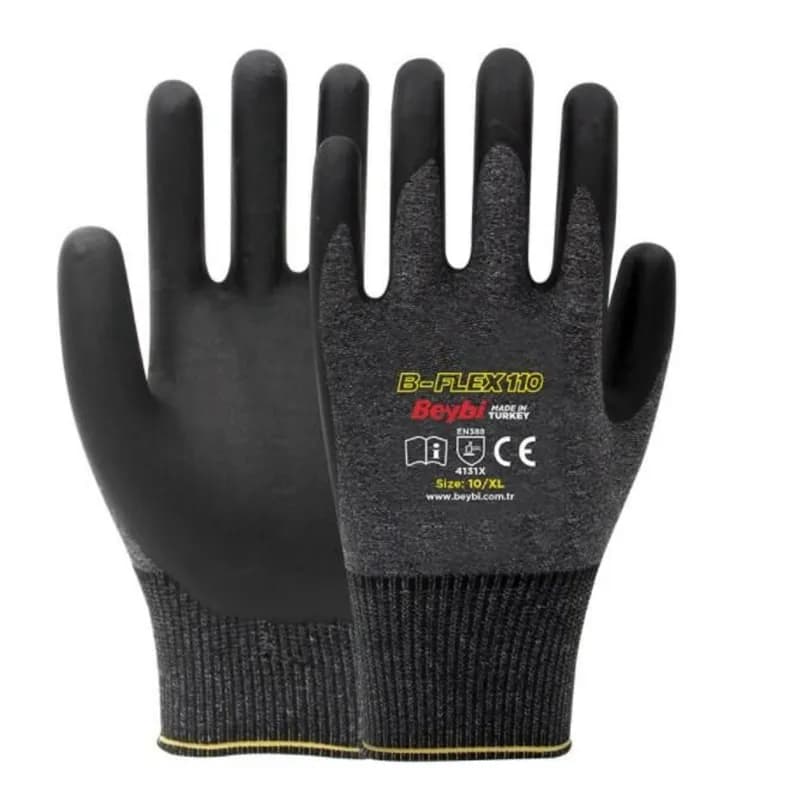
Beybi B-FLEX110 Flex Special Purpose Work Glove Size 10
Beybi · Nitrile Coated Gloves
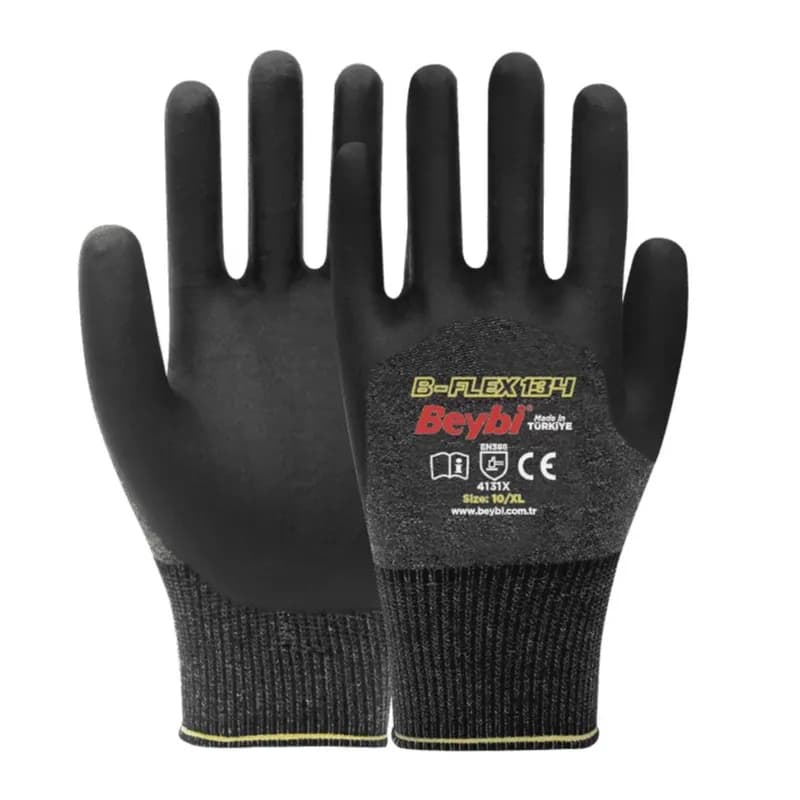
Beybi B-FLEX110 Flex Special Purpose Work Glove Size 7
Beybi · Nitrile Coated Gloves
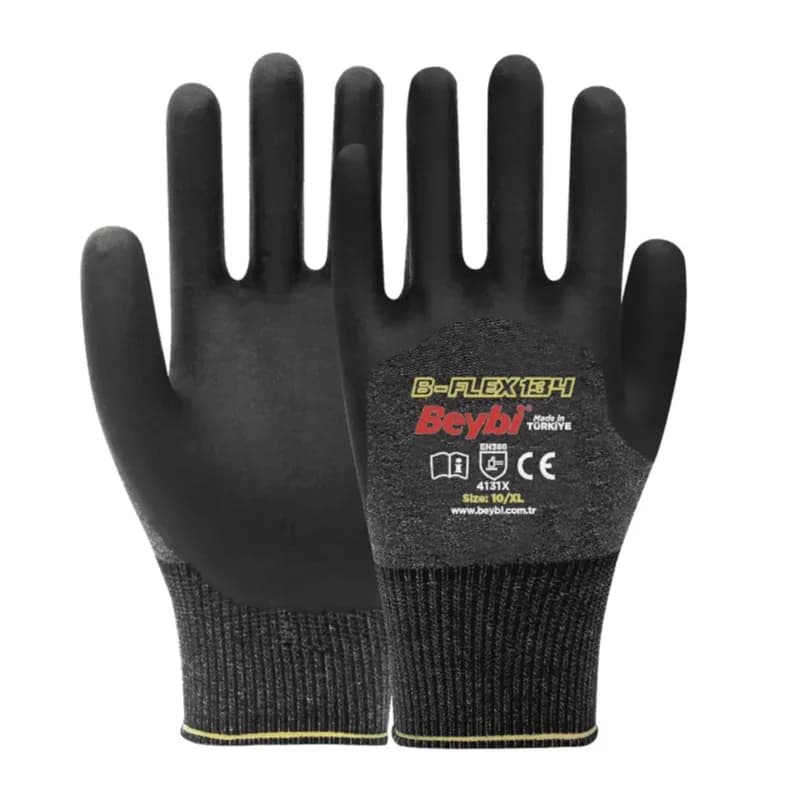
Beybi B-FLEX110 Flex Special Purpose Work Glove Size 8
Beybi · Nitrile Coated Gloves
Beybi B-FLEX110 Flex Special Purpose Work Glove Size 9
Beybi · Nitrile Coated Gloves
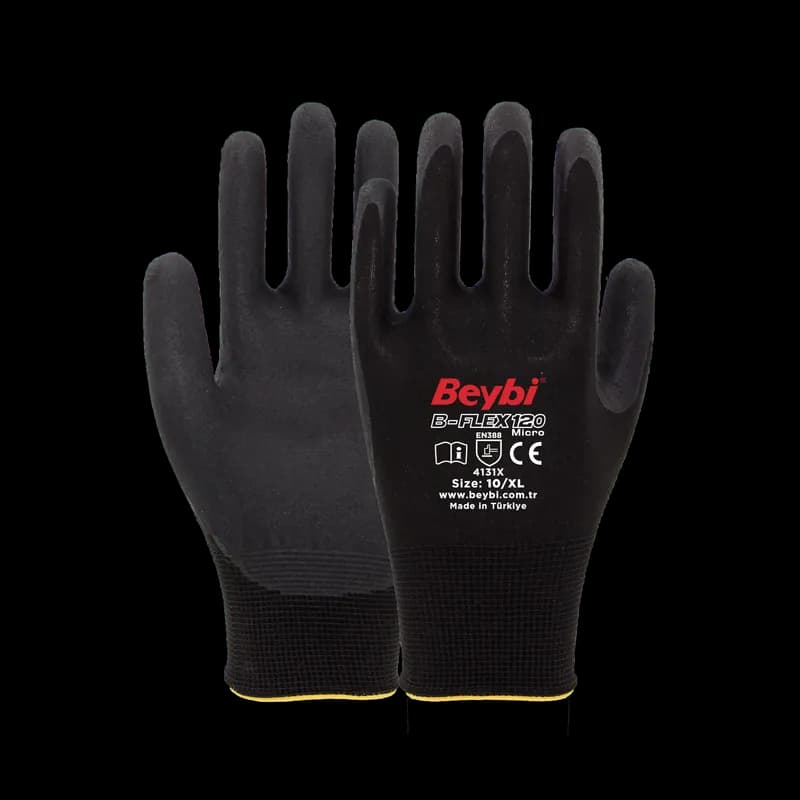
Beybi B-FLEX120 Flex Nitrile Coated Knit Work Glove Size 10
Beybi · Nitrile Coated Gloves
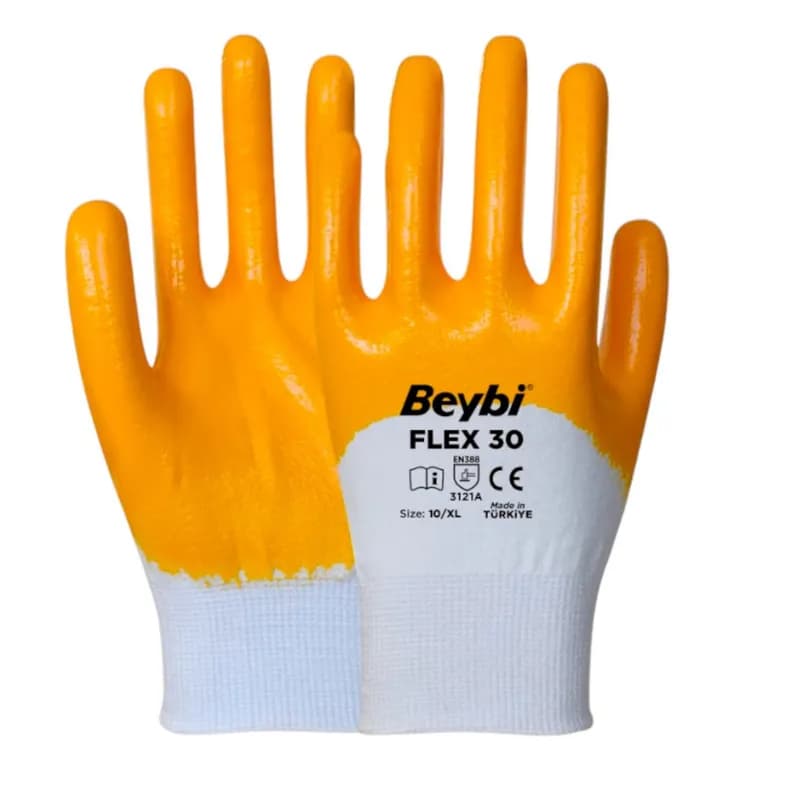
Beybi FLEX30 Flex Nitrile Coated Knit Work Glove Yellow Size 10
Beybi · Nitrile Coated Gloves
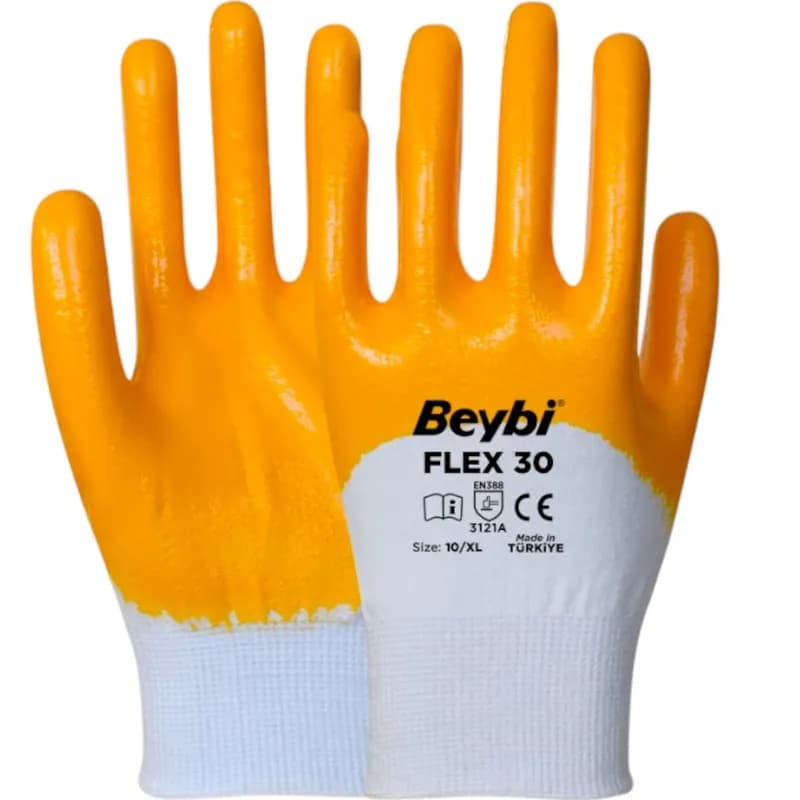
Beybi FLEX30 Flex Nitrile Coated Knit Work Glove Yellow Size 9
Beybi · Nitrile Coated Gloves
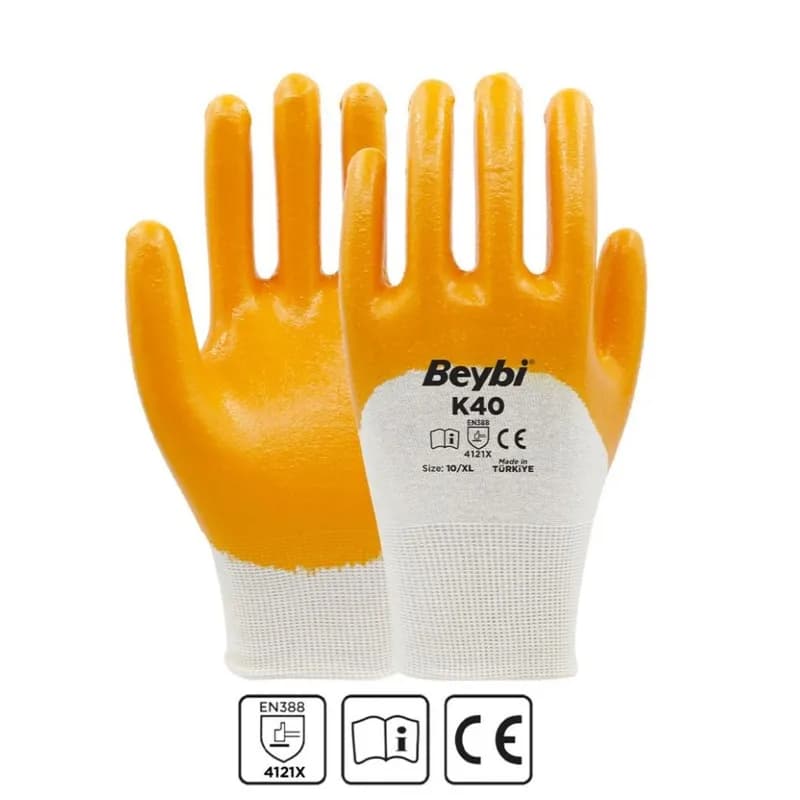
Beybi K40 Nitrile Coated Knit Work Glove Yellow Size 10
Beybi · Nitrile Coated Gloves
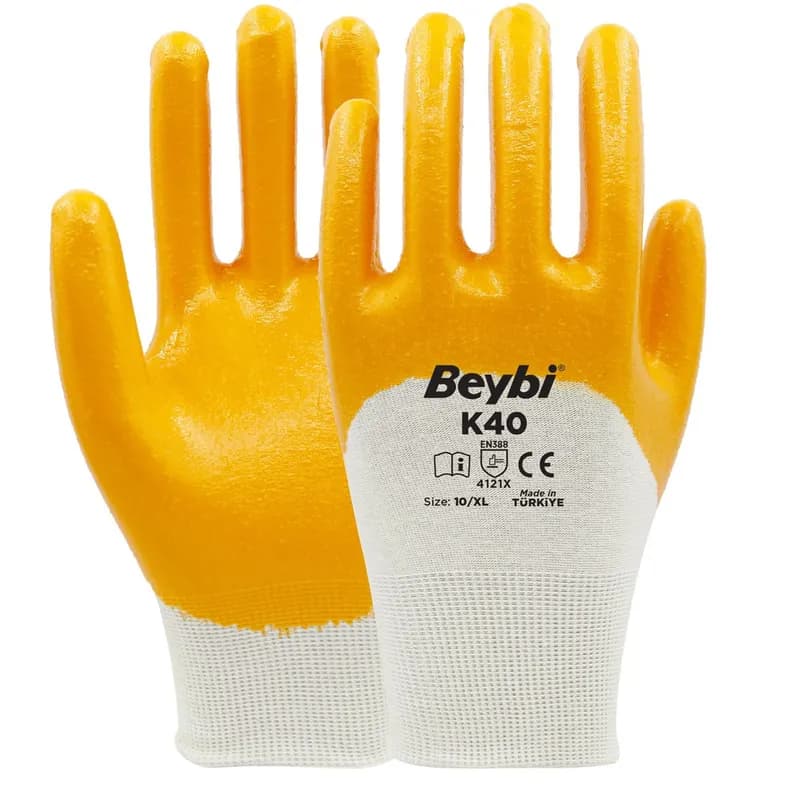
Beybi K40 Nitrile Coated Knit Work Glove Yellow Size 9
Beybi · Nitrile Coated Gloves
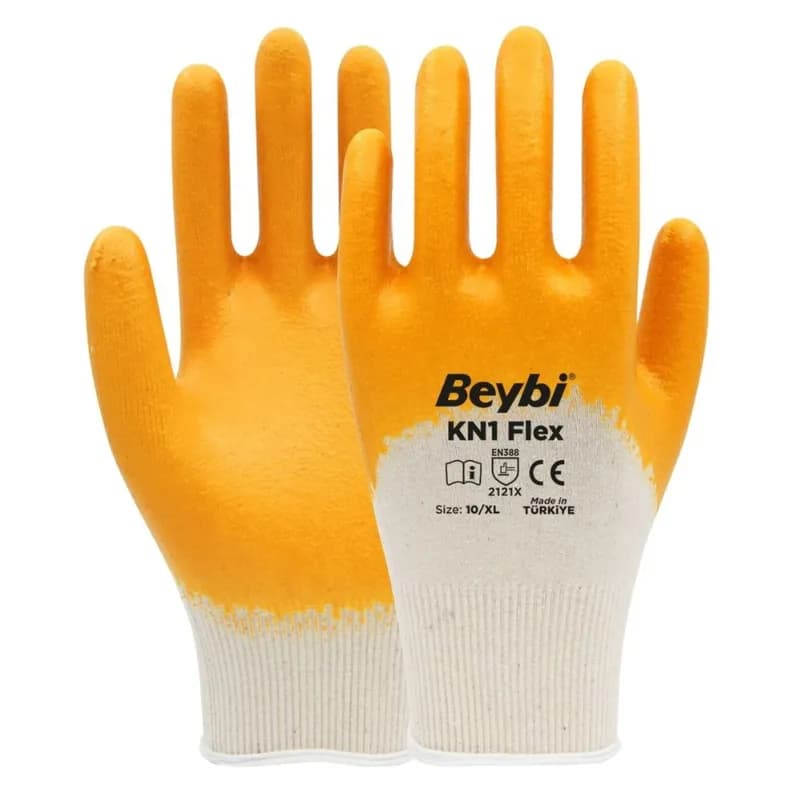
Beybi KN1 Flex Nitrile Coated Knit Work Glove Yellow Size 10
Beybi · Nitrile Coated Gloves
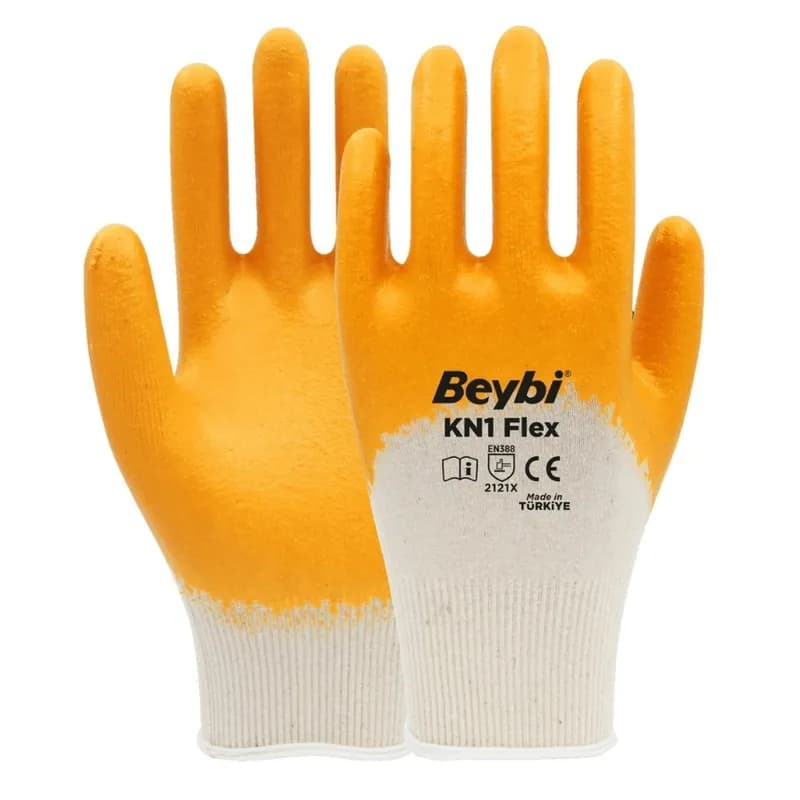
Beybi KN1 Flex Nitrile Coated Knit Work Glove Yellow Size 9
Beybi · Nitrile Coated Gloves
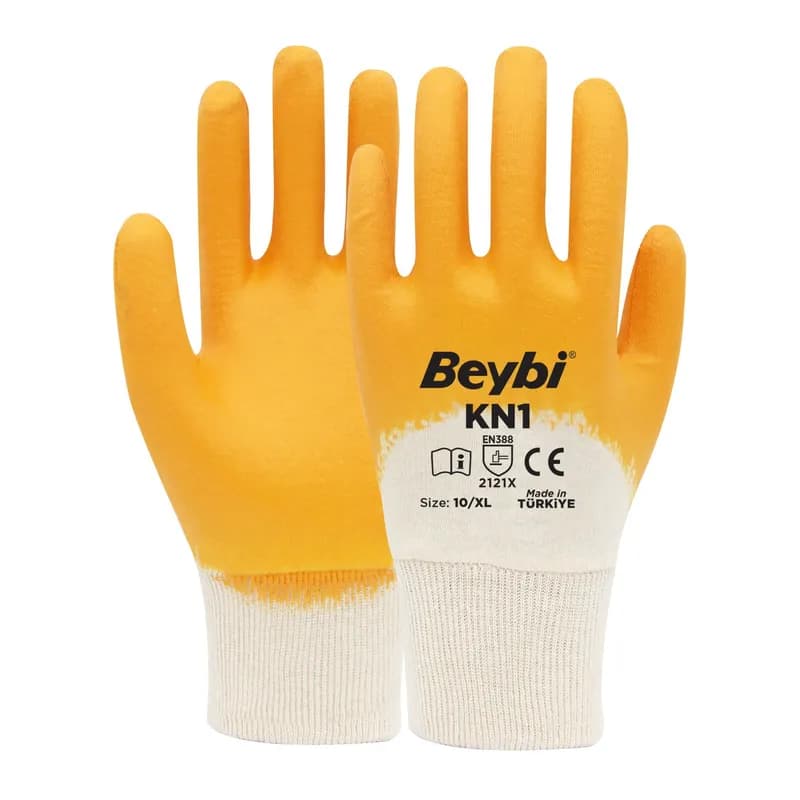
Beybi KN1 Nitrile Coated Knit Work Glove Yellow Size 10
Beybi · Nitrile Coated Gloves
PU Coated Gloves
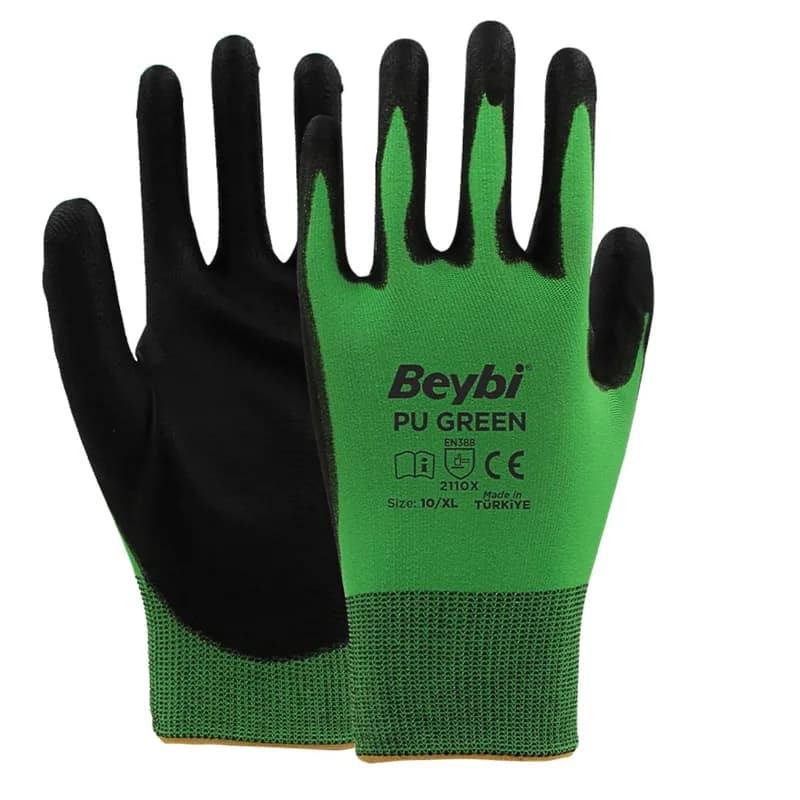
Beybi PU Special Purpose Work Glove Size 10
Beybi · PU Coated Gloves
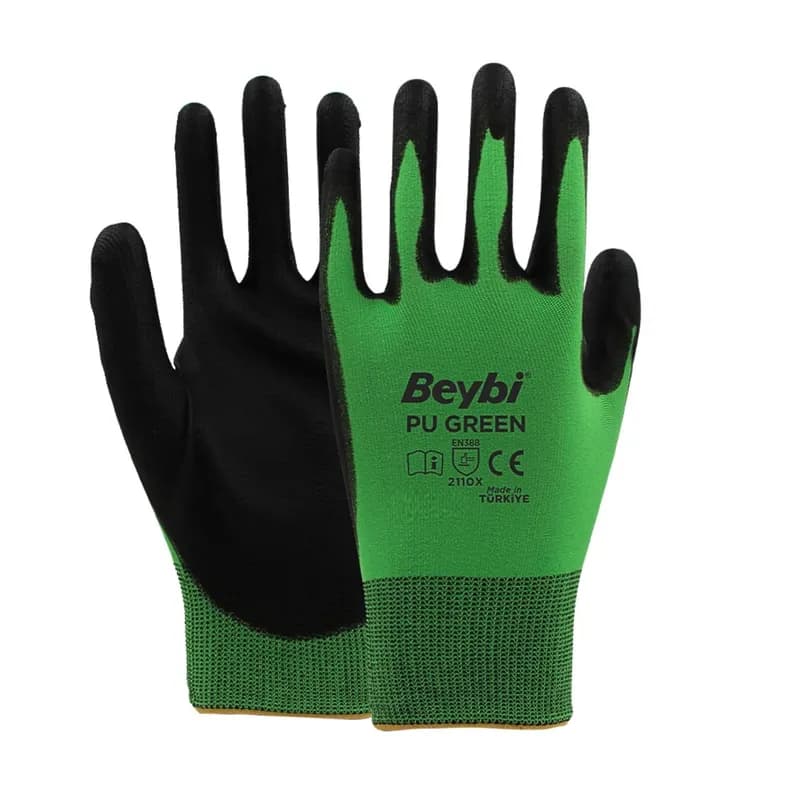
Beybi PU Special Purpose Work Glove Size 9
Beybi · PU Coated Gloves
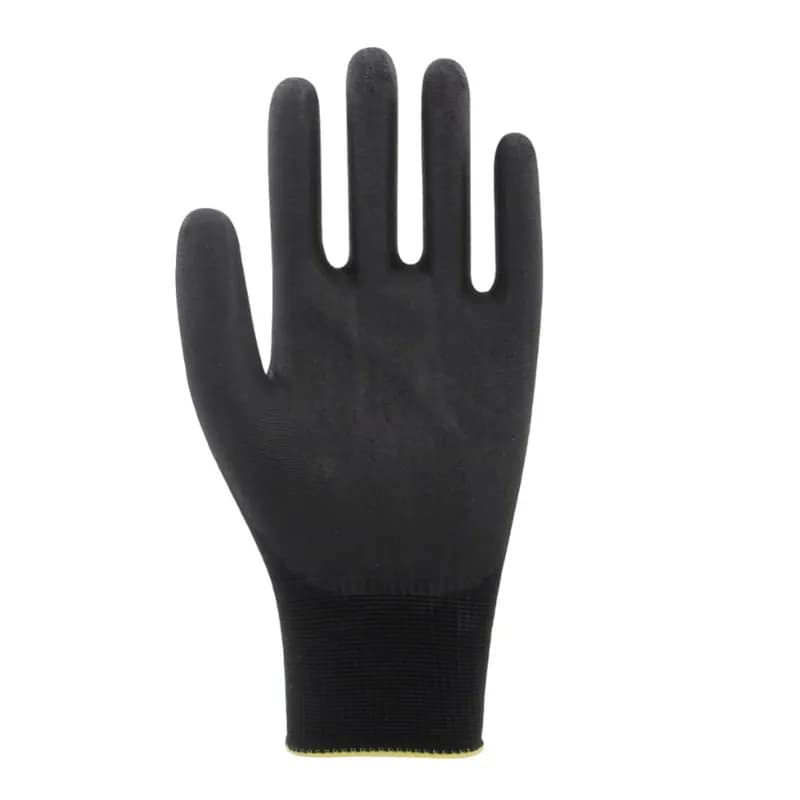
Beybi PU Coated Knit Work Glove Size 10
Beybi · PU Coated Gloves
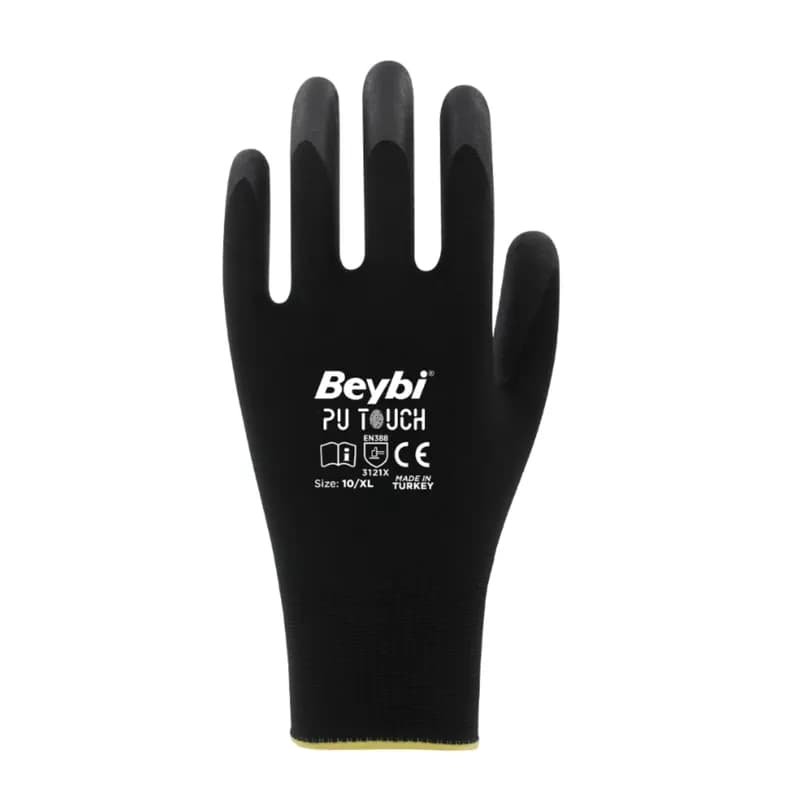
Beybi PU Coated Knit Work Glove Size 7
Beybi · PU Coated Gloves
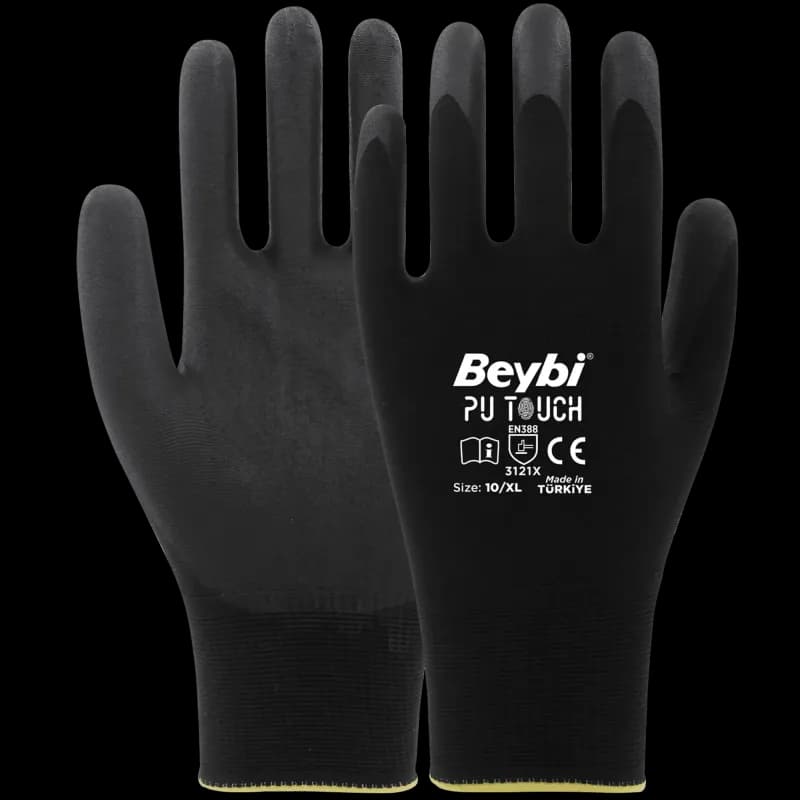
Beybi PU Coated Knit Work Glove Size 8
Beybi · PU Coated Gloves
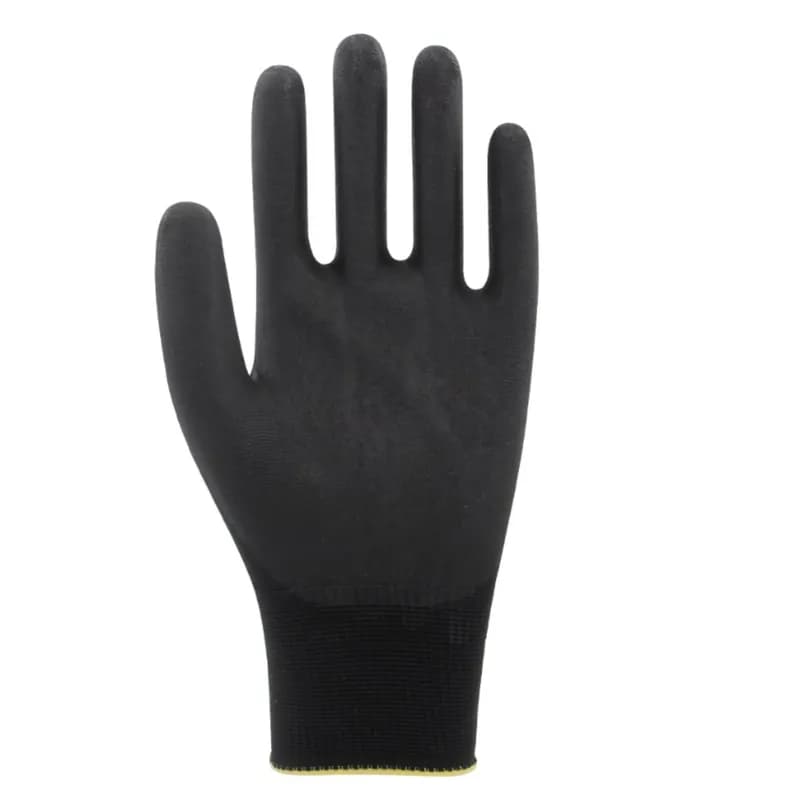
Beybi PU Coated Knit Work Glove Size 9
Beybi · PU Coated Gloves
Latex Gloves
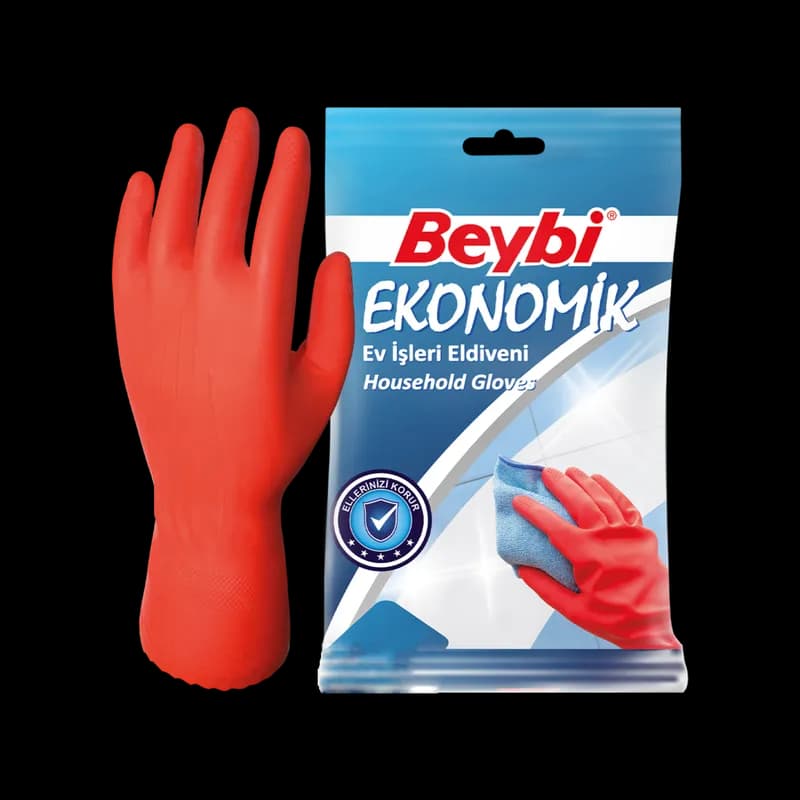
Beybi Latex Glove Size 10-10.5
Beybi · Latex Gloves
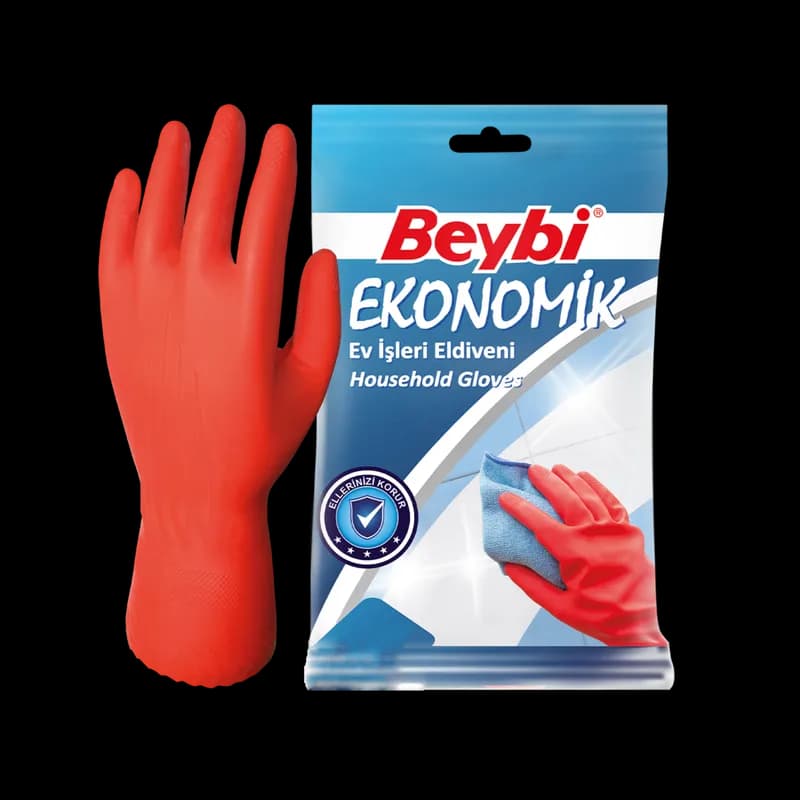
Beybi Latex Glove Size 7-7.5
Beybi · Latex Gloves
Beybi Latex Glove Size 8-8.5
Beybi · Latex Gloves
Beybi Latex Glove Size 9-9.5
Beybi · Latex Gloves
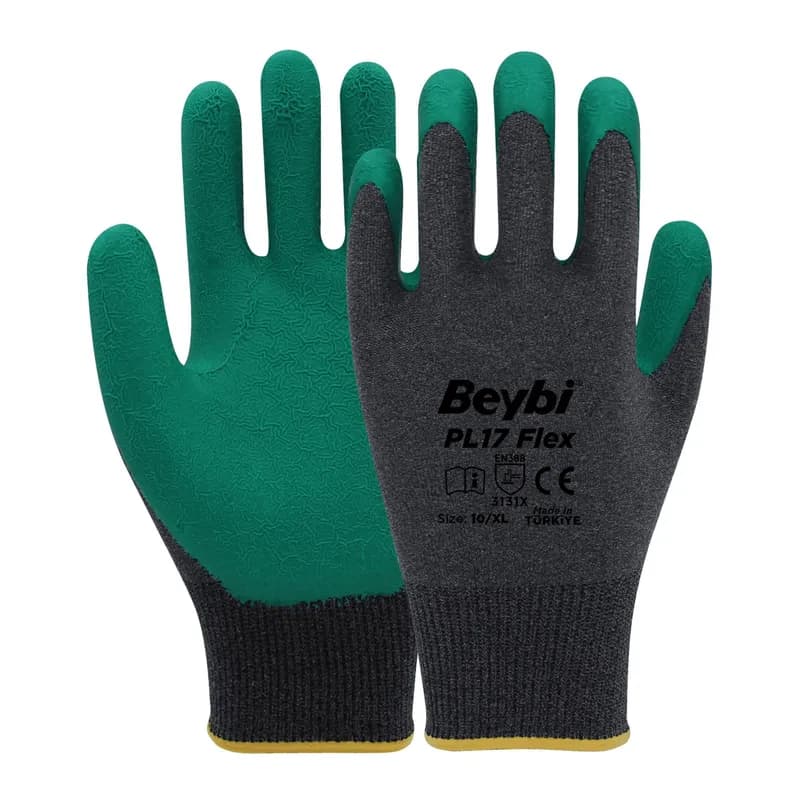
Beybi PL17 Flex Special Purpose Work Glove Green Size 10
Beybi · Latex Gloves
Beybi PL17 Flex Special Purpose Work Glove Green Size 9
Beybi · Latex Gloves
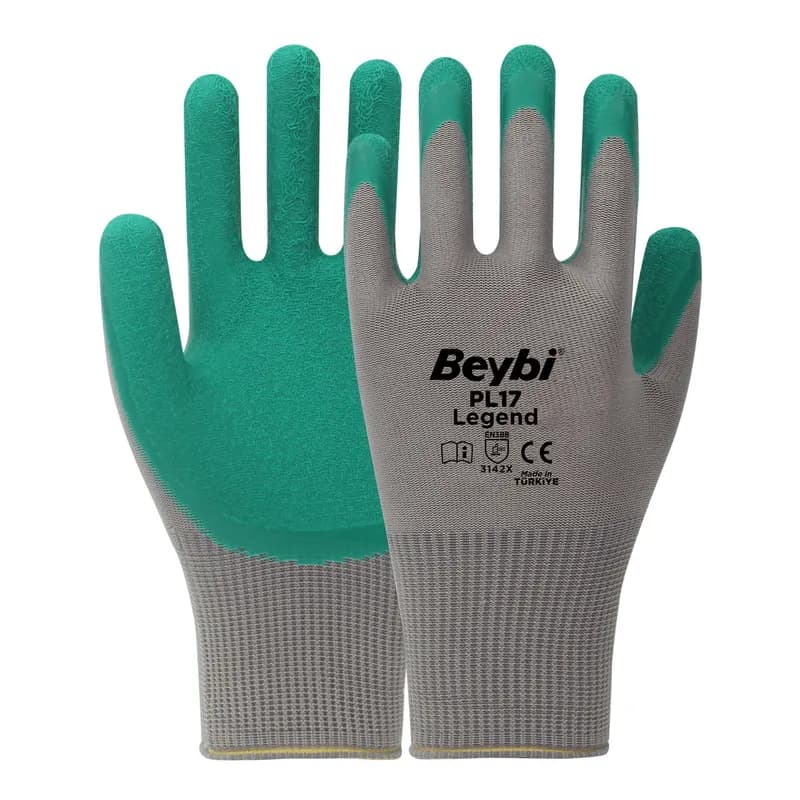
Beybi PL17 Legend Special Purpose Work Glove Grey/Green Size 10
Beybi · Latex Gloves
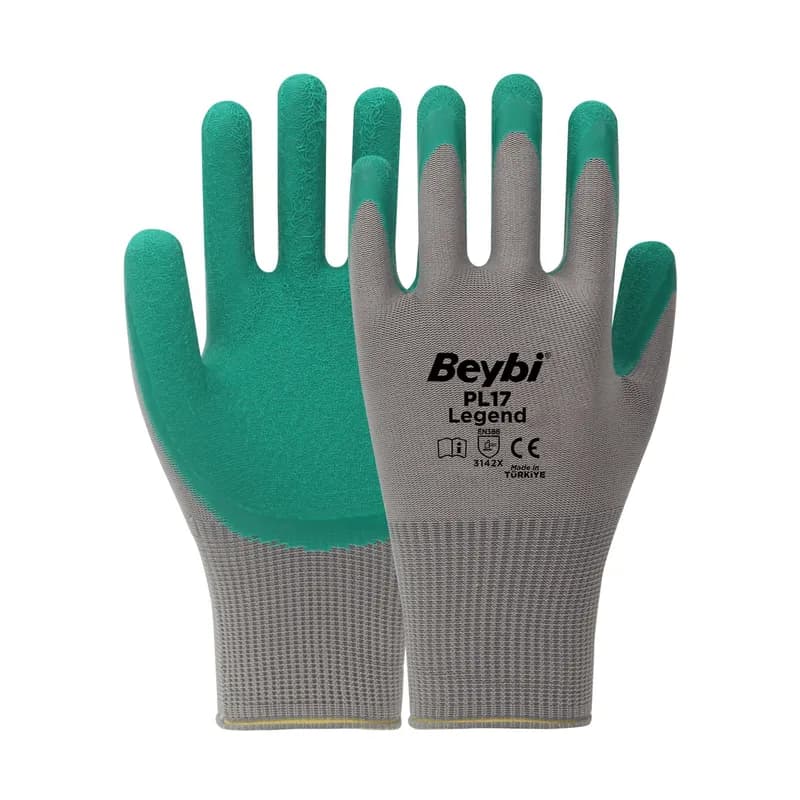
Beybi PL17 Legend Special Purpose Work Glove Grey/Green Size 9
Beybi · Latex Gloves
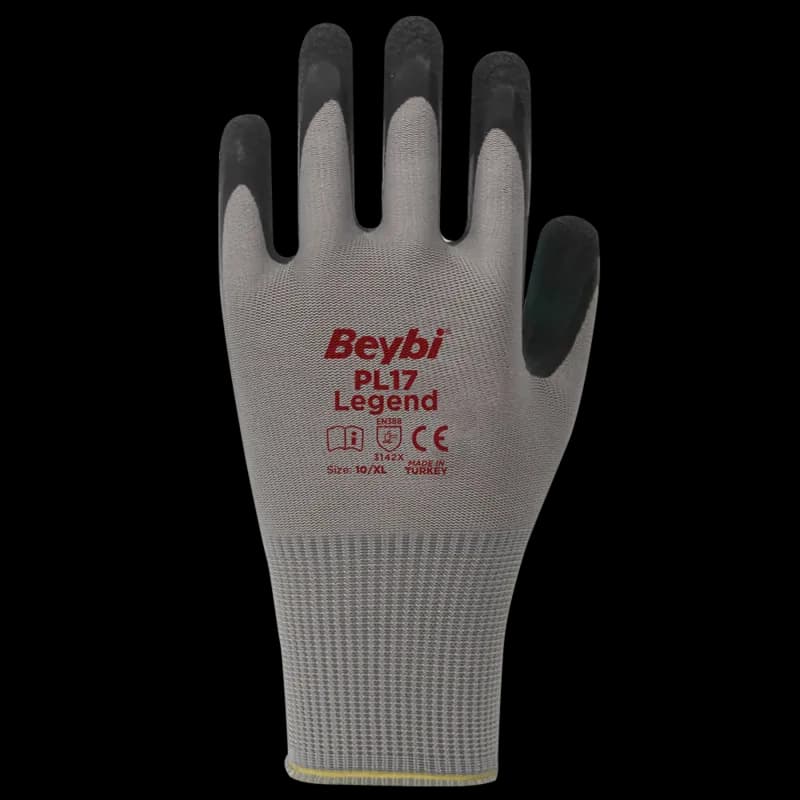
Beybi PL17 Legend Special Purpose Work Glove Black Size 10
Beybi · Latex Gloves
Beybi PL17 Legend Special Purpose Work Glove Black Size 9
Beybi · Latex Gloves
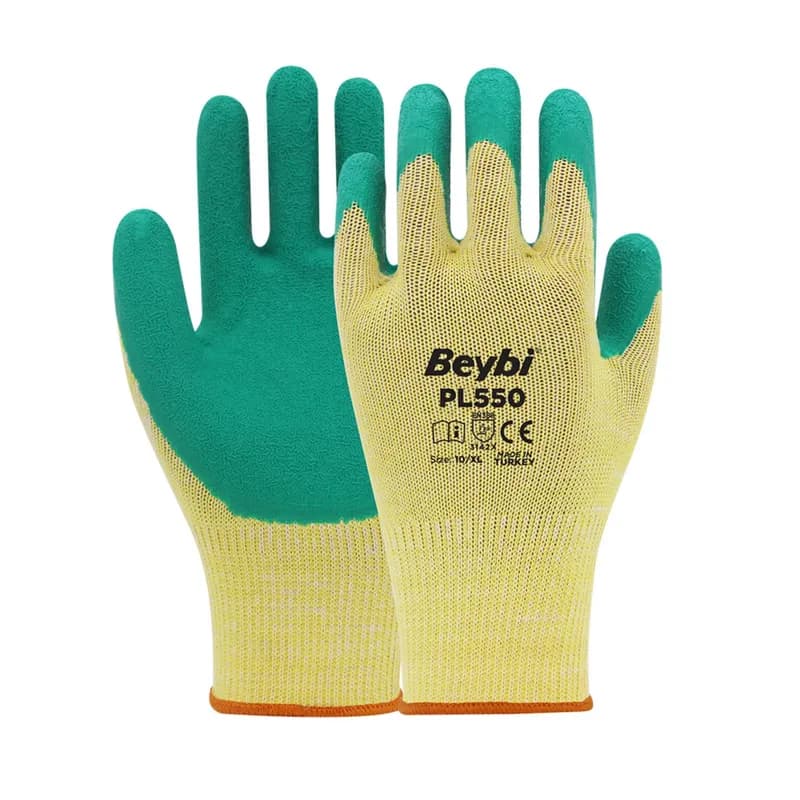
Beybi Crinkle Latex Glove Size 10
Beybi · Latex Gloves
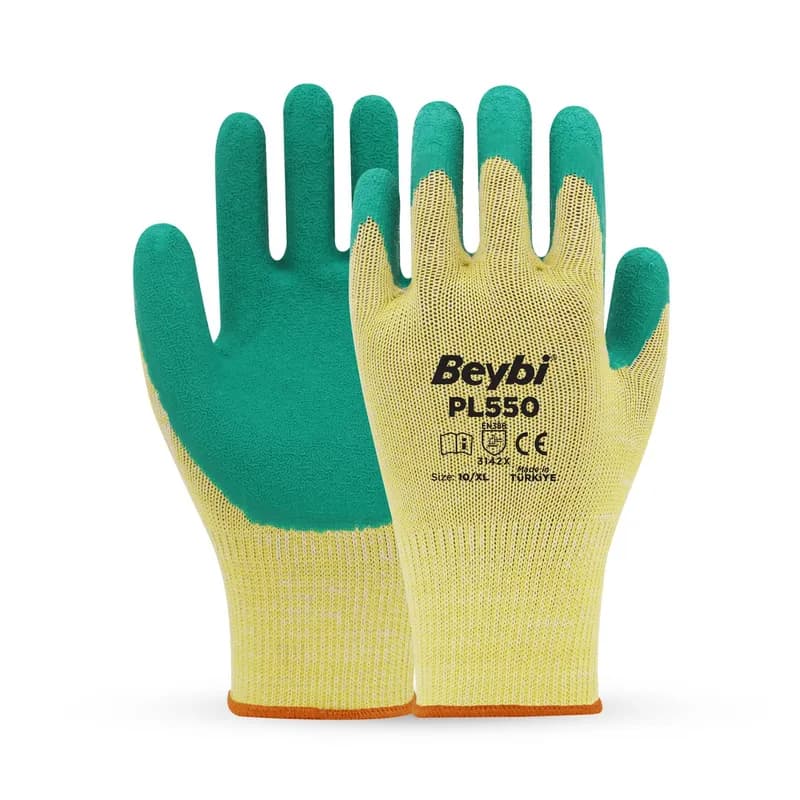
Beybi Crinkle Latex Glove Size 9
Beybi · Latex Gloves
Disposable Gloves
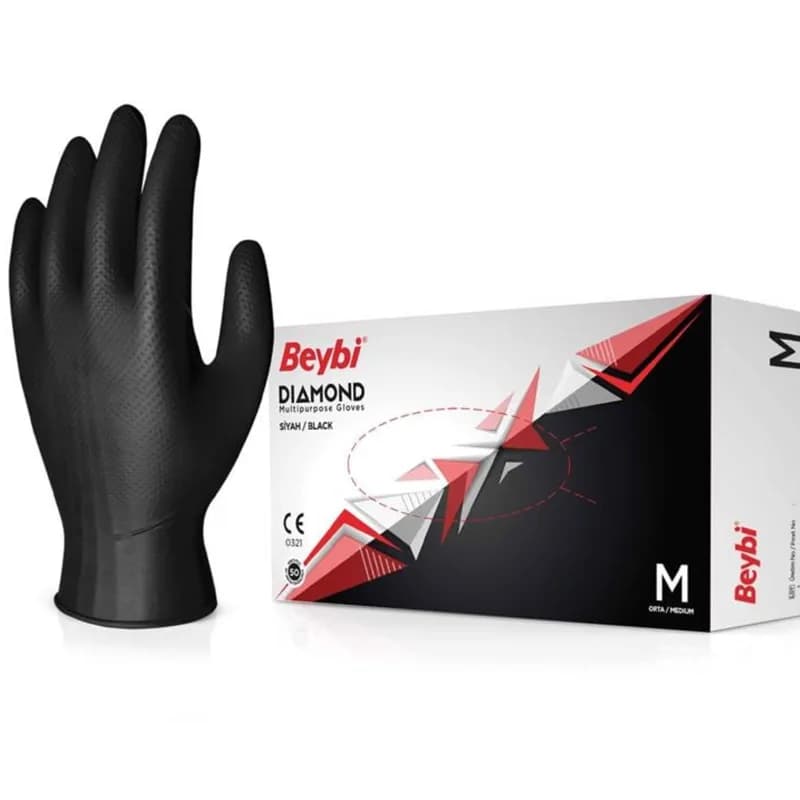
Beybi DIAMOND Examination Glove Size L
Beybi · Disposable Gloves
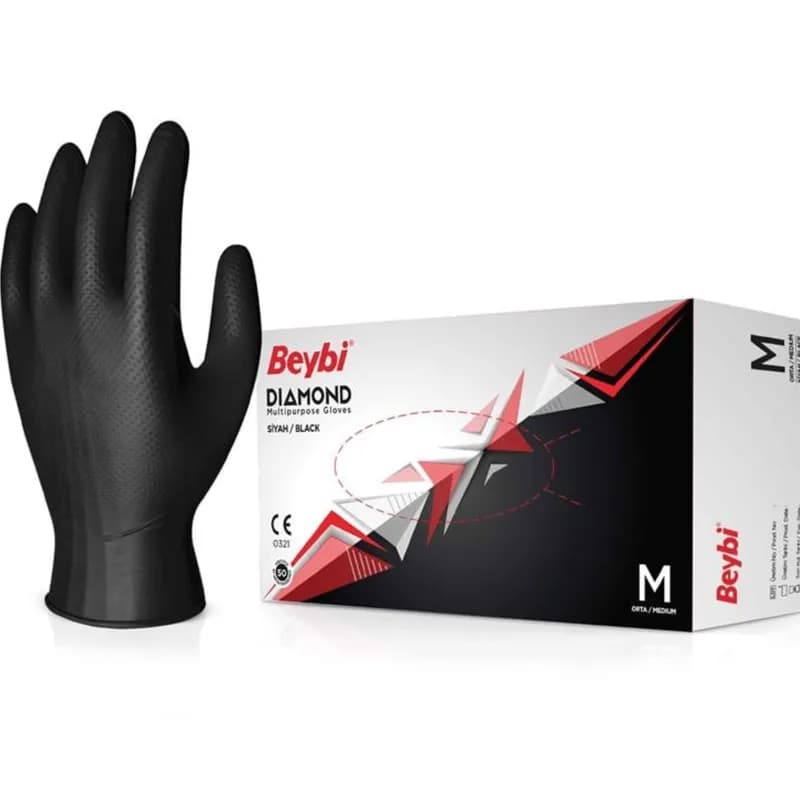
Beybi DIAMOND Examination Glove Size M
Beybi · Disposable Gloves
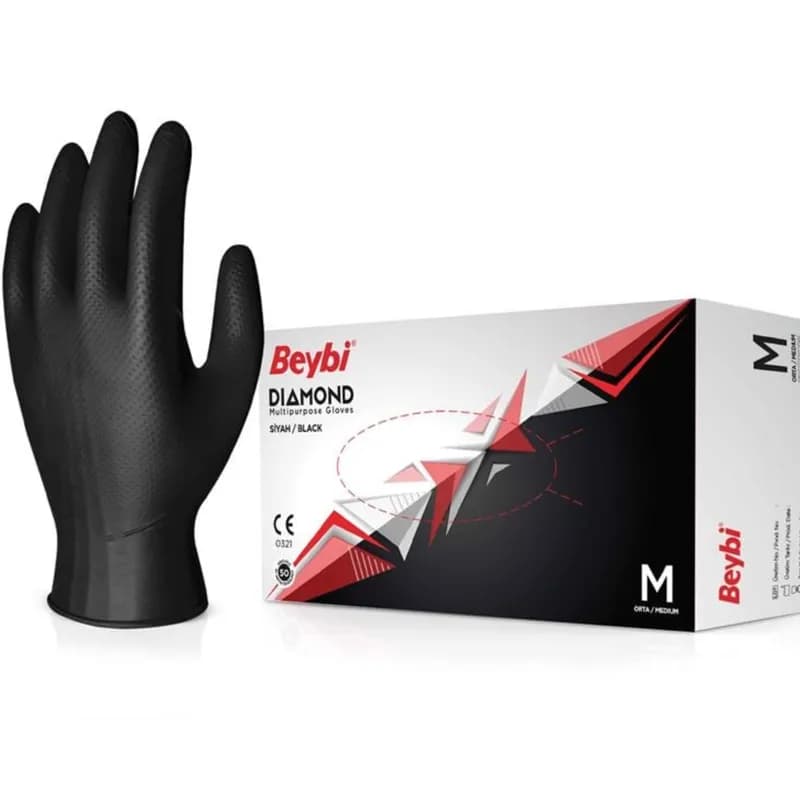
Beybi DIAMOND Examination Glove Size XL
Beybi · Disposable Gloves
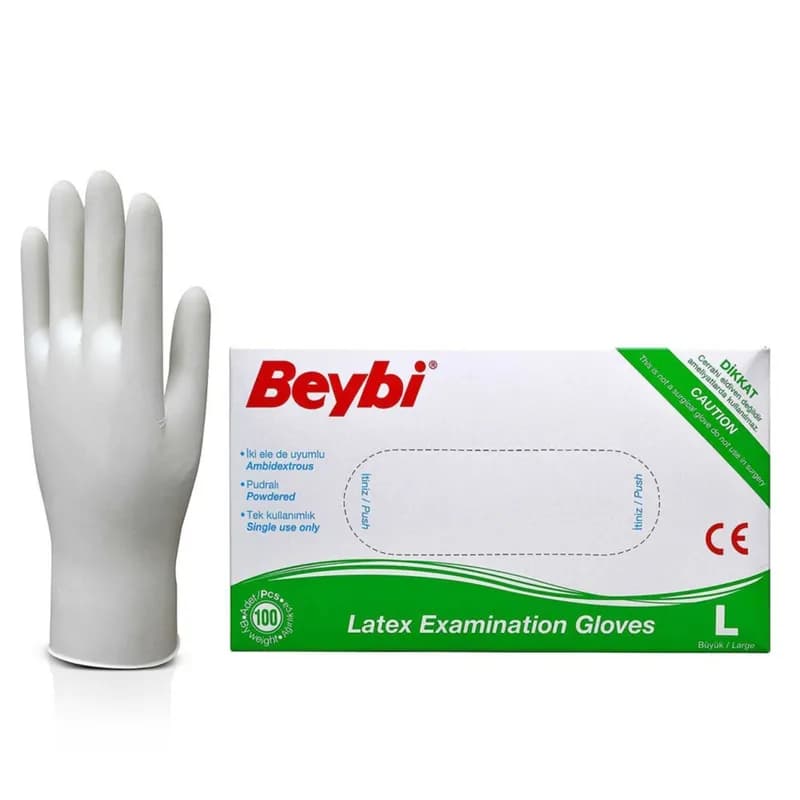
Beybi Powdered Disposable Glove Size L
Beybi · Disposable Gloves
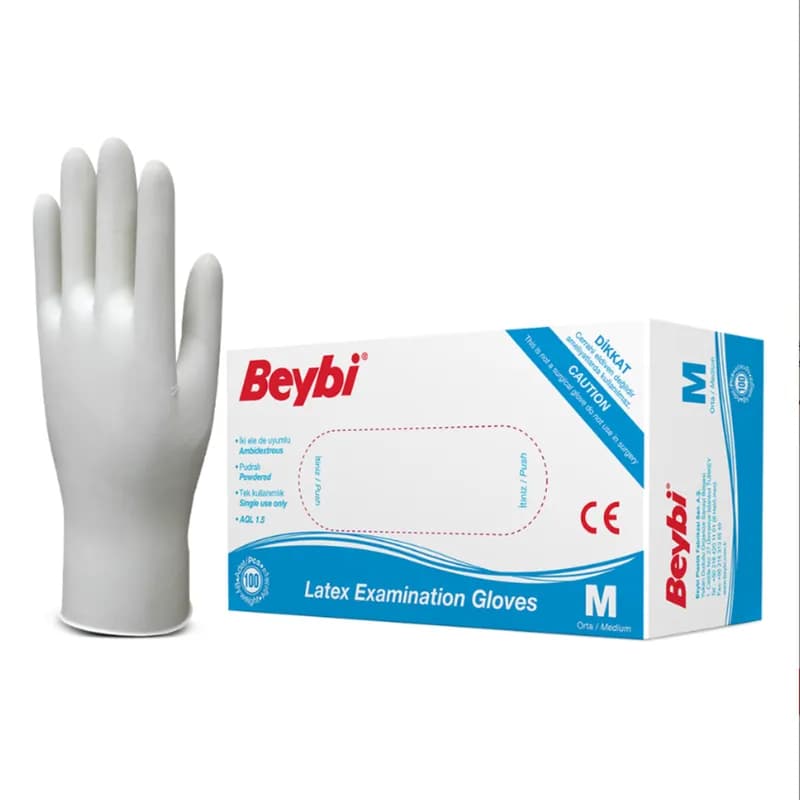
Beybi Powdered Disposable Glove Size M
Beybi · Disposable Gloves
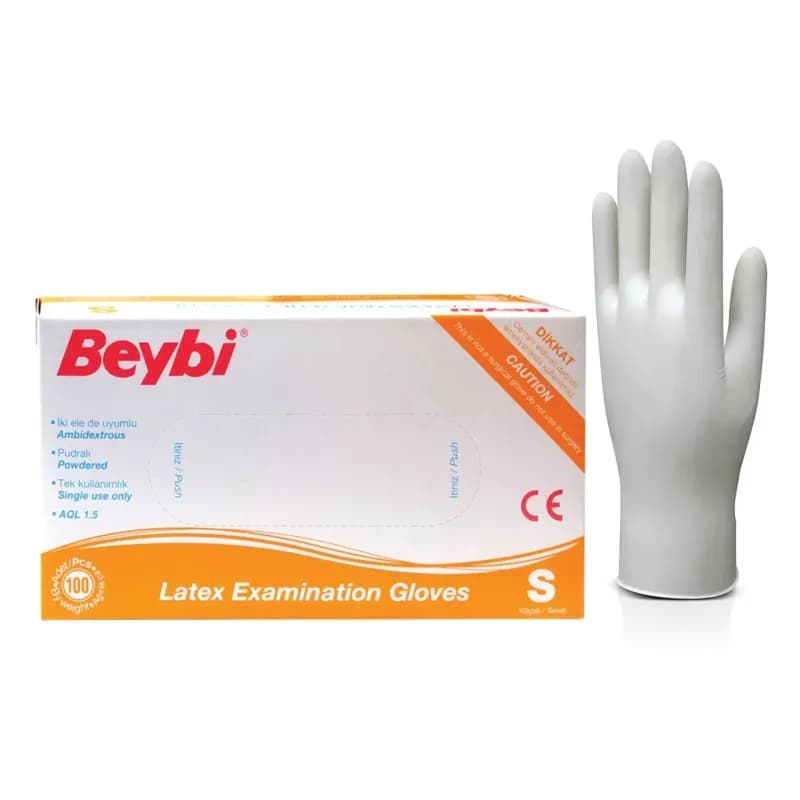
Beybi Powdered Disposable Glove Size S (150.15.MU01)
Beybi · Disposable Gloves
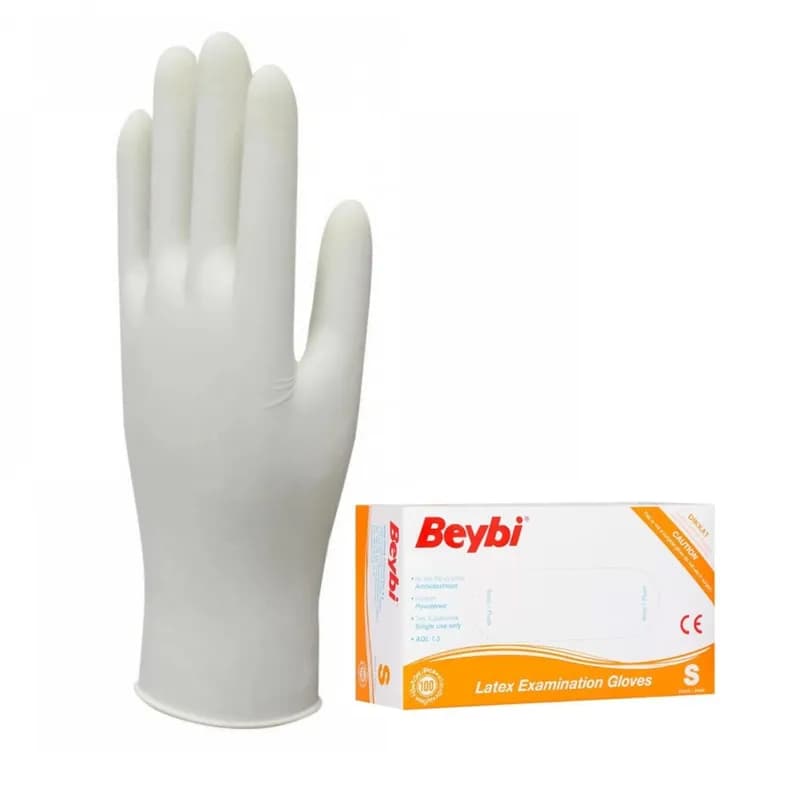
Beybi Powdered Disposable Glove Size S (150.32.PL01)
Beybi · Disposable Gloves
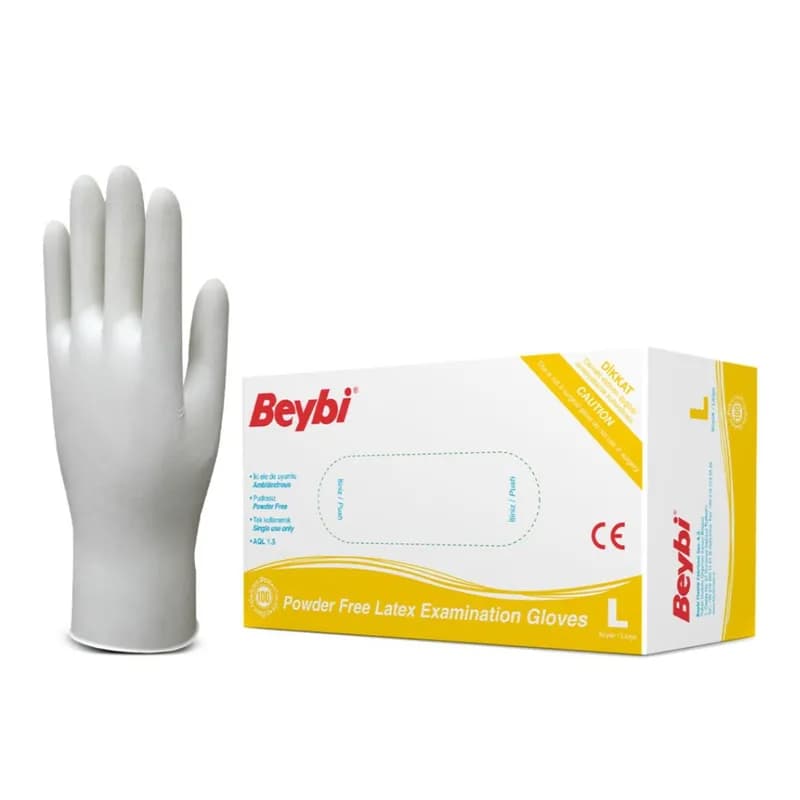
Beybi Powder-Free Disposable Glove Size L
Beybi · Disposable Gloves
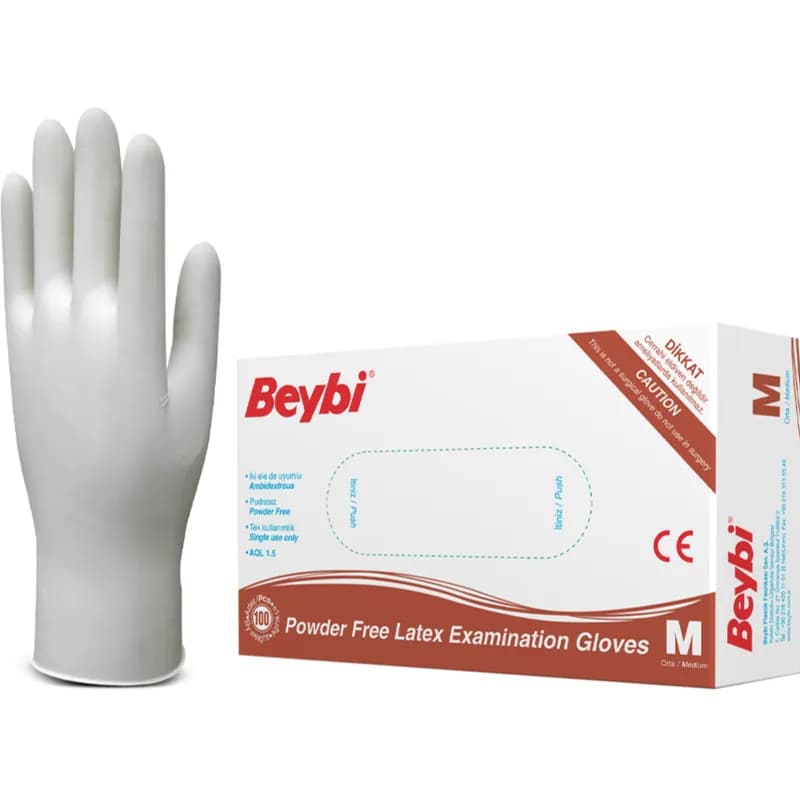
Beybi Powder-Free Disposable Glove Size M
Beybi · Disposable Gloves
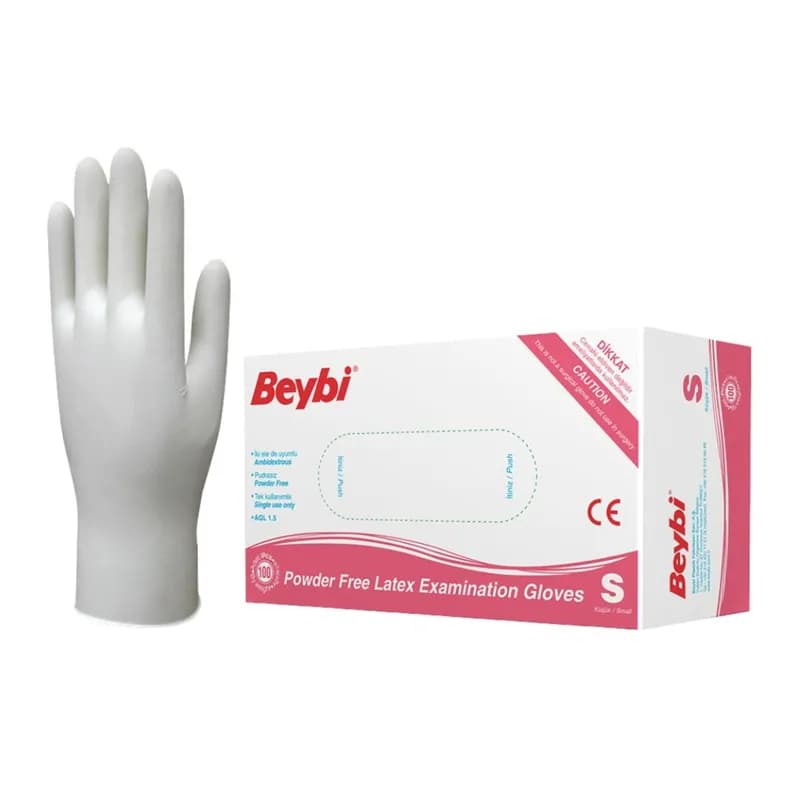
Beybi Powder-Free Disposable Glove Size S
Beybi · Disposable Gloves
Cut Resistant Gloves
Leather & Welding Gloves
All products
Search within this brand or browse by page.
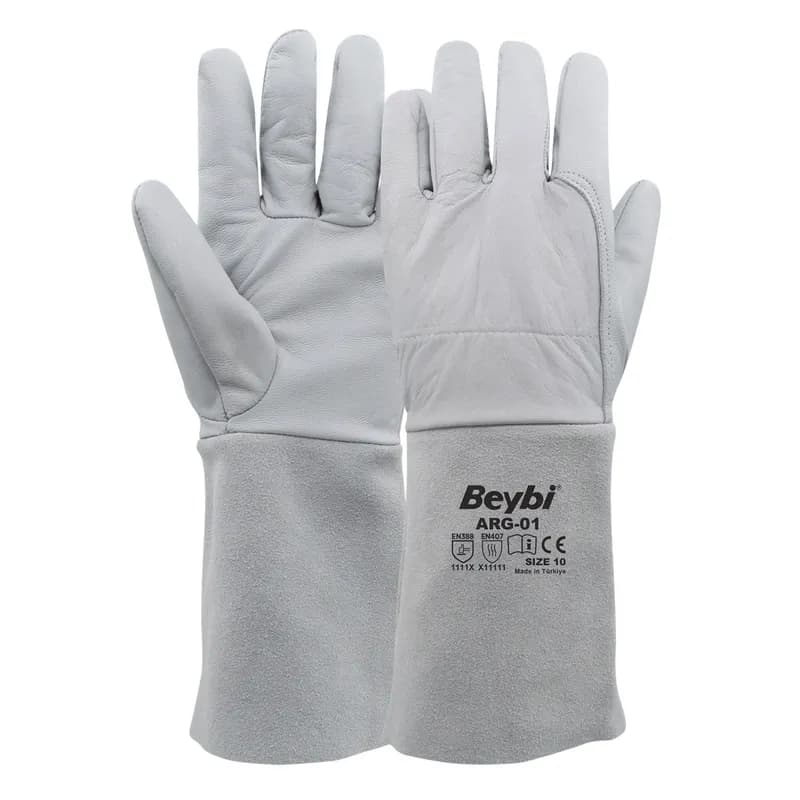
Beybi ARG-01 TIG Leather Glove White
Beybi · Leather & Welding Gloves
Beybi B-FLEX110 Flex Special Purpose Work Glove Size 10
Beybi · Nitrile Coated Gloves
Beybi B-FLEX110 Flex Special Purpose Work Glove Size 7
Beybi · Nitrile Coated Gloves
Beybi B-FLEX110 Flex Special Purpose Work Glove Size 8
Beybi · Nitrile Coated Gloves
Beybi B-FLEX110 Flex Special Purpose Work Glove Size 9
Beybi · Nitrile Coated Gloves
Beybi B-FLEX120 Flex Nitrile Coated Knit Work Glove Size 10
Beybi · Nitrile Coated Gloves
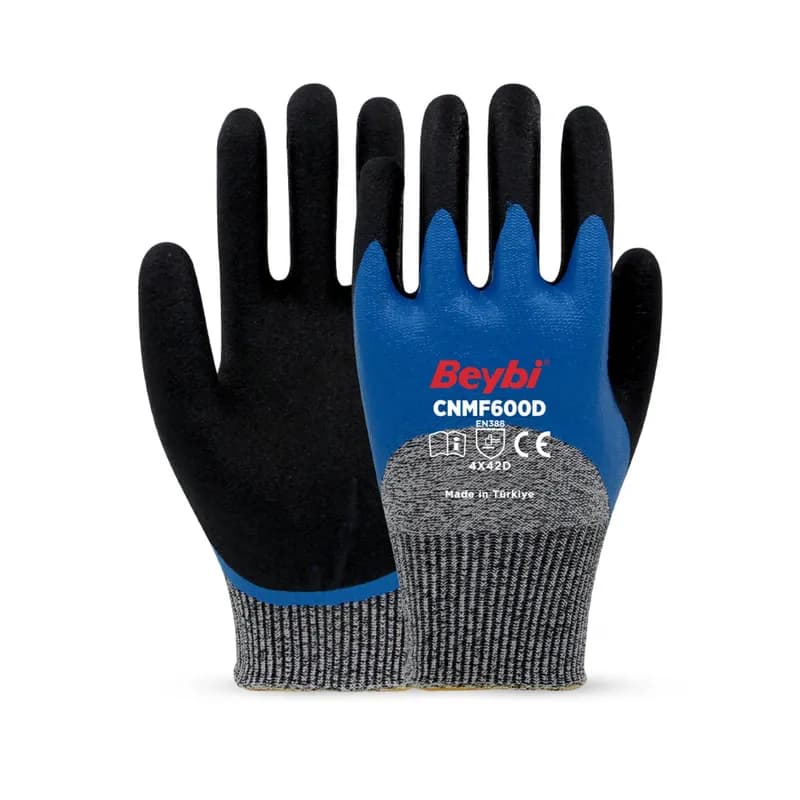
Beybi CNMF600D Cut Resistant Glove Size 10
Beybi · Cut Resistant Gloves
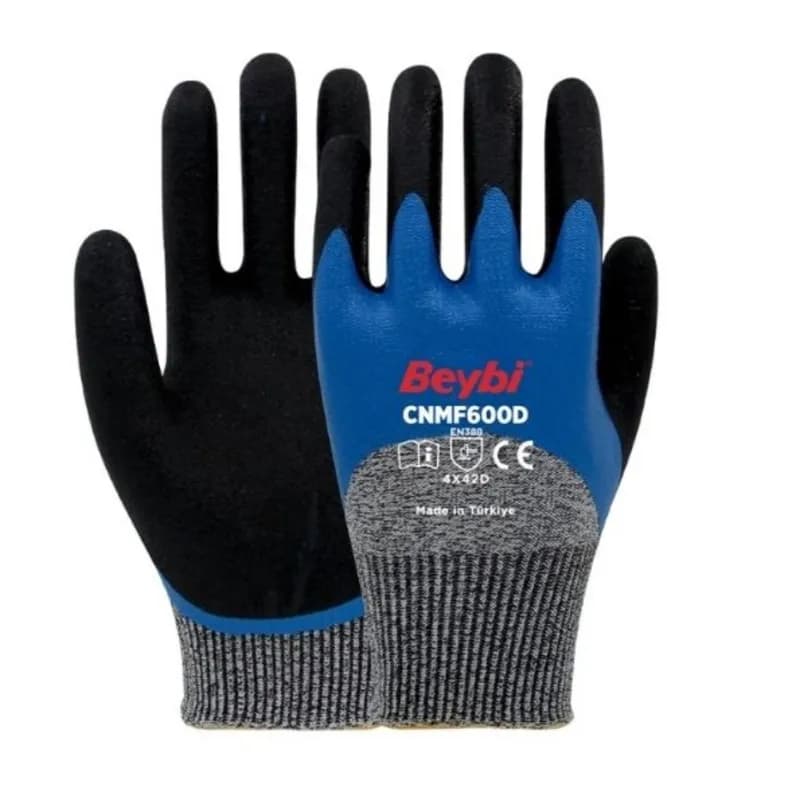
Beybi CNMF600D Cut Resistant Glove Size 9
Beybi · Cut Resistant Gloves
Beybi DIAMOND Examination Glove Size L
Beybi · Disposable Gloves
Beybi DIAMOND Examination Glove Size M
Beybi · Disposable Gloves
Beybi DIAMOND Examination Glove Size XL
Beybi · Disposable Gloves
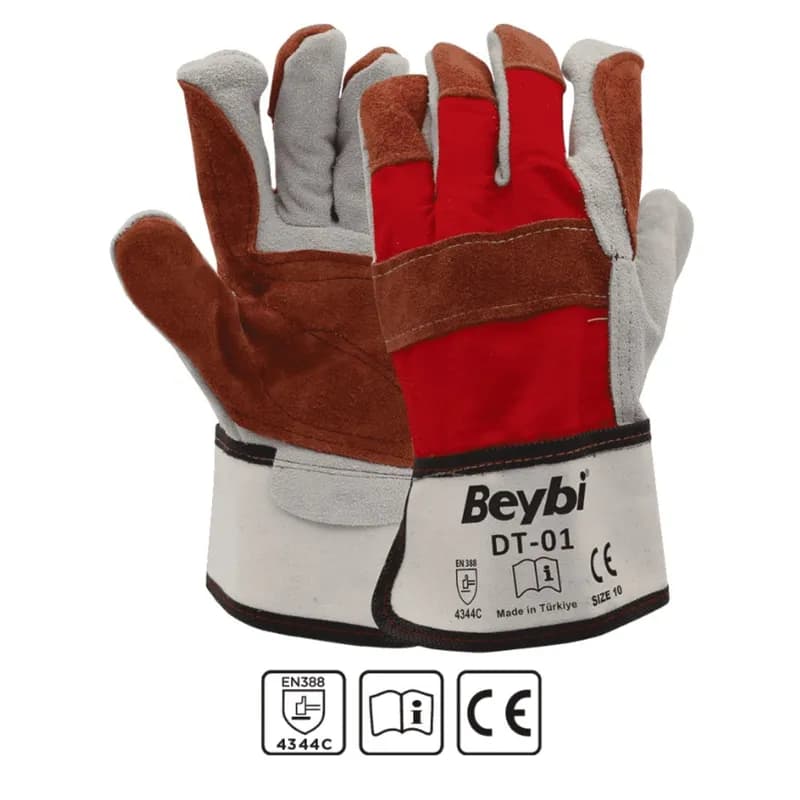
Beybi DT-01 Reinforced Leather Glove Size 10
Beybi · Leather & Welding Gloves
Beybi Latex Glove Size 10-10.5
Beybi · Latex Gloves
Beybi Latex Glove Size 7-7.5
Beybi · Latex Gloves
Beybi Latex Glove Size 8-8.5
Beybi · Latex Gloves
Beybi Latex Glove Size 9-9.5
Beybi · Latex Gloves
Beybi FLEX30 Flex Nitrile Coated Knit Work Glove Yellow Size 10
Beybi · Nitrile Coated Gloves
Beybi FLEX30 Flex Nitrile Coated Knit Work Glove Yellow Size 9
Beybi · Nitrile Coated Gloves
Beybi K40 Nitrile Coated Knit Work Glove Yellow Size 10
Beybi · Nitrile Coated Gloves
Beybi K40 Nitrile Coated Knit Work Glove Yellow Size 9
Beybi · Nitrile Coated Gloves
Beybi KN1 Flex Nitrile Coated Knit Work Glove Yellow Size 10
Beybi · Nitrile Coated Gloves
Beybi KN1 Flex Nitrile Coated Knit Work Glove Yellow Size 9
Beybi · Nitrile Coated Gloves
Beybi KN1 Nitrile Coated Knit Work Glove Yellow Size 10
Beybi · Nitrile Coated Gloves
Beybi KN1 Nitrile Coated Knit Work Glove Yellow Size 9
Beybi · Nitrile Coated Gloves
1–24 of 100 · page 1 / 5
About Beybi
All 100 Beybi products in the catalogue are gloves, and choosing one comes down to a single question: what is the hand being protected from. Against cutting, the liner does the work; against oil and chemicals, the coating; against heat and sparks, leather; against contamination from the product, a disposable barrier is enough. The shelves on this page make exactly that split, and every product page states the liner yarn, the coating material and its coverage, the size and the packing.
Coated knit gloves are the largest group here, and they are two things at once. The knitted liner is what makes the glove fit and breathe: polyester liners are thin and light, cotton liners thicker and more absorbent, a Lycra knit more elastic. The coating is the outer surface — the grip and the wear. The two are chosen independently: the same coating is made on different liners, and the same liner takes different coatings.
There are three coating materials. Nitrile does not swell in oils and hydrocarbons, resists abrasion and carries no protein allergy risk, which makes it the industrial default. Latex is natural rubber: the best wet grip and the most elasticity, but it swells in oil and can cause allergic reaction. PU is the thinnest coating — it gives away the least fingertip feel, and in exchange has the shortest abrasion life of the three.
Coverage is the less discussed half of the decision and it changes the job. A palm (1/2) dip leaves the back of the hand open: the hand breathes and the glove stays cool, but only the palm and fingers are protected. A 3/4 dip covers contact from the side as well. A full dip encloses the hand — the only right answer where there is liquid contact, at the cost of sweating. Each product page states the coverage as the manufacturer writes it.
Foam nitrile is its own subject. A smooth nitrile surface slips on an oily part; a foamed structure draws the oil into its pores and leaves contact between the part and the glove. Micro foam is the same idea at a finer cell size, giving both grip and sensitivity on small parts. The B-FLEX and NMF series in this catalogue are built that way.
In a cut resistant glove the protection is in the liner, not the coating: a cut resistant yarn makes the blade slide across the fibres rather than sever them. The level is stated as an EN 388 cut class and printed on the glove. No class digit appears on these pages: the manufacturer does not publish it on its product pages, and an estimated class on a protective glove creates a buyer who believes they have chosen the right level. The class is supplied on request with the declaration of conformity.
A disposable glove is about contact control, not protection: it separates the hand from the product and the product from the hand. Powdered gloves are easier to don; powder-free ones are for food, paint and laboratory work where powder must not transfer. They do not stand in for a work glove — where there is a mechanical hazard, a coated or cut resistant glove is what is needed.
Size matters as much as protection. A glove that is too big leaves space at the fingertips and destroys dexterity; one that is too small tires the hand and splits at the seam. Work glove sizes run from 7 to 11, the number being the hand circumference in inches. Sizes 9 and 10 are the regularly stocked ones here; other sizes are supplied per model.
A model, size or colour not on this page is not one we do not sell: the Beybi range is wider than these 100 rows, and any of them can be requested by the order code printed on the product page. Seza Global supplies these wholesale; contact us for dealer and project pricing.
Frequently asked questions
Nitrile, latex or PU?
Look at what the work exposes the glove to. Where there is oil, grease or hydrocarbon, nitrile: it does not swell in them and it resists abrasion. On wet, slippery surfaces latex grips best, but it swells in oil and, being a natural protein, can cause allergic reaction. For small parts, assembly and electronics, PU is the thinnest coating and keeps fingertip feel — at the cost of the shortest abrasion life of the three.
Palm dip or full dip?
A palm (1/2) dip leaves the back of the hand open: the hand breathes and the glove stays cool, but protection stops at the palm and fingers. A 3/4 dip also covers contact from the side. Where there is liquid, mud or chemical contact a full dip is needed — an open knit lets liquid straight through.
What is the difference between foam and smooth nitrile?
A smooth nitrile surface slips on an oily part. Foam nitrile is porous: it draws the oil in and leaves real contact between part and glove, so grip survives oily work. Micro foam is the same structure at a finer cell size and keeps sensitivity on small parts as well.
How do I choose a glove size?
The size number is the hand circumference in inches, running 7 to 11. Measure around the palm excluding the thumb and convert: 22 cm is about a size 9. Sizes 9 and 10 are the regularly stocked ones here; other sizes are supplied per model.
Why is no EN 388 class shown on the product pages?
The manufacturer does not publish that figure on its own product pages. Printing an estimated protection class on a protective glove would leave a buyer believing they had chosen the right level, so no EN 388 digits appear anywhere in this catalogue. The class is marked on the glove and stated in its declaration of conformity, supplied on request.
What do the EN 388 digits mean?
EN 388 rates a glove against four mechanical hazards and the result is printed on the glove as a string of digits: abrasion, cut, tear and puncture, in that order. A higher digit is higher performance. The letter cut class (A-F) added later comes from a more precise test method.
Should every job use a cut resistant glove?
It can, but it need not. A cut resistant yarn is stiffer than an ordinary knit of the same thickness and costs some dexterity. Where there is no cut risk that is unnecessary cost and unnecessary stiffness; where there is sheet metal, glass, a blade or an edge, it is essential.
Can an examination glove replace a work glove?
No. A disposable examination glove is made for contact control, not mechanical protection; its thin body gives no protection against cutting, puncture or abrasion. Where there is a mechanical hazard, a coated knit or cut resistant glove is what is required.
Powdered or powder-free?
Powder makes a glove easier to put on. Against that, powder can transfer to the surface, which is not wanted in food, paint, bonding and laboratory work — those use the powder-free version.
Are the gloves suitable for food contact?
It depends on the model, and the manufacturer declares it per model. Where food contact suitability is declared, it appears on the product page in the technical table, on the Compliance row.
Do you supply a model, size or colour that is not listed?
Yes. The Beybi range is wider than the 100 rows on this page — catalogue entry is still in progress. If the model, size or colour you need is not listed, request it by order code or description through the contact page.
How do I get wholesale or dealer pricing?
Seza Global supplies these wholesale. Send the model, the size split, quantities and the delivery location through the contact page and we will price the project; for regular purchasing you can open a dealer application.
Live pricing. Real stock. Direct from source.
Approved dealers access wholesale pricing, real-time stock and direct ordering through our B2B portal.