
Leica
Leica supplies laser measuring and layout instruments for construction and fit-out work. The catalogue covers Lino series cross line, 5 point and 3x360° multi line lasers in red and green beam, Rugby series rotating construction lasers, DISTO laser distance meters from 70 to 300 m, and the tripods, target plates, laser detectors, levelling staffs and wall and ceiling brackets that go with them.
Browse by category
A sample from featured product groups — see the full range in the list below.
Line & Rotary Lasers
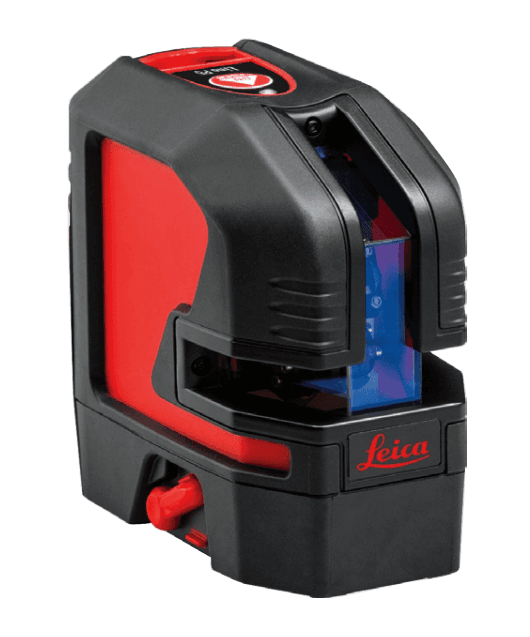
Leica Lino P5 5 Point Plumb Laser
Leica · Line & Rotary Lasers
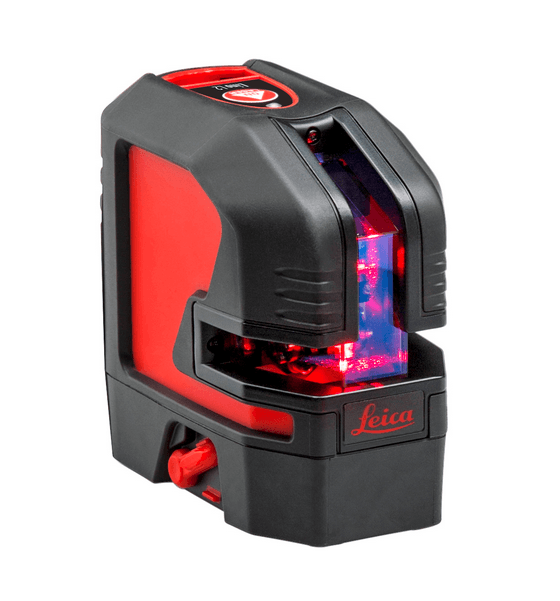
Leica Lino L2 Cross Line Laser
Leica · Line & Rotary Lasers
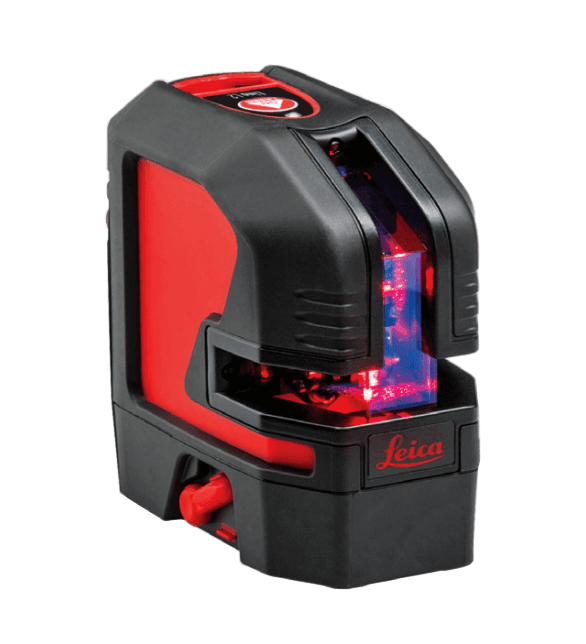
Leica Lino L2s Cross Line Laser (Alkaline)
Leica · Line & Rotary Lasers
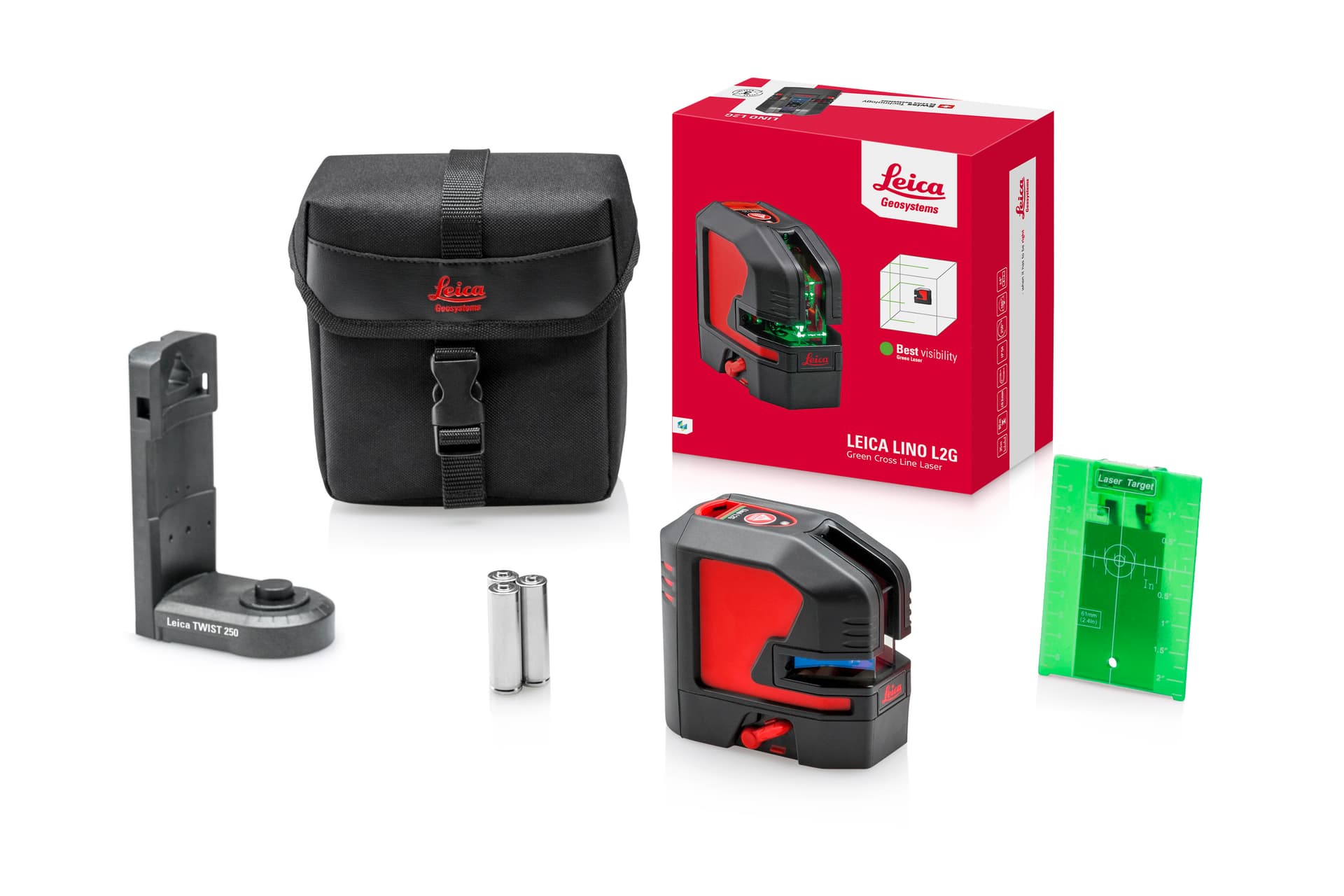
Leica Lino L2Gs Green Cross Line Laser (Alkaline)
Leica · Line & Rotary Lasers
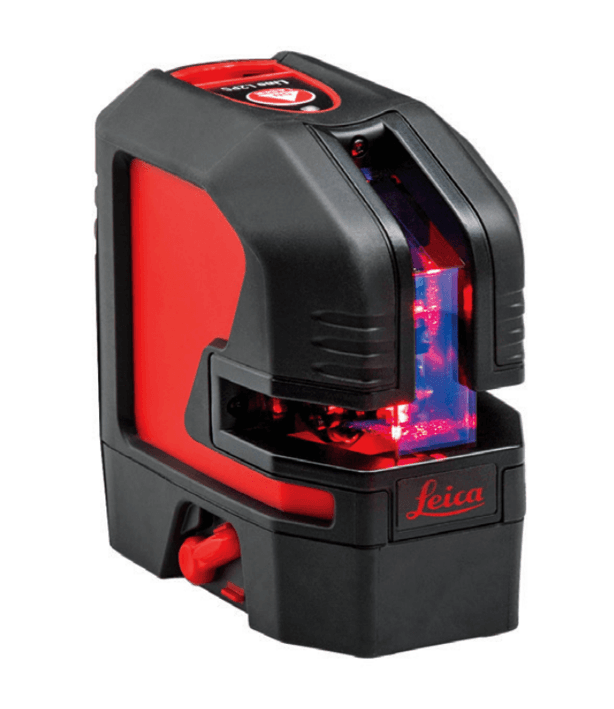
Leica Lino L2P5 Cross Line and 5 Point Laser
Leica · Line & Rotary Lasers
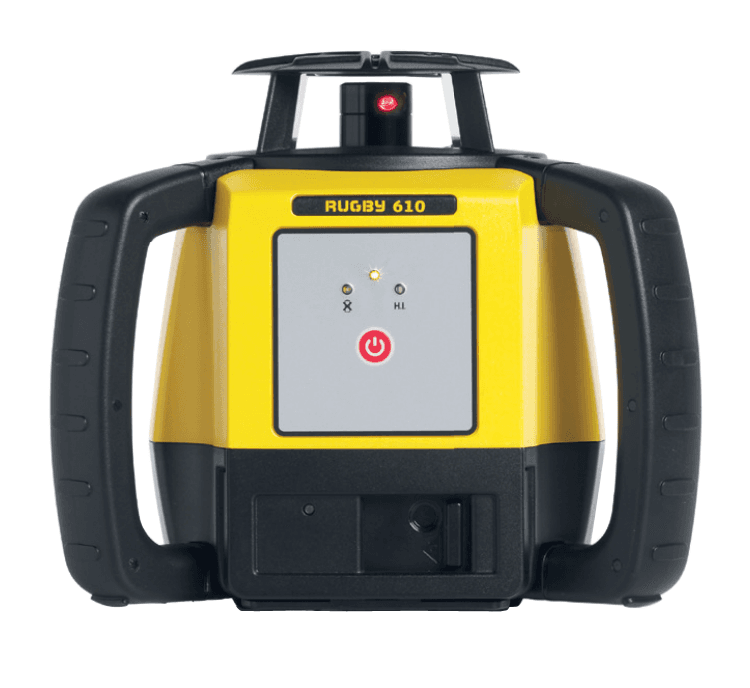
Leica Rugby 610 Rotating Construction Laser
Leica · Line & Rotary Lasers
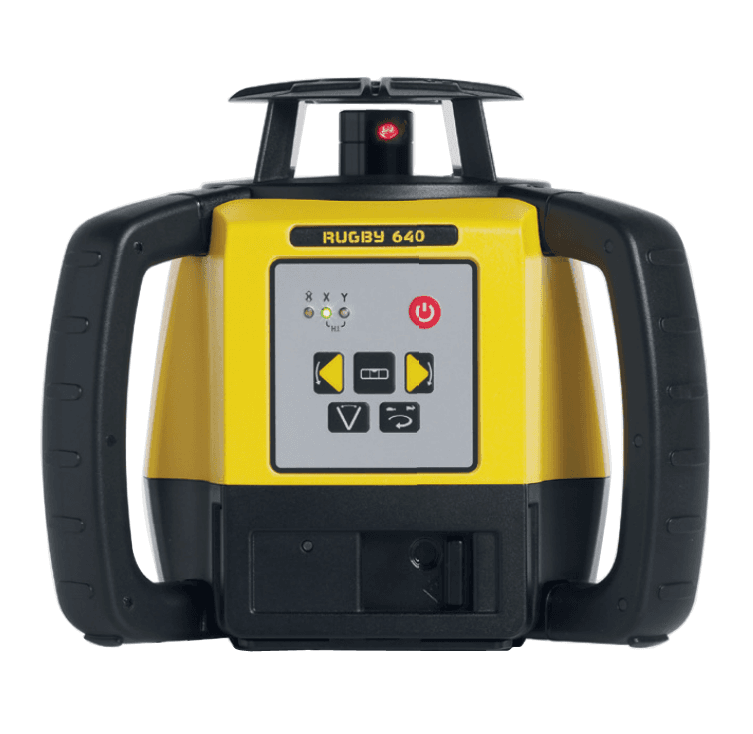
Leica Rugby 640 Horizontal-Vertical Rotating Construction Laser
Leica · Line & Rotary Lasers
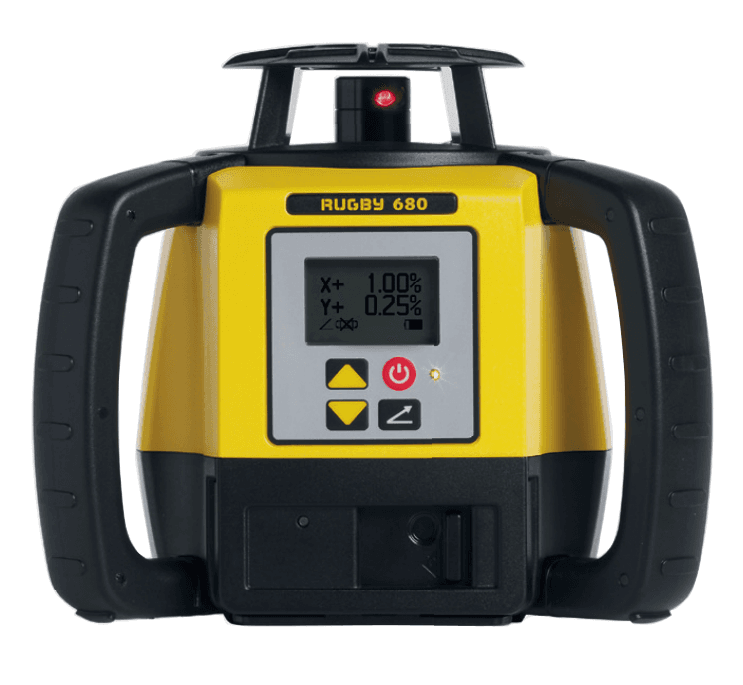
Leica Rugby 680 Dual Grade Rotating Construction Laser
Leica · Line & Rotary Lasers
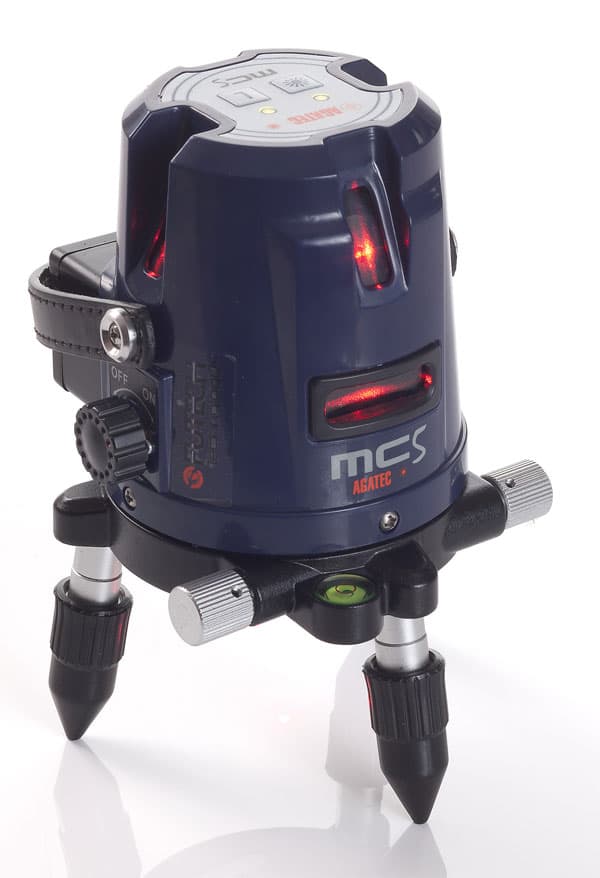
Leica Agatec MC5 Pendulum Self-Levelling Laser
Leica · Line & Rotary Lasers
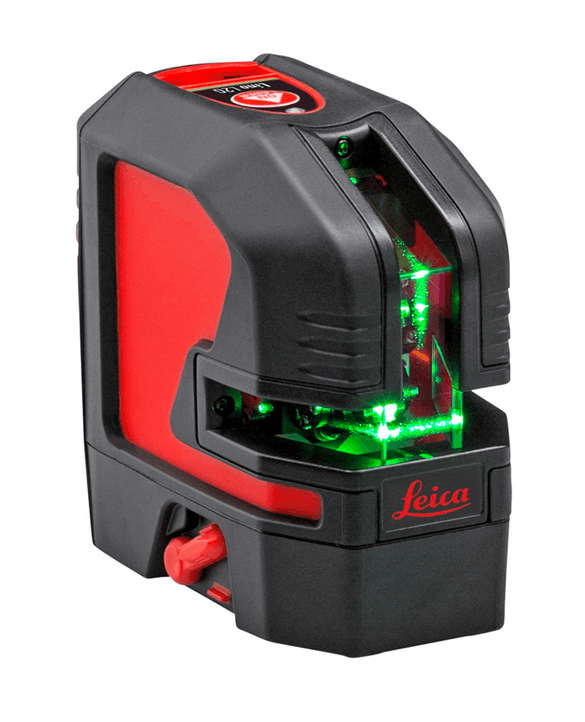
Leica Lino L2G Green Cross Line Laser
Leica · Line & Rotary Lasers
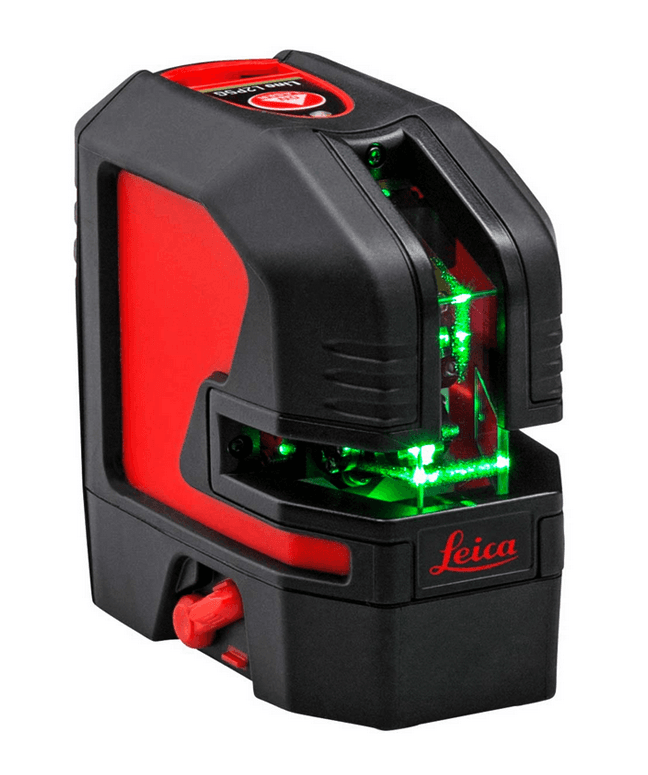
Leica Lino L2P5G Green Cross Line and 5 Point Laser
Leica · Line & Rotary Lasers
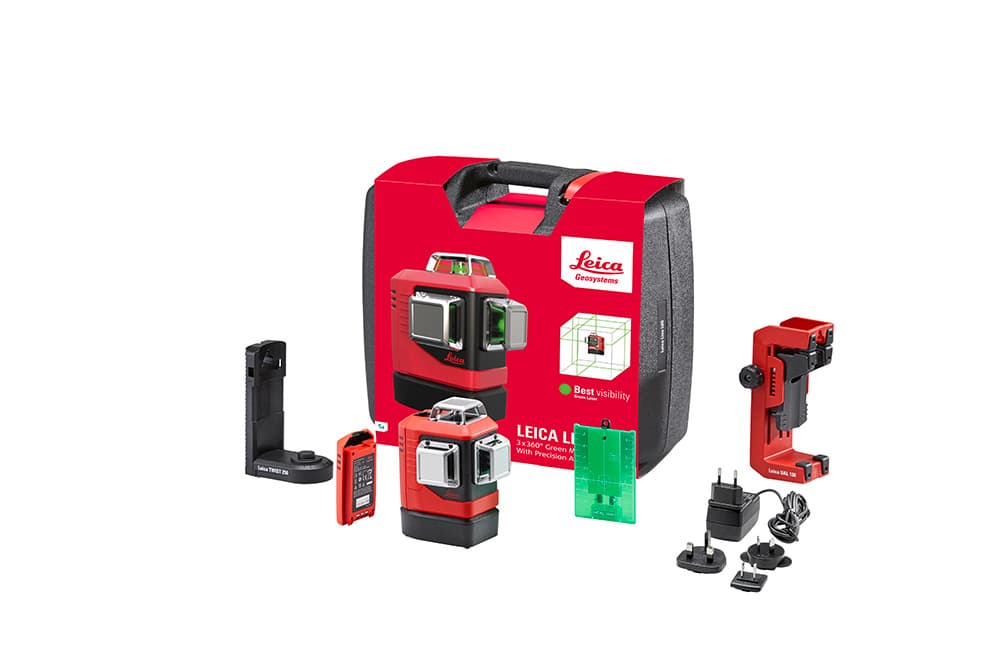
Leica Lino L6G Green 3x360° Multi Line Laser
Leica · Line & Rotary Lasers
Laser Meters & Accessories
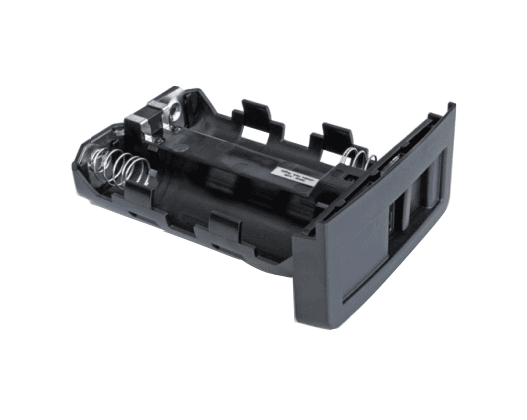
Leica A150 Alkaline Battery Holder
Leica · Laser Measuring Tools
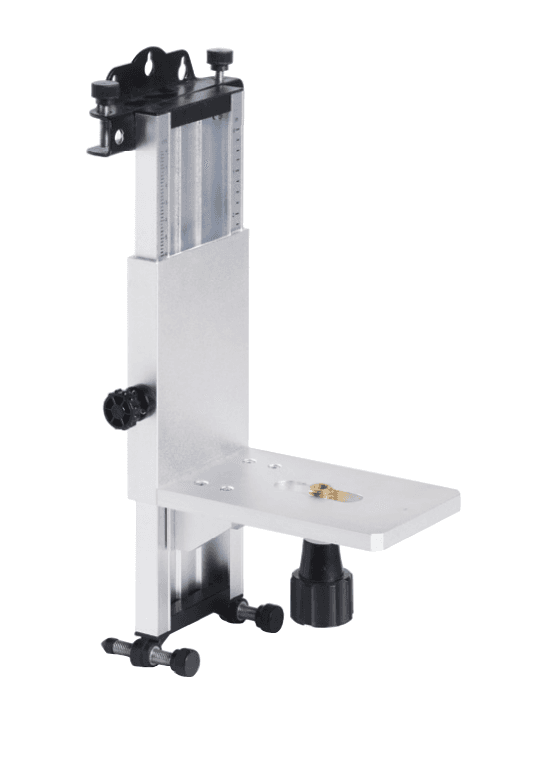
Leica A200 Wall Bracket
Leica · Laser Measuring Tools
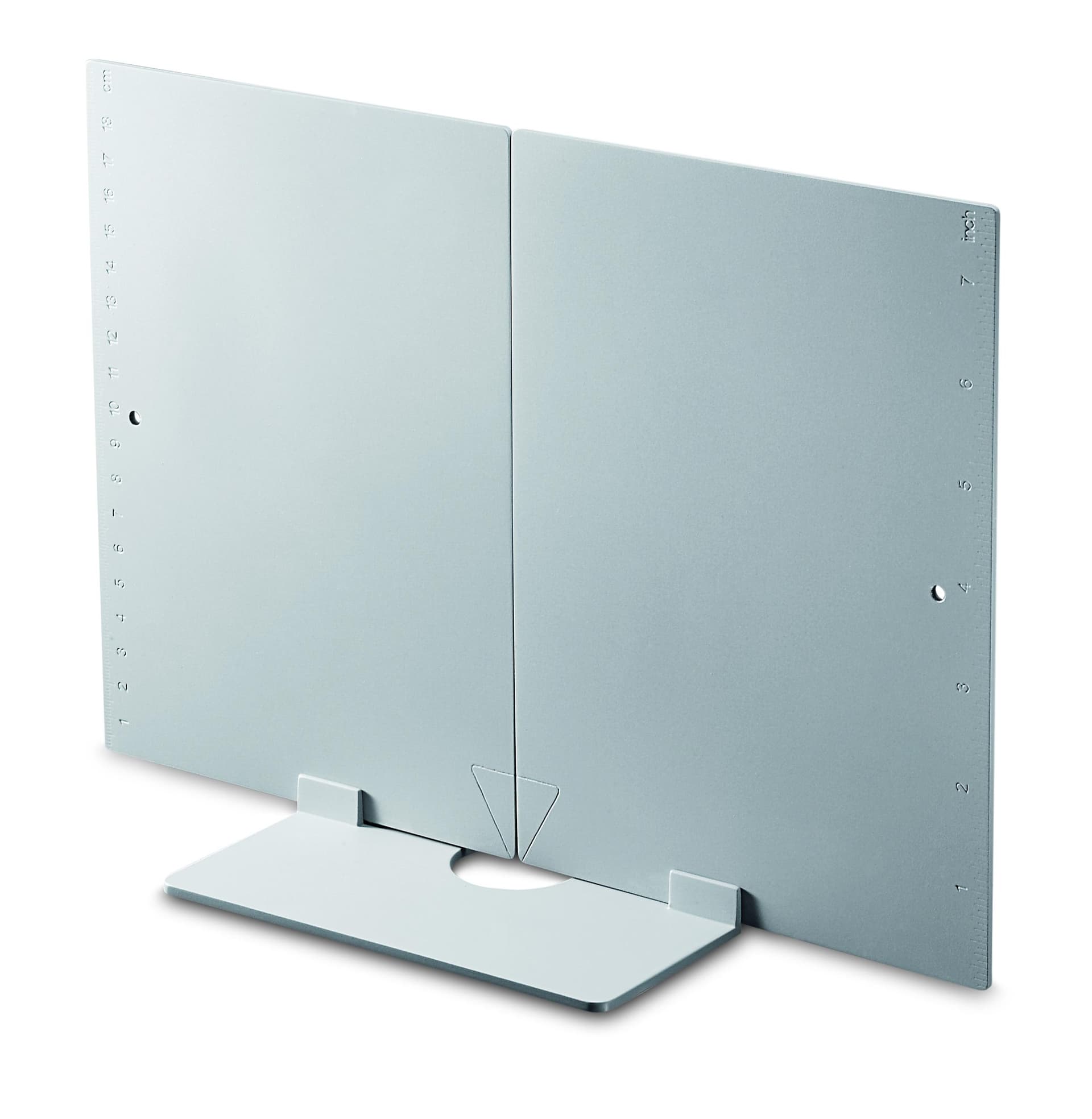
Leica 766560 Laser Target Plate
Leica · Laser Measuring Tools

Leica A220 Formwork Clamp Bracket
Leica · Laser Measuring Tools
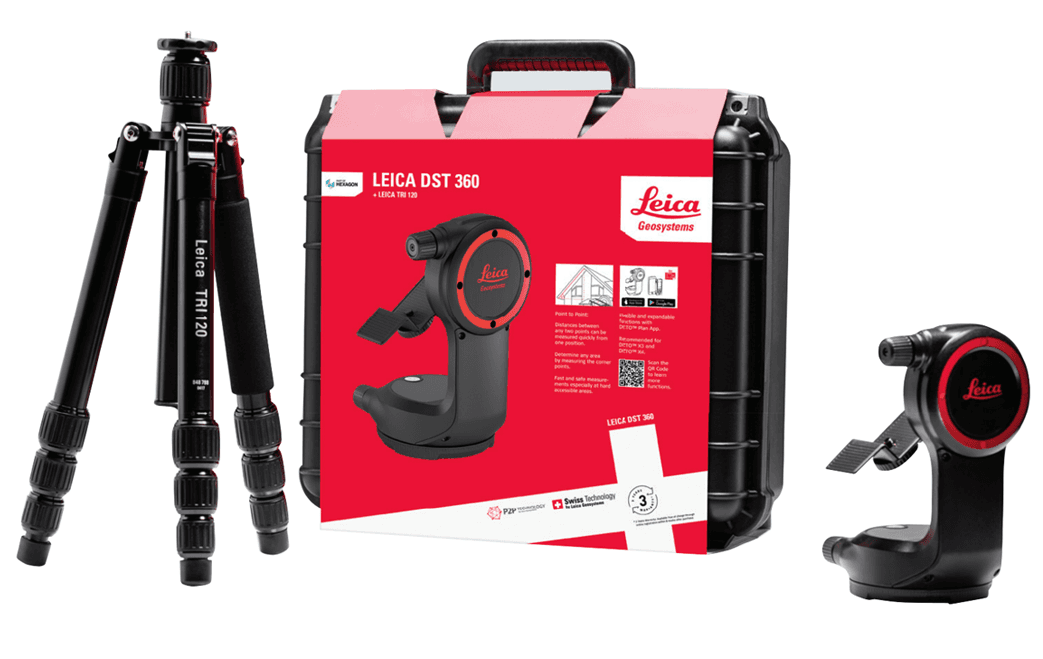
Leica DST360 Set Outdoor Laser Distance Meter with Camera
Leica · Laser Measuring Tools
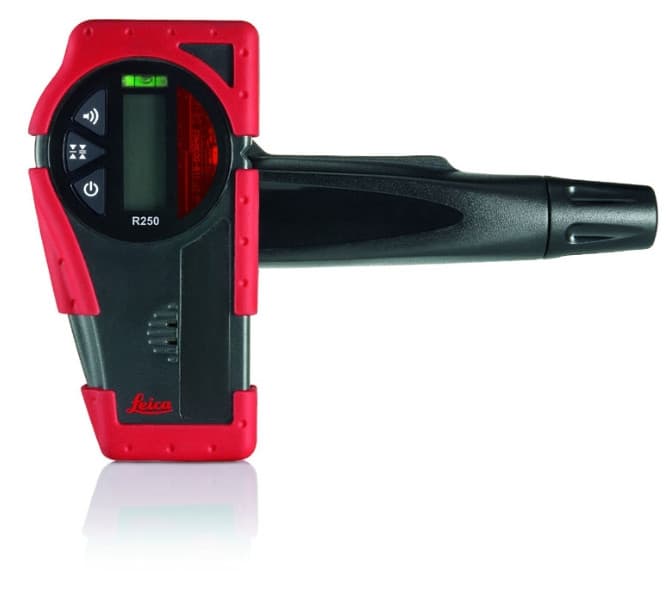
Leica R250 Laser Detector (Roteo Series)
Leica · Laser Measuring Tools
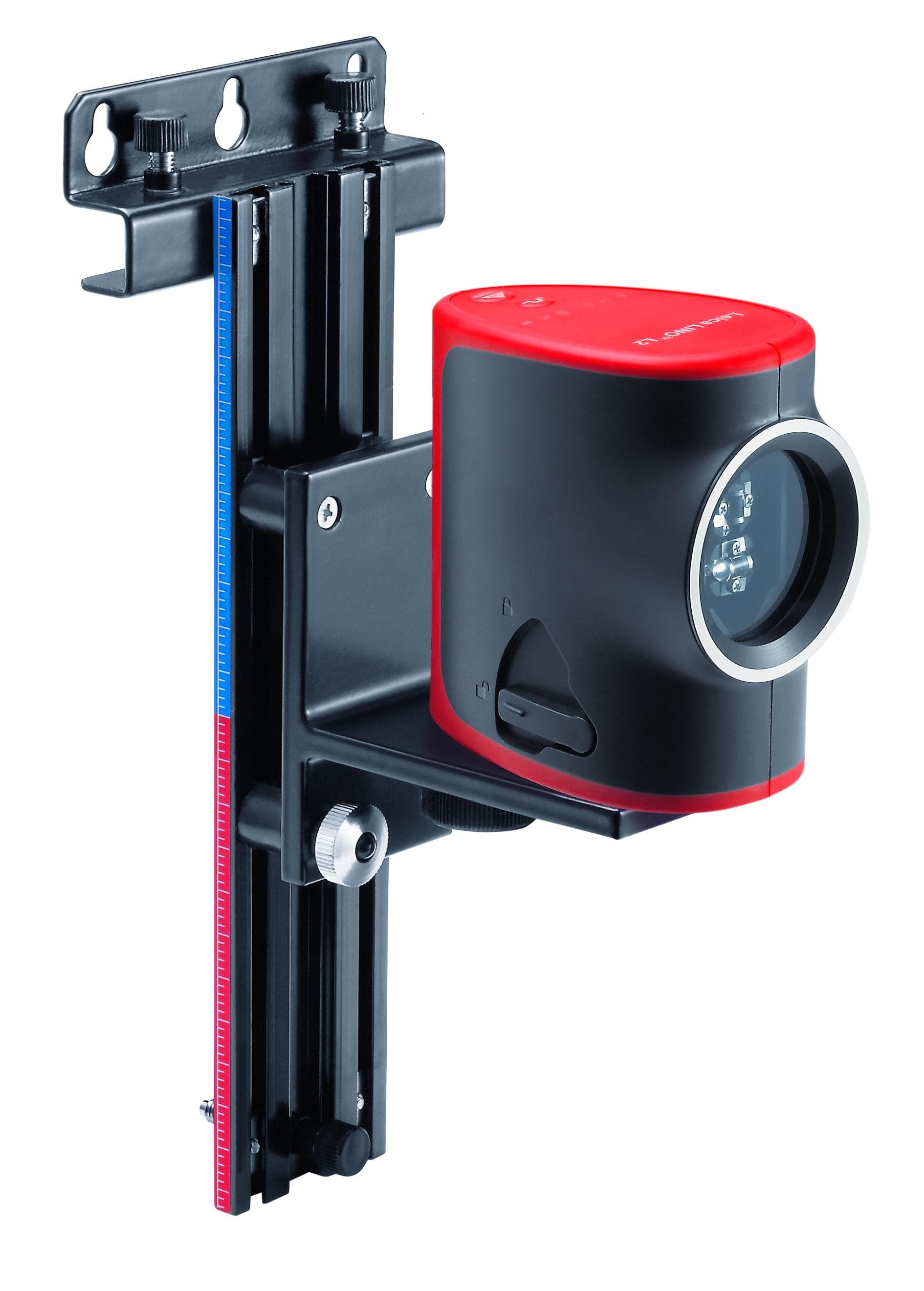
Leica 758839 Wall and Suspended Ceiling Adapter 1/4″
Leica · Laser Measuring Tools
Leica Agatec Tape7 Laser Distance Meter 70 m
Leica · Laser Measuring Tools
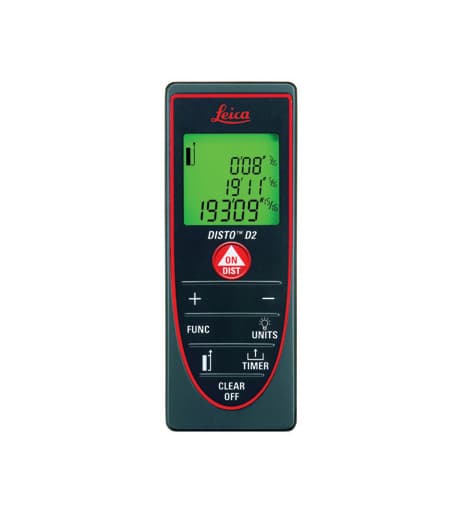
Leica DISTO D2 Bluetooth Laser Distance Meter 100 m
Leica · Laser Measuring Tools
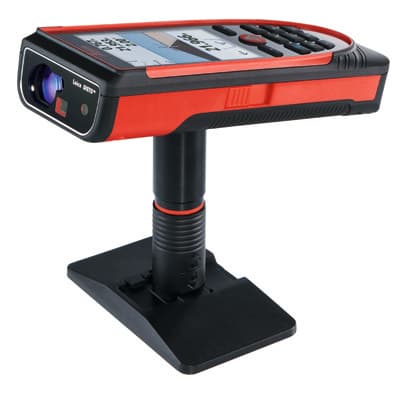
Leica DISTO S910 Laser Distance Meter 300 m (P2P)
Leica · Laser Measuring Tools
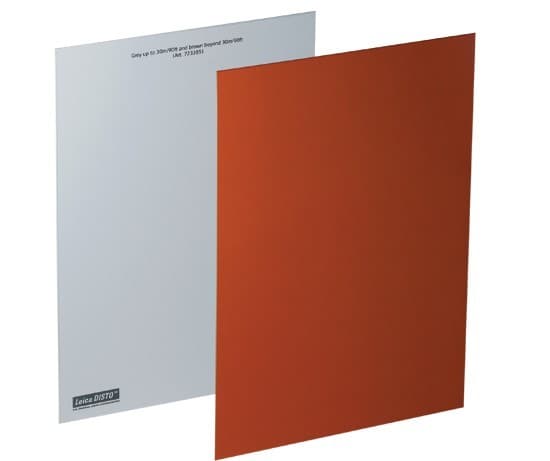
Leica GZM26 Target Plate (210 x 297 mm)
Leica · Laser Measuring Tools
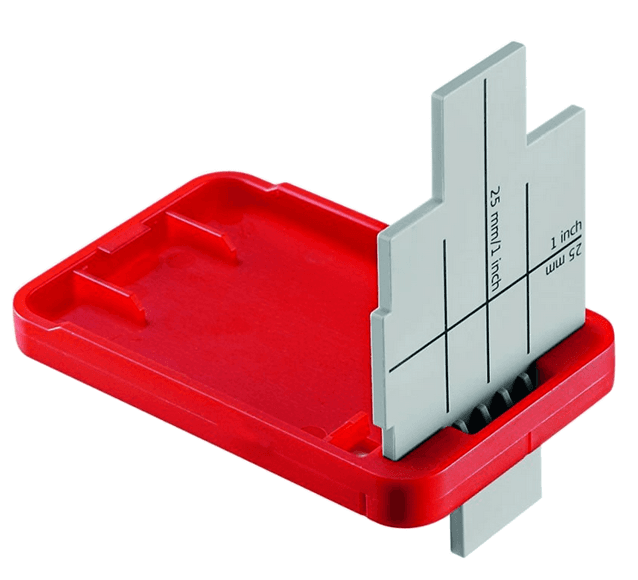
Leica GZM3 Target Plate
Leica · Laser Measuring Tools
All products
Search within this brand or browse by page.
Leica Lino P5 5 Point Plumb Laser
Leica · Line & Rotary Lasers
Leica A150 Alkaline Battery Holder
Leica · Laser Measuring Tools
Leica Lino L2 Cross Line Laser
Leica · Line & Rotary Lasers
Leica Lino L2s Cross Line Laser (Alkaline)
Leica · Line & Rotary Lasers
Leica Lino L2Gs Green Cross Line Laser (Alkaline)
Leica · Line & Rotary Lasers
Leica Lino L2P5 Cross Line and 5 Point Laser
Leica · Line & Rotary Lasers
Leica A200 Wall Bracket
Leica · Laser Measuring Tools
Leica 766560 Laser Target Plate
Leica · Laser Measuring Tools
Leica Rugby 610 Rotating Construction Laser
Leica · Line & Rotary Lasers
Leica Rugby 640 Horizontal-Vertical Rotating Construction Laser
Leica · Line & Rotary Lasers
Leica Rugby 680 Dual Grade Rotating Construction Laser
Leica · Line & Rotary Lasers
Leica A220 Formwork Clamp Bracket
Leica · Laser Measuring Tools
Leica DST360 Set Outdoor Laser Distance Meter with Camera
Leica · Laser Measuring Tools
Leica R250 Laser Detector (Roteo Series)
Leica · Laser Measuring Tools
Leica Agatec MC5 Pendulum Self-Levelling Laser
Leica · Line & Rotary Lasers
Leica 758839 Wall and Suspended Ceiling Adapter 1/4″
Leica · Laser Measuring Tools
Leica Agatec Tape7 Laser Distance Meter 70 m
Leica · Laser Measuring Tools
Leica DISTO D2 Bluetooth Laser Distance Meter 100 m
Leica · Laser Measuring Tools
Leica DISTO S910 Laser Distance Meter 300 m (P2P)
Leica · Laser Measuring Tools
Leica GZM26 Target Plate (210 x 297 mm)
Leica · Laser Measuring Tools
Leica GZM3 Target Plate
Leica · Laser Measuring Tools
Leica Lino L2G Green Cross Line Laser
Leica · Line & Rotary Lasers
Leica Lino L2P5G Green Cross Line and 5 Point Laser
Leica · Line & Rotary Lasers
Leica Lino L6G Green 3x360° Multi Line Laser
Leica · Line & Rotary Lasers
1–24 of 44 · page 1 / 2
About Leica
The 44 Leica rows in this catalogue solve one job at three scales: establishing a reference plane. Indoors that job belongs to a line laser, on open ground to a rotating laser, and for a single distance to a laser meter. The tripod that carries the instrument, the staff that reads the plane and the detector that finds the beam are part of the same chain, and the range here is built to cover it end to end.
The Lino series is the line laser family for interior work. The L2 and L2s project one horizontal and one vertical line; the L2P5 and L2P5G add five plumb points to those lines; the P5 projects points only; the L6R and L6G project three 360° planes — one horizontal, two vertical — which sets out a whole room from a single setup. All of them share ±0.2 mm/m levelling accuracy, a ±4° self-levelling range and IP54 protection.
What the letters mean: a trailing G is the green beam, R the red, P5 the five point outputs, L6 the three-plane multi line layout. A lower case s marks the alkaline-powered version — the L2 and the L2s use the same optics and differ only in the power source. Li-ion versions run 28-44 hours and alkaline versions 8-25, and where there is no charging on site, swapping cells turns into the advantage.
The choice between red and green is not about output power but about the eye: green sits at the wavelength human vision is most sensitive to and reads distinctly brighter than red at the same output. On a floor with the lights on, or at distance, the green line stays readable while the red one washes out. Green models draw more power in return, and for short-range work in shade a red model is still the right choice.
The Rugby series is the open-site half. A rotating laser spins the beam at up to 10 rotations per second to establish a continuous grade plane, and that plane is read with a detector rather than by eye — which is why it works in daylight. The Rugby 610 levels horizontally at one button press; the 640 adds vertical levelling, a scan mode and plummets; the 680 gives digital dual-axis grade up to 8% and, at ±1.5 mm over 30 m, is the tightest of the three. Working diameter runs from 500 to 1100 m depending on the detector, and the bodies are rated IP67 from -20 to +50 °C.
On the DISTO side there are three ranges: 70 m with the Agatec Tape7, 100 m with the D2 and 300 m with the S910. The D2 sends readings to a phone over Bluetooth; the S910 is built for facade and as-built survey work, with point-to-point (P2P) measurement between two independent points from a single setup, a 360° tilt sensor, a 4x zoom camera and DXF export. The DST360 set makes the same work possible outdoors by aiming through the camera.
Accessories make up more than half the list, and they are usually the part that turns out to be missing. On tripods the first thing to check is the thread: 1/4″ is the fitting for line lasers and distance meters, 5/8″ for rotating lasers and levels. The TRI70, TRI120, TRI200 and RMT2111 are 1/4″; the RMT160, RMT220 and RMT300 are 5/8″ heavy duty — the RMT300 reaches a 290 cm working height, because the grade plane has to clear formwork and rebar.
The remaining accessories close the three weak points of a measurement. Target plates (GZM3, GZM26, 766560, the TPD100 set) keep the mark readable at the distance where the beam washes out on the surface. Detectors (the R250, and the RRC350G for green beams) find electronically the plane daylight hides. Staffs and the staff bubble (RMM05, RSS111, RMM07, RMM000) turn the plane into a number — and the bubble exposes the error a leaning staff quietly adds. Wall, formwork and ceiling brackets (A200, A220, UAL130, 758839) and the magnetic adapters (Twist250, Twist360) fix the instrument to the working surface itself where a tripod will not go.
Seza Global supplies this range wholesale and on a project basis. Ask us about model selection, beam colour, tripod threads and detector compatibility, and request a quote for any Leica product you do not see listed here.
Frequently asked questions
Should I buy a red beam or a green beam laser?
Green sits at the wavelength the human eye is most sensitive to and reads distinctly brighter than red at the same output, so it is easier to see in a lit interior and at distance. Red models draw less power and are enough for short-range work in shade. Both are in the catalogue: the L2/L2s, L2P5, P5 and L6R are red; the L2G, L2Gs, L2P5G, L6G and L6Gs are green.
What is the difference between a line laser and a rotating construction laser?
A line laser projects a fixed line or plane that is read by eye, indoors, at 25-35 m. A rotating laser spins the beam at up to 10 rotations per second to establish a continuous grade plane, and that plane is read with a detector — which is why it works in daylight, on open ground, over a 500-1100 m diameter. In short: alignment inside a building is line laser work, site levels are rotating laser work.
Do I need a detector to work with a rotating laser?
Outdoors, yes. In daylight the beam is invisible to the eye; the detector picks it up electronically and marks the grade line with an audible and visual signal. The catalogue carries the R250 for the ROTEO series and the RRC350G for green beam instruments. Indoors at short range no detector is needed — the line is read by eye.
What is the difference between a 1/4″ and a 5/8″ tripod thread?
1/4″ is the standard fitting for line and point lasers and for distance meters; 5/8″ belongs to rotating construction lasers and levels. In this catalogue the TRI70, TRI120, TRI200 and RMT2111 are 1/4″, and the RMT160, RMT220 and RMT300 are 5/8″. Part of the Lino series accepts both. If the thread does not match you need an adapter — the most commonly missed check before ordering.
What does ±0.2 mm/m levelling accuracy mean?
It means the line may deviate from true level by at most 0.2 mm for every metre away from the instrument: 2 mm at 10 m, 4 mm at 20 m. The self-levelling range (±4° on the Lino series) is a different figure — the tilt the instrument can correct on its own. Inside that range setting the tripod up roughly is enough; outside it the instrument warns and will not measure.
Which DISTO laser distance meter should I choose?
By range and by the work: the Agatec Tape7 covers 70 m for interior surveys, the D2 reaches 100 m and sends readings to a phone over Bluetooth, and the S910 is built for facade and as-built work with 300 m range, ±1 mm accuracy, point-to-point (P2P) measurement, a 360° tilt sensor and DXF export. For aiming outdoors, the DST360 camera set is the answer.
What is point-to-point (P2P) measurement?
It is the ability to measure between two independent points that the instrument itself does not stand on, from a single setup. You do not have to reach either point, stand between them or put up scaffolding — which is where the time is saved on facade widths, window openings and heights. In this catalogue the DISTO S910 offers it, with a 9-measurement P2P capability.
Do you supply spares, accessories and batteries?
Yes. Tripods, target plates, detectors, levelling staffs and staff bubbles, wall and suspended ceiling brackets, the formwork clamp bracket, magnetic adapters and the A150 alkaline battery holder are all listed separately. If the part you need is not listed, send us the model code and we will check compatibility and come back with a lead time.
Can I get wholesale or dealer pricing?
Yes. Seza Global supplies B2B; prices are not published on the site and are quoted per model and quantity. Use the contact form for a dealer application or for a one-off project purchase.
Do you export and ship internationally?
Yes. Seza Global supplies abroad with export-ready invoicing and shipping documents. For measuring instruments, packaging, battery transport rules and the delivery term (FOB, CIF, EXW) are agreed before the order is placed.
Live pricing. Real stock. Direct from source.
Approved dealers access wholesale pricing, real-time stock and direct ordering through our B2B portal.