
MTE
MTE (Makina Takım Endüstrisi) manufactures the cutting tools of metal machining. The catalogue covers DIN 338, DIN 340 and DIN 345 twist drills in rolled, ground and TiN coated form, DIN 352 and DIN 2181 hand taps, DIN 371, 374, 376 and 5156 machine taps, DIN 223 and DIN 5158 dies, DIN 206 and DIN 212 reamers, DIN 844 end mills, DIN 335 countersinks, DIN 333 centre drills and DIN 4964 lathe tool bits.
Browse by category
A sample from featured product groups — see the full range in the list below.
Taps & Dies
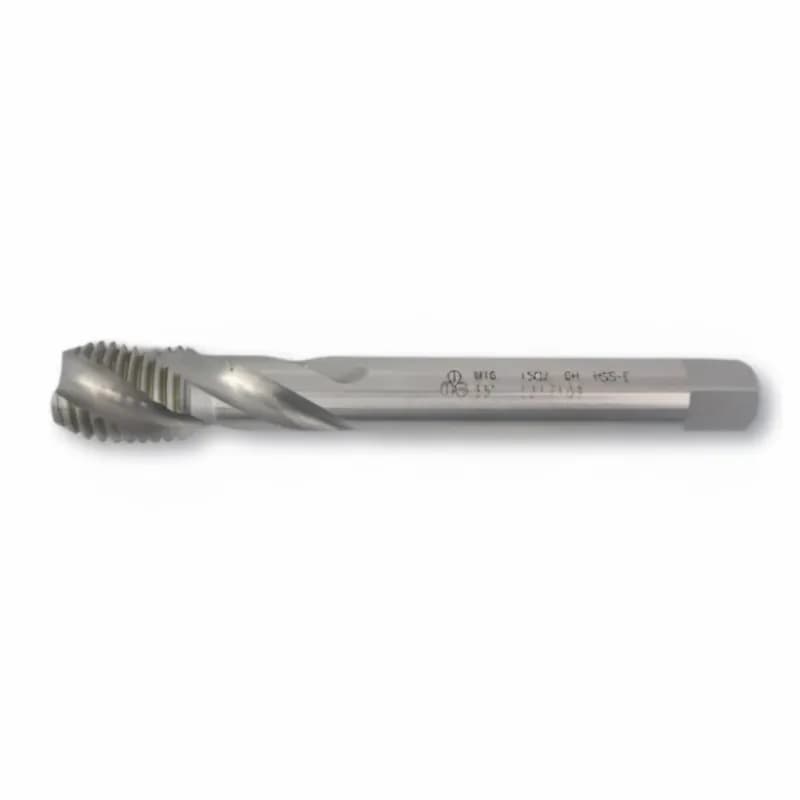
MTE HSS-E Spiral Flute Machine Tap DIN 376 C M16 (6H)
MTE · Taps & Dies
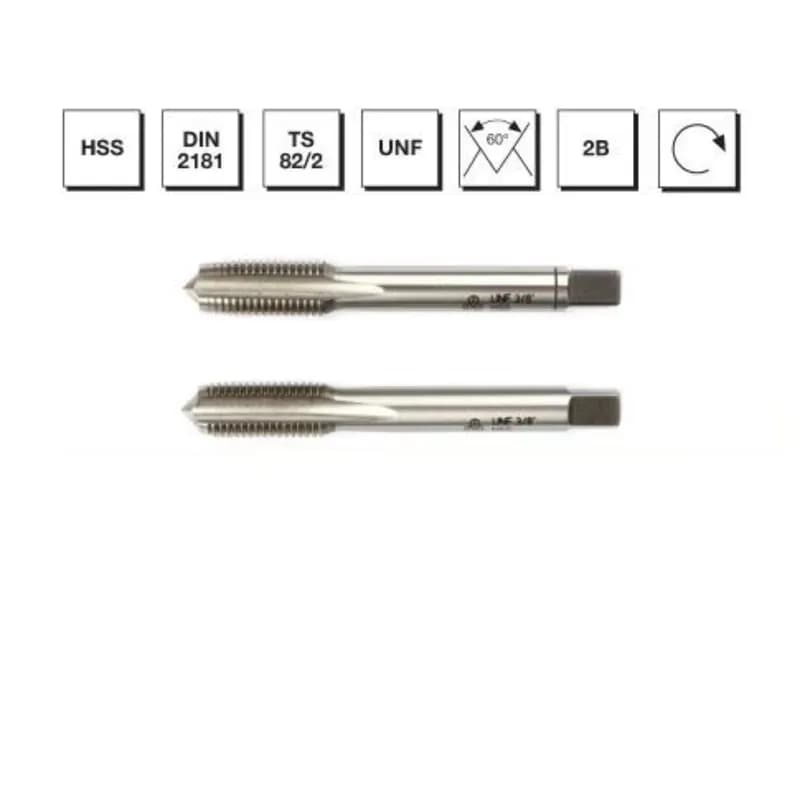
MTE HSS Fine Pitch Tap Set DIN 2181 M10x1 (2 Piece)
MTE · Taps & Dies
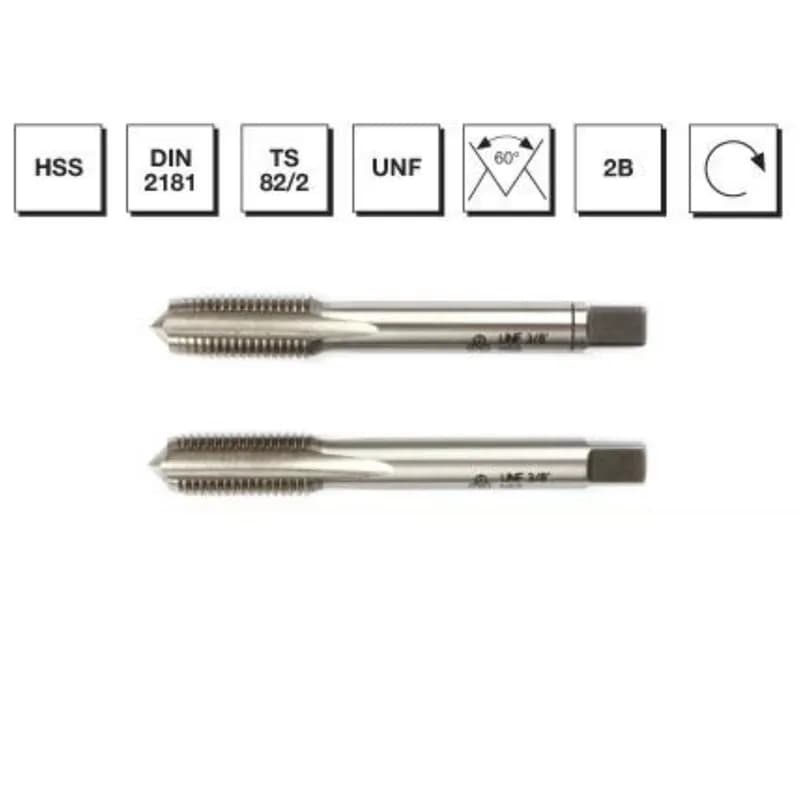
MTE HSS Fine Pitch Tap Set DIN 2181 M10x1.25 (2 Piece)
MTE · Taps & Dies
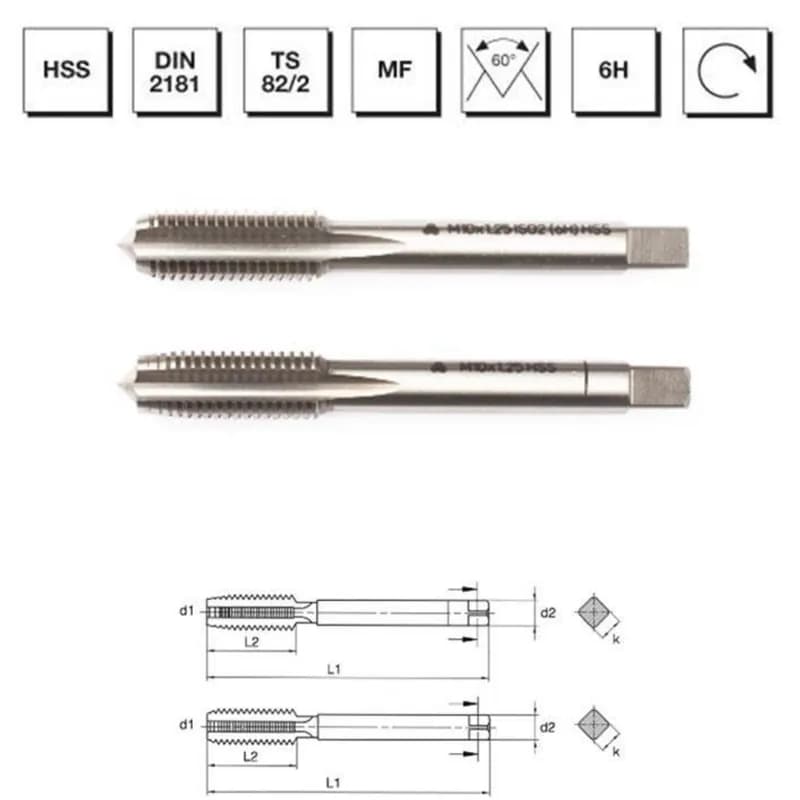
MTE HSS Fine Pitch Tap Set DIN 2181 M12x1.25 (2 Piece)
MTE · Taps & Dies
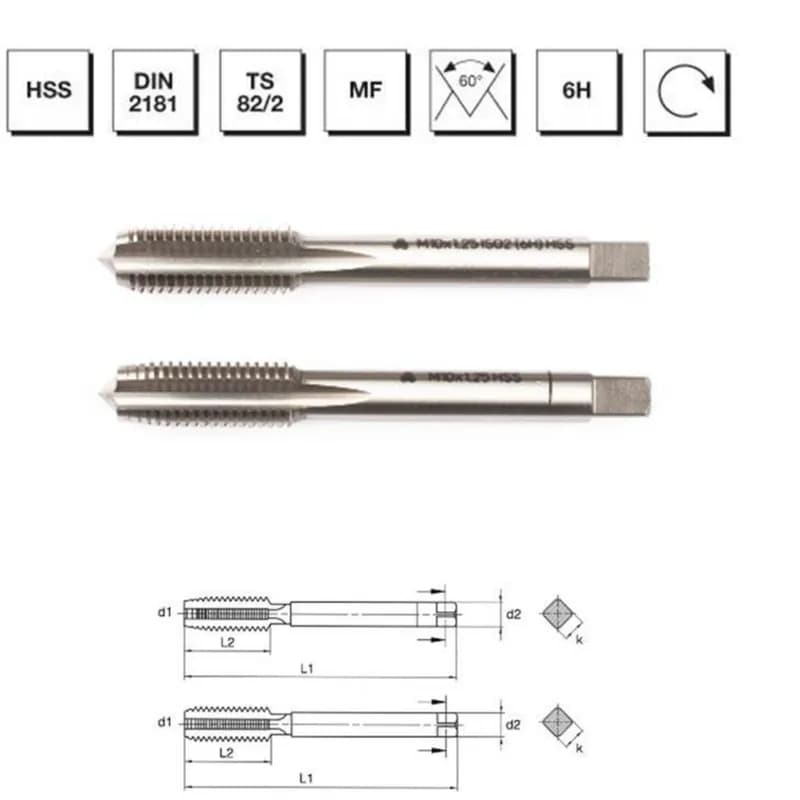
MTE HSS Fine Pitch Tap Set DIN 2181 M12x1.5 (2 Piece)
MTE · Taps & Dies
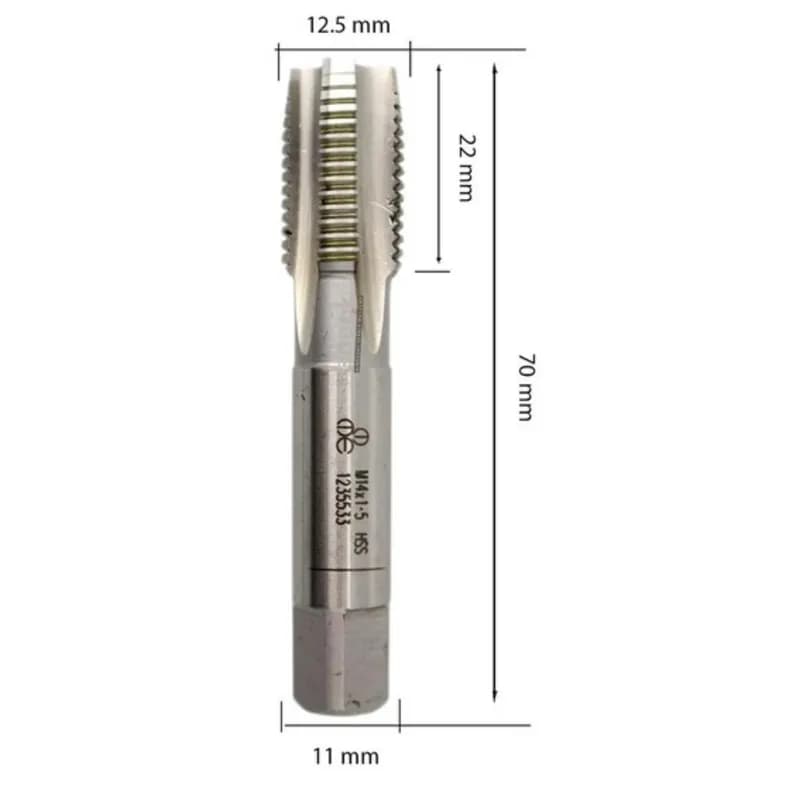
MTE HSS Fine Pitch Tap Set DIN 2181 M14x1.5 (2 Piece)
MTE · Taps & Dies
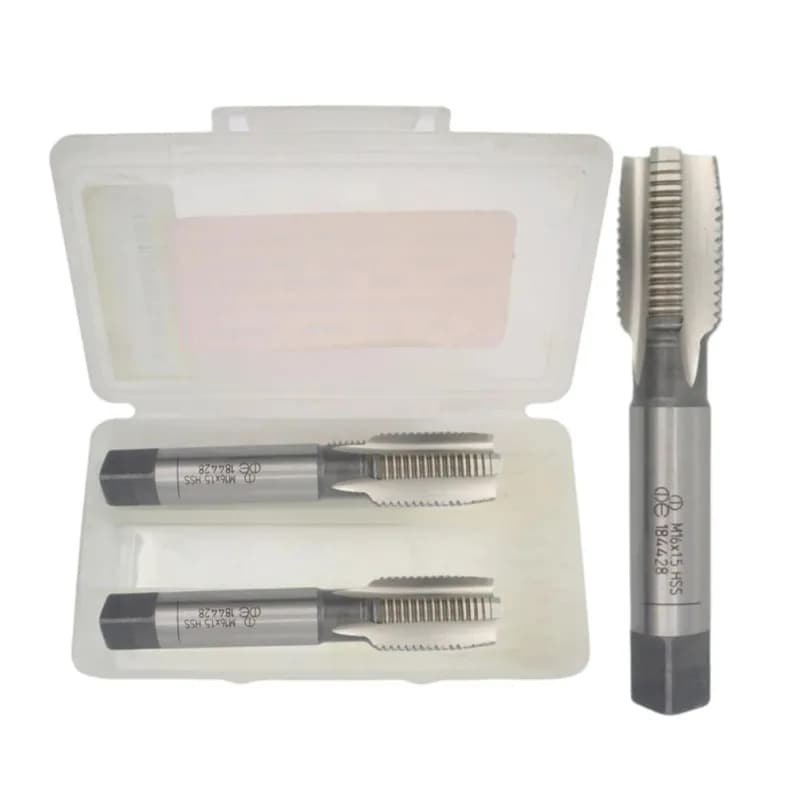
MTE HSS Fine Pitch Tap Set DIN 2181 M16x1.5 (2 Piece)
MTE · Taps & Dies
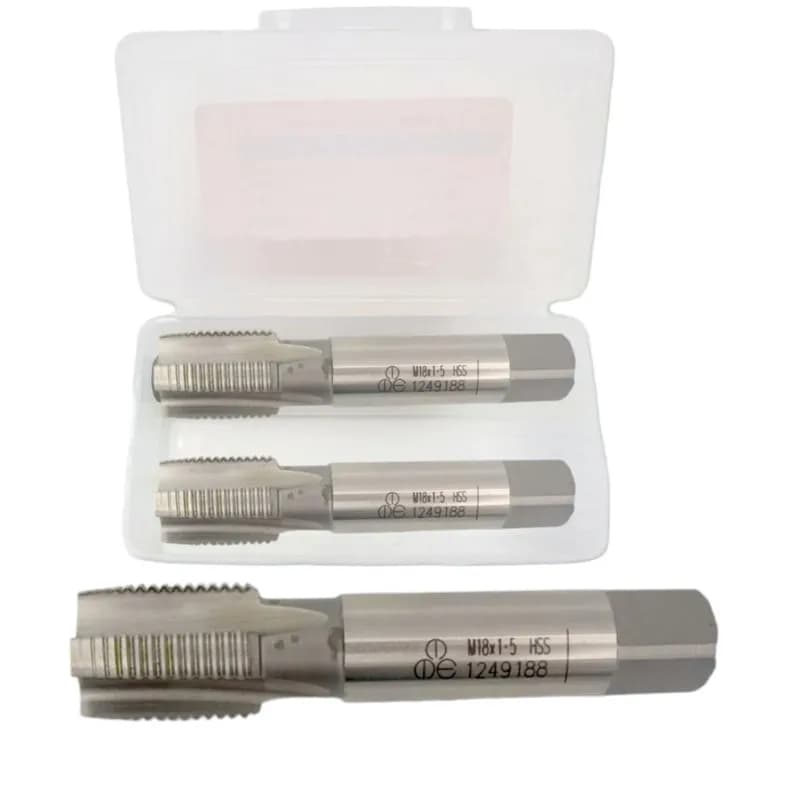
MTE HSS Fine Pitch Tap Set DIN 2181 M18x1.5 (2 Piece)
MTE · Taps & Dies
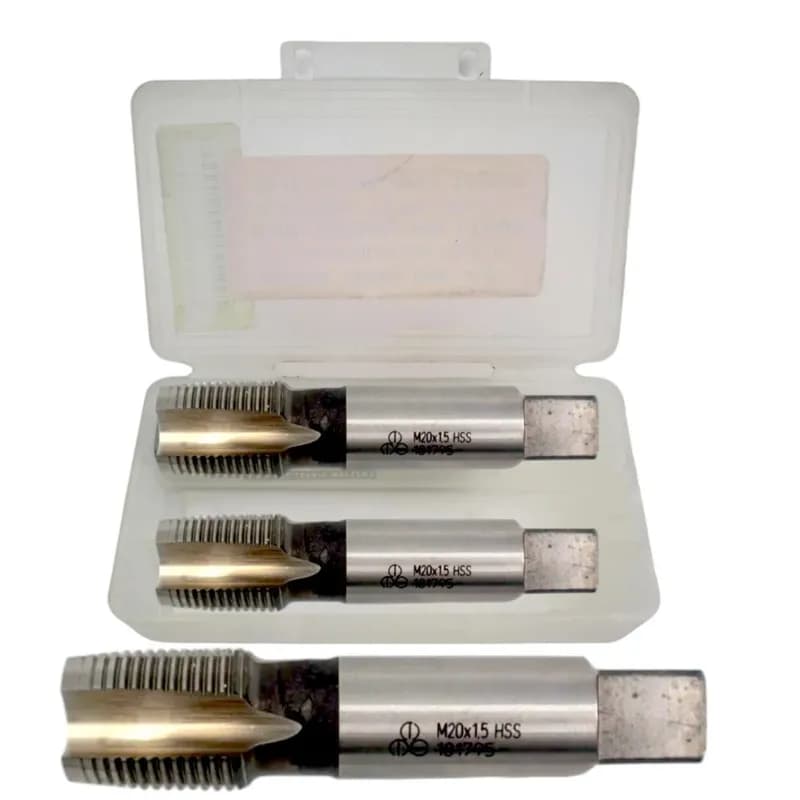
MTE HSS Fine Pitch Tap Set DIN 2181 M20x1.5 (2 Piece)
MTE · Taps & Dies
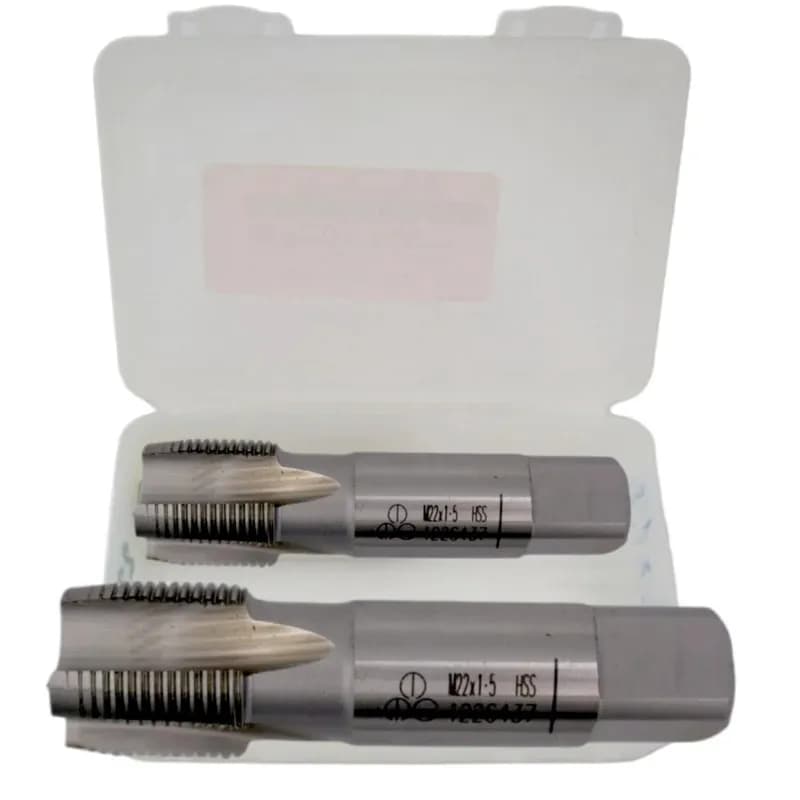
MTE HSS Fine Pitch Tap Set DIN 2181 M22x1.5 (2 Piece)
MTE · Taps & Dies
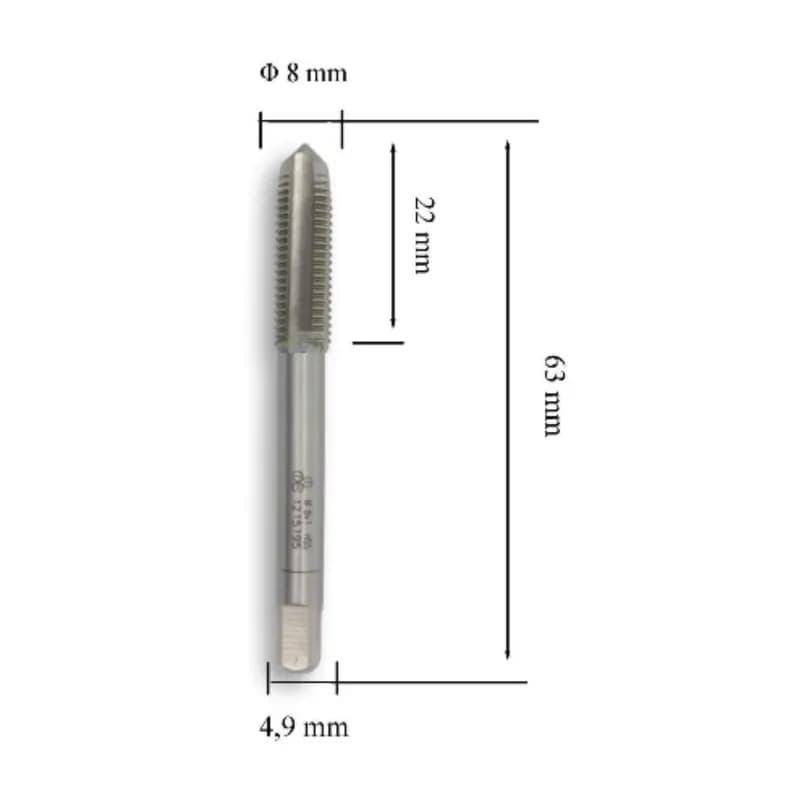
MTE HSS Fine Pitch Tap Set DIN 2181 M8x1 (2 Piece)
MTE · Taps & Dies
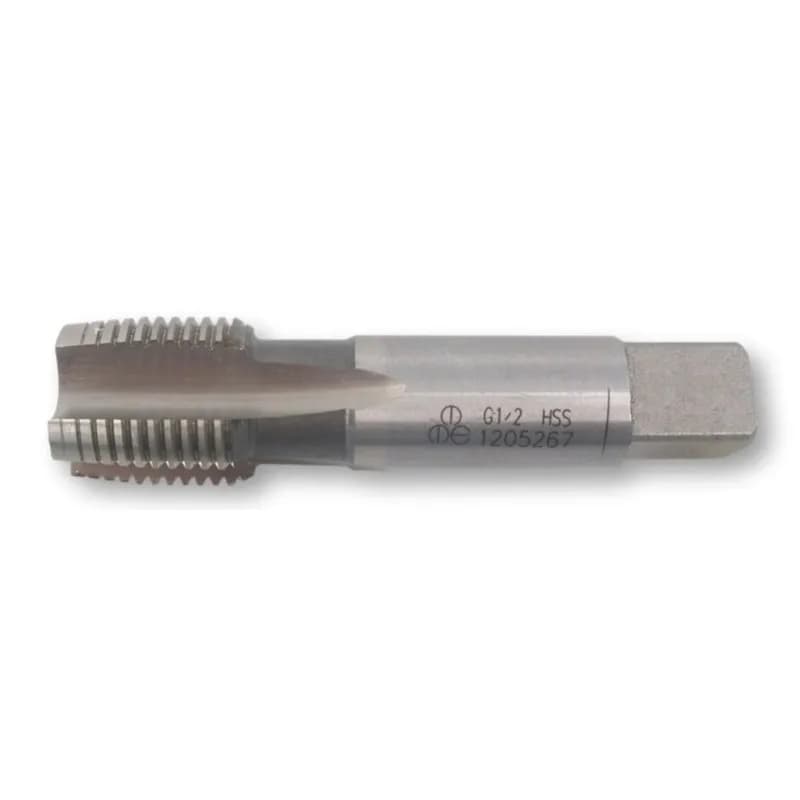
MTE HSS BSP Hand Tap Set DIN 5157 G1/2″x14 (2 Piece)
MTE · Taps & Dies
Metal Drill Bits (HSS)
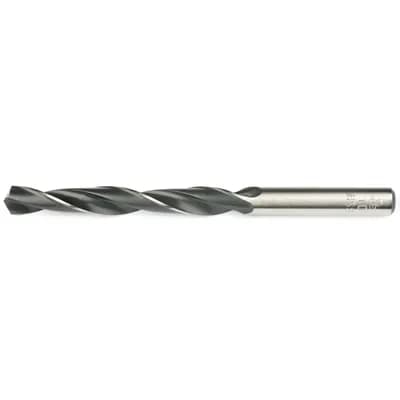
MTE Rolled HSS Twist Drill DIN 338 10 mm
MTE · Metal Drill Bits (HSS)
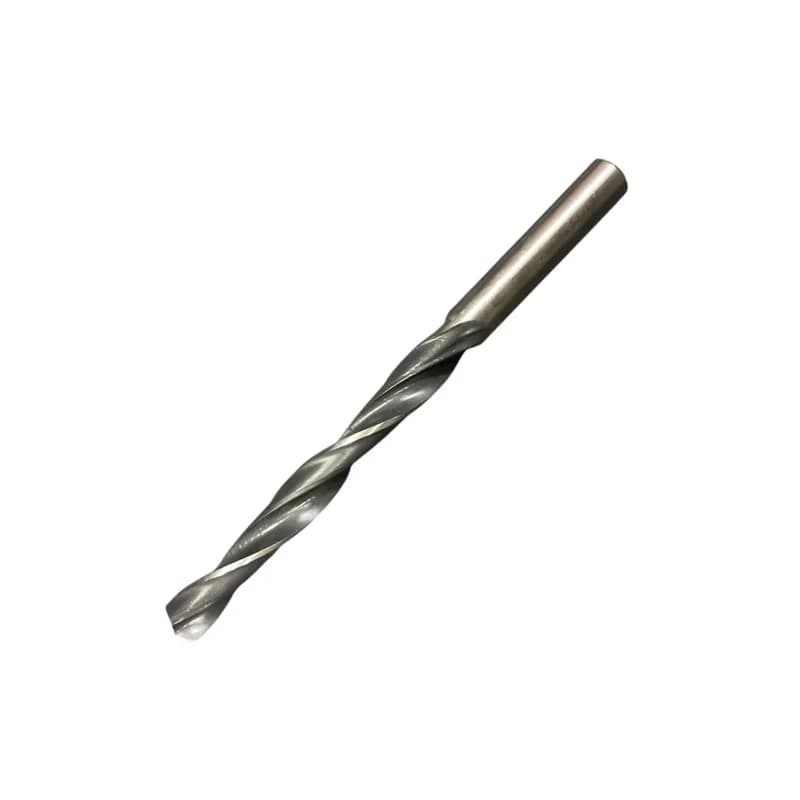
MTE Rolled HSS Twist Drill DIN 338 10.1 mm
MTE · Metal Drill Bits (HSS)
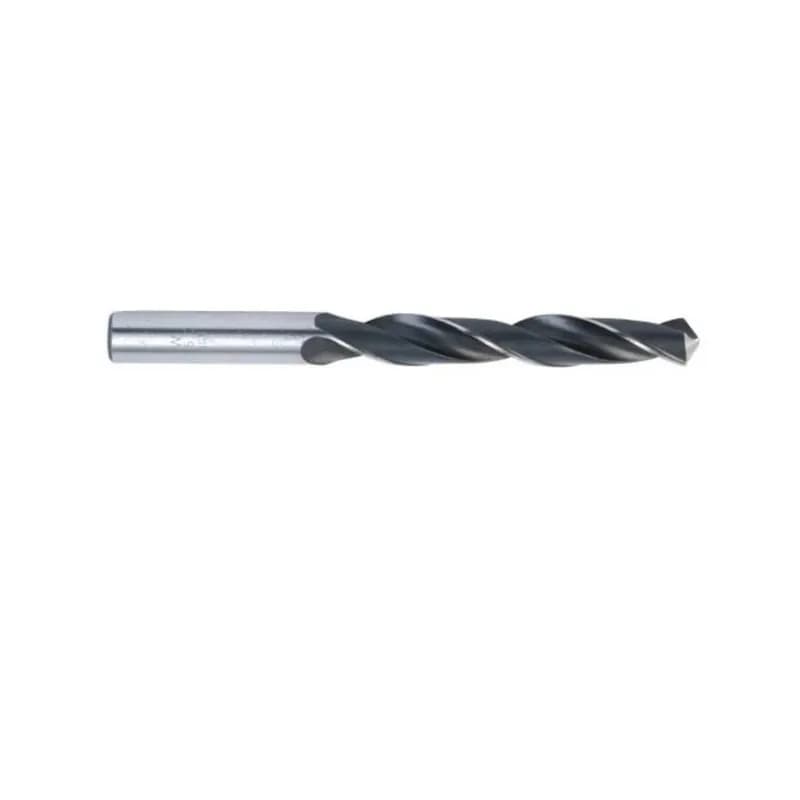
MTE Rolled HSS Twist Drill DIN 338 10.2 mm
MTE · Metal Drill Bits (HSS)
MTE Rolled HSS Twist Drill DIN 338 10.5 mm
MTE · Metal Drill Bits (HSS)
MTE Rolled HSS Twist Drill DIN 338 11 mm
MTE · Metal Drill Bits (HSS)
MTE Rolled HSS Twist Drill DIN 338 11.5 mm
MTE · Metal Drill Bits (HSS)
MTE Rolled HSS Twist Drill DIN 338 11.6 mm
MTE · Metal Drill Bits (HSS)
MTE Rolled HSS Twist Drill DIN 338 11.7 mm
MTE · Metal Drill Bits (HSS)
MTE Rolled HSS Twist Drill DIN 338 12 mm
MTE · Metal Drill Bits (HSS)
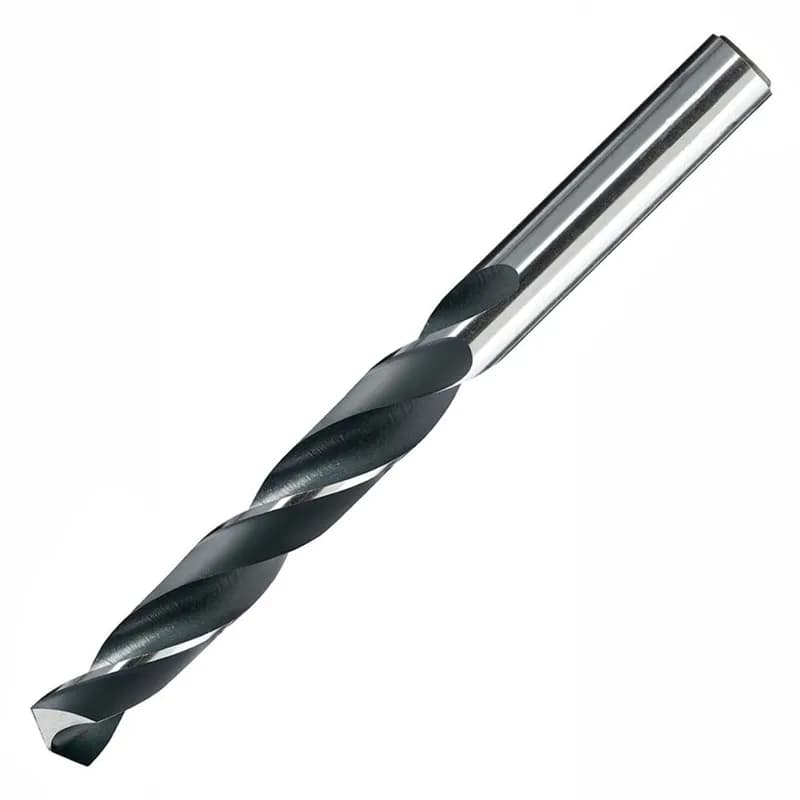
MTE Rolled HSS Twist Drill DIN 338 12.2 mm
MTE · Metal Drill Bits (HSS)
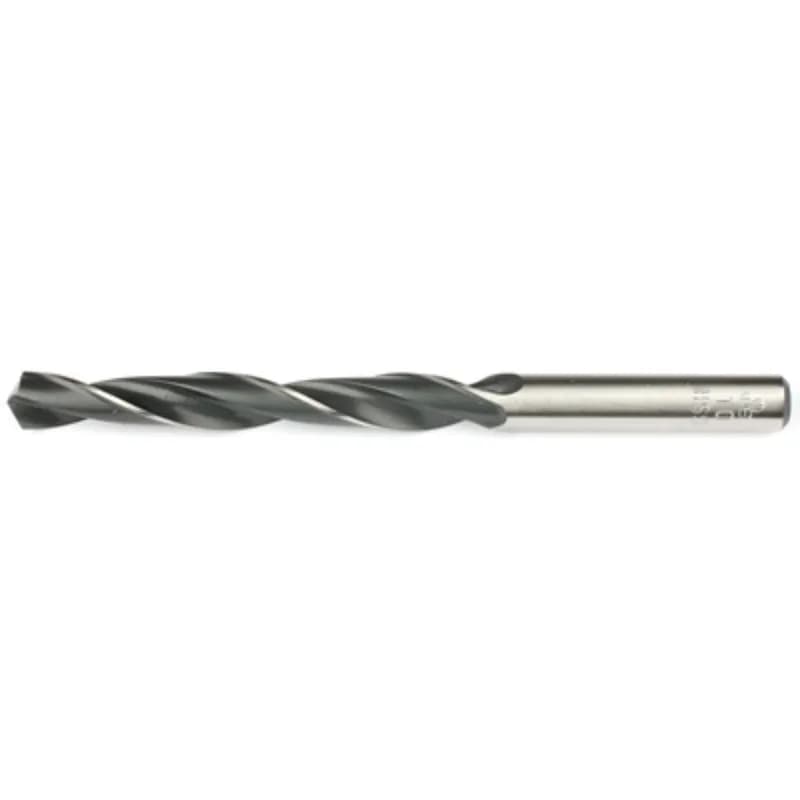
MTE Rolled HSS Twist Drill DIN 338 12.5 mm
MTE · Metal Drill Bits (HSS)
MTE Rolled HSS Twist Drill DIN 338 13 mm
MTE · Metal Drill Bits (HSS)
Milling Cutters
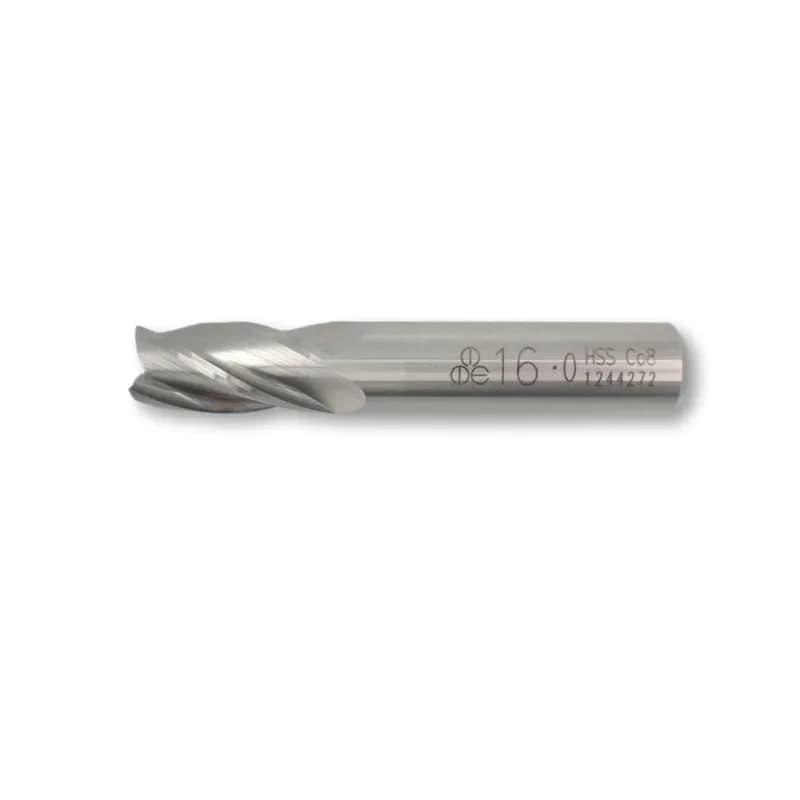
MTE HSS-E End Mill DIN 844 16 mm (Short)
MTE · Router Bits
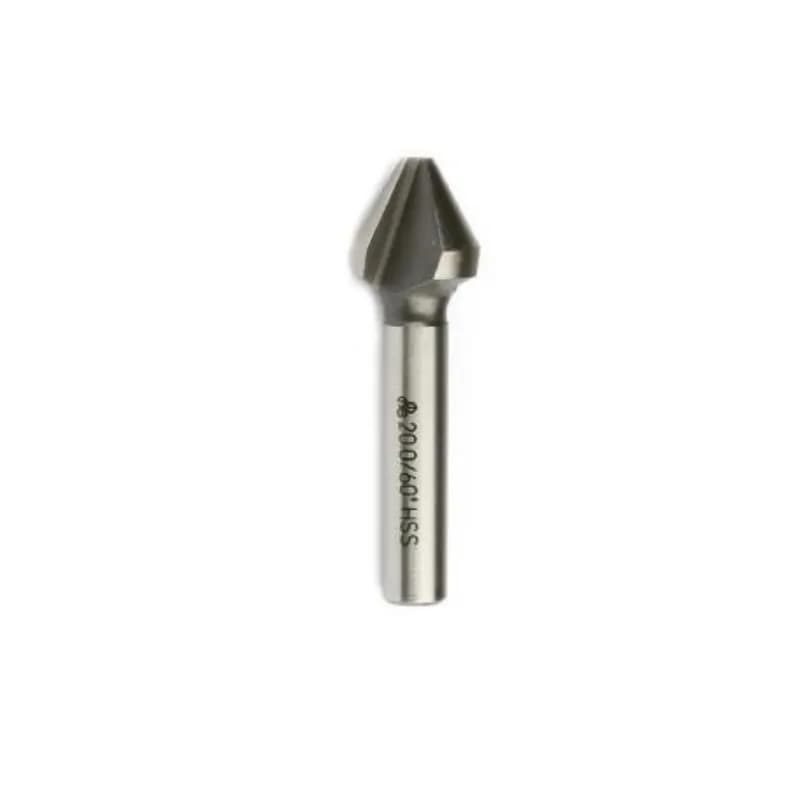
MTE HSS Countersink 60° 20 mm
MTE · Router Bits
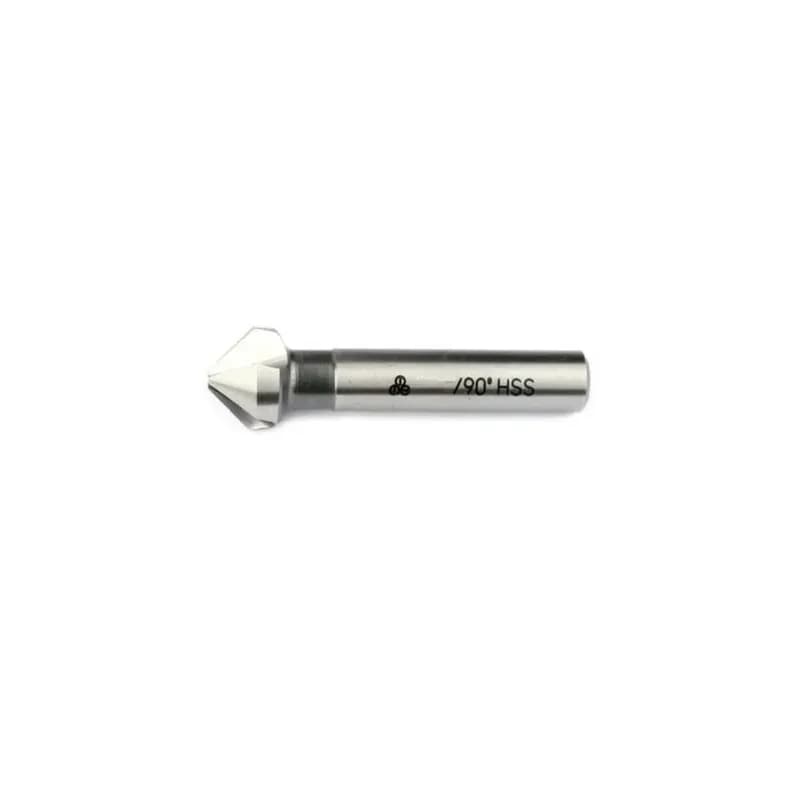
MTE HSS Countersink DIN 335 C 90° 10.4 mm
MTE · Router Bits
MTE HSS Countersink DIN 335 C 90° 12.4 mm
MTE · Router Bits
MTE HSS Countersink DIN 335 C 90° 16.5 mm
MTE · Router Bits
MTE HSS Countersink DIN 335 C 90° 20.5 mm
MTE · Router Bits
MTE HSS Countersink DIN 335 C 90° 25 mm
MTE · Router Bits
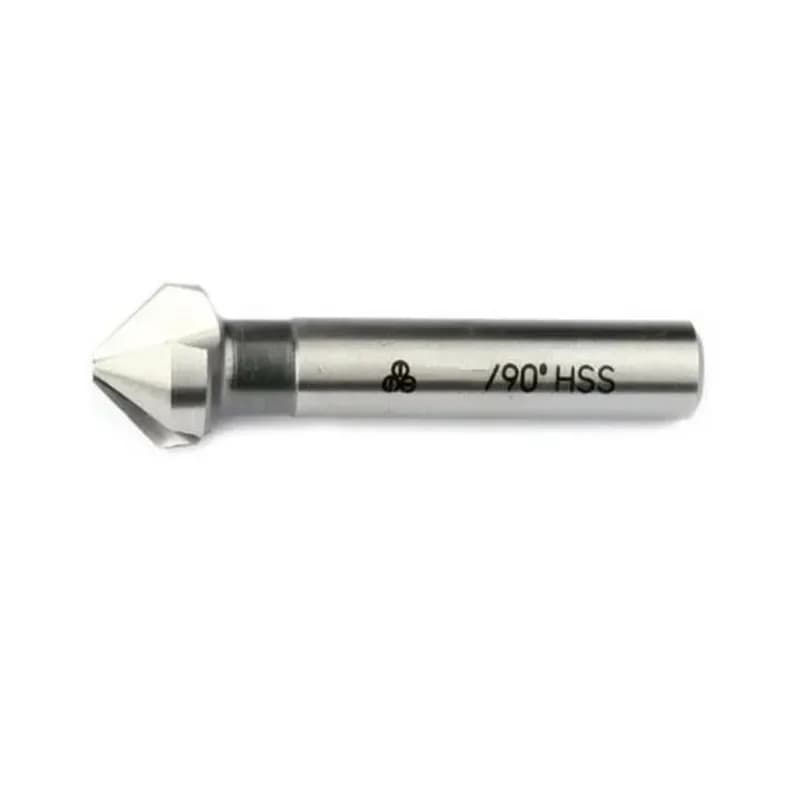
MTE HSS Countersink DIN 335 C 90° 31.5 mm
MTE · Router Bits
MTE HSS Countersink DIN 335 C 90° 6.3 mm
MTE · Router Bits
MTE HSS Countersink DIN 335 C 90° 8.3 mm
MTE · Router Bits
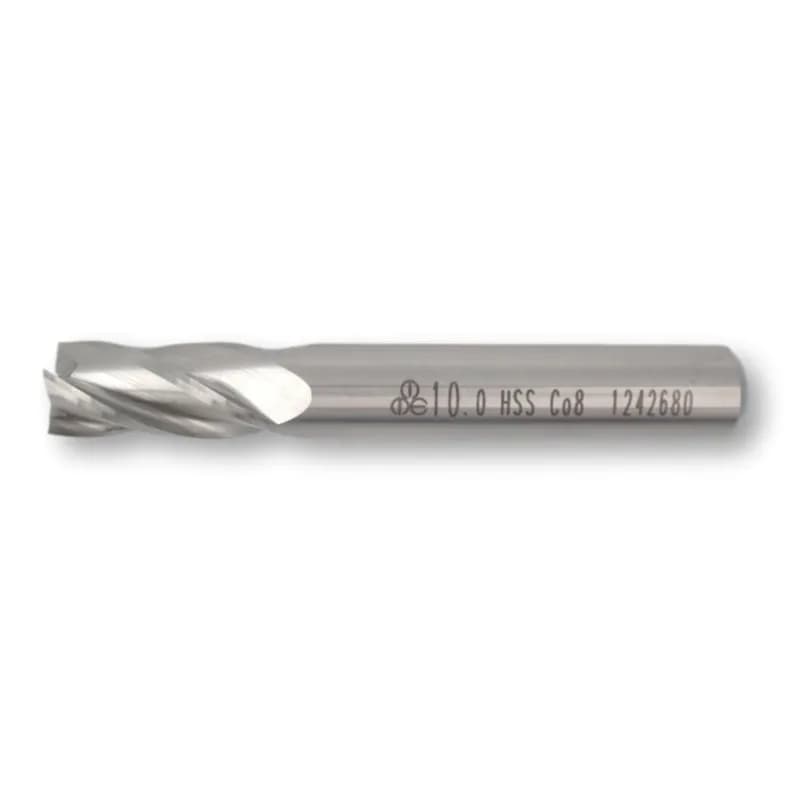
MTE HSS-E End Mill DIN 844 10 mm (Short)
MTE · Router Bits
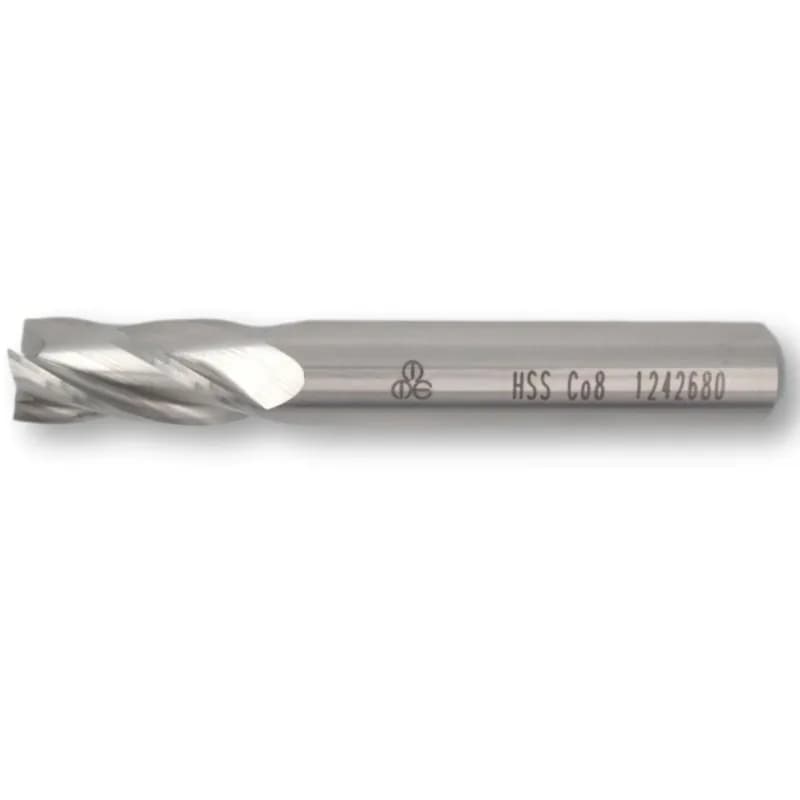
MTE HSS-E End Mill DIN 844 11 mm (Short)
MTE · Router Bits
Reamers
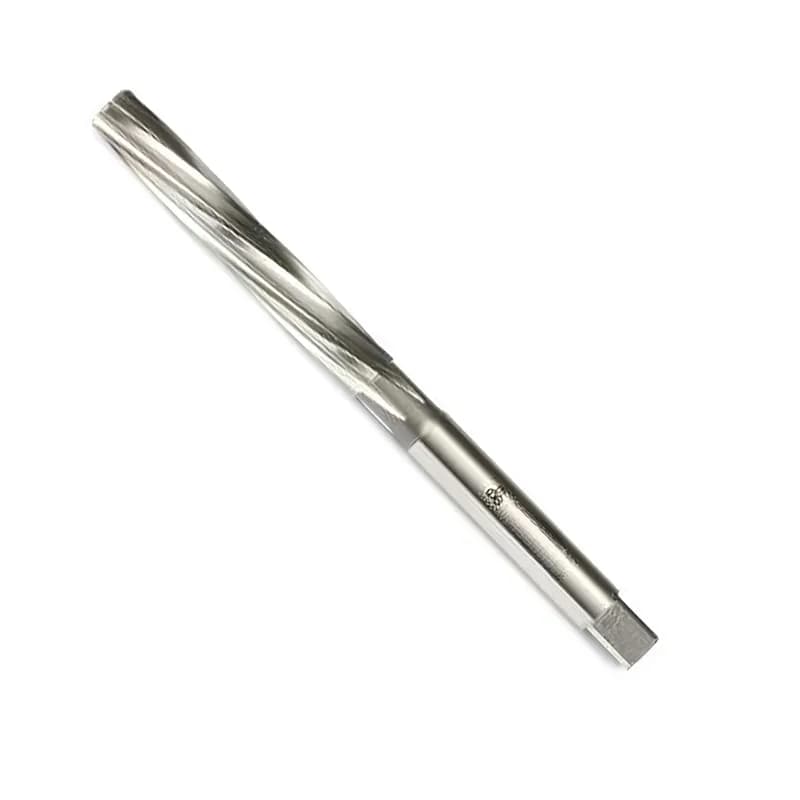
MTE HSS Hand Reamer DIN 206 10 mm
MTE · Reamers
MTE HSS Hand Reamer DIN 206 12 mm
MTE · Reamers
MTE HSS Hand Reamer DIN 206 15 mm
MTE · Reamers
MTE HSS Hand Reamer DIN 206 16 mm
MTE · Reamers
MTE HSS Hand Reamer DIN 206 18 mm
MTE · Reamers
MTE HSS Hand Reamer DIN 206 2 mm
MTE · Reamers
MTE HSS Hand Reamer DIN 206 3 mm
MTE · Reamers
MTE HSS Hand Reamer DIN 206 4 mm
MTE · Reamers
MTE HSS Hand Reamer DIN 206 5 mm
MTE · Reamers
MTE HSS Hand Reamer DIN 206 6 mm
MTE · Reamers
MTE HSS Hand Reamer DIN 206 7 mm
MTE · Reamers
MTE HSS Hand Reamer DIN 206 8 mm
MTE · Reamers
Lathe Tools
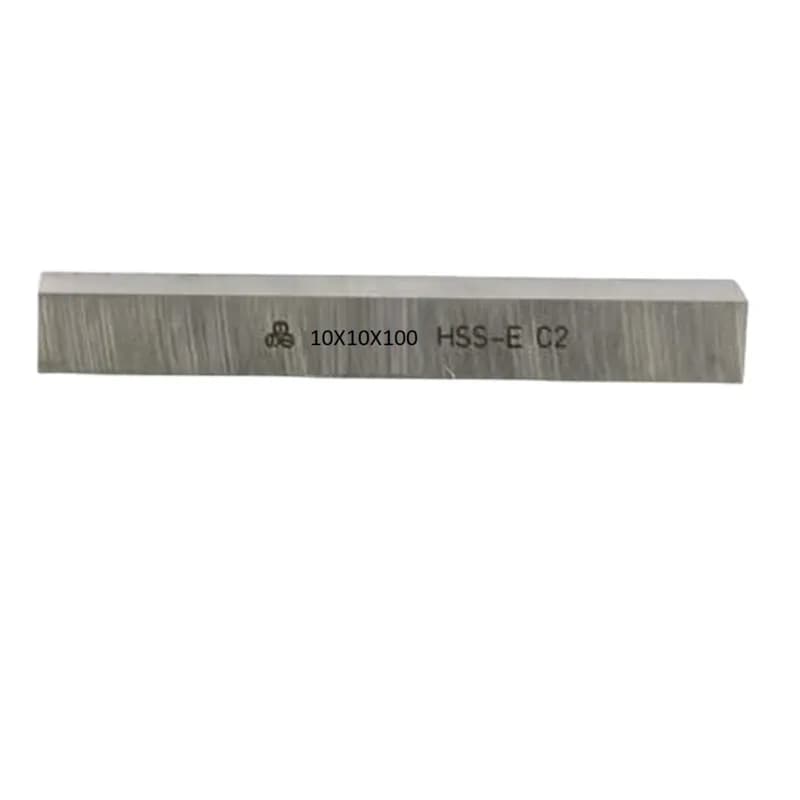
MTE HSS-E Lathe Tool Bit DIN 4964 B 10x10x100 mm
MTE · Lathe Tools
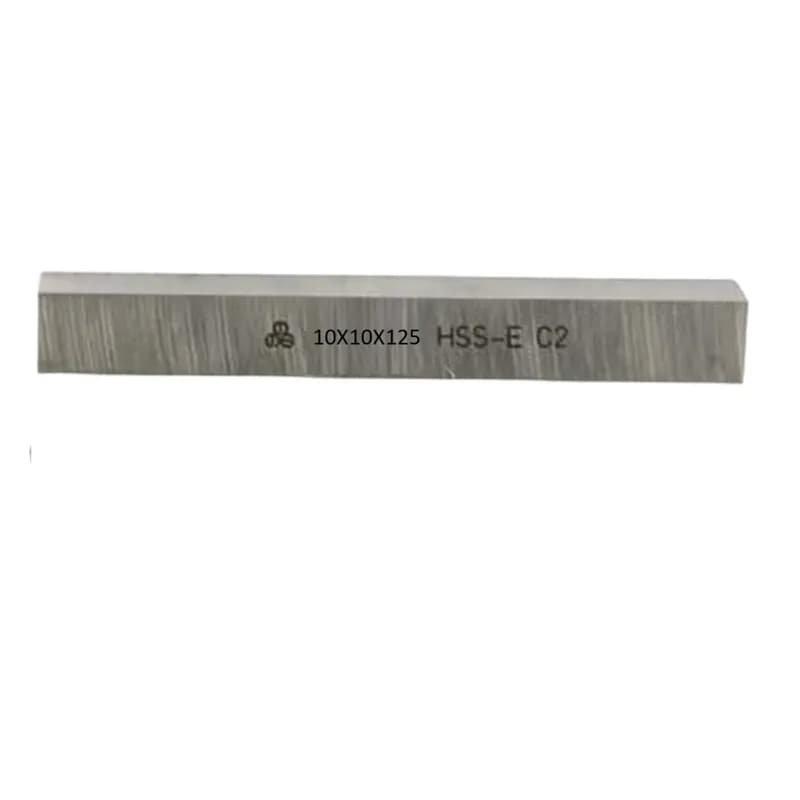
MTE HSS-E Lathe Tool Bit DIN 4964 B 10x10x125 mm
MTE · Lathe Tools
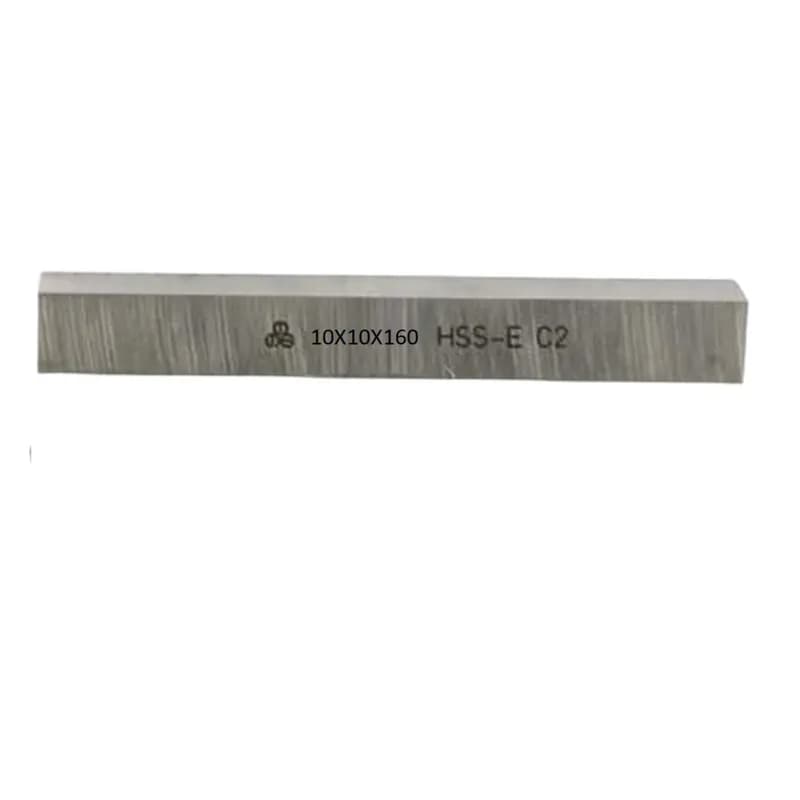
MTE HSS-E Lathe Tool Bit DIN 4964 B 10x10x160 mm
MTE · Lathe Tools
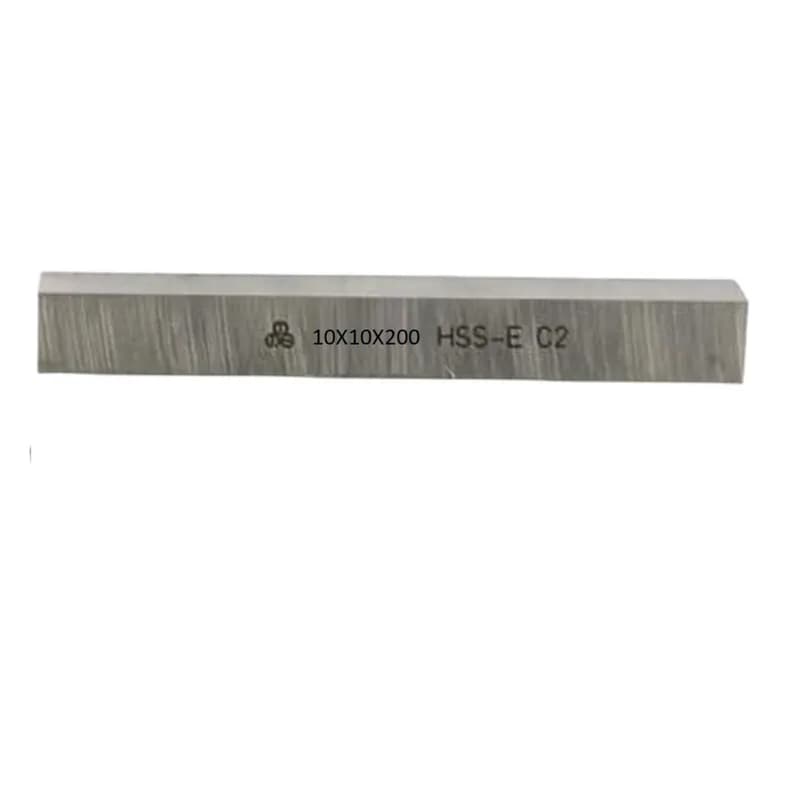
MTE HSS-E Lathe Tool Bit DIN 4964 B 10x10x200 mm
MTE · Lathe Tools
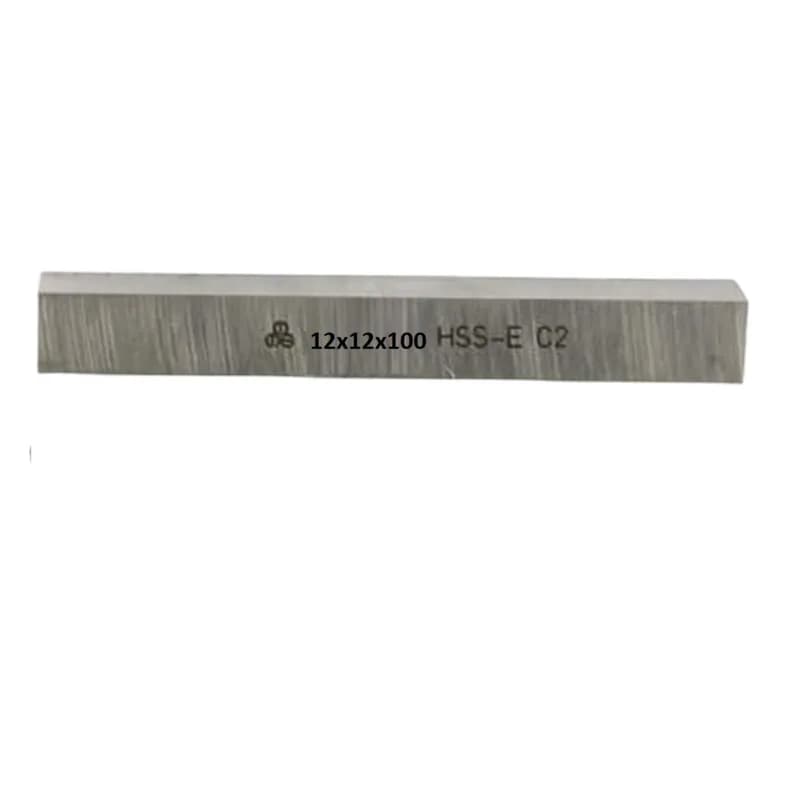
MTE HSS-E Lathe Tool Bit DIN 4964 B 12x12x100 mm
MTE · Lathe Tools
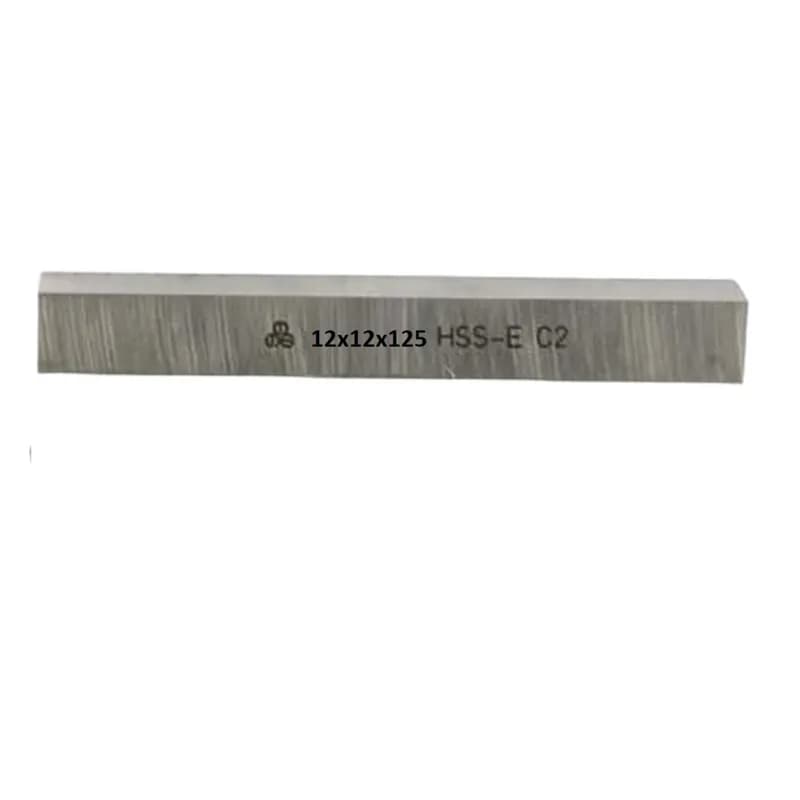
MTE HSS-E Lathe Tool Bit DIN 4964 B 12x12x125 mm
MTE · Lathe Tools
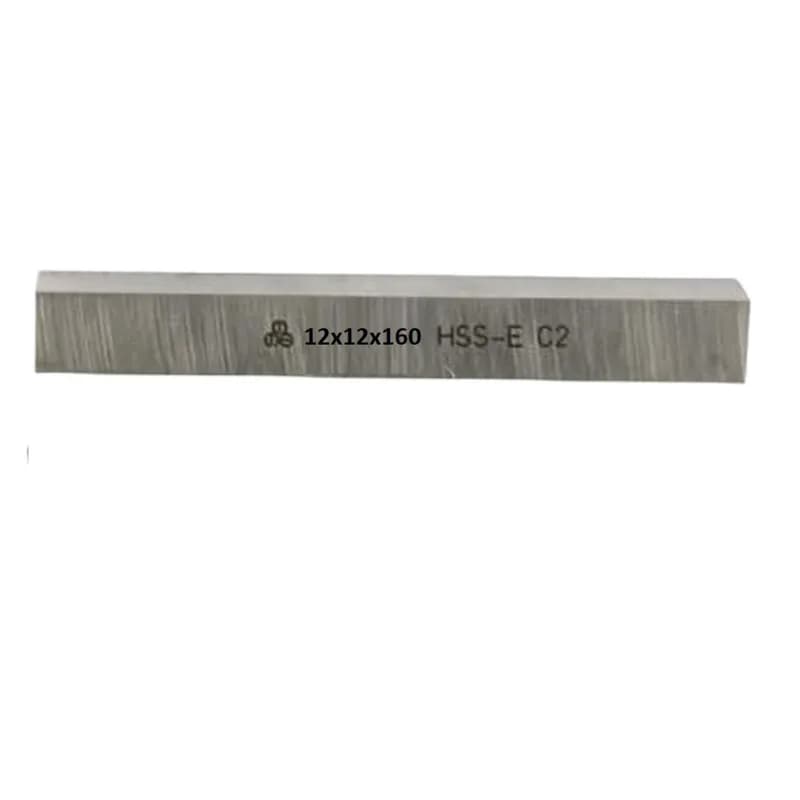
MTE HSS-E Lathe Tool Bit DIN 4964 B 12x12x160 mm
MTE · Lathe Tools
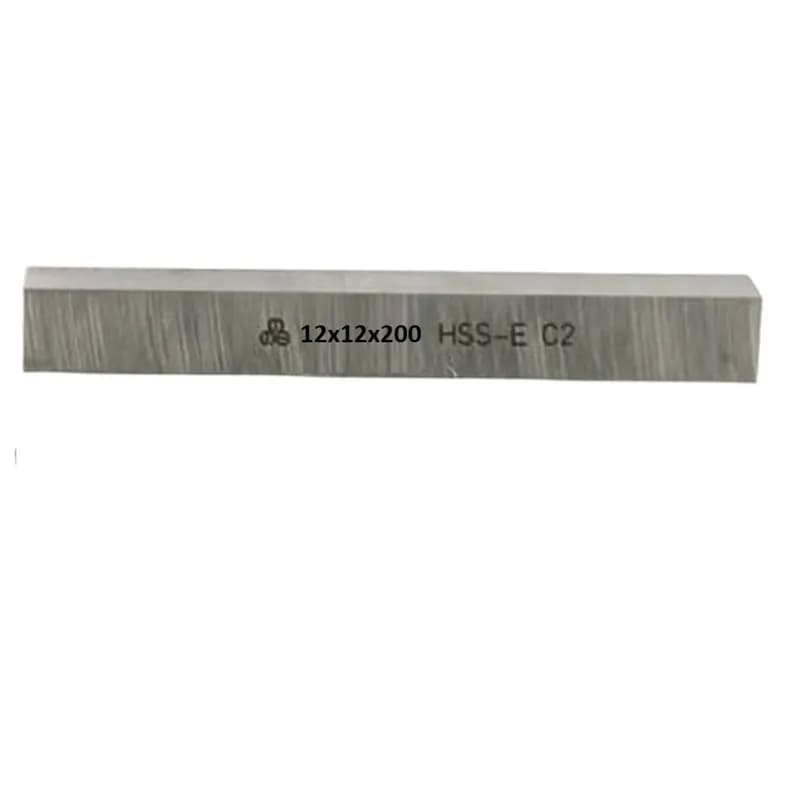
MTE HSS-E Lathe Tool Bit DIN 4964 B 12x12x200 mm
MTE · Lathe Tools
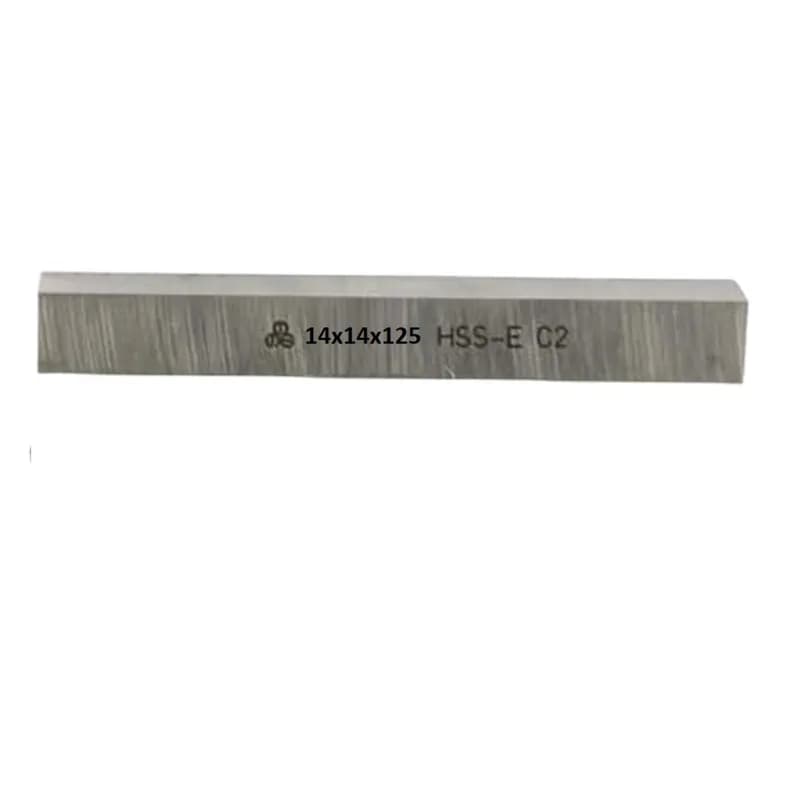
MTE HSS-E Lathe Tool Bit DIN 4964 B 14x14x125 mm
MTE · Lathe Tools
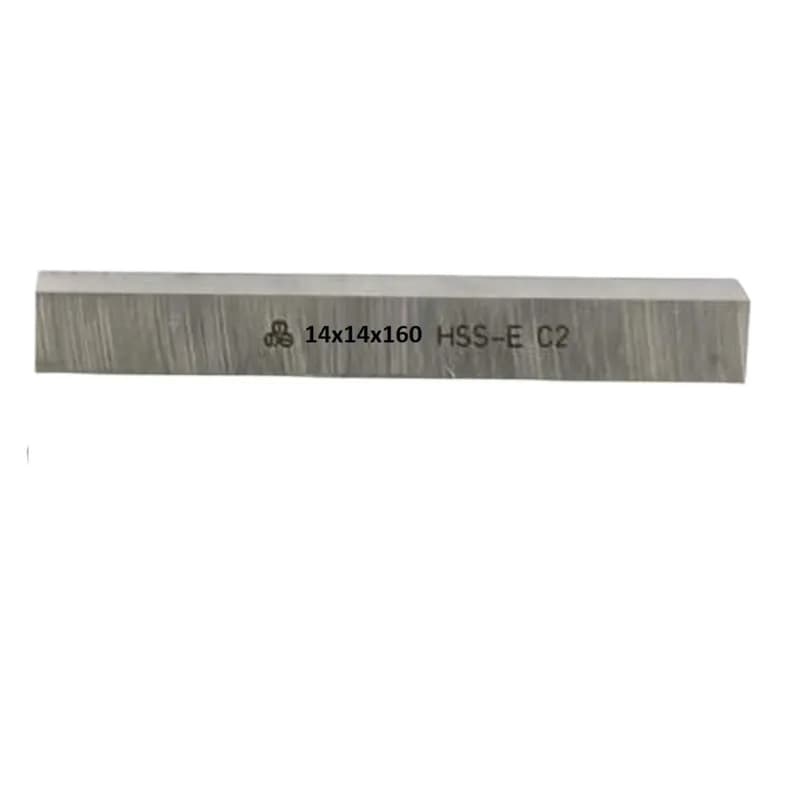
MTE HSS-E Lathe Tool Bit DIN 4964 B 14x14x160 mm
MTE · Lathe Tools
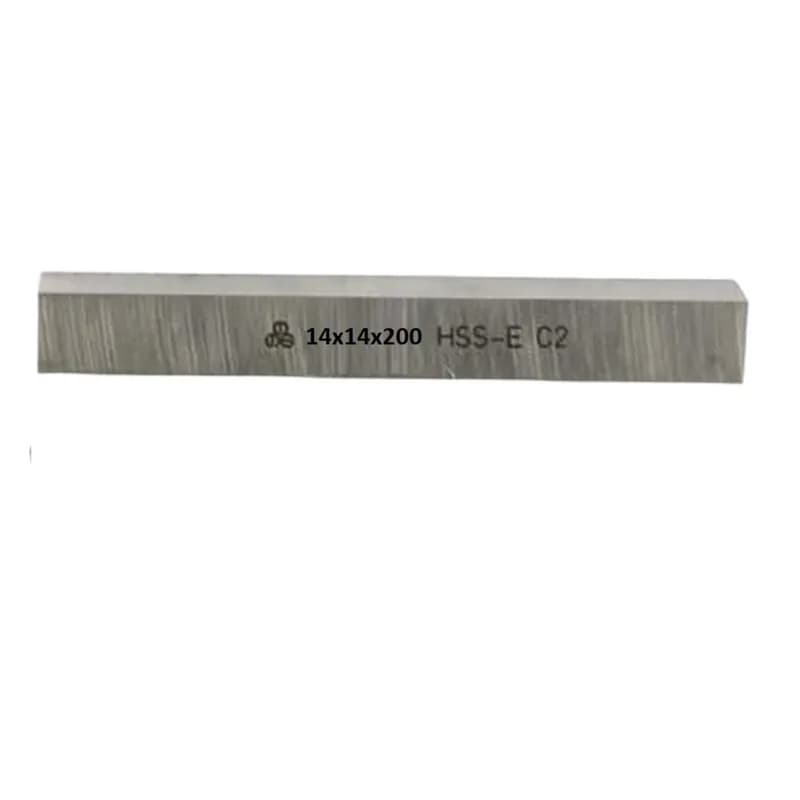
MTE HSS-E Lathe Tool Bit DIN 4964 B 14x14x200 mm
MTE · Lathe Tools
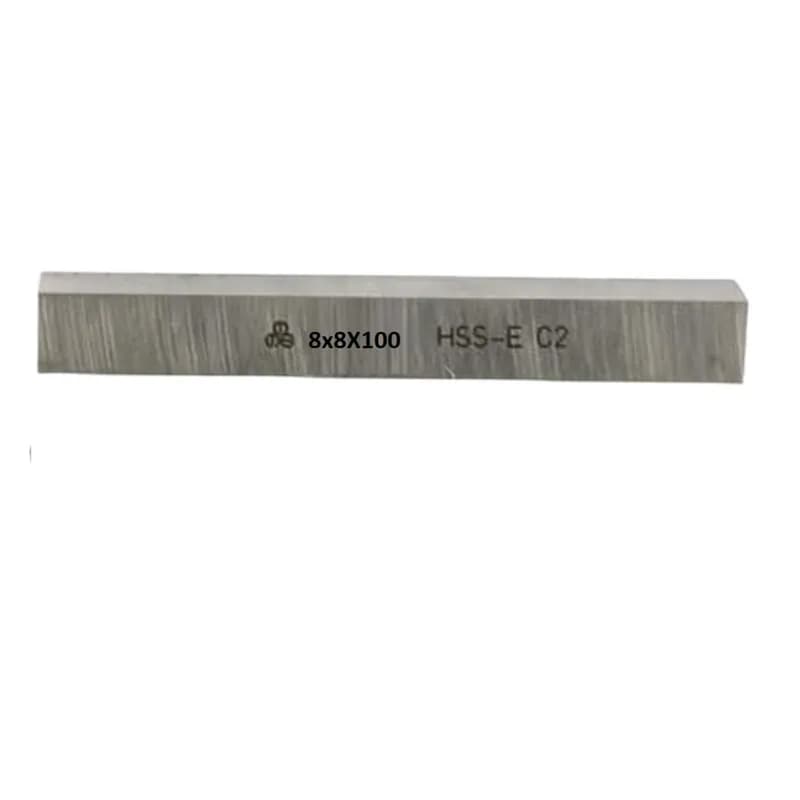
MTE HSS-E Lathe Tool Bit DIN 4964 B 8x8x100 mm
MTE · Lathe Tools
Countersinks & Centre Drills
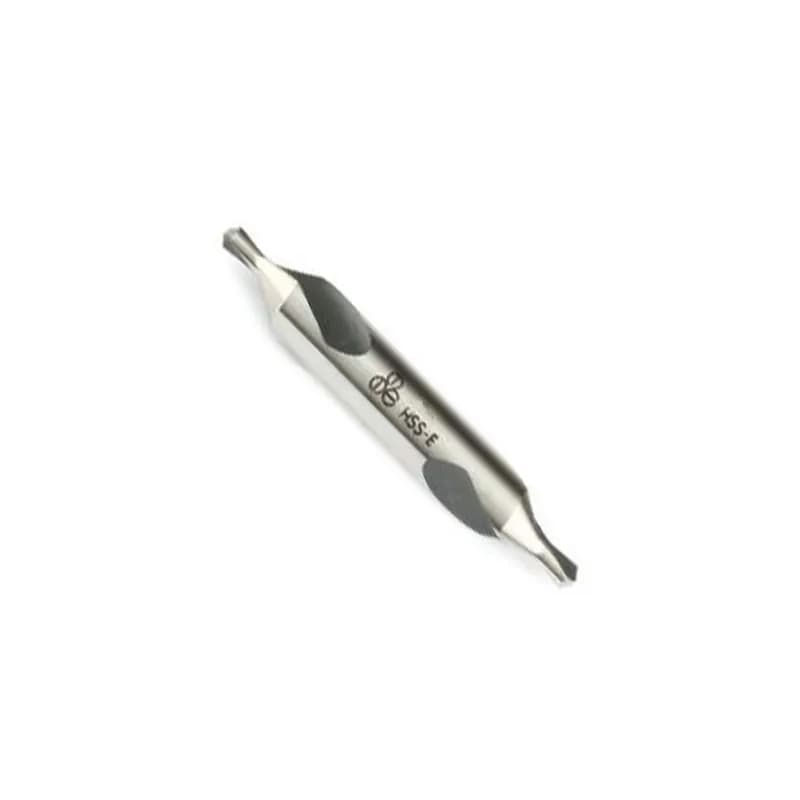
MTE HSS Centre Drill DIN 333 A 10×25 mm
MTE · Countersinks & Centre Drills
MTE HSS Centre Drill DIN 333 A 1.25×3.15 mm
MTE · Countersinks & Centre Drills
MTE HSS Centre Drill DIN 333 A 1.6×4 mm
MTE · Countersinks & Centre Drills
MTE HSS Centre Drill DIN 333 A 1×3.15 mm
MTE · Countersinks & Centre Drills
MTE HSS Centre Drill DIN 333 A 2.5×6.3 mm
MTE · Countersinks & Centre Drills
MTE HSS Centre Drill DIN 333 A 2×5 mm
MTE · Countersinks & Centre Drills
MTE HSS Centre Drill DIN 333 A 3.15×8 mm
MTE · Countersinks & Centre Drills
MTE HSS Centre Drill DIN 333 A 4×10 mm
MTE · Countersinks & Centre Drills
MTE HSS Centre Drill DIN 333 A 5×12.5 mm
MTE · Countersinks & Centre Drills
MTE HSS Centre Drill DIN 333 A 6.3×16 mm
MTE · Countersinks & Centre Drills
MTE HSS Centre Drill DIN 333 A 8×20 mm
MTE · Countersinks & Centre Drills
All products
Search within this brand or browse by page.
MTE HSS-E End Mill DIN 844 16 mm (Short)
MTE · Router Bits
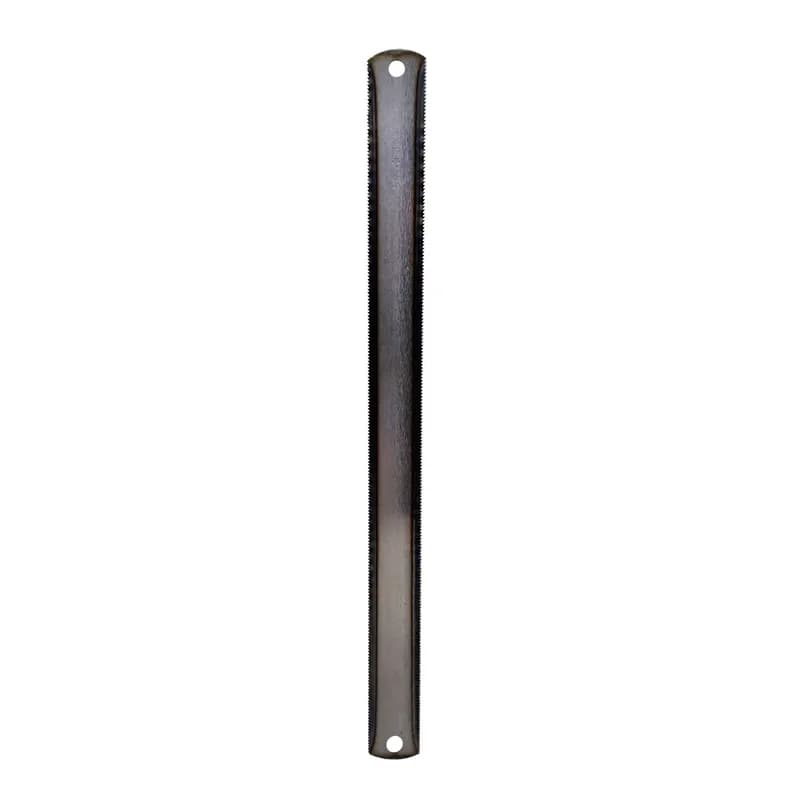
MTE Wide Hacksaw Blade 300×25×0.8 mm Z18
MTE · Saws
MTE Rolled HSS Twist Drill DIN 338 10 mm
MTE · Metal Drill Bits (HSS)
MTE Rolled HSS Twist Drill DIN 338 10.1 mm
MTE · Metal Drill Bits (HSS)
MTE Rolled HSS Twist Drill DIN 338 10.2 mm
MTE · Metal Drill Bits (HSS)
MTE Rolled HSS Twist Drill DIN 338 10.5 mm
MTE · Metal Drill Bits (HSS)
MTE Rolled HSS Twist Drill DIN 338 11 mm
MTE · Metal Drill Bits (HSS)
MTE Rolled HSS Twist Drill DIN 338 11.5 mm
MTE · Metal Drill Bits (HSS)
MTE Rolled HSS Twist Drill DIN 338 11.6 mm
MTE · Metal Drill Bits (HSS)
MTE Rolled HSS Twist Drill DIN 338 11.7 mm
MTE · Metal Drill Bits (HSS)
MTE Rolled HSS Twist Drill DIN 338 12 mm
MTE · Metal Drill Bits (HSS)
MTE Rolled HSS Twist Drill DIN 338 12.2 mm
MTE · Metal Drill Bits (HSS)
MTE Rolled HSS Twist Drill DIN 338 12.5 mm
MTE · Metal Drill Bits (HSS)
MTE Rolled HSS Twist Drill DIN 338 13 mm
MTE · Metal Drill Bits (HSS)
MTE Rolled HSS Twist Drill DIN 338 2 mm
MTE · Metal Drill Bits (HSS)
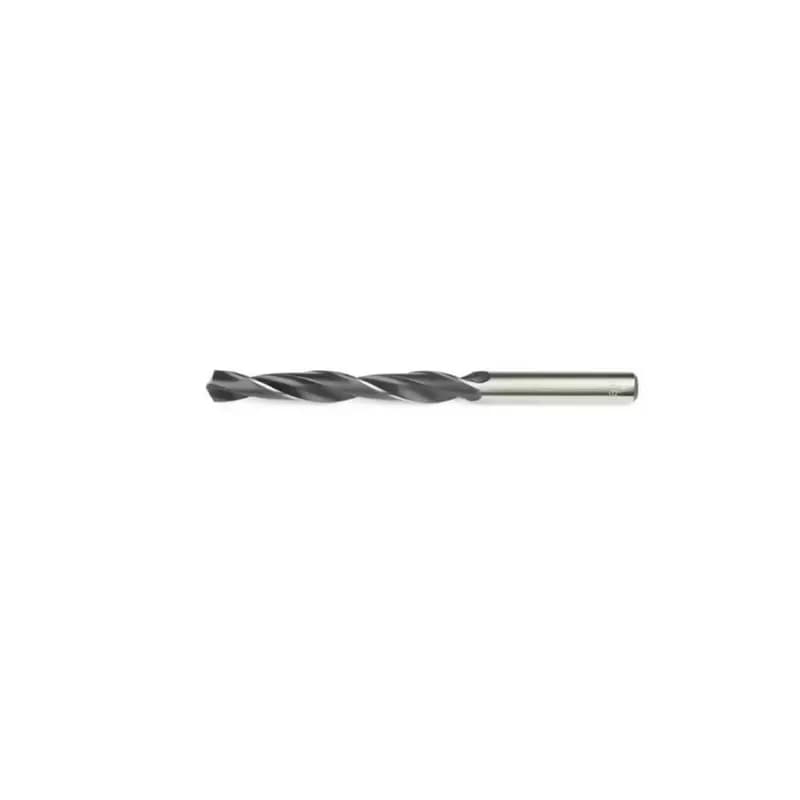
MTE Rolled HSS Twist Drill DIN 338 2.2 mm
MTE · Metal Drill Bits (HSS)
MTE Rolled HSS Twist Drill DIN 338 2.5 mm
MTE · Metal Drill Bits (HSS)
MTE Rolled HSS Twist Drill DIN 338 2.6 mm
MTE · Metal Drill Bits (HSS)
MTE Rolled HSS Twist Drill DIN 338 3 mm
MTE · Metal Drill Bits (HSS)
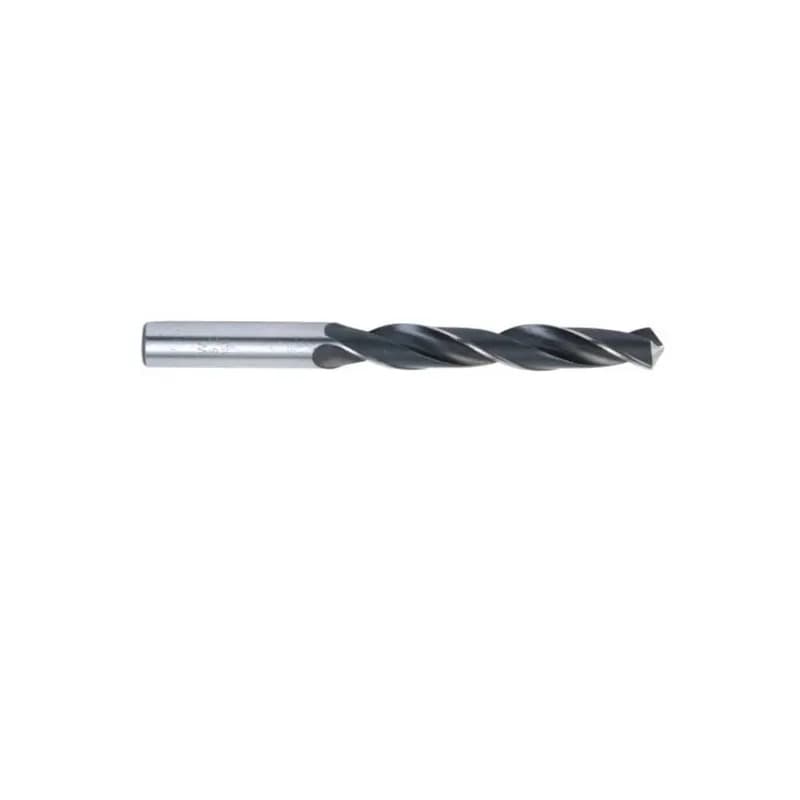
MTE Rolled HSS Twist Drill DIN 338 3.2 mm
MTE · Metal Drill Bits (HSS)
MTE Rolled HSS Twist Drill DIN 338 3.3 mm
MTE · Metal Drill Bits (HSS)
MTE Rolled HSS Twist Drill DIN 338 3.5 mm
MTE · Metal Drill Bits (HSS)
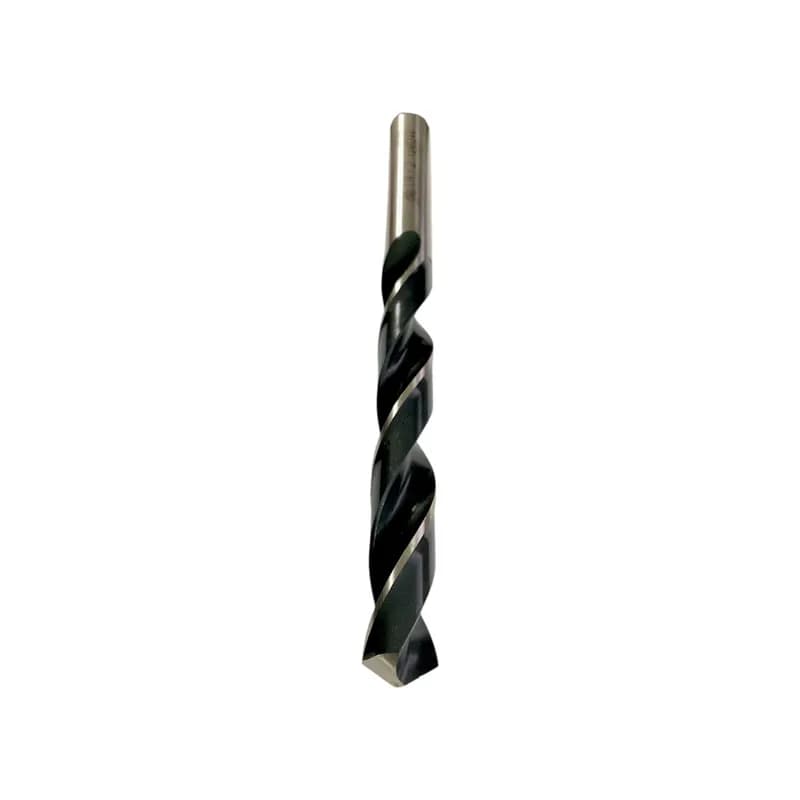
MTE Rolled HSS Twist Drill DIN 338 3.9 mm
MTE · Metal Drill Bits (HSS)
MTE Rolled HSS Twist Drill DIN 338 4 mm
MTE · Metal Drill Bits (HSS)
1–24 of 362 · page 1 / 16
About MTE
The 362 MTE products in the catalogue answer one question in different ways: how a hole and a thread are cut in metal. The chain always runs in the same order — the drill opens the hole, the reamer brings it to size, the tap cuts the thread inside it, the die cuts the same thread onto a bar, and the end mill and lathe tool give the part its shape. The shelves on this page follow that order, and every product carries its DIN reference, its size and the manufacturer catalogue code.
Twist drills are the largest group at 142 sizes, in four series. Rolled DIN 338 bits (2-13 mm, 40 sizes) are the volume-work option. Ground DIN 338 bits (1-25 mm, 21 sizes) have fully ground flutes and back, so they hold a tighter diameter tolerance. TiN coated DIN 338 bits (1-20 mm, 53 sizes) are for stainless and alloy steel, where surface hardness and heat resistance decide tool life. Alongside them are the long series DIN 340 (3-10 mm) and, for diameters beyond chuck capacity, Morse taper shank DIN 345 bits (21-32 mm).
Taps are the second group at 104 sizes, and two questions pick one: by hand or in a machine, through hole or blind hole. By hand, that is the DIN 352 three piece set (M2-M22) or the DIN 2181 two piece set for fine pitches, with single DIN 352 bottoming taps to replace a broken one. In a machine, the DIN number fixes the body: DIN 371 is the short, reduced-shank form for M10 and below, DIN 376 the long form for M14 and above, and DIN 374 the standard for fine pitch sizes.
The flute form is the real decision. A straight flute pushes the chip forward and out of the far side of the hole, which suits through holes and short-chipping materials such as cast iron, brass and aluminium. A spiral flute lifts the chip back out along the shank, which is what keeps a blind hole from packing with swarf and breaking the tap in long-chipping steels. Both forms are stocked in metric coarse, metric fine and BSP pipe threads.
Every tap and die page states its tapping drill diameter — the number buyers look up most often and misremember most often. For metric threads it is the thread diameter less the pitch: 5 mm for M6, 8.5 mm for M10 coarse, 10.5 mm for M12x1.5. Where that lands on a quarter millimetre the catalogue prints the drill that is actually made — 6.8 mm for M8 coarse and 10.2 mm for M12 coarse. The same relation is published in reverse: a drill bit page says which thread its diameter is the tapping drill for.
Dies are the outside of the thread: 28 sizes of DIN 223 B round split die (M3-M30 coarse, M8-M18 fine) and DIN 5158 B BSP pipe dies (G1/8″-G3/4″) for plumbing work. The split lets the fit of the thread be adjusted with the set screw in the die stock; the bar needs to be at nominal diameter with a chamfered end for the die to start square.
Reamers finish the hole. A reamer does not enlarge it so much as bring it to size and finish: an H7 fit is this tool's job. The catalogue holds DIN 206 hand reamers with a square drive (2-18 mm) and DIN 212 machine reamers with a cylindrical shank (2-13 mm), and every page gives the pre-drill diameter — the usual allowance is about 0.2 mm up to 10 mm and 0.3 mm above it.
Milling covers two families. DIN 844 end mills are cut from cobalt-alloyed HSS-E: 21 sizes in the short series between 2 and 28 mm and 7 in the long series between 5 and 16 mm, for slotting, side milling and pocketing. DIN 335 C countersinks work at a 90° included angle, seating a countersunk screw head flush and deburring the hole mouth in the same pass, in 9 sizes from 6.3 to 31.5 mm.
On the lathe side there are DIN 4964 B square section HSS-E tool bits (8x8 to 14x14 mm section, 100-200 mm long, 15 sizes) and DIN 333 A centre drills (60°, 11 sizes) for supporting work between centres. A tool bit is a blank ground to shape in the shop, and for grooving, forming and profile work that no indexable insert fits it is still the answer.
A size that is not listed here is not a size that is unavailable: MTE's range is wider than these 362 rows, and a request can be opened with the manufacturer catalogue code printed on each product page. Seza Global stocks and supplies these tools wholesale; for dealer and project pricing, use the contact page.
Frequently asked questions
What does MTE make?
MTE (Makina Takım Endüstrisi) manufactures the cutting tools of metal machining: twist drills, taps, dies, reamers, milling cutters, centre drills and lathe tool bits. The catalogue lists 362 sizes across those groups.
What is the difference between HSS and HSS-E?
HSS-E is cobalt-alloyed high speed steel. The cobalt raises hot hardness, so the edge lasts longer than plain HSS in stainless and high-tensile steel. In this range the machine taps, end mills and lathe tool bits are HSS-E; the drills, hand taps, dies and reamers are HSS.
What size hole do I drill before tapping?
For a metric thread, the thread diameter less the pitch: 5 mm for M6, 8.5 mm for M10 coarse, 10.5 mm for M12x1.5. Where that lands on a quarter millimetre, use the drill that exists — 6.8 mm for M8 coarse and 10.2 mm for M12 coarse. BSP threads follow the table: 8.8 mm for G1/8″, 11.8 mm for G1/4″, 15.25 mm for G3/8″, 19 mm for G1/2″ and 24.5 mm for G3/4″. Every tap and die page states its own figure.
Straight flute or spiral flute tap?
Straight flute for through holes and short-chipping materials such as cast iron, brass and aluminium: the chip is pushed out of the far side. Spiral flute for blind holes and long-chipping steels: the chip is lifted back out along the shank, so it cannot pack at the bottom of the hole and break the tap.
What is the difference between DIN 371, DIN 374 and DIN 376?
All three are machine tap standards that fix the body dimensions. DIN 371 is the short, reduced-shank form for M10 and below, DIN 376 the long form for M14 and above, and DIN 374 the standard for fine pitch sizes. The thread is the same; the shank and overall length differ.
Hand tap set or machine tap?
A hand tap set is turned with a tap wrench and has a square drive: in the DIN 352 three piece set the taper tap starts the thread, the second brings it to full profile and the bottoming tap runs it to the base of a blind hole. A machine tap cuts the full thread in one pass, in a machine or a tapping attachment.
What does a TiN coating add to a drill bit?
Titanium nitride does not change the tool steel; it hardens the surface and raises heat resistance, allowing higher cutting speeds and longer life in stainless and alloy steel than an uncoated bit. In mild steel and aluminium the gap narrows, and a rolled bit is the economical choice.
Rolled or ground drill bits?
A rolled bit has its flutes formed; a ground bit has them ground. Ground bits hold a tighter diameter tolerance and a cleaner cutting edge, which is what machine work needs when hole size matters. Rolled bits are the economical answer for volume drilling.
What is the difference between DIN 338, DIN 340 and DIN 345?
DIN 338 is the standard jobber length with a cylindrical shank. DIN 340 specifies a markedly longer flute and overall length at the same diameter, for deep holes. DIN 345 has a Morse taper shank, so diameters beyond chuck capacity seat directly in the machine spindle.
What size should the hole be before reaming?
The usual working allowance is about 0.2 mm up to 10 mm and 0.3 mm above it: drill 9.8 mm for a 10 mm reamer, 11.7 mm for a 12 mm one. A reamer is there to bring the hole to an H7 fit and a good finish, not to enlarge it — too much stock overloads the tool.
What is a BSP (G) thread?
BSP is the pipe thread used in water and air systems. It is sized in inches with a threads-per-inch figure (G1/2″x14) rather than in millimetres. The catalogue carries BSP hand tap sets, machine taps and dies from G1/8″ to G3/4″.
The size I need is not listed — can you supply it?
Most likely yes. These 362 rows are not the whole of MTE's range. Send us the manufacturer catalogue code from a product page, or the DIN number and size you need, through the contact page and we will come back with availability and price.
Can I get wholesale or dealer pricing?
Yes. Seza Global stocks and supplies these tools wholesale; for quantity-based pricing and dealer applications, use the contact page.
Live pricing. Real stock. Direct from source.
Approved dealers access wholesale pricing, real-time stock and direct ordering through our B2B portal.