Atlas
Atlas manufactures coated abrasives. The catalogue covers 188 Silver series wet and dry sheets in 230x280 mm, 147 grade cotton-polyester cloth rolls and endless wide belts, Gold series foam backed rolls, foam sanding blocks and flat pads, 157K series hook and loop drywall discs, and Brite non-woven hand pads.
Browse by category
A sample from featured product groups — see the full range in the list below.
Wet & Dry Sandpaper
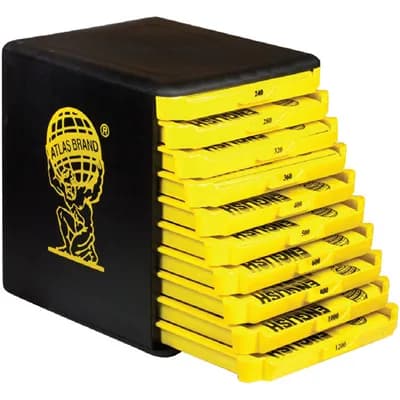
Atlas Wet & Dry Sandpaper Stand No:1 (240-1200 Grit)
Atlas · Wet & Dry Sandpaper
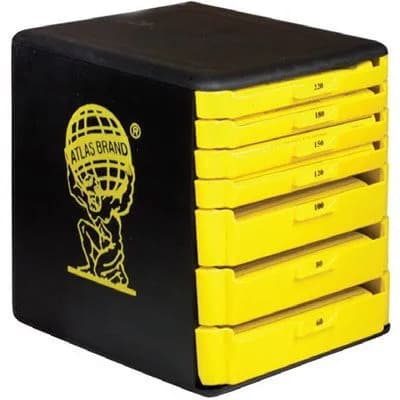
Atlas Wet & Dry Sandpaper Stand No:2 (60-220 Grit)
Atlas · Wet & Dry Sandpaper
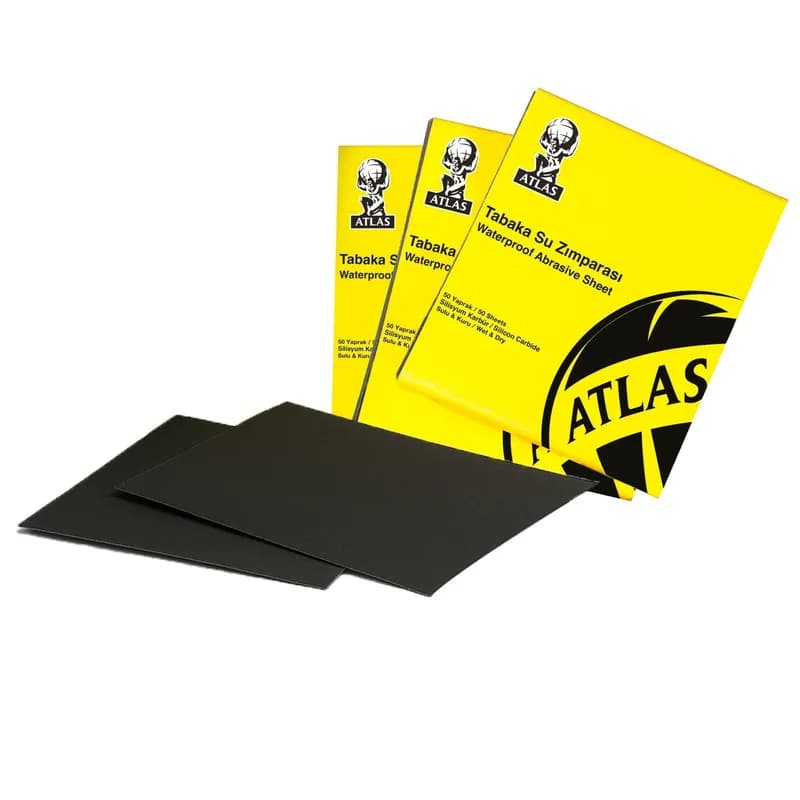
Atlas Wet & Dry Sandpaper 188 Silver 100 Grit 230x280 mm
Atlas · Wet & Dry Sandpaper
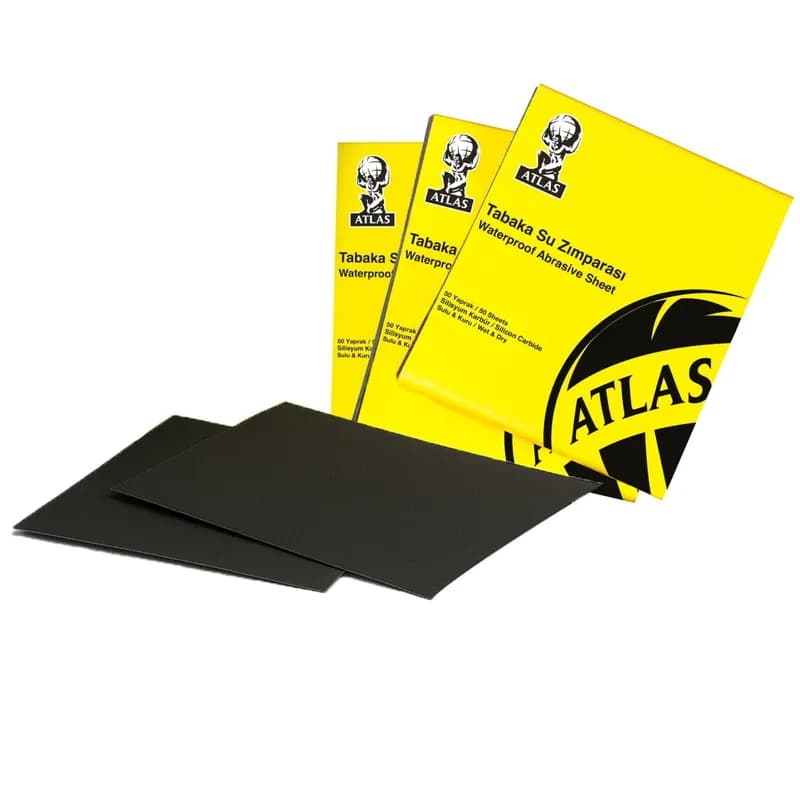
Atlas Wet & Dry Sandpaper 188 Silver 1000 Grit 230x280 mm
Atlas · Wet & Dry Sandpaper
Atlas Wet & Dry Sandpaper 188 Silver 120 Grit 230x280 mm
Atlas · Wet & Dry Sandpaper
Atlas Wet & Dry Sandpaper 188 Silver 1200 Grit 230x280 mm
Atlas · Wet & Dry Sandpaper
Atlas Wet & Dry Sandpaper 188 Silver 150 Grit 230x280 mm
Atlas · Wet & Dry Sandpaper
Atlas Wet & Dry Sandpaper 188 Silver 1500 Grit 230x280 mm
Atlas · Wet & Dry Sandpaper
Atlas Wet & Dry Sandpaper 188 Silver 180 Grit 230x280 mm
Atlas · Wet & Dry Sandpaper
Atlas Wet & Dry Sandpaper 188 Silver 2000 Grit 230x280 mm
Atlas · Wet & Dry Sandpaper
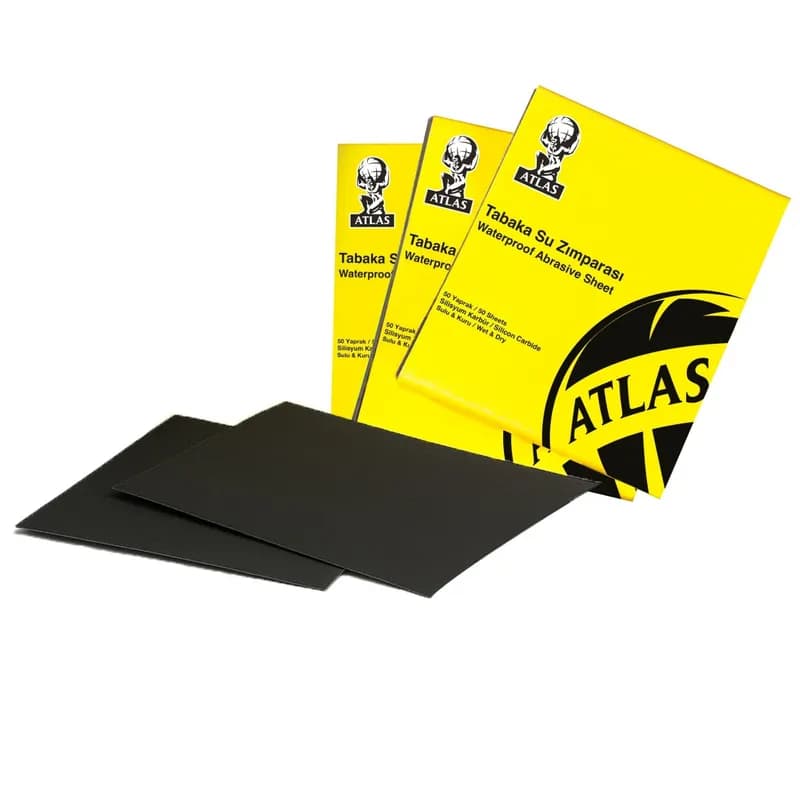
Atlas Wet & Dry Sandpaper 188 Silver 220 Grit 230x280 mm
Atlas · Wet & Dry Sandpaper
Atlas Wet & Dry Sandpaper 188 Silver 240 Grit 230x280 mm
Atlas · Wet & Dry Sandpaper
Abrasive Rolls
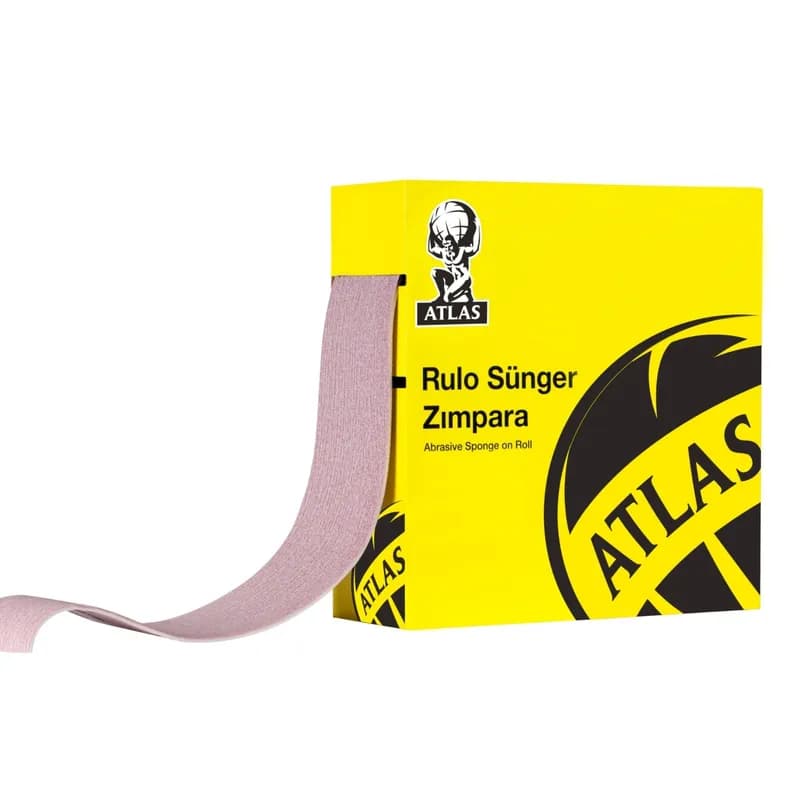
Atlas Foam Backed Sanding Roll Gold 115 mm x 25 m 100 Grit
Atlas · Abrasive Rolls
Atlas Foam Backed Sanding Roll Gold 115 mm x 25 m 120 Grit
Atlas · Abrasive Rolls
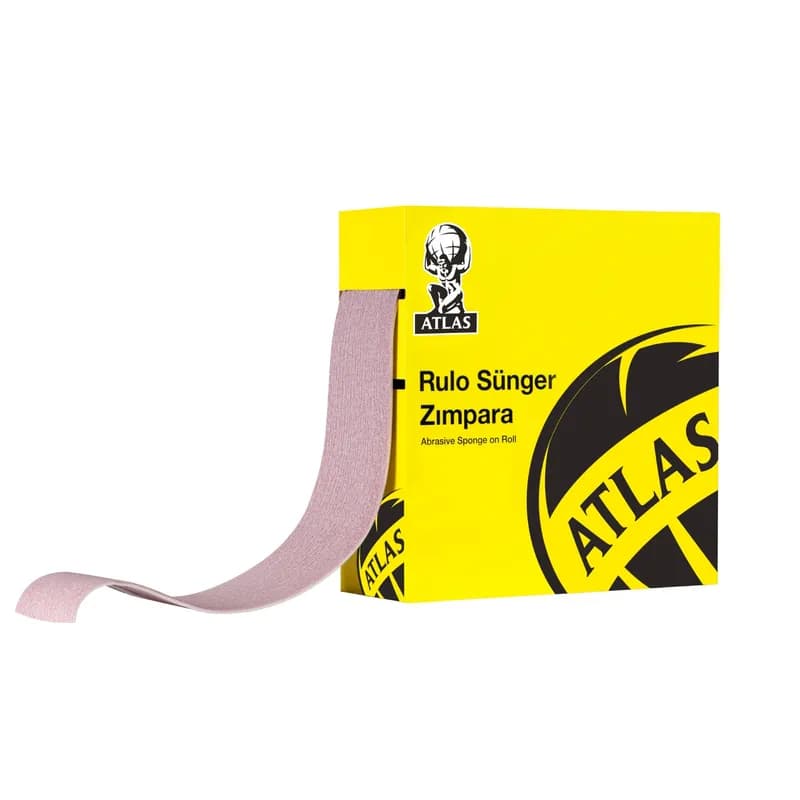
Atlas Foam Backed Sanding Roll Gold 115 mm x 25 m 150 Grit
Atlas · Abrasive Rolls
Atlas Foam Backed Sanding Roll Gold 115 mm x 25 m 180 Grit
Atlas · Abrasive Rolls
Atlas Foam Backed Sanding Roll Gold 115 mm x 25 m 220 Grit
Atlas · Abrasive Rolls
Atlas Foam Backed Sanding Roll Gold 115 mm x 25 m 240 Grit
Atlas · Abrasive Rolls
Atlas Foam Backed Sanding Roll Gold 115 mm x 25 m 280 Grit
Atlas · Abrasive Rolls
Atlas Foam Backed Sanding Roll Gold 115 mm x 25 m 320 Grit
Atlas · Abrasive Rolls
Atlas Foam Backed Sanding Roll Gold 115 mm x 25 m 400 Grit
Atlas · Abrasive Rolls
Atlas Foam Backed Sanding Roll Gold 115 mm x 25 m 80 Grit
Atlas · Abrasive Rolls
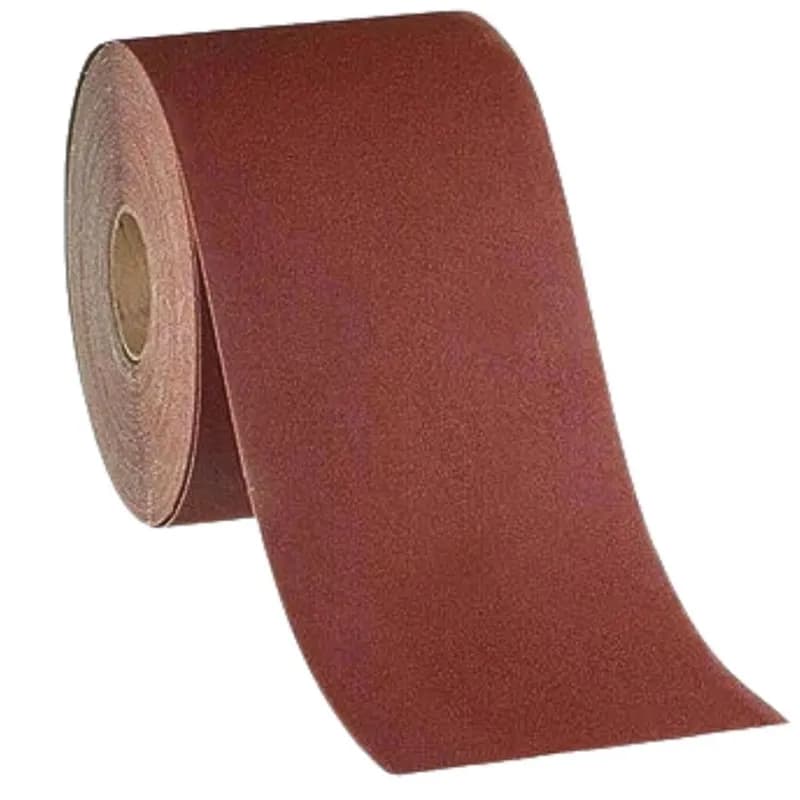
Atlas Cloth Sanding Roll 147 Grade 200 mm x 50 m 100 Grit
Atlas · Abrasive Rolls
Atlas Cloth Sanding Roll 147 Grade 200 mm x 50 m 120 Grit
Atlas · Abrasive Rolls
Sanding Sponges
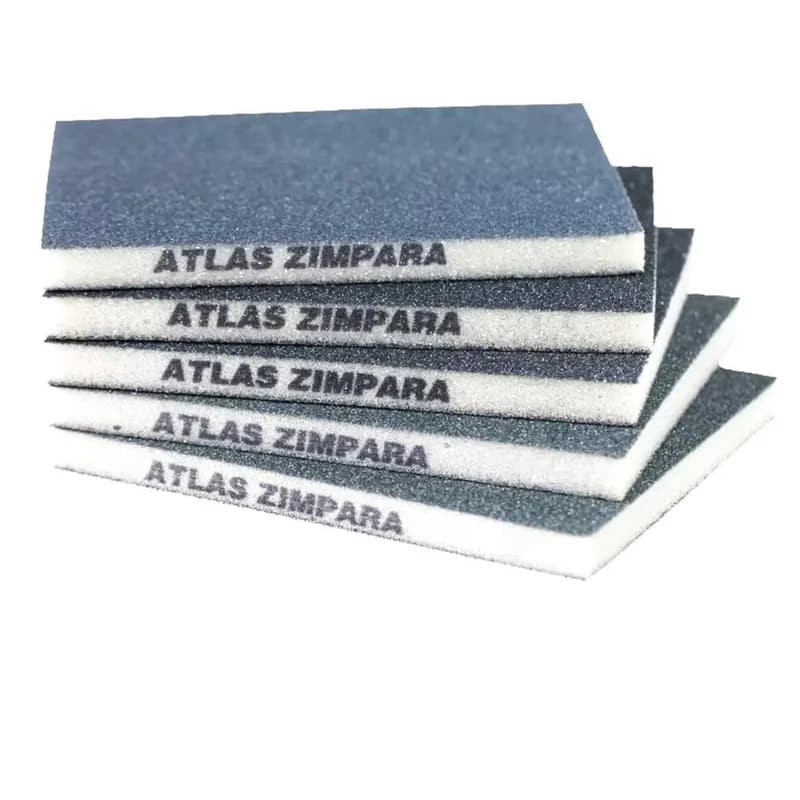
Atlas Flat Sanding Pad 98x123x10 mm 100 Grit
Atlas · Sanding Sponges
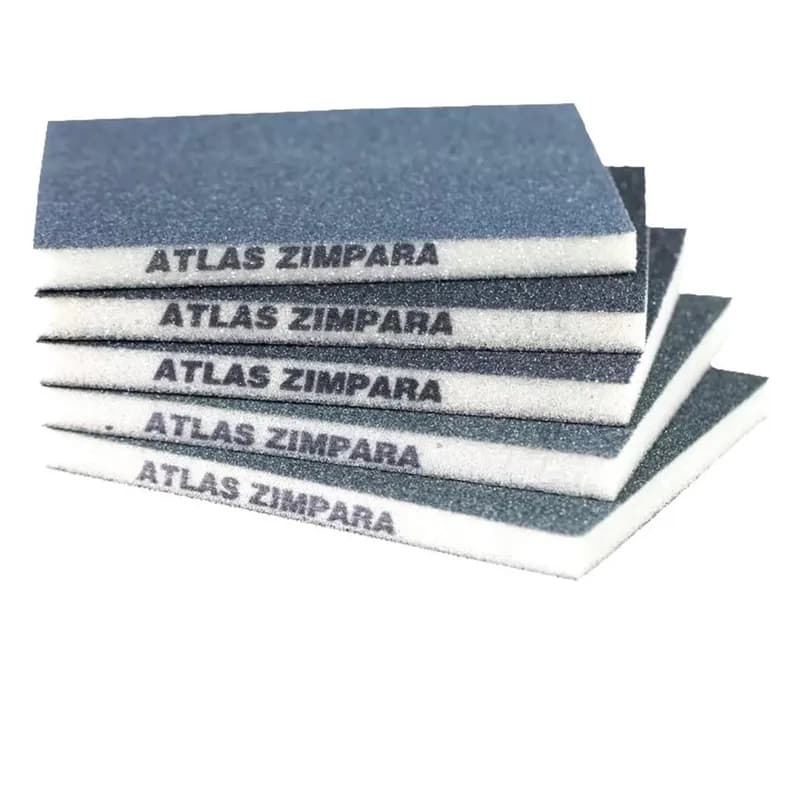
Atlas Flat Sanding Pad 98x123x10 mm 120 Grit
Atlas · Sanding Sponges
Atlas Flat Sanding Pad 98x123x10 mm 150 Grit
Atlas · Sanding Sponges
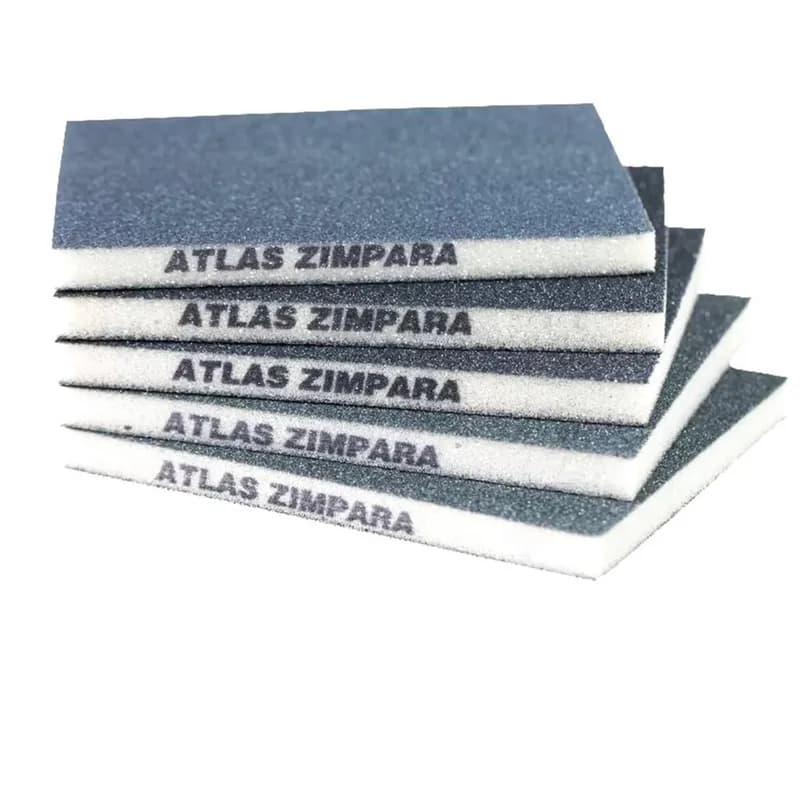
Atlas Flat Sanding Pad 98x123x10 mm 180 Grit
Atlas · Sanding Sponges
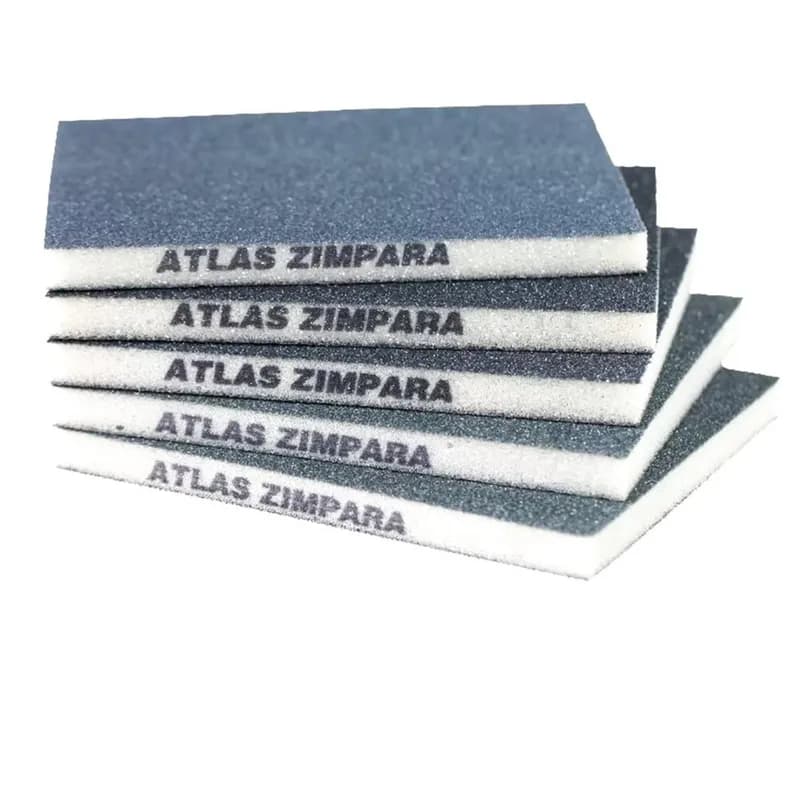
Atlas Flat Sanding Pad 98x123x10 mm 220 Grit
Atlas · Sanding Sponges
Atlas Flat Sanding Pad 98x123x10 mm 46 Grit
Atlas · Sanding Sponges
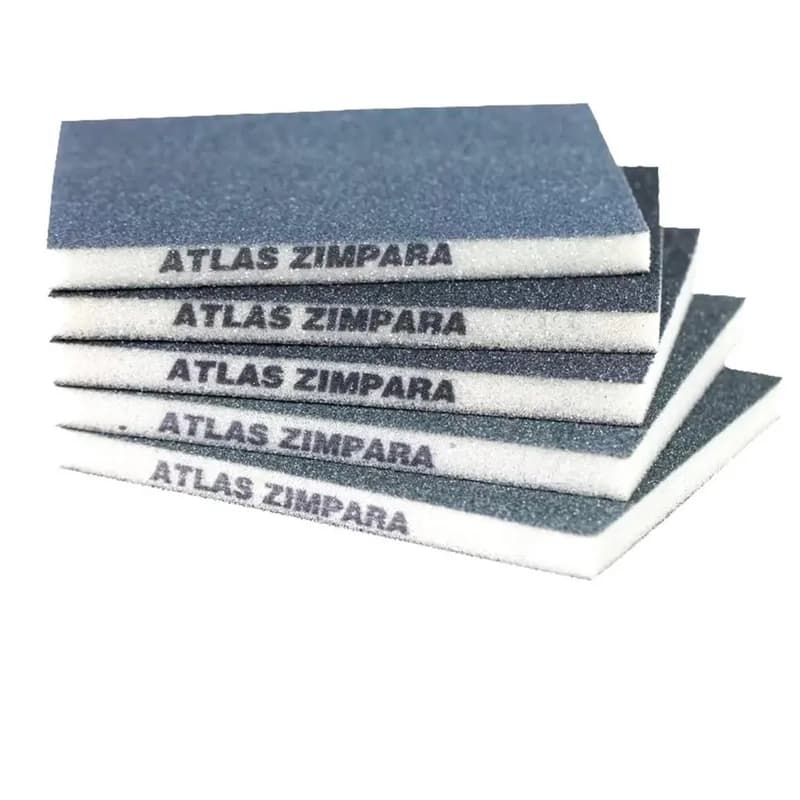
Atlas Flat Sanding Pad 98x123x10 mm 60 Grit
Atlas · Sanding Sponges
Atlas Flat Sanding Pad 98x123x10 mm 80 Grit
Atlas · Sanding Sponges
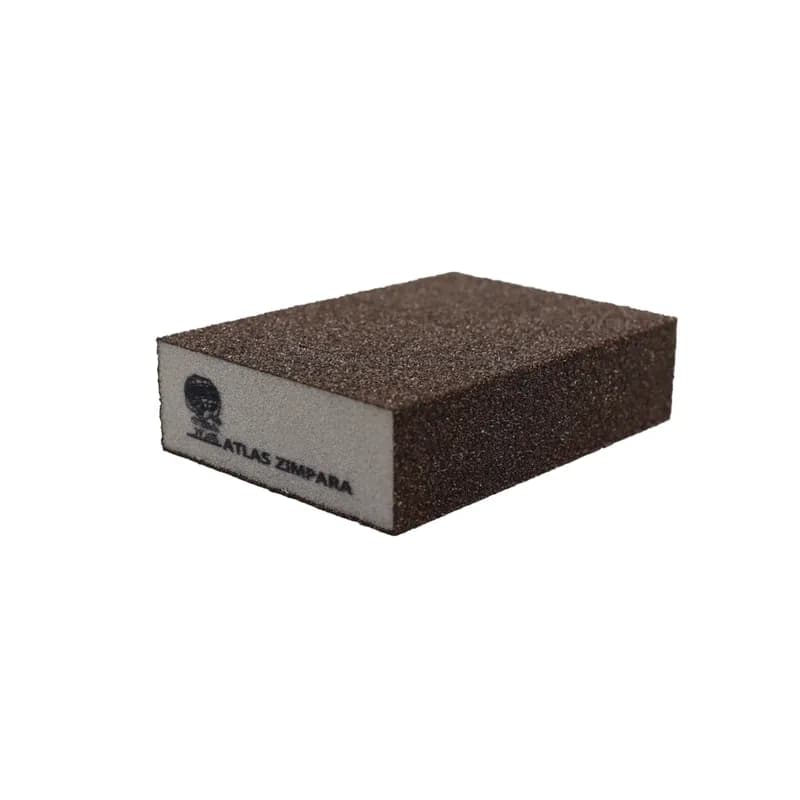
Atlas Sanding Block 98x68x26 mm 100 Grit
Atlas · Sanding Sponges
Atlas Sanding Block 98x68x26 mm 120 Grit
Atlas · Sanding Sponges
Atlas Sanding Block 98x68x26 mm 150 Grit
Atlas · Sanding Sponges
Atlas Sanding Block 98x68x26 mm 180 Grit
Atlas · Sanding Sponges
Hook & Loop Sanding Discs
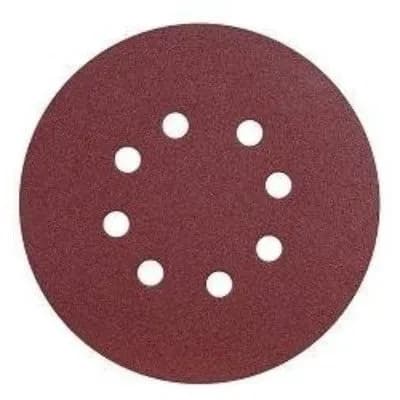
Atlas Drywall Sanding Disc 157K Hook & Loop 225 mm 8 Hole 100 Grit
Atlas · Hook & Loop Sanding Discs
Atlas Drywall Sanding Disc 157K Hook & Loop 225 mm 8 Hole 120 Grit
Atlas · Hook & Loop Sanding Discs
Atlas Drywall Sanding Disc 157K Hook & Loop 225 mm 8 Hole 150 Grit
Atlas · Hook & Loop Sanding Discs
Atlas Drywall Sanding Disc 157K Hook & Loop 225 mm 8 Hole 180 Grit
Atlas · Hook & Loop Sanding Discs
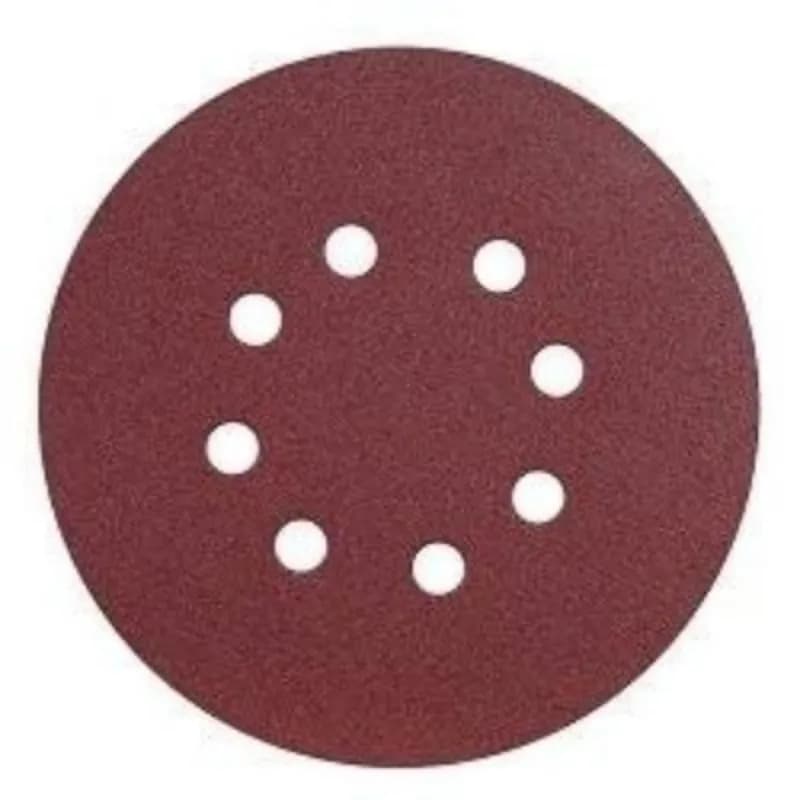
Atlas Drywall Sanding Disc 157K Hook & Loop 225 mm 8 Hole 220 Grit
Atlas · Hook & Loop Sanding Discs
Sanding Belts
Sandpaper
All products
Search within this brand or browse by page.
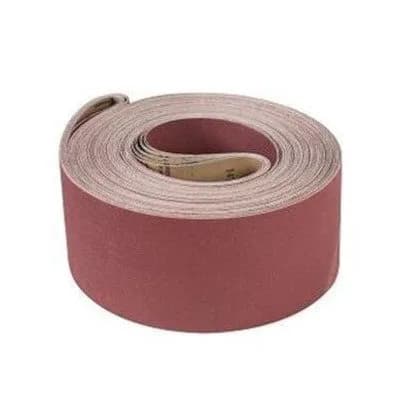
Atlas Endless Sanding Belt 147 Grade 7100x150 mm 150 Grit
Atlas · Sanding Belts
Atlas Drywall Sanding Disc 157K Hook & Loop 225 mm 8 Hole 100 Grit
Atlas · Hook & Loop Sanding Discs
Atlas Drywall Sanding Disc 157K Hook & Loop 225 mm 8 Hole 120 Grit
Atlas · Hook & Loop Sanding Discs
Atlas Drywall Sanding Disc 157K Hook & Loop 225 mm 8 Hole 150 Grit
Atlas · Hook & Loop Sanding Discs
Atlas Drywall Sanding Disc 157K Hook & Loop 225 mm 8 Hole 180 Grit
Atlas · Hook & Loop Sanding Discs
Atlas Drywall Sanding Disc 157K Hook & Loop 225 mm 8 Hole 220 Grit
Atlas · Hook & Loop Sanding Discs
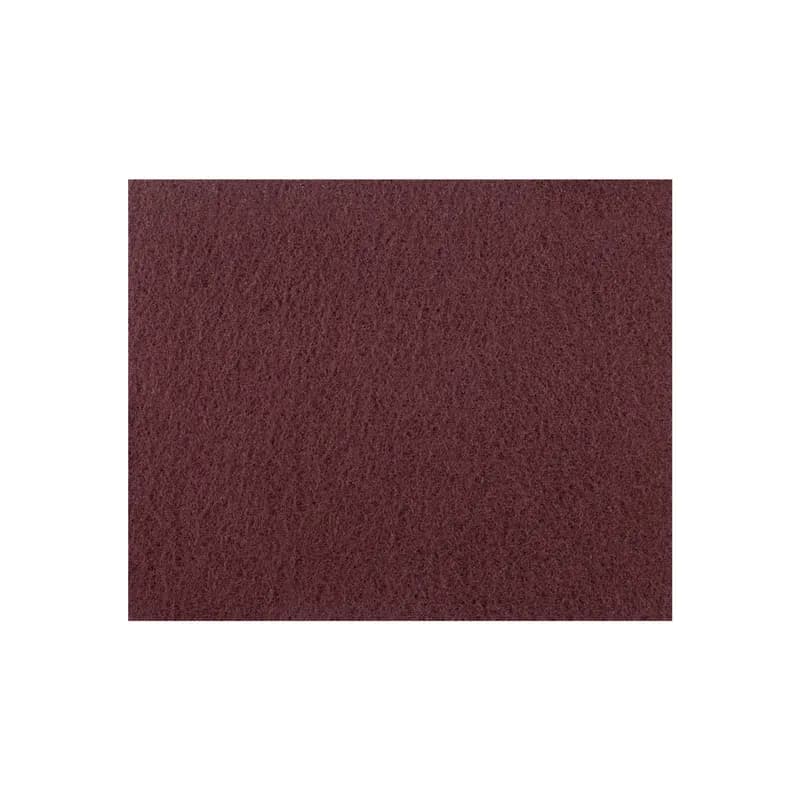
Atlas Non-Woven Hand Pad 230x280 mm Red
Atlas · Sandpaper
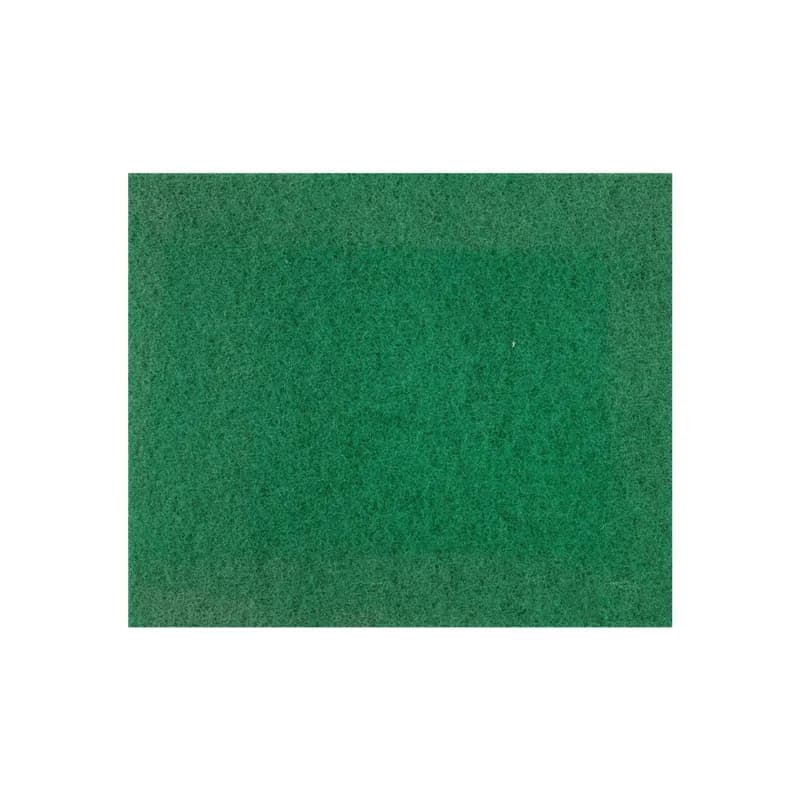
Atlas Non-Woven Hand Pad 230x280 mm Green
Atlas · Sandpaper
Atlas Foam Backed Sanding Roll Gold 115 mm x 25 m 100 Grit
Atlas · Abrasive Rolls
Atlas Foam Backed Sanding Roll Gold 115 mm x 25 m 120 Grit
Atlas · Abrasive Rolls
Atlas Foam Backed Sanding Roll Gold 115 mm x 25 m 150 Grit
Atlas · Abrasive Rolls
Atlas Foam Backed Sanding Roll Gold 115 mm x 25 m 180 Grit
Atlas · Abrasive Rolls
Atlas Foam Backed Sanding Roll Gold 115 mm x 25 m 220 Grit
Atlas · Abrasive Rolls
Atlas Foam Backed Sanding Roll Gold 115 mm x 25 m 240 Grit
Atlas · Abrasive Rolls
Atlas Foam Backed Sanding Roll Gold 115 mm x 25 m 280 Grit
Atlas · Abrasive Rolls
Atlas Foam Backed Sanding Roll Gold 115 mm x 25 m 320 Grit
Atlas · Abrasive Rolls
Atlas Foam Backed Sanding Roll Gold 115 mm x 25 m 400 Grit
Atlas · Abrasive Rolls
Atlas Foam Backed Sanding Roll Gold 115 mm x 25 m 80 Grit
Atlas · Abrasive Rolls
Atlas Cloth Sanding Roll 147 Grade 200 mm x 50 m 100 Grit
Atlas · Abrasive Rolls
Atlas Cloth Sanding Roll 147 Grade 200 mm x 50 m 120 Grit
Atlas · Abrasive Rolls
Atlas Cloth Sanding Roll 147 Grade 200 mm x 50 m 150 Grit
Atlas · Abrasive Rolls
Atlas Cloth Sanding Roll 147 Grade 200 mm x 50 m 180 Grit
Atlas · Abrasive Rolls
Atlas Cloth Sanding Roll 147 Grade 200 mm x 50 m 220 Grit
Atlas · Abrasive Rolls
Atlas Cloth Sanding Roll 147 Grade 200 mm x 50 m 240 Grit
Atlas · Abrasive Rolls
1–24 of 69 · page 1 / 3
About Atlas
The 69 Atlas products in the catalogue are one job in different forms: abrading a surface to make it ready for what comes next. Choosing one is answering two questions — which form, and which grit. The form comes from the shape of the work: a flat face wants a sheet, a round or long face a roll, a profile or an edge a sponge, and a machine a disc or a belt. The grit comes from the order of the job: coarse grits remove material, fine grits erase the scratch the last grit left. The shelves on this page split the range by form; each category page carries the grit table.
Wet and dry paper is the widest group at 19 grits. The 188 Silver series 230x280 mm sheets carry silicon carbide on a waterproof backing and run as one series from 60 to 2000 grit. Sanding wet is not only about dust — the water lifts the removed material clear, so the paper clogs later and the grain keeps cutting until it is genuinely worn. Two display stands from the same series hold the 240-1200 and 60-220 ranges in grit order.
There are two different roll products and they should not be confused. The 147 grade cloth roll is 200 mm wide and 50 metres long, aluminium oxide on cotton-polyester cloth; it bends without tearing, which is why it is pulled by hand around pipe, shafting and profiles. The Gold series foam roll is 115 mm wide and 25 metres long on a foam backing: the abrasive sits down onto the shape of the surface and the pressure stays even over mouldings and chamfers. One removes material, the other finishes it.
The sanding sponges come in two body thicknesses, and that difference decides how each is used. The 98x68x26 mm block is thick, abrasive on all four faces, and gives the hand its own grip — no separate block, no sheet to cut. The 98x123x10 mm flat pad is thin and folds: into a narrow gap, a groove, the inside of a profile. Both carry silicon carbide, which takes wet use, and both can be washed out and dried for further use.
Two groups are for machine work. The 157K drywall disc is Ø225 mm hook and loop, with 8 holes aligned to the machine's extraction channels, so plaster dust goes into the vacuum instead of collecting under the disc — on plaster it is loading, not cutting power, that ends a disc's life. The 147 grade endless belt is 7100x150 mm, the belt of pallet and wide belt sanders, with a cloth backing that carries the tension and heat of a machine running continuously.
The Brite pads are non-woven polyester fibre, and they do what sandpaper cannot: open a surface without cutting into it. The 230x280 mm red pad carries aluminium oxide and is used on metal for rust, oxide and keying before paint; the green pad is more flexible with a mixed grain and is the one recommended on timber and for cutting back between polish and lacquer coats. The web does not tear and makes the same contact inside a recess as on a flat face.
The one rule in choosing grit is not to skip one. The scratch a coarse grit leaves is only erased by the grit after it; going from 80 straight to 400 does not close the scratch, it polishes it, and it reappears under paint. In practice the sequence runs 60-80-120-180-240-320-400, each grit worked until the previous one's scratch is no longer visible.
A grit or size not on this page is not a grit we do not sell: the Atlas range is wider than these 69 rows, and any of them can be requested by the order code printed on the product page, such as 160.01.S100. Seza Global supplies these wholesale; contact us for dealer and project pricing.
Frequently asked questions
Is wet and dry paper used wet or dry?
Either, but wet use is the reason the product exists. Water carries the removed paint and filler clear of the surface: the paper clogs later, the grain cuts for longer, and no dust goes into the air. Used dry, the same sheet loads much faster. The 188 Silver series backing is waterproof and does not break down in wet use.
Which grit should I start with?
The condition of the surface decides. Old paint, rust and weld beads: 60 grit and below. Levelling filler: 80-120. The last pass before primer: 150-240. Flatting primer and levelling before paint: 280-600. Polishing and paint defect correction: 800 and above. Each category page carries these bands as a table.
Why does skipping a grit matter?
Each grit erases the scratch of the one before it. Going from 80 straight to 400 does not close the deeper scratch, it polishes it, and it reappears under paint or polish. The sequence should run 60-80-120-180-240, each grit worked until the previous one's scratch is no longer visible.
What is the difference between a cloth roll and a foam backed roll?
Both are rolls, but they do different jobs. The 147 grade cloth roll (200 mm x 50 m) is aluminium oxide on cotton-polyester cloth; it bends without tearing and removes material — pulled by hand around pipe, shafting and profiles. The Gold foam roll (115 mm x 25 m) is on a foam backing; the abrasive sits onto the shape of the surface and finishes it, keeping pressure even over mouldings, edges and chamfers.
Sanding block or flat pad?
Thickness decides. The 98x68x26 mm block is thick, abrasive on all four faces, and gives the hand its own grip; it carries pressure on wide flat work. The 98x123x10 mm flat pad is thin and folds, for the narrow gaps, grooves and profile interiors a block cannot reach.
What are the holes in a drywall sanding disc for?
The 8 holes in the Ø225 mm 157K disc line up with the extraction channels of a drywall sander and feed plaster dust straight into the vacuum. With no dust collecting underneath, the disc clogs later and no lumps form to score the surface. On plaster it is loading, not cutting power, that ends a disc's life — which is why the hole pattern has to match the machine's pad.
How do I choose a sanding belt size?
Both numbers have to match the machine: the circumference decides whether the belt will tension onto it, the width decides the working width. The Atlas 147 grade endless belt is 7100x150 mm, for pallet and wide belt sanders. Your machine's belt size is in its manual, or printed on the belt being replaced.
What is the difference between the red and green Brite pads?
Grain and flexibility. The red pad carries aluminium oxide and is used on metal to take off rust and oxide and to key a surface before paint. The green pad has a mixed grain and is more flexible; it is the one recommended on timber and for cutting back between polish and lacquer coats. Both are 230x280 mm and can be used wet or dry.
Can a sanding sponge be washed and reused?
Yes. The silicon carbide grain takes wet use; washing the block or pad and drying it clears the dust and paint packed into the pores and the surface cuts again. This can be repeated until the grain is genuinely worn — it is the clearest advantage a sponge has over a sheet.
Are these genuine Atlas products, and what is covered?
All 69 rows in the catalogue are genuine Atlas product, listed under the manufacturer's own order codes such as 160.01.S100. A coated abrasive is a consumable, so no warranty is given on service life; what is covered is that the grit, size and series supplied are the ones ordered.
Do you supply a grit or size that is not listed?
Yes. The Atlas range is wider than the 69 rows on this page — categorisation and catalogue entry are still in progress. If the grit, size or series you need is not listed, request it by order code or description through the contact page.
How do I get wholesale or dealer pricing?
Seza Global supplies these wholesale. Send quantities, the grit split and the delivery location through the contact page and we will price the project; for regular purchasing you can open a dealer application.
Live pricing. Real stock. Direct from source.
Approved dealers access wholesale pricing, real-time stock and direct ordering through our B2B portal.