Nikon
Nikon manufactures coated abrasives. The catalogue covers hook and loop sanding discs (aluminium oxide and silicon carbide, perforated, plain and film backed), cloth and latex paper sheets, wet and dry paper, flap and fibre discs, shank mounted and flanged abrasive mops and flap wheels, non-woven mops, cutting and grinding wheels for concrete and metal, and polishing bonnets and kits.
Browse by category
A sample from featured product groups — see the full range in the list below.
Hook & Loop Sanding Discs

Nikon Aluminium oxide 10 Hole Drywall Sanding Disc 225mm - 10 Delikli 100 Grit (NIK52020)
Nikon · Hook & Loop Sanding Discs

Nikon Aluminium oxide 10 Hole Drywall Sanding Disc 225mm - 10 Delikli 100 Grit (NIK52019)
Nikon · Hook & Loop Sanding Discs
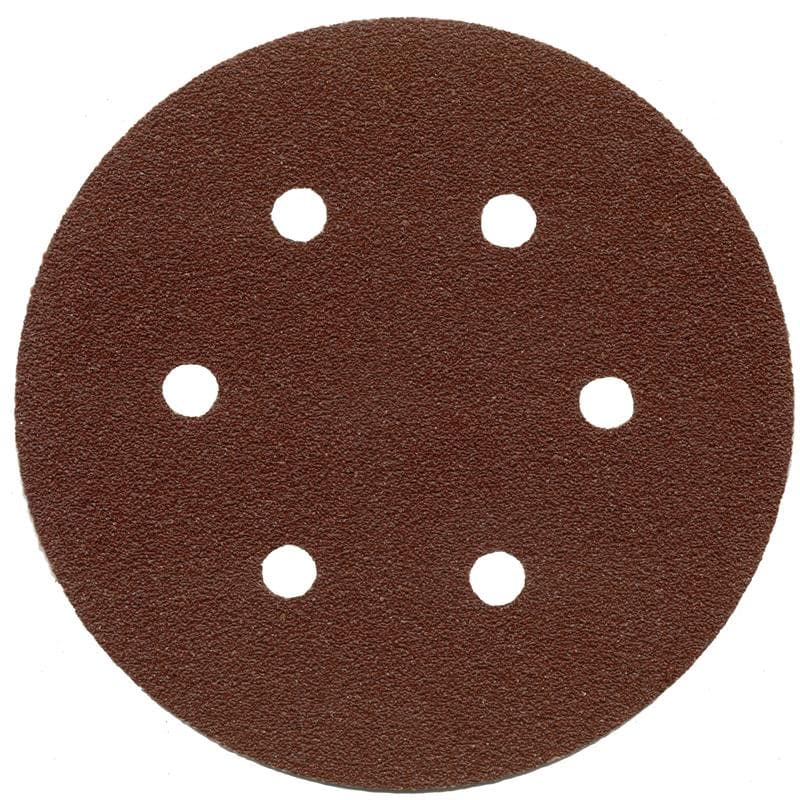
Nikon Aluminium oxide 6 Hole Hook & Loop Sanding Disc 150mm - 6 Delikli 150 Grit
Nikon · Hook & Loop Sanding Discs

Nikon Aluminium oxide 6 Hole Hook & Loop Sanding Disc 150mm - 6 Delikli 180 Grit
Nikon · Hook & Loop Sanding Discs
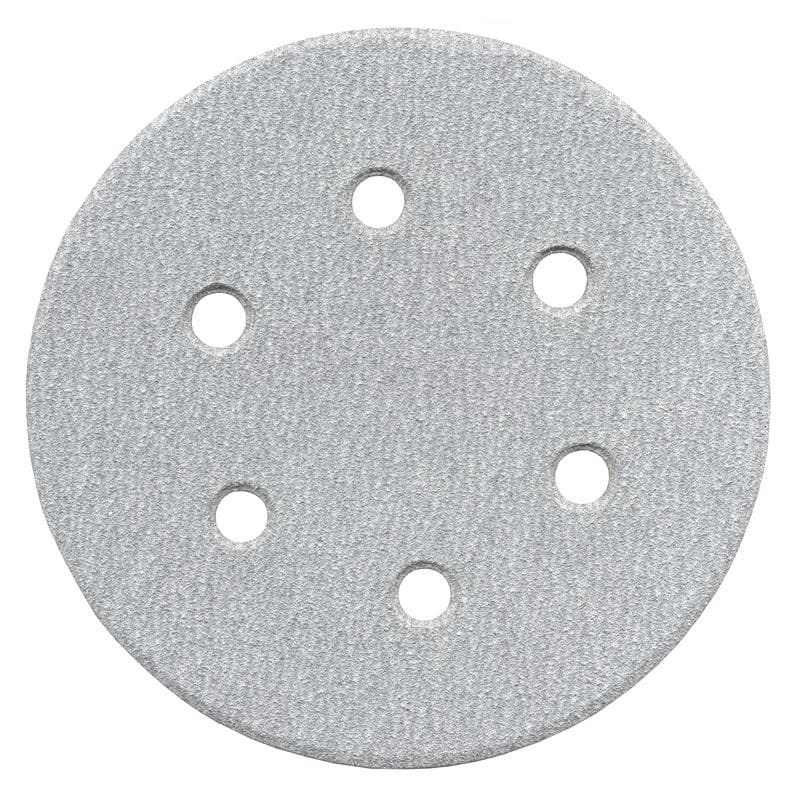
Nikon Aluminium oxide 6 Hole Hook & Loop Sanding Disc 150mm - 6 Delikli 240 Grit (NIK33677)
Nikon · Hook & Loop Sanding Discs
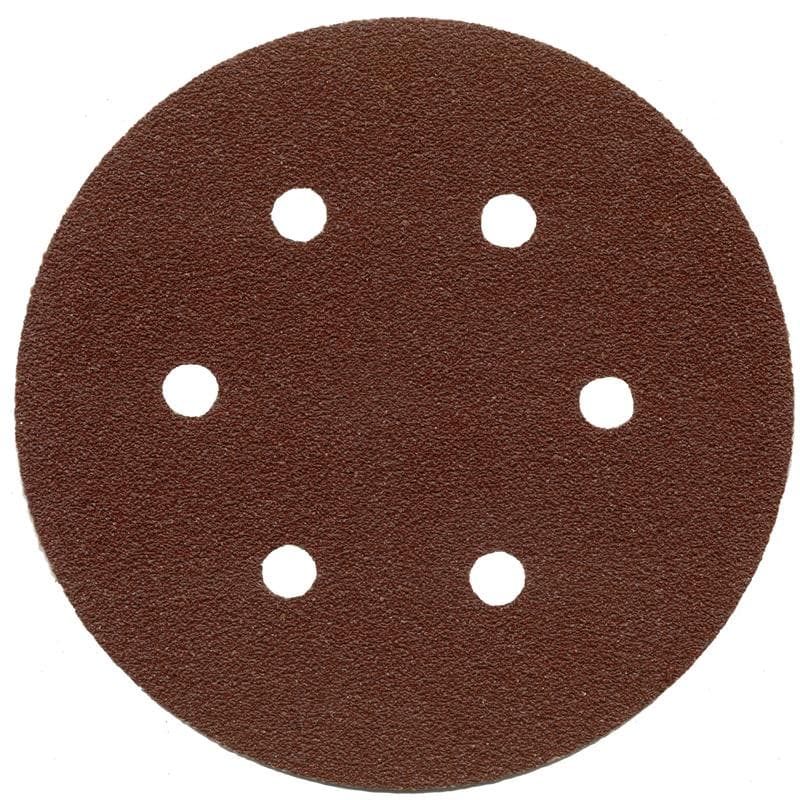
Nikon Aluminium oxide 6 Hole Hook & Loop Sanding Disc 150mm - 6 Delikli 240 Grit (NIK33477)
Nikon · Hook & Loop Sanding Discs

Nikon Aluminium oxide 6 Hole Hook & Loop Sanding Disc 150mm - 6 Delikli 280 Grit
Nikon · Hook & Loop Sanding Discs

Nikon Aluminium oxide 6 Hole Hook & Loop Sanding Disc 150mm - 6 Delikli 320 Grit
Nikon · Hook & Loop Sanding Discs

Nikon Aluminium oxide 6 Hole Hook & Loop Sanding Disc 150mm - 6 Delikli 360 Grit
Nikon · Hook & Loop Sanding Discs
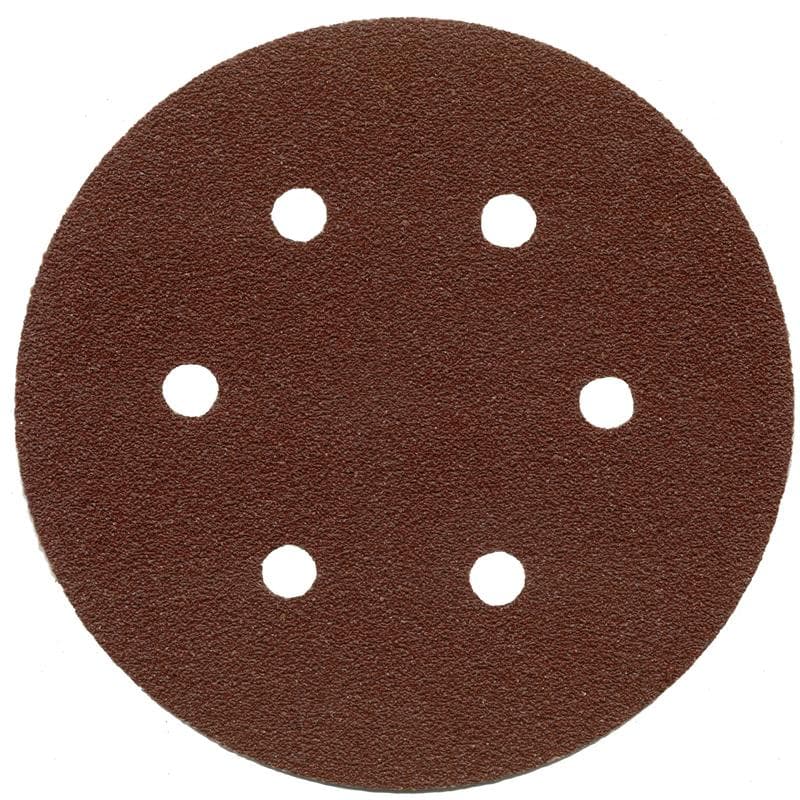
Nikon Aluminium oxide 6 Hole Hook & Loop Sanding Disc 360 Grit
Nikon · Hook & Loop Sanding Discs

Nikon Aluminium oxide 6 Hole Hook & Loop Sanding Disc 150mm - 6 Delikli 400 Grit
Nikon · Hook & Loop Sanding Discs

Nikon Aluminium oxide 6 Hole Hook & Loop Sanding Disc 150mm - 6 Delikli 800 Grit
Nikon · Hook & Loop Sanding Discs
Abrasive Mops & Flap Wheels
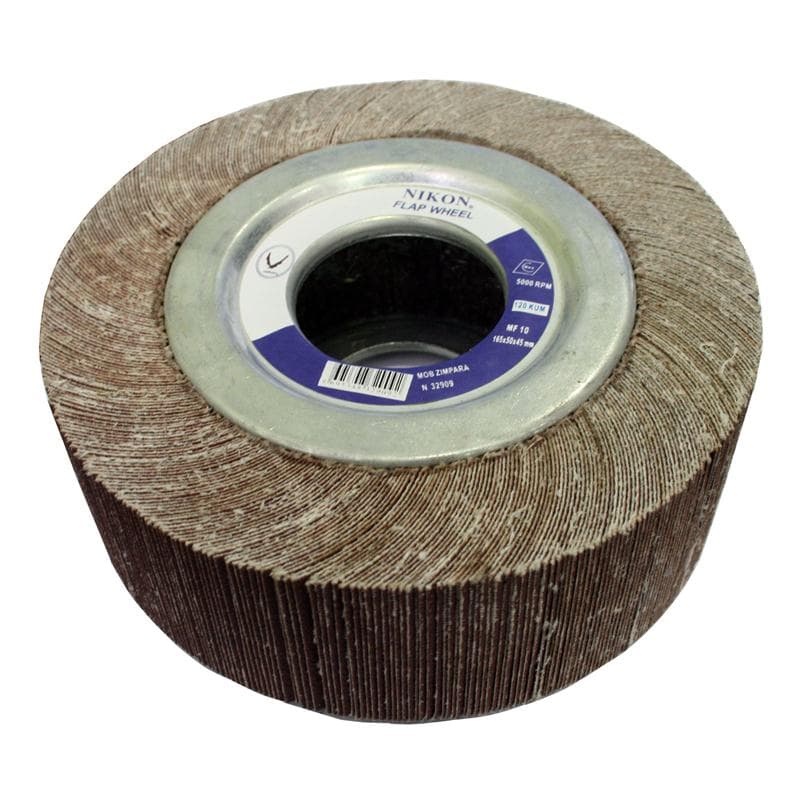
Nikon Flanged Mop Wheel 300x35x45 mm 100 Grit
Nikon · Abrasive Mops & Flap Wheels
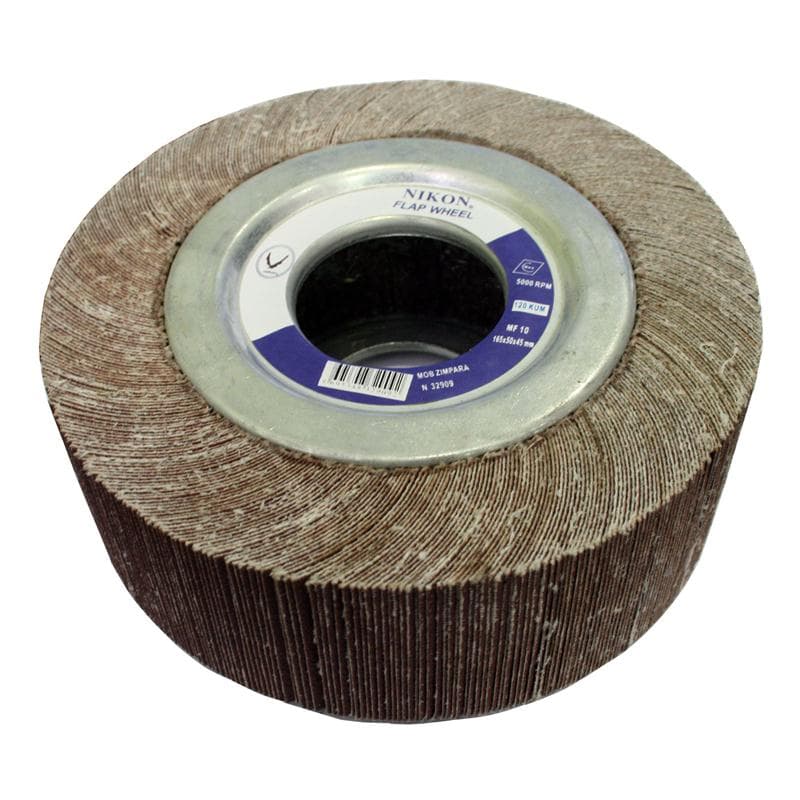
Nikon Flanged Mop Wheel 165x50x45 mm 100 Grit
Nikon · Abrasive Mops & Flap Wheels
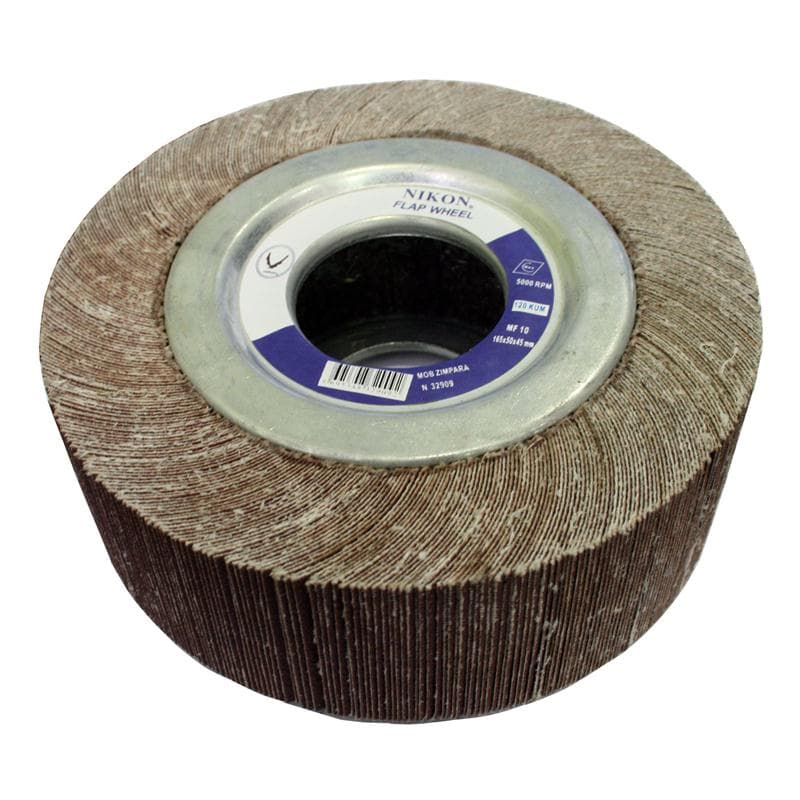
Nikon Flanged Mop Wheel 165x50x45 mm 120 Grit
Nikon · Abrasive Mops & Flap Wheels
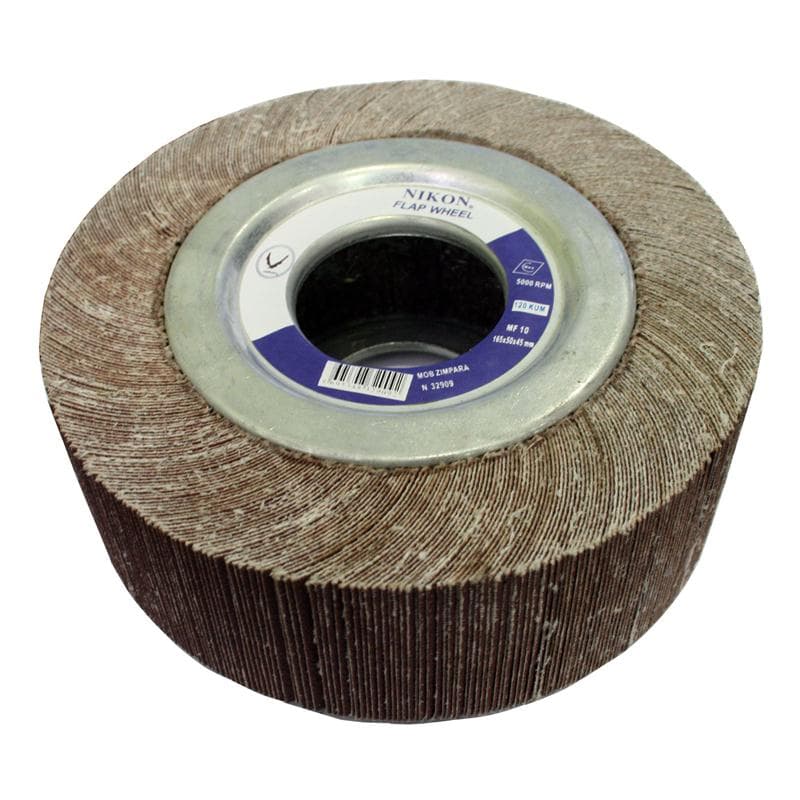
Nikon Flanged Mop Wheel 165x50x45 mm 150 Grit
Nikon · Abrasive Mops & Flap Wheels
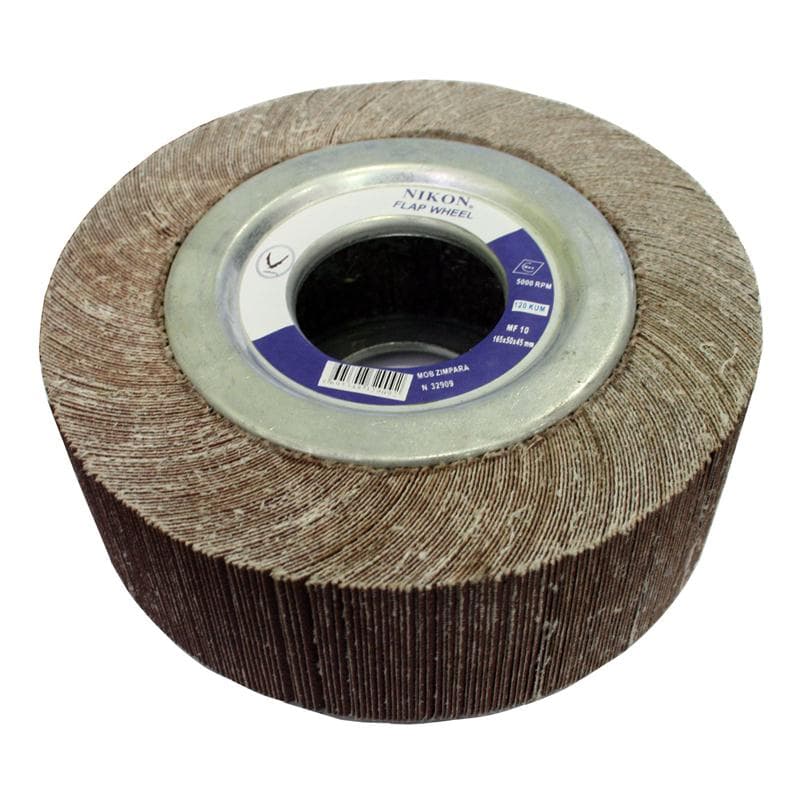
Nikon Flanged Mop Wheel 165 x 50 x 25 mm 240 Grit
Nikon · Abrasive Mops & Flap Wheels
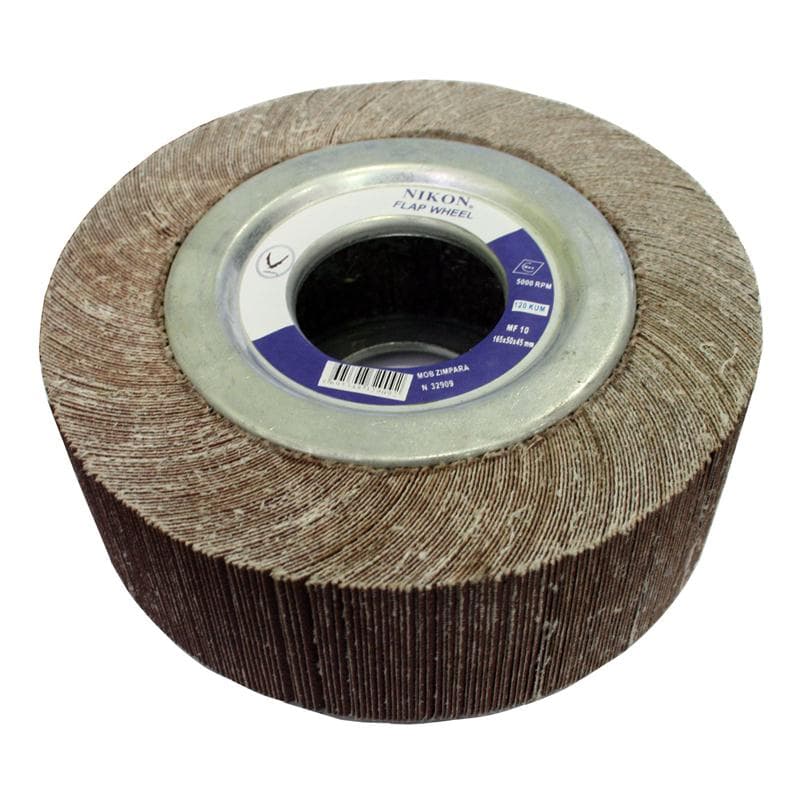
Nikon Flanged Mop Wheel 165 x 50 x 25 mm 320 Grit
Nikon · Abrasive Mops & Flap Wheels
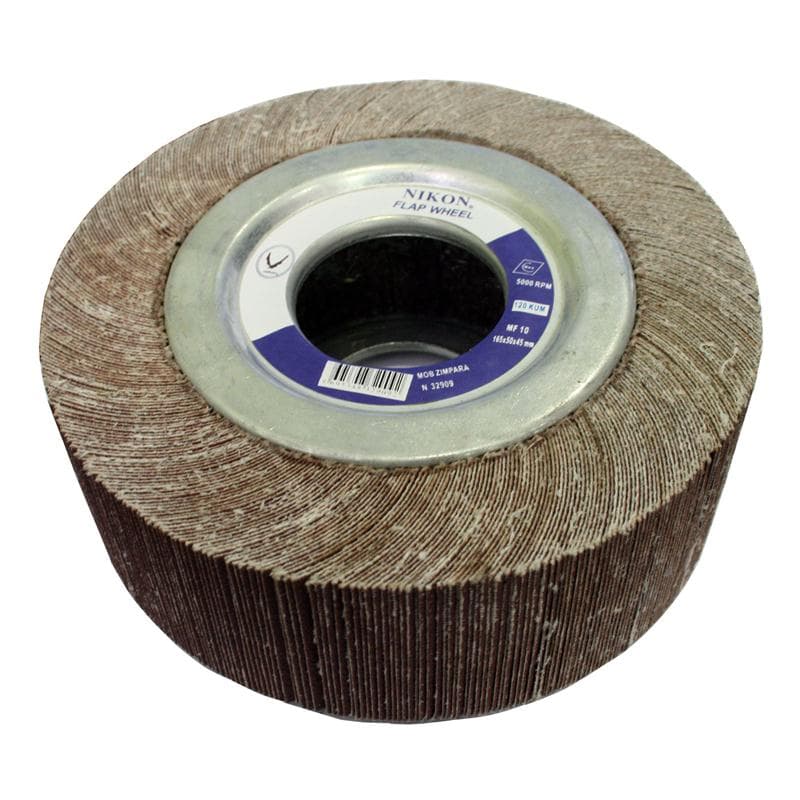
Nikon Flanged Mop Wheel 165 x 50 x 25 mm 400 Grit
Nikon · Abrasive Mops & Flap Wheels
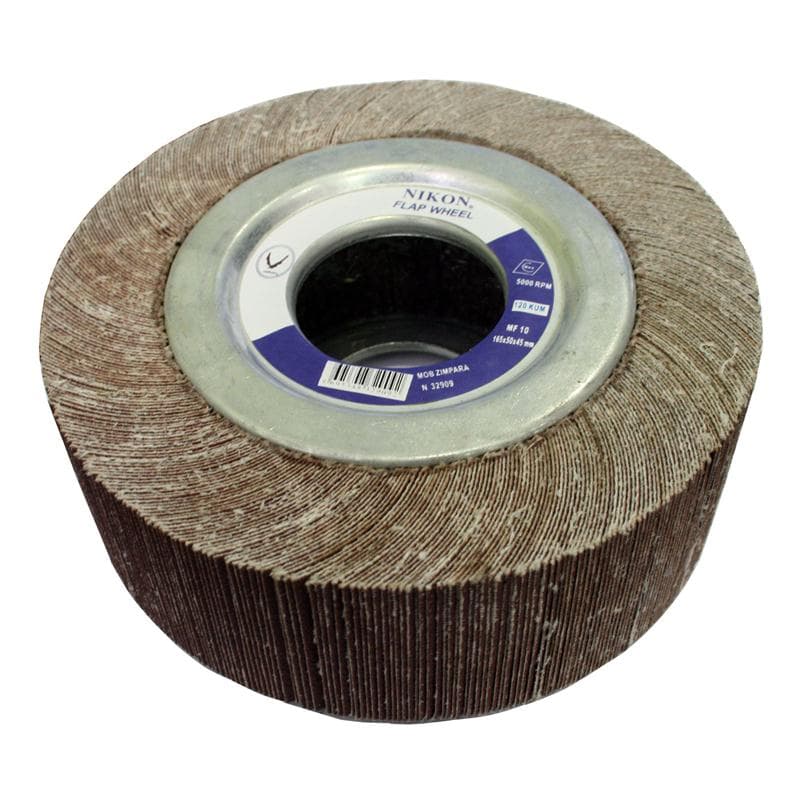
Nikon Flanged Mop Wheel 165x50x45 mm 60 Grit
Nikon · Abrasive Mops & Flap Wheels
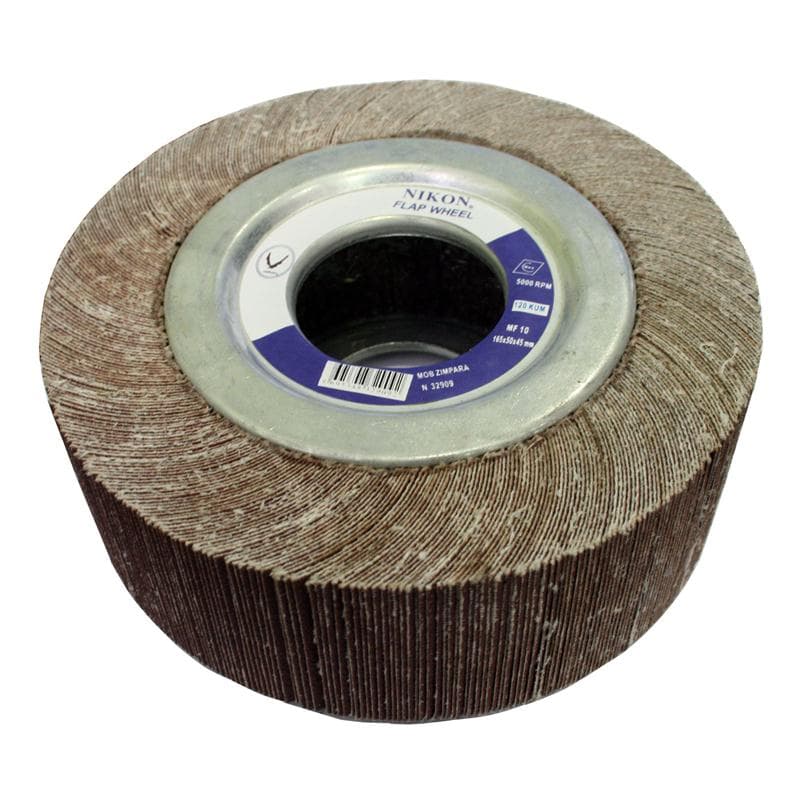
Nikon Flanged Mop Wheel 250x30x45 mm 80 Grit
Nikon · Abrasive Mops & Flap Wheels
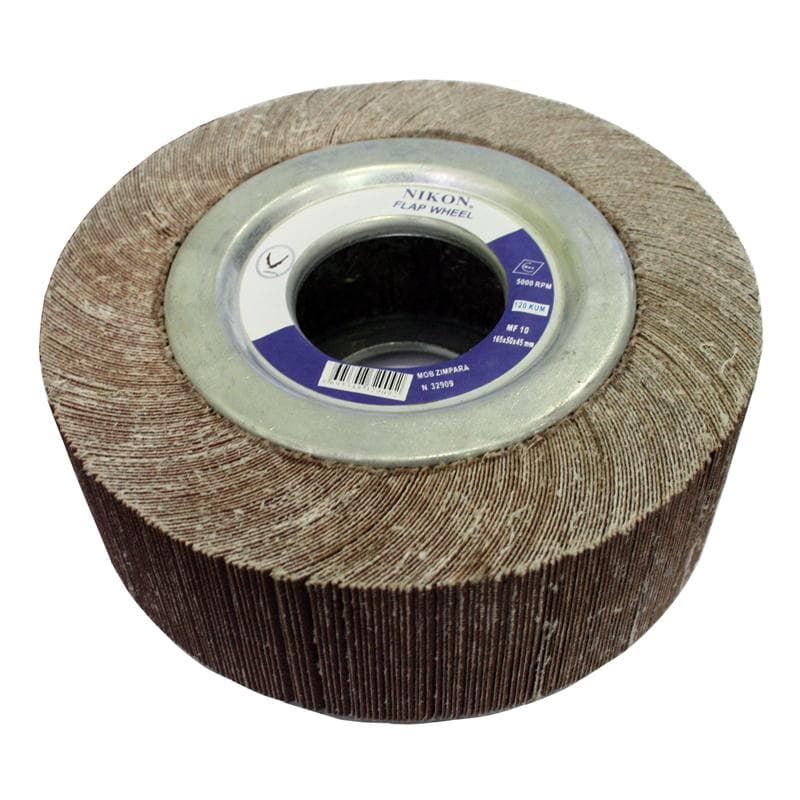
Nikon Flanged Mop Wheel 165x50x45 mm 80 Grit
Nikon · Abrasive Mops & Flap Wheels
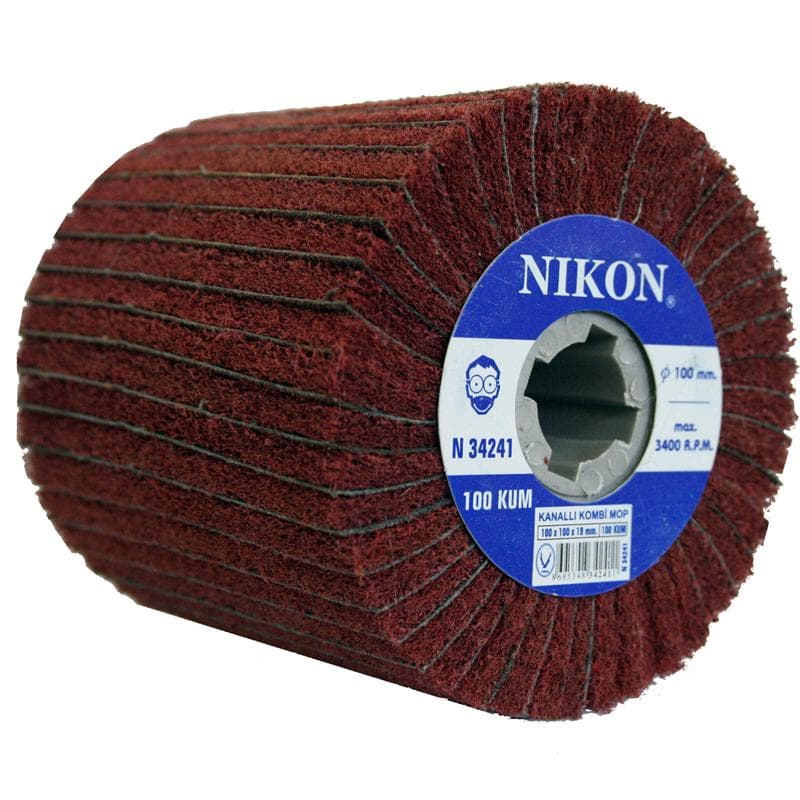
Nikon Combi Slotted Non-Woven Mop Wheel ø100 x 100 x ø19 mm 100 Grit
Nikon · Abrasive Mops & Flap Wheels
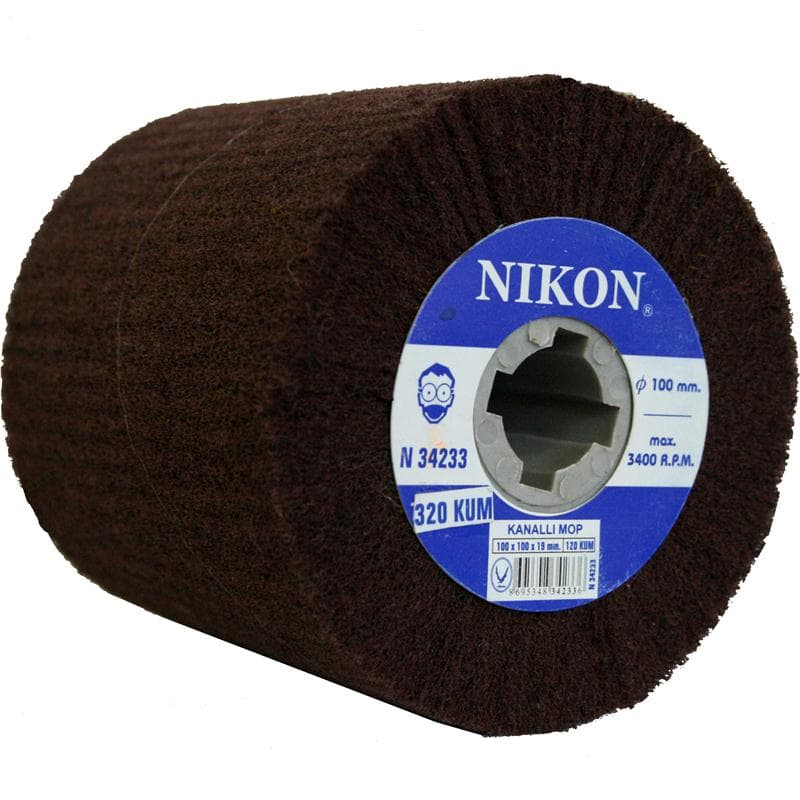
Nikon Slotted Non-Woven Mop Wheel ø100 x 100 x ø19 mm 120 Grit
Nikon · Abrasive Mops & Flap Wheels
Fibre Discs
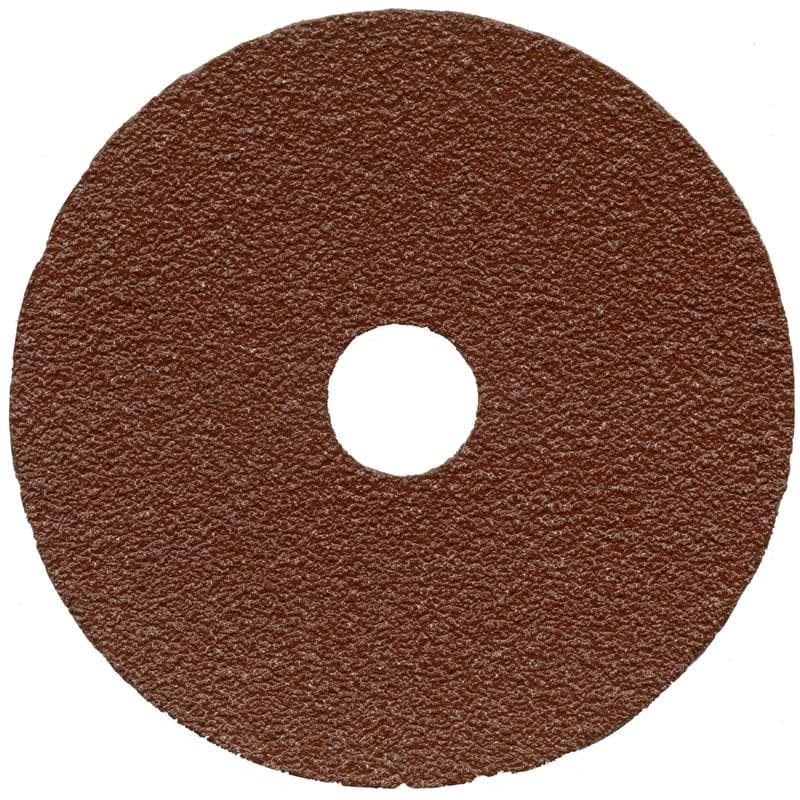
Nikon Fibre Disc 115 mm 100 Grit
Nikon · Fibre Discs
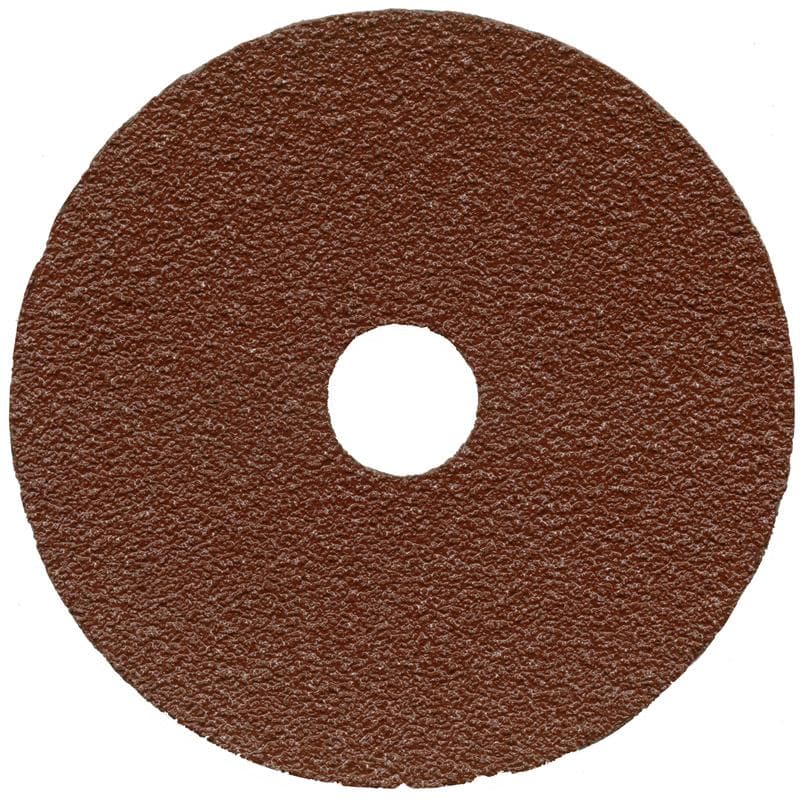
Nikon Fibre Disc 115 mm 120 Grit
Nikon · Fibre Discs
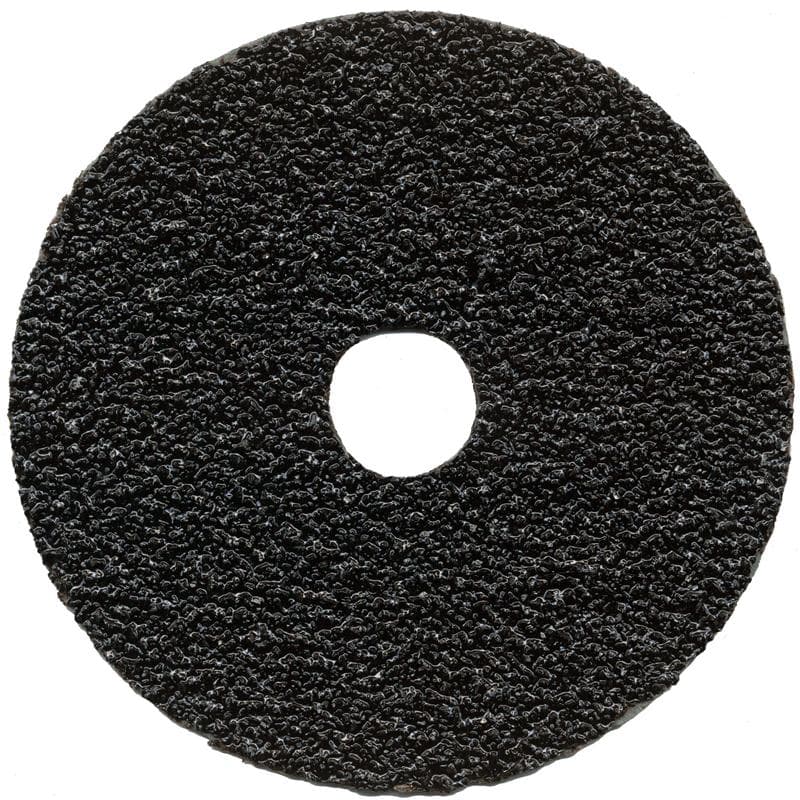
Nikon Fibre Disc 180 mm 24 Grit (NIK33233)
Nikon · Fibre Discs
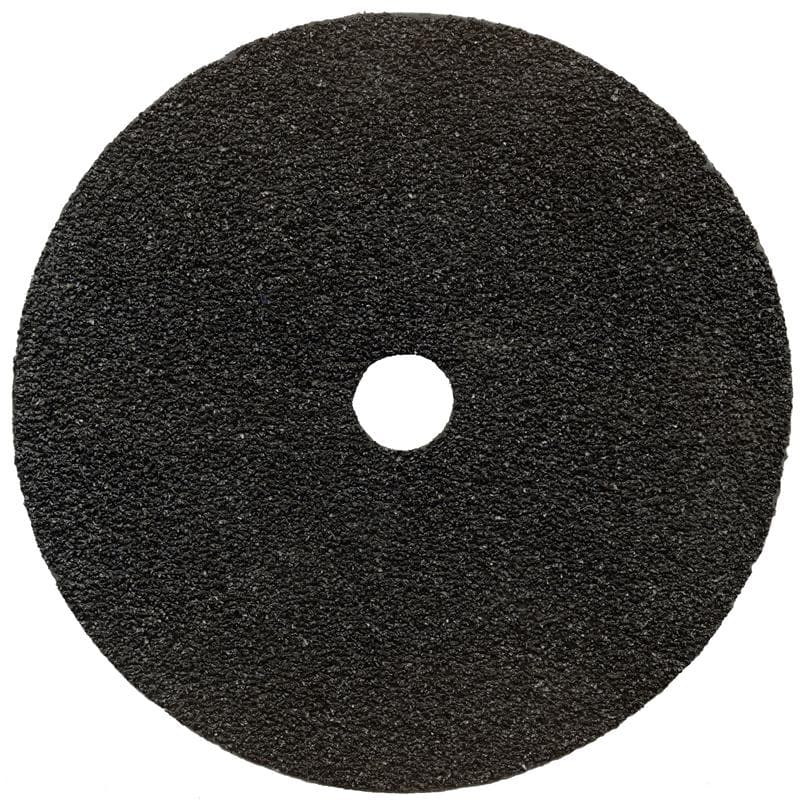
Nikon Fibre Disc 115 mm 24 Grit
Nikon · Fibre Discs
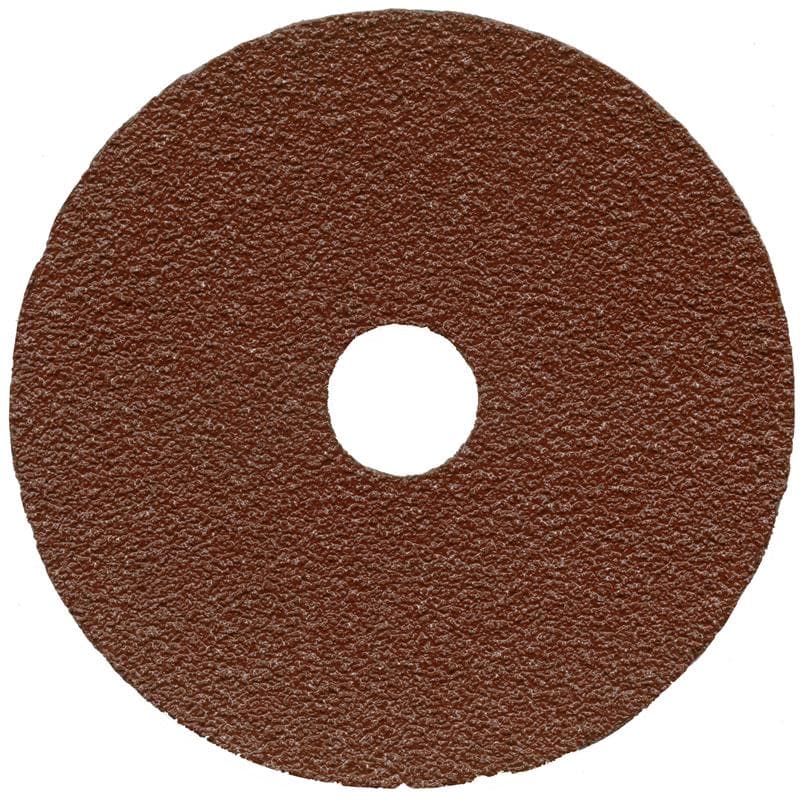
Nikon Fibre Disc 115 mm 36 Grit (NIK33205)
Nikon · Fibre Discs
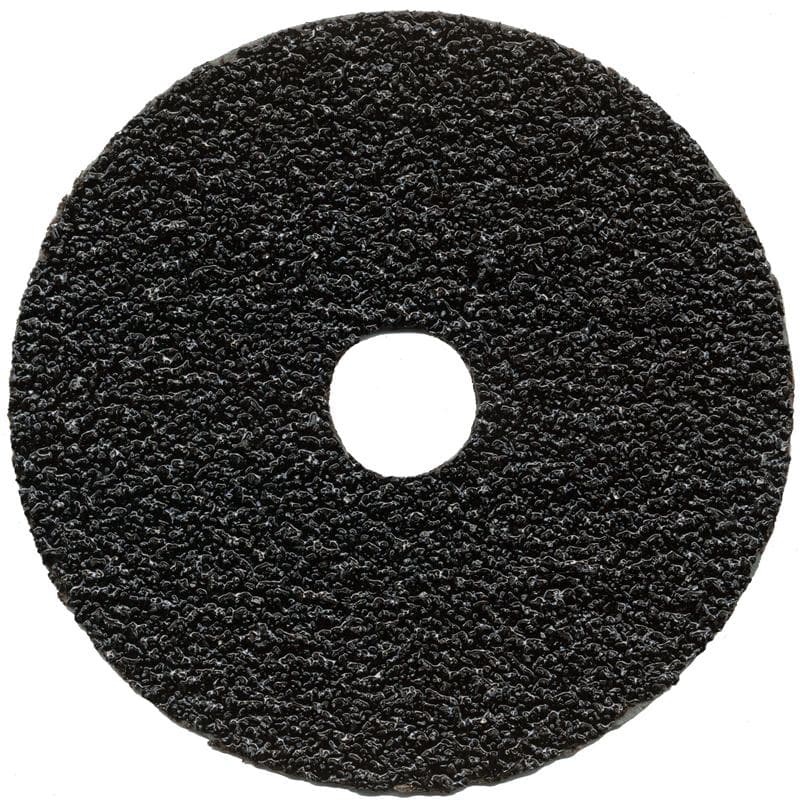
Nikon Fibre Disc 180 mm 36 Grit (NIK33235)
Nikon · Fibre Discs
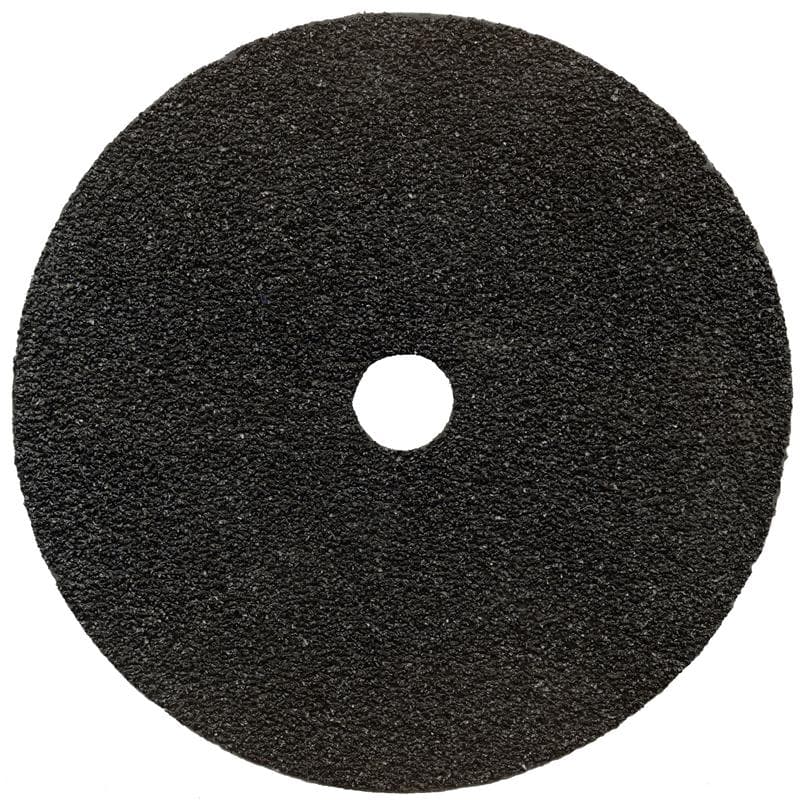
Nikon Fibre Disc 115 mm 36 Grit (NIK33103)
Nikon · Fibre Discs
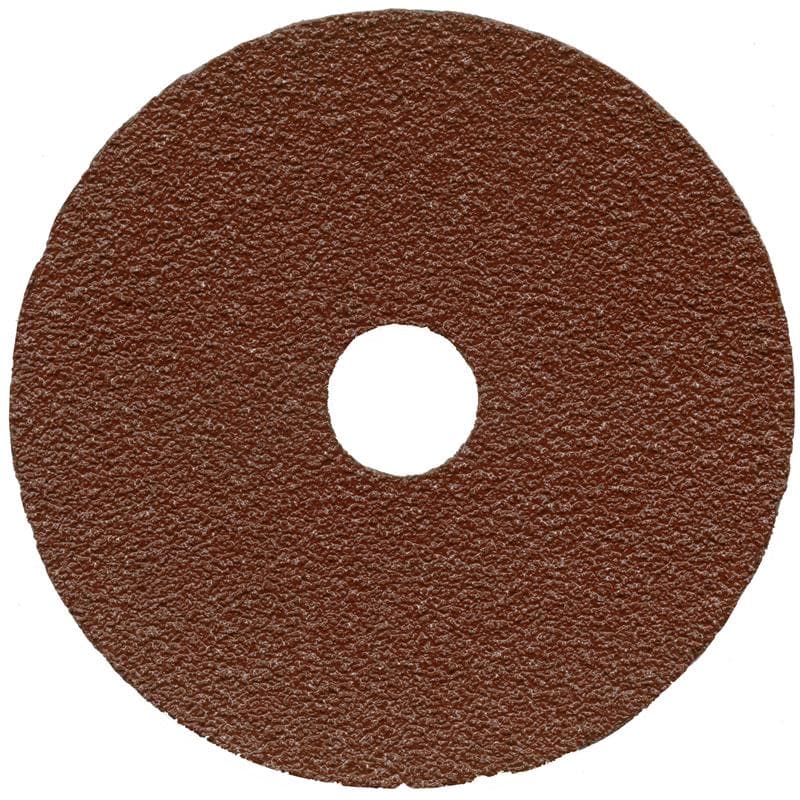
Nikon Fibre Disc 180 mm 40 Grit (NIK33237)
Nikon · Fibre Discs
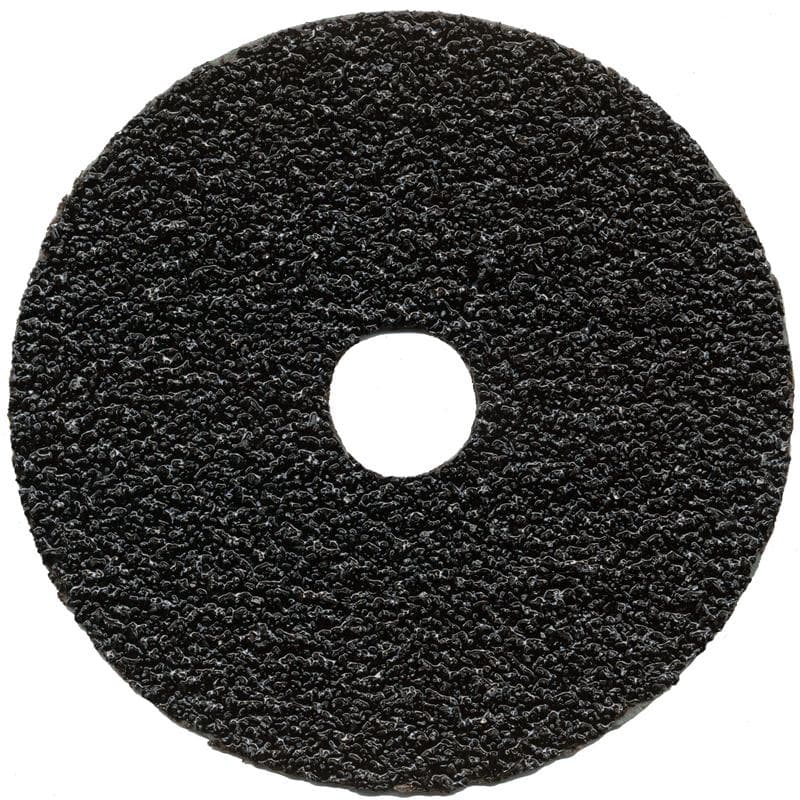
Nikon Fibre Disc 115 mm 40 Grit (NIK33207)
Nikon · Fibre Discs
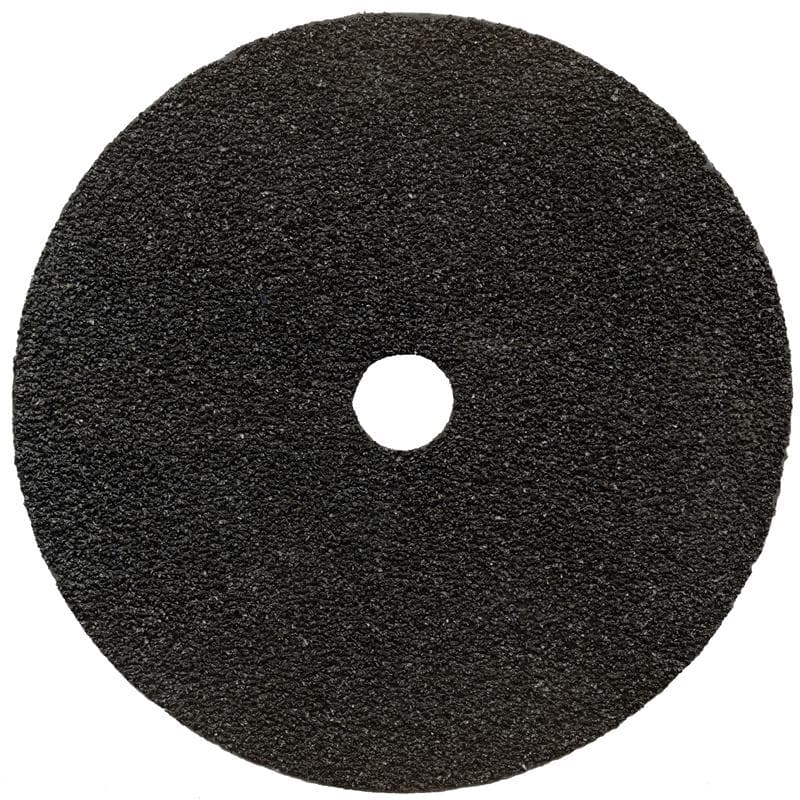
Nikon Fibre Disc 115 mm 40 Grit (NIK33105)
Nikon · Fibre Discs
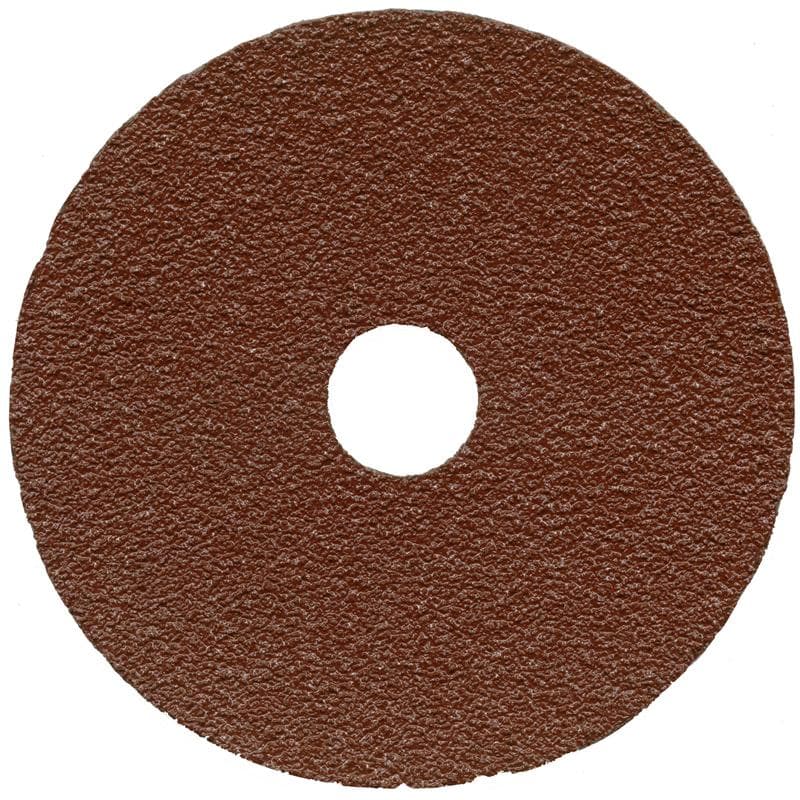
Nikon Fibre Disc 180 mm 50 Grit (NIK33239)
Nikon · Fibre Discs
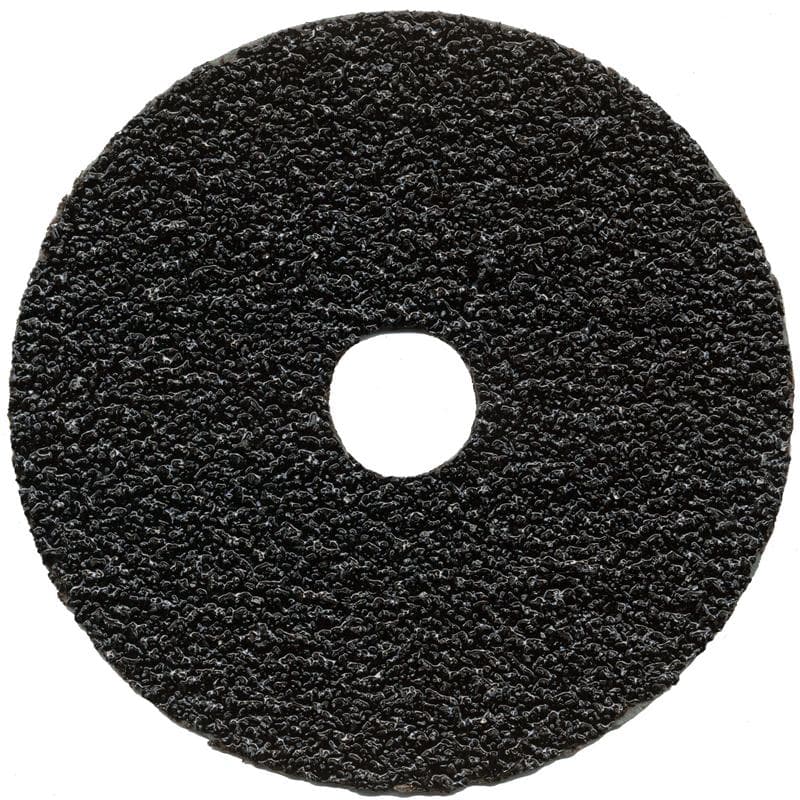
Nikon Fibre Disc 115 mm 50 Grit (NIK33209)
Nikon · Fibre Discs
Flap Discs
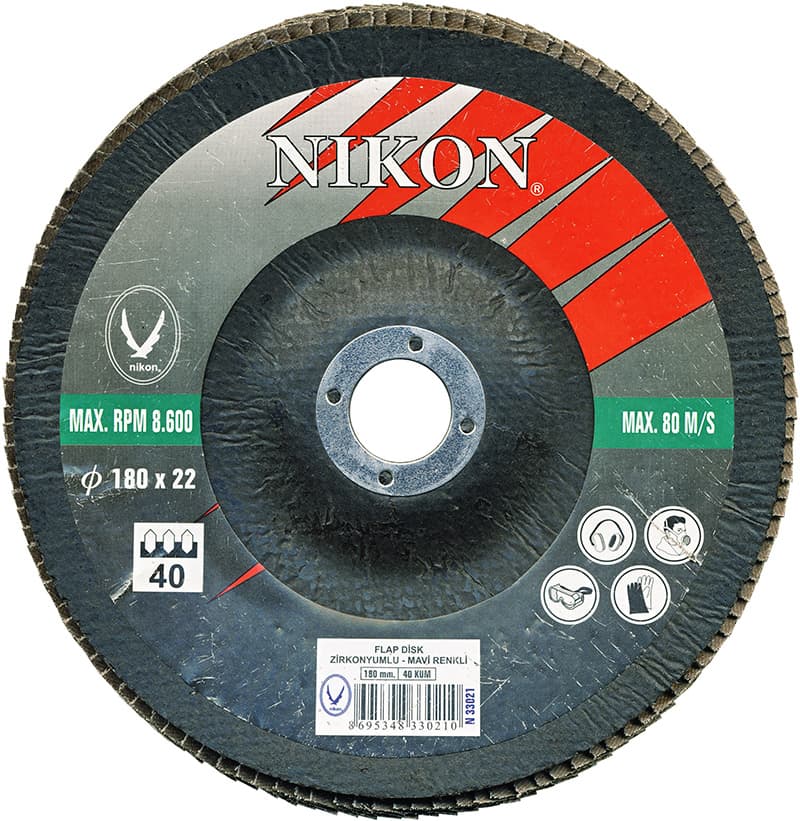
Nikon Flap Disc 180 mm 100 Grit (NIK33027)
Nikon · Flap Discs
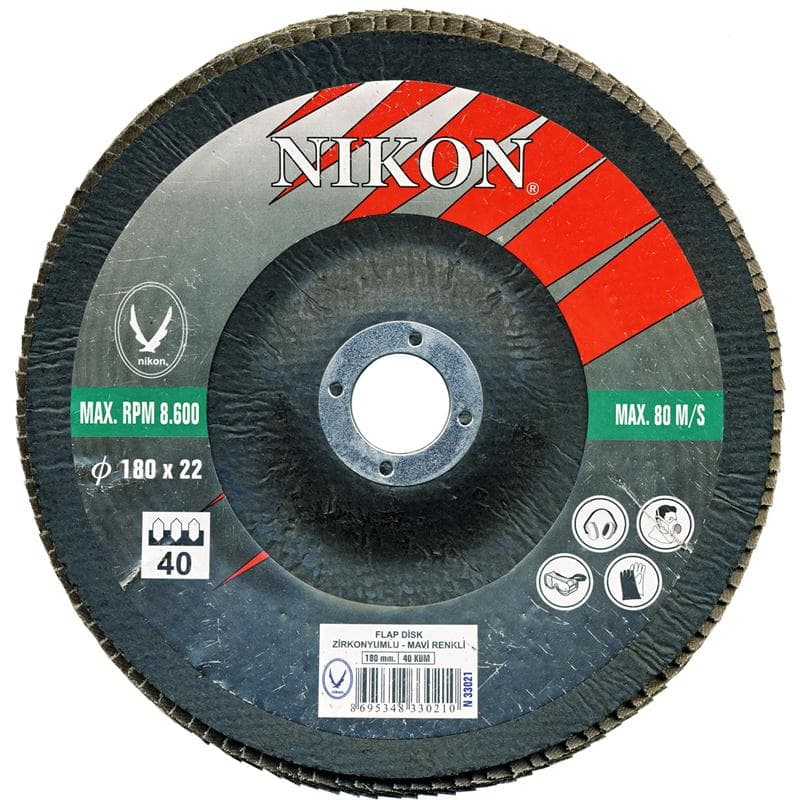
Nikon Flap Disc 115 mm 100 Grit
Nikon · Flap Discs
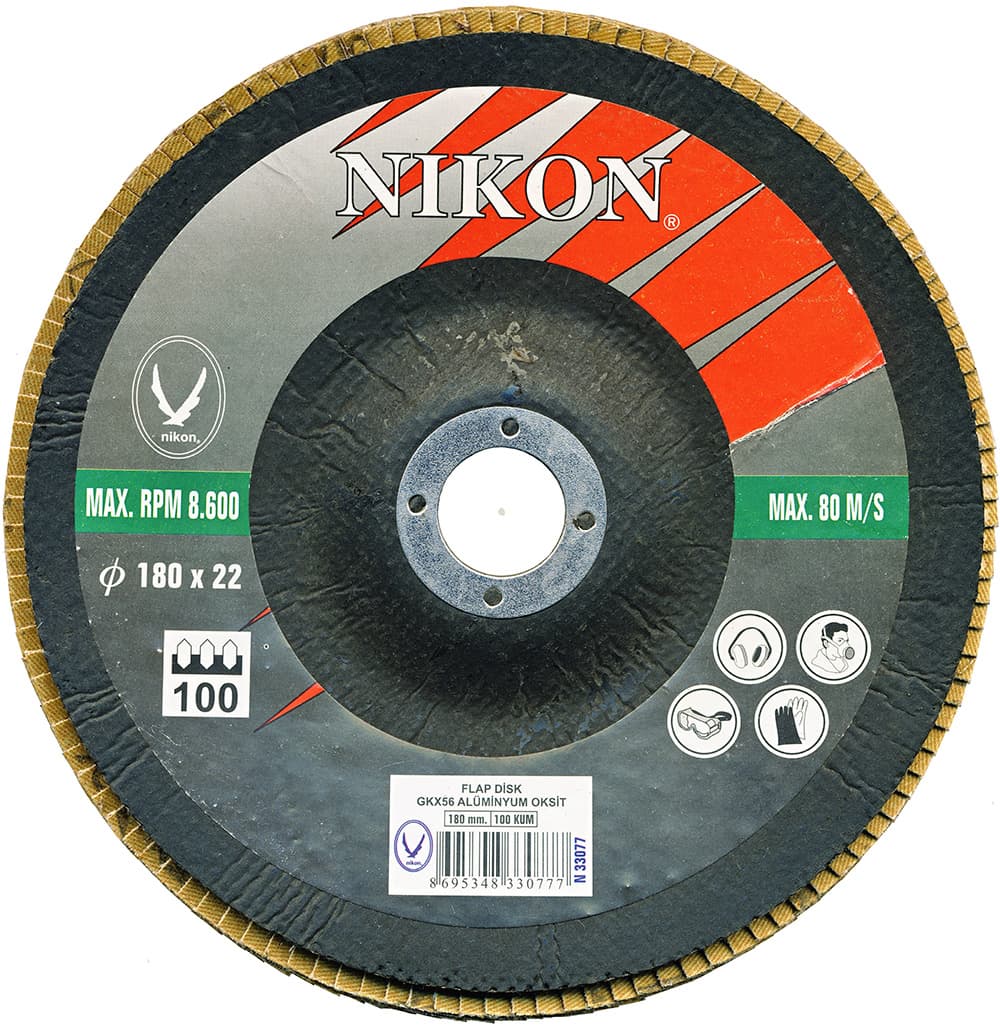
Nikon Flap Disc 100 Grit
Nikon · Flap Discs
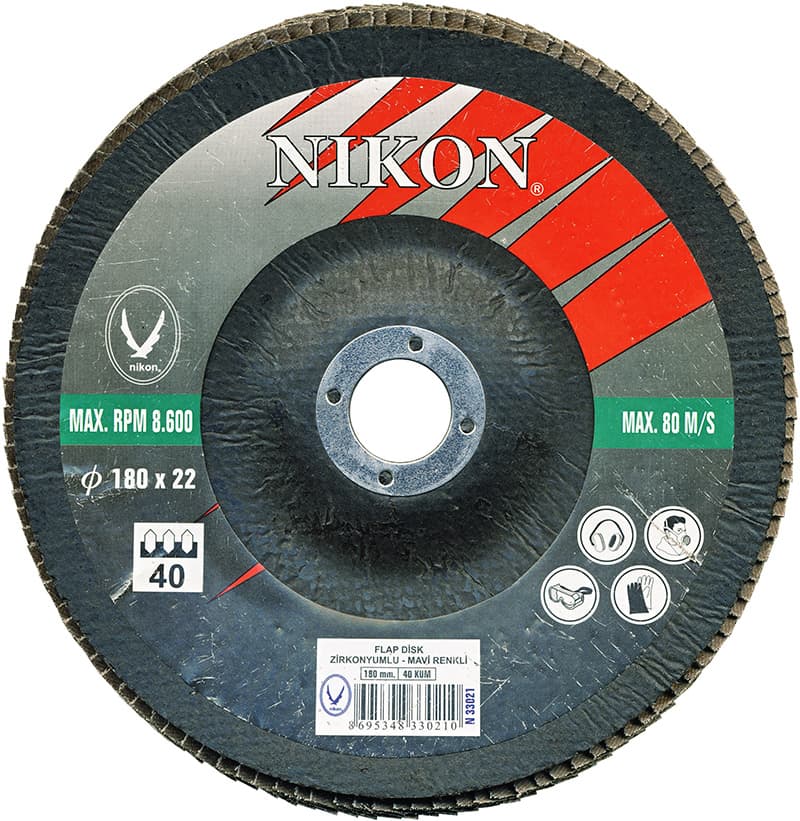
Nikon Flap Disc 180 mm 120 Grit (NIK33029)
Nikon · Flap Discs
Nikon Flap Disc 120 Grit
Nikon · Flap Discs
Nikon Flap Disc 115 mm 120 Grit
Nikon · Flap Discs
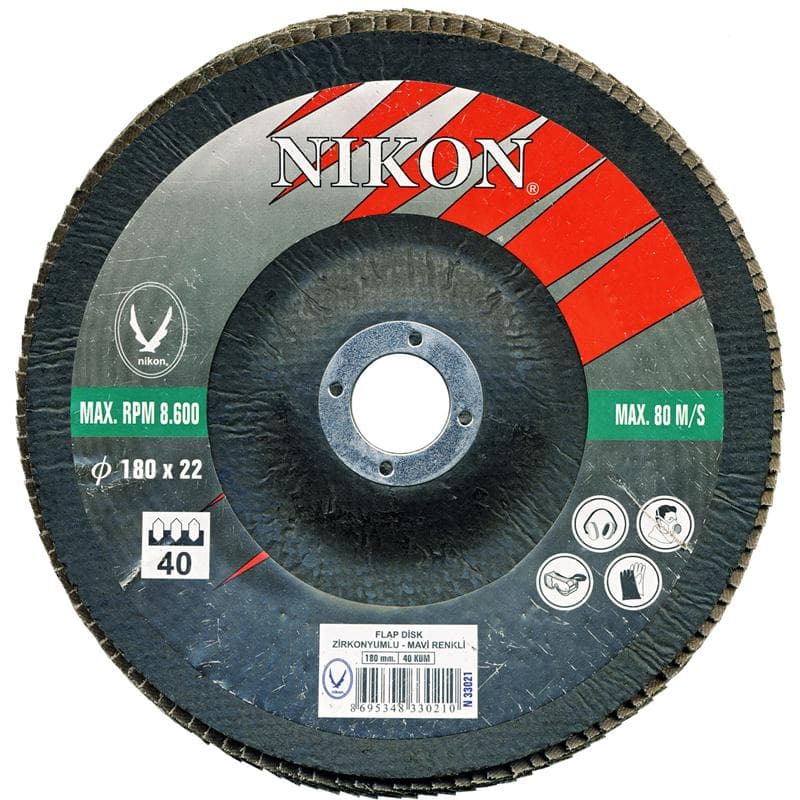
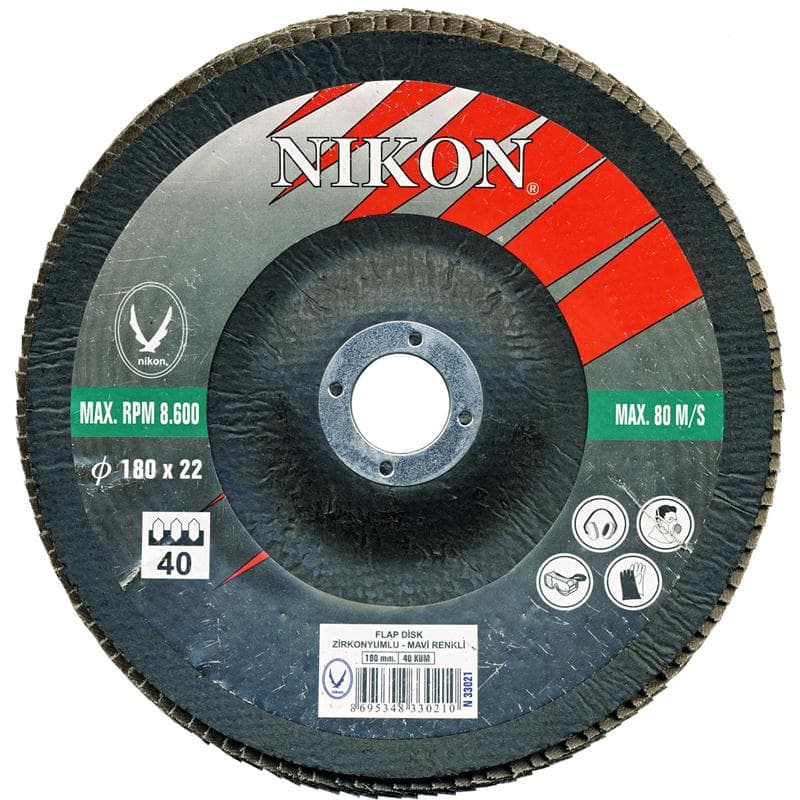
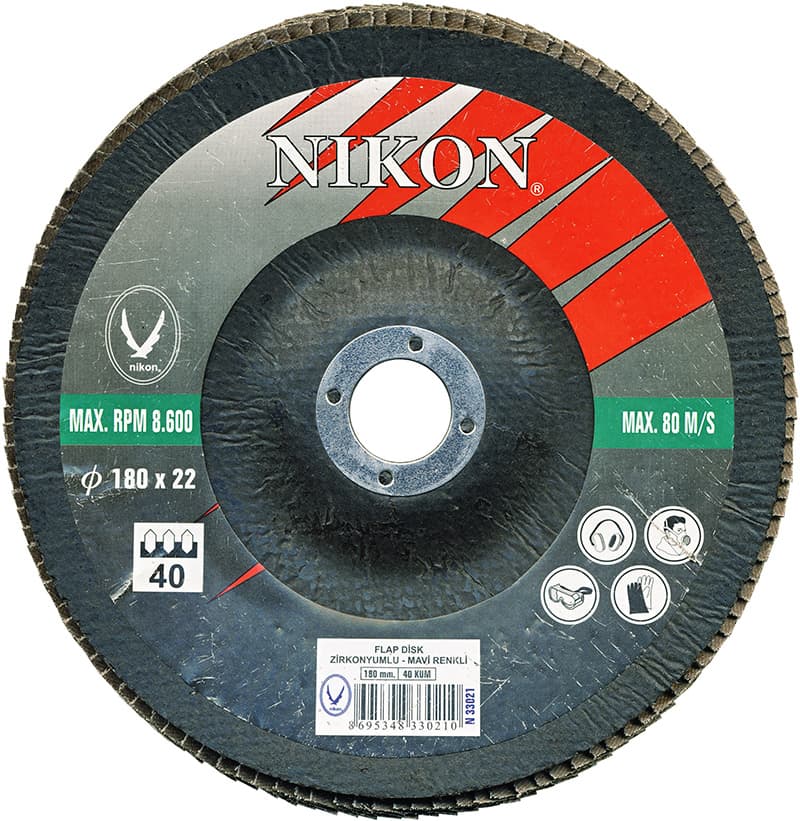
Nikon Flap Disc 180 mm 40 Grit (NIK33021)
Nikon · Flap Discs
Nikon Flap Disc 115 mm 60 Grit
Nikon · Flap Discs
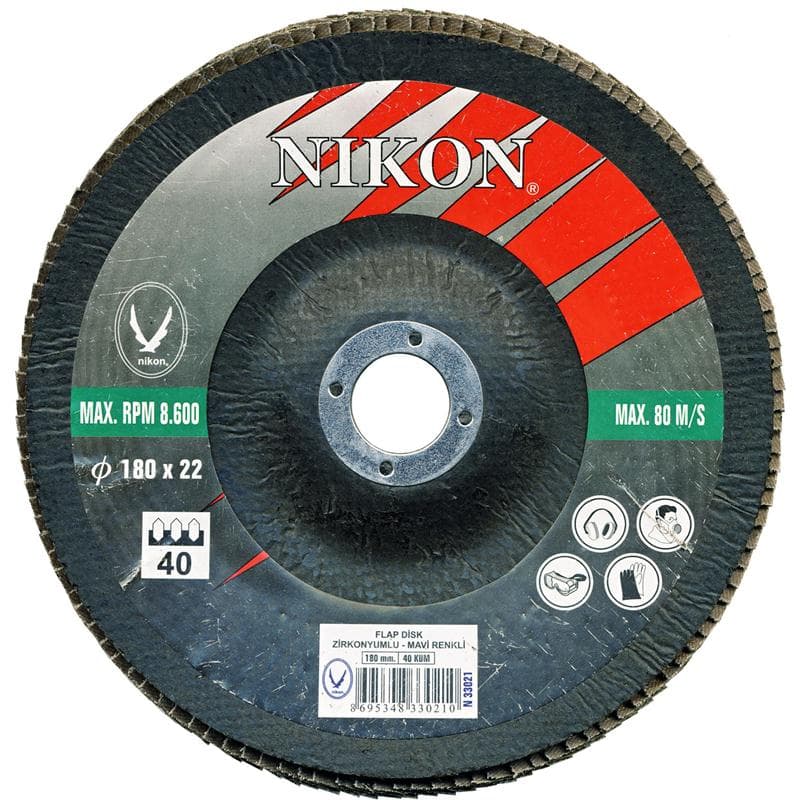
Nikon Flap Disc 180 mm 60 Grit (NIK33023)
Nikon · Flap Discs
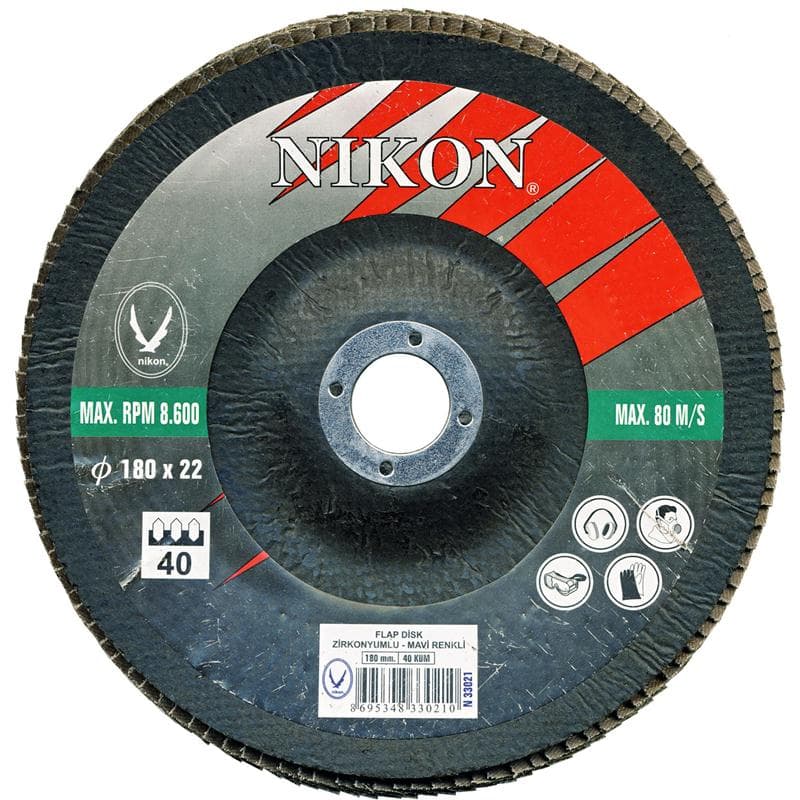
Nikon Flap Disc 180 mm 80 Grit (NIK33025)
Nikon · Flap Discs
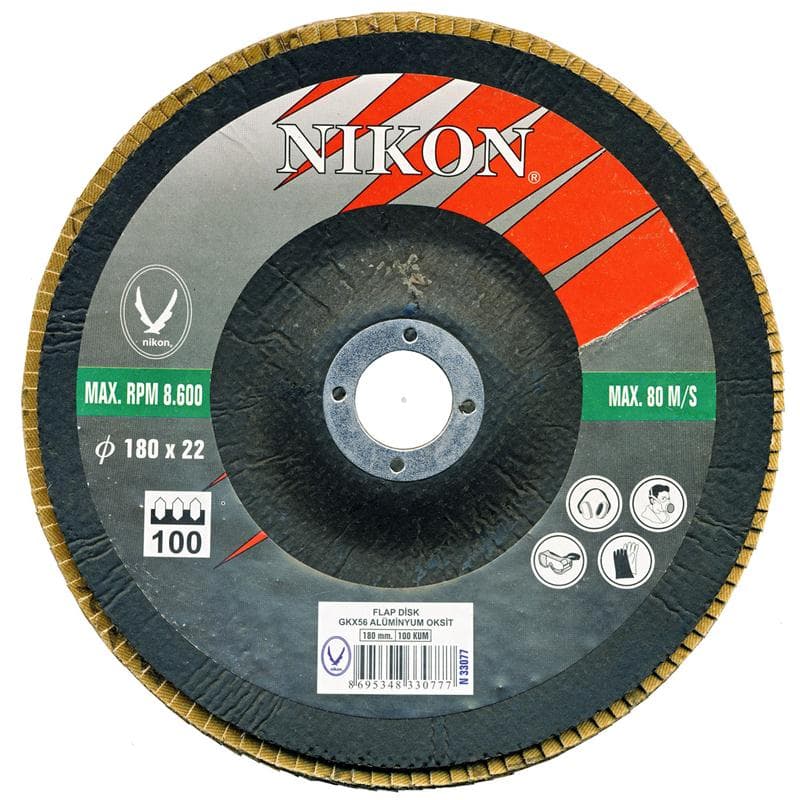
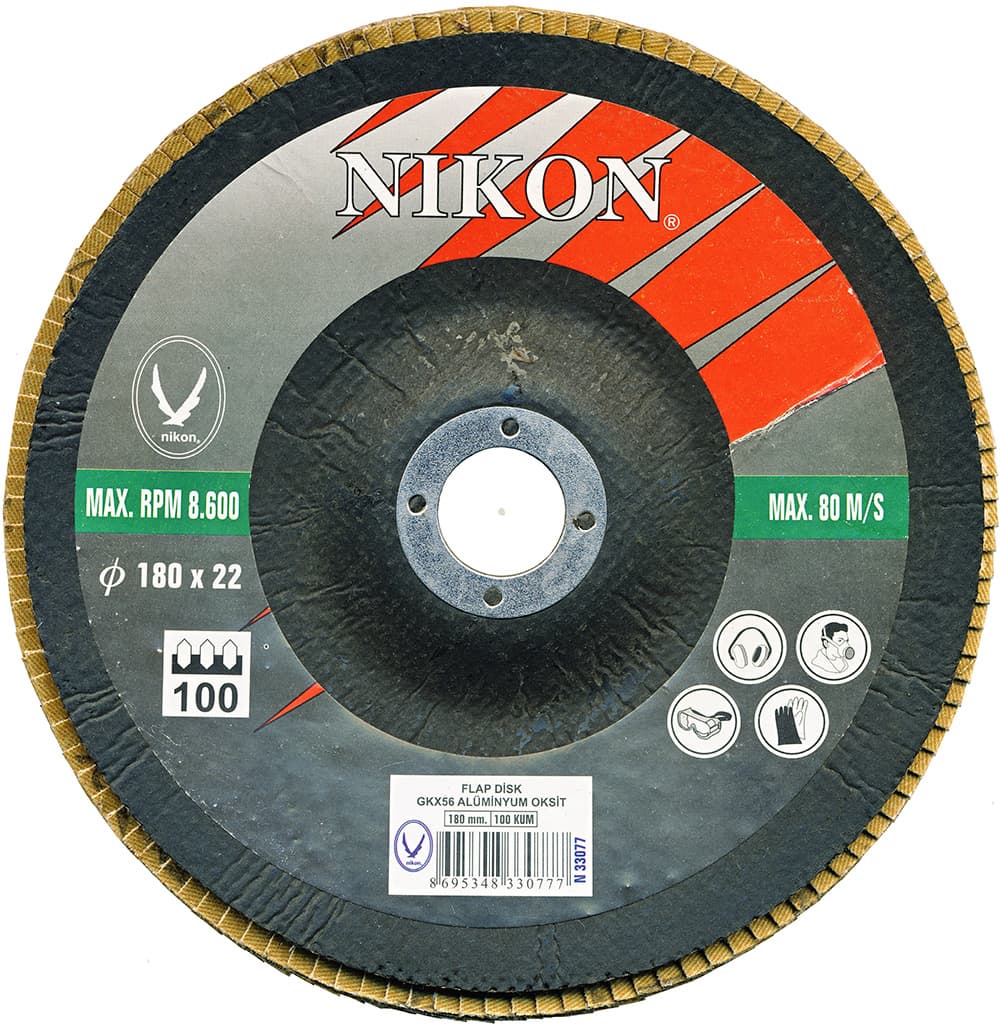
Nikon Flap Disc 180 mm 100 Grit (NIK33077)
Nikon · Flap Discs
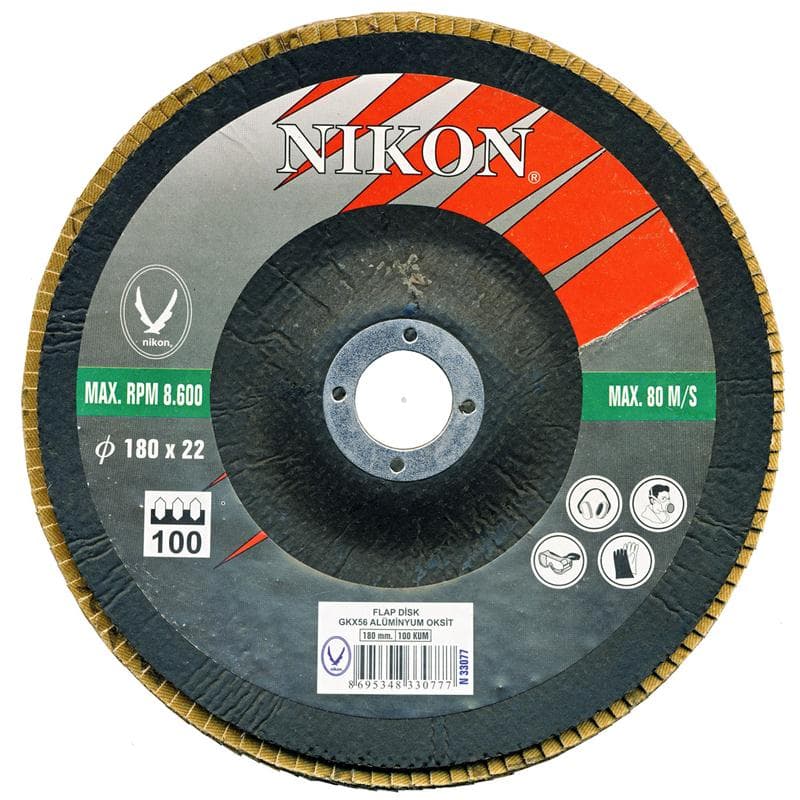
Nikon Flap Disc 180 mm 120 Grit (NIK33079)
Nikon · Flap Discs
Sandpaper

Nikon Cloth Sanding Sheet 100 Grit
Nikon · Sandpaper

Nikon Cloth Sanding Sheet 120 Grit
Nikon · Sandpaper

Nikon Cloth Sanding Sheet 150 Grit
Nikon · Sandpaper

Nikon Cloth Sanding Sheet 180 Grit
Nikon · Sandpaper

Nikon Cloth Sanding Sheet 220 Grit
Nikon · Sandpaper

Nikon Cloth Sanding Sheet 240 Grit
Nikon · Sandpaper

Nikon Cloth Sanding Sheet 280 Grit
Nikon · Sandpaper

Nikon Cloth Sanding Sheet 320 Grit
Nikon · Sandpaper

Nikon Cloth Sanding Sheet 36 Grit
Nikon · Sandpaper

Nikon Cloth Sanding Sheet 40 Grit
Nikon · Sandpaper

Nikon Cloth Sanding Sheet 400 Grit
Nikon · Sandpaper

Nikon Cloth Sanding Sheet 60 Grit
Nikon · Sandpaper
Wet & Dry Sandpaper

Nikon Wet & Dry Sanding Sheet 1200 Grit
Nikon · Wet & Dry Sandpaper

Nikon Wet & Dry Sanding Sheet 240 Grit
Nikon · Wet & Dry Sandpaper

Nikon Wet & Dry Sanding Sheet 280 Grit
Nikon · Wet & Dry Sandpaper

Nikon Wet & Dry Sanding Sheet 320 Grit
Nikon · Wet & Dry Sandpaper

Nikon Wet & Dry Sanding Sheet 360 Grit
Nikon · Wet & Dry Sandpaper

Nikon Wet & Dry Sanding Sheet 400 Grit
Nikon · Wet & Dry Sandpaper

Nikon Wet & Dry Sanding Sheet 600 Grit
Nikon · Wet & Dry Sandpaper

Nikon Wet & Dry Sanding Sheet 800 Grit
Nikon · Wet & Dry Sandpaper
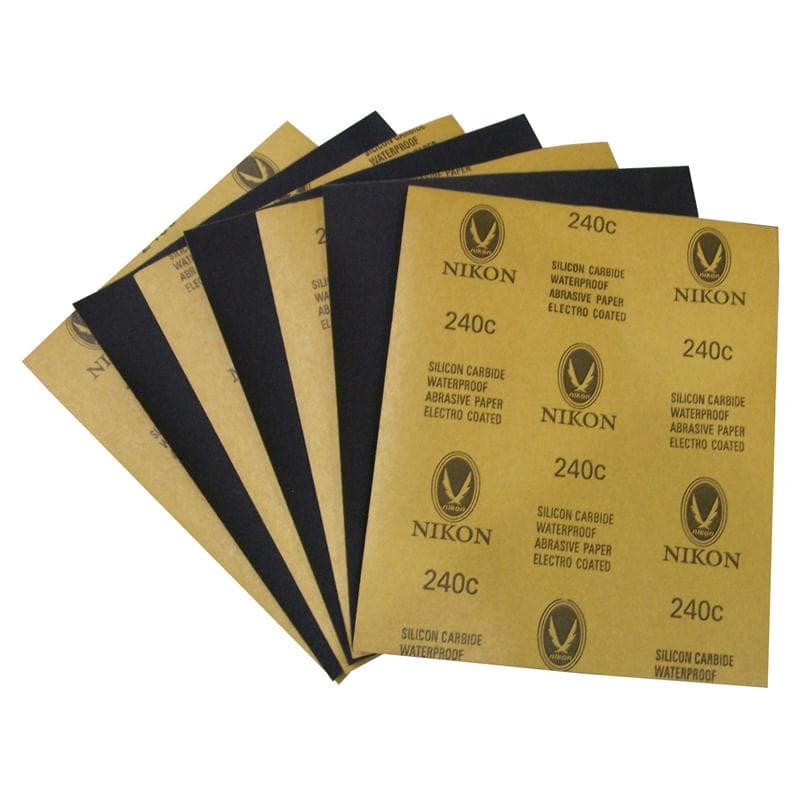
Nikon Wet & Dry Sandpaper 240 Grit
Nikon · Wet & Dry Sandpaper
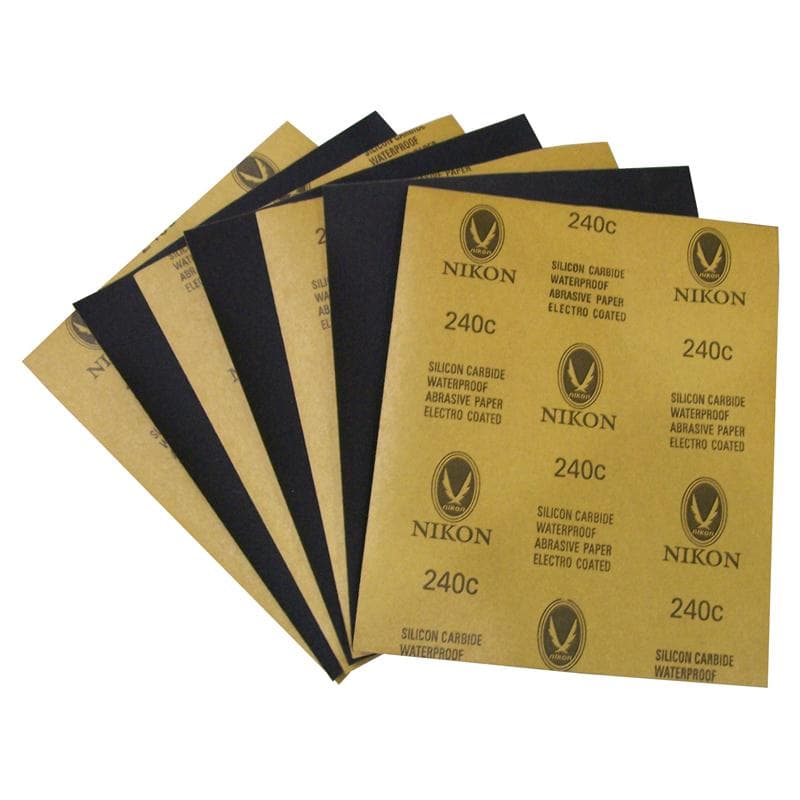
Nikon Wet & Dry Sandpaper 280 Grit
Nikon · Wet & Dry Sandpaper
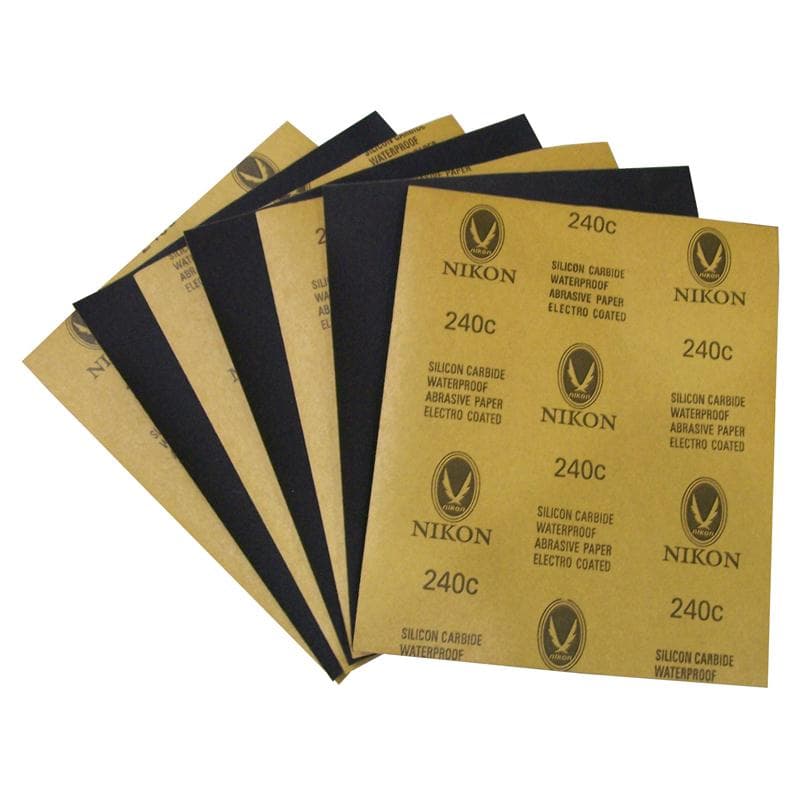
Nikon Wet & Dry Sandpaper 320 Grit
Nikon · Wet & Dry Sandpaper
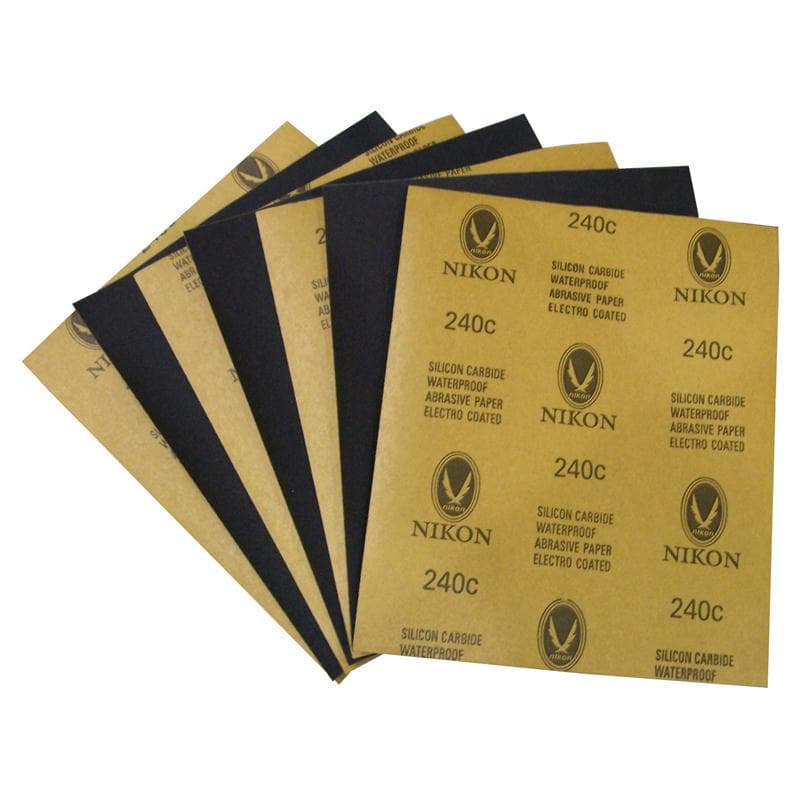
Nikon Wet & Dry Sandpaper 360 Grit
Nikon · Wet & Dry Sandpaper
Cutting Discs
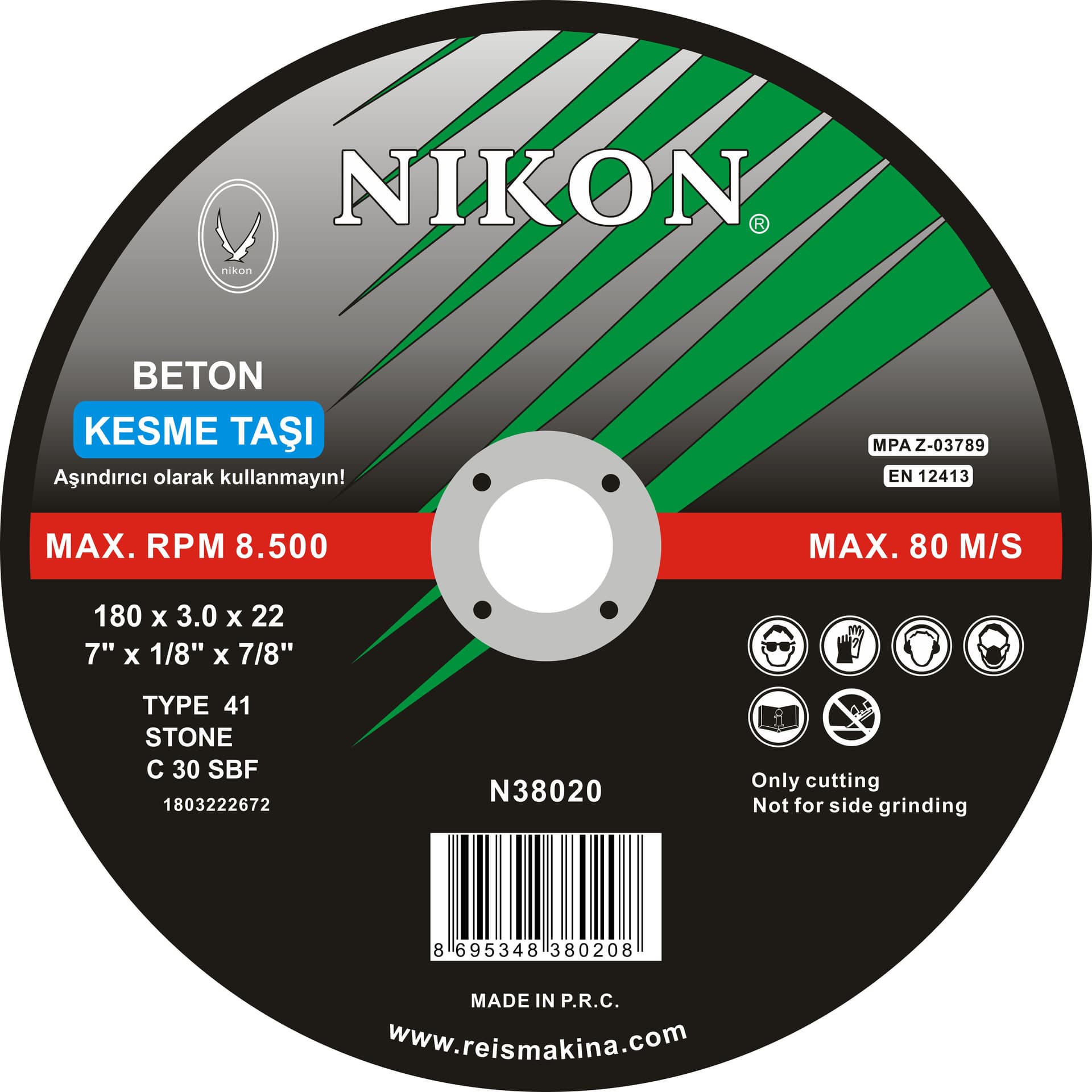
Nikon Concrete Cutting Disc 115 x 2.5 x 22 mm (NIK38017)
Nikon · Cutting Discs
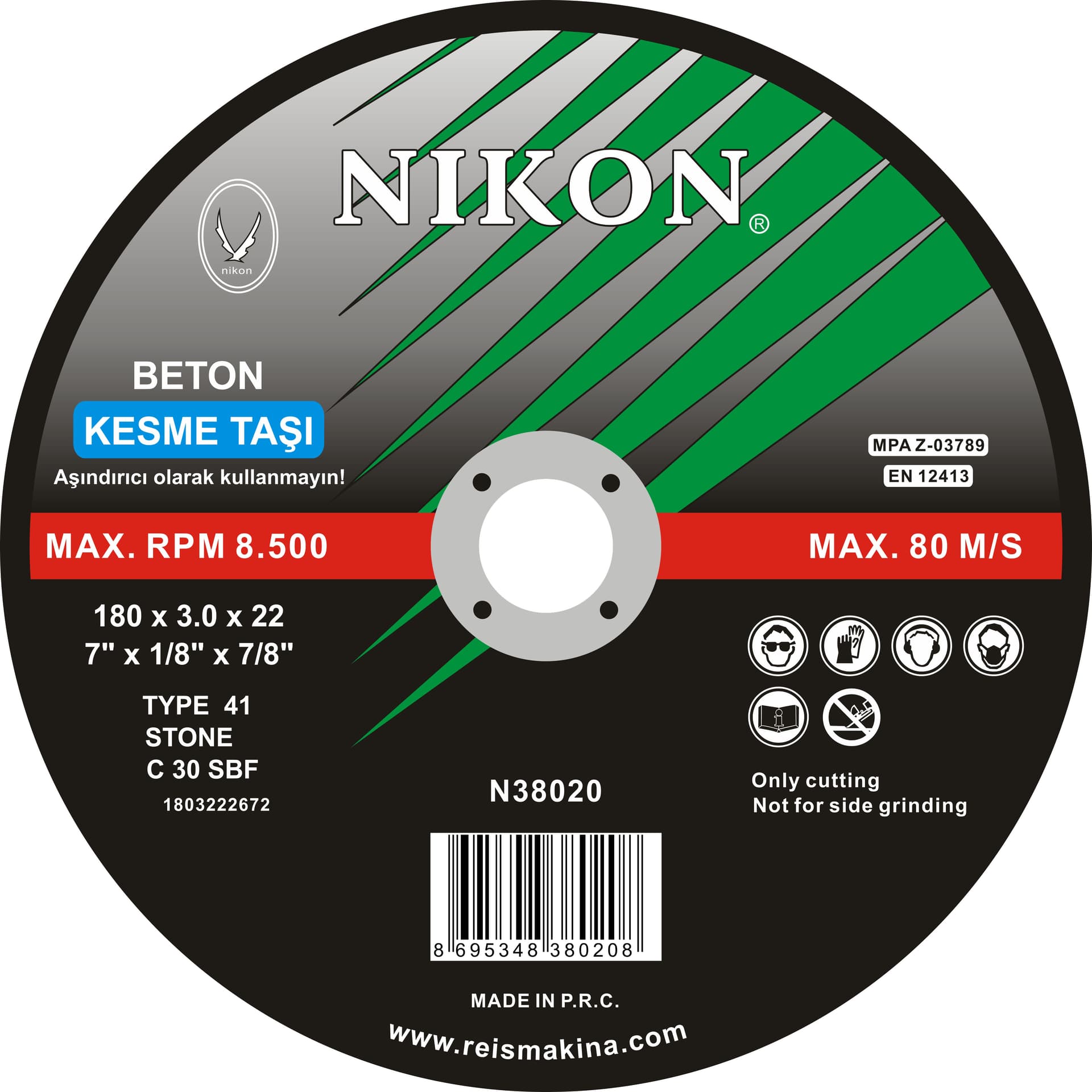
Nikon Concrete Cutting Disc 115 x 2.5 x 22 mm (NIK38018)
Nikon · Cutting Discs
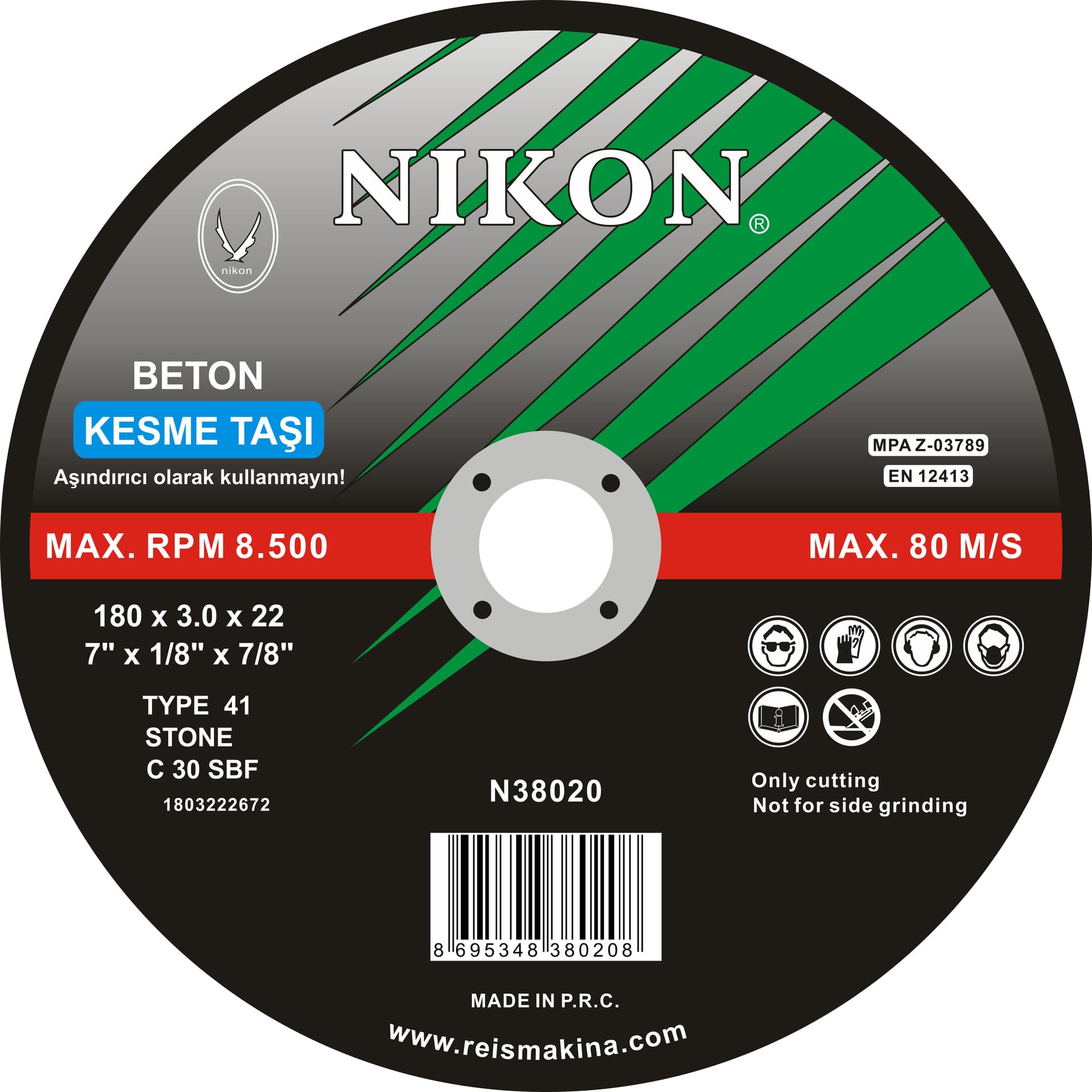
Nikon Concrete Cutting Disc 180 x 3.0 x 22 mm (NIK38019)
Nikon · Cutting Discs
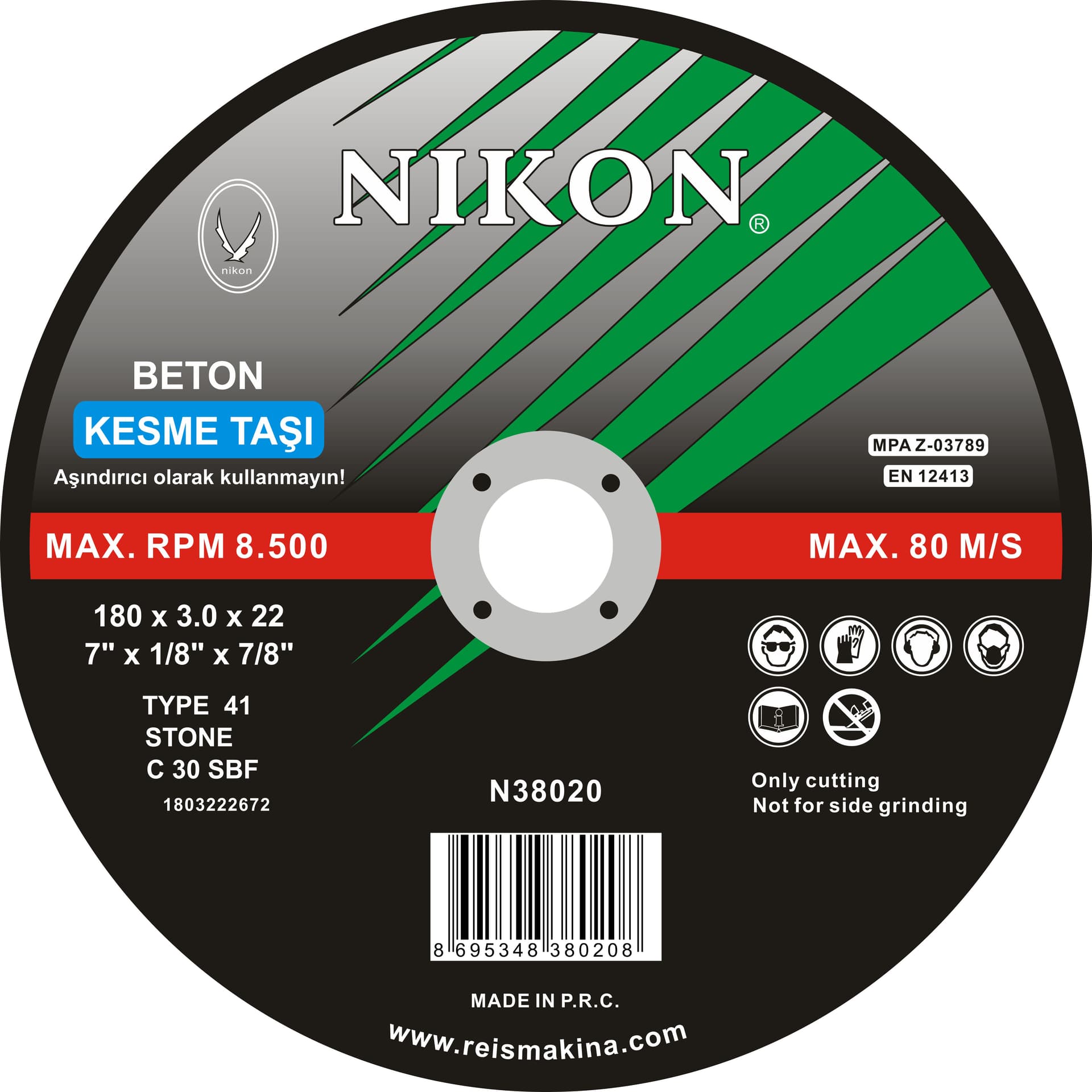
Nikon Concrete Cutting Disc 180 x 3.0 x 22 mm (NIK38020)
Nikon · Cutting Discs
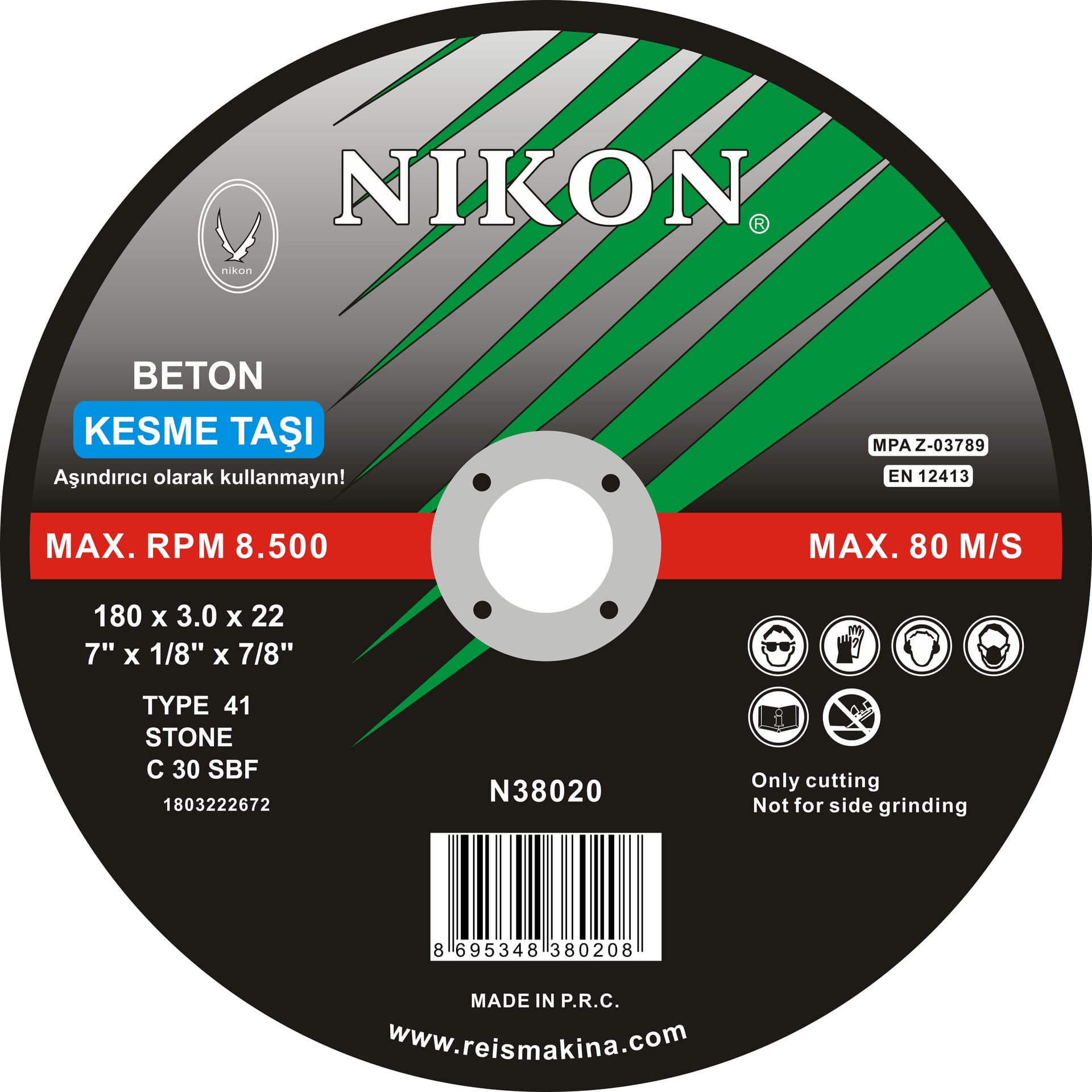
Nikon Concrete Cutting Disc 230 x 3.0 x 22 mm (NIK52065)
Nikon · Cutting Discs
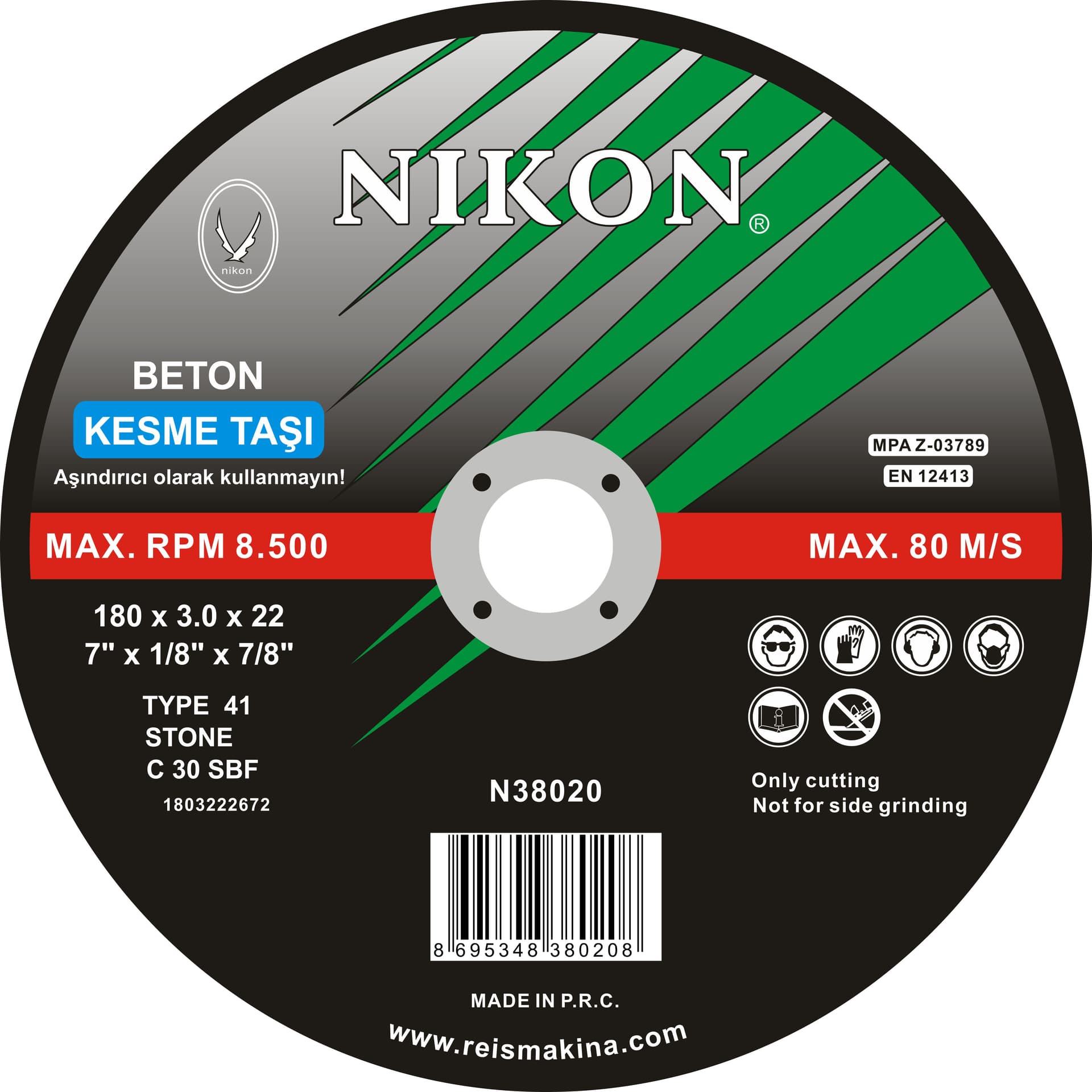
Nikon Concrete Cutting Disc 230 x 3.0 x 22 mm (NIK38021)
Nikon · Cutting Discs
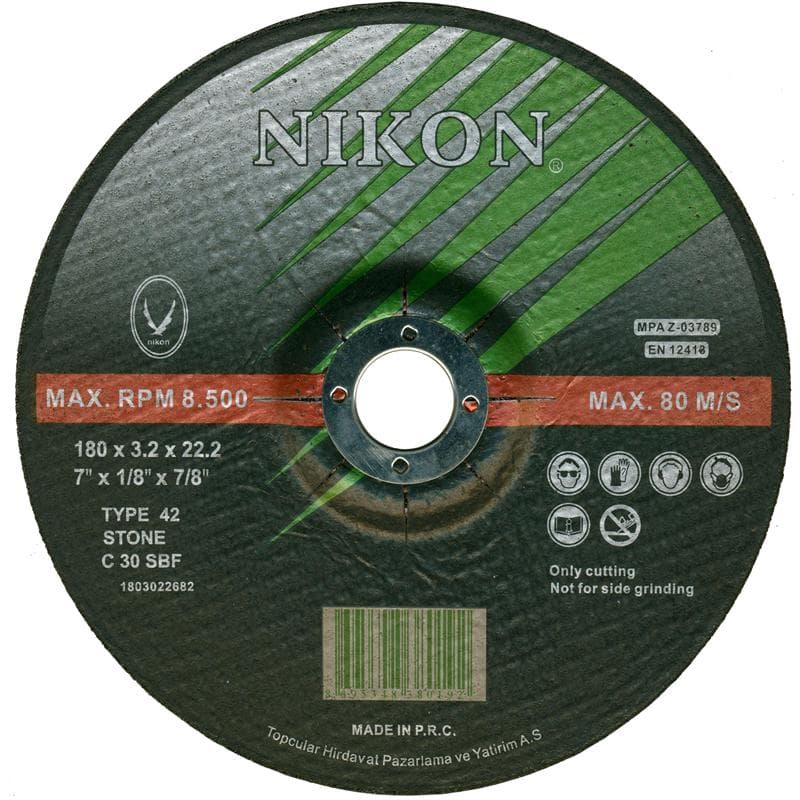
Nikon Concrete Cutting Disc 300 x 3.0 x 25.4 mm
Nikon · Cutting Discs
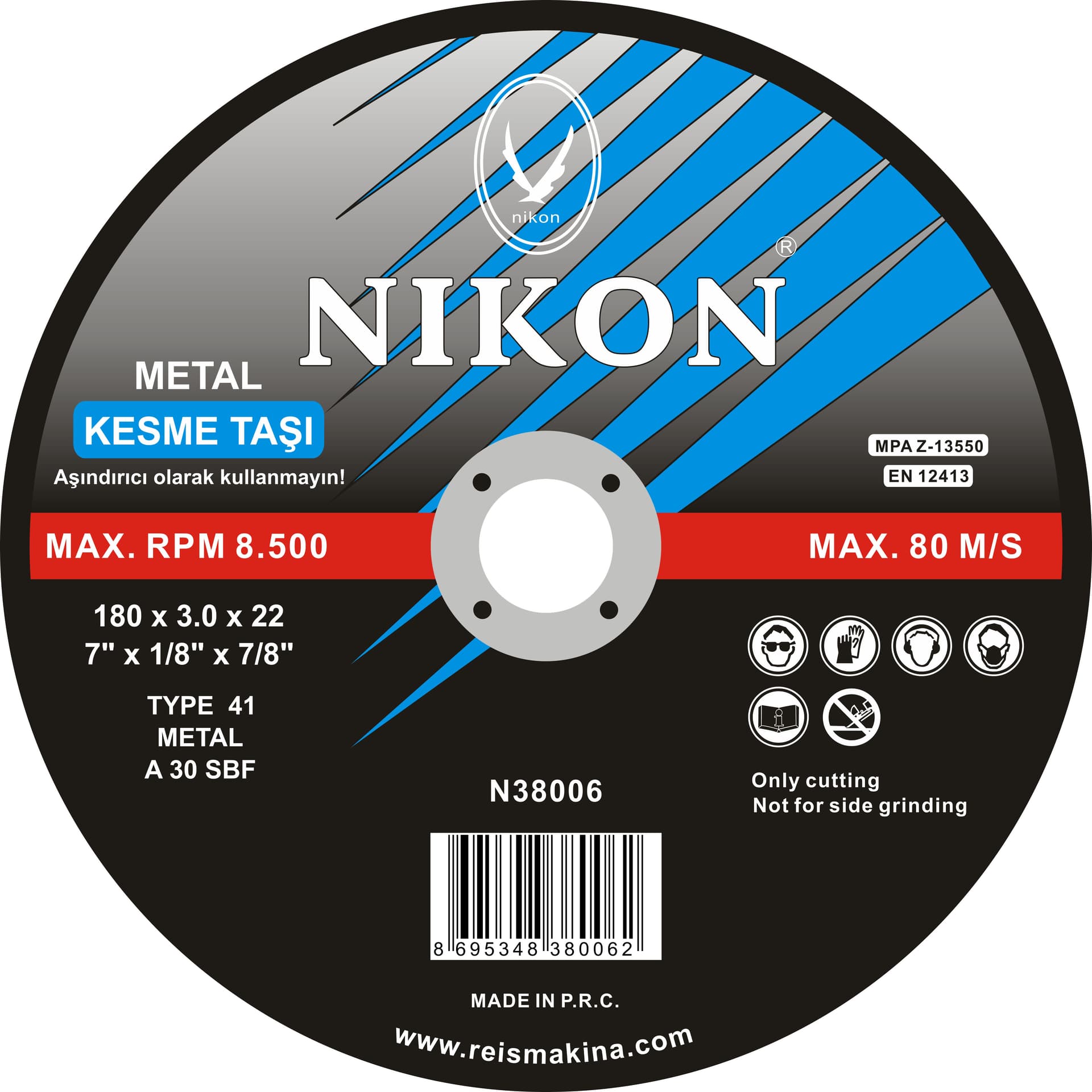
Nikon Metal Cutting Disc 180 x 3.0 x 22 mm (NIK38005)
Nikon · Cutting Discs
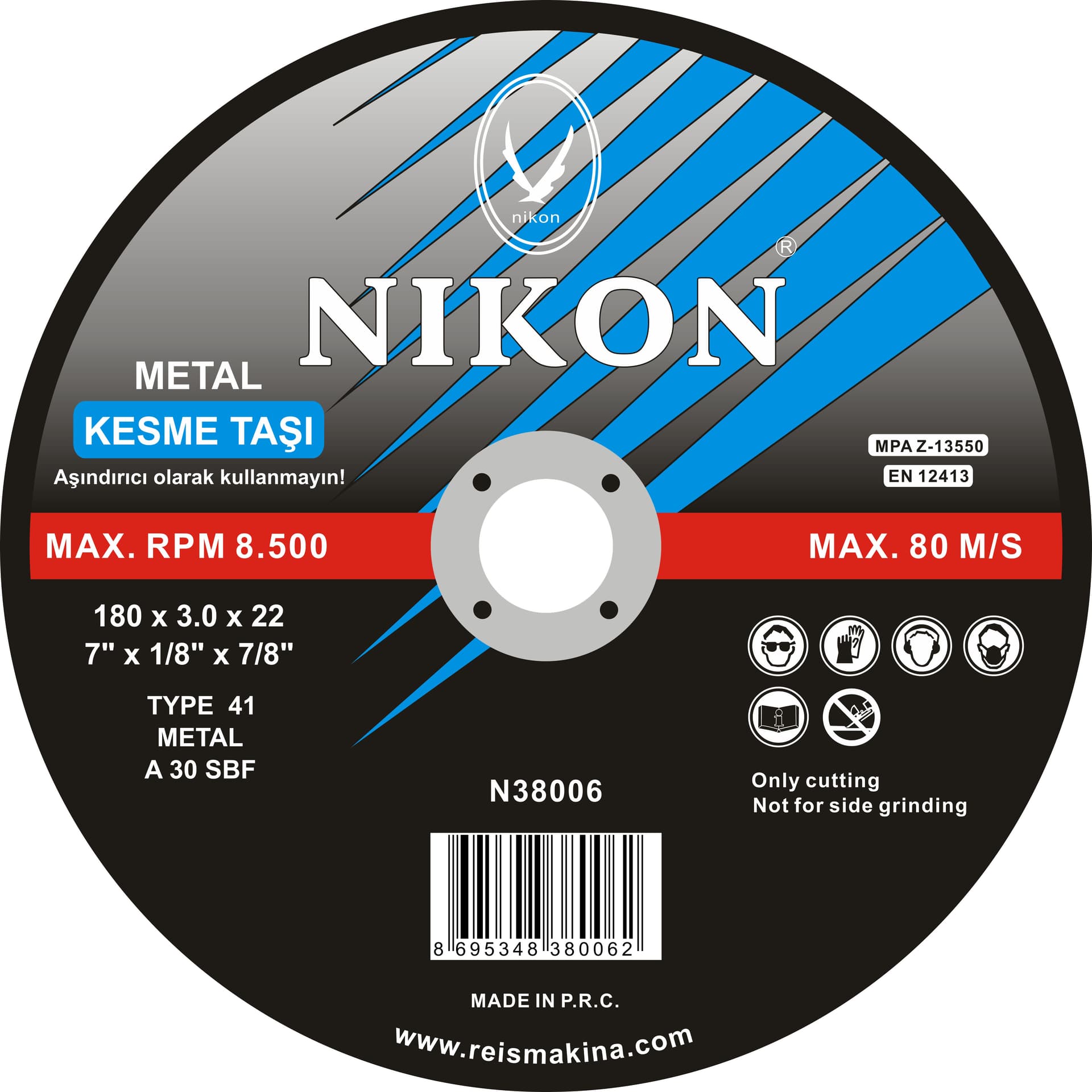
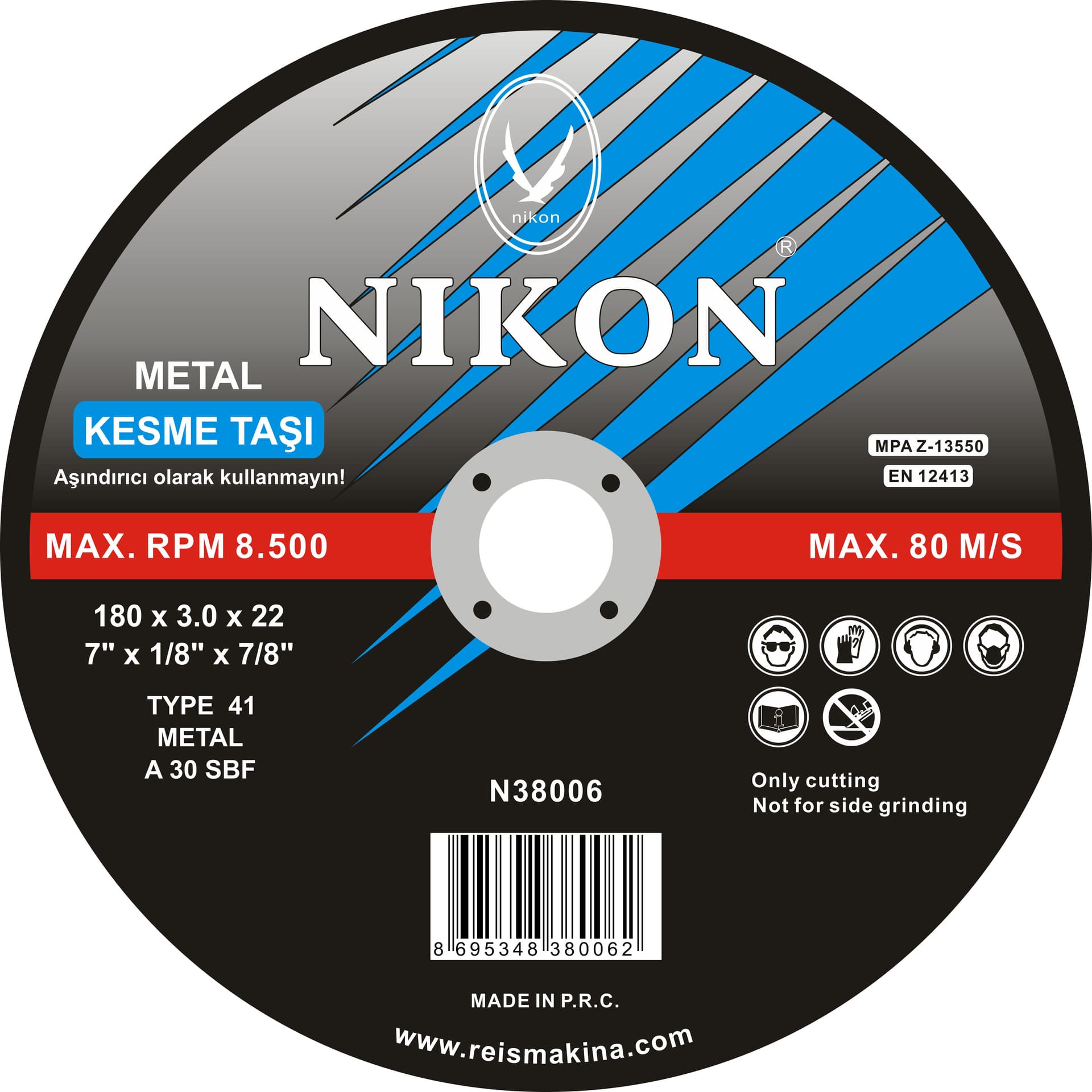
Nikon Metal Cutting Disc 180 x 3.0 x 22 mm (NIK38006)
Nikon · Cutting Discs
Nikon Metal Cutting Disc 230 x 3.0 x 22 mm
Nikon · Cutting Discs
Polishing Accessories
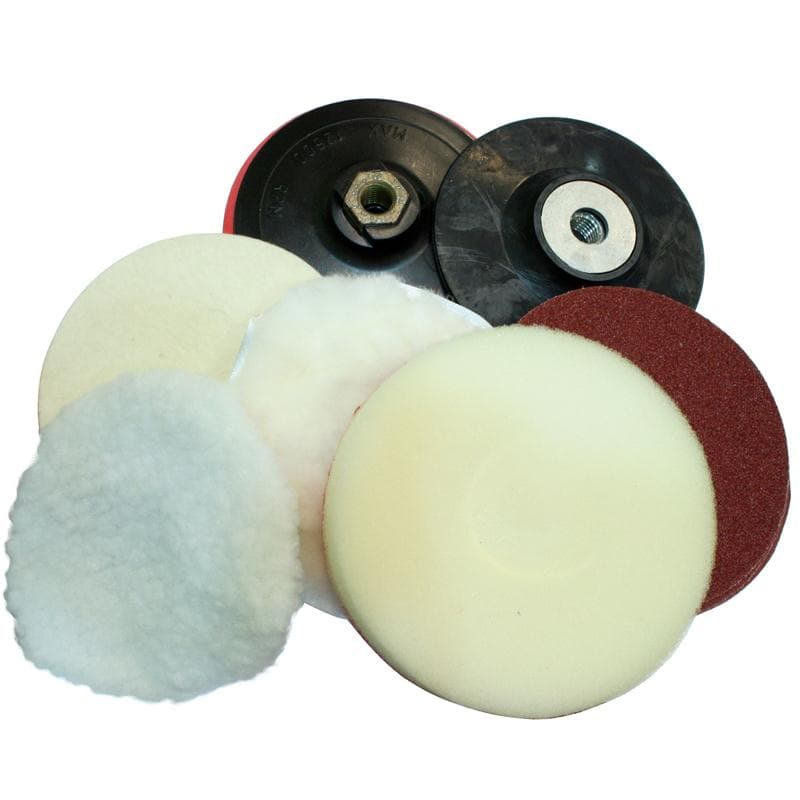
Nikon Polishing Kit (NIK33993)
Nikon · Polishing Accessories
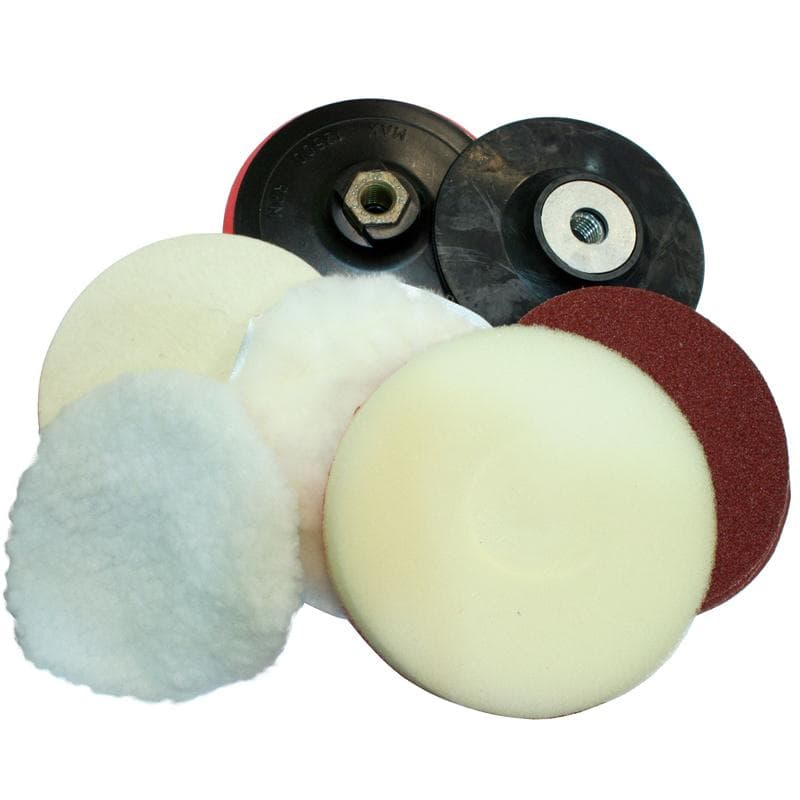
Nikon Polishing Kit (NIK33995)
Nikon · Polishing Accessories
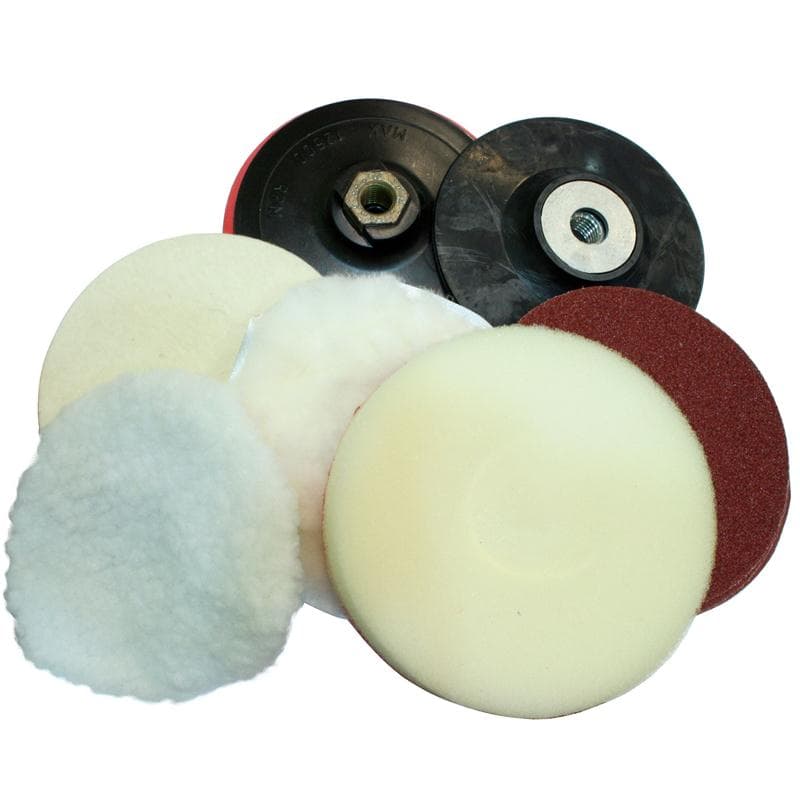
Nikon Polishing Kit (NIK33997)
Nikon · Polishing Accessories
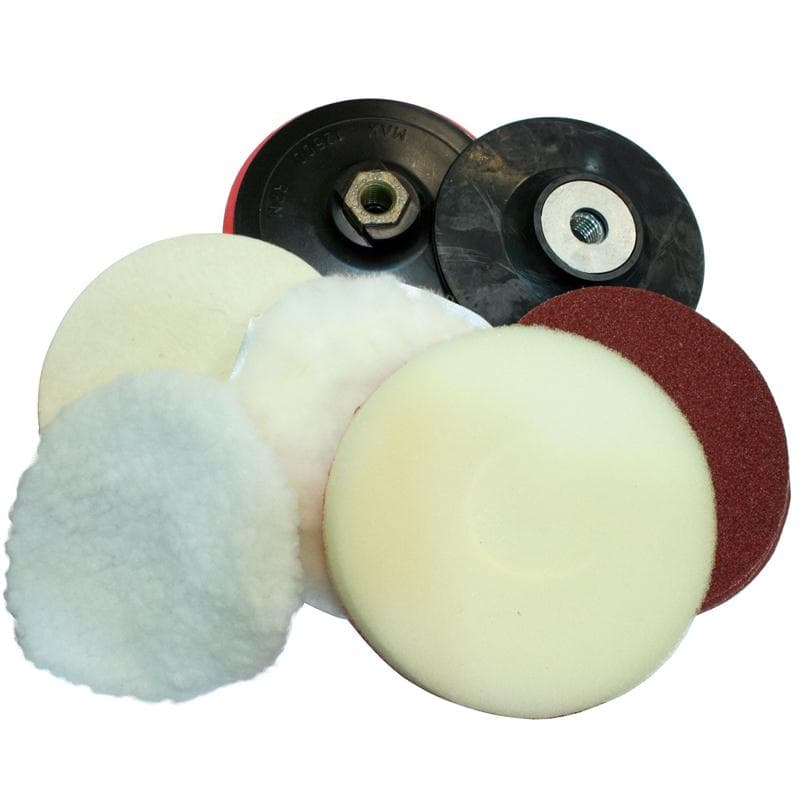
Nikon Polishing Kit (NIK33999)
Nikon · Polishing Accessories

Nikon Soft Polishing Sponge 180x50 mm
Nikon · Polishing Accessories

Nikon Polishing Bonnet
Nikon · Polishing Accessories

Nikon Corded Wool Polishing Bonnet İPLİ - 180mm
Nikon · Polishing Accessories
All products
Search within this brand or browse by page.
Nikon Aluminium oxide 10 Hole Drywall Sanding Disc 225mm - 10 Delikli 100 Grit (NIK52020)
Nikon · Hook & Loop Sanding Discs
Nikon Aluminium oxide 10 Hole Drywall Sanding Disc 225mm - 10 Delikli 100 Grit (NIK52019)
Nikon · Hook & Loop Sanding Discs
Nikon Aluminium oxide 6 Hole Hook & Loop Sanding Disc 150mm - 6 Delikli 150 Grit
Nikon · Hook & Loop Sanding Discs
Nikon Aluminium oxide 6 Hole Hook & Loop Sanding Disc 150mm - 6 Delikli 180 Grit
Nikon · Hook & Loop Sanding Discs
Nikon Aluminium oxide 6 Hole Hook & Loop Sanding Disc 150mm - 6 Delikli 240 Grit (NIK33677)
Nikon · Hook & Loop Sanding Discs
Nikon Aluminium oxide 6 Hole Hook & Loop Sanding Disc 150mm - 6 Delikli 240 Grit (NIK33477)
Nikon · Hook & Loop Sanding Discs
Nikon Aluminium oxide 6 Hole Hook & Loop Sanding Disc 150mm - 6 Delikli 280 Grit
Nikon · Hook & Loop Sanding Discs
Nikon Aluminium oxide 6 Hole Hook & Loop Sanding Disc 150mm - 6 Delikli 320 Grit
Nikon · Hook & Loop Sanding Discs
Nikon Aluminium oxide 6 Hole Hook & Loop Sanding Disc 150mm - 6 Delikli 360 Grit
Nikon · Hook & Loop Sanding Discs
Nikon Aluminium oxide 6 Hole Hook & Loop Sanding Disc 360 Grit
Nikon · Hook & Loop Sanding Discs
Nikon Aluminium oxide 6 Hole Hook & Loop Sanding Disc 150mm - 6 Delikli 400 Grit
Nikon · Hook & Loop Sanding Discs
Nikon Aluminium oxide 6 Hole Hook & Loop Sanding Disc 150mm - 6 Delikli 800 Grit
Nikon · Hook & Loop Sanding Discs

Nikon Aluminium oxide Film 6 Hole Hook & Loop Sanding Disc 150mm - 6 Delikli 1000 Grit
Nikon · Hook & Loop Sanding Discs

Nikon Aluminium oxide Film 6 Hole Hook & Loop Sanding Disc 150mm - 6 Delikli 280 Grit
Nikon · Hook & Loop Sanding Discs

Nikon Aluminium oxide Film 6 Hole Hook & Loop Sanding Disc 60 Grit
Nikon · Hook & Loop Sanding Discs
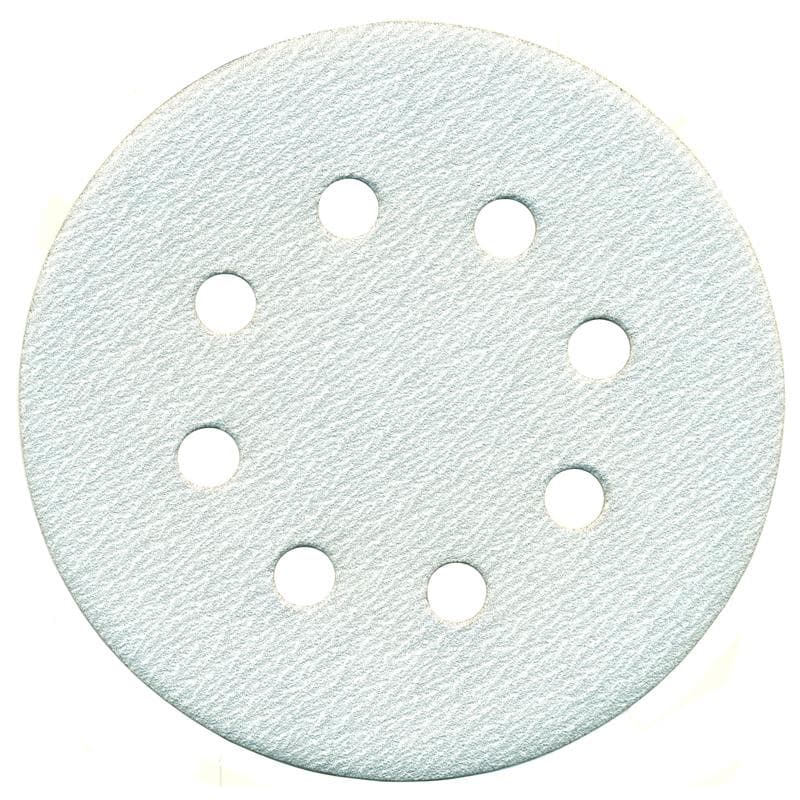
Nikon Aluminium oxide 8 Hole Hook & Loop Sanding Disc 125mm - 8 Delikli 100 Grit
Nikon · Hook & Loop Sanding Discs
Nikon Aluminium oxide 8 Hole Hook & Loop Sanding Disc 125mm - 8 Delikli 180 Grit
Nikon · Hook & Loop Sanding Discs
Nikon Aluminium oxide 8 Hole Hook & Loop Sanding Disc 125mm - 8 Delikli 220 Grit
Nikon · Hook & Loop Sanding Discs
Nikon Aluminium oxide 8 Hole Hook & Loop Sanding Disc 125mm - 8 Delikli 240 Grit
Nikon · Hook & Loop Sanding Discs
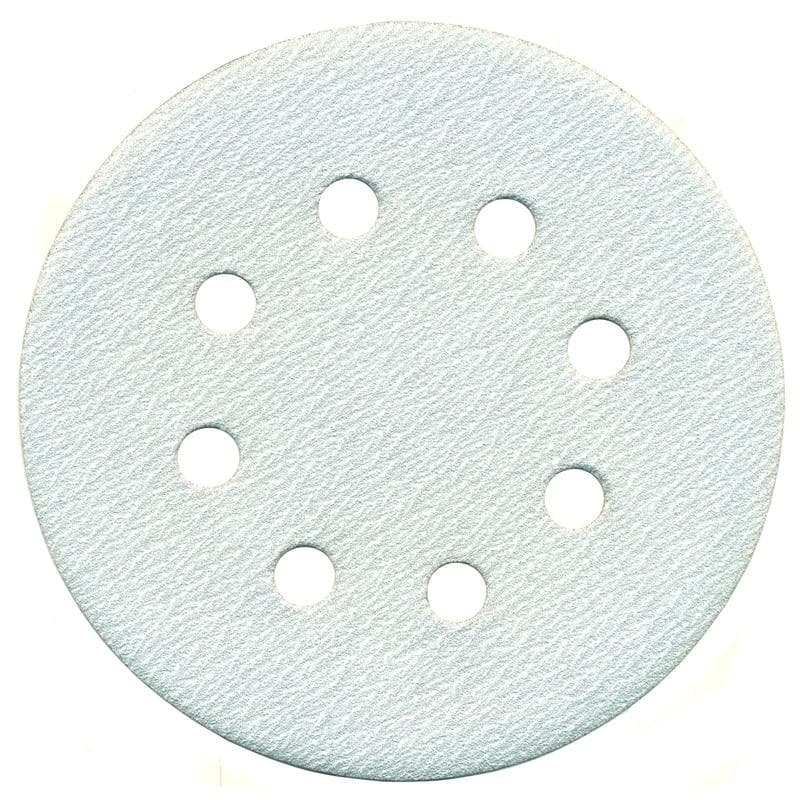
Nikon Aluminium oxide 8 Hole Hook & Loop Sanding Disc 125mm - 8 Delikli 280 Grit
Nikon · Hook & Loop Sanding Discs
Nikon Aluminium oxide 8 Hole Hook & Loop Sanding Disc 125mm - 8 Delikli 320 Grit
Nikon · Hook & Loop Sanding Discs
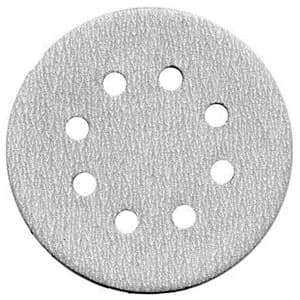
Nikon Aluminium oxide 8 Hole Hook & Loop Sanding Disc 125mm - 8 Delikli 360 Grit
Nikon · Hook & Loop Sanding Discs
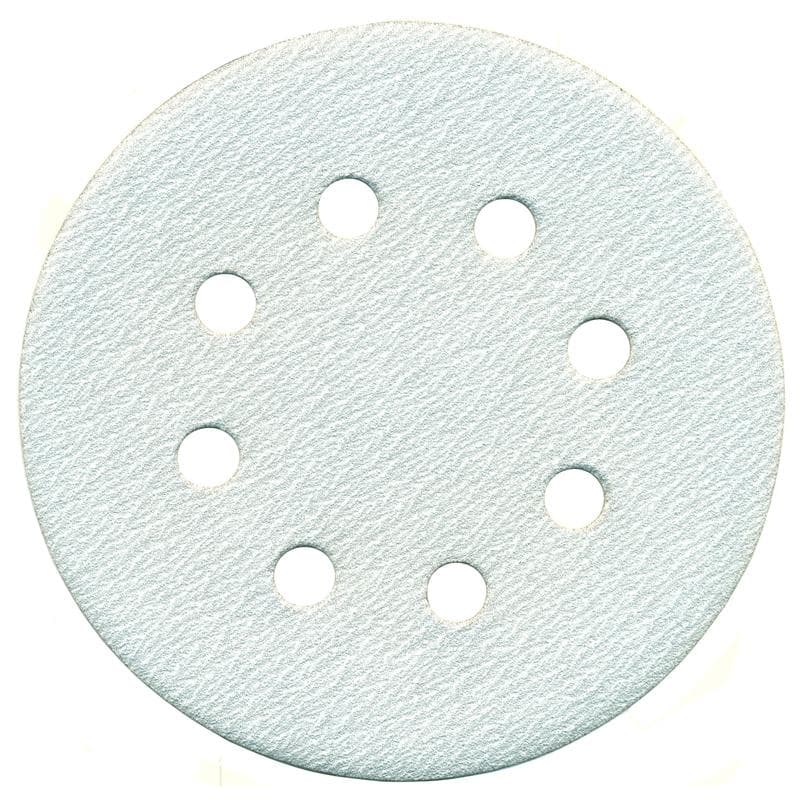
Nikon Aluminium oxide 8 Hole Hook & Loop Sanding Disc 125mm - 8 Delikli 40 Grit (NIK33391)
Nikon · Hook & Loop Sanding Discs
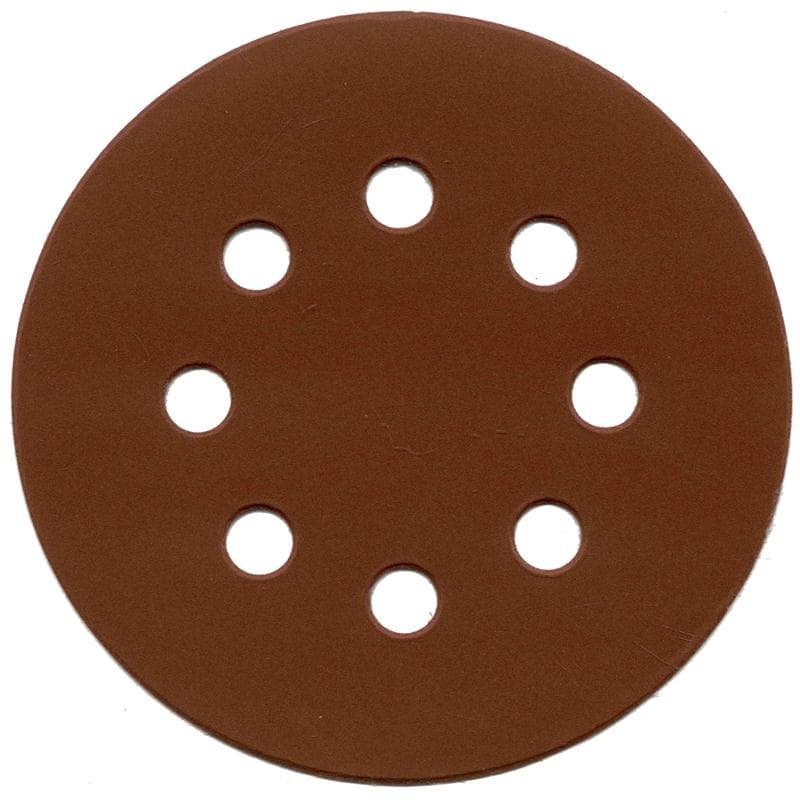
Nikon Aluminium oxide 8 Hole Hook & Loop Sanding Disc 125mm - 8 Delikli 40 Grit (NIK33431)
Nikon · Hook & Loop Sanding Discs
1–24 of 254 · page 1 / 11
About Nikon
The Nikon on this page makes coated abrasives: all 254 rows in the catalogue are sanding sheets, discs, mops and wheels — there is no optical or photographic product among them. The product groups are stated at the top of this page so it is not confused with other brands sharing the name.
The first decision in an abrasive is the grain, because that is what decides how long it lasts in which material. Aluminium oxide is general purpose and is used on most of this catalogue: it works evenly on steel, timber, paint and filler. Silicon carbide is sharper but more friable; it is chosen for marble, stone, glass and non-ferrous metals, and in fine grit wet sanding. Zirconia is the toughest and sharpens itself under pressure — on flap discs it is the grain for stainless steel and heavy stock removal.
The second decision is the format, and the shape of the surface decides that. A flat face wants a sheet or a hook and loop disc; a round or profiled face a mop or flap wheel; a weld and heavy stock a fibre or flap disc; cutting wants a wheel. The shelves on this page make exactly that split.
Hook and loop discs are the largest group here and split on two axes: the grain (aluminium oxide or silicon carbide) and the hole pattern. The holes line up with the machine's extraction channels and feed dust to the vacuum; with no dust collecting underneath the disc clogs later. Plain discs are for machines without extraction and for hand use. Film backed discs are coated on polyester film: thinner and more stable than paper, giving a more even surface in the fine grits.
Abrasive mops and flap wheels do what a flat disc cannot. The leaves are free; they open as the wheel turns and lay onto whatever shape they meet, so contact is kept in an internal corner, on both sides of a weld and in the hollow of a profile. Abrasive leaves remove stock; non-woven mops open the surface without cutting it and give stainless its satin finish. Combi models set abrasive strips between the fibre leaves and do both.
Flap and fibre discs are often confused, but the difference is clear. A fibre disc is a single layer of abrasive on a vulcanised fibre backing, run on a rubber backing pad: the stiff backing takes high pressure and removes stock fast, and in exchange it is used up sooner. A flap disc is overlapping leaves: a fresh leaf comes through as the face wears, so the cutting rate holds through its life and the finish is cleaner.
The difference between a cutting and a grinding wheel is thickness, and that is a safety matter rather than a preference. A cutting disc is thin and cuts on its rim only; no pressure goes on its face. A grinding wheel is thick and made to work on its face. The catalogue carries separate bonds for concrete and metal, from 115 to 300 mm.
The one rule in grit is not to skip one: each grit replaces the previous scratch with its own finer one. 40-60 is stock removal, 80-120 levelling, 150-240 the pass before primer, 320-600 flatting primer, and 800 and above preparation for polishing. Every product states its grit in its name and in its technical table.
A grit, size or type not on this page is not one we do not sell: the Nikon range is wider than these 254 rows, and any of them can be requested by the catalogue code printed on the product page, such as NIK33003. Seza Global supplies these wholesale; contact us for dealer and project pricing.
Frequently asked questions
Is this the camera brand?
The Nikon on this page makes coated abrasives: all 254 products in the catalogue are sanding sheets, discs, mops and wheels. No optical or photographic product is listed under this brand.
Aluminium oxide or silicon carbide?
The material decides. Aluminium oxide is general purpose: it works evenly on steel, timber, paint and filler, and is used on most of this catalogue. Silicon carbide is sharper but more friable, and is chosen for marble, stone, glass, non-ferrous metals and fine grit wet sanding.
When is zirconia grain worth it?
Zirconia is the toughest grain and fractures under pressure to keep itself sharp. On stainless steel and heavy stock removal — flap discs in particular — it lasts markedly longer; on light work it is cost without return.
Flap disc or fibre disc?
A fibre disc has a stiff vulcanised fibre backing and removes stock fast under pressure; in exchange it is used up sooner and leaves a coarser surface. A flap disc is overlapping leaves: a fresh leaf comes through as the face wears, so the cutting rate holds and the finish is cleaner. Fibre for fast and rough, flap for balanced work.
Where is an abrasive mop used?
Where a flat disc cannot bear: internal corners, welds, pipe and profiles. The leaves open as the wheel turns and lay onto the shape. Shank mounted bodies are for tight gaps and die work, flanged bodies for wide surfaces.
Non-woven or abrasive mop?
An abrasive mop removes stock: rust, slag and burrs. A non-woven mop opens the surface without cutting it, gives stainless its satin finish and leaves no scratch before polishing. Combi models set abrasive strips between the fibre leaves and do both.
What are the holes in a hook and loop disc for?
They line up with the extraction channels in the machine's pad and feed dust straight to the vacuum. With no dust collecting underneath the disc clogs later and leaves no lump marks. The pattern is machine specific: 6, 8 and 10 hole patterns belong to different pads.
Film backed or paper backed?
A film disc is coated on polyester film: thinner, more stable and more tear resistant than paper. It gives a more even surface in the fine grits, which is why it is preferred in paint and lacquer work.
Can a cutting disc be used for grinding?
No. A cutting disc is thin and made to cut on its rim only; pressure on its face can break it. A grinding wheel is thick and built to take that side load. They are separate products.
Which grit should I start with?
The condition of the surface decides: 40-60 for stock removal and rust, 80-120 for levelling, 150-240 for the pass before primer, 320-600 for flatting primer, 800 and above before polishing. Do not skip a grit — each one erases the scratch of the last.
Do you supply a grit, size or type that is not listed?
Yes. The Nikon range is wider than the 254 rows on this page. If the grit, size or type you need is not listed, request it by catalogue code or description through the contact page.
How do I get wholesale or dealer pricing?
Seza Global supplies these wholesale. Send the grit split, sizes, quantities and delivery location through the contact page and we will price the project; for regular purchasing you can open a dealer application.
Live pricing. Real stock. Direct from source.
Approved dealers access wholesale pricing, real-time stock and direct ordering through our B2B portal.