Magmaweld
Magmaweld welding machines and welding consumables are listed in the Seza Global catalogue for wholesale supply — MMA (stick) inverter welding machines, rutile and basic covered electrodes, stainless steel and cast iron electrodes, and SG2-type MIG/MAG welding wire.
Browse by category
A sample from featured product groups — see the full range in the list below.
Welding Machines
Welding Electrodes
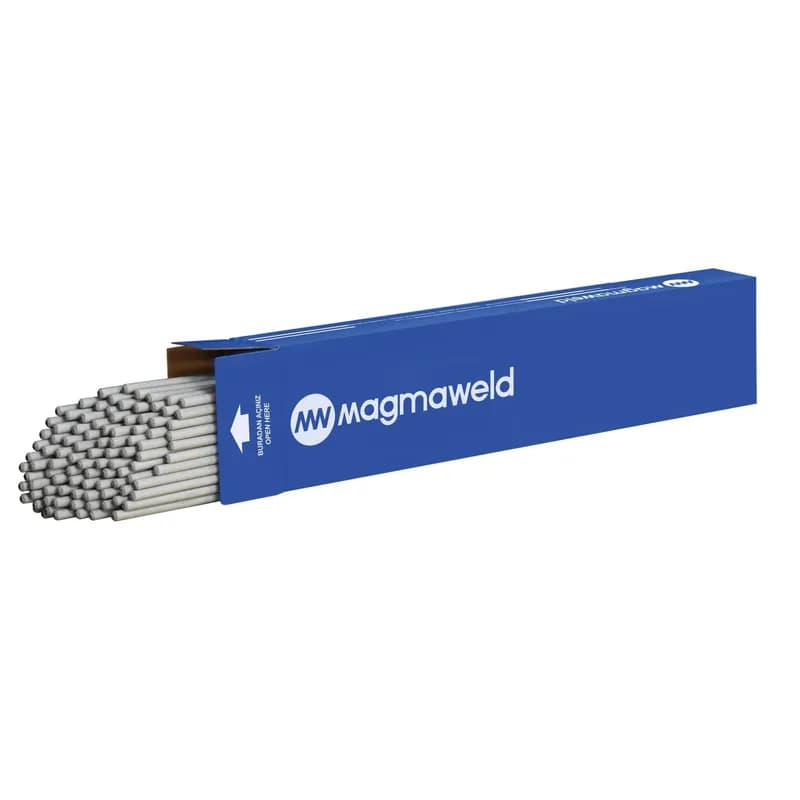
Magmaweld ESB 48 Basic Electrode 2.50 x 350 mm (90 pcs)
Magmaweld · Welding Electrodes
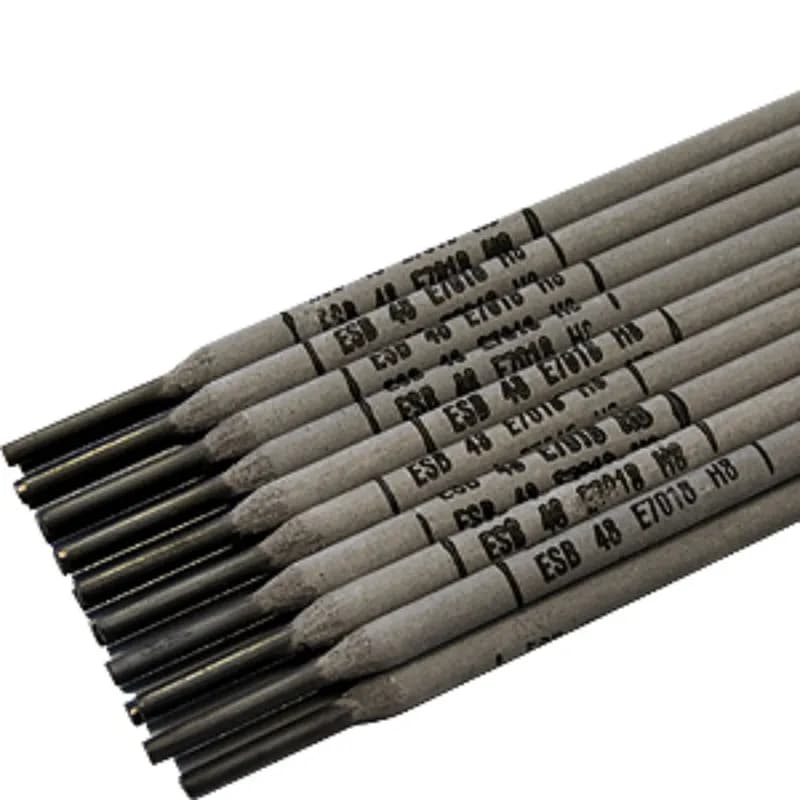
Magmaweld ESB 48 Basic Electrode 3.25 mm (90 pcs)
Magmaweld · Welding Electrodes
Magmaweld ESB 48 Basic Electrode 4.00 x 450 mm (90 pcs)
Magmaweld · Welding Electrodes
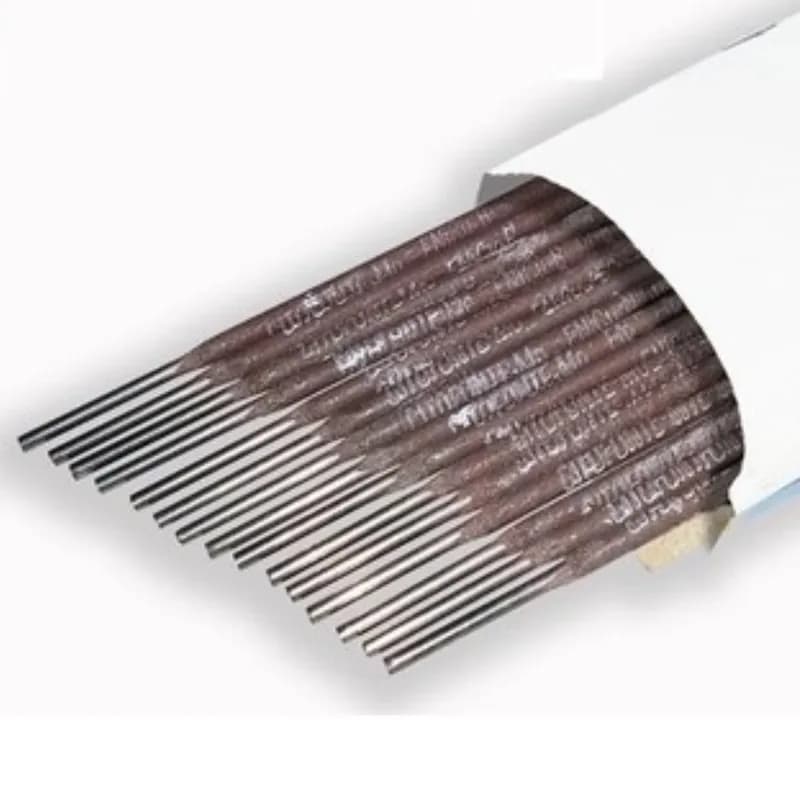
Magmaweld ENi 404 Cast Iron Electrode 2.50 x 300 mm (50 pcs)
Magmaweld · Welding Electrodes
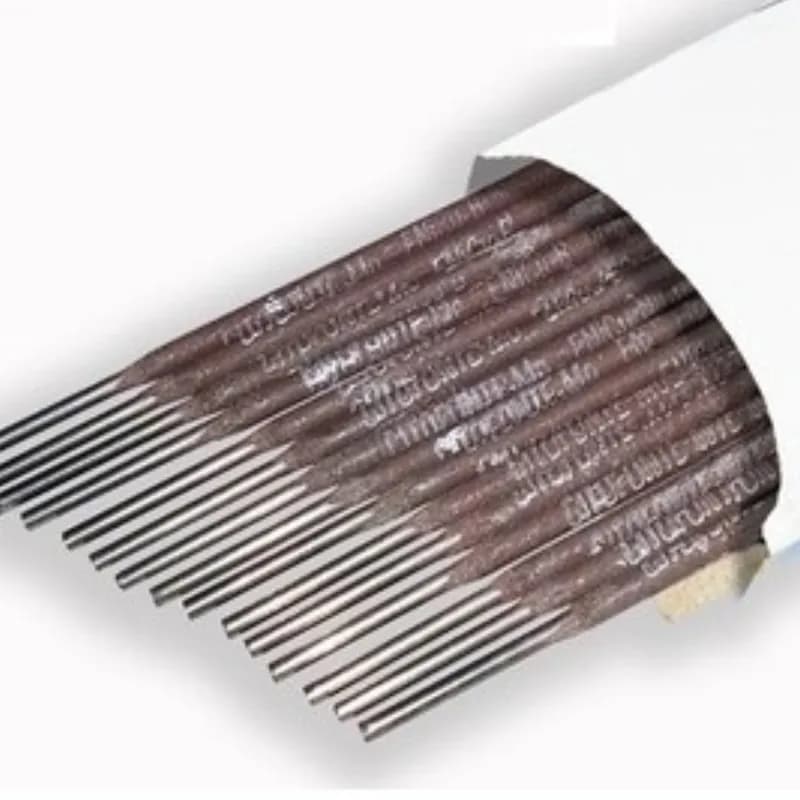
Magmaweld ENi 404 Cast Iron Electrode 3.25 x 300 mm (25 pcs)
Magmaweld · Welding Electrodes
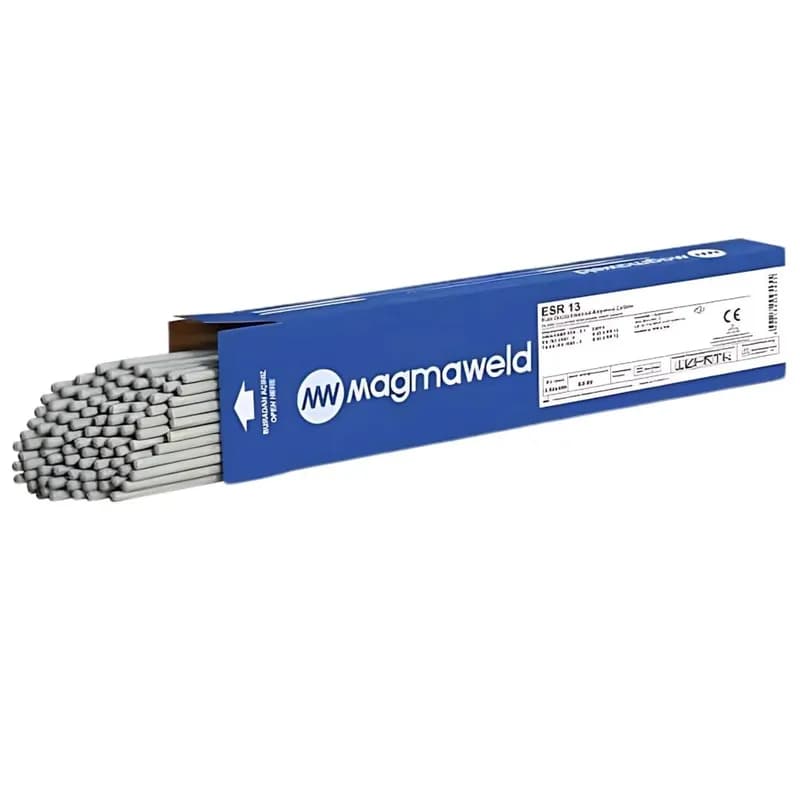
Magmaweld ESR 13 Rutile Electrode 2.50 x 350 mm (100 pcs)
Magmaweld · Welding Electrodes
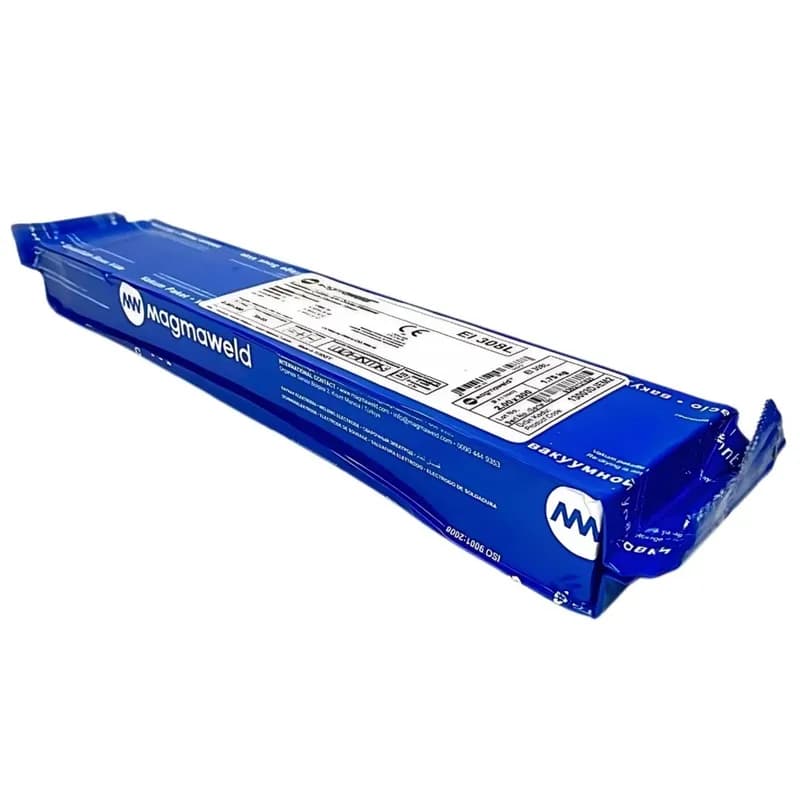
Magmaweld EI 308L Stainless Steel Electrode 2.50 mm (80 pcs)
Magmaweld · Welding Electrodes
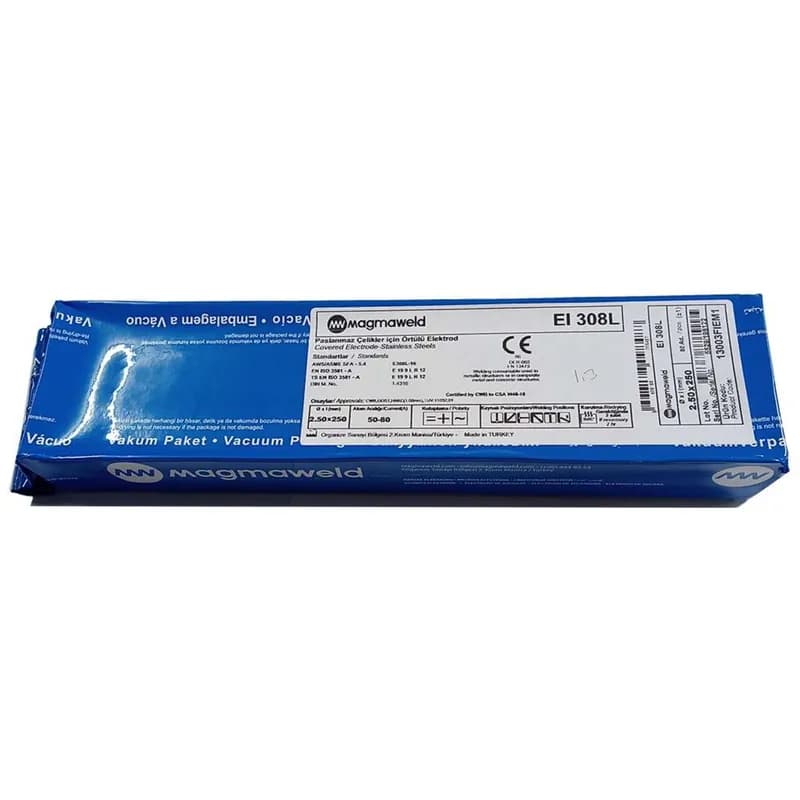
Magmaweld EI 308L Stainless Steel Electrode 3.25 mm (60 pcs)
Magmaweld · Welding Electrodes
Magmaweld ESR 13 Rutile Electrode 3.25 x 350 mm (100 pcs)
Magmaweld · Welding Electrodes
Welding Wire
All products
Search within this brand or browse by page.
Magmaweld ESB 48 Basic Electrode 2.50 x 350 mm (90 pcs)
Magmaweld · Welding Electrodes
Magmaweld ESB 48 Basic Electrode 3.25 mm (90 pcs)
Magmaweld · Welding Electrodes
Magmaweld ESB 48 Basic Electrode 4.00 x 450 mm (90 pcs)
Magmaweld · Welding Electrodes
Magmaweld ENi 404 Cast Iron Electrode 2.50 x 300 mm (50 pcs)
Magmaweld · Welding Electrodes
Magmaweld ENi 404 Cast Iron Electrode 3.25 x 300 mm (25 pcs)
Magmaweld · Welding Electrodes
Magmaweld ESR 13 Rutile Electrode 2.50 x 350 mm (100 pcs)
Magmaweld · Welding Electrodes
Magmaweld EI 308L Stainless Steel Electrode 2.50 mm (80 pcs)
Magmaweld · Welding Electrodes
Magmaweld EI 308L Stainless Steel Electrode 3.25 mm (60 pcs)
Magmaweld · Welding Electrodes
Magmaweld ESR 13 Rutile Electrode 3.25 x 350 mm (100 pcs)
Magmaweld · Welding Electrodes
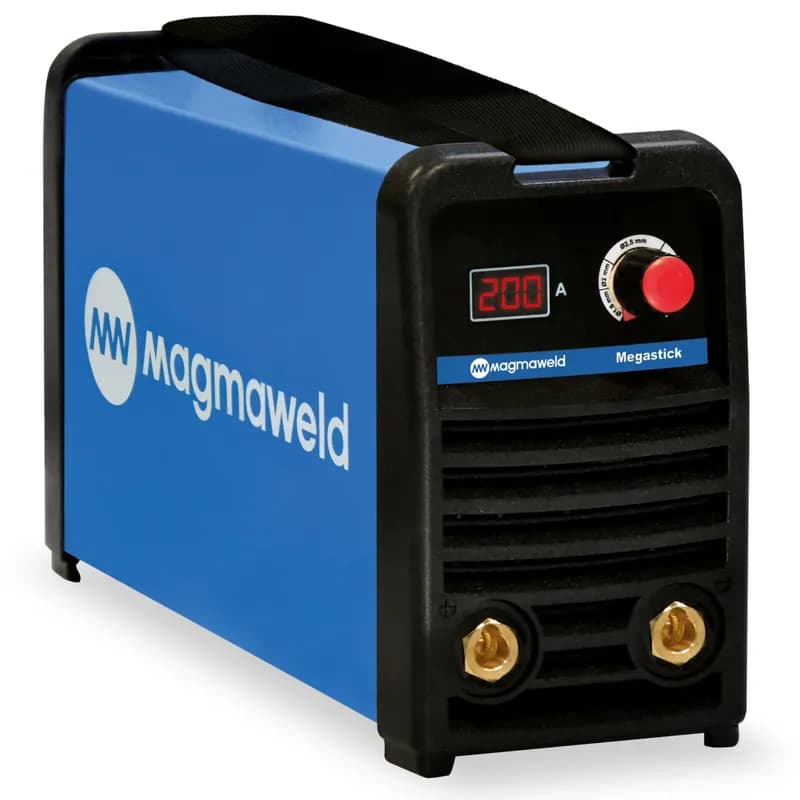
Magmaweld MegaSTICK 200 Inverter Welding Machine (200 A)
Magmaweld · Welding Machines
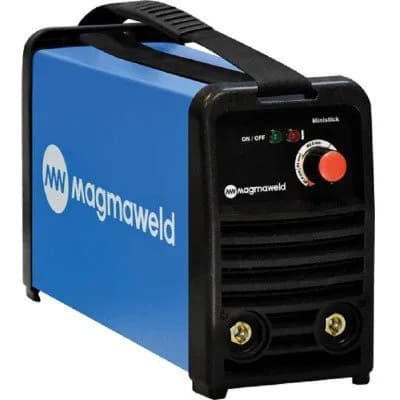
Magmaweld MiniSTICK 140 Inverter Welding Machine (140 A)
Magmaweld · Welding Machines
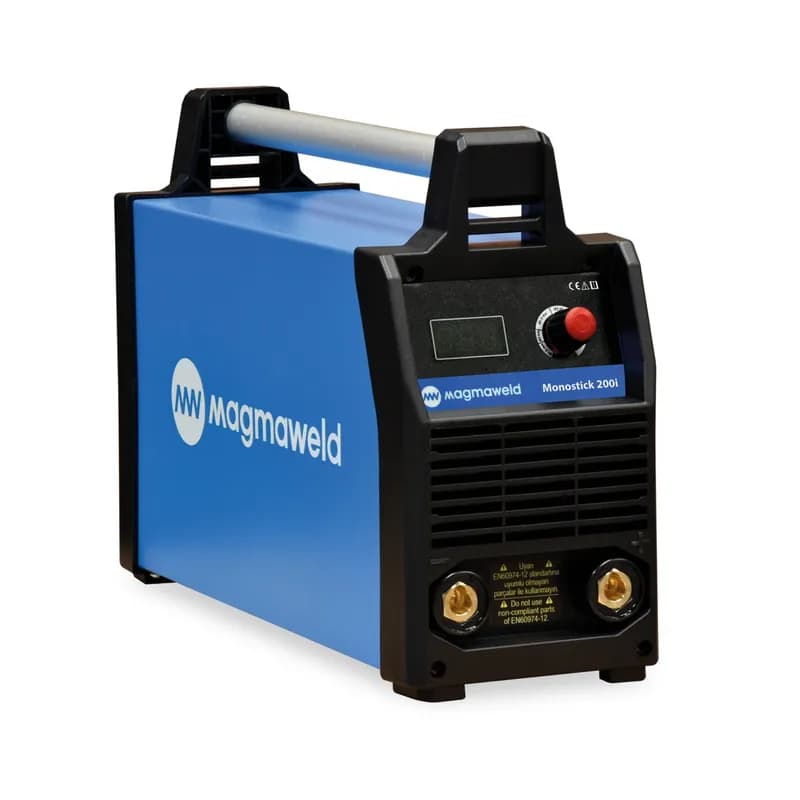
Magmaweld MonoSTICK 200i Inverter Welding Machine (200 A)
Magmaweld · Welding Machines
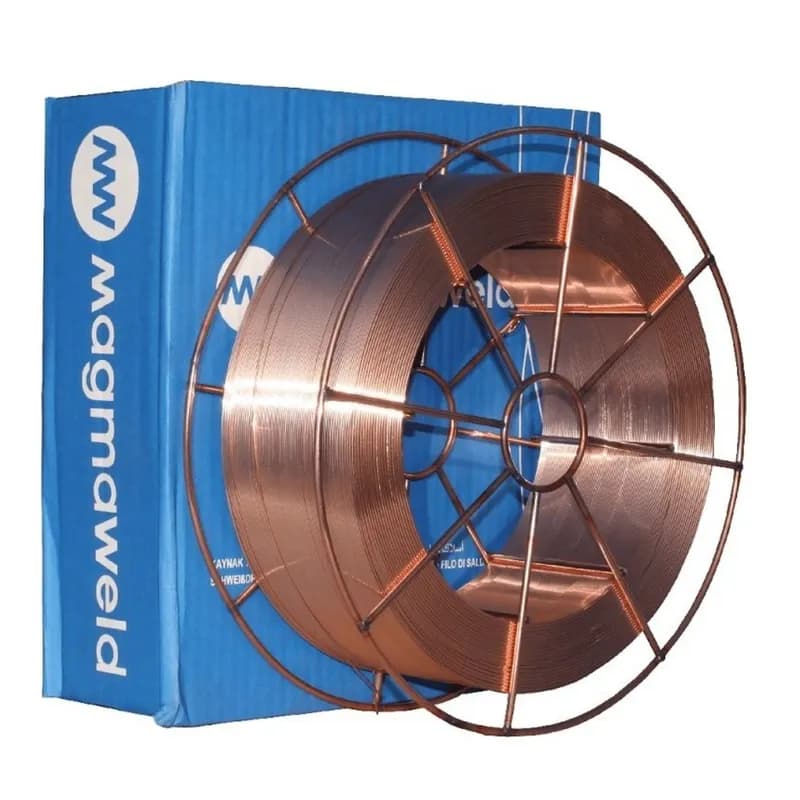
Magmaweld SG2 MIG/MAG Welding Wire 0.80 mm (15 kg)
Magmaweld · Welding Wire
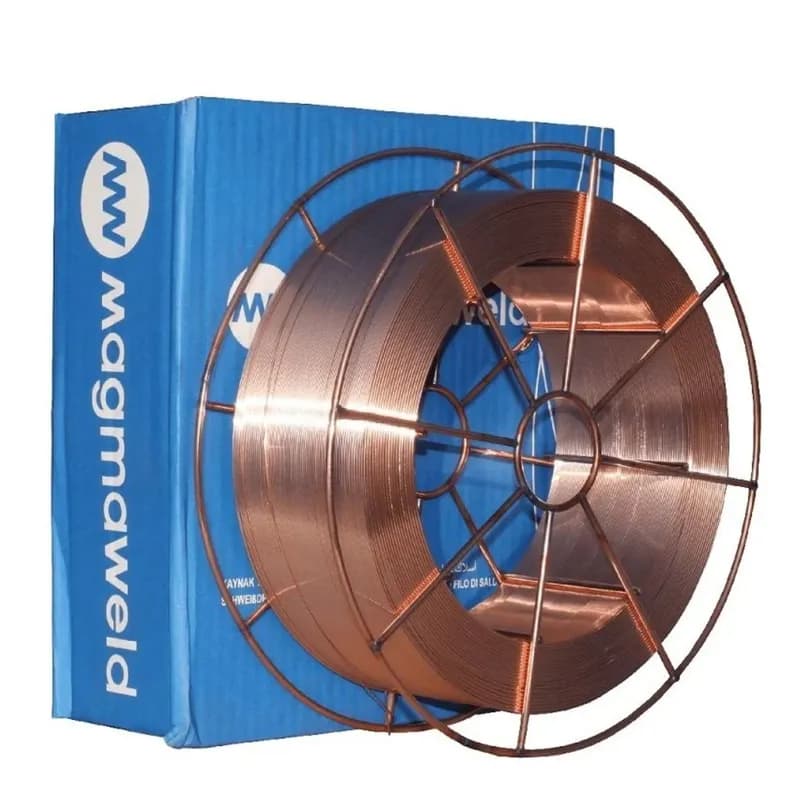
Magmaweld SG2 MIG/MAG Welding Wire 1.00 mm (15 kg)
Magmaweld · Welding Wire
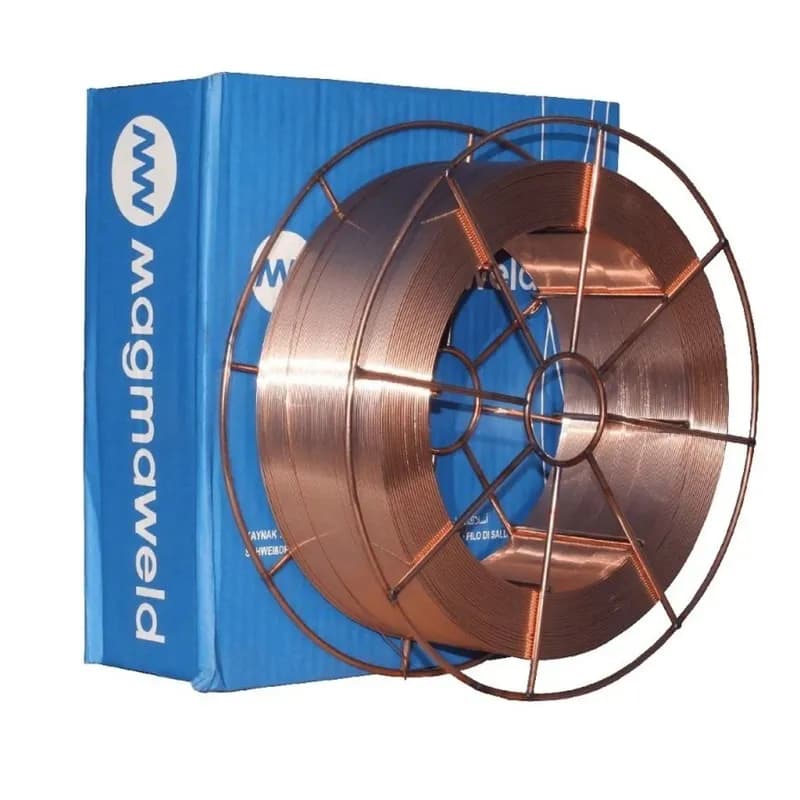
Magmaweld SG2 MIG/MAG Welding Wire 1.20 mm (15 kg)
Magmaweld · Welding Wire
About Magmaweld
Seza Global supplies the Magmaweld range on wholesale terms. The catalogue falls into three groups: MMA inverter welding machines in the 140 and 200 amp classes (MiniSTICK 140, MonoSTICK 200i, MegaSTICK 200); covered electrodes (ESR 13 rutile, ESB 48 basic, EI 308L stainless, ENi 404 cast iron); and SG2 MIG/MAG welding wire on 15 kg spools in 0.80, 1.00 and 1.20 mm. Machine and consumable sit in the same catalogue, so a workshop can buy the set and the year of electrodes it will burn from one supplier.
With covered electrodes the first decision is the covering type, and that has less to do with the material than with how the work will be loaded. Rutile-covered ESR 13 — easy arc striking, a smooth bead and self-lifting slag — is the electrode for general fabrication, ironwork, wrought iron, agricultural machinery, boilers and vehicle bodies, together with repair and maintenance work; it runs on AC and DC alike. Basic-covered ESB 48 is low-hydrogen and made for work under dynamic loading: bridges, large steel structures, shipbuilding, pipelines, pressure vessels and boiler fabrication. Where the weld will be checked by radiography, the choice is the basic electrode.
With basic electrodes, moisture is the first cause of porosity and cracking. Once an ESB 48 box is open — and particularly if it has sat in a damp store — re-dry for 2 hours at 350 °C when required; for rutile ESR 13, 1 hour at 110 °C is enough. A workshop that gets its storage and re-drying habits right removes a large share of its weld defects at the first pass.
Step outside carbon steel and the electrode changes with it. For stainless, EI 308L is a rutile-type electrode for low-carbon Cr-Ni austenitic stainless steels, chromium-bearing heat-resisting steels and cast steels; it is the standard choice for tanks, equipment and piping in the chemical, food, beverage and pharmaceutical industries, and its deposit is good for continuous service to 350 °C. Cast iron is its own subject: grey, malleable and nodular iron are welded with ENi 404 (Mo), a monel-cored electrode whose weld metal matches the parent in colour and can be filed or machined.
On the gas-shielded side, SG2 solid wire (AWS ER70S-6) is used on general structural steels, pipe steels and cast steels, and runs under 100% CO2 or an argon mixture (M21) equally. The mixture gives less spatter and a smoother bead; pure CO2 gives deeper penetration and a noticeably lower gas cost. Wire diameter follows plate thickness: 0.80 mm for sheet and automotive panel work, 1.00 mm as the general-purpose workshop size, 1.20 mm for steel fabrication and fill passes on thick sections.
Two numbers decide the machine: welding current and the largest electrode diameter it will run. In the 140 amp class, the MiniSTICK 140 covers sheet metal, ironwork and maintenance work with electrodes up to 3.25 mm, and is carried on a 4.25 kg body. In the 200 amp class, the MegaSTICK 200 fits a 4.00 mm electrode capacity into a 5 kg body, which is what counts on ladders and scaffolding; the MonoSTICK 200i, with its digital display, a current scale laid out by electrode diameter and suitability for generator operation, is the machine for a site with no mains.
Frequently asked questions
Which Magmaweld products does Seza Global supply?
The catalogue holds three groups: MMA (stick) inverter welding machines (MiniSTICK 140, MonoSTICK 200i, MegaSTICK 200), covered electrodes (ESR 13 rutile, ESB 48 basic, EI 308L stainless, ENi 404 cast iron) and SG2 MIG/MAG welding wire (0.80 / 1.00 / 1.20 mm, 15 kg spools). You can also raise a request for a Magmaweld item you do not see listed; we confirm availability within one business day.
What is the difference between rutile (ESR 13) and basic (ESB 48) electrodes, and which should I choose?
Rutile-covered ESR 13 gives easy arc striking, a smooth bead and self-lifting slag, runs on both AC and DC, and suits general fabrication, ironwork, wrought iron and repair work. Basic-covered ESB 48 is low-hydrogen and made for high-strength work under dynamic loading: bridges, large steel structures, shipbuilding, pipelines, pressure vessels and boilers. The working rule: if the weld will be radiographed, or the structure carries fatigue or pressure loading, choose basic — otherwise rutile.
Do basic electrodes need re-drying?
Yes. With basic electrodes, moisture is the first cause of porosity and cracking. Once an ESB 48 box is open, or after it has sat in a damp store, re-dry for 2 hours at 350 °C when required. For rutile ESR 13 it is 1 hour at 110 °C, for stainless EI 308L 2 hours at 350 °C, and for the ENi 404 cast iron electrode 1 hour at 150 °C.
Which Magmaweld electrode should I use on stainless steel?
EI 308L. It is a rutile-type electrode classified AWS E308L-16 / EN ISO 3581-A E 19 9 L R 12, suited to low-carbon Cr-Ni austenitic stainless steels, chromium-bearing heat-resisting steels and cast steels. Its low carbon content makes the deposit good for continuous service to 350 °C and scaling resistant to 800 °C. It is listed in 2.50 and 3.25 mm.
Which electrode is used for welding cast iron?
ENi 404 (Mo): a cast iron welding electrode with a monel (nickel-copper) core, classified AWS ENiCu-B / EN ISO 1071 E C NiCu-B 3. It is used for hot welding grey, malleable and nodular (SG) cast iron and for joining grey cast iron to steel. The weld metal matches the parent metal in colour and can be machined. In cast iron the cause of cracking is welding stress, so run short beads of 30-50 mm and peen each one before it cools.
Which shielding gas should I use with SG2 wire?
Either works: 100% CO2 (classified C1 under EN ISO 14341-A) or an argon mixture (M21, Ar + 15-25% CO2). The mixture gives less spatter and a smoother bead; pure CO2 gives deeper penetration and a lower gas cost. The mechanical values follow the gas: with M21, 560 N/mm² tensile and 95 J at -30 °C; with CO2, 540 N/mm² and 90 J at -20 °C.
How do I choose between 0.80, 1.00 and 1.20 mm wire?
Wire diameter follows plate thickness. At 0.80 mm the wire runs at low current and minimises burn-through — the size for sheet, tube and automotive panel work. 1.00 mm bridges sheet work and medium sections, and suits shops covering a wide range of jobs on a single wire. 1.20 mm gives a high deposition rate and is the fill-pass size in steel fabrication, tank and boiler manufacture. All three are listed on 15 kg spools.
What is the difference between the MiniSTICK 140, MonoSTICK 200i and MegaSTICK 200?
The MiniSTICK 140 runs from 5 to 140 A and feeds electrodes up to 3.25 mm; at 4.25 kg it is for sheet metal, ironwork and maintenance work. The MegaSTICK 200 fits a 10-200 A range and 1.60-4.00 mm electrode capacity into a 5 kg body — portability is the deciding factor on ladders, scaffolding and site work. The MonoSTICK 200i also gives 10-200 A and feeds 2.00-4.00 mm electrodes, with a digital display and a current scale laid out by electrode diameter, on a heavier 10.5 kg body, and it is suitable for generator operation.
Will these machines run on a generator?
The MonoSTICK 200i is stated by the manufacturer as suitable for generator operation — the deciding feature on a site with no mains. All three machines run on a single-phase 230 V supply. Size the generator from the machine's power draw: 9.7 kVA for the MonoSTICK 200i, a maximum of 9.68 kVA for the MegaSTICK 200 and 6.83 kVA for the MiniSTICK 140. A 32 A delayed mains fuse is recommended for the MonoSTICK 200i.
What is the protection class — can these machines be used outdoors?
The MiniSTICK 140 and MegaSTICK 200 are rated IP23, the MonoSTICK 200i IP 23S. That rating means the machine can be used outside a closed workshop; it should not be run directly in the rain and should be covered when not in use. The MiniSTICK 140 is fan cooled and thermally protected against overheating.
How do wholesale prices and dealer terms work?
Catalogue prices are shown live in the dealer portal. Wholesale pricing is set by quantity and regular purchase volume; once your dealer application is approved, a price list is shared for the whole Magmaweld range. Orders can be placed by the box or spool, and mixed pallets are possible.
Do you ship internationally?
Yes. Seza Global ships for export; welding consumables are weight-driven products, so freight planning is worked out together with the order quantity. Send us the destination country and quantities and we will prepare the quotation with freight included.
Live pricing. Real stock. Direct from source.
Approved dealers access wholesale pricing, real-time stock and direct ordering through our B2B portal.