Categories
Hammers & Sledgehammers
Head weight and handle material decide what a hammer is for: a heavier head does the work in fewer blows but costs control. The range here covers engineer's and claw hammers, sledgehammers and plastic or rubber faced mallets.
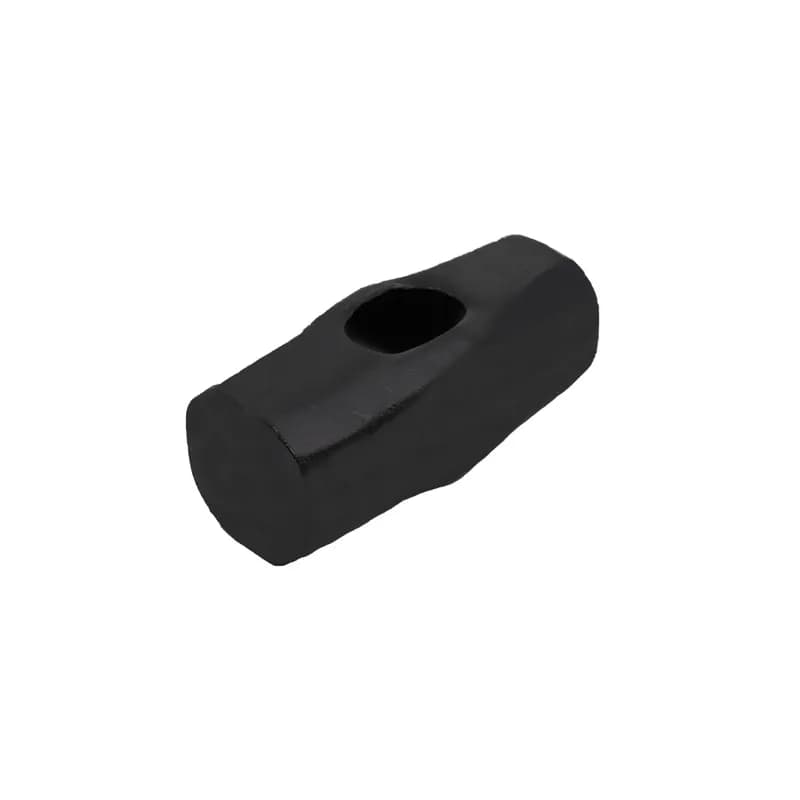
Balyoz (Varyoz) Çelik 10 kg Düz
Hammers & Sledgehammers
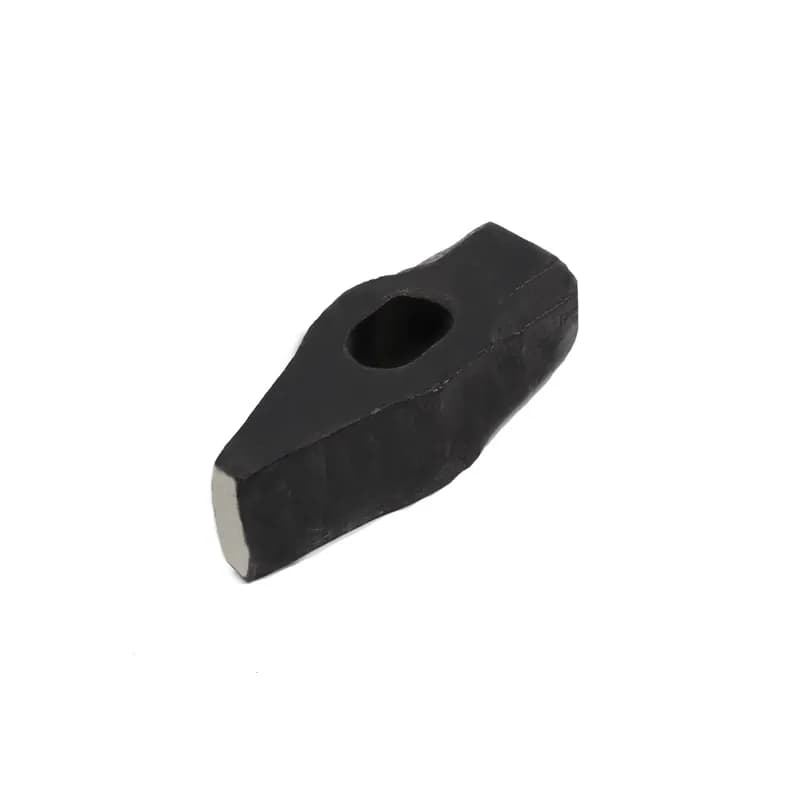
Balyoz (Varyoz) Çelik 10 kg Sivri
Hammers & Sledgehammers
Balyoz (Varyoz) Çelik 3 kg Düz
Hammers & Sledgehammers
Balyoz (Varyoz) Çelik 3 kg Sivri
Hammers & Sledgehammers
Balyoz (Varyoz) Çelik 4 kg Düz
Hammers & Sledgehammers
Balyoz (Varyoz) Çelik 4 kg Sivri
Hammers & Sledgehammers
Balyoz (Varyoz) Çelik 5 kg Düz
Hammers & Sledgehammers
Balyoz (Varyoz) Çelik 5 kg Sivri
Hammers & Sledgehammers
Balyoz (Varyoz) Çelik 6 kg Düz
Hammers & Sledgehammers
Balyoz (Varyoz) Çelik 6 kg Sivri
Hammers & Sledgehammers
Balyoz (Varyoz) Çelik 7 kg Düz
Hammers & Sledgehammers
Balyoz (Varyoz) Çelik 7 kg Sivri
Hammers & Sledgehammers
Balyoz (Varyoz) Çelik 8 kg Düz
Hammers & Sledgehammers
Balyoz (Varyoz) Çelik 8 kg Sivri
Hammers & Sledgehammers
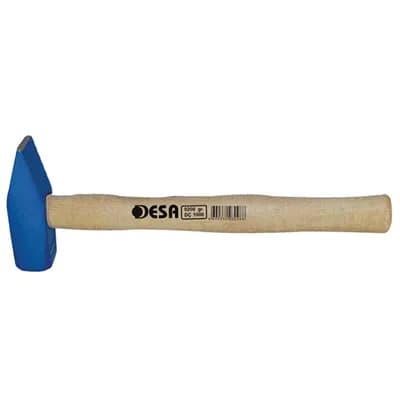
DESA Çekiç 100 gr
DESA · Hammers & Sledgehammers
DESA Çekiç 1000 gr
DESA · Hammers & Sledgehammers
DESA Çekiç 1500 gr
DESA · Hammers & Sledgehammers
DESA Çekiç 200 gr
DESA · Hammers & Sledgehammers
DESA Çekiç 2000 gr
DESA · Hammers & Sledgehammers
DESA Çekiç 300 gr
DESA · Hammers & Sledgehammers
DESA Çekiç 500 gr
DESA · Hammers & Sledgehammers
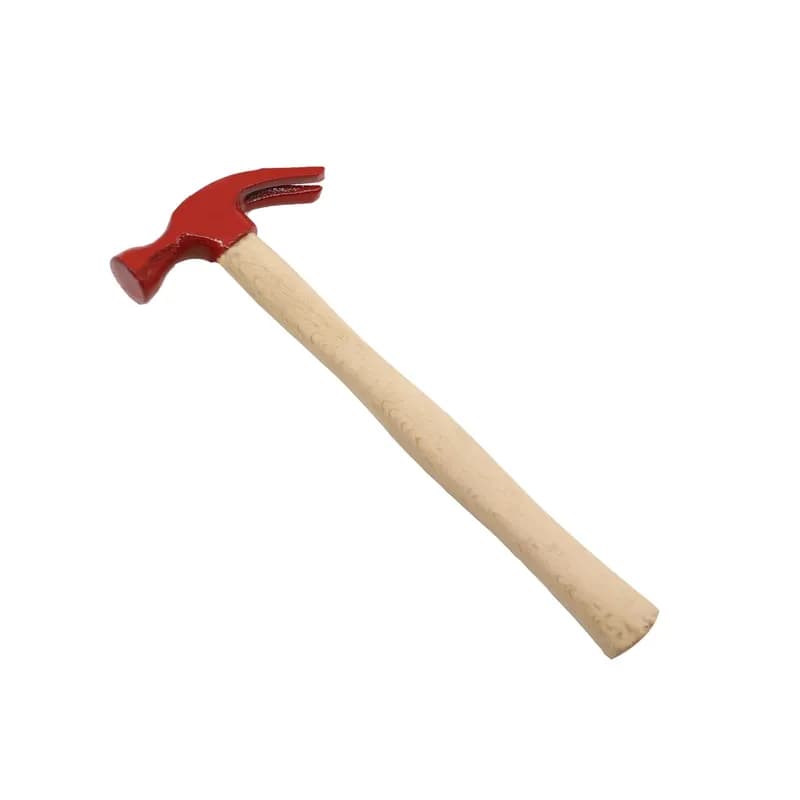
Eko Çatal Çekiç 300 gr
Hammers & Sledgehammers
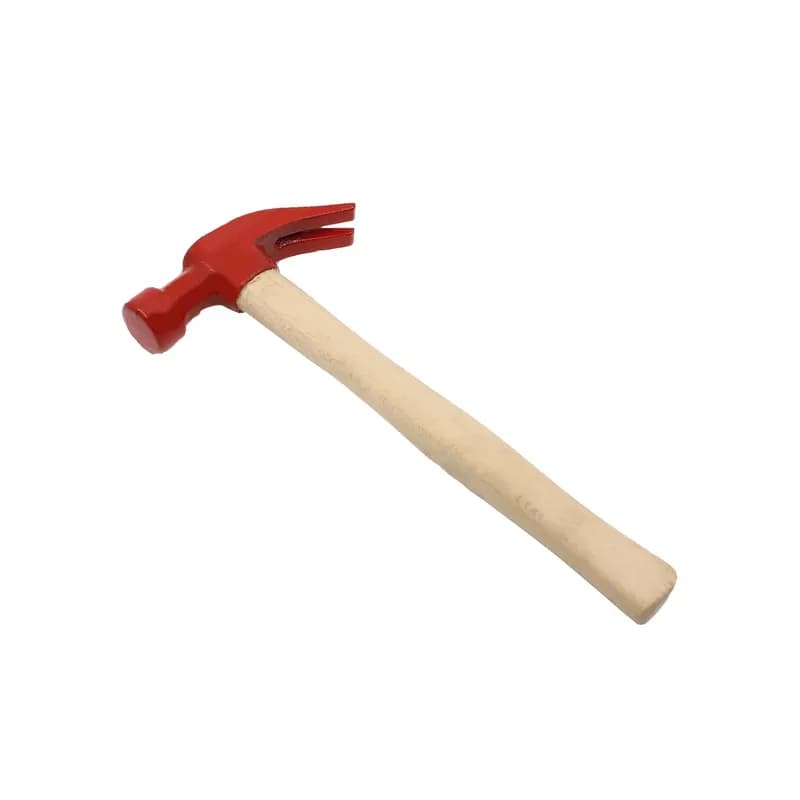
Eko Çatal Çekiç 600 gr
Hammers & Sledgehammers
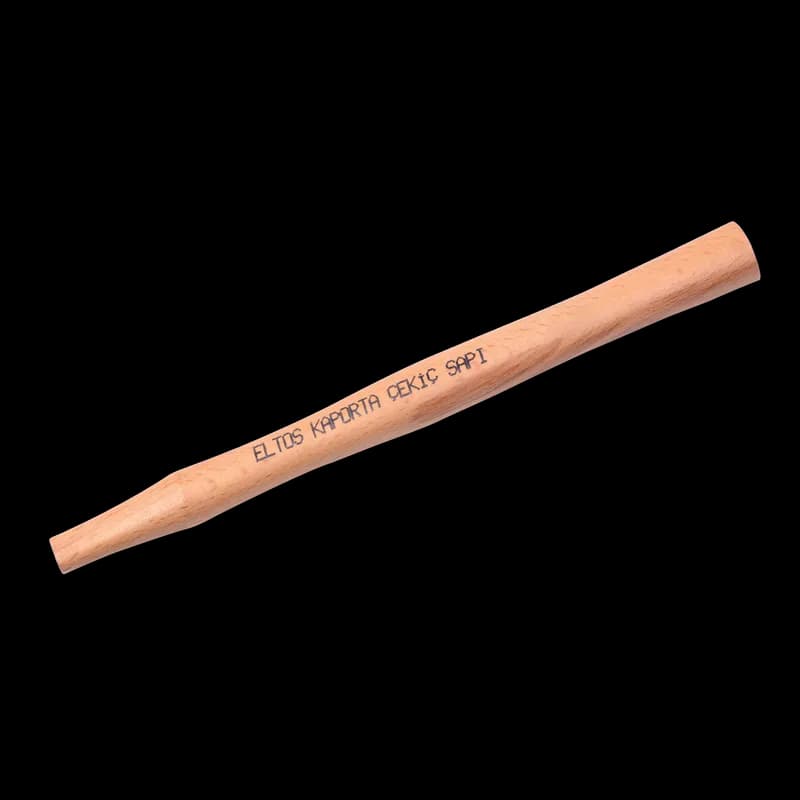
ELTOS Kaportacı Çekiç Sapı 30 cm KCS030
ELTOS · Hammers & Sledgehammers
1–24 of 78 · page 1 / 4
Weight and handle
300-500 g suits assembly and nailing; 800-1500 g suits steelwork; 3-5 kg sledgehammers suit demolition and driving stakes. As weight rises the blow count falls, and so does control.
A wooden handle absorbs shock and tires the hand least; fibreglass resists damp and breakage better; steel is the most durable but transmits the most vibration.
| Job | Recommended weight |
|---|---|
| Assembly, nailing | 300-500 g |
| Steelwork | 800-1500 g |
| Demolition, driving stakes | 3-5 kg (sledge) |
Safety
Check the head is tight on the handle before every use; a loose head can fly off. Striking hardened steel surfaces can throw fragments, so eye protection is not optional.
Frequently Asked Questions
What weight hammer do I need?
300-500 g for assembly and nailing, 800-1500 g for steelwork, 3-5 kg sledgehammers for demolition. Heavier heads mean fewer blows but less control.
Wooden or fibreglass handle?
Wood absorbs shock best and tires the hand least; fibreglass resists damp and breakage better. Steel lasts longest but transmits the most vibration.
What is a soft-faced mallet for?
Striking without marking the surface — seating parts in assembly, trim work and delicate jobs. It is not for heavy blows on steel.
What if the handle works loose?
Stop using it. A wedge can be reset on a wooden handle, but if the head still moves the handle must be replaced — a loose head can fly off in use.
Can I strike a chisel with any hammer?
Use a hammer intended for striking chisels. Hitting hardened surfaces can throw fragments, so eye protection is essential.