Categories
Hand Tools
Hand tools are where quality shows most plainly, because the work passes straight through them: the difference between two pliers that do the same job is in the steel, the heat treatment and the geometry of the jaws. This page explains the tool groups, what each steel grade and standard mark actually means, and what to look for when choosing. The catalogue holds over 1,800 hand tools across 17 groups.
Product Types
Go straight to the product type you need.
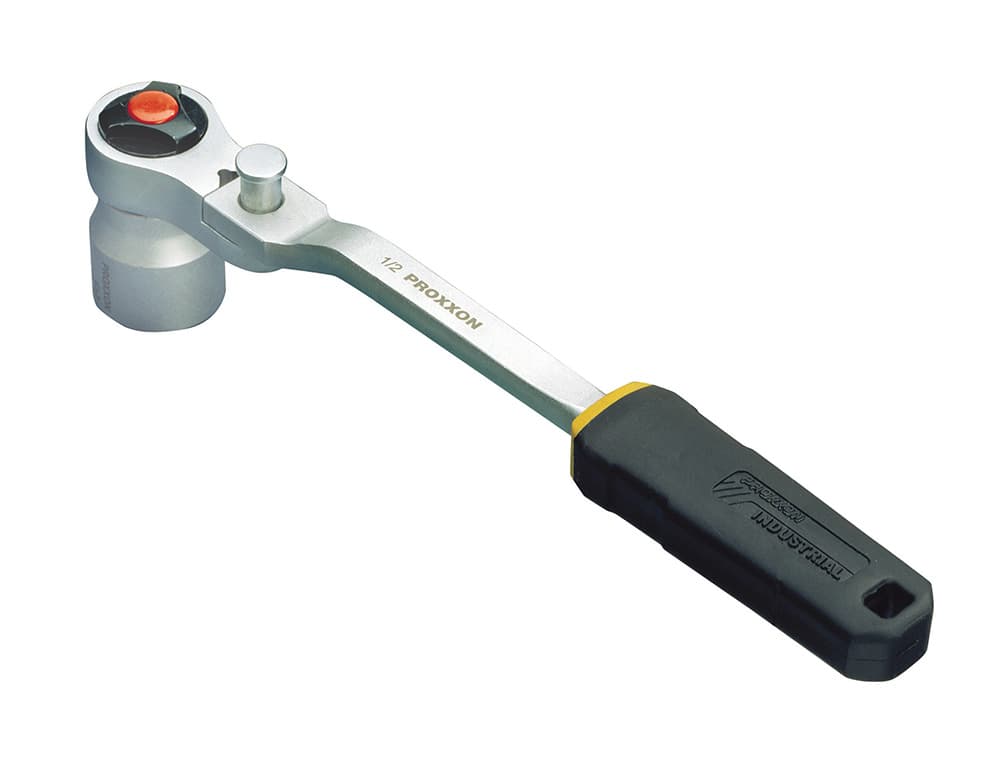 Socket Sets & Ratchets802 products
 Pliers & Pincers565 products
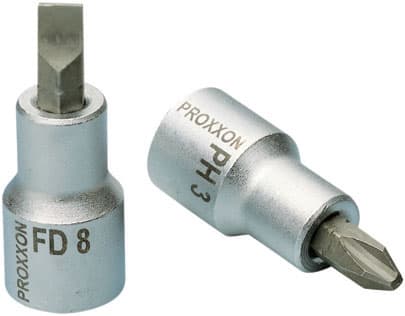 Screwdrivers403 products
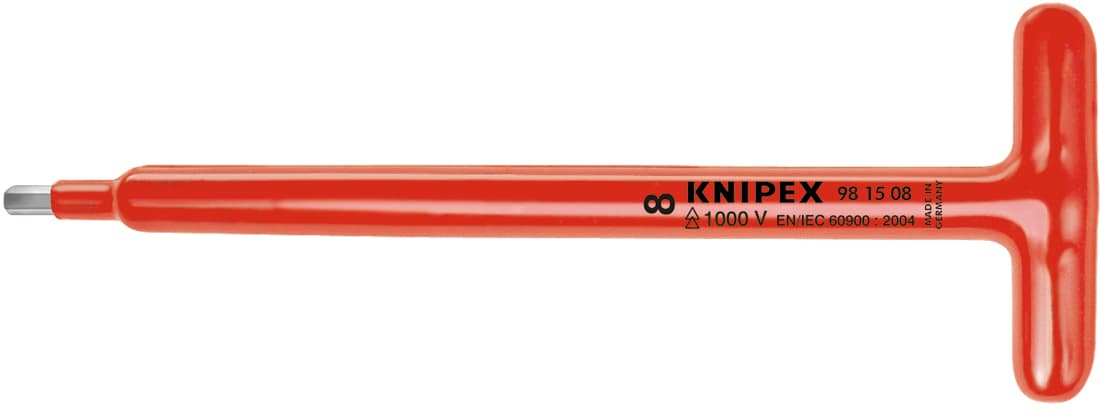 Wrench Sets279 products
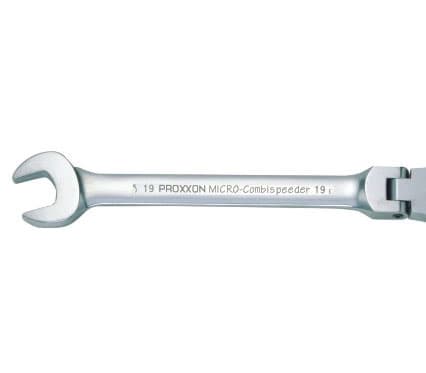 Combination Wrenches258 products
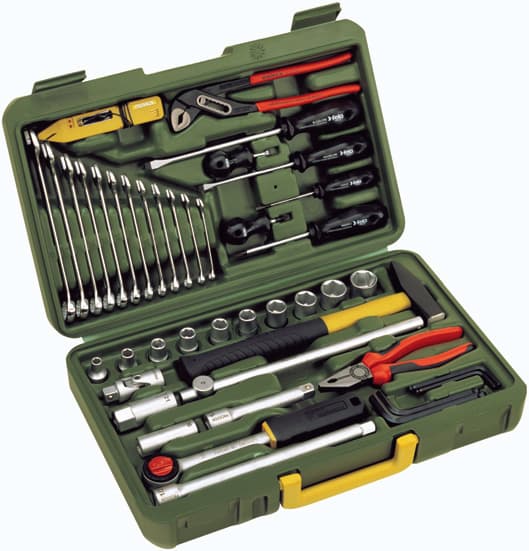 Tool Bags & Sets255 products
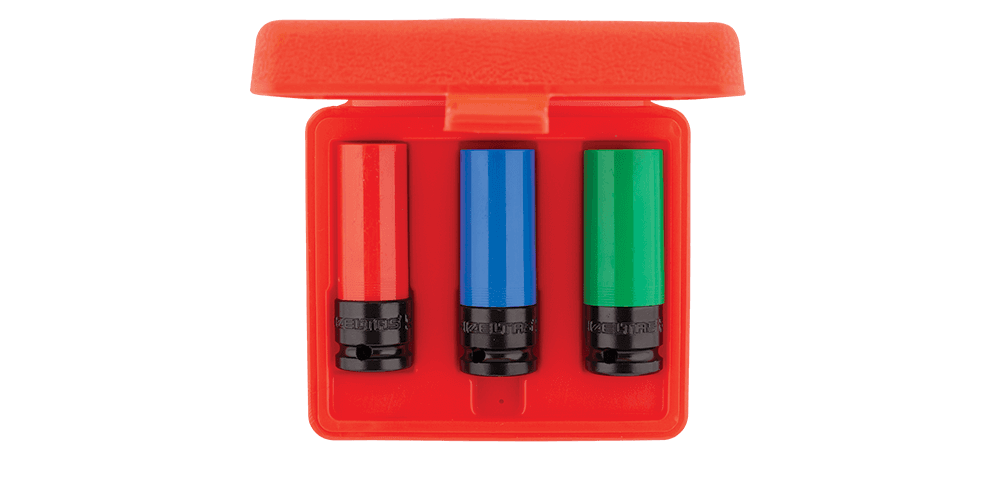 Impact Sockets246 products
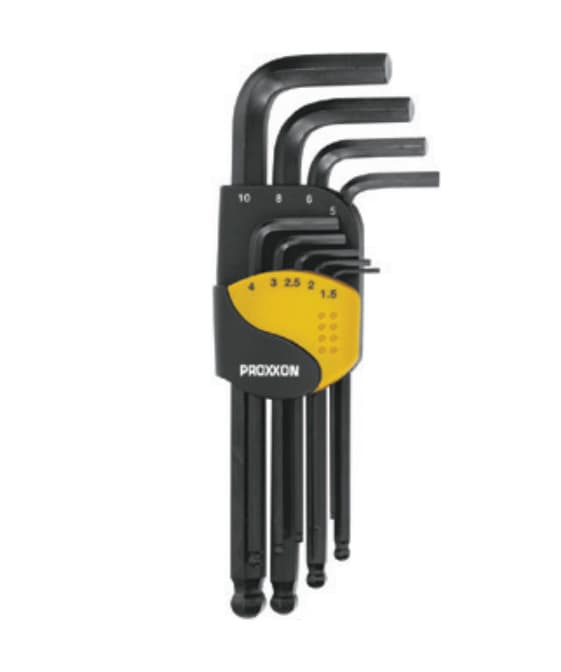 Hex Keys168 products
 Open-End Wrenches154 products
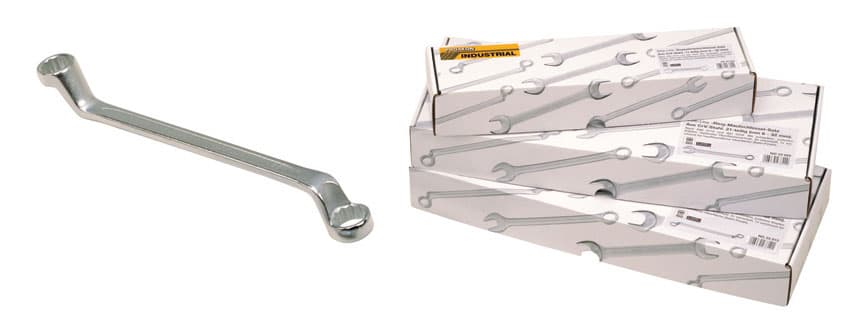 Ring Wrenches143 products
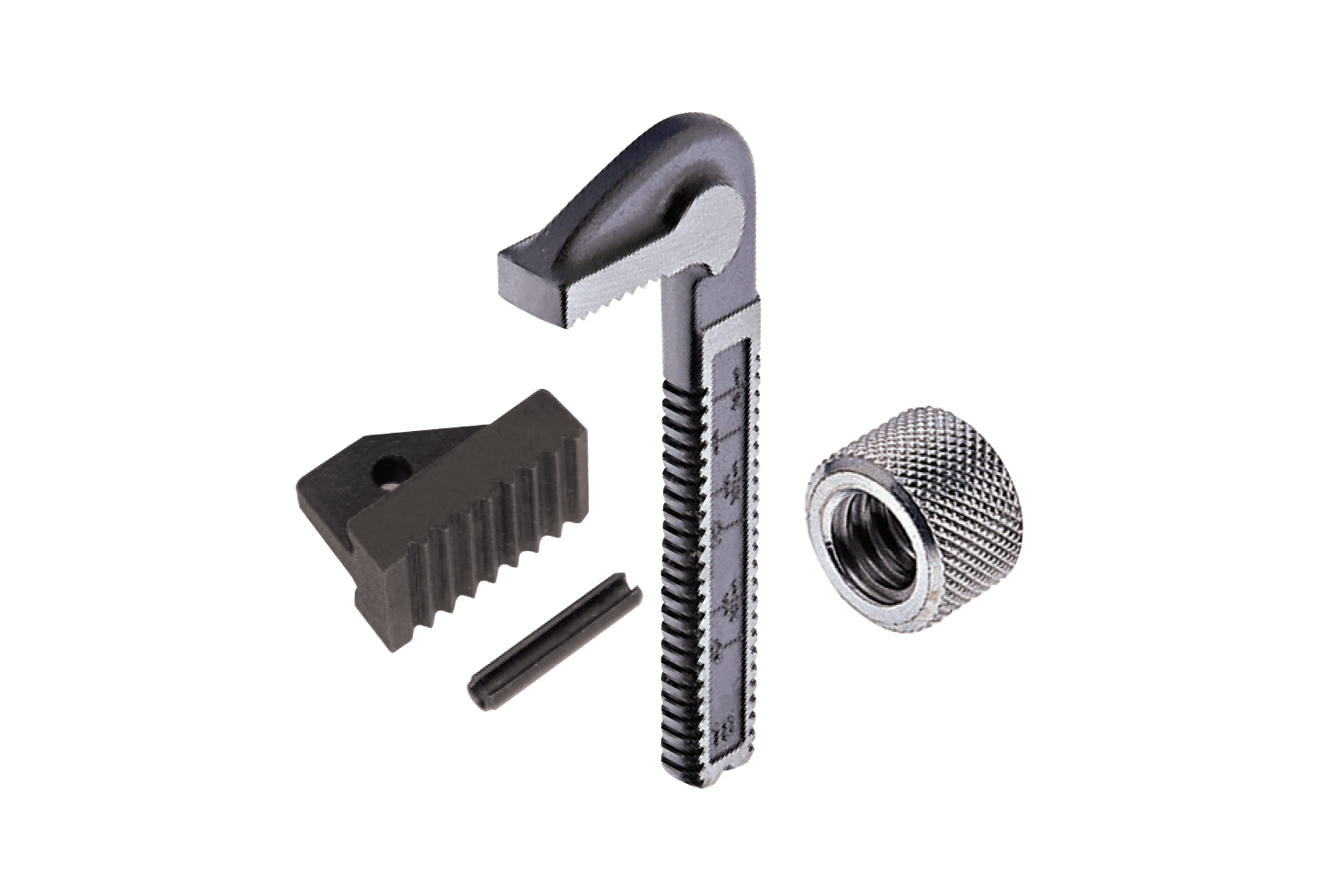 Hand Tool Spare Parts128 products
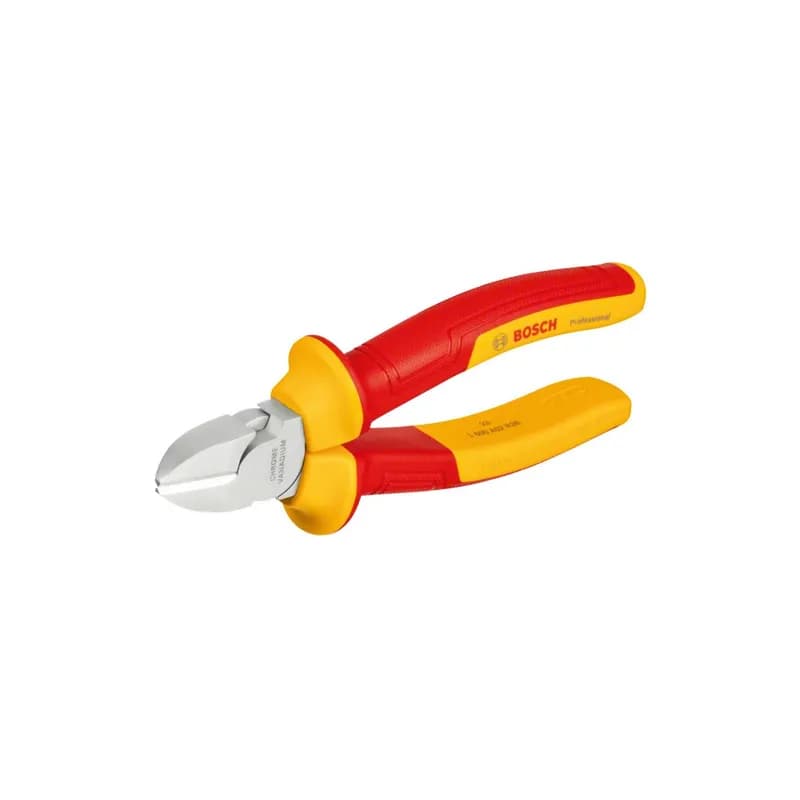 Side Cutters116 products
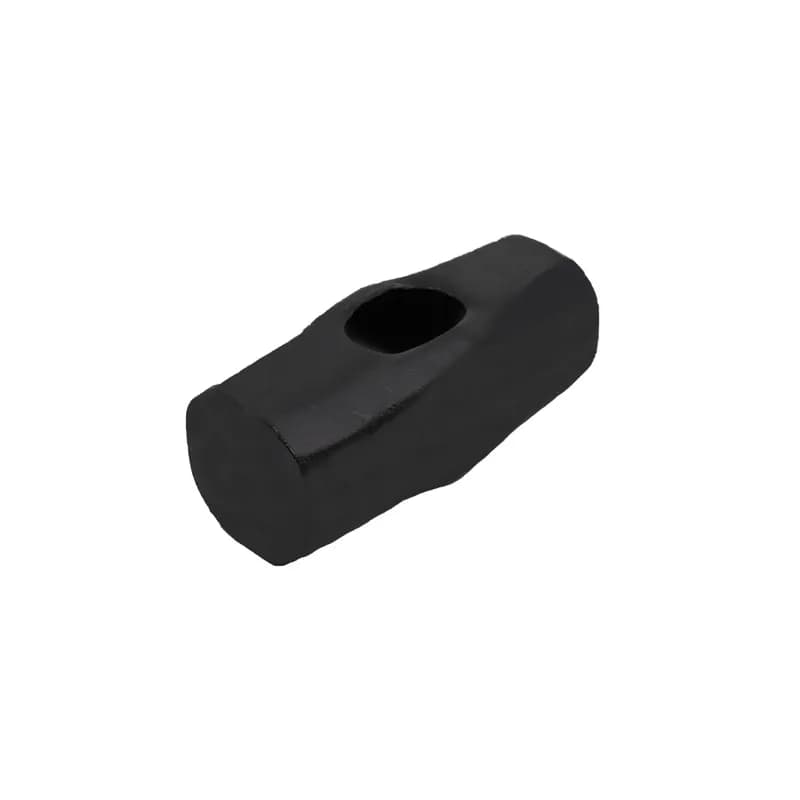 Hammers & Sledgehammers103 products
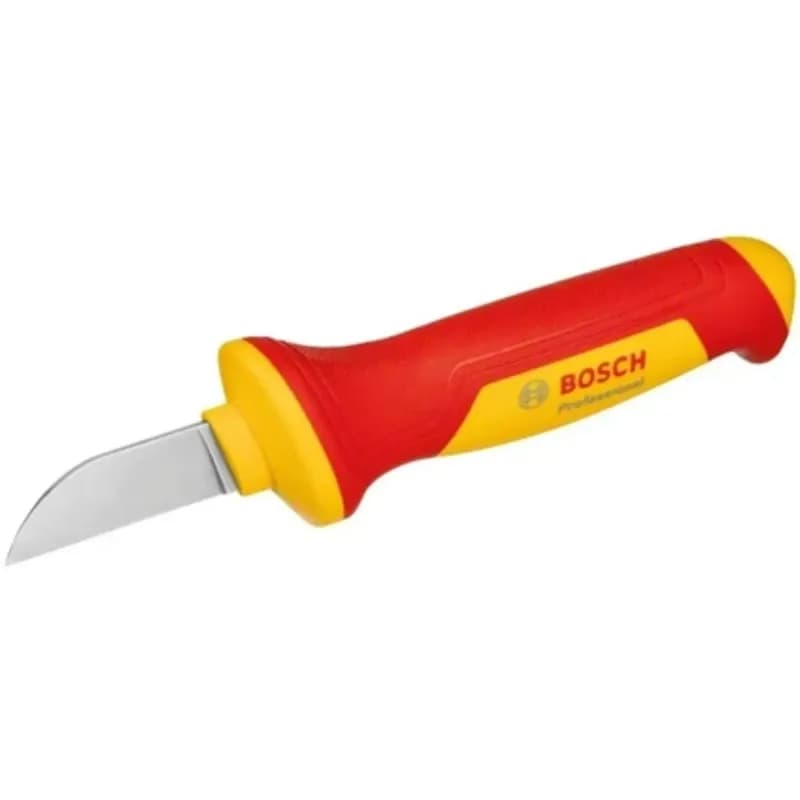 Utility Knives89 products
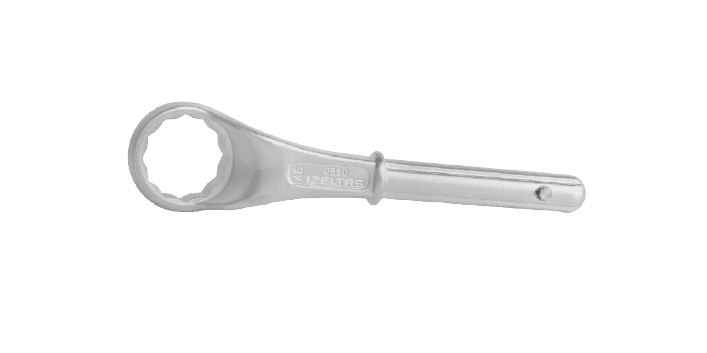 Slugging Wrenches86 products
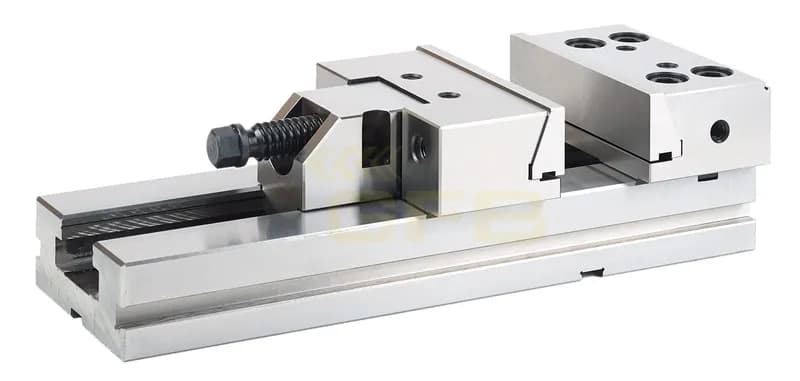 Vises82 products
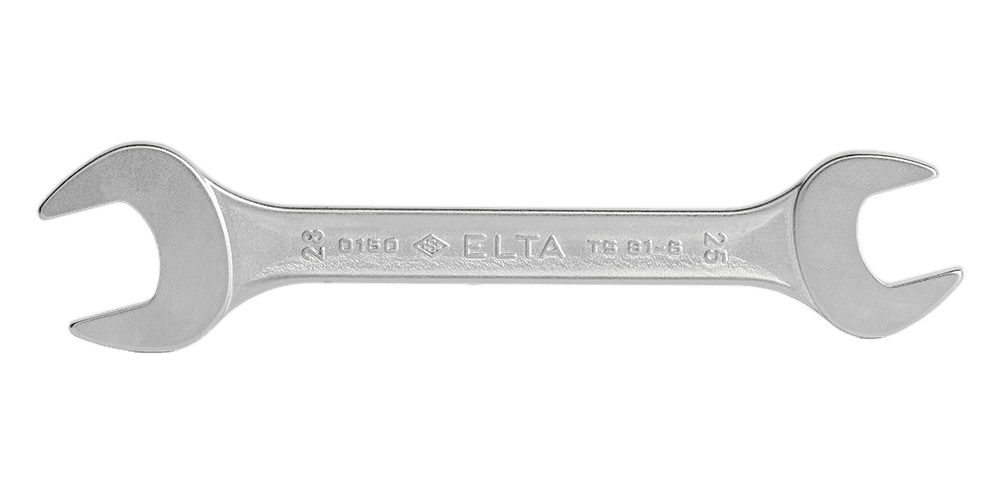 Specialty Wrenches79 products
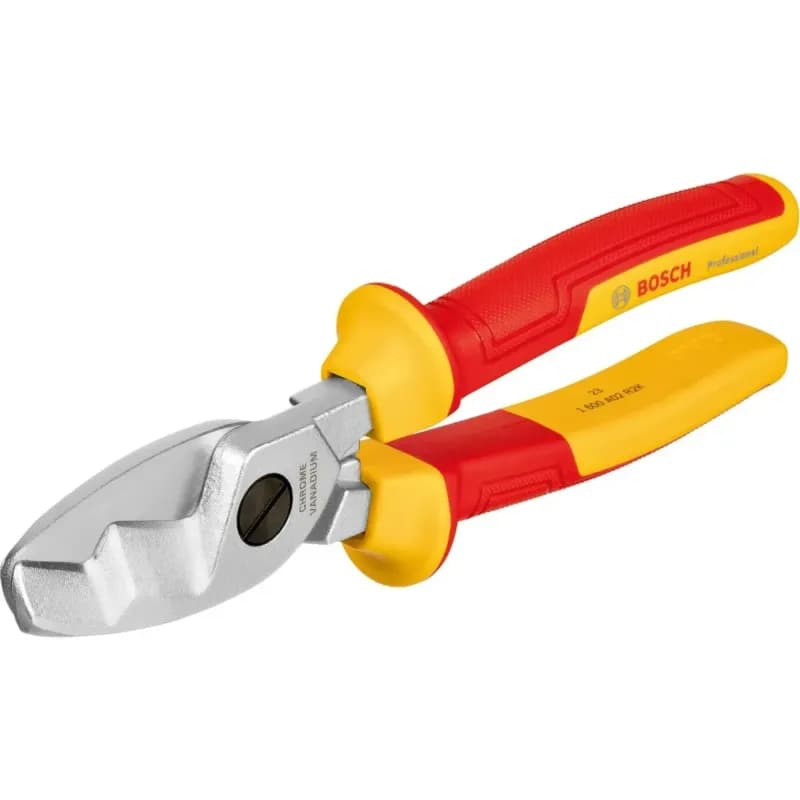 Cable Cutters77 products
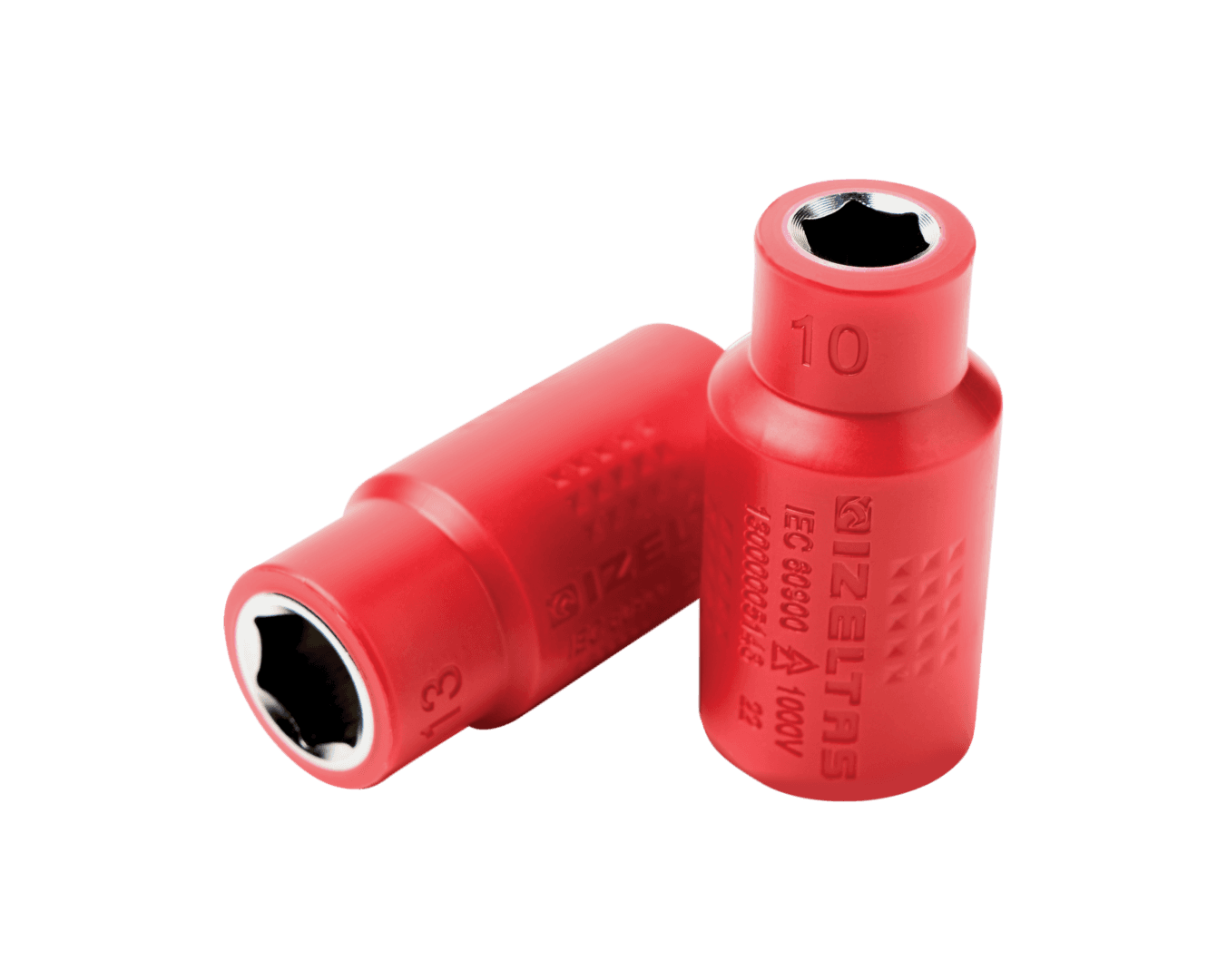 1000V Insulated Hand Tools77 products
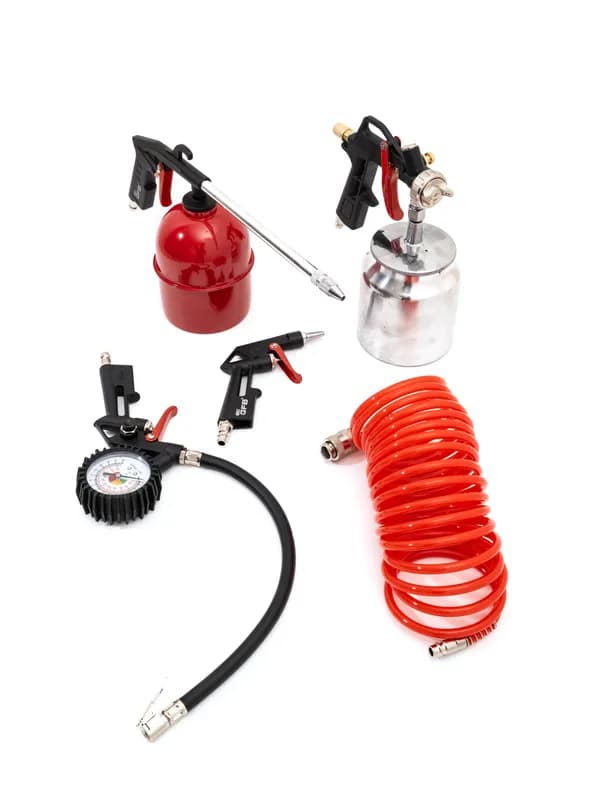 Pneumatic Tools61 products
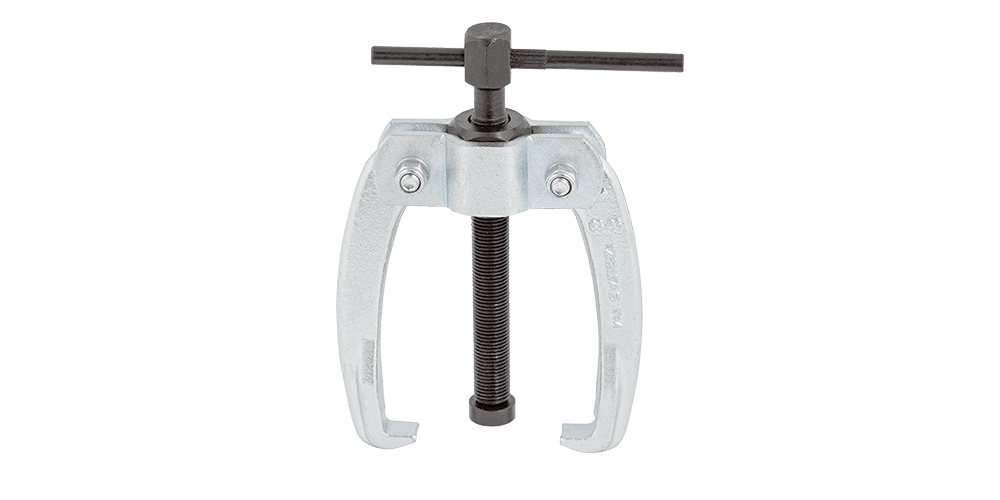 Pullers61 products
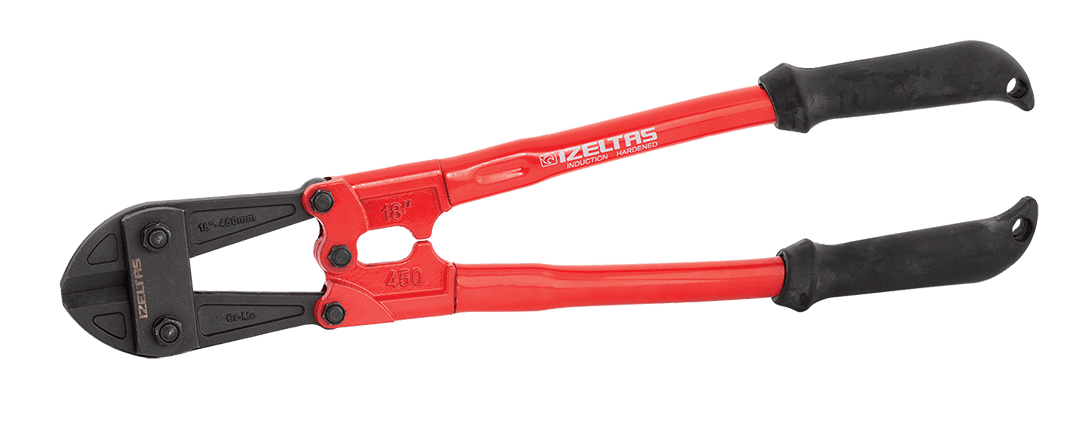 Bolt & Wire Cutters47 products
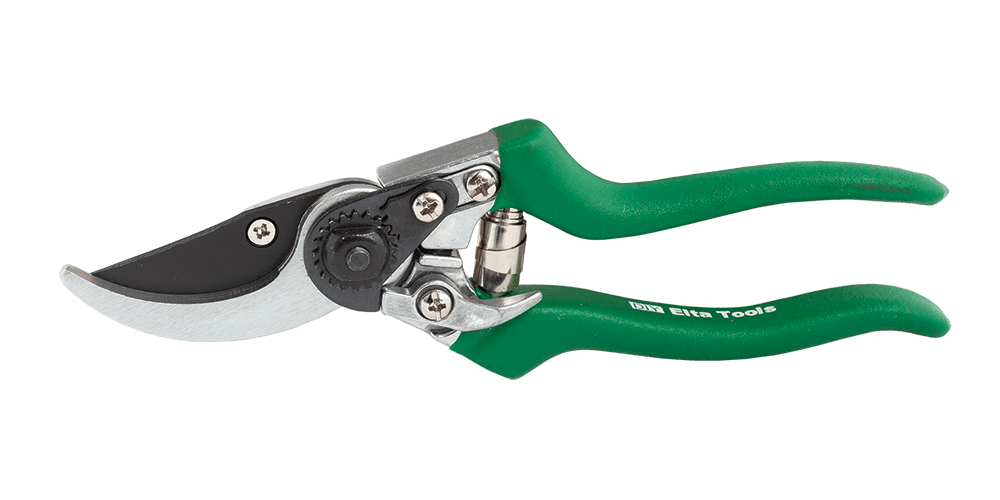 Tin Snips44 products
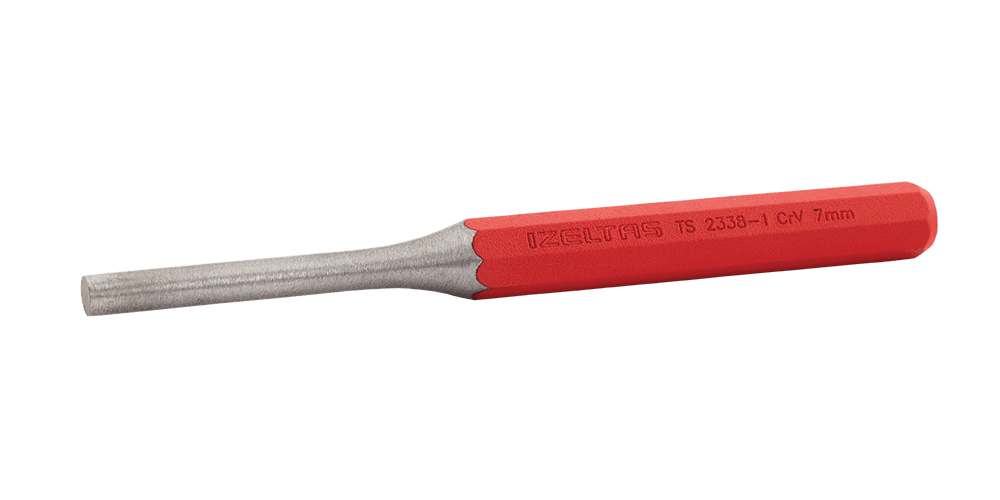 Punches & Drifts43 products
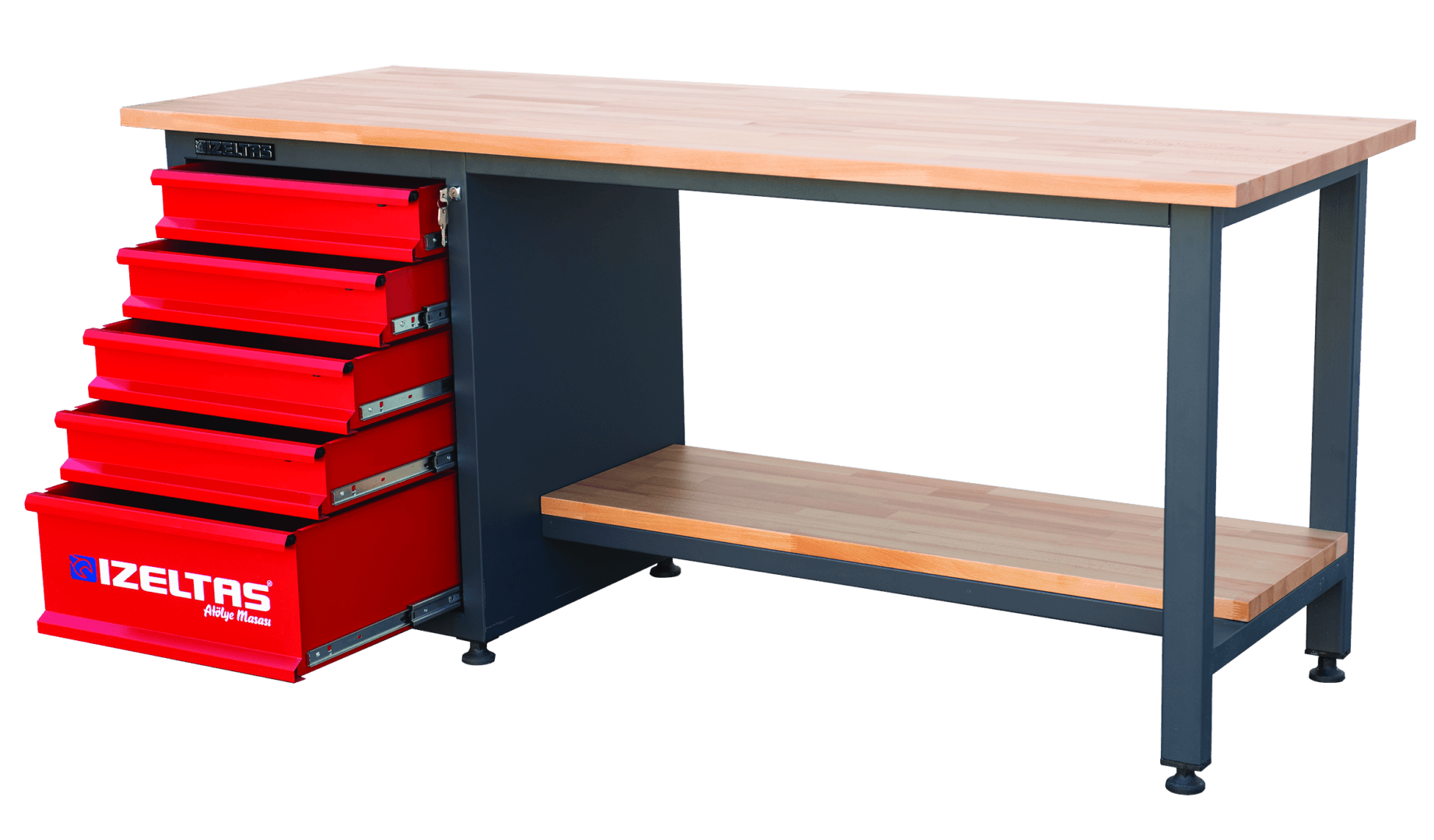 Tool Cabinets & Trolleys42 products
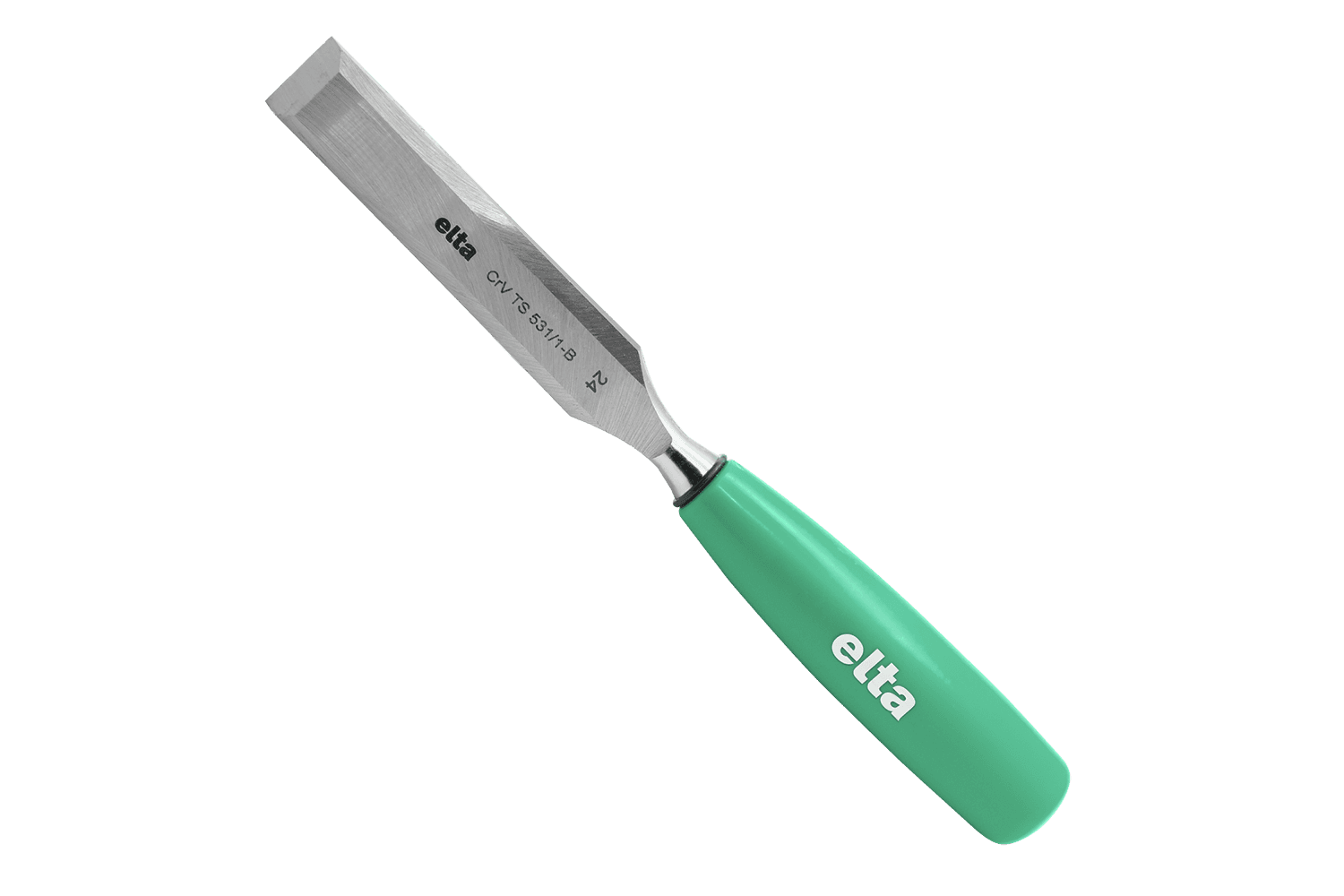 Chisels & Punches38 products
 Service Tools31 products
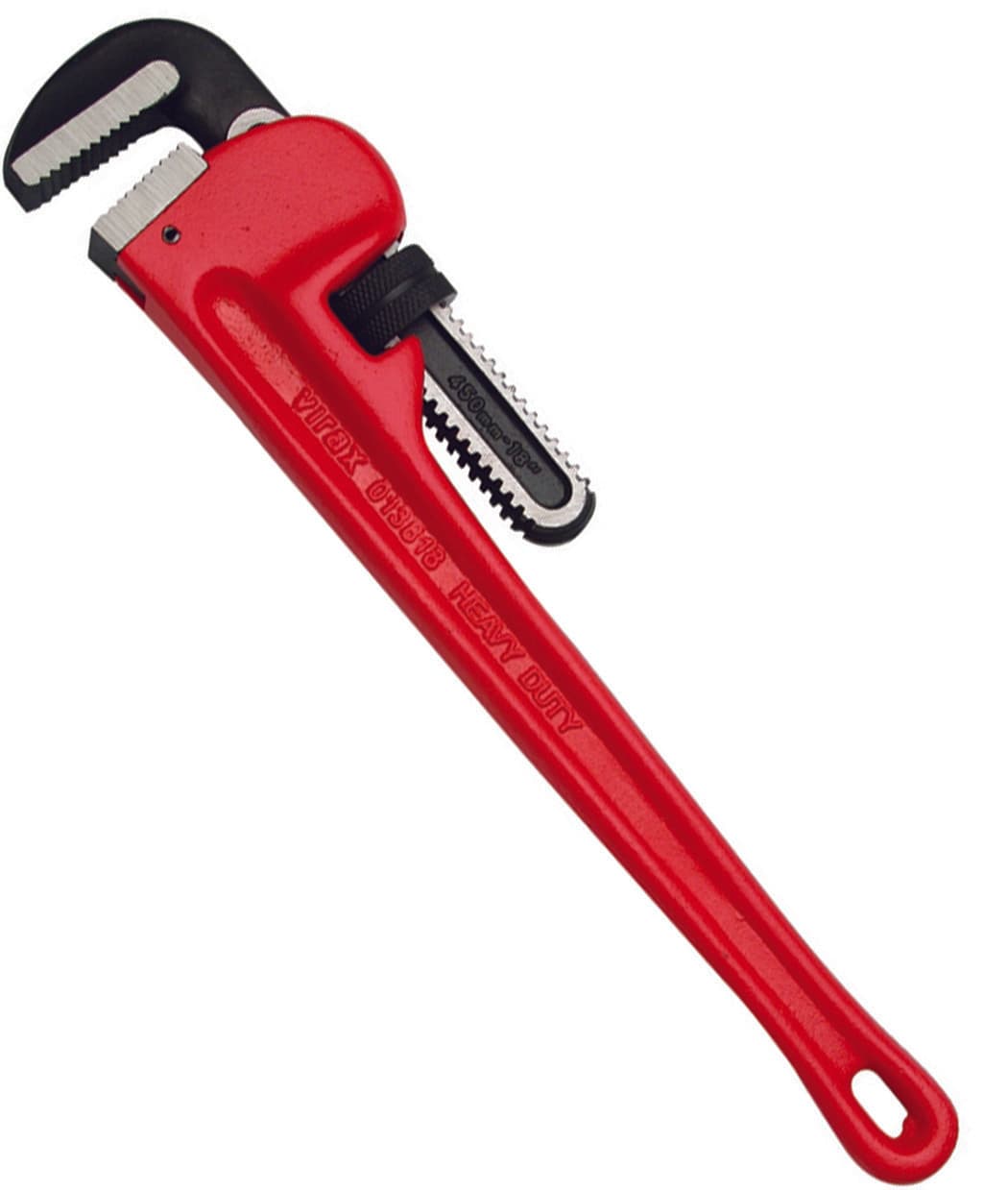 Pipe Wrenches28 products
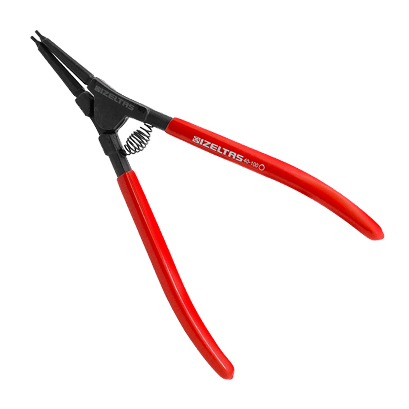 Circlip Pliers17 products
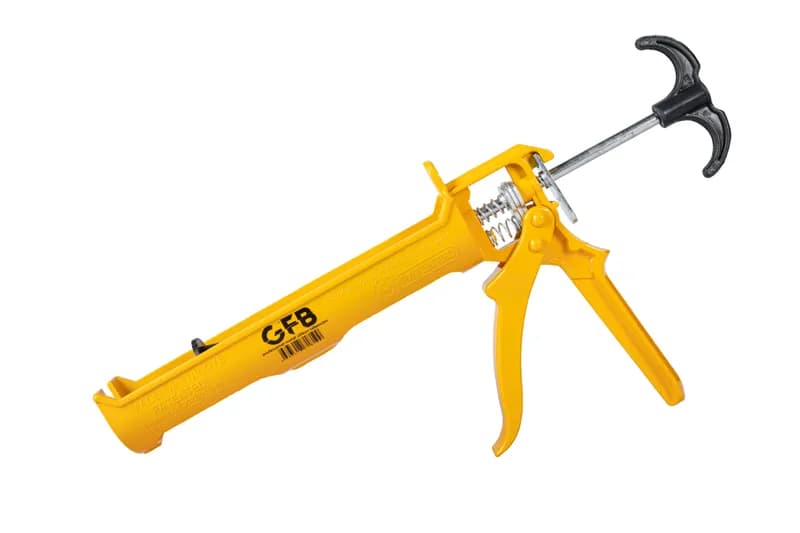 Caulking Guns16 products
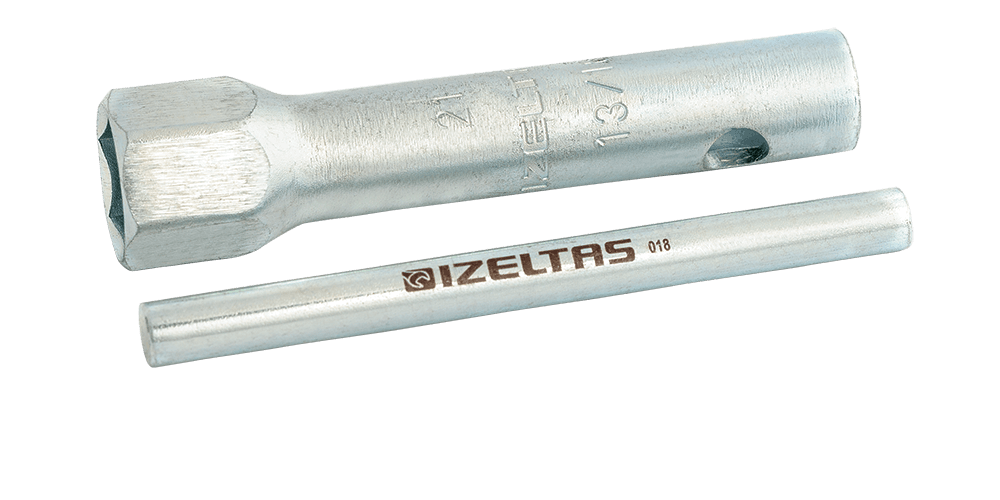 Nut Drivers16 products
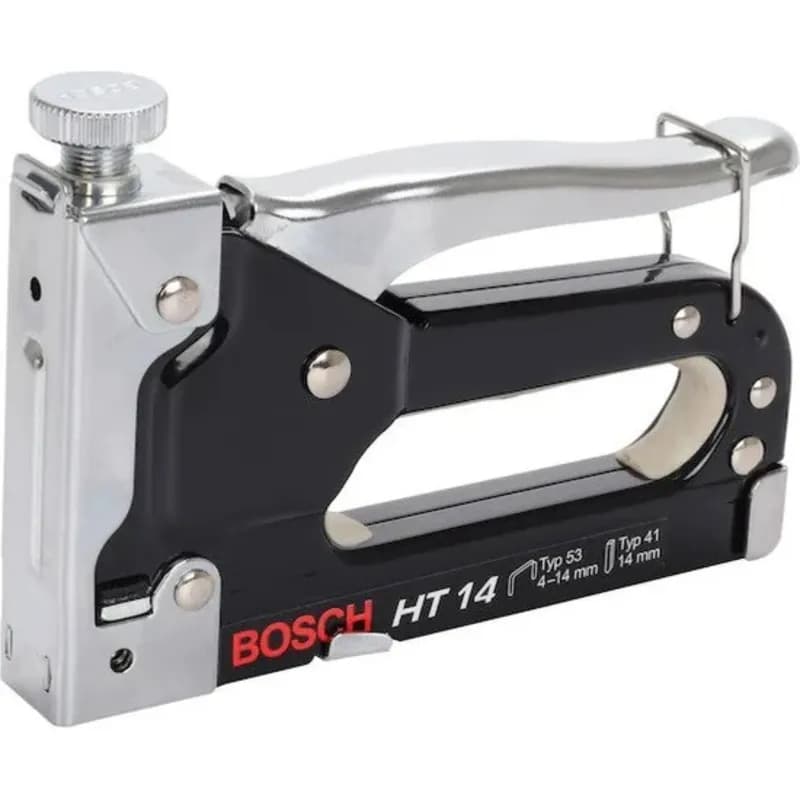 Manual Staple Guns14 products
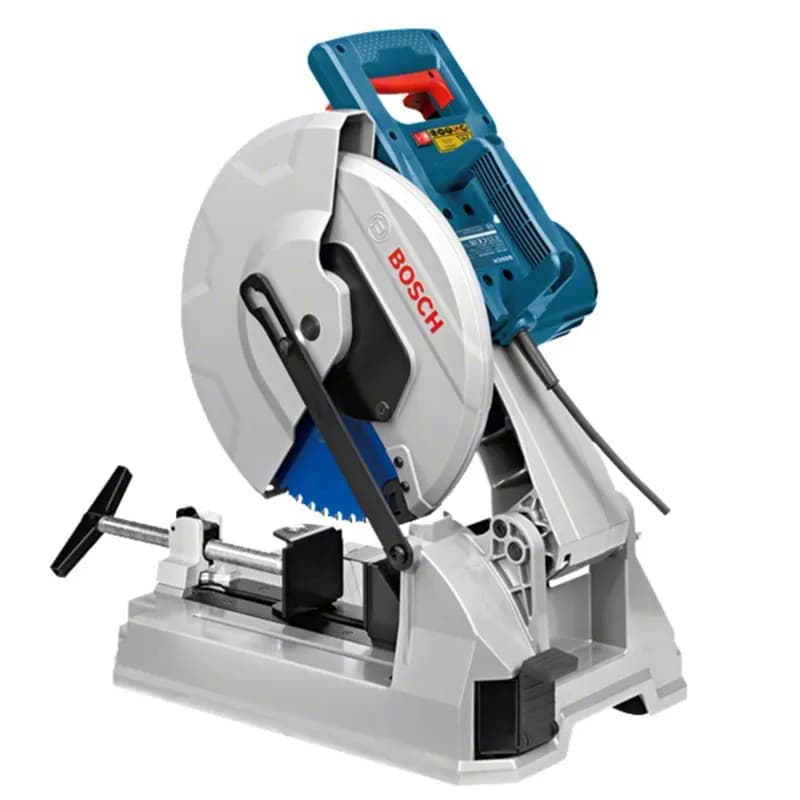 Saws14 products
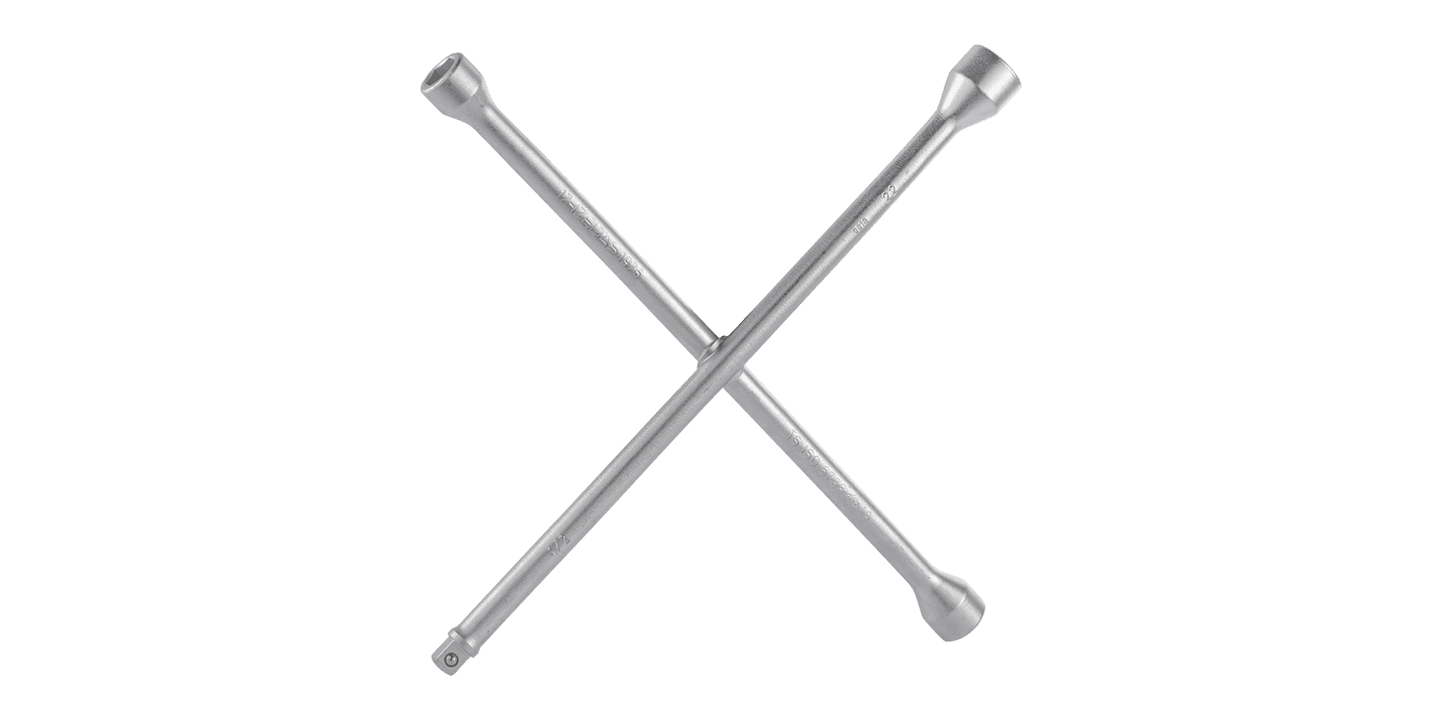 Wheel Wrenches14 products
 Torque Wrenches13 products
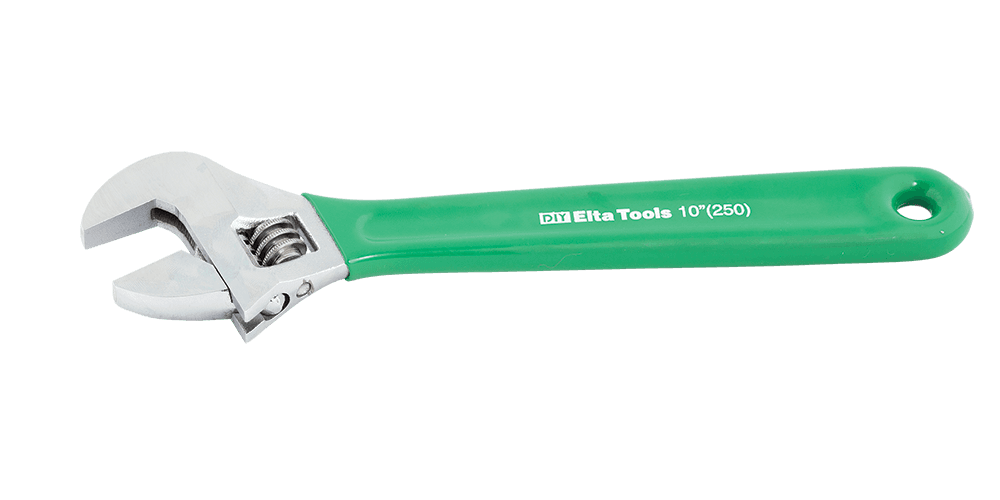 Adjustable Wrenches12 products
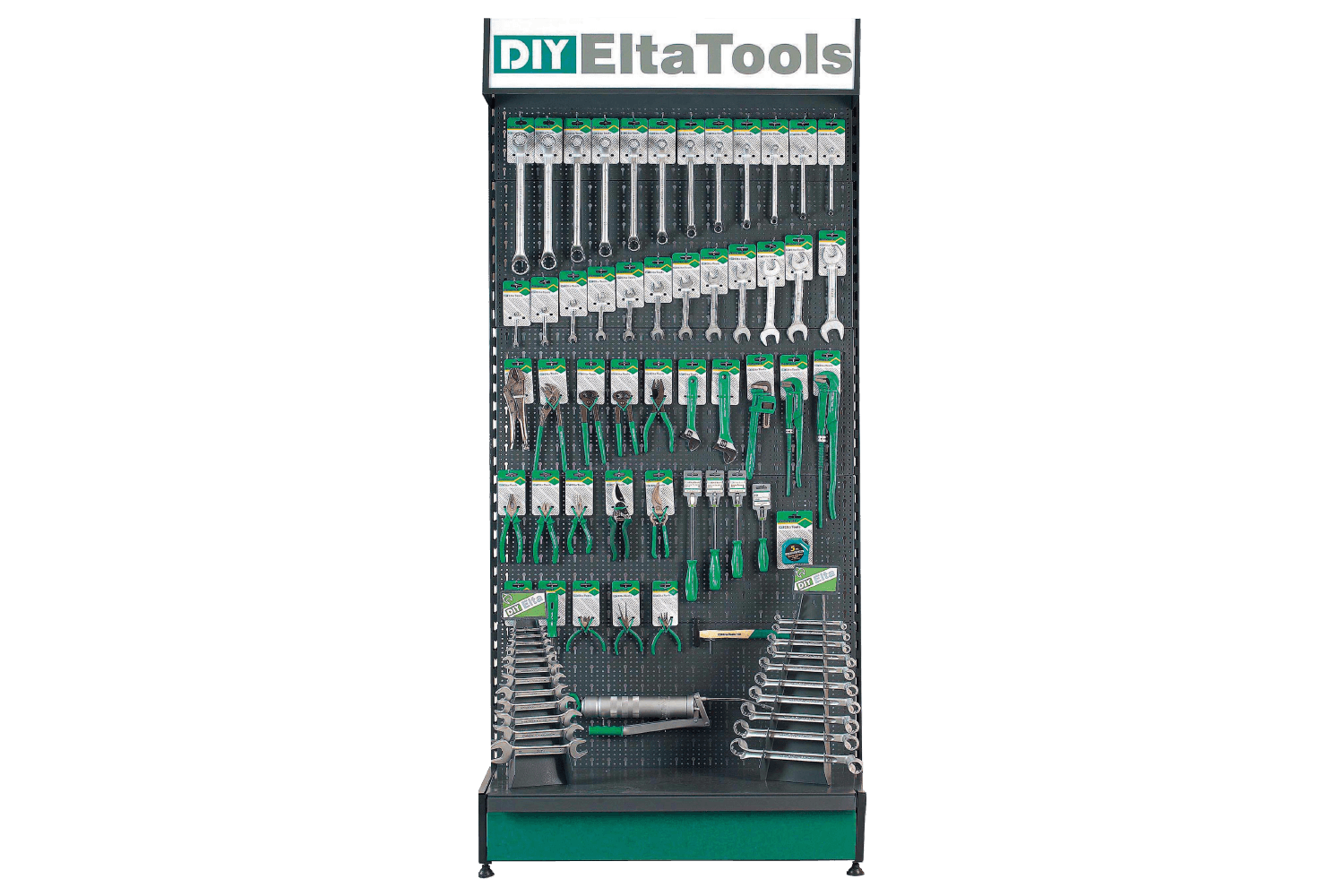 Display Stands10 products
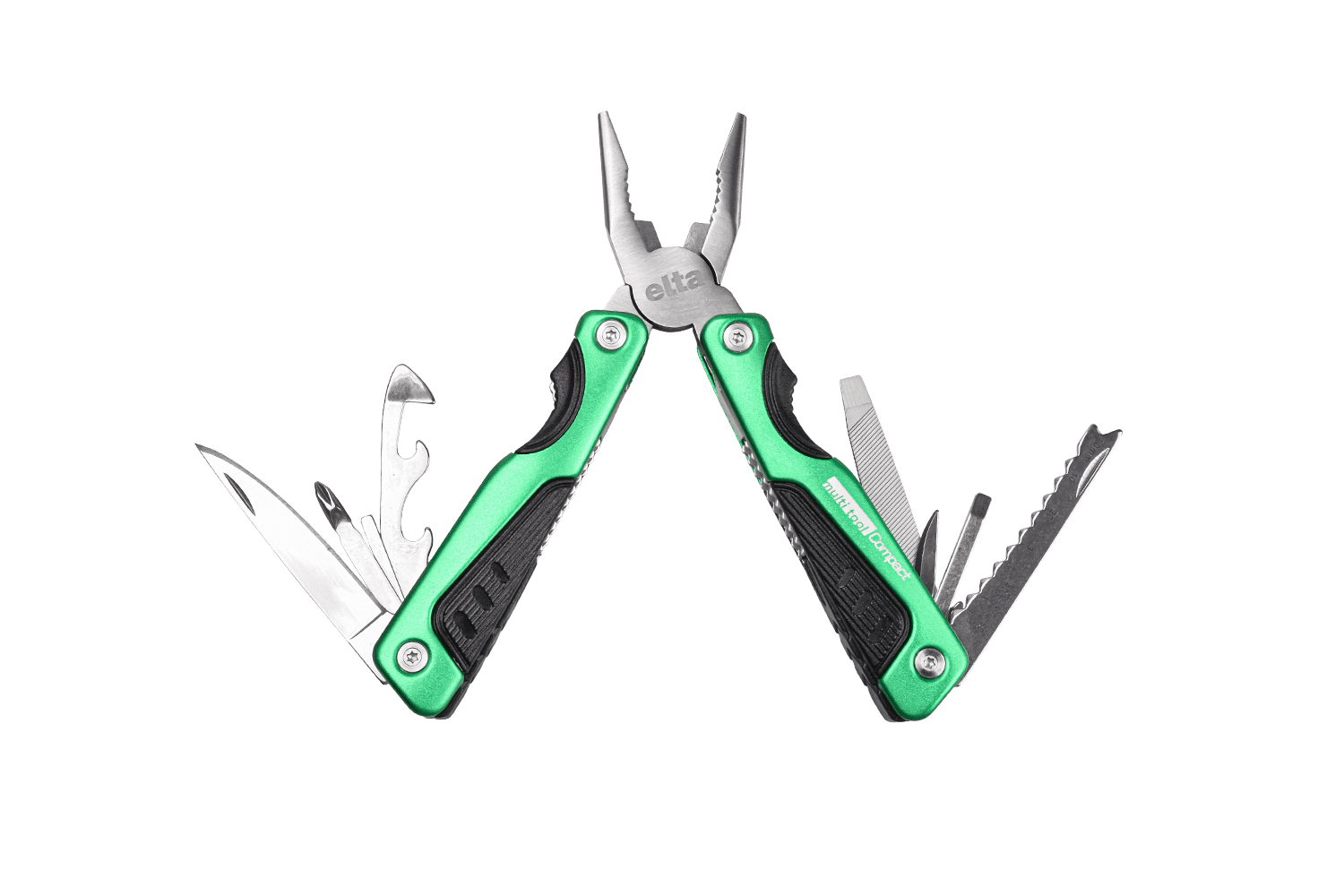 Pocket Multi-Tools6 products
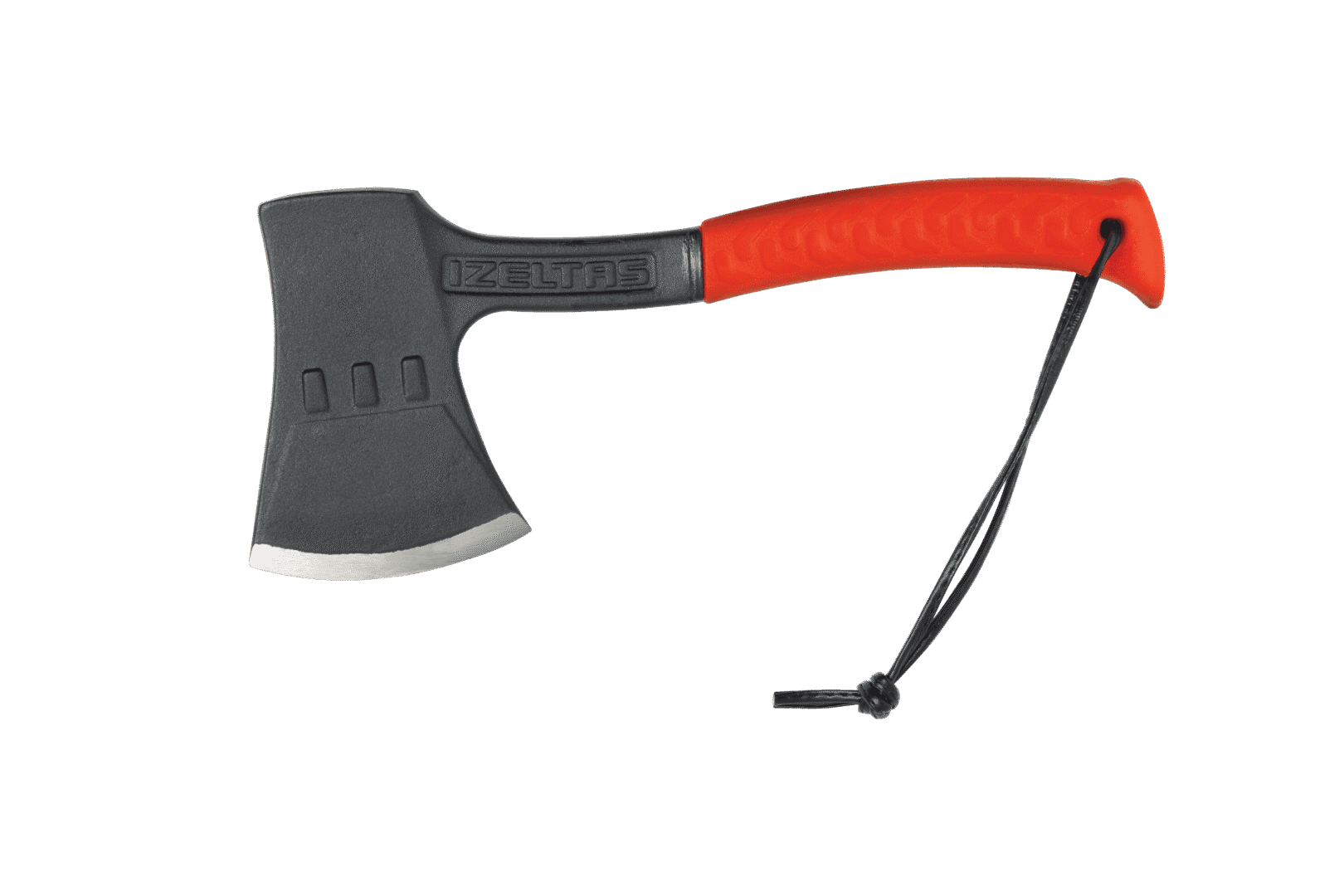 Axes & Adzes4 products
Proxxon 23088 Ratchet 1/2″
Proxxon Industrial · Socket Sets & Ratchets
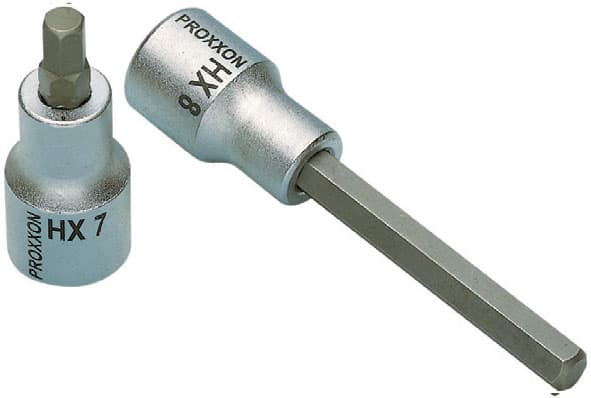
Proxxon 23487 Hex Socket 1/2″ 10x100mm
Proxxon Industrial · Socket Sets & Ratchets
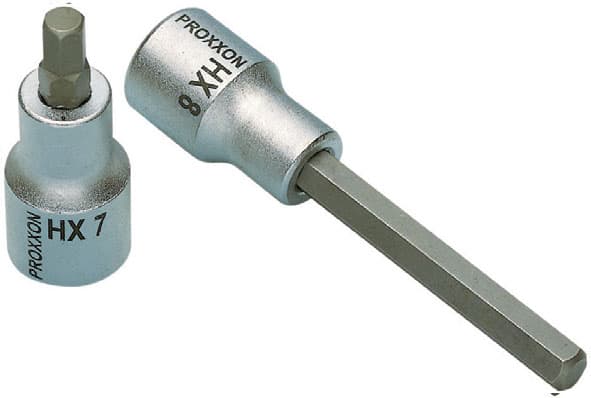
Proxxon 23480 Hex Socket 1/2″ 10x55mm
Proxxon Industrial · Socket Sets & Ratchets
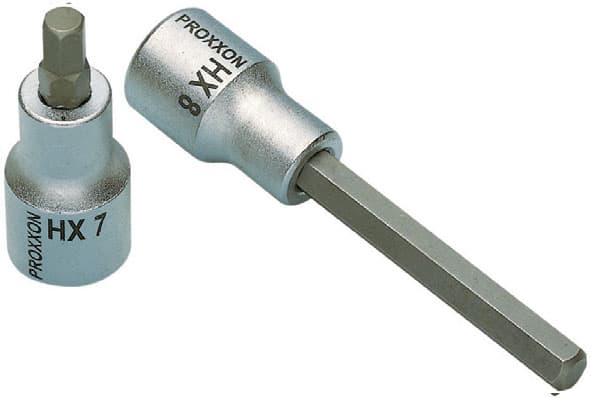
Proxxon 23483 Hex Socket 1/2″ 12x100mm
Proxxon Industrial · Socket Sets & Ratchets
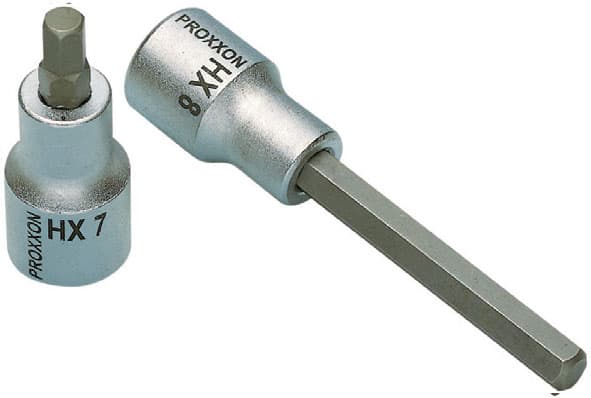
Proxxon 23481 Hex Socket 1/2″ 12x55mm
Proxxon Industrial · Socket Sets & Ratchets
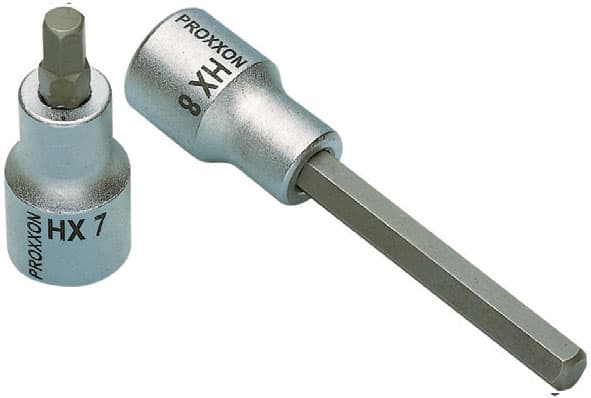
Proxxon 23482 Hex Socket 1/2″ 14x55mm
Proxxon Industrial · Socket Sets & Ratchets
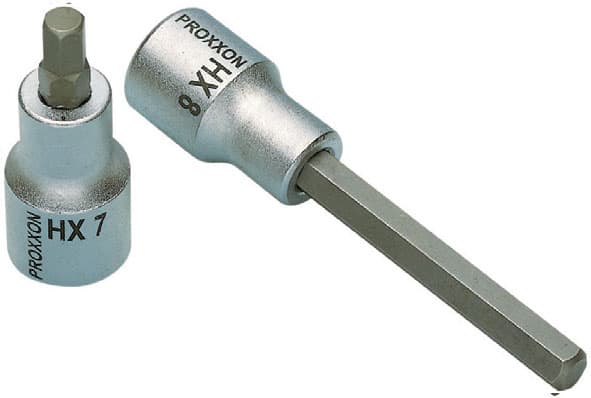
Proxxon 23484 Hex Socket 1/2″ 5x100mm
Proxxon Industrial · Socket Sets & Ratchets
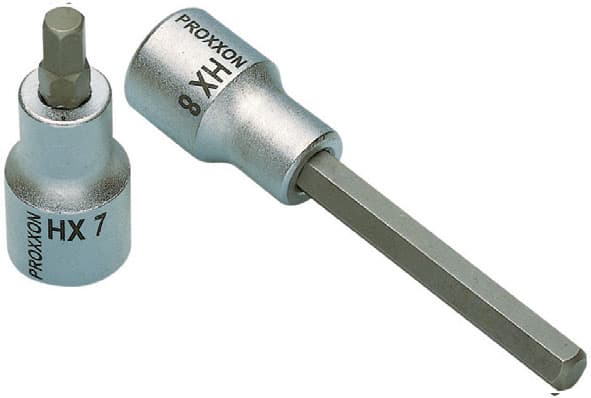
Proxxon 23476 Hex Socket 1/2″ 5x55mm
Proxxon Industrial · Socket Sets & Ratchets
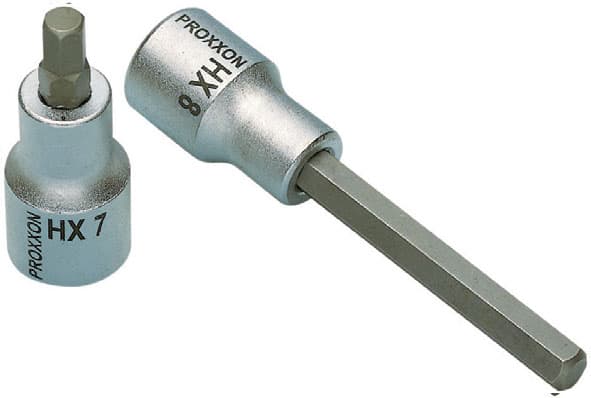
Proxxon 23475 Hex Socket 1/2″ 6x100mm
Proxxon Industrial · Socket Sets & Ratchets
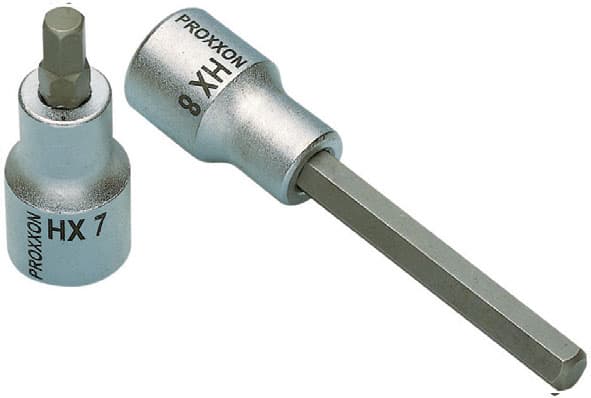
Proxxon 23477 Hex Socket 1/2″ 6x55mm
Proxxon Industrial · Socket Sets & Ratchets
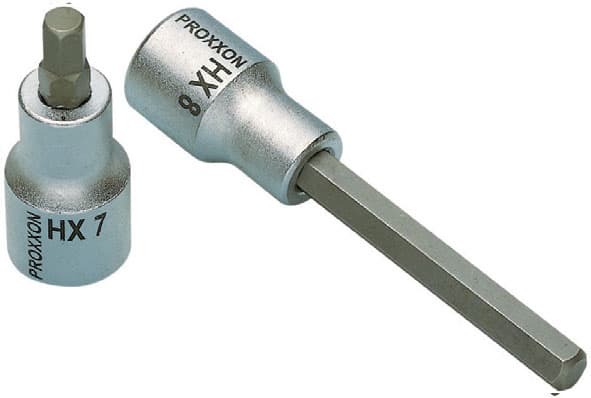
Proxxon 23485 Hex Socket 1/2″ 7x100mm
Proxxon Industrial · Socket Sets & Ratchets
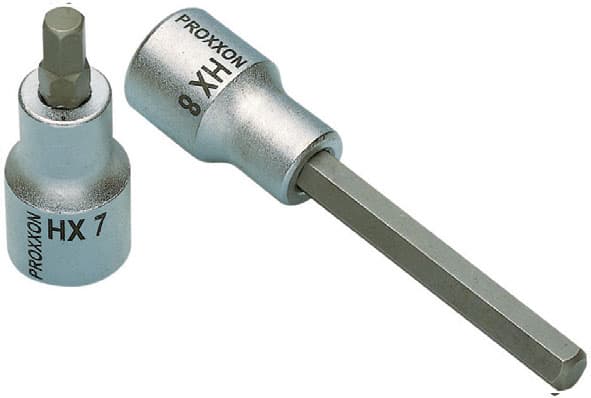
Proxxon 23478 Hex Socket 1/2″ 7x55mm
Proxxon Industrial · Socket Sets & Ratchets
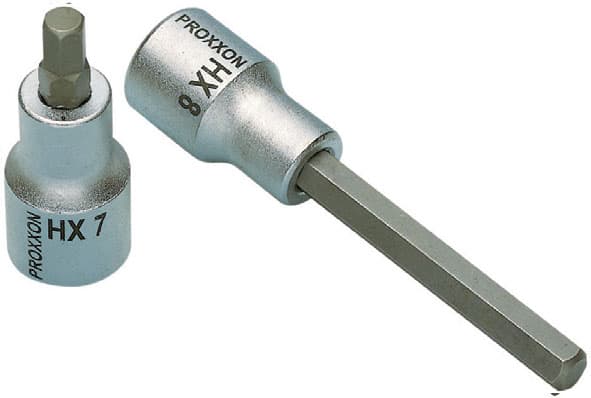
Proxxon 23486 Hex Socket 1/2″ 8x100mm
Proxxon Industrial · Socket Sets & Ratchets
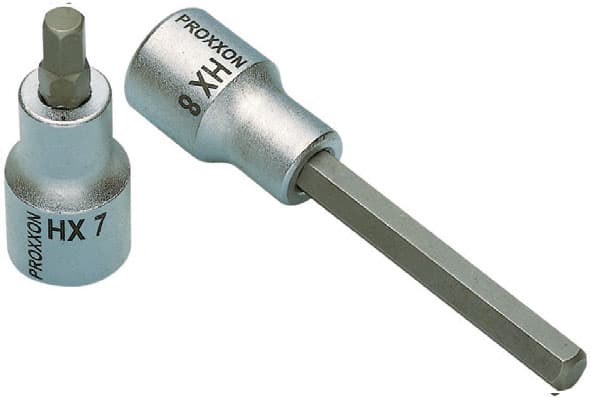
Proxxon 23479 Hex Socket 1/2″ 8x55mm
Proxxon Industrial · Socket Sets & Ratchets
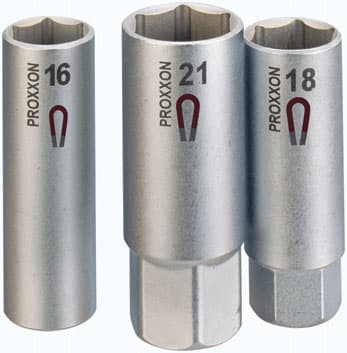
Proxxon 23392 Spark plug Socket 1/2″ 16mm
Proxxon Industrial · Socket Sets & Ratchets
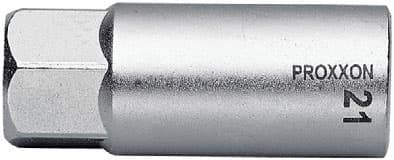
Proxxon 23442 Spark plug Socket 1/2″ 16mm
Proxxon Industrial · Socket Sets & Ratchets
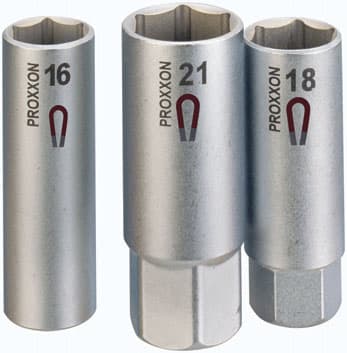
Proxxon 23394 Spark plug Socket 1/2″ 18mm
Proxxon Industrial · Socket Sets & Ratchets
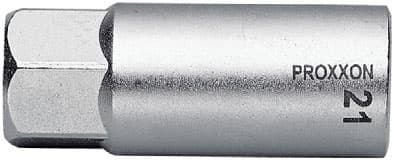
Proxxon 23443 Spark plug Socket 1/2″ 18mm
Proxxon Industrial · Socket Sets & Ratchets
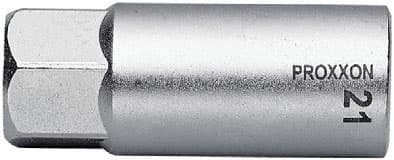
Proxxon 23445 Spark plug Socket 1/2″ 19mm
Proxxon Industrial · Socket Sets & Ratchets
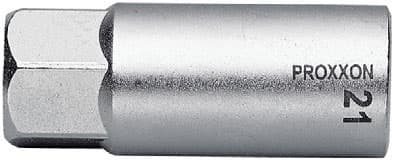
Proxxon 23444 Spark plug Socket 1/2″ 21mm
Proxxon Industrial · Socket Sets & Ratchets
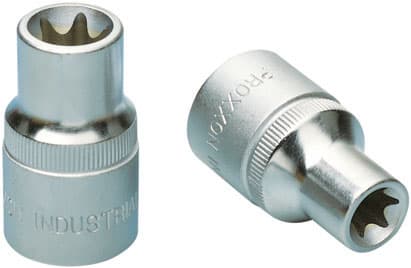
Proxxon 23380 External torx, torx Socket 1/2″ E 10
Proxxon Industrial · Socket Sets & Ratchets
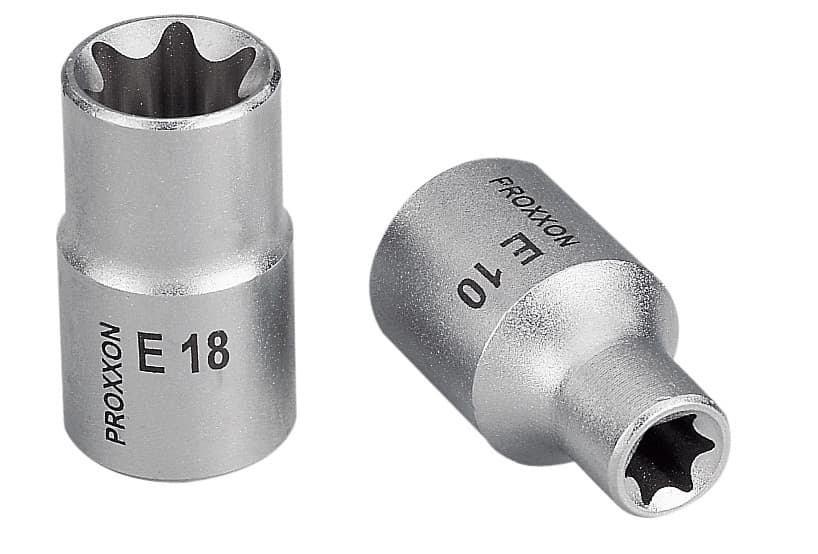
Proxxon 23382 External torx, torx Socket 1/2″ E 12
Proxxon Industrial · Socket Sets & Ratchets
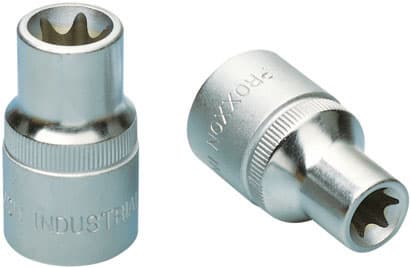
Proxxon 23384 External torx, torx Socket 1/2″ E 14
Proxxon Industrial · Socket Sets & Ratchets
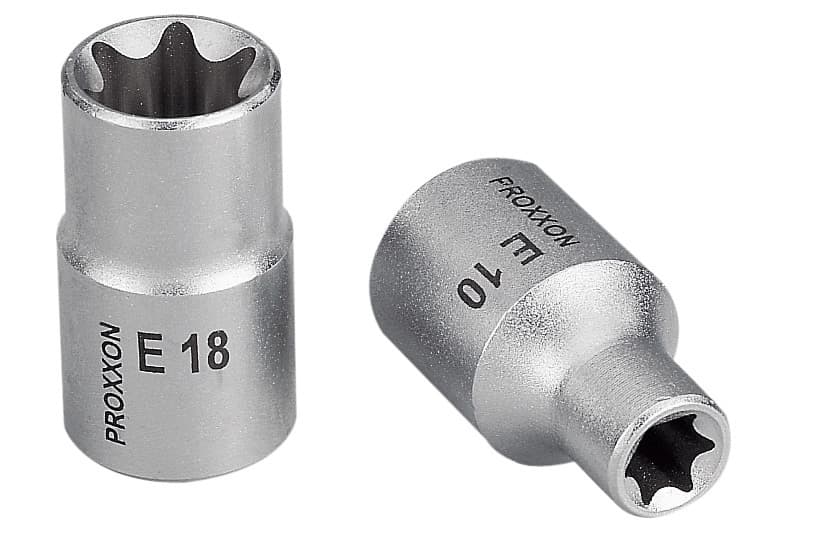
Proxxon 23388 External torx, torx Socket 1/2″ E 18
Proxxon Industrial · Socket Sets & Ratchets
1–24 of 4641 · page 1 / 194
The groups and what they do
Hand tools divide by the job: gripping and cutting, tightening and loosening, striking, and fastening. Tools within a group look alike on a listing, but jaw geometry and steel grade decide where each belongs.
| Group | Job | Figure to check | Typical use |
|---|---|---|---|
| Pliers & pincers | Gripping, bending, cutting | Jaw hardness (HRC), insulation | Electrical, assembly, maintenance |
| Side cutters | Cutting wire and cable | Cutting capacity, jaw angle | Electrical installation, electronics |
| Wrench sets | Tightening bolts | Jaw size (mm), DIN class | Machine maintenance, assembly |
| Sockets & ratchets | Fast tightening | Square drive (1/4", 3/8", 1/2") | Automotive, assembly lines |
| Screwdrivers | Driving screws | Tip type (PH/PZ/TX), VDE | Electrical panels, assembly |
| Hammers & sledges | Striking | Head weight, handle material | Construction, steelwork |
| Cable & bolt cutters | Cutting heavy sections | Cutting capacity (mm²/mm) | Electrical, rebar |
Steel grades: what CrV, CrMo and S2 mean
The steel code stamped on a tool tells you what it will take. Chrome-vanadium (CrV) is the standard for hand tools: hard, springy and reasonably corrosion resistant. Chrome-molybdenum (CrMo) is tougher and takes impact, which is why impact sockets are made of it — a CrV socket will shatter on an impact wrench.
S2 steel appears in bits and screwdriver tips: high hardness with a tip geometry that does not cam out of the screw. The rule is short — hand tightening CrV, impact CrMo, bits S2.
- CrV: pliers, wrenches, hand sockets — the general-purpose standard.
- CrMo: impact sockets and accessories — takes shock (usually a black or matt finish).
- S2: bits and screwdriver tips — hardness and tip geometry.
- Chrome plating is corrosion protection, not a hardness rating.
VDE and electrician's tools
Tools marked VDE are individually tested for work on live parts up to 1,000 V, at a test voltage above the working voltage. The mark means a documented insulation test, not simply that the handle is plastic.
Using an uninsulated tool on electrical work is not safe even where the handle looks like plastic. On VDE tools the insulation is checked by eye before every use for cracks, crushing or heat damage, and any tool with damaged insulation is taken out of service.
Wrench and socket sizing
Wrenches are numbered by jaw opening in millimetres — 10, 13, 17, 19 — and DIN 3113 defines open-end wrench geometry. Sockets are classified by square drive: 1/4" for fine work, 3/8" for general use, 1/2" where high torque is needed.
The square drive sets the maximum torque available; running a 1/4" socket off a 1/2" ratchet breaks the socket. When buying a set, check the drive matches the ratchets and torque wrenches you already have.
| Square drive | Typical torque range | Use |
|---|---|---|
| 1/4" | 2-25 Nm | Electronics, interior trim, fine assembly |
| 3/8" | 10-70 Nm | General maintenance, work on top of the engine |
| 1/2" | 40-250 Nm | Wheels, chassis, heavy assembly |
What to look for
Three marks explain most of the price difference in a listing: the steel code, the standard mark (DIN/ISO/VDE) and the finish of the working faces. The fourth is frequency of use — a higher grade pays for itself on a tool picked up dozens of times a day and is wasted on one used twice a year.
- For tools in constant use, look for CrV/CrMo and a standard mark.
- For electrical work, use VDE-marked tools only.
- Judge a set by which sizes it contains, not by the piece count.
- Working faces should be flat and parallel; a sloppy jaw rounds off bolt heads.
Supply from Seza Global
We supply Knipex, Makita, Bosch, Tomax, MTE and Best in this group, wholesale. The range runs from pliers and pincers to wrench sets, screwdrivers and socket sets — over 1,800 products across 17 groups.
For trade and bulk orders, send the model list and quantities; we come back with stock, pricing and lead time together.
Frequently Asked Questions
What is the difference between CrV and CrMo steel?
CrV (chrome-vanadium) is the standard hand-tool steel: hard and springy, ideal for hand tightening. CrMo (chrome-molybdenum) is tougher and takes impact, which is why impact sockets use it. A CrV socket on an impact wrench will shatter.
What does the VDE mark mean?
That the tool has been individually tested for work on live parts up to 1,000 V, at a test voltage above the working voltage. A plastic handle alone does not make a tool VDE.
Which square drive should I choose?
1/4" for fine, low-torque work, 3/8" for general maintenance, 1/2" for wheels, chassis and other high-torque jobs. The drive sets the maximum torque and should match the ratchets you already own.
Why does jaw hardness matter on pliers?
The hardness of the cutting edge, quoted in HRC, decides which wire it can cut. A soft edge dulls or notches on hard wire, and where no hardness figure is given the cutting capacity is unknown too.
What is the difference between PH and PZ tips?
Phillips (PH) and Pozidriv (PZ) look similar but the recess geometry differs. A PH tip in a PZ screw cams out and rounds the recess; the extra tick marks on the screw head identify PZ.
How are wrenches numbered?
By jaw opening in millimetres — a 13 wrench has a 13 mm opening. DIN 3113 defines the geometry of open-end wrenches.
Does piece count matter when buying a tool set?
Which sizes are in it matters more. A 100-piece set can be mostly bits; check the wrench and socket sizes you actually use are included.
Are chrome-plated tools stronger?
No. Chrome plating resists corrosion and makes cleaning easier; strength comes from the steel grade and heat treatment.
Do impact wrenches need special sockets?
Yes. Impact sockets (CrMo, usually black) are made for it. Bright chrome hand sockets can shatter under impact.
How do wholesale and trade accounts work?
Send the model list and quantities and we will return stock, wholesale pricing and lead time together. For businesses ordering regularly we can also share dealer terms.