Categories
Wrench Sets
Wrench sets are the basis of tightening and loosening bolts. Two things decide the choice: which sizes are in the set, and how the jaw geometry grips the bolt head. The range here covers combination, open-end, ring and hex key sets.
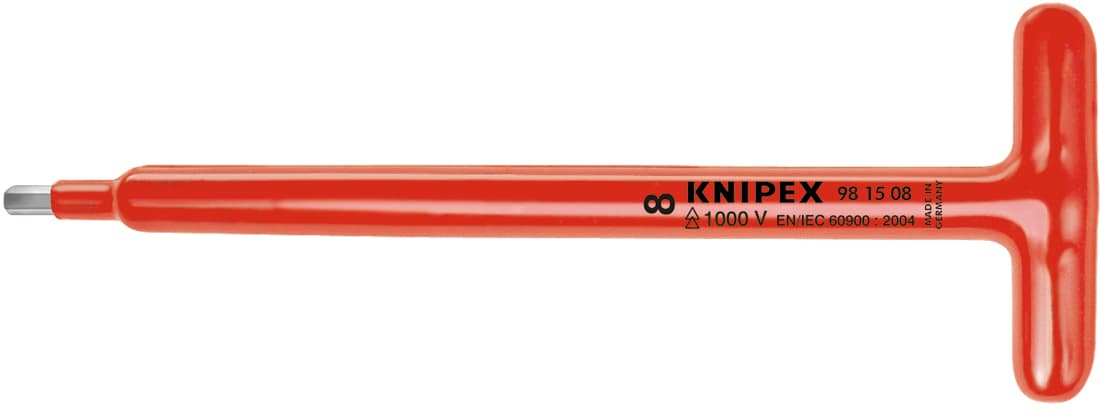
Knipex 981506 Six Corner Insulated Allen Spanner 250 mm
Knipex · Wrench Sets
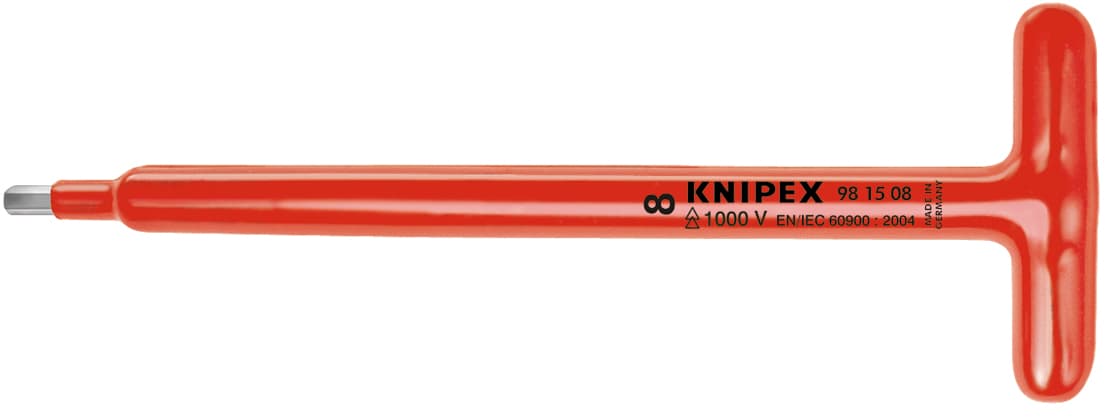
Knipex 981508 Six Corner Insulated Allen Spanner 250 mm
Knipex · Wrench Sets
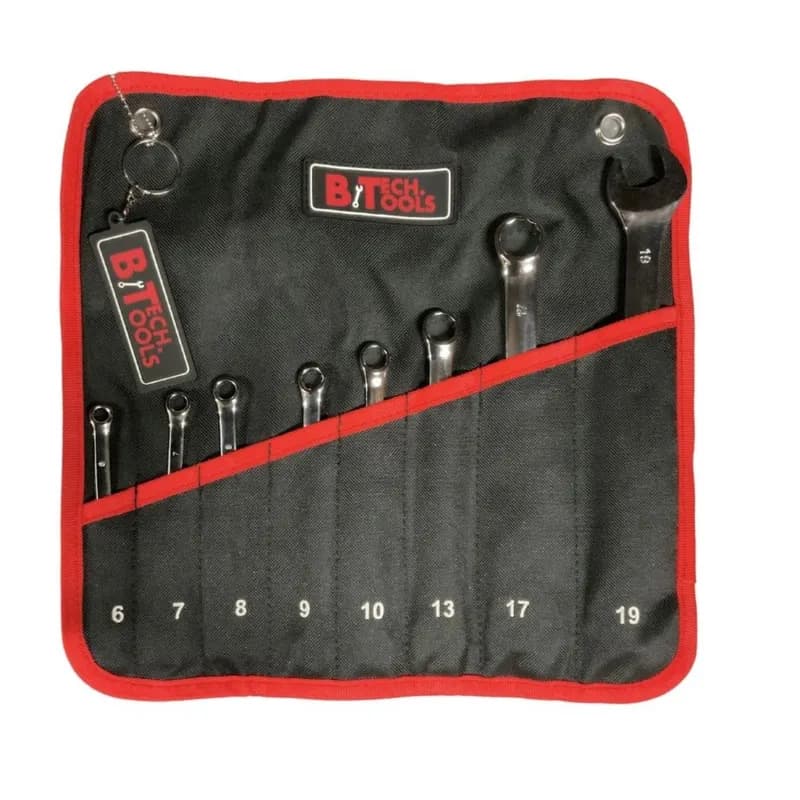
B-Tech Kombine Anahtar Takımı Uzun Boy 8 Li 507257
Wrench Sets
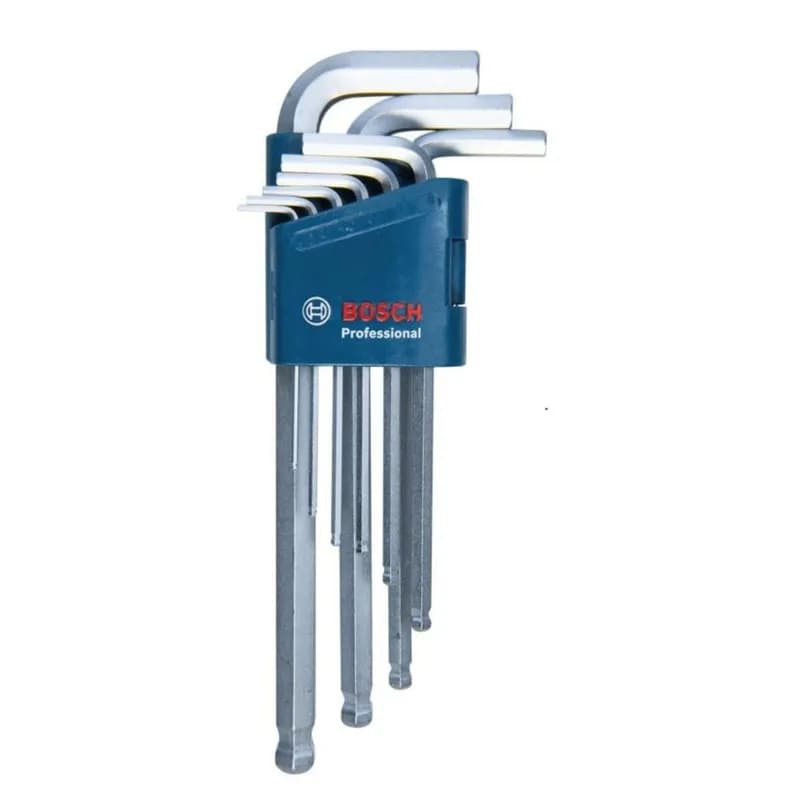
Bosch Allen Spanner Set 9-piece 1600A01TH5
Bosch · Wrench Sets
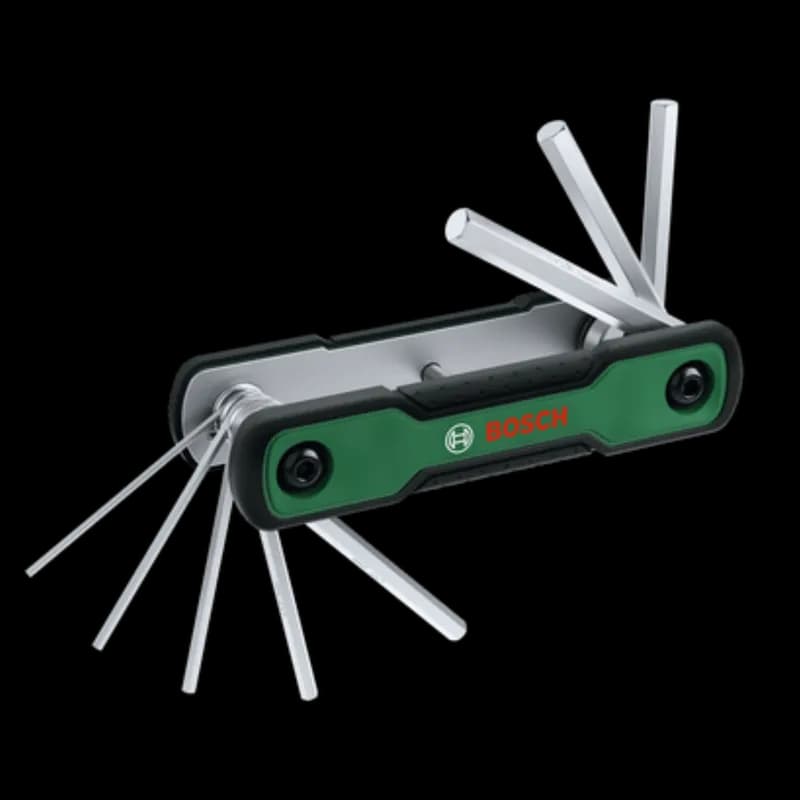
Bosch Folding Type Allen Set 8-piece 1600A039L7
Bosch · Wrench Sets
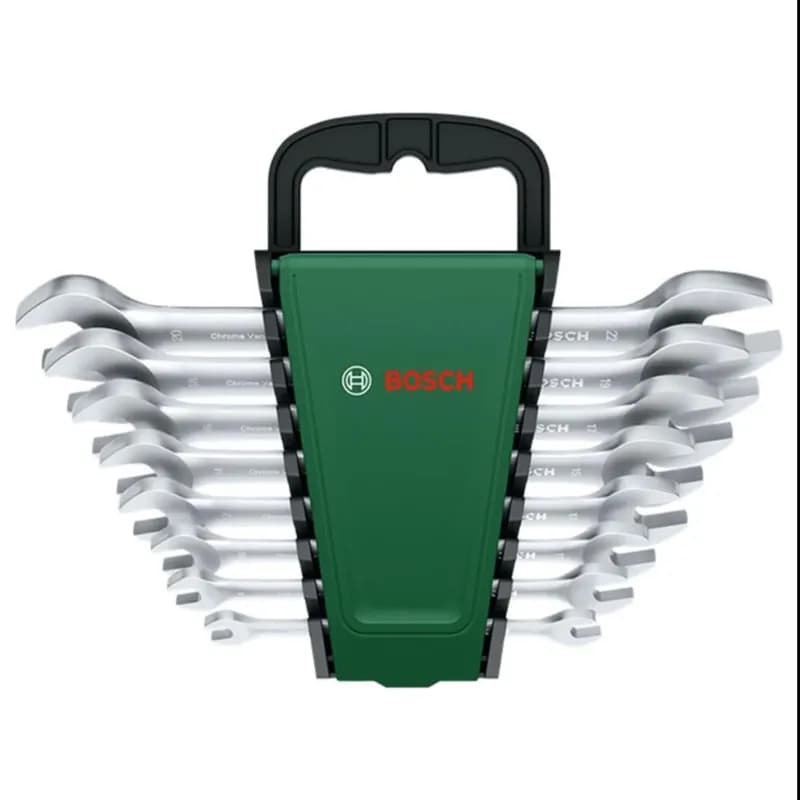
Bosch Double Open-End Spanner Set 8-piece 1600A03HM8
Bosch · Wrench Sets
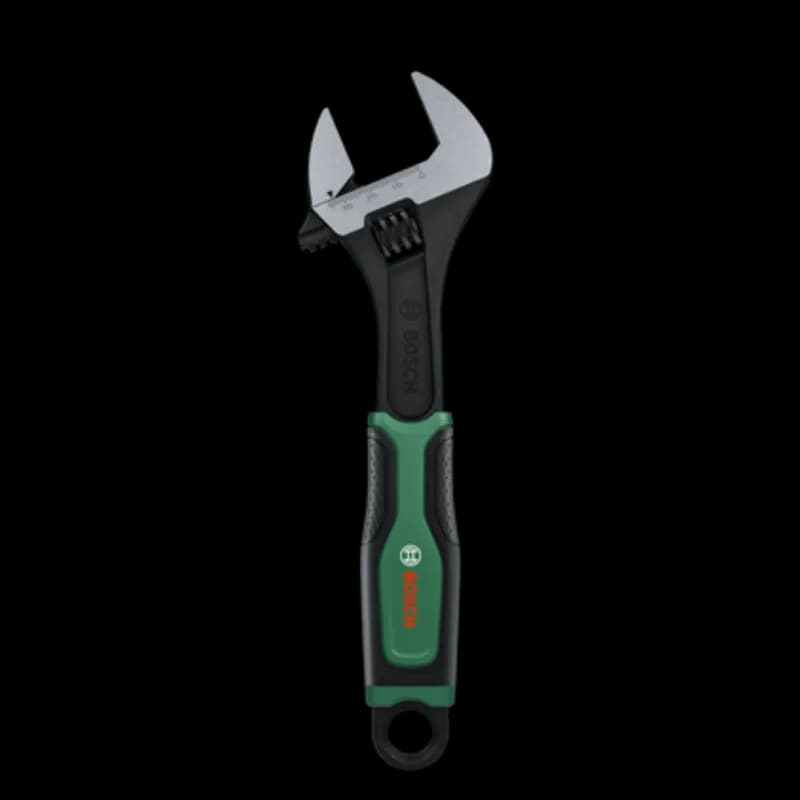
Bosch Adjustable Wrench 10" 1600A039HP
Bosch · Wrench Sets
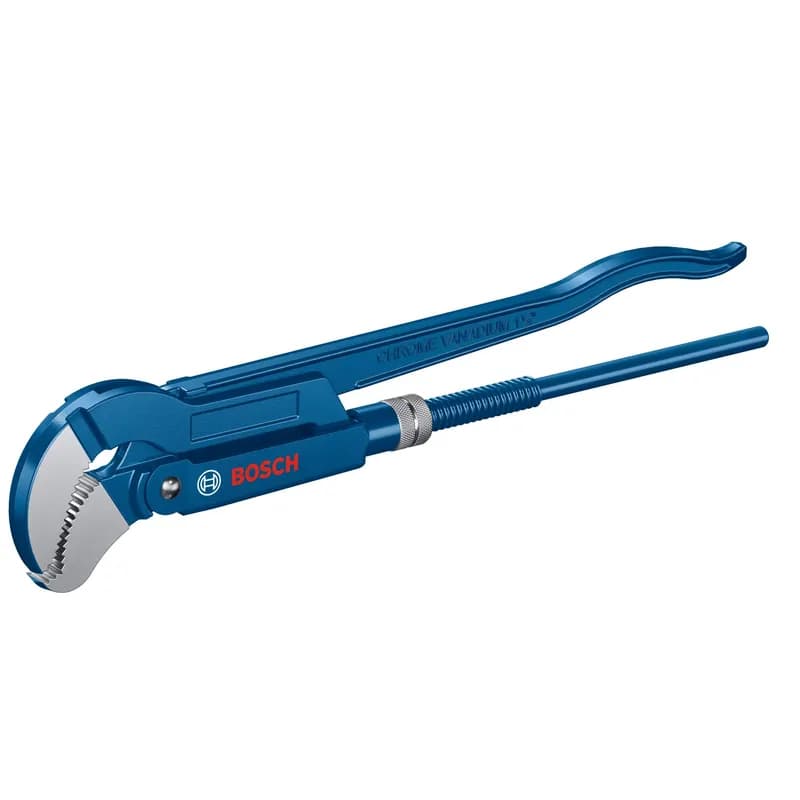
Bosch Pipe Wrench 1" 45° 1600A02W3T
Bosch · Wrench Sets
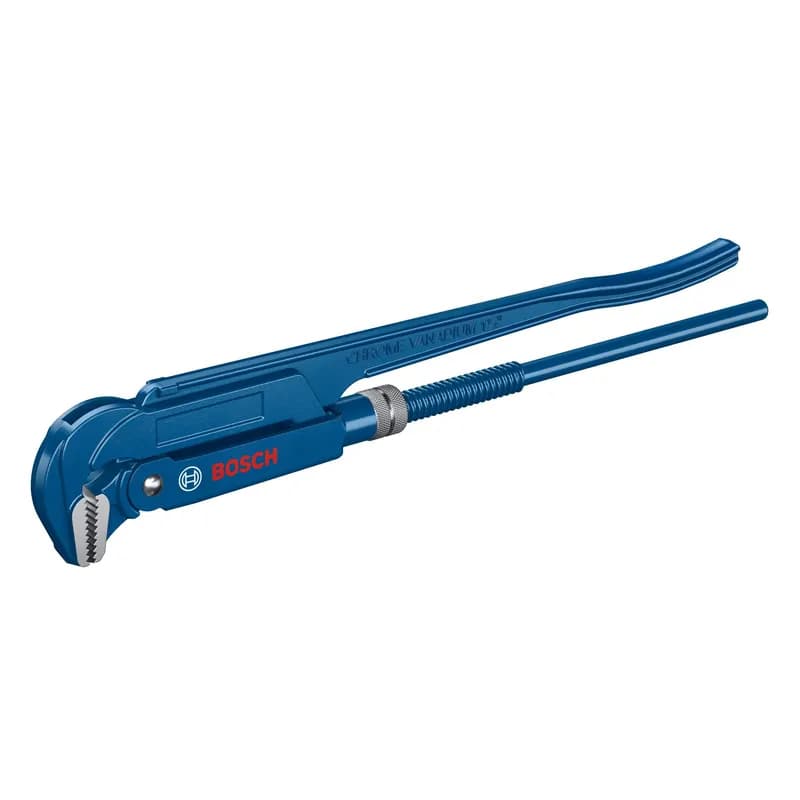
Bosch Pipe Wrench 1" 90° 1600A02W3V
Bosch · Wrench Sets
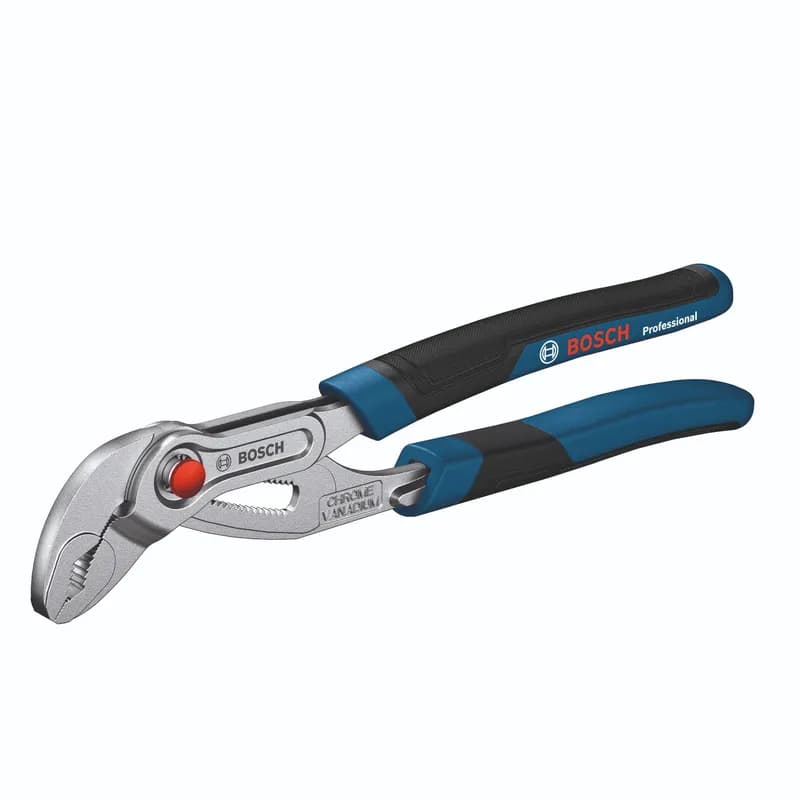
Bosch Professional Pipe Wrench 250 mm 1600A02W3N
Bosch · Wrench Sets
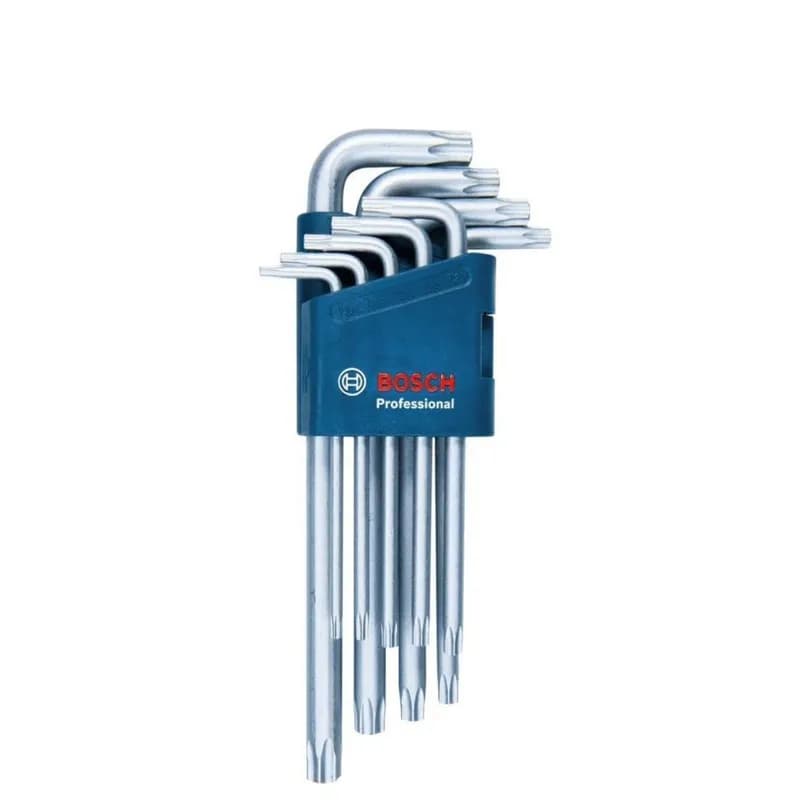
Bosch TORX Allen Spanner Set 9-piece 1600A01TH4
Bosch · Wrench Sets
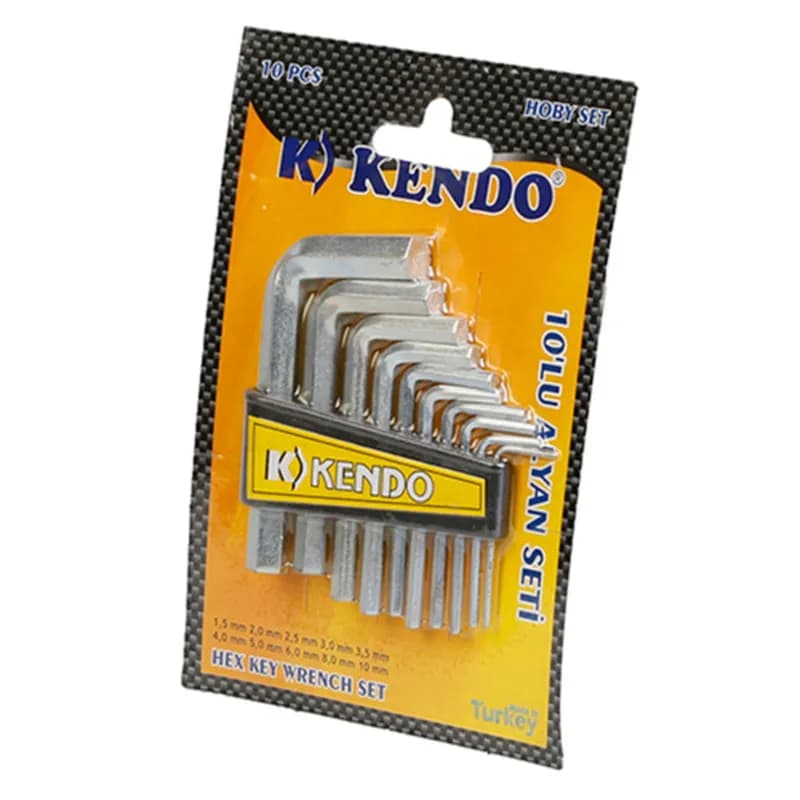
Kendo Allen Anahtar Takımı 10 Lu Kas 901
Wrench Sets
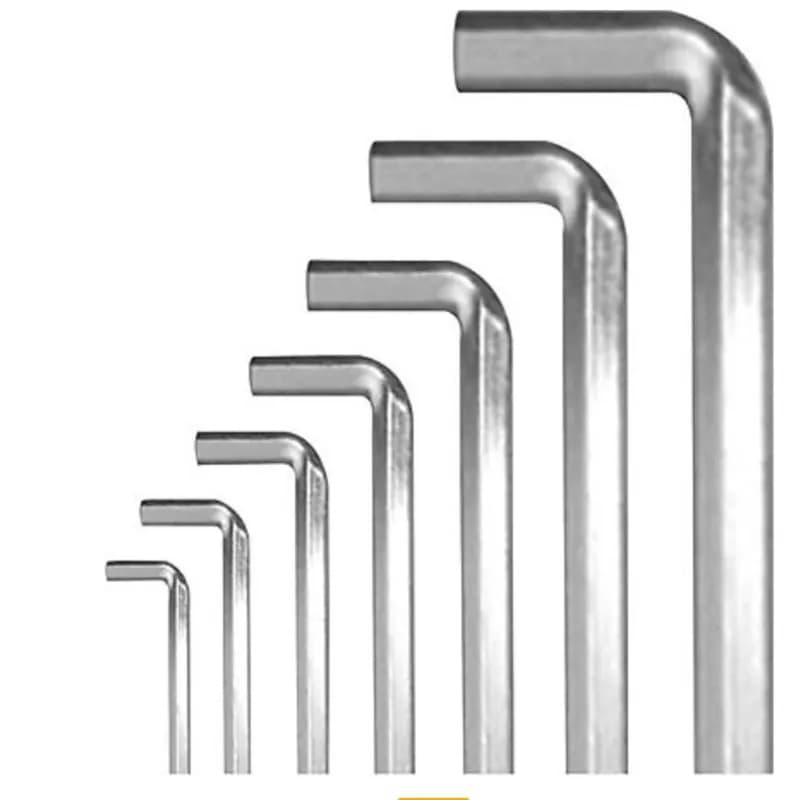
Kendo Allen Anahtar Takımı 9 Lu Kas 902
Wrench Sets
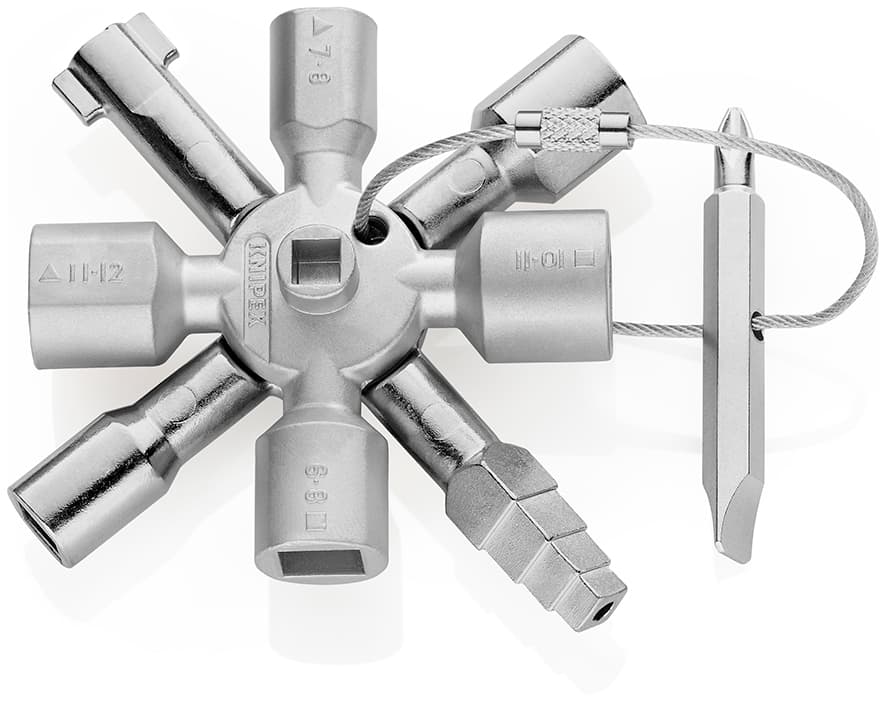
Knipex 00 11 01 Control Cabinet Key
Knipex · Wrench Sets
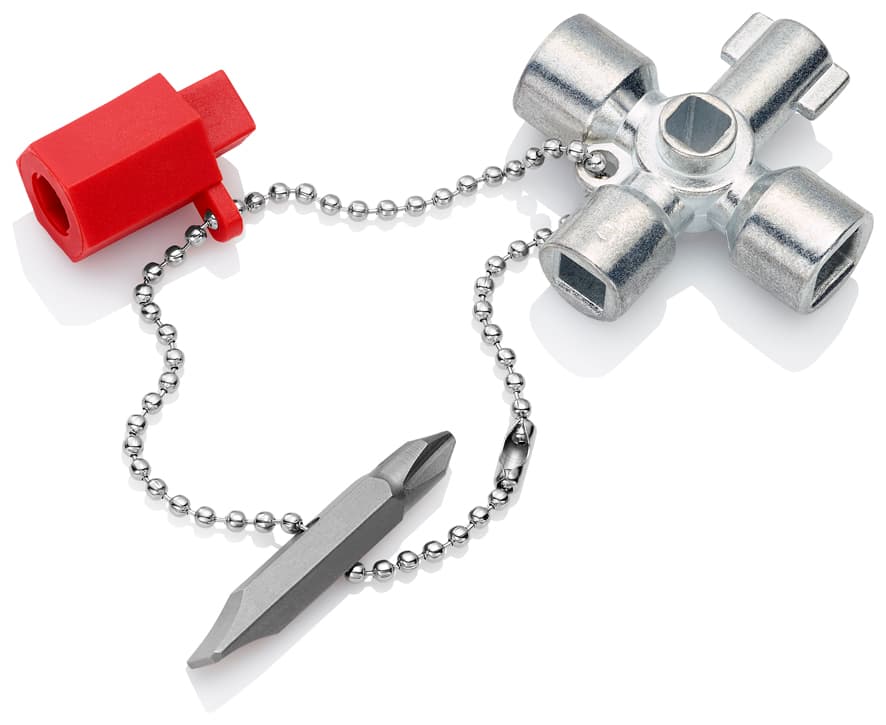
Knipex 00 11 02 Control Cabinet Key
Knipex · Wrench Sets
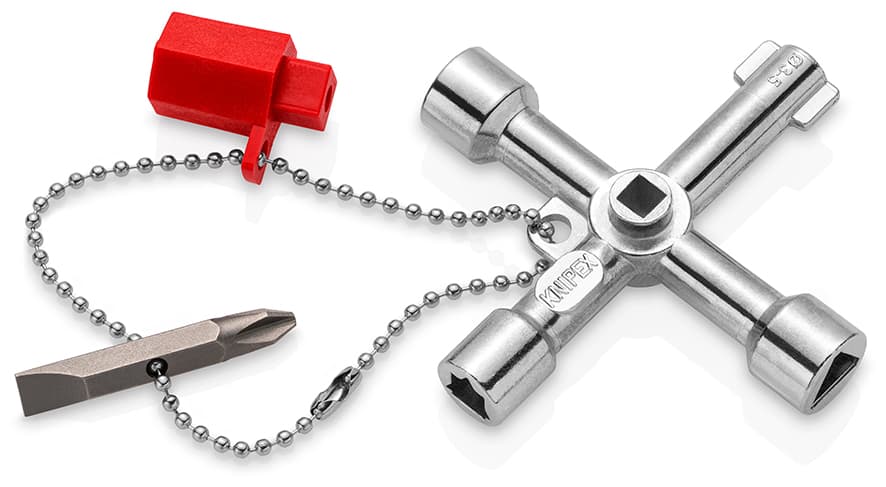
Knipex 00 11 03 Control Cabinet Key
Knipex · Wrench Sets
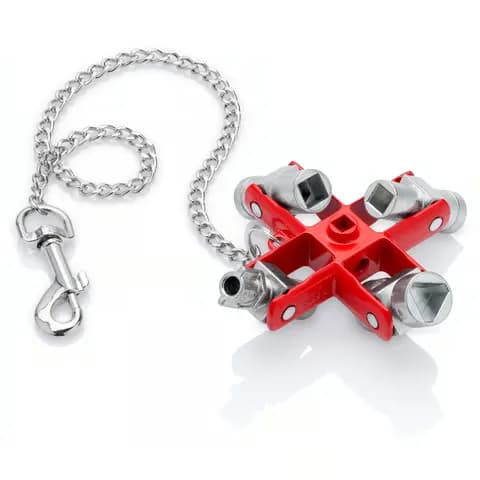
Knipex 00 11 06 Control Cabinet Key
Knipex · Wrench Sets
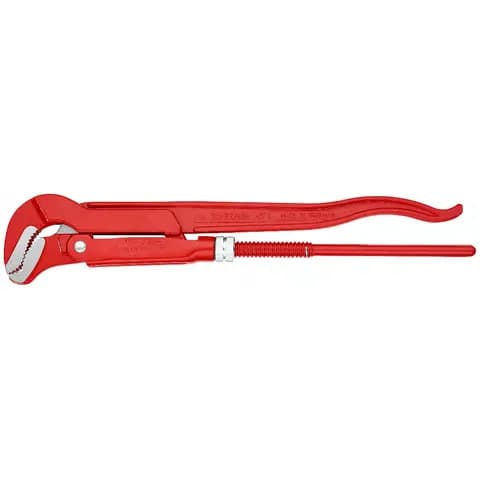
Knipex 83 30 015 Pipe Wrench
Knipex · Wrench Sets
Knipex 8330020 Pipe Spanner
Knipex · Wrench Sets
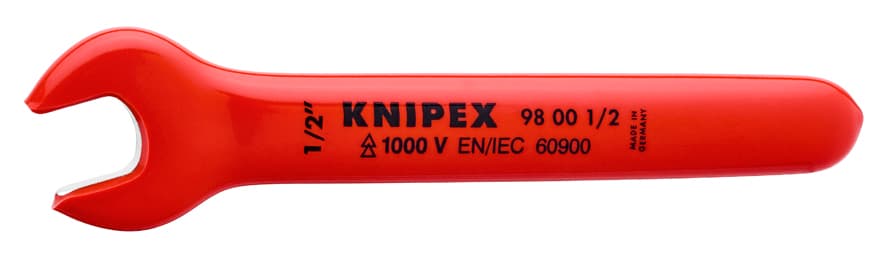
98001/2 Knipex 98 00 1/2 Open-End Wrench
Knipex · Wrench Sets
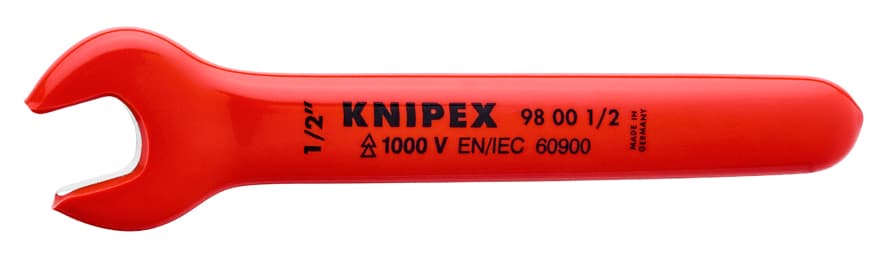
98001/4 Knipex 98 00 1/4 Open-End Wrench
Knipex · Wrench Sets
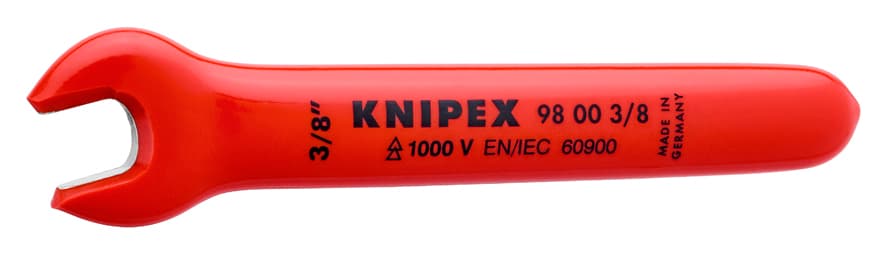
98003/4 Knipex 98 00 3/4 Open-End Wrench
Knipex · Wrench Sets
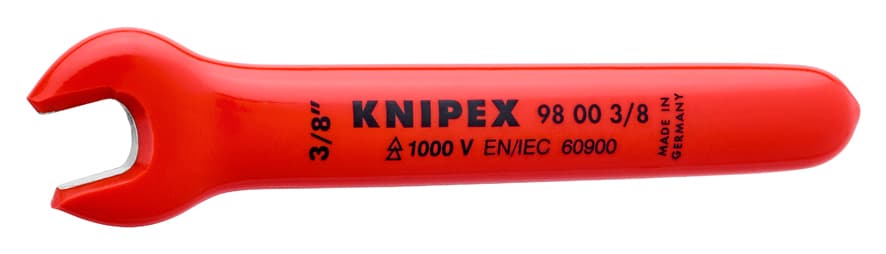
98003/8 Knipex 98 00 3/8 Open-End Wrench
Knipex · Wrench Sets
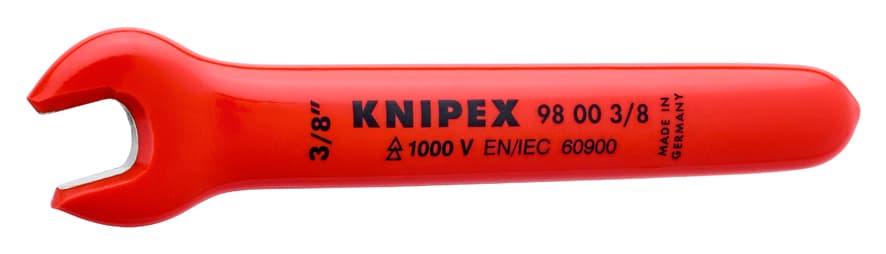
98005/16 Knipex 98 00 5/16 Open-End Wrench
Knipex · Wrench Sets
1–24 of 279 · page 1 / 12
Jaw types and torque transfer
An open-end wrench grips two faces of the bolt and slides in from the side in tight spaces, but it is also the type most likely to round a head under high torque. A ring wrench surrounds the bolt and transfers torque through six or twelve points — the versions that bear on the flats rather than the corners protect the head.
A combination wrench has one of each: start on the ring end to break the bolt free, then spin it off with the open end. Open-end geometry is defined by DIN 3113.
| Type | Grip | Strength |
|---|---|---|
| Open-end | Two faces | Tight spaces, side access |
| 12-point ring | Twelve points | Positioning at small angles |
| 6-point ring | Six faces | High torque, seized bolts |
| Hex key | Internal hexagon | Socket head screws |
Judge a set by its sizes
A set is worth what its sizes are worth, not what its piece count says. Automotive work lives between 8 and 19 mm; general machine maintenance between 6 and 32 mm.
Wrench numbers are the jaw opening in millimetres: a 13 fits a 13 mm head. Imperial fasteners need an imperial set — forcing a metric wrench onto an inch bolt damages both.
Frequently Asked Questions
What is the difference between 6-point and 12-point ring wrenches?
Twelve points allow positioning at smaller angles, which helps in tight spaces. Six points spread the torque over wider faces and are far less likely to round a seized bolt.
Why do open-end wrenches round bolt heads?
They grip only two faces, so under high torque the load concentrates on two corners. On seized bolts, use a ring end or a socket.
Which size range do I need?
8-19 mm covers most automotive work; 6-32 mm covers general machine maintenance. Choose a set by that coverage rather than by piece count.
Can I use a metric wrench on an imperial bolt?
You should not. The size difference leaves play, rounds the head and spreads the jaw. Imperial work needs its own set.
What is a ball-end hex key for?
The ball end lets you reach a screw at an angle, typically up to 25-30 degrees. Use the straight end for high torque — the ball reduces the contact area when angled.
How should a wrench set be stored?
Dry, and preferably in its own case. Chrome plating slows corrosion but joints and faces can still rust in a damp environment.