Categories
Metalworking Machines
Metalworking machines are the tools that bring a part to size in a workshop: the lathe works a spinning part, the mill cuts flats and slots, the drill press drills, the tapping machine threads, band and cold saws cut stock to length, and the tool grinder puts their cutters back in service. This section lists bench and workshop machines with the manufacturer's specification table and standard equipment.
Product Types
Go straight to the product type you need.
Ozco ATP16 Servo Arm Tapping Machine M2-M16
Ozco · Tapping Machines
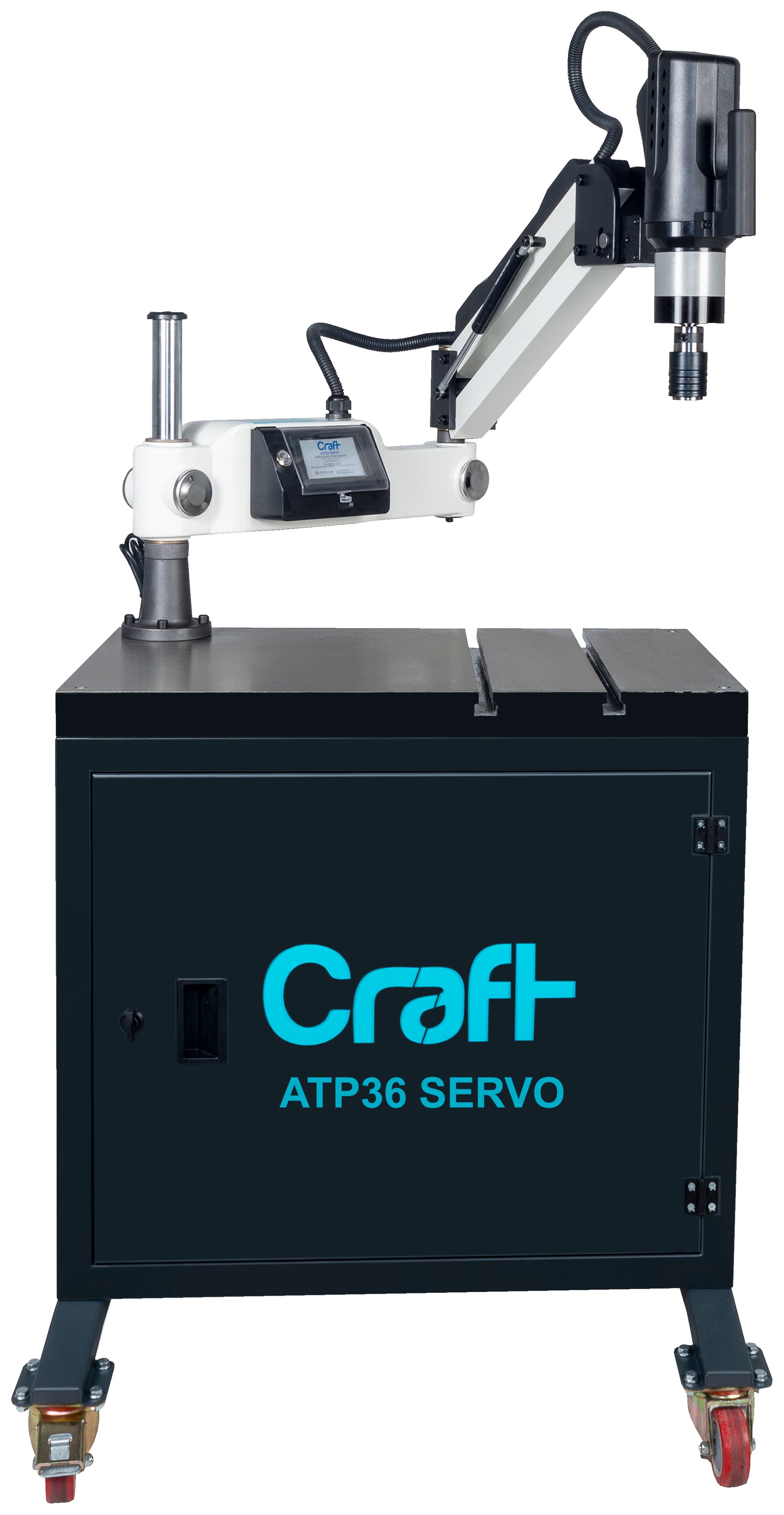
Ozco ATP36 Servo Arm Tapping Machine M5-M36
Ozco · Tapping Machines
Ozco ATP36A Servo Arm Tapping Machine M5-M36, with Coolant
Ozco · Tapping Machines
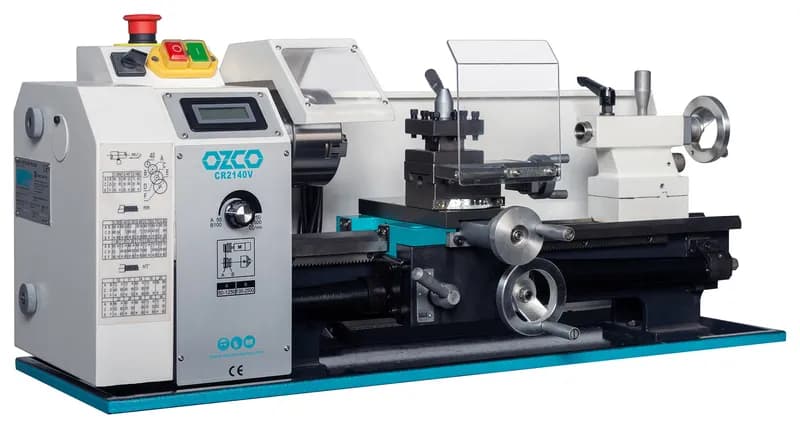
Ozco CR2140V Bench Lathe 210 x 400 mm
Ozco · Lathes
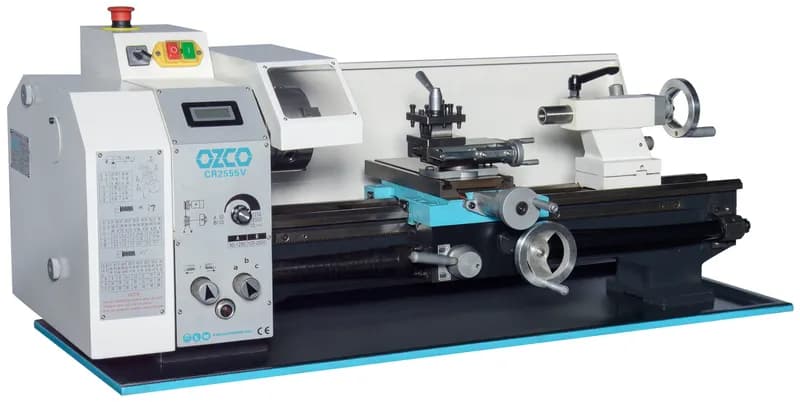
Ozco CR2555V Bench Lathe 250 x 550 mm
Ozco · Lathes
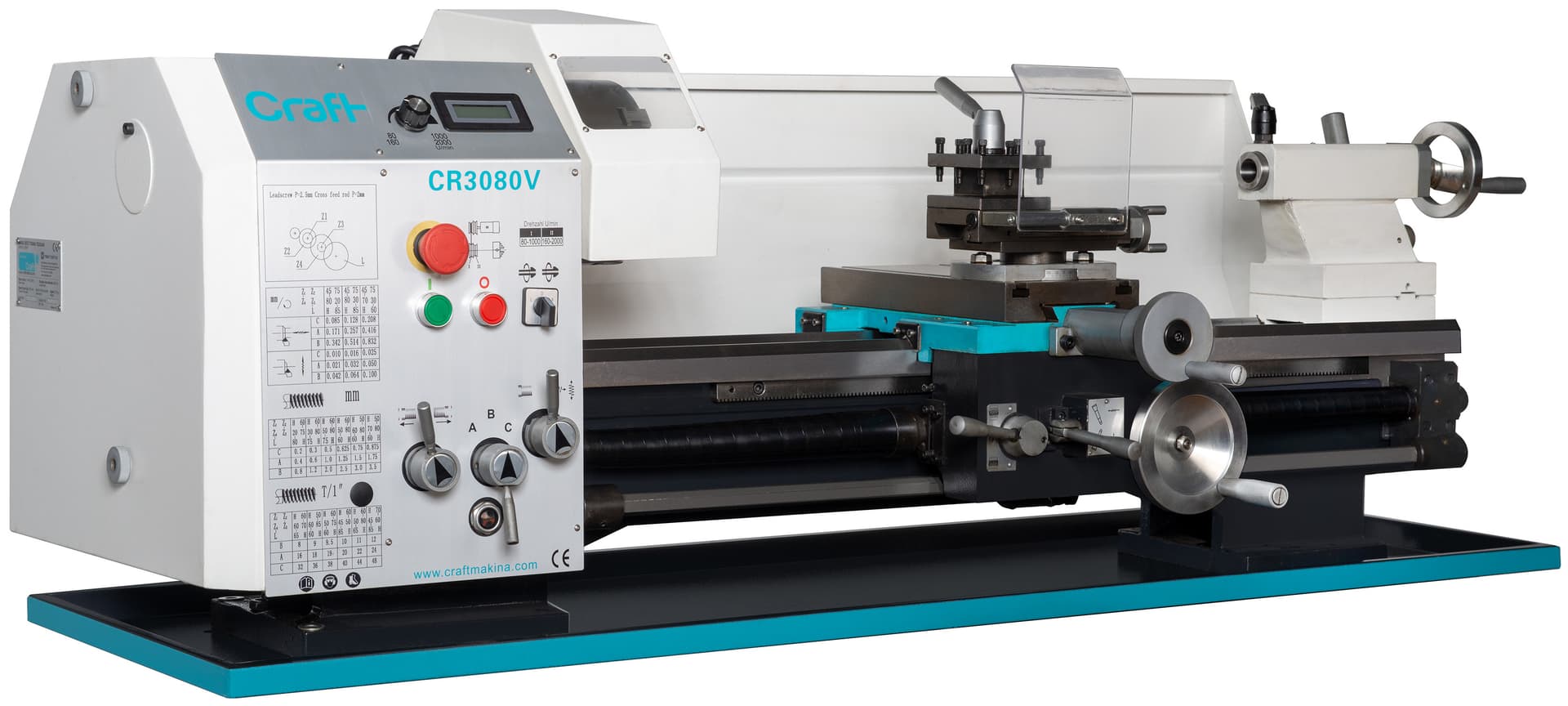
Ozco CR3080V Bench Lathe 300 x 800 mm
Ozco · Lathes
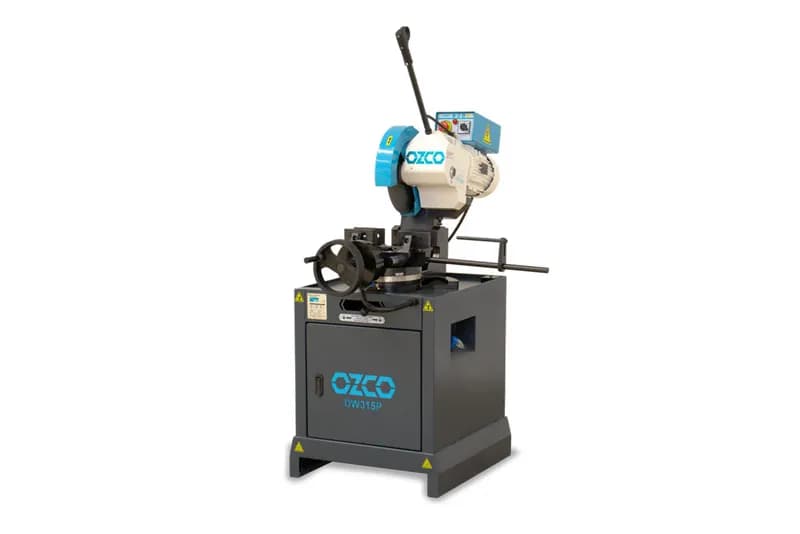
Ozco DW315P Cold Saw 315 mm, Pneumatic Vice
Ozco · Metal Cutting Saws
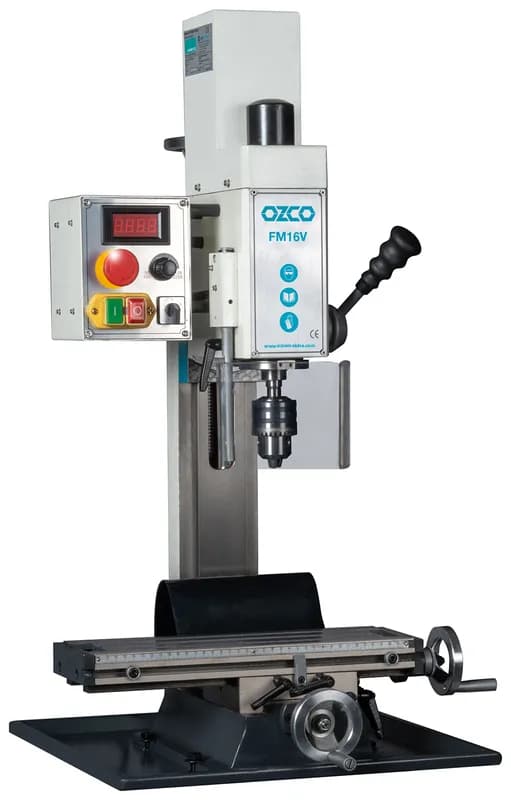
Ozco FM16V Bench Milling Machine 400x120 mm Table
Ozco · Milling Machines
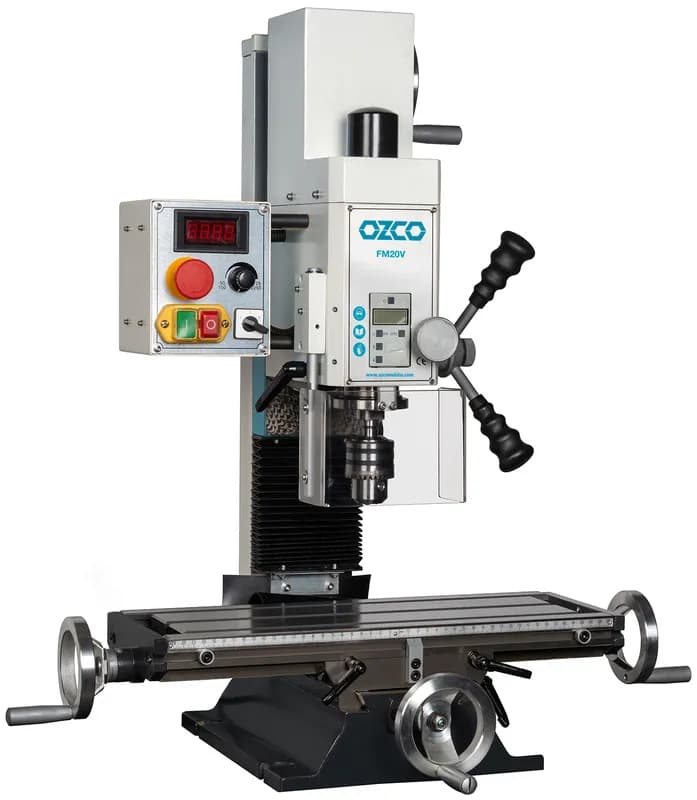
Ozco FM20V Bench Milling Machine 500x180 mm Table
Ozco · Milling Machines

Ozco FM20VLD Bench Milling Machine 700x180 mm Table, with DRO
Ozco · Milling Machines

Ozco FM30 Plus Bench Milling Machine 700x210 mm Table, with DRO
Ozco · Milling Machines

Ozco FM30V Bench Milling Machine 700x210 mm Table
Ozco · Milling Machines
Ozco FS28 Bench Milling Machine 800x240 mm Table, 12-Speed Gear Head
Ozco · Milling Machines
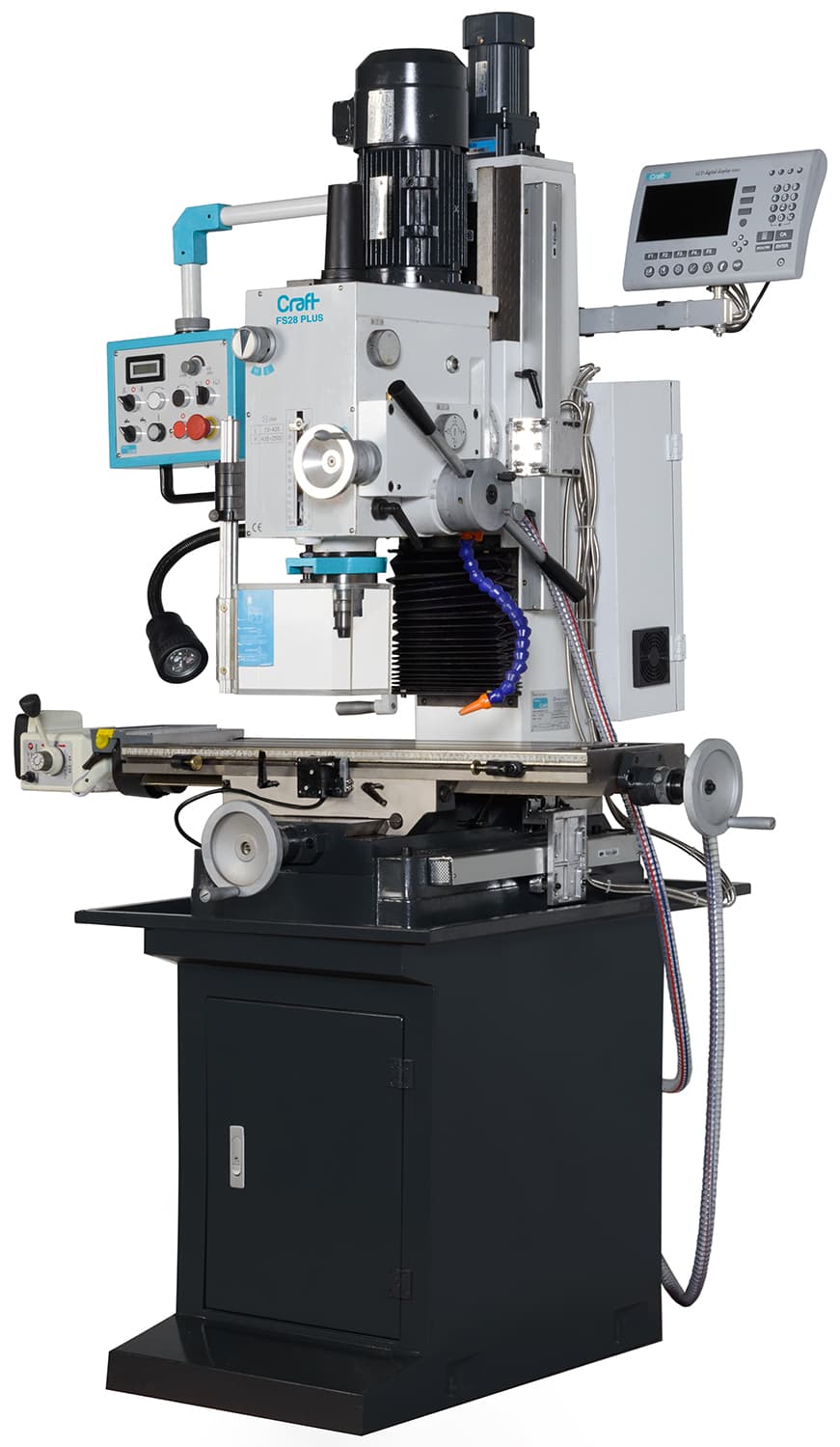
Ozco FS28 Plus Bench Milling Machine 800x240 mm Table, Power Feed X-Z
Ozco · Milling Machines

Ozco GD13R Drill Bit Grinder Ø3-13 mm, 95°-135°
Ozco · Tool Grinders

Ozco GD13T Drill Bit Grinder Ø3-13 mm, 100°-135°
Ozco · Tool Grinders

Ozco GD30 Drill Bit Grinder Ø13-30 mm, 85°-140°
Ozco · Tool Grinders
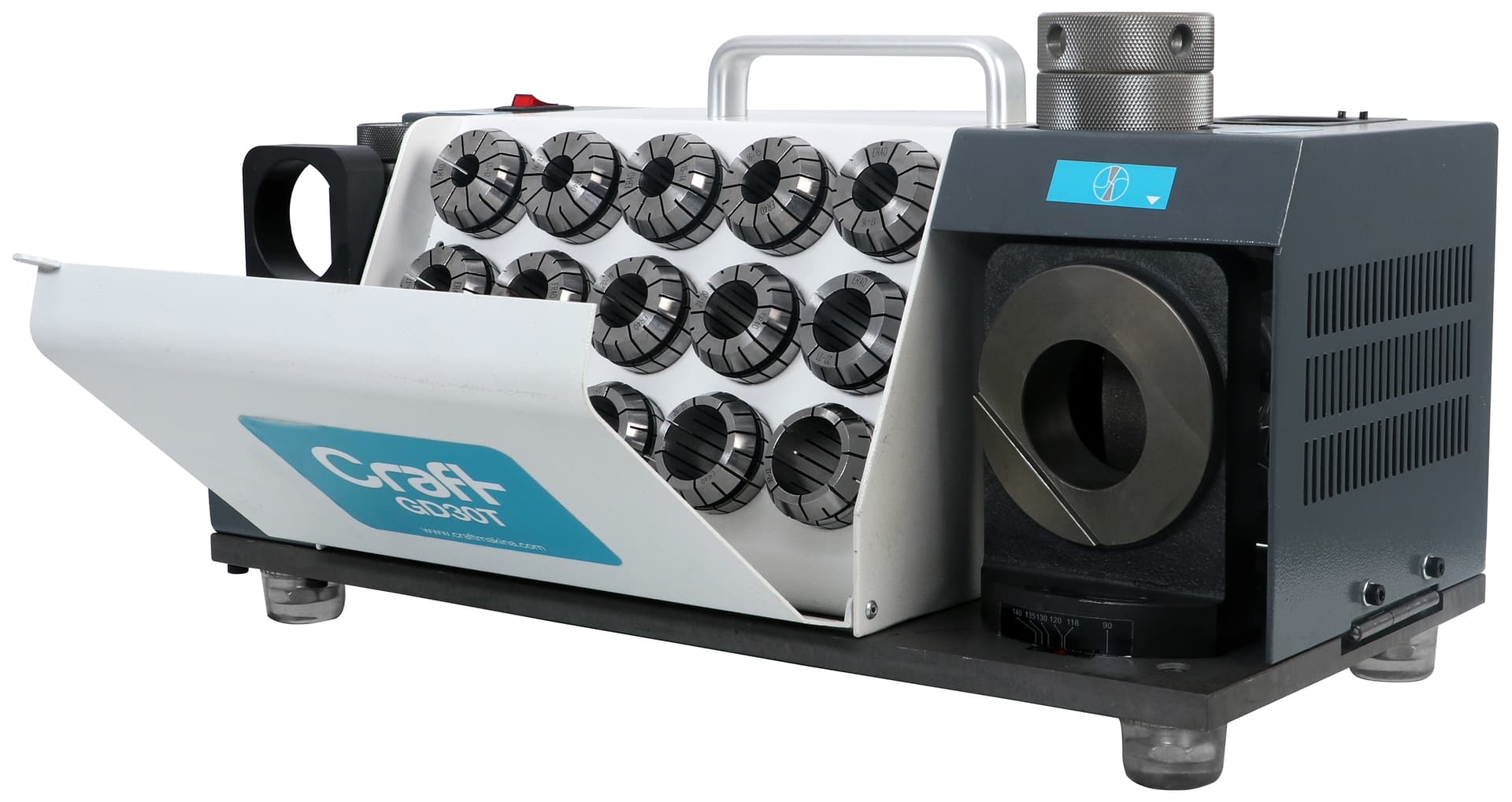
Ozco GD30T Drill Bit Grinder Ø13-30 mm, 80°-140°
Ozco · Tool Grinders
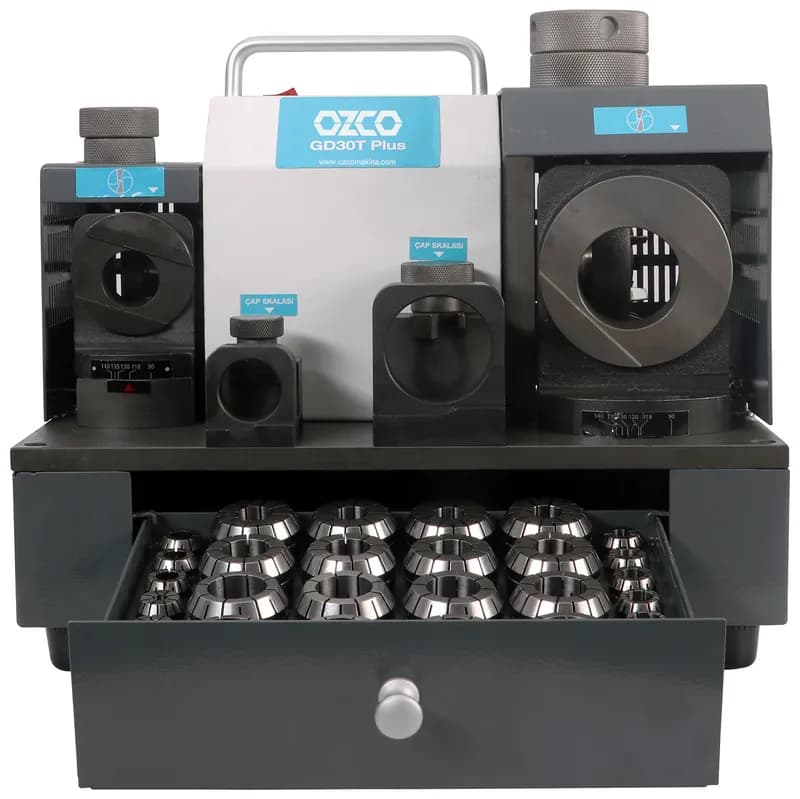
Ozco GD30T Plus Drill Bit Grinder Ø3-30 mm, 85°-140°
Ozco · Tool Grinders

Ozco GF14 End Mill Grinder Ø4-14 mm
Ozco · Tool Grinders

Ozco GF14A End Mill Grinder Ø4-14 mm
Ozco · Tool Grinders
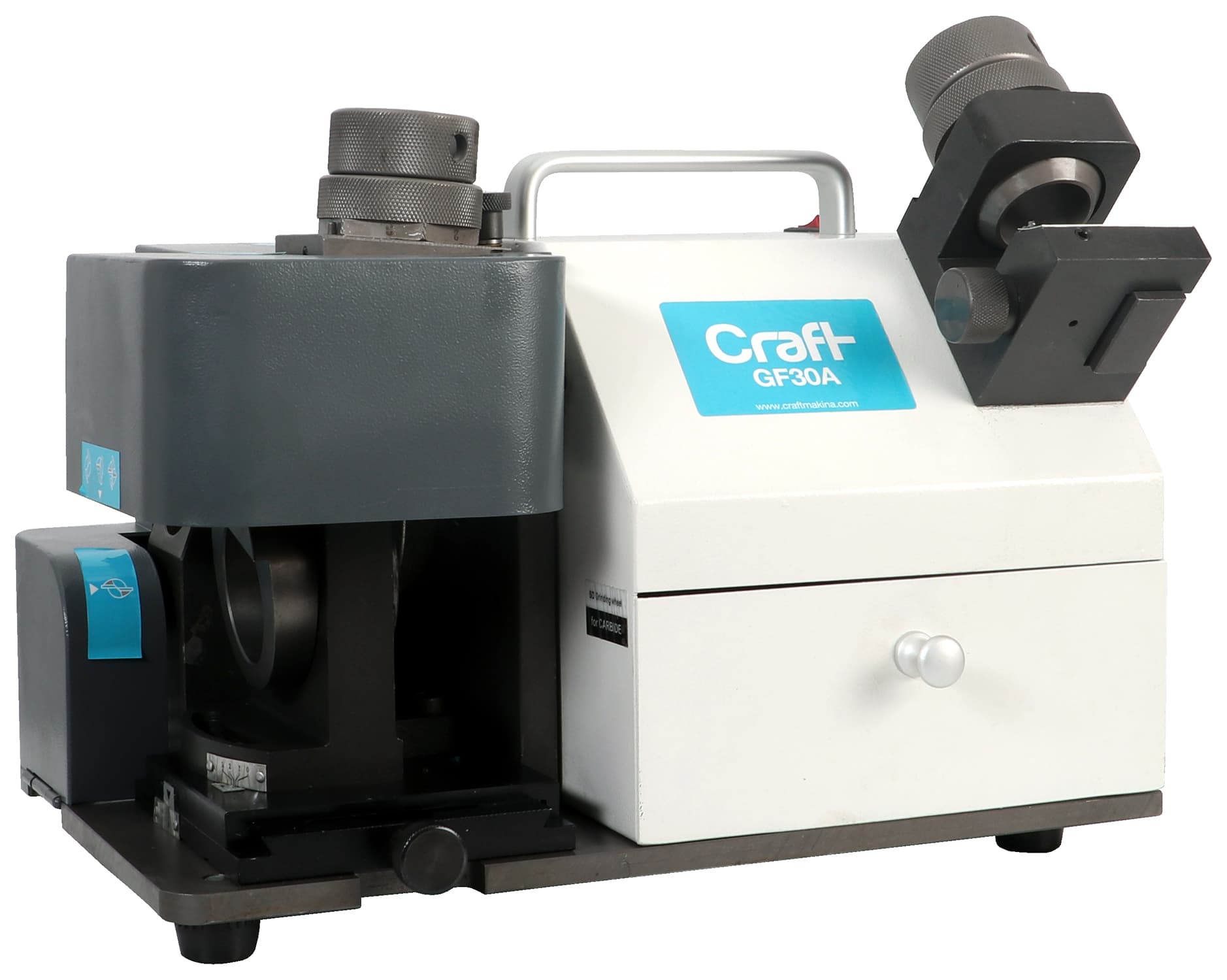
Ozco GF30A End Mill Grinder Ø12-30 mm
Ozco · Tool Grinders
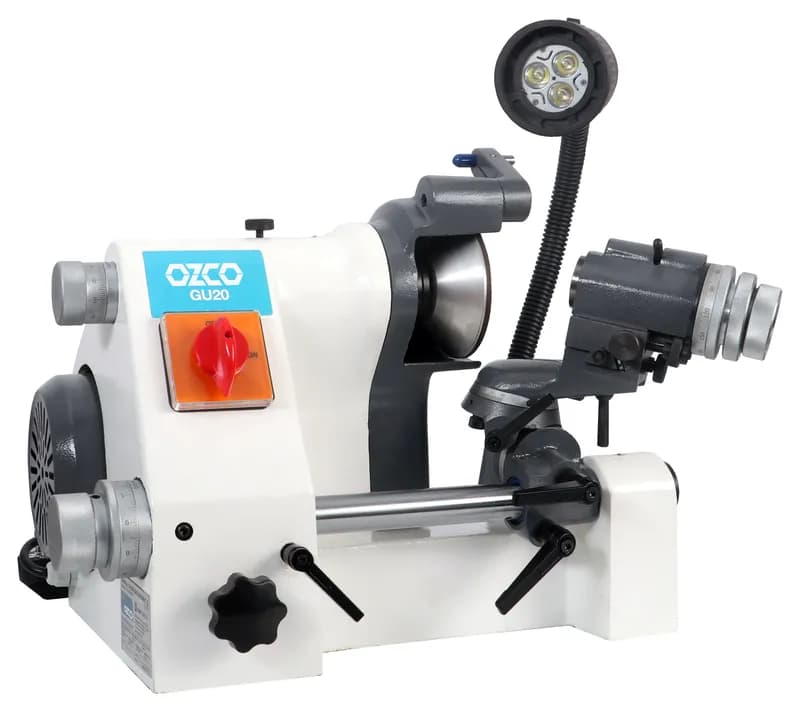
Ozco GU20 Universal Tool and Cutter Grinder Ø18 mm
Ozco · Tool Grinders
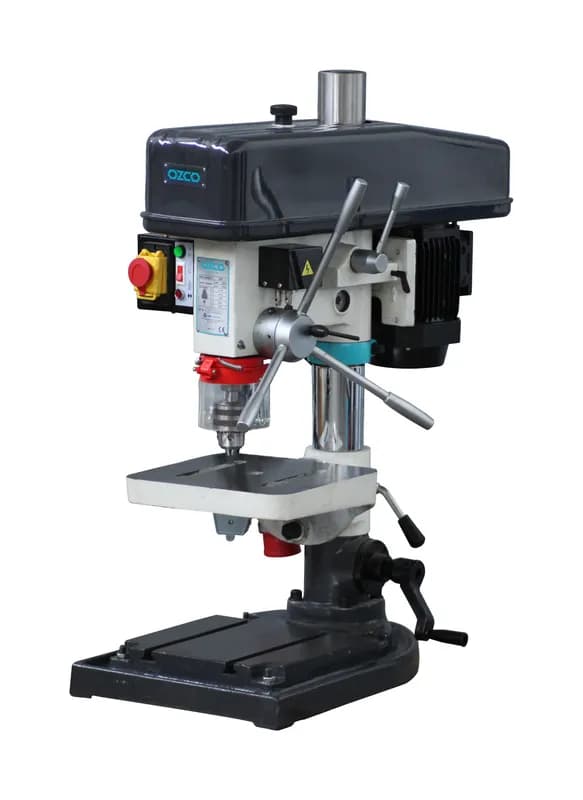
Ozco M16TP Tapping Drill Press 16 mm, M12
Ozco · Drill Presses
1–24 of 38 · page 1 / 2
Which machine for which job?
If the part turns while it is cut -- shafts, bushes, flanges, pins, threaded fittings -- you need a lathe. If the part stays still and the cutter turns -- flats, slots, pockets, keyways -- you need a milling machine. For batch work that only needs holes and threads, a drill press is both faster and cheaper than a mill.
On the cutting side the decision follows the stock. Cutting sections, tube and solid bar to length is band saw work; where tube and profile need many clean, burr-free cuts to the same length, a cold saw comes first.
A tool grinder does not make parts, but it lowers what a workshop spends on cutters: a dull drill or end mill is reground to the same geometry instead of being thrown away.
The figures to compare
Each machine type has its own capacity figure, and the specification table on every product page starts with it: swing and distance between centres on a lathe, table size and axis travel on a mill, drilling capacity and spindle-to-column distance on a drill press, capacity at 0° and at mitre on a saw, diameter range on a grinder.
Next is the spindle taper (MK2, MK3, MK4, MK5). It decides which chucks, arbors and centres fit; matching the taper of tooling already in the workshop saves reducing sleeves.
Third is the power supply. Small machines run on 230 V single phase; most large drills, mills and saws need 380-400 V three phase. Confirming the supply before the quotation saves the installation day.
Accessories and consumables
Everything that mounts on the machine -- lathe chucks, drill chucks, Morse sleeves, lathe tools, clamping kits -- is under Machine Tool Accessories; cutters such as drill bits, taps, end mills and band saw blades are under Drill Bits & Accessories. Each product page lists the manufacturer's optional accessories with their codes.
Frequently Asked Questions
What is the difference between a bench lathe and a centre lathe?
A bench lathe is set on a stand or bench and turns roughly 200-300 mm swing over 400-800 mm between centres; it is the machine of maintenance, toolroom and prototype workshops. A centre lathe stands on its own bed and works longer, heavier parts at higher removal rates.
What power supply do the machines need?
Every product's specification table gives the voltage next to the motor power. Grinders, bench lathes and small mills run on 230 V; large pillar drills, gear-head mills and hydraulic saws are 380-400 V three phase.
Are the optional accessories included?
No. Items in the standard equipment list ship with the machine; optional accessories are ordered separately by the manufacturer's code. List the codes you need when you ask for a quotation.
How are delivery and installation handled?
Lead time, freight and placing the machine depend on its weight and stock position and are stated in the quotation. The weight is in every product's specification table.