Categories
Drill Bits & Accessories
Choosing a bit is a decision made far more often than choosing a machine, and one whose result shows immediately: the right bit finishes the job in minutes, the wrong one overheats, dulls and spoils the work. This page explains the groups, what bit material and coating actually mean, and how the shank systems divide. The catalogue holds over 6,000 bits and accessories across 26 groups.
Product Types
Go straight to the product type you need.
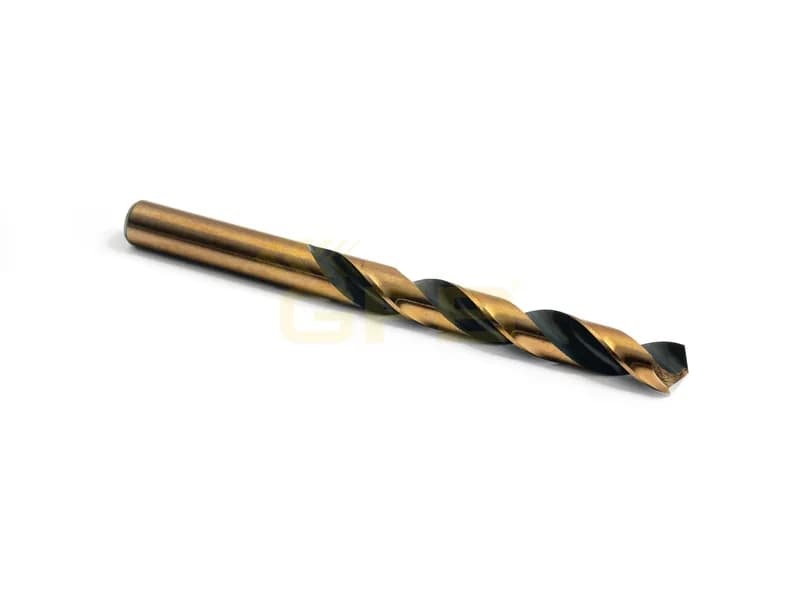 Metal Drill Bits (HSS)1,200 products
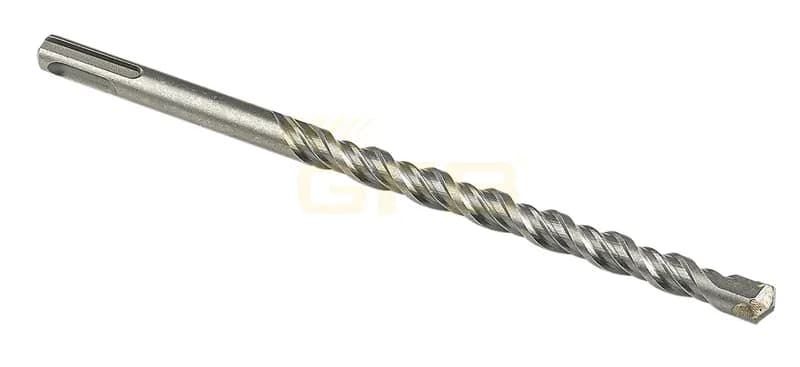 Masonry Bits (SDS Plus)853 products
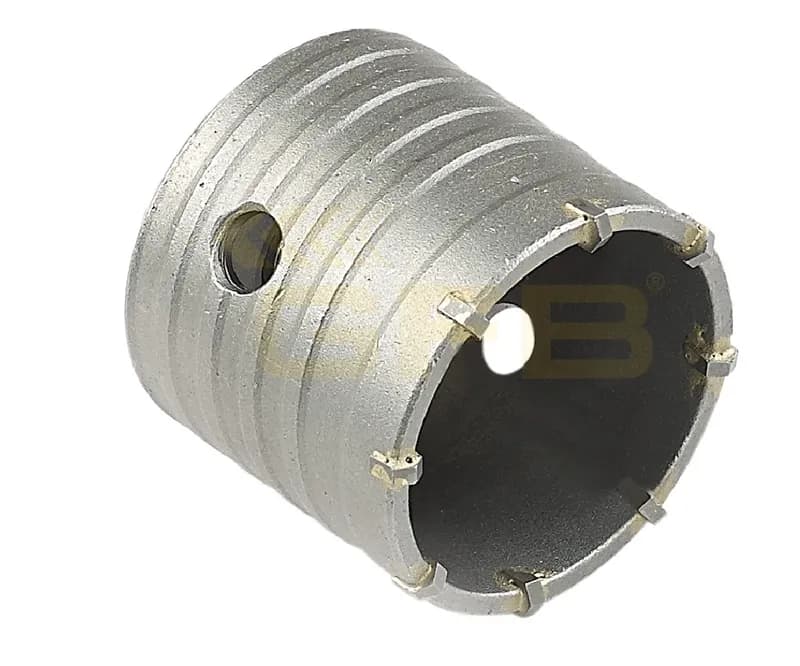 Hole Saws846 products
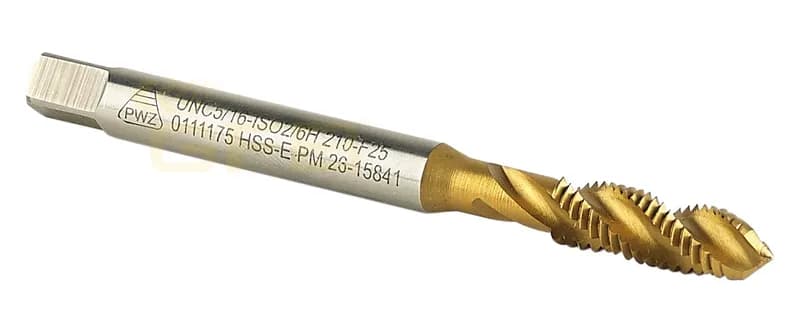 Taps & Dies541 products
 Driver Bits480 products
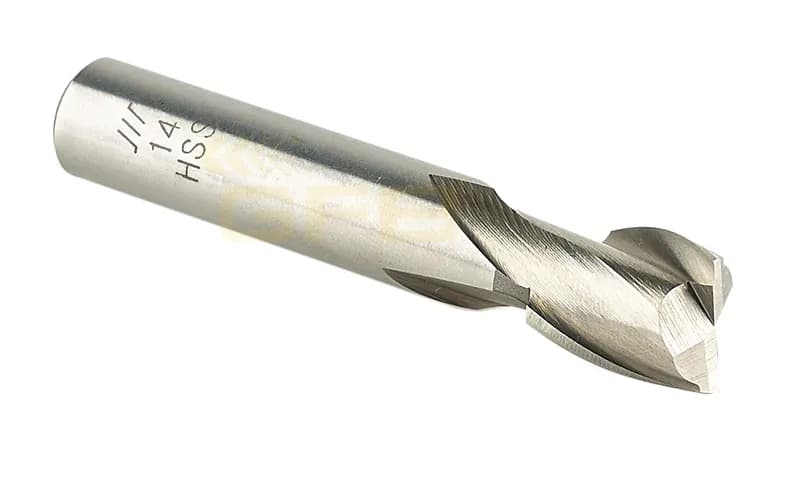 Router Bits478 products
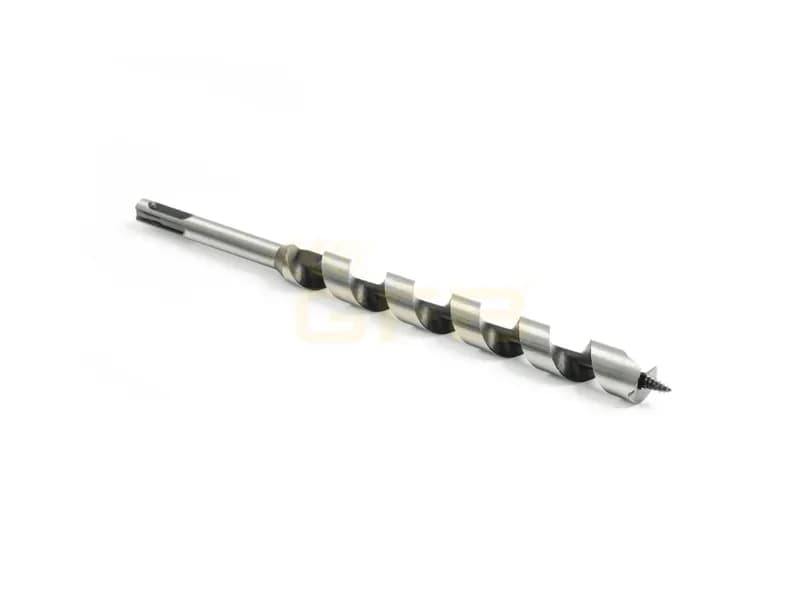 Wood Drill Bits348 products
 Power Tool Accessories341 products
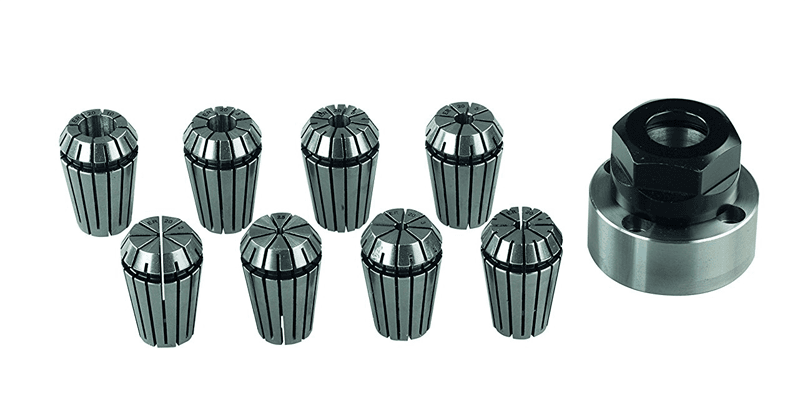 Collets290 products
 Circular Saw Blades228 products
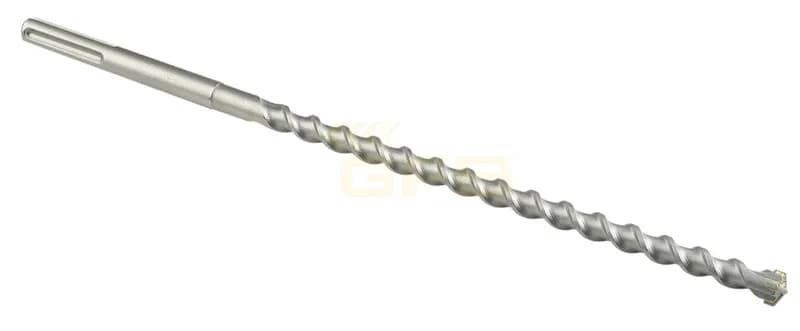 Masonry Bits (SDS Max)205 products
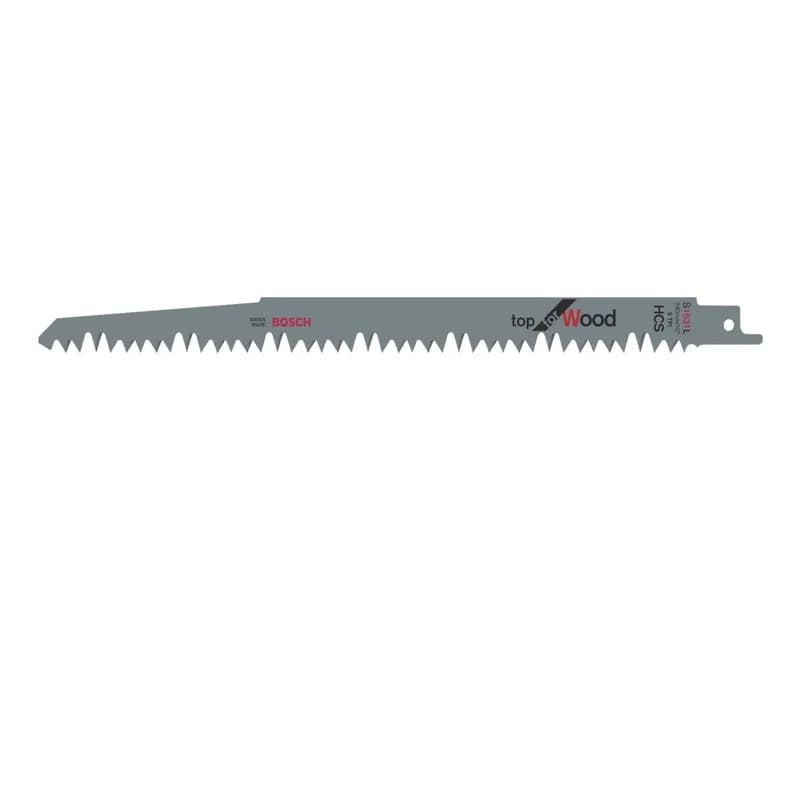 Reciprocating Saw Blades154 products
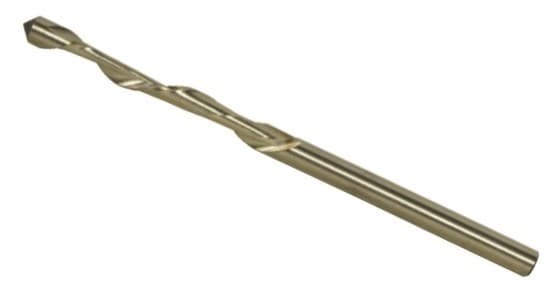 Specialty Drill Bits117 products
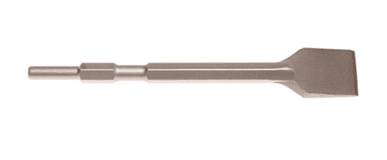 Chisels & Points (SDS)113 products
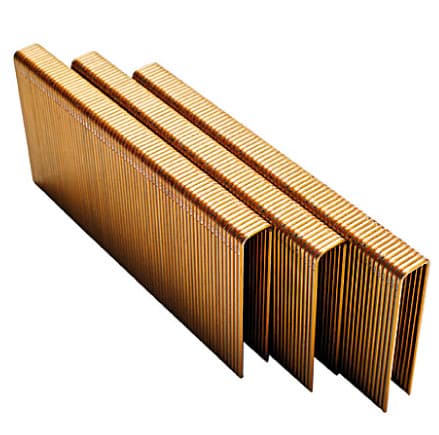 Staples & Nails103 products
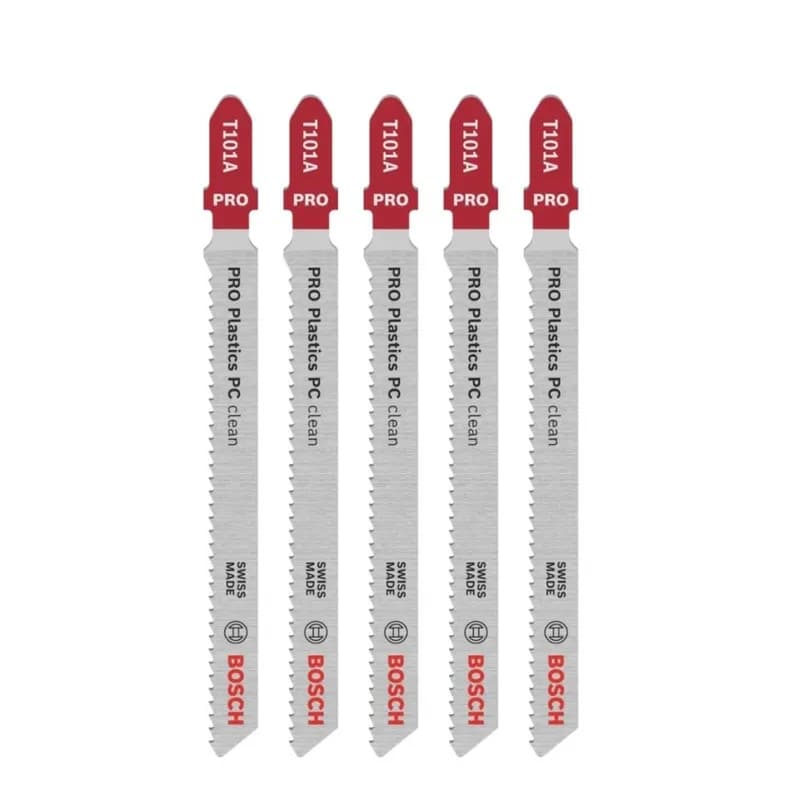 Jigsaw Blades102 products
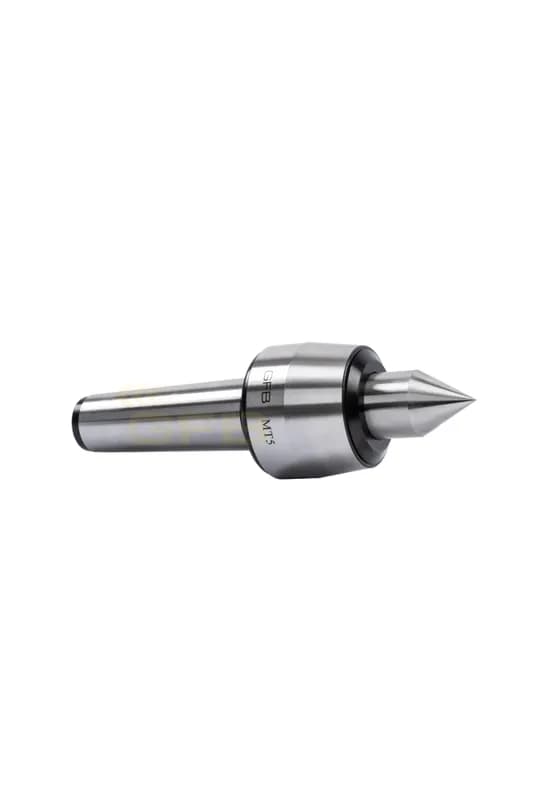 Countersinks & Centre Drills79 products
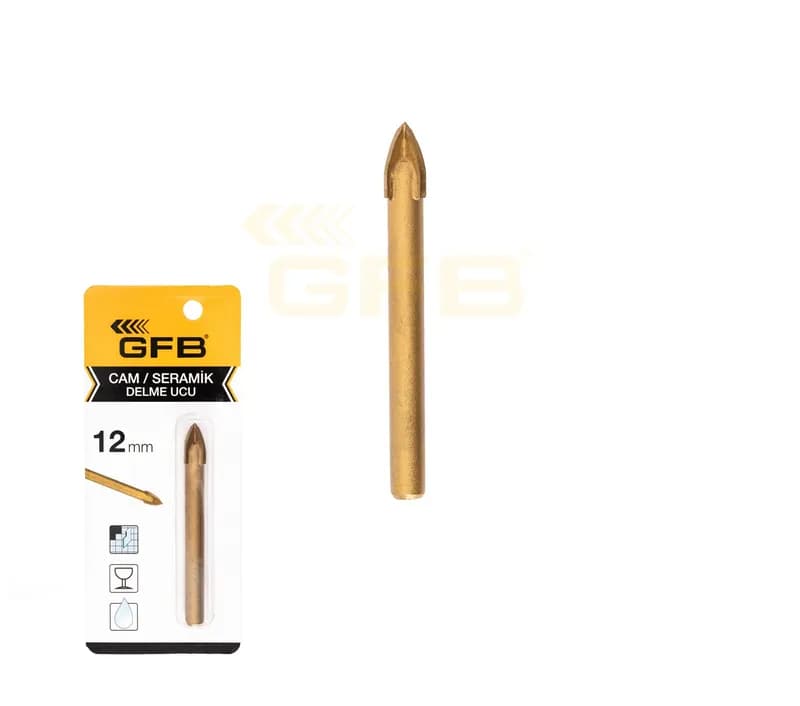 Glass & Tile Bits79 products
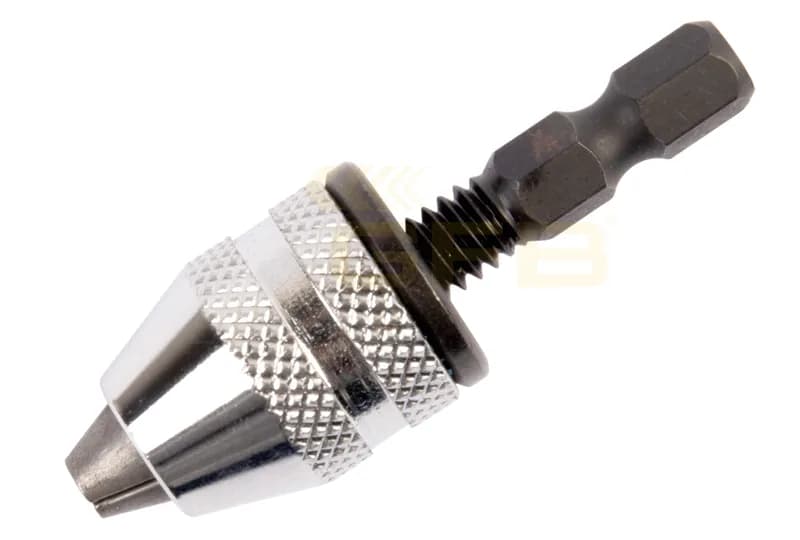 Drill Chucks77 products
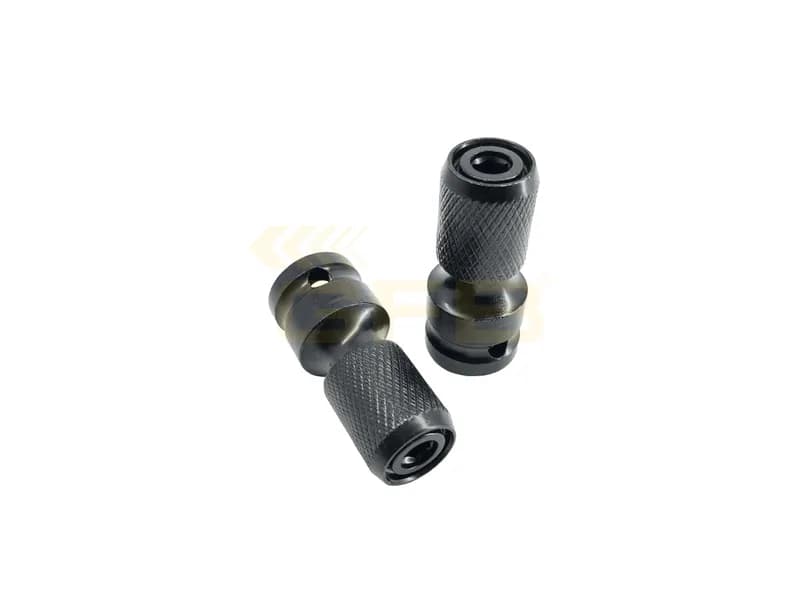 Bit Holders & Adapters76 products
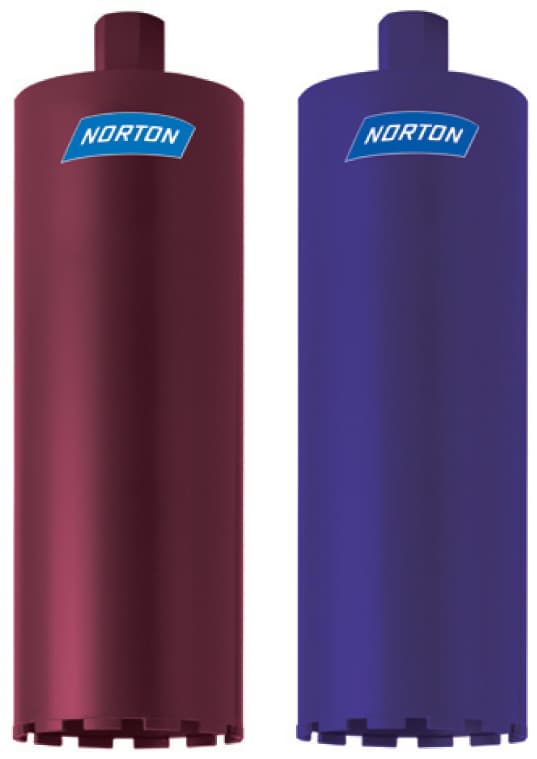 Core Bits42 products
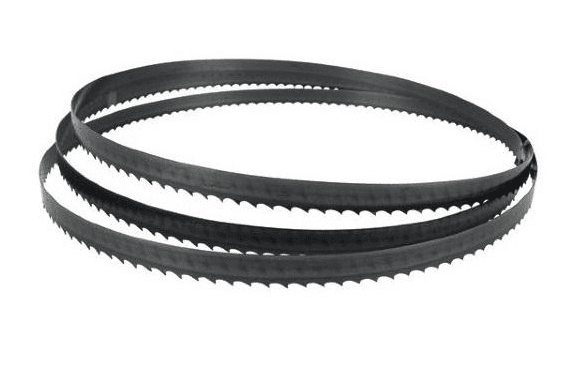 Band Saw Blades29 products
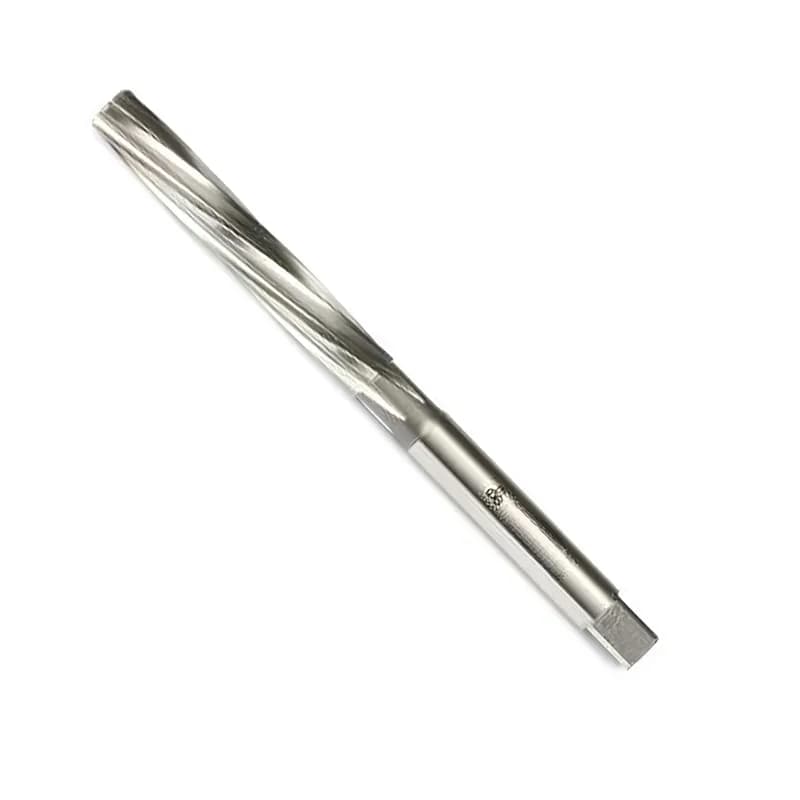 Reamers25 products
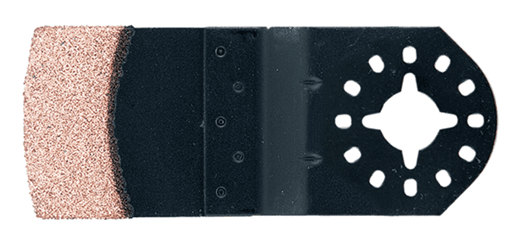 Multi-Tool Accessories21 products
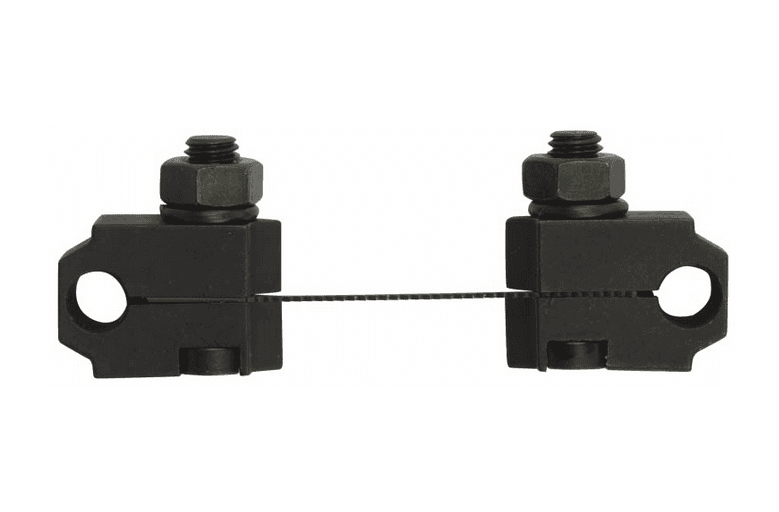 Planer Blades15 products
 Fretsaw & Scroll Saw Blades15 products
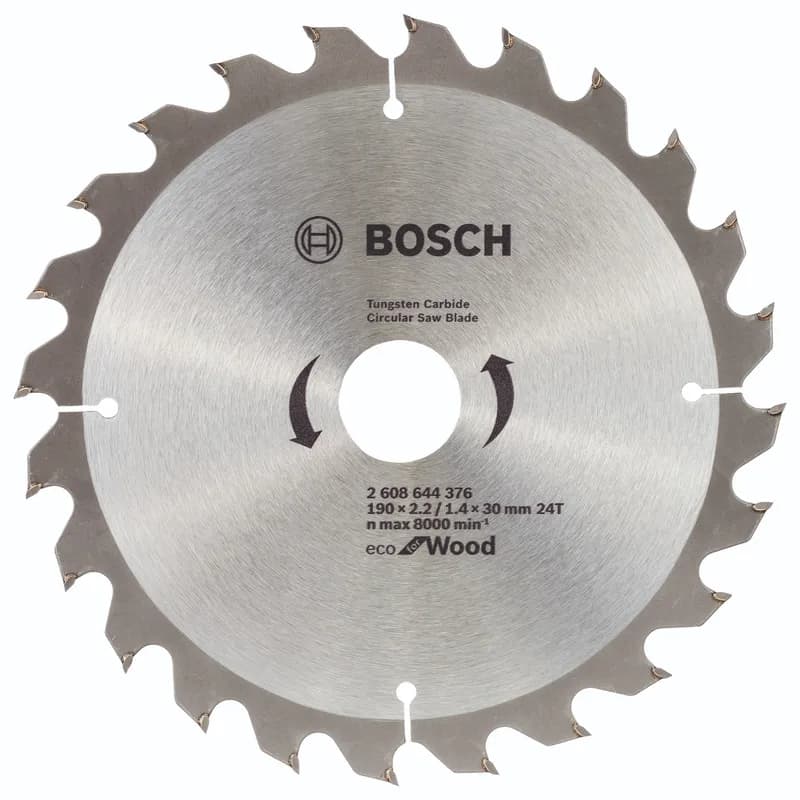 Wood Cutting Blades14 products
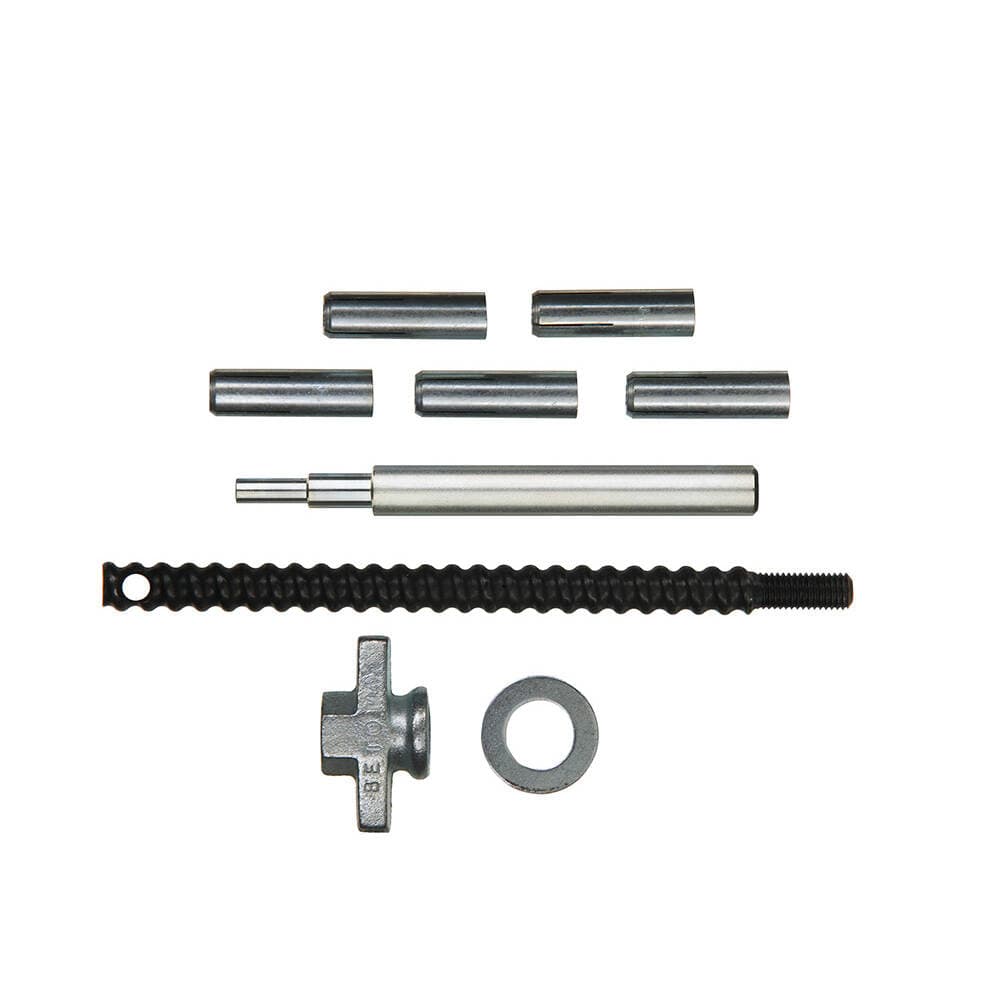 Core Drilling Accessories11 products
GFB Mini Drill Chuck 0.5-3.5 mm
GFB · Drill Chucks
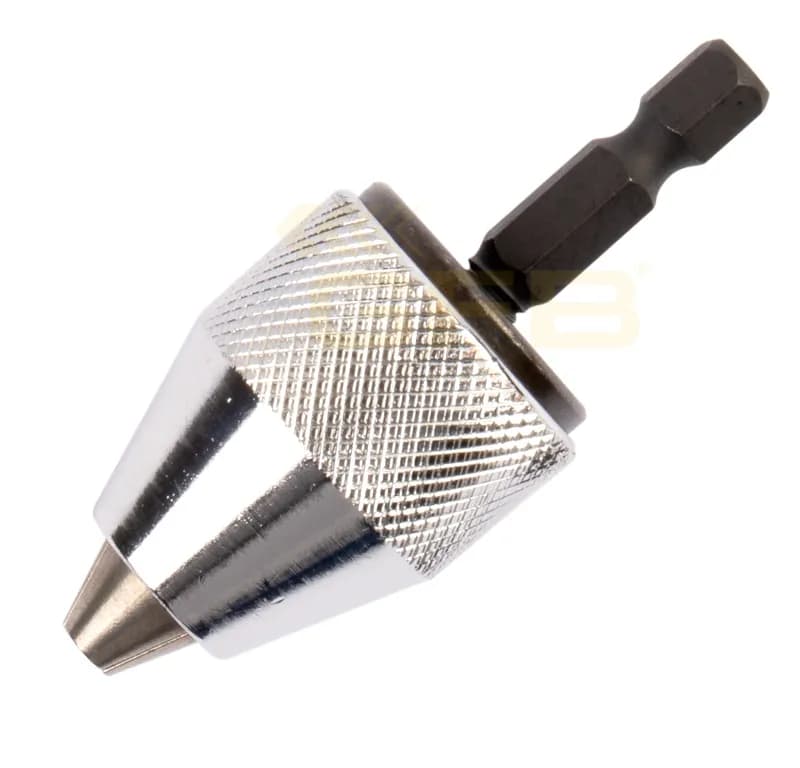
GFB Mini Drill Chuck 0.5-6 mm
GFB · Drill Chucks
GFB Super Series HSS Drill Bit 0.5 mm Black Oxide
GFB · Metal Drill Bits (HSS)
GFB Super Series HSS Drill Bit 0.6 mm Black Oxide
GFB · Metal Drill Bits (HSS)
GFB Super Series HSS Drill Bit 0.7 mm Black Oxide
GFB · Metal Drill Bits (HSS)
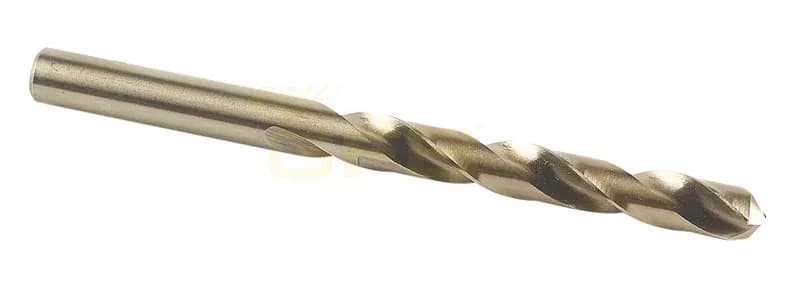
GFB Cobalt HSS-Co Drill Bit 0.7 mm Gold Series
GFB · Metal Drill Bits (HSS)
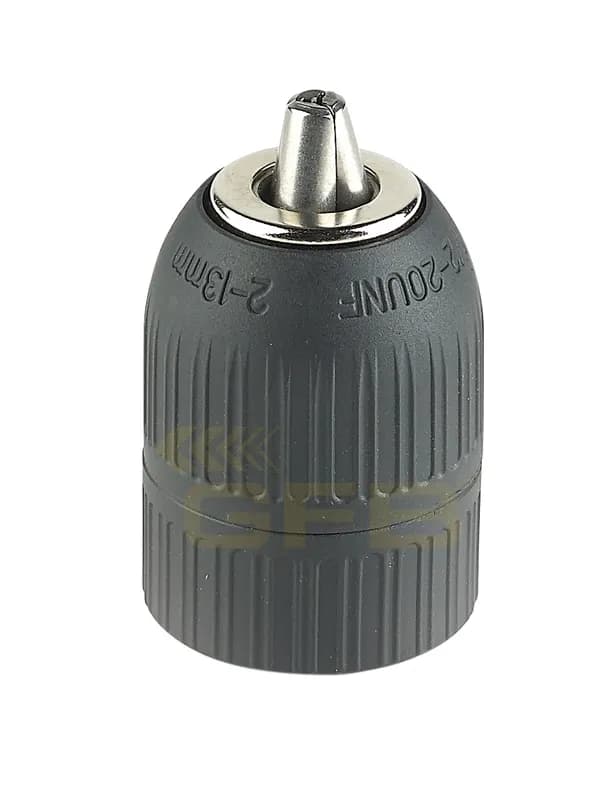
GFB Keyless Plastic Body Drill Chuck 0.8-10 mm 1/2-20
GFB · Drill Chucks
GFB Keyless Plastic Body Drill Chuck 0.8-10 mm 3/8-24
GFB · Drill Chucks
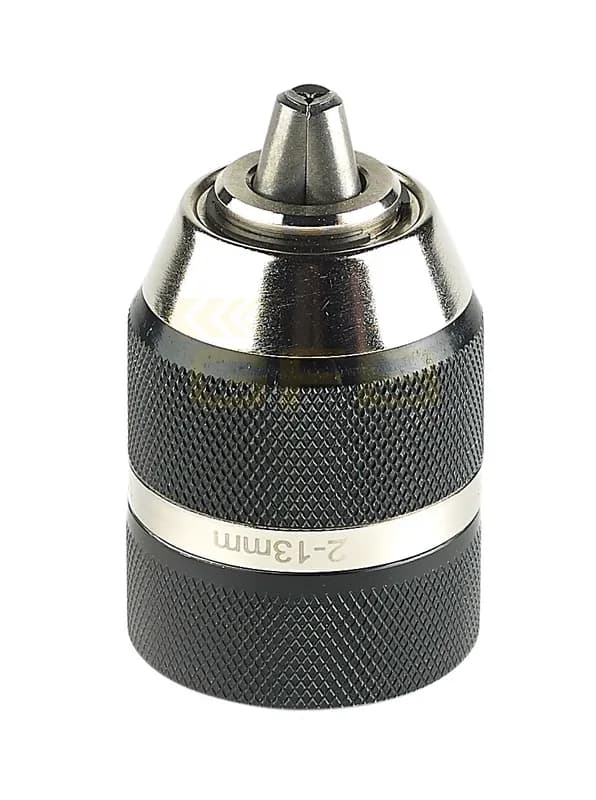
GFB Keyless Locking Drill Chuck 0.8-10 mm 3/8-24
GFB · Drill Chucks
GFB Super Series HSS Drill Bit 0.8 mm Black Oxide
GFB · Metal Drill Bits (HSS)
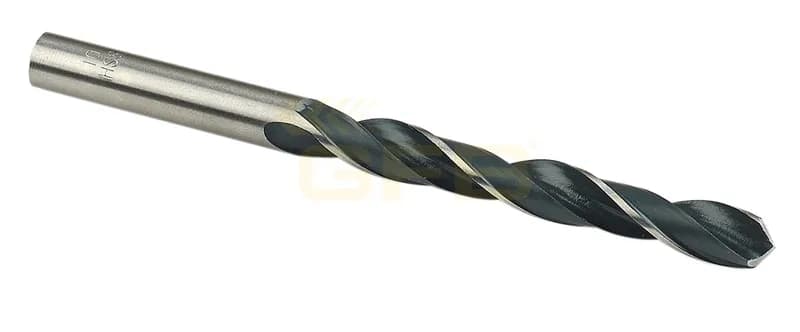
GFB HSS Drill Bit 0.8 mm
GFB · Metal Drill Bits (HSS)
GFB Cobalt HSS-Co Drill Bit 0.8 mm Gold Series
GFB · Metal Drill Bits (HSS)
GFB Super Series HSS Drill Bit 0.9 mm Black Oxide
GFB · Metal Drill Bits (HSS)
GFB HSS Drill Bit 0.9 mm
GFB · Metal Drill Bits (HSS)
GFB Machine Tap 1″-12 Spiral Flute Fine
GFB · Taps & Dies
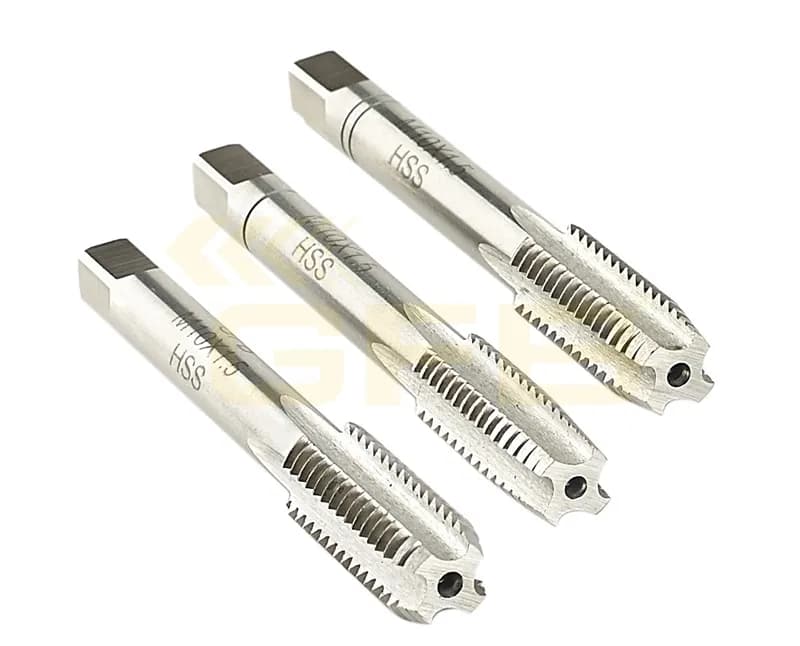
GFB Three-Piece Hand Tap Set 1″-8 Coarse
GFB · Taps & Dies
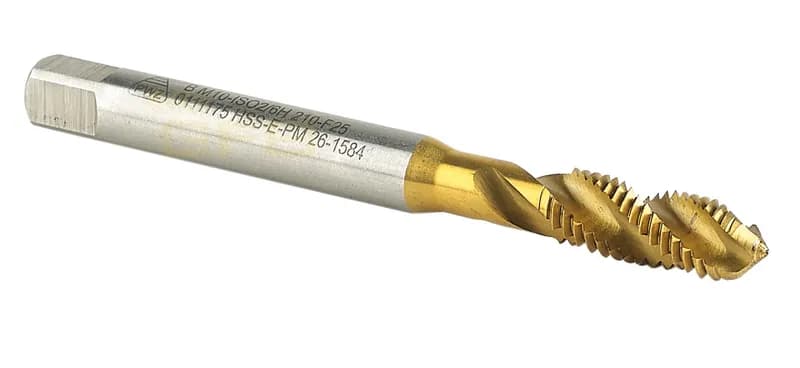
GFB Machine Tap 1″-8 Spiral Flute Coarse
GFB · Taps & Dies
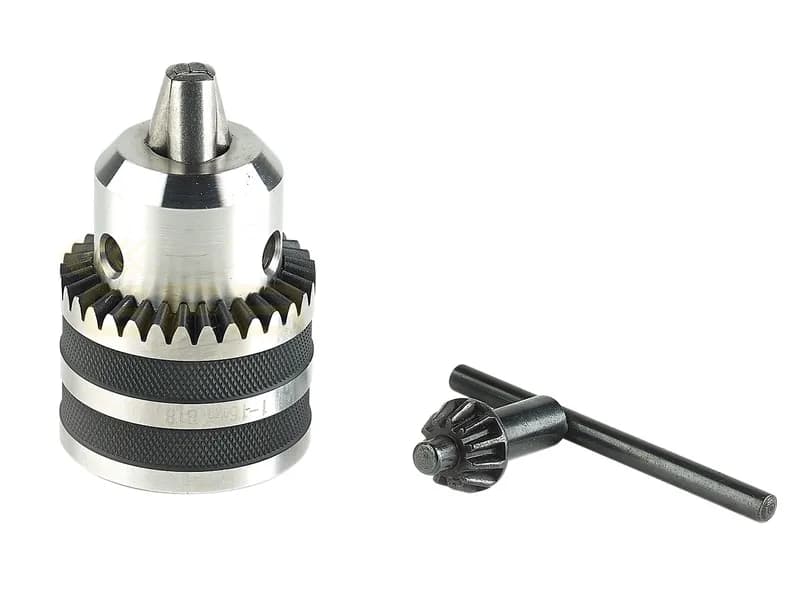
GFB Keyed Drill Chuck 1-10 mm B-12
GFB · Drill Chucks
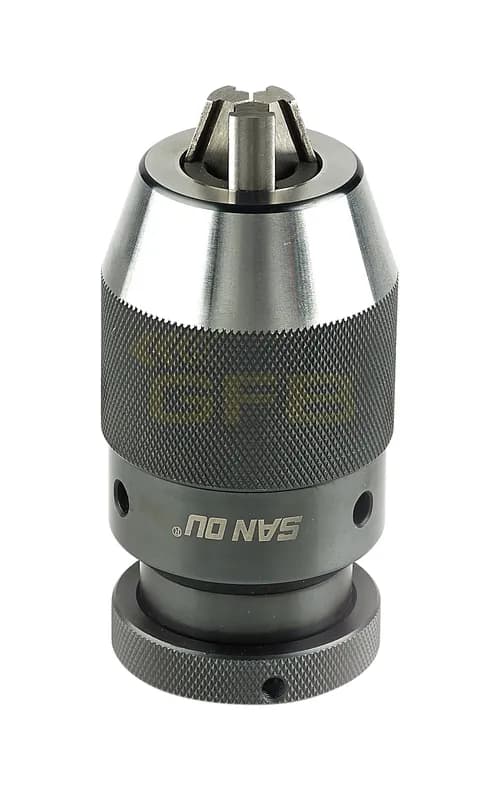
GFB Keyless Drill Chuck 1-10 mm B-12
GFB · Drill Chucks
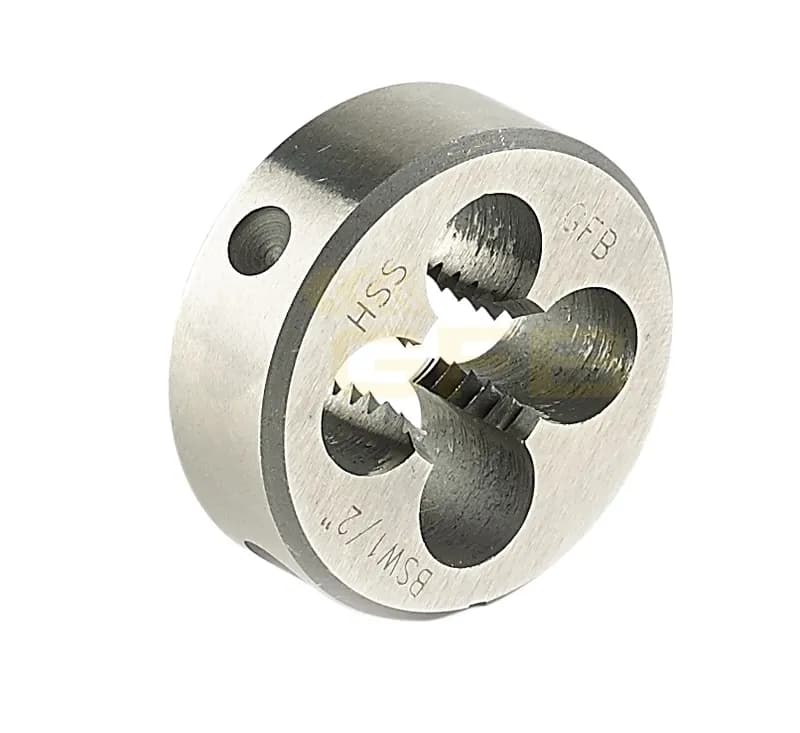
GFB Die 1″-12 Fine
GFB · Taps & Dies
GFB Keyed Drill Chuck 1-13 mm B-16
GFB · Drill Chucks
GFB Keyless Drill Chuck 1-13 mm B-16
GFB · Drill Chucks
GFB Keyless Drill Chuck 1-16 mm B-16
GFB · Drill Chucks
GFB Keyed Drill Chuck 1-16 mm B-18
GFB · Drill Chucks
1–24 of 6894 · page 1 / 288
The groups and what they cut
Bits divide by the material they drill or cut. Between two bits of the same diameter the difference lies in the substrate material, the point angle and the shank — and that last one also decides which machine they fit.
| Group | Material | Shank / mount | Typical work |
|---|---|---|---|
| Metal drill bits (HSS) | Steel, aluminium, plastic | Cylindrical | Drilling metal, assembly |
| Wood drill bits | Timber, MDF, plywood | Cylindrical / hex | Hinges, through holes |
| Masonry bits (SDS-plus) | Concrete, brick, stone | SDS-plus 10 mm | Anchors, plugs, services |
| Masonry bits (SDS-max) | Concrete, reinforced concrete | SDS-max 18 mm | Heavy drilling, demolition |
| Hole saws | Sheet, timber, plasterboard | Arbor + pilot drill | Large diameter holes |
| Taps & dies | Steel, cast iron | Wrench / bench | Cutting threads |
| Router bits | Timber, MDF, aluminium | Collet (6/8/12 mm) | Grooves, profiles, edges |
| Driver bits | Screw heads | 1/4" hex | Driving screws, assembly |
| Saw blades | Timber, metal, plastic | Machine specific | Cutting |
Bit material: HSS, HSS-Co, carbide, diamond
What the bit is made of decides how hard a material it will cut and how much heat it survives. HSS (high speed steel) is the general purpose standard. HSS-Co adds 5-8% cobalt: it holds its hardness better when hot, which is why it belongs in stainless steel and other materials that heat up.
Carbide (tungsten carbide) is far harder but brittle: it resists wear rather than impact, which is why it appears as a brazed tip on masonry bits or as a solid carbide router cutter. Diamond does not cut at all — it abrades, which is what tile, glass and concrete need.
| Material | Where | Limit |
|---|---|---|
| HSS | Steel, aluminium, plastic, timber | Not enough for hardened steel |
| HSS-Co (cobalt) | Stainless, cast iron, hot work | Brittle; never use on hammer mode |
| Carbide (TCT) | Concrete, sheet, laminate, aluminium | Sensitive to impact and drops |
| Diamond | Tile, granite, glass, concrete | Will not cut metal |
| Bimetal (BiM) | Hole saws and saw blades | Slower than carbide |
What a coating does
A coating does not change what the bit is made of; it raises surface hardness and stops swarf welding to the flutes. That extends life and allows higher speeds. It will not rescue the wrong base material.
- Bright (uncoated): general purpose, cheapest.
- Steam (black oxide): lower friction, corrosion protection.
- TiN (gold): higher surface hardness, longer life.
- TiAlN (dark grey/violet): works hot, for stainless and hard steel.
Shanks and mounting
How a bit mounts decides which machine it fits. Masonry bits are not clamped in a chuck: they lock into an SDS holder and stay free along their axis so the hammer blow reaches the tip.
SDS-plus has a 10 mm shank covering 4-30 mm holes; SDS-max has an 18 mm shank for heavy machines. Driver bits take a 1/4" hex holder, and router cutters mount by collet size (6, 8, 12 mm).
| Mount | Size | Where |
|---|---|---|
| Cylindrical | By bit diameter | Chuck drills |
| SDS-plus | 10 mm shank | Rotary hammers, 4-30 mm holes |
| SDS-max | 18 mm shank | Heavy rotary hammers |
| 1/4" hex | Standard bit holder | Drivers and impact drivers |
| Collet | 6 / 8 / 12 mm | Routers |
Three things that decide bit life
Two people can get very different mileage from the same bit, and the difference is almost always speed, feed and cooling. In metal, drop the speed as diameter rises; too fast burns the cutting edge and ends its life for good.
- Speed: lower as diameter grows, lower again in hard material.
- Feed: steady and sufficient — rubbing without cutting dulls the edge.
- Cooling: cutting fluid in metal, water on diamond bits where specified.
- Impact: never run HSS or carbide bits in hammer mode.
Wholesale supply from Seza Global
We supply Bosch, Makita, Milwaukee, Karbosan, Drebo and Three Files bits and accessories wholesale. From metal and wood drills to SDS masonry bits, hole saws, taps and dies, router cutters and driver bits, the range covers over 6,000 products across 26 groups.
For dealer and bulk purchase, send the size list and quantities; consumables are quoted from diameter and length lists, so stock, pricing and lead time come back together.
Frequently Asked Questions
What is the difference between HSS and HSS-Co?
HSS-Co is high speed steel with 5-8% cobalt added. It holds its hardness better when hot, which suits stainless steel and cast iron. In return it is more brittle and less tolerant of impact.
Do coated bits really last longer?
Yes, but the coating does not change the base material. It raises surface hardness and stops swarf sticking, which allows higher speeds and longer life. It will not compensate for the wrong bit material.
Can SDS-plus and SDS-max bits be interchanged?
No. The shanks are 10 mm and 18 mm and the holders do not match. SDS-plus covers 4-30 mm holes; SDS-max belongs to heavy drilling and breaking.
Hole saw or large twist drill?
Above roughly 16 mm a hole saw is faster and needs far less power: it cuts only the circumference and ejects the slug whole, while a twist drill turns the whole disc into swarf.
What speed should I drill metal at?
Lower as the diameter grows, with cutting fluid. At high speed the bit overheats, the cutting edge softens and the sharpness is gone for good. Hard materials want low speed and steady, sufficient pressure.
What drills tile and granite?
Diamond bits. Diamond abrades rather than cuts, so work with hammer action off and water cooling where specified. Glass and wall tiles also take spear-point carbide bits.
What is the difference between PH, PZ and TX driver bits?
The recess geometry in the screw head. PH (Phillips) and PZ (Pozidriv) look alike but differ, and a PH bit in a PZ screw cams out and ruins the head. TX (Torx) is a six-point star that transmits high torque.
Why do my driver bits keep camming out?
Usually the wrong type or size (PH1 instead of PH2), working off the screw axis, or using standard bits in an impact driver. Impact drivers need impact-rated bits.
What decides the choice of tap and die?
The thread size and pitch (M8x1.25 and so on) and the workpiece material. Before tapping, the tapping hole must be drilled to the correct diameter: the wrong diameter either leaves a shallow thread or snaps the tap.
What do the DIN numbers on bits mean?
They classify length and geometry. On metal drills, DIN 338 is the standard jobber length, DIN 1897 the stub series and DIN 340 the long series; DIN 352 covers hand taps, and ISO 1173 / DIN 3126 define driver bit shanks.
How does wholesale purchase and dealership work?
Send a size list by diameter and length with quantities; we return stock, wholesale pricing and lead time together. Dealer terms are available for businesses buying consumables regularly.
Mixed sets or individual sizes?
Workshops using the same size continually are better served by singles and bulk packs; service and maintenance work, which needs variety, is better served by a set. What sizes a set contains matters more than how many pieces it has.