Categories
Glass & Tile Bits
Drilling glass and tile has two problems: the bit skating on the glaze and the material cracking from heat. Spear point carbide solves the first, low speed and water cooling the second. The catalogue holds 79 products.
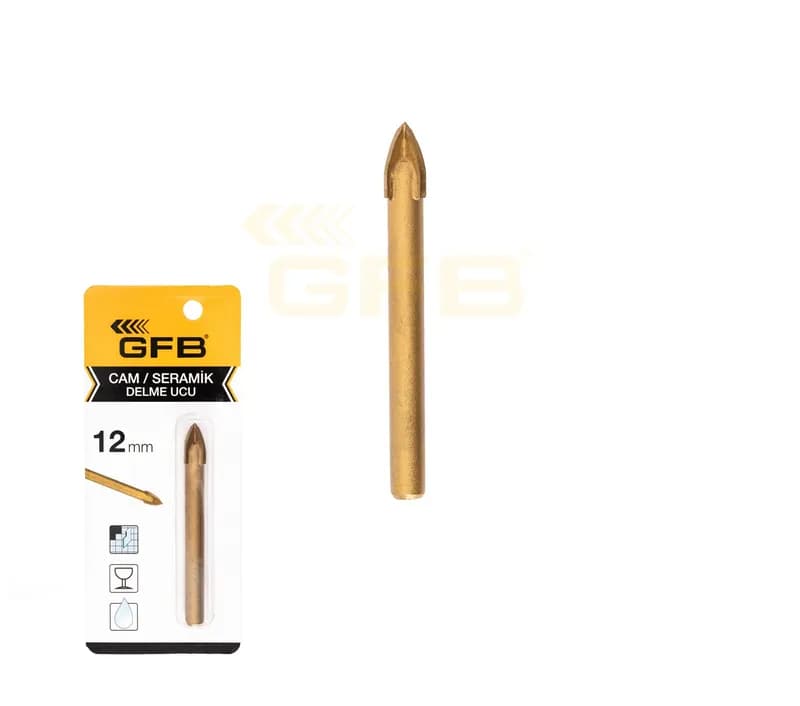
GFB Glass & Tile Bit 10 mm
GFB · Glass & Tile Bits
GFB Glass & Tile Bit 12 mm
GFB · Glass & Tile Bits
Makita D-15986 1/4" Hex Connection Glass and Tile Drilling Bit 10x80 mm
Makita · Glass & Tile Bits
Makita D-15942 1/4" Hex Connection Glass and Tile Drilling Bit 4x65 mm
Makita · Glass & Tile Bits
Makita D-15958 1/4" Hex Connection Glass and Tile Drilling Bit 5x65 mm
Makita · Glass & Tile Bits
Makita D-15964 1/4" Hex Connection Glass and Tile Drilling Bit 6x65 mm
Makita · Glass & Tile Bits
Makita D-15970 1/4" Hex Connection Glass and Tile Drilling Bit 8x70 mm
Makita · Glass & Tile Bits
GFB Glass & Tile Bit 14 mm
GFB · Glass & Tile Bits
GFB Glass & Tile Bit 4 mm
GFB · Glass & Tile Bits
GFB Glass & Tile Bit 5 mm
GFB · Glass & Tile Bits
GFB Glass & Tile Bit 6 mm
GFB · Glass & Tile Bits
GFB Glass & Tile Bit 7 mm
GFB · Glass & Tile Bits
GFB Glass & Tile Bit 8 mm
GFB · Glass & Tile Bits
GFB Glass & Tile Bit 9 mm
GFB · Glass & Tile Bits
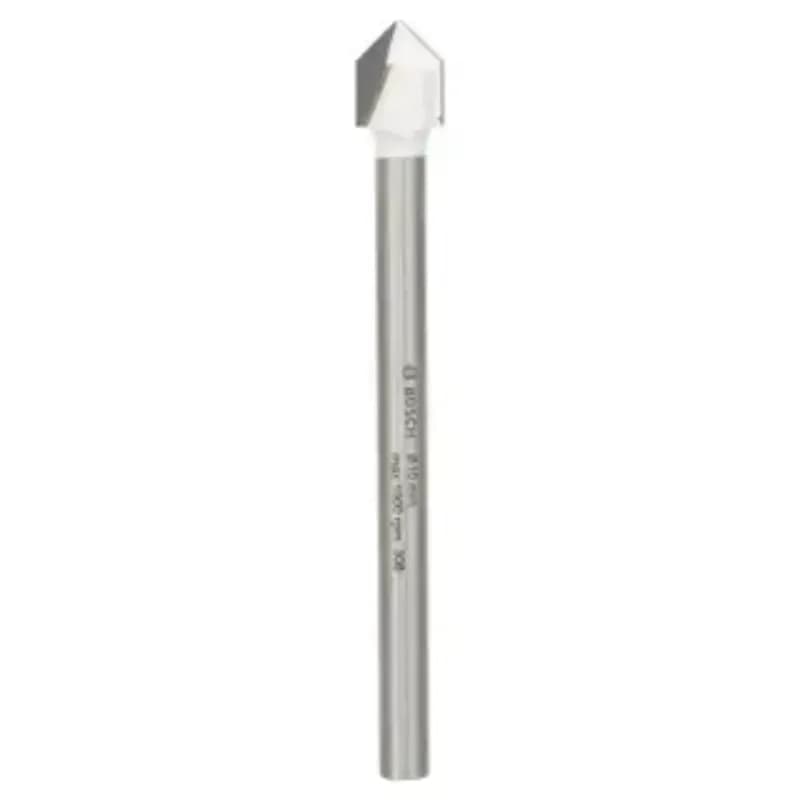
Bosch Ceramic Drilling Bit 10x90 mm 2608587165
Bosch · Glass & Tile Bits
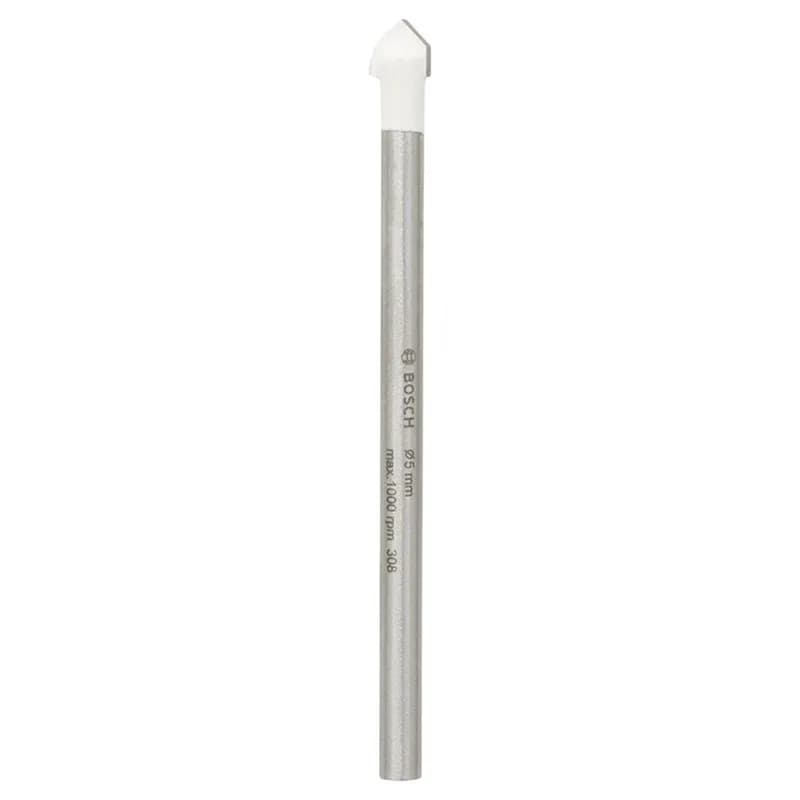
Bosch Ceramic Drilling Bit 5x70 mm 2608587159
Bosch · Glass & Tile Bits
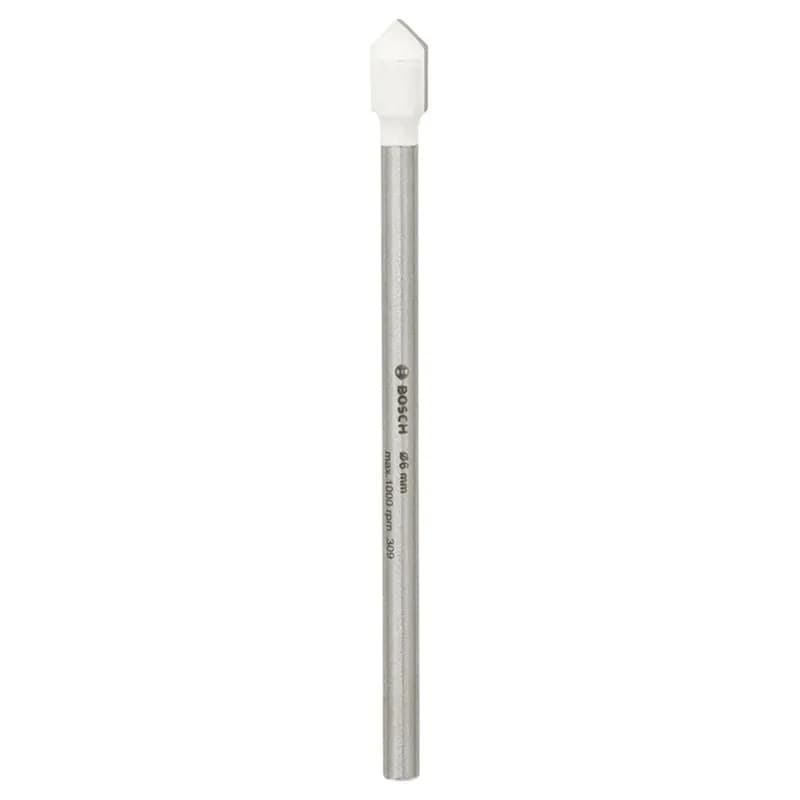
Bosch Ceramic Drilling Bit 6x80 mm 2608587161
Bosch · Glass & Tile Bits
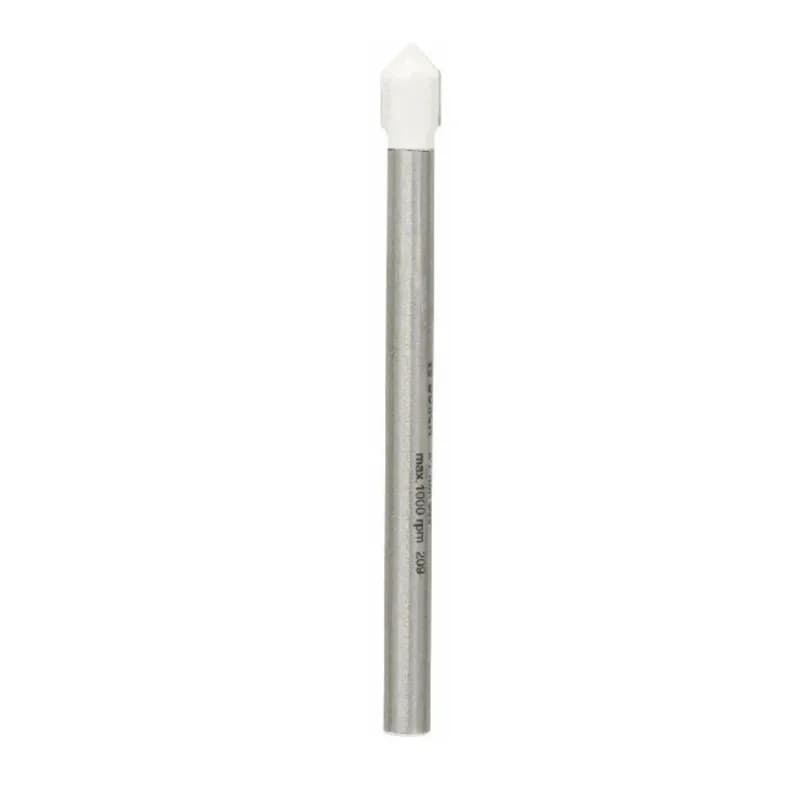
Bosch Ceramic Drilling Bit 7x80 mm 2608587163
Bosch · Glass & Tile Bits
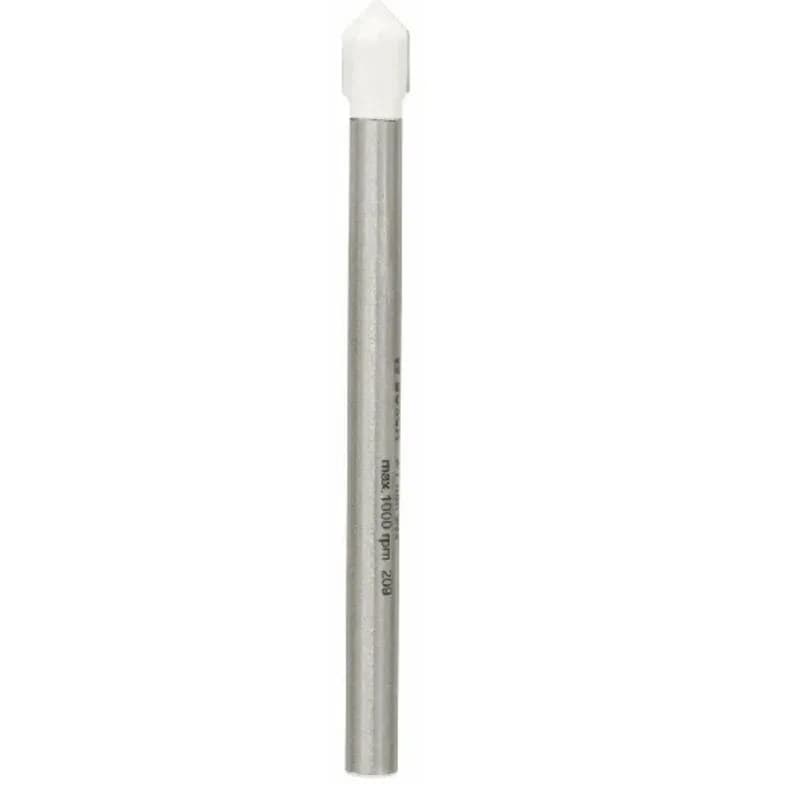
Bosch Ceramic Drilling Bit 8x80 mm 2608587164
Bosch · Glass & Tile Bits
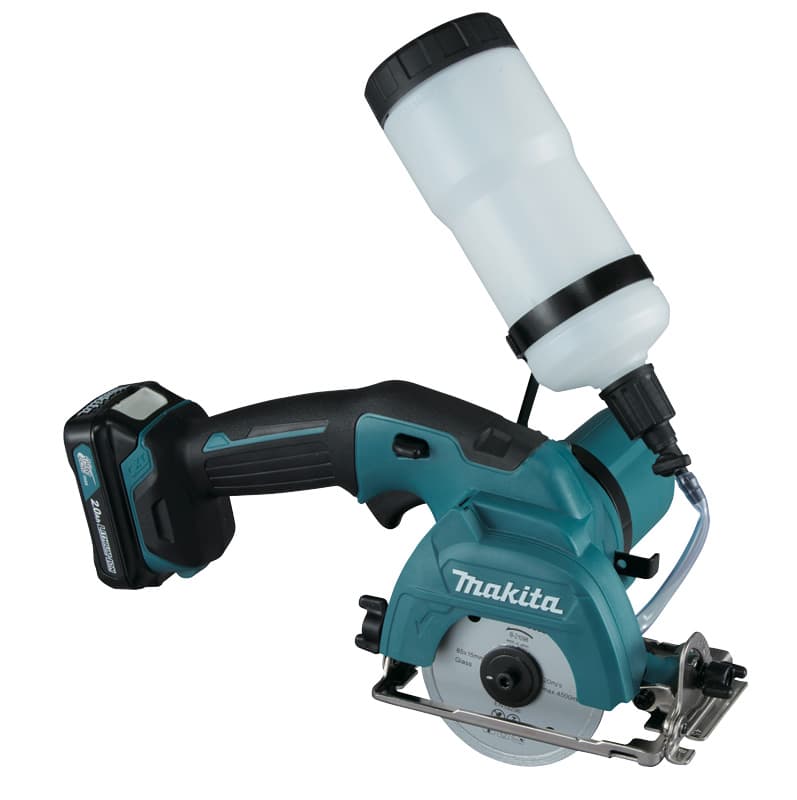
Makita CC301DWAE Glass-Tile Cutter 12V
Makita · Glass & Tile Bits
Makita D-25161 Glass and Tile Drilling Bit 10x80 mm
Makita · Glass & Tile Bits
Makita D-25177 Glass and Tile Drilling Bit 12x80 mm
Makita · Glass & Tile Bits
Makita D-25111 Glass and Tile Drilling Bit 3x65 mm
Makita · Glass & Tile Bits
Makita D-25133 Glass and Tile Drilling Bit 5x65 mm
Makita · Glass & Tile Bits
1–24 of 79 · page 1 / 4
Choosing a bit and technique
Spear point carbide bits are enough for wall tile and glass. Porcelain, granite and hard natural stone need diamond bits, which abrade rather than cut.
In both cases work with hammer action off and at low speed. A strip of masking tape at the start point stops the bit skating, and water cooling on diamond bits protects both bit and material.
- Hammer off — hammer drilling cracks tile.
- Low speed, light pressure.
- Masking tape at the start point.
- Water cooling extends diamond bit life considerably.
Frequently Asked Questions
Should hammer action be on when drilling tile?
No, definitely off. Hammer drilling shatters the glaze and cracks the tile. Work at low speed with light pressure.
What drills porcelain tile?
Diamond bits. Spear point carbide is enough for wall tile and glass but dulls quickly in porcelain and granite.
The bit skates on the surface — what should I do?
Stick masking tape at the start point and begin at low speed with light pressure. The tape gives the bit something to bite.
Is water cooling essential?
In practice yes on diamond bits: it extends bit life considerably and stops the material heating and cracking. At small diameters a sponge or syringe is enough.