Categories
Work Safety (PPE)
Personal protective equipment is not chosen by preference but by risk assessment: what hazard, to what standard, is written down first and the product is picked afterwards. This page explains what the EN codes printed on these products actually mean — S3, 4X42C, FFP2, EN 397, class 2 — and which level is expected on which job. The catalogue holds over 1,000 products across 11 subgroups.
Product Types
Go straight to the product type you need.
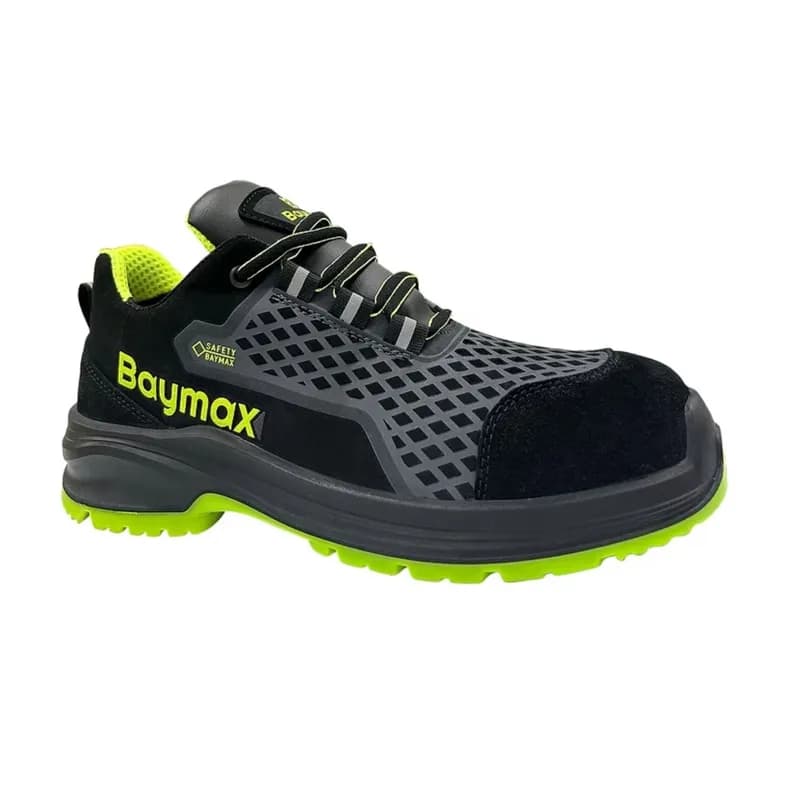 Safety Footwear422 products
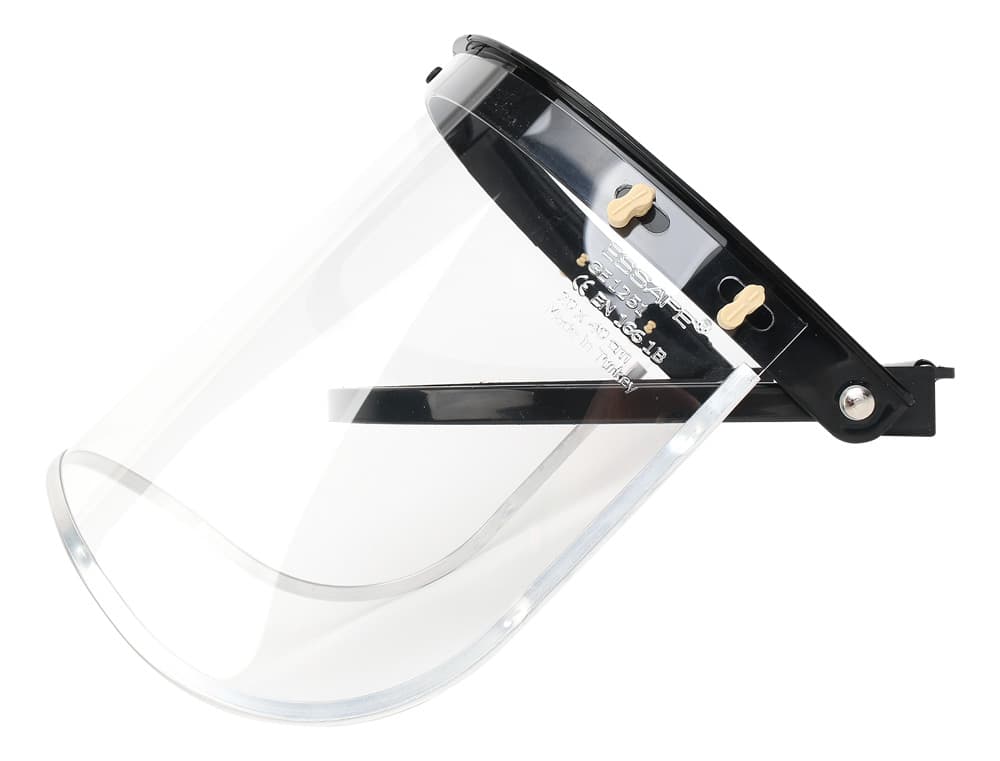 Safety Glasses138 products
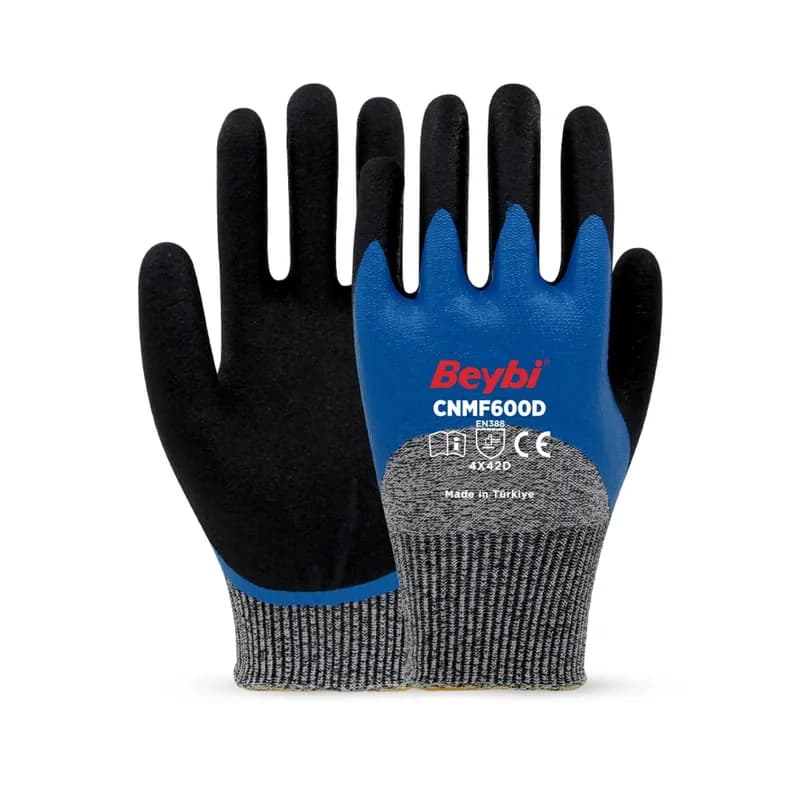 Cut Resistant Gloves123 products
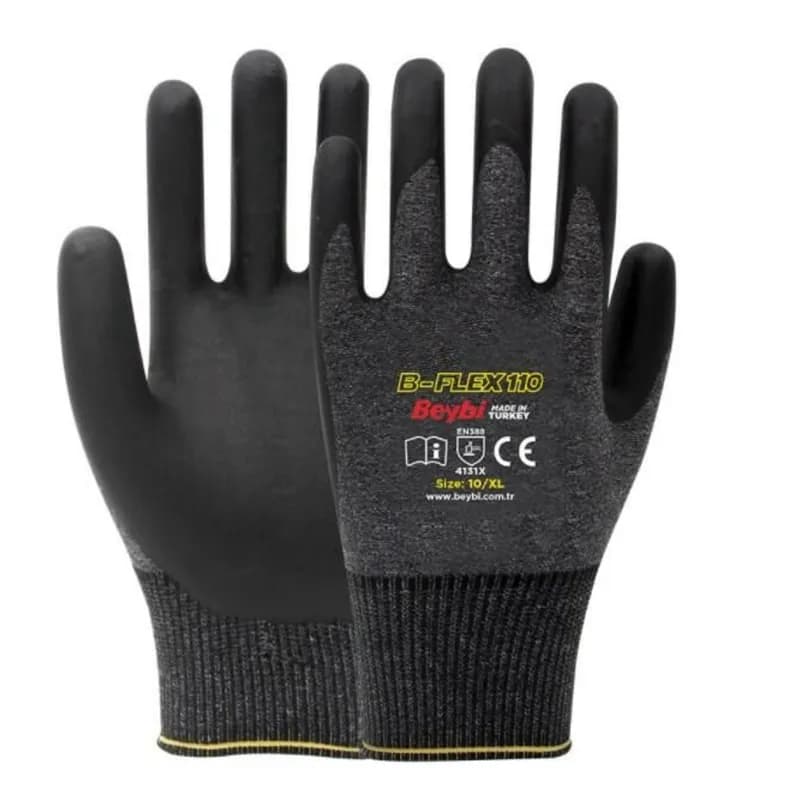 Nitrile Coated Gloves82 products
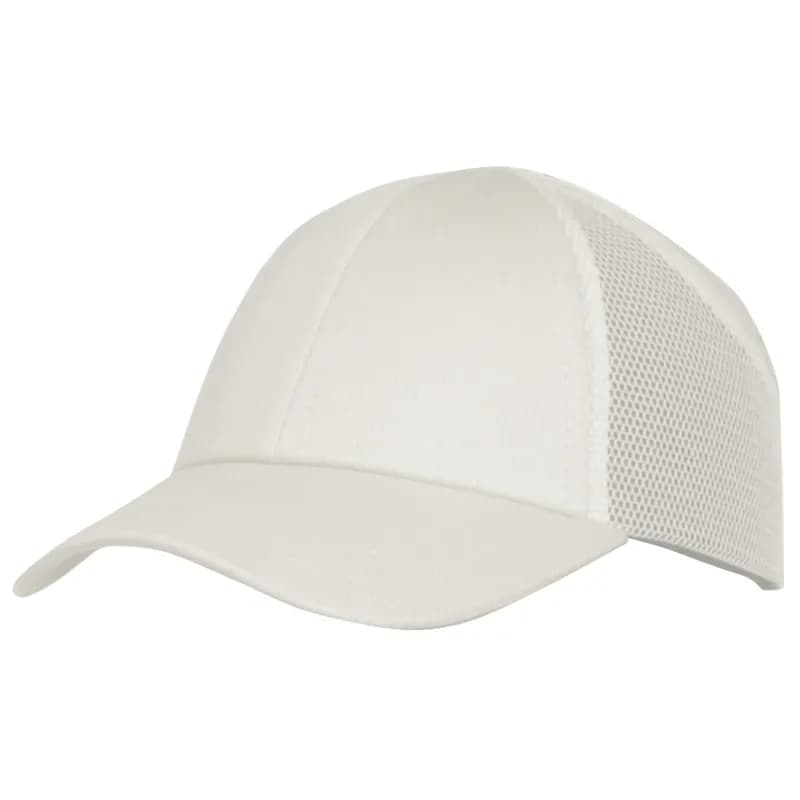 Safety Helmets57 products
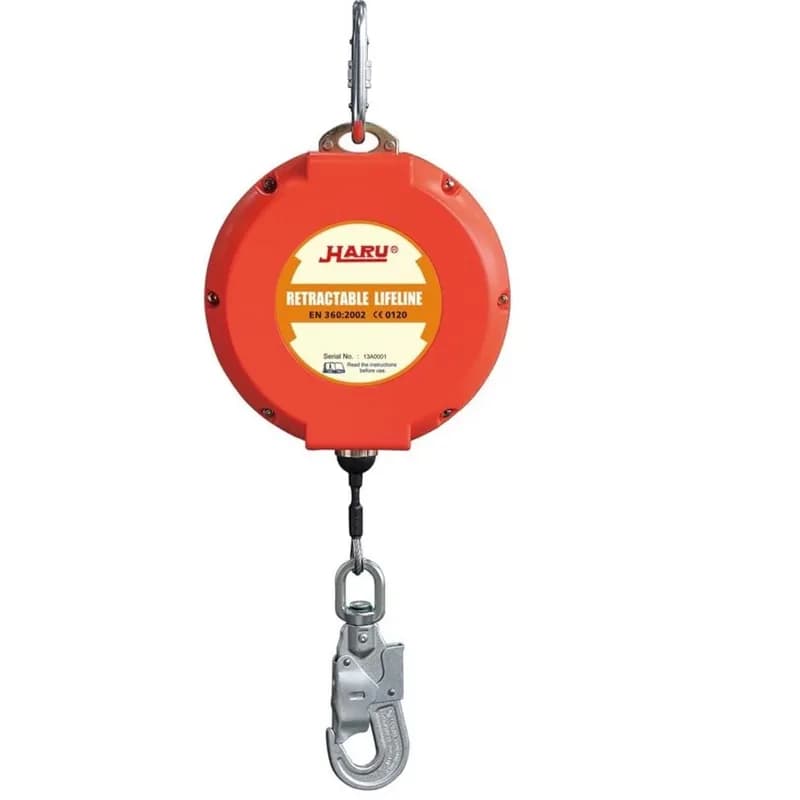 Fall Protection36 products
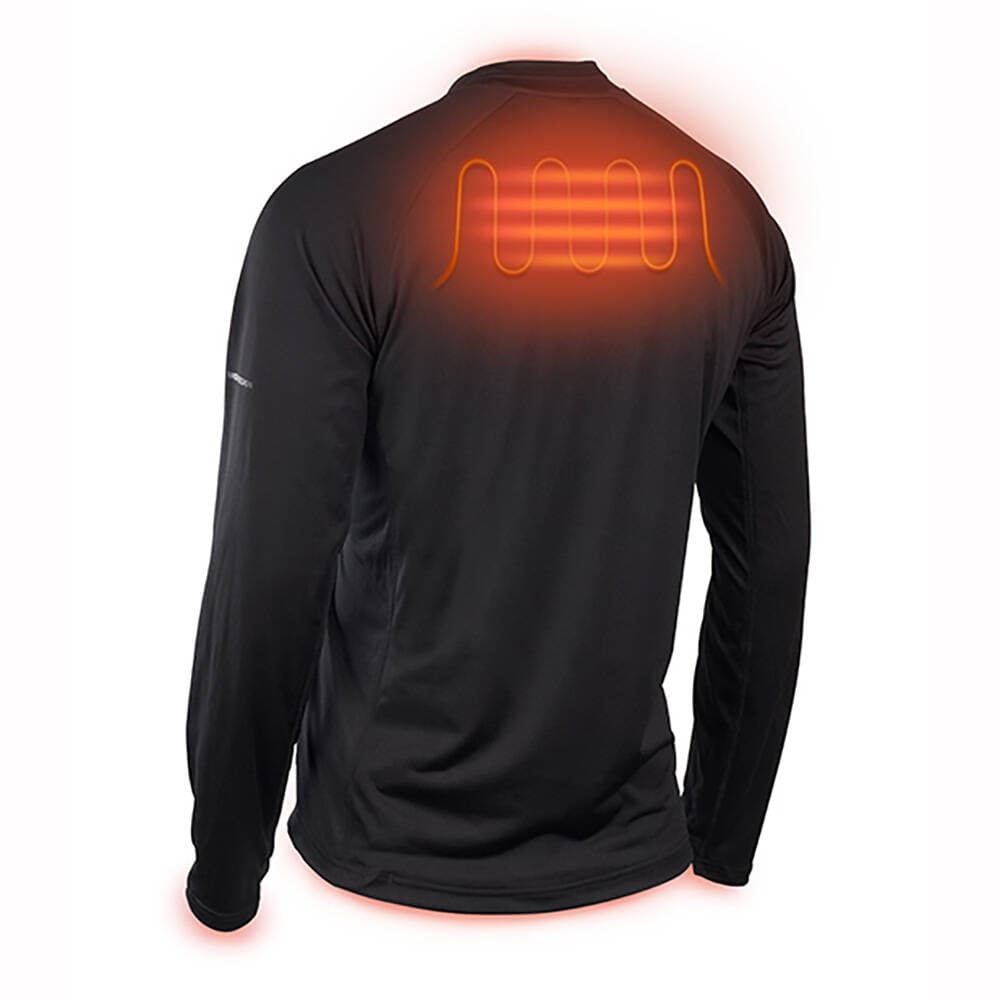 Heated Workwear31 products
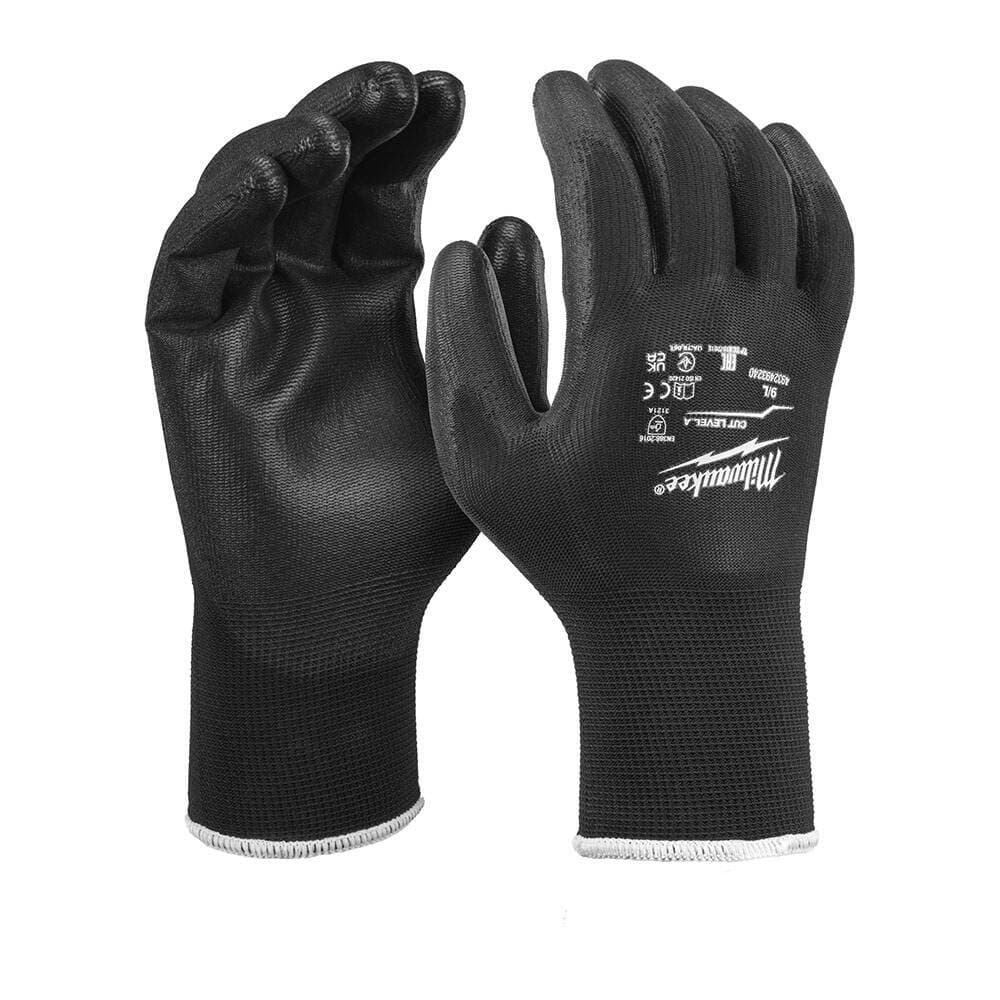 Safety Gloves30 products
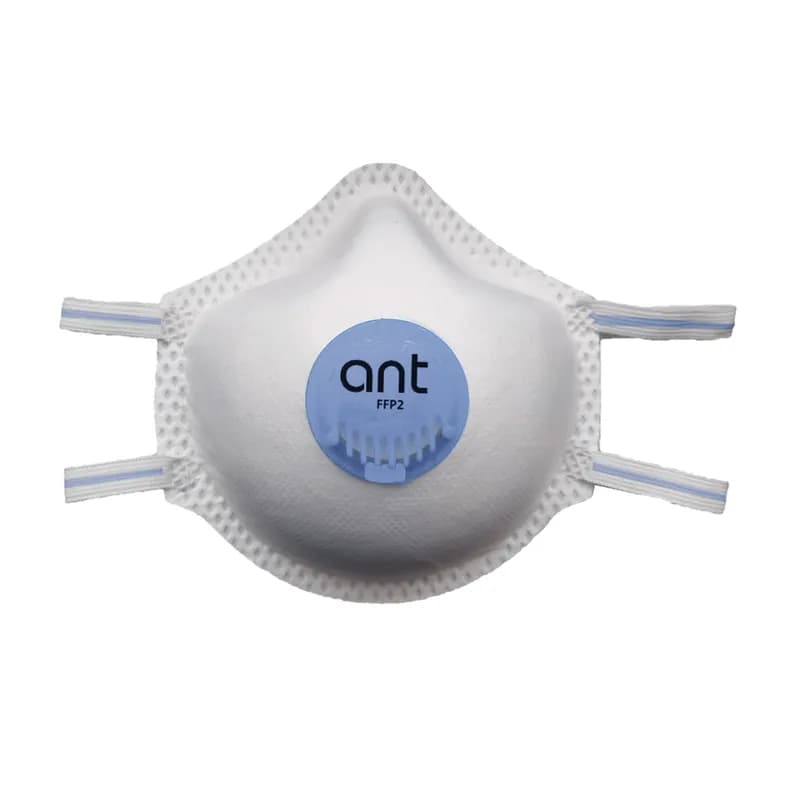 Respirators26 products
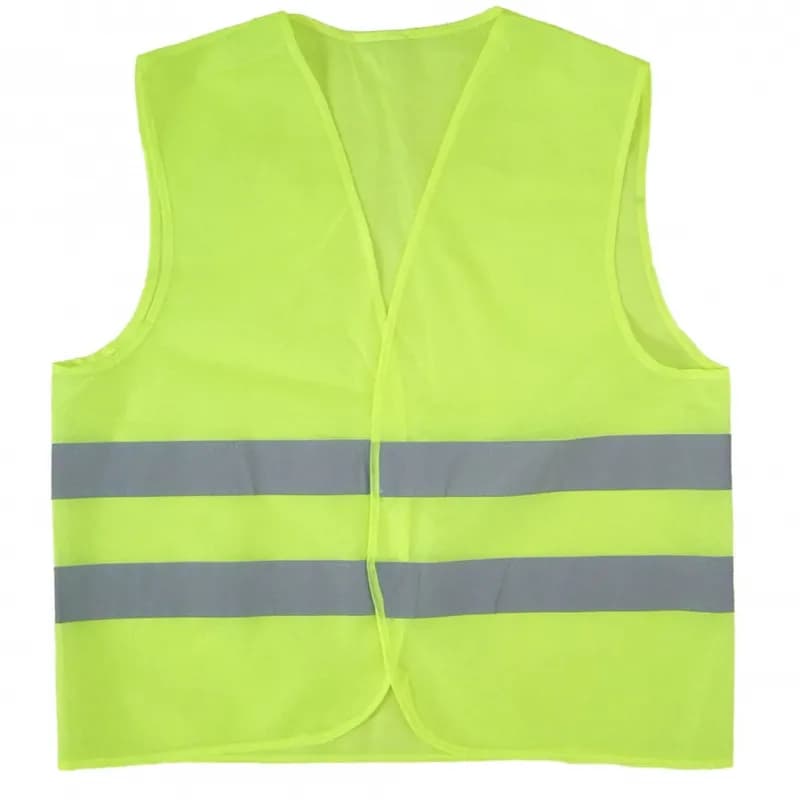 Hi-Vis Vests24 products
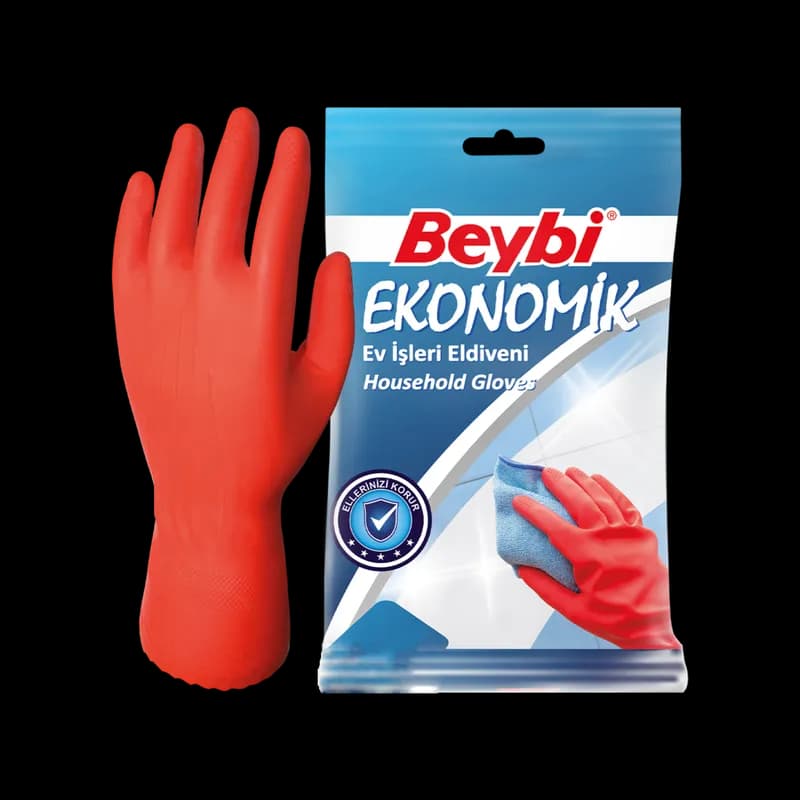 Latex Gloves13 products
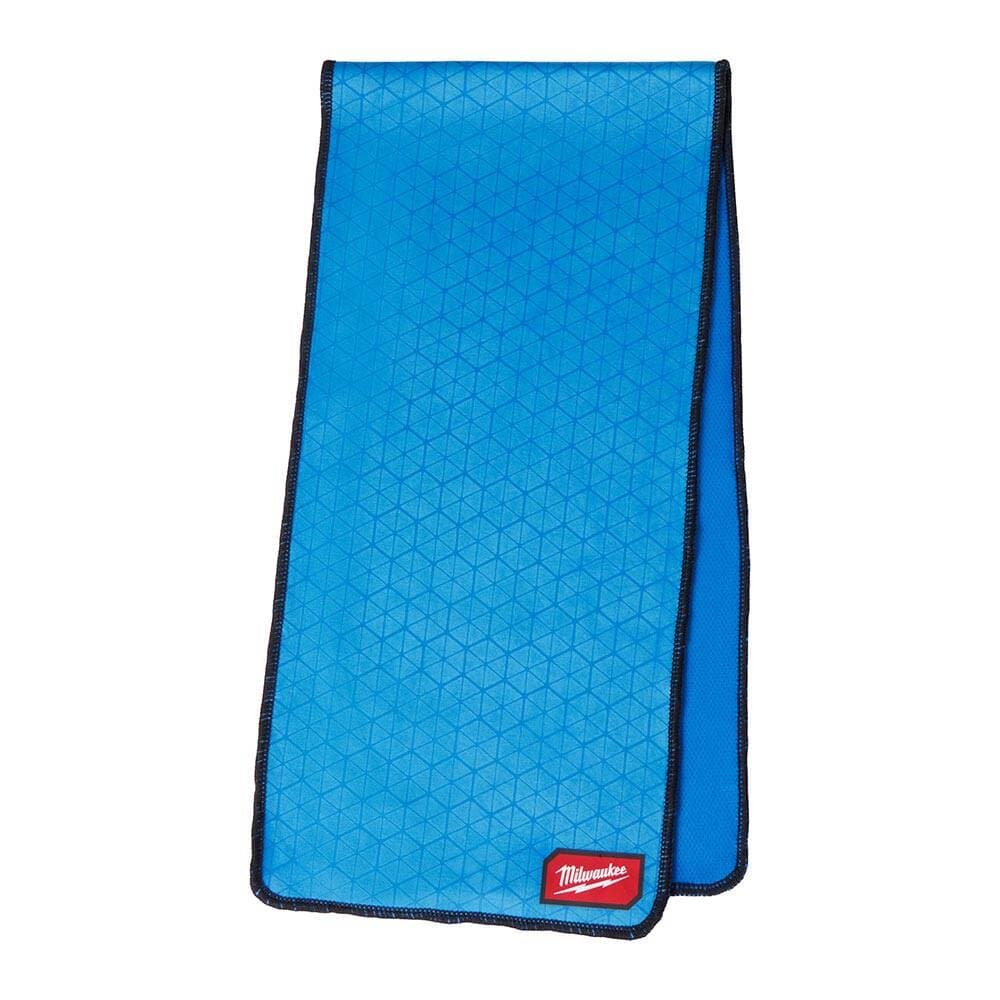 Workwear12 products
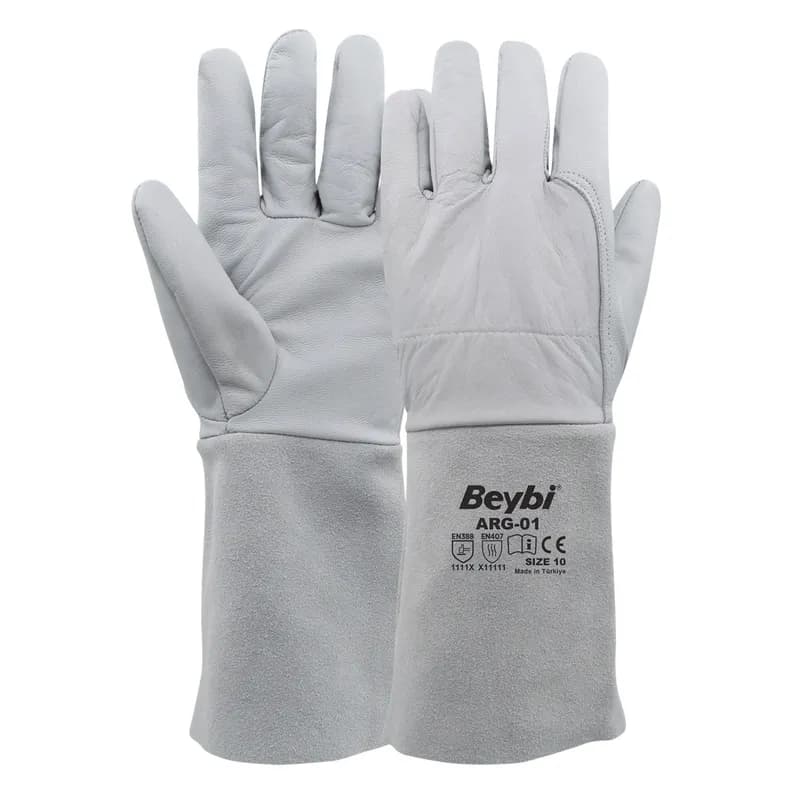 Leather & Welding Gloves12 products
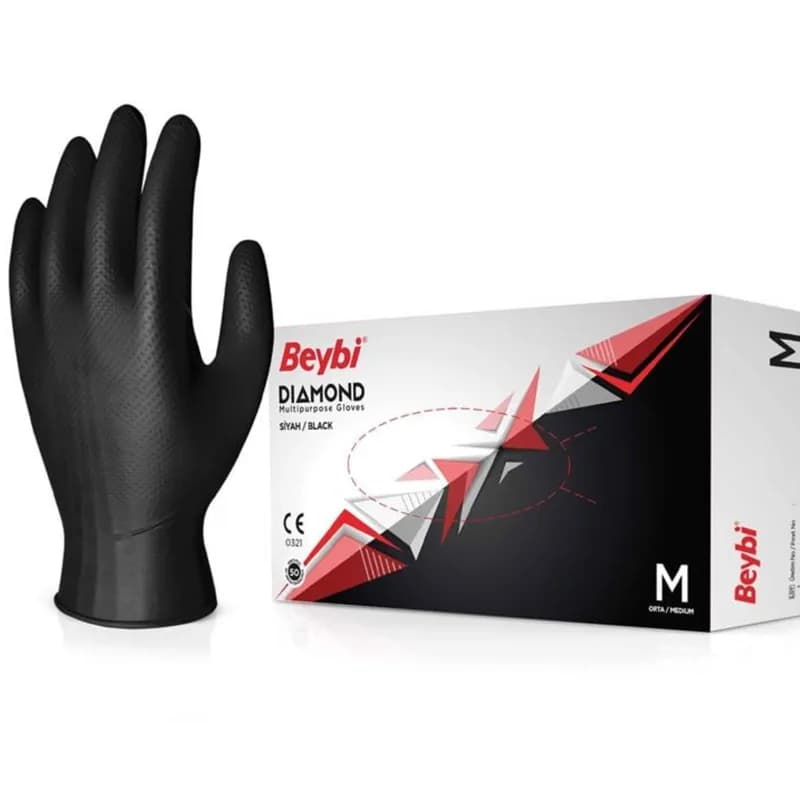 Disposable Gloves10 products
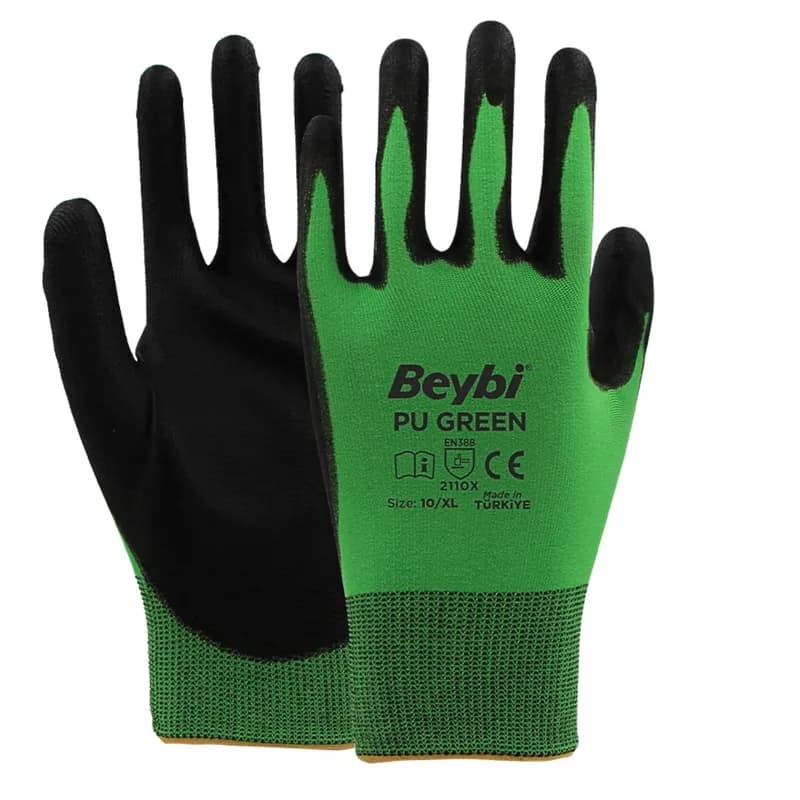 PU Coated Gloves6 products
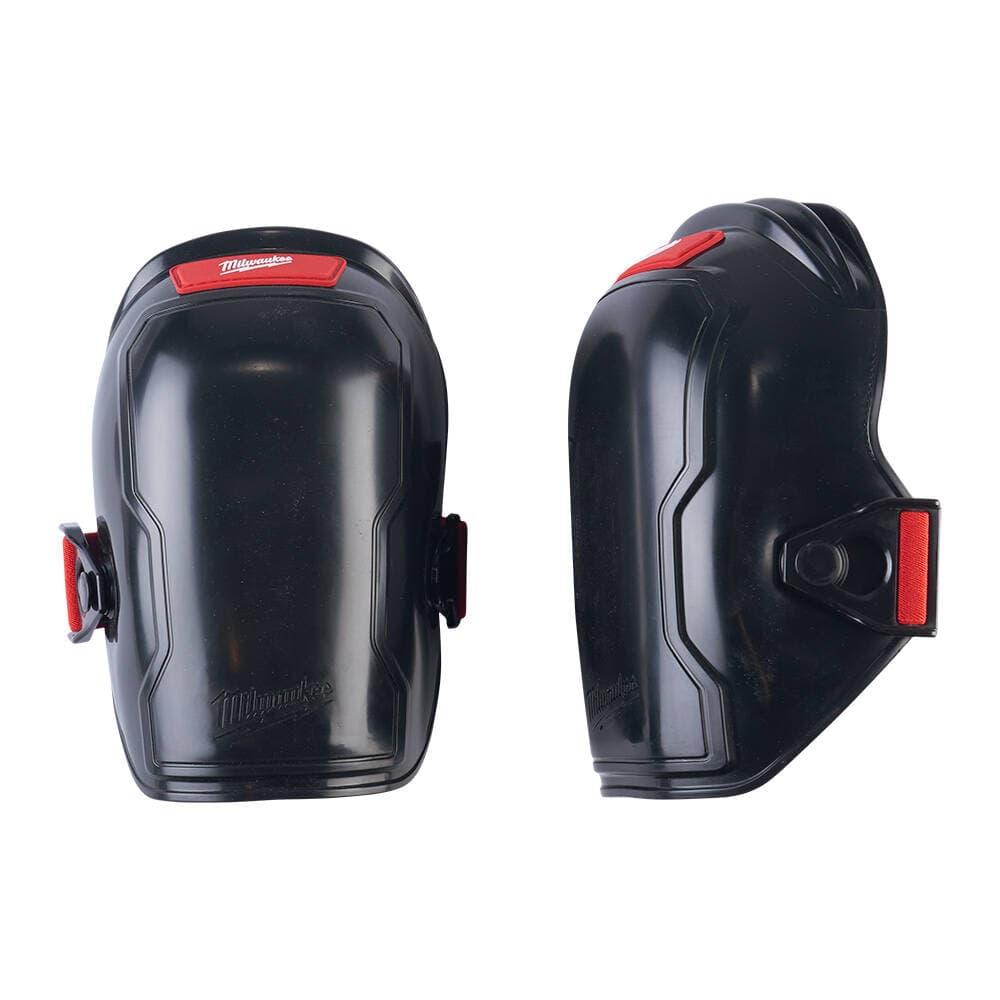 Knee Pads3 products
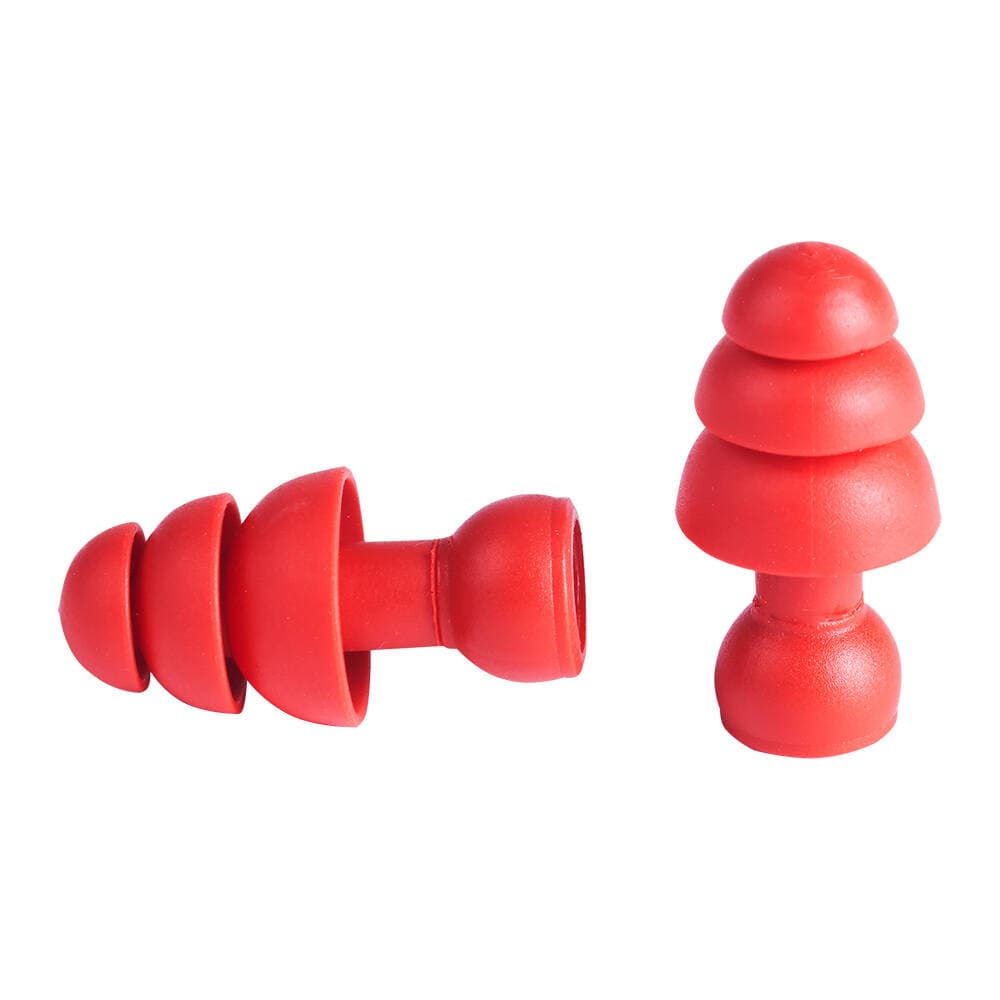 Hearing Protection2 products
Ant Toz Maskesi Ventilli FFP2 (Y21V)
Respirators
Barete Takılabilir Siperlik 20x40 cm
Max Safety · Safety Glasses
Baymax BX-12 S1 Çelik Burunlu Ayakkabı Yeşil NO:37
Baymax · Safety Footwear
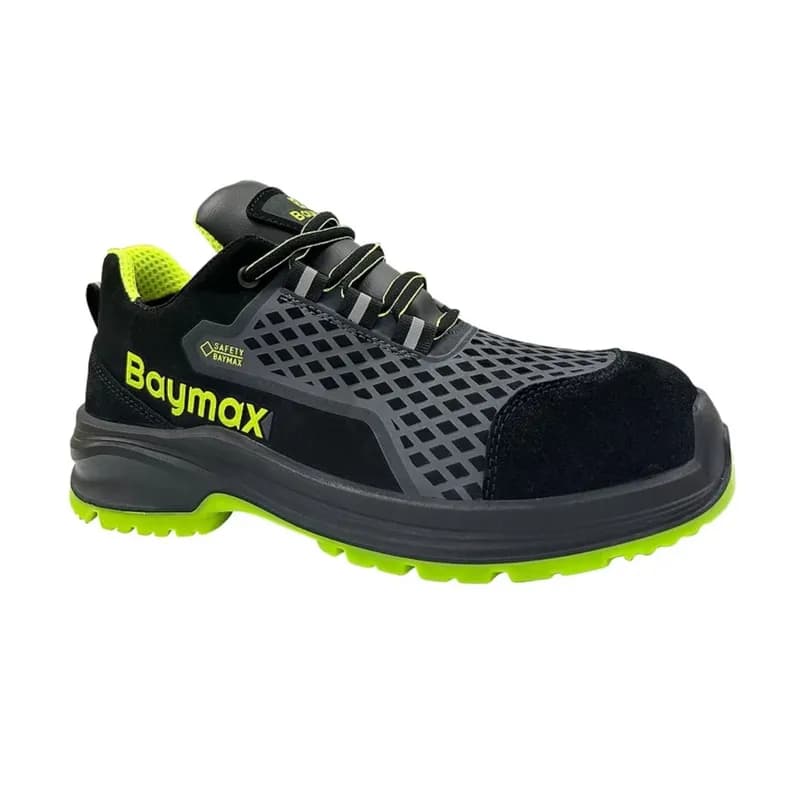
Baymax BX-12 S1 Çelik Burunlu Ayakkabı Yeşil NO:38
Baymax · Safety Footwear
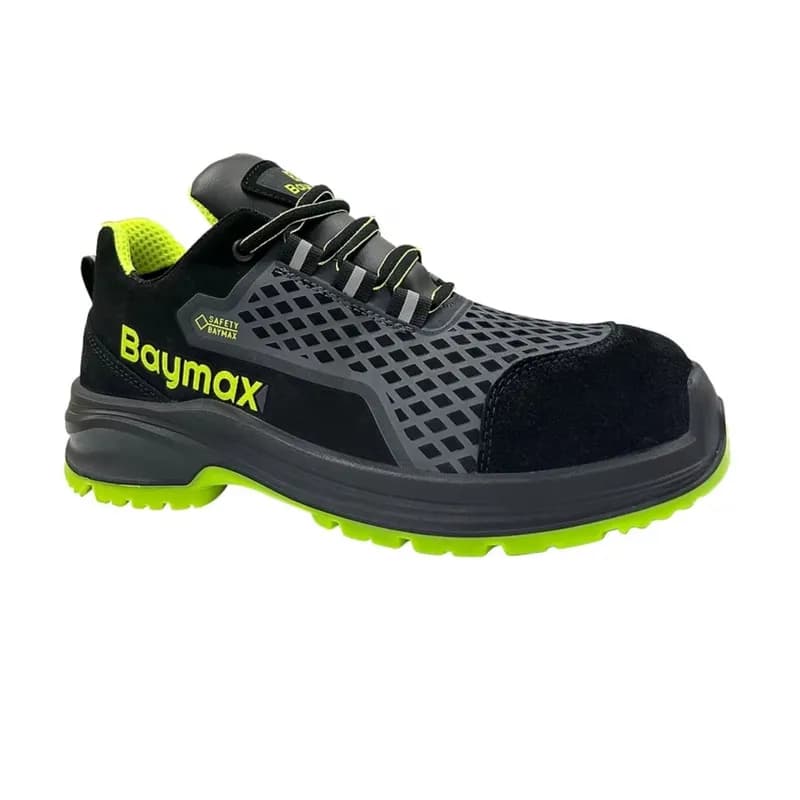
Baymax BX-12 S1 Çelik Burunlu Ayakkabı Yeşil NO:39
Baymax · Safety Footwear
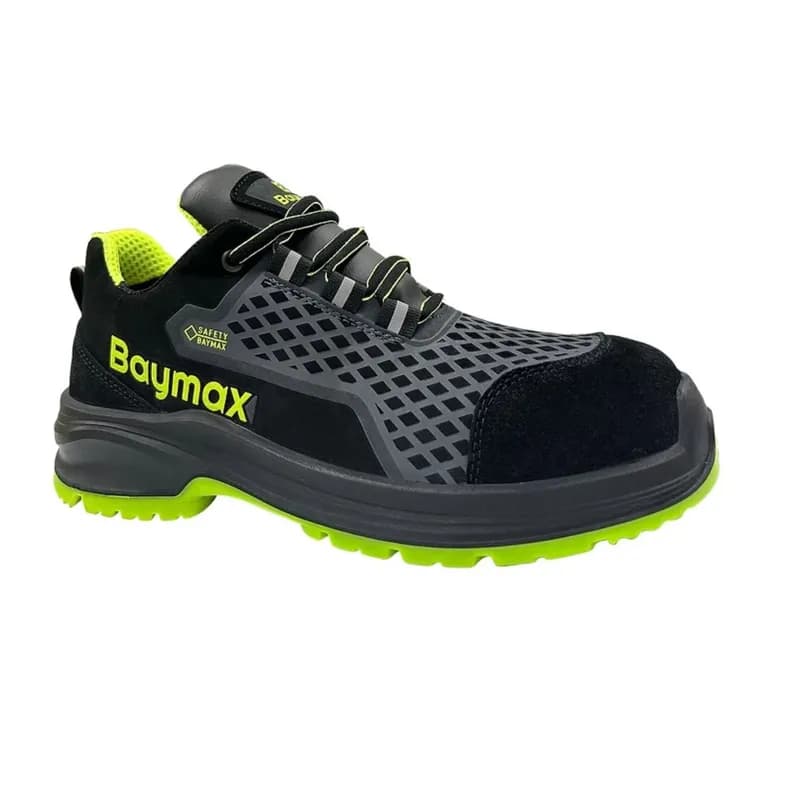
Baymax BX-12 S1 Çelik Burunlu Ayakkabı Yeşil NO:40
Baymax · Safety Footwear
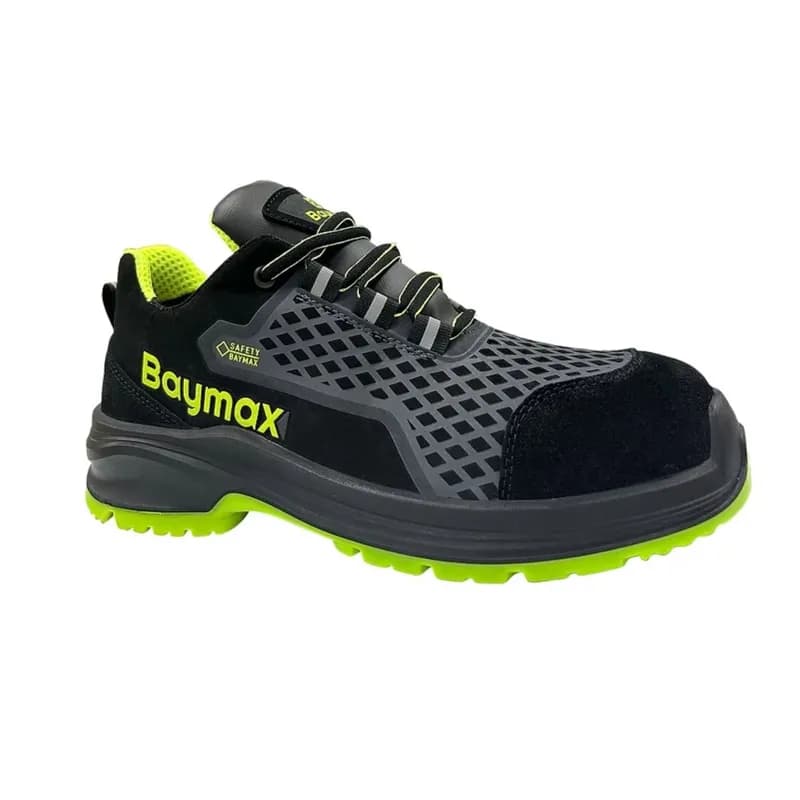
Baymax BX-12 S1 Çelik Burunlu Ayakkabı Yeşil NO:41
Baymax · Safety Footwear
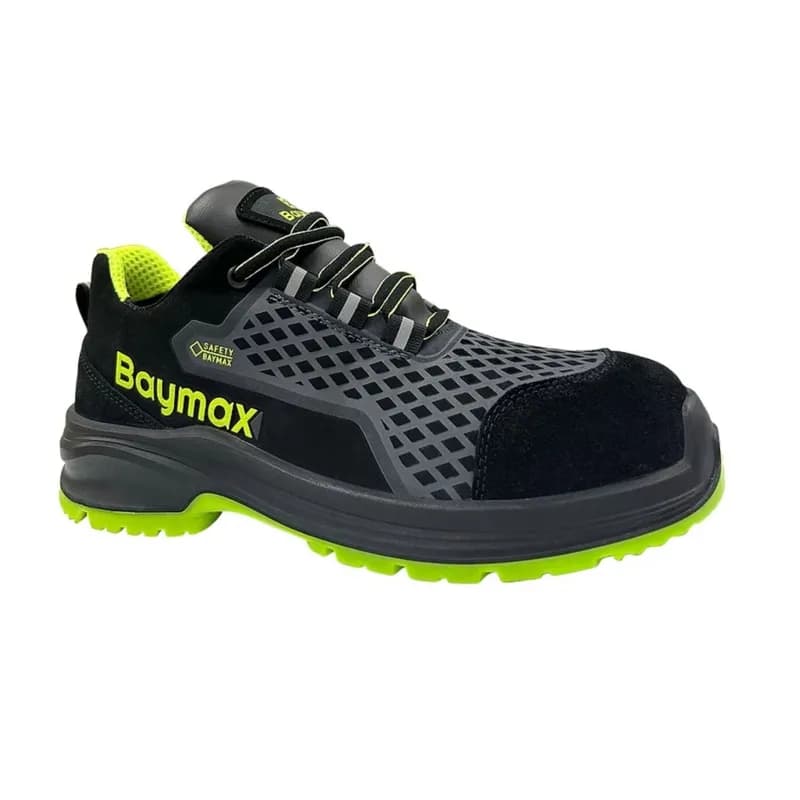
Baymax BX-12 S1 Çelik Burunlu Ayakkabı Yeşil NO:42
Baymax · Safety Footwear
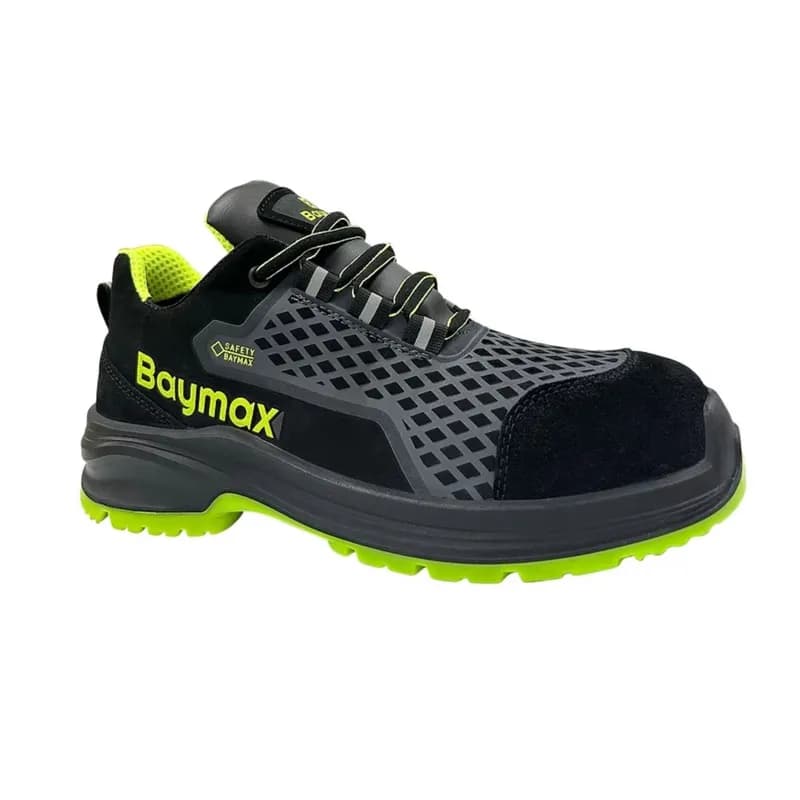
Baymax BX-12 S1 Çelik Burunlu Ayakkabı Yeşil NO:43
Baymax · Safety Footwear
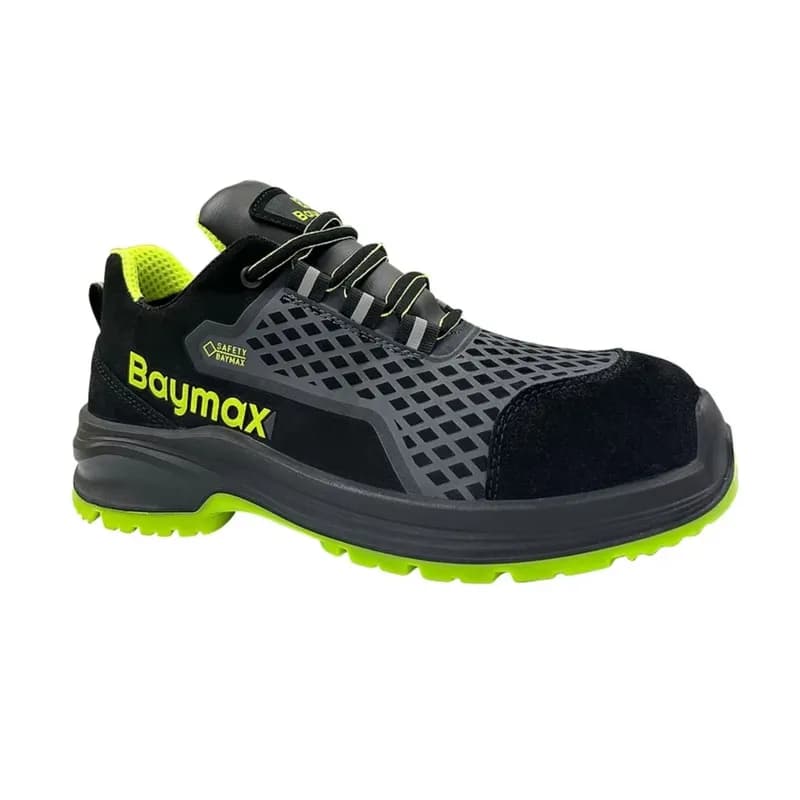
Baymax BX-12 S1 Çelik Burunlu Ayakkabı Yeşil NO:44
Baymax · Safety Footwear
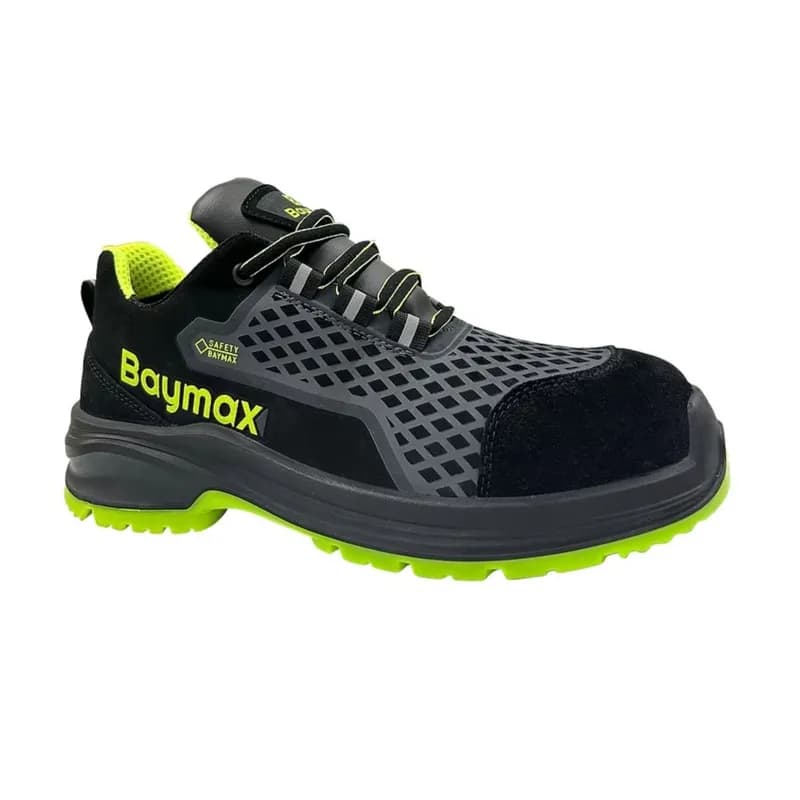
Baymax BX-12 S1 Çelik Burunlu Ayakkabı Yeşil NO:45
Baymax · Safety Footwear
Baymax BX-12 S1 Çelik Burunlu Ayakkabı Yeşil NO:46
Baymax · Safety Footwear
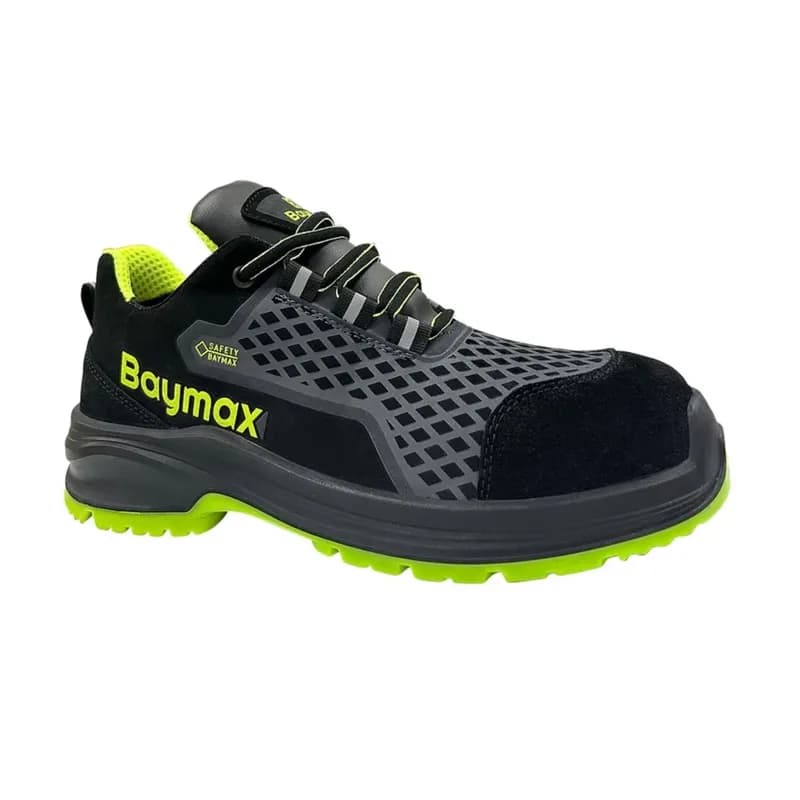
Baymax BX-12 S1 Çelik Burunlu Ayakkabı Yeşil NO:47
Baymax · Safety Footwear
Baymax BX-12 S1 Çelik Burunlu Ayakkabı Yeşil NO:48
Baymax · Safety Footwear
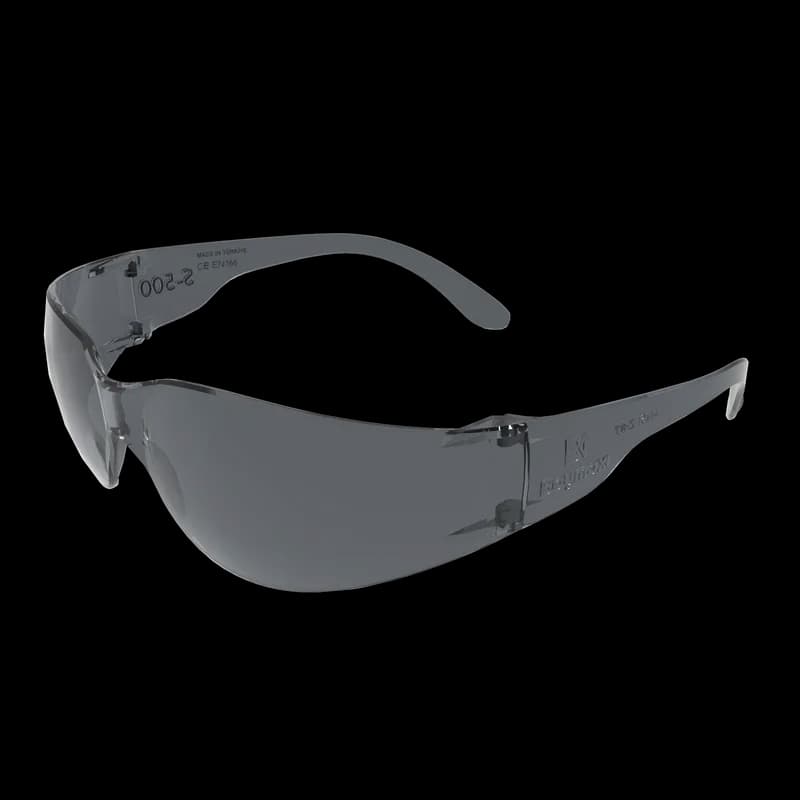
Baymax Dynamic Koruyucu Gözlük Füme S-500 (Çapak)
Baymax · Safety Glasses
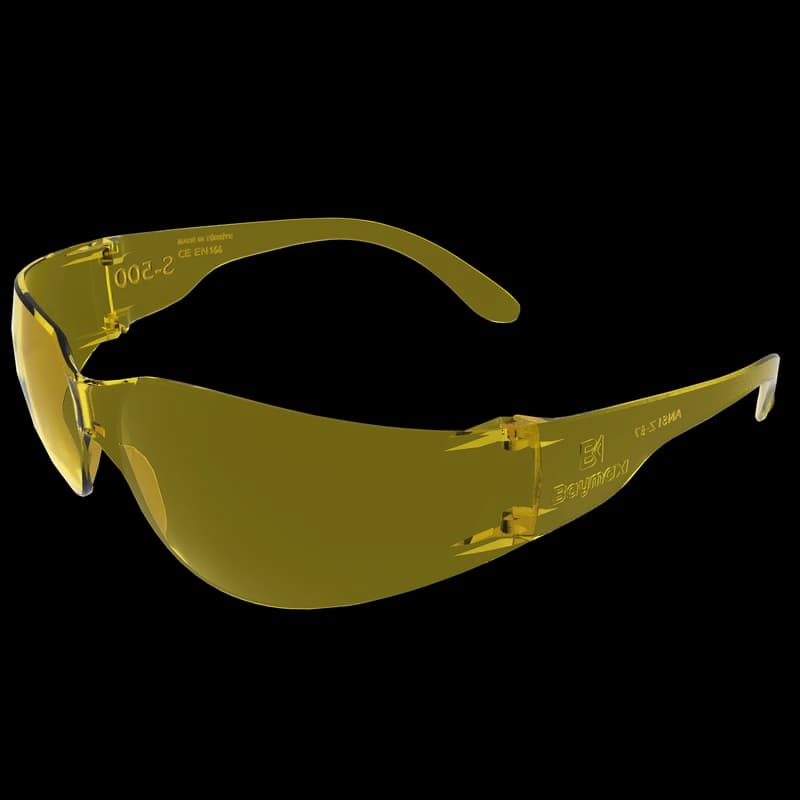
Baymax Dynamic Koruyucu Gözlük Sarı S-500 (Çapak)
Baymax · Safety Glasses
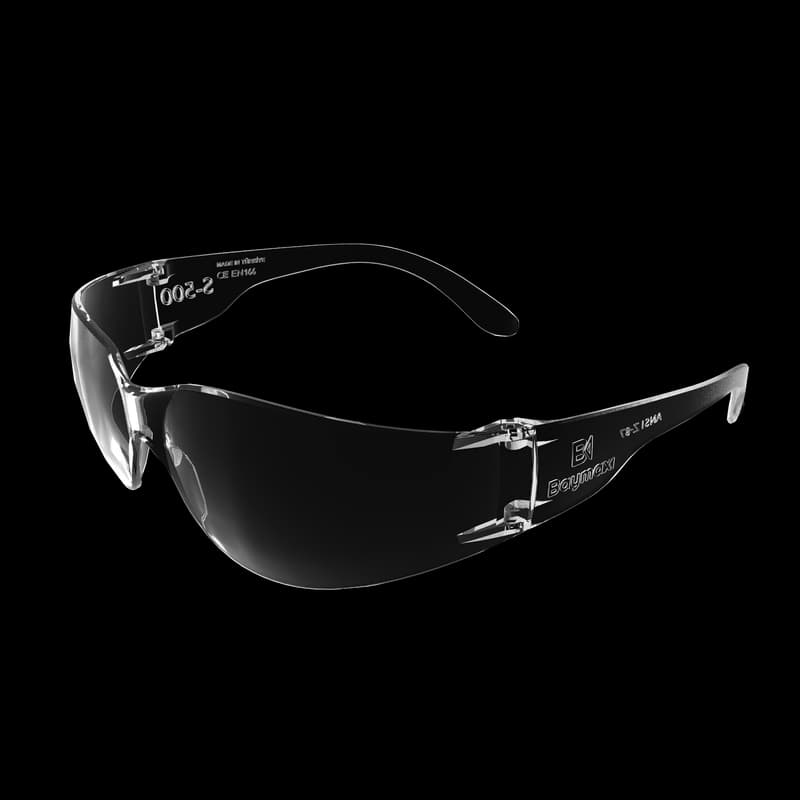
Baymax Dynamic Koruyucu Gözlük Şeffaf S-500(ÇAPAK)
Baymax · Safety Glasses
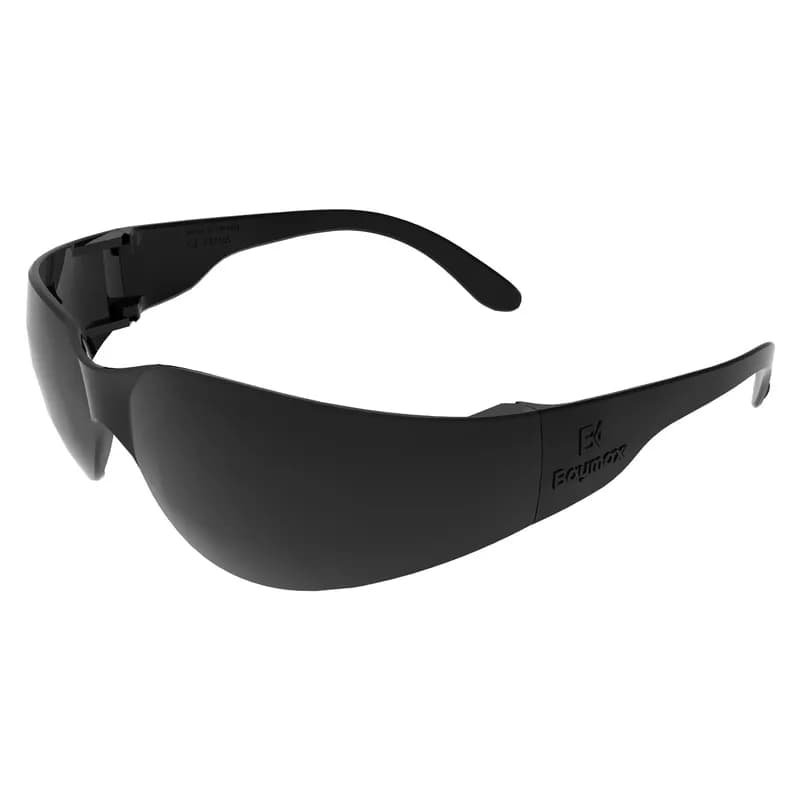
Baymax Dynamic Koruyucu Gözlük Siyah S-500 (Çapak)
Baymax · Safety Glasses
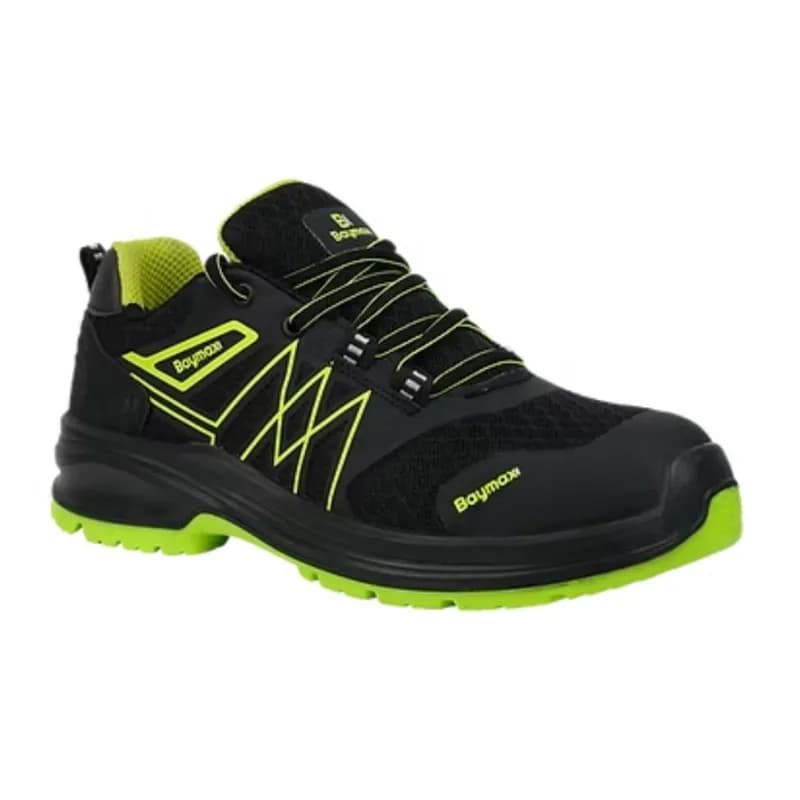
Baymax Golden BX-08 S1 Armor Ayakkabı Yeşil NO:36
Baymax · Safety Footwear
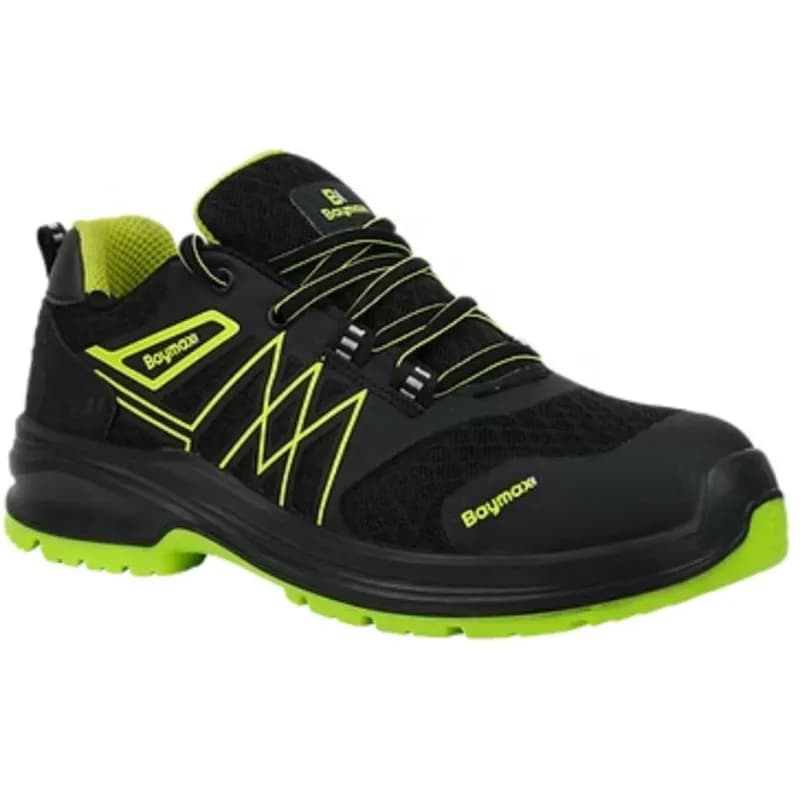
Baymax Golden BX-08 S1 Armor Ayakkabı Yeşil NO:37
Baymax · Safety Footwear
Baymax Golden BX-08 S1 Armor Ayakkabı Yeşil NO:38
Baymax · Safety Footwear
Baymax Golden BX-08 S1 Armor Ayakkabı Yeşil NO:39
Baymax · Safety Footwear
Baymax Golden BX-08 S1 Armor Ayakkabı Yeşil NO:40
Baymax · Safety Footwear
Baymax Golden BX-08 S1 Armor Ayakkabı Yeşil NO:41
Baymax · Safety Footwear
1–24 of 1027 · page 1 / 43
Protection by body area
PPE is grouped by the part of the body it protects, and each group has its own standard. On a real site several groups apply at once: a concrete pour needs foot, hand, eye and head protection together.
| Group | Standard | What you choose by |
|---|---|---|
| Safety footwear | EN ISO 20345 | S1 / S1P / S2 / S3 / S3S |
| Gloves | EN 388, EN 407 | Cut level (A-F), coating |
| Safety glasses | EN 166 | 1F / 1B impact, anti-fog |
| Helmets | EN 397 / EN 12492 | Chin strap, ventilation |
| Respirators | EN 149 | FFP1 / FFP2 / FFP3 |
| Hi-vis vests | EN ISO 20471 | Class 1 / 2 / 3 |
| Fall protection | EN 361, 354, 355, 360 | Harness + lanyard + anchor |
| Hearing protection | EN 352 | SNR (dB) |
| Knee pads | EN 14404 | Type and level |
Reading the S code on safety footwear
Under EN ISO 20345, SB is the base level and means only a 200 joule toecap. Every letter and digit added to it adds a property: S1 antistatic with an oil-resistant sole, S1P a penetration-resistant midsole, S2 a water-resistant upper, S3 both a water-resistant upper and a penetration-resistant midsole.
Penetration resistance comes from a steel or a textile (composite) midsole, marked S3S and S3L — S3S is tested with a finer nail and so resists thin, sharp objects better. Slip resistance is marked SR, fuel oil resistance FO, and electrostatic dissipation ESD.
| Code | Toecap | Penetration-resistant midsole | Water-resistant upper |
|---|---|---|---|
| SB | Yes | No | No |
| S1 | Yes | No | No |
| S1P | Yes | Yes | No |
| S2 | Yes | No | Yes |
| S3 | Yes | Yes | Yes |
| S3S | Yes | Yes (fine nail test) | Yes |
Cut level and the EN 388 code on gloves
The EN 388 code has four or six characters: abrasion (1-4), Coupe cut (1-5), tear (1-4), puncture (1-4), then a letter for TDM cut (A-F) and, where tested, impact protection (P). In practice it is the lettered TDM figure that decides today: A is the lowest cut resistance, F the highest.
The level alone is not enough; the coating decides the job. Nitrile grips in oily conditions, latex in the wet, and thin PU keeps the dexterity needed for fine work. A higher cut level usually means a thicker glove — specifying more than the risk requires costs dexterity and ends with the operator taking the glove off.
Breathing, hearing and being seen
EN 149 defines three classes of disposable respirator: FFP1 for coarse dust, FFP2 for fine dust and most construction work, FFP3 for silica, mould and toxic dusts. Valved models lower the resistance on exhaling, but a valve is unsuitable where the point is to protect the people around the wearer rather than the wearer.
On hearing protection the SNR figure states how many dB the protector attenuates. On hi-vis clothing the EN ISO 20471 class follows the area of fluorescent fabric and retroreflective tape: class 1 is the lowest and class 3 the highest, with classes 2 and 3 expected on roads and night work.
- FFP2: construction, cutting and grinding dust — the most common level.
- FFP3: silica, mould, lead and toxic dusts.
- SNR: a higher figure attenuates more; over-attenuation also masks warning sounds.
- Hi-vis class 2-3: roads, night work and sites with vehicle traffic.
Size, fit and service life
PPE only protects in the right size and correctly worn: a respirator that does not seal leaks whether it is FFP3 or not, and a loose helmet leaves the head at the moment of impact. In bulk orders the size distribution therefore matters as much as the product choice.
These products have a finite life. A helmet carries its production date inside the shell and is replaced at the end of the manufacturer's stated period; fall protection that has arrested a fall is withdrawn from service; a disposable respirator is discarded at the end of the shift. That rhythm is part of consumable planning.
Supply from Seza Global
In work safety we supply brands such as Milwaukee, Baymax, Pars, Beybi, Emex, Gezer, Era, Max Safety, Karam and Haru at wholesale. From safety footwear and gloves to glasses, helmets, respirators and fall protection, the catalogue holds over 1,000 products across 11 subgroups.
Orders here are taken as a size and level list: give the shoe size spread, the glove size and cut level, the garment size range, and we return stock, price and lead time in one reply. Declarations of conformity and test reports are supplied with the shipping documents on request.
Frequently Asked Questions
What is the difference between S1 and S3 safety footwear?
Both have a 200 joule toecap. S1 adds an antistatic, oil-resistant sole; S3 adds a penetration-resistant midsole and a water-resistant upper on top of that. S3 is the usual pick for sites, earthworks and wet ground, S1 for dry workshops.
What separates S3 from S3S?
Both have penetration-resistant midsoles; the difference is the diameter of the test nail. S3S is tested with a finer nail, meaning better protection against thin, sharp objects. The distinction matters most on textile midsoles.
What does 4X42C mean on a glove?
It is the EN 388 code: 4 abrasion, X not tested (the Coupe test did not apply), 4 tear, 2 puncture, and C for TDM cut resistance. The letter scale runs A to F, so C indicates a mid-to-high cut resistance.
What is the difference between FFP2 and FFP3?
Filtration efficiency and the permitted inward leakage. FFP2 captures most fine dust and covers the majority of construction work; FFP3 is required for toxic dusts such as silica, mould and lead. In both cases the protection depends on a proper face seal.
Do helmets have a service life?
Yes. The production date is moulded inside the shell and the helmet is replaced at the end of the period the manufacturer states. A helmet that has taken an impact, is cracked or has visibly faded is withdrawn regardless of its age.
How do I choose a hi-vis class?
By the visibility required. Class 1 suits low-risk internal areas, class 2 general sites and daytime road work, class 3 highways, night work and fast vehicle traffic. The class follows the fabric and tape area of the garment.
Can fall protection be reused after a fall?
No. A harness, lanyard and shock absorber that have arrested a fall are withdrawn from service: the absorber may have deployed and the harness may carry damage that is not visible. Periodic inspection is mandatory as well.
Should I simply buy the highest cut level?
Not always. A higher level makes the glove thicker and costs dexterity; an operator who finds the glove uncomfortable removes it, and the protection drops to zero. The right approach is the lowest adequate level for the risk, with a coating suited to the work.
How are sizes given in a bulk order?
As a list by shoe size for footwear and by garment size for gloves and clothing. Send the size spread with quantities and we return stock, price and lead time in a single reply.
Are certificates provided?
Yes. Declarations of conformity and test reports are sent with the shipping documents on request; export shipments are issued with the invoice and certificate of origin in full.
Can different brands be combined in one order?
Yes. Work safety orders usually cover footwear, gloves, glasses and respirators together, and different brands and groups can be gathered into a single order.