Categories
Safety Glasses
Eye protection starts with one question: is the hazard flying debris, dust, liquid or light? Each wants a different pair. This page covers the impact grades in EN 166, what the lens tint is for, and the vented/non-vented distinction. The catalogue holds over 130 models from Max Safety, Milwaukee and Baymax.
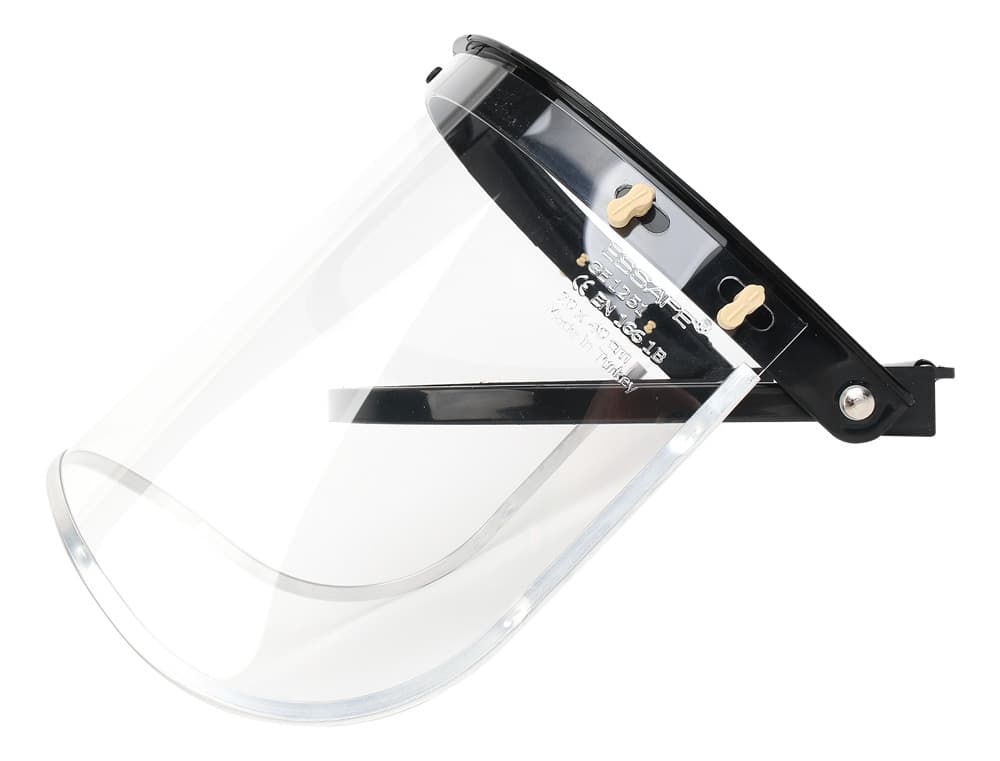
Barete Takılabilir Siperlik 20x40 cm
Max Safety · Safety Glasses
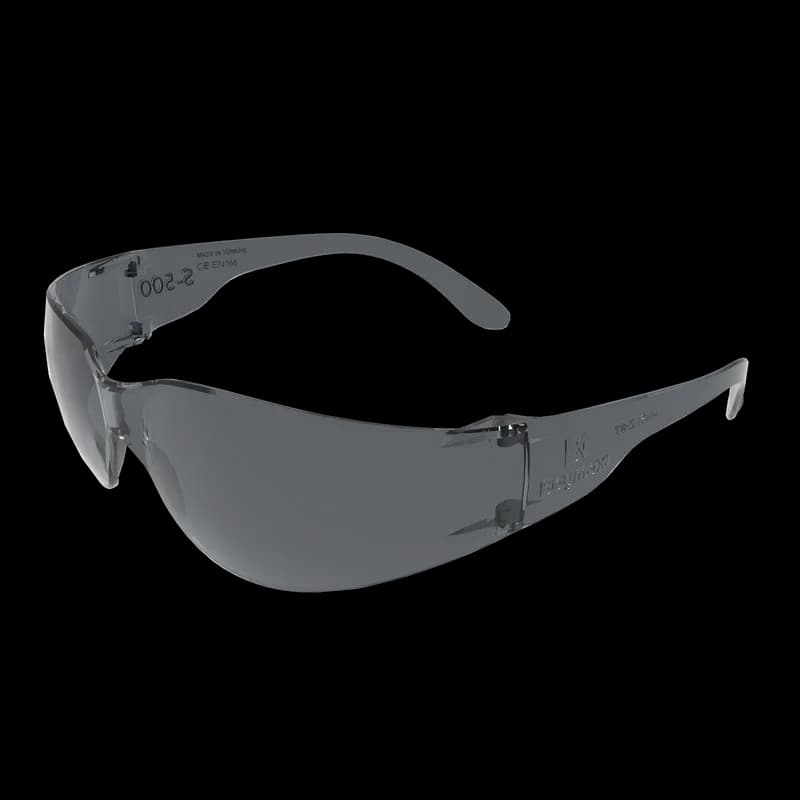
Baymax Dynamic Koruyucu Gözlük Füme S-500 (Çapak)
Baymax · Safety Glasses
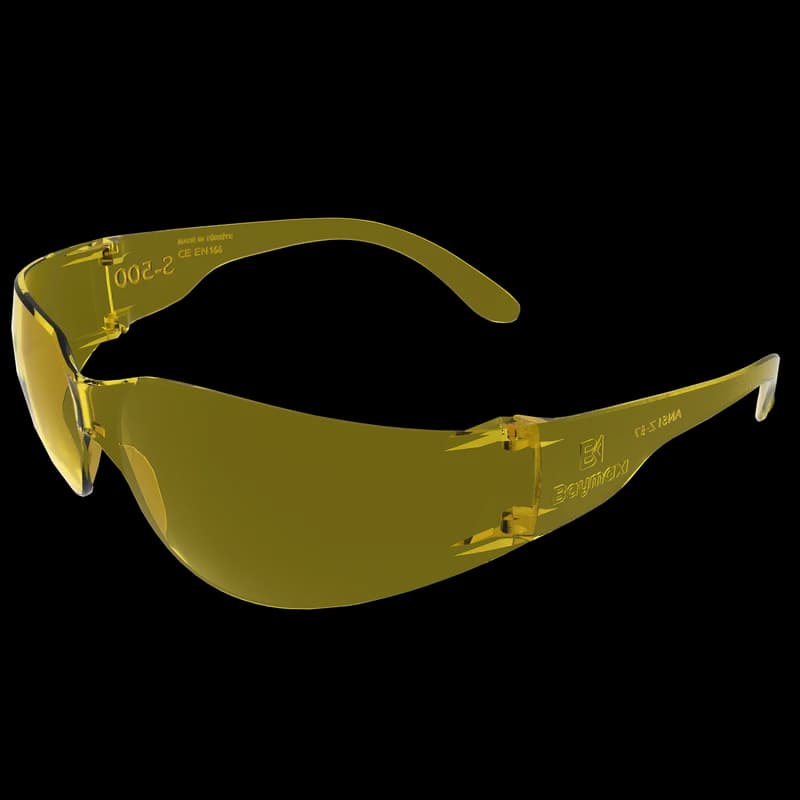
Baymax Dynamic Koruyucu Gözlük Sarı S-500 (Çapak)
Baymax · Safety Glasses
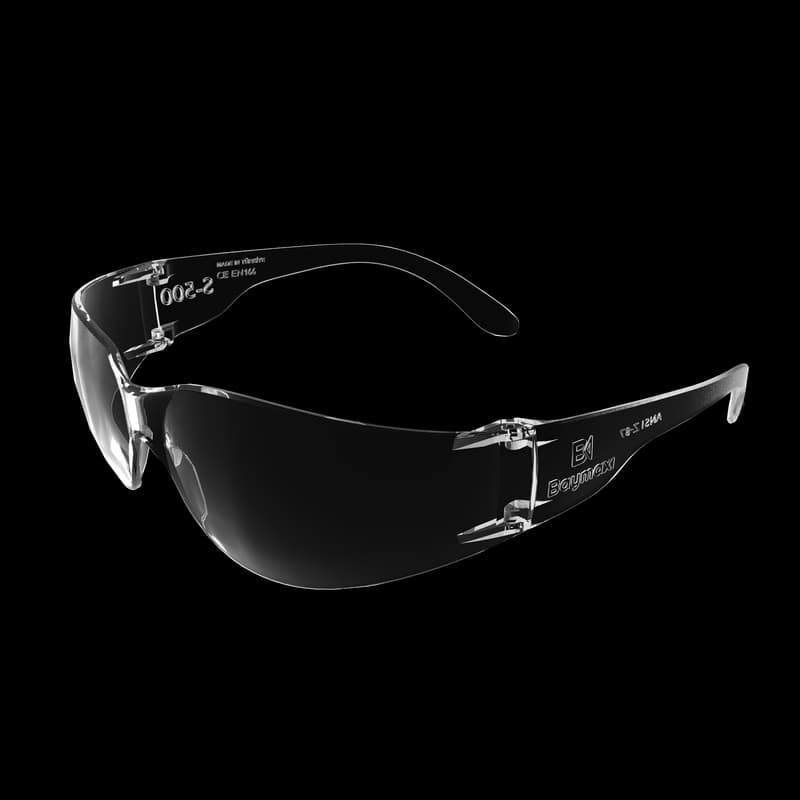
Baymax Dynamic Koruyucu Gözlük Şeffaf S-500(ÇAPAK)
Baymax · Safety Glasses
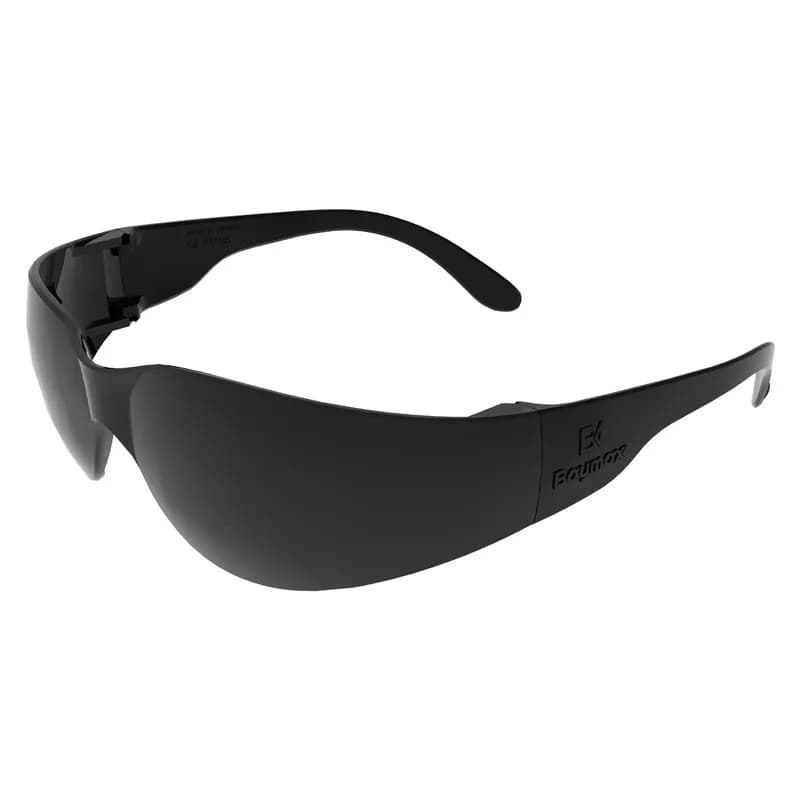
Baymax Dynamic Koruyucu Gözlük Siyah S-500 (Çapak)
Baymax · Safety Glasses
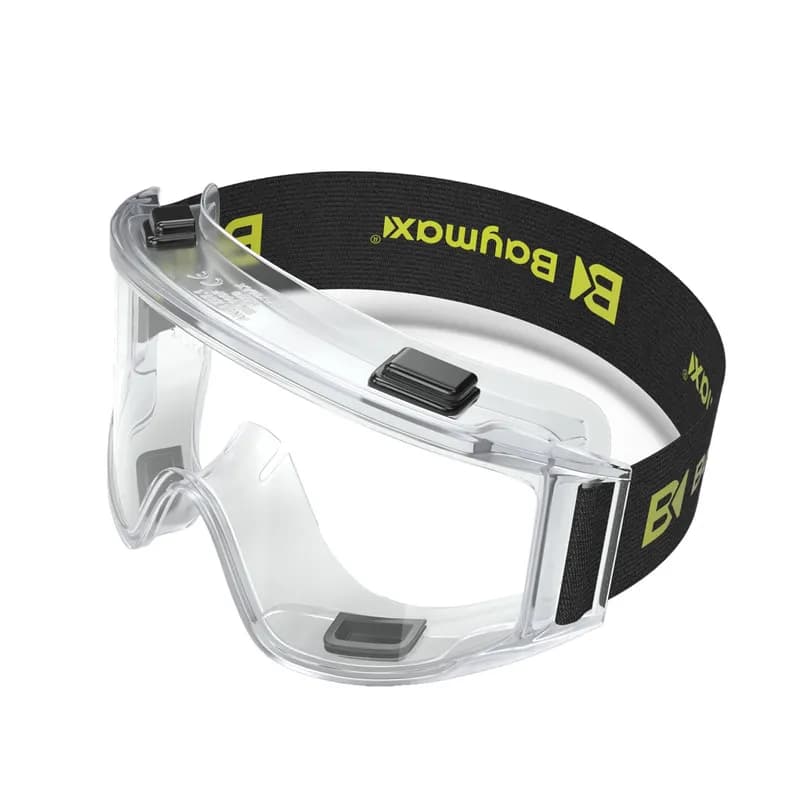
Baymax Grand Koruyucu Gözlük Şeffaf S-550
Baymax · Safety Glasses
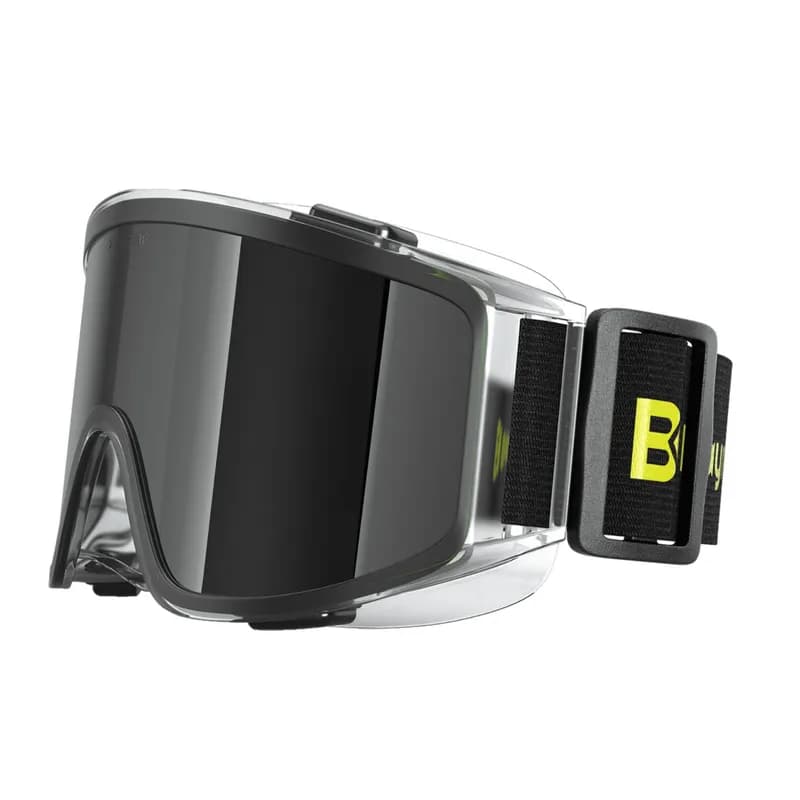
Baymax Grand Koruyucu Gözlük Siyah S-550
Baymax · Safety Glasses
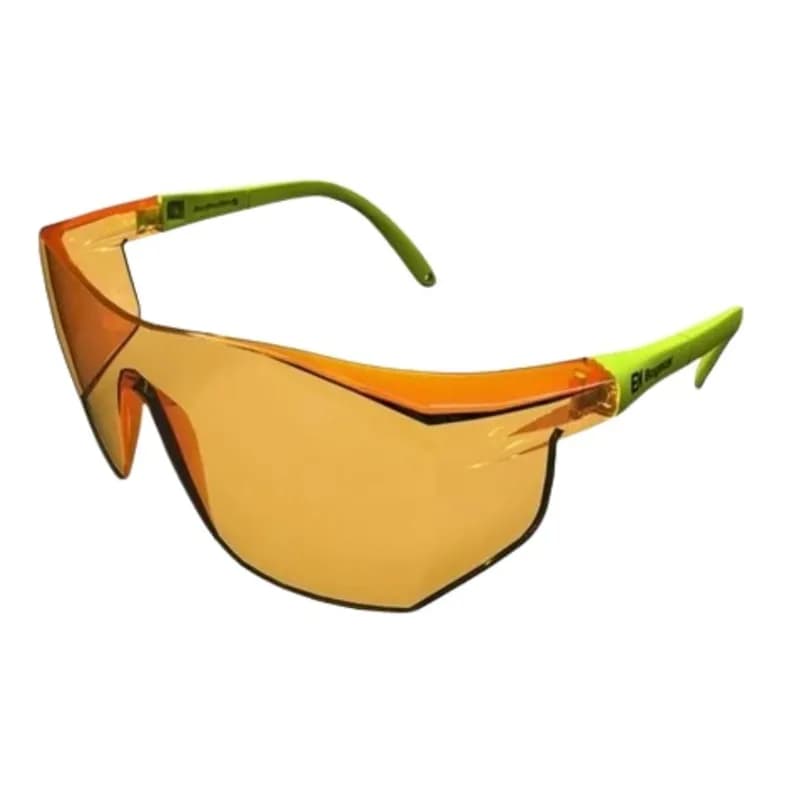
Baymax Koruyucu Gözlük Sarı S-400 (Çapak)
Baymax · Safety Glasses
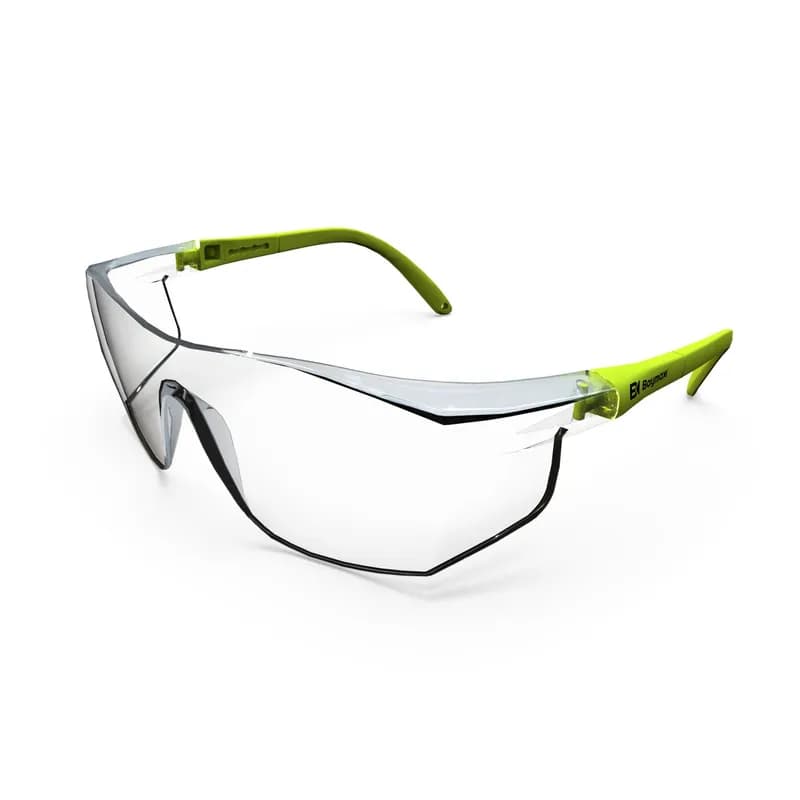
Baymax Koruyucu Gözlük Şeffaf S-400 (Çapak)
Baymax · Safety Glasses
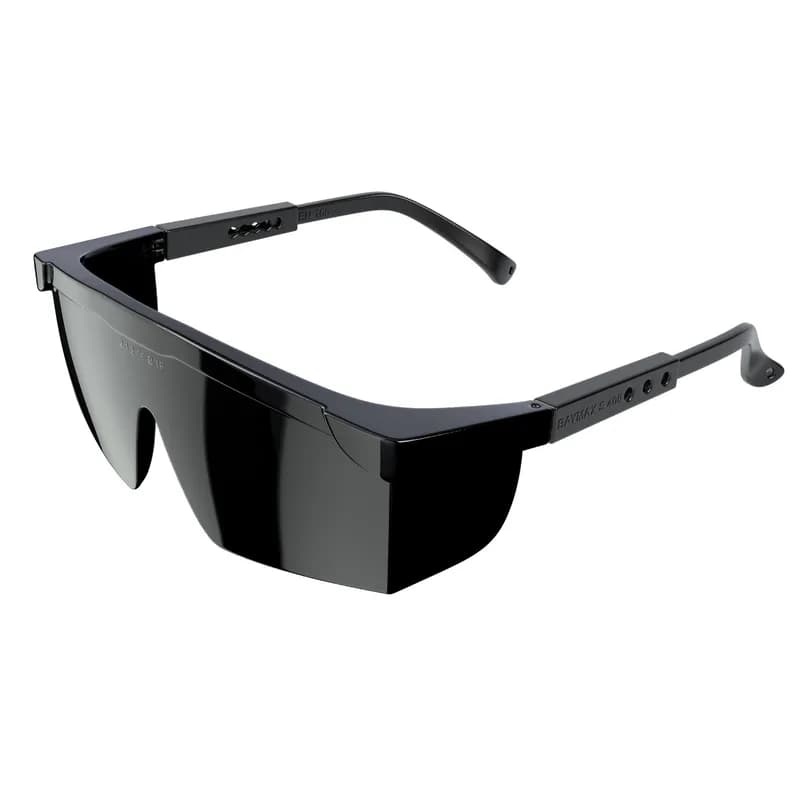
Baymax Koruyucu Gözlük Siyah S-400 (Çapak)
Baymax · Safety Glasses
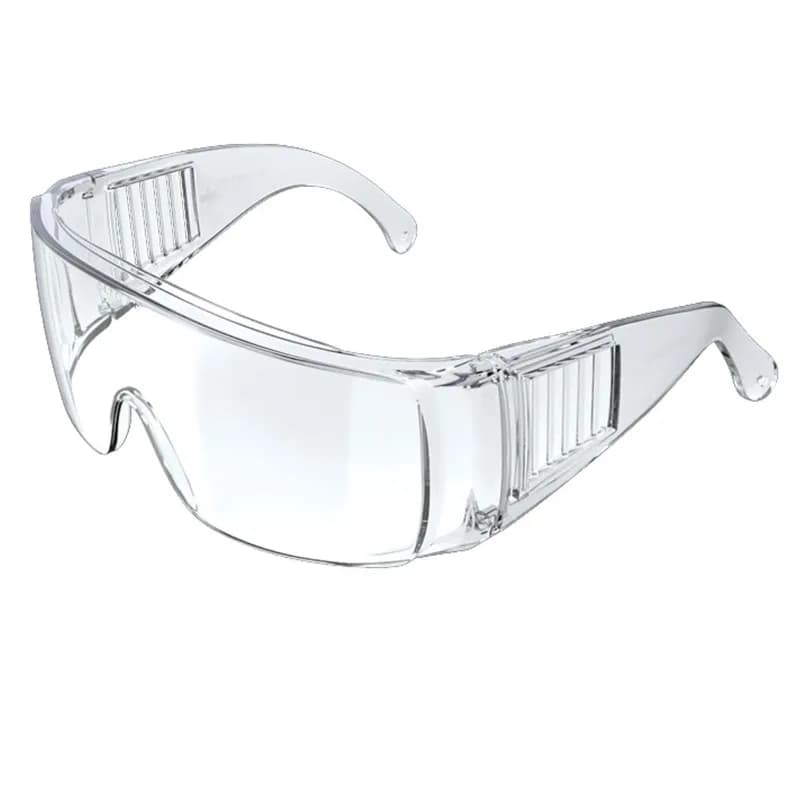
Baymax Major Gözlük Üstü Gözlük S-700
Baymax · Safety Glasses
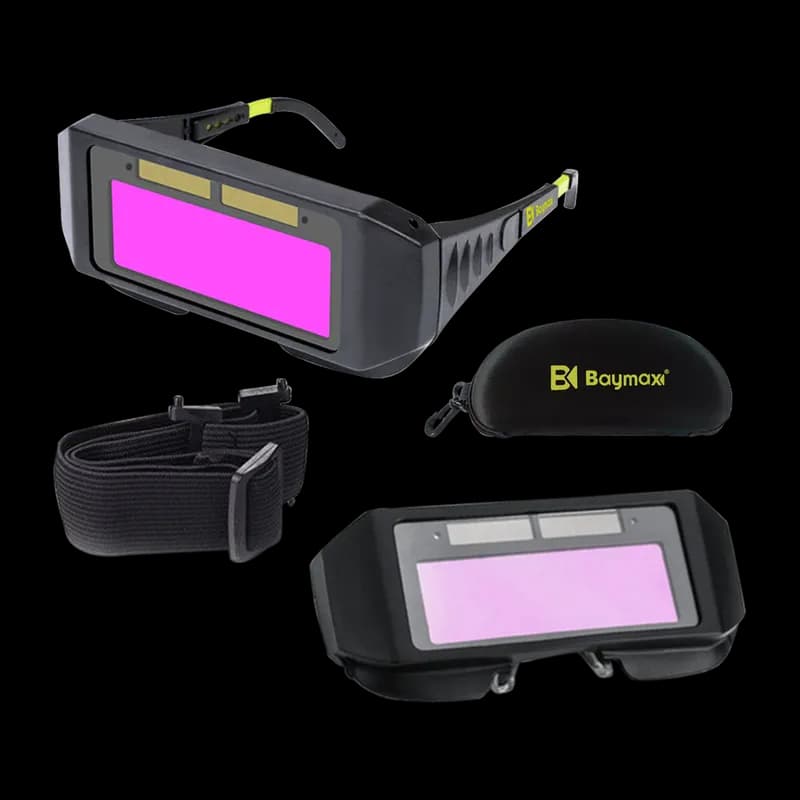
Baymax Otomatik Kararan Kaynak Gözlük BX-3200
Baymax · Safety Glasses
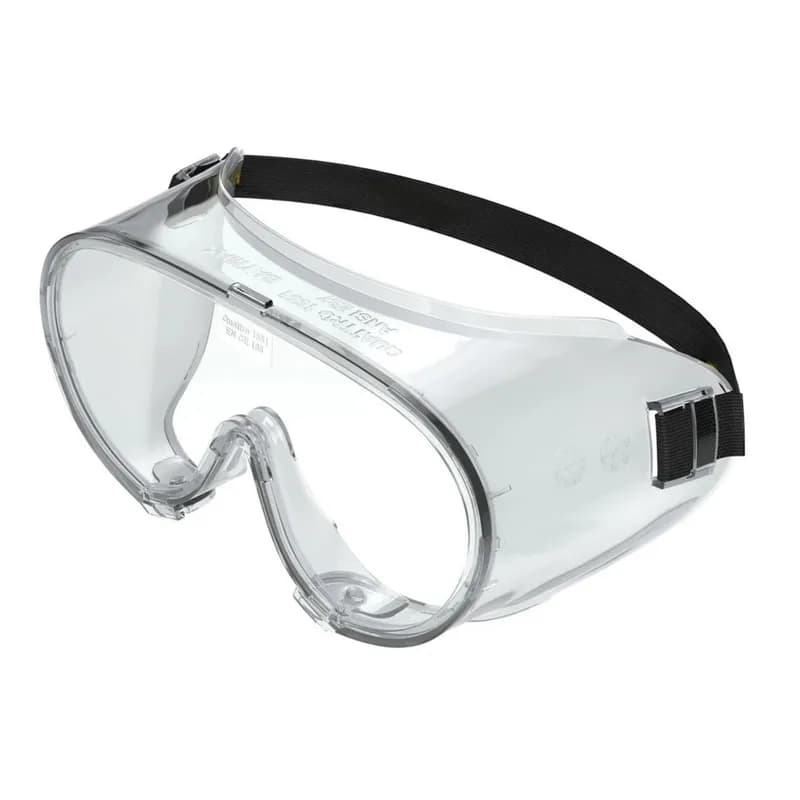
Baymax Quatro Koruyucu Gözlük Şeffaf S-1551
Baymax · Safety Glasses
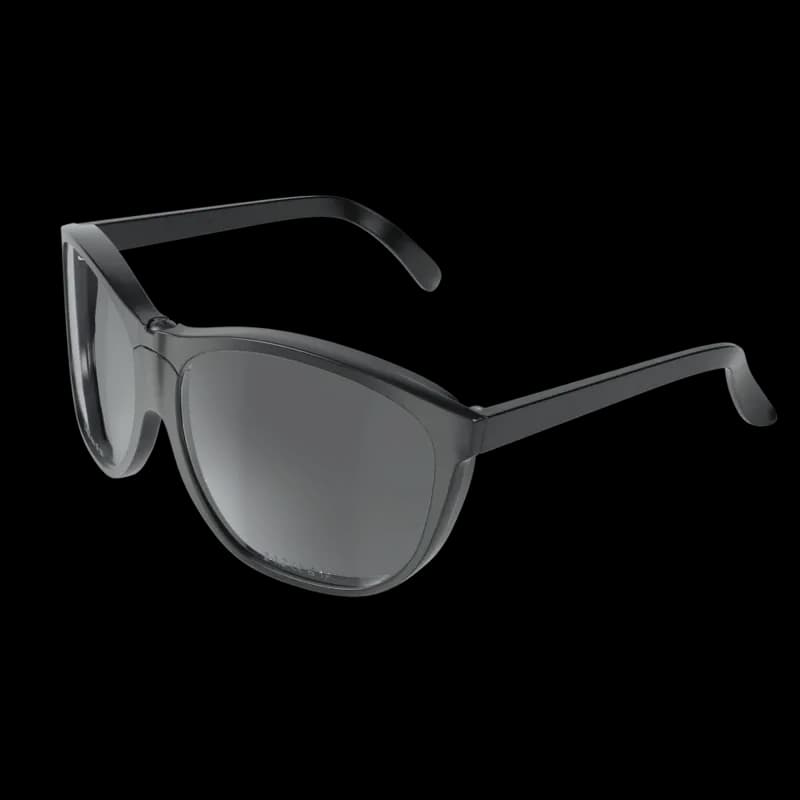
Baymax Usta Gözlük Şeffaf S-503
Baymax · Safety Glasses
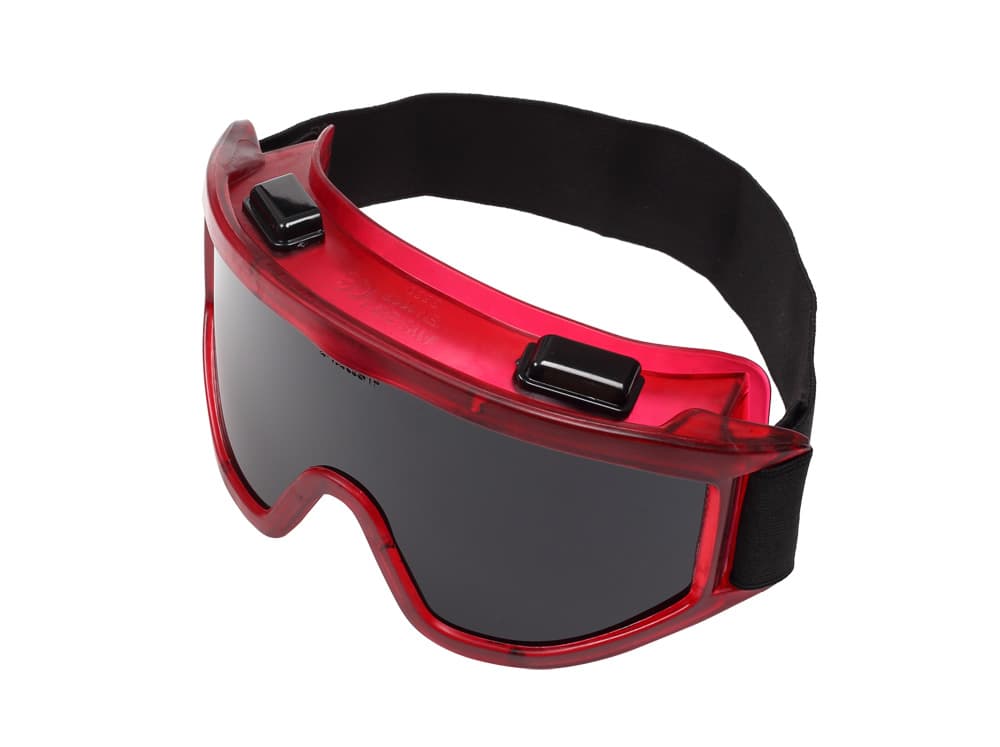
Göz Koruyucu - Füme 118 gr
Max Safety · Safety Glasses
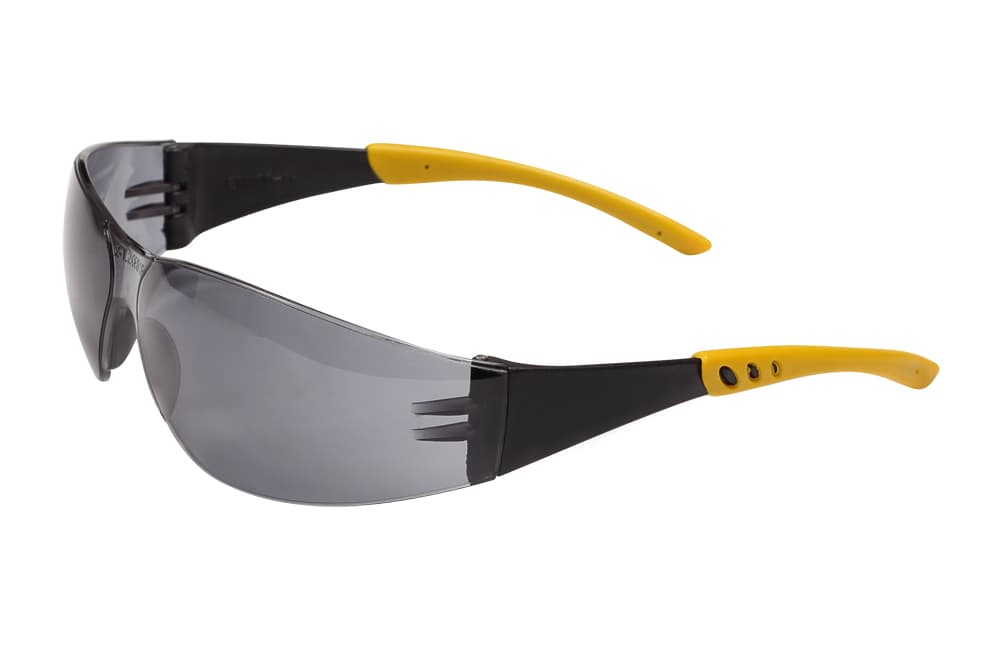
Göz Koruyucu - Füme 30 gr
Max Safety · Safety Glasses
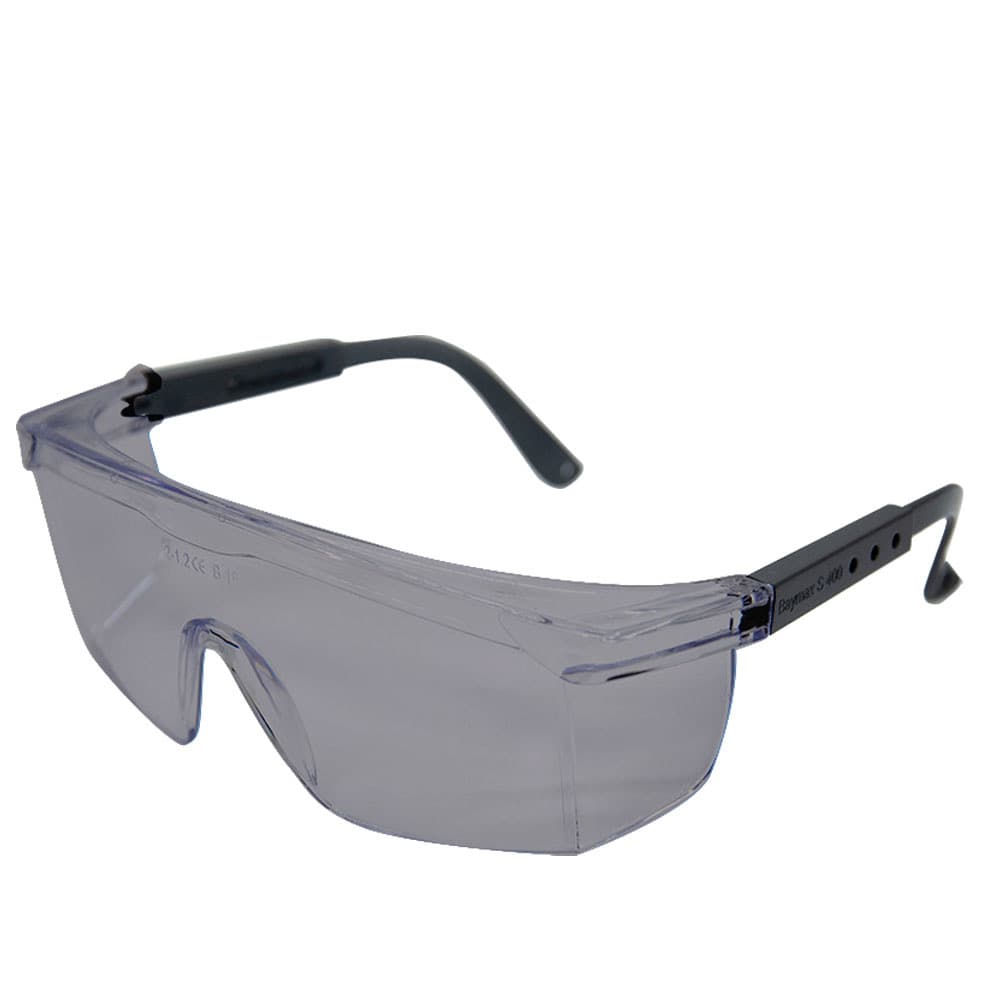
Göz Koruyucu - Füme 40 gr
Max Safety · Safety Glasses
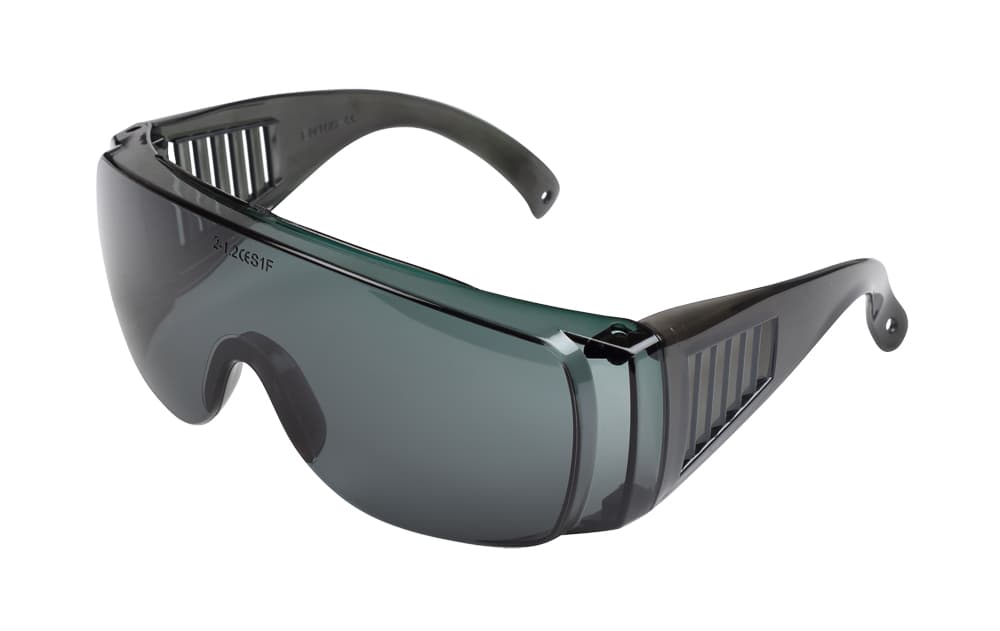
Göz Koruyucu - Füme 40 gr
Max Safety · Safety Glasses
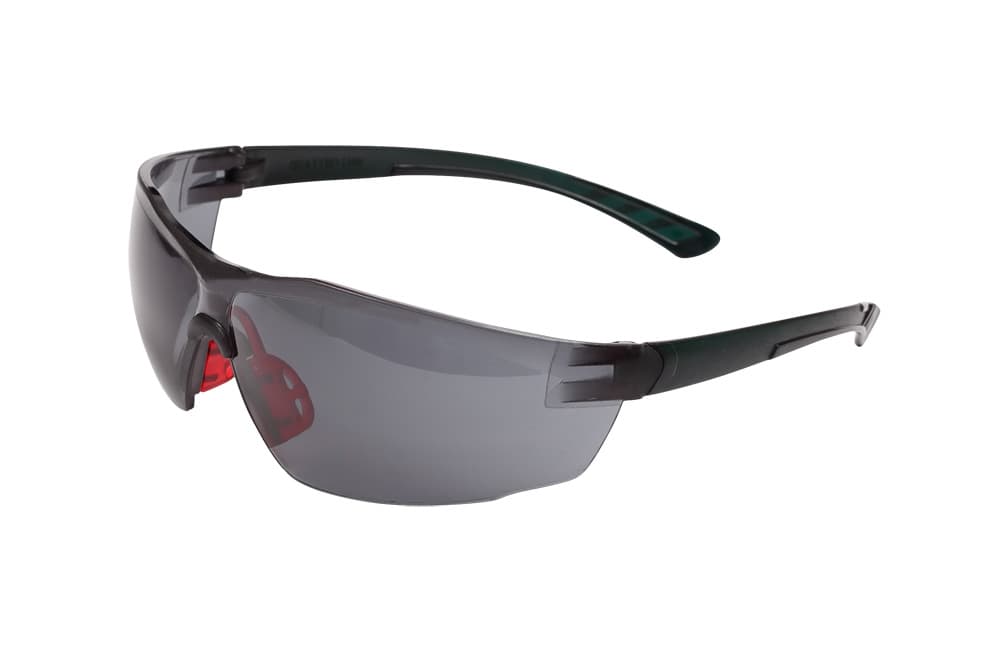
Göz Koruyucu - Füme 50 gr
Max Safety · Safety Glasses
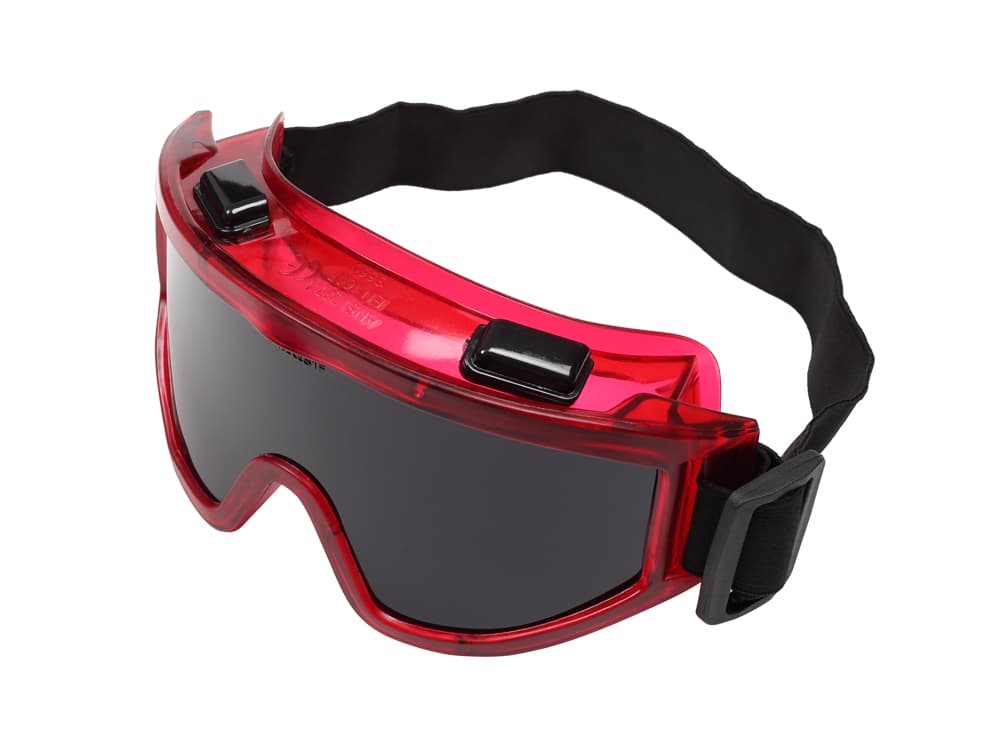
Göz Koruyucu - Kaynak 118 gr
Max Safety · Safety Glasses
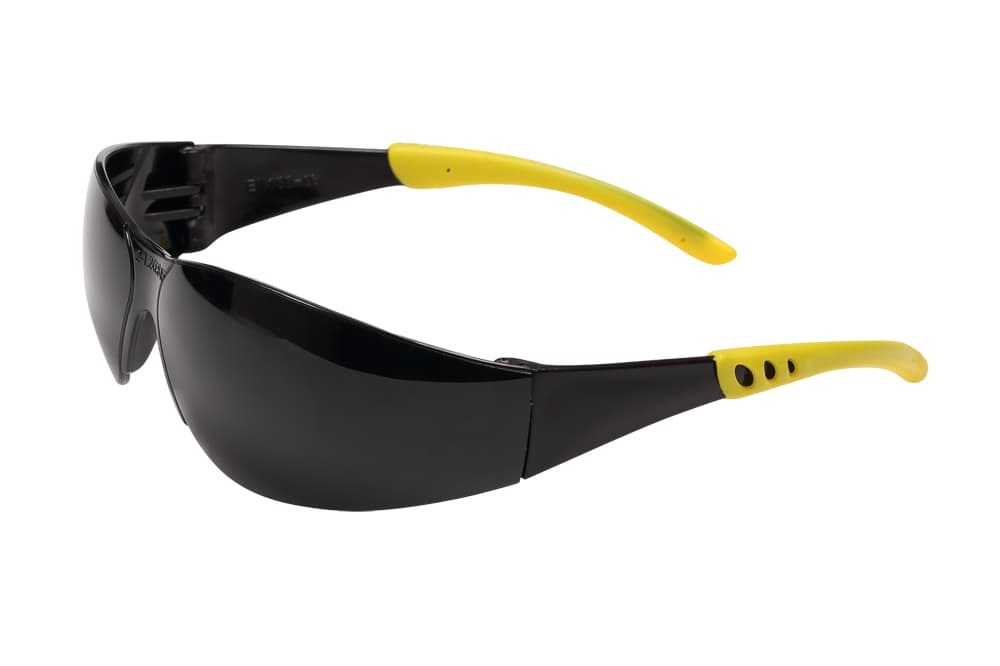
Göz Koruyucu - Kaynak 30 gr
Max Safety · Safety Glasses
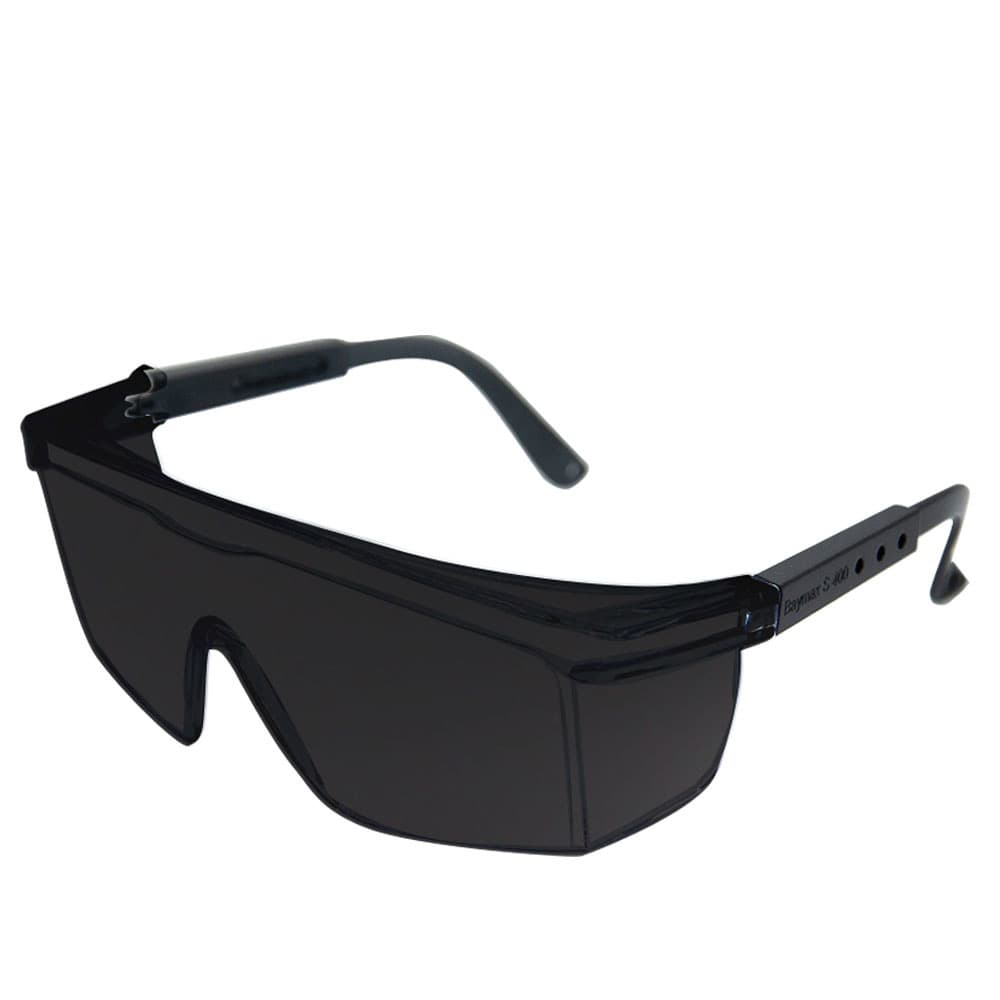
Göz Koruyucu - Kaynak 40 gr
Max Safety · Safety Glasses
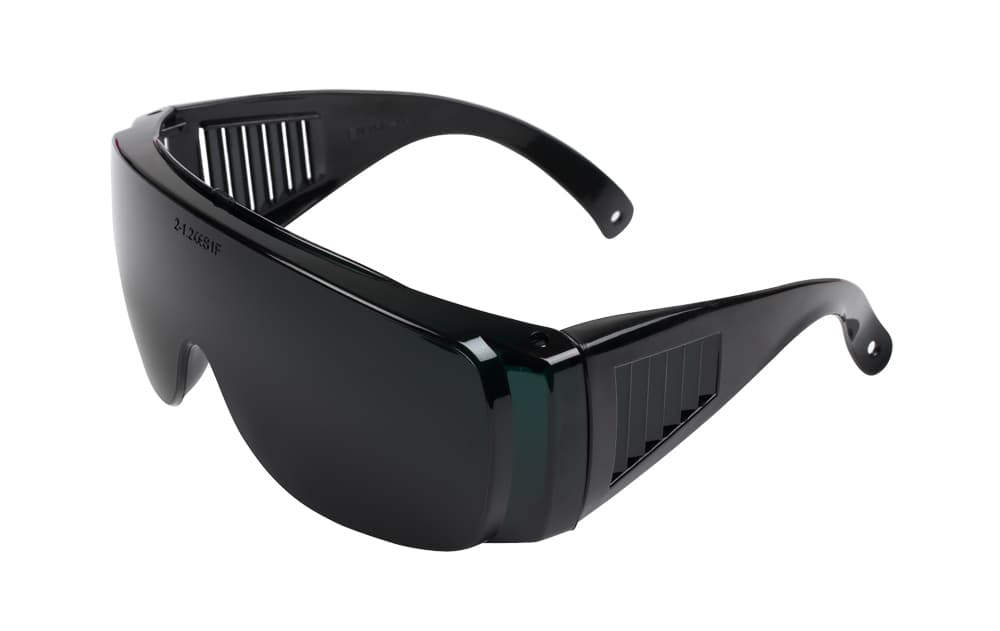
Göz Koruyucu - Kaynak 40 gr
Max Safety · Safety Glasses
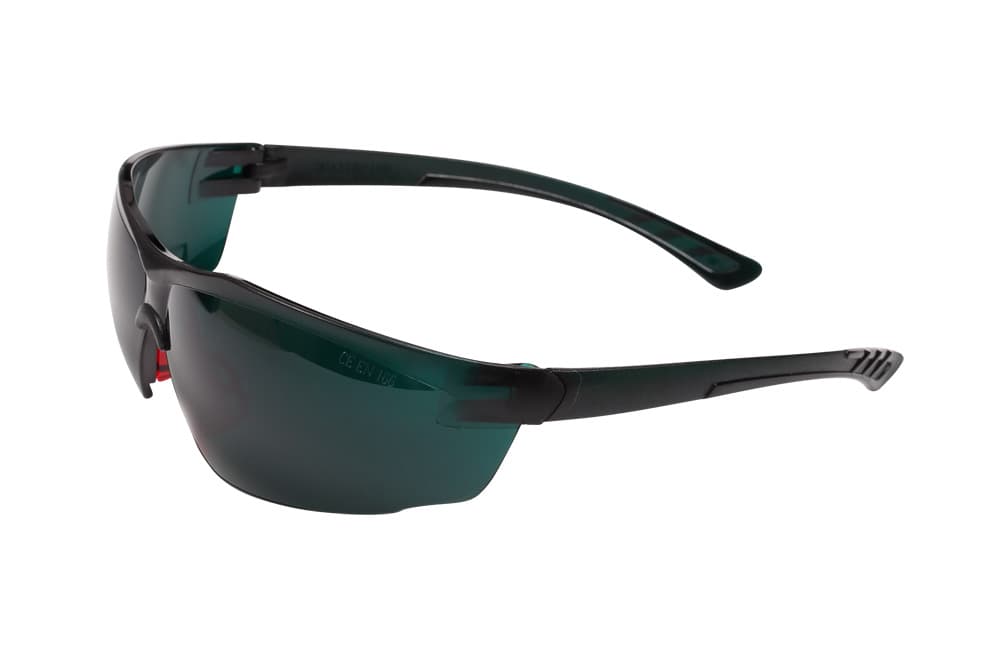
Göz Koruyucu - Kaynak 50 gr
Max Safety · Safety Glasses
1–24 of 138 · page 1 / 6
Impact grade and lens tint
EN 166 states impact resistance by letter: S is basic, F is low energy impact (45 m/s), B medium energy (120 m/s) and A high energy. Grinding, cutting and nailing call for at least 1F, and work with high-velocity particles for 1B.
The tint follows the environment: clear indoors and for general use, smoke outdoors in sunlight, yellow to raise contrast in poor light. Welding lenses are numbered by arc intensity and never replace a welding helmet — they are for observation and tack work only.
| Lens | Where |
|---|---|
| Clear | Indoors, general use |
| Smoke | Outdoors, in sunlight |
| Yellow | Low light, contrast |
| Welding | Tacking and observation, brief |
Vented, non-vented and anti-fog
Vented goggles let air through, which reduces fogging, and are used against dust and debris. Non-vented models are made for liquid splash and fine dust — in chemical and paint work a vent would simply let the liquid in, so a sealed model is required.
Fogging is the most common reason eyewear comes off, and fogged eyewear protects nothing. Anti-fog coated models make a visible difference across temperature changes and when worn with a respirator. Scratched lenses distort vision and should be replaced.
Frequently Asked Questions
What is the difference between 1F and 1B?
Impact velocity: F covers particles at 45 m/s, B at 120 m/s. Grinding and cutting call for at least 1F; work with high-velocity particles calls for 1B.
Vented or non-vented?
Against dust and debris, vented models reduce fogging. For liquid splash and chemical work a sealed, non-vented model is required, since a vent lets the liquid through.
Can they be worn over prescription glasses?
Use over-spectacle models made for the purpose. Forcing standard safety glasses over a prescription pair leaves gaps at the face and lowers the protection.
Do welding lenses replace a welding helmet?
No. Welding-tinted eyewear is for brief work such as tacking and observation; arc welding needs an auto-darkening helmet that protects the face as well as the eyes.
How long does anti-fog coating last?
The coating wears with use and with the wrong cleaning. Rubbing a dry cloth over the lens damages it; water and a soft cloth extend its life. Scratched lenses distort vision and should be replaced.