Categories
Micro Sanders & Polishers
Micro sanders and polishers reach where a full-size machine cannot: profiles, internal corners, hollow surfaces and small parts. They come in four forms — belt, delta, random orbit and pencil — and the form follows the shape of the surface.
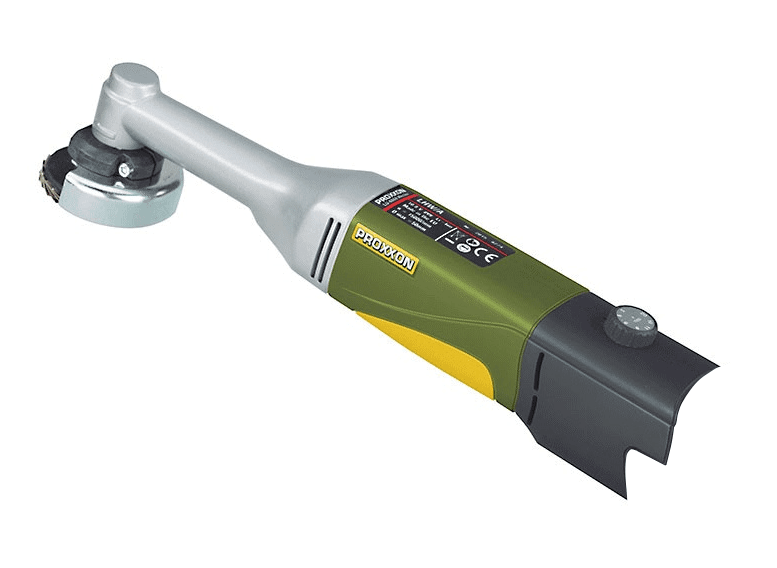
Proxxon 29817 Cordless, belt, body only Sander / Polisher
Proxxon · Micro Sanders & Polishers
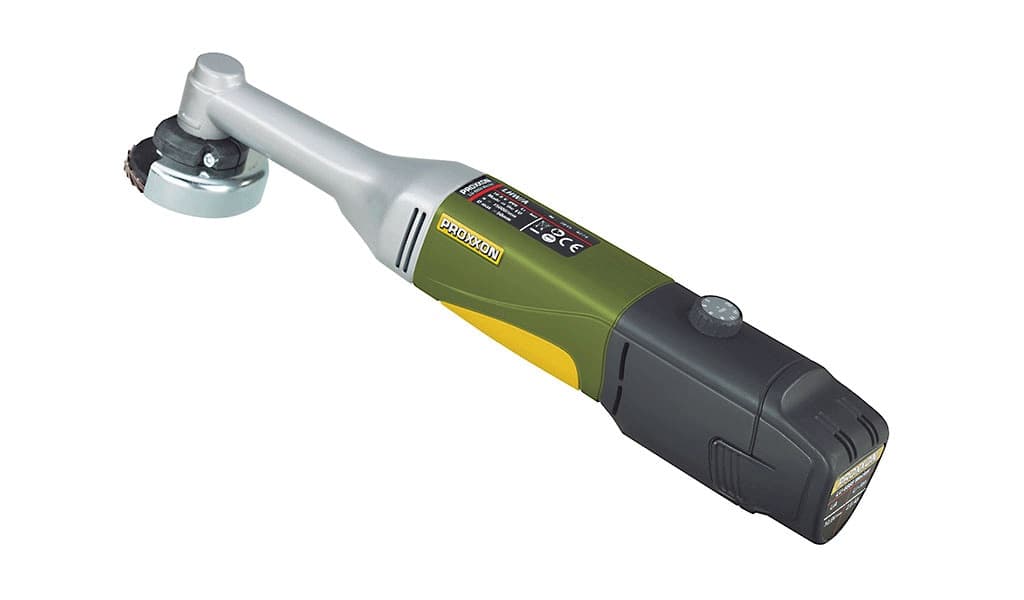
Proxxon 29815 LHW/A Cordless, belt Sander / Polisher
Proxxon · Micro Sanders & Polishers
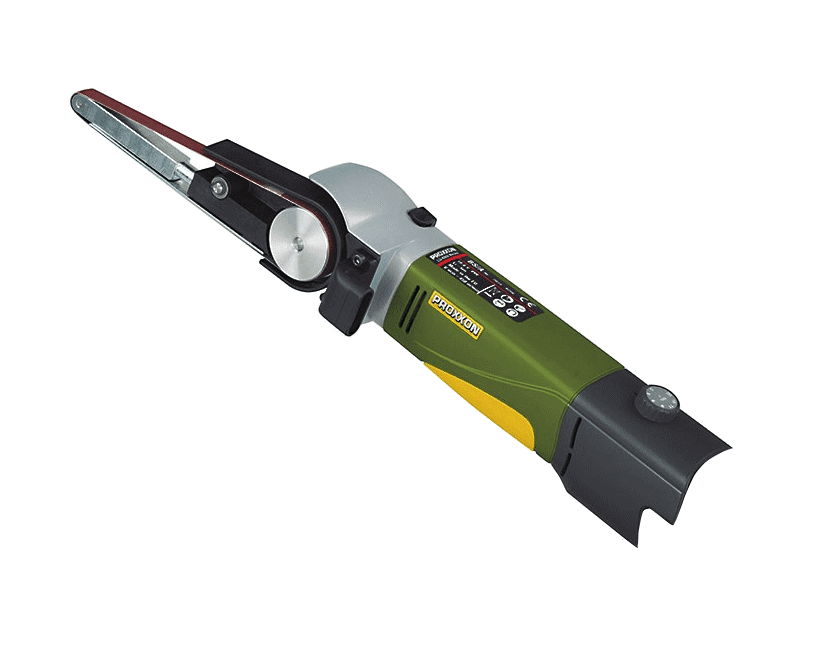
Proxxon 29812 Cordless, belt, body only Sander / Polisher
Proxxon · Micro Sanders & Polishers
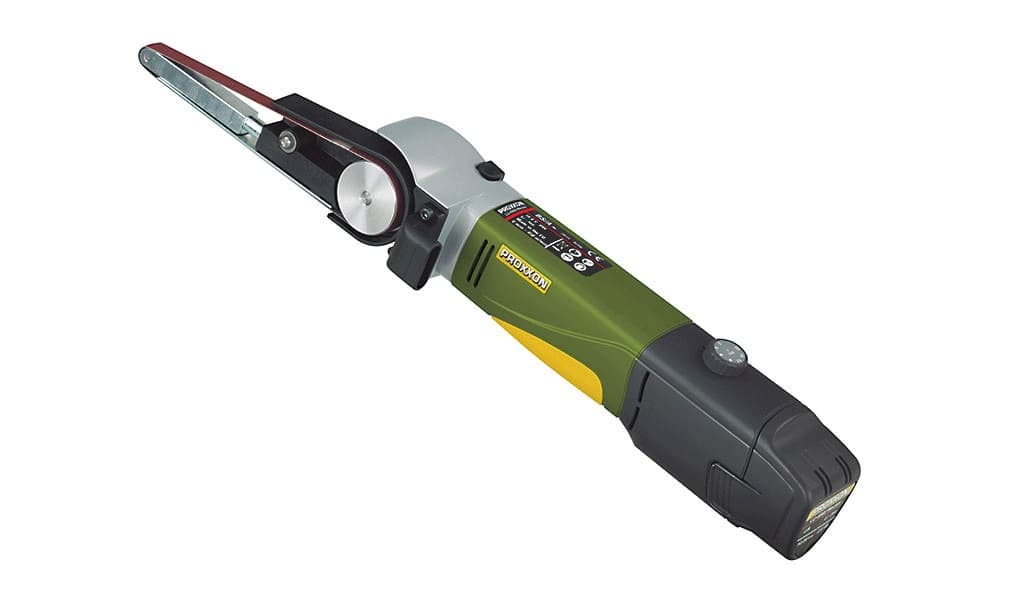
Proxxon 29810 Cordless, belt Sander / Polisher
Proxxon · Micro Sanders & Polishers

Proxxon 29832 Cordless, belt, body only Sander / Polisher
Proxxon · Micro Sanders & Polishers
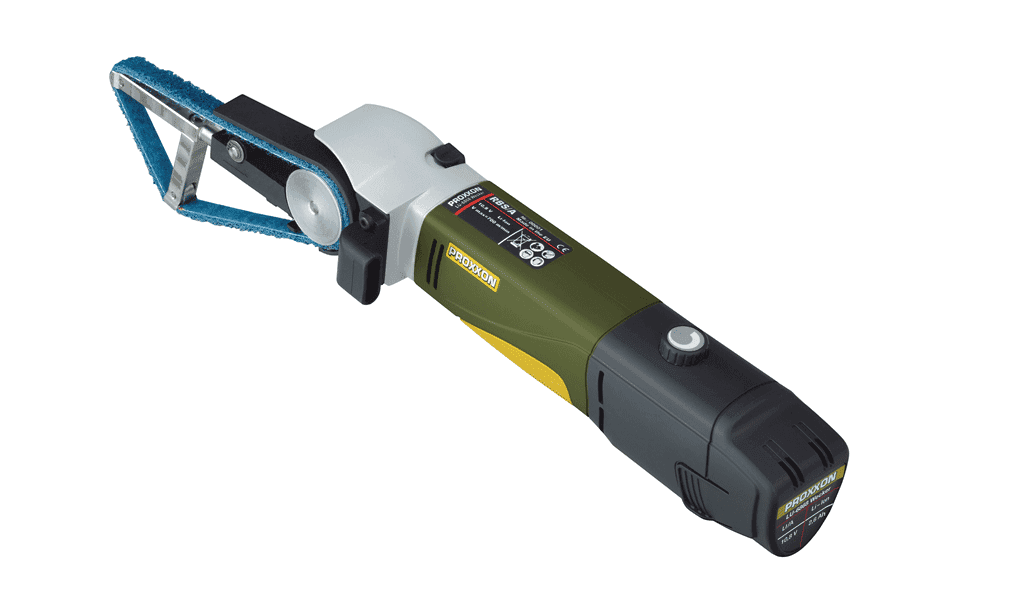
Proxxon 29830 Cordless, belt Sander / Polisher
Proxxon · Micro Sanders & Polishers

Proxxon 29837 Cordless, random orbit, body only Sander / Polisher
Proxxon · Micro Sanders & Polishers
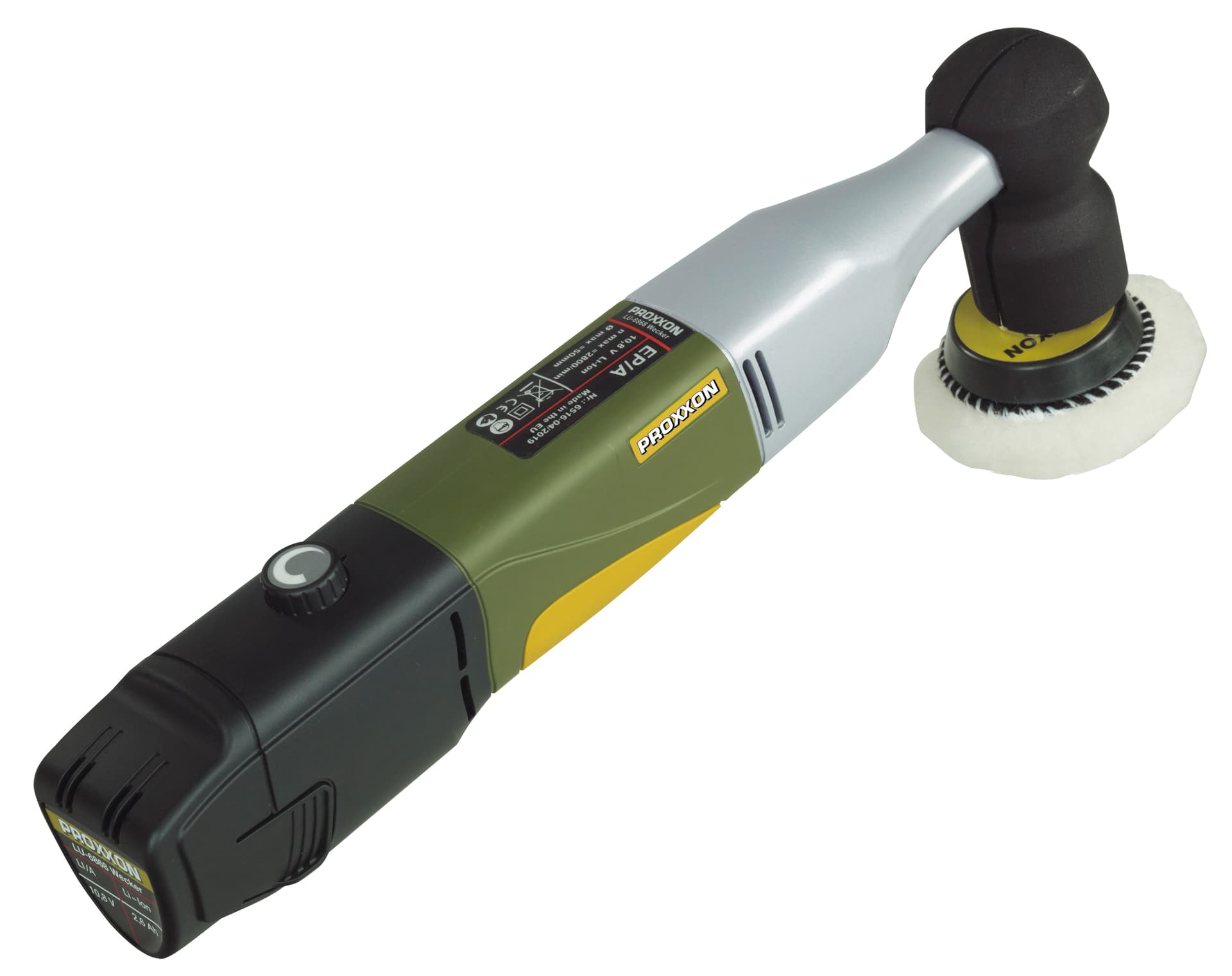
Proxxon 29835 Cordless, random orbit Sander / Polisher
Proxxon · Micro Sanders & Polishers

Proxxon 29822 Cordless, body only Sander / Polisher
Proxxon · Micro Sanders & Polishers
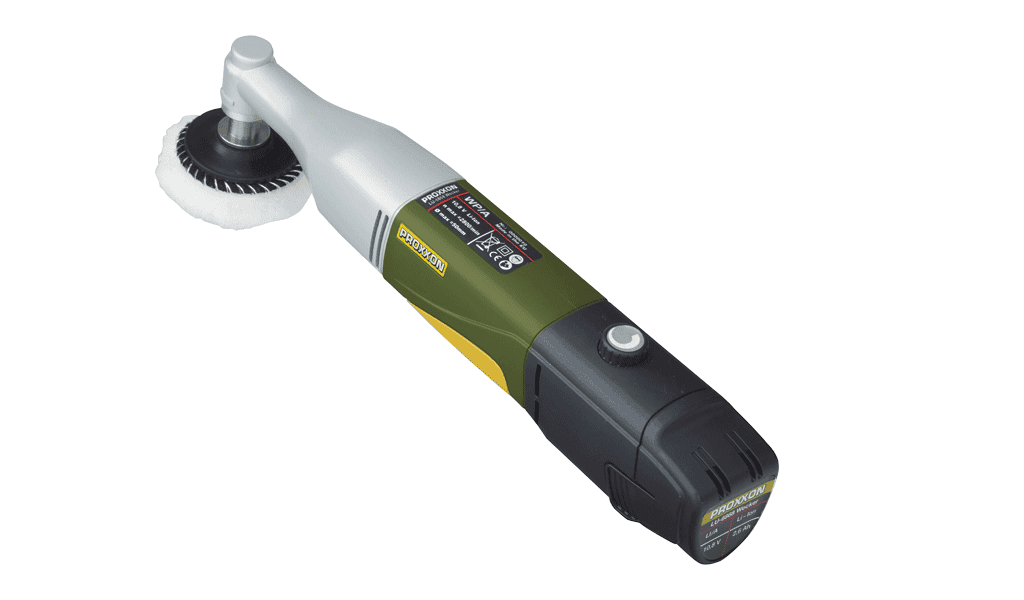
Proxxon 29820 Cordless Sander / Polisher
Proxxon · Micro Sanders & Polishers

Proxxon 29827 Cordless, body only Sander / Polisher
Proxxon · Micro Sanders & Polishers

Proxxon 29825 Cordless Sander / Polisher
Proxxon · Micro Sanders & Polishers
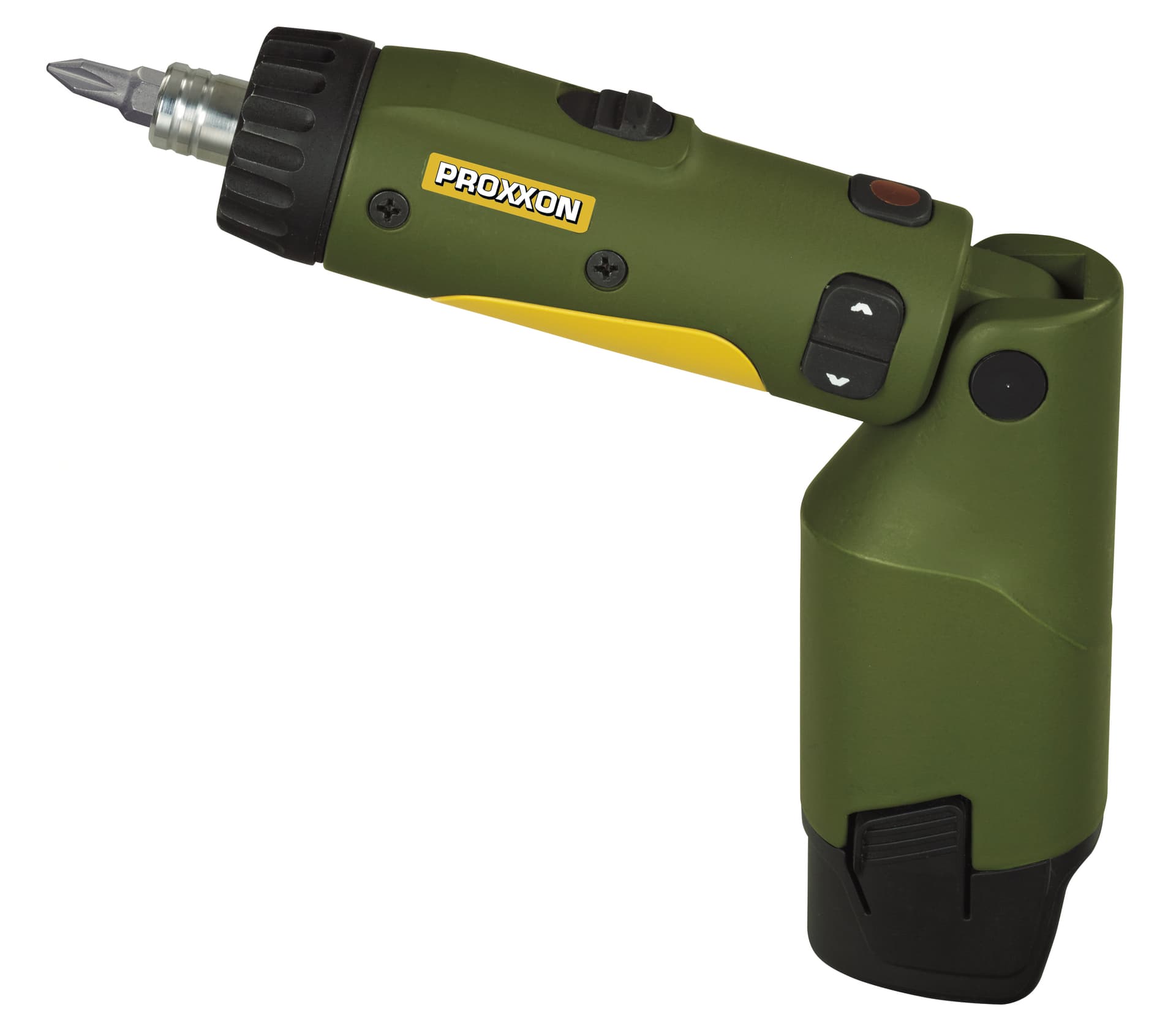
Proxxon 29840 Cordless Sander / Polisher
Proxxon · Micro Sanders & Polishers
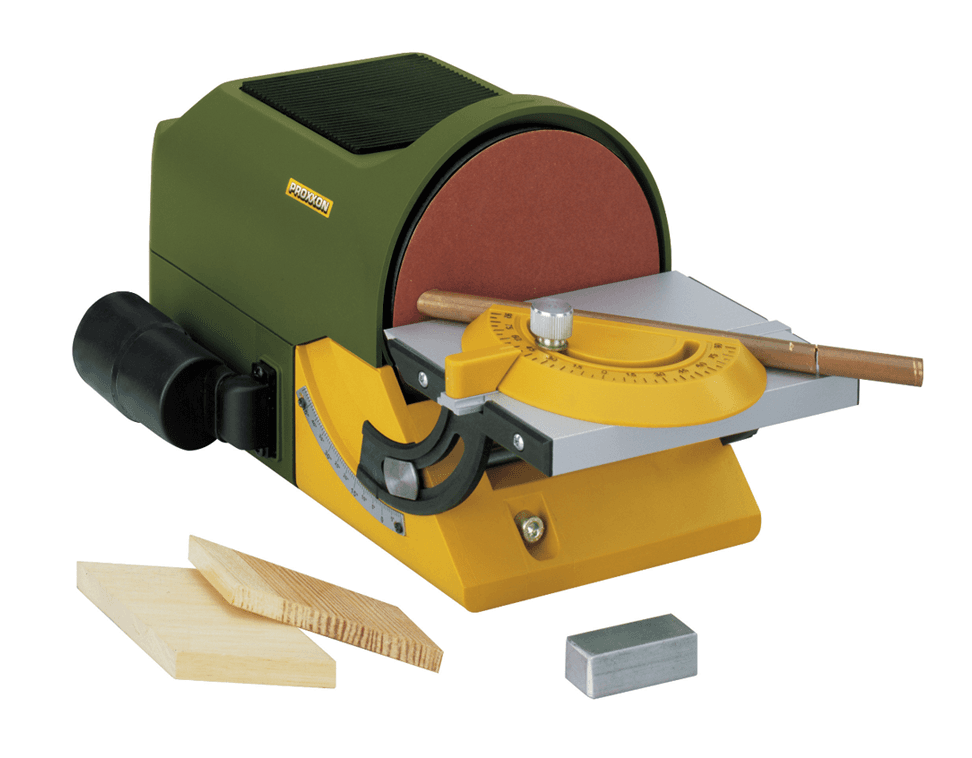
Proxxon 27060 Disc Sander / Polisher
Proxxon · Micro Sanders & Polishers
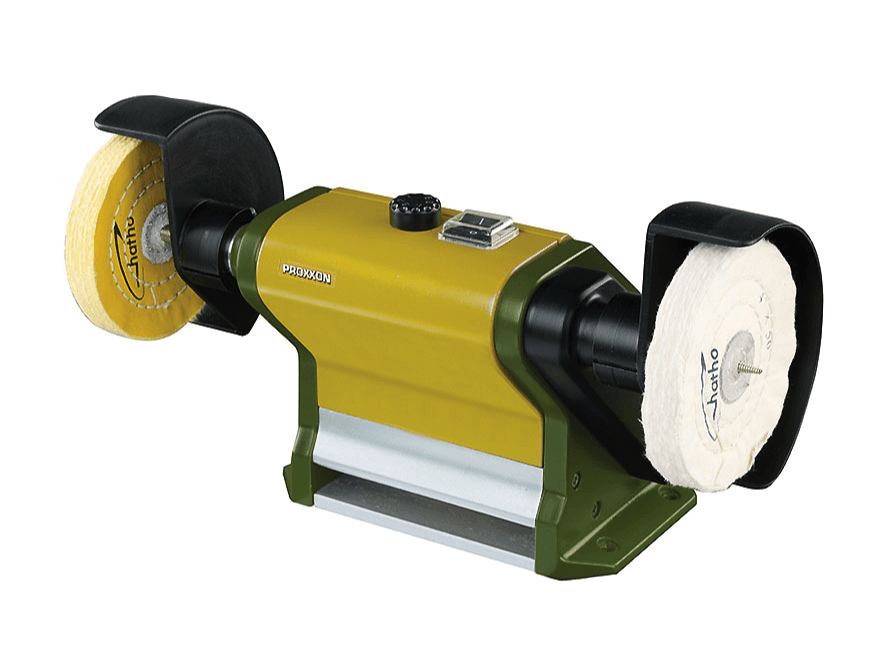
Proxxon 27180 Sander / Polisher
Proxxon · Micro Sanders & Polishers
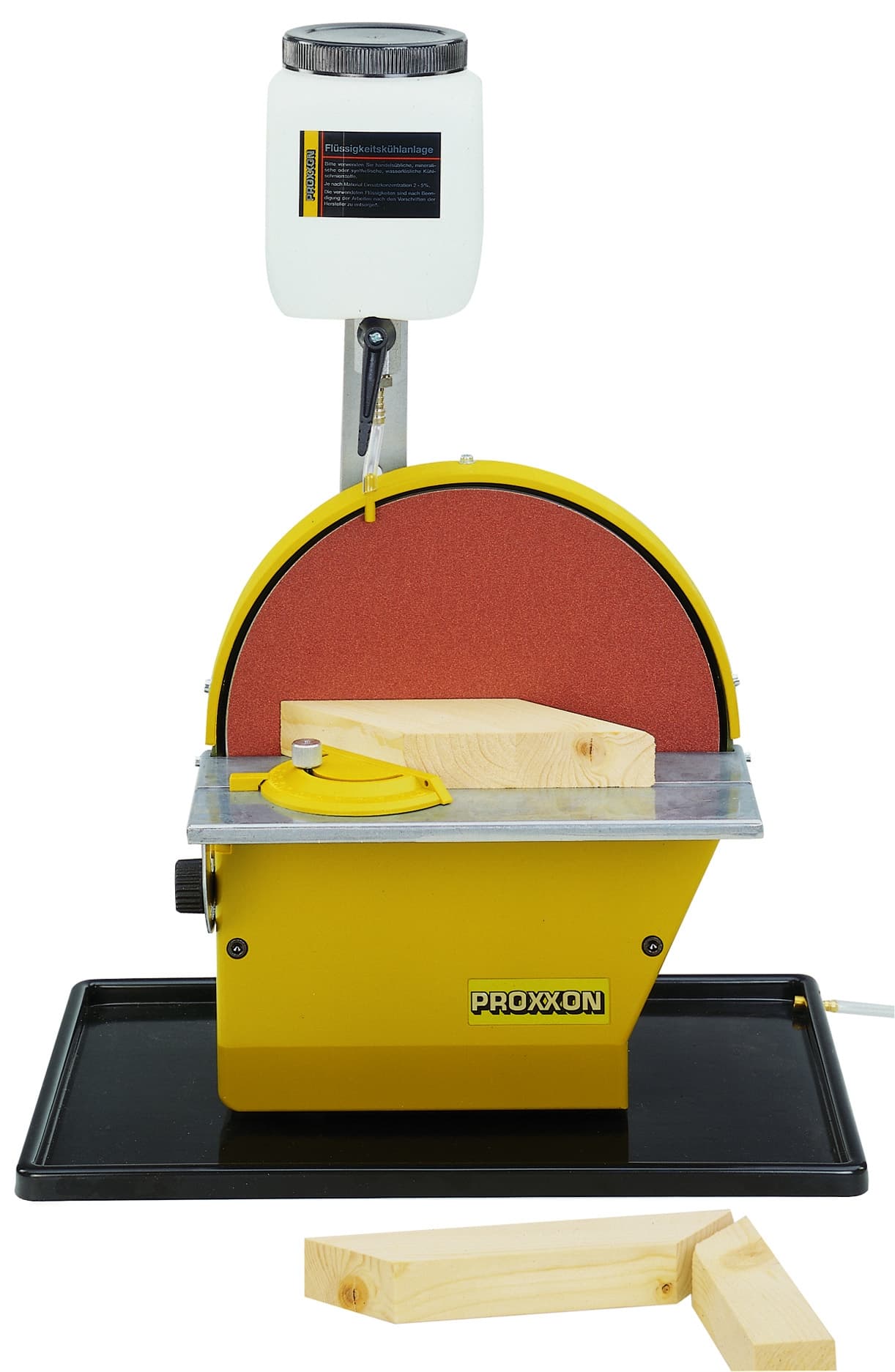
Proxxon 28060 TSG 250/E Disc Sander / Polisher
Proxxon · Micro Sanders & Polishers
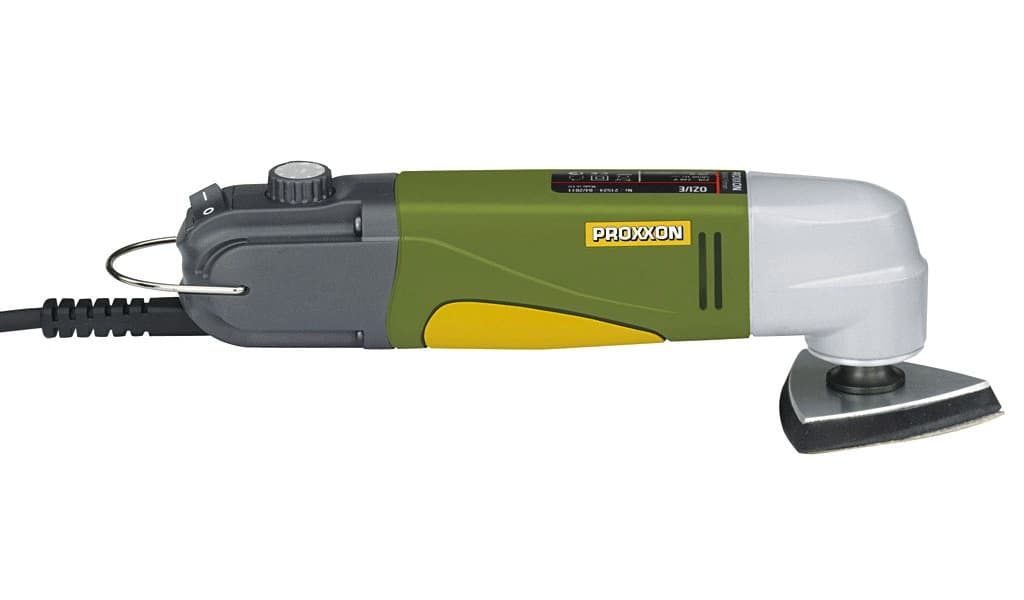
Proxxon 28520 OZI220/E Sander / Polisher
Proxxon · Micro Sanders & Polishers
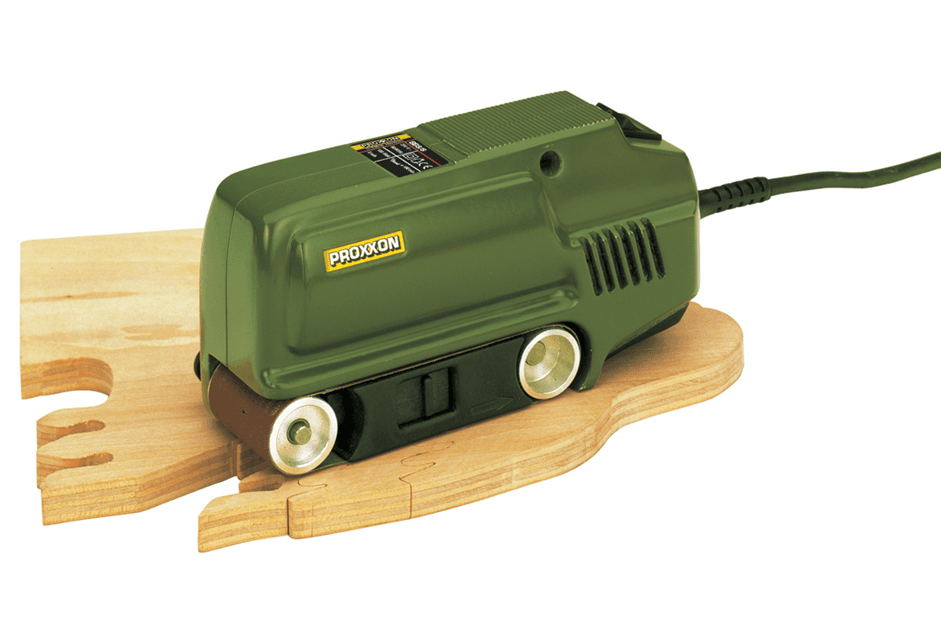
Proxxon 28526 BBS/S Sander / Polisher
Proxxon · Micro Sanders & Polishers
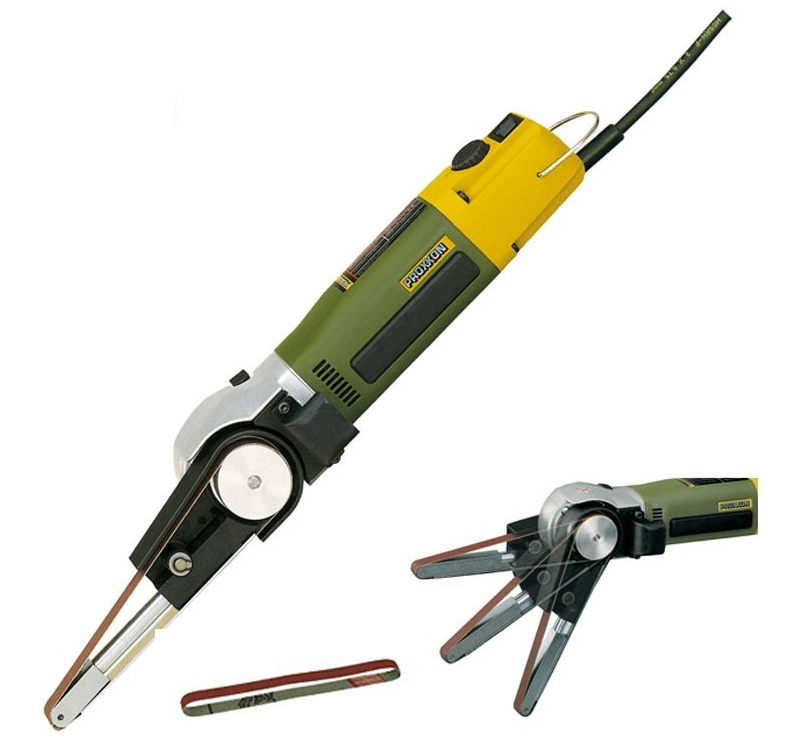
Proxxon 28536 BSL 220/E Belt Sander / Polisher
Proxxon · Micro Sanders & Polishers
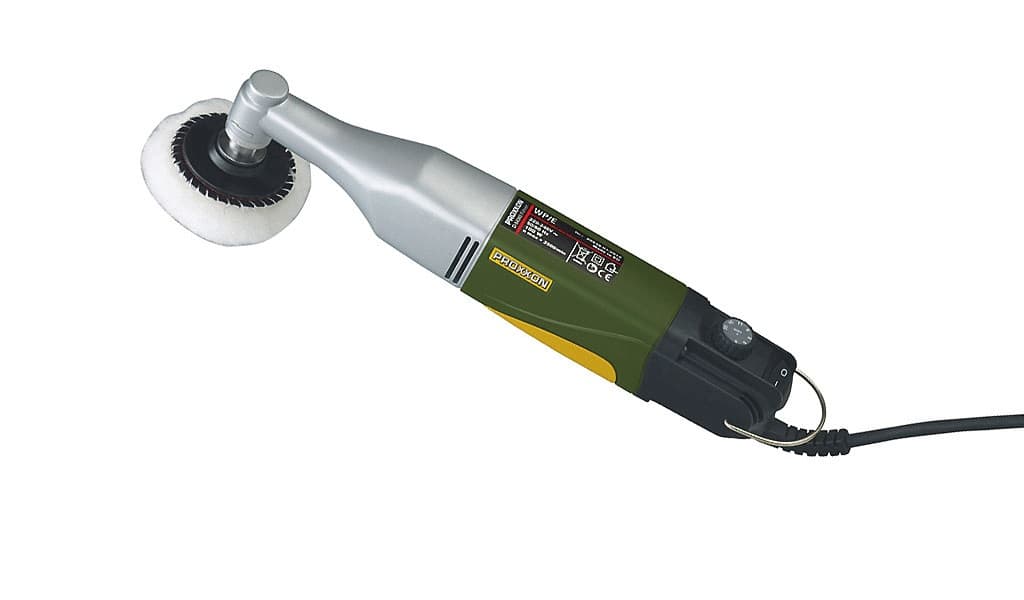
Proxxon 28660 Sander / Polisher
Proxxon · Micro Sanders & Polishers

Proxxon 29860 Cordless, precision Sander / Polisher
Proxxon · Micro Sanders & Polishers

Proxxon 29862 Precision, body only Sander / Polisher
Proxxon · Micro Sanders & Polishers

Proxxon 27030 Sander / Polisher
Proxxon · Micro Sanders & Polishers
The form follows the surface
A belt sander gives continuous contact along a narrow strip; it is what works in internal corners, grooves and weld beads. A delta sander gets into the bottom of a corner with its triangular pad.
A random orbit polisher combines rotation with an orbit, so it leaves no swirl; that is what makes it the choice over paint and lacquer. A pencil sander works inside holes and narrow channels with a cylindrical head.
Grit sequence and speed
Sanding is a matter of replacing one scratch with a finer one. Skipping a grit leaves a surface that feels smooth but shows the older scratch again under paint.
For polishing the speed comes down. Too fast and the compound burns and marks the surface; the hardness of the foam head changes the result just as directly.
Frequently Asked Questions
Cordless or corded?
Corded holds its speed and runs indefinitely. Cordless removes the lead and wins on assembly work and in tight spaces; models sold as bodies use the battery of the same platform.
Which abrasive consumables does it take?
Each machine has its own size: belt length and width on a belt sander, triangle size on a delta, cylinder diameter on a pencil sander. They are listed by machine on the micro abrasives shelf.
Can it be used on metal?
Yes. Dressing welds, deburring and removing rust are common uses; grit and abrasive type are chosen for the material.