Categories
Construction Machinery
Construction machinery moves the heavy part of site work from muscle to machine: compacting ground, driving air out of fresh concrete, and cutting and drilling concrete once it has set. Those four jobs decide how the structure performs — under-compacted fill settles, under-vibrated concrete loses strength. This page explains which machine does which job and the figures that decide the choice.
Product Types
Go straight to the product type you need.
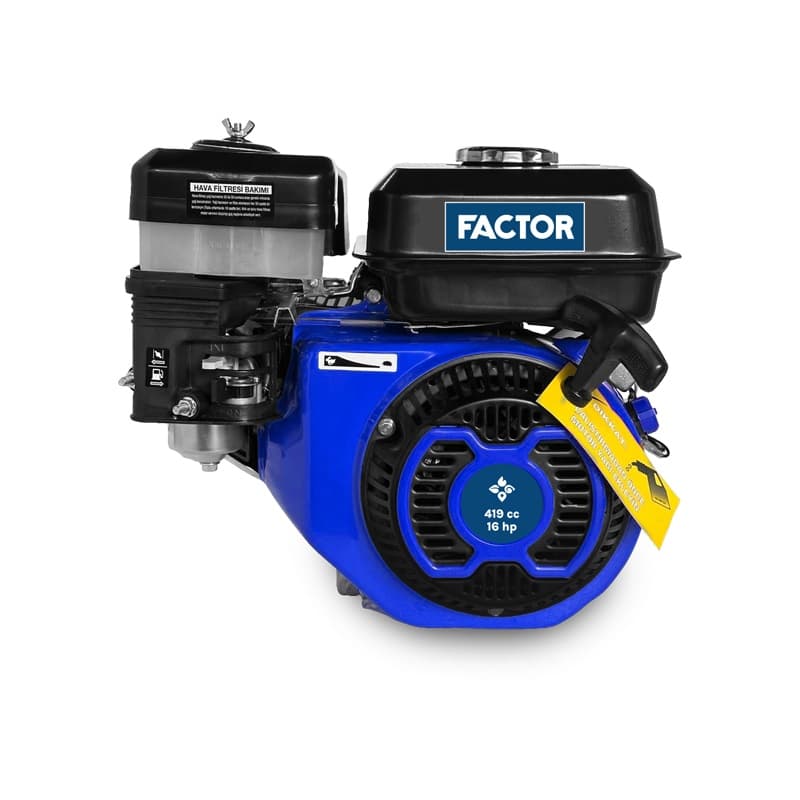
Factor FCMG420 Petrol Engine 16 HP
Factor · Construction Machinery
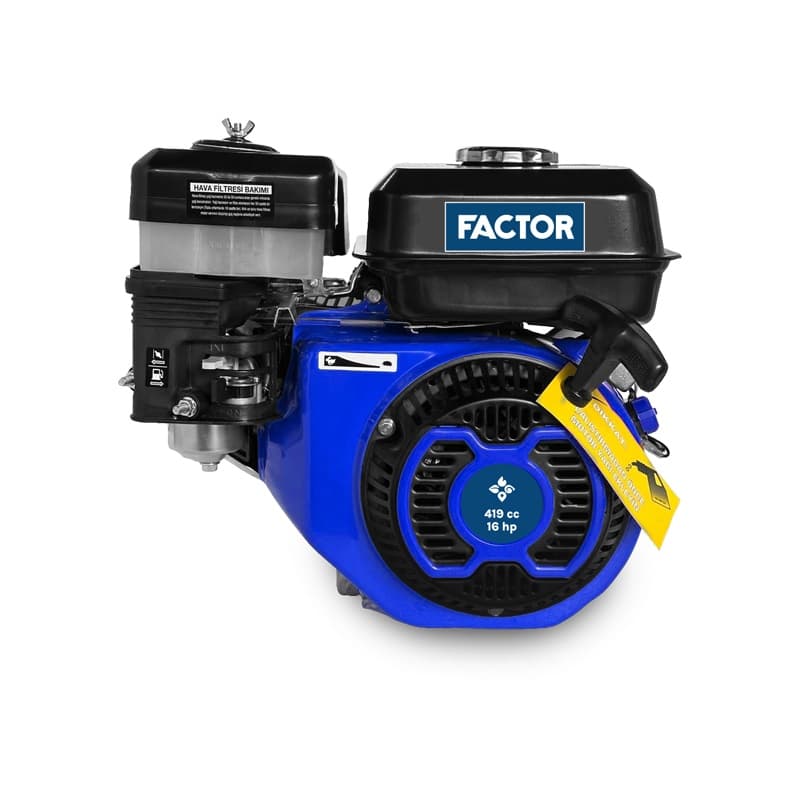
Factor FCMG420E Petrol Engine 16 HP
Factor · Construction Machinery
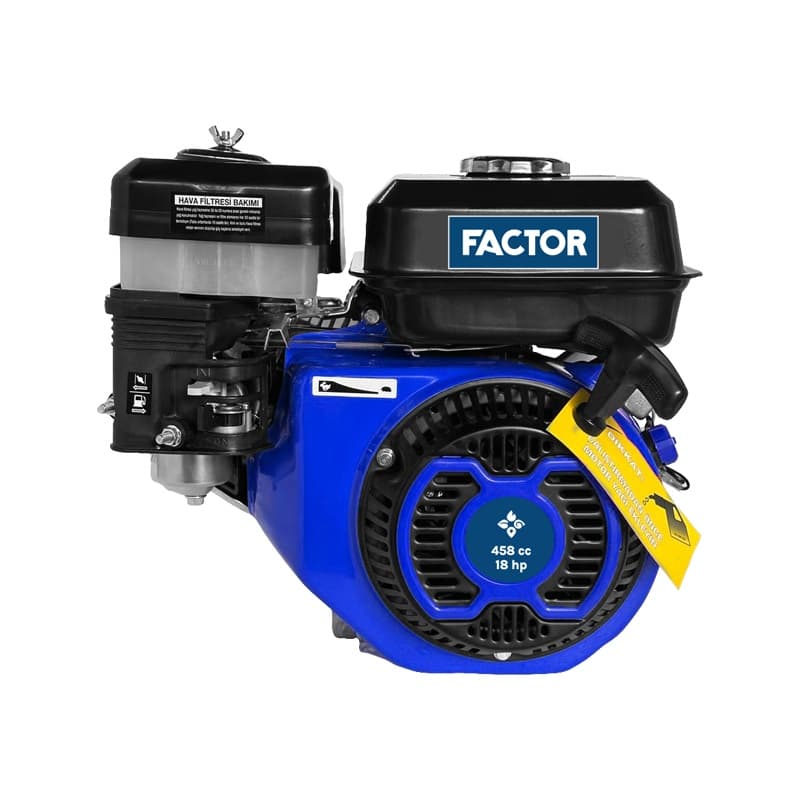
Factor FCMG460 Petrol Engine 18 HP
Factor · Construction Machinery
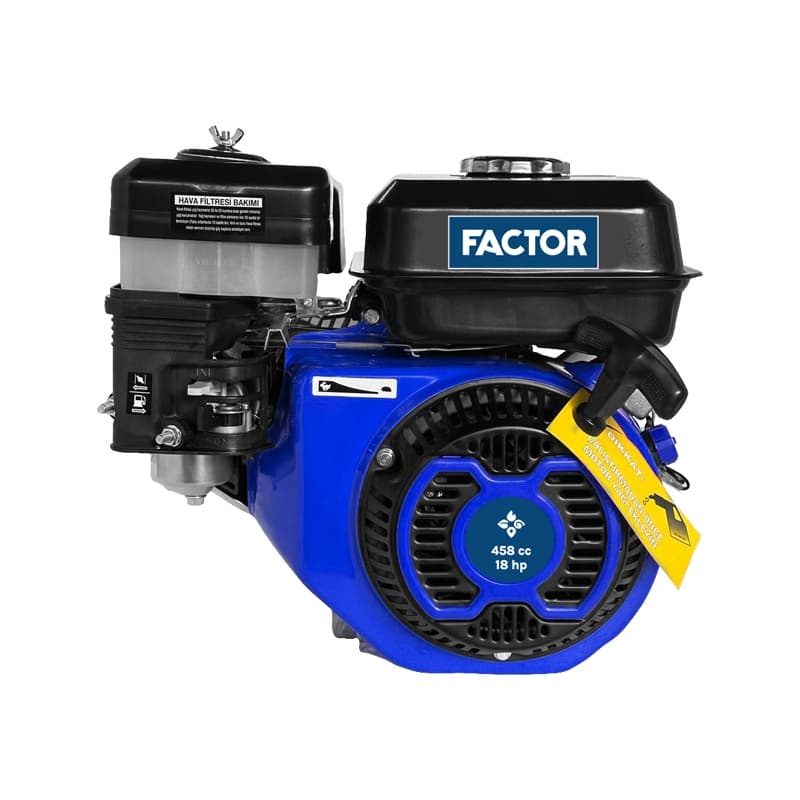
Factor FCMG460E Petrol Engine 18 HP
Factor · Construction Machinery
Factor FCMG740HE Petrol Engine 22 HP
Factor · Construction Machinery
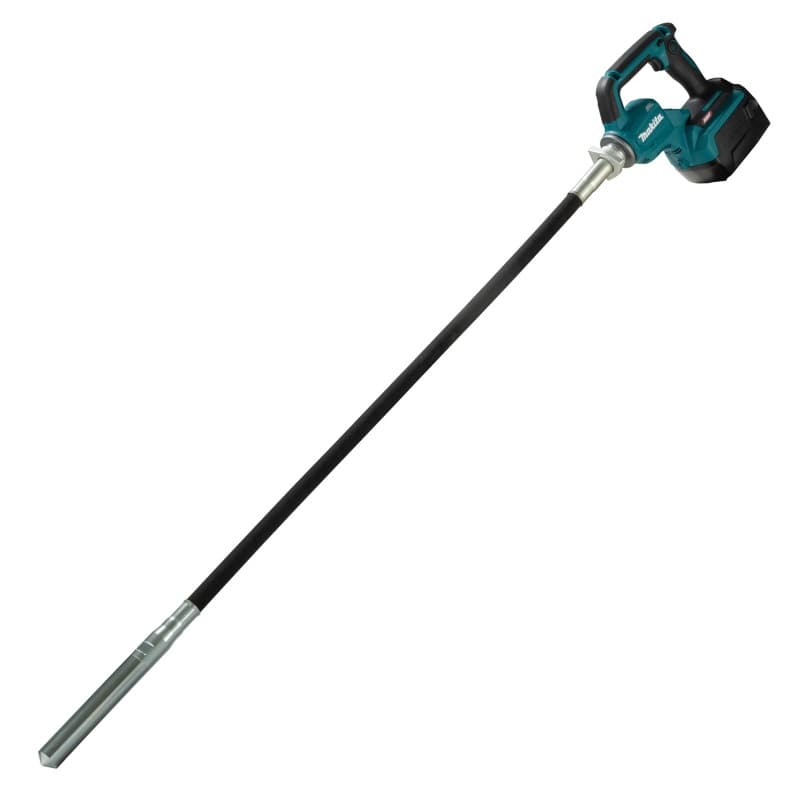
Makita VR003GM101 40V Cordless Vibrator
Makita · Concrete Vibrators
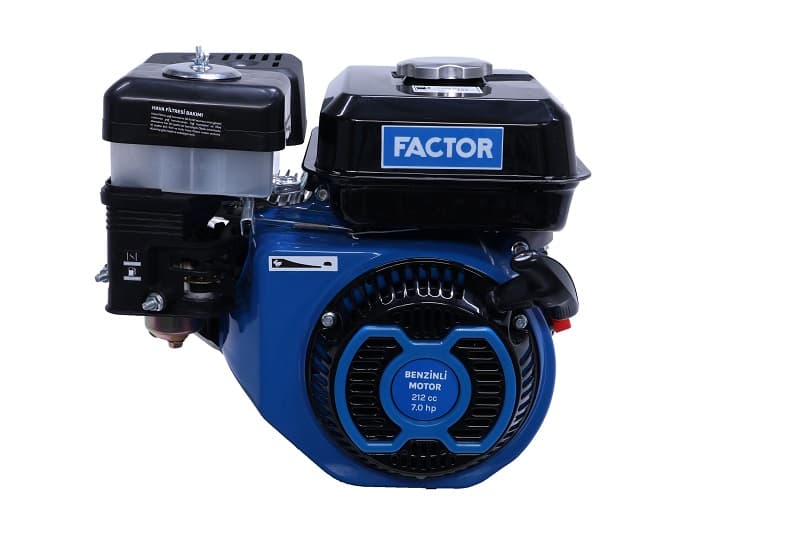
Factor FACGK210 Petrol Engine 7 HP
Factor · Construction Machinery

Factor FACGK270 Petrol Engine 9 HP
Factor · Construction Machinery
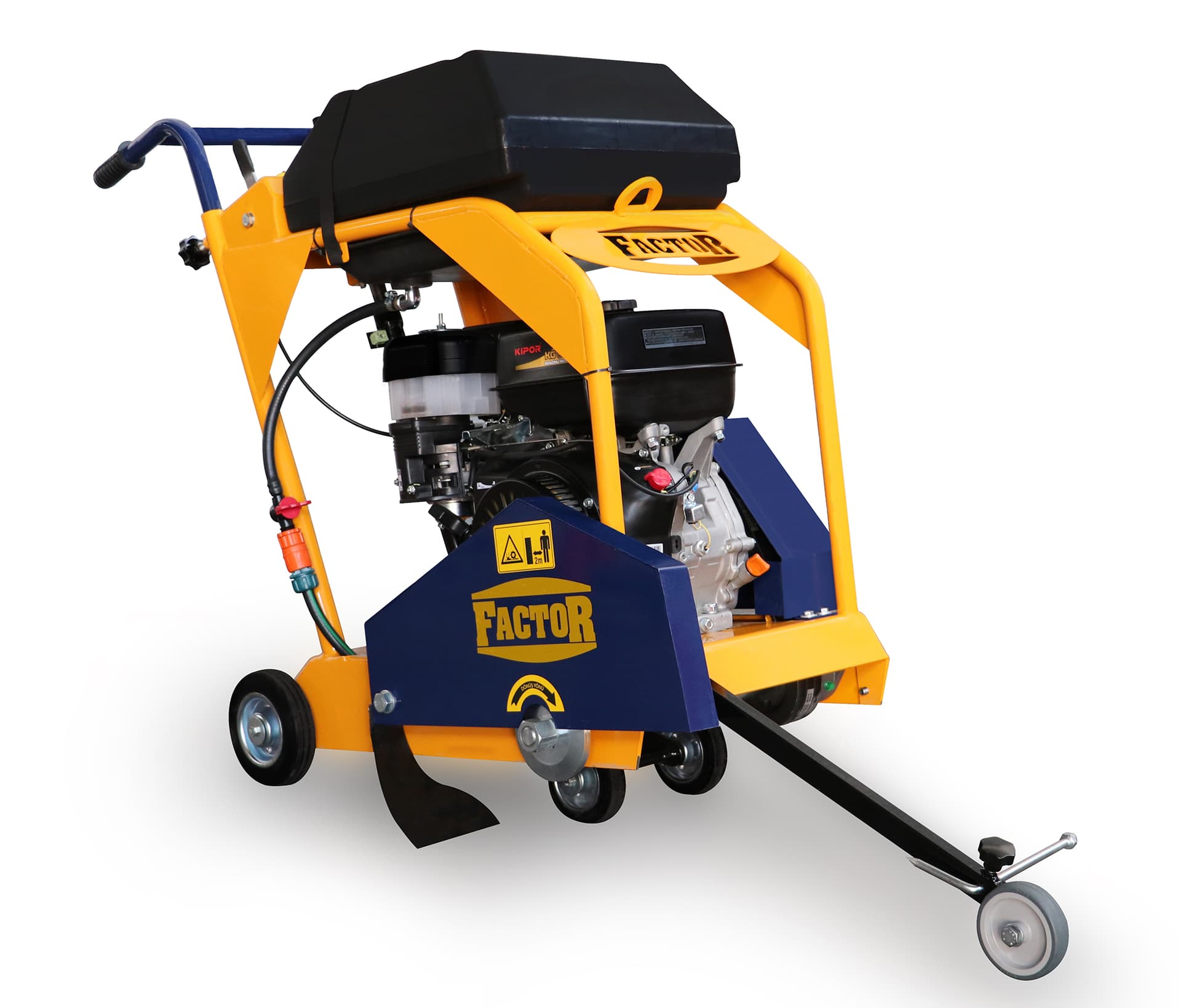
Factor FAC13KB Petrol Asphalt and Concrete Saw
Factor · Asphalt & Concrete Cutting
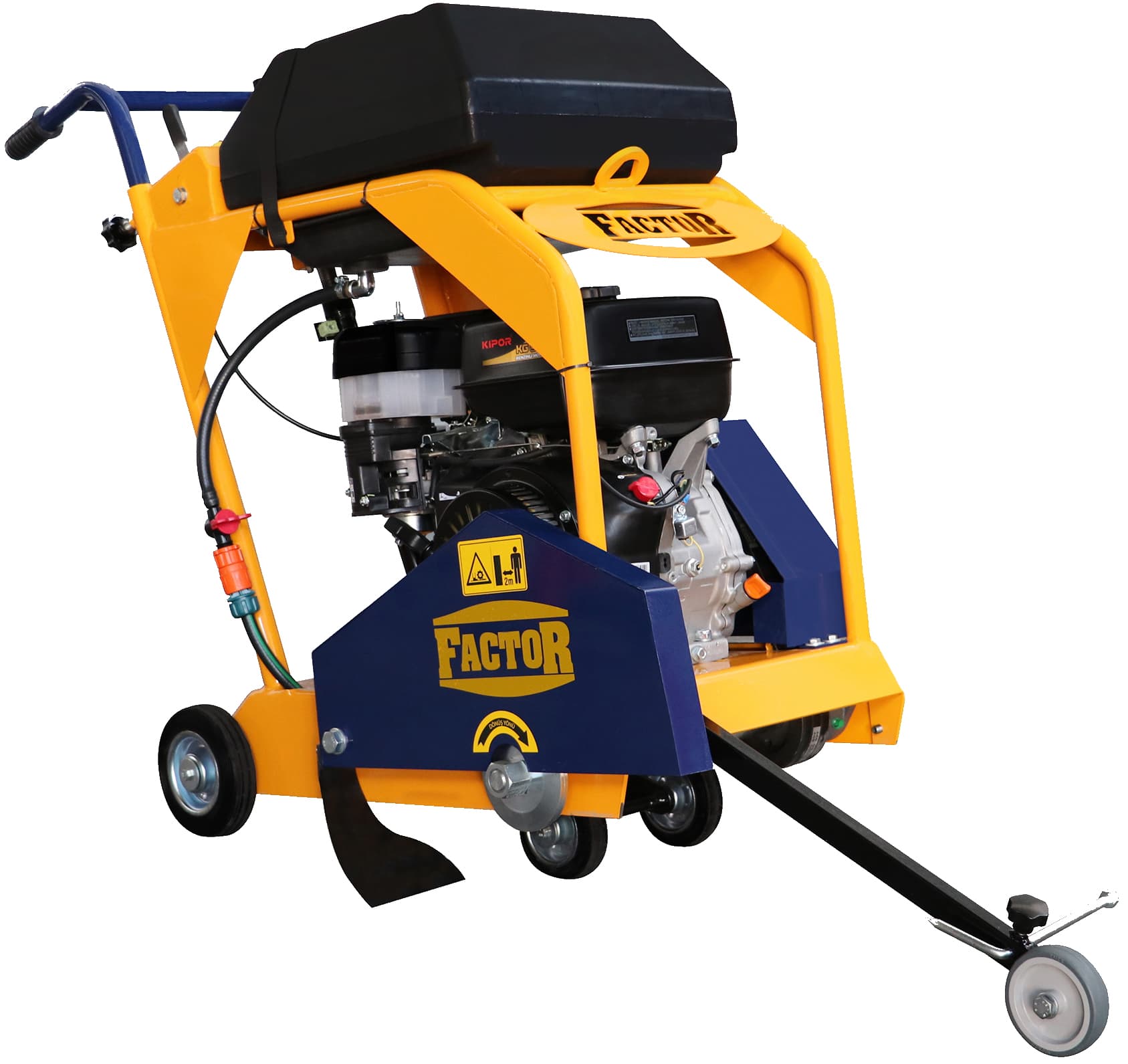
Factor FAC18KB Petrol Asphalt and Concrete Saw
Factor · Asphalt & Concrete Cutting
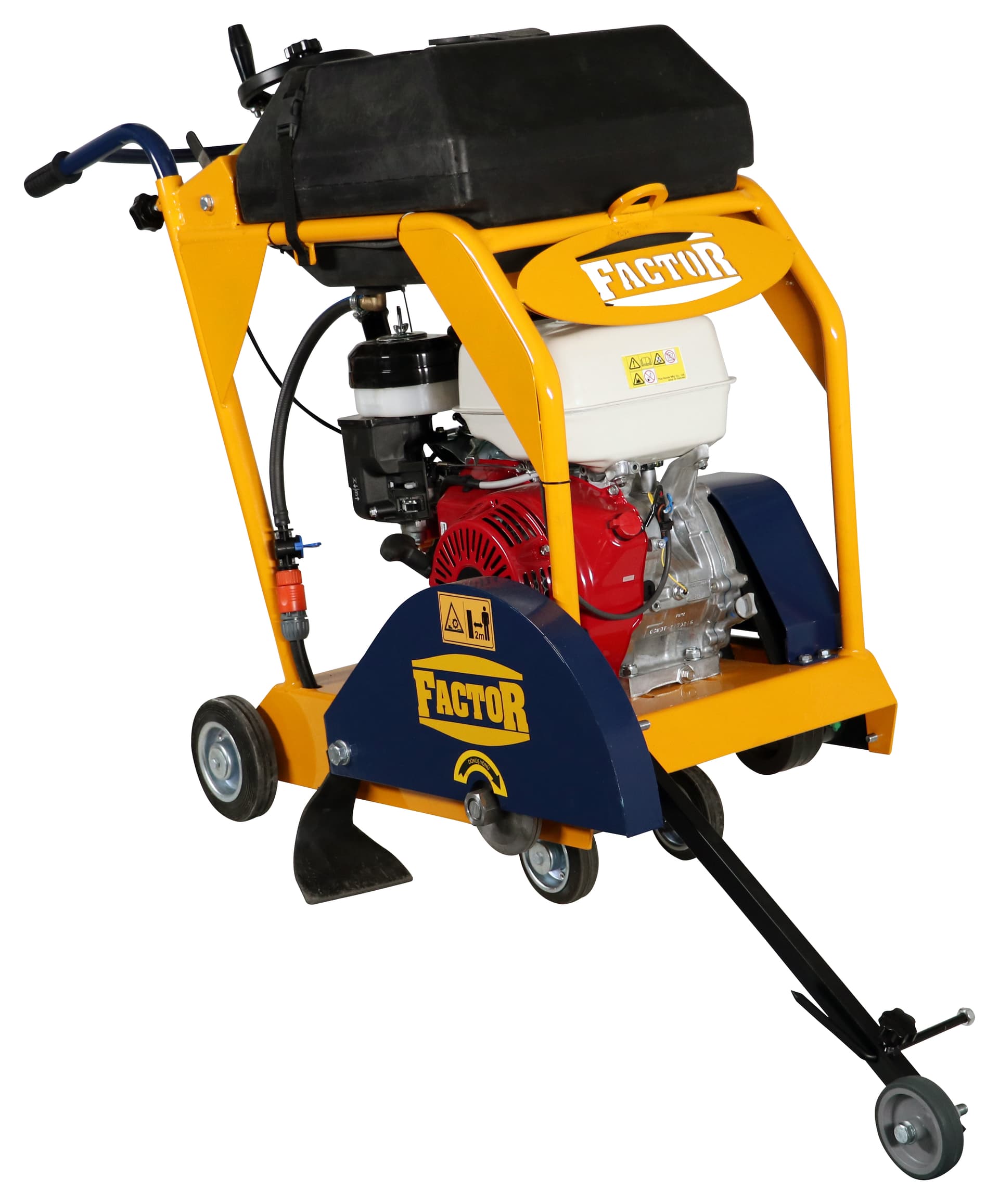
Factor FACCNQ-H13 Petrol Asphalt and Concrete Saw
Factor · Asphalt & Concrete Cutting
Factor FCCZB400 Petrol Handheld Cut-Off Saw 400 mm 6.4 HP
Factor · Asphalt & Concrete Cutting
Factor FCCZM2H Petrol Screed 2 m
Factor · Construction Machinery
Factor FCMG740GHE Petrol Engine 22 HP
Factor · Construction Machinery
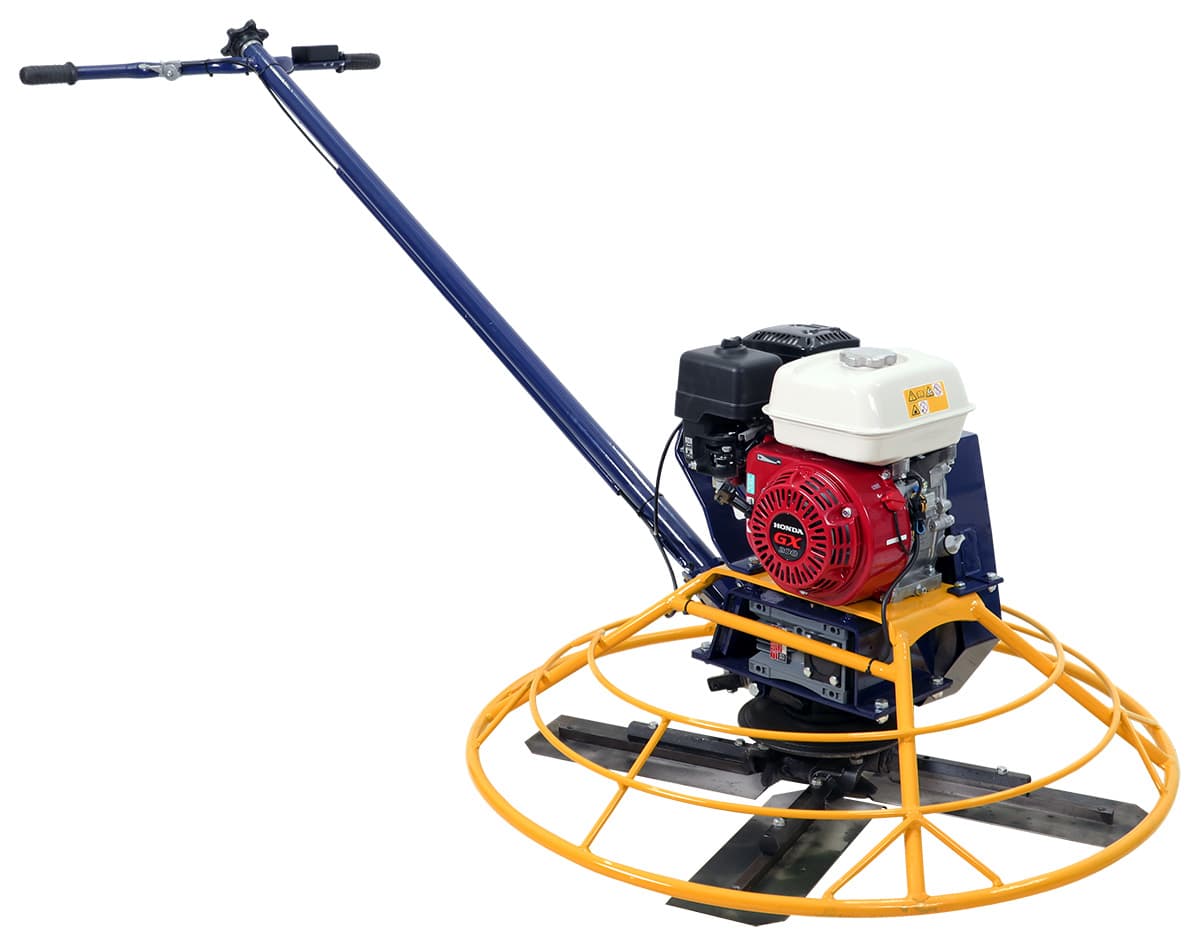
Factor FACPT36S Petrol Power Trowel
Factor · Construction Machinery
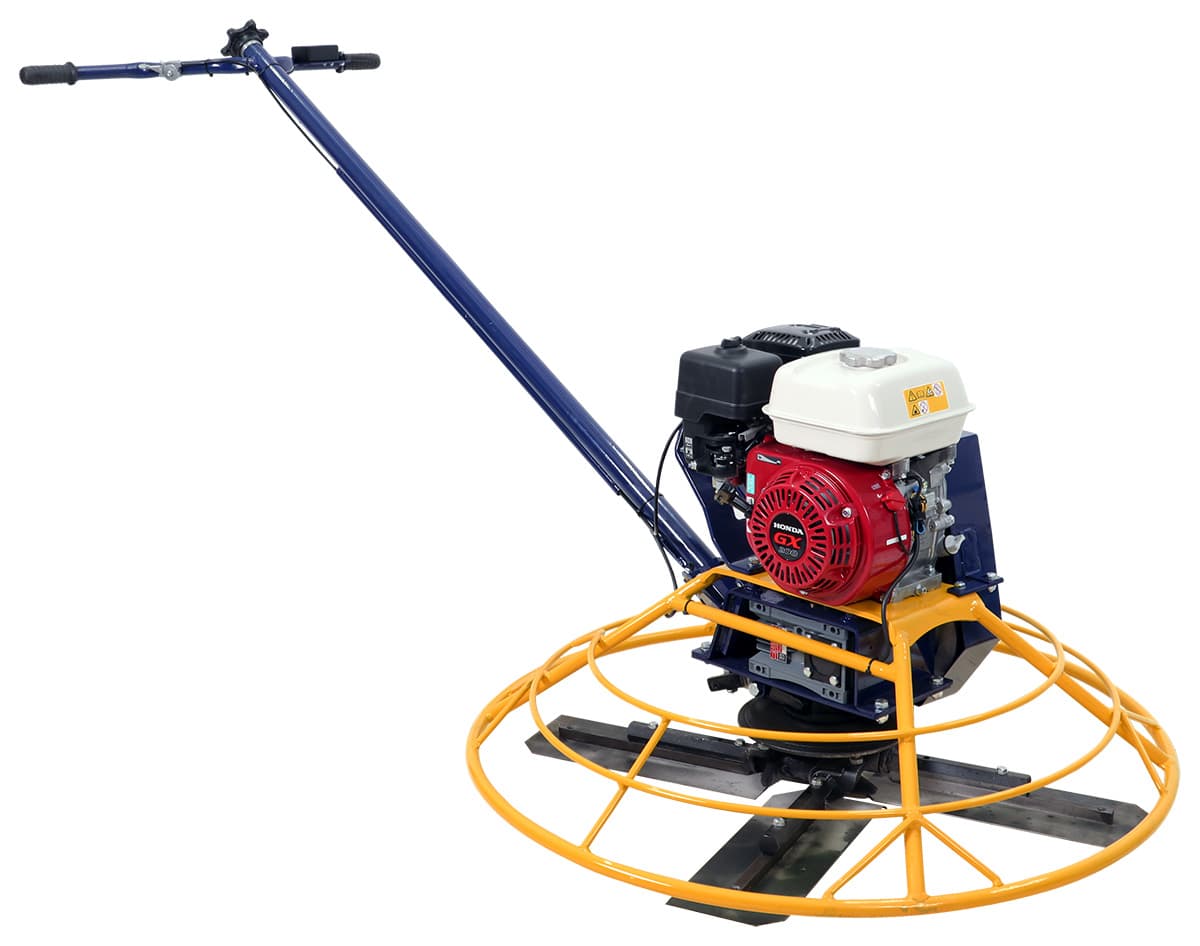
Factor FACPT46S Petrol Power Trowel
Factor · Construction Machinery

Factor FCCZT10H Petrol Rammer 5.5 HP
Factor · Compactors

Factor FCCZT10L Petrol Rammer 6.5 HP
Factor · Compactors
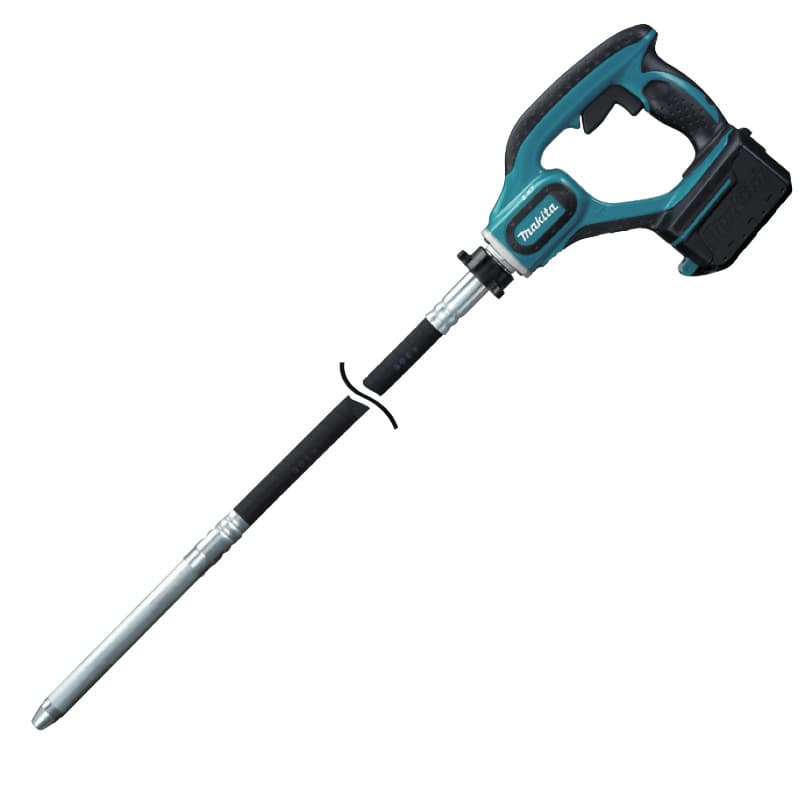
Makita DVR350RFE Concrete Vibrator 18V
Makita · Concrete Vibrators
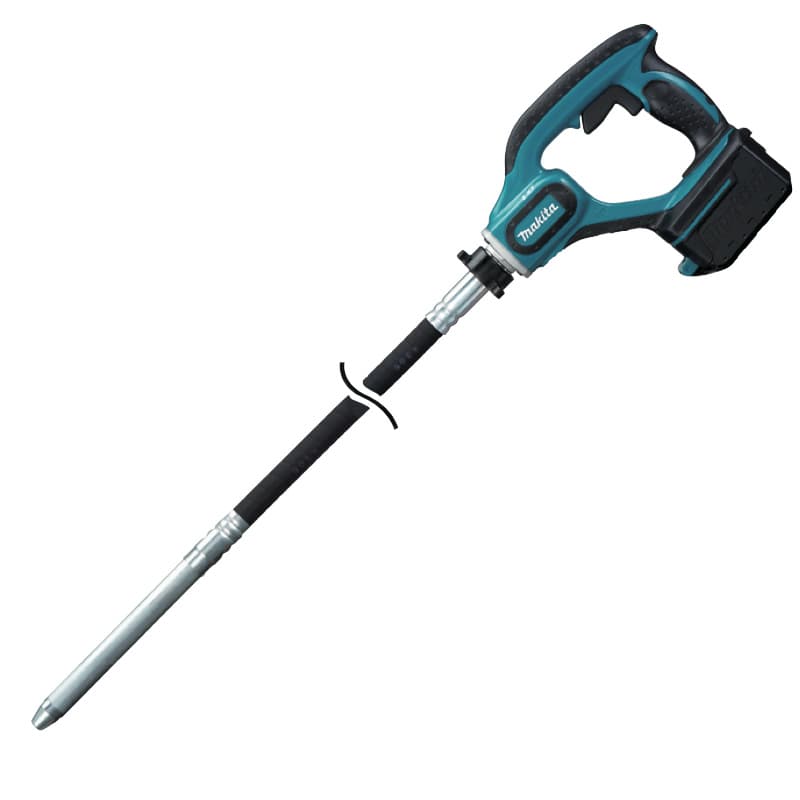
Makita DVR450RFE Concrete Vibrator 18V
Makita · Concrete Vibrators
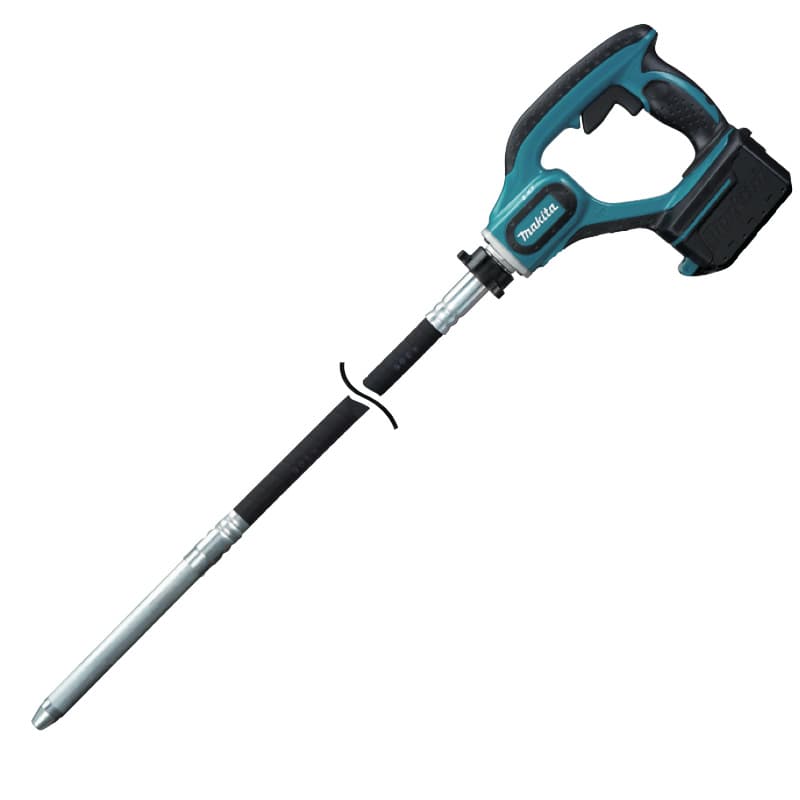
Makita DVR850RFE Concrete Vibrator 18V
Makita · Concrete Vibrators
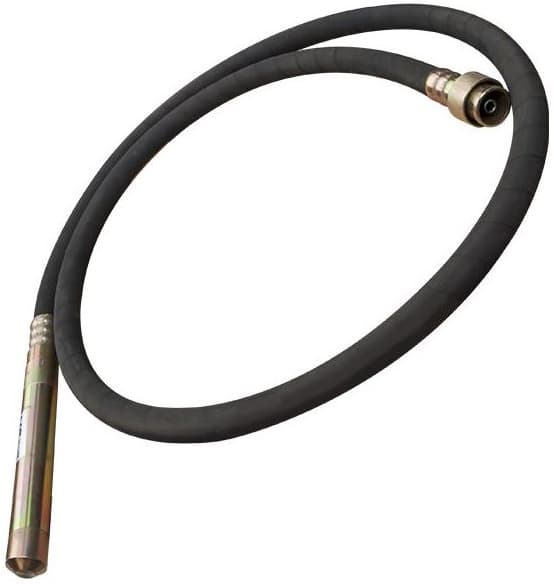
Factor FALCNGV2HPHORTUM Concrete Vibrator Hose
Factor · Concrete Vibrators
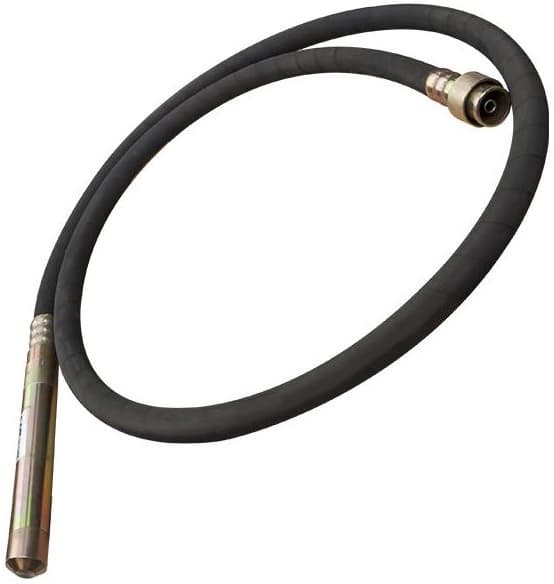
Factor FALCNGV3HPHORTUM Concrete Vibrator Hose
Factor · Concrete Vibrators
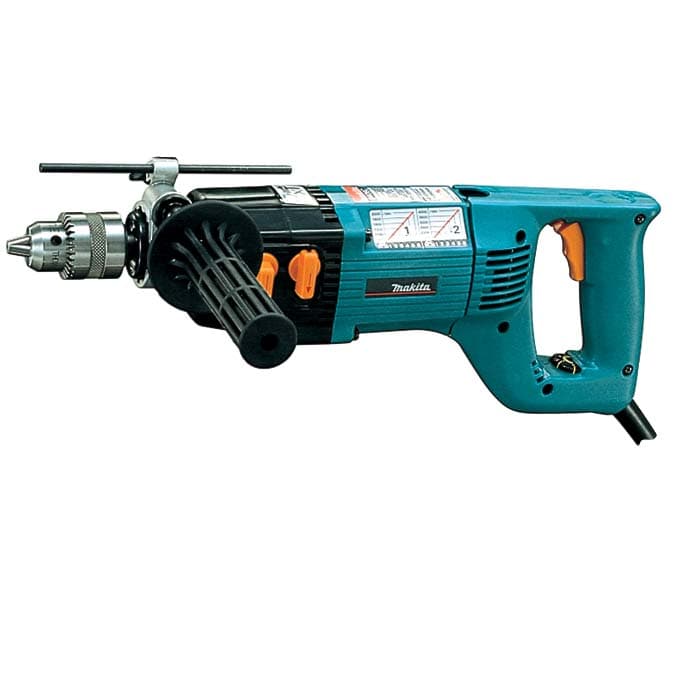
Makita 8406C Hammer Drill + Kuru Drilling Karot Machine
Makita · Core Drills
1–24 of 66 · page 1 / 3
Which machine for which job
Site machines divide into four jobs. Compaction raises the bearing capacity of the ground; vibration lets concrete fill the formwork; cutting and drilling work on concrete that has already set.
| Machine | Job | Deciding figure | Typical use |
|---|---|---|---|
| Plate compactor | Ground compaction | Plate size, centrifugal force | Paving sub-base, patching, fill |
| Rammer | Compaction in tight spaces | Impact energy | Trench backfill, around foundations |
| Concrete vibrator | Driving air out of fresh concrete | Poker diameter, speed | Walls, columns, slabs |
| Core drill | Full-diameter hole in concrete | Bit diameter, motor power | Service penetrations, test cores |
| Asphalt / concrete saw | Controlled cut in a surface | Blade diameter, cutting depth | Utility trenching, joints |
Compaction: the layer thickness rule
Compaction is done in layers, not in one go. In granular fill the layer should not exceed 20-30 cm; spread thicker than that and the bottom of the layer never compacts, so the ground settles later. Each layer takes 3-6 passes depending on the machine and the soil.
Soil type also decides the machine: plate compactors work on granular soils such as sand and gravel, while a rammer reaches deeper in cohesive clay. The wrong machine will not reach target density no matter how many passes you add.
- Granular fill: 20-30 cm layers, plate compactor.
- Clay / cohesive soil: 15-25 cm layers, rammer.
- Asphalt patching and paving sub-base: plate compactor; the water-tank model stops asphalt sticking to the plate.
- Reversible models come back without turning — the choice inside a trench.
Concrete vibration: time and radius of action
A poker vibrator's radius of action is roughly 8-10 times its diameter: a 50 mm poker works over about 40-50 cm. Insertion points should be no further apart than 1.5 times that radius, so the zones overlap.
Five to fifteen seconds per insertion is enough; the signs are a sheen of cement paste at the surface and air bubbles stopping. Over-vibration causes segregation — coarse aggregate sinks and paste rises. Withdraw the poker slowly, at roughly 8 cm per second.
Cutting and drilling: how deep?
On a diamond blade saw the cutting depth is roughly a third of the blade diameter: a 350 mm blade gives about 125 mm, a 400 mm blade about 145 mm. Deeper cuts need either a larger blade or a wall saw system.
A core drill opens a full-diameter hole with a clean edge using a diamond-tipped barrel, and unlike breaking it does not disturb the surrounding concrete or the reinforcement. Wet cutting both suppresses dust and cools the bit; dry cutting belongs only with dust extraction and bits rated for it.
| Job | Machine | Typical rating |
|---|---|---|
| Service penetration (Ø50-150 mm) | Electric core drill | 1,500-2,500 W |
| Ventilation opening (Ø200-350 mm) | High-power core drill on a stand | 3,000 W and above |
| Trenching in asphalt | Petrol/diesel walk-behind saw | 350-500 mm blade |
| Walls and tight spaces | Handheld cut-off saw | 300-400 mm blade |
Site safety and inspection
Silica dust is the main risk in cutting and drilling: working without water or extraction carries a serious long-term respiratory risk. Hearing protection, eye protection and a dust mask are not optional in this group.
Work equipment is inspected regularly under the Regulation on Health and Safety Conditions in the Use of Work Equipment. On cutting and drilling machines, blade and bit condition, guarding and electrical safety should be checked by eye before every use.
Supply from Seza Global
We supply Factor, Biglift and Virax in this group, wholesale and on a project basis. The range covers plate compactors, petrol rammers, backpack and built-in-converter concrete vibrators, core drills and asphalt and concrete saws.
Send the soil type, layer thickness and the cutting or drilling dimensions and we will size the machine with you; blades, bits and hoses come from the same source.
Frequently Asked Questions
What layer thickness should I compact in?
In granular fill, layers should not exceed 20-30 cm; in clay, 15-25 cm. Spread thicker and the bottom of the layer never compacts, so the ground settles later. Each layer takes 3-6 passes.
Plate compactor or rammer?
Plate compactors suit granular soils such as sand and gravel. A rammer reaches deeper in cohesive clay and is also the choice in trenches and around foundations where a plate cannot work.
How long should a concrete vibrator stay in?
Five to fifteen seconds per insertion. The signs are a sheen of cement paste at the surface and air bubbles stopping. Over-vibration causes segregation; withdraw the poker slowly, at about 8 cm per second.
How far apart should poker insertions be?
The radius of action is roughly 8-10 times the poker diameter — a 50 mm poker covers about 40-50 cm. Keep insertions no further apart than 1.5 times that radius so the zones overlap.
How deep does a concrete saw cut?
Roughly a third of the blade diameter: about 125 mm with a 350 mm blade, about 145 mm with a 400 mm blade. Deeper cuts need a larger blade or a wall saw.
What is the difference between core drilling and breaking?
A core drill opens a full-diameter hole with a clean edge and leaves the surrounding concrete undisturbed. A breaker shatters the concrete, leaves a ragged edge and risks damaging reinforcement.
What happens if I hit rebar while core drilling?
A diamond bit will cut it, but progress slows and the bit wears. Cutting reinforcement in load-bearing elements carries structural risk: the position should follow the structural design, and a rebar scanner is worth using first.
Wet or dry cutting?
Wet cutting suppresses silica dust and cools the diamond segment, extending its life — that is the standard choice. Dry cutting belongs only with proper dust extraction and bits rated for dry use.
What is a water tank on a compactor for?
It stops the plate sticking to hot asphalt. Water is fed onto the plate in a controlled trickle, which protects surface quality on patching and new-laid asphalt.
What does a reversible compactor gain me?
It travels back without turning, which shortens the work in trenches, against walls and in tight spaces. It also allows compaction in place, working forwards and backwards over one spot.