Categories
Construction Chemicals
In construction chemicals the wrong choice shows up months later, not on the day: a joint that splits, a silicone that yellows, a sealant the paint will not take. This page sets out the product classes, what separates them chemically, and the four questions that decide the choice — surface, movement, paint and exposure. The catalogue holds over 100 products, from silicone to polyurethane foam.
Product Types
Go straight to the product type you need.
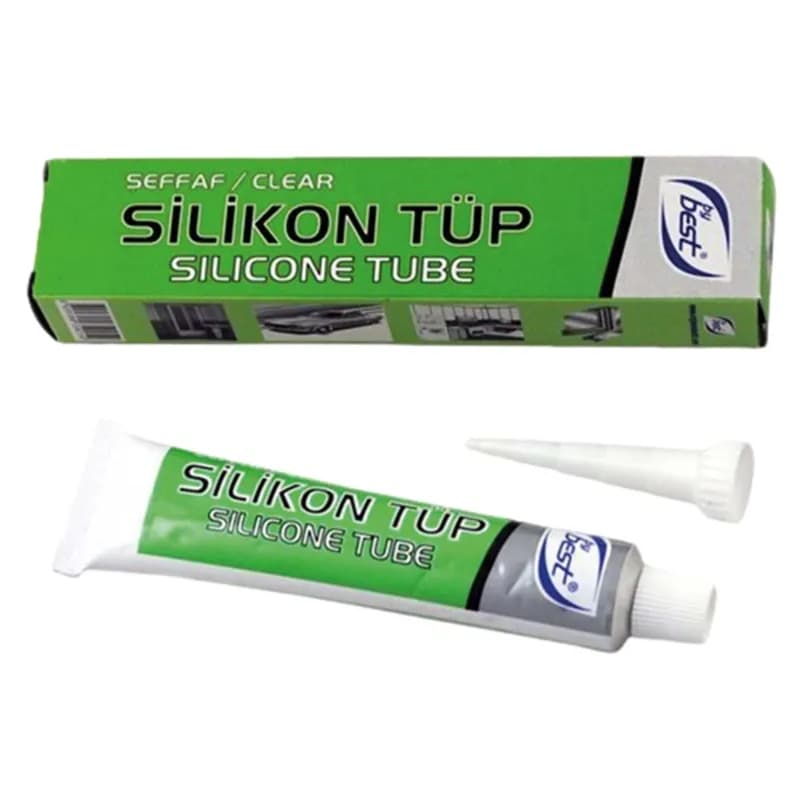
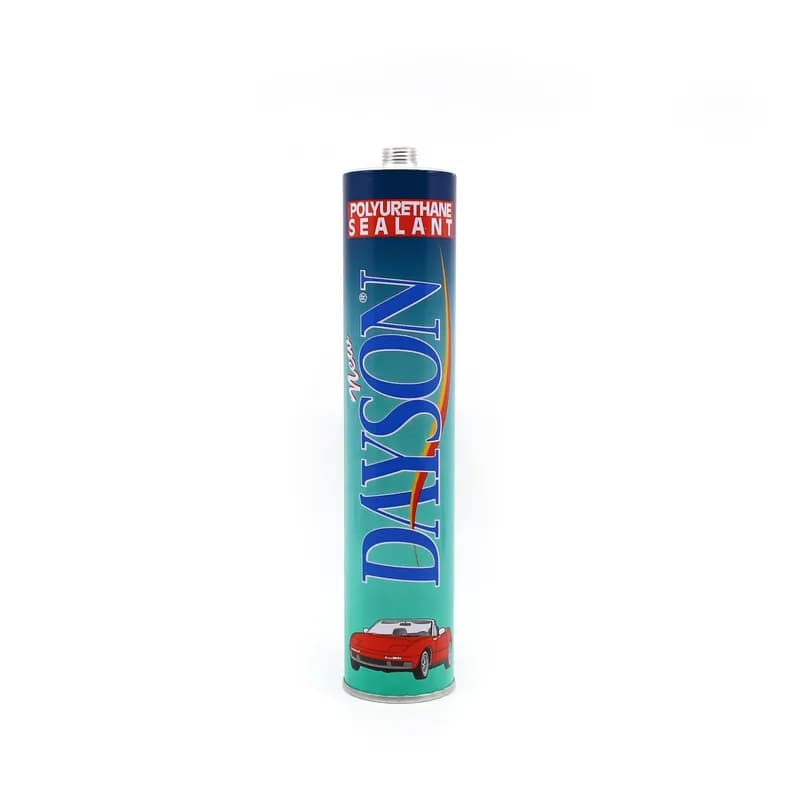
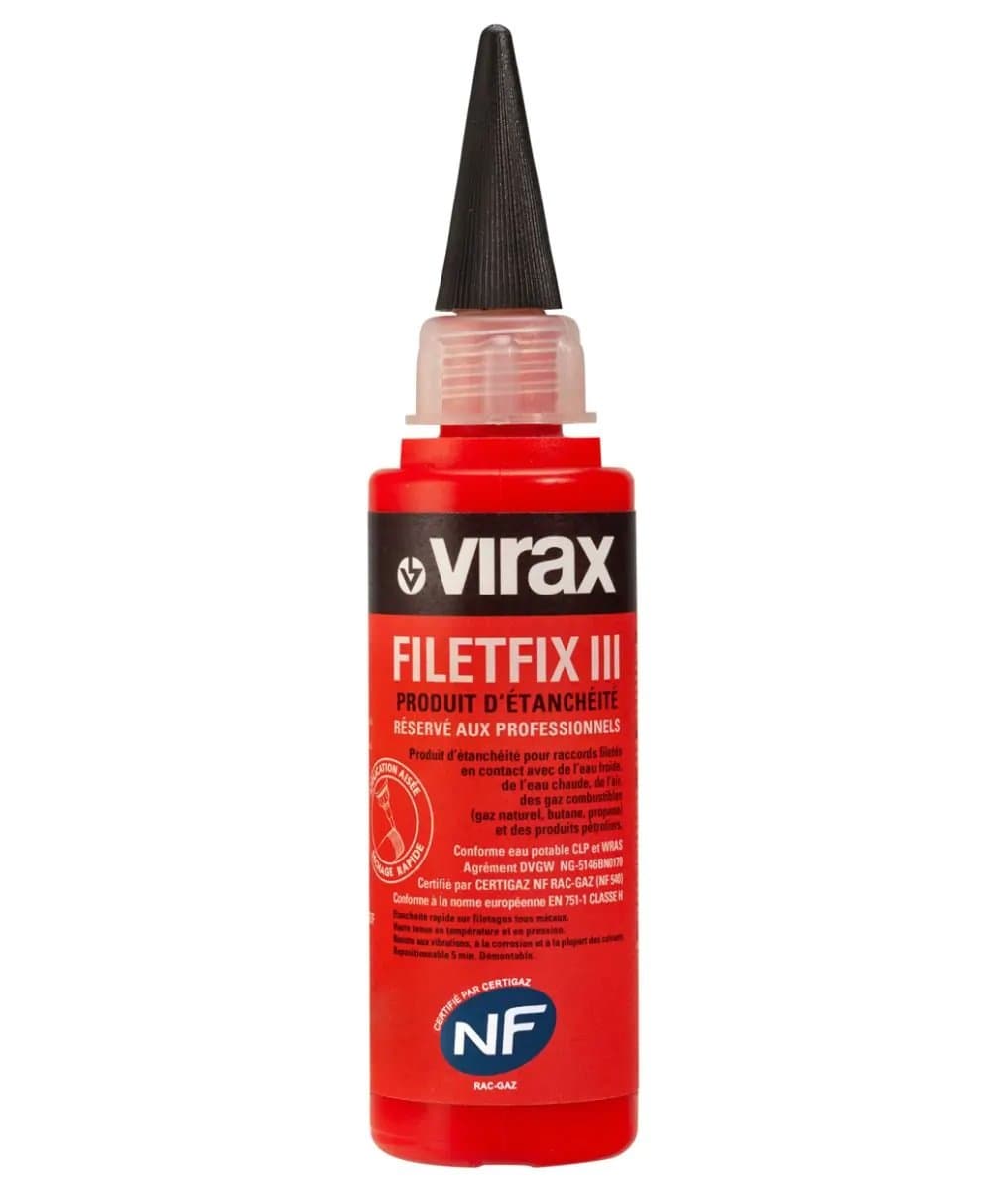
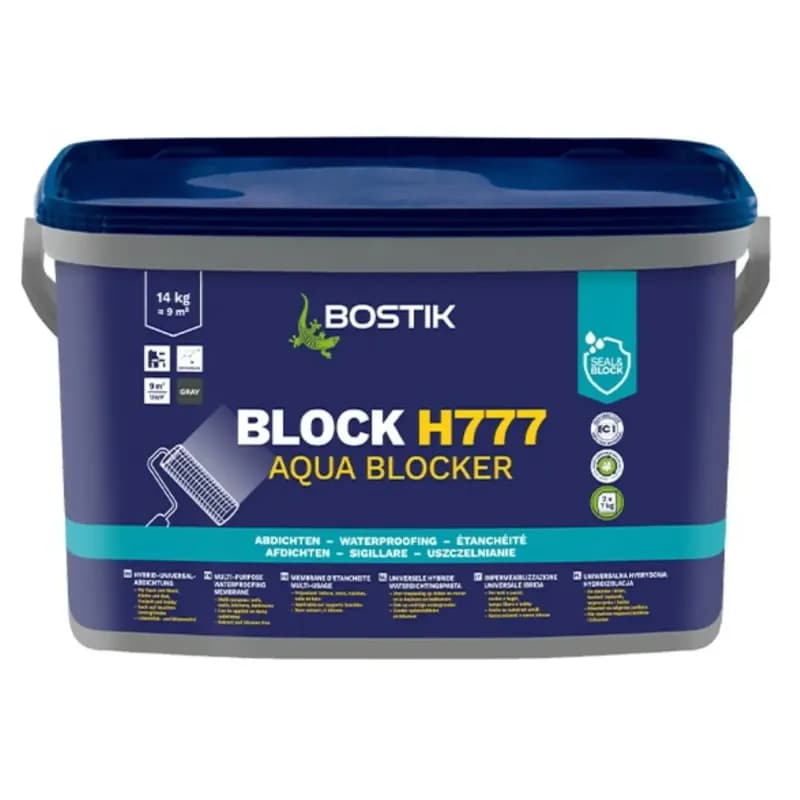
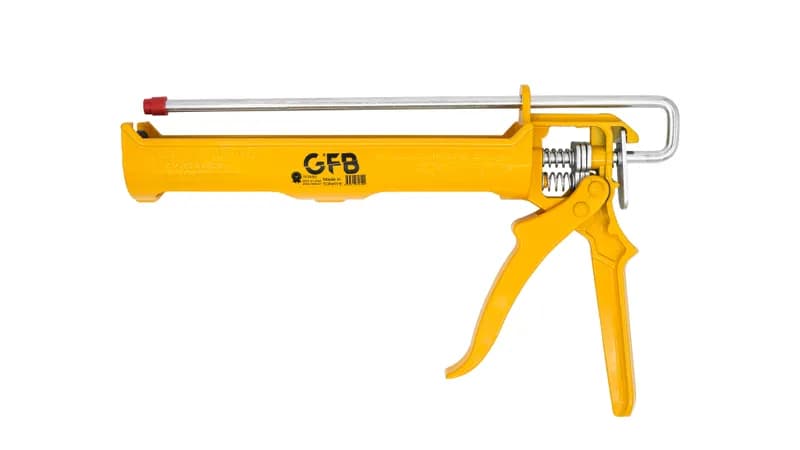
GFB Epoxy Applicator Gun Aluminium Body 345 ml
GFB · Epoxy Adhesives
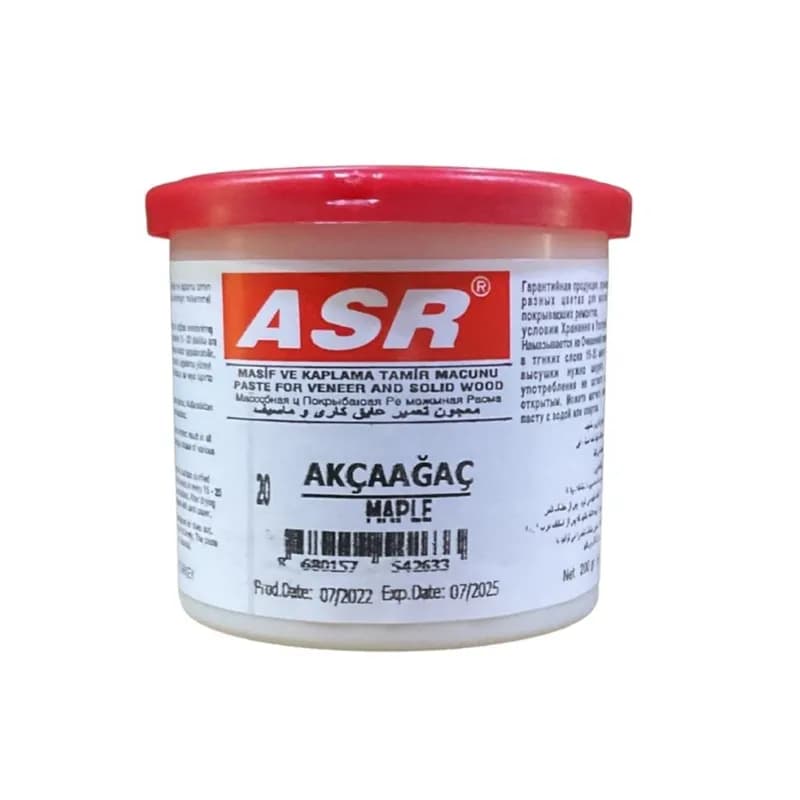
ASR Wood Filler 200 g Maple
ASR · Wood Filler
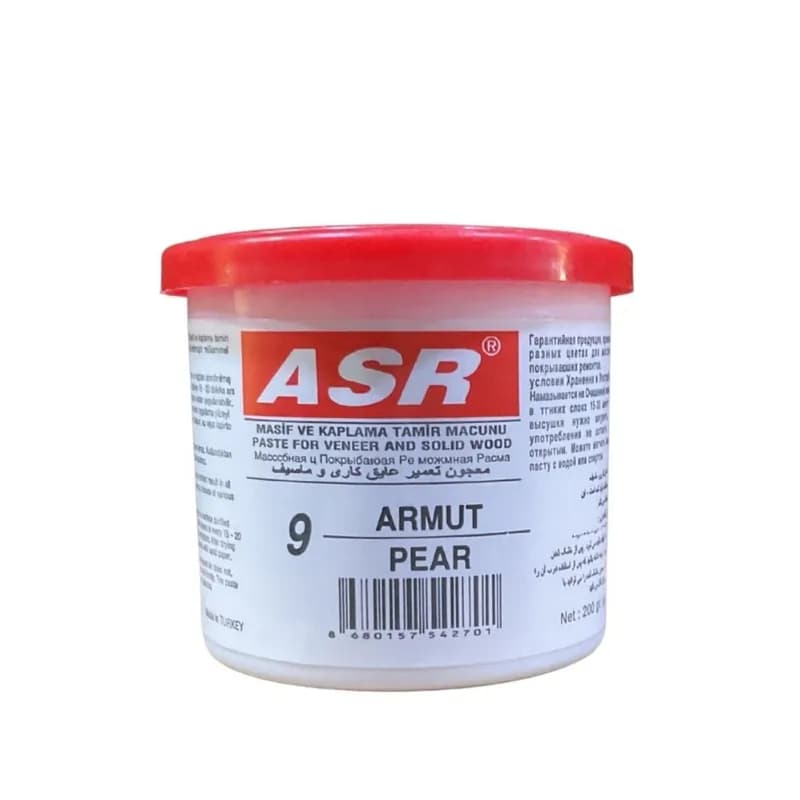
ASR Wood Filler 200 g Pear
ASR · Wood Filler
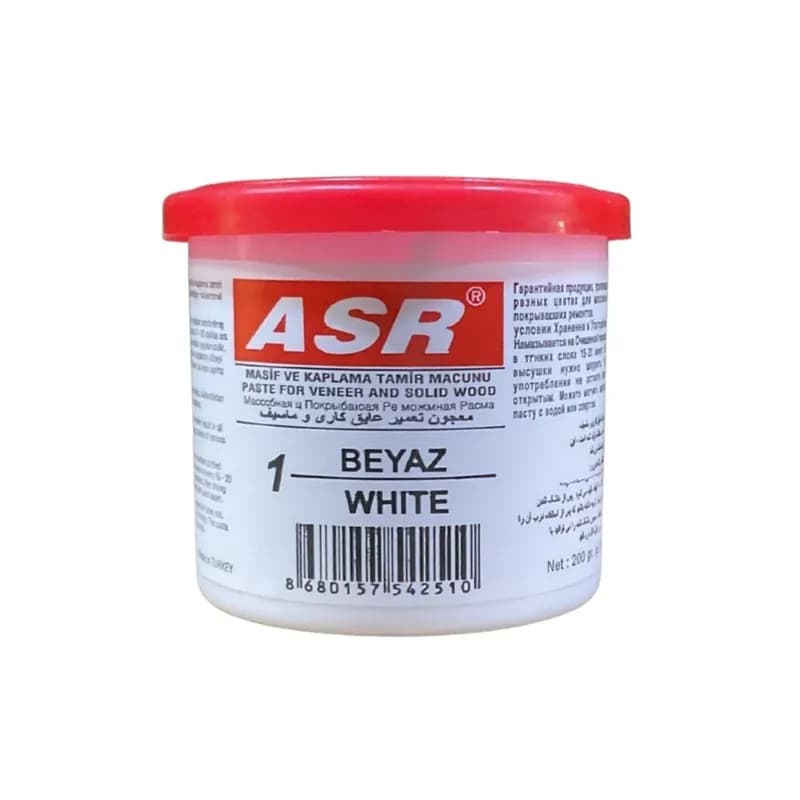
ASR Wood Filler 200 g White
ASR · Wood Filler
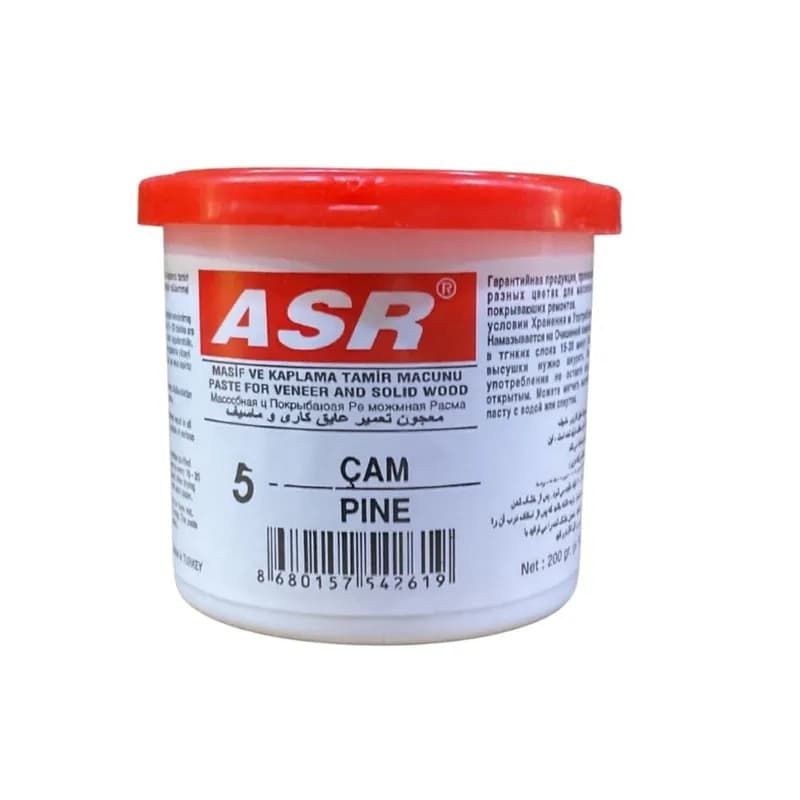
ASR Wood Filler 200 g Pine
ASR · Wood Filler
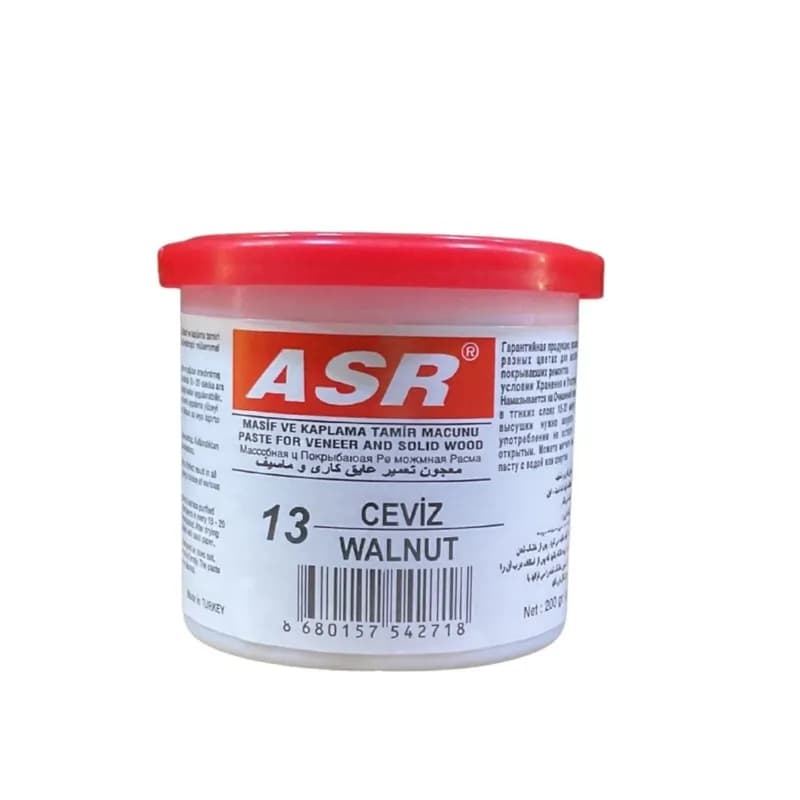
ASR Wood Filler 200 g Walnut
ASR · Wood Filler
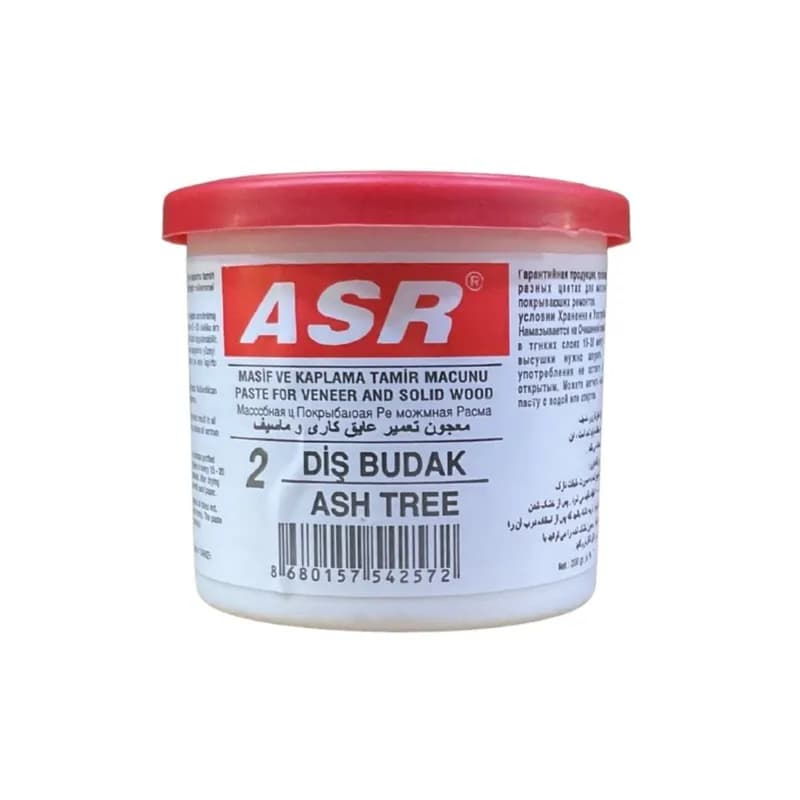
ASR Wood Filler 200 g Ash
ASR · Wood Filler
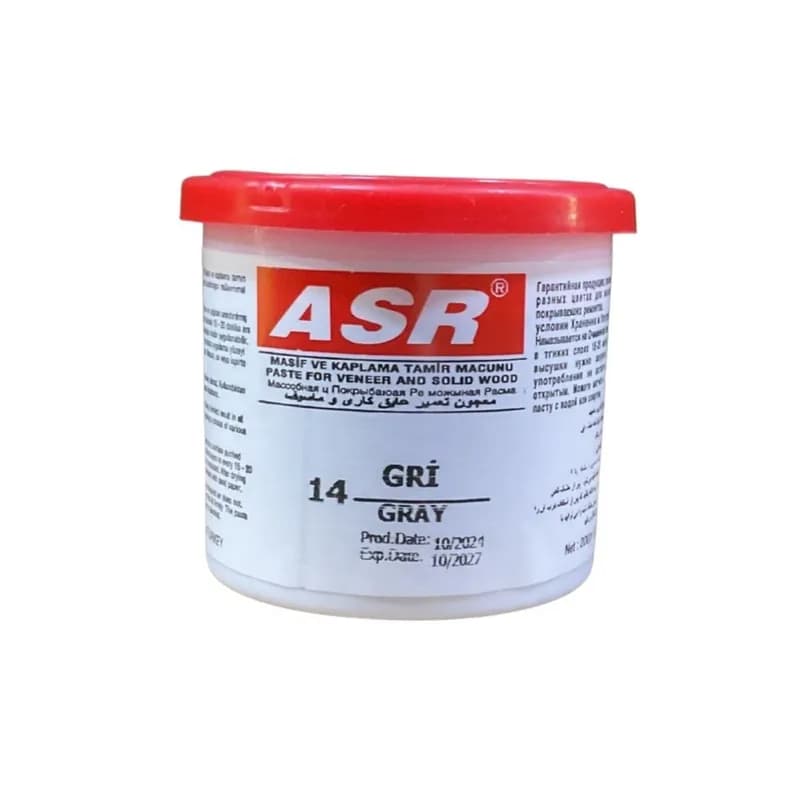
ASR Wood Filler 200 g Grey
ASR · Wood Filler
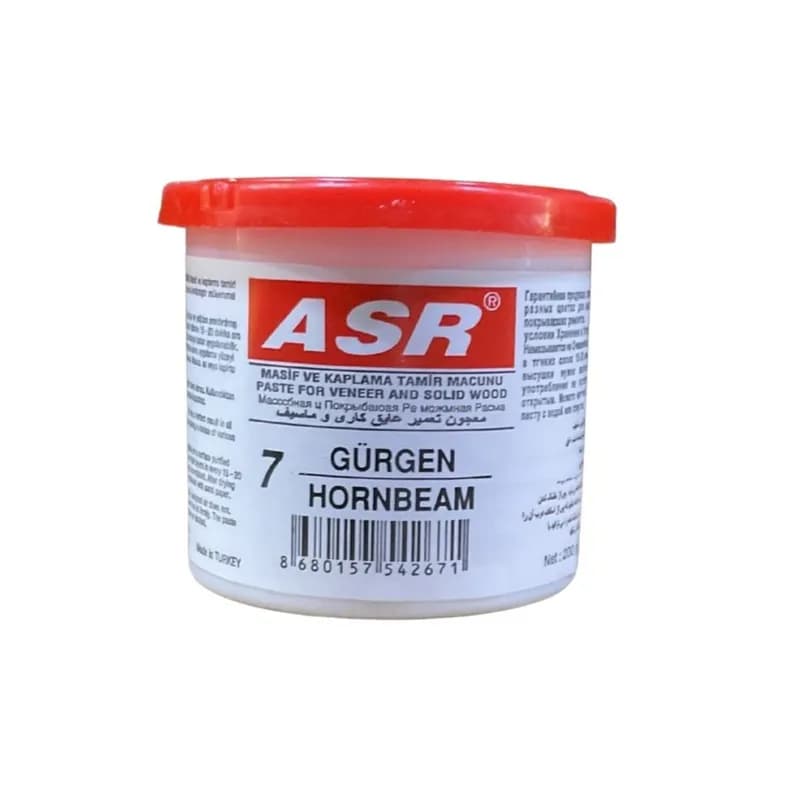
ASR Wood Filler 200 g Hornbeam
ASR · Wood Filler
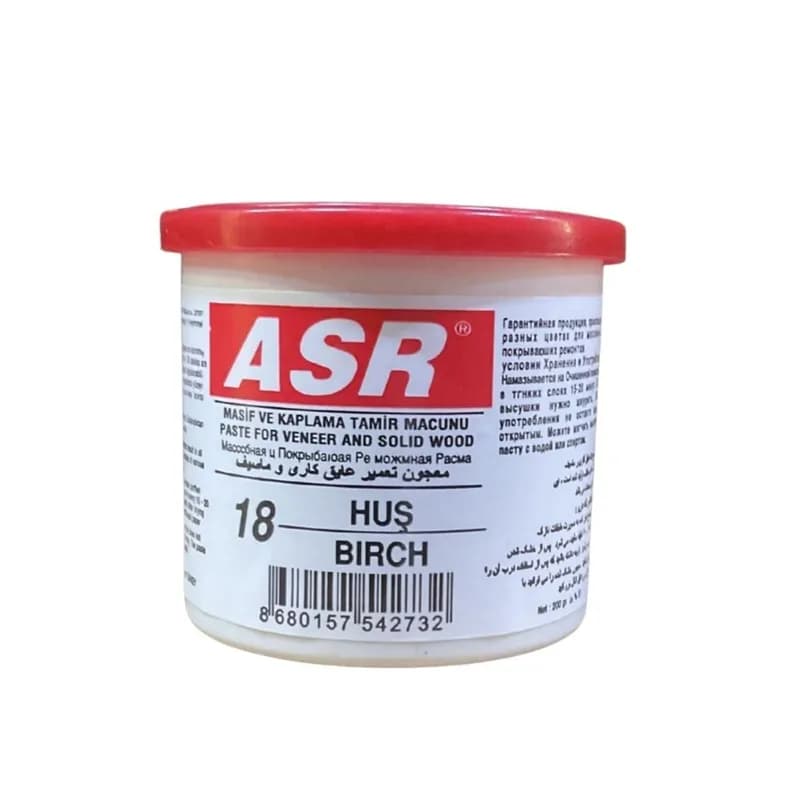
ASR Wood Filler 200 g Birch
ASR · Wood Filler
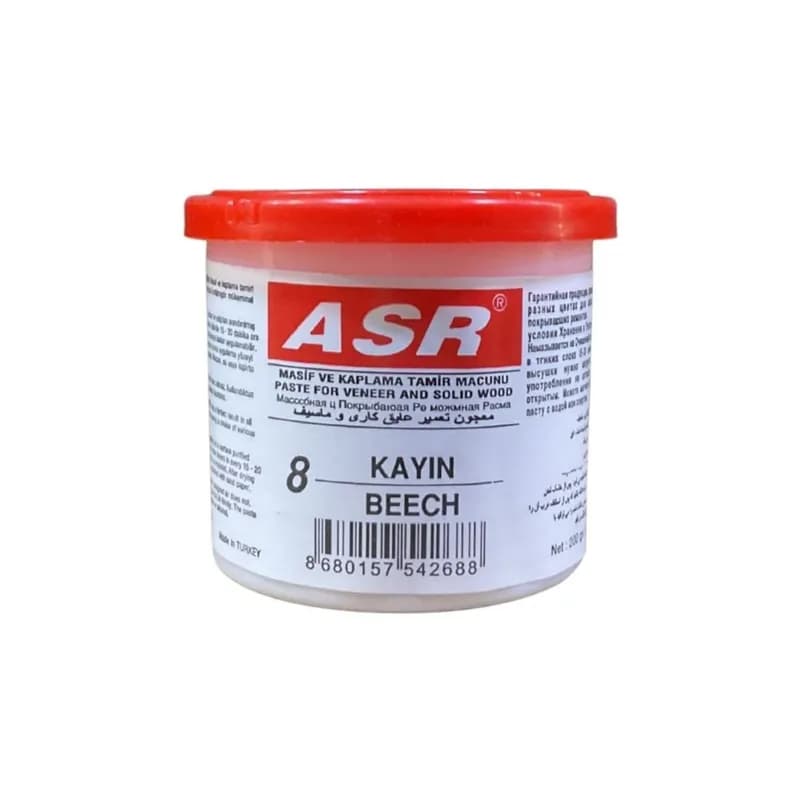
ASR Wood Filler 200 g Beech
ASR · Wood Filler
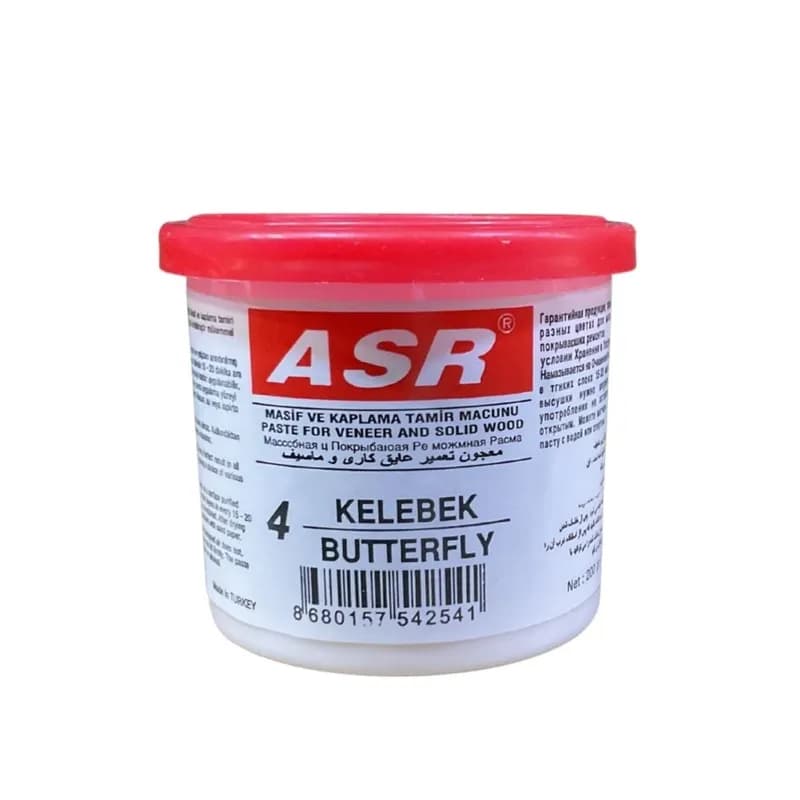
ASR Wood Filler 200 g Butterfly
ASR · Wood Filler
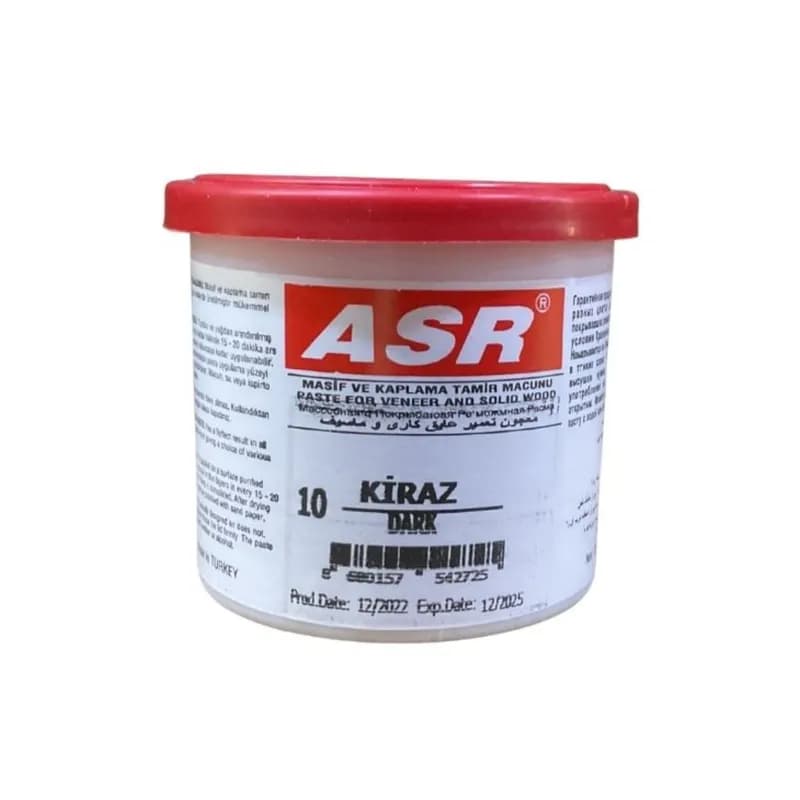
ASR Wood Filler 200 g Cherry
ASR · Wood Filler
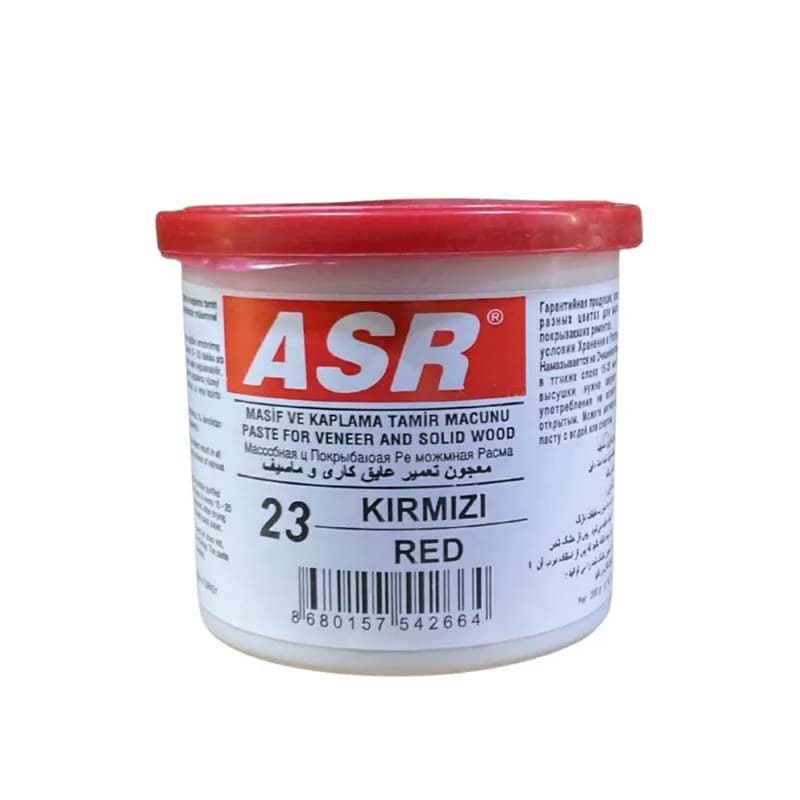
ASR Wood Filler 200 g Red
ASR · Wood Filler
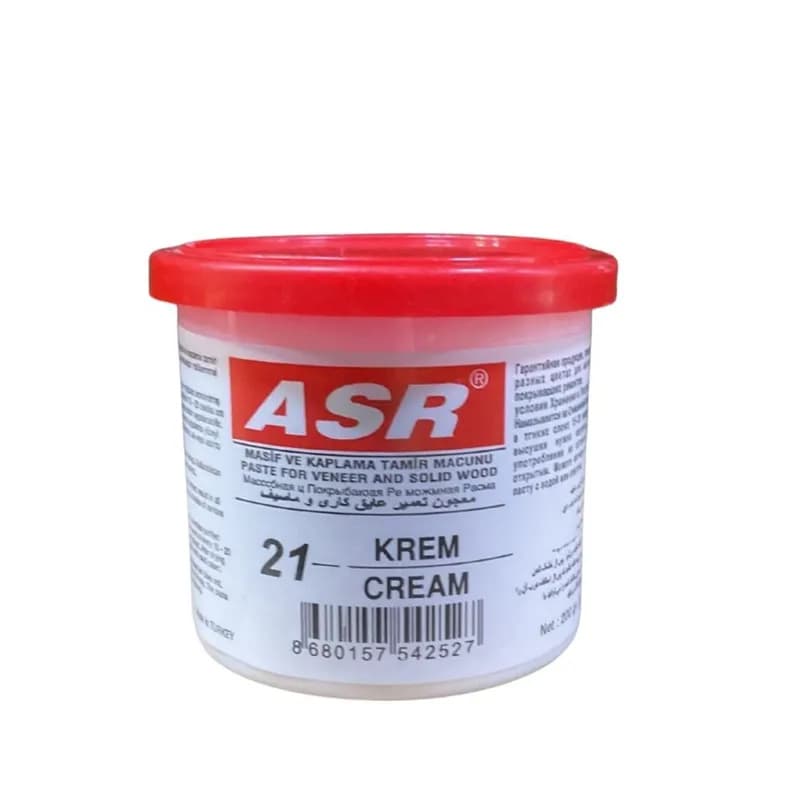
ASR Wood Filler 200 g Cream
ASR · Wood Filler
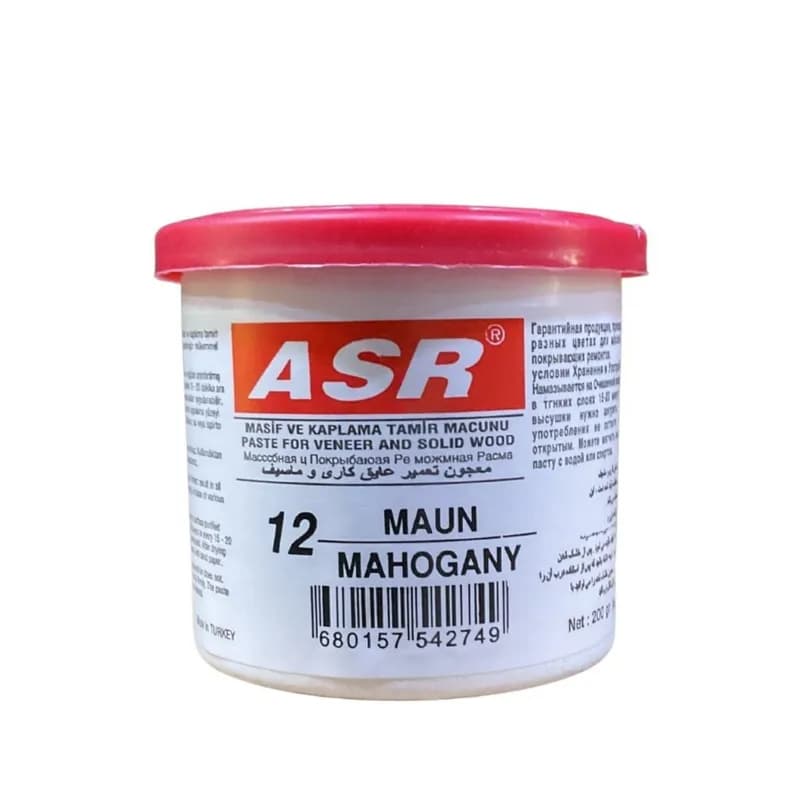
ASR Wood Filler 200 g Mahogany
ASR · Wood Filler
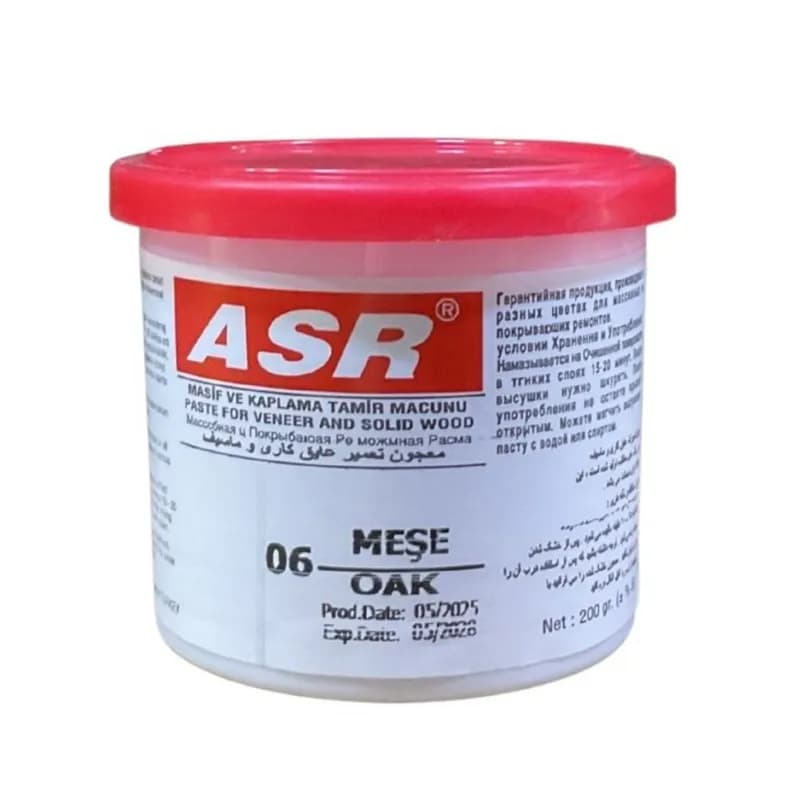
ASR Wood Filler 200 g Oak
ASR · Wood Filler
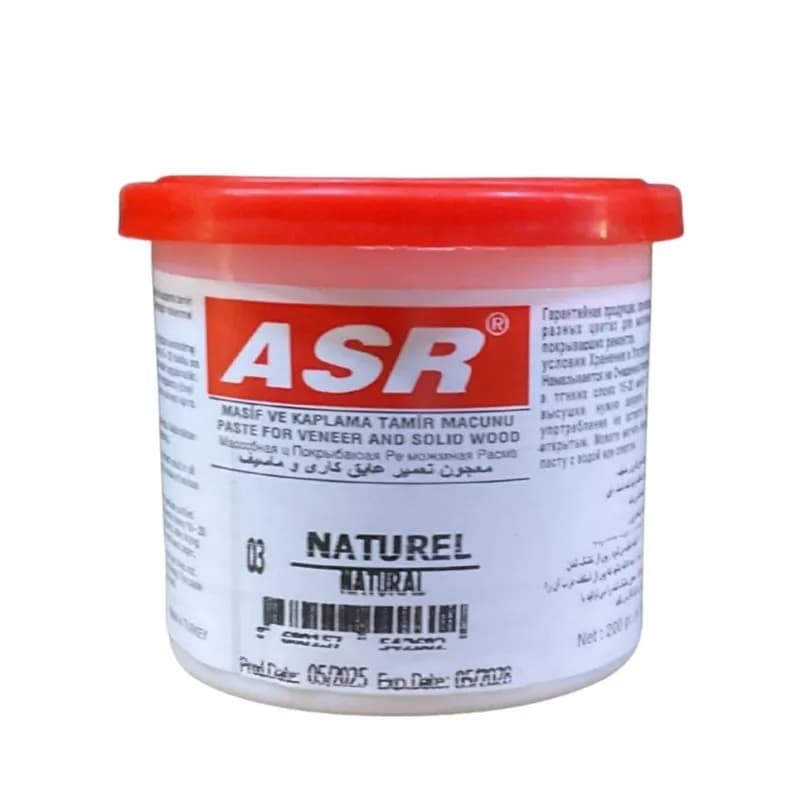
ASR Wood Filler 200 g Natural
ASR · Wood Filler
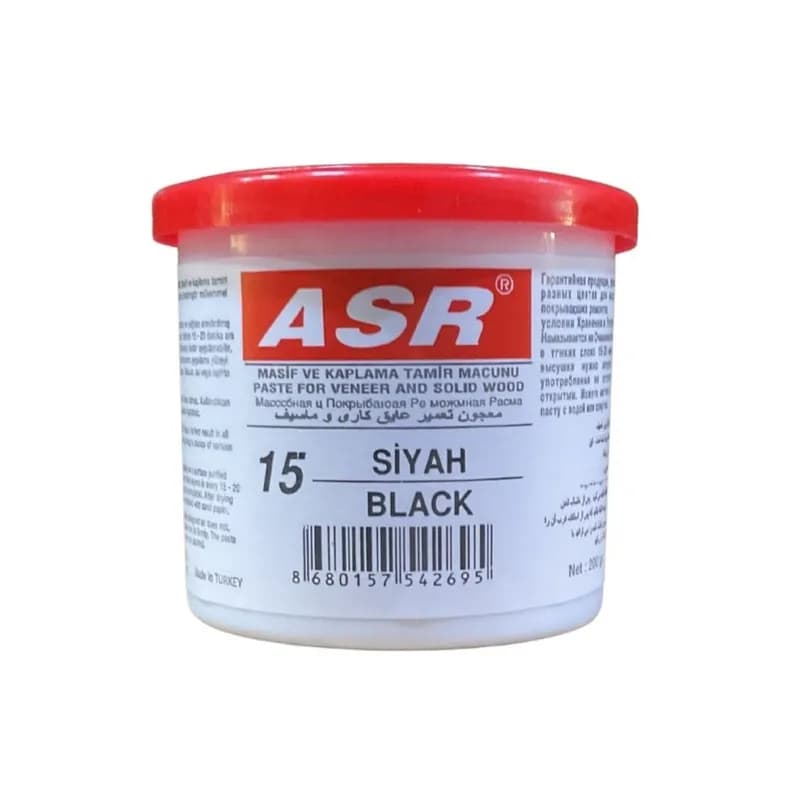
ASR Wood Filler 200 g Black
ASR · Wood Filler
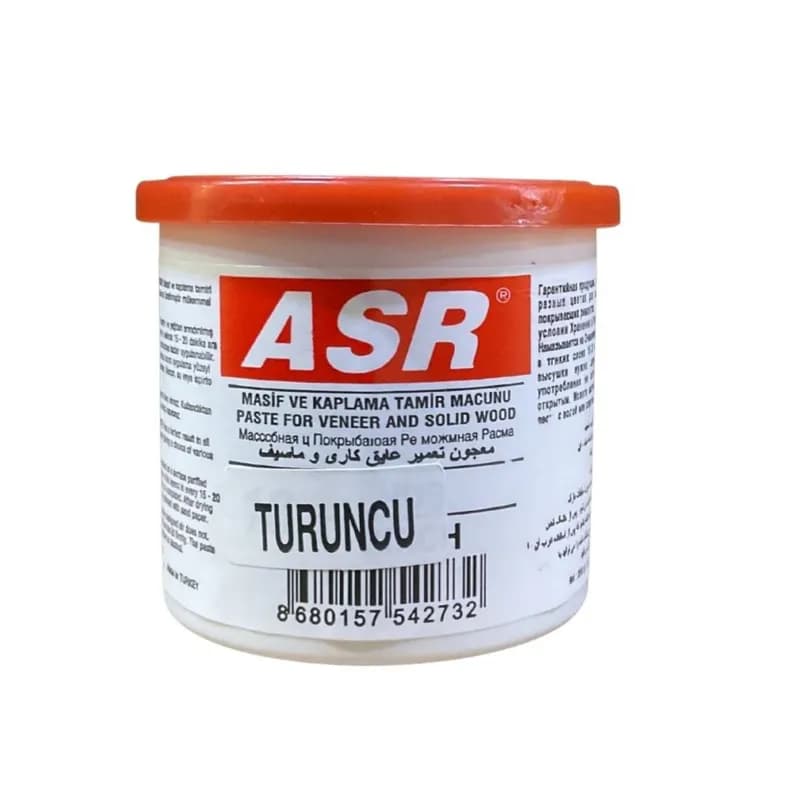
ASR Wood Filler 200 g Orange
ASR · Wood Filler
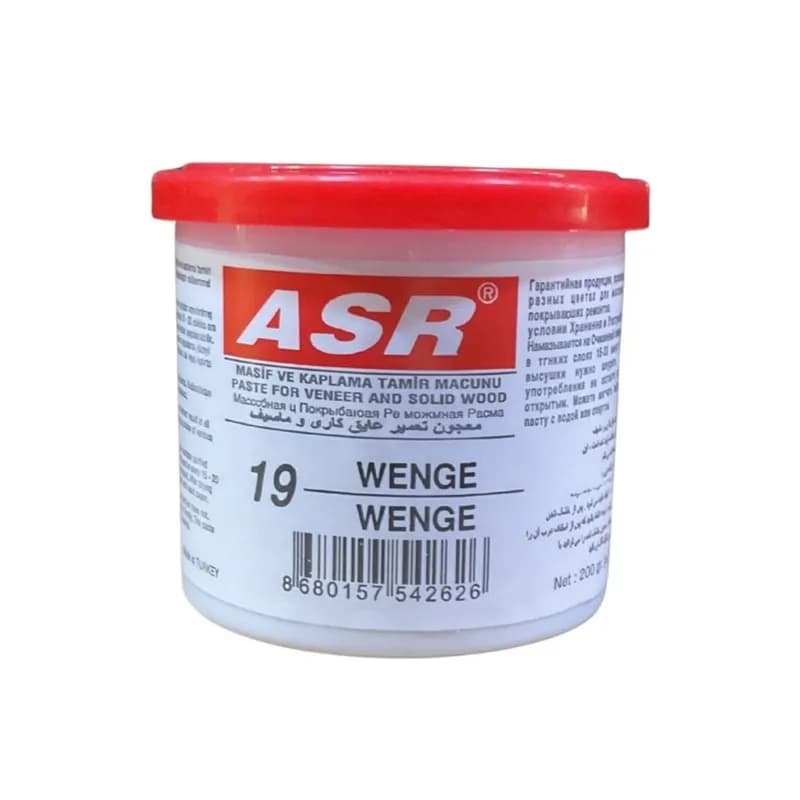
ASR Wood Filler 200 g Wenge
ASR · Wood Filler
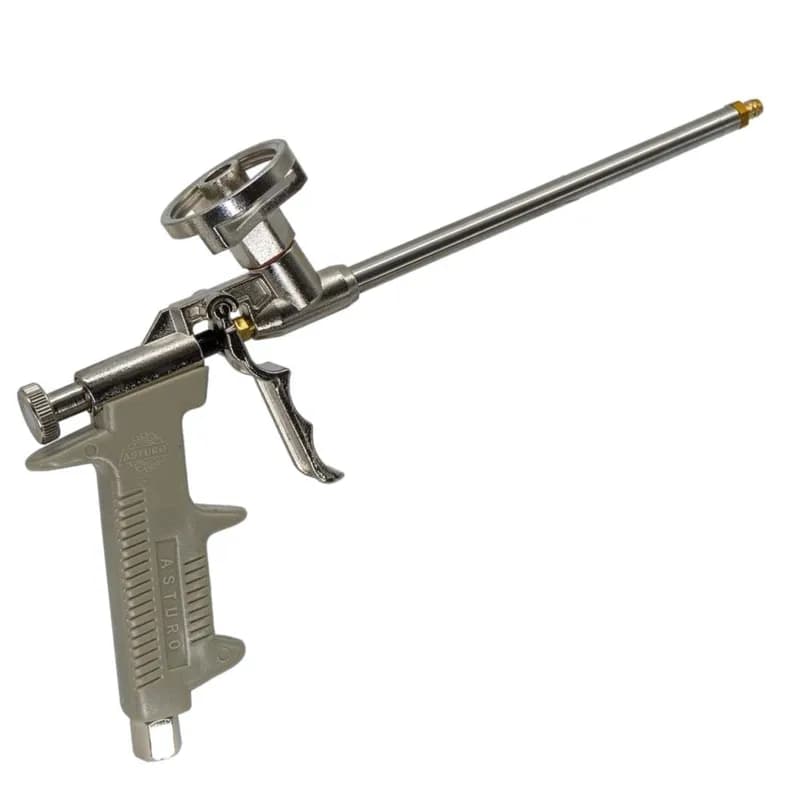
Asturo Foam Gun Metal Body
ASTURO · Polyurethane Foam
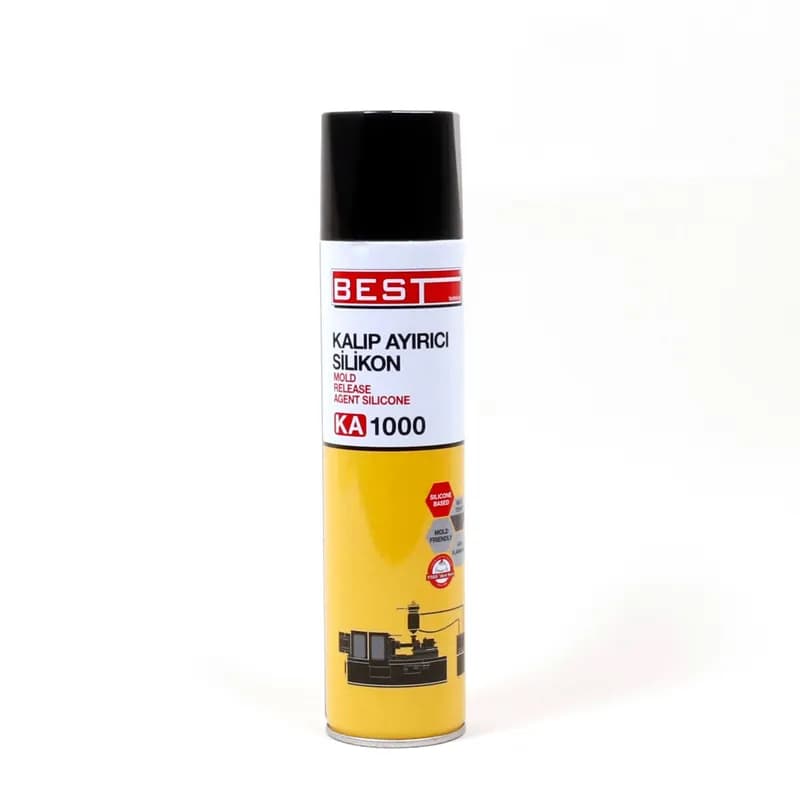
Best Mould Release Agent KA 1000 400 ml
Best · Mould Release & Mould Care
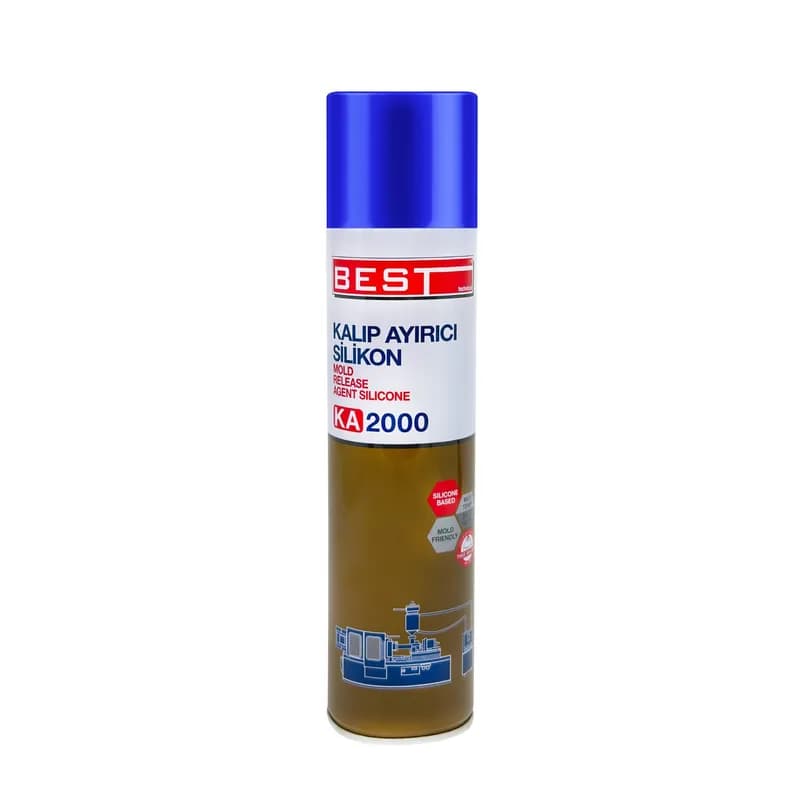
Best Mould Release Agent KA 2000 400 ml
Best · Mould Release & Mould Care
1–24 of 118 · page 1 / 5
The classes and what they do
What is inside the cartridge decides the job. Of two cartridges that look alike, one takes paint and the other repels it; one lives in a moving joint, the other splits in the first winter.
| Product | Chemistry | Key property | Typical use |
|---|---|---|---|
| Silicone | Silicone (acetic/neutral) | Water and UV resistant, flexible | Bathrooms, kitchens, glazing, sanitary |
| PU sealant | Polyurethane | High adhesion and movement capability | Facade joints, precast, vehicle bodies |
| Acrylic sealant | Acrylic dispersion | Paintable, easy to apply | Interior cracks, frames, skirting |
| Siliconised sealant | Acrylic + silicone | Paintable and more flexible | Timber frames, interior joints, repairs |
| PU foam | Polyurethane | Expands to fill the void | Frame fixing, gap filling, insulation |
| Epoxy | Two-part resin | Structural bonding and filling | Metal, concrete, chemical anchors |
| Wood filler | Solvent/water-based filler | Sands down, colour matched | Repairing timber surfaces |
| Waterproofing | Hybrid/STP | Applies to damp substrates | Foundations, roof terraces, wet rooms |
Acetic and neutral cure silicone
Silicone releases a by-product as it cures, and that by-product decides where it can go. Acetic silicone is the one that smells of vinegar: it cures fast and costs less, but the acetic acid it releases attacks metal, concrete and marble.
Neutral cure (oxime or alkoxy) silicone is not corrosive and is safe on aluminium, zinc, concrete and natural stone. The rule is simple: acetic on glass and ceramics, neutral on metal and stone.
- Acetic: glass, ceramics, non-porous surfaces — smells of vinegar.
- Neutral: aluminium, concrete, marble, mirrors — little or no smell.
- Acetic silicone damages a mirror's backing; mirror silicone is neutral.
- Aquariums take aquarium silicone only — it contains no fungicide.
Moving joint or static fill?
A joint exists to absorb movement: buildings expand in heat and contract in cold. Movement capability is quoted as a percentage — 25% means a 10 mm joint can open and close by about 2.5 mm and the sealant will hold.
For a static crack, acrylic is enough and takes paint. A moving facade joint needs polyurethane or neutral silicone; acrylic there parts in the first season. Silicone will not hold paint, so a joint that must be painted takes acrylic or a siliconised product.
PU foam: gun grade, straw and fire class
Straw foam is simple and cheap and suits one-off jobs; gun grade foam meters its output, so it wastes less, lays neater, and stays usable for days with a gun cleaner.
Fire-rated foams are classed B1 and B2, where B1 indicates the higher fire performance and is what regulated penetrations call for. Yield is quoted in litres on the can and is noticeably affected by temperature and humidity.
- Gun grade: metered output, little waste, continuous use.
- Straw: one-off work, lowest cost.
- B1/B2: reaction to fire class — B1 is the higher performance.
- Lightly dampening the substrate helps the foam cure.
Four questions before you buy
Four answers settle the choice on their own: what is the surface (metal, concrete, glass, timber), does the joint move, will it be painted, and will it see water or sun?
- On non-porous surfaces (glass, ceramics) acetic silicone works.
- Moving joints take polyurethane or neutral silicone.
- If it will be painted, choose acrylic or siliconised, never silicone.
- Outdoors check UV resistance; in wet rooms check for a fungicide.
- Shelf life and storage temperature are printed on the cartridge — never use a frozen one.
Wholesale supply from Seza Global
We supply Soudal, Proft, Dayson, Somafix, Magneto, ASR and Bostik construction chemicals wholesale. From silicone and sealants to polyurethane foam, epoxy and wood filler, the range covers over 100 products across seven groups.
For dealer and bulk purchase, send the product list, colour codes and quantities; we come back with stock, pricing and lead time together. On pallet quantities we schedule against the production plan.
Frequently Asked Questions
What is the difference between acetic and neutral cure silicone?
The by-product released during cure. Acetic silicone releases acetic acid (the vinegar smell), cures fast and belongs on glass and ceramics; it can attack metal, concrete and marble. Neutral cure silicone is non-corrosive and is safe on aluminium, concrete, natural stone and mirrors.
Can silicone be painted over?
No. Paint will not adhere to a silicone surface and beads up on it. Where a joint must be painted, use acrylic or a siliconised sealant.
How do polyurethane and acrylic sealants differ?
Polyurethane offers high adhesion and movement capability and belongs outdoors and in moving joints. Acrylic suits interior cracks and static joints — easy to apply and paintable, but it will not take movement.
What does a movement capability of 25% mean?
It is the percentage of its own width a joint can open and close while the sealant holds. At 25%, a 10 mm joint can move about 2.5 mm.
Gun grade or straw foam?
For a one-off job, straw foam is enough. For regular work, gun grade meters its output, wastes less, lays neater, and stays usable for days with a gun cleaner.
What is the difference between B1 and B2 fire foam?
Both are reaction-to-fire classes; B1 indicates the higher performance and is what regulated penetrations require. B2 is for general use.
Can ordinary silicone be used in an aquarium?
It should not. Ordinary sanitary silicones contain a fungicide that leaches into the water and harms livestock. Use aquarium silicone only.
How long does silicone take to cure?
A skin forms within minutes, but full cure takes days depending on thickness — about 2 mm of depth per day as a rule of thumb. Temperature and humidity affect it directly.
When is a chemical anchor used?
An epoxy or vinylester resin injected into the hole bonds the anchor rod chemically to the substrate. It replaces a mechanical anchor where edge distances are small, in perforated brick, or under high load.
What shelf life do these products have?
It is printed on the packaging — typically 12-18 months for silicones and sealants, shorter for polyurethane foam. A product that has been frozen or stored in extreme heat should not be used even within date.
How does wholesale purchase and dealership work?
Send the product list, colour codes and quantities; we return stock, wholesale pricing and lead time together. On pallet quantities we schedule against the production plan.