Categories
Hardware & Fasteners
Fasteners are the largest and least-explained group in the catalogue: the products look alike and the difference hides in the size, the coating and the substrate they go into. This page explains where a screw parts company with a nail, why the substrate — not the load — picks the wall plug, how long each coating lasts in which environment, and how door and lock hardware is measured. The catalogue holds over 1,100 sizes across 26 subgroups.
Product Types
Go straight to the product type you need.
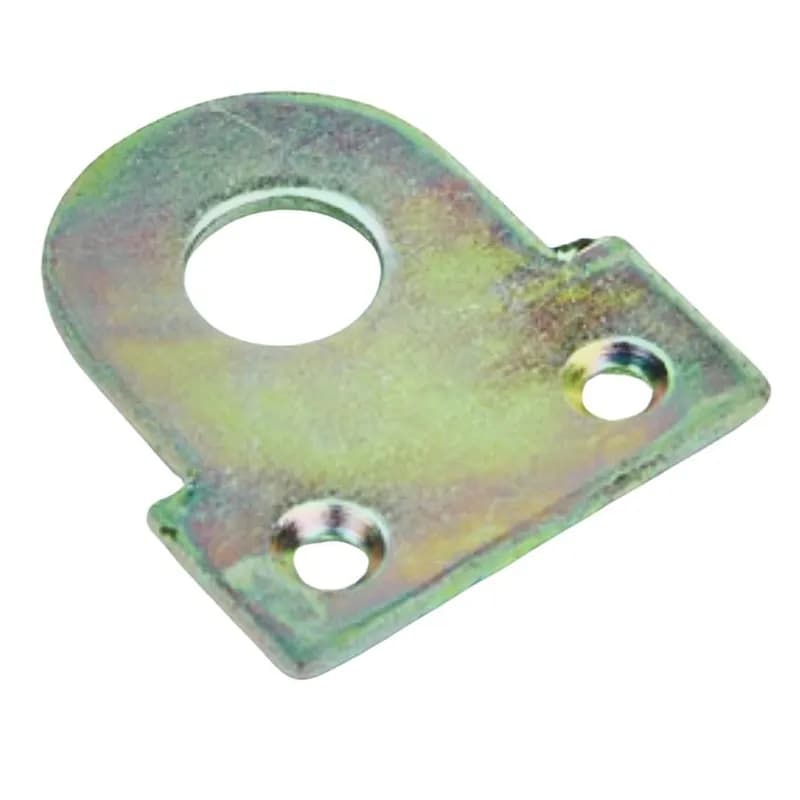 Locks & Latches282 products
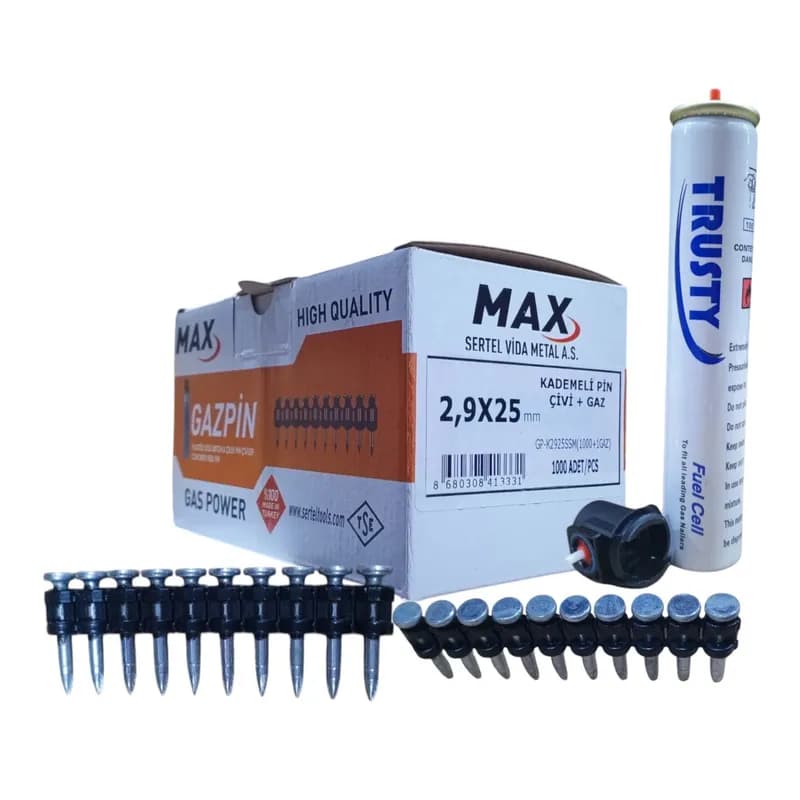 Nails194 products
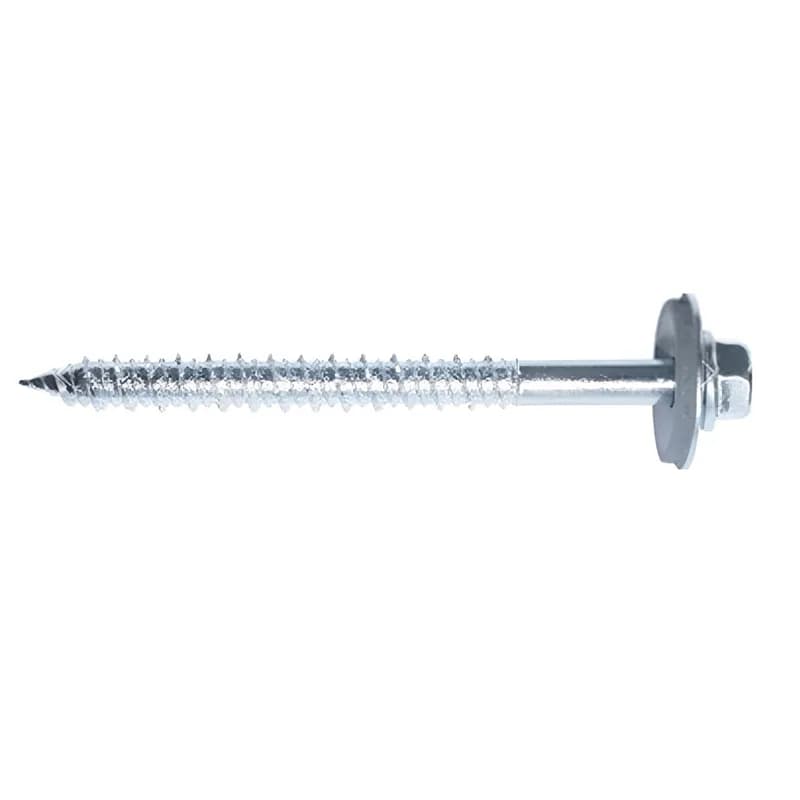 Screws186 products
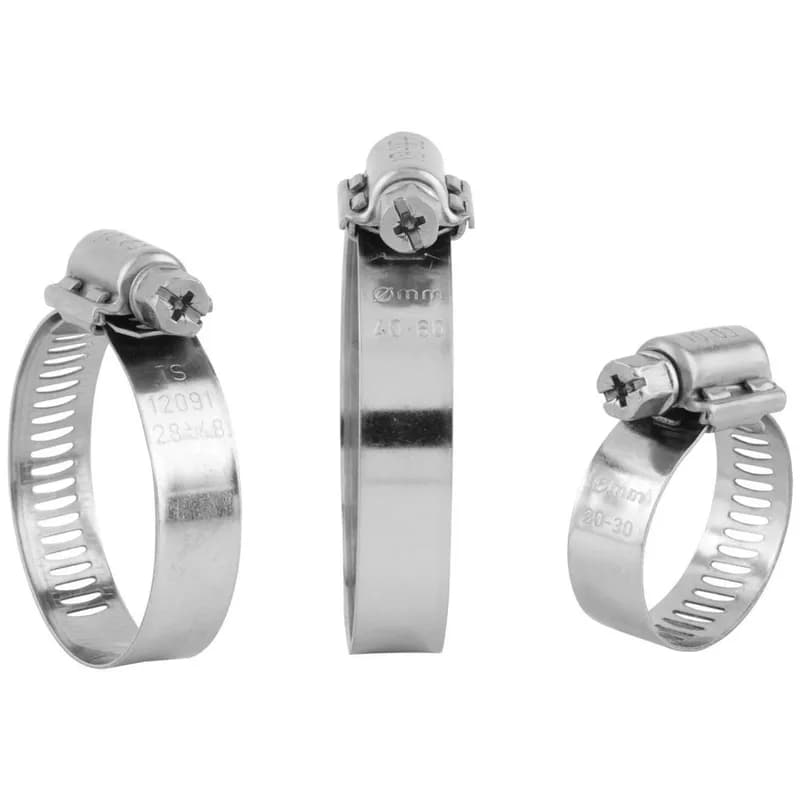 Hose Clamps & Cable Ties137 products
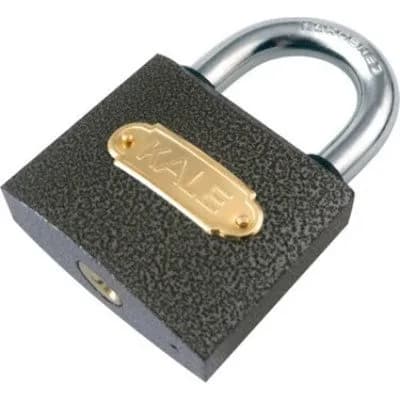 Padlocks113 products
 Wall Plugs & Anchors83 products
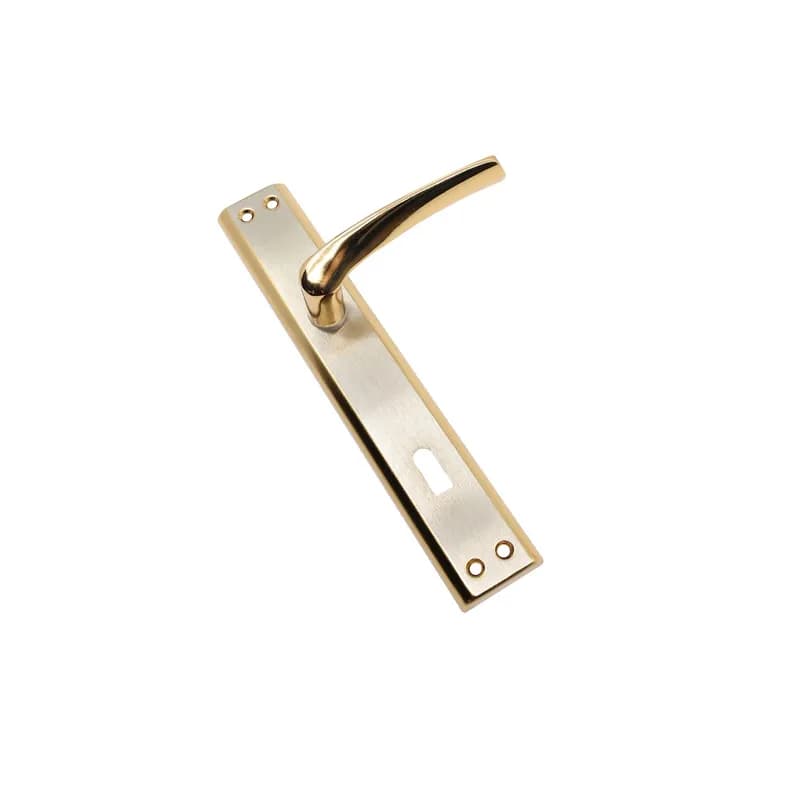 Door Handles59 products
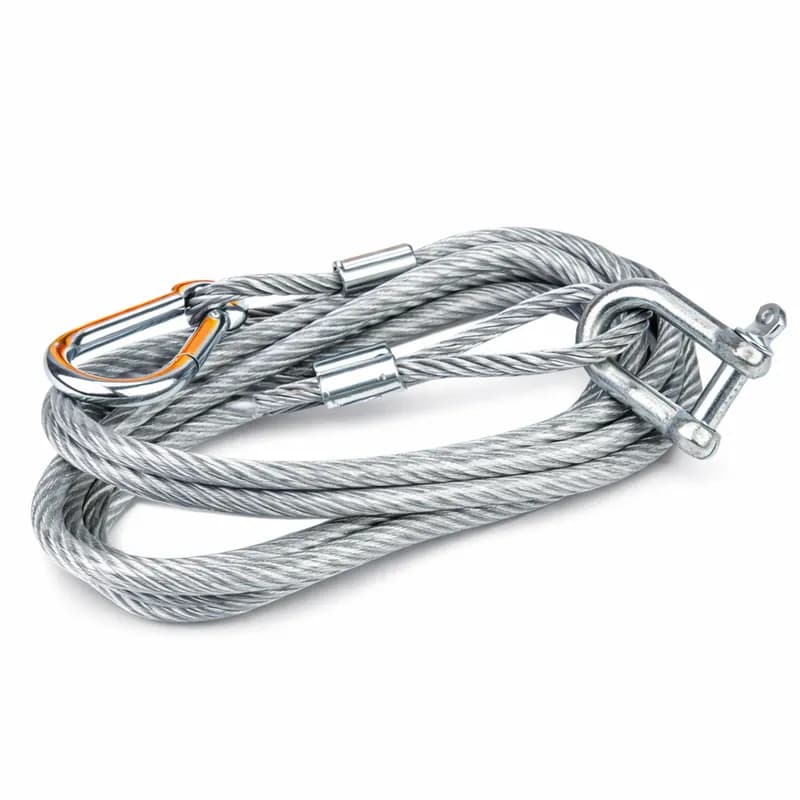 Rope47 products
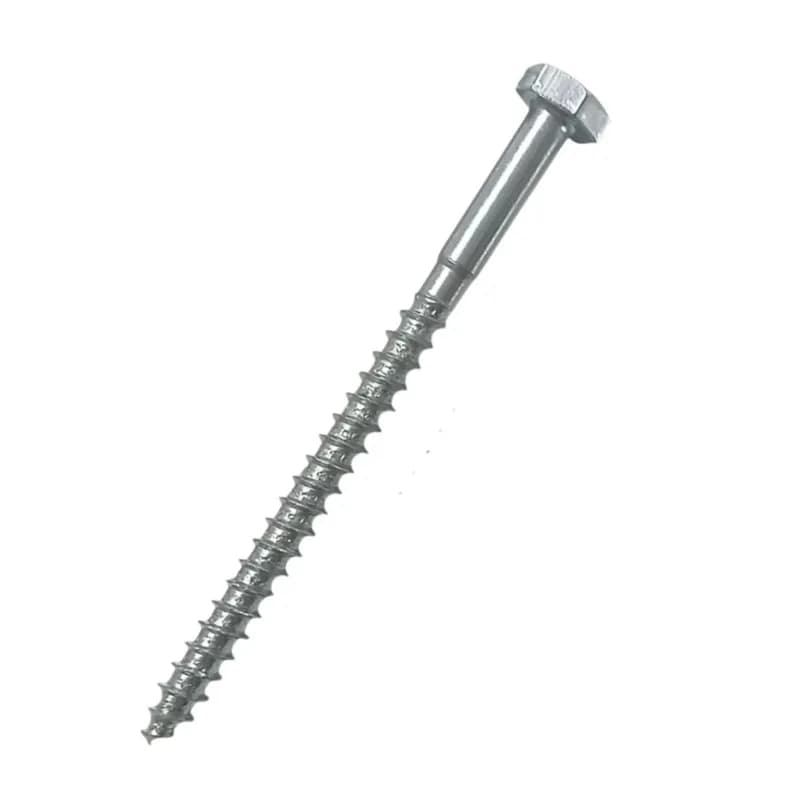 Nuts & Bolts40 products
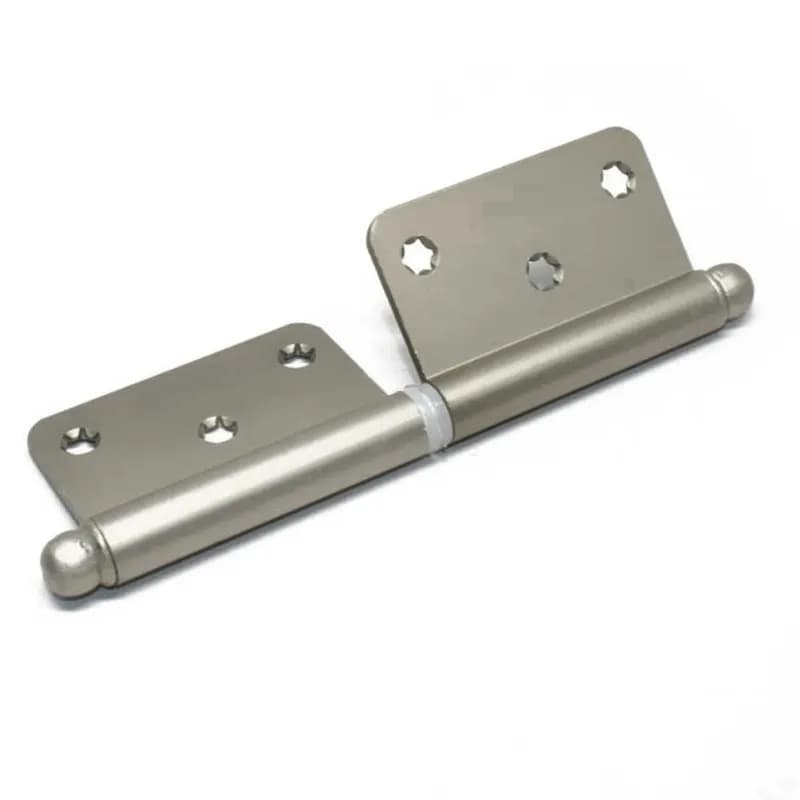 Hinges35 products
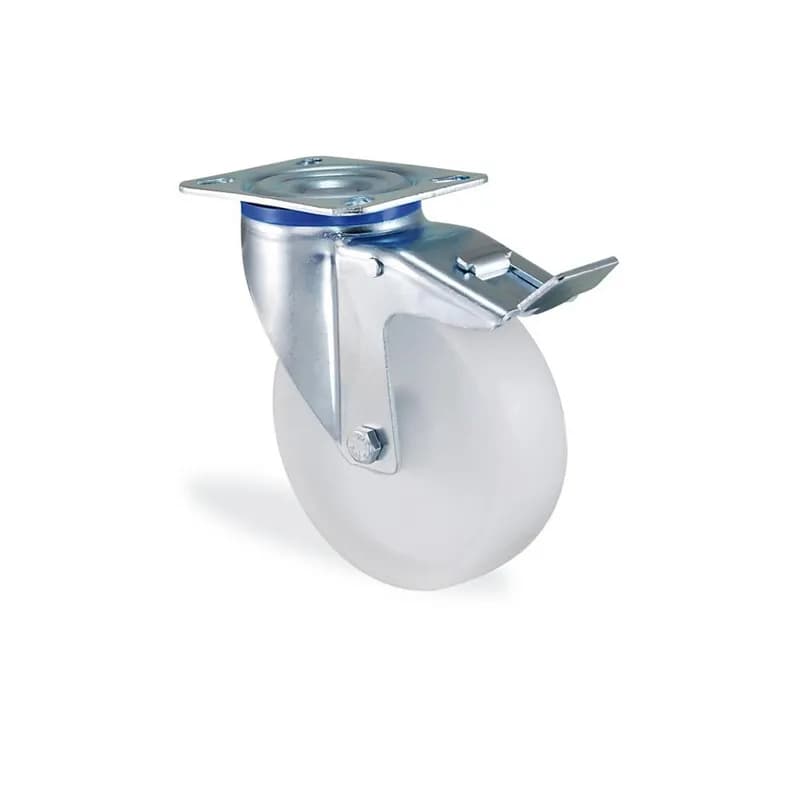 Castors & Wheels25 products
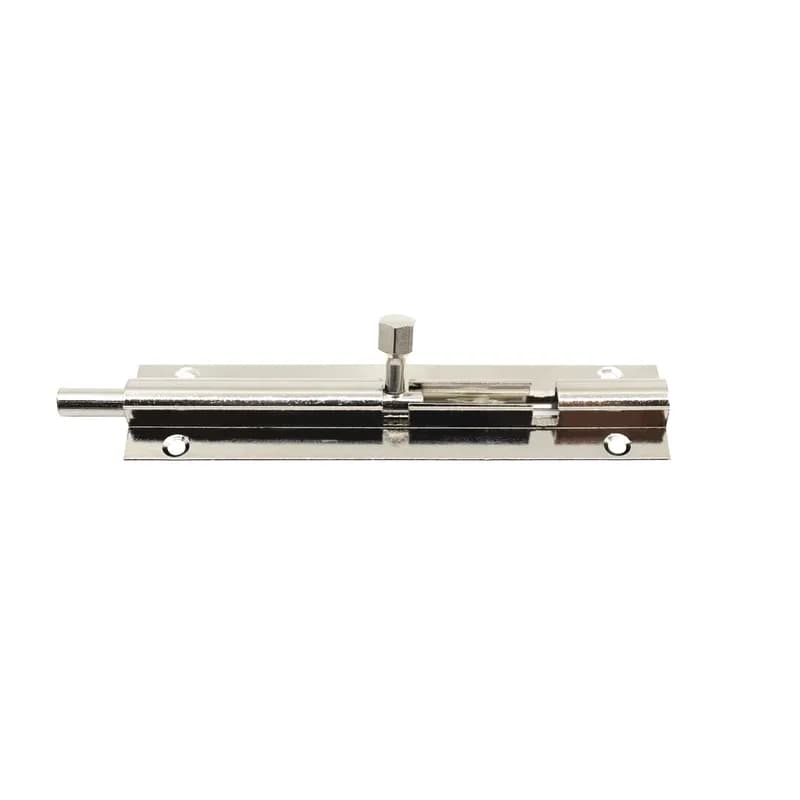 Sliding Bolts20 products
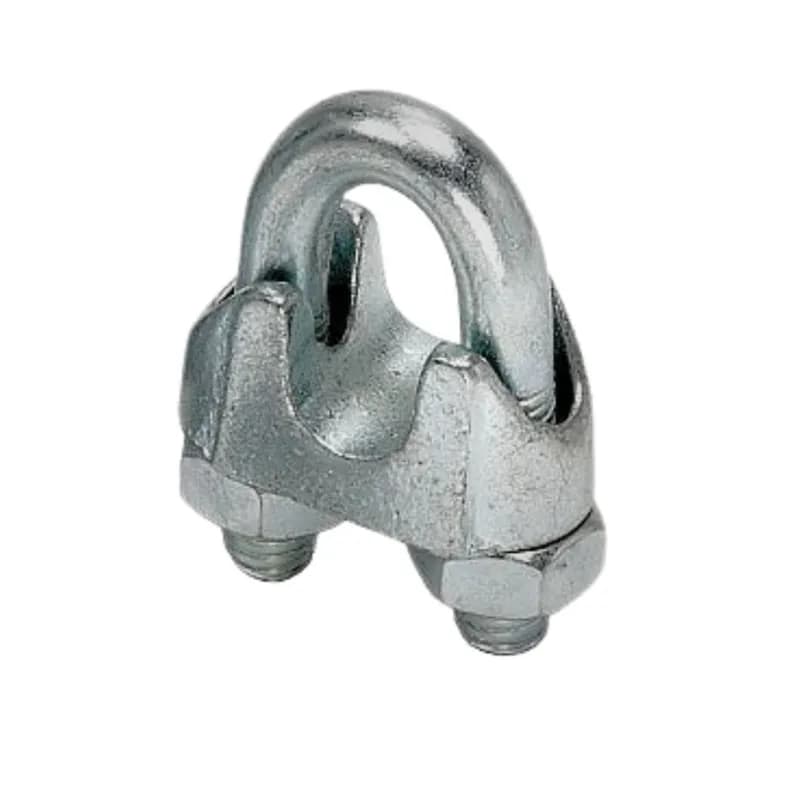 Wire Rope Clips & Turnbuckles15 products
14x80mm PLASTİK DÜBEL (MFK 2422 için)
Wall Plugs & Anchors
Akdeniz Ahşap Vidası (Betofas) 6.3x10⁵ (500 Ad.)
Akdeniz · Screws
Akdeniz Ahşap Vidası (Betofas) 6.3x125 (400 Ad.)
Akdeniz · Screws
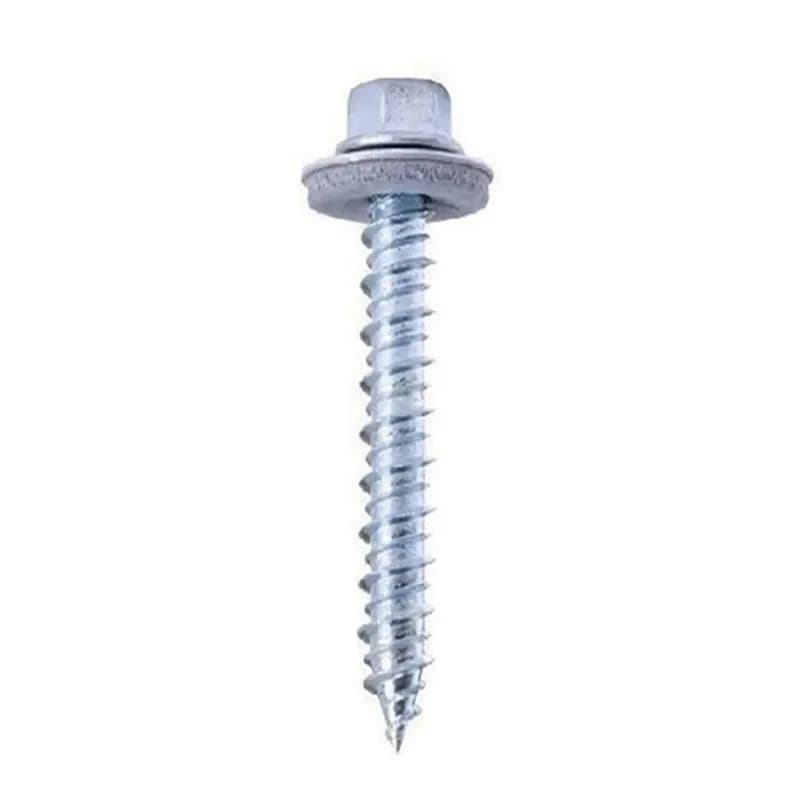
Akdeniz Ahşap Vidası (Betofas) 6.3x35 (1500 Ad.)
Akdeniz · Screws
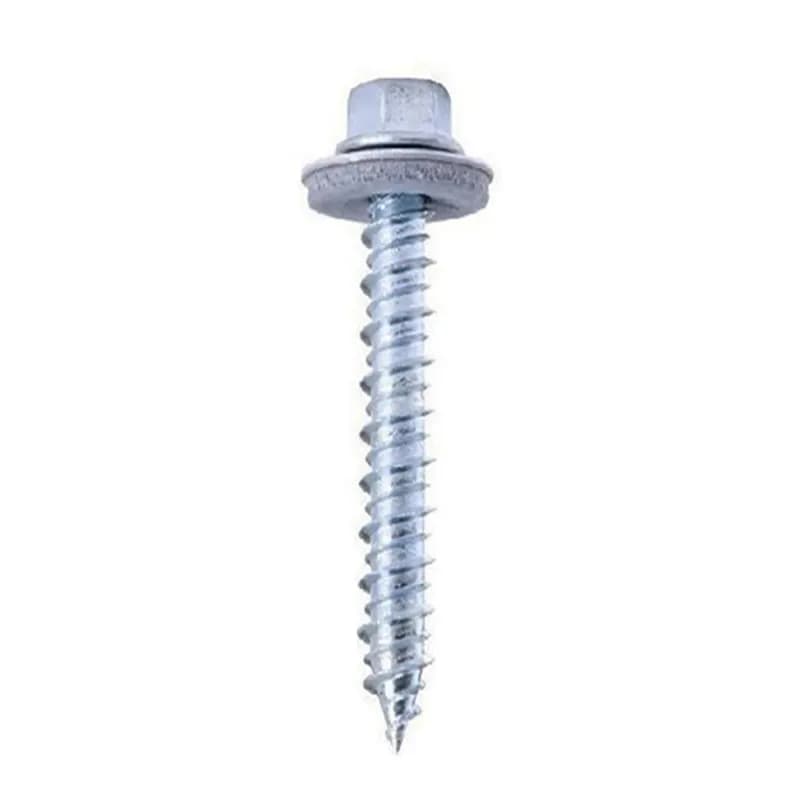
Akdeniz Ahşap Vidası (Betofas) 6.3x35 (2000 Ad.)
Akdeniz · Screws
Akdeniz Ahşap Vidası (Betofas) 6.3x45 (1500 Ad.)
Akdeniz · Screws
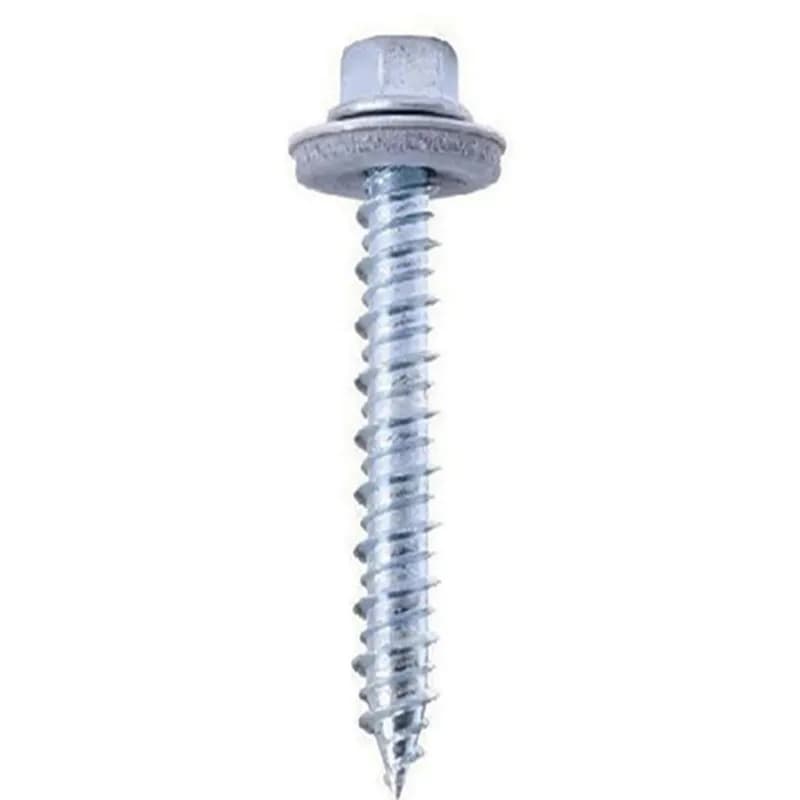
Akdeniz Ahşap Vidası (Betofas) 6.3x60 (900 Ad.)
Akdeniz · Screws
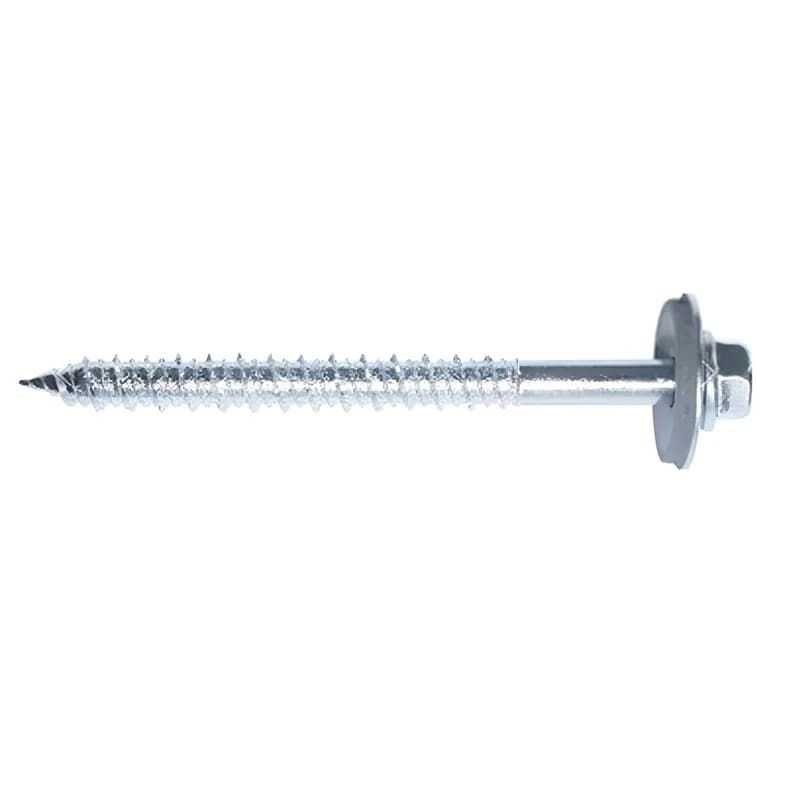
Akdeniz Ahşap Vidası (Betofas) 6.3x75 (800 Ad.)
Akdeniz · Screws
Akdeniz Ahşap Vidası (Betofas) 6.3x90 (600 Ad.)
Akdeniz · Screws
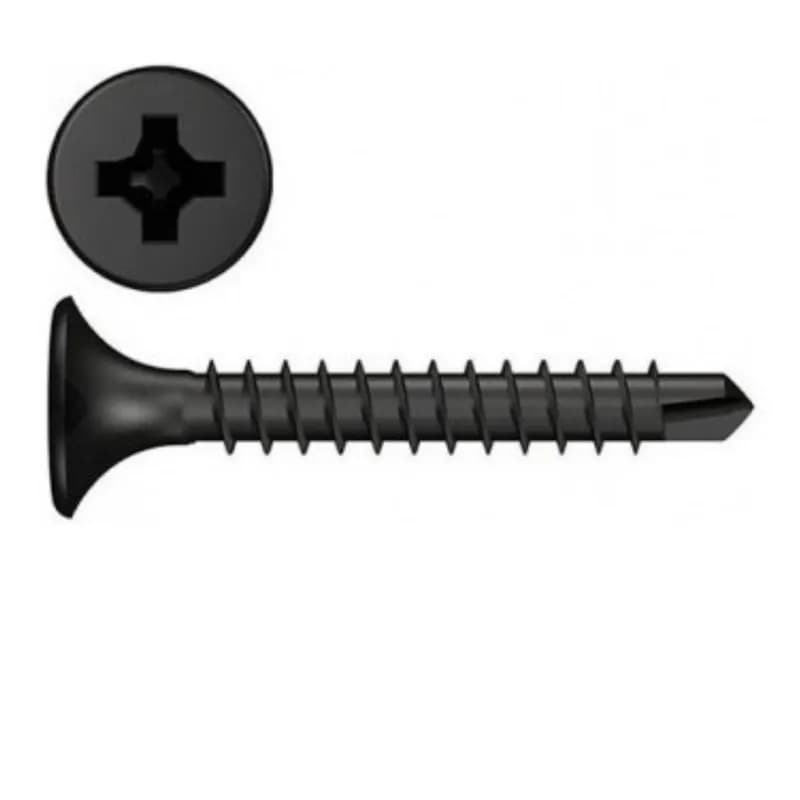
Akdeniz Alçıpan Vidası M.u.v. 3.5x25 (1000 Ad.)
Akdeniz · Screws
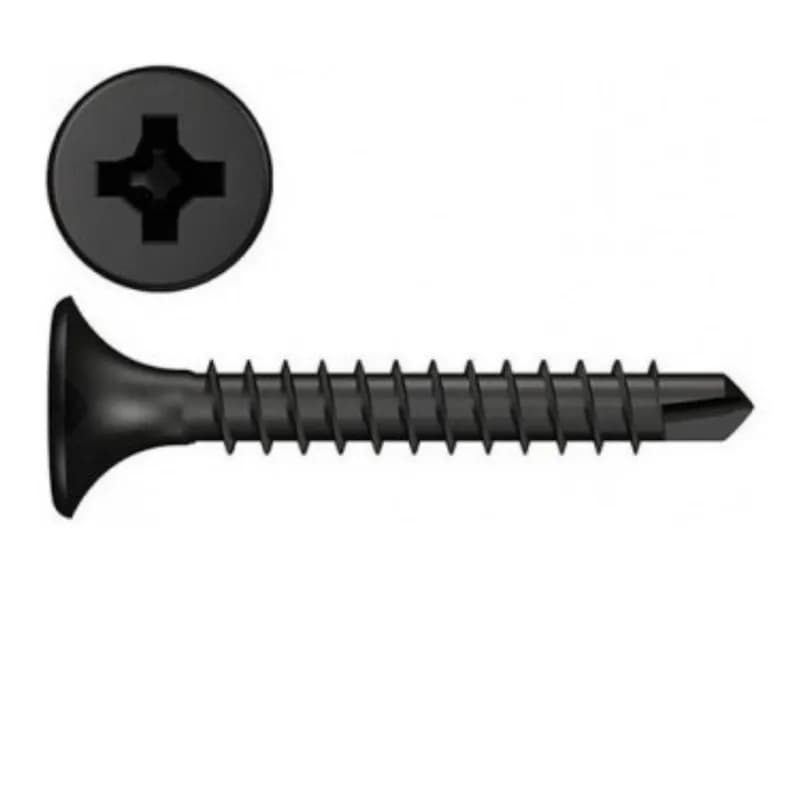
Akdeniz Alçıpan Vidası M.u.v. 3.5x35 (1000 Ad.)
Akdeniz · Screws
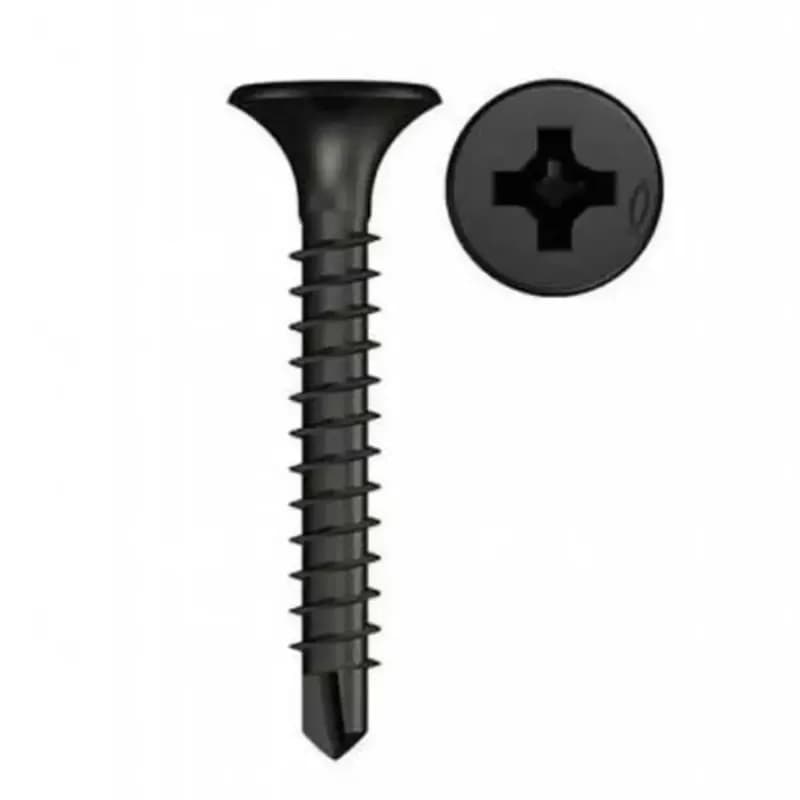
Akdeniz Alçıpan Vidası M.u.v. 3.5x45 (500 Ad.)
Akdeniz · Screws
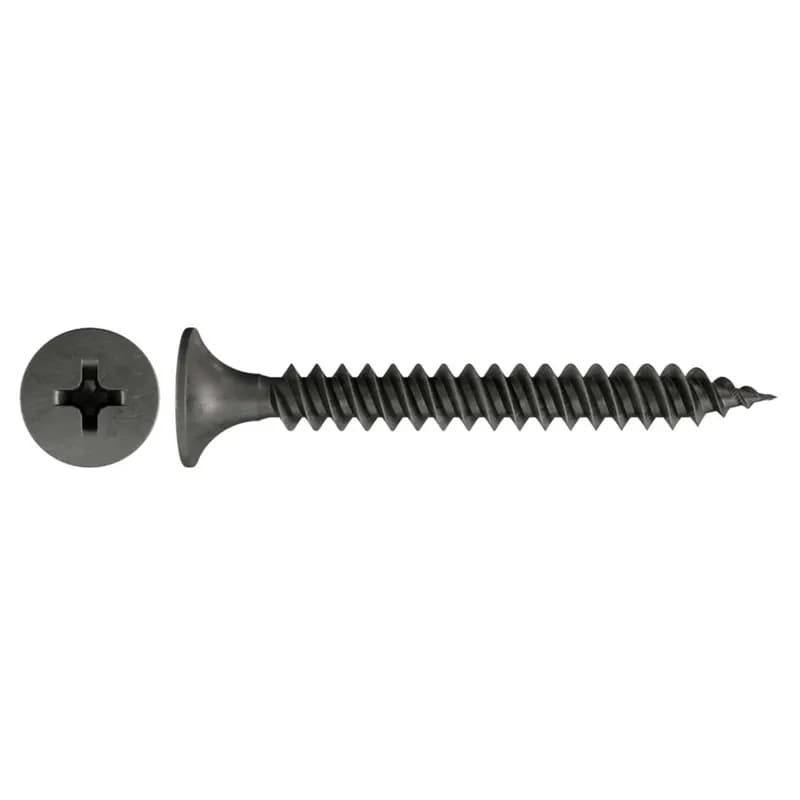
Akdeniz Alçıpan Vidası Sivri 3.5x25 (1000 Ad.)
Akdeniz · Screws
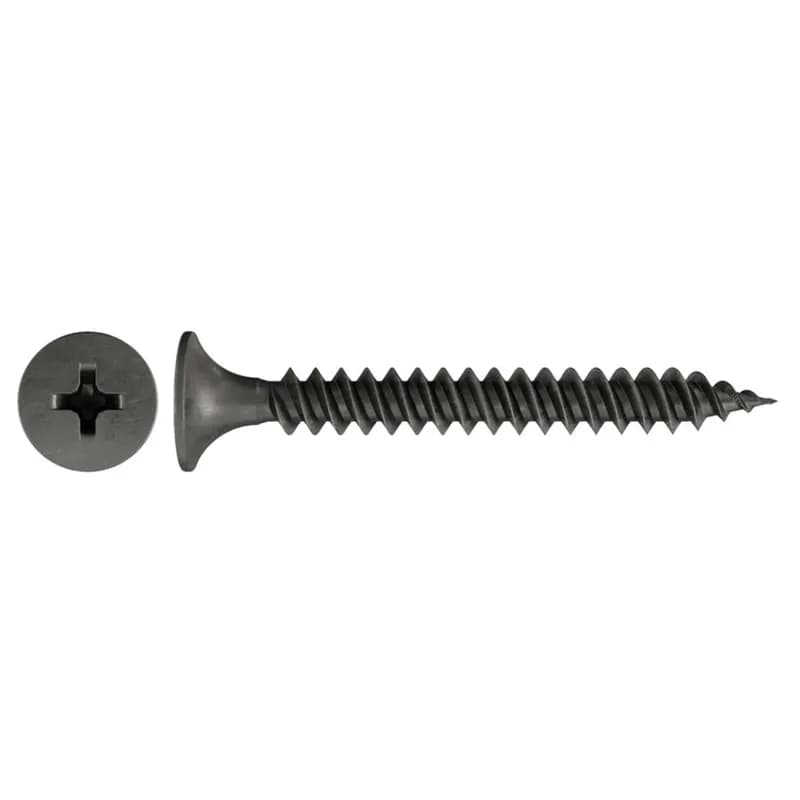
Akdeniz Alçıpan Vidası Sivri 3.5x35 (1000 Ad.)
Akdeniz · Screws
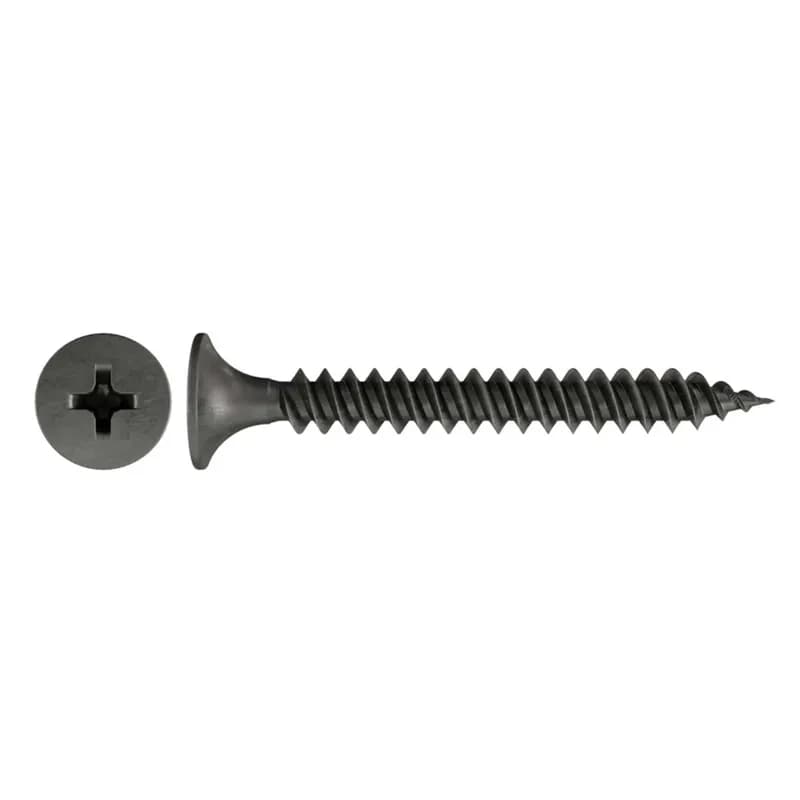
Akdeniz Alçıpan Vidası Sivri 3.5x45 (500 Ad.)
Akdeniz · Screws
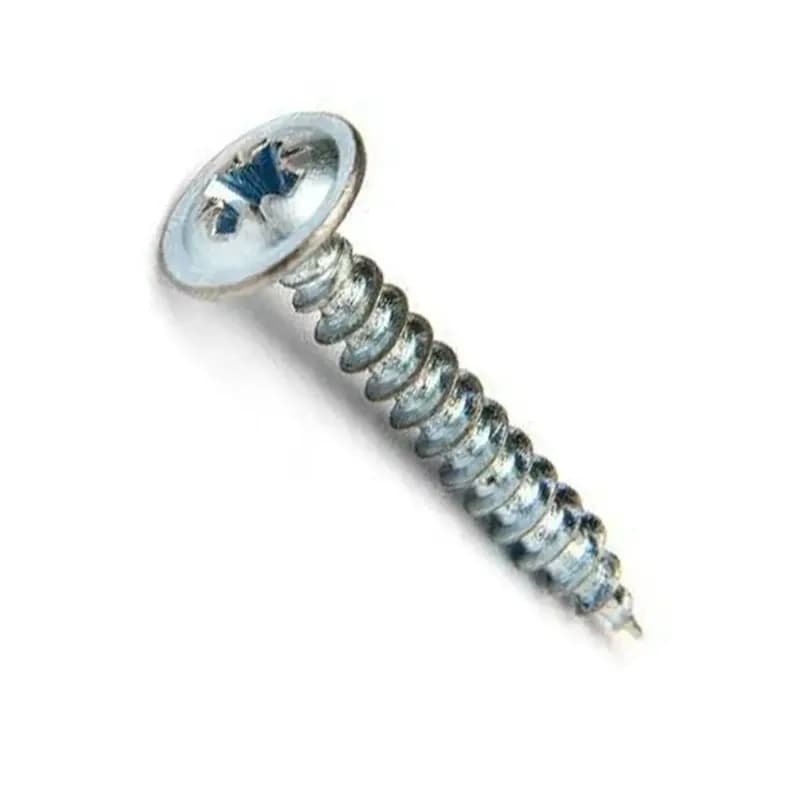
Akdeniz Arkalık Vidası 3.5x25 (1000 Ad.)
Akdeniz · Screws
Akdeniz ID50-T 50 mm İzolasyon Dubeli 1000x1+ Gaz
Akdeniz · Wall Plugs & Anchors
Akdeniz Max Gazlı Taban. Çivi 25 (1000 ÇİVİ+1 Gaz)
Akdeniz · Nails
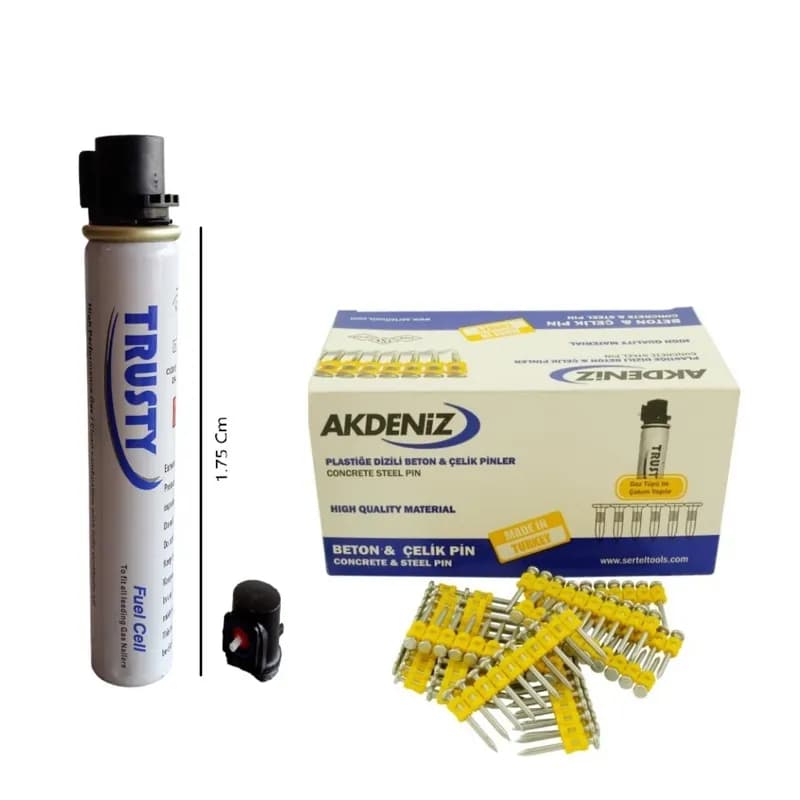
Akdeniz Max Gazlı Taban. Çivi 32 (1000 ÇİVİ+1 Gaz)
Akdeniz · Nails
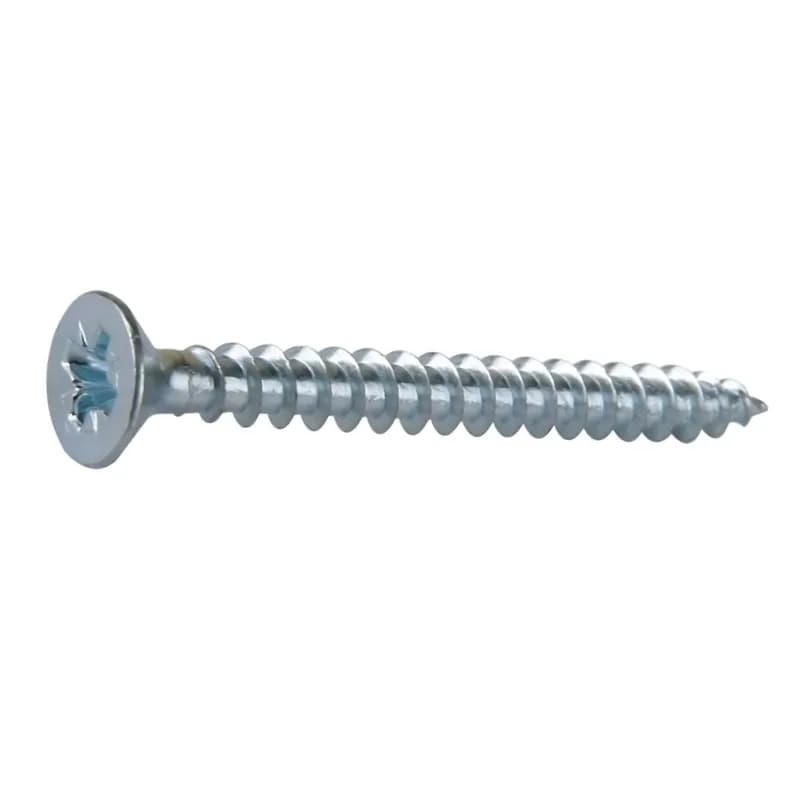
Akdeniz Sunta Vidası 3.5x13 (1000 Ad.)
Akdeniz · Screws
Akdeniz Sunta Vidası 3.5x16 (1000 Ad.)
Akdeniz · Screws
Akdeniz Sunta Vidası 3.5x18 (1000 Ad.)
Akdeniz · Screws
Akdeniz Sunta Vidası 3.5x20 (1000 Ad.)
Akdeniz · Screws
Akdeniz Sunta Vidası 3.5x25 (1000 Ad.)
Akdeniz · Screws
1–24 of 1236 · page 1 / 52
What is in the tree and what each group does
This tree covers four jobs: fixing one thing to another (screws, nails, nuts and bolts, wall plugs), gathering or tensioning something (clamps, cable ties, rope, turnbuckles), letting something move (hinges, castors, sliding bolts) and closing something (locks, cylinders, door handles, door closers).
| Group | Where it is used | What you order by |
|---|---|---|
| Screws | Wood, chipboard, plasterboard, sheet | Ø x length, point type |
| Nails | Rough carpentry, formwork, nailers | Length, headed/headless, collation |
| Nuts & bolts | Removable metal joints | Metric thread (M5-M27) |
| Wall plugs | Concrete, brick, AAC, plasterboard | Substrate + hole diameter |
| Hook & loop / clamps | Hose, cable and pipe bundling | Band range / cross-section |
| Rope | Tying, pulling, suspension | Material + diameter |
| Hinges & sliding bolts | Doors, cabinets, wrought iron | Size number / length |
| Castors | Trolleys, stands, containers | Ø, swivel/fixed, braked |
| Locks & cylinders | Door security | Door type + lock dimension |
Screw, nail or bolt?
All three join, but they differ in how removable they are and in the load they hold. A screw cuts its own thread into the material; it can be undone and refitted, and it holds far more in withdrawal than a nail does. A nail splits its way in, is fast, and performs well in shear; for formwork, pallets and rough carpentry it is still the cheapest fixing there is.
A bolt cuts no thread at all: it passes through a clearance hole and is tightened against a nut on the far side. Metal joints that must come apart again, that vibrate, or that carry serious load are therefore bolted.
- Screw: removable, high withdrawal strength, the standard in wood and sheet.
- Nail: fast and cheap, good in shear, hard to remove.
- Bolt: a removable metal joint, tightened to a controlled torque.
- Wall plug: what carries the load in masonry, where none of the above holds alone.
The substrate picks the plug, not the product
The first question in plug selection is not the load but the substrate: solid brick, hollow brick, aerated concrete, dense concrete and plasterboard each want a different plug. A plain plastic plug set into hollow brick spins in the void and holds nothing; a standard plug in aerated concrete simply crumbles the material.
The second question is the hole diameter: plug diameter and drill bit diameter must match. A 10 mm plug goes into a hole drilled with a 10 mm bit; in a hole drilled at 12 mm it sits loose.
| Substrate | Plug type | Note |
|---|---|---|
| Concrete | Plastic plug, sleeve/through anchor | Steel anchor for heavy loads |
| Solid brick | Plastic plug | The standard answer |
| Hollow brick | Hollow-brick plug | A plain plug spins in the void |
| Aerated concrete (AAC) | AAC spiral plug | A standard plug crumbles it |
| Plasterboard | Steel or plastic cavity fixing | Toggle or self-drilling |
| Insulation board | Insulation fixing (wide head) | Spreads load without crushing |
Coating: how long it lasts, and where
What usually ends a fastener's life is not its steel but its coating. Indoors, white zinc plating is enough; outdoors a screw that gets wet will rust within a season on the same plating. On the coast and in permanently wet service, everything except stainless steel eventually loses.
| Coating | Environment | Typical use |
|---|---|---|
| White/yellow zinc | Indoor, dry | Chipboard screws, assembly |
| Phosphate (black) | Indoor | Drywall screws |
| Hot-dip galvanised | Outdoor | Roofing, façade, wrought iron |
| Stainless (A2/A4) | Wet, chemical, marine | Coast, pools, food industry |
How door and lock hardware is measured
Two dimensions decide everything in door hardware: the lock's centre distance (from the handle spindle to the centre of the cylinder, most often 85 mm) and the cylinder length. Cylinder length follows the door leaf thickness — the bulk of the catalogue is 68, 76, 83 and 90 mm — and it must not protrude more than 3 mm on either face; a proud cylinder can be gripped and snapped.
The lock type follows the door itself: a mortise lock for wooden and PVC interior doors, a cylinder mortise lock for apartment entrance doors, a multi-point system for steel doors, and a surface-mounted rim lock where no mortise pocket can be cut into a metal door.
Supply from Seza Global
In hardware and fasteners we supply brands such as Kale, Yuma, YMK, Akdeniz, Meridyen, Erbi, Tork, İnan, Burgaz, Kama, İpsan and Özkul at wholesale. From screws and nails to wall plugs, from clamps and rope to locks, cylinders and door hardware, the catalogue holds over 1,100 sizes across 26 subgroups.
This group works from a size list: send the diameter-length, metric thread, band range or cylinder length list with quantities and we return stock, price and lead time in one reply. Export shipments are documented in full.
Frequently Asked Questions
Must the plug diameter match the drill bit diameter?
Yes. An 8 mm plug goes into a hole drilled with an 8 mm bit. In a larger hole the plug sits loose and turns with the screw; in a smaller one it will not seat at all.
Can a plain plug be used in hollow brick?
No. Inside the void a plain plastic plug finds nothing to expand against and simply spins. Use a plug designed for hollow substrates, which knots or folds open behind the wall.
What is the difference between a chipboard screw and a drywall screw?
A chipboard screw has a thick shank and coarse thread and grips hard in timber and chipboard. A drywall screw is thin with a bugle head that sinks flush without tearing the paper; the sharp-point version goes into timber studs and the drill-point version into steel studs.
Which coating should I choose outdoors?
Anywhere that gets wet needs hot-dip galvanising as a minimum. On the coast, around pools and in permanently damp conditions, anything short of stainless steel (A2, or A4 for marine) will show rust within a season or two.
How do I choose the cylinder length?
By the thickness of the door leaf and the position of the lock. The cylinder must not protrude more than 3 mm on either face, or it can be gripped with pliers and snapped. The catalogue carries 68, 76, 83 and 90 mm.
What does a metric bolt size mean?
In M10x50, M10 is the thread diameter (10 mm) and 50 is the length in millimetres from under the head to the tip. The nut matches the same metric size: an M10 bolt takes an M10 nut.
Do a cable tie and a hose clamp do the same job?
No. A cable tie is plastic and only gathers; it seals nothing and holds no pressure. A hose clamp is metal, is tightened with a screw, and presses the hose onto the fitting hard enough to hold pressure.
Steel wire rope or braided rope?
Steel wire rope is for heavy loads and pulling: it does not stretch and resists cutting. Braided polyester or polypropylene rope is light, kind to the hands and knots well — for tying, hanging and general use. Jute rope sits on the natural and decorative side.
Swivel castors or fixed?
Four swivel castors make a trolley easy to manoeuvre but hard to push in a straight line. The common answer is two fixed and two swivel; braked castors are fitted in pairs at least, to stop a loaded trolley rolling away.
Can sizes be mixed in a wholesale order?
Yes. Orders in this group are taken as a diameter-length or metric size list, and different sizes can be combined in a single order. Send the size list with quantities.
Can the products be documented for export?
Yes. Shipments from Türkiye are issued with the invoice, certificate of origin and any conformity documents requested; for fasteners the class and coating are recorded on the shipping paperwork as well.