Categories
Castors & Wheels
Three things decide a castor: diameter, load capacity and the floor. This page covers the swivel-fixed-braked combination, how diameter changes manoeuvring, and how tread material follows the floor. The catalogue holds 25 Kama models from 50 to 200 mm.
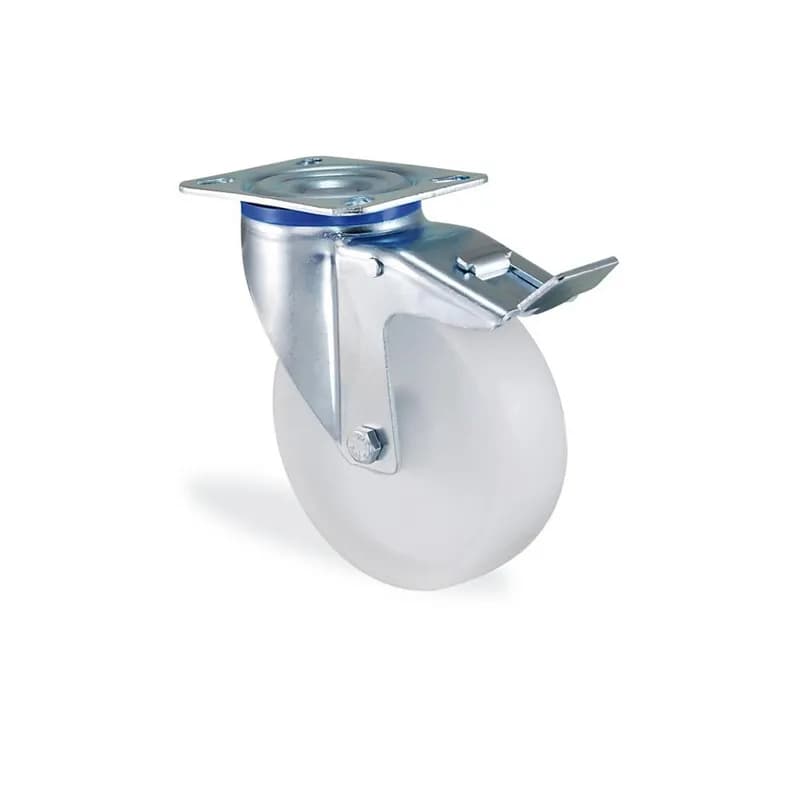
KAMA Polyamid Beyaz Frenli Döner 125 mm (MMB125F)
KAMA · Castors & Wheels
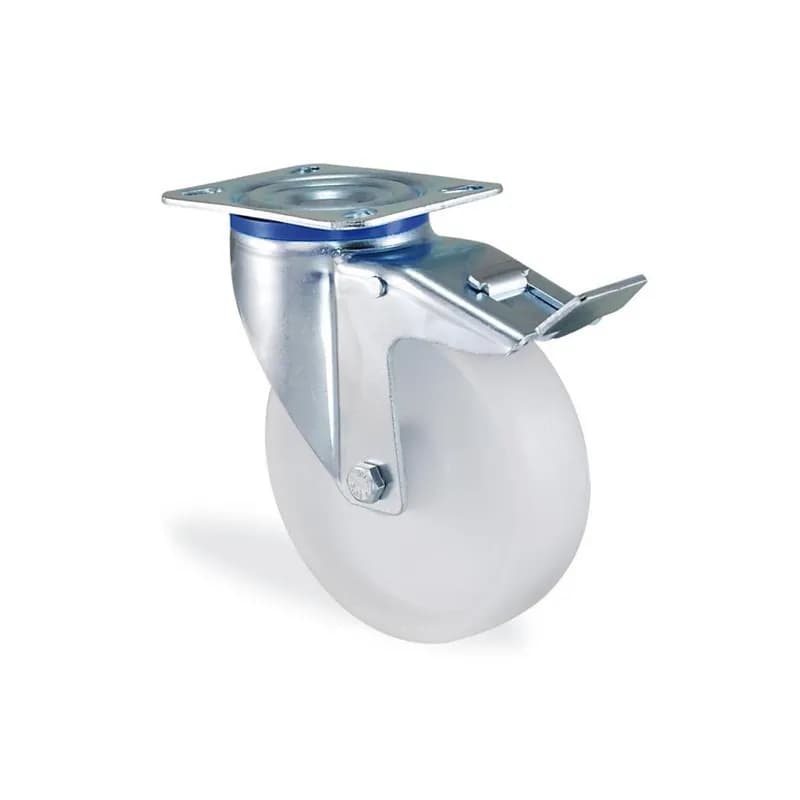
KAMA Polyamid Beyaz Frenli Döner 150 mm (MMB150F)
KAMA · Castors & Wheels
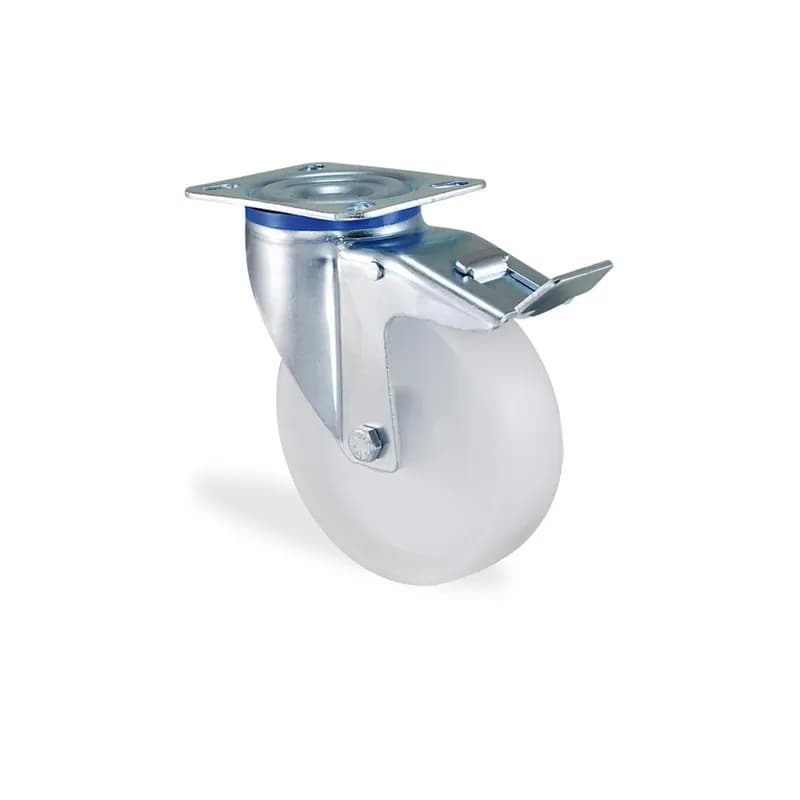
KAMA Polyamid Beyaz Frenli Döner 80 mm (MMB080F)
KAMA · Castors & Wheels
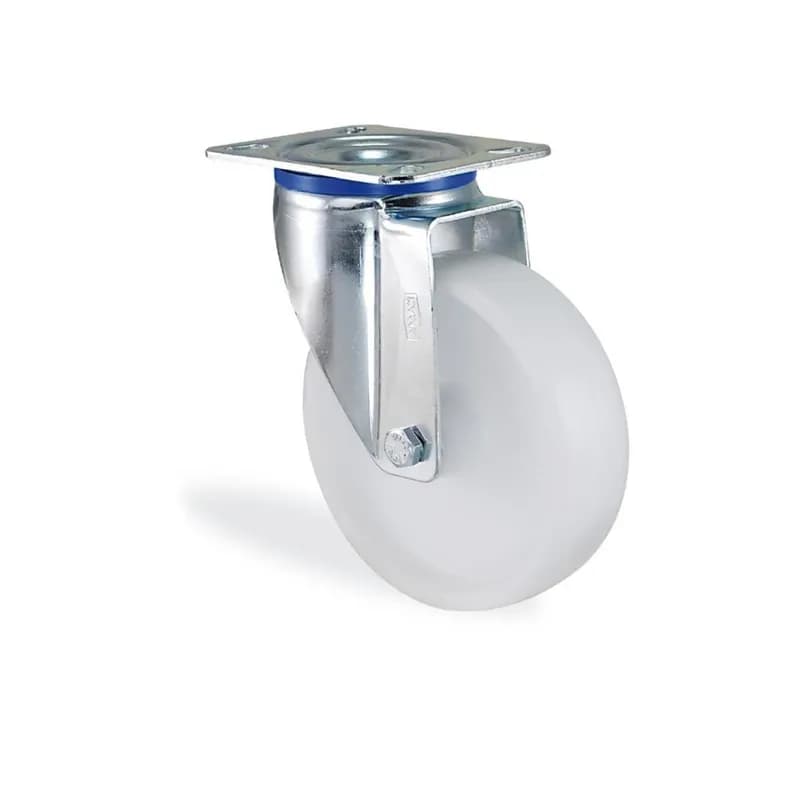
KAMA Polyamid Beyaz Teker Döner 125 mm (MMB125)
KAMA · Castors & Wheels
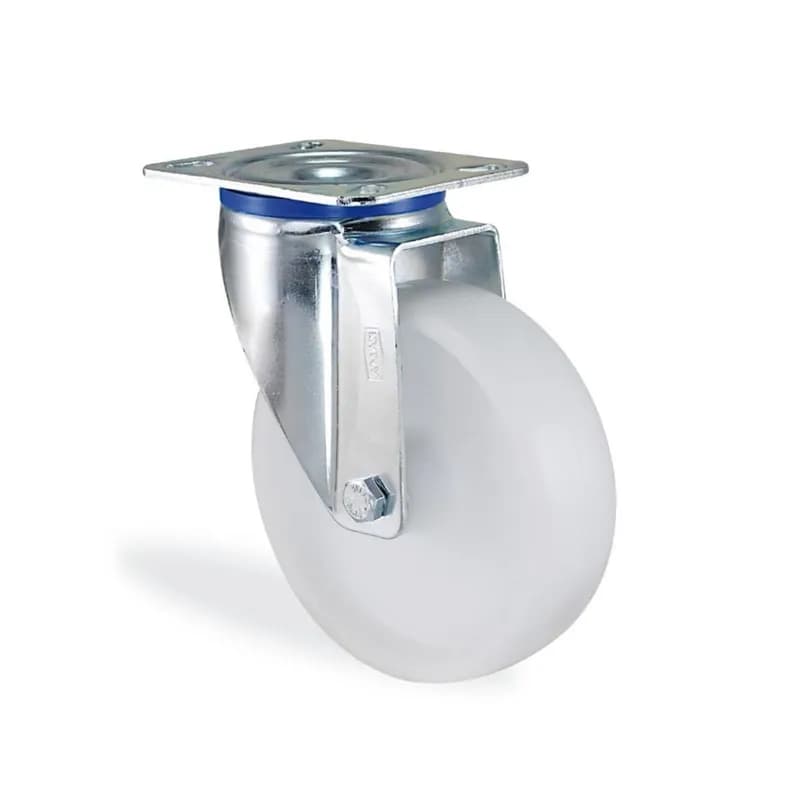
KAMA Polyamid Beyaz Teker Döner 150 mm (MMB150)
KAMA · Castors & Wheels
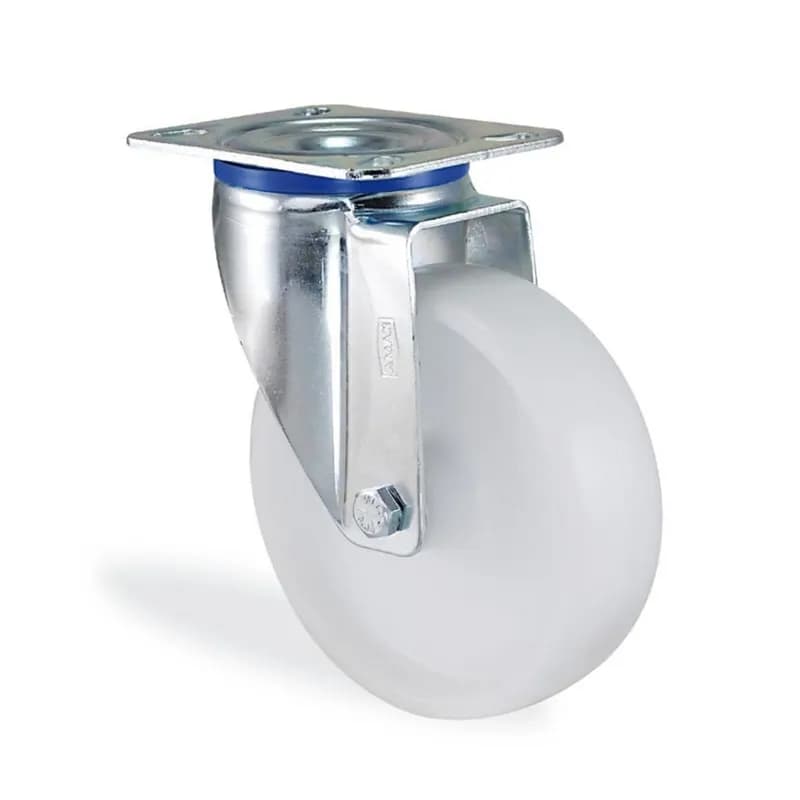
KAMA Polyamid Beyaz Teker Döner 200 mm (RMB200)
KAMA · Castors & Wheels
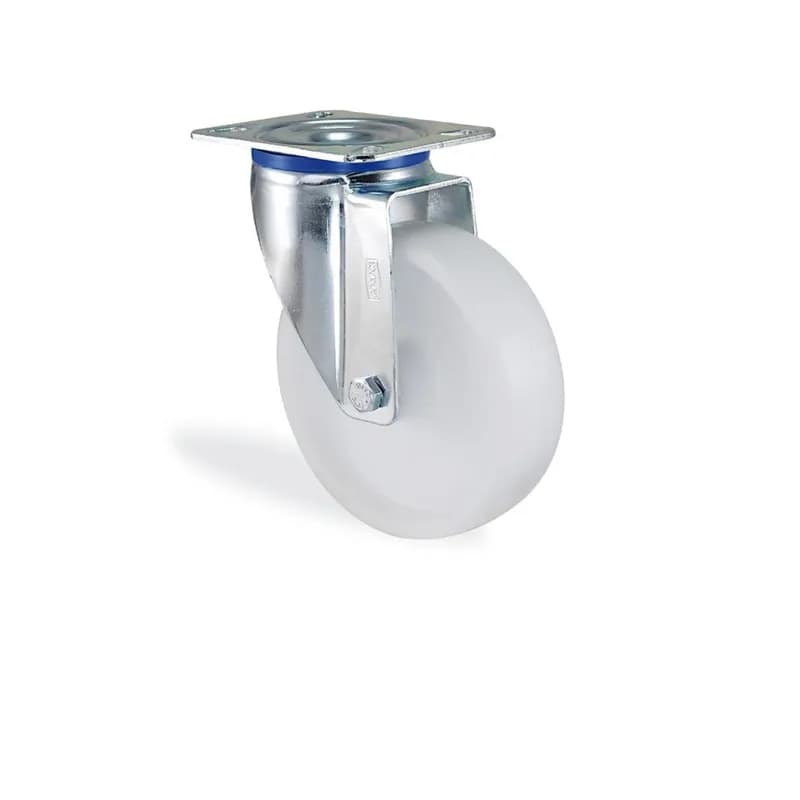
KAMA Polyamid Beyaz Teker Döner 80 mm (MMB080)
KAMA · Castors & Wheels
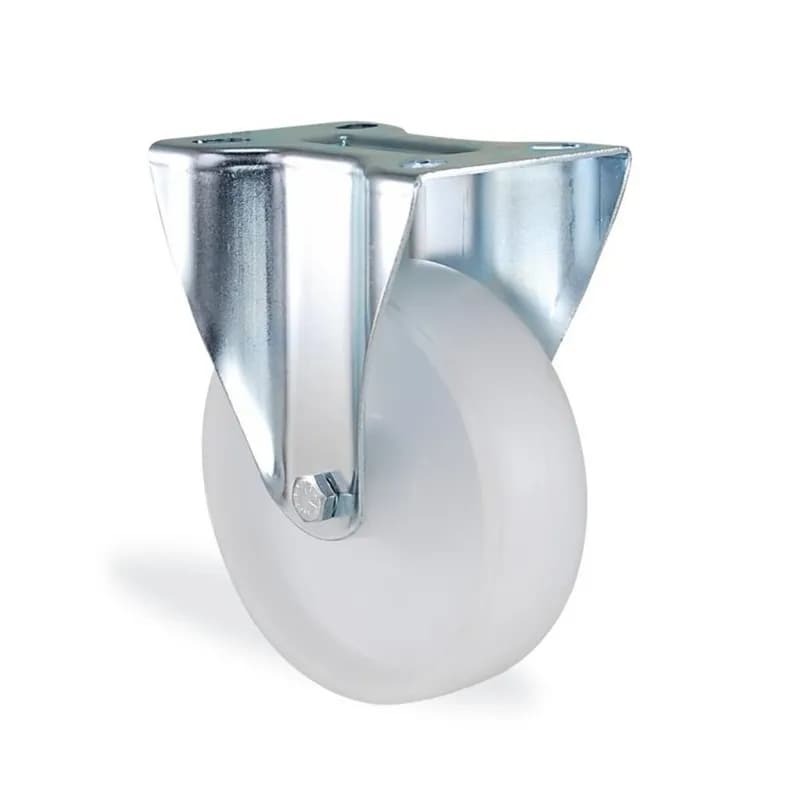
KAMA Polyamid Beyaz Teker Sabit 100 mm (MMB100İ)
KAMA · Castors & Wheels
KAMA Polyamid Beyaz Teker Sabit 125 mm (MMB125İ)
KAMA · Castors & Wheels
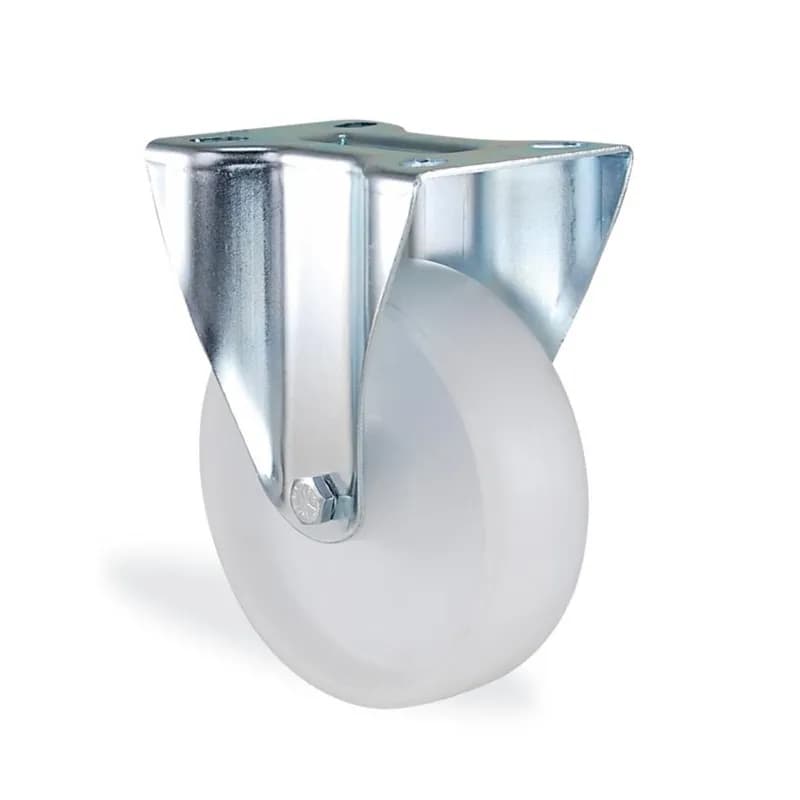
KAMA Polyamid Beyaz Teker Sabit 200 mm (RMB200İ)
KAMA · Castors & Wheels
KAMA Polyamid Beyaz Teker Sabit 80 mm (MMB080İ)
KAMA · Castors & Wheels
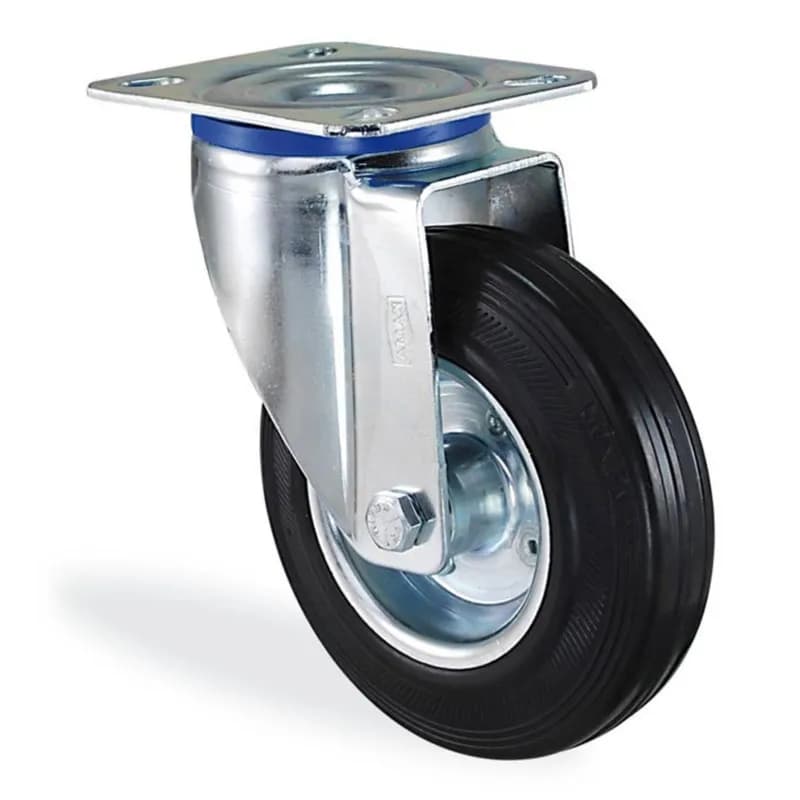
KAMA Servis Tekeri Döner 100 mm (SLP100)
KAMA · Castors & Wheels
KAMA Servis Tekeri Döner 125 mm (SLP125)
KAMA · Castors & Wheels
KAMA Servis Tekeri Döner 80 mm (SLP080)
KAMA · Castors & Wheels
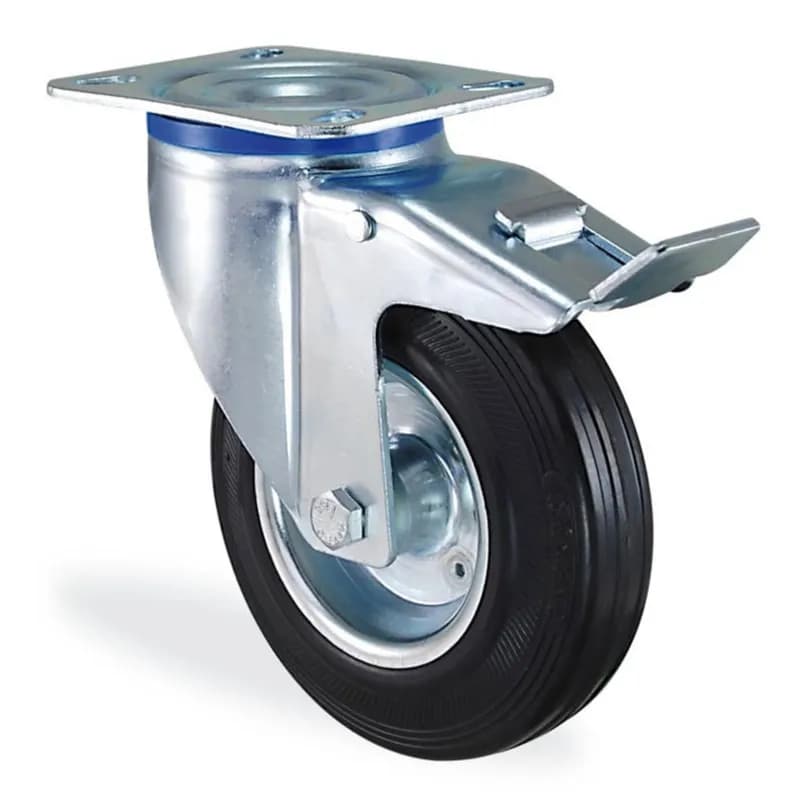
KAMA Servis Tekeri Frenli Döner 100 mm (SLP100F)
KAMA · Castors & Wheels
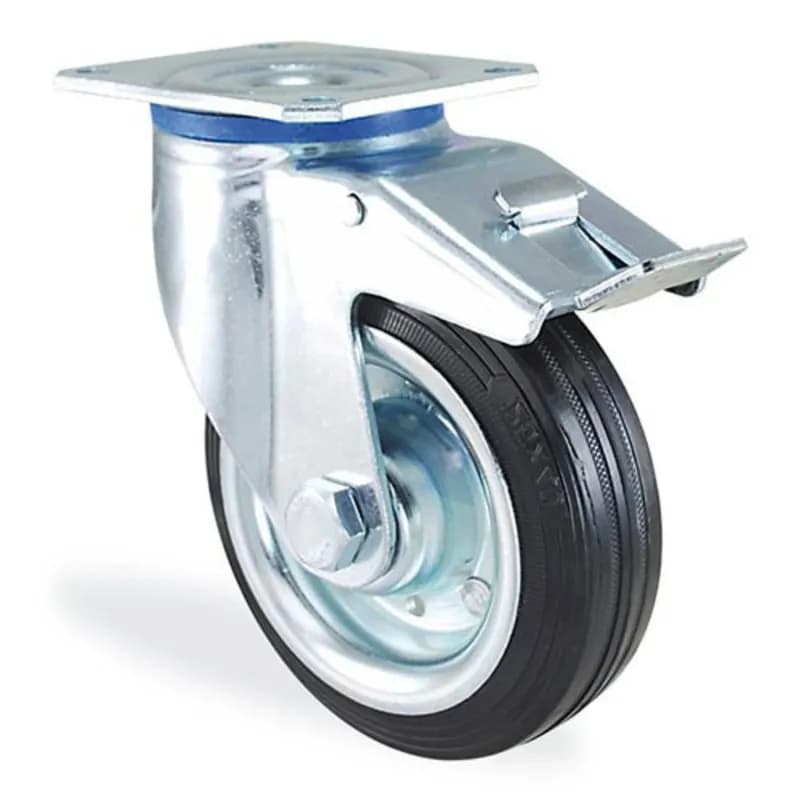
KAMA Servis Tekeri Frenli Döner 150 mm (SLP150F)
KAMA · Castors & Wheels
KAMA Servis Tekeri Frenli Döner 80 mm (SLP080F)
KAMA · Castors & Wheels
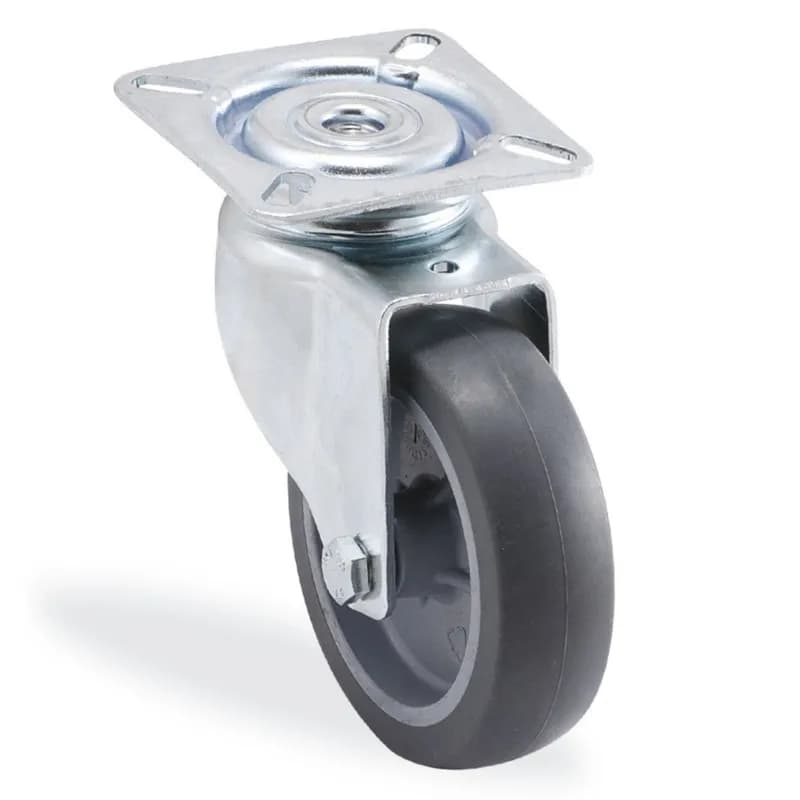
KAMA Servis Tekeri Gri Döner 100 mm (MTB100)
KAMA · Castors & Wheels
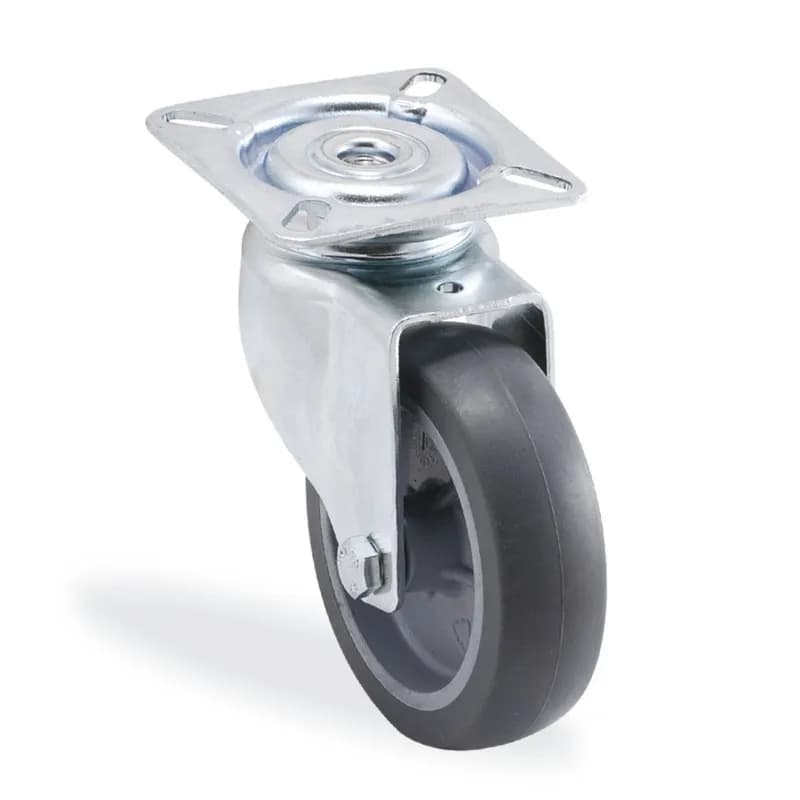
KAMA Servis Tekeri Gri Döner 50 mm (MTB050)
KAMA · Castors & Wheels
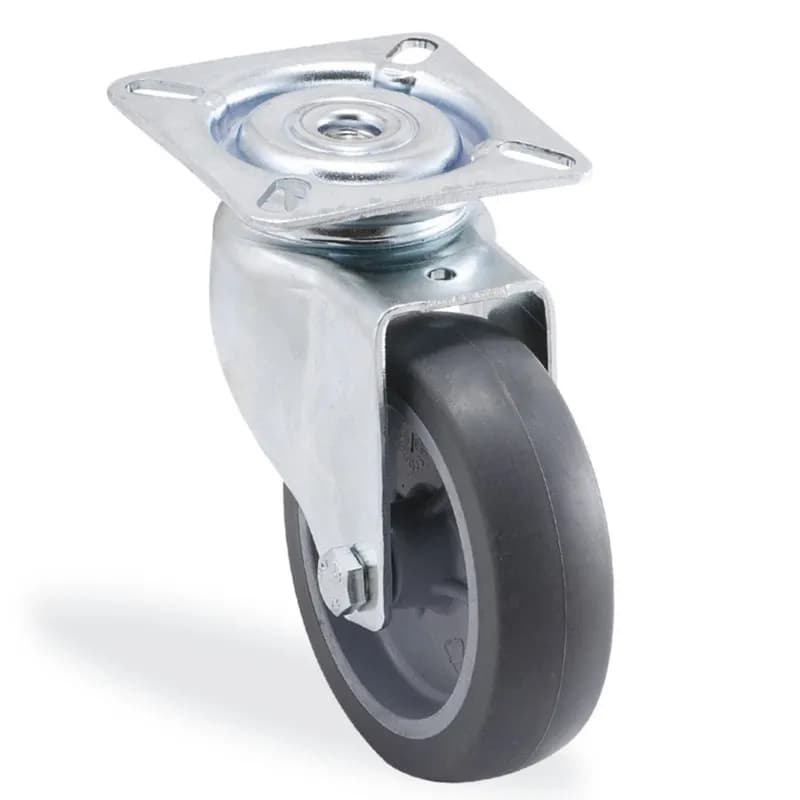
KAMA Servis Tekeri Gri Döner 75 mm (MTB075)
KAMA · Castors & Wheels
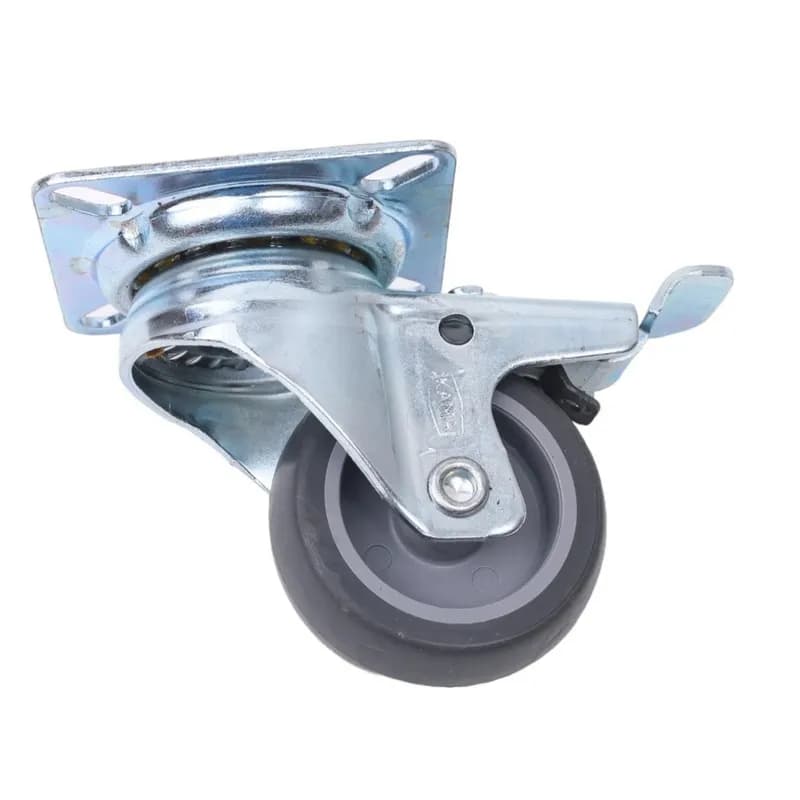
KAMA Servis Tekeri Gri Fren.döner 50 mm (MTB050F)
KAMA · Castors & Wheels
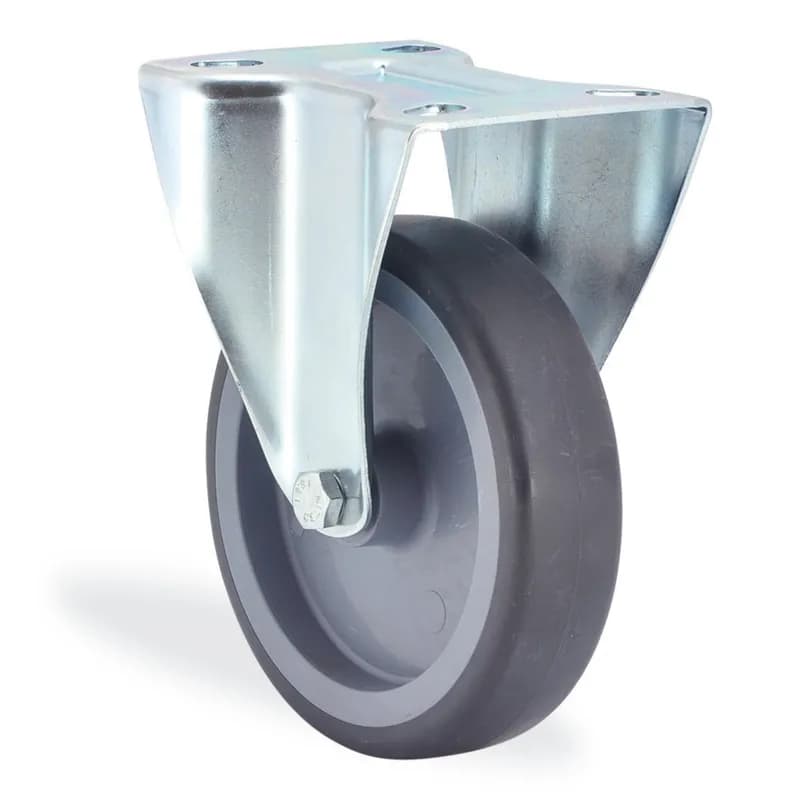
KAMA Servis Tekeri Gri Sabit 100 mm (MTB100)
KAMA · Castors & Wheels
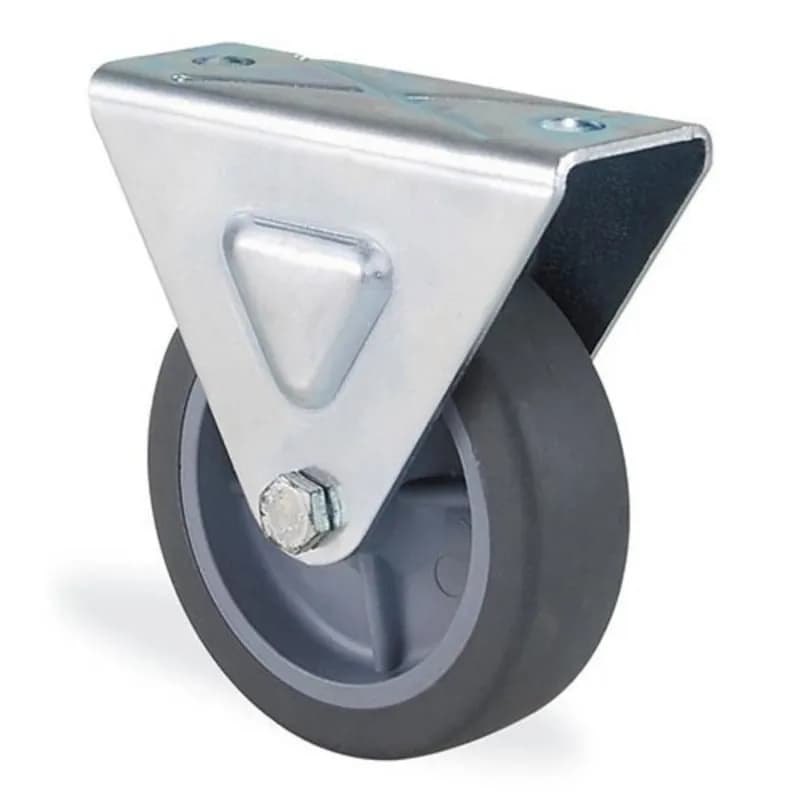
KAMA Servis Tekeri Gri Sabit 50 mm (MTB050)
KAMA · Castors & Wheels
KAMA Servis Tekeri Gri Sabit 75 mm (MTB075)
KAMA · Castors & Wheels
1–24 of 25 · page 1 / 2
Diameter, material and floor
A larger wheel crosses thresholds and rough ground more easily and lowers the push force needed; small diameters are for low, narrow trolleys. Capacity rises with diameter, and the combined capacity of four castors should exceed the load — the safe way to calculate is to divide the load across three wheels, not four.
Polyamide wheels are hard and wear-resistant and carry heavy loads easily on smooth concrete, but they are noisy and can mark the floor. Rubber-treaded service castors are quieter and protect delicate floors.
| Diameter | Typical use | Note |
|---|---|---|
| 50-75 mm | Stands, small trolleys | Low build |
| 80-100 mm | Service trolleys | The most common range |
| 125-150 mm | Loaded trolleys, pallets | Crosses thresholds |
| 200 mm | Heavy loads, outdoor | Lowest push force |
Swivel, fixed and braked
Four swivel castors make a trolley easy to manoeuvre but hard to push straight; the common answer is two fixed and two swivel. Braked castors stop the trolley rolling away and are fitted in pairs at least; on ramps and slopes every swivel castor should be braked.
The fitting also matters: plate castors bolt to the base, while bolt-hole and stem castors drop into a prepared socket.
Frequently Asked Questions
How many castors should be braked?
On level floors two braked castors are enough. On slopes and under heavy load it is safer to specify brakes on every swivel castor.
Two fixed and two swivel, or four swivel?
Four swivel castors manoeuvre easily but will not track straight. Two fixed plus two swivel balances pushing effort against directional control.
How do I pick the diameter?
By the floor and the load. A larger wheel crosses thresholds and rough ground easily and needs less push force; small diameters suit low-built trolleys.
Polyamide or rubber?
Polyamide is hard and wear-resistant and carries heavy loads well on smooth concrete. Rubber treads are quieter and protect delicate floors, at slightly lower capacity.
How do I work out capacity?
Divide the total load by the number of castors, but for a safe figure spread it across three rather than four — on uneven floors the load never sits equally on all four.