Categories
Lifting & Handling
Lifting and handling equipment covers everything that takes a load off the floor, moves it horizontally and puts it up on a rack: pallet trucks, stackers, hoists and winches, jacks and trolleys. The choice starts with two questions — how heavy is the load, and how high does it have to go. This page explains what each of the six groups does, how capacity is sized, and what periodic inspection requires.
Product Types
Go straight to the product type you need.
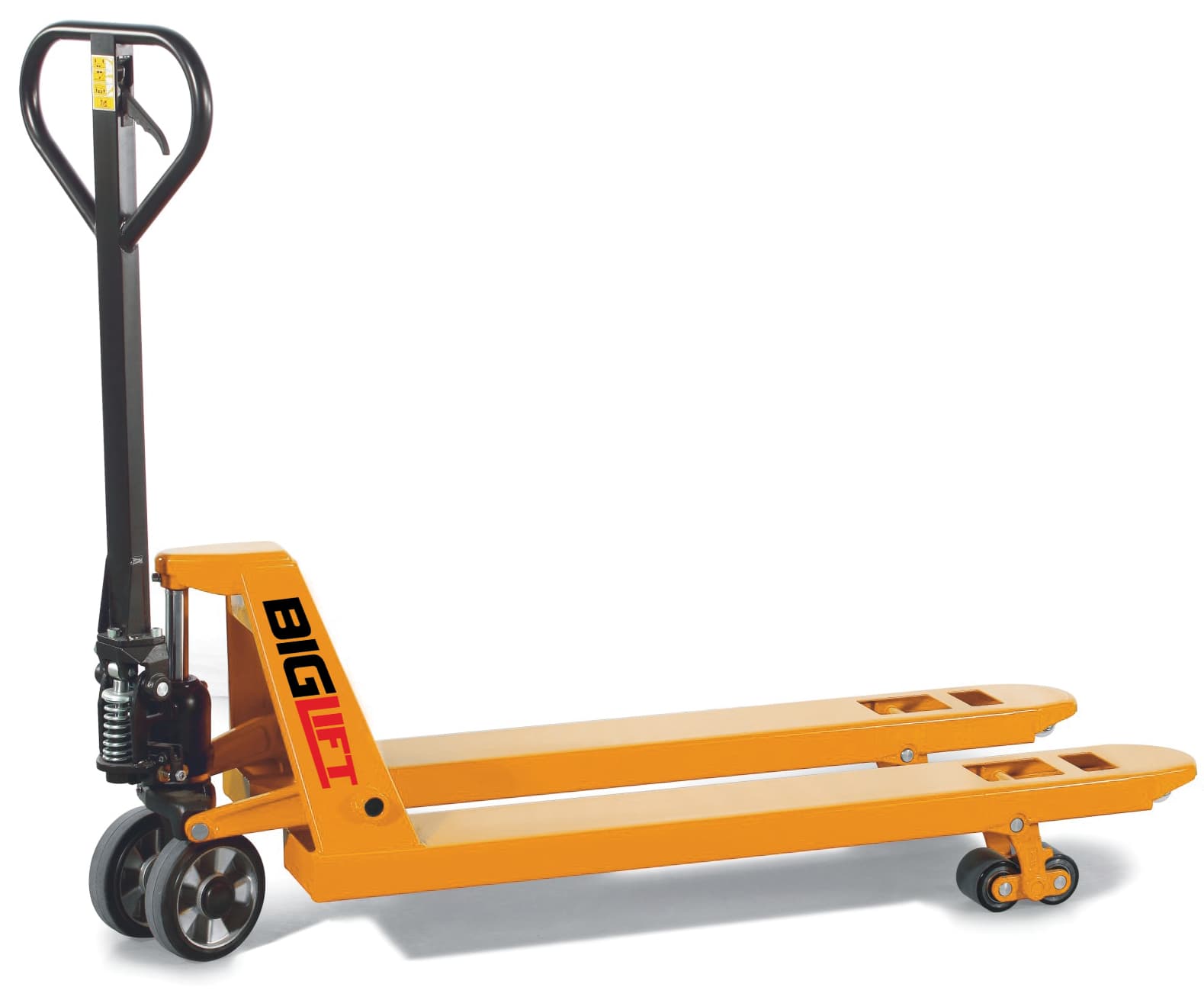
Biglift DF80 Short Pallet Truck 2 t
BIGLIFT · Pallet Trucks
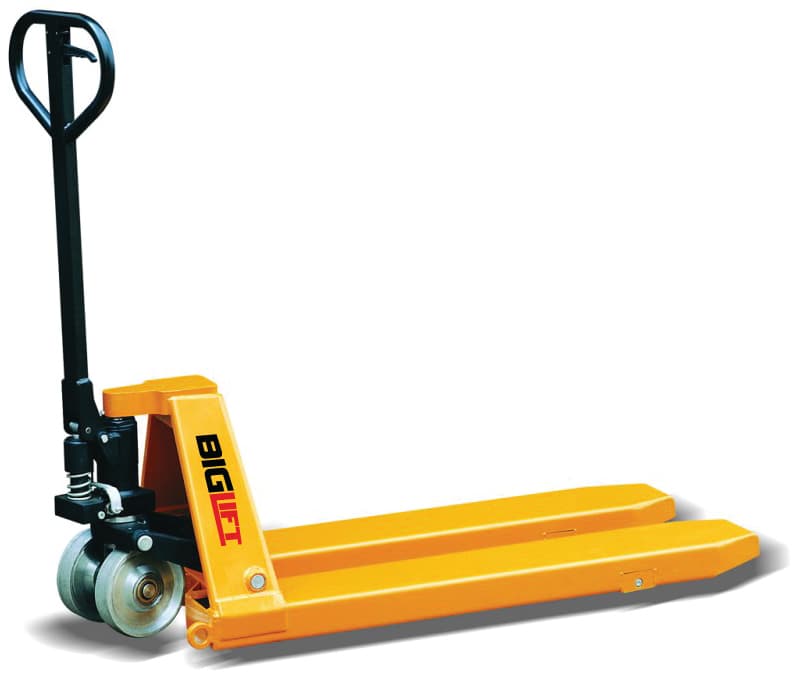
Biglift HP50 Heavy Duty Pallet Truck 5 t
BIGLIFT · Pallet Trucks
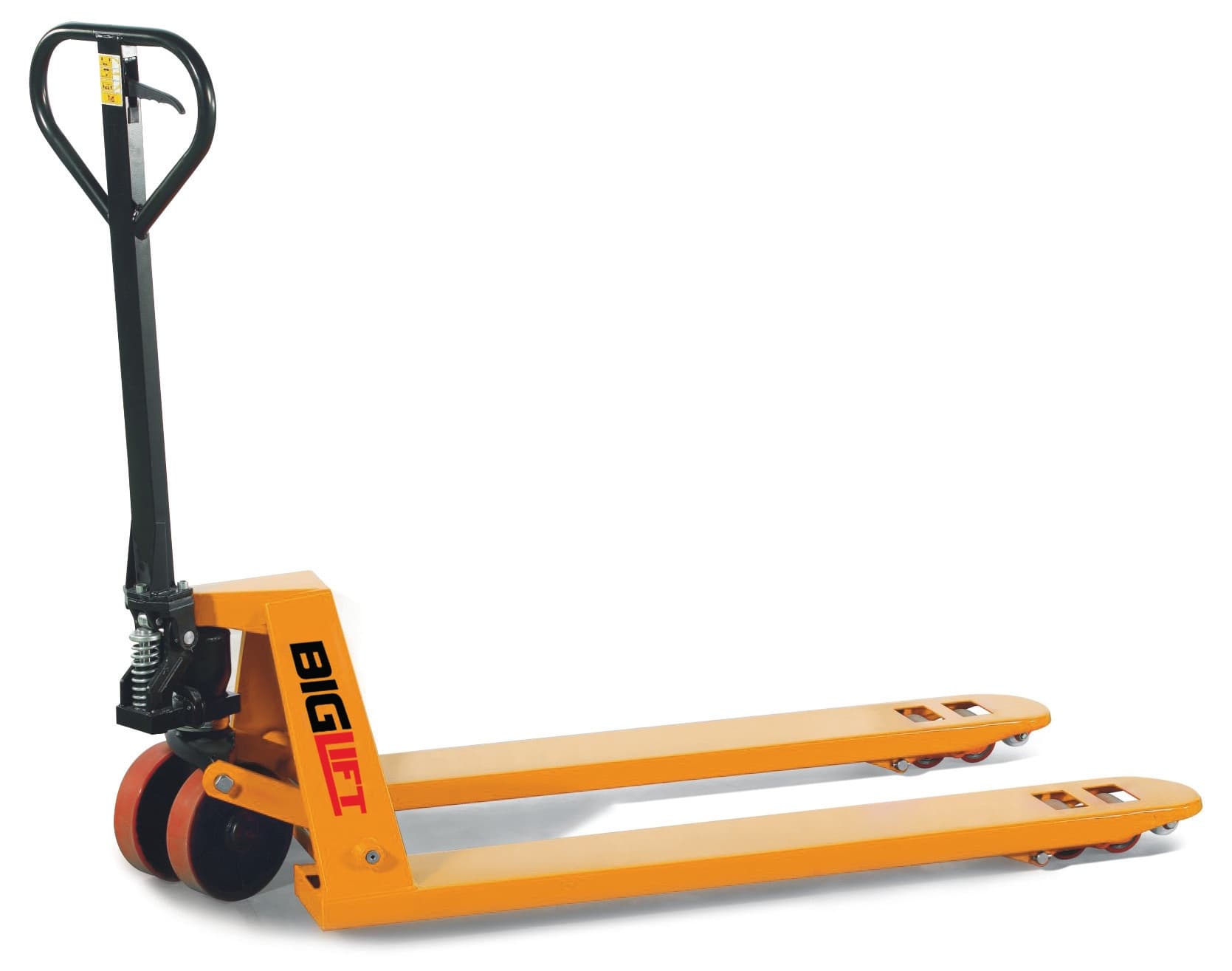
Biglift L35 Heavy Duty Pallet Truck 3.5 t
BIGLIFT · Pallet Trucks
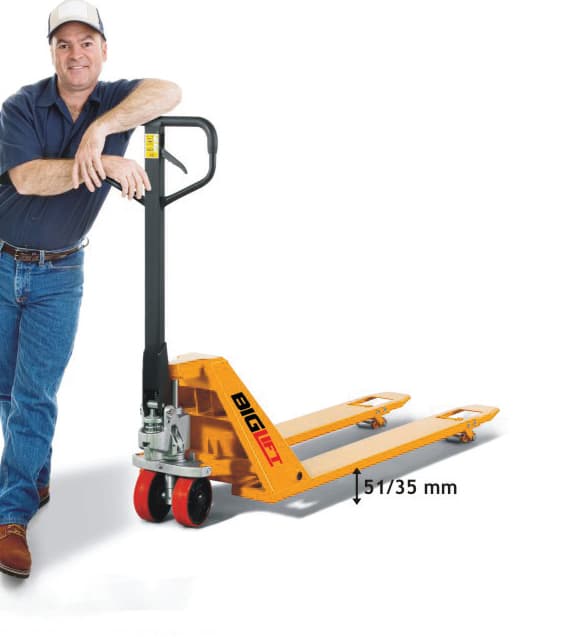
Biglift AC-LOW-51MM Low Profile Pallet Truck 1.5 t
BIGLIFT · Pallet Trucks
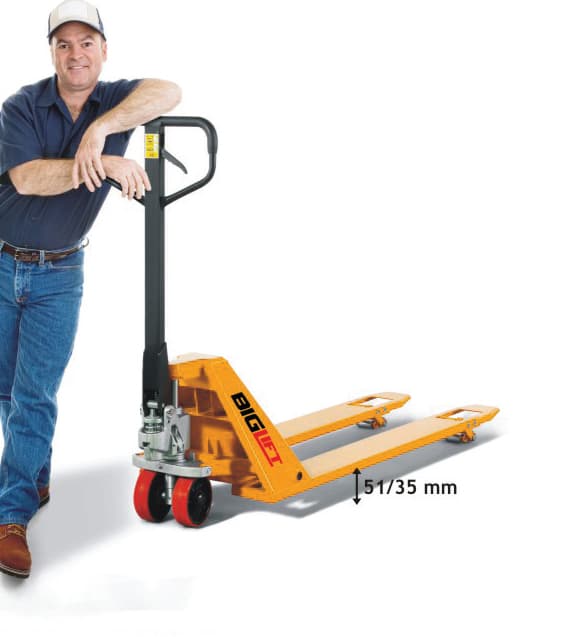
Biglift ACSUPERLOW Low Profile Pallet Truck 1 t
BIGLIFT · Pallet Trucks
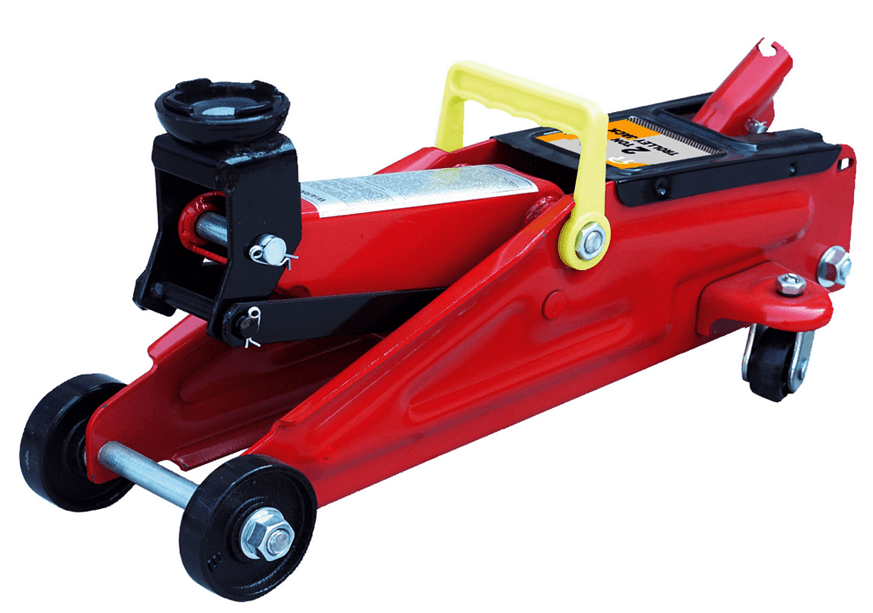
Big Red T82000CS Trolley Jack 2 t
BIG RED · Jacks
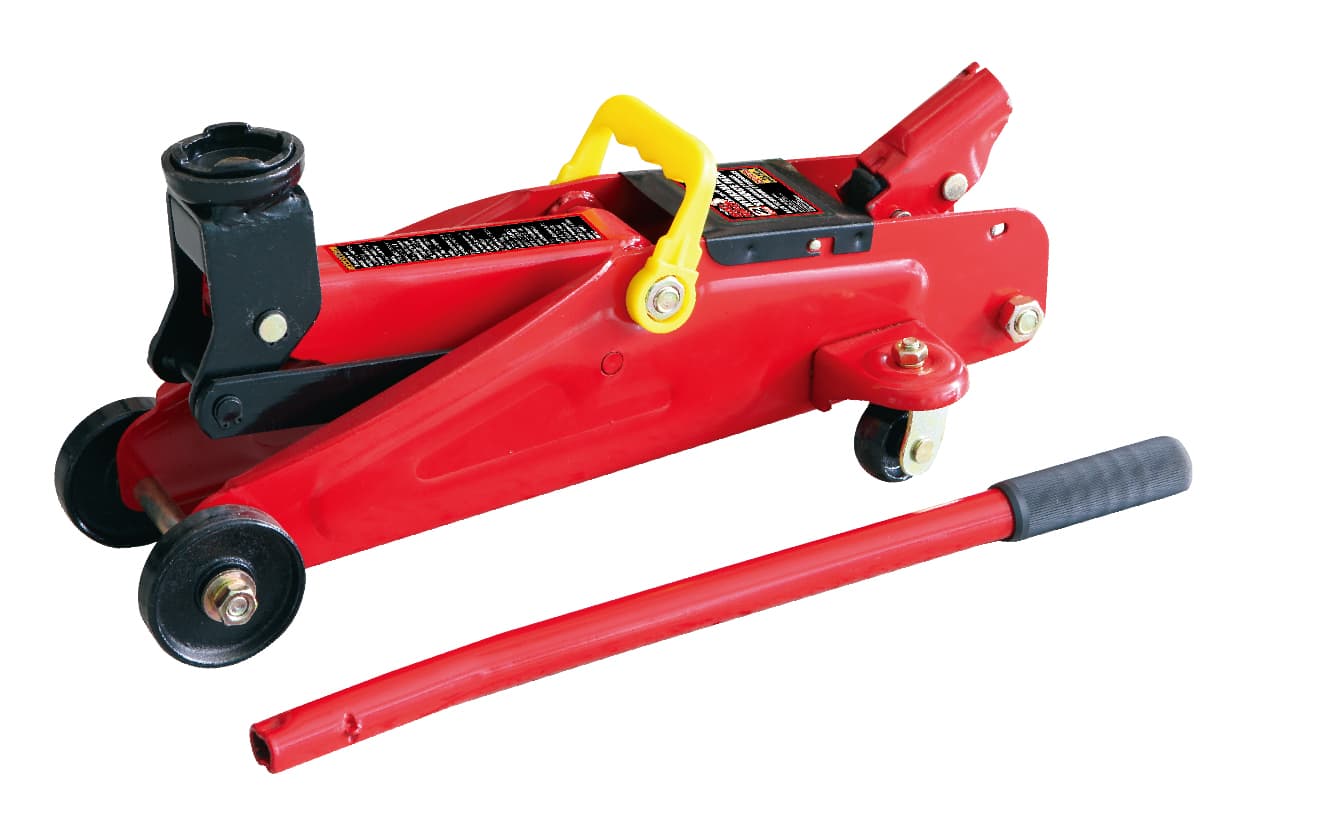
Big Red T820050 Trolley Jack 2 t
BIG RED · Jacks
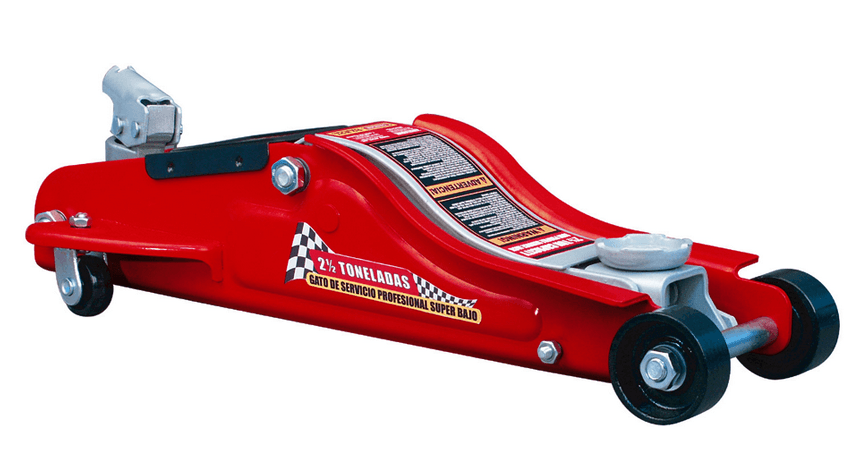
Big Red T825010C Trolley Jack 2 t
BIG RED · Jacks
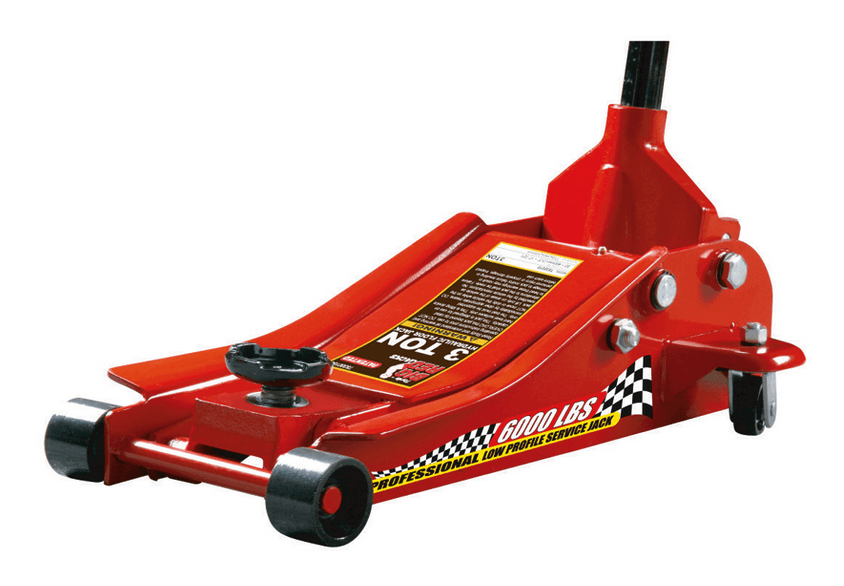
Big Red T830018D Trolley Jack 2.5 t
BIG RED · Jacks
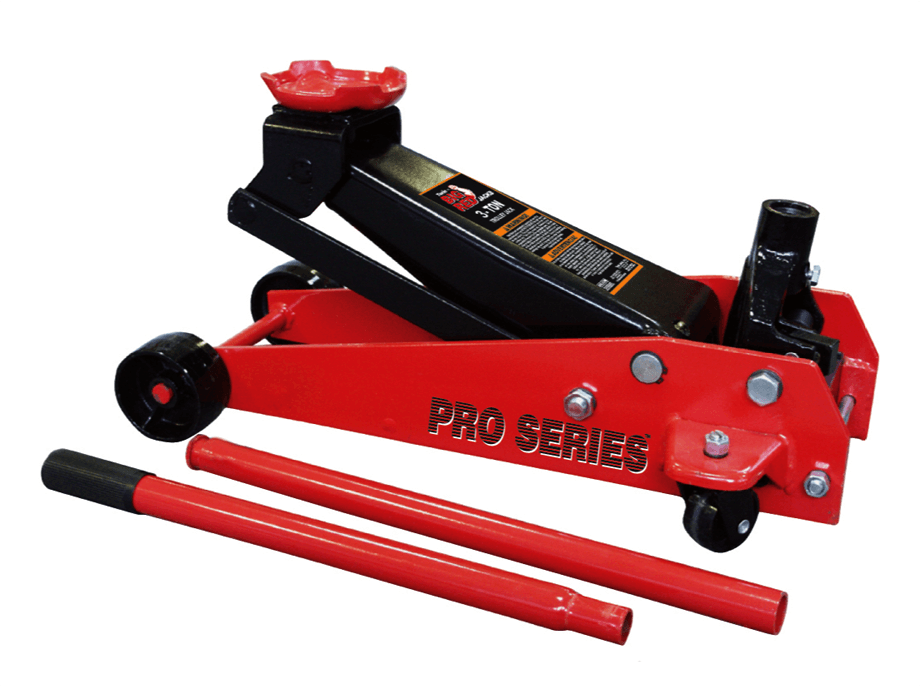
Big Red T83001 Trolley Jack 3 t
BIG RED · Jacks
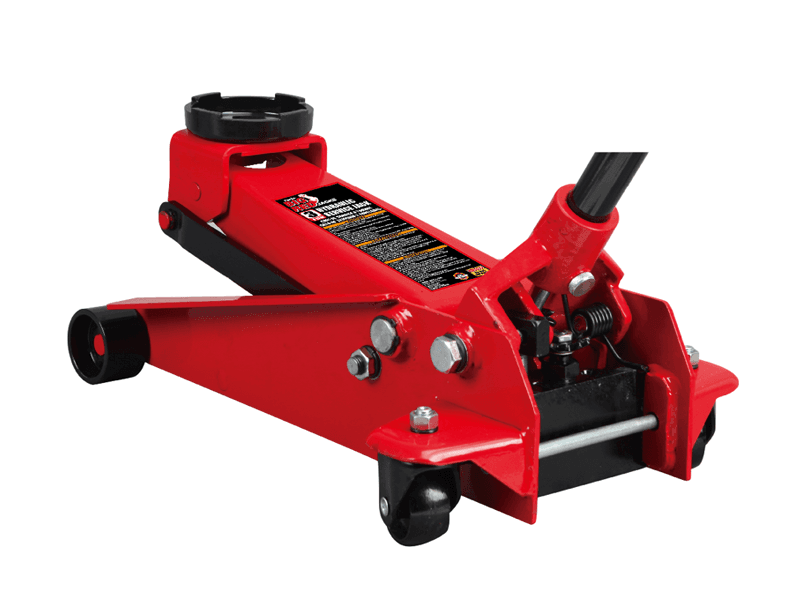
Big Red T830025 Trolley Jack 3 t
BIG RED · Jacks
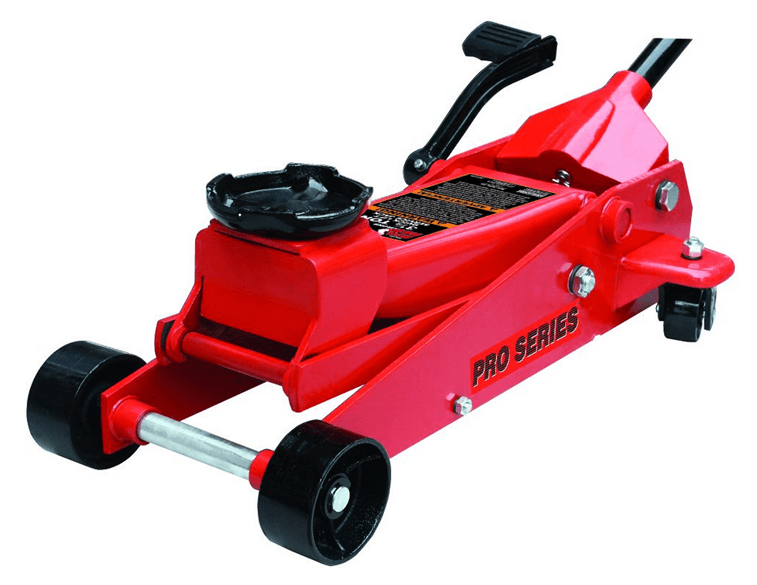
Big Red T83502 Trolley Jack 3 t
BIG RED · Jacks
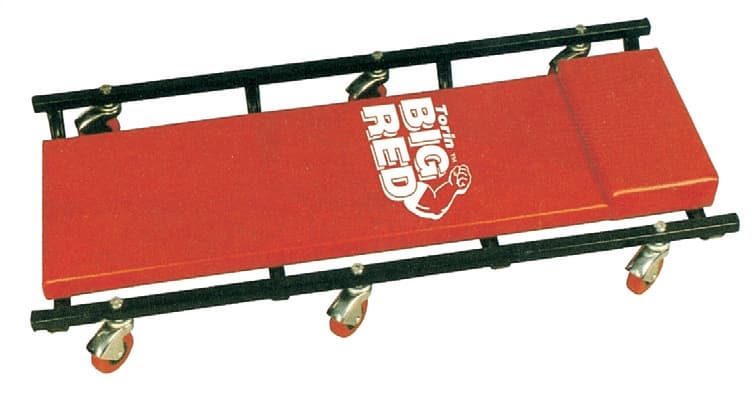
Big Red TR6451 Creeper 6 kg
BIG RED · Axle Stands & Workshop Equipment
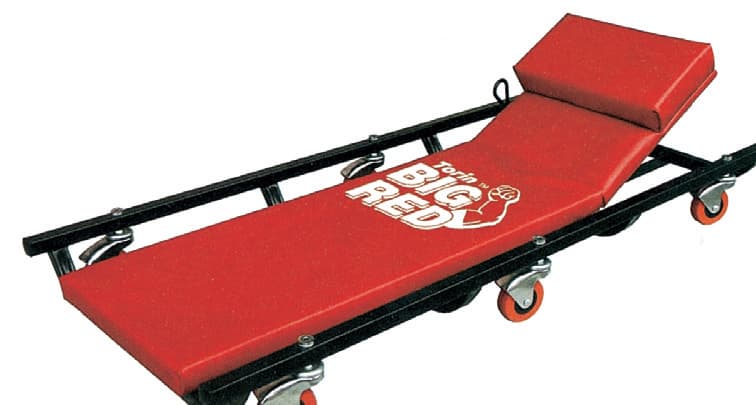
Big Red TR6452 Creeper 7 kg
BIG RED · Axle Stands & Workshop Equipment
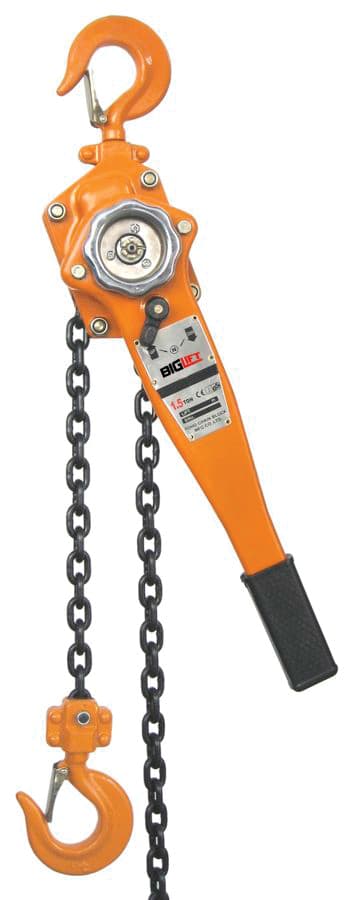
Biglift BIGHUB1.50-1.5 Lever Hoist 1.5 t
BIGLIFT · Chain Hoists & Winches
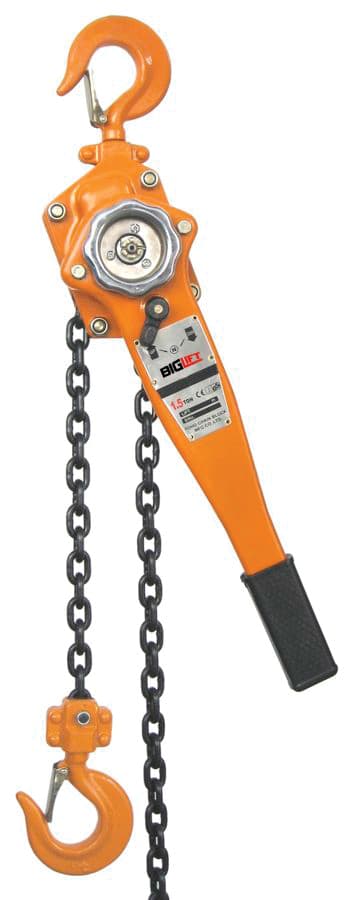
Biglift BIGHUB3-1.5 Lever Hoist 3 t
BIGLIFT · Chain Hoists & Winches
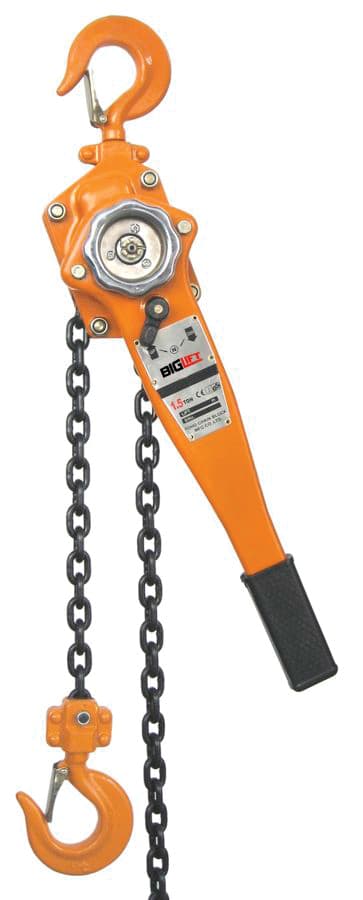
Biglift BIGHUB0.75-1.5 Lever Hoist 750 kg
BIGLIFT · Chain Hoists & Winches
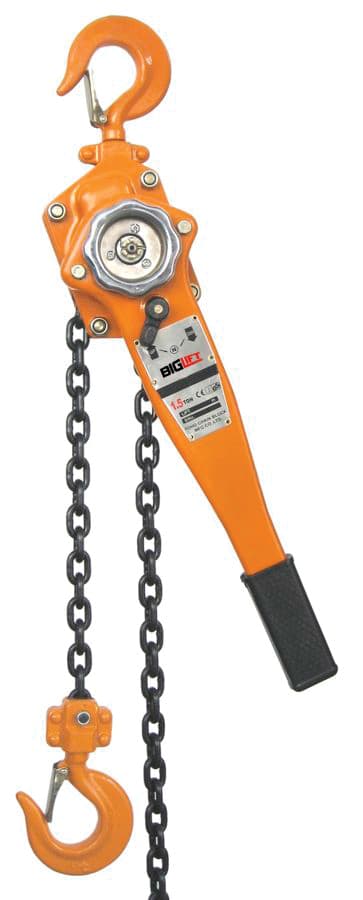
Biglift BIGHUB6-1.5 Lever Hoist 6 t
BIGLIFT · Chain Hoists & Winches

Biglift BIGTAT1500 Powered Pallet Truck 1.5 t
BIGLIFT · Pallet Trucks
Biglift BIGTAT2000 Powered Pallet Truck 2 t
BIGLIFT · Pallet Trucks
Biglift BIGPSE1236N Fully Electric Stacker
BIGLIFT · Stackers

Big Red TR6454A Creeper
BIG RED · Axle Stands & Workshop Equipment
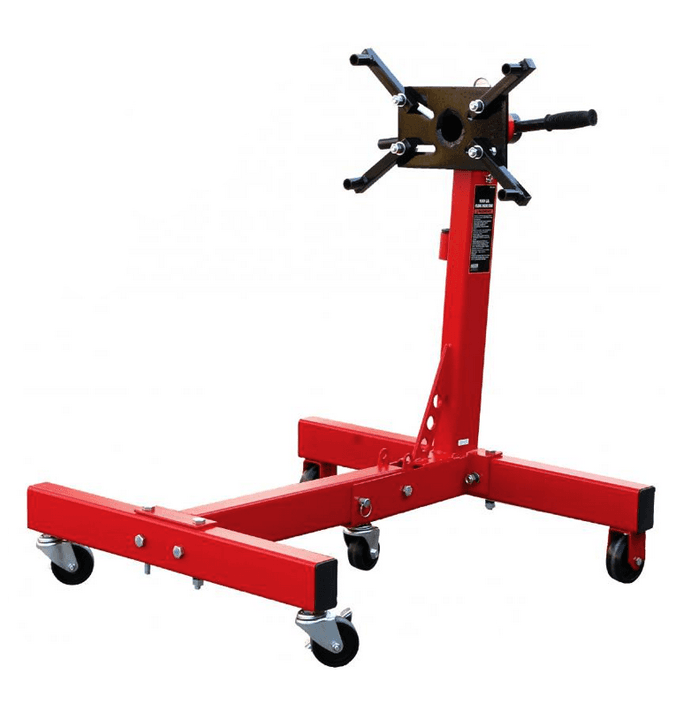
Big Red T26801 Folding Engine Stand
BIG RED · Axle Stands & Workshop Equipment
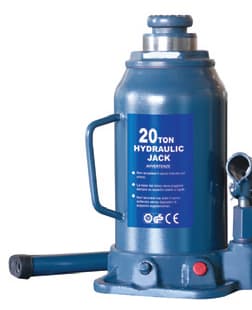
Big Red BIGTH93204 Bottle Jack
BIG RED · Jacks
1–24 of 135 · page 1 / 6
What each machine actually does
Lifting equipment divides by the job it does: some machines move a load horizontally, some lift it vertically, and some raise it briefly in place. Choosing the wrong group usually costs more than choosing the wrong capacity.
| Equipment | What it does | Typical capacity | Where it is used |
|---|---|---|---|
| Pallet truck | Raises a pallet 8-20 cm and moves it | 2,000 - 3,000 kg | Warehouse, loading bay, production line |
| Stacker | Lifts a load to rack height | 1,000 - 2,000 kg | Racked warehouse, buffer stock |
| Chain hoist | Lifts vertically by hand | 500 - 20,000 kg | Workshop, site, maintenance |
| Electric hoist | Lifts vertically under power | 300 - 2,000 kg | Production line, assembly |
| Jack | Raises a vehicle or machine briefly | 2,000 - 50,000 kg | Vehicle service, plant maintenance |
| Trolley | Moves what never sees a pallet | 90 - 1,000 kg | Retail, parcels, in-plant moves |
Capacity ranges describe the models Seza Global actually carries.
Pallet truck or stacker?
Both work with pallets and the two are often confused, but they do different jobs. A pallet truck raises a pallet a few centimetres — typically to around 200 mm — and its purpose is to walk the load somewhere. A stacker takes the same pallet to between 1,600 and 3,500 mm, and its purpose is to put the load on a rack.
The rule is simple: if the load only has to get from A to B, a pallet truck is enough. If it has to go onto a rack, you need a stacker, and no pallet truck will do that job under any circumstances.
- Manual pallet truck: enough for a business moving a few pallets a day.
- Powered pallet truck: for long aisles, ramps and all-day movement; it cuts operator fatigue substantially.
- Semi-electric stacker: powered lift, manual travel — for occasional stacking.
- Fully electric stacker: both powered — for continuous stacking operations.
Sizing capacity and load centre
A nameplate rating assumes the load sits correctly on the forks. That assumption is called the load centre and is typically 600 mm: the load's centre of gravity is taken to be 600 mm forward of the fork face. If the weight sits further out, the machine cannot carry its rated capacity.
Leave at least 20% margin above the heaviest load you will move. Stackers carry a second constraint: the same machine carries less the higher it goes, so check the rating at maximum lift height rather than at ground level.
| Heaviest load | Recommended rating | Note |
|---|---|---|
| Up to 800 kg | 1,000 kg | Light warehouse, stockroom |
| 800 - 1,600 kg | 2,000 kg | Standard Euro pallet load |
| 1,600 - 2,400 kg | 2,500 - 3,000 kg | Heavy duty, continuous use |
The margin covers shock loading and loads that grow heavier over time.
Chain hoist, lever hoist or rope puller?
All three lift vertically and none of them needs power, but they move differently. The first figure to check is chain or rope length: it is a hard limit on how far the load can travel.
| Equipment | How it works | Best at | Typical capacity |
|---|---|---|---|
| Chain hoist | Hand chain through a gearbox | Lifting from a fixed high anchor | 500 - 20,000 kg |
| Lever hoist | Short lever | Tight spaces, horizontal tensioning | 750 - 6,000 kg |
| Wire rope puller | Rope fed through the body | Long-distance pulling, recovery | 800 - 3,200 kg |
| Tripod winch | Builds its own anchor point | Shafts, manholes, confined entry | 1,000 - 2,000 kg |
A jack is not an axle stand
A jack lifts the load; a stand holds it. A hydraulic cylinder can seep, its seals tire with age and the load settles — which is why any work under a vehicle is done with the weight on a mechanical support.
- Once the load is up, set it down on axle stands; stands are bought in pairs.
- Size stand capacity against the whole vehicle weight, not half of it.
- A bottle jack gives the highest capacity in the smallest body (2-50 tonnes).
- A trolley jack is low enough to go under a car and raises it faster.
- A mechanical screw jack has no oil to lose — preferred in dust and under long-held loads.
Periodic inspection: at least once a year
In Türkiye, lifting and conveying equipment falls under the Regulation on Health and Safety Conditions in the Use of Work Equipment. Unless the applicable standard states otherwise, this equipment is inspected by authorised persons at least once a year and the inspection is recorded. The test is carried out at no less than 1.25 times the declared capacity.
That shapes the purchase too: equipment with a legible capacity plate and documented serial and manufacturer details makes the inspection straightforward. Everything in our lifting range ships with its manufacturer documentation.
Supply from Seza Global
We supply Biglift, Big Red, Proft, UGR, Meşem and KBS in this group, wholesale and on a project basis. The catalogue runs from pallet trucks to 20-tonne chain hoists and from bottle jacks to fully electric stackers — 135 models in all.
If you are unsure about capacity, send the weight you need to move, the pallet size and the lift height, and we will size the machine with you. Spares and service support continue after the sale.
Frequently Asked Questions
What is the difference between a pallet truck and a stacker?
A pallet truck raises a pallet about 20 cm and moves it horizontally — its purpose is to walk the load somewhere. A stacker takes the same pallet to between 1,600 and 3,500 mm so it can go on a rack. If you only need to move the load, a pallet truck is enough; if it has to go up, you need a stacker.
What capacity pallet truck do I need?
Establish the heaviest pallet you will move and add at least 20%. For a standard Euro pallet load a 2,000 kg pallet truck is the right choice in most businesses; for continuous heavy loads, specify 2,500-3,000 kg.
What is load centre and how does it affect capacity?
Load centre is the distance from the fork face to the load's centre of gravity, and nameplate capacity is normally quoted at 600 mm. If the weight sits further forward the machine cannot carry its rated load, so long or unbalanced loads call for the next capacity up.
Semi-electric or fully electric stacker?
On semi-electric models the lift is powered and travel is manual, which is enough over short distances and occasional stacking. On fully electric models both are powered, and they carry a full day of stacking without wearing the operator out.
How high does a chain hoist lift?
Lift height is limited by chain length. The standard models in our catalogue come with 3 m and 5 m chains, and longer chains can be specified for higher anchor points. Measure from the anchor to the floor before ordering.
What is the difference between a lever hoist and a chain hoist?
A chain hoist is worked by a hand chain and suits vertical lifting from a fixed anchor. A lever hoist works on a short lever, fits into tight spaces, and also pulls and tensions horizontally.
Bottle jack or trolley jack?
A bottle jack gives the same capacity in a far smaller body and goes up to 50 tonnes, which suits commercial vehicles, plant and steelwork. A trolley jack is low enough to go under a car, rolls to the lifting point and raises the load faster on its long handle.
Can I work under a vehicle held up by a jack?
No. A jack lifts; it does not hold. A hydraulic cylinder can seep. Once the vehicle is up, set it on axle stands, and size the stands against the whole vehicle weight.
Is periodic inspection of lifting equipment mandatory in Türkiye?
Yes. Under the Regulation on Health and Safety Conditions in the Use of Work Equipment, lifting and conveying equipment is inspected by authorised persons at least once a year unless the applicable standard says otherwise, and the inspection is recorded. The test is performed at no less than 1.25 times the declared capacity.
What is a weighing pallet truck for?
It weighs the load as it carries it, removing the trip to a separate scale for every pallet. It shortens despatch, goods-in and scrap weighing; the printer version prints the label where the load is picked up.
Which pallet truck suits a food plant?
Where washdown and damp are part of the job, specify a stainless or galvanised body with polyamide wheels. A standard painted chassis corrodes in a regularly washed environment.
How do I get wholesale pricing and lead times?
Send the model list and quantities and we will come back with stock, wholesale pricing and lead time together. If capacity is the open question, the load weight, pallet size and lift height are all we need.