Categories
Jacks
A jack raises a vehicle or a machine briefly, in place, hydraulically or mechanically. The range here runs from 2 to 50 tonnes and covers bottle jacks, trolley jacks, mechanical screw jacks, transmission jacks and motorcycle lifts. Remember what a jack is for: it lifts a load, it does not hold one — any work underneath needs axle stands.
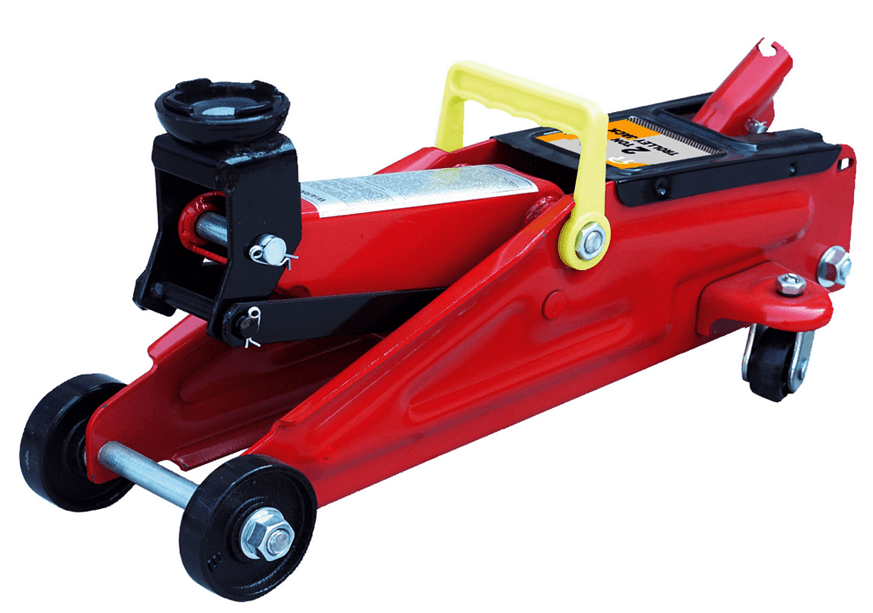
Big Red T82000CS Trolley Jack 2 t
BIG RED · Jacks
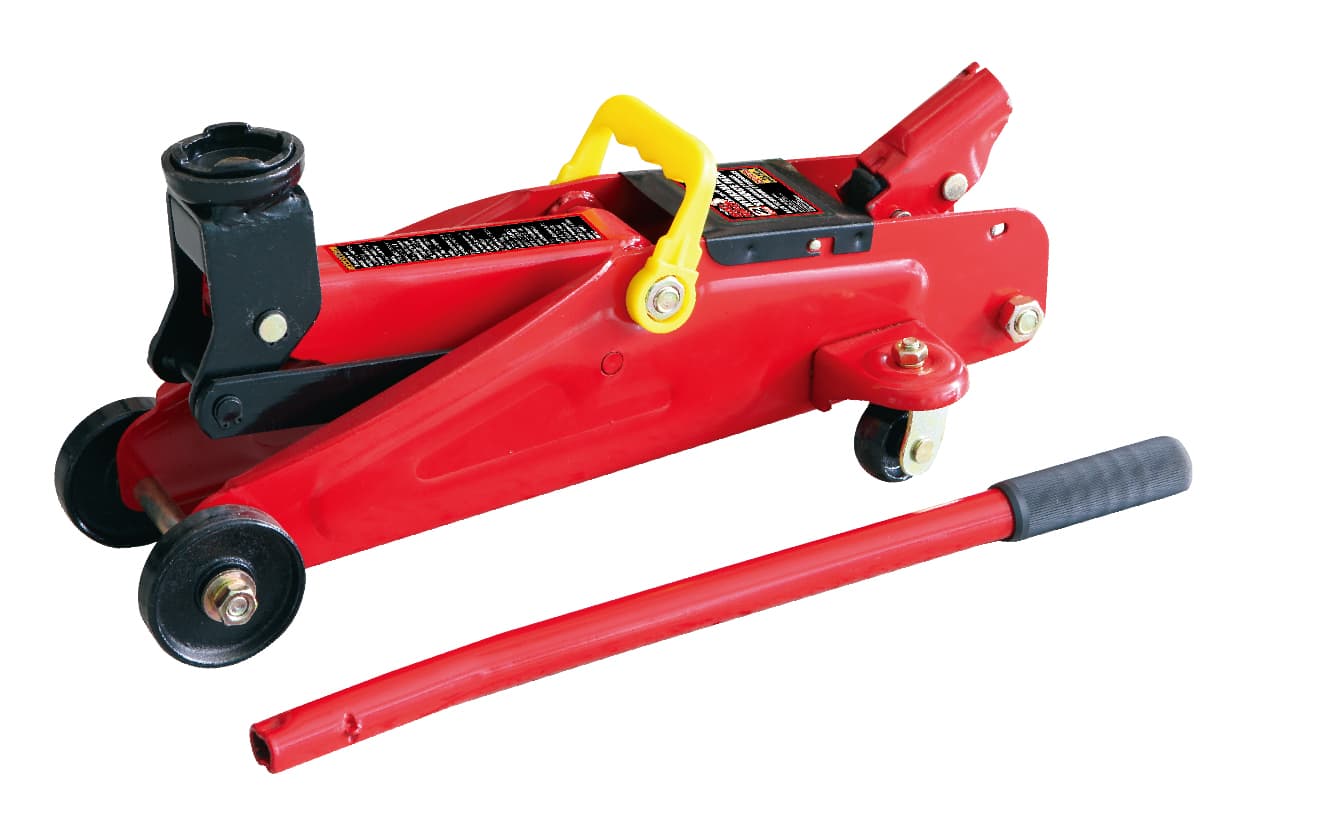
Big Red T820050 Trolley Jack 2 t
BIG RED · Jacks
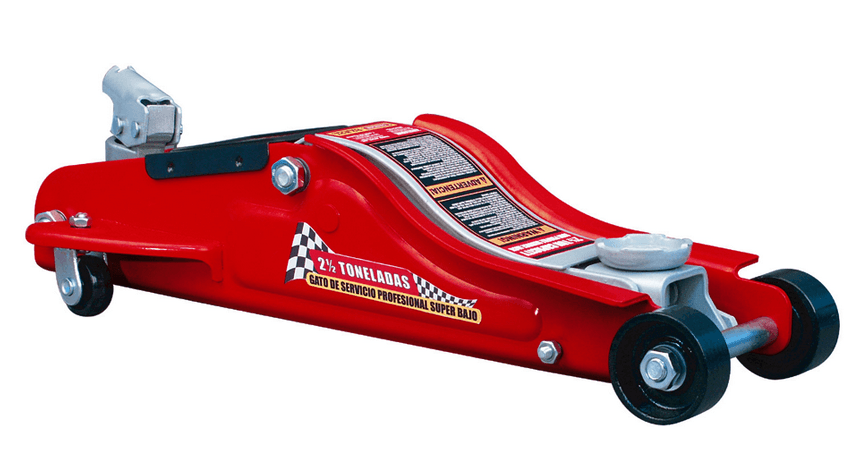
Big Red T825010C Trolley Jack 2 t
BIG RED · Jacks
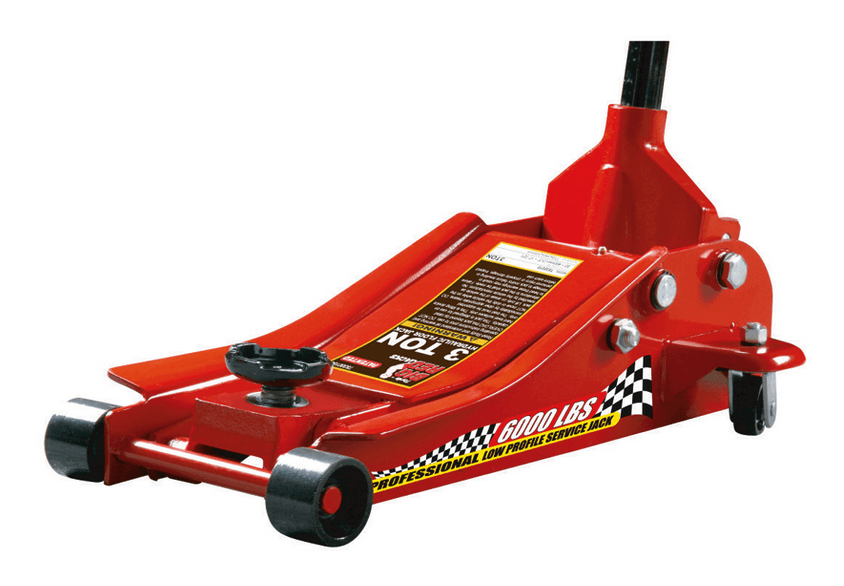
Big Red T830018D Trolley Jack 2.5 t
BIG RED · Jacks
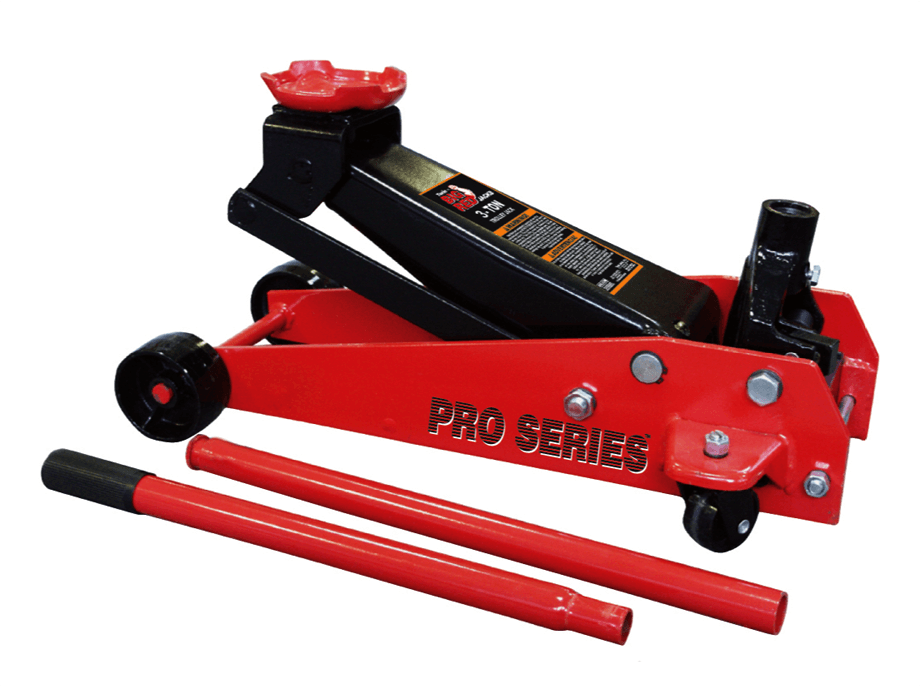
Big Red T83001 Trolley Jack 3 t
BIG RED · Jacks
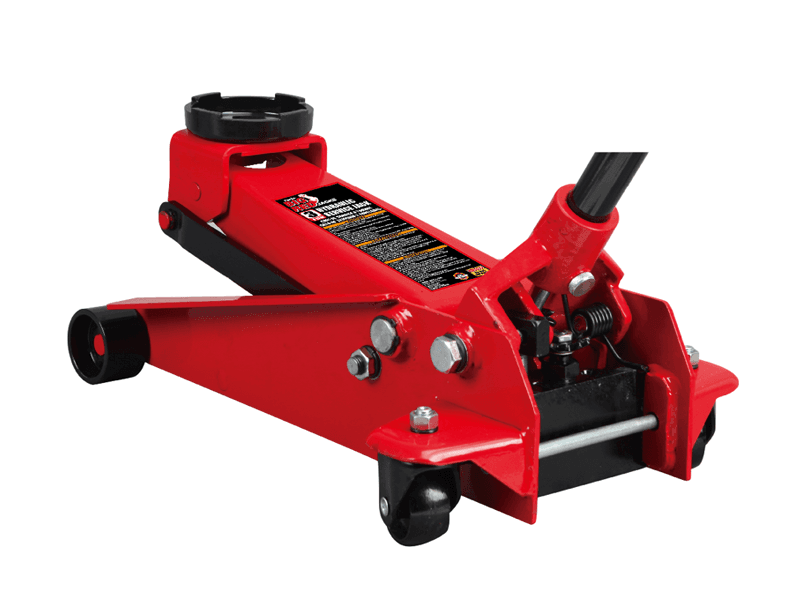
Big Red T830025 Trolley Jack 3 t
BIG RED · Jacks
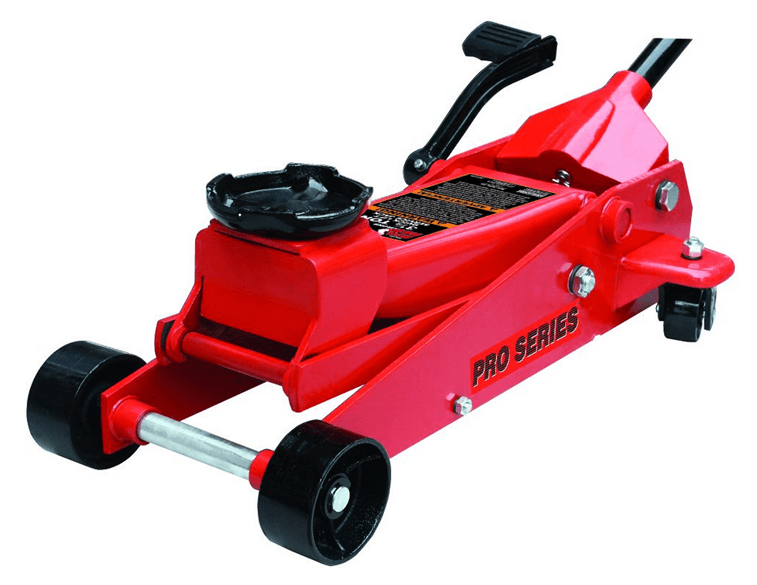
Big Red T83502 Trolley Jack 3 t
BIG RED · Jacks
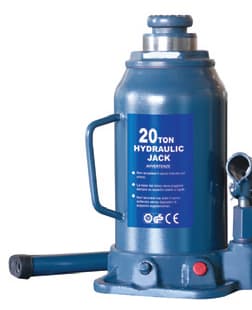
Big Red BIGTH93204 Bottle Jack
BIG RED · Jacks
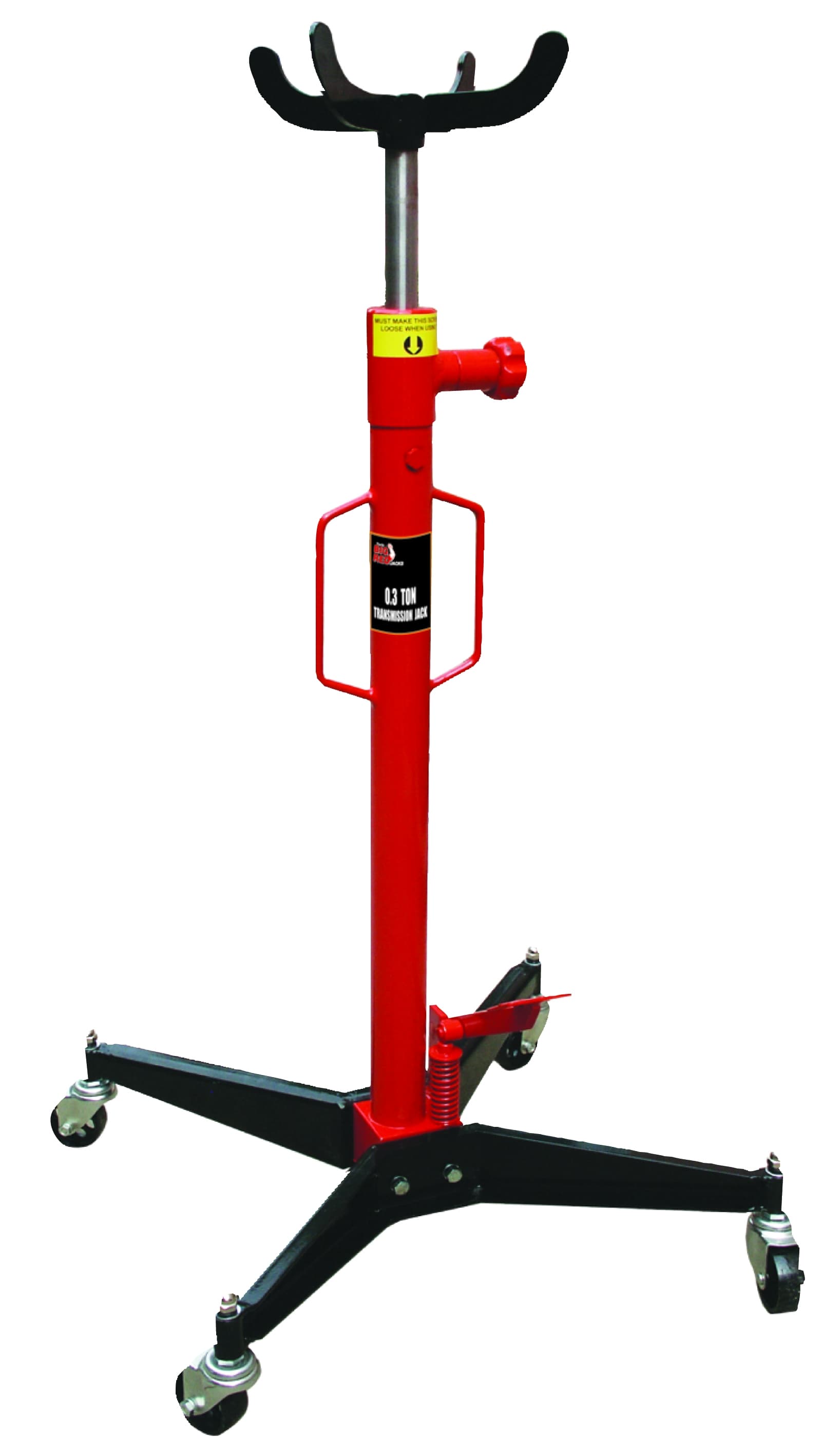
Big Red TEL05004 Transmission Jack 500 kg
BIG RED · Jacks
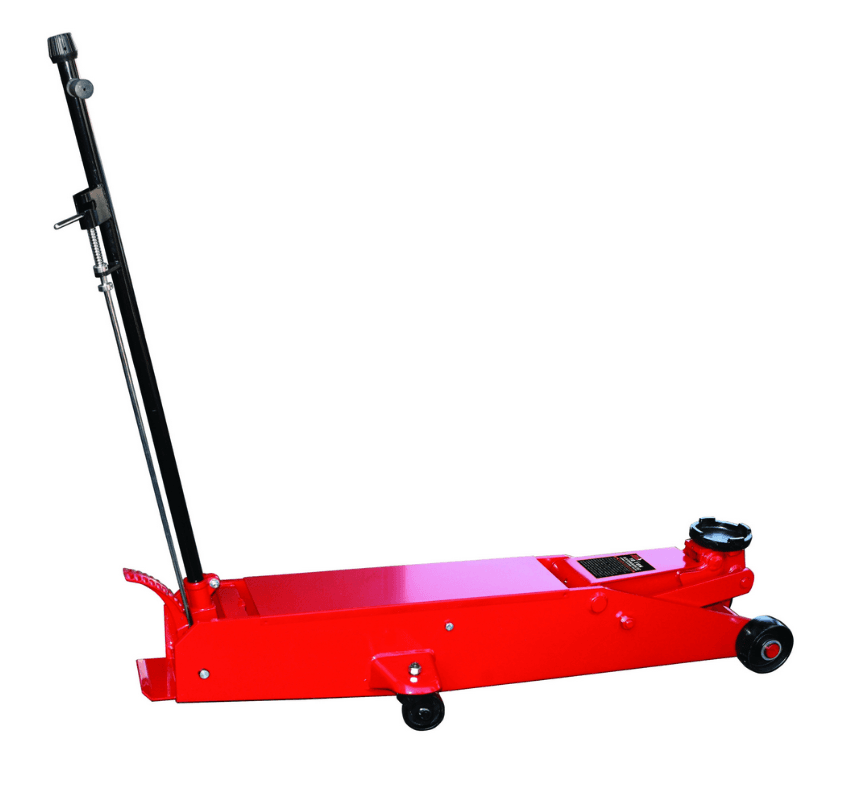
Big Red TR100001 Long Trolley Jack 10 t
BIG RED · Jacks
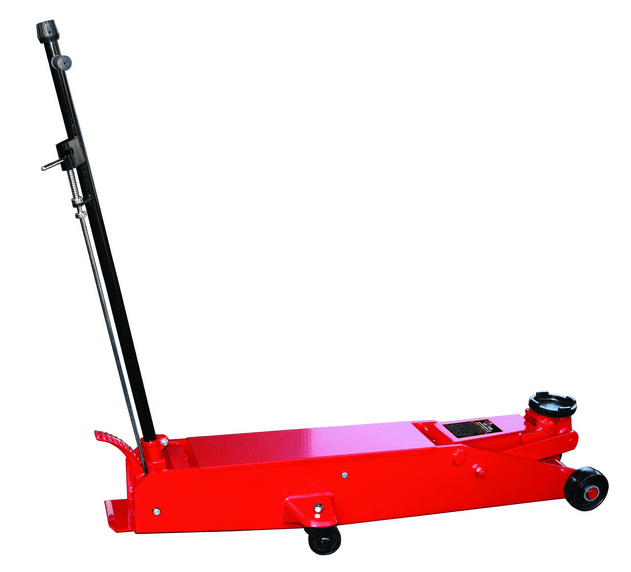
Big Red TR30002 Long Trolley Jack 3 t
BIG RED · Jacks
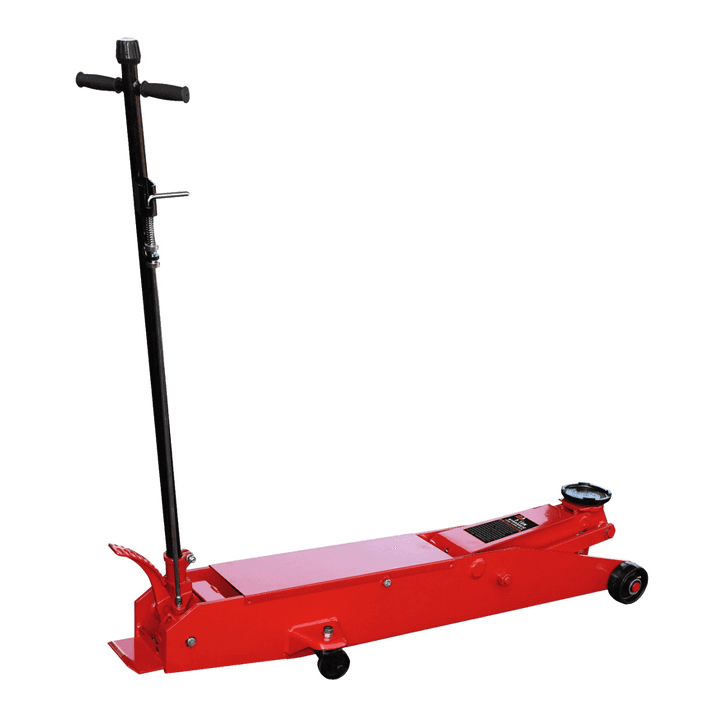
Big Red TR50001 Long Trolley Jack 5 t
BIG RED · Jacks
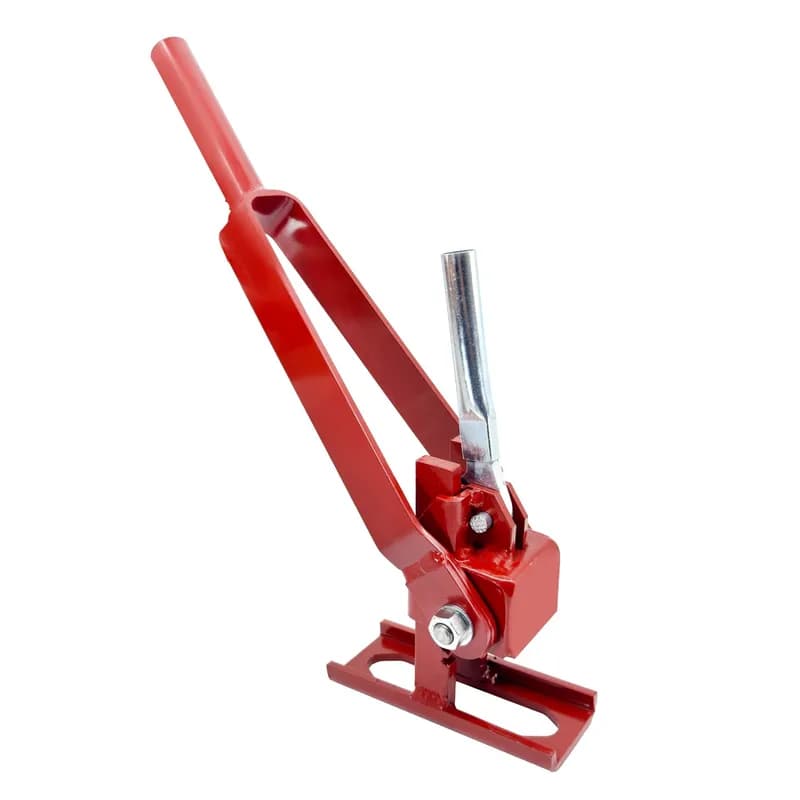
KBS KCA1 Formwork Tie Wrench with Jack
KBS · Jacks
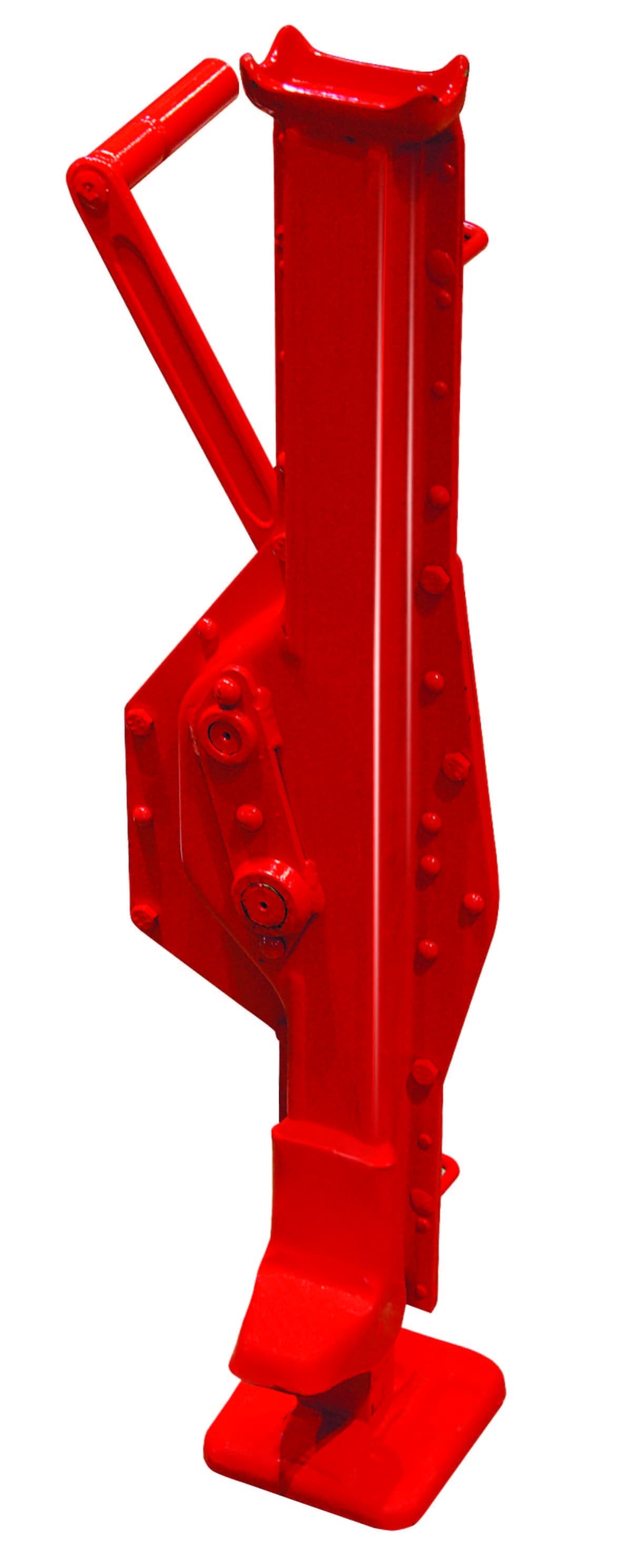
Big Red TRJ7310-10 Mechanical Screw Jack 10 t
BIG RED · Jacks
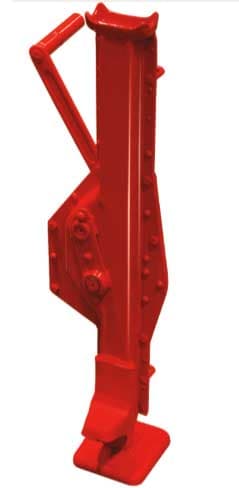
Big Red TRJ7310-20 Mechanical Screw Jack 20 t
BIG RED · Jacks
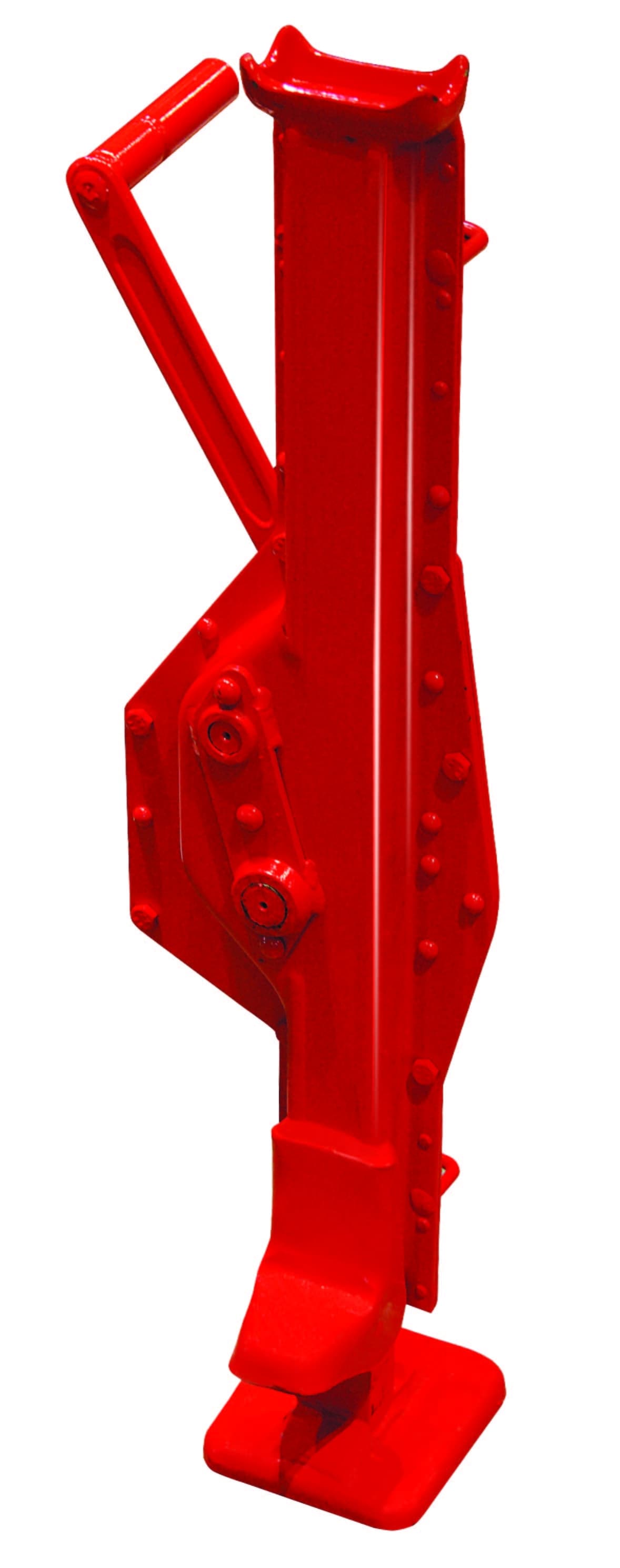
Big Red TRJ7310 Mechanical Screw Jack 3 t
BIG RED · Jacks
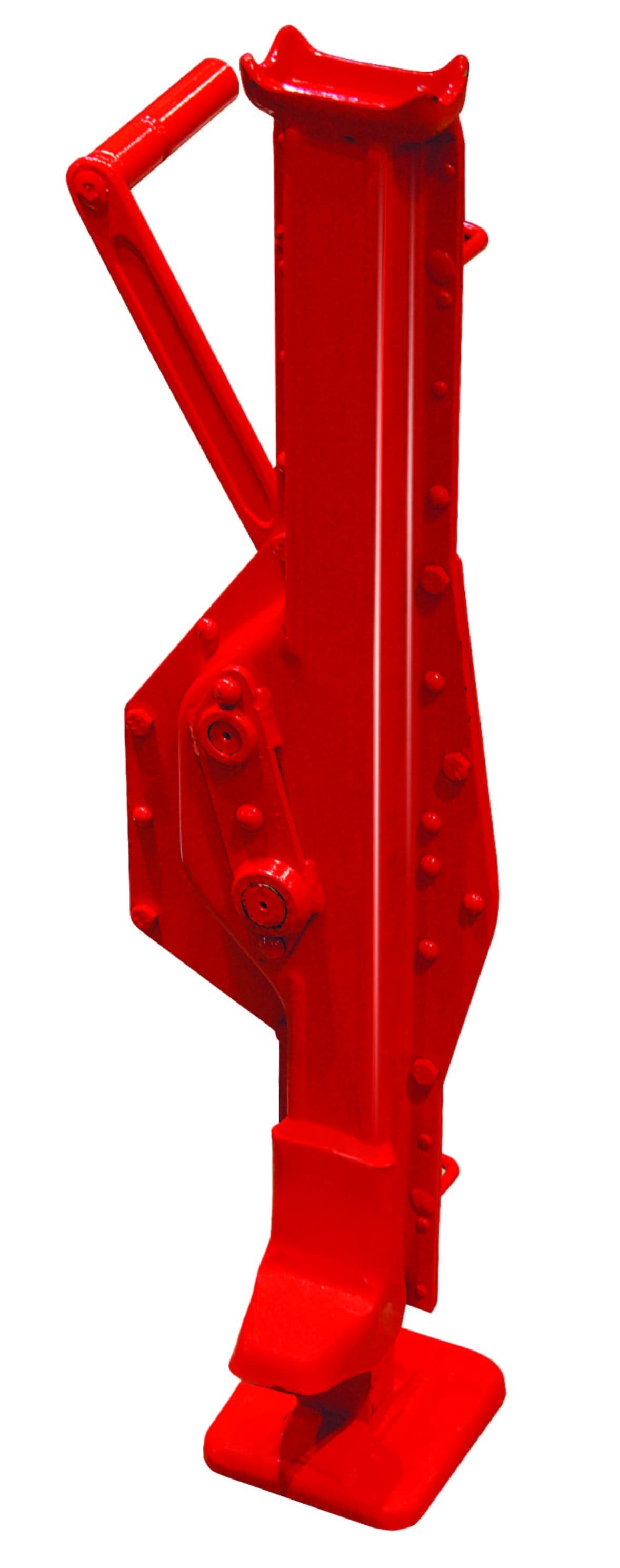
Big Red TRJ7310-5 Mechanical Screw Jack 5 t
BIG RED · Jacks
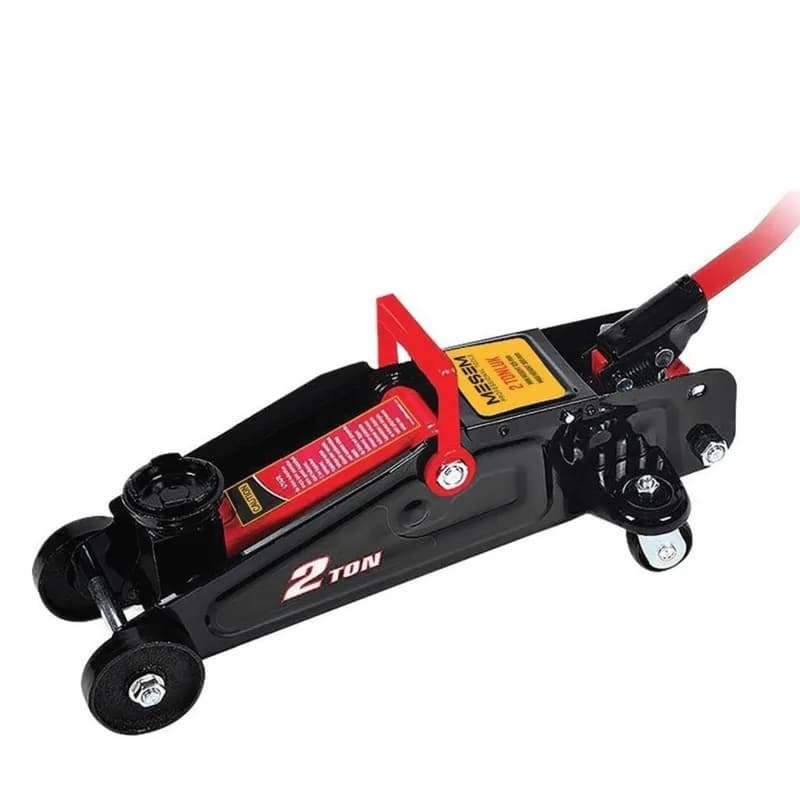
Meşem KRK1 Trolley Jack 2 t
MEŞEM · Jacks
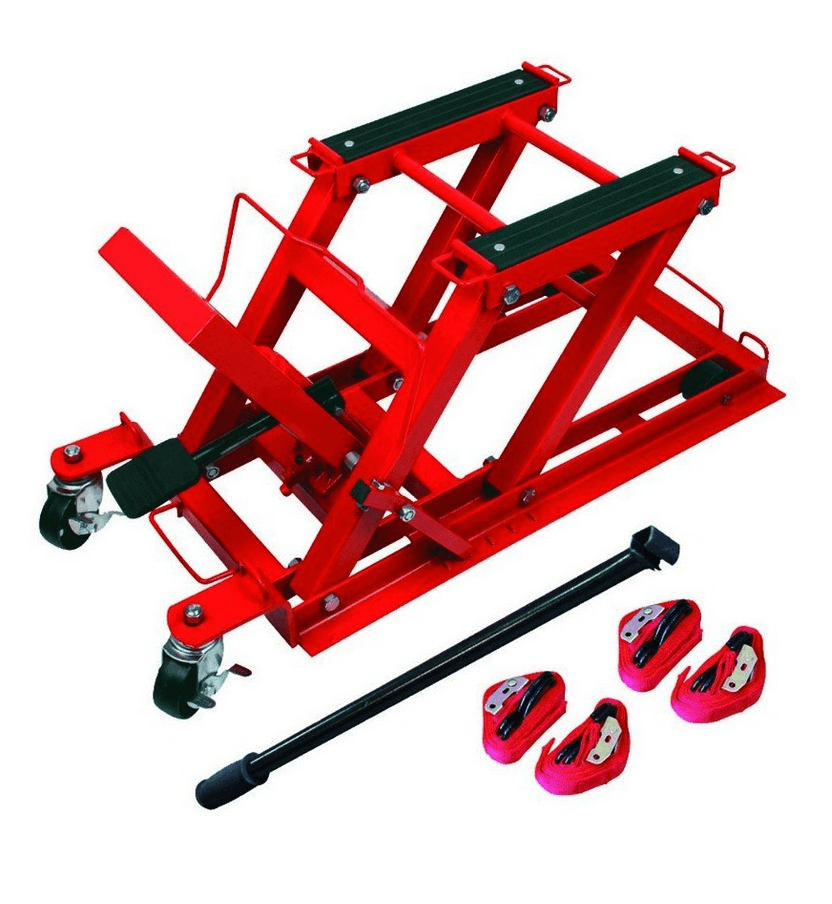
Big Red T66751 Motorcycle Lift 680 kg
BIG RED · Jacks
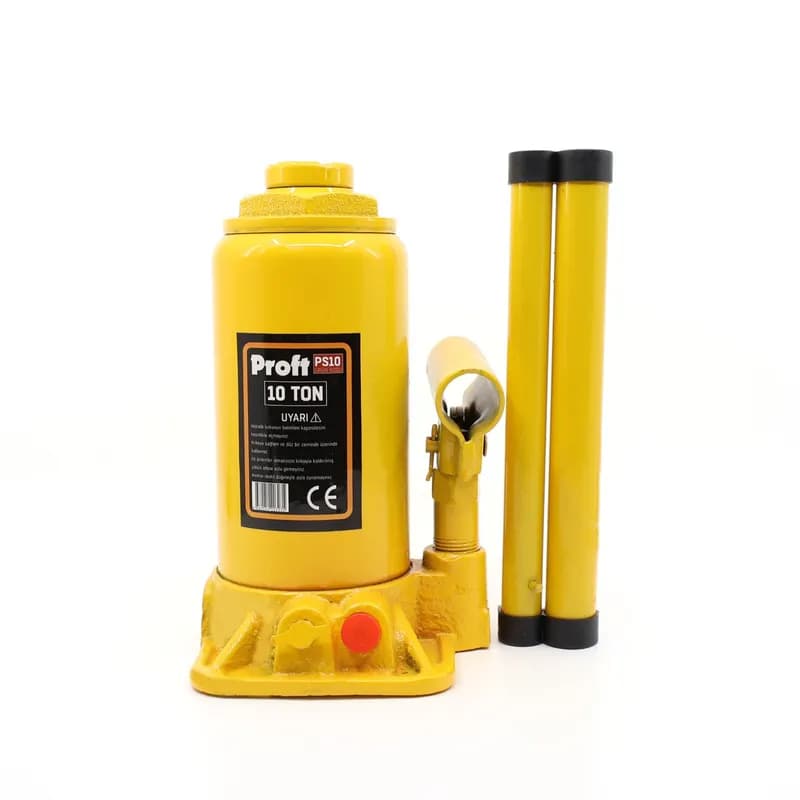
Proft SK10 Bottle Jack 10 t
Proft · Jacks
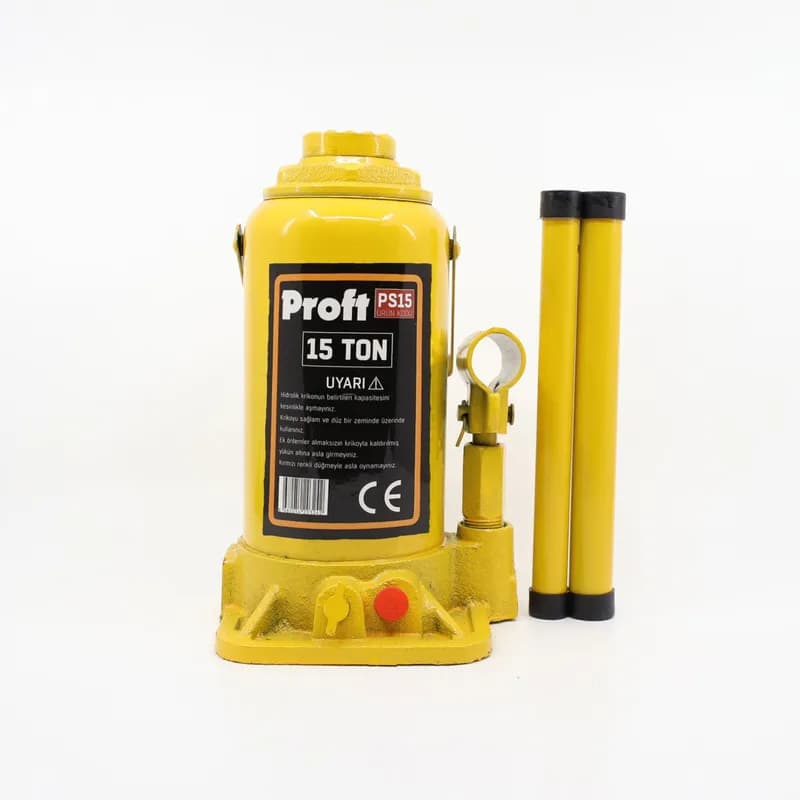
Proft SK15 Bottle Jack 15 t
Proft · Jacks
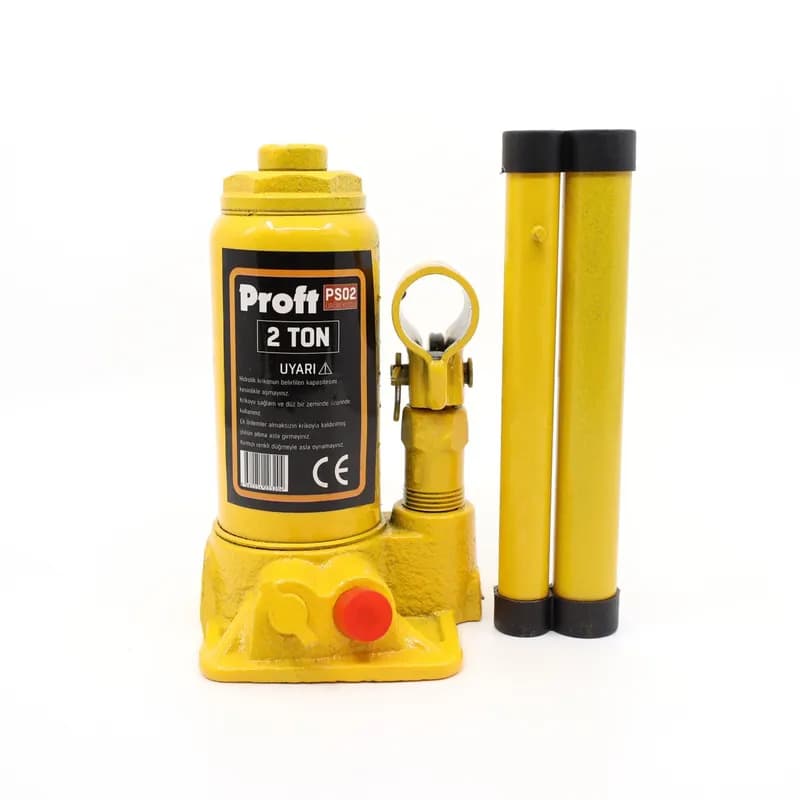
Proft SK02 Bottle Jack 2 t
Proft · Jacks
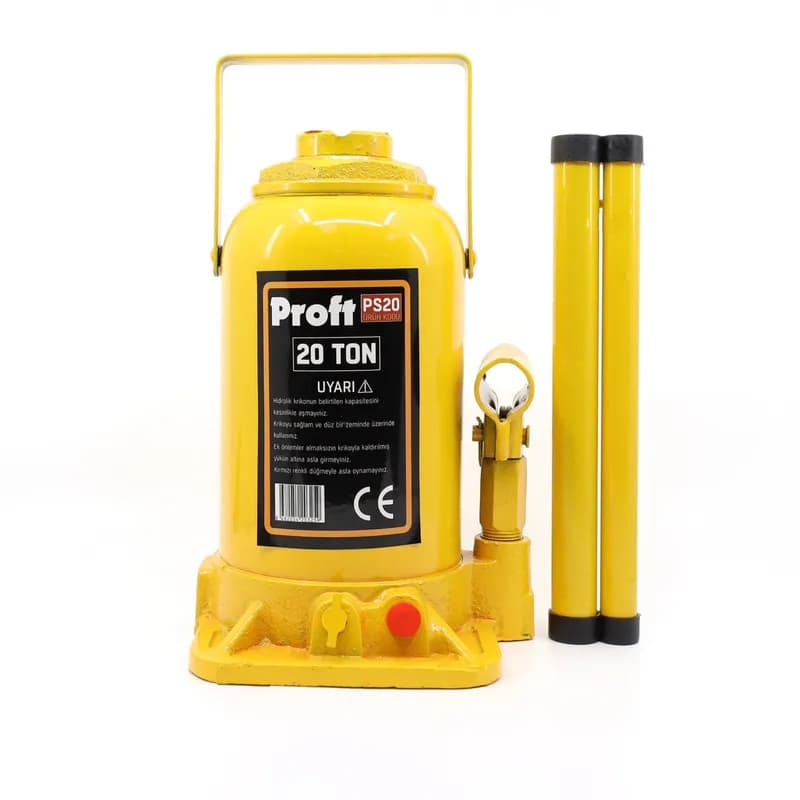
Proft SK20 Bottle Jack 20 t
Proft · Jacks
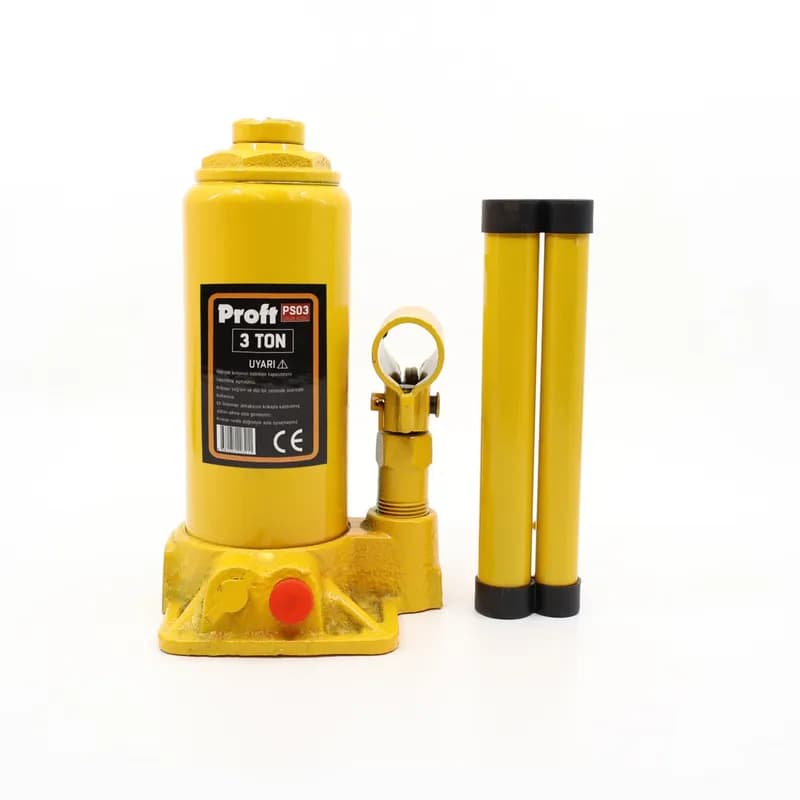
Proft SK03 Bottle Jack 3 t
Proft · Jacks
1–24 of 49 · page 1 / 3
Which jack for which job
The type follows the ground clearance of the vehicle and the capacity required. A bottle jack will not fit under a low car; a trolley jack will not raise a 20-tonne machine.
| Jack type | Capacity | Minimum height | Typical use |
|---|---|---|---|
| Bottle jack | 2-50 t | High (15-25 cm) | Commercial vehicles, plant, steelwork |
| Trolley jack | 2-3 t | Low (7-14 cm) | Cars, tyre changes |
| Long garage jack | 3-10 t | Low, long reach | Heavy vehicles, service pits |
| Mechanical screw jack | 3-20 t | Medium | Farm vehicles, sites, dusty conditions |
| Transmission jack | 0.5-1 t | Cradle type | Removing and fitting drivelines |
| Motorcycle lift | 680 kg | Platform type | Motorcycle service |
Sizing the capacity
A jack carries the axle it raises rather than the whole vehicle, but the safe choice is a rating that covers at least half the vehicle's total weight. In practice, going one capacity up buys both a safety margin and a hydraulic that works less hard.
Mechanical screw jacks are threaded rather than hydraulic: with no oil to lose they are the ones specified outdoors, in dust, and wherever a load has to stay up for a long time.
Safe use
A jack is applied only at the lifting points the manufacturer specifies; lifting from anywhere else strains both the vehicle and the jack.
- The ground must be hard and level; on soft ground a jack sinks and the load slides.
- Once the load is up, always set it down on axle stands.
- Stands are bought in pairs and sized against the whole vehicle weight.
- Check oil level and seepage on hydraulic jacks regularly.
- Never run the engine with the vehicle on a jack, and chock the wheels.
Frequently Asked Questions
What capacity jack do I need?
Choose a rating that covers at least half the vehicle's total weight, and go one step up where you can. For a 1,600 kg car that means 2 tonnes; for a light commercial, 3 tonnes.
Bottle jack or trolley jack?
A bottle jack gives the same capacity in a much smaller body and reaches 50 tonnes, but its minimum height is greater. A trolley jack is low enough to go under a car, rolls to the lifting point and raises the load faster.
Can I go under a vehicle held by a jack?
No. A jack lifts; it does not hold. Set the vehicle on axle stands after lifting, and size the stands against the whole vehicle weight.
What is a mechanical screw jack?
A jack that works on a thread rather than hydraulics. With no oil to lose it is preferred in dust, outdoors, and wherever a load must stay raised for a long period.
What is a transmission jack for?
It holds a removed driveline component balanced on a flat cradle. The job is less about lifting than about taking a heavy, unbalanced part down and back up under control.
What happens if a jack loses oil?
It stops reaching full height, or settles slowly under load. Check level and seepage regularly and withdraw any jack that seeps from service.