Categories
Power Tools
Choosing a power tool usually means choosing between two machines that do the same job — and the difference sits in the motor type, the battery platform and the tool holder. This page explains the groups, what brushed and brushless actually change, what battery voltage does and does not tell you, and how the SDS shank systems divide. The catalogue holds over 1,400 corded and cordless tools across 25 groups.
Product Types
Go straight to the product type you need.
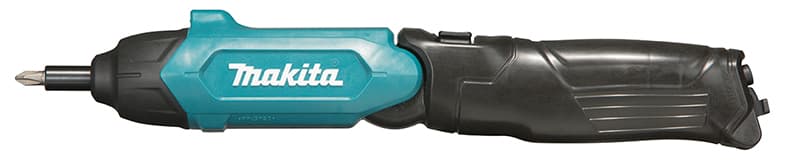 Drills & Drivers268 products
 Angle Grinders & Cutters188 products
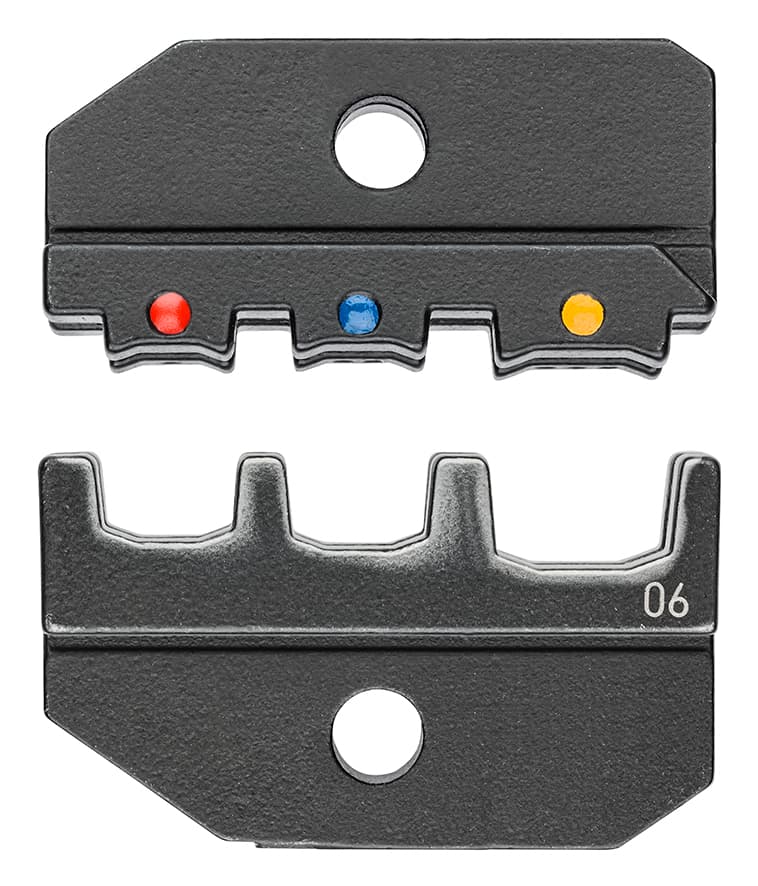 Crimping Tools144 products
 Batteries & Chargers112 products
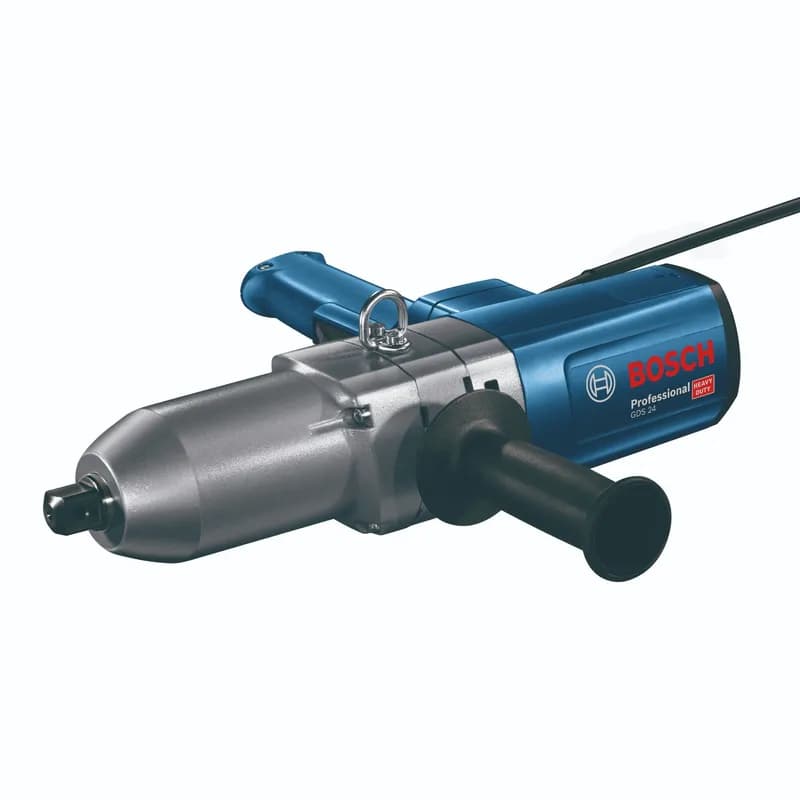 Impact Wrenches104 products
 Specialty Power Tools95 products
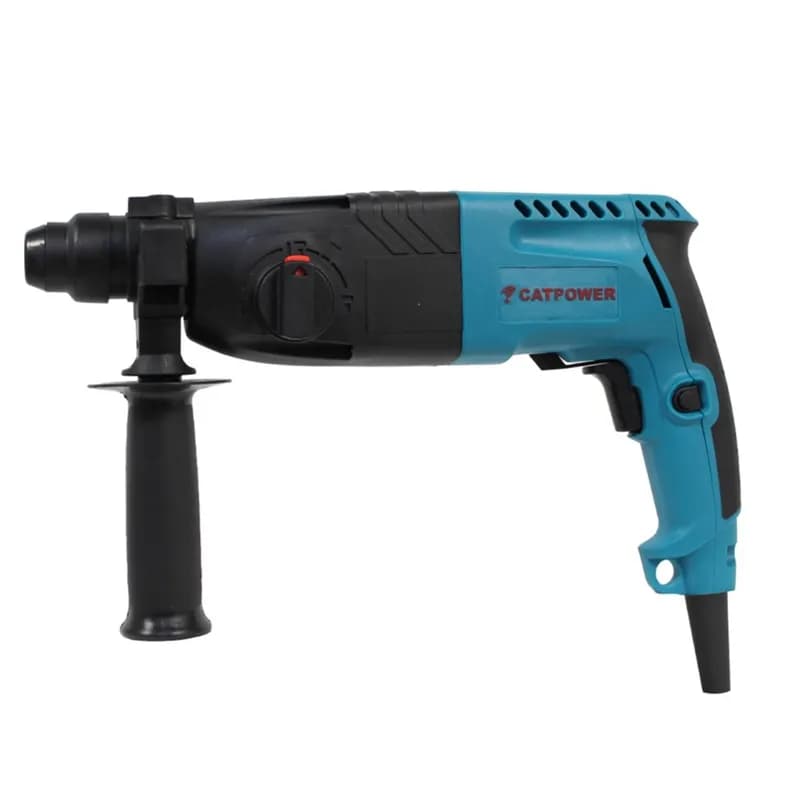 Rotary Hammers & Breakers86 products
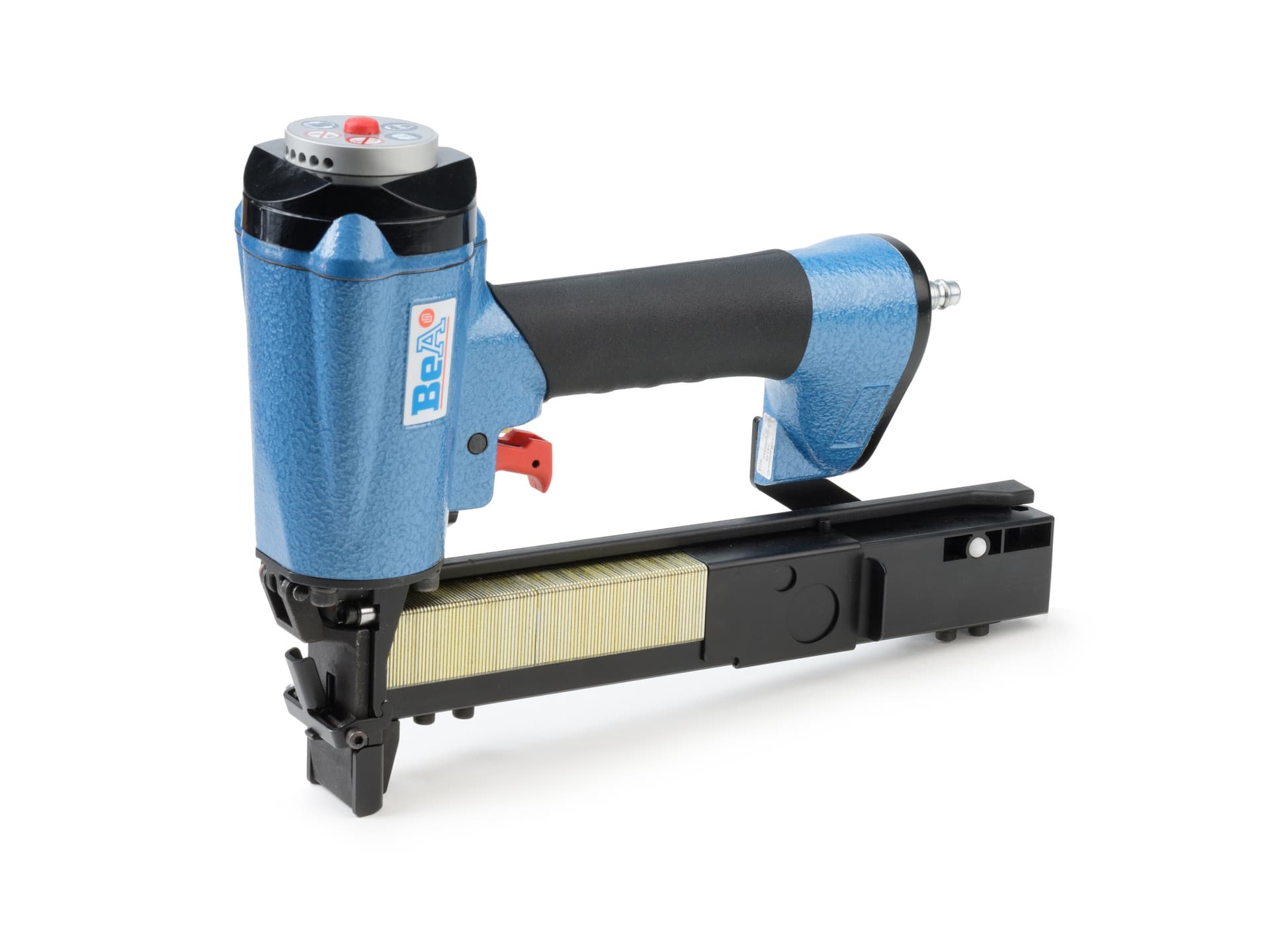 Staple & Nail Guns82 products
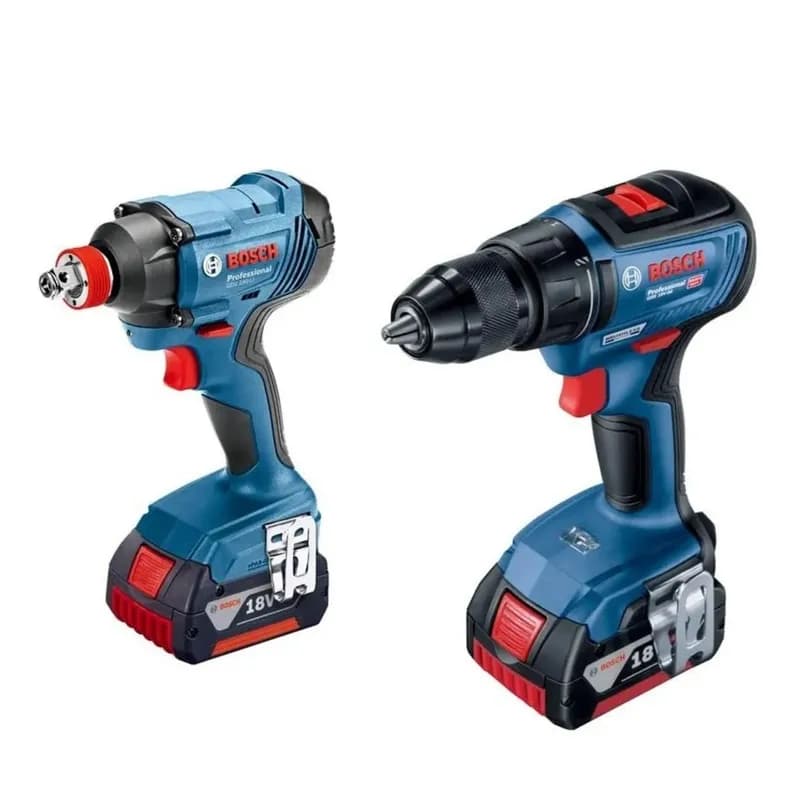 Cordless Tool Kits62 products
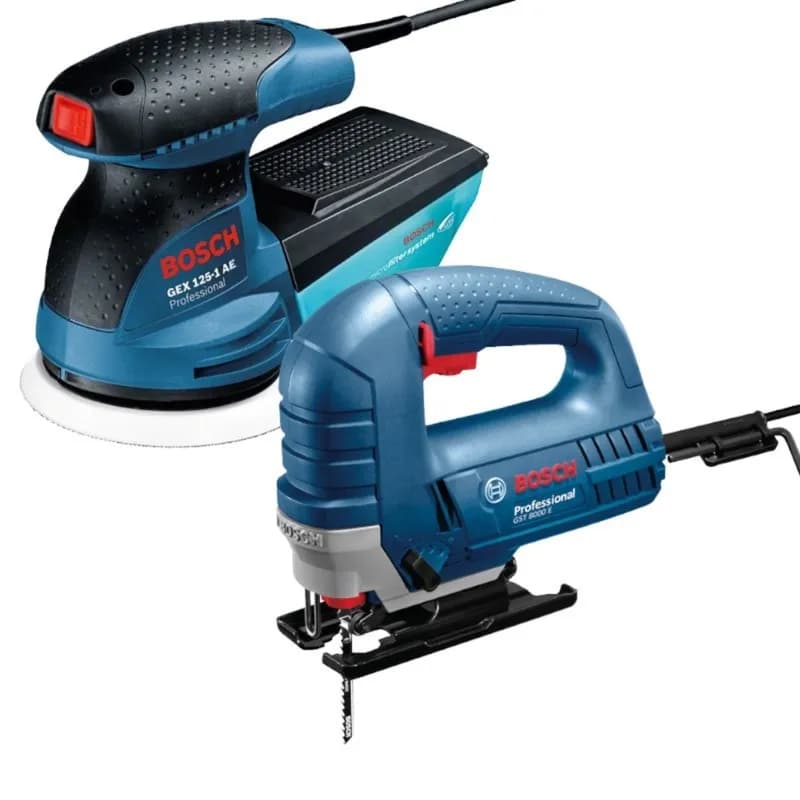 Jigsaws52 products
 Reciprocating Saws43 products
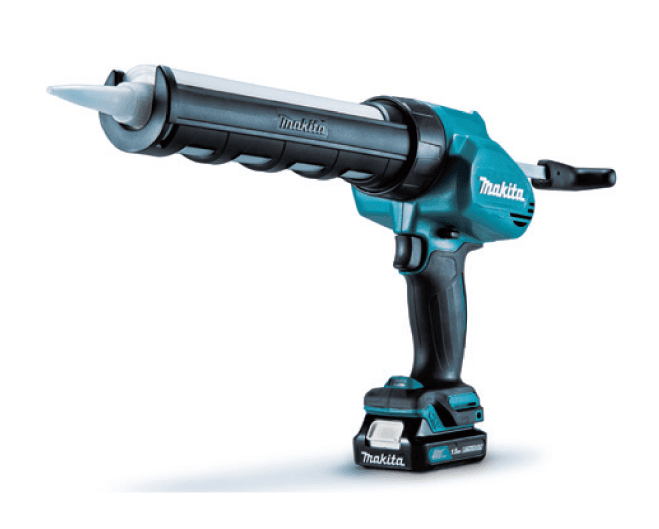 Electric Glue & Caulking Guns40 products
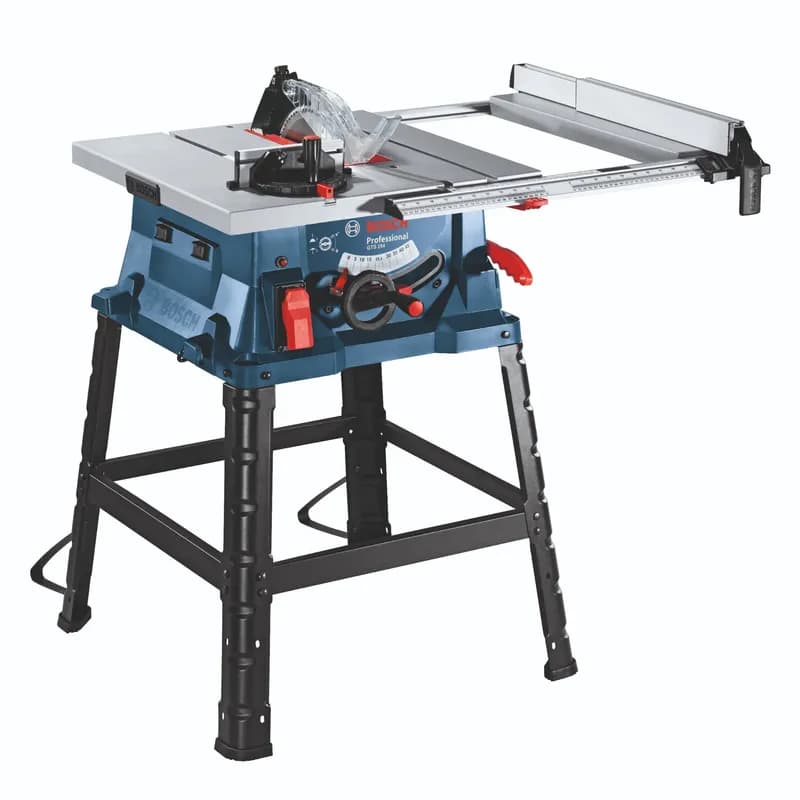 Circular Saws35 products
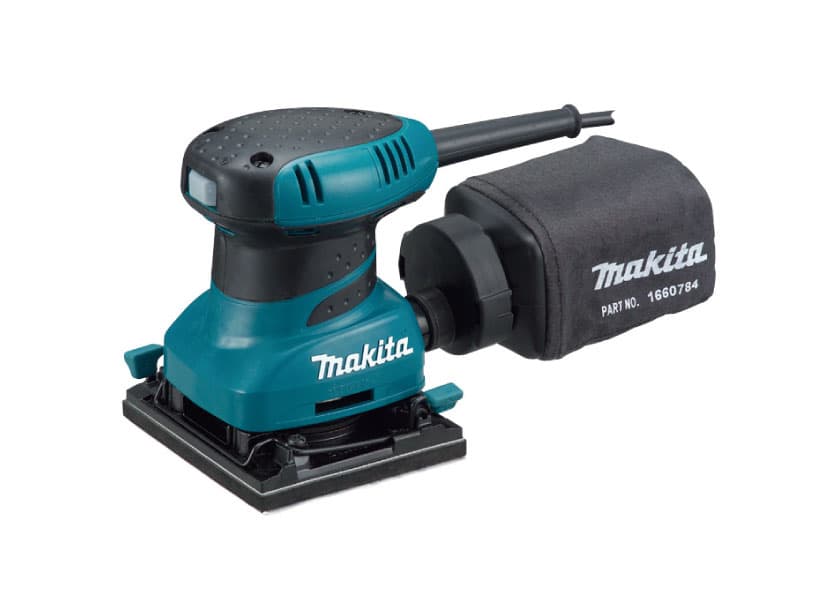 Sanders35 products
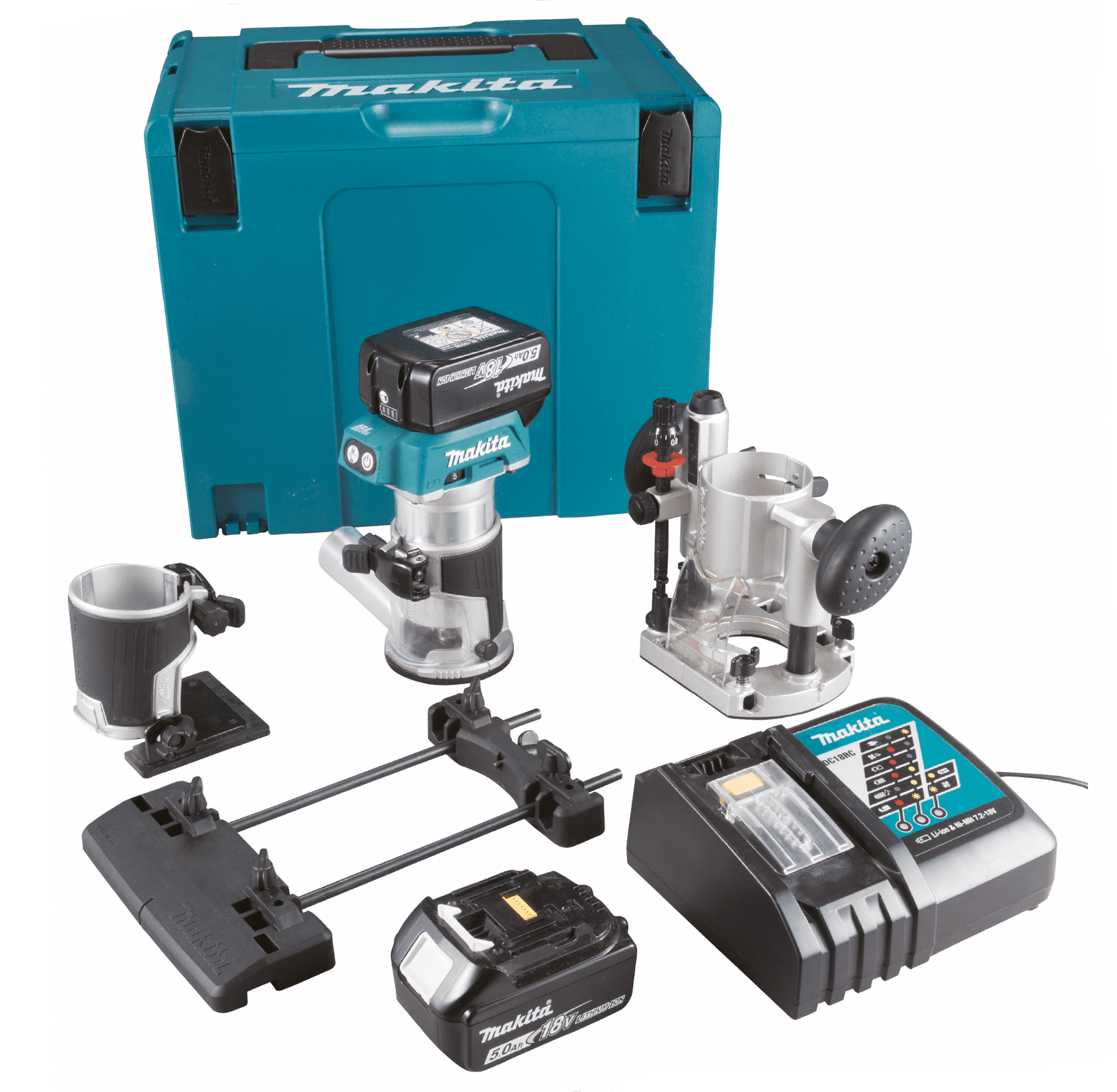 Woodworking Machines31 products
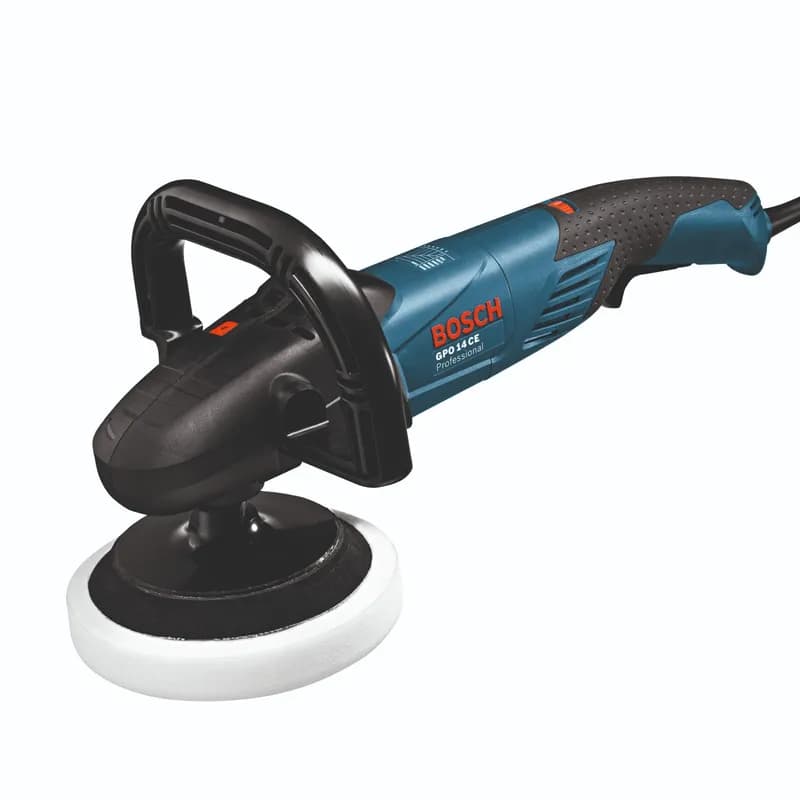 Polishers16 products
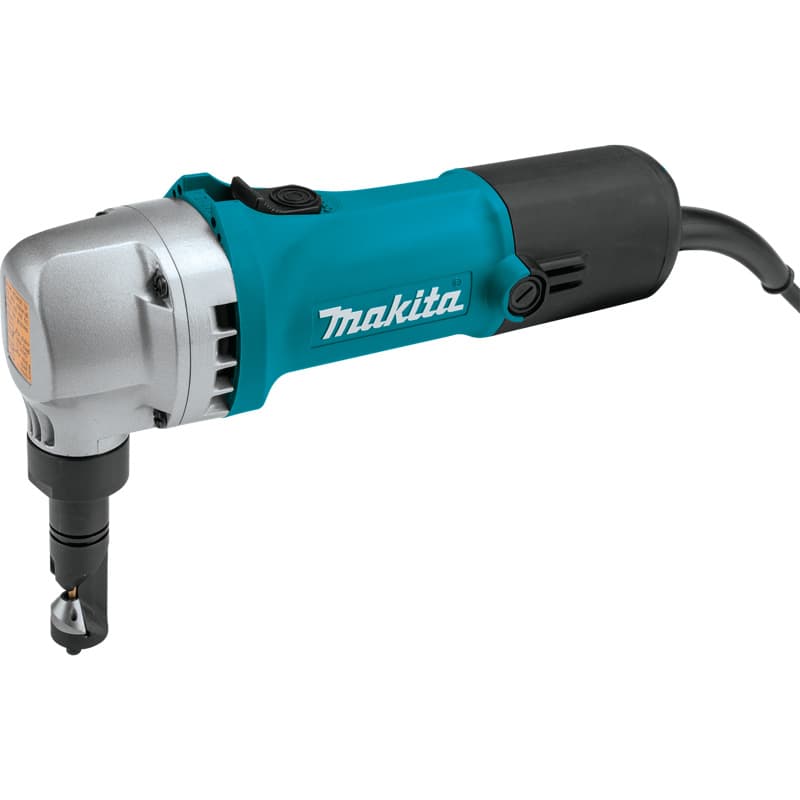 Metal Shears & Nibblers15 products
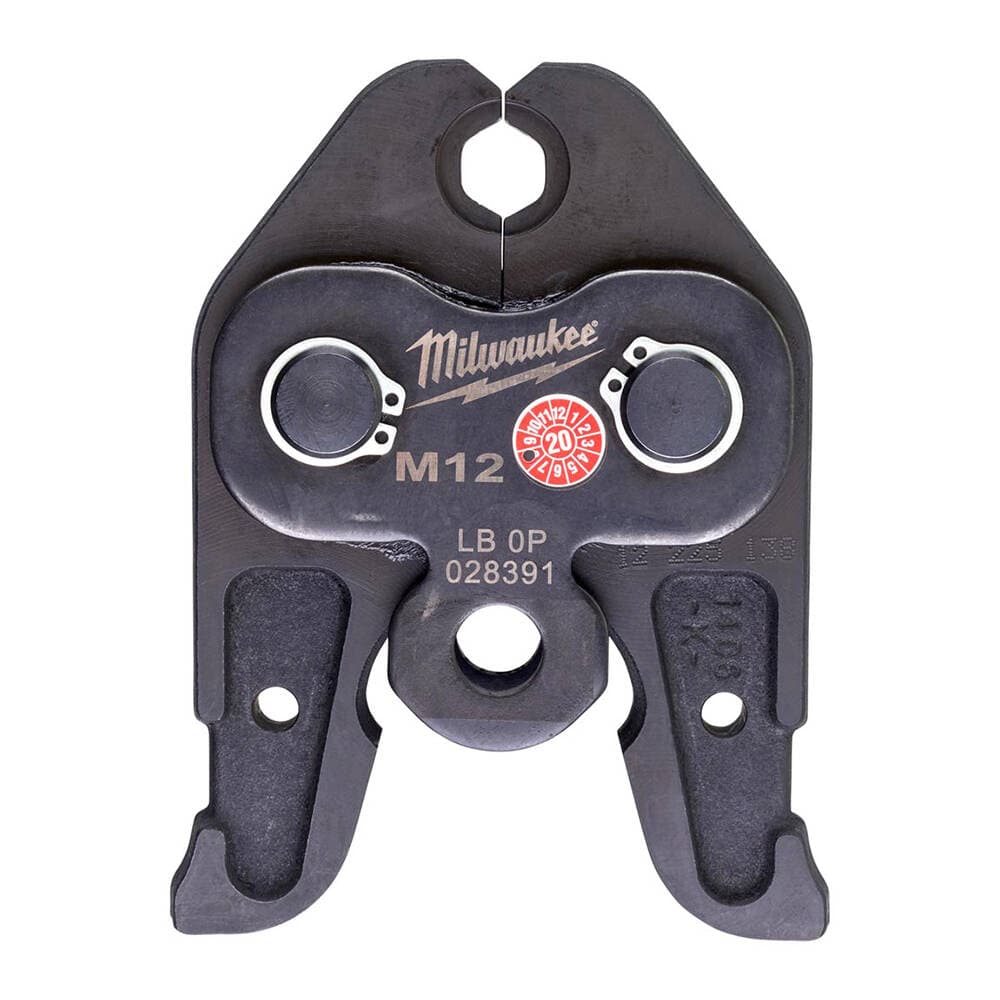 Hydraulic Knockout Punches14 products
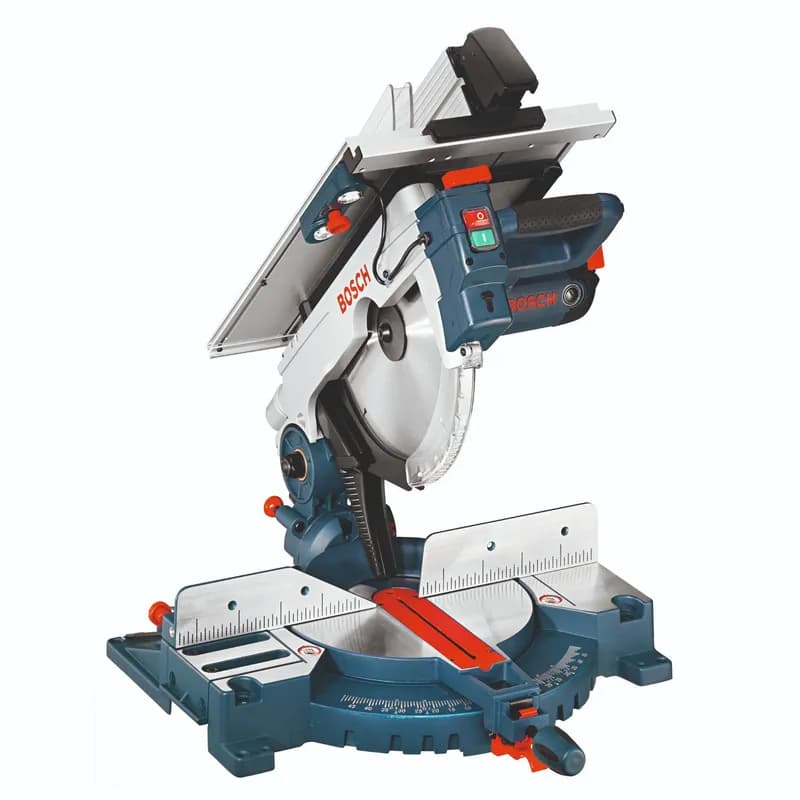 Mitre Saws13 products
 Oscillating Multi-Tools12 products
 Magnetic Drills10 products
 Rivet Tools8 products
 Jobsite Radios & Speakers7 products
 Air Blow Guns1 products
BEA 145/40-779C Stapler 18-40 mm
BEA · Staple & Nail Guns
Makita JR003GZ 40V Reciprocating Saw Blade
Makita · Reciprocating Saws
Knipex 974906 97 43 200A for Jaw
Knipex · Crimping Tools
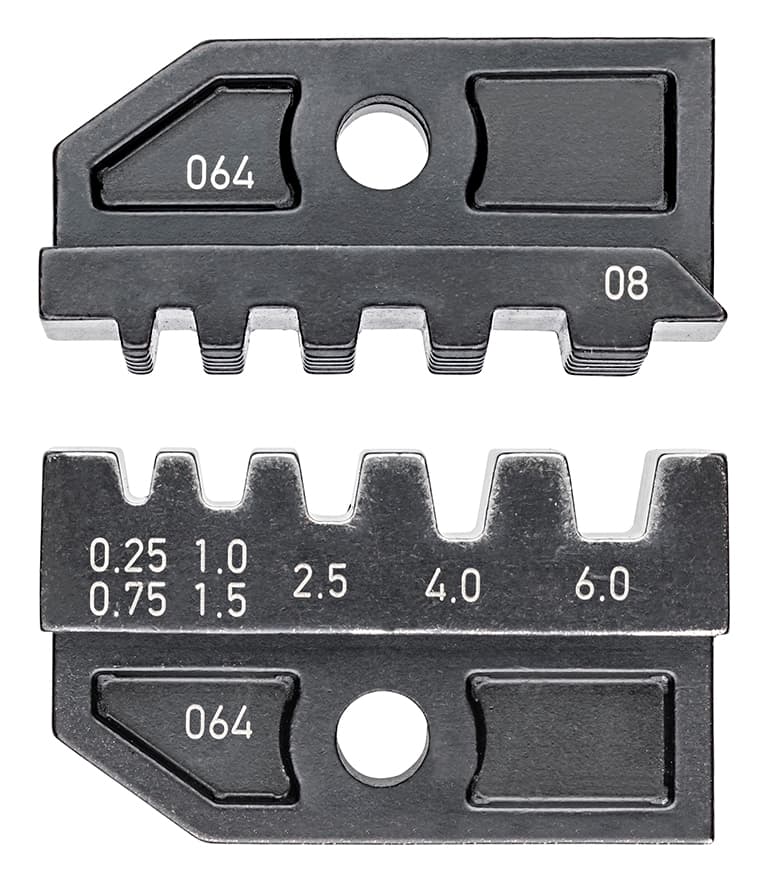
Knipex 974908 97 43 200A for Jaw
Knipex · Crimping Tools
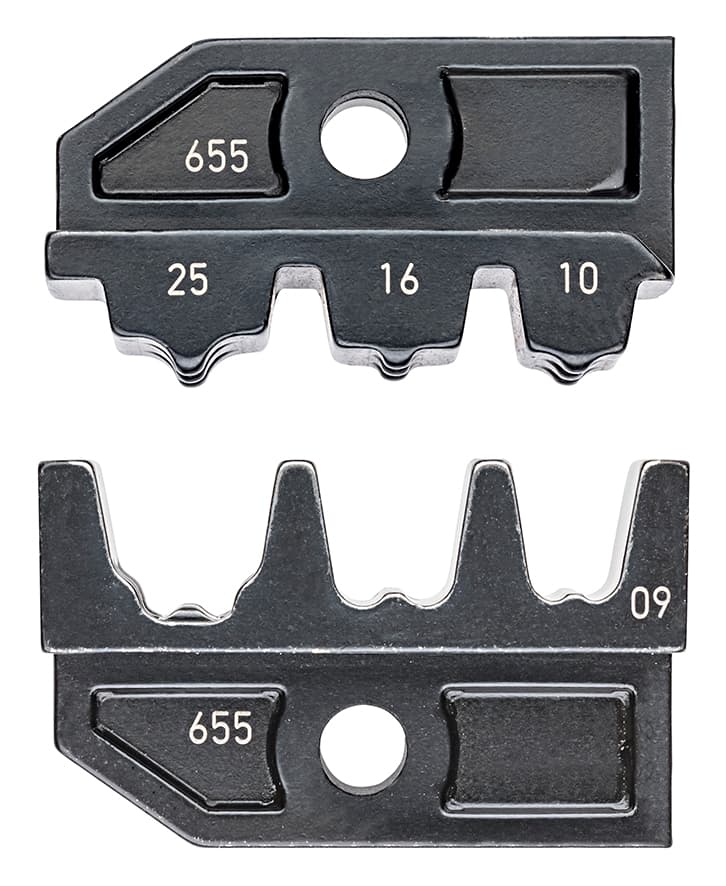
Knipex 974909 97 43 200A for Jaw
Knipex · Crimping Tools
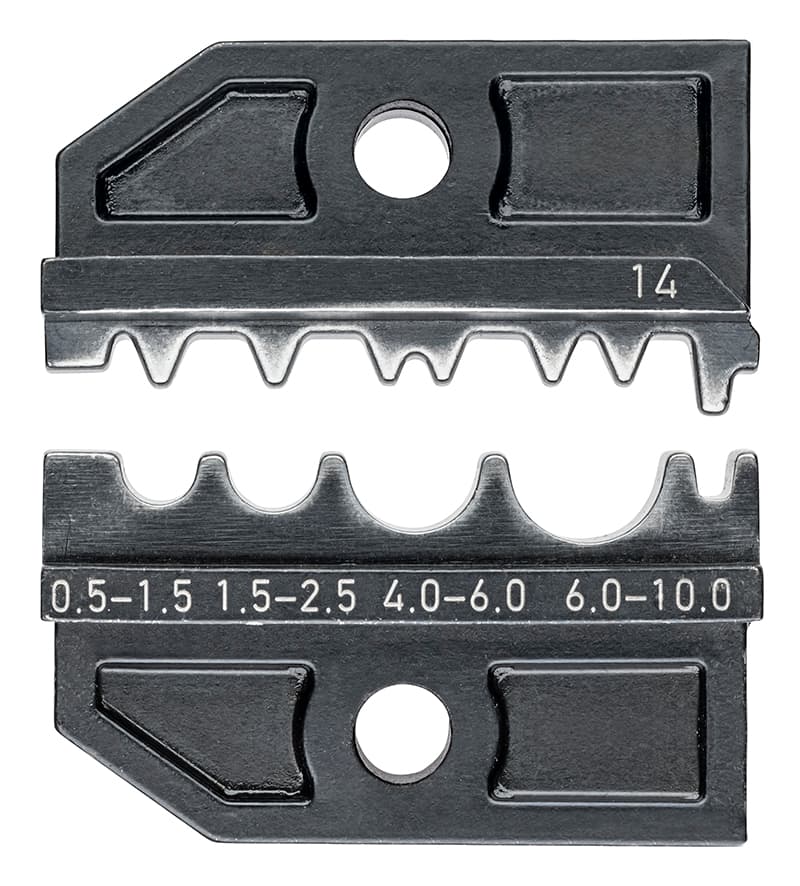
Knipex 974914 97 43 200A for Jaw
Knipex · Crimping Tools
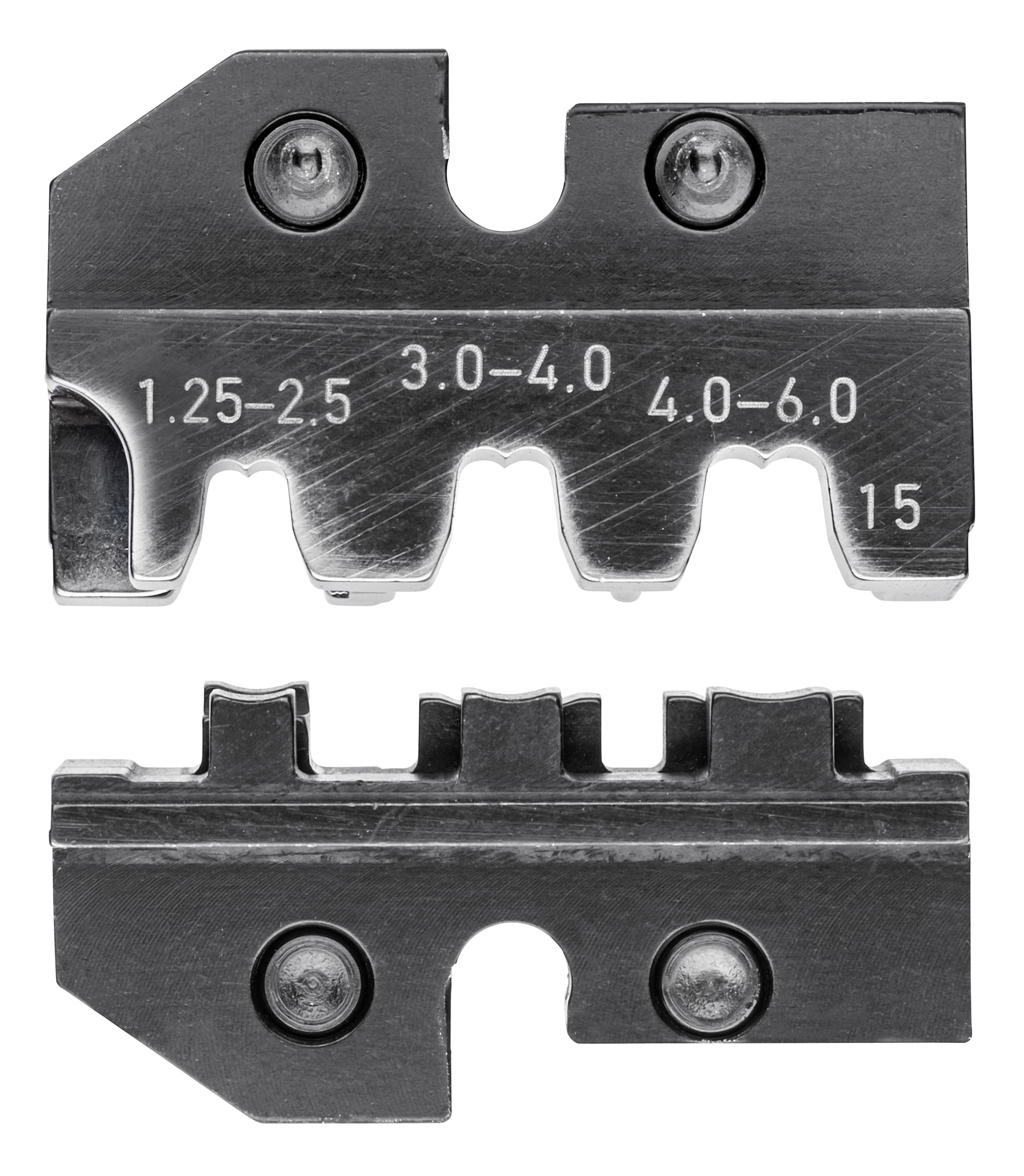
Knipex 974915 97 43 200A for Jaw
Knipex · Crimping Tools
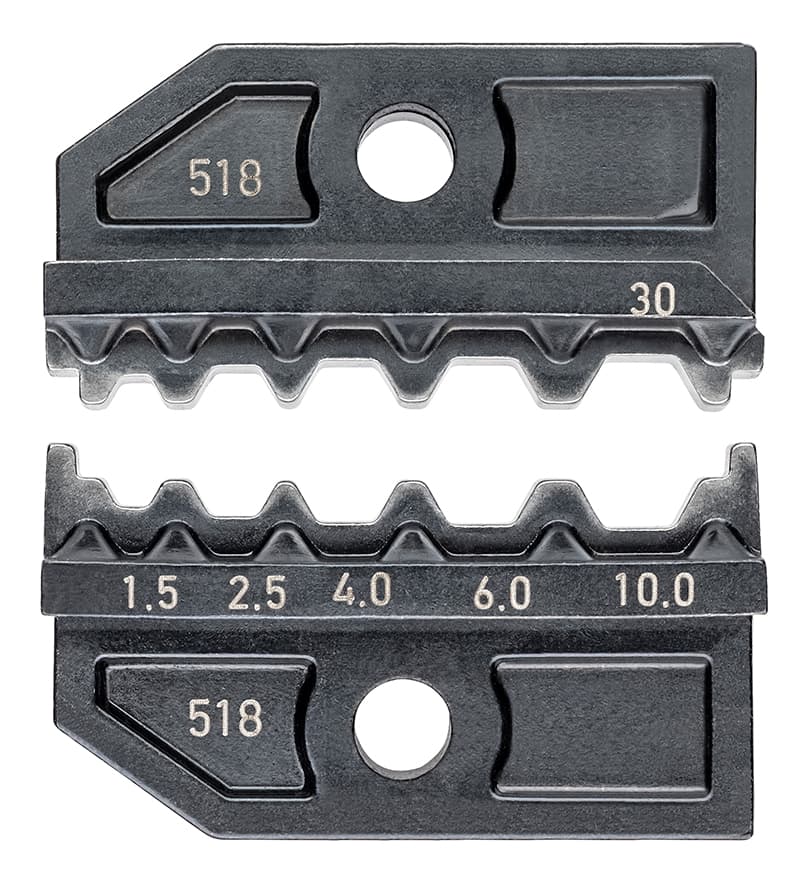
Knipex 974930 97 43 200A for Jaw
Knipex · Crimping Tools
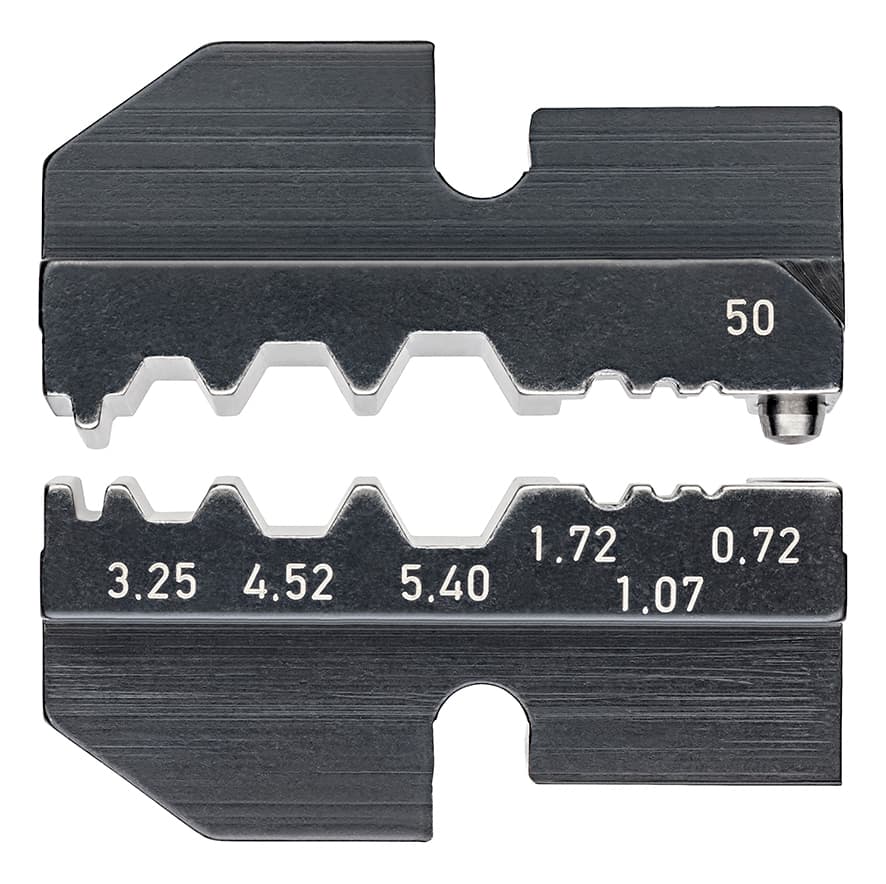
Knipex 974950 97 43 200A for Jaw
Knipex · Crimping Tools
Factor FCWT305 Wood Band Saw 305 mm
Factor · Woodworking Machines
Factor FCWT340 Wood Band Saw 340 mm
Factor · Woodworking Machines
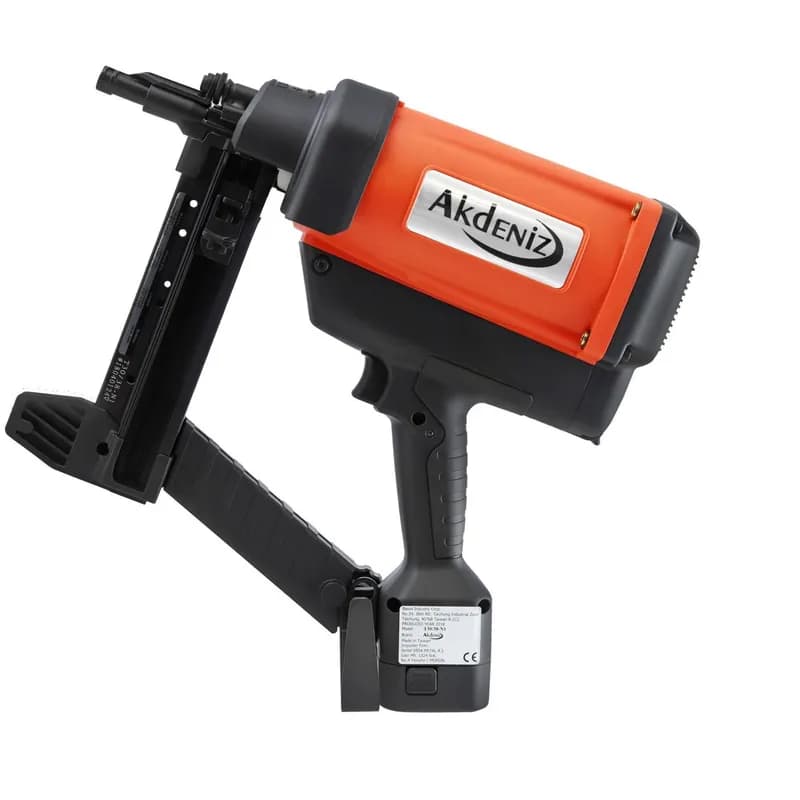
Akdeniz T30-38 Gas Nailer
Akdeniz · Staple & Nail Guns
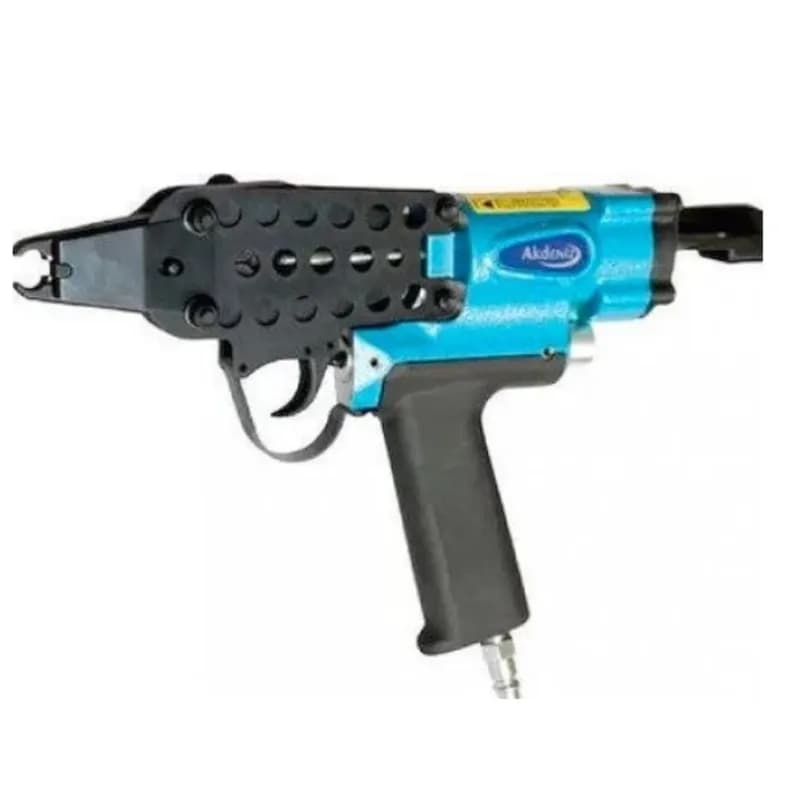
Akdeniz TC7C Pneumatic Nailer
Akdeniz · Staple & Nail Guns
Makita DF001DW Aksesuar Setli Screwdriving 3.6V
Makita · Drills & Drivers
Makita 3435791 Battery Tutucu Klips
Makita · Batteries & Chargers
Makita HW001GT201 Cordless Pressure Washer Machine
Makita · Specialty Power Tools
Makita CE001GZ Cordless Concrete Saw
Makita · Angle Grinders & Cutters
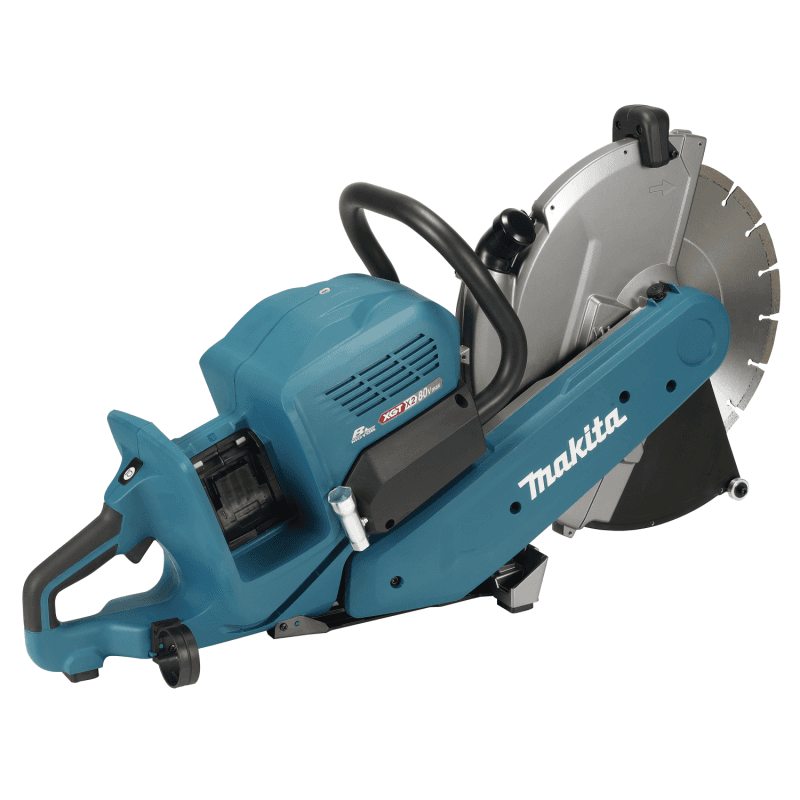
Makita CE002GZ Cordless Concrete Saw
Makita · Angle Grinders & Cutters
Makita DRT50RTJX9 Cordless Router Set 18V
Makita · Woodworking Machines
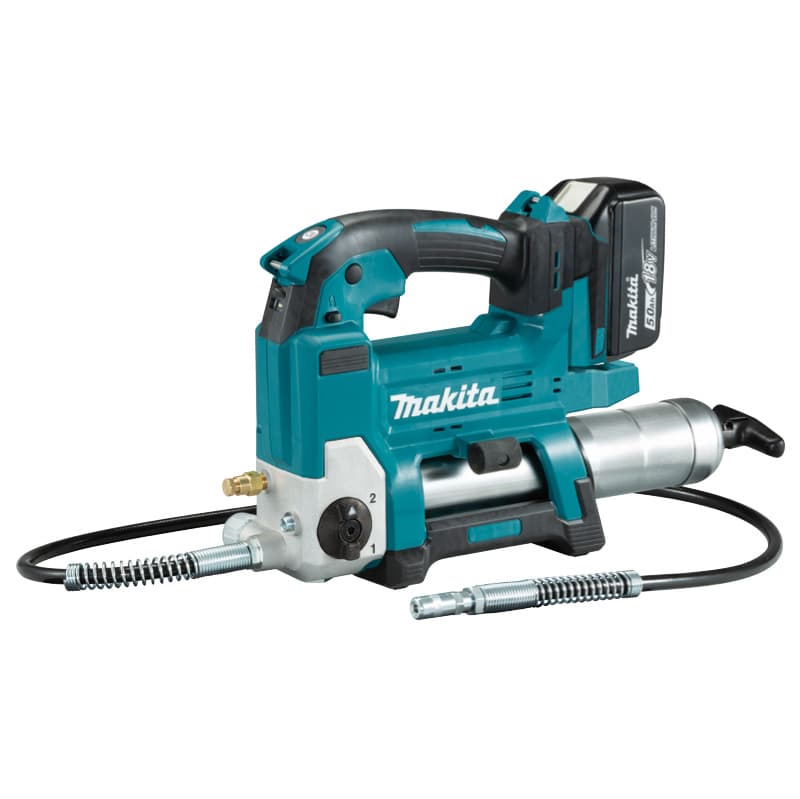
Makita DGP180RT Cordless Gres Gun 18V
Makita · Specialty Power Tools
Makita HG001GZ Cordless Heat Gun 40V
Makita · Air Blow Guns

Makita JR002GD201 Cordless Reciprocating Saw Blade 40V
Makita · Reciprocating Saws

Makita KP001GZ Cordless Planer
Makita · Woodworking Machines
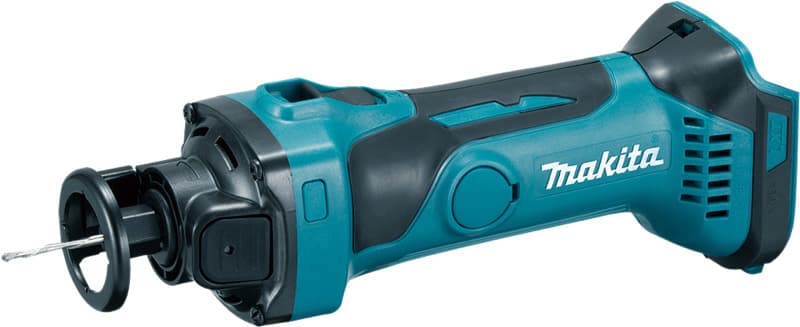
Makita DCO180Z Drywall Cutter 18V
Makita · Angle Grinders & Cutters
1–24 of 1473 · page 1 / 62
The groups and what they do
Power tools divide by the job: drilling, driving, cutting, grinding and surface work. Two machines in one group look alike on a listing, but power, tool holder and speed range decide which materials they belong in.
| Group | Job | Figure to check | Typical use |
|---|---|---|---|
| Drills & drivers | Drilling, driving screws | Torque (Nm), chuck (mm) | Assembly, timber, maintenance |
| Rotary hammers | Drilling and breaking concrete | Impact energy (J), SDS type | Construction, services, demolition |
| Grinders & cutters | Grinding, cutting, dressing | Disc diameter (mm), power (W) | Metalwork, construction |
| Impact wrenches | High-torque fastening | Max torque (Nm), square drive | Automotive, steel structures |
| Saws | Cutting timber and metal | Cut depth (mm), stroke | Formwork, timber, strip-out |
| Sanders & polishers | Surface preparation, polishing | Base size, speed (rpm) | Before paint, vehicle care |
| Crimping tools | Pressing cable terminals | Section range (mm²) | Panels, electrical installation |
| Cordless kits | One battery, several tools | Platform (V), Ah | Jobsite, service vehicle |
Brushed and brushless motors
In a brushed motor, current reaches the spinning commutator through carbon brushes; those brushes wear by friction and have to be replaced periodically. A brushless motor has no such contact — the switching is done electronically.
That shows up in three places: longer runtime from the same battery, no maintenance, and more torque from a smaller body. Brushless costs more up front. On a tool running several hours a day the difference pays back quickly; on one used a few times a month it may not.
- Brushless: heavy use, cordless tools, long runtime.
- Brushed: occasional use, lower entry cost, cheap and simple service.
- A brushless motor needs no maintenance — there are no brushes to change.
- At the same voltage, brushless usually delivers more torque.
Battery platform: voltage, Ah and compatibility
With cordless tools you choose the platform before you choose the machine. Once you are on a maker's 18 V system, the same battery runs dozens of tools on it; another maker's pack fits neither mechanically nor electronically. The first purchase therefore shapes every later one.
Voltage indicates power, amp-hours (Ah) indicate runtime. On an 18 V tool a 2.0 Ah pack is light and suits assembly work; a 5.0 Ah pack runs the same tool around two and a half times longer but weighs more. One maker's "20 V max" and another's "18 V" describe the same cell arrangement: one quotes peak voltage off-load, the other nominal voltage.
| Platform | Typical use | Battery choice |
|---|---|---|
| 12 V | Assembly, furniture, electrical work | 2.0-4.0 Ah — light in the hand |
| 18 V / 20 V max | General jobsite, most tool groups | 4.0-5.0 Ah — the balance |
| 18 V high output | Breakers, grinders, impact wrenches | 8.0-12.0 Ah — sustained load |
| 36 V / 2x18 V | Heavy cutting and breaking | Twin packs, corded-free heavy work |
SDS shanks and chucks
On concrete machines the bit is not clamped in a chuck; it locks into an SDS holder and stays free along its axis so the hammer blow reaches the tip. SDS-plus has a 10 mm shank and works in the 4-30 mm hole range; SDS-max has an 18 mm shank and belongs to heavy rotary hammers. The two do not interchange.
Drills and drivers use a keyed or keyless chuck — keyless is faster, keyed grips harder against slip. Impact drivers use a 1/4" hex bit holder instead.
| System | Shank | Range | Where |
|---|---|---|---|
| SDS-plus | 10 mm | 4-30 mm holes | Rotary hammers, services, anchors |
| SDS-max | 18 mm | 12-52 mm holes | Heavy rotary hammers, demolition |
| Keyless chuck | - | 1-13 mm | Percussion and rotary drills |
| 1/4" hex | - | Bits and drivers | Impact and standard drivers |
What to look at when choosing
Four figures explain the price gap between two machines on a listing: motor type, power or torque, tool holder and — if cordless — the platform. The fifth is how often you use it. On a tool that runs for hours a day, a brushless motor and a high-Ah pack pay for themselves; on one used a few times a month they do not.
- Choose the platform before the tool — the battery outlives the machine.
- For rotary hammers read impact energy in joules, not watts.
- On impact wrenches, "maximum torque" and "breakaway torque" are different numbers.
- A larger grinder disc turns slower; it cuts deeper, not harder.
- Corded machines are rated by watts, cordless ones by torque and pack capacity.
Wholesale supply from Seza Global
We supply Milwaukee, Makita, Bosch, Knipex, Hikoki, Ingco, Rapid and BEA power tools wholesale. From drills and drivers to grinders, rotary hammers and crimping presses, the range covers over 1,400 products in 25 groups.
For dealer and bulk purchase, send the model list and quantities; we come back with stock, pricing and lead time together. On cordless kits we will also advise on platform and battery configuration.
Frequently Asked Questions
What does a brushless motor gain you?
With no brush contact there is no friction loss: longer runtime from the same battery, more torque, and a motor that needs no maintenance — there are no brushes to replace. It costs more up front, which pays back quickly on tools used for hours a day.
Are 18 V and 20 V max the same thing?
Yes — they describe the same cell arrangement. 18 V quotes nominal voltage, 20 V max quotes peak voltage off-load; both come from five lithium-ion cells in series. There is no power difference between them.
Do batteries from different makers interchange?
No. Each platform has its own rail geometry and communication electronics. Choose the platform before the tool, because the battery usually outlives the machine.
Does a higher amp-hour rating make the tool more powerful?
No — power comes from voltage and the motor. Ah is runtime: on an 18 V tool a 5.0 Ah pack runs around two and a half times longer than a 2.0 Ah pack, but weighs more.
What is the difference between SDS-plus and SDS-max?
Shank size and duty class. SDS-plus has a 10 mm shank and covers 4-30 mm holes for services and anchors. SDS-max has an 18 mm shank and belongs to heavy rotary hammers. The bits do not interchange.
Which figure matters when choosing a rotary hammer?
Impact energy in joules, not watts. Around 2-3 J suits anchor holes and services, 5-10 J breaking concrete, and above 20 J demolition work.
Is a percussion drill the same as a rotary hammer?
No. A percussion drill generates its hammer action by two ridged plates rubbing together, which suits brick and soft masonry. A rotary hammer uses a pneumatic piston, breaks concrete with impact energy and drills far faster.
Which torque figure applies on an impact wrench?
Catalogues usually quote two: fastening torque and the higher breakaway torque. Fastening torque is what your application needs; breakaway shows the capacity to free a corroded joint.
Can standard sockets be used on an impact wrench?
No. Impact wrenches take impact sockets (CrMo, usually black). Bright chrome hand sockets can shatter under hammer blows.
Corded or cordless?
For bench work and continuous high-power cutting, corded still wins. On a jobsite with short tasks in many positions, a cordless platform cuts total time considerably.
How does wholesale purchase and dealership work?
Send the model list and quantities; we return stock, wholesale pricing and lead time together. On cordless kits we advise on platform and battery configuration as well.
How are warranty and service handled?
Through the Turkish authorised service network of each brand we supply. Claims go in with the invoice and serial number; on bulk orders we make the service contact ourselves.