Categories
Polishers
A polisher removes fine scratches with pad and compound to bring back gloss; the difference between rotary and dual action machines matters for both speed and risk. The catalogue holds 16 models.
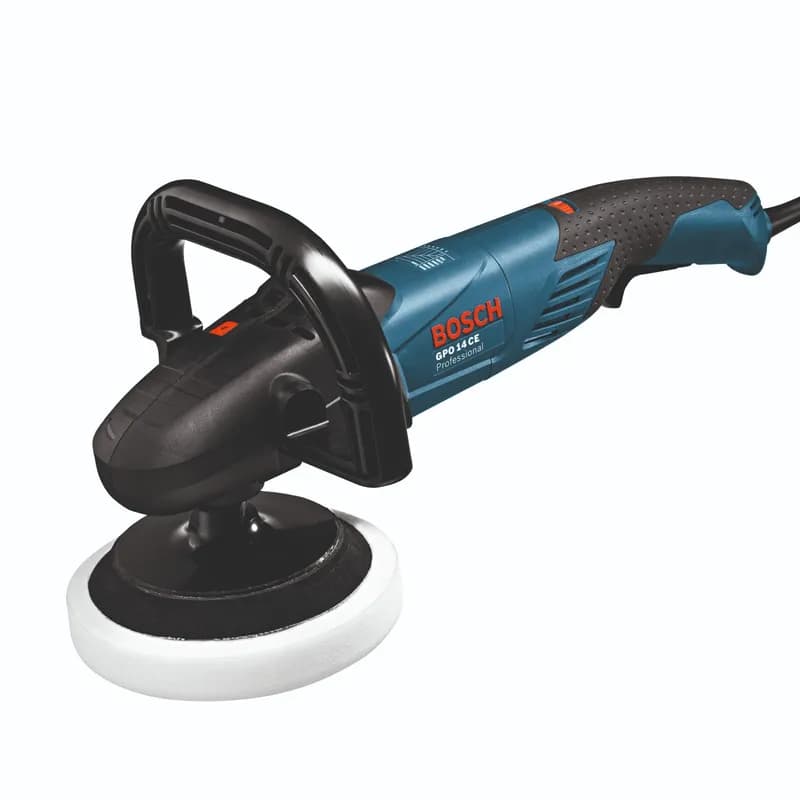
Bosch Polisher Machine 1400W GPO 14 CE 0601389000
Bosch · Polishers
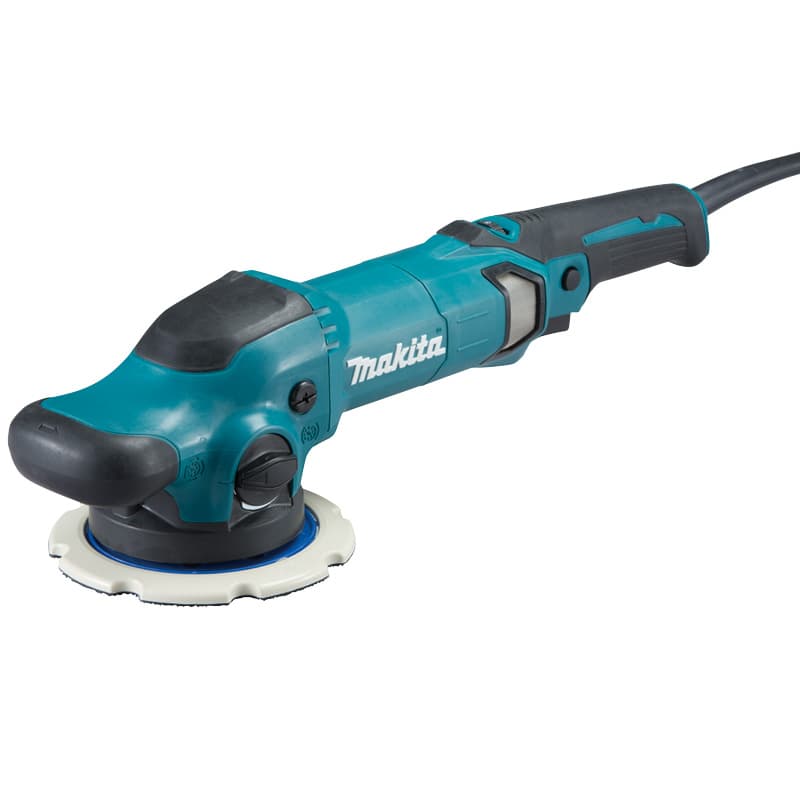
Makita PO6000C Orbital Random Orbit Polisher Machine
Makita · Polishers
Factor FCOBP150 Bench Polisher 150 mm
Factor · Polishers
Factor FCOBP200 Bench Polisher 200 mm
Factor · Polishers
Factor FCOBP250 Bench Polisher 250 mm
Factor · Polishers
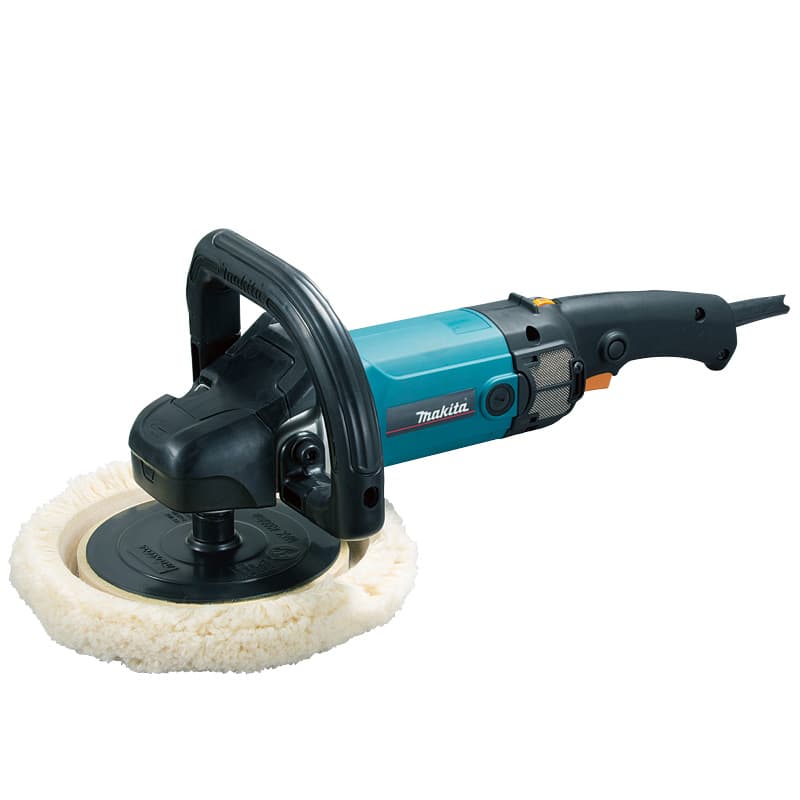
Makita 9237CB Polisher Machine
Makita · Polishers
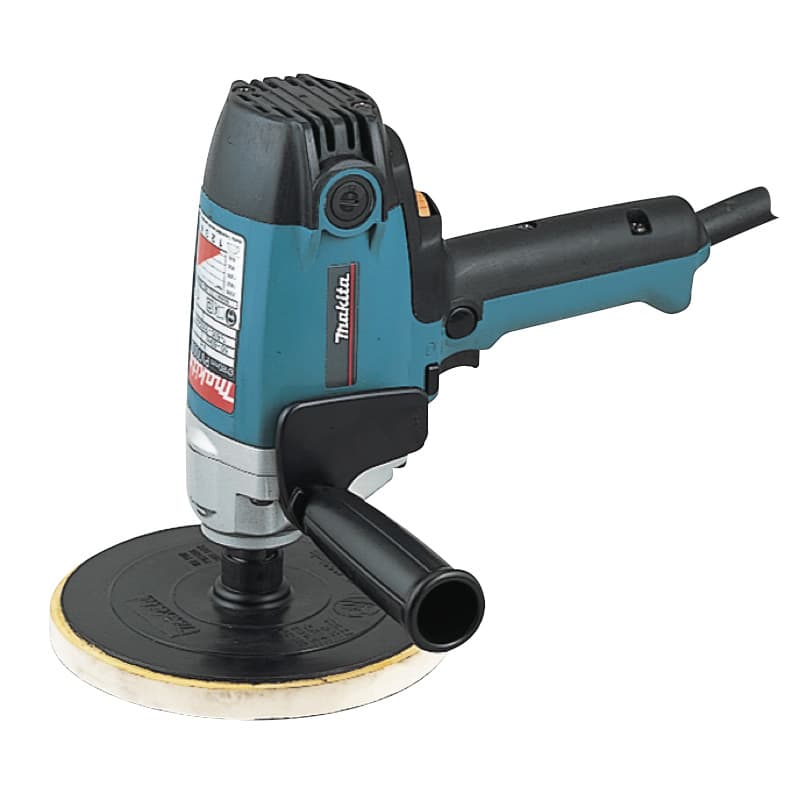
Makita PV7000C Polisher Machine
Makita · Polishers
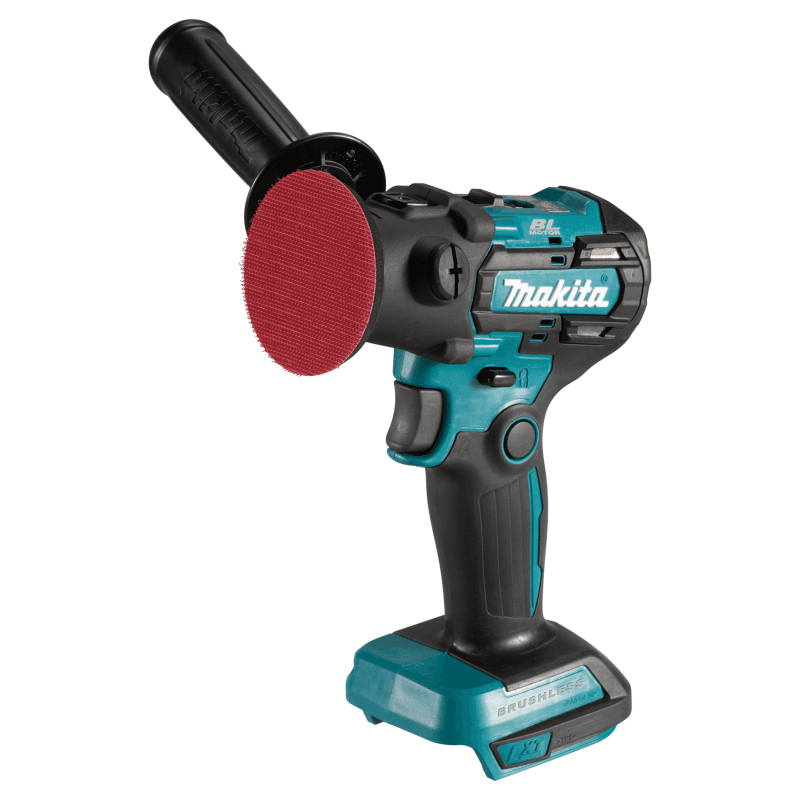
Makita DPV300Z Sanding / Parlatma Machine 18V
Makita · Polishers
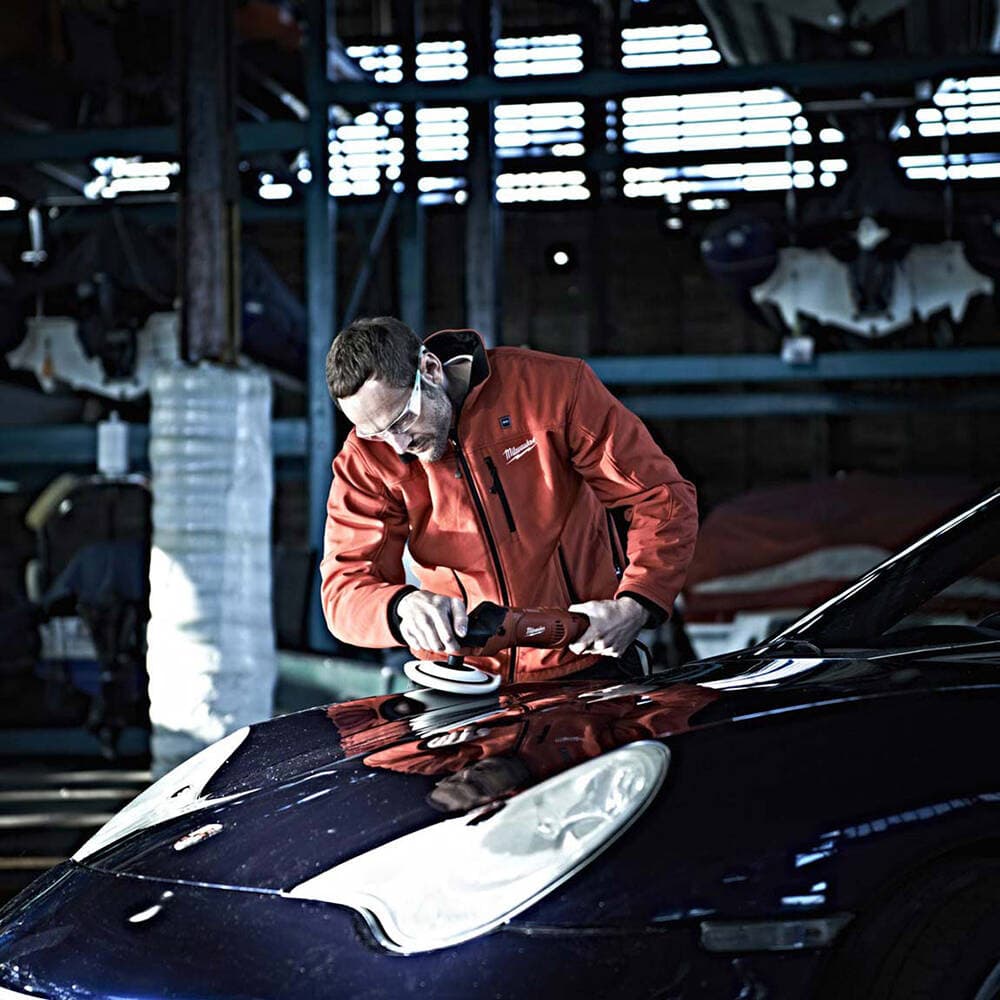
Milwaukee AP 14-2 200 E 1450 W Polisher
Milwaukee · Polishers
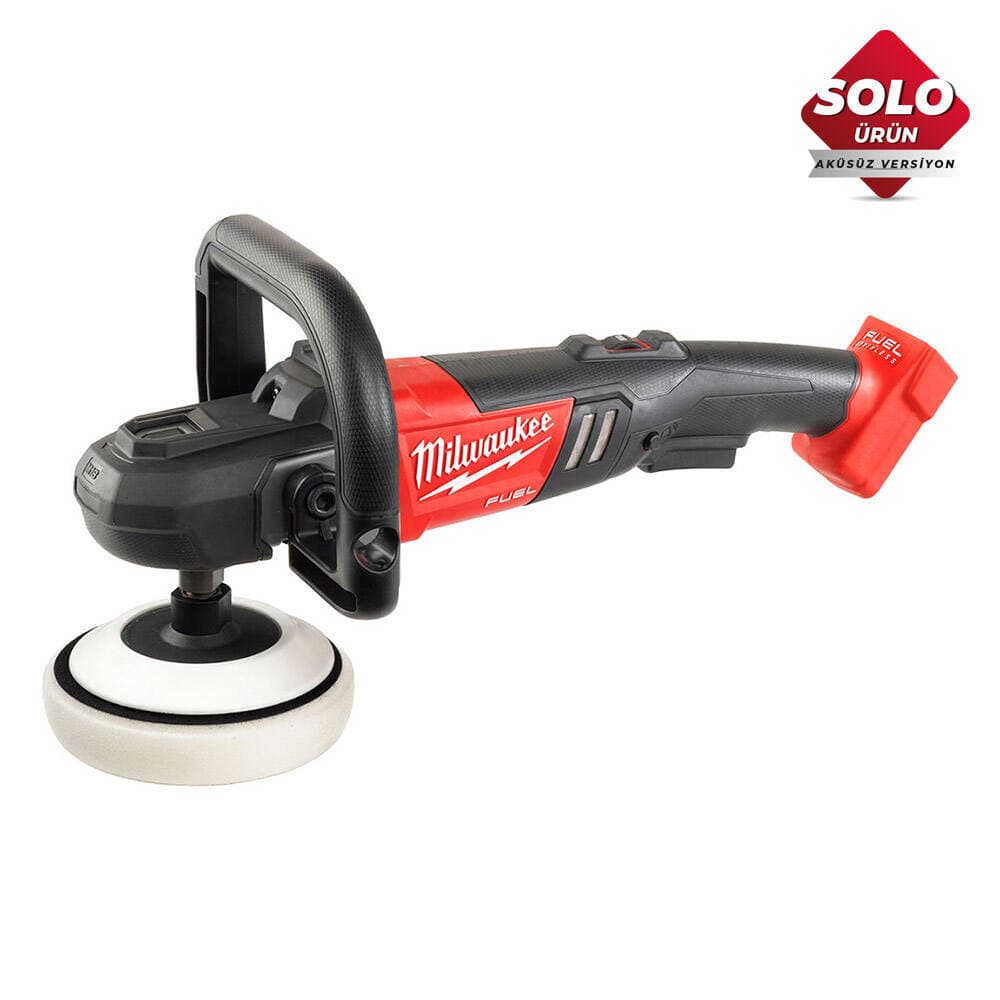
Milwaukee M18 FAP180-0 Cordless Polisher
Milwaukee · Polishers
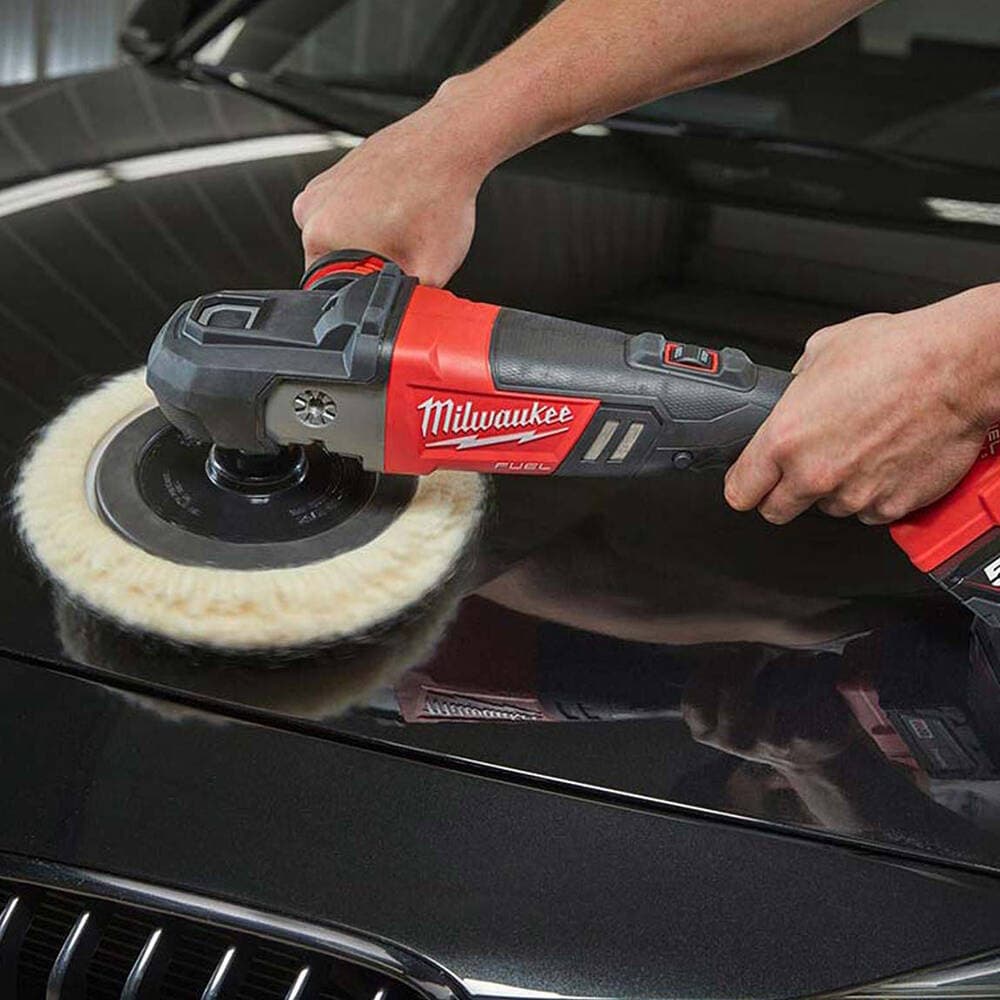
Milwaukee M18 FAP180-502X Cordless Polisher
Milwaukee · Polishers
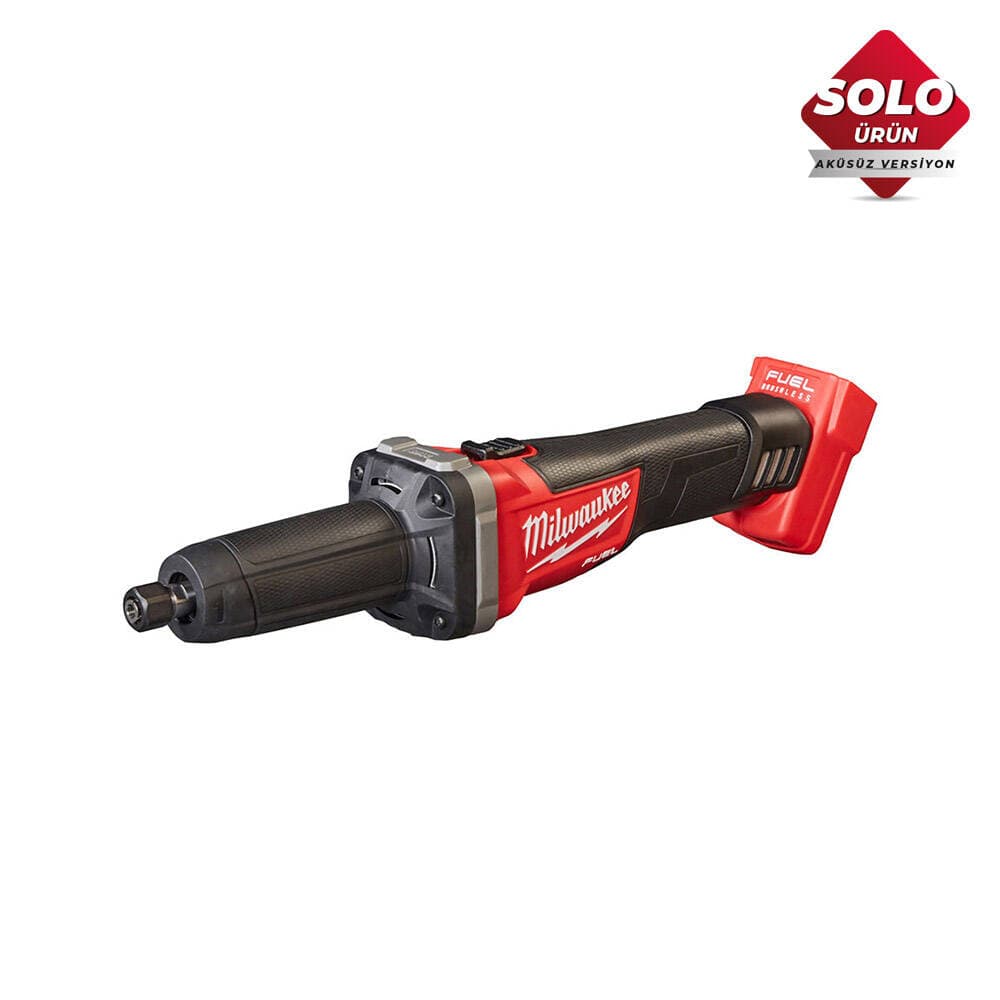
Milwaukee M18 FDG-0 Cordless Die Grinder
Milwaukee · Polishers
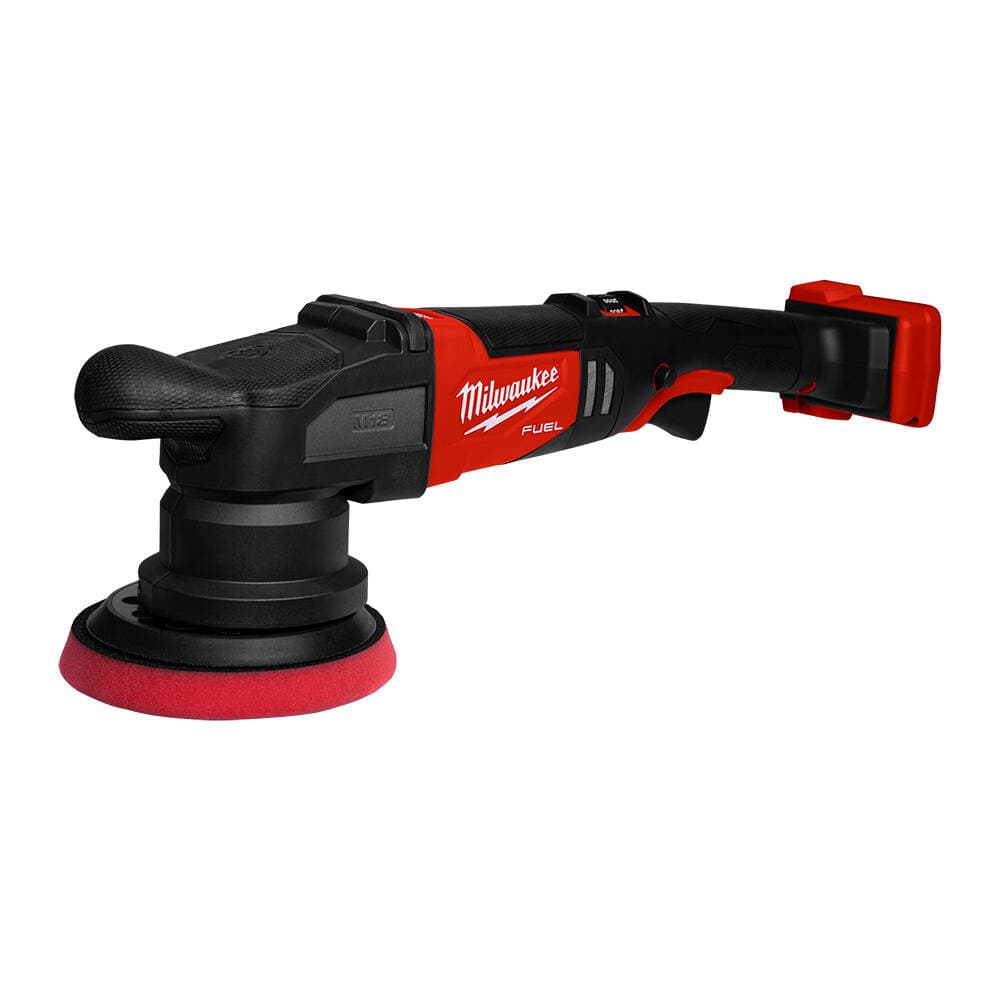
Milwaukee M18 FROP15-0X Orbital Polisher 15 mm
Milwaukee · Polishers
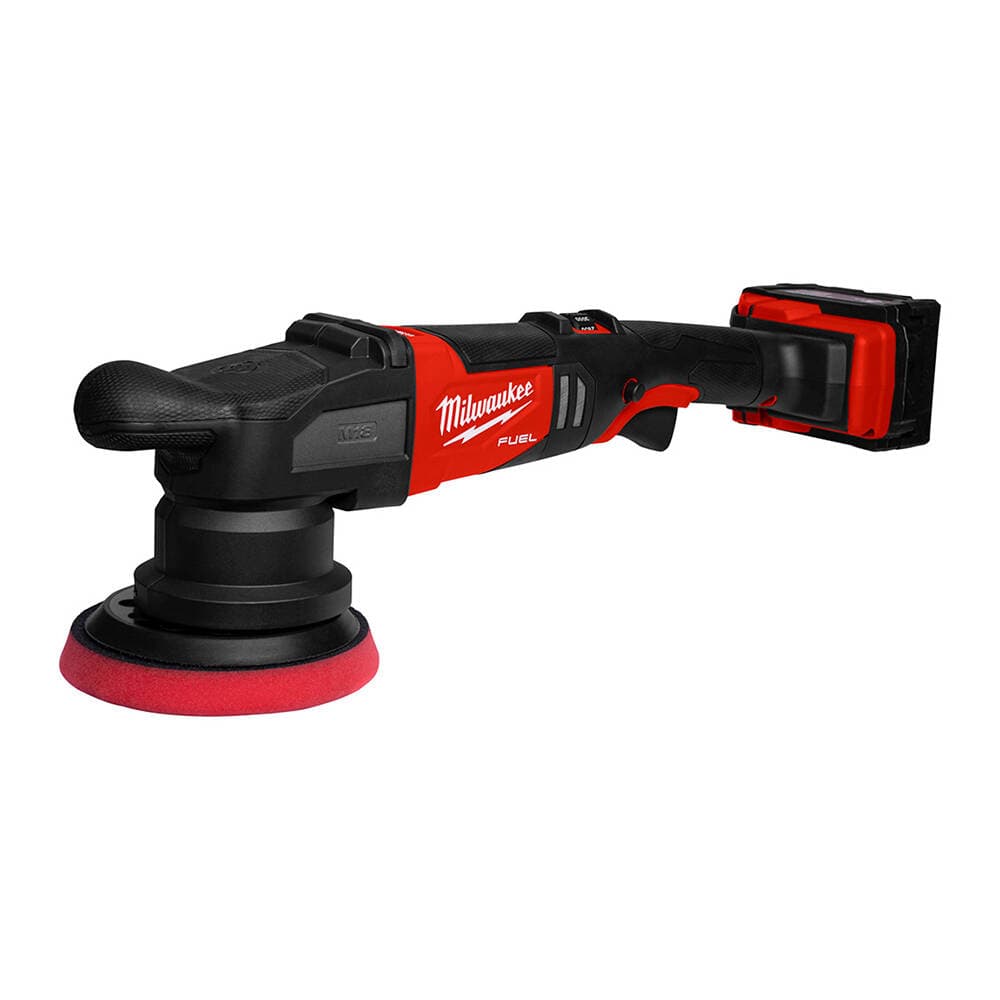
Milwaukee M18 FROP15-502X Cordless Polisher Machine
Milwaukee · Polishers
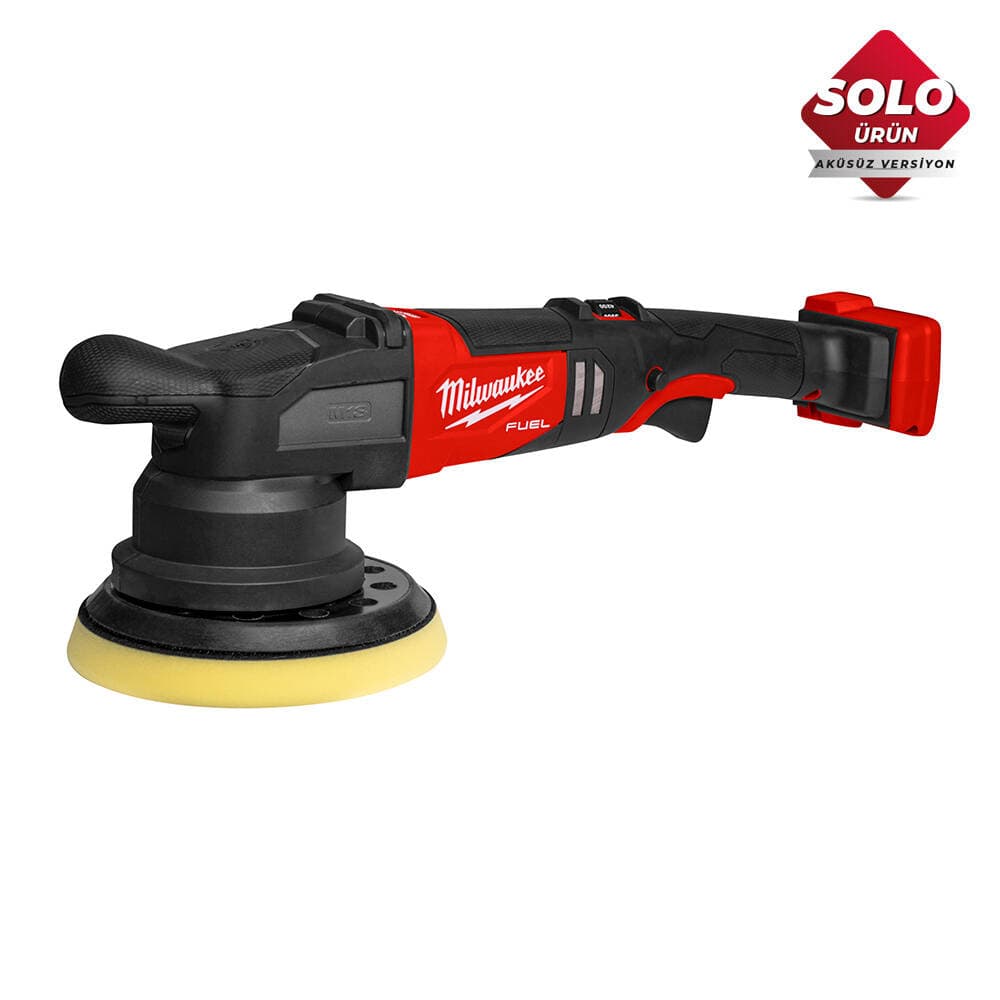
Milwaukee M18 FROP21-0X Cordless Orbital Polisher - 21mm
Milwaukee · Polishers
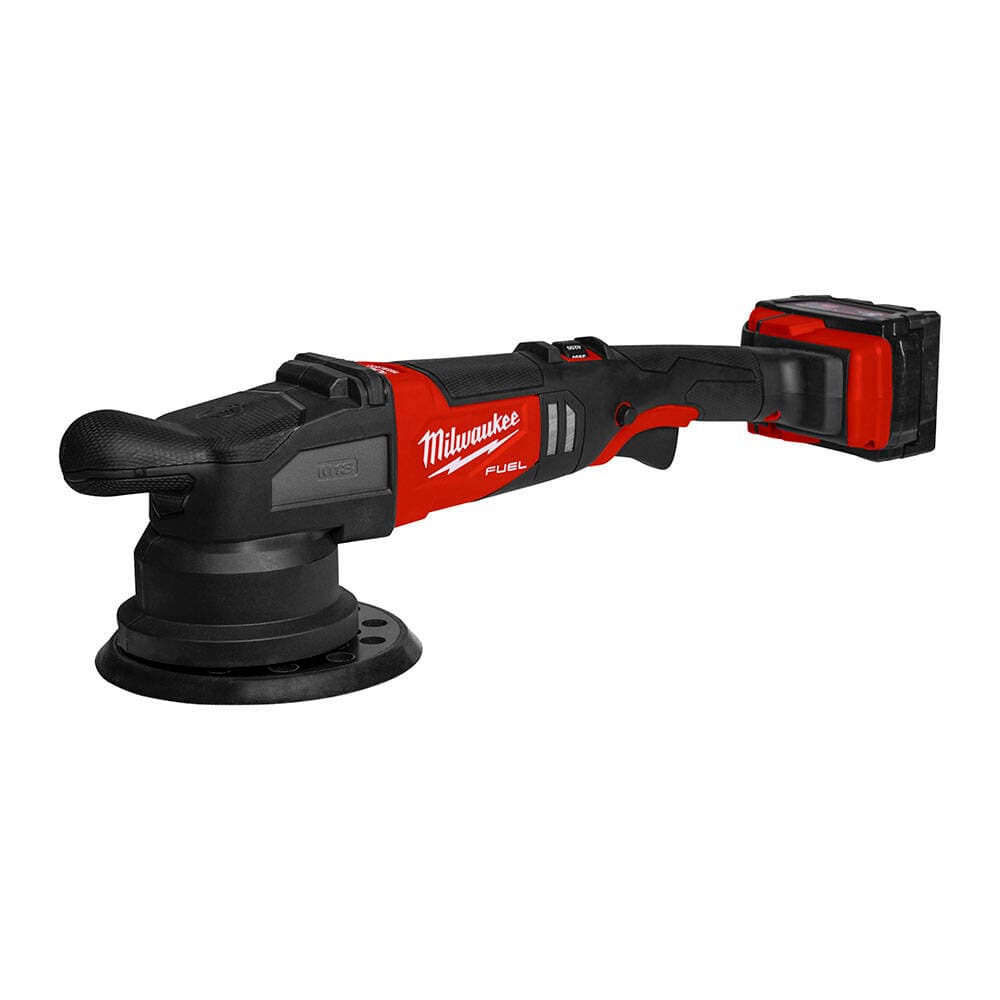
Milwaukee M18 FROP21-502X Cordless Orbital Polisher - 21mm
Milwaukee · Polishers
Rotary versus dual action
A rotary turns on one axis: it corrects fast, but held in one place it builds heat and can burn through paint — it takes experience. On a dual action machine the pad both spins and oscillates freely, so heat does not build and the risk of burning is low, which is why DA dominates detailing.
Speed follows the stage: high for cutting out scratches, low for final polishing and finishing. Pad hardness follows the same logic — firm pads cut, soft pads finish.
Frequently Asked Questions
Rotary or dual action?
For an experienced user correcting heavy defects, rotary is faster. For general work, and for anyone who does not want to risk burning paint, a DA machine is safer.
What speed should I work at?
High while cutting out scratches, low for final polishing. Keep the machine moving rather than dwelling in one spot.
How do I choose pad hardness?
Firm (cutting) pads remove defects, medium pads maintain, soft pads apply the final polish or protection. Choose pad and compound together.
How do I avoid burning the paint?
Never dwell in one place, ease off on edges and body lines, and keep the speed down. Stop when the panel heats up — heat is what burns paint.