Categories
Micro Drills & Mills
A micro rotary tool runs cutters, grinding points, cutting discs, polishing felts and wire brushes in the same chuck, so one machine does many jobs. Bench milling machines give the same precision on a fixed table and with measured travel.
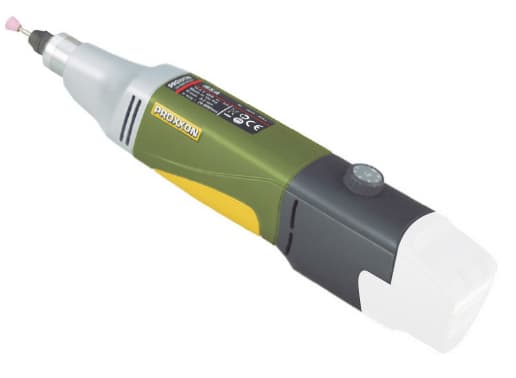
Proxxon 29802 Cordless, body only Drill / Grinder
Proxxon · Micro Drills & Mills
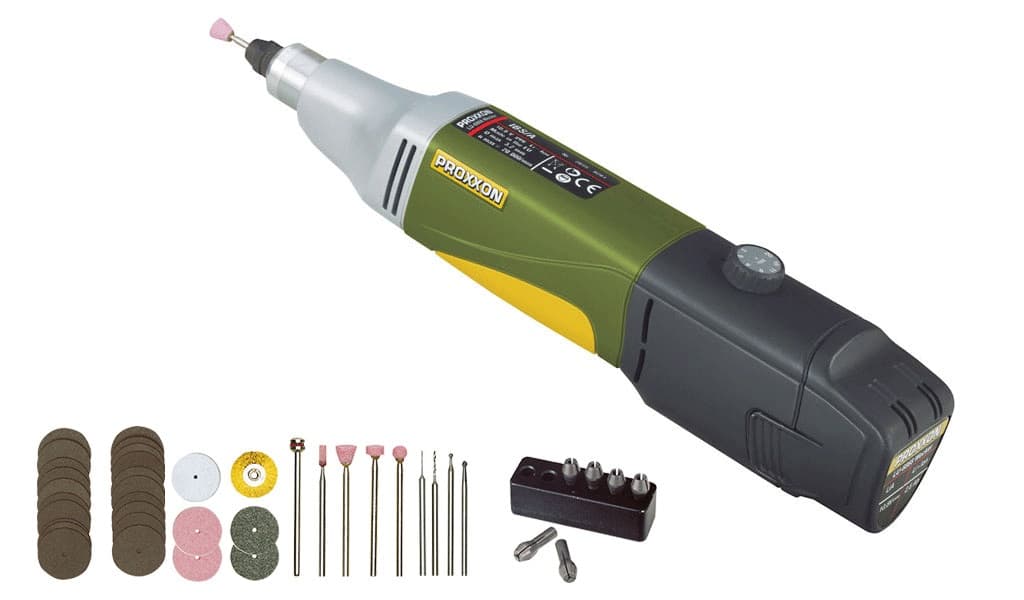
Proxxon 29800 IBS/A Cordless Drill / Grinder
Proxxon · Micro Drills & Mills

Proxxon 29842 Cordless, body only Micro Machine
Proxxon · Micro Drills & Mills
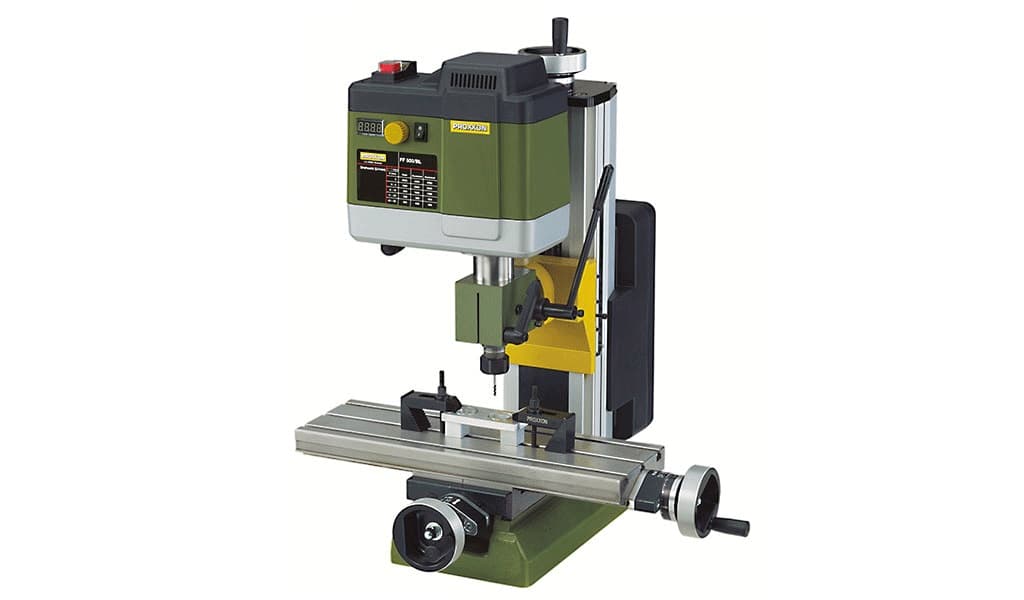
Proxxon 24350 FF500/BL Milling Machine
Proxxon · Micro Drills & Mills
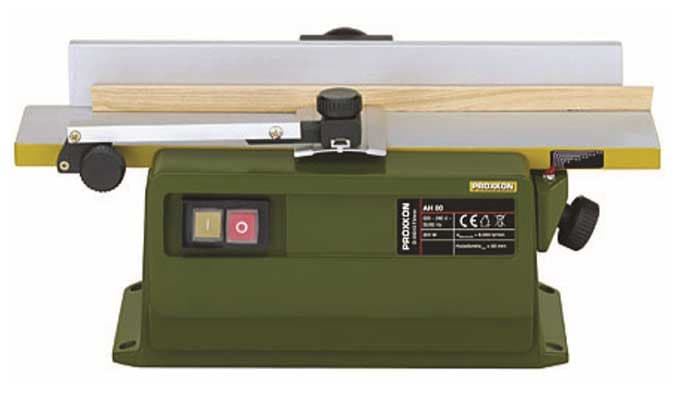
Proxxon 27044 Planer
Proxxon · Micro Drills & Mills
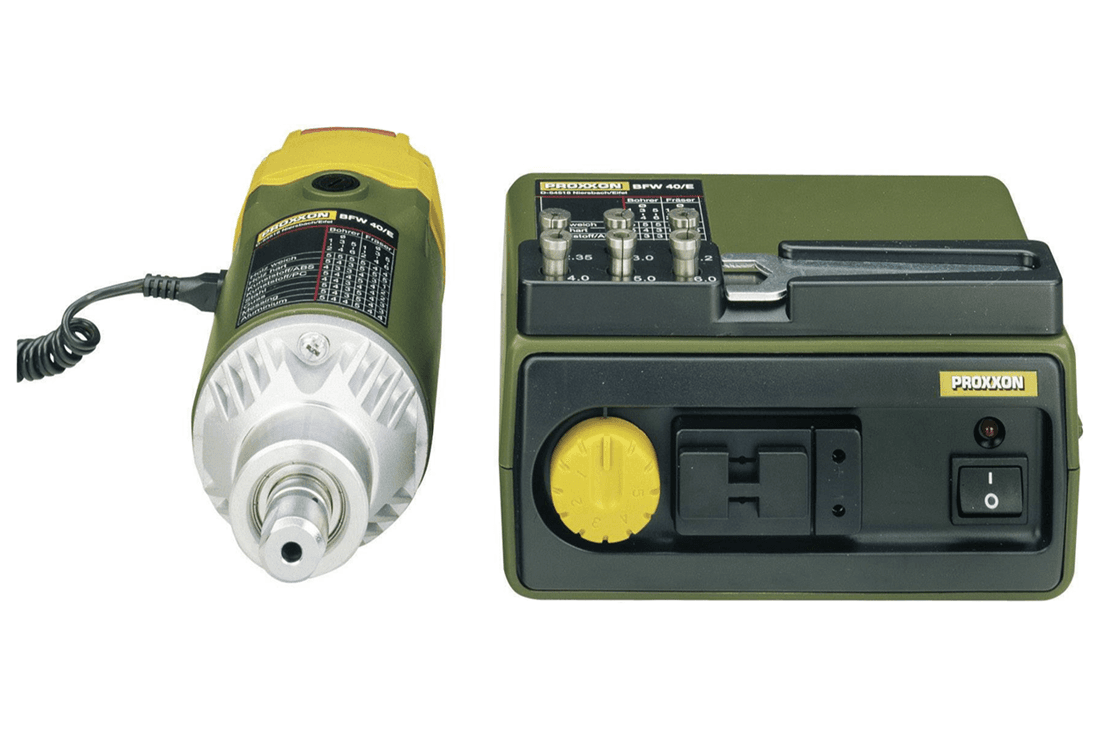
Proxxon 20165 BFW 40/E Milling Machine
Proxxon · Micro Drills & Mills

Proxxon 20200 Universal Milling Machine
Proxxon · Micro Drills & Mills
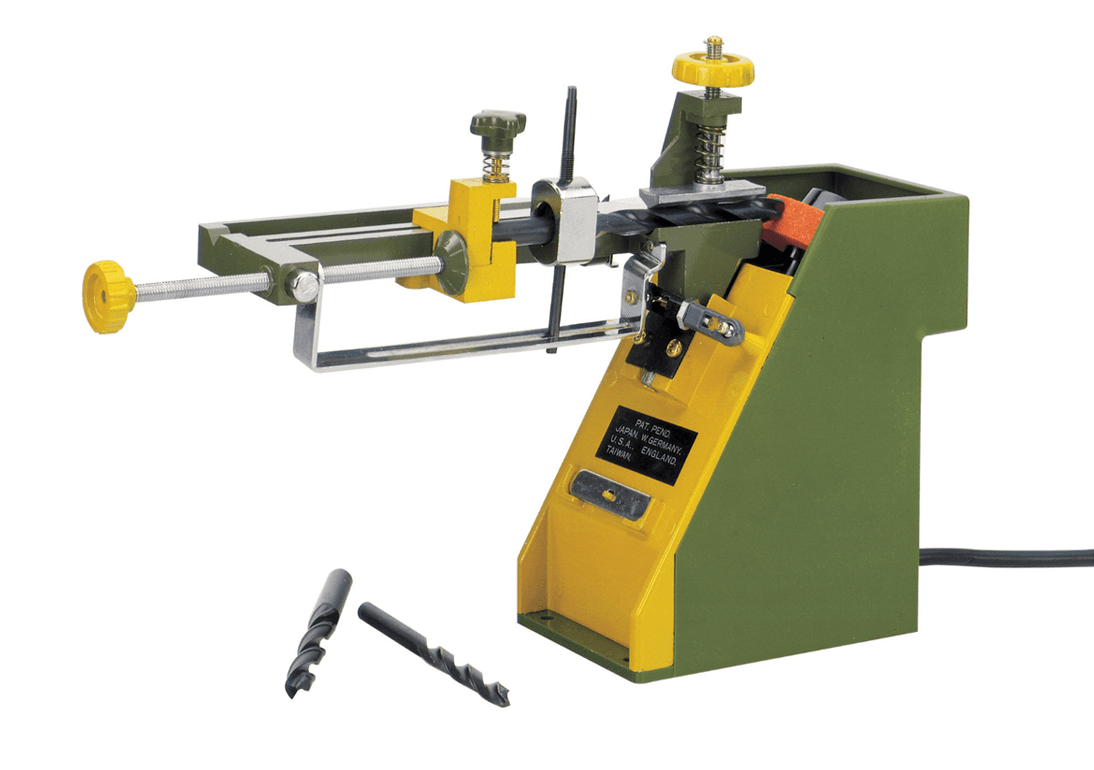
Proxxon 21200 BSG 220 Sharpening Drill / Grinder
Proxxon · Micro Drills & Mills
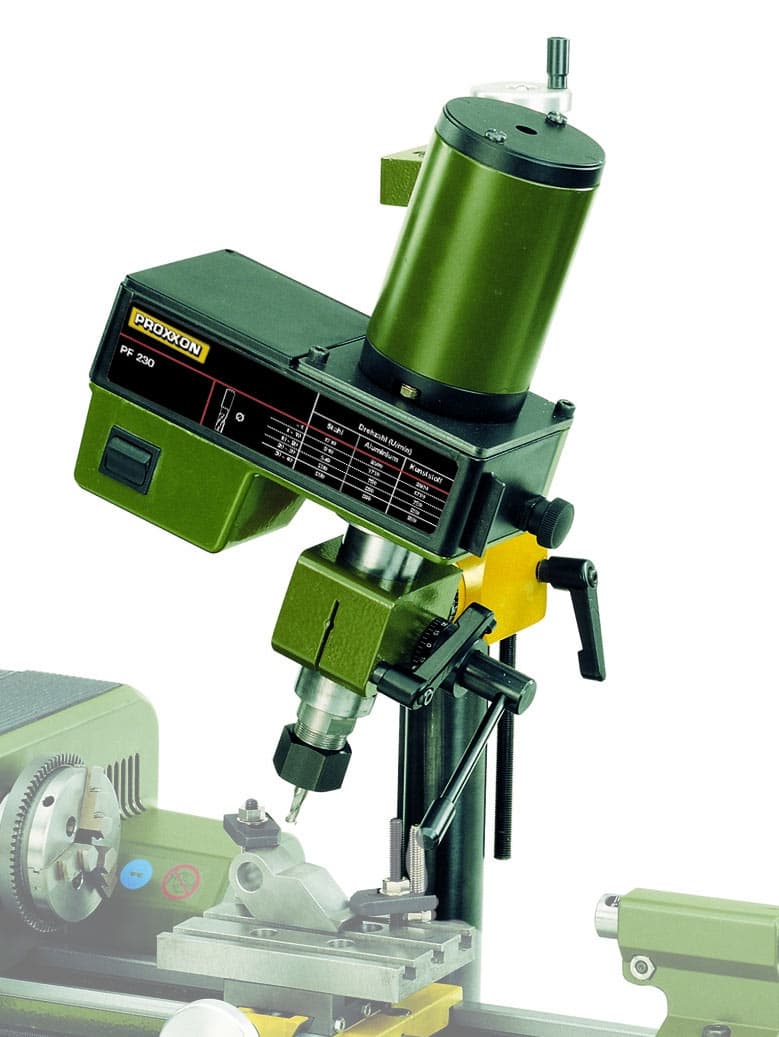
Proxxon 24104 Milling Machine
Proxxon · Micro Drills & Mills
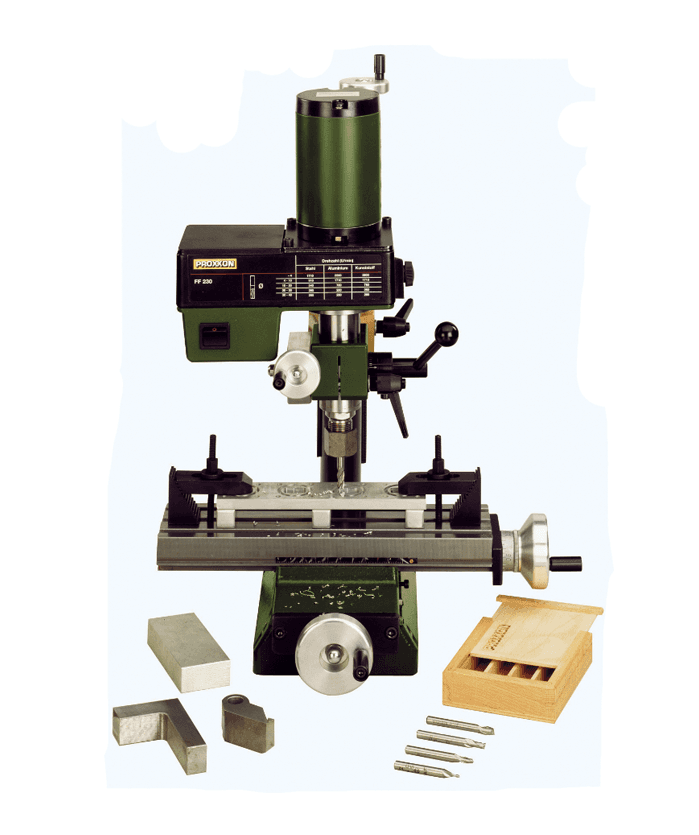
Proxxon 24108 FF230 Milling Machine
Proxxon · Micro Drills & Mills
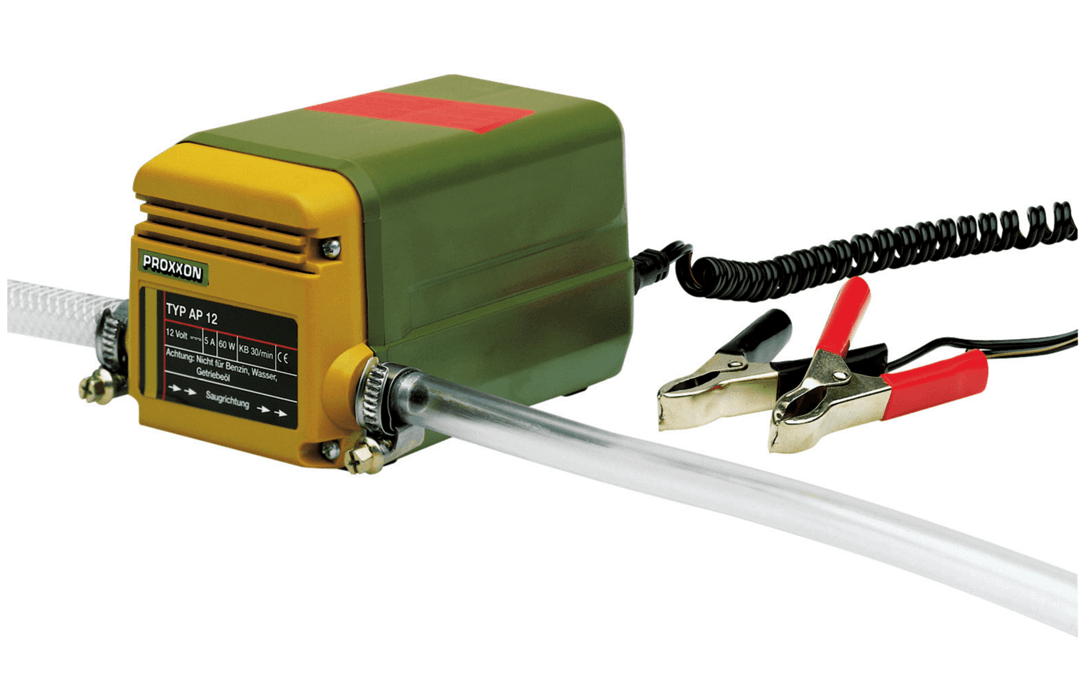
Proxxon 25262 Micro Machine
Proxxon · Micro Drills & Mills
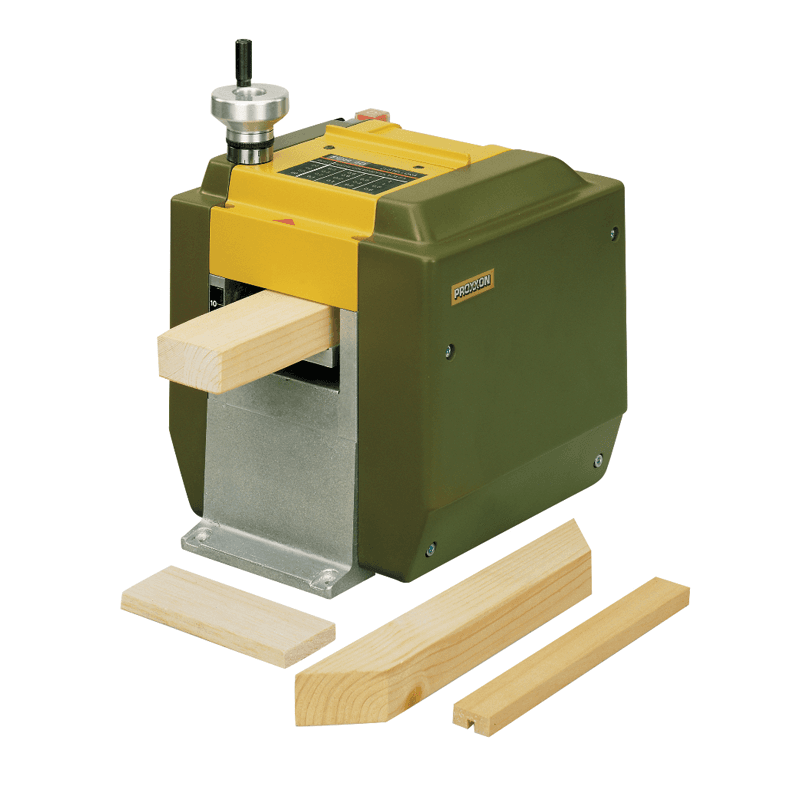
Proxxon 27040 Planer
Proxxon · Micro Drills & Mills
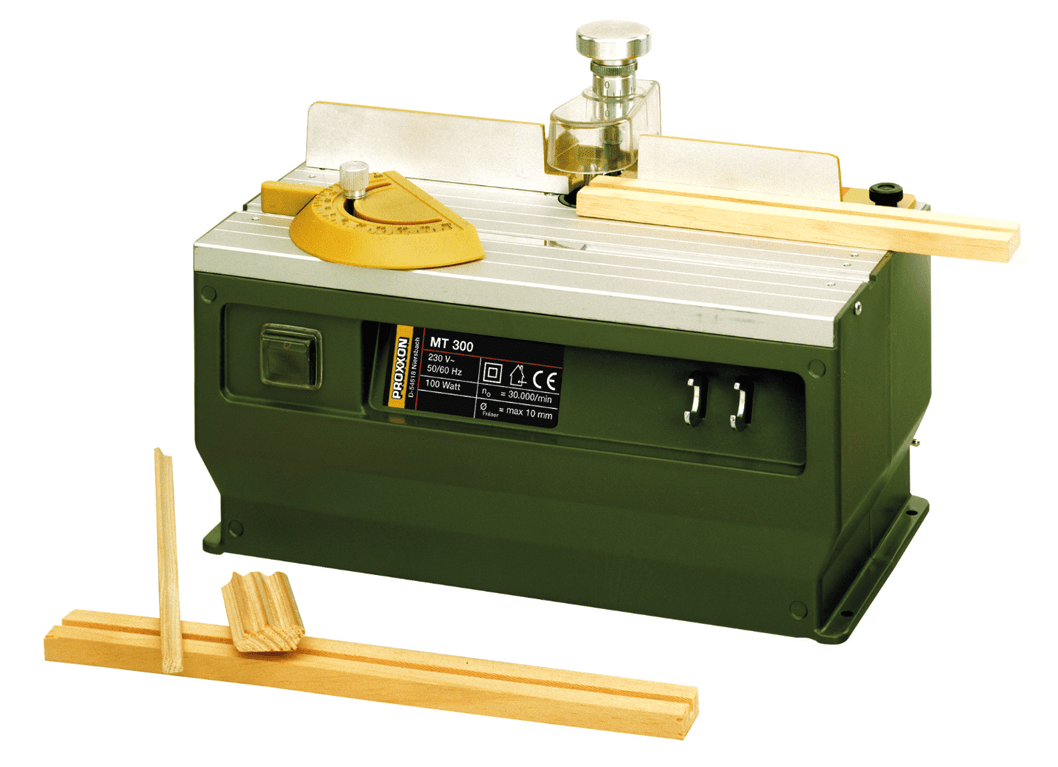
Proxxon 27050 MT300 Bench Milling Machine
Proxxon · Micro Drills & Mills
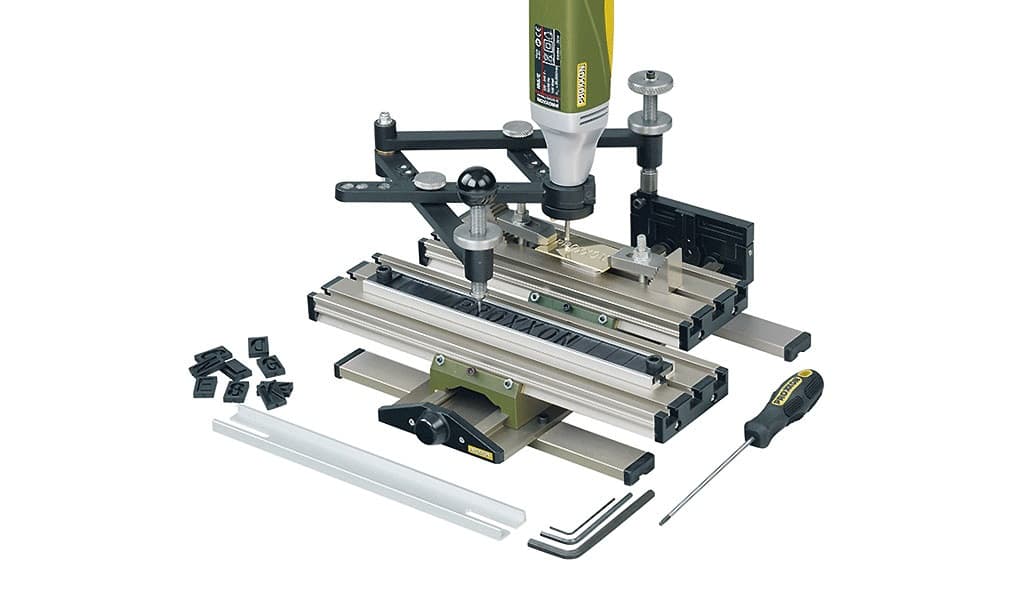
Proxxon 27106 Engraver
Proxxon · Micro Drills & Mills
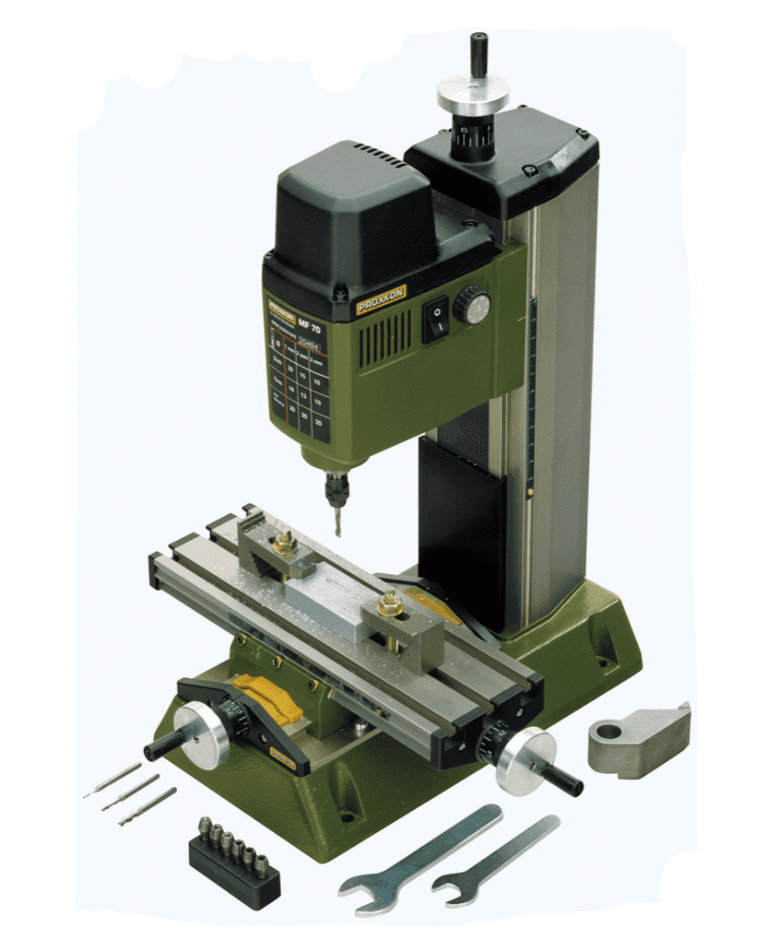
Proxxon 27110 MF 70 Micro Milling Machine
Proxxon · Micro Drills & Mills
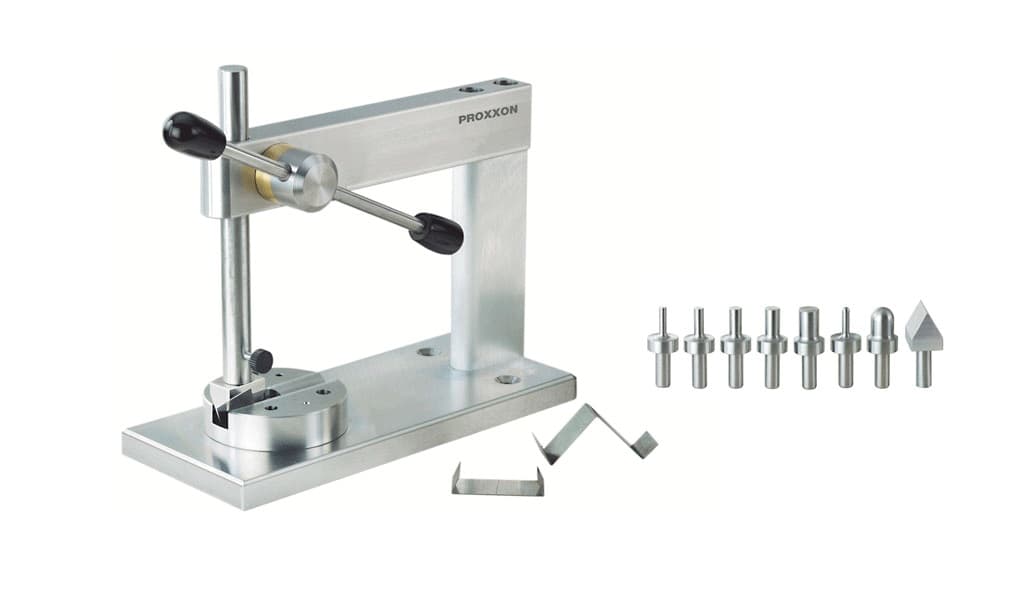
Proxxon 27200 Micro Machine
Proxxon · Micro Drills & Mills
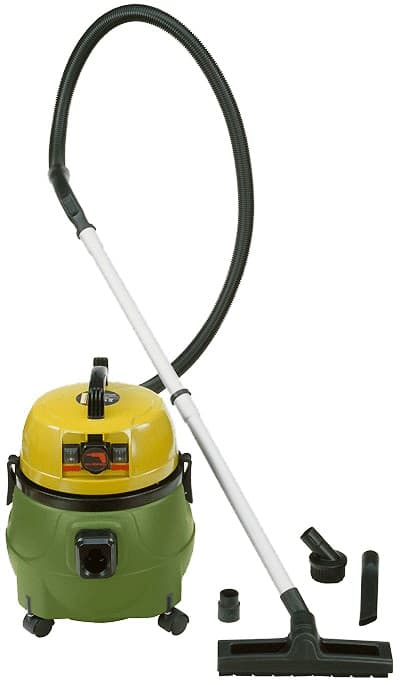
Proxxon 27490 Micro Machine
Proxxon · Micro Drills & Mills
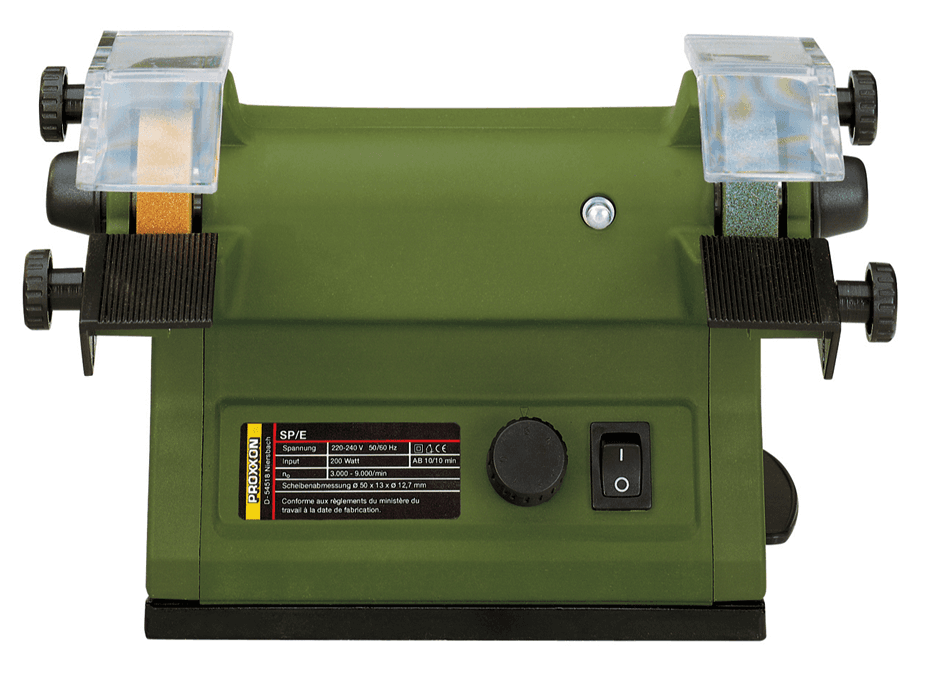
Proxxon 28030 SP/E Drill / Grinder
Proxxon · Micro Drills & Mills

Proxxon 28124 TBH Drill / Grinder
Proxxon · Micro Drills & Mills
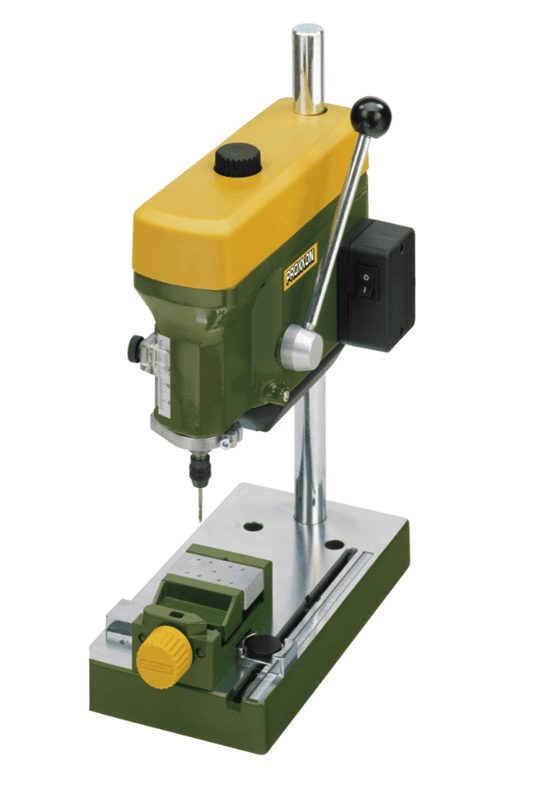
Proxxon 28128 THB 220 Drill / Grinder
Proxxon · Micro Drills & Mills
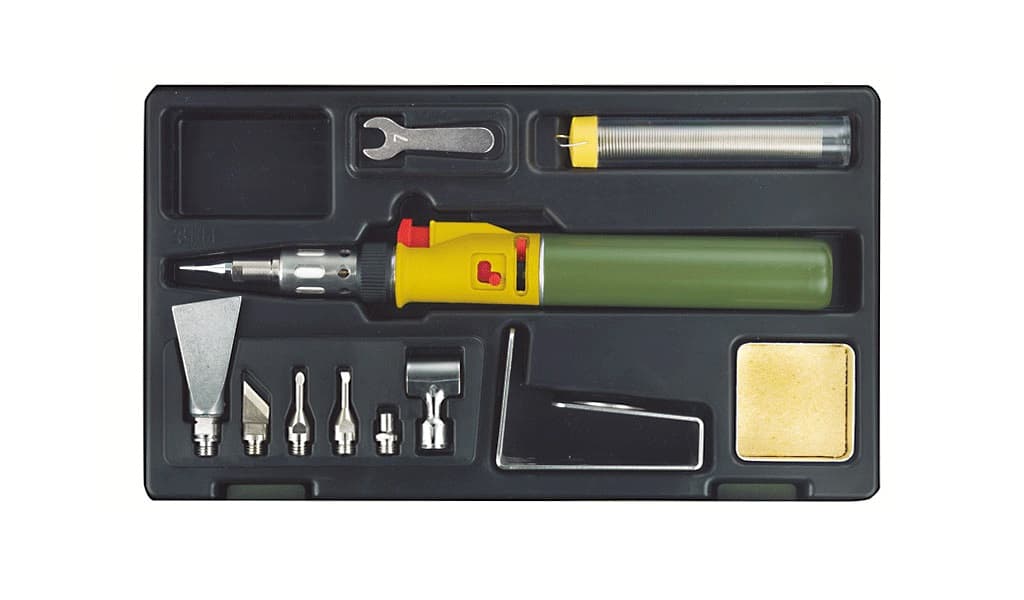
Proxxon 28144 Micro Machine
Proxxon · Micro Drills & Mills
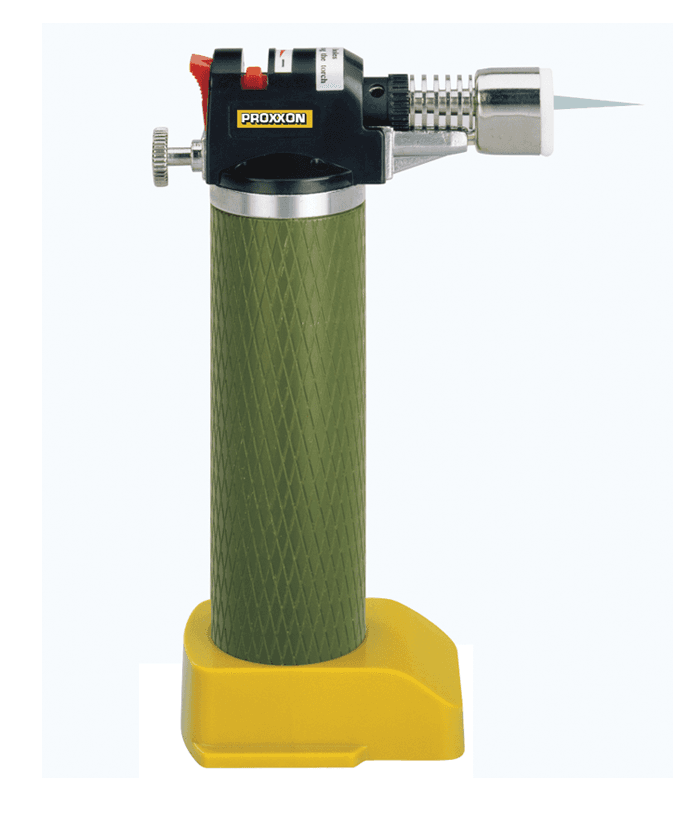
Proxxon 28146 MFB/E Micro Machine
Proxxon · Micro Drills & Mills
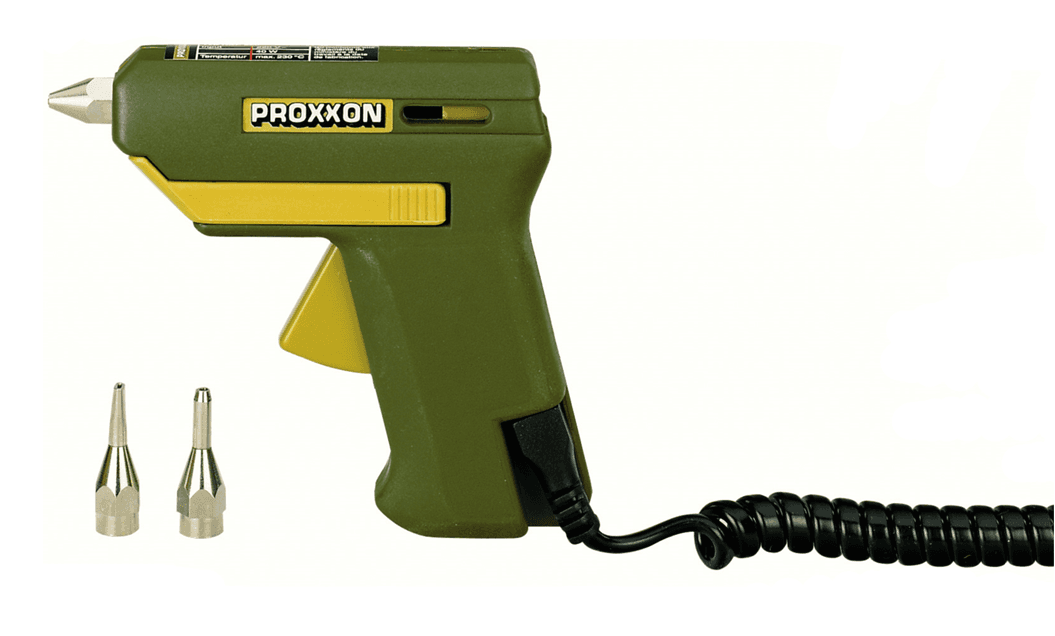
Proxxon 28192 HKP220 Micro Machine
Proxxon · Micro Drills & Mills
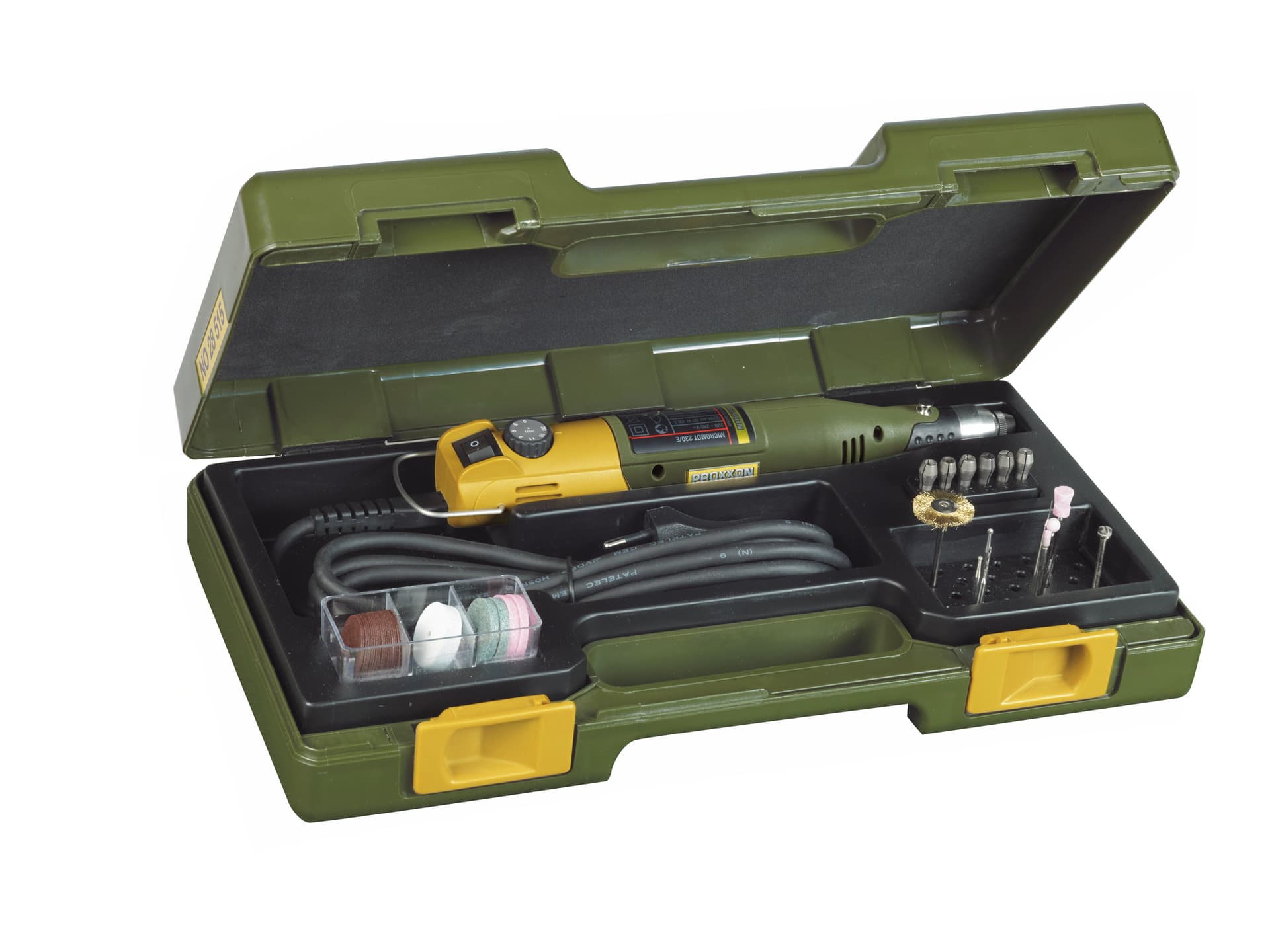
Proxxon 28430 Micro Drill / Grinder
Proxxon · Micro Drills & Mills
1–24 of 46 · page 1 / 2
Hand-held or bench
The hand-held tool gives freedom: in engraving, deburring, mould dressing and repair the hand goes where the eye is looking. Where nothing has to be held to a dimension, that is the right choice.
The bench gives repeatability. A milling machine used with a compound table gives measured travel in X and Y, and that is the only way to make ten of the same part to the same size.
Collets, chucks and shank size
Micro tools mostly mount on a collet. A collet grips the shank all the way round and runs truer than a chuck; in exchange it needs one collet per shank diameter.
The common shanks are 1.0, 1.5, 2.0, 2.35, 3.0 and 3.2 mm. Keyed chuck models cover a wide range in one mounting and are the practical choice where tools change often.
Frequently Asked Questions
What is the difference between a rotary tool and a die grinder?
Both drive shafted tools at high speed. A die grinder has a long neck and reaches into deep mould surfaces, weld preparations and bores; a rotary tool is shorter and better balanced, so it is easier to control in the hand.
What speed range is needed?
Small-diameter tools need 20,000 rpm and above. Plastic and aluminium want the speed brought down: too fast and the material melts and welds itself to the cutter. The range is given in the spec table.
Is a milling machine the same as a drill stand?
No. A drill stand fixes the vertical axis and is not built for side load. A milling machine is bearinged to work under side load; milling in a drill stand ruins both the surface and the spindle.
Which tools does it take?
Tungsten carbide cutters, HSS twist drills, mounted grinding points, cutting and diamond discs, polishing felts and wire brushes — all chosen by shank diameter.