Categories
Rivet Tools
A rivet tool sets a blind rivet from one side, which makes it the standard answer where the back of the joint cannot be reached. The catalogue holds 8 models.
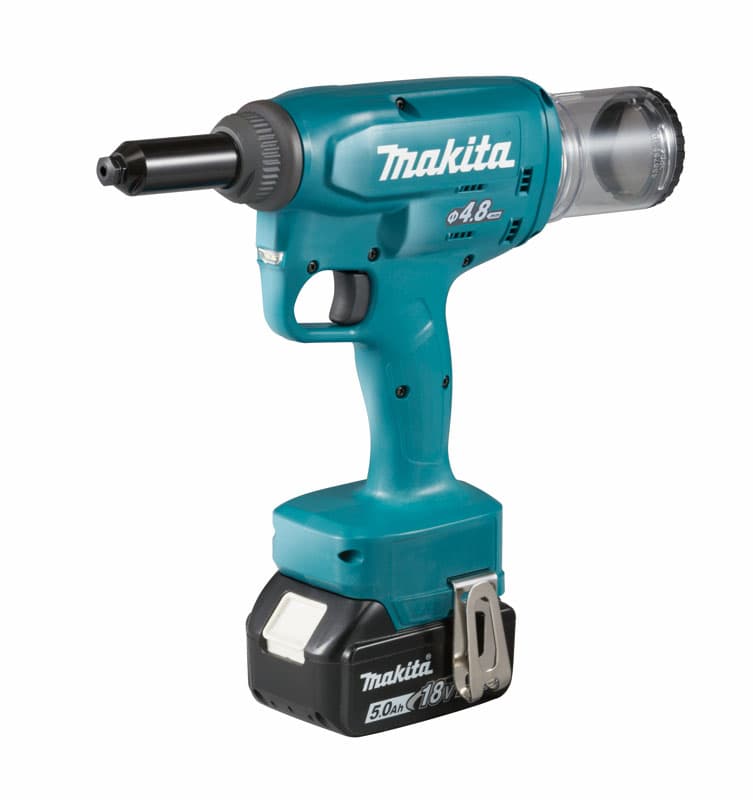
Makita DRV150RTJ Rivet Tool 18V
Makita · Rivet Tools
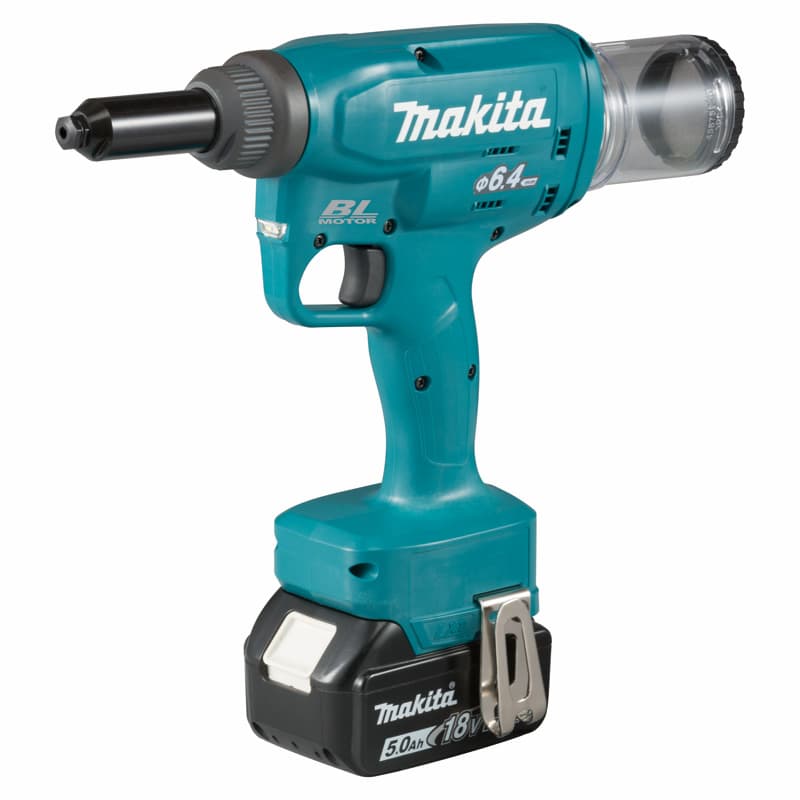
Makita DRV250RTJ Rivet Tool 18V
Makita · Rivet Tools
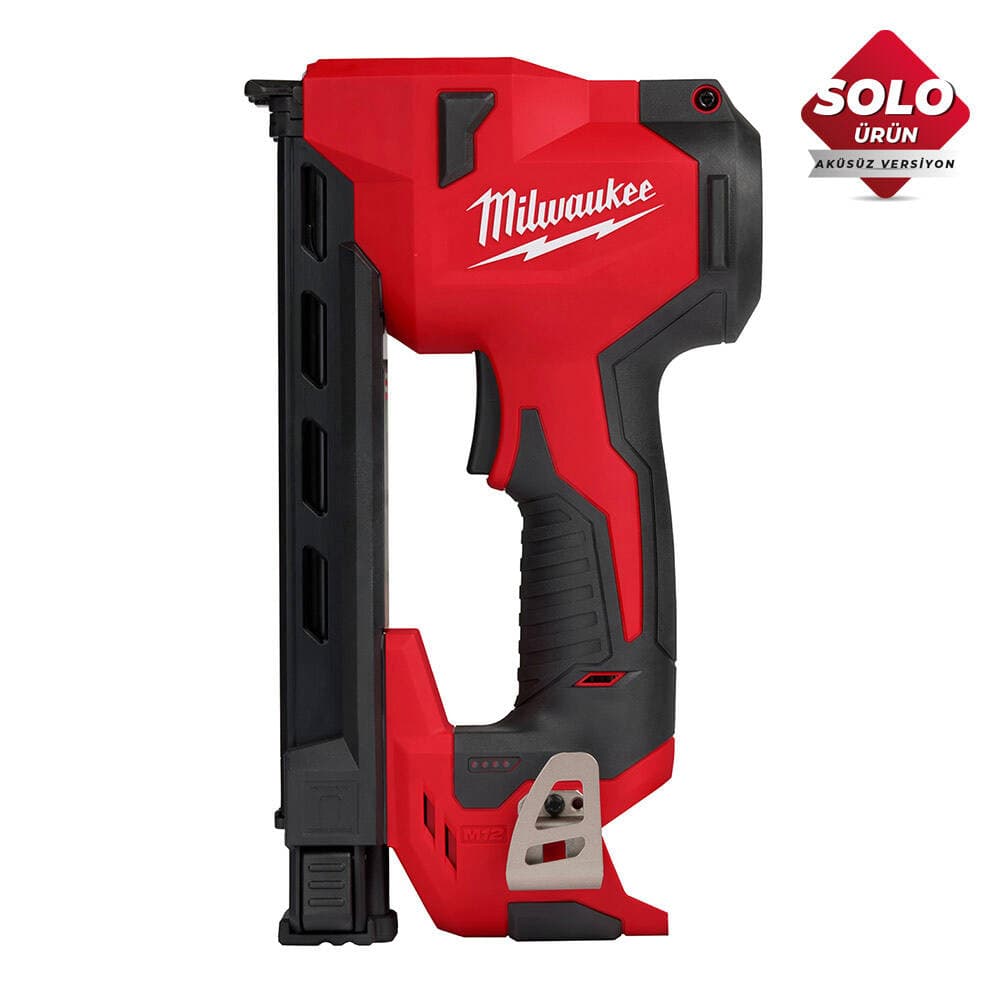
Milwaukee M12 BCST-0 Cordless Cable Sabitleme
Milwaukee · Rivet Tools
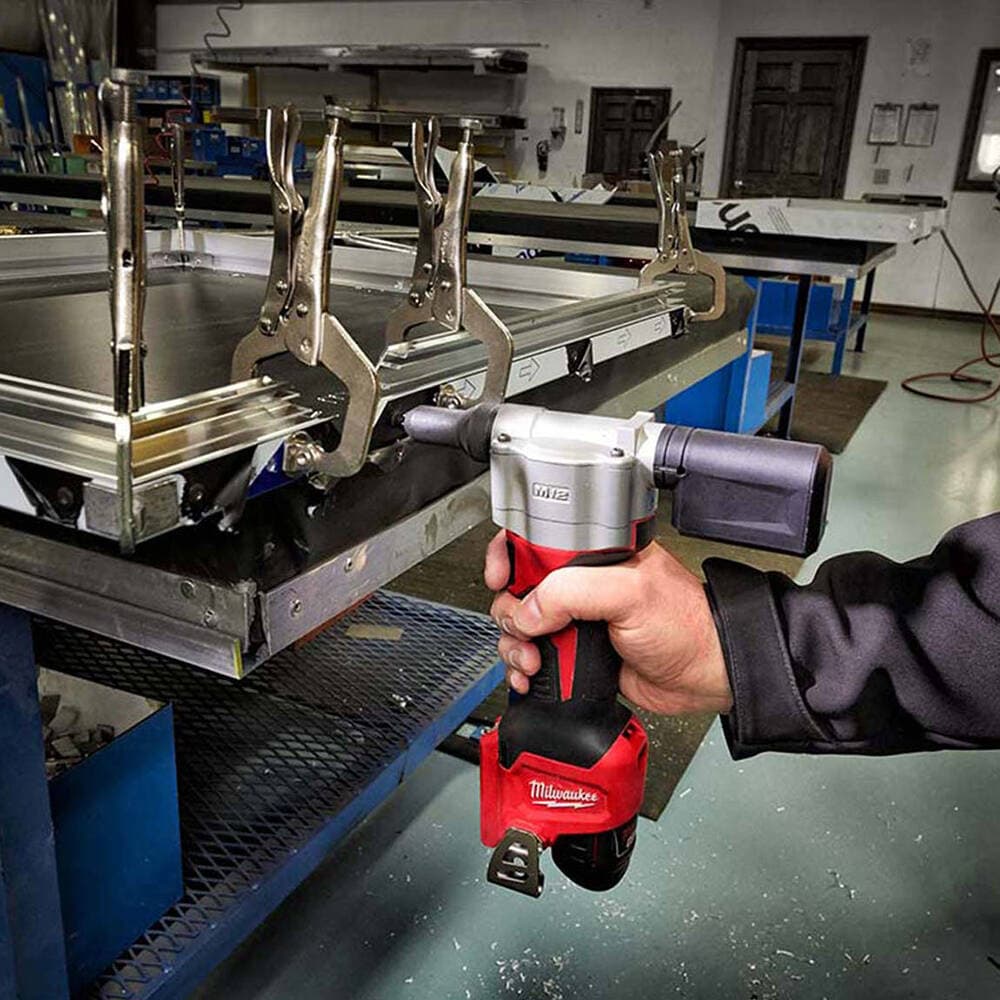
Milwaukee M12 BPRT-201X Cordless Rivet Tool
Milwaukee · Rivet Tools
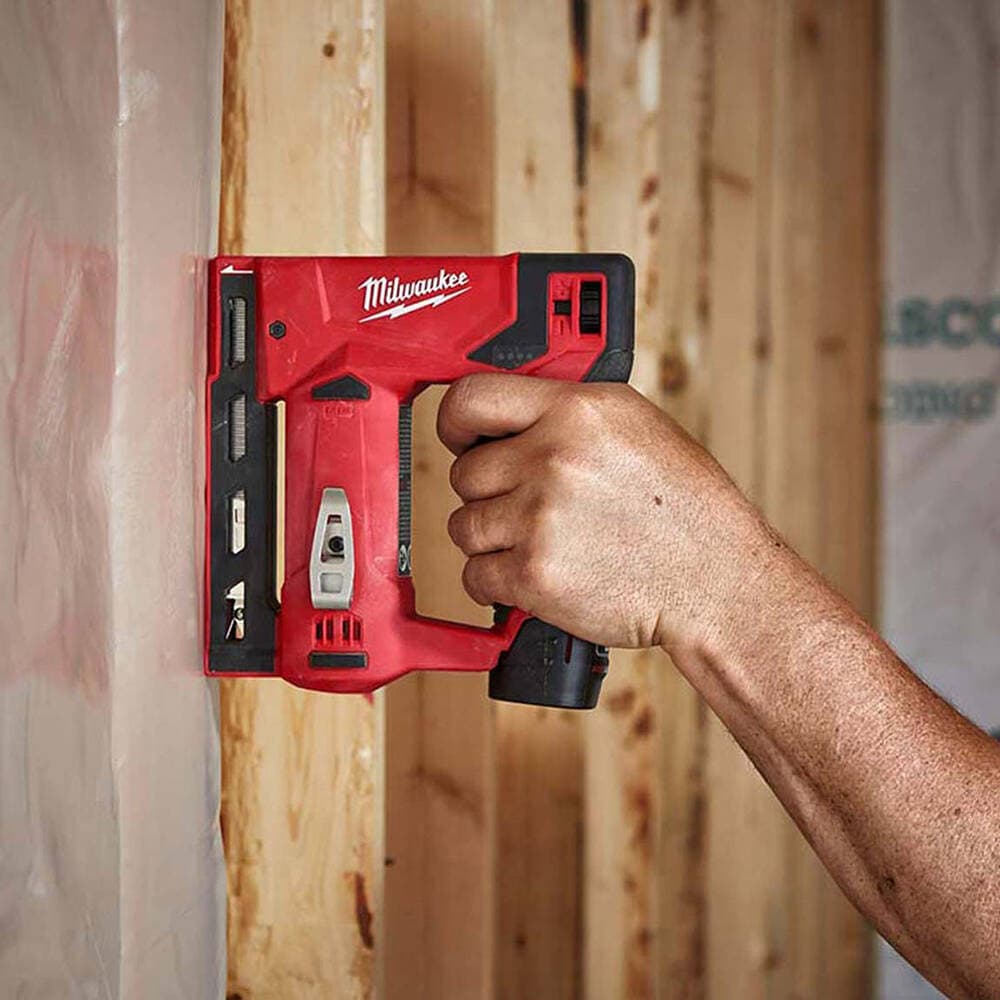
Milwaukee M12 BST-202X Cordless Pop Rivet Tool
Milwaukee · Rivet Tools
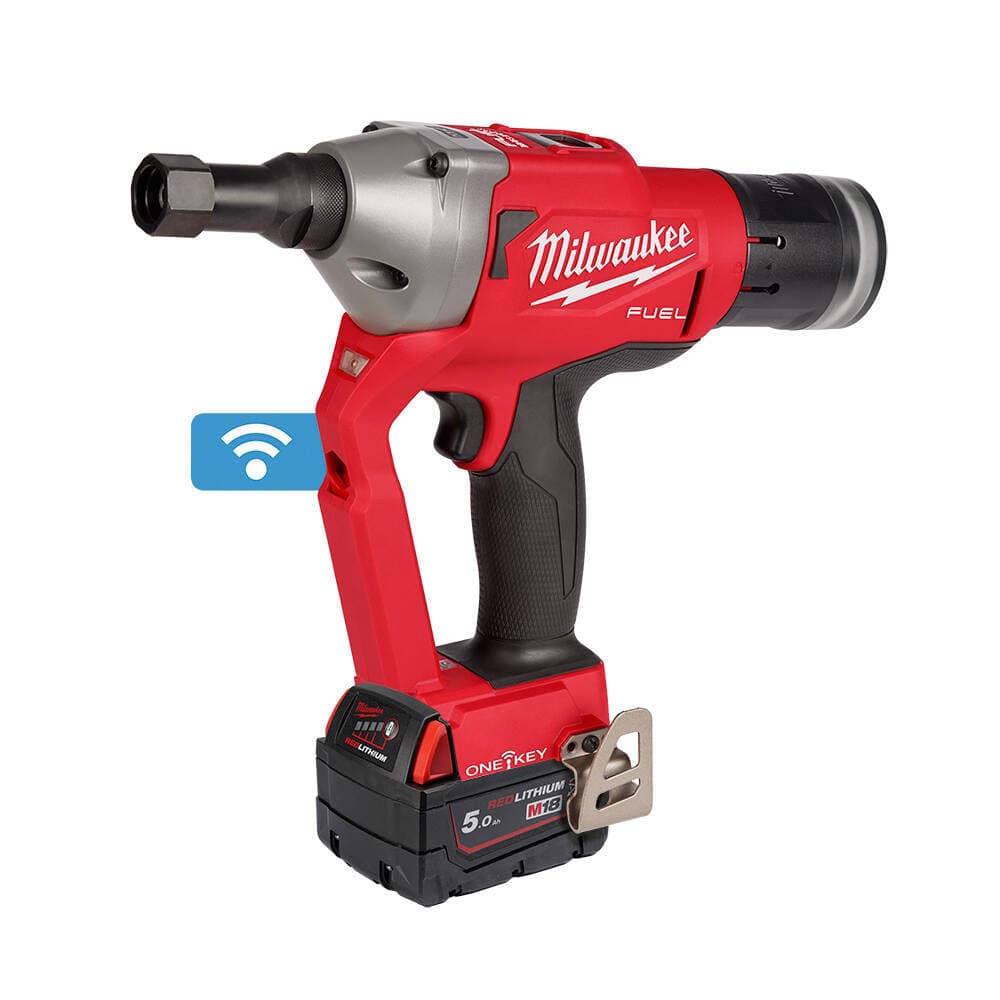
Milwaukee M18 ONEFLT-502X Rivet Tool
Milwaukee · Rivet Tools
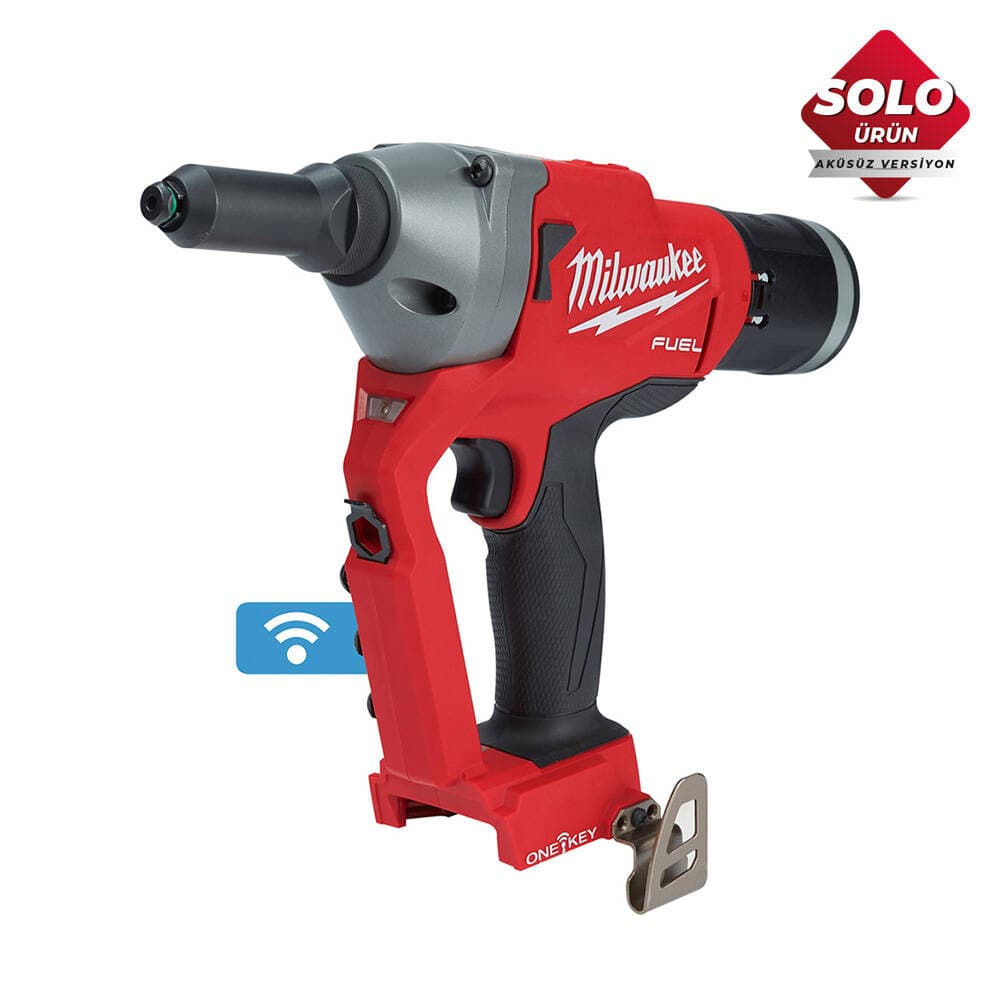
Milwaukee M18 ONEFPRT - 0X Cordless Rivet Tool
Milwaukee · Rivet Tools
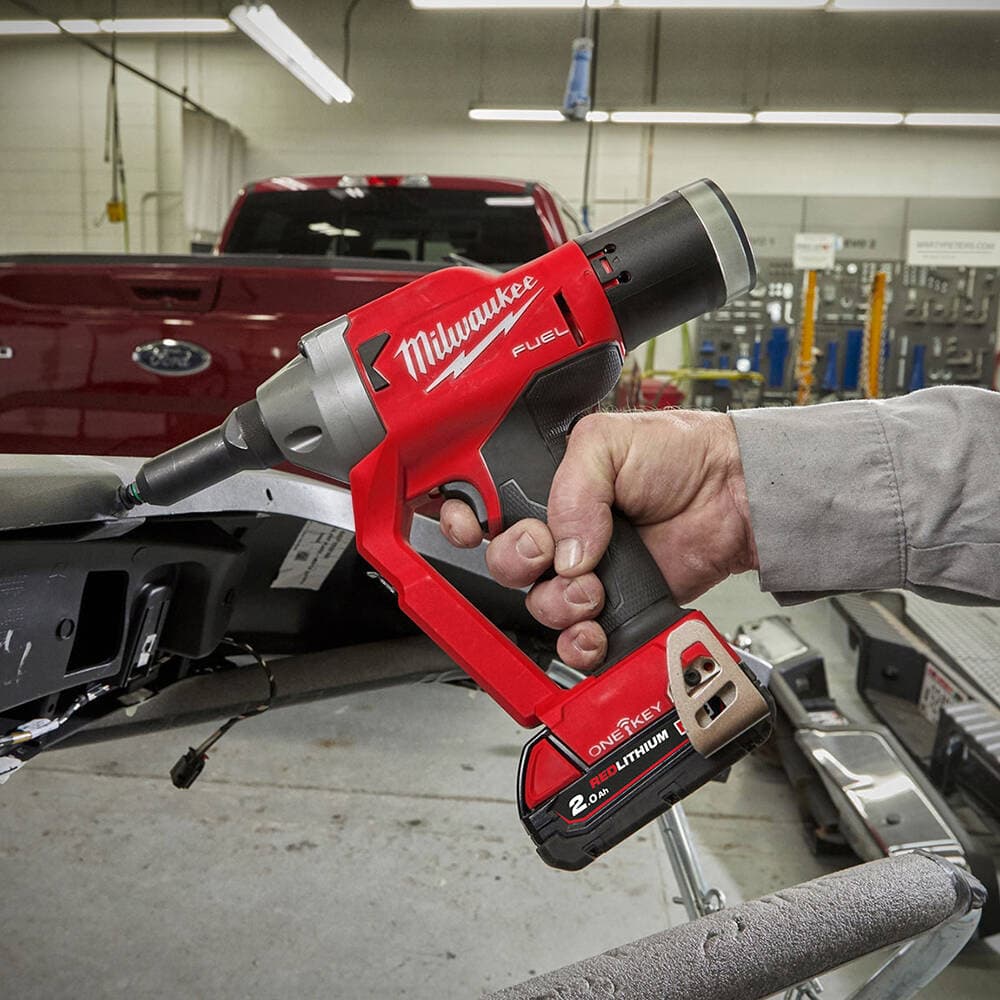
Milwaukee M18 ONEFPRT-202X Cordless Rivet Tool
Milwaukee · Rivet Tools
Types and capacity
Hand lever tools handle 2.4-4.8 mm aluminium rivets and need no maintenance. Steel and stainless rivets, or high volumes, need more force than an arm can give — that is where pneumatic-hydraulic and cordless tools come in.
Rivet nut (nutsert) tools do a different job: they put a thread into thin sheet. There the figures are pulling force and having the right mandrel set for the thread size.
- Capacity is set by rivet diameter and material together.
- Steel and stainless rivets need far more force than aluminium.
- A nutsert tool creates a thread, it does not set rivets.
- Cordless tools save real time in production and site assembly.
Frequently Asked Questions
What rivet diameter can I work up to?
Capacity is quoted for diameter and material together. Hand tools usually reach 4.8 mm in aluminium; the same diameter in steel or stainless needs far more force.
What does a rivet nut tool do?
It puts a thread into thin sheet: the rivet nut goes into the hole, the tool pulls and collapses its body, leaving a threaded boss behind the sheet.
The mandrel is not breaking off cleanly — why?
Usually the rivet is above the tool's capacity, or the jaws are worn. Jaws are consumables and are replaced periodically.
When is a cordless rivet tool worth it?
Where hundreds of rivets go in daily, and on site with no compressed air. For occasional work a hand tool is enough.