Categories
Drills & Drivers
Drills and drivers make up the largest — and most often confused — part of the power tool range: rotary drills, percussion drills, cordless drill drivers and impact drivers are each built for a different job. This page sets out the differences, what the torque and chuck figures mean, and how to choose a platform on cordless models. The catalogue holds over 280 of them.
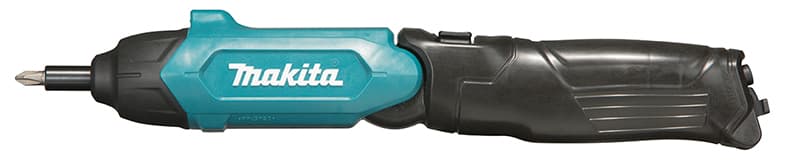
Makita DF001DW Aksesuar Setli Screwdriving 3.6V
Makita · Drills & Drivers
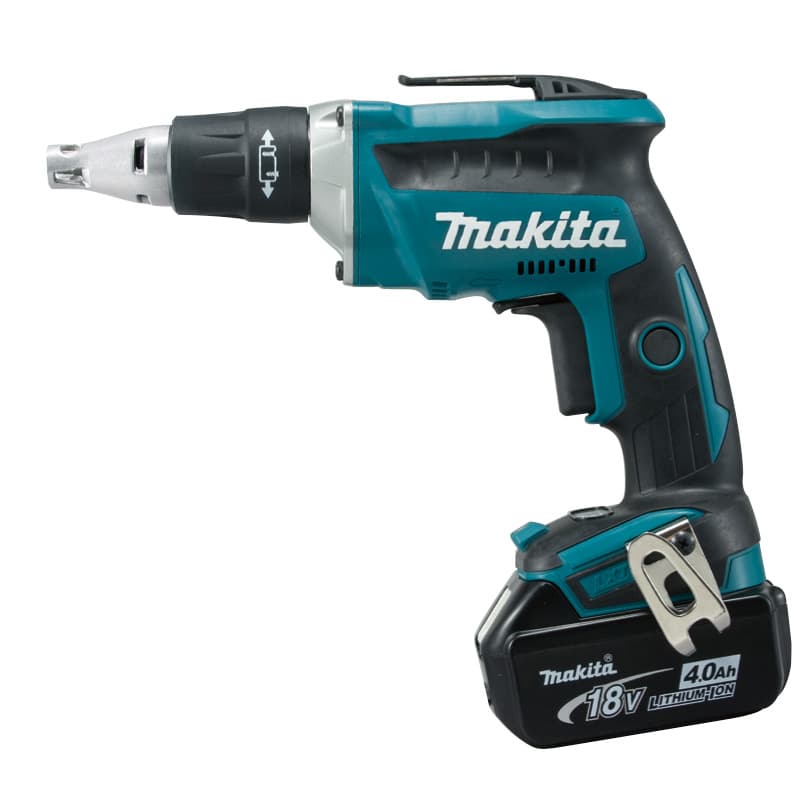
Makita DFS452RFE Drywall Screwdriver 18V
Makita · Drills & Drivers
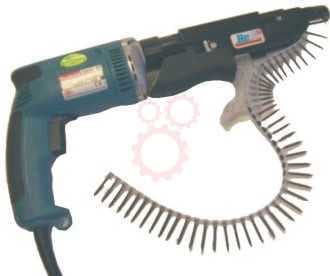
BEA SC M2555 Collated Screw Attachment
BEA · Drills & Drivers
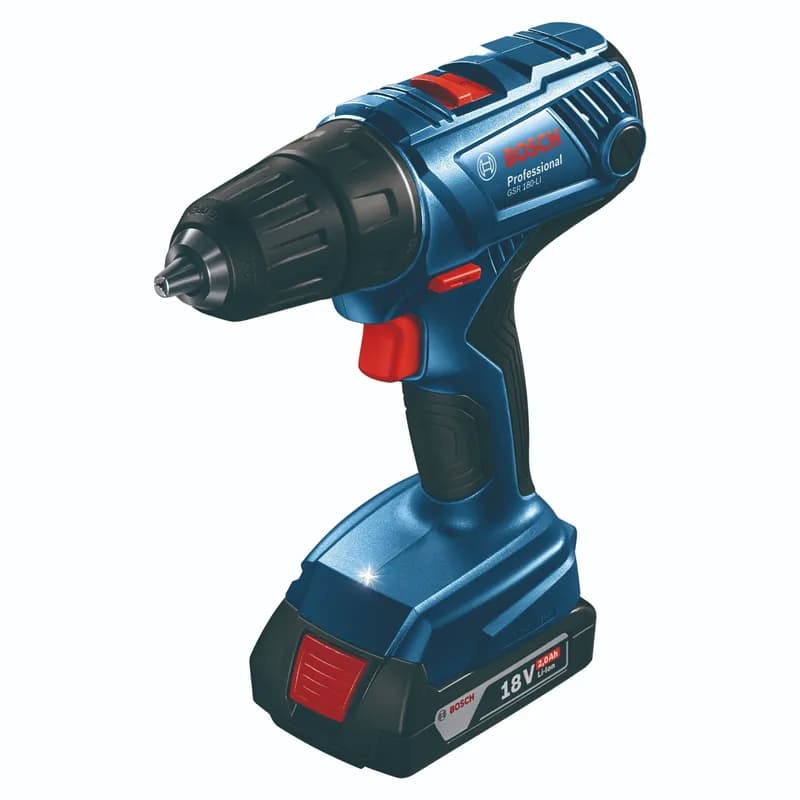
Bosch Cordless Impact Driver GSB 180-LI 06019F8307
Bosch · Drills & Drivers
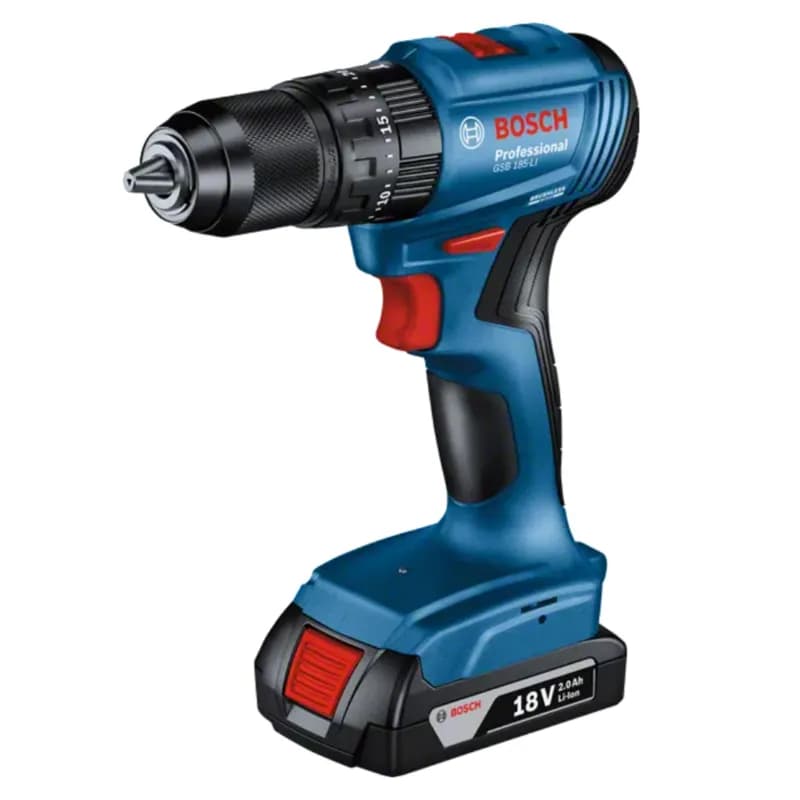
Bosch Cordless Impact Driver GSB 185-LI 06019K3100
Bosch · Drills & Drivers
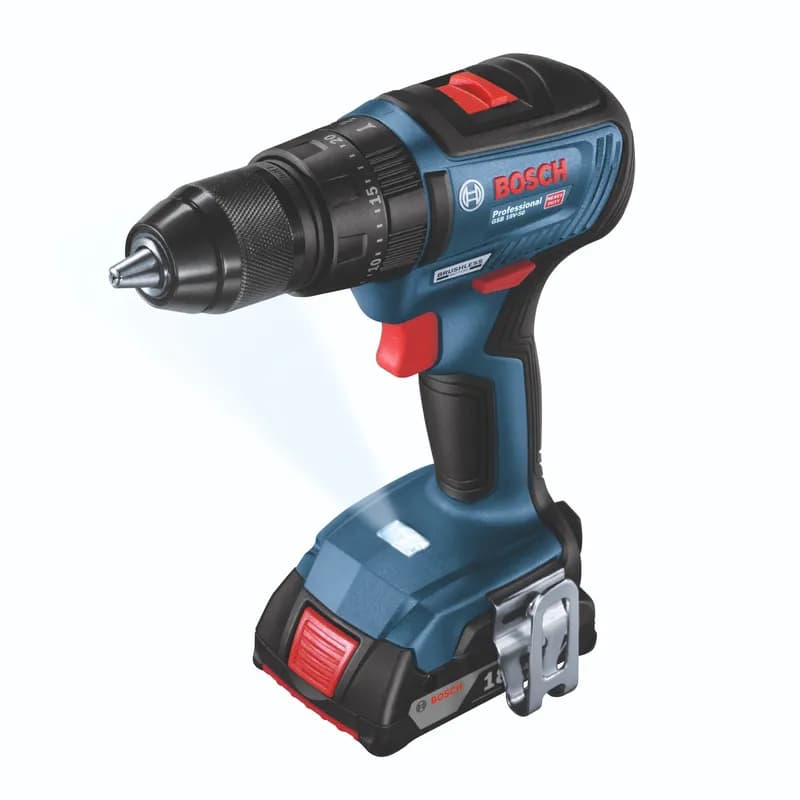
Bosch Cordless Impact Driver GSB 18V-50 06019H5101
Bosch · Drills & Drivers
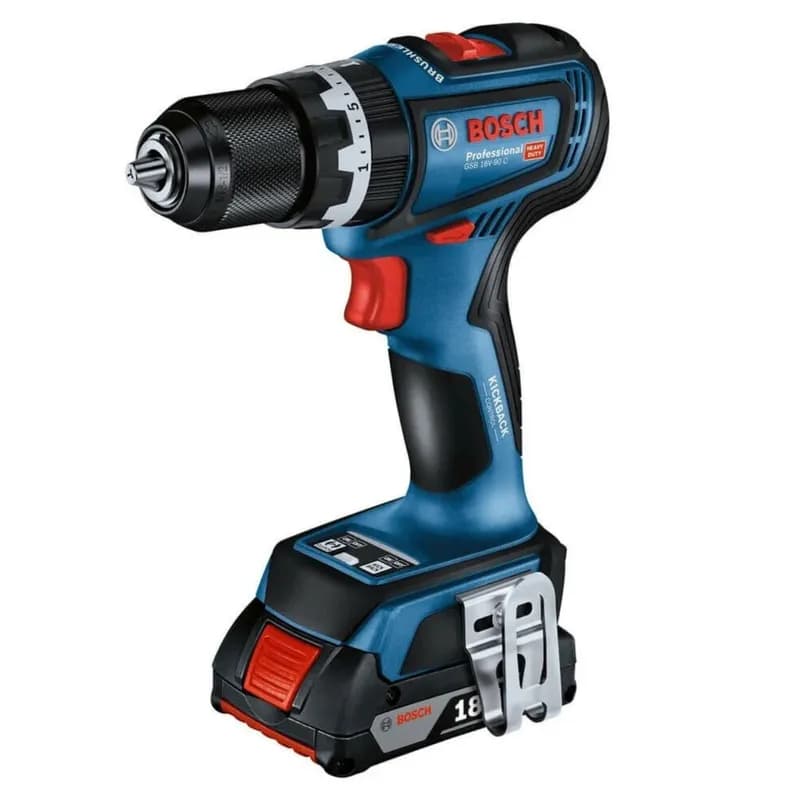
Bosch Cordless Impact Driver GSB 18V-90 C 06019K6106
Bosch · Drills & Drivers
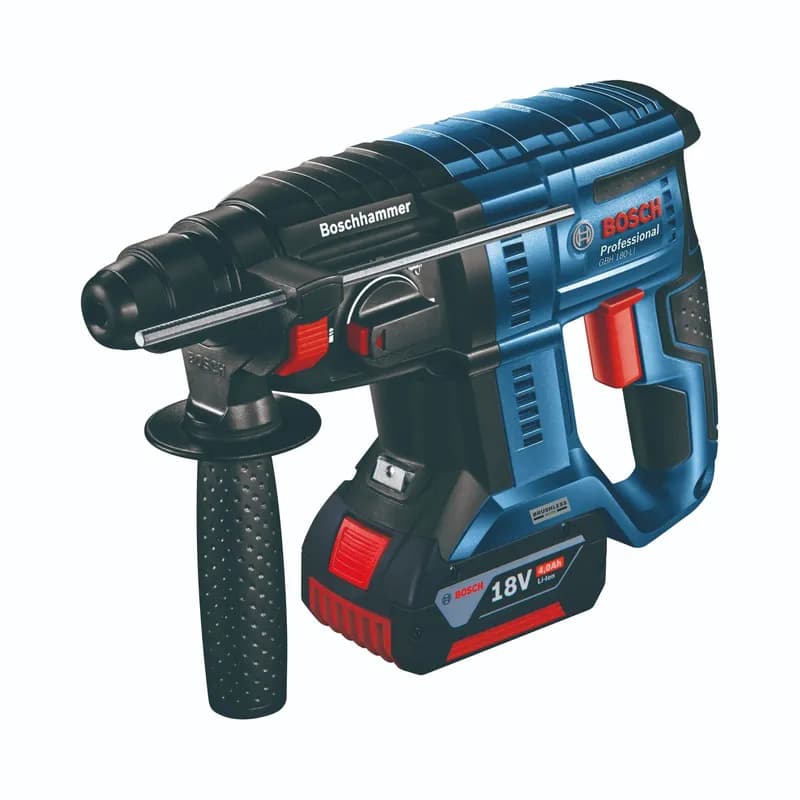
Bosch Cordless Rotary Hammer GBH 180-LI 0611911121
Bosch · Drills & Drivers
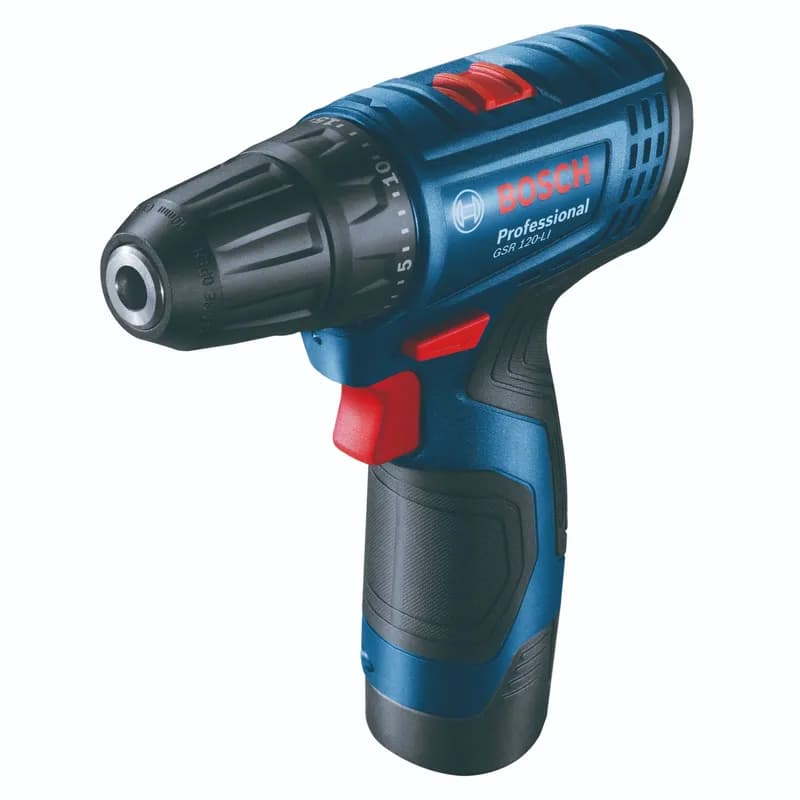
Bosch Cordless Screwdriving 2.0 Ah GSR 120-LI 06019G8000
Bosch · Drills & Drivers
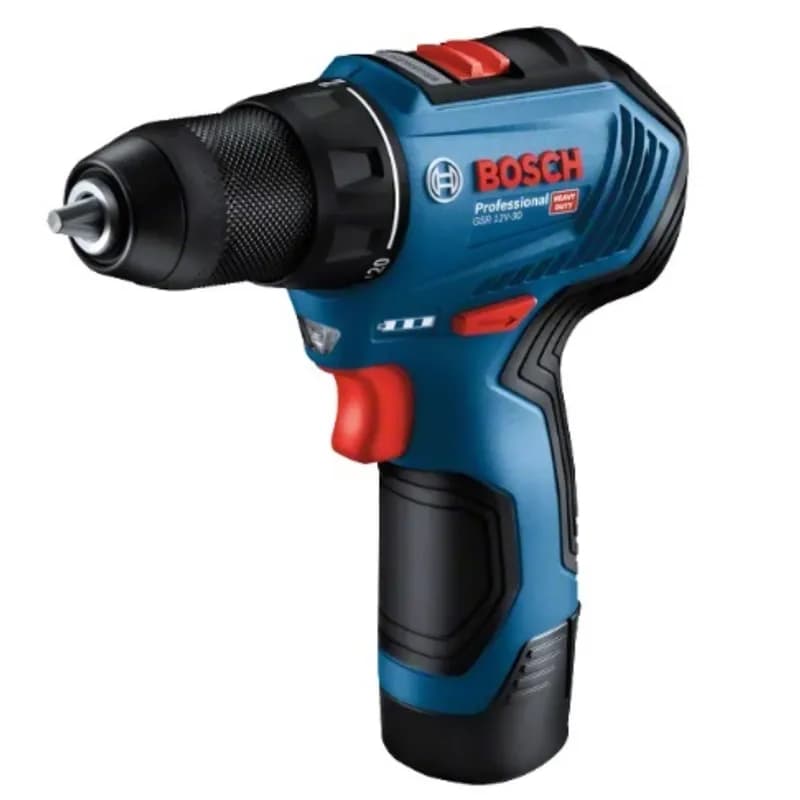
Bosch Cordless Screwdriving 2.0 Ah GSR 12V-30 06019G9000
Bosch · Drills & Drivers
Bosch Cordless Screwdriving 2.0 Ah GSR180-LI 06019F8109
Bosch · Drills & Drivers
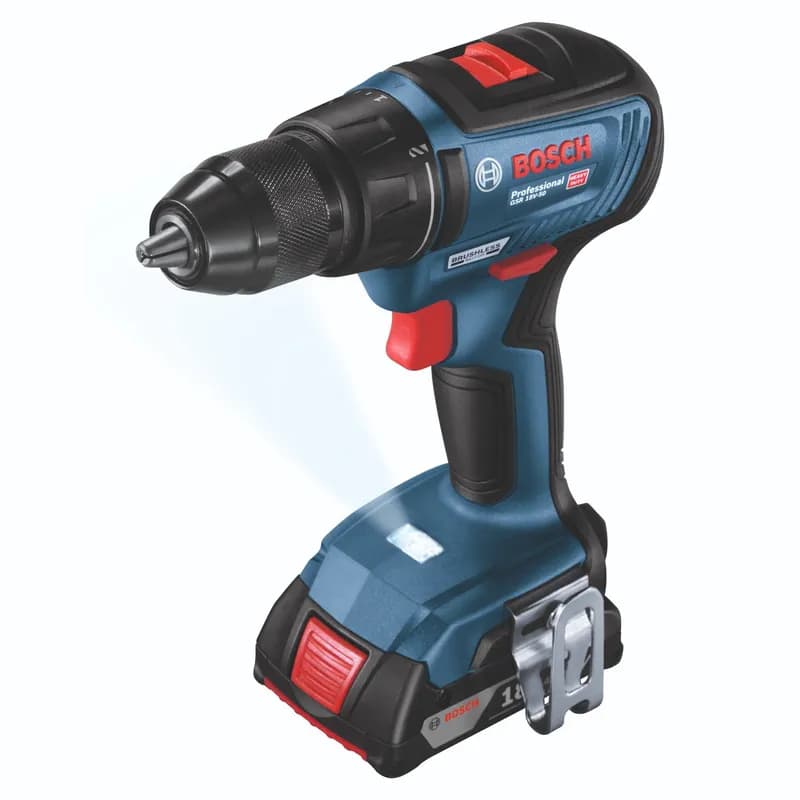
Bosch Cordless Screwdriving 2.0 Ah GSR 18V-50 06019H5000
Bosch · Drills & Drivers
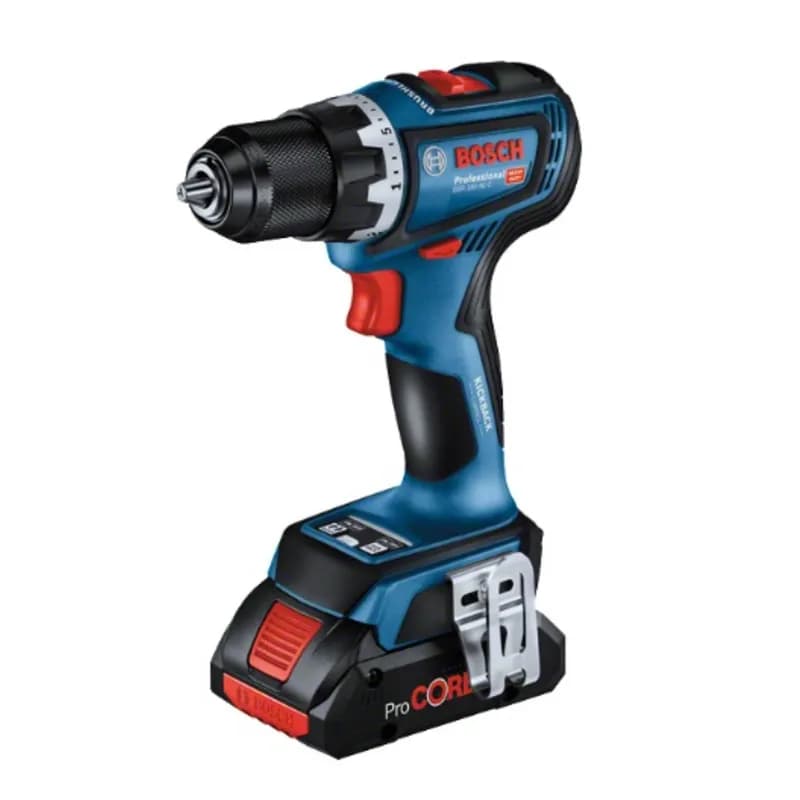
Bosch Cordless Screwdriving 5.0ah GSR 18V-90 C 06019K6006
Bosch · Drills & Drivers
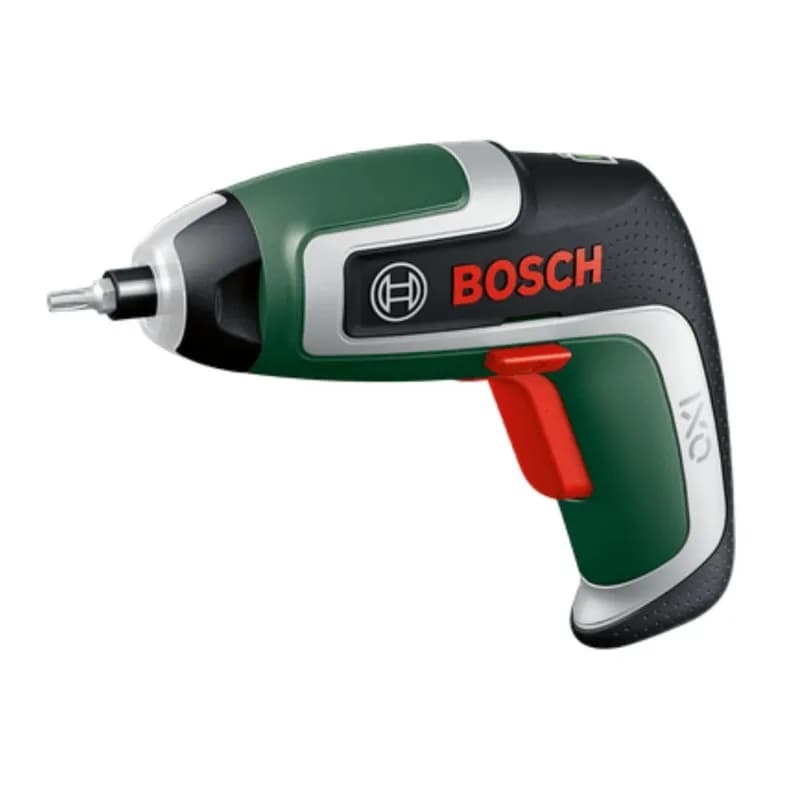
Bosch Cordless Screwdriving IXO 7+32 Piece Set 06039E000B
Bosch · Drills & Drivers
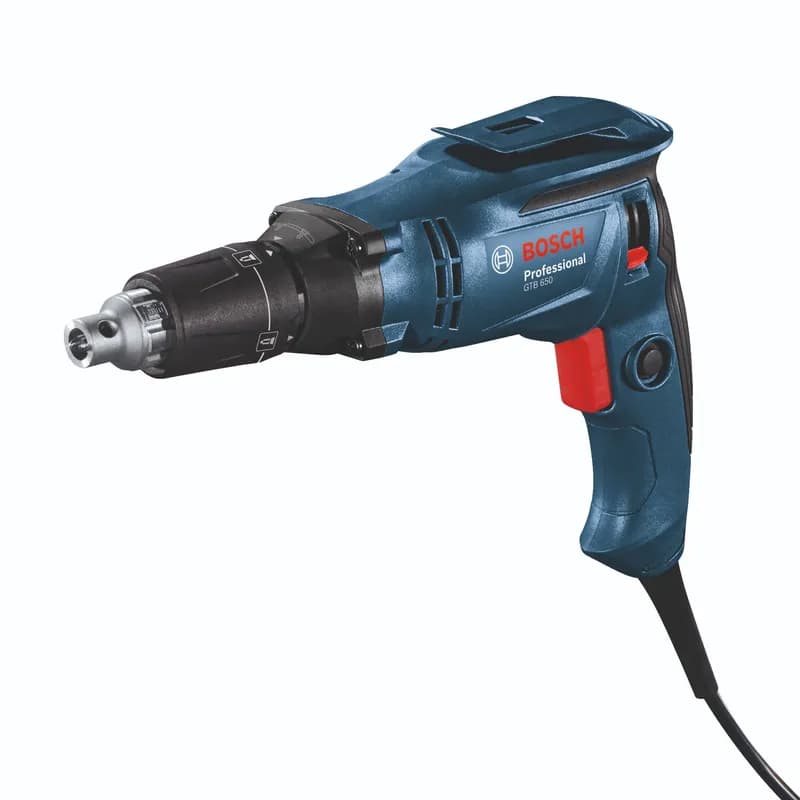
Bosch Drywall Screwdriver 650W GTB 650 06014A2000
Bosch · Drills & Drivers
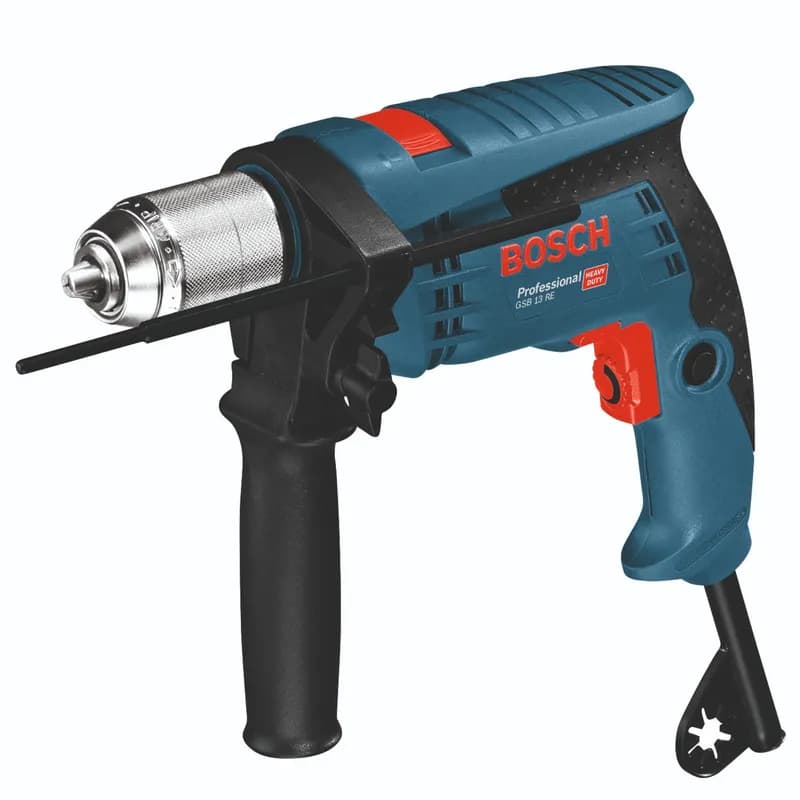
Bosch Hammer Drill 600W GSB 13 RE 0601217100
Bosch · Drills & Drivers
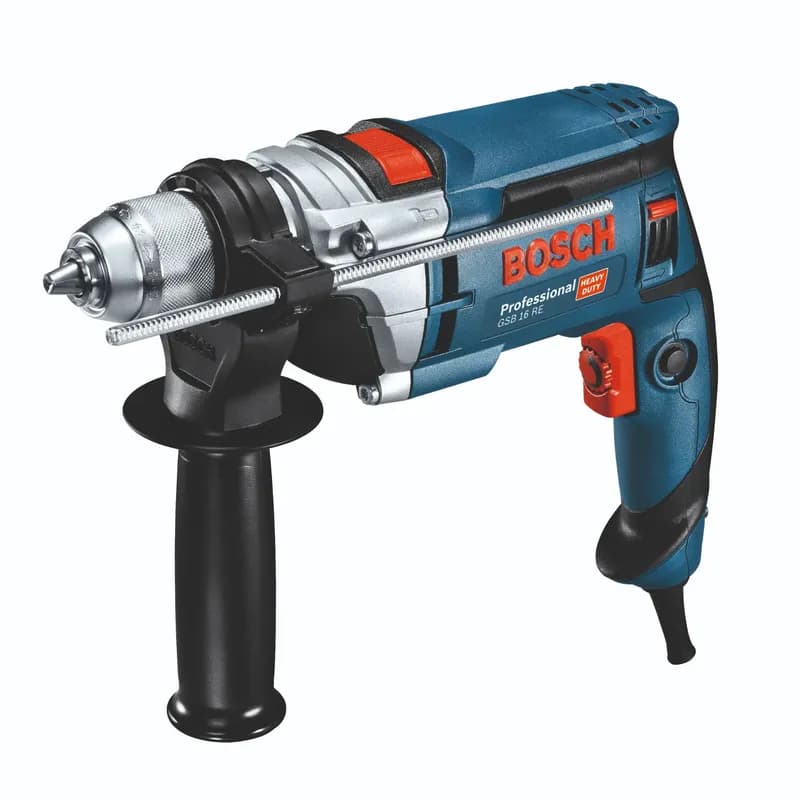
Bosch Hammer Drill 750W GSB 16 RE 060114E500
Bosch · Drills & Drivers
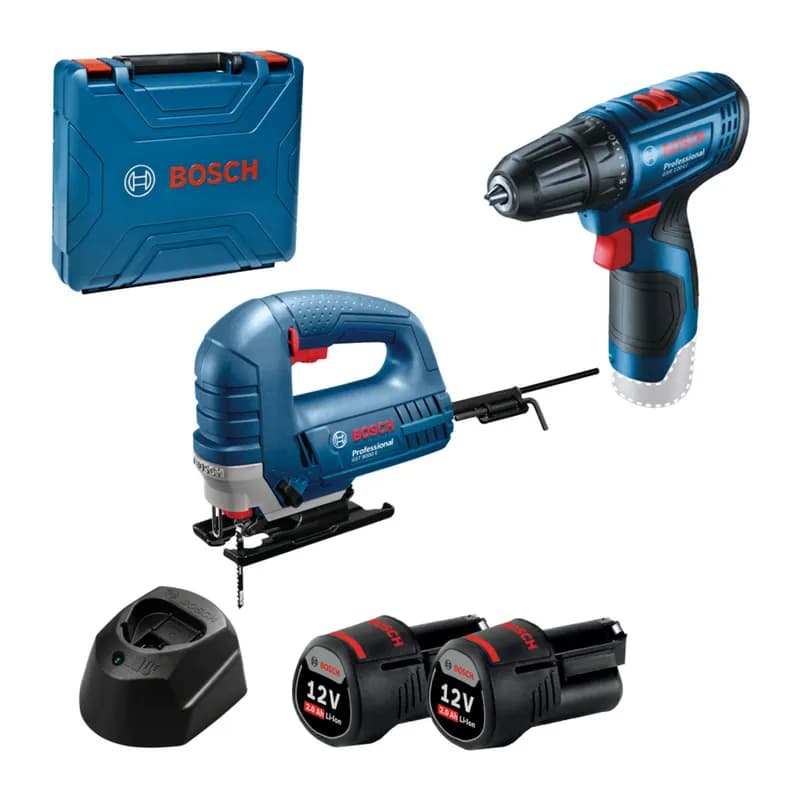
Bosch Jigsaw GST8000E + Cordless Screwdriving GSR120LI Set
Bosch · Drills & Drivers
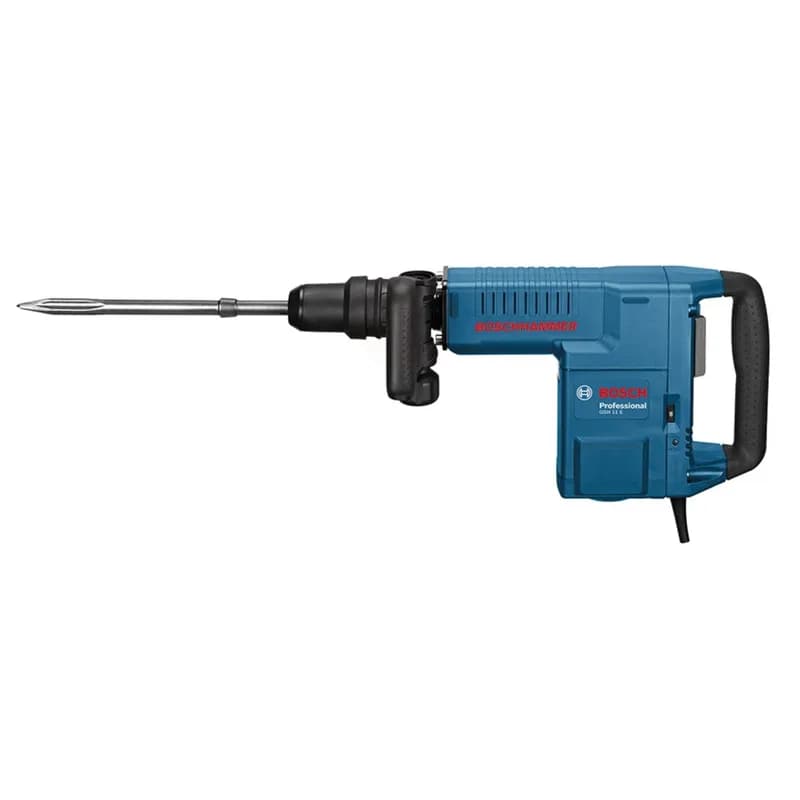
Bosch Breaker 10.1 kg GSH 11 E 0611316703
Bosch · Drills & Drivers
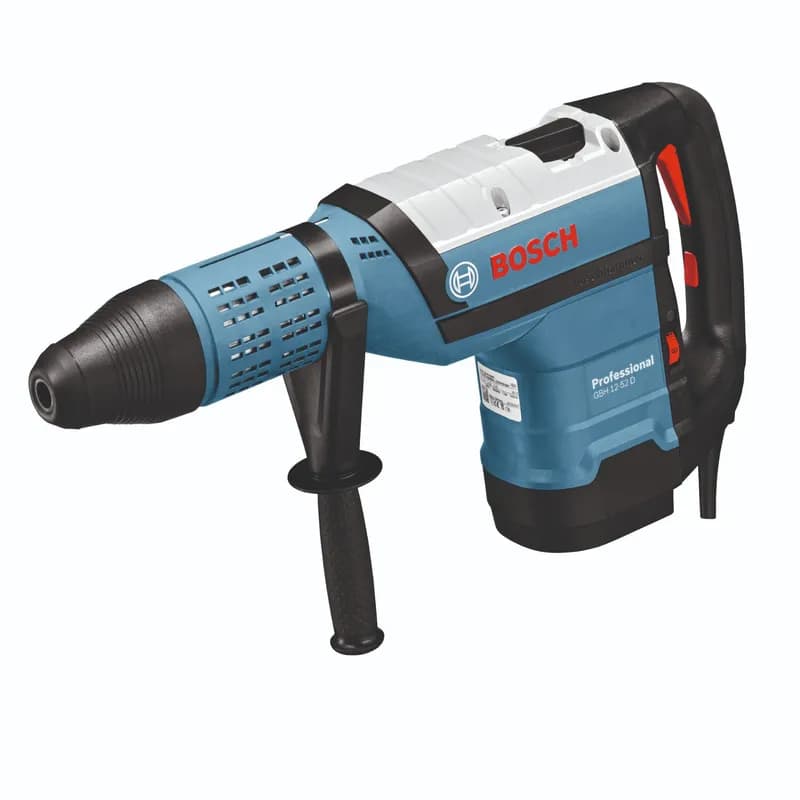
Bosch Rotary Hammer 11.5 kg GBH 12-52 D 0611266100
Bosch · Drills & Drivers
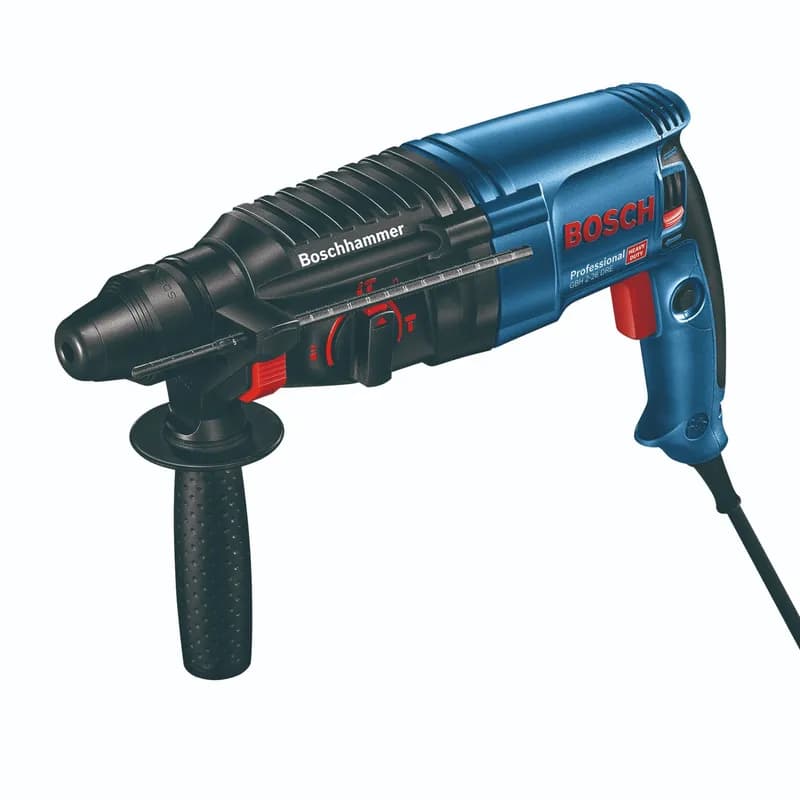
Bosch Rotary Hammer 2.7 kg GBH2-26DRE 0611253703
Bosch · Drills & Drivers
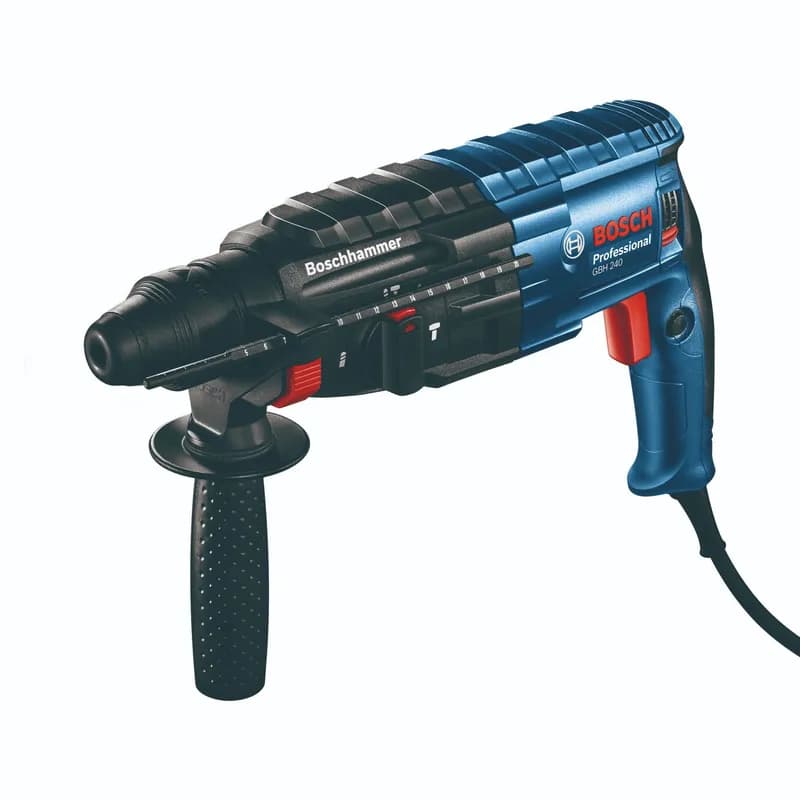
Bosch Rotary Hammer 2.8 kg GBH 240 0611272100
Bosch · Drills & Drivers
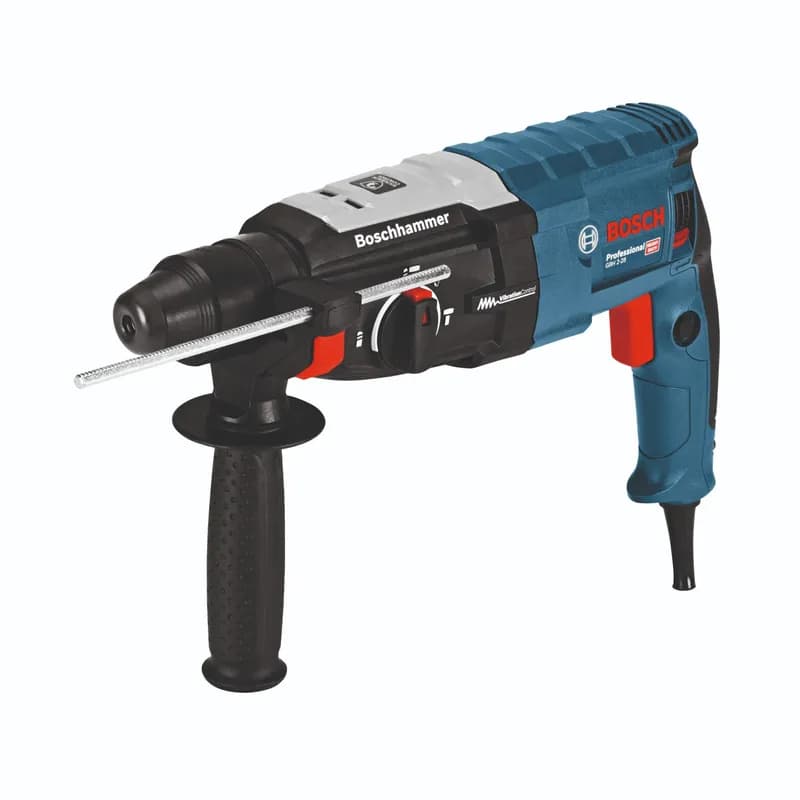
Bosch Rotary Hammer 2.9 kg GBH 2-28 0611267500
Bosch · Drills & Drivers
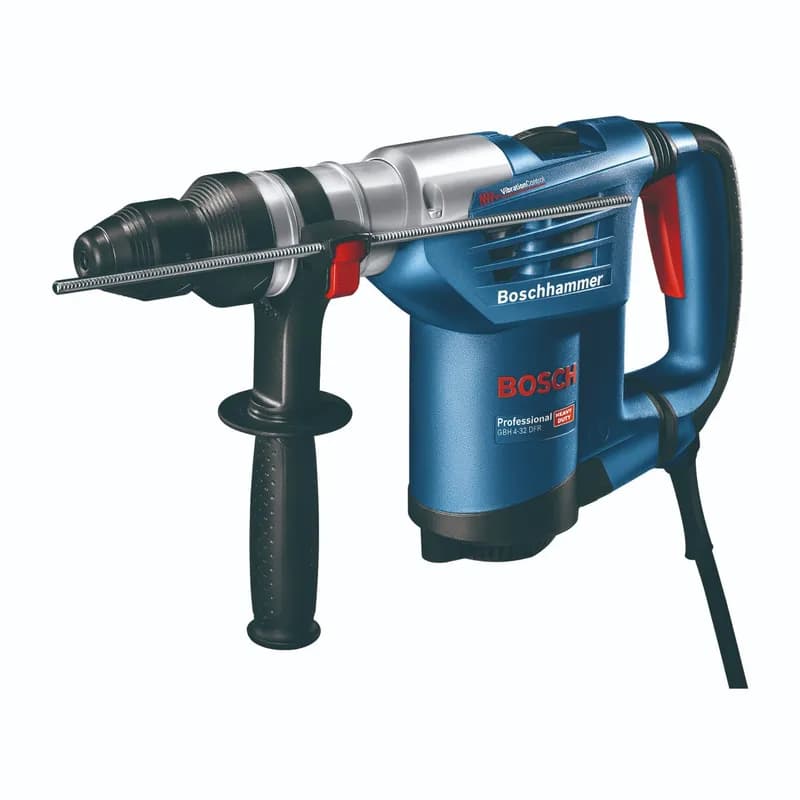
Bosch Rotary Hammer 4.7 kg GBH4-32DFR 0611332190
Bosch · Drills & Drivers
1–24 of 269 · page 1 / 12
Four machines, four jobs
These four look alike on a listing, but they generate their action in completely different ways, and that decides which materials they belong in.
| Machine | Action | Tool holder | For |
|---|---|---|---|
| Rotary drill | None | Chuck 1-13 mm | Timber, metal, plastic |
| Percussion drill | Ridged plates rubbing | Chuck 1-13 mm | Brick, aerated block, light masonry |
| Cordless drill driver | None, clutch controlled | Chuck or 1/4" | Driving screws, assembly, drilling |
| Impact driver | Rotational impact | 1/4" hex | Long screws, seized fasteners |
Torque, clutch settings and speed
Cordless drivers quote torque in Nm, and you will see two figures: hard and soft driving torque. The clutch releases the screw at a set torque — that is what stops the head sinking into furniture panels or plasterboard.
Speed comes in two ranges: the low range for torque and drilling, the high range for fast driving. Use high speed on plasterboard, and the low range for large-diameter holes in timber.
- The clutch is for driving; switch the collar to the drill symbol when drilling.
- Impact drivers have no clutch — torque arrives as hammer blows.
- A 13 mm chuck accepts thicker shanks than a 10 mm one.
- Low speed plus cutting fluid noticeably extends bit life in metal.
When an impact driver is the right tool
An impact driver delivers short, fast blows in the direction of rotation. That produces high torque from a small body with no reaction through the wrist — it drives long timber screws and roofing screws and frees corroded fasteners.
It is not a precision tool: with no clutch it can sink or snap a screw head. Use a clutched drill driver for furniture assembly and an impact driver for roofing and structural work.
Corded or cordless
A corded percussion drill is still the economical answer for long spells of work in one place: unlimited power at low cost. On a jobsite — moving position, on ladders, in short bursts — a cordless model cuts total time considerably.
If you go cordless, choose the platform (12 V, 18 V) before the machine; the same pack runs dozens of that maker's tools and usually outlives the tool it came with.
Frequently Asked Questions
Is a percussion drill the same as an impact driver?
No. A percussion drill hammers along the axis, for drilling masonry. An impact driver hammers in the direction of rotation, for driving screws. One makes holes, the other tightens fasteners.
How much torque does a cordless driver need?
For furniture and plasterboard, 30-45 Nm is enough. For timber framing, heavy screws and mixing, look for 60 Nm and above. Of the two catalogue figures, the higher one is hard driving torque.
What does the clutch setting do?
It releases the screw once a set torque is reached, stopping the head sinking into the material or snapping off. Switching the collar to the drill symbol disables the clutch for drilling.
Can a percussion drill be used on concrete?
For small holes, and in softer materials like brick and aerated block. In concrete it is slow and burns bits; concrete needs an SDS-plus rotary hammer.
Why does my keyless chuck slip?
Usually the bit shank is too thick for the chuck's capacity, or the chuck was not fully tightened. For heavy drilling, a keyed chuck grips more securely.
What speed should I drill metal at?
Low. Drop the speed as the diameter grows and use cutting fluid; at high speed the bit overheats and loses its edge.