Categories
Sanders
Sanders prepare surfaces; which one suits depends on the area and the finish you need. The catalogue holds 34 models.
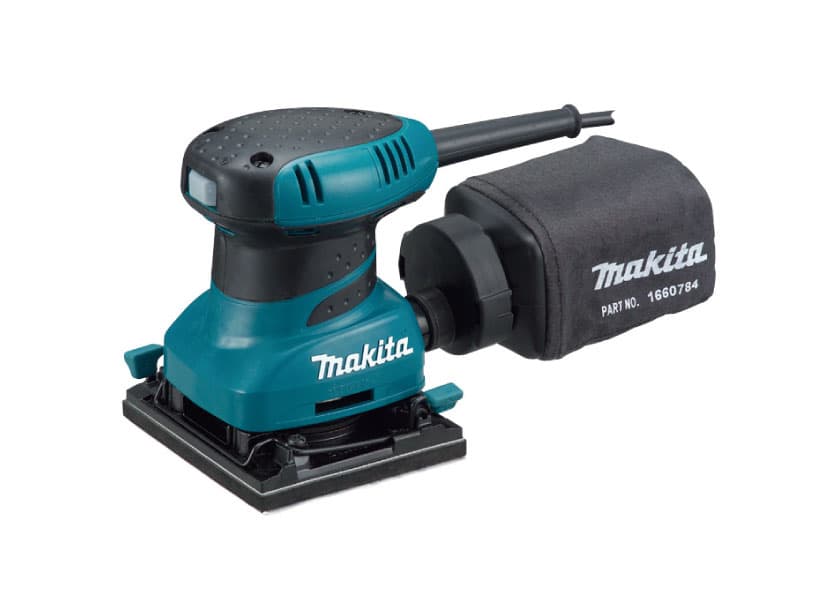
Makita BO4555 Angle Inner Vibration Sandpaper
Makita · Sanders
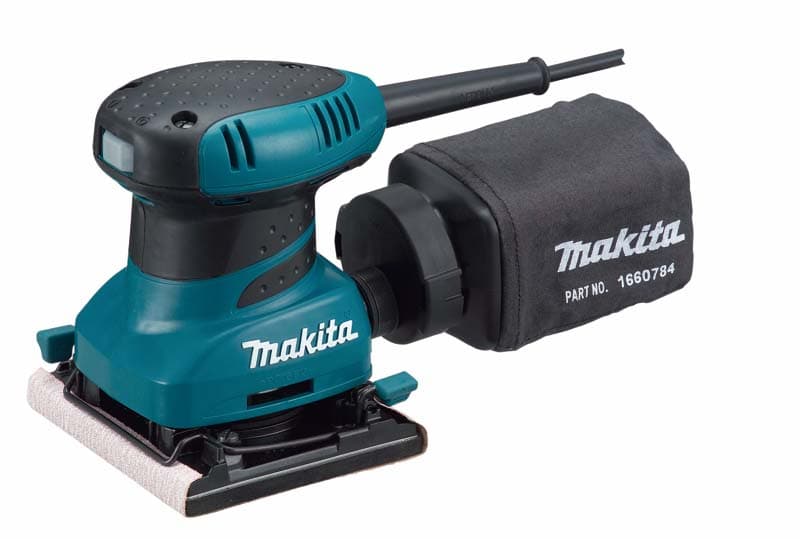
Makita BO4556 Angle Inner Vibration Sandpaper
Makita · Sanders
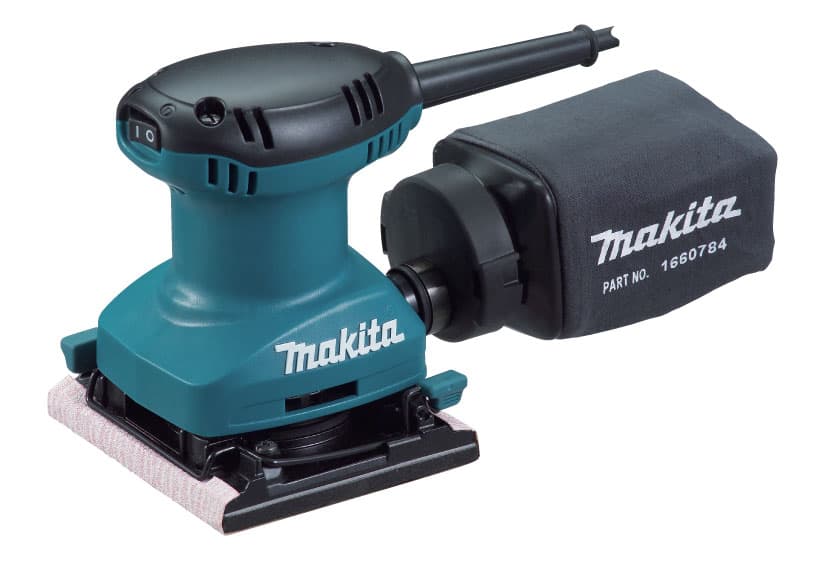
Makita BO4557 Angle Inner Vibration Sandpaper
Makita · Sanders
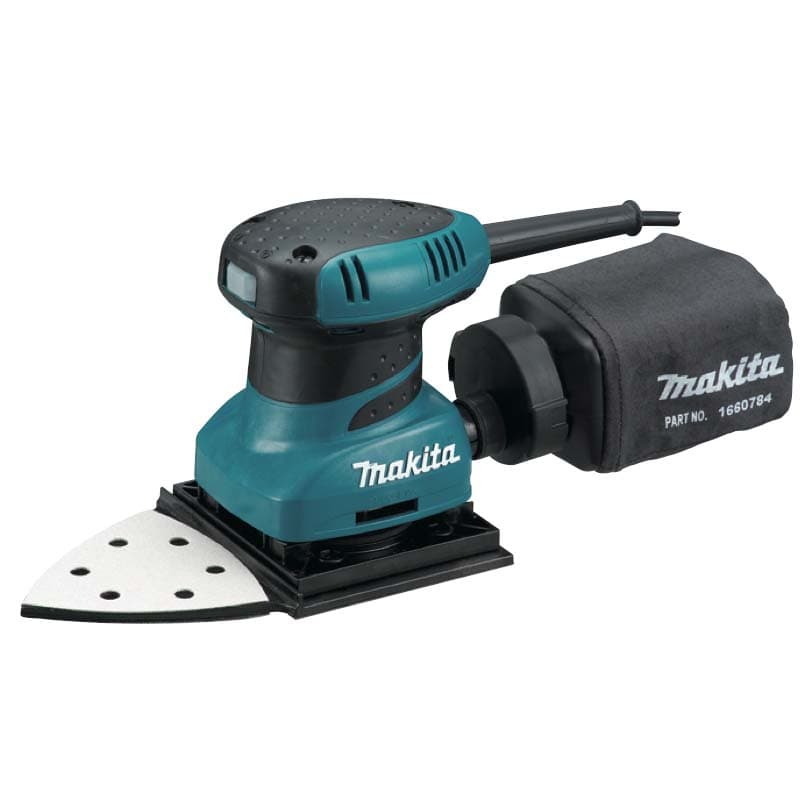
Makita BO4565 Angle Inner Vibration Sandpaper
Makita · Sanders
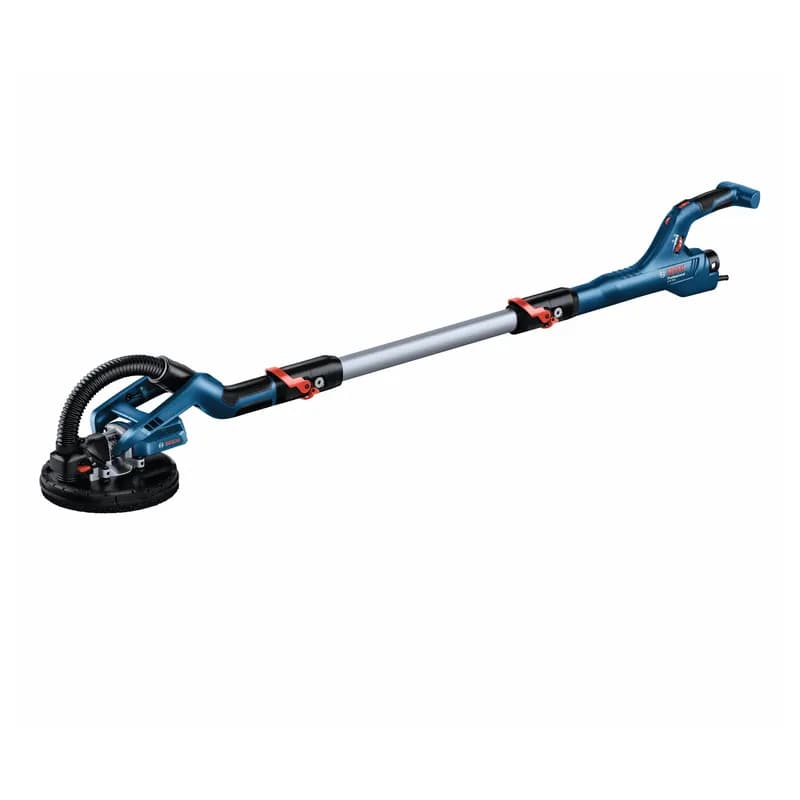
Bosch Drywall Sander 550W GTR 550 06017D4020
Bosch · Sanders
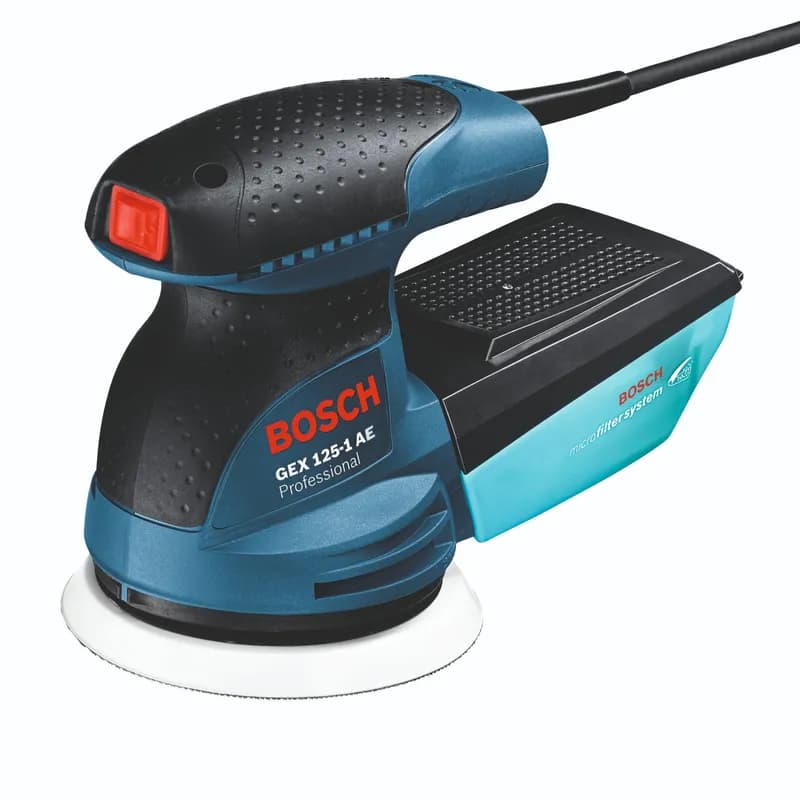
Bosch Random Orbit Sander 250W GEX 125-1 AE 0601387500
Bosch · Sanders
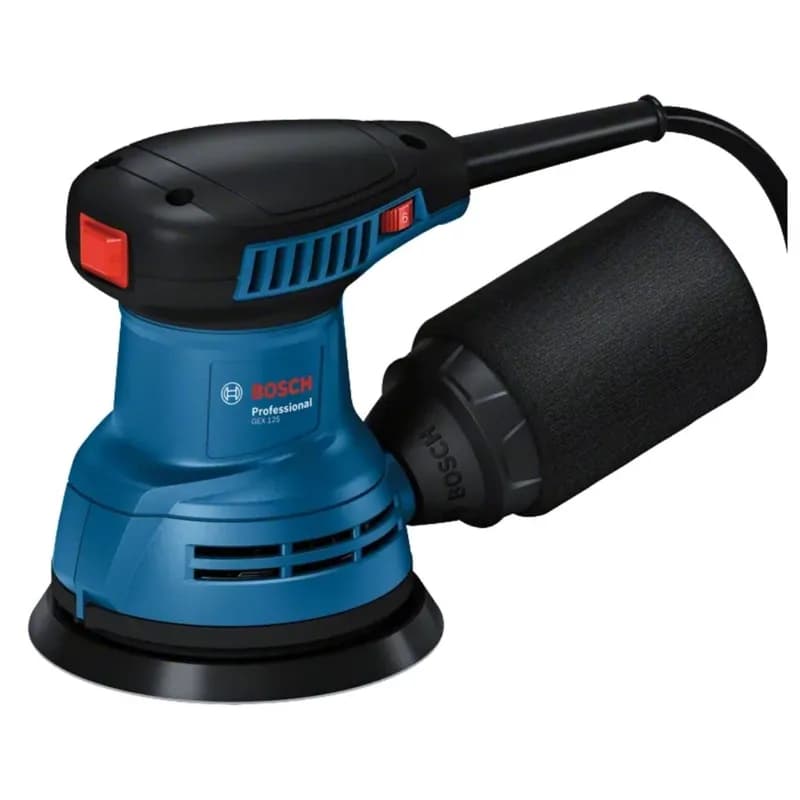
Bosch Random Orbit Sander 290W GEX 125 06013A8020
Bosch · Sanders

Makita BO5041 Variable-Speed Orbital Vibration Sandpaper
Makita · Sanders

Makita 9403 Variable-Speed Tank Sandpaper
Makita · Sanders

Makita 9404 Variable-Speed Tank Sandpaper
Makita · Sanders
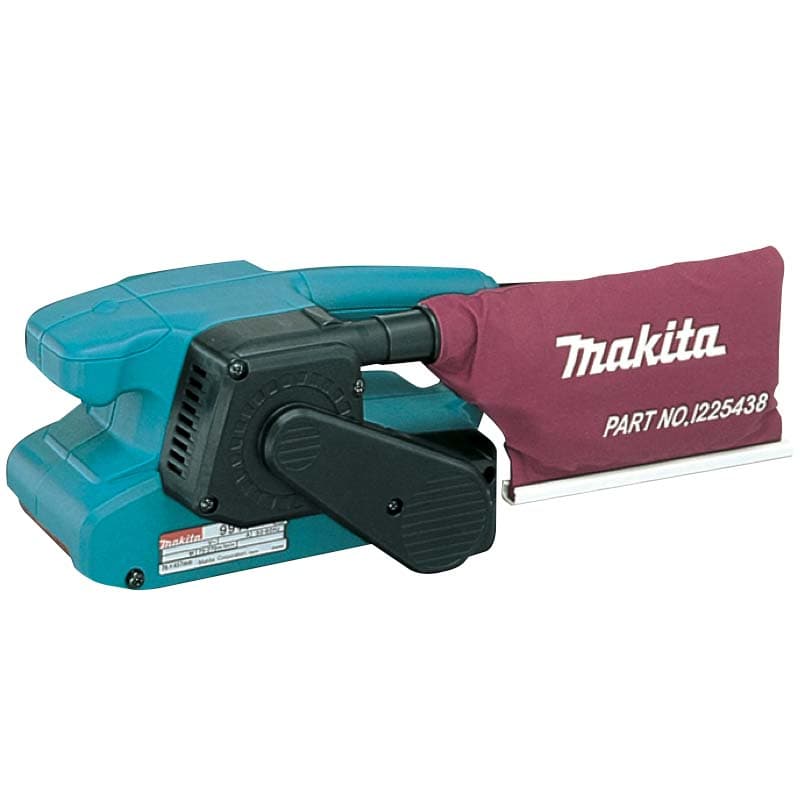
Makita 9910 Variable-Speed Tank Sandpaper
Makita · Sanders
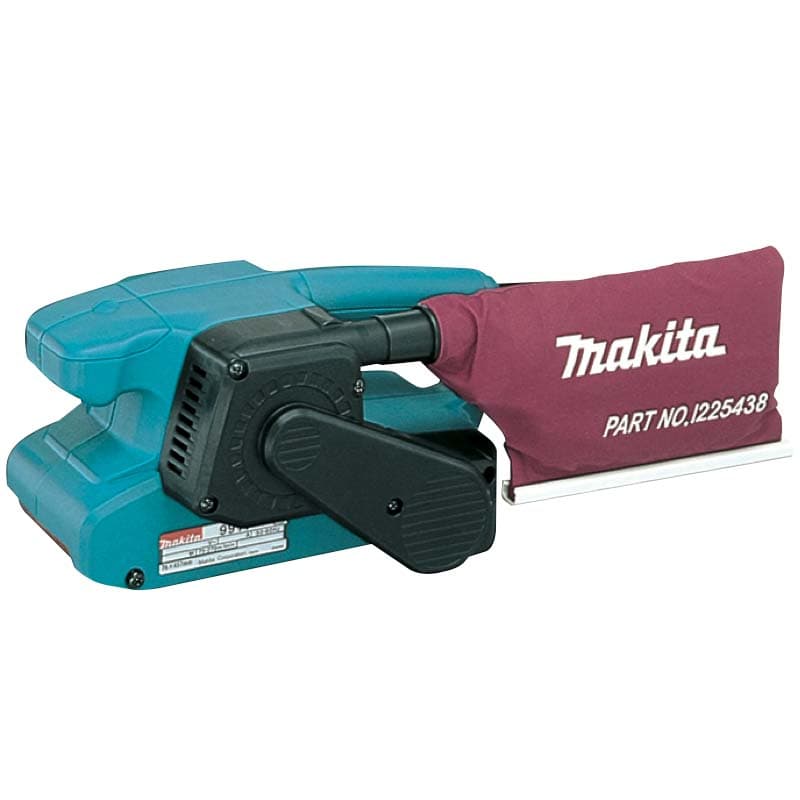
Makita 9911 Variable-Speed Tank Sandpaper
Makita · Sanders

Makita 9920 Variable-Speed Tank Sandpaper
Makita · Sanders

Factor FCCS750BL LED Drywall Sander 750 W
Factor · Sanders
7942384 Makita 794238-4 Sanding Belt 76x610x60k
Makita · Sanders
7942392 Makita 794239-2 Sanding Belt 76x610x80k
Makita · Sanders
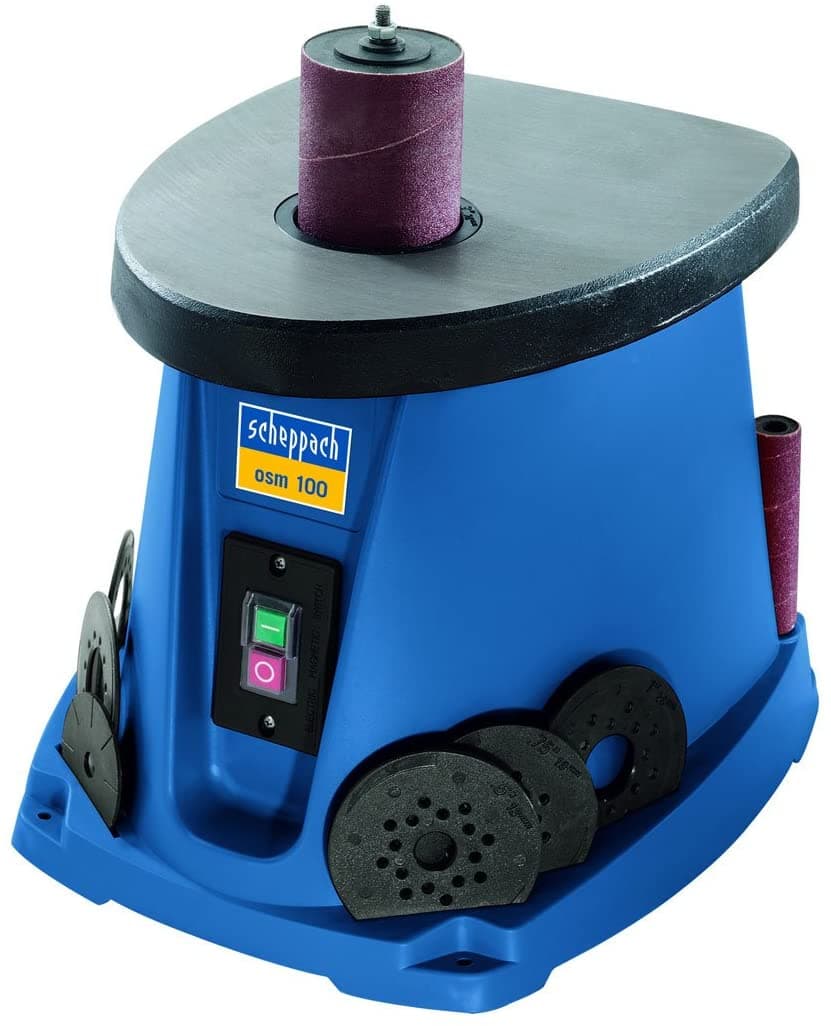
Scheppach OSM100 Oscillating Spindle Sander
Scheppach · Sanders
Factor FCOBW250 Wet Sharpener 250 mm
Factor · Sanders

Makita BO3710 Vibration Sandpaper
Makita · Sanders
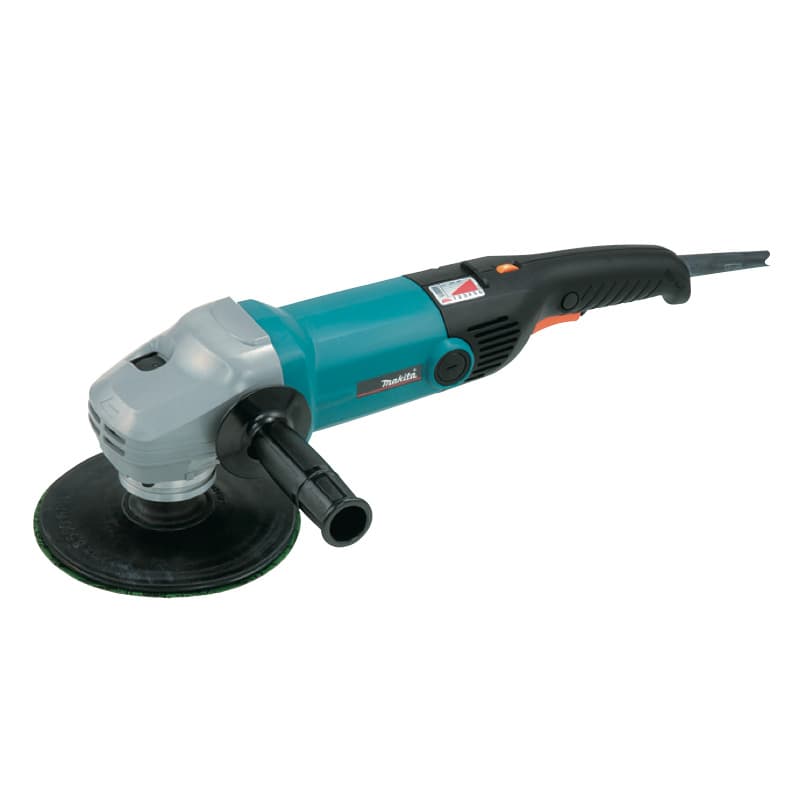
Makita SA7000C Sandpaper Machine
Makita · Sanders
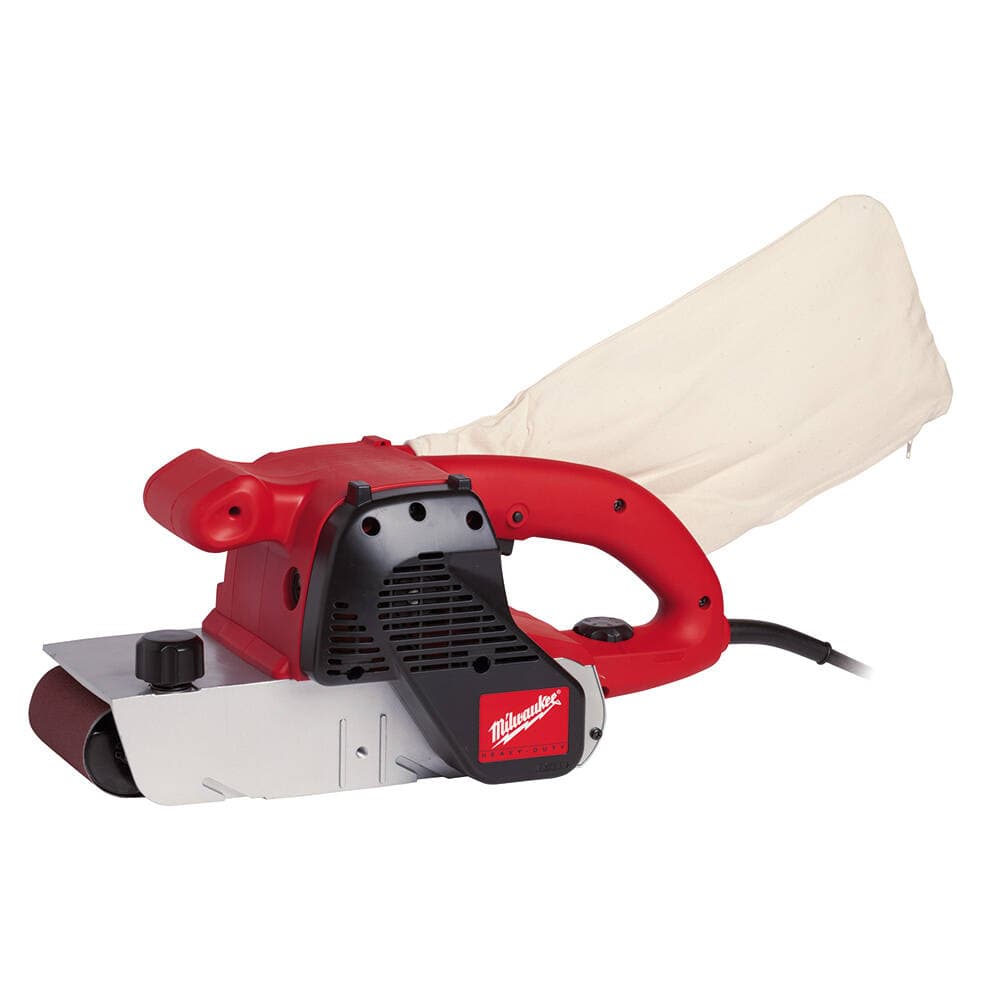
Milwaukee BS 100 LE Tank Sandpaper
Milwaukee · Sanders
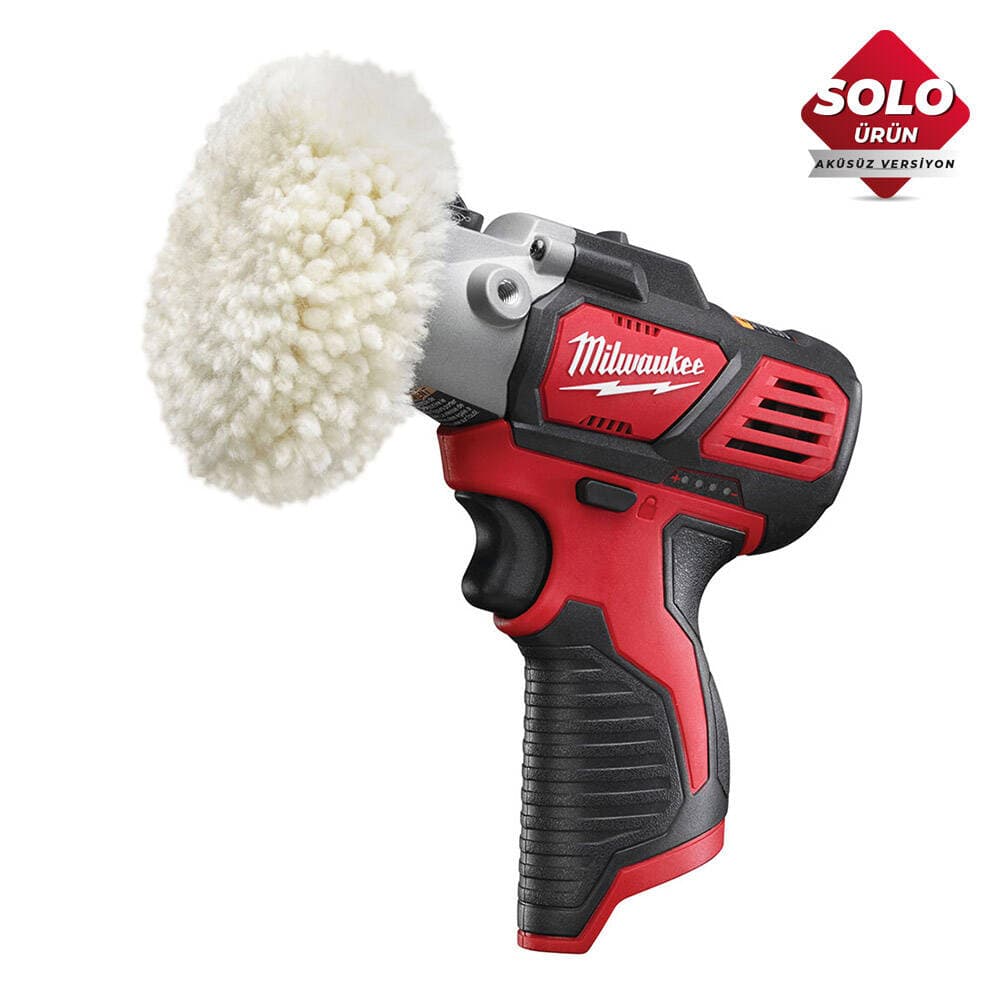
Milwaukee M12 BPS-0 Cordless Compact Polisher & Sandpaper
Milwaukee · Sanders
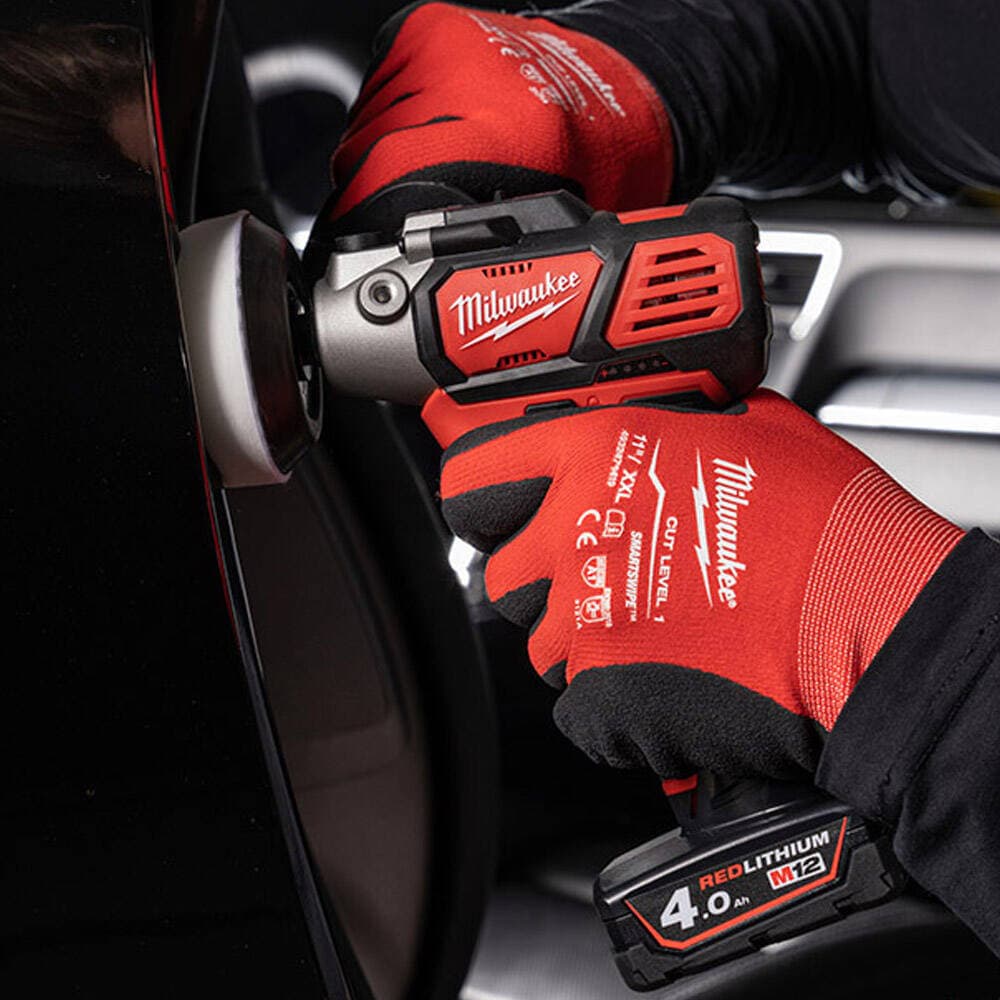
Milwaukee M12 BPS-421X Cordless Compact Polisher & Sandpaper
Milwaukee · Sanders
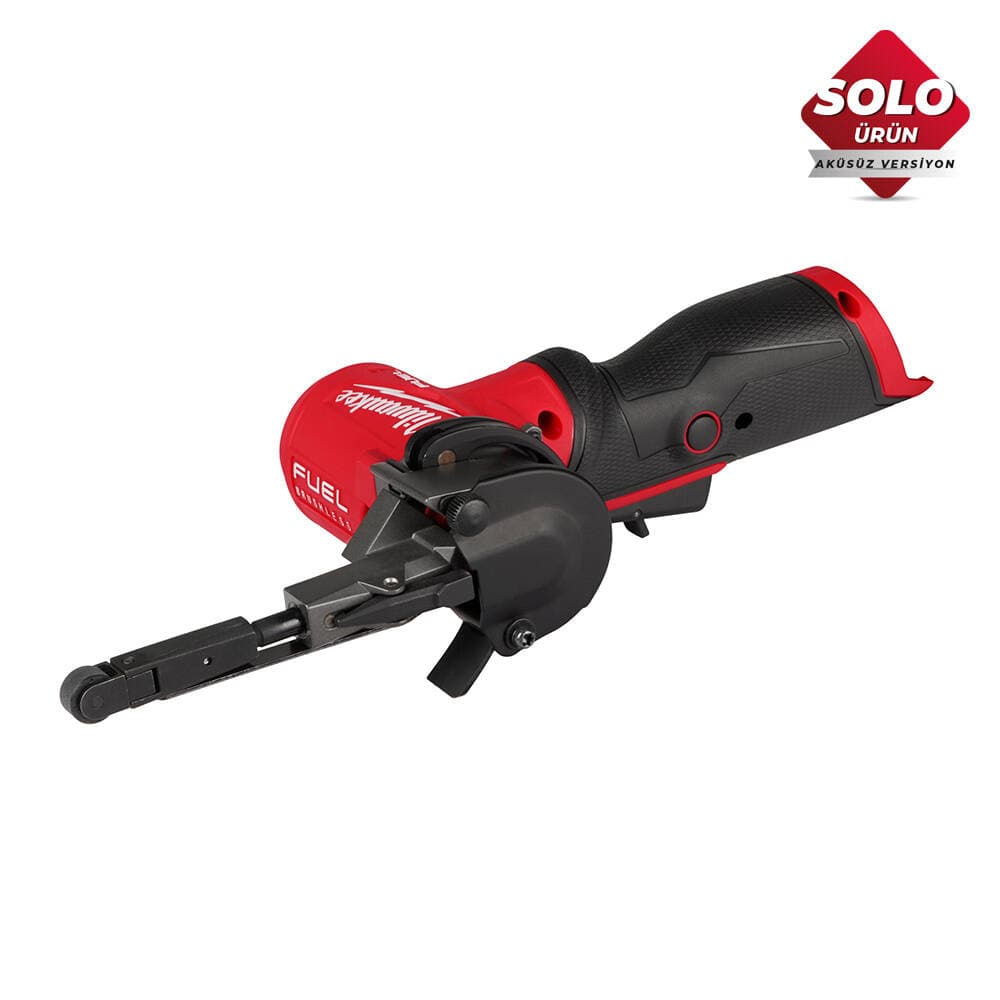
Milwaukee M12 FBFL10-0 10mm Tape Sandpaper
Milwaukee · Sanders
1–24 of 35 · page 1 / 2
Machine types and grit
A random orbit sander both spins and oscillates, leaving no pattern — the standard choice for timber and filler before paint. Orbital (delta or rectangular base) sanders reach corners. Belt sanders remove material fastest and are for rough levelling.
Grit runs coarse to fine, and the work is usually done in three steps: 60-80 to level, 120-150 in between, 180-240 before paint. Skipping a step leaves the previous scratches visible.
- Random orbit: broad flat surfaces, swirl-free finish.
- Orbital/delta: corners and tight areas.
- Belt: rough levelling, fast stock removal.
- Dust extraction: for finish quality and for your lungs.
Frequently Asked Questions
What is the difference between random orbit and orbital sanders?
A random orbit base spins as well as oscillates; that random path leaves no swirl marks and suits the final surface before paint. An orbital sander only oscillates — it reaches corners but can leave a pattern.
Which grit should I start with?
It depends on the surface: 60-80 on old paint or rough timber, 120 on sound timber. Then 150 and finish at 180-240; skipping steps leaves earlier scratches.
Is dust extraction necessary?
Yes. It stops the abrasive clogging early, so paper lasts longer, and it keeps timber and filler dust out of the air you breathe.
Why does the abrasive clog so quickly?
Usually the surface is damp, the paint is not fully cured, or extraction is not working. On hook-and-loop bases, misaligned holes also cut extraction directly.