Categories
Circular Saws
A circular saw makes straight, deep cuts with a rotating blade: depth follows blade diameter, cut quality follows tooth count. The catalogue holds 35 models.
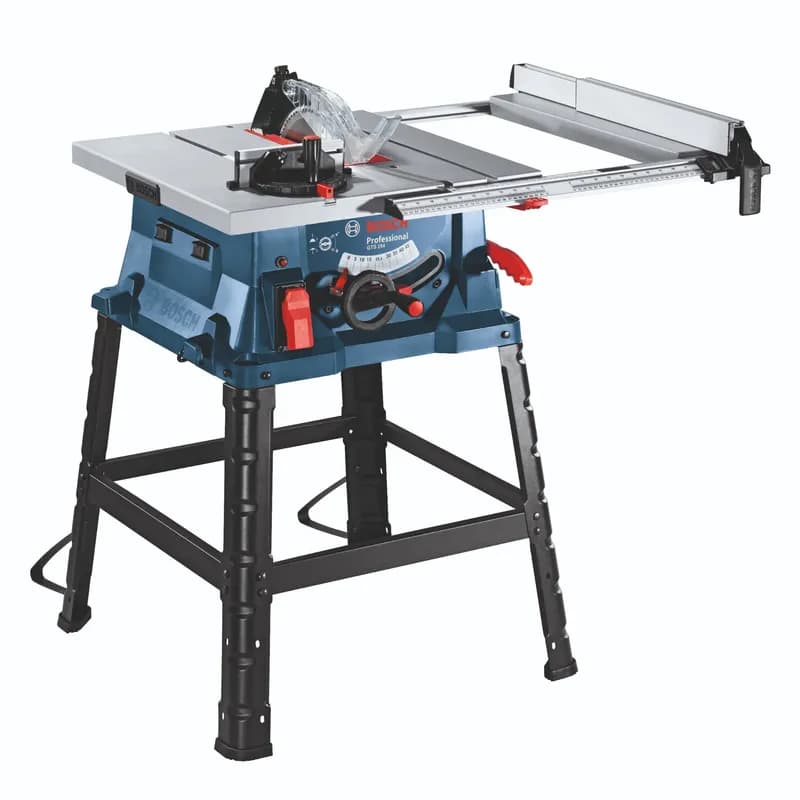
Bosch Square Cutting Tezgah 1800W GTS 254 0601B45000
Bosch · Circular Saws

HS013GZ Makita HS013GZ 40V Sunta Cutting 415MM
Makita · Circular Saws
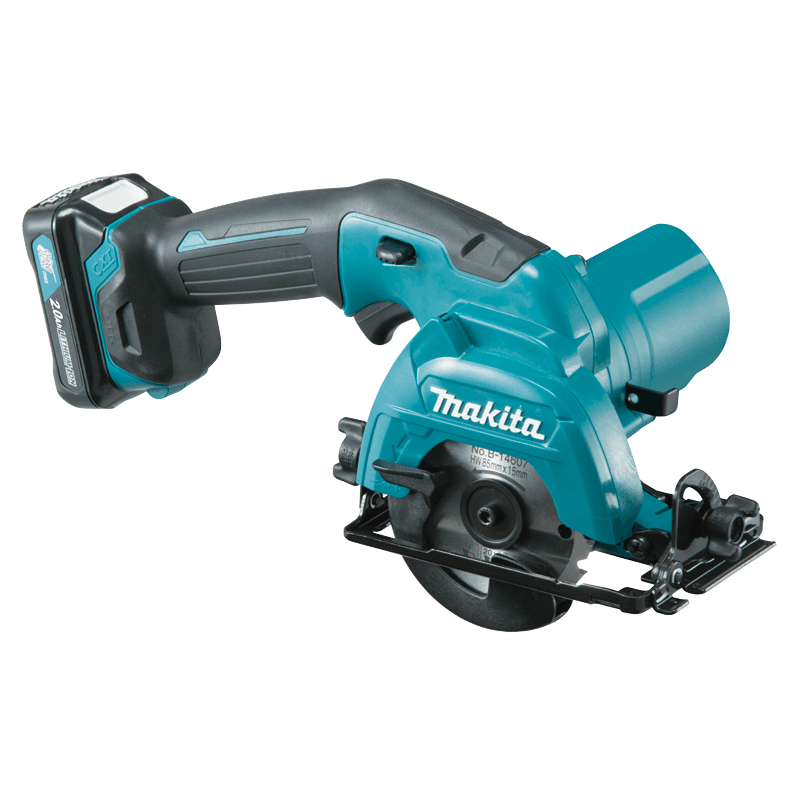
Makita HS301DWAE Sunta Cutter 12V
Makita · Circular Saws
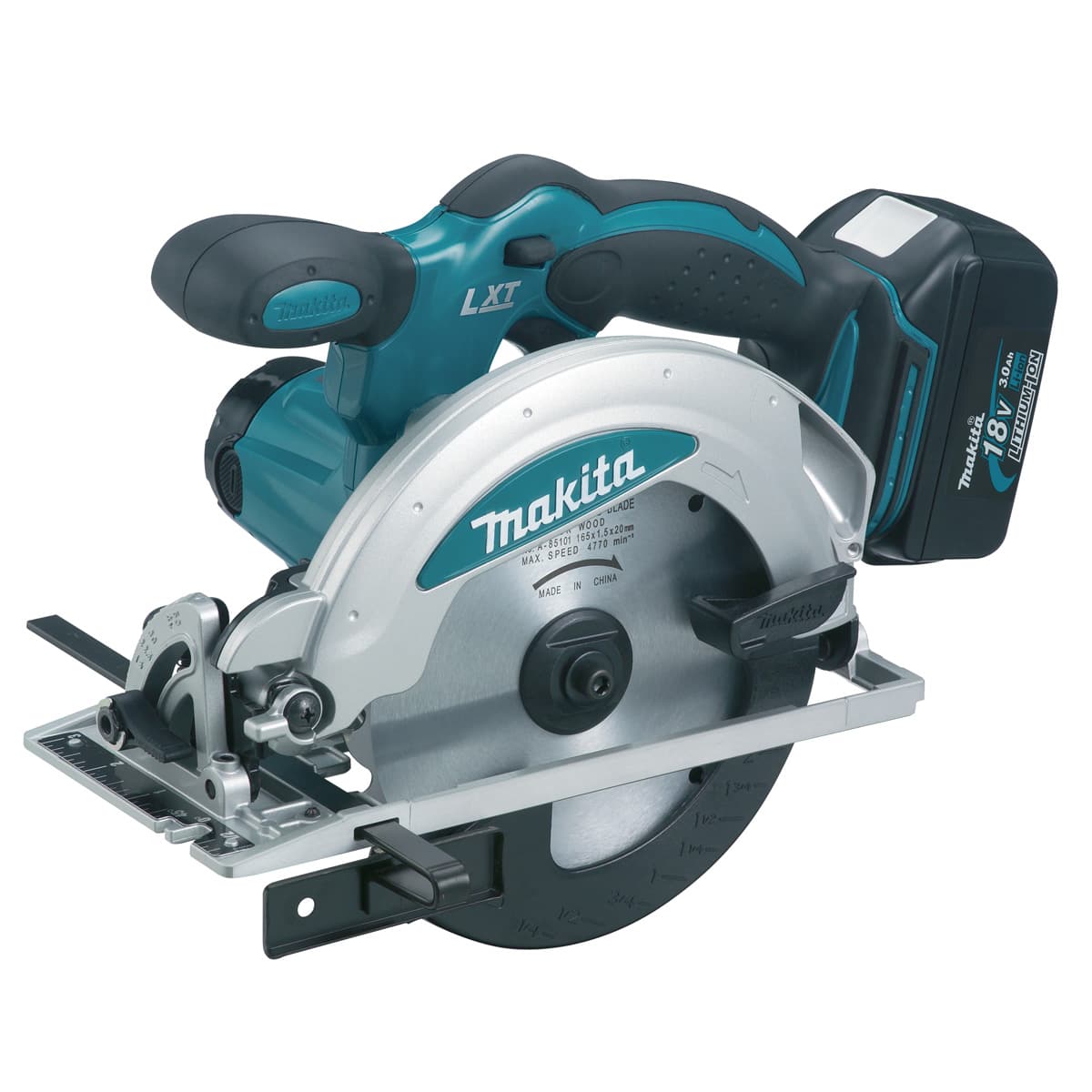
Makita DSS610RFE Sunta Cutter 18V
Makita · Circular Saws
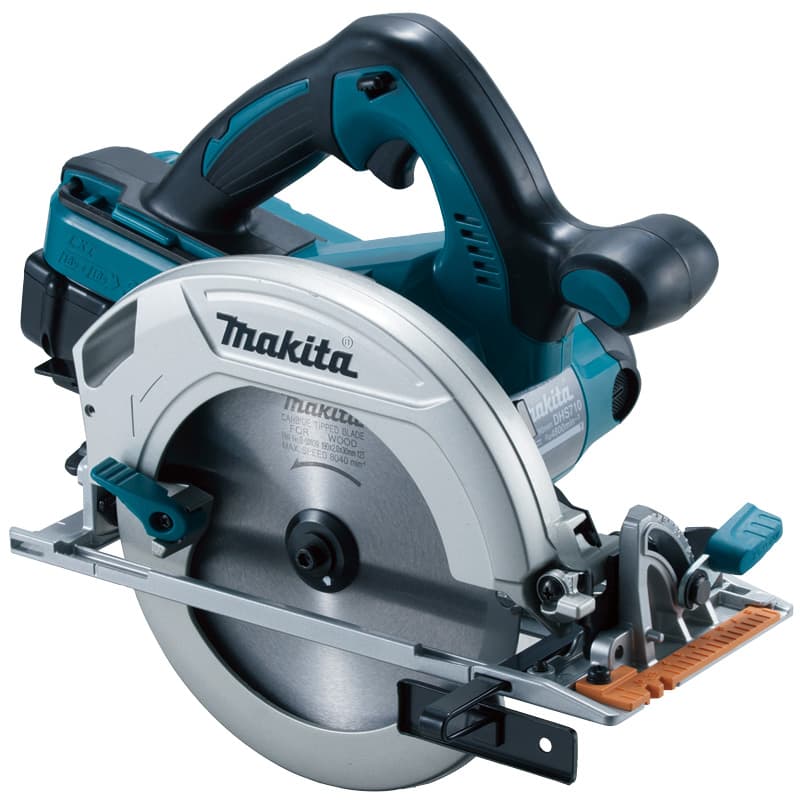
Makita DHS710RM2J Sunta Cutter 2x18v
Makita · Circular Saws
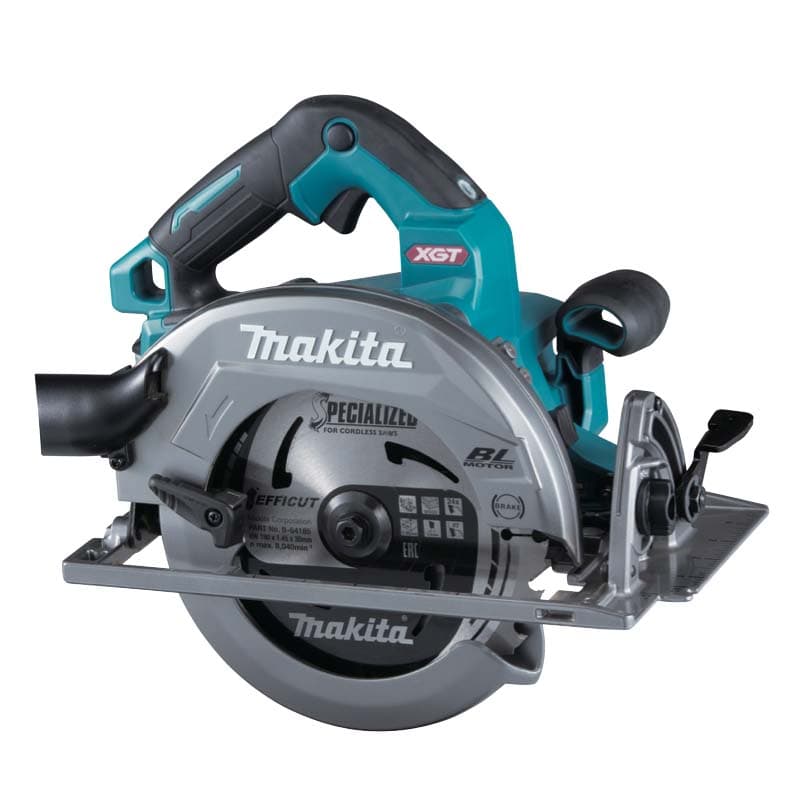
Makita HS003GM201 Sunta Cutter 40V
Makita · Circular Saws
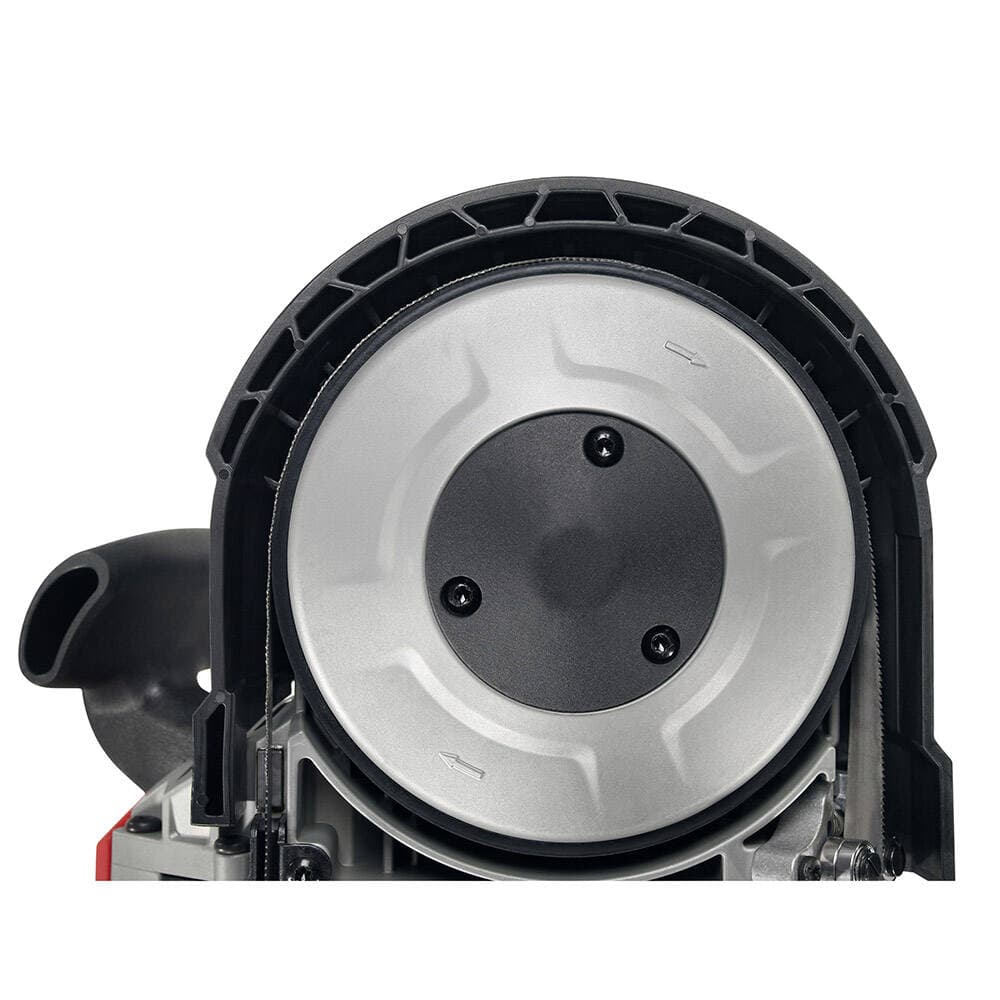
Milwaukee BS 125 1100 W Tape Kesme
Milwaukee · Circular Saws
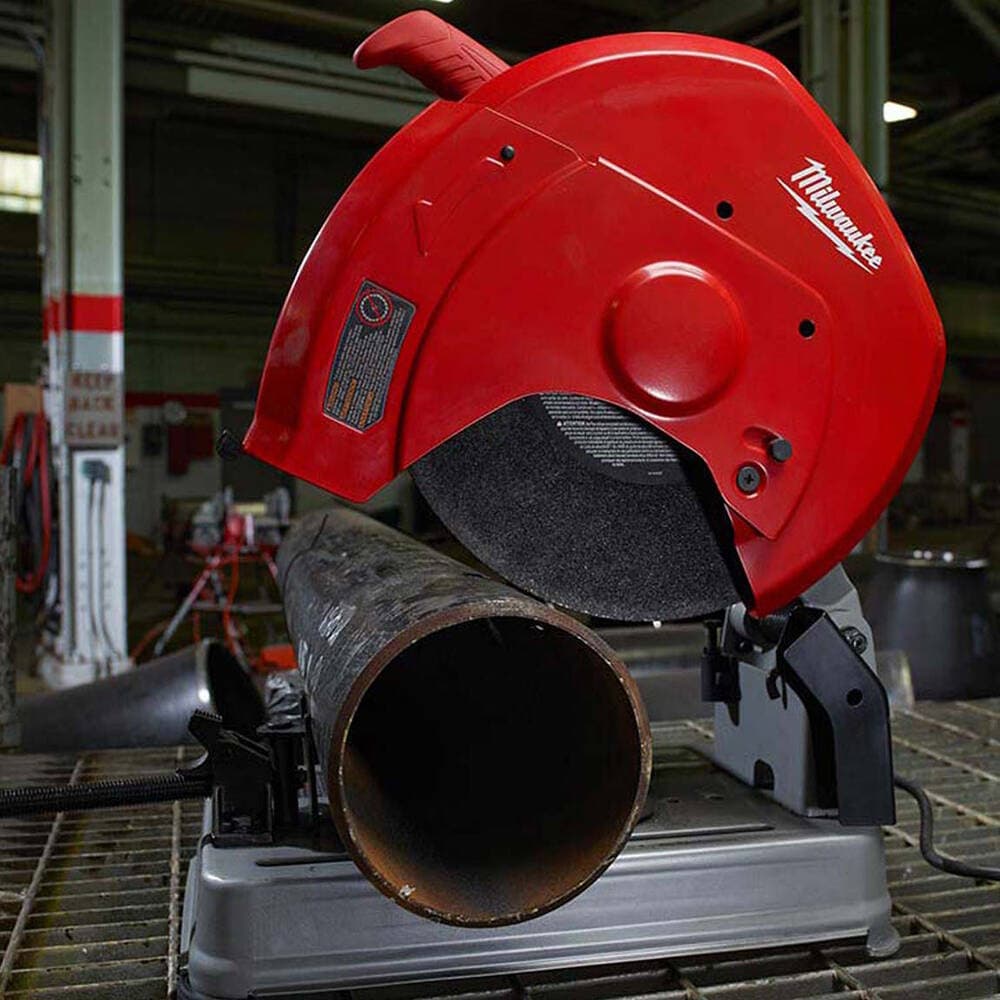
Milwaukee CHS 355 E 2300 W Metal Chop Saw
Milwaukee · Circular Saws
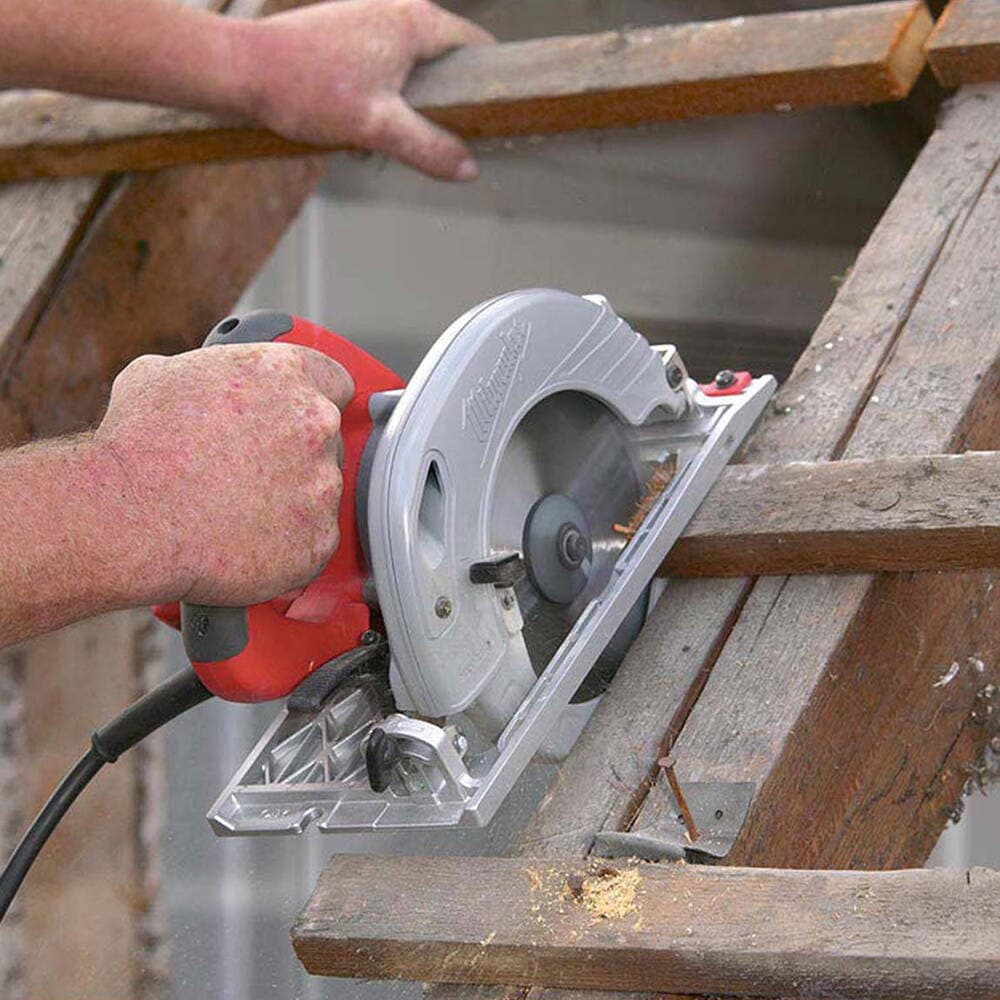
Milwaukee CS 55 165 mm Circular Saw
Milwaukee · Circular Saws
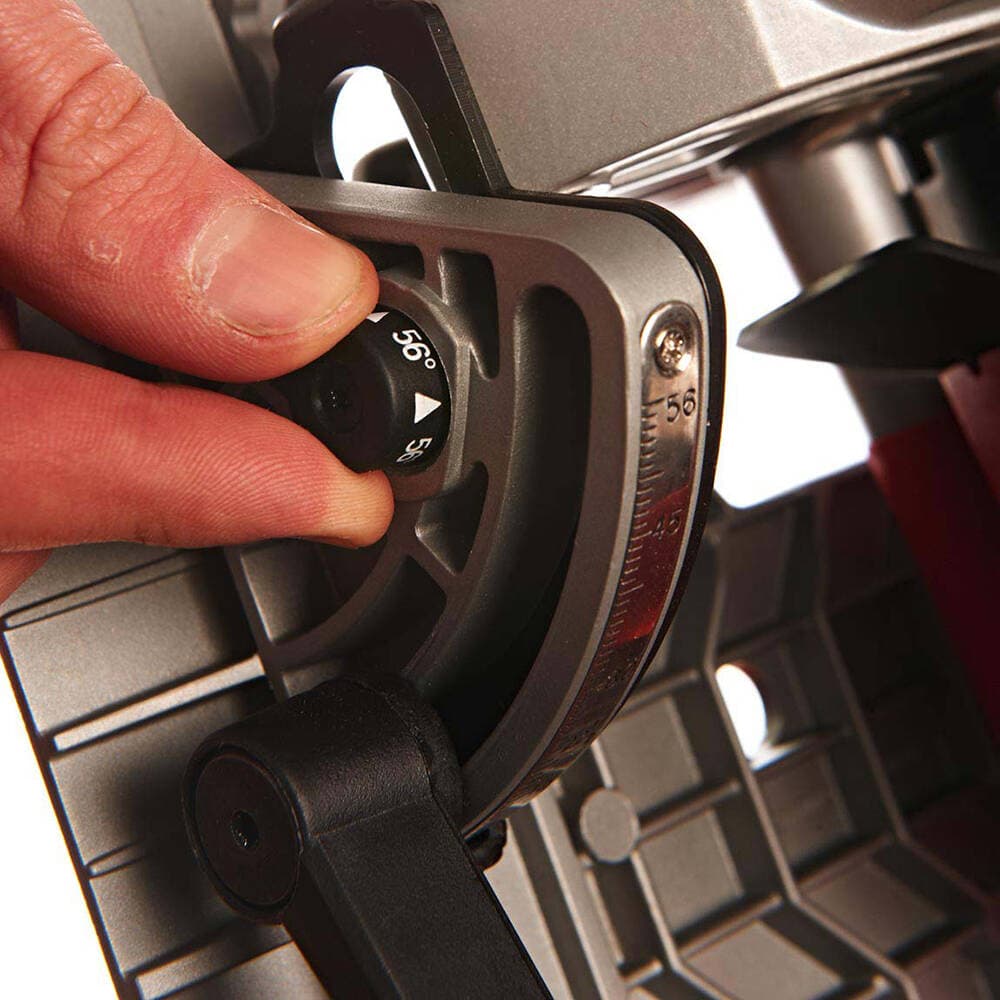
Milwaukee CS 60 184 mm Circular Saw
Milwaukee · Circular Saws
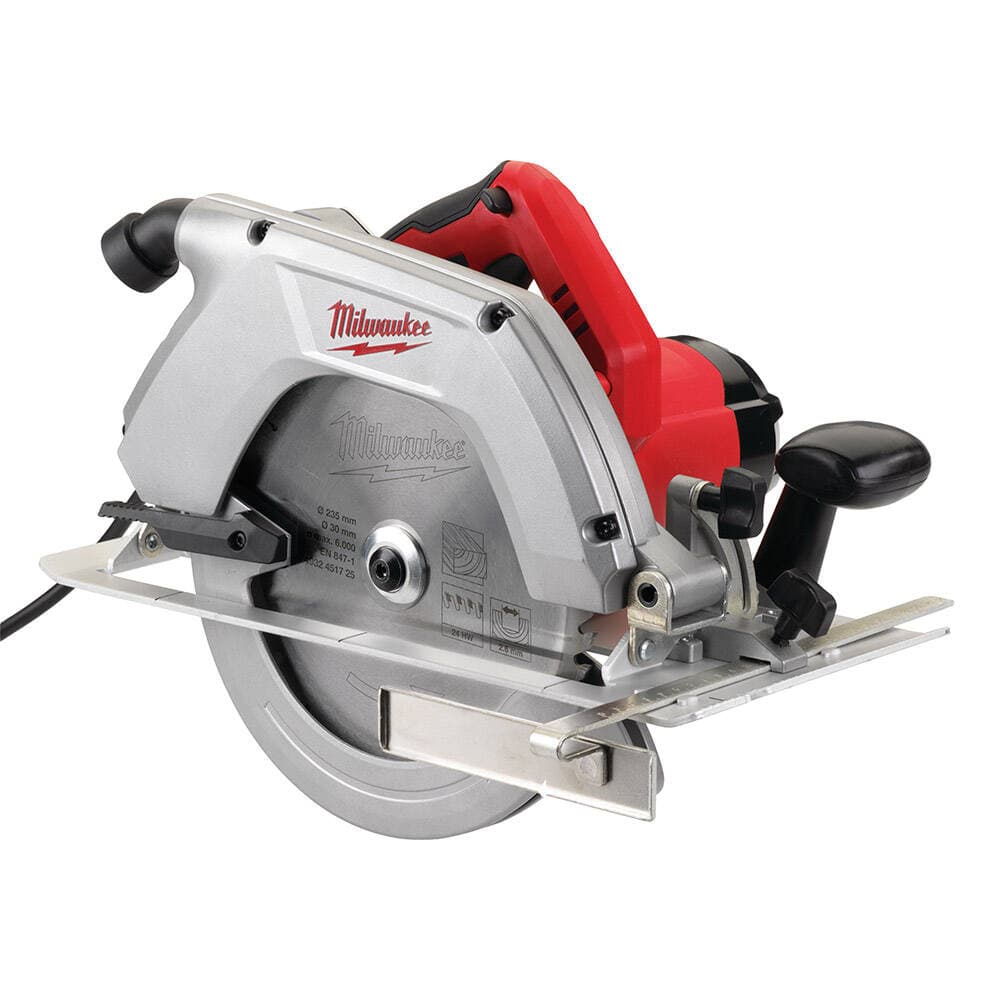
Milwaukee CS 85 SB 235 mm Circular Saw
Milwaukee · Circular Saws
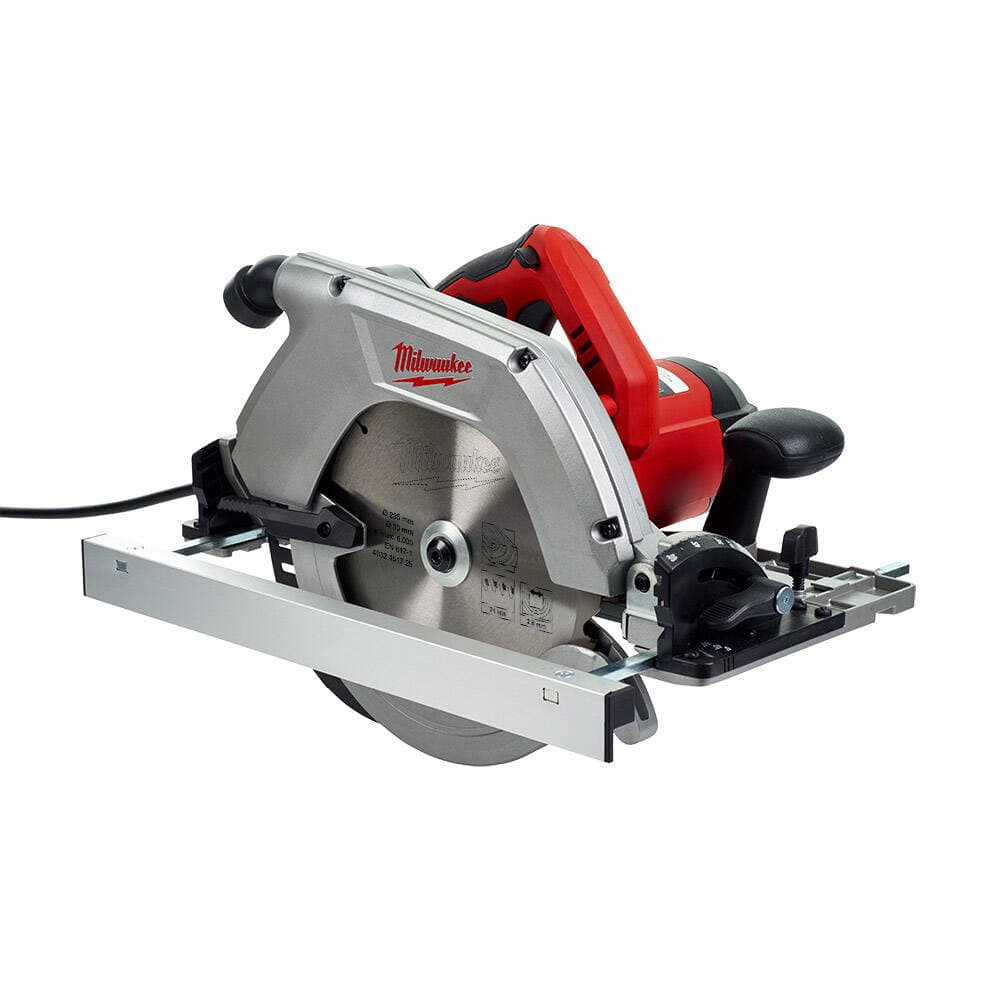
Milwaukee CS85 CBE Circular Saw
Milwaukee · Circular Saws
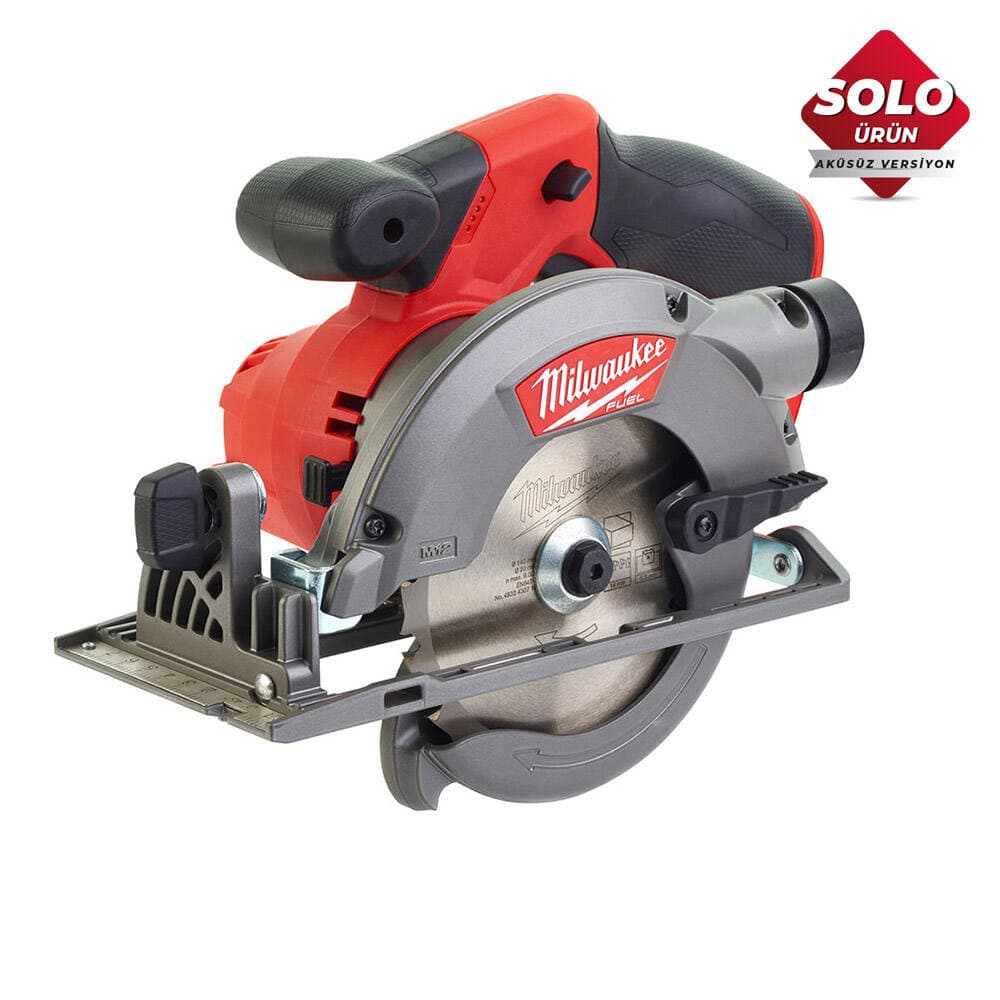
Milwaukee M12 CCS44-0 Cordless Circular Saw
Milwaukee · Circular Saws
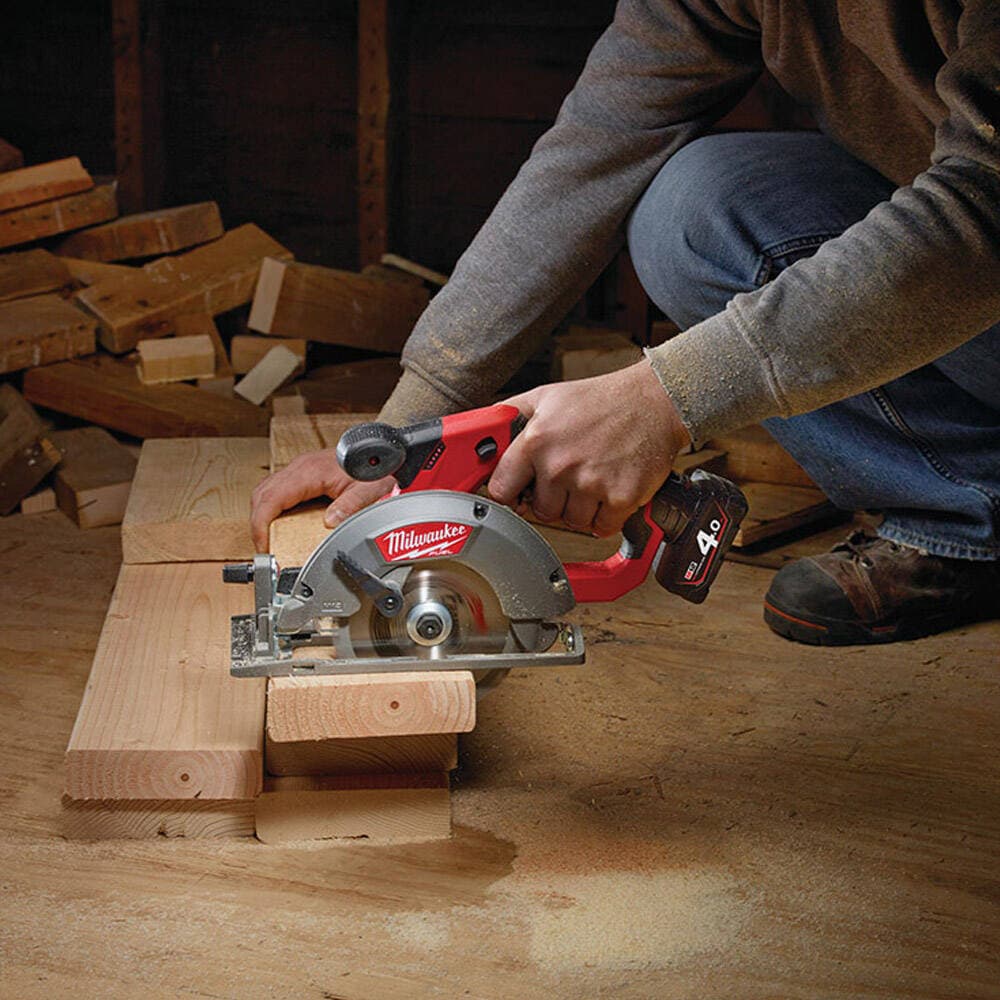
Milwaukee M12 CCS44-402C Cordless Circular Saw
Milwaukee · Circular Saws
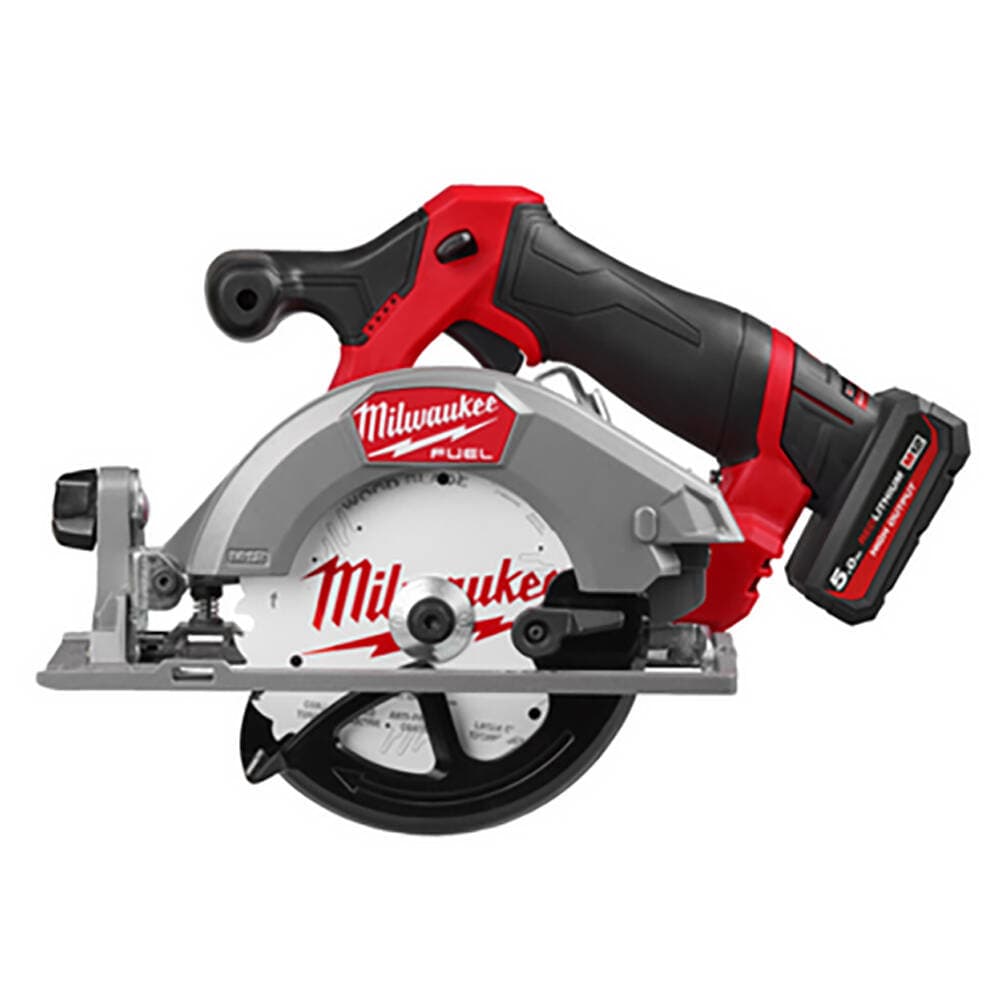
Milwaukee M12 FCS442-502X Cordless Circular Saw
Milwaukee · Circular Saws
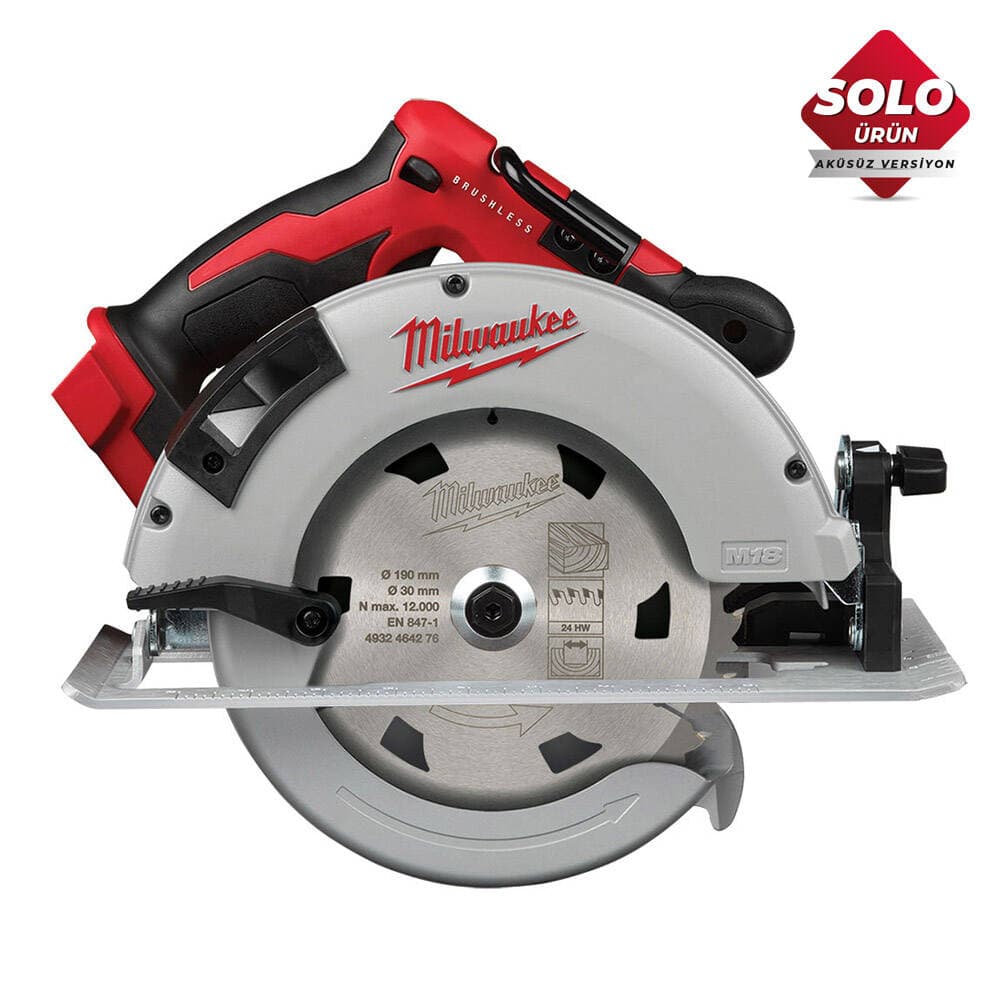
Milwaukee M18 BLCS66-0 Cordless Circular Saw
Milwaukee · Circular Saws
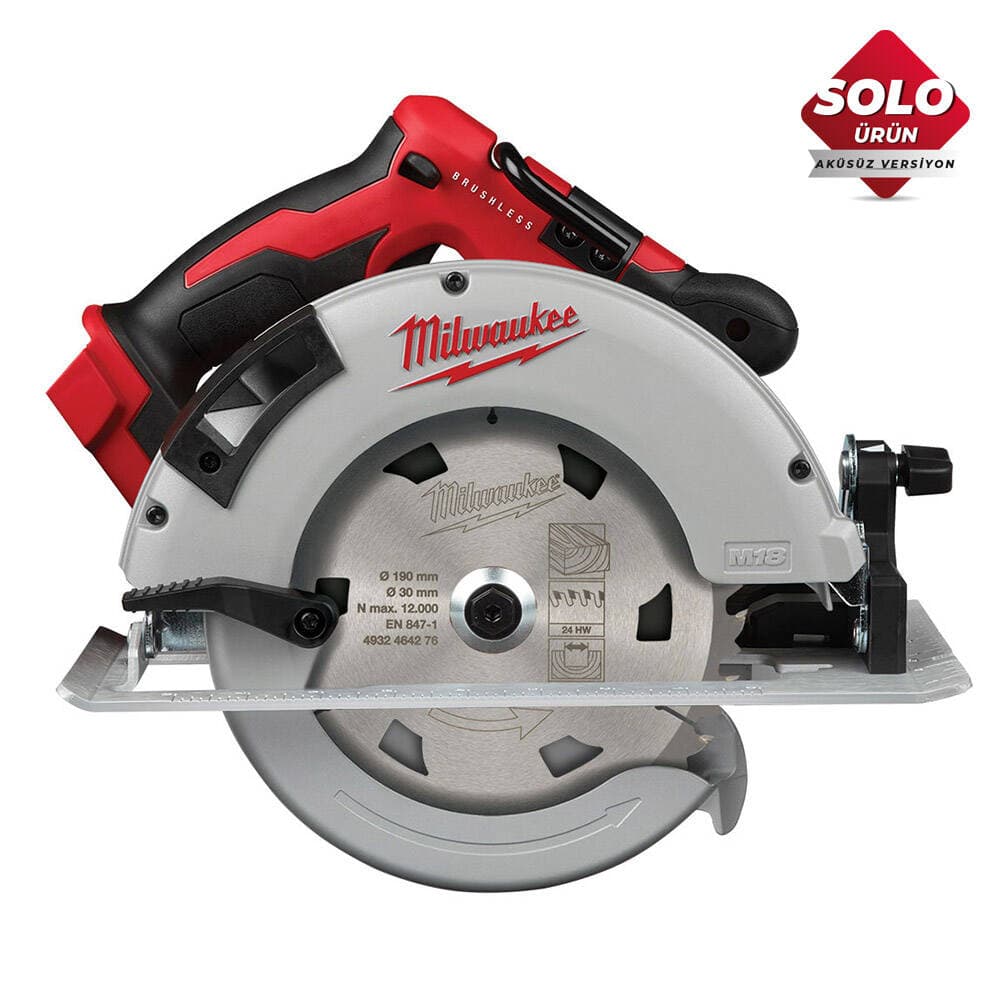
Milwaukee M18 BLCS66-0X Cordless Circular Saw
Milwaukee · Circular Saws
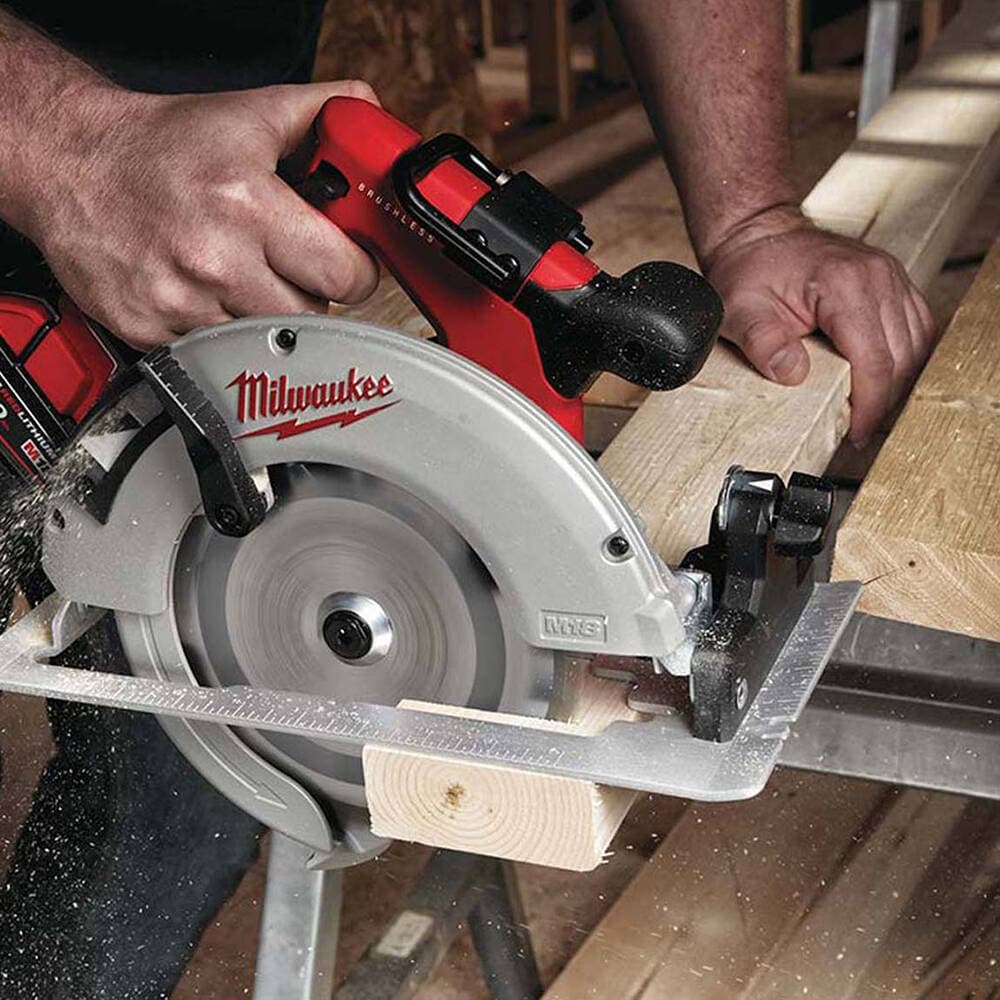
Milwaukee M18 BLCS66-502X Cordless Circular Saw
Milwaukee · Circular Saws
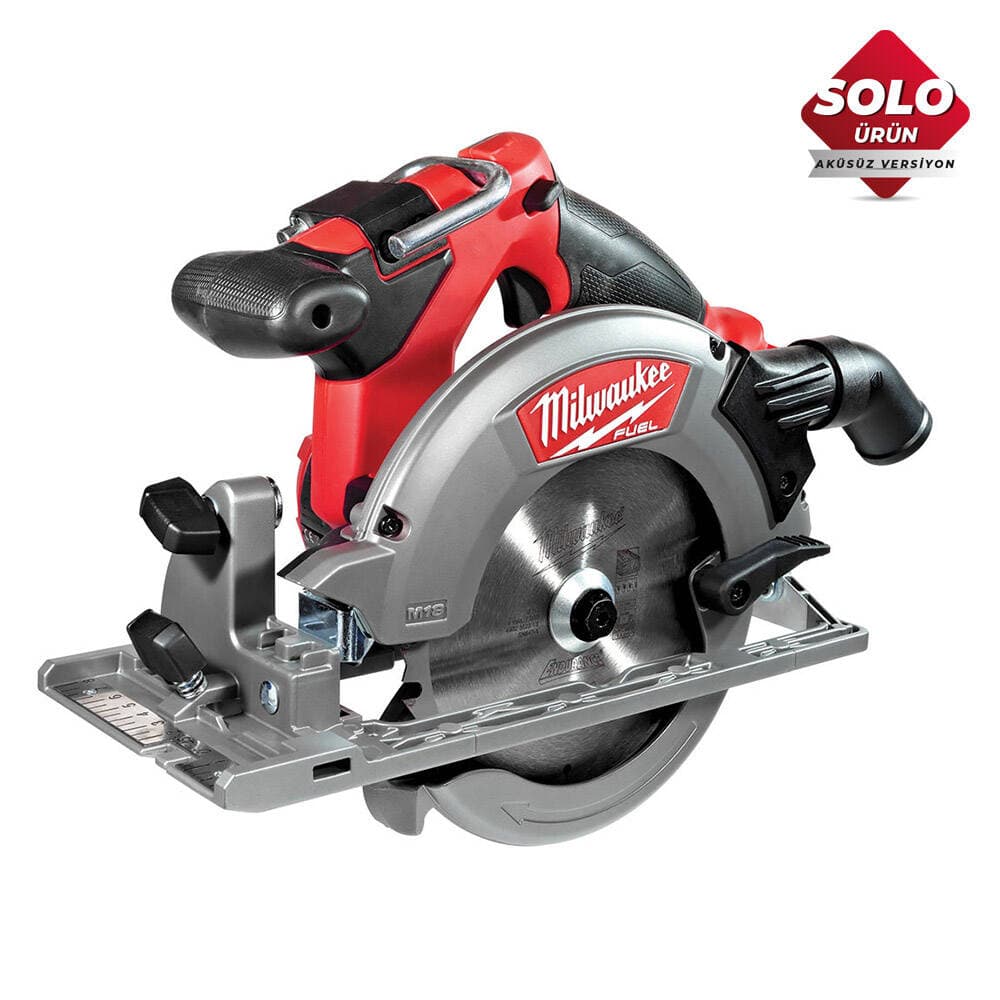
Milwaukee M18 CCS55-0 Cordless Circular Saw
Milwaukee · Circular Saws
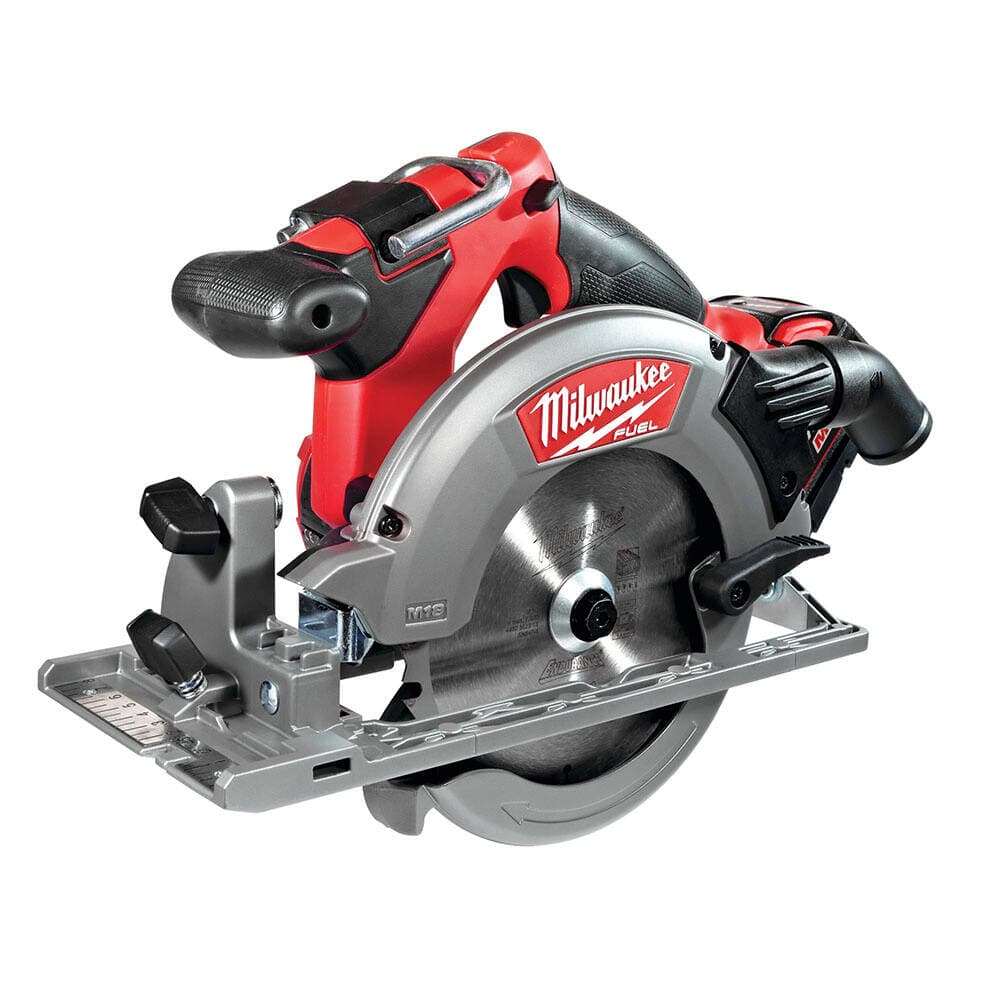
Milwaukee M18 CCS55-502X Cordless Circular Saw
Milwaukee · Circular Saws
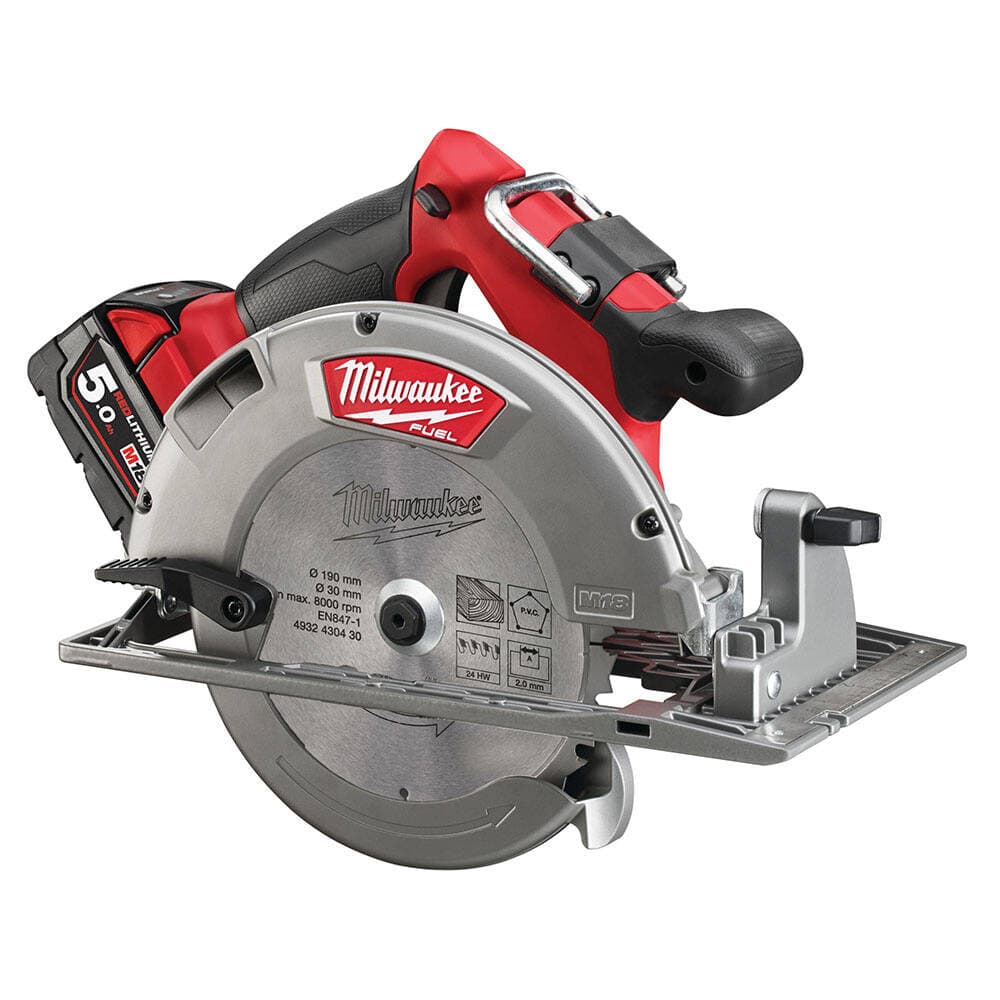
Milwaukee M18 CCS66-502X Cordless Circular Saw
Milwaukee · Circular Saws
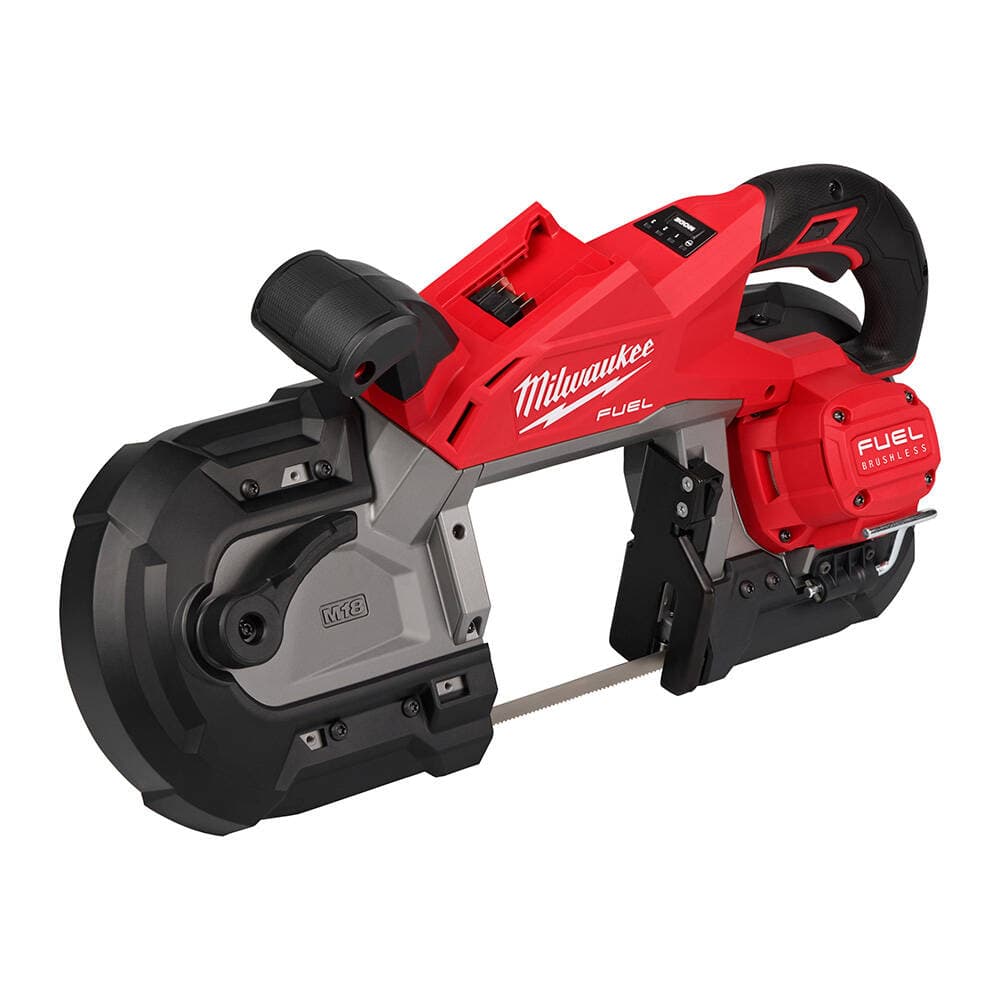
Milwaukee M18 FBS127-0 Fuel Band Saw
Milwaukee · Circular Saws
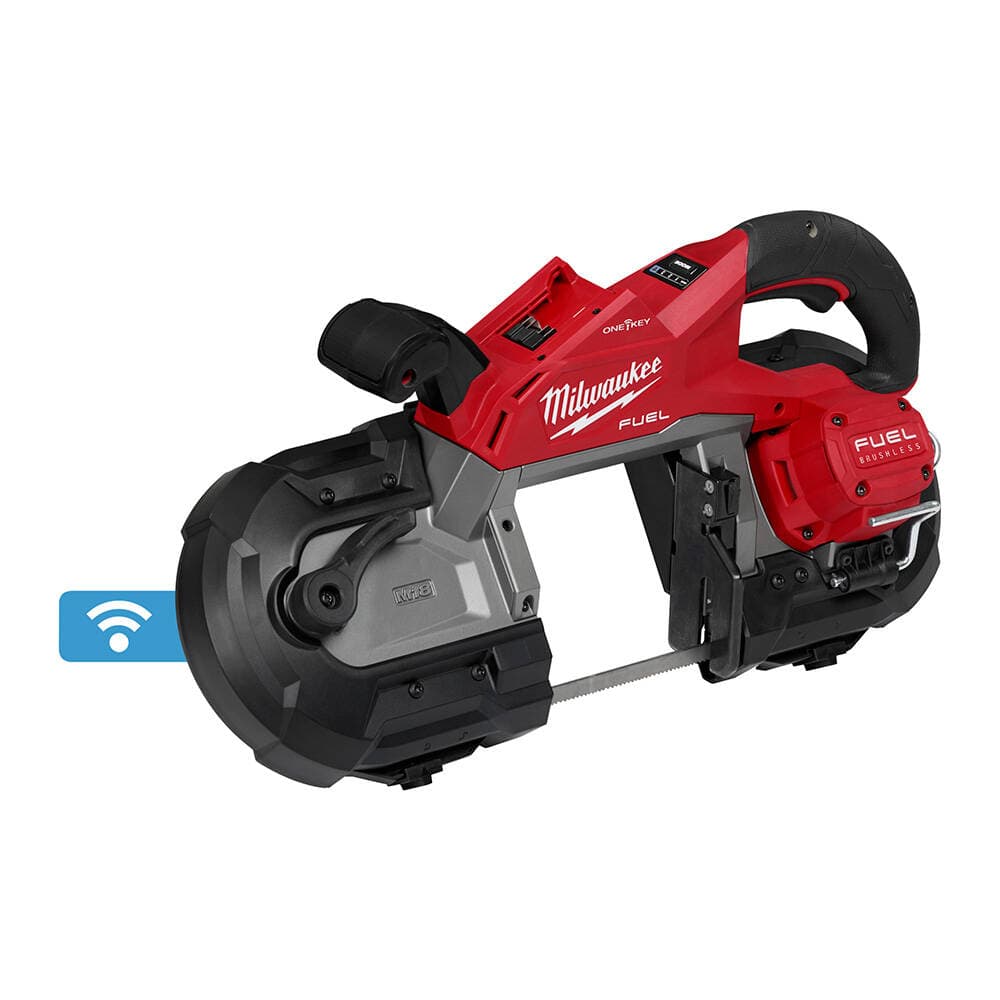
Milwaukee M18 FBS127DO-0C Fuel One-Key Pair Tetik Band Saw
Milwaukee · Circular Saws
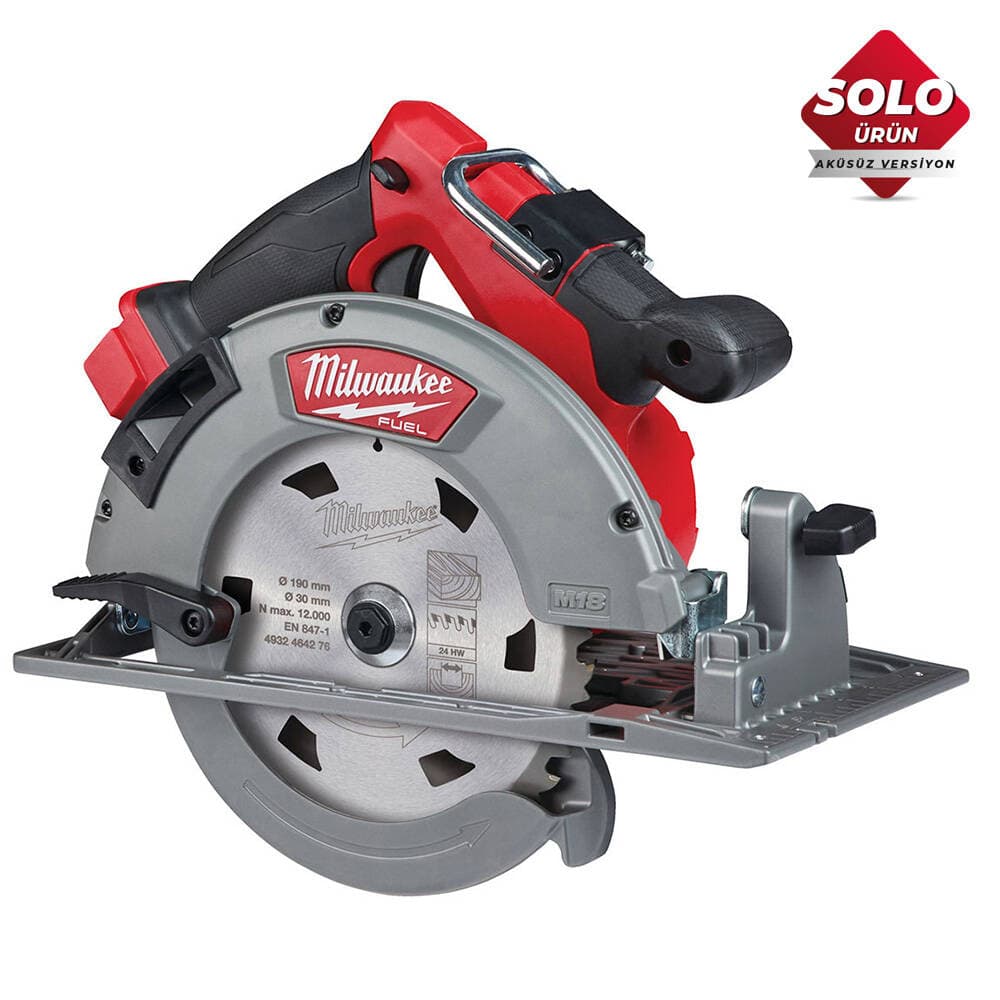
Milwaukee M18 FCS66-0C Cordless Circular Saw
Milwaukee · Circular Saws
1–24 of 35 · page 1 / 2
Blade diameter, depth and tooth count
Depth of cut grows with blade diameter: a 165 mm blade cuts around 55 mm, a 190 mm blade around 65 mm. Tooth count sets the finish — fewer teeth cut fast and rough, more teeth cut slow and clean.
Metal-cutting circular saws run at low speed with carbide-tipped blades; they produce chips rather than sparks, and the cut stays clean and cool. Never use a timber blade on metal.
| Blade | Teeth | Cut |
|---|---|---|
| Rough timber | 18-24 teeth | Fast ripping |
| Clean timber | 40-60 teeth | Cross cuts, clean edge |
| Laminate / MDF | 60-80 teeth | No breakout |
| Metal (cold cutting) | Carbide tipped, low speed | Chips, no sparks |
Frequently Asked Questions
What sets the depth of cut?
Blade diameter and the shoe setting. A 165 mm blade gives around 55 mm, a 190 mm blade around 65 mm; bevel cuts reduce it.
What does tooth count change?
Cutting speed and edge quality. 18-24 teeth for fast ripping, 40-60 for clean cross cuts, 60-80 for laminate and MDF.
Can I cut metal with a timber blade?
No. Metal needs carbide-tipped blades running at low speed; a timber blade loses teeth and is dangerous in metal.
What is a guide rail for?
It holds the saw on the cut line for straight, dimensioned cuts in large panels. Rails with an anti-splinter strip protect the visible face too.
Is a cordless circular saw enough?
For panel cutting, formwork and assembly, yes. A workshop ripping heavy timber all day is still better served by a corded machine.