Categories
Staple & Nail Guns
A fastening gun drives a staple or nail home in a single blow, turning hammer work into something tens of times faster. The right machine is decided by the fastener: each gun accepts only the series it was built for. This page covers the choice by power source and by staple series. The catalogue holds over 70 models.
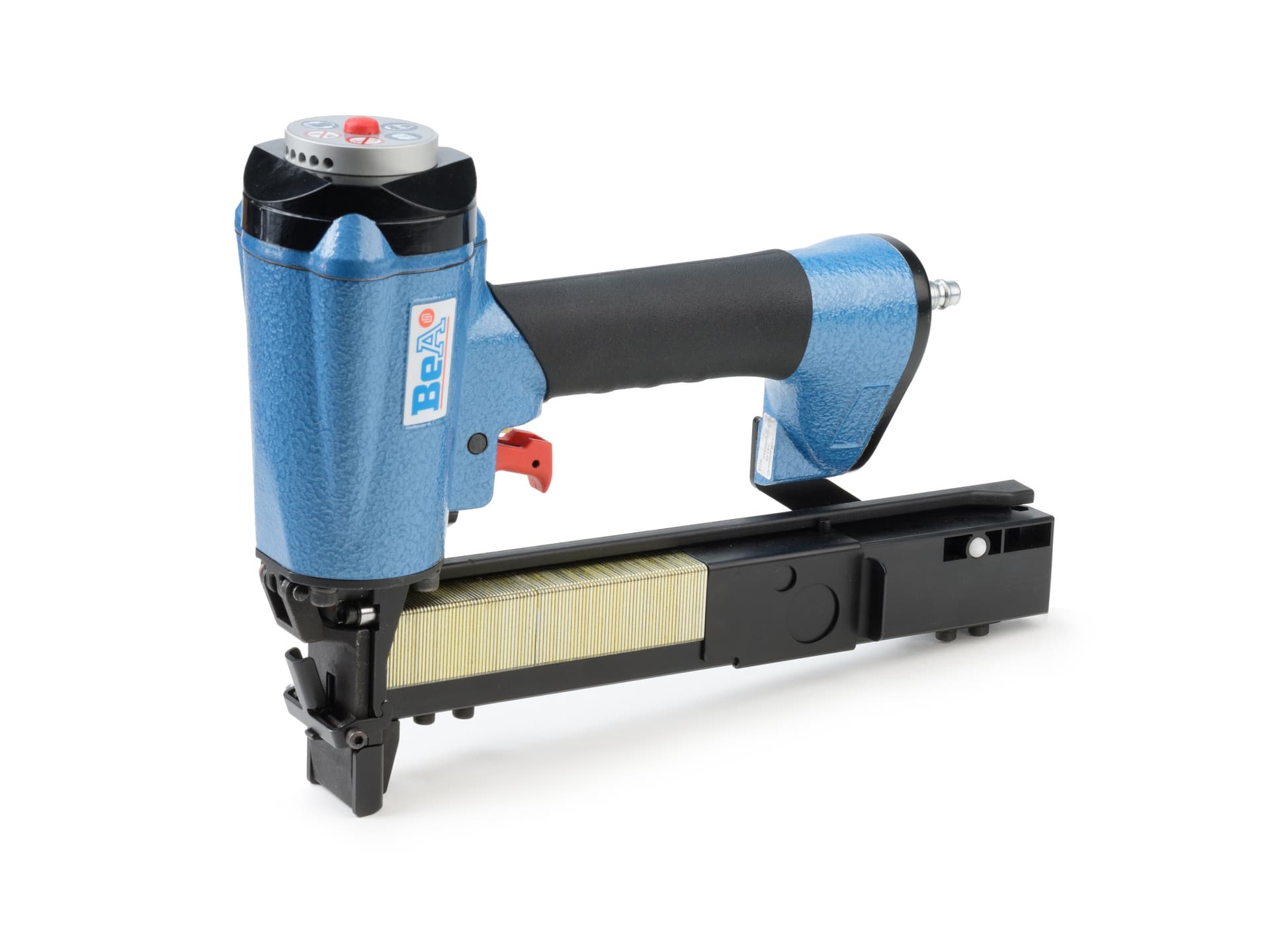
BEA 145/40-779C Stapler 18-40 mm
BEA · Staple & Nail Guns
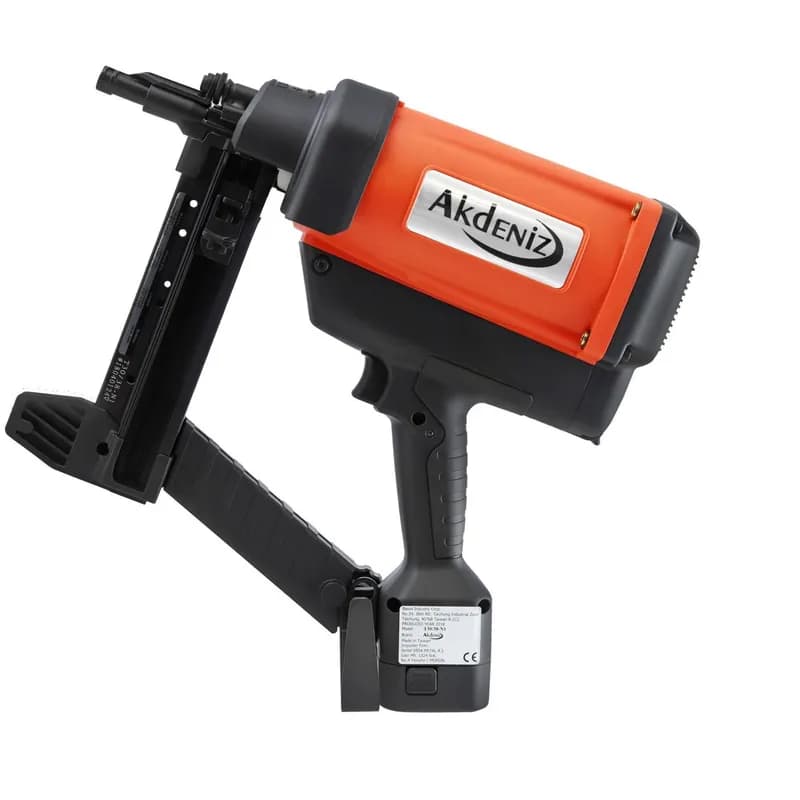
Akdeniz T30-38 Gas Nailer
Akdeniz · Staple & Nail Guns
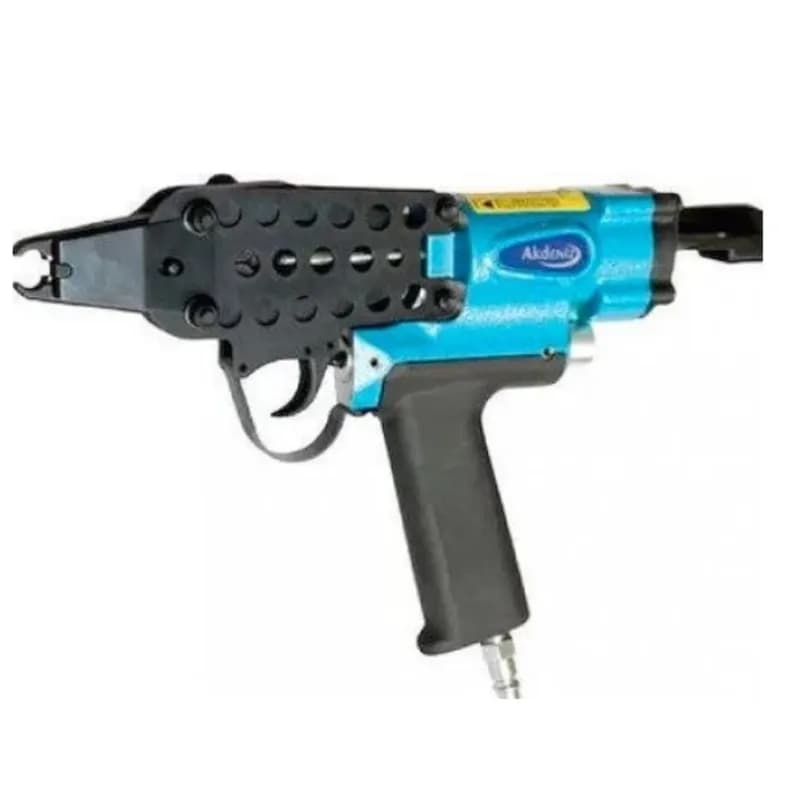
Akdeniz TC7C Pneumatic Nailer
Akdeniz · Staple & Nail Guns
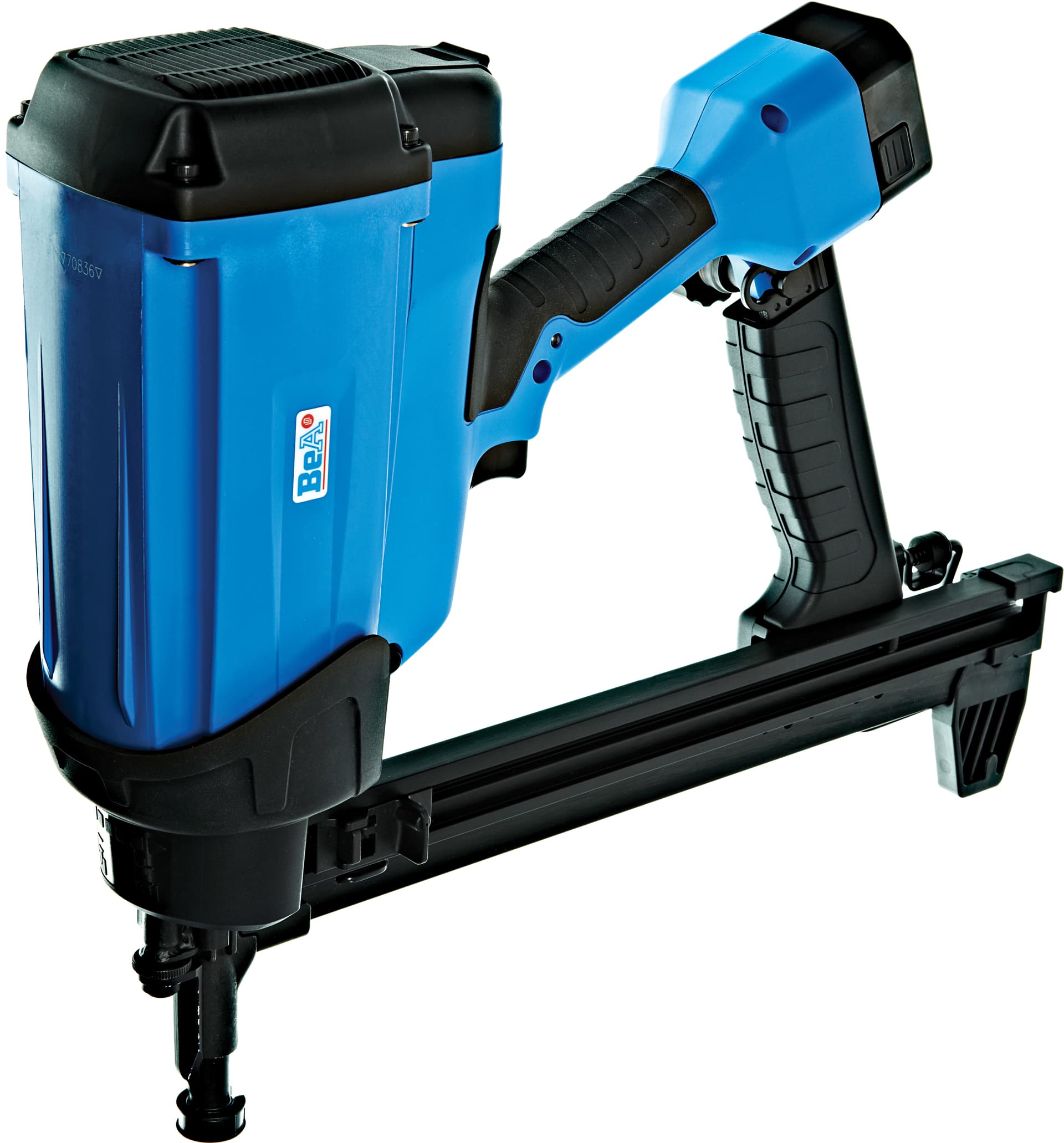
BEA CN40-668E Nailer
BEA · Staple & Nail Guns
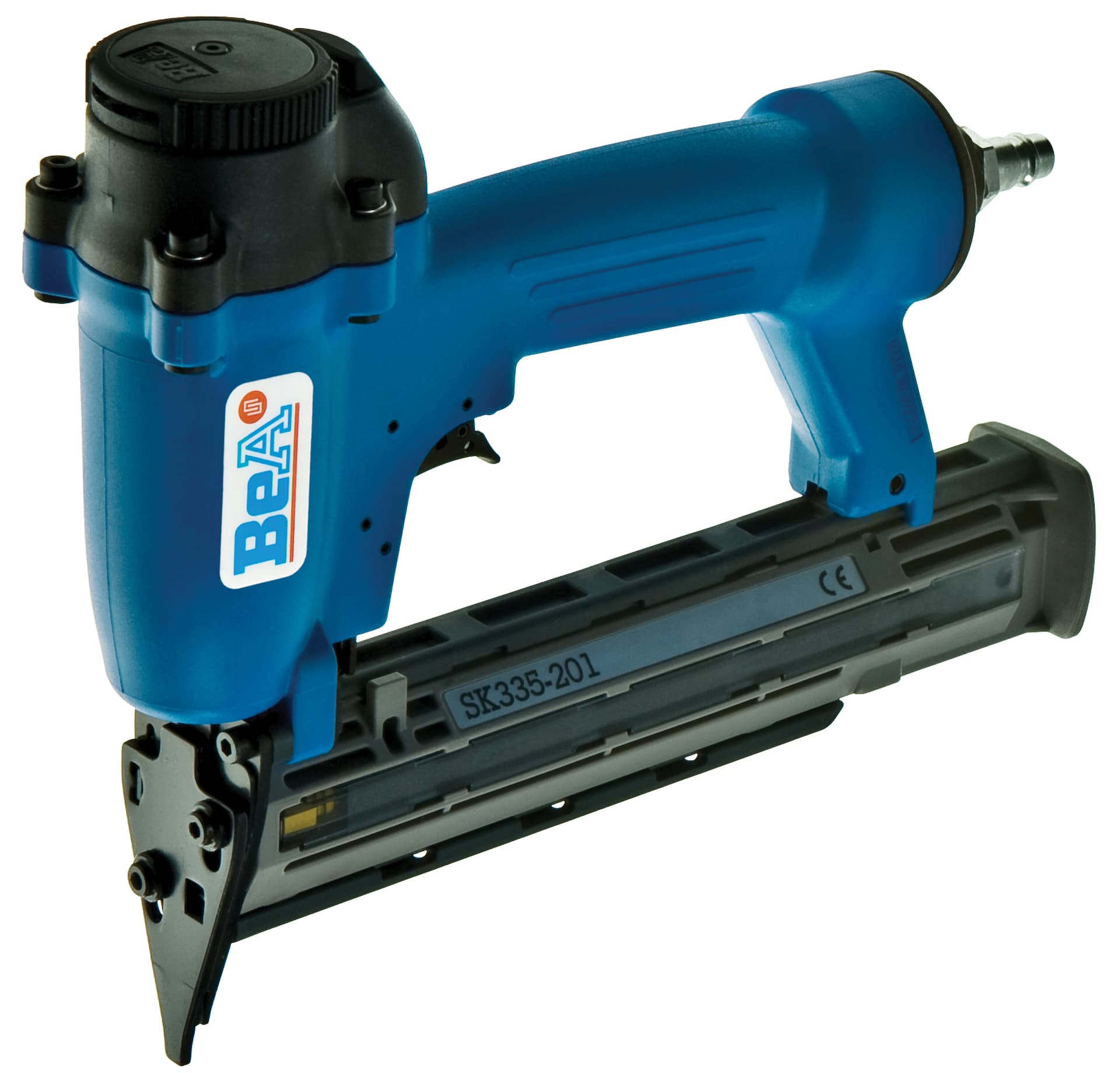
BEA SK335-201 Nailer
BEA · Staple & Nail Guns
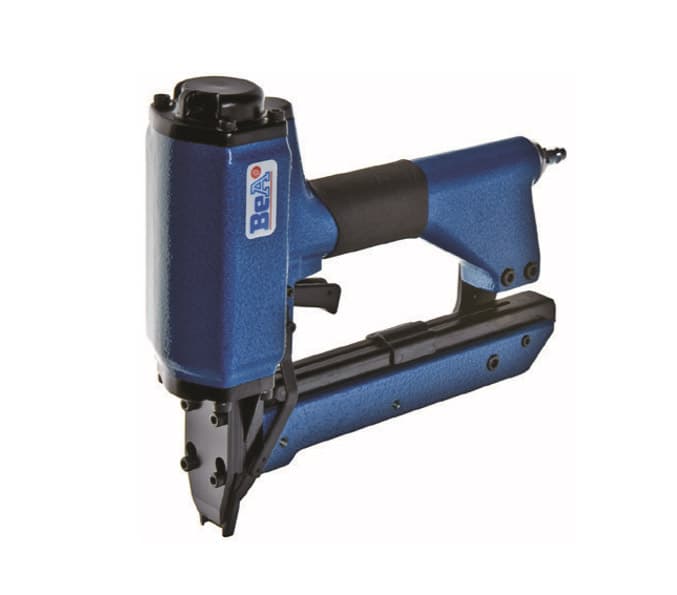
BEA T25-155 Nailer 13-25 mm
BEA · Staple & Nail Guns
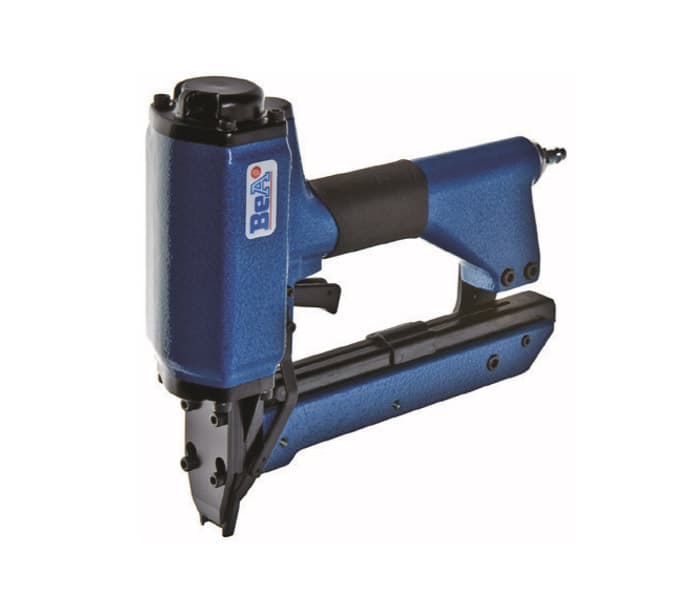
BEA 14/38-152 Nailer 15-40 mm
BEA · Staple & Nail Guns
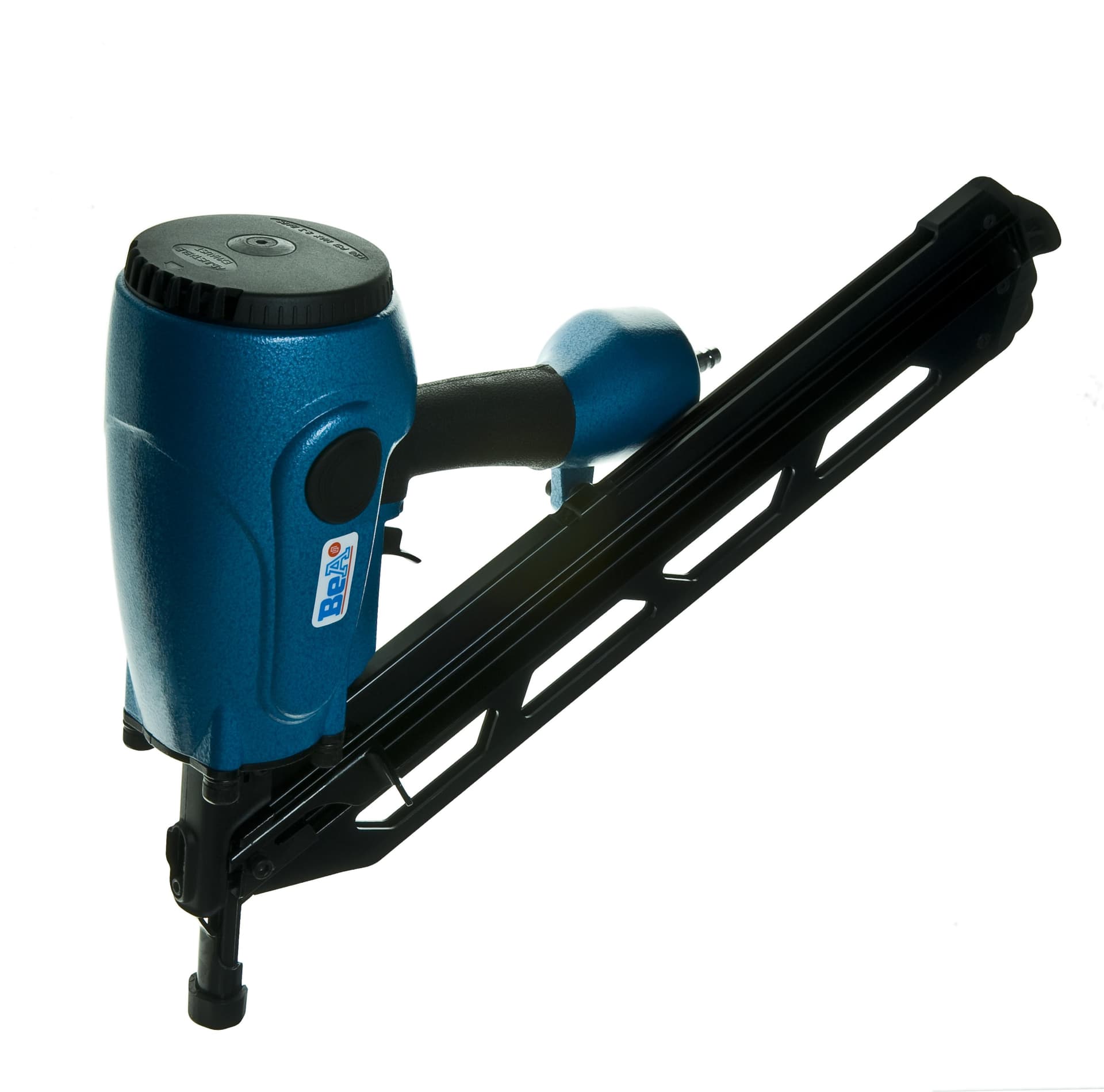
BEA D 100-934C Nailer 50-100 mm
BEA · Staple & Nail Guns
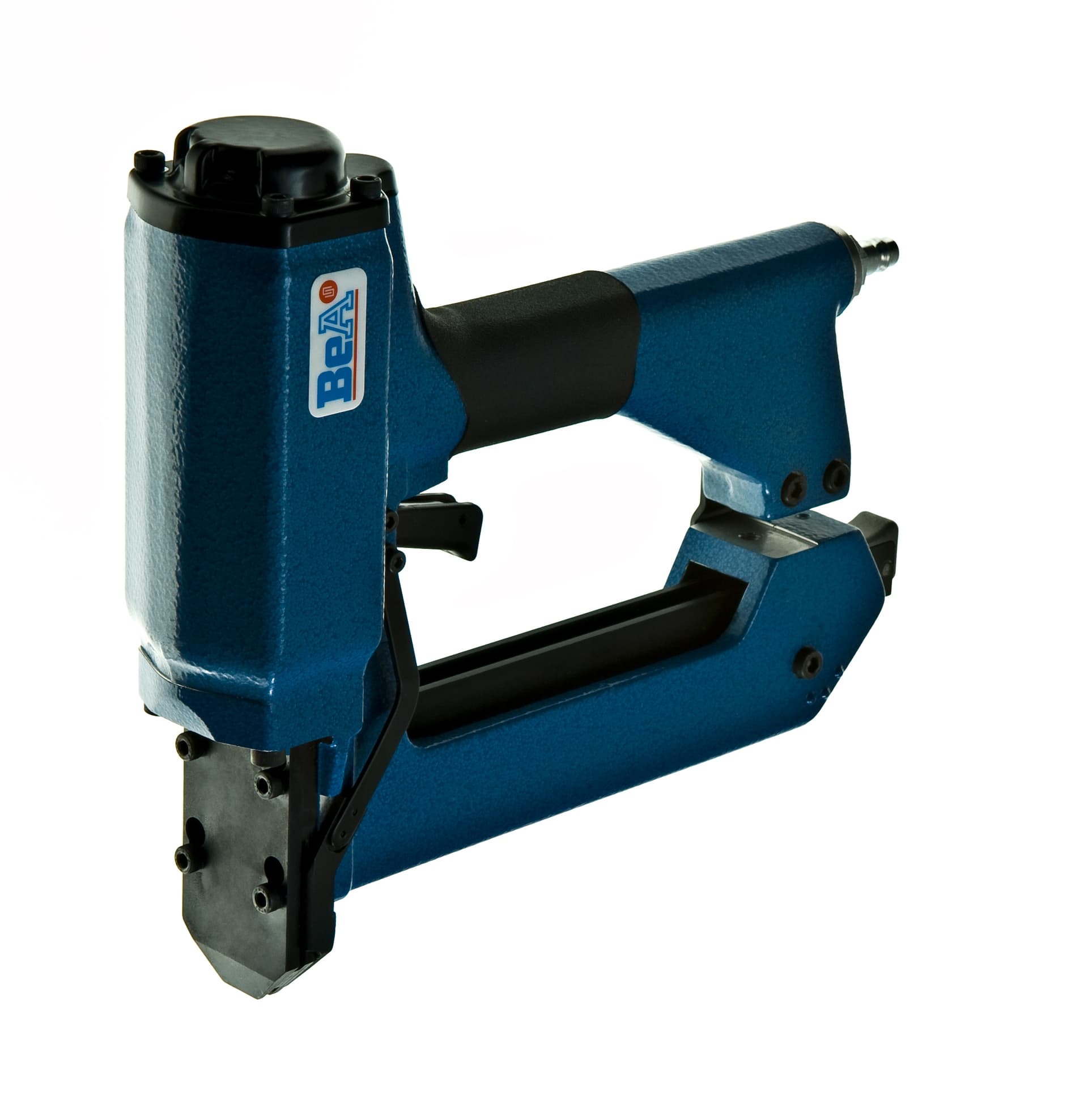
BEA WM 12-156 Corrugated Fastener Gun 6-12 mm
BEA · Staple & Nail Guns
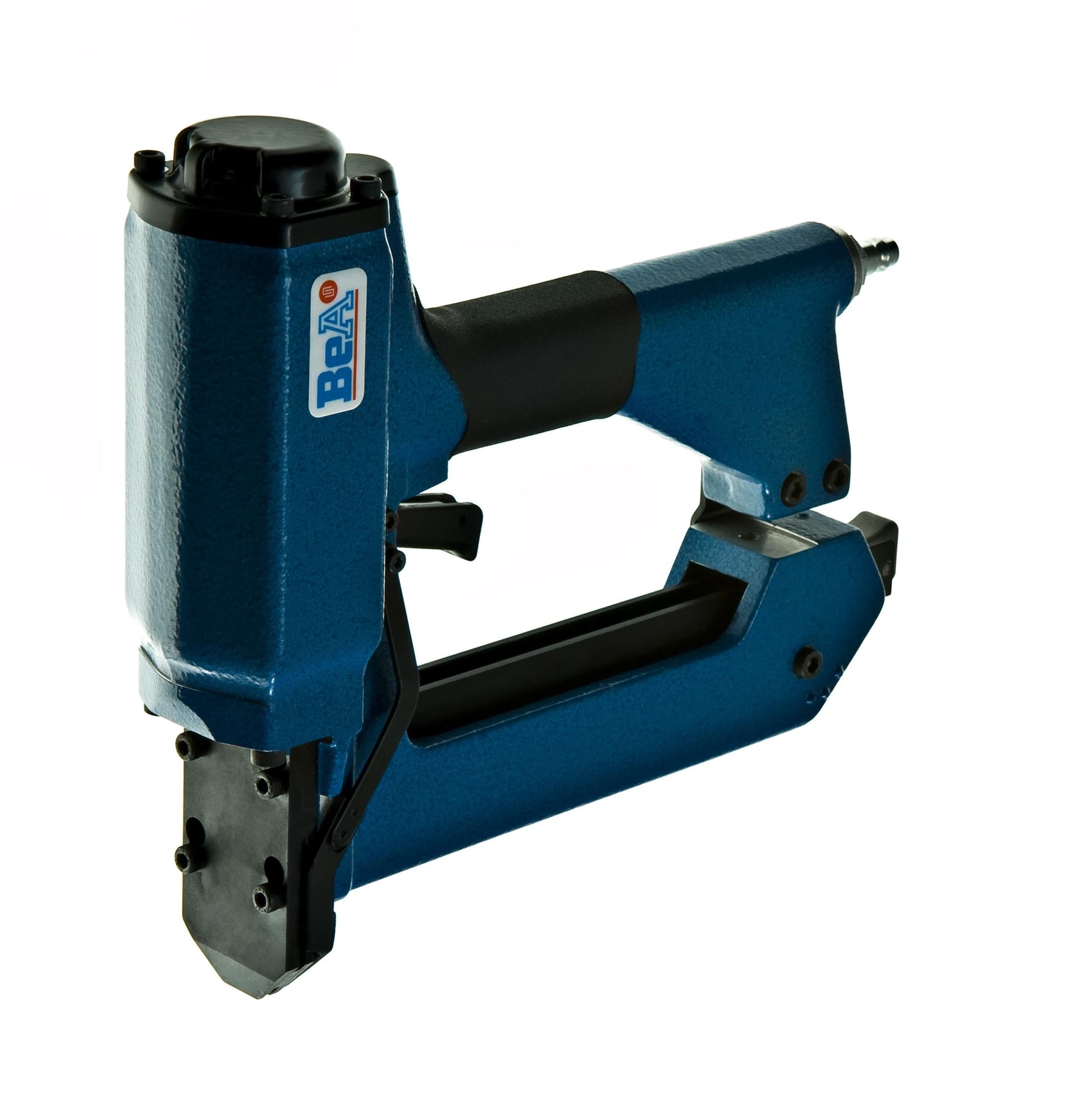
BEA W 15-358 Corrugated Fastener Gun 9-15 mm
BEA · Staple & Nail Guns

Rapid 553 Electric Staple Gun
Rapid · Staple & Nail Guns

Rapid 606 Electric Staple Gun
Rapid · Staple & Nail Guns

Rapid E-TAC Electric Staple Gun
Rapid · Staple & Nail Guns

Rapid E100 Electric Staple Gun
Rapid · Staple & Nail Guns

Rapid EN330 Electric Nailer
Rapid · Staple & Nail Guns
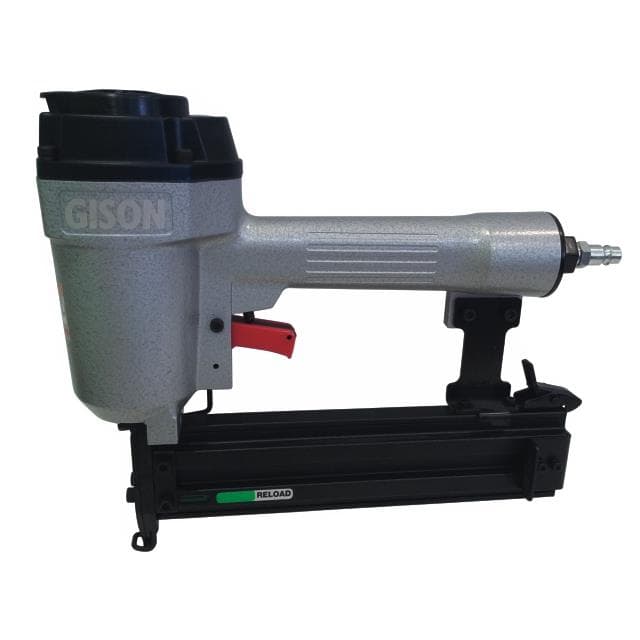
Gison GPF16/50 Pneumatic Nailer
Gison · Staple & Nail Guns
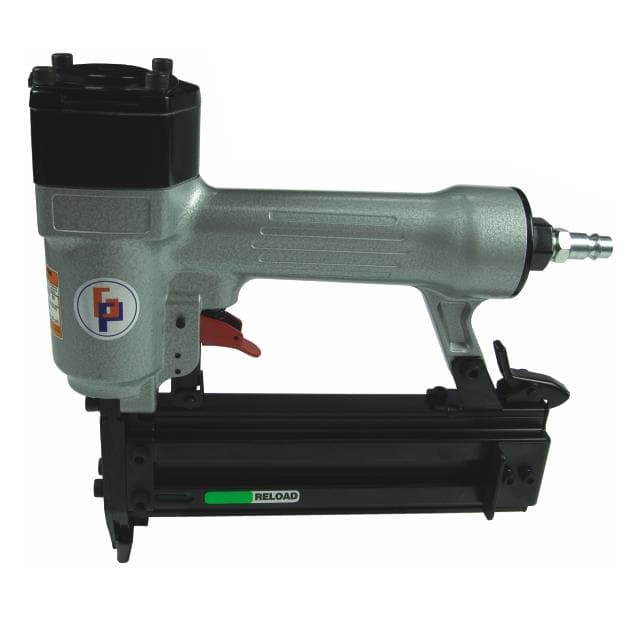
Gison GPF1850 Pneumatic Nailer
Gison · Staple & Nail Guns

Rapid PB131 Pneumatic Nailer
Rapid · Staple & Nail Guns

Rapid PMP171 Pneumatic Nailer
Rapid · Staple & Nail Guns

Rapid PS101 Pneumatic Nailer
Rapid · Staple & Nail Guns
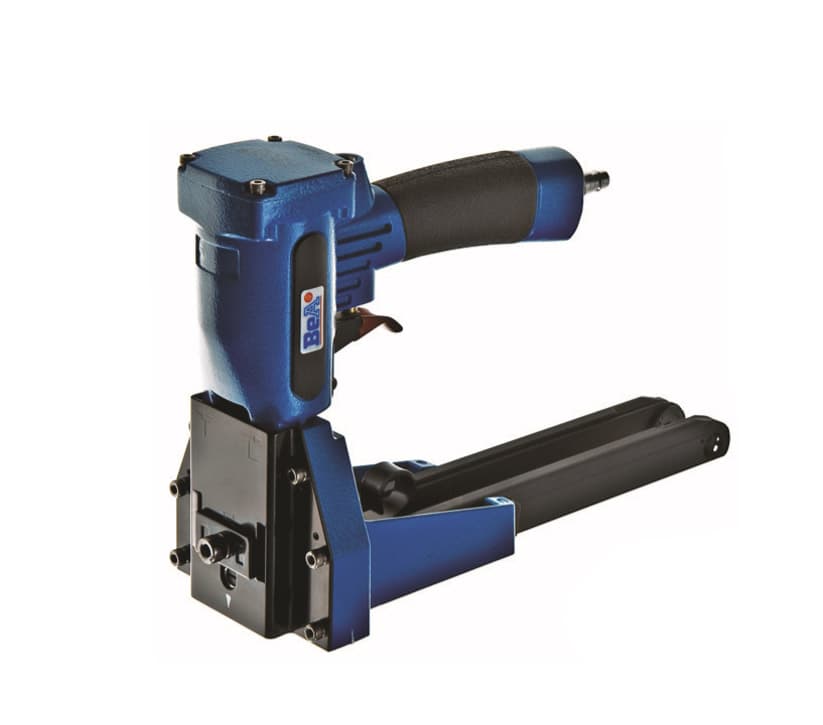
BEA ATA-18 Pneumatic Carton Closing Stapler 16-19 mm
BEA · Staple & Nail Guns
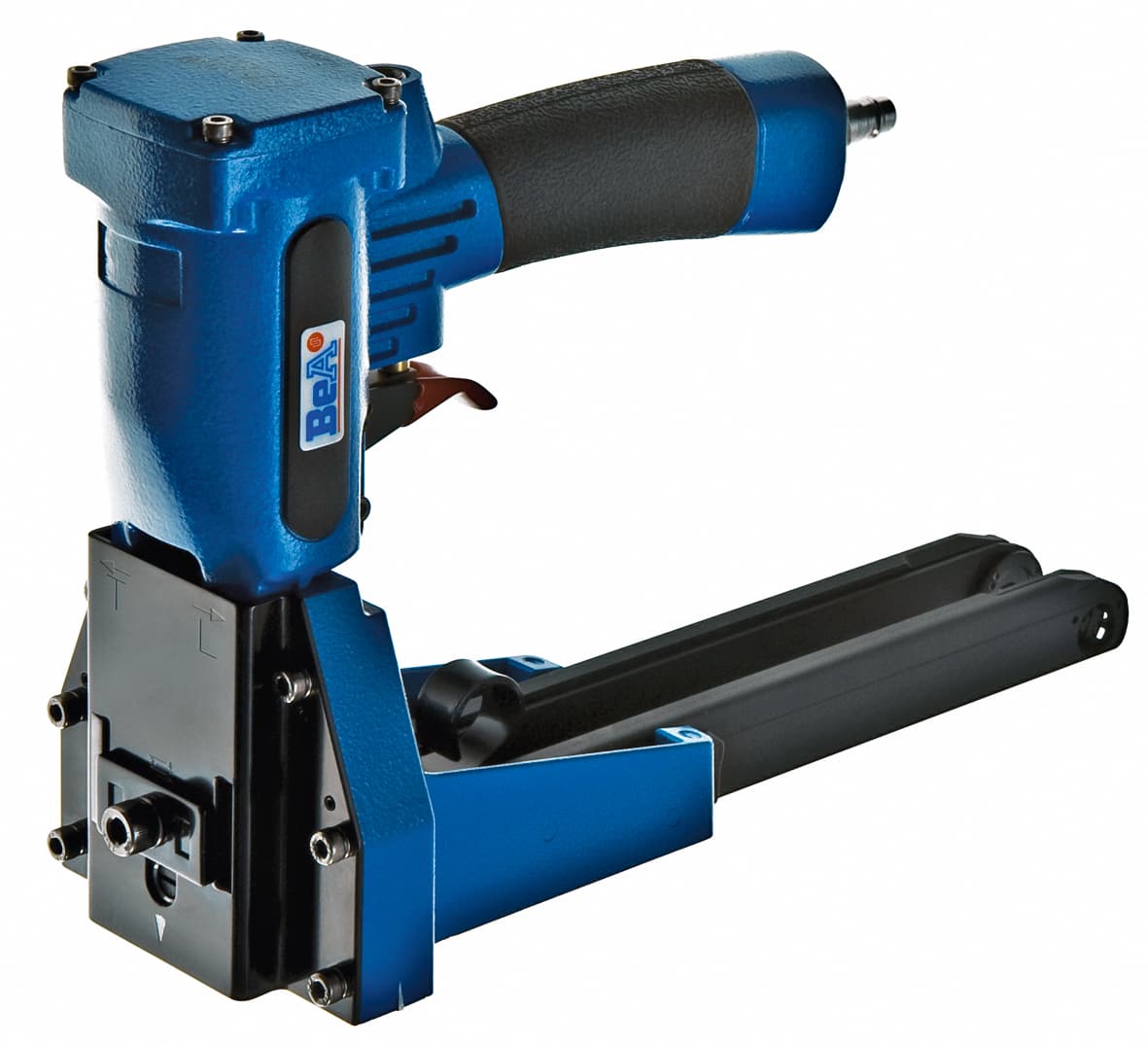
BEA ATA-22 Pneumatic Carton Closing Stapler 19-22 mm
BEA · Staple & Nail Guns
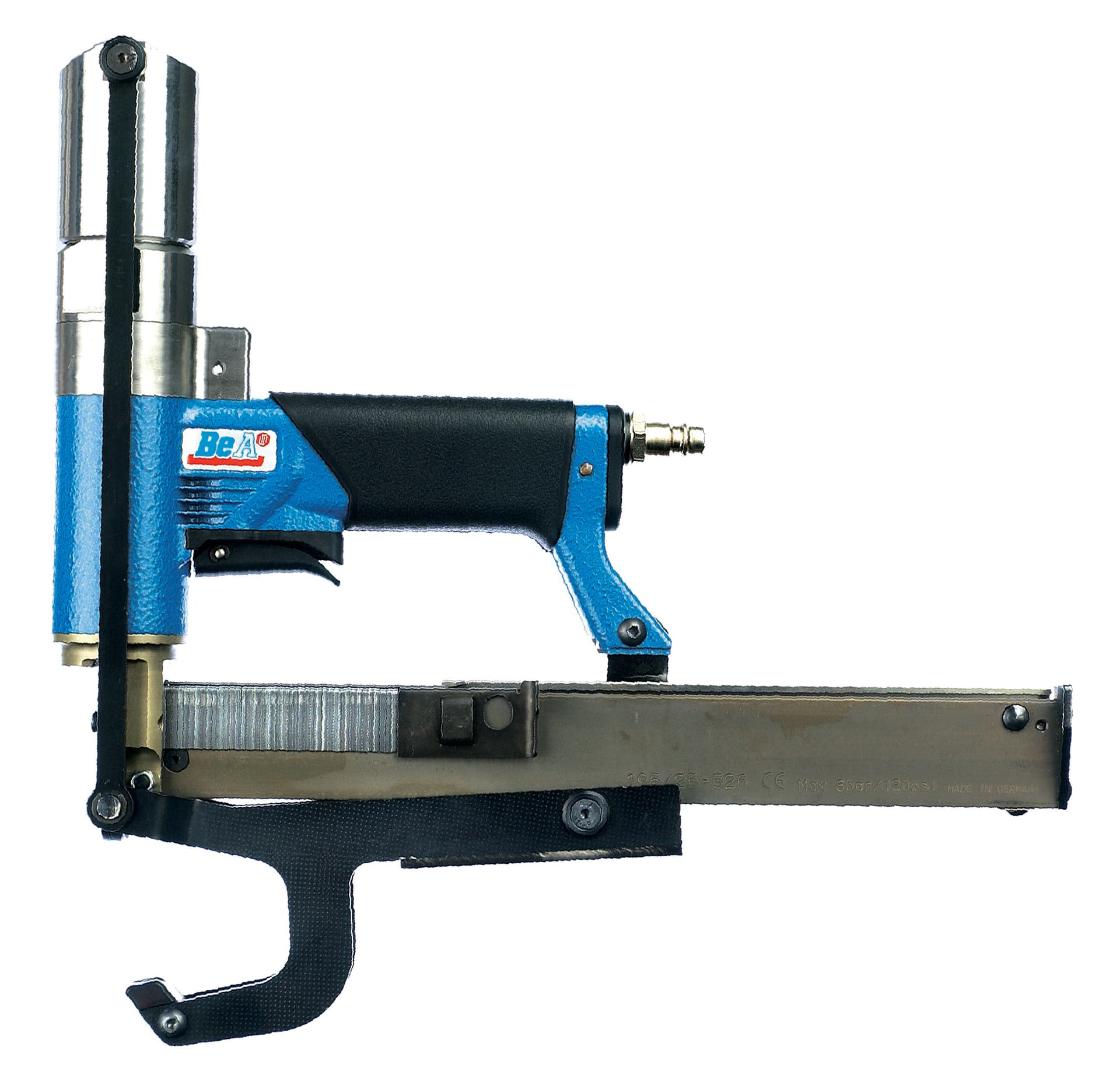
BEA P88/25-526 Felt Stapler
BEA · Staple & Nail Guns

Rapid MS4 Manual Staple Gun
Rapid · Staple & Nail Guns
1–24 of 82 · page 1 / 4
By power source
Fastening guns divide by how they take their energy, and that sets both their speed and where they can work.
| Type | Energy | Advantage | Where |
|---|---|---|---|
| Manual | Hand force | No maintenance, cheap, quiet | Upholstery, card, light work |
| Electric | Mains | No compressor, continuous | Workshop, upholstery, sheathing |
| Pneumatic | Compressor | Fastest, hardest driving | Furniture, pallets, roofing, formwork |
| Gas / cordless | Fuel cell or battery | Hose-free, independent on site | Formwork, roofing, track fixing |
Staple and nail series
Staples are grouped into series by crown width and wire thickness, and a gun takes only its own series. The 71 series is fine-wire for upholstery, 80 is general purpose, and 140 is heavy wire for sheathing and timber work.
Nailers divide into headed (D-head or full head) and headless (pin) types: headed nails for structural fixing, headless pins where no visible mark is wanted. Coil nailers feed long, heavy nails from a wound strip.
| Series / type | Description | Use |
|---|---|---|
| 71 series | Fine wire, narrow crown | Upholstery, fabric, thin timber |
| 80 series | Medium wire | General timber work |
| 140 series | Heavy wire, wide crown | Sheathing, insulation, roof decking |
| Headless pin | Fine pin, no head | Trim work with no visible mark |
| D-head nail | Wide head | Formwork, pallets, structural fixing |
Drive depth and safety
A good gun has depth adjustment: the same machine sets the fastener flush in hardwood and proud in softwood. Adjusting with the depth wheel rather than the air pressure is both more repeatable and easier on the tool.
Keep pneumatic guns within the working pressure range the maker gives; higher pressure wears the seals rather than driving better. Never disable the contact safety tip.
Frequently Asked Questions
Do all staples fit all guns?
No. A gun accepts only the series (71, 80, 140 and so on) and length range it was built for. The series is defined by crown width and wire thickness.
Pneumatic or electric?
For production runs and continuous firing, pneumatic — fastest and hardest driving, but it needs a compressor. For a single machine in a workshop with no compressed air, an electric model is enough.
How does a gas nailer work?
It ignites fuel from a cell in a combustion chamber to drive the piston; the battery only powers ignition and the fan. That gives hard driving with no hose or compressor, with cells and battery as consumables.
The nail is not being driven flush — what should I check?
The depth setting first, then working pressure on pneumatic models. In hardwood, nail length and gauge matter too; a fastener outside the tool's capacity will stall.
What is the difference between headed and headless nails?
A headed nail gives holding power for structural fixing. A headless pin leaves almost no visible mark and suits trim, beading and skirting.
Can the safety tip be disabled?
It should not be. The contact tip stops the gun firing unless pressed against the work, and it is the most basic safety feature these tools have.