Categories
Impact Wrenches
An impact wrench delivers blows in the direction of rotation, producing very high torque from a small body with no reaction through the wrist — that is what frees a corroded wheel nut. This page explains how to read the torque figures, what the square drive sizes mean, and why impact sockets are not optional. The catalogue holds over 100 models.
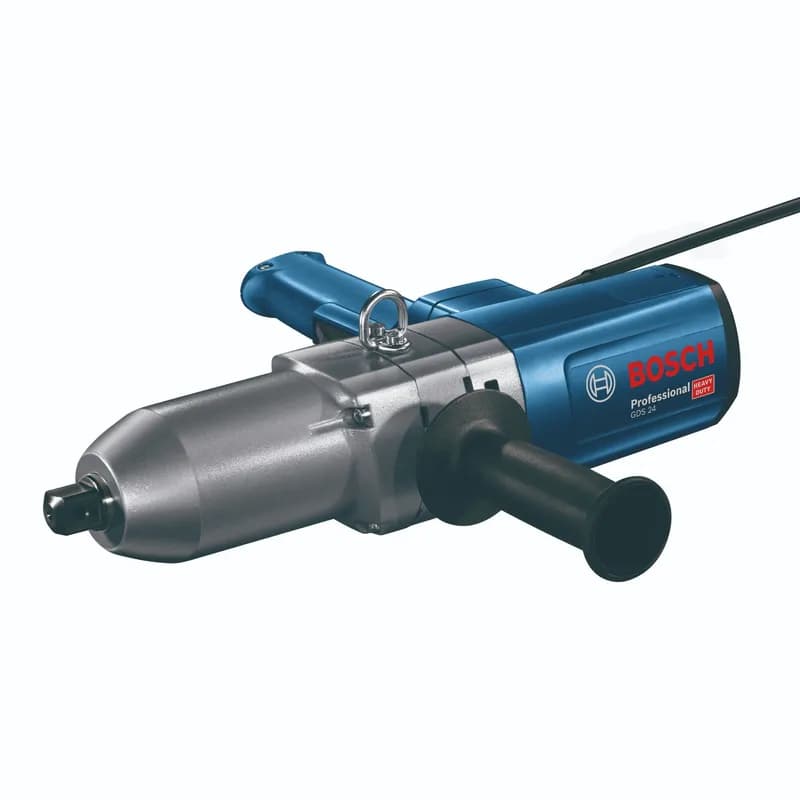
Bosch Impact Impact Wrench 800W GDS24 0601434108
Bosch · Impact Wrenches
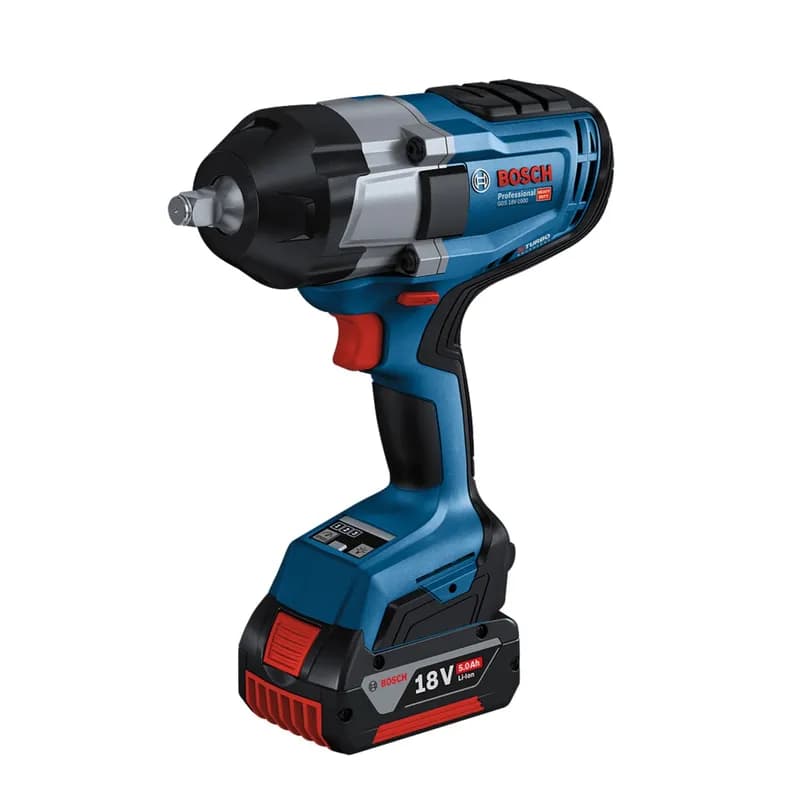
Bosch Impact Impact Wrench GDS 18V-1000 06019J8304
Bosch · Impact Wrenches
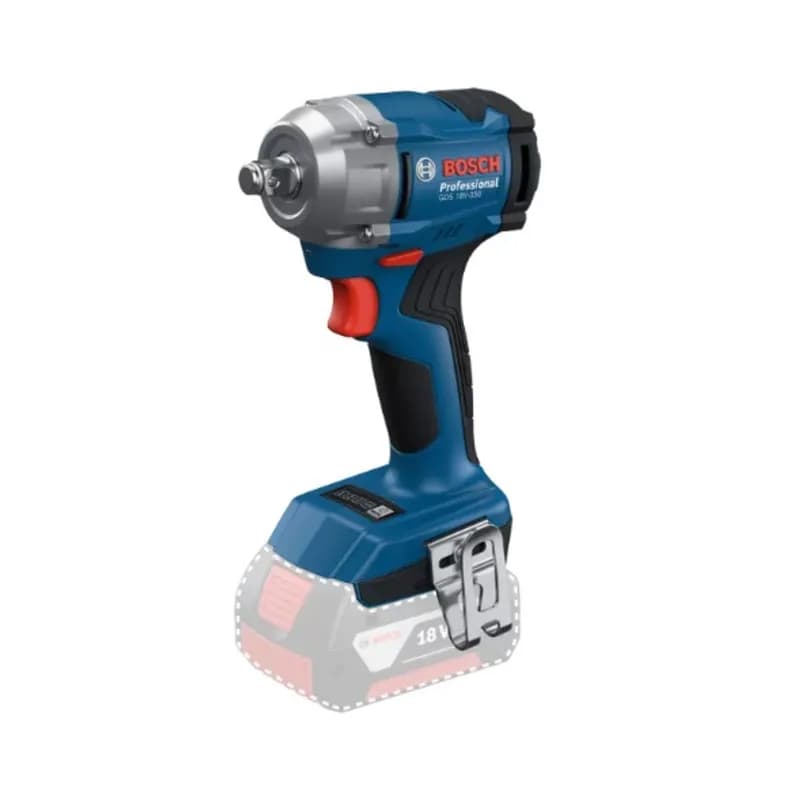
Bosch Impact Impact Wrench GDS 18V-350 06019M5021
Bosch · Impact Wrenches
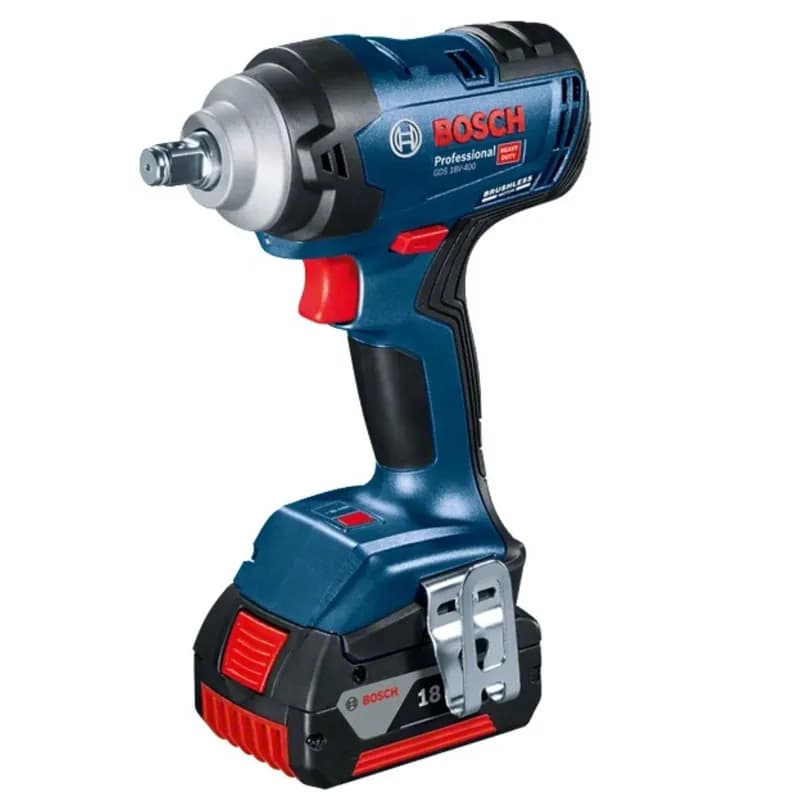
Bosch Impact Impact Wrench GDS 18V-400 06019K0020
Bosch · Impact Wrenches
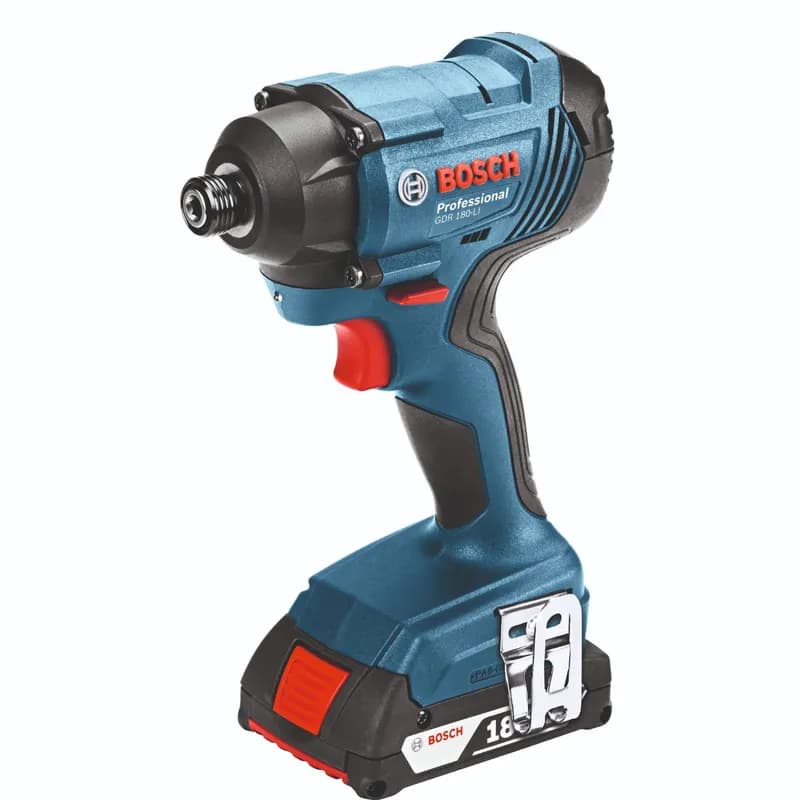
Bosch Impact Wrench Cordless 18V GDR180-LI 06019G5123
Bosch · Impact Wrenches
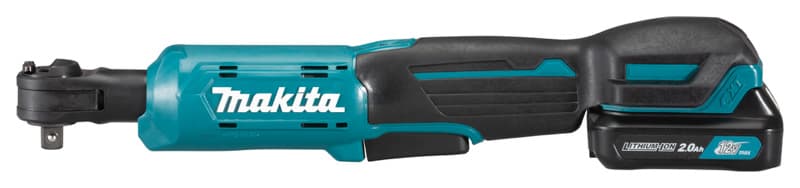
Makita WR100DWAJ Ratchet Wrench 12V
Makita · Impact Wrenches
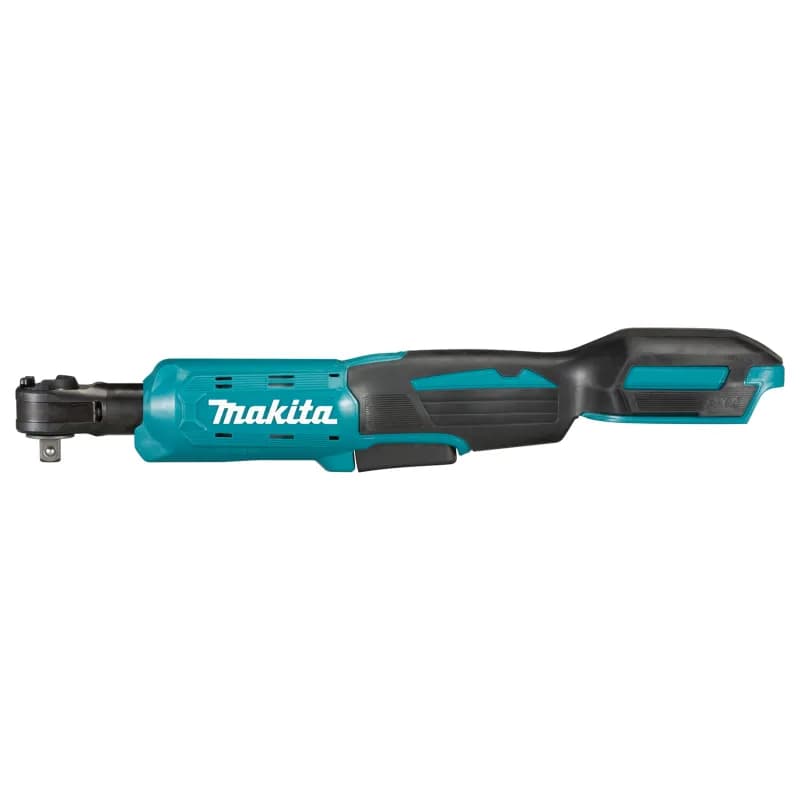
Makita DWR180Z Ratchet Wrench 18V
Makita · Impact Wrenches
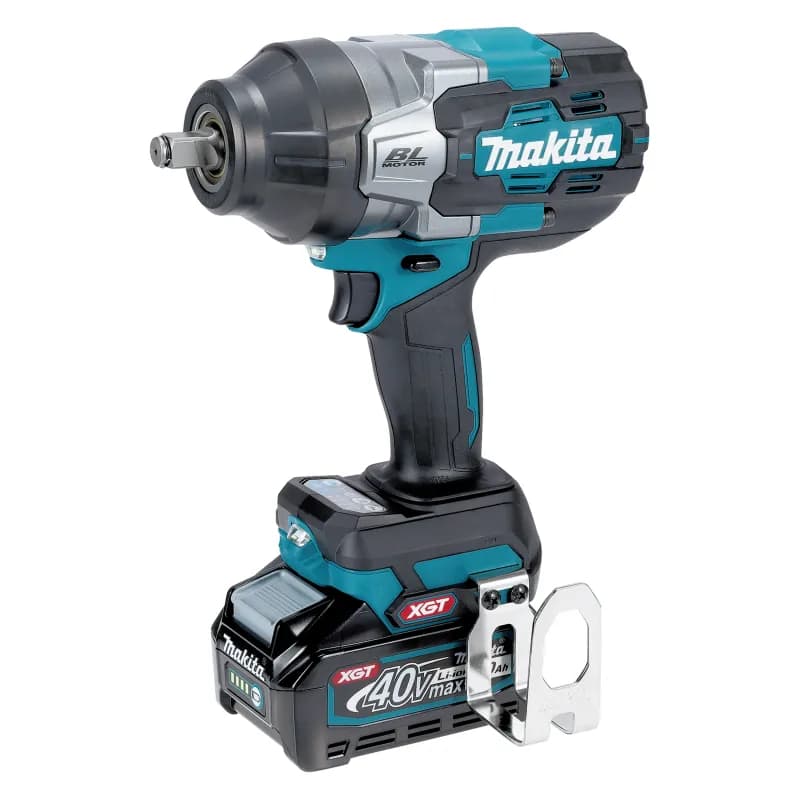
Makita TW002GM201 Impact Impact Wrench (12.7mm)
Makita · Impact Wrenches
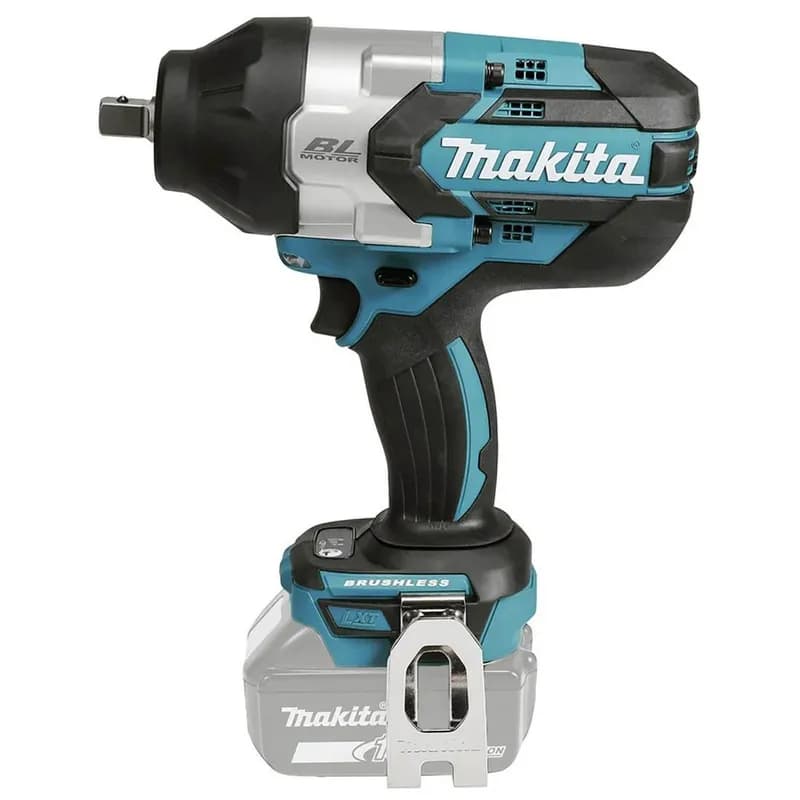
Makita DTW1004Z Impact Impact Wrench 12.7 mm
Makita · Impact Wrenches
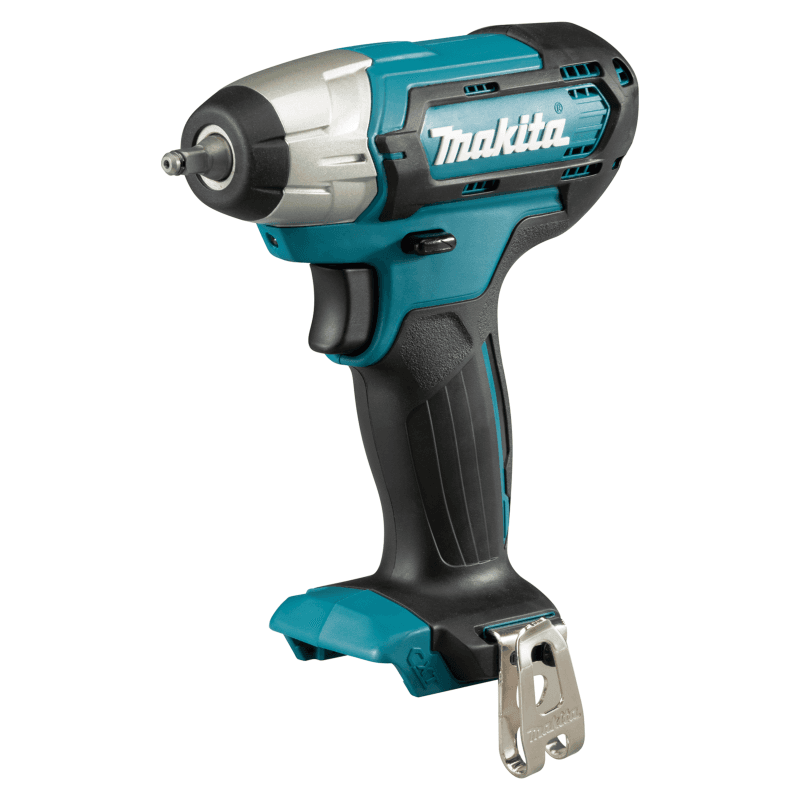
Makita TW060DZ Impact Impact Wrench 12V
Makita · Impact Wrenches
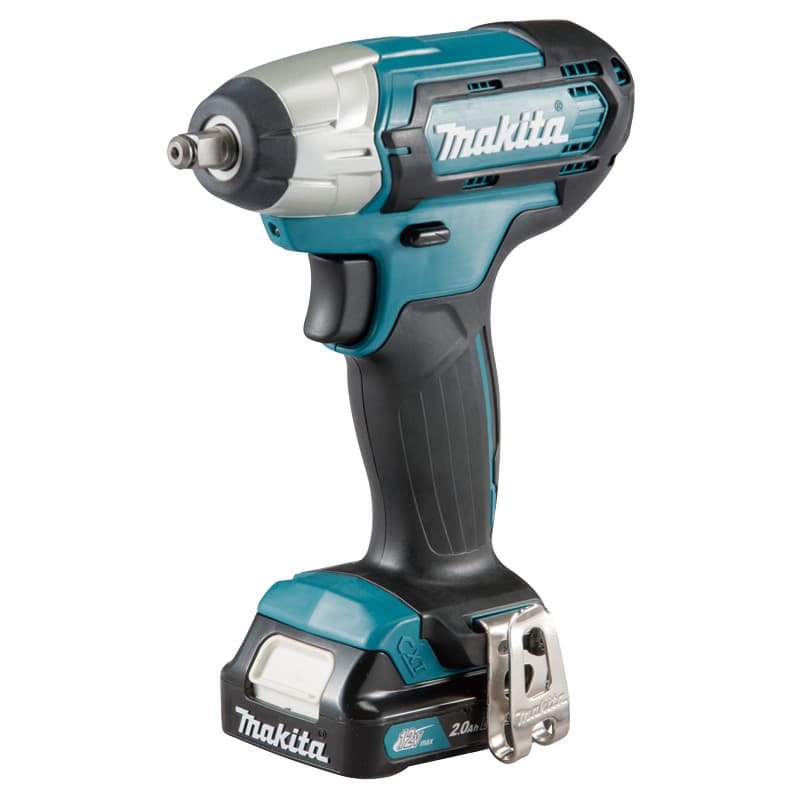
Makita TW140DWAE Impact Impact Wrench 12V
Makita · Impact Wrenches
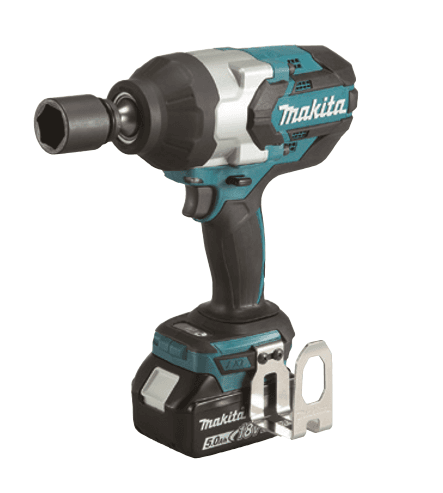
Makita DTW1001RTJ Impact Impact Wrench 18V
Makita · Impact Wrenches
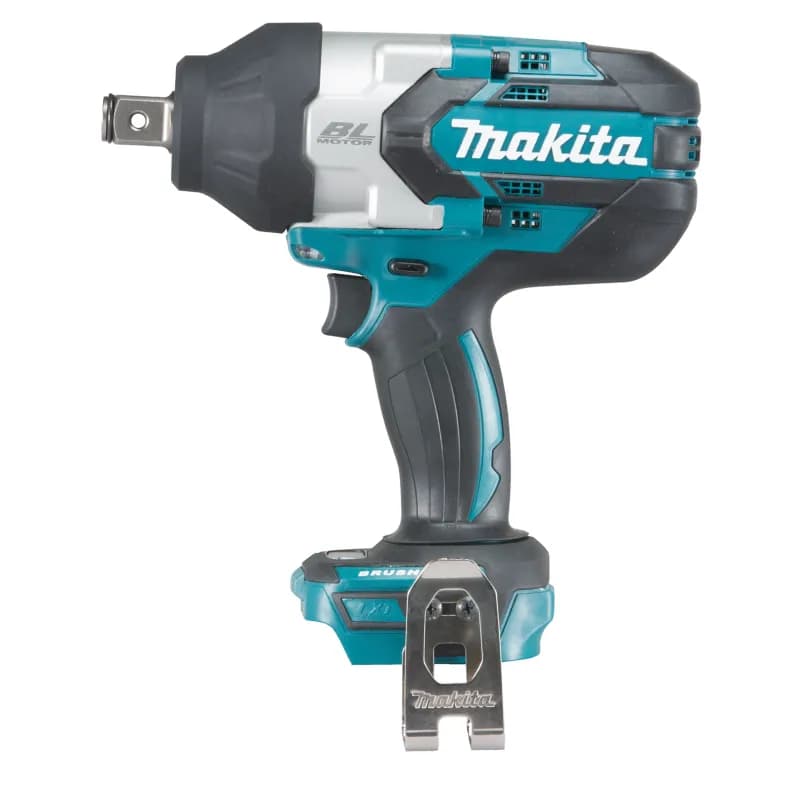
Makita DTW1001Z Impact Impact Wrench 18V
Makita · Impact Wrenches
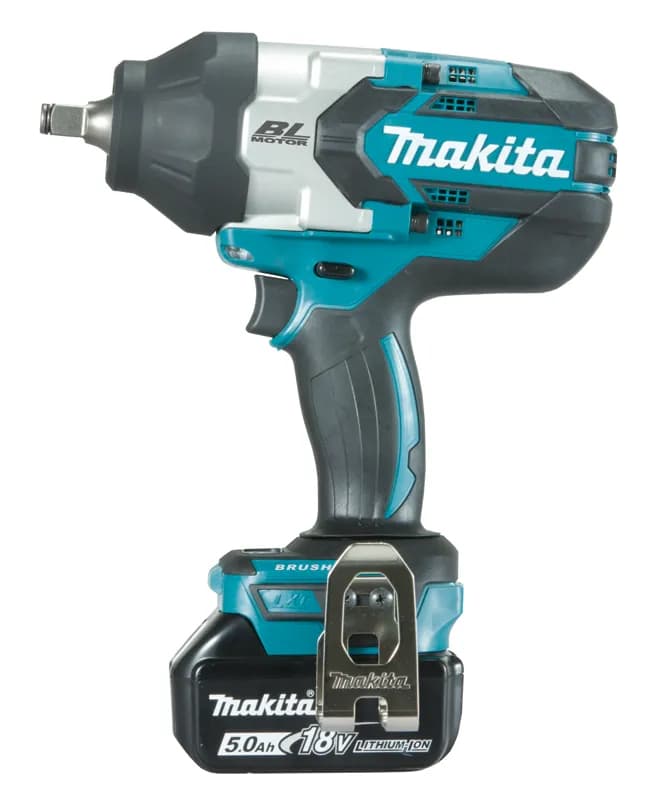
Makita DTW1002RTJ Impact Impact Wrench 18V
Makita · Impact Wrenches
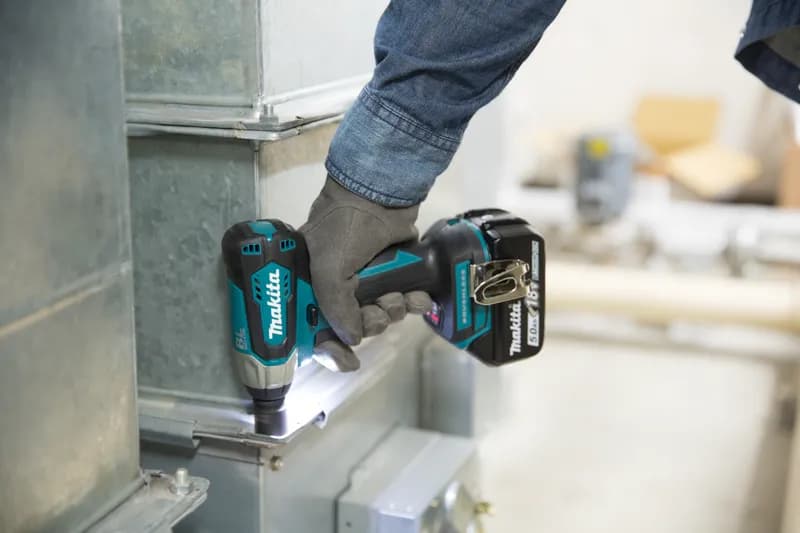
Makita DTW180RFE Impact Impact Wrench 18V
Makita · Impact Wrenches
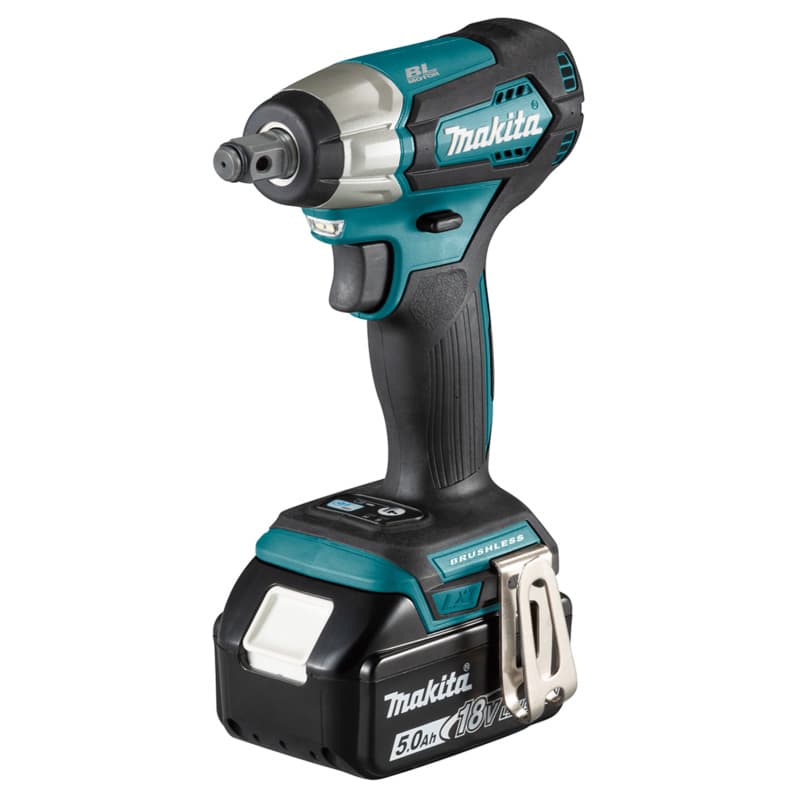
Makita DTW181RTJ Impact Impact Wrench 18V
Makita · Impact Wrenches
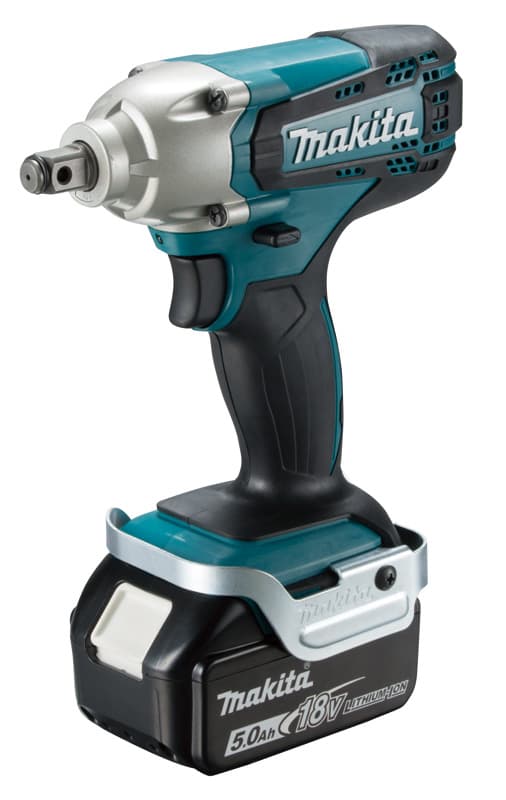
Makita DTW190RFE Impact Impact Wrench 18V
Makita · Impact Wrenches
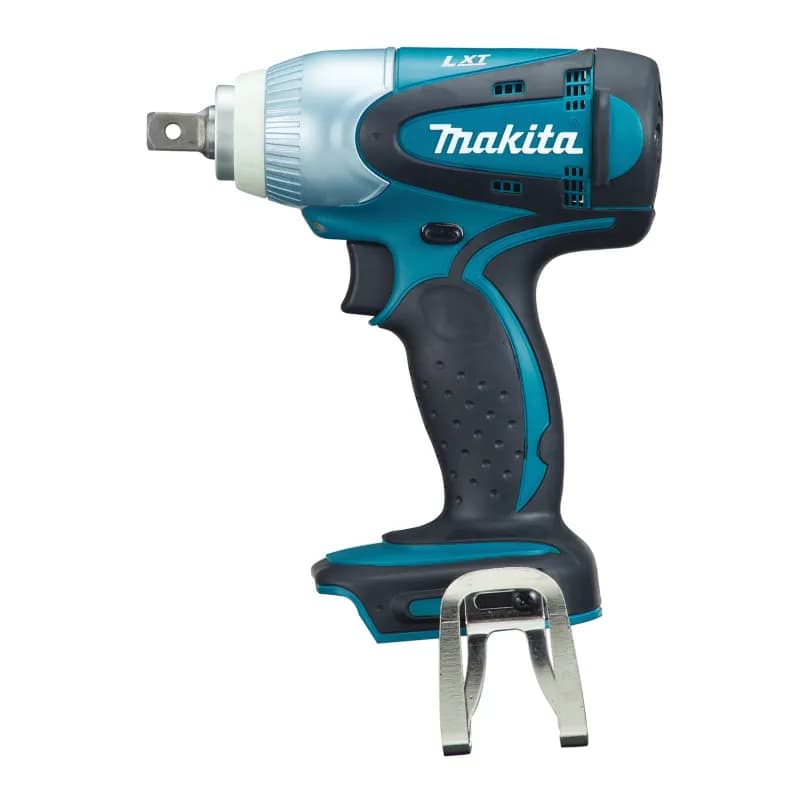
Makita DTW251RTJ Impact Impact Wrench 18V
Makita · Impact Wrenches
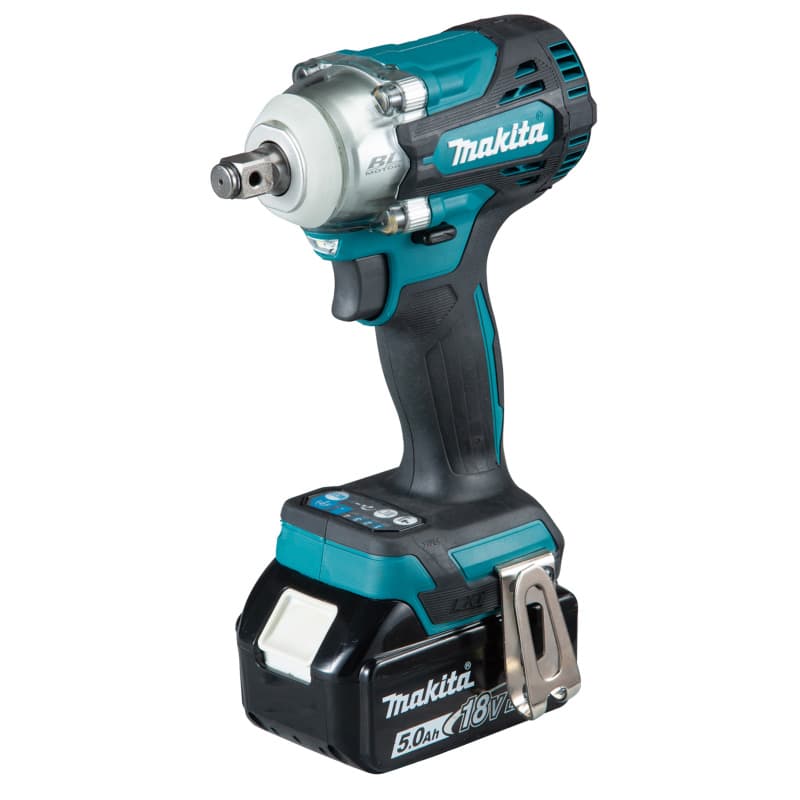
Makita DTW300RTJ Impact Impact Wrench 18V
Makita · Impact Wrenches
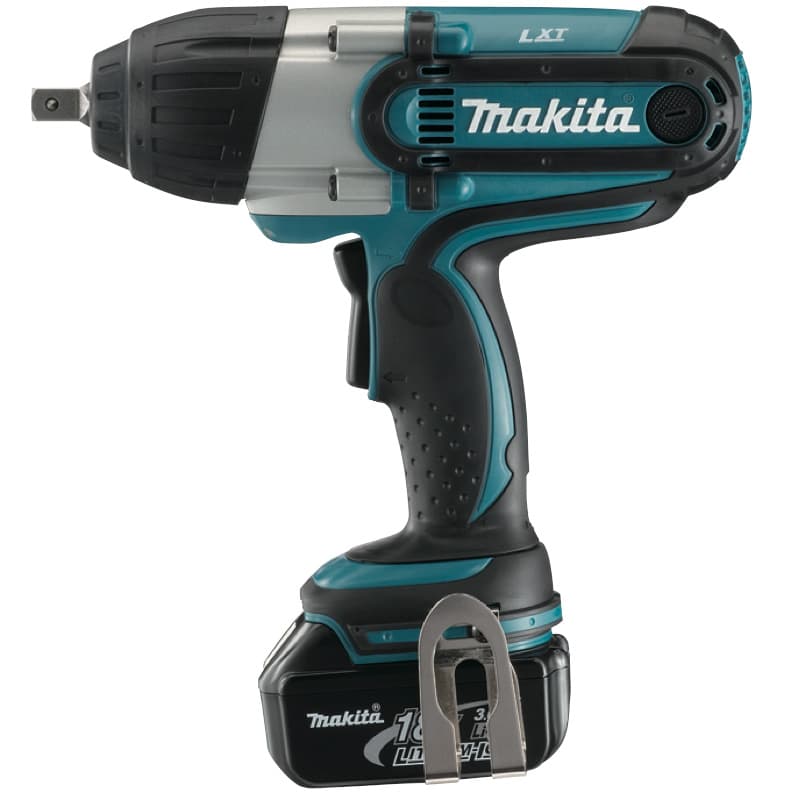
Makita DTW450RFE Impact Impact Wrench 18V
Makita · Impact Wrenches
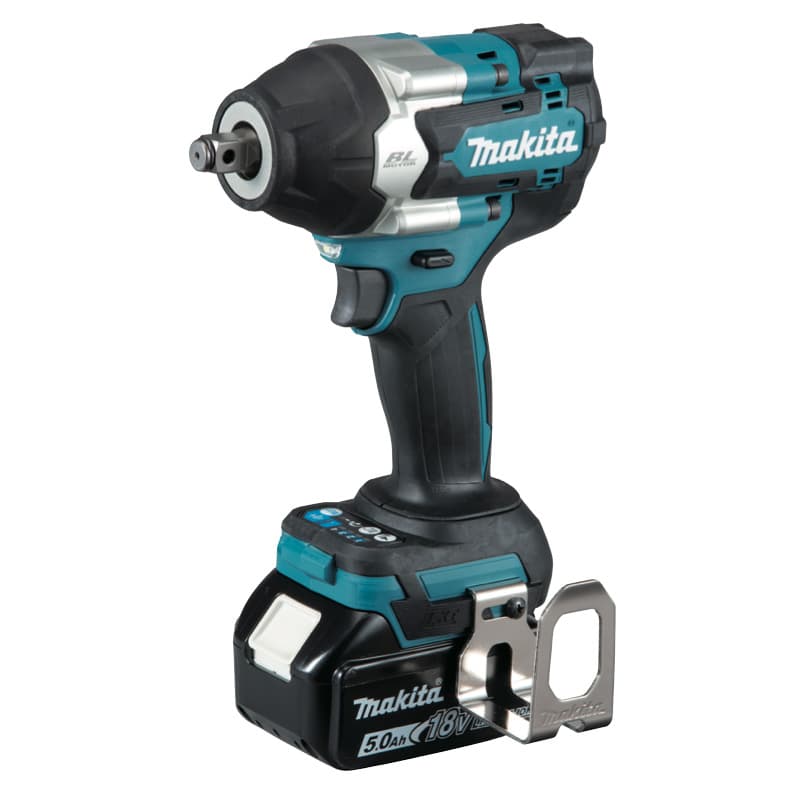
Makita DTW700RTJ Impact Impact Wrench 18V
Makita · Impact Wrenches
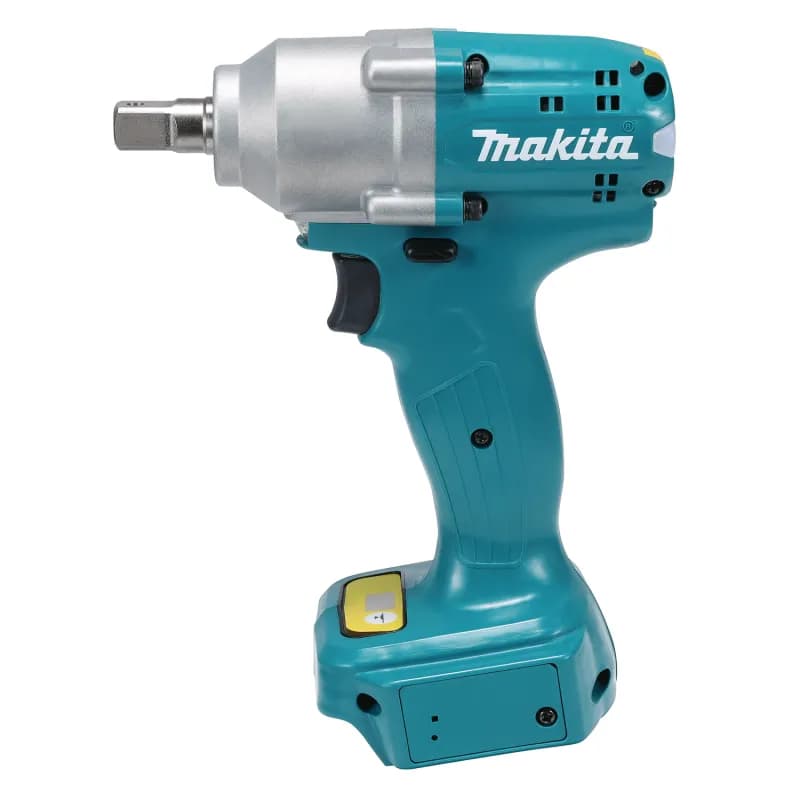
Makita DTWA260Z Impact Impact Wrench 18V
Makita · Impact Wrenches
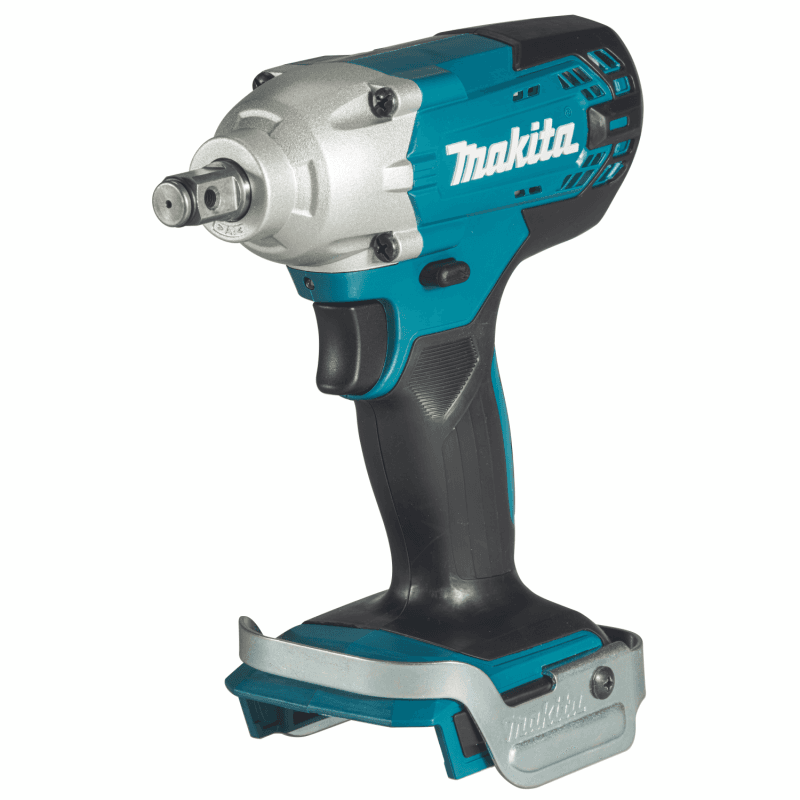
Makita TW202DZ Impact Impact Wrench 18V
Makita · Impact Wrenches
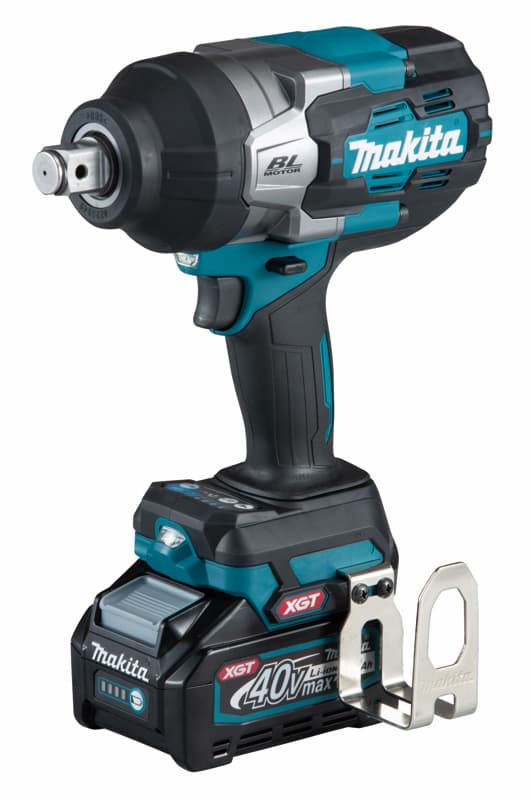
Makita TW001GM201 Impact Impact Wrench 40V
Makita · Impact Wrenches
1–24 of 104 · page 1 / 5
Reading the torque figures
Catalogues usually quote two: fastening torque, and the higher breakaway torque. Breakaway is a peak produced for an instant to free a corroded joint; the figure that matters for your application is fastening torque.
Critical joints are not tightened with an impact wrench. Wheel nuts and engine bolts are run down by machine and then brought to value with a torque wrench. The impact wrench is a tool for removal and fast run-down.
| Class | Fastening torque | Square drive | Use |
|---|---|---|---|
| Compact | 150-350 Nm | 3/8" - 1/2" | Service, assembly, light wheel work |
| Mid range | 400-700 Nm | 1/2" | Automotive, general maintenance |
| Heavy | 800-1,500 Nm | 1/2" - 3/4" | Truck wheels, steel structures |
| Very heavy | Above 1,500 Nm | 3/4" - 1" | Plant machinery, industrial maintenance |
Cordless or air
Air wrenches are light, run cool and work continuously — but need a compressor, hose and air preparation. A cordless model removes that infrastructure and works at the roadside, on a roof, anywhere that moves.
In a workshop where the line is already installed, air remains economical. For roadside assistance, field maintenance and jobsite work, cordless noticeably shortens the job.
Impact sockets are mandatory
Use impact sockets only: CrMo steel, usually a black finish, with thicker walls to absorb the blows. Bright chrome hand sockets crack under impact and can shatter.
The square drive on socket and machine must match. Running a 3/4" socket on a 1/2" machine through an adapter overloads both.
- Impact sockets: CrMo, black finish, thick walls.
- Extensions and universal joints reduce delivered torque.
- Use protective (coloured sleeve) wheel sockets on alloy rims.
- Where torque is critical, finish with a torque wrench.
Frequently Asked Questions
Which torque figure should I go by?
Fastening torque. The higher breakaway figure is a peak produced for an instant to free a seized joint, not a continuous rating.
Can I tighten wheel nuts with an impact wrench?
To run them down, yes; for final tightening, no. Wheel nuts have a specified torque and must be brought to it with a torque wrench.
Can I use ordinary sockets?
No. Impact wrenches take impact sockets (CrMo, black). Bright chrome sockets can crack and shatter under hammer blows.
Is there a power difference between air and cordless?
Largely not any more — 18 V high-output models exceed 1,000 Nm. The difference is duty and infrastructure: air needs a compressor but runs for hours without heating.
What is the difference between 1/2" and 3/4" drives?
The maximum torque they transmit. 1/2" is the automotive and general maintenance standard; 3/4" and 1" belong to trucks, plant and industrial maintenance.
Do extensions affect torque?
Yes — extensions and universal joints absorb part of the blow and lower effective torque. Work with the shortest connection you can.