Categories
Woodworking Machines
Woodworking machines surface, groove, profile and shape timber; what they share are the figures for cut depth, speed and tool holding. The catalogue holds 31 models.
Factor FCWT305 Wood Band Saw 305 mm
Factor · Woodworking Machines
Factor FCWT340 Wood Band Saw 340 mm
Factor · Woodworking Machines
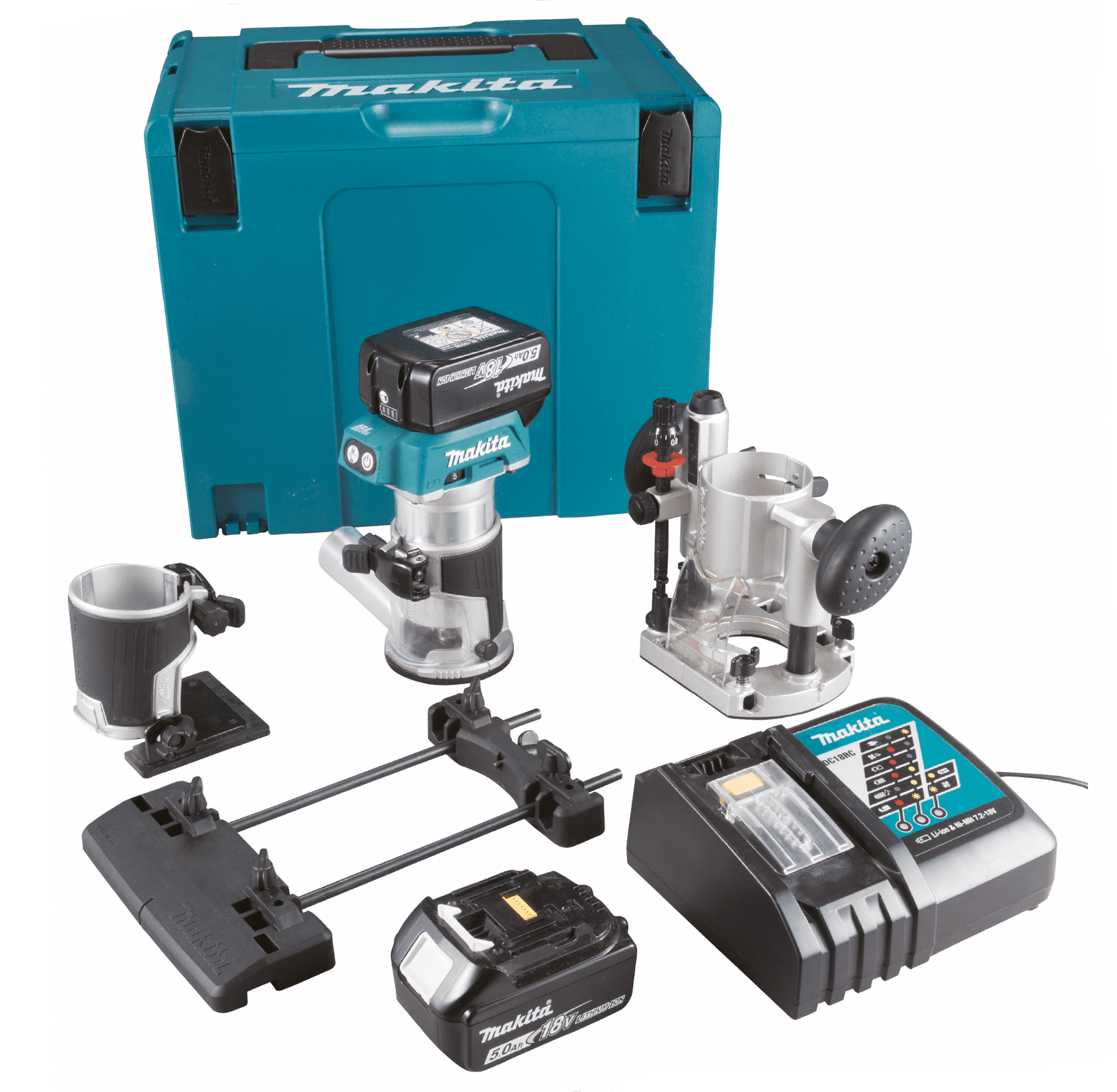
Makita DRT50RTJX9 Cordless Router Set 18V
Makita · Woodworking Machines

Makita KP001GZ Cordless Planer
Makita · Woodworking Machines
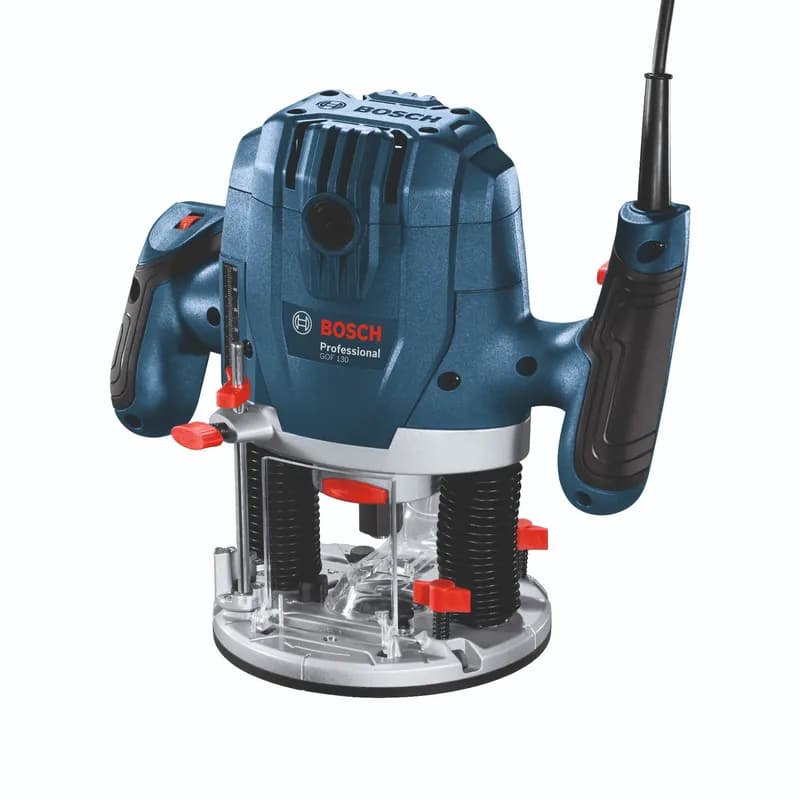
Bosch Router Machine 1300W GOF 130 06016B7000
Bosch · Woodworking Machines
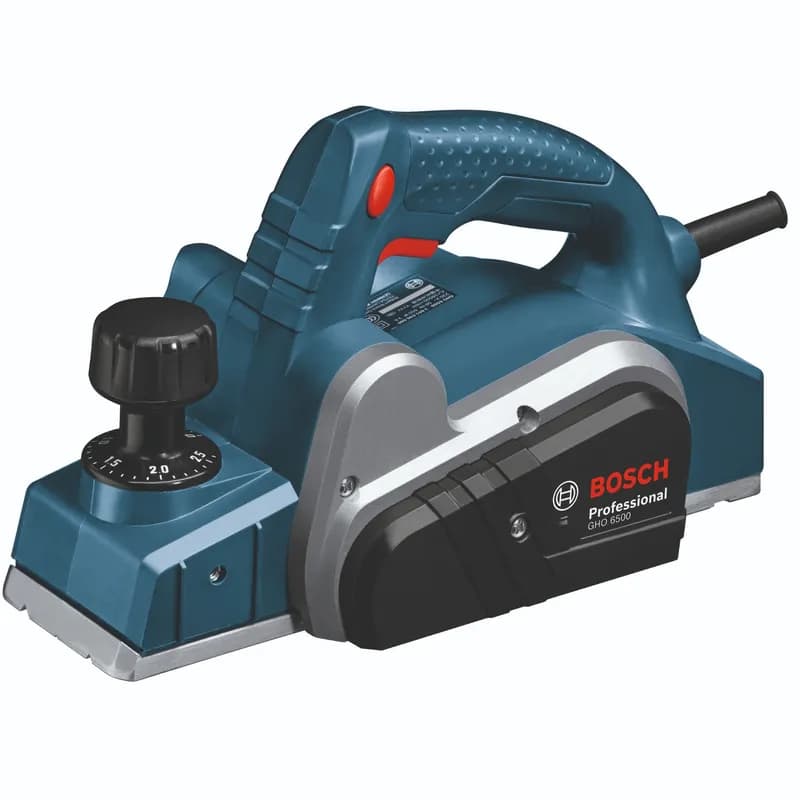
Bosch Planer 650 W GHO 6500 0601596000
Bosch · Woodworking Machines
Factor FCWX6F Combination Woodworking Machine
Factor · Woodworking Machines
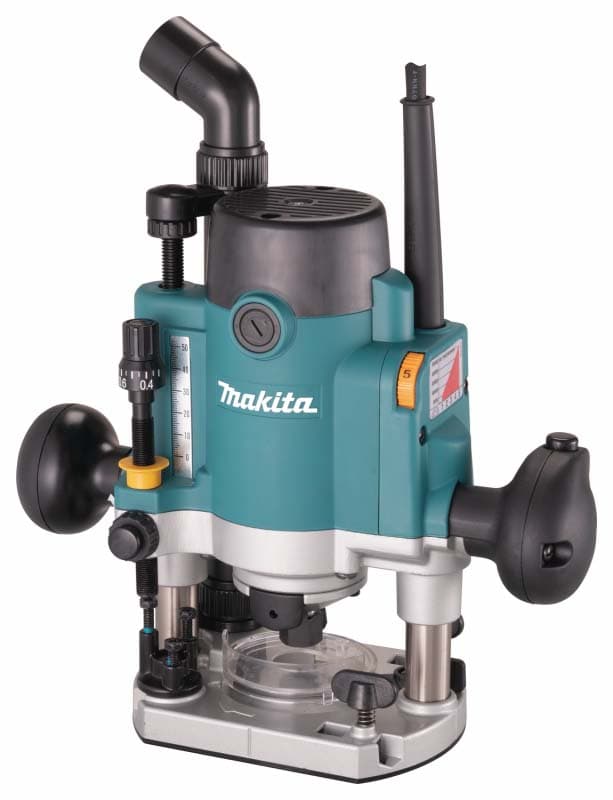
Makita RP1111C Variable-Speed Router
Makita · Woodworking Machines
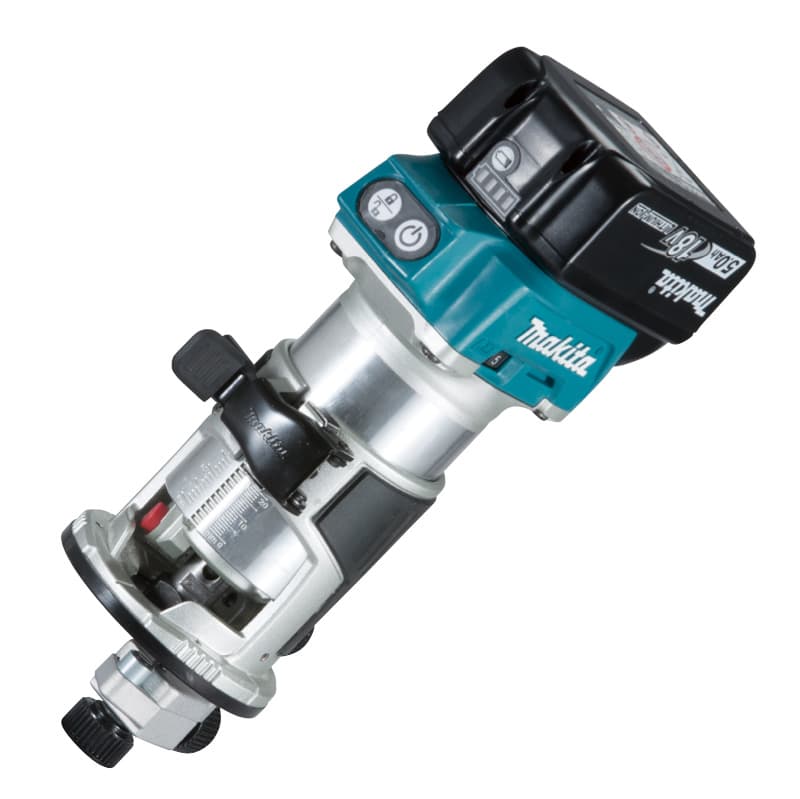
Makita DRT50RTJ Formika Trimming Machine 18V
Makita · Woodworking Machines
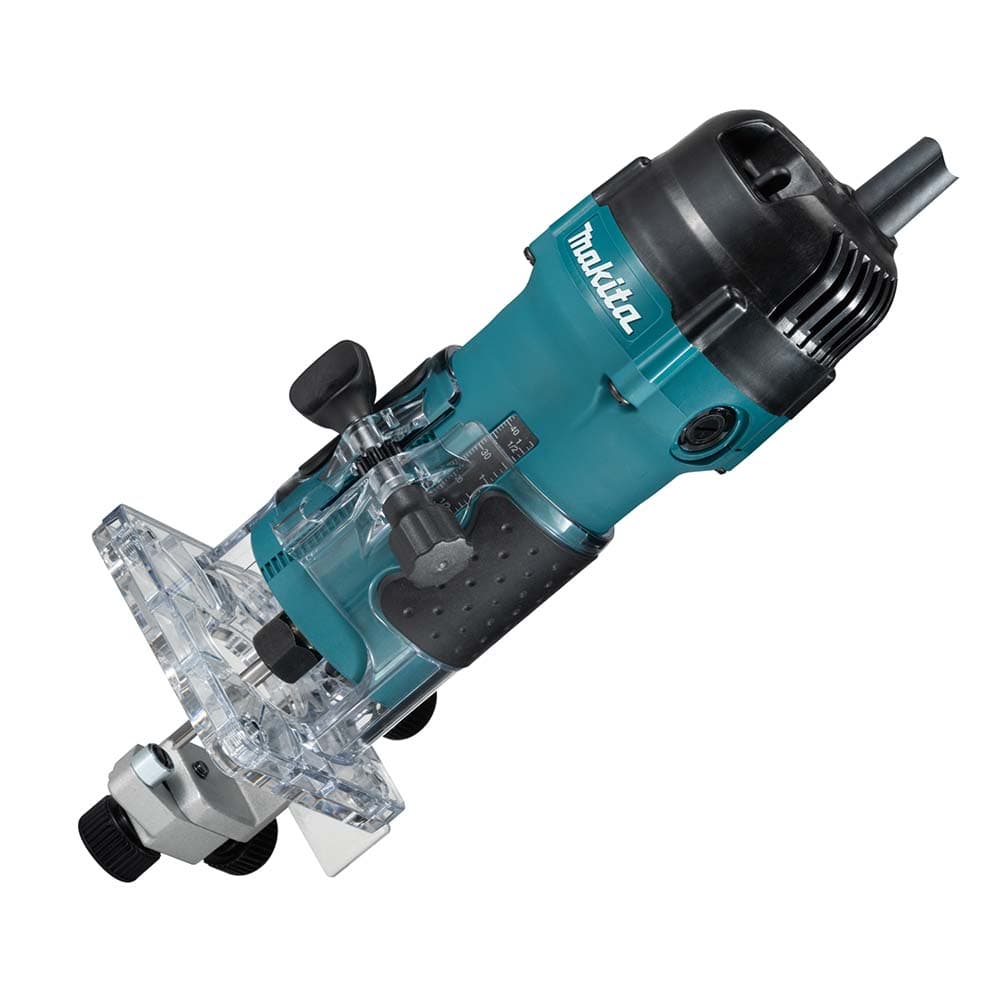
Makita 3711 Formika Trimming Machine
Makita · Woodworking Machines
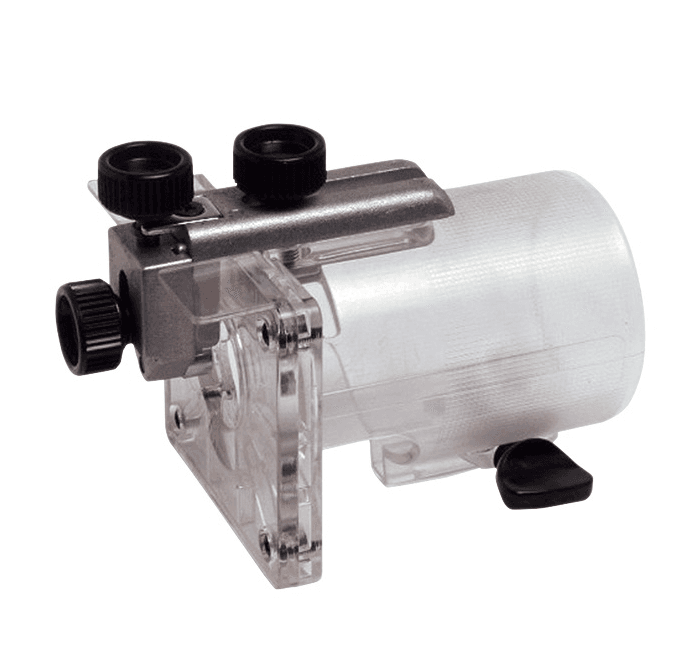
Makita 1235444 Formika Trimming Table (Clear)
Makita · Woodworking Machines
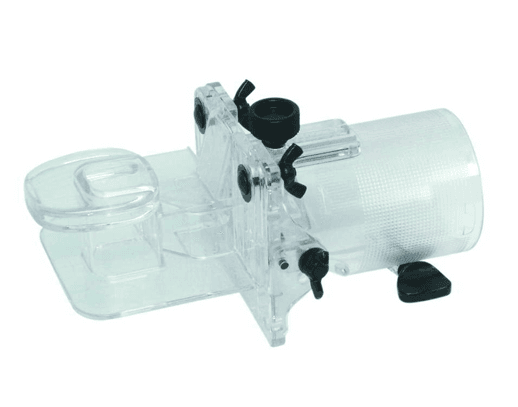
Makita 1942689 Formika Trimming Table (Clear)
Makita · Woodworking Machines
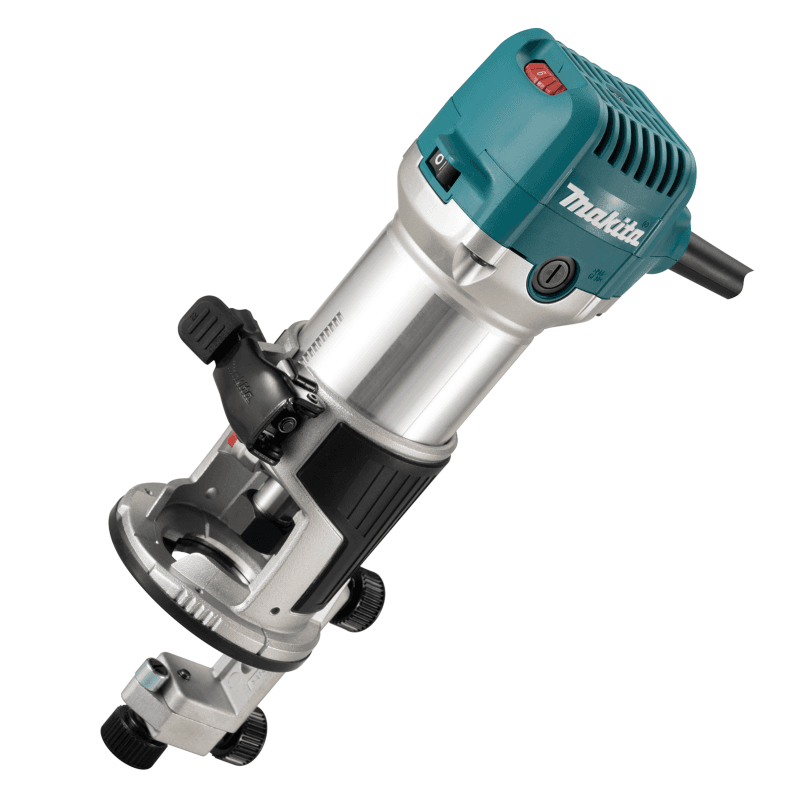
Makita RT0702C Router Machine
Makita · Woodworking Machines

Makita SG1251J Channel Chisel Machine
Makita · Woodworking Machines
Factor FCWPS254 Planer Thicknesser 254 mm
Factor · Woodworking Machines
Factor FCWP330 Planer Thicknesser 330 mm
Factor · Woodworking Machines
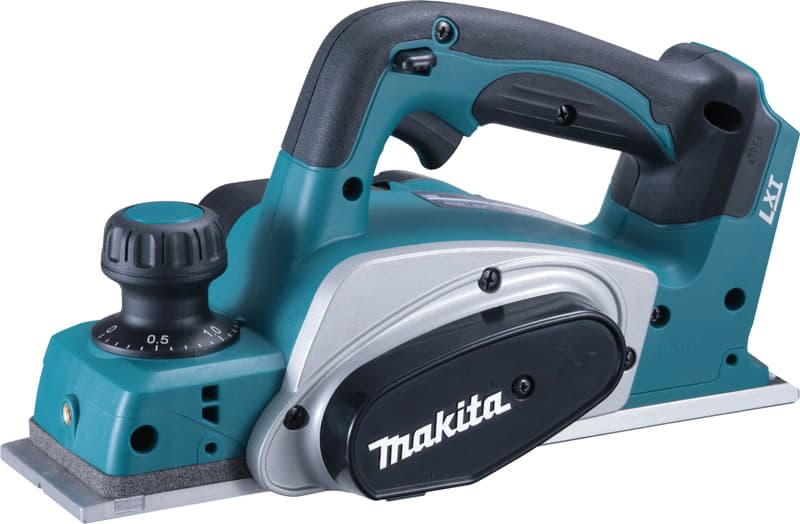
Makita DKP180Z Planer Machine 18V
Makita · Woodworking Machines
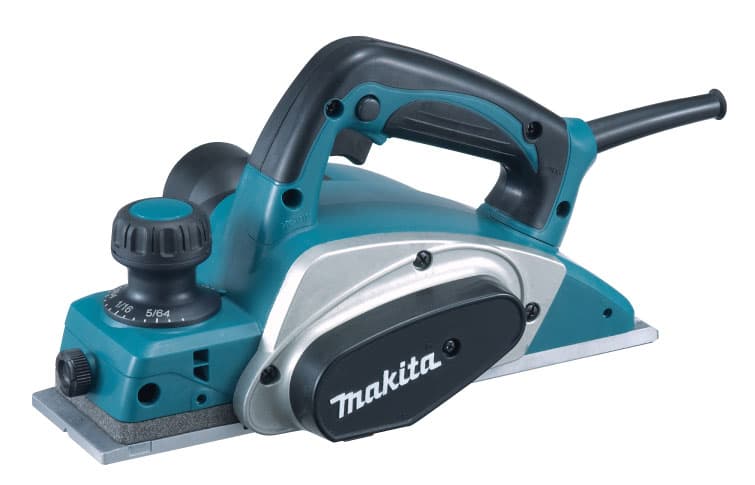
Makita KP0800 Planer Machine
Makita · Woodworking Machines
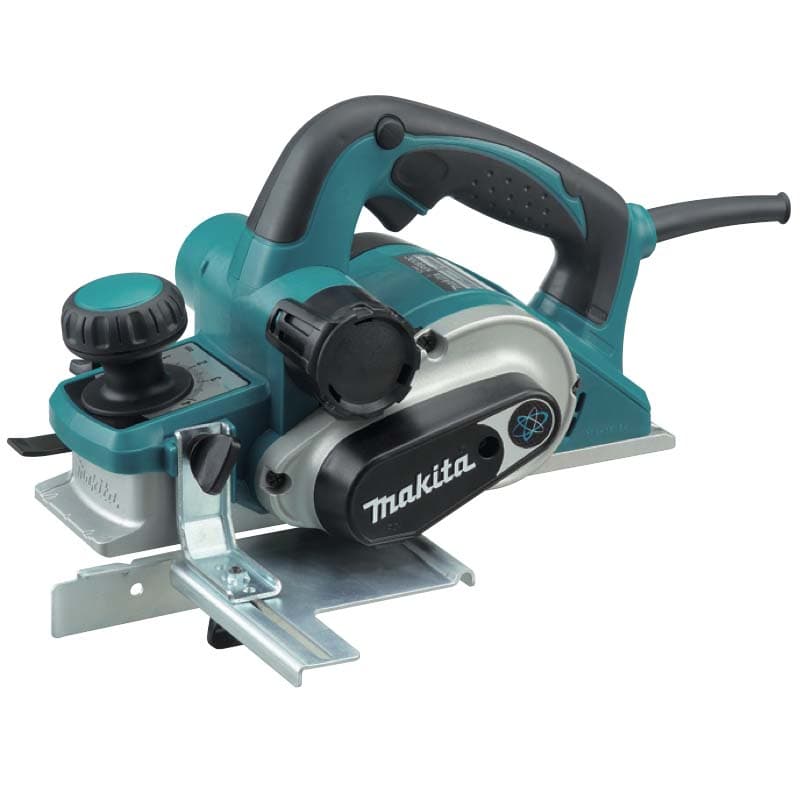
Makita KP0810C Planer Machine
Makita · Woodworking Machines
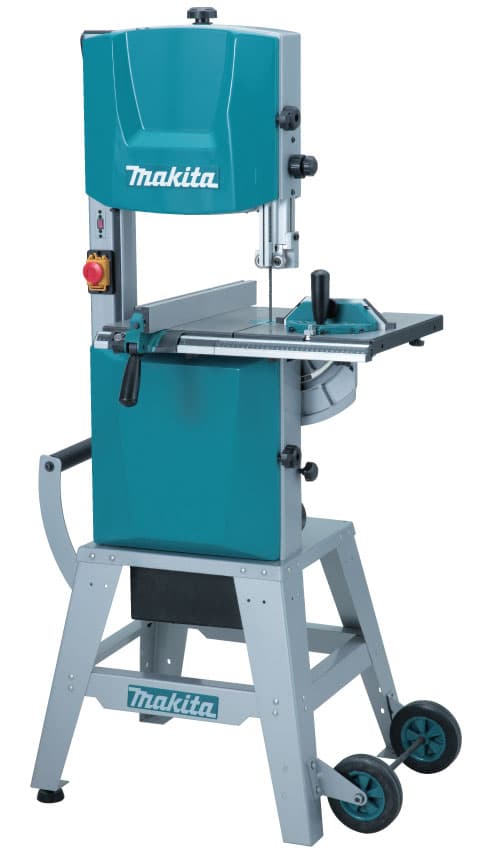
Makita LB1200F Tape Saw Bench
Makita · Woodworking Machines
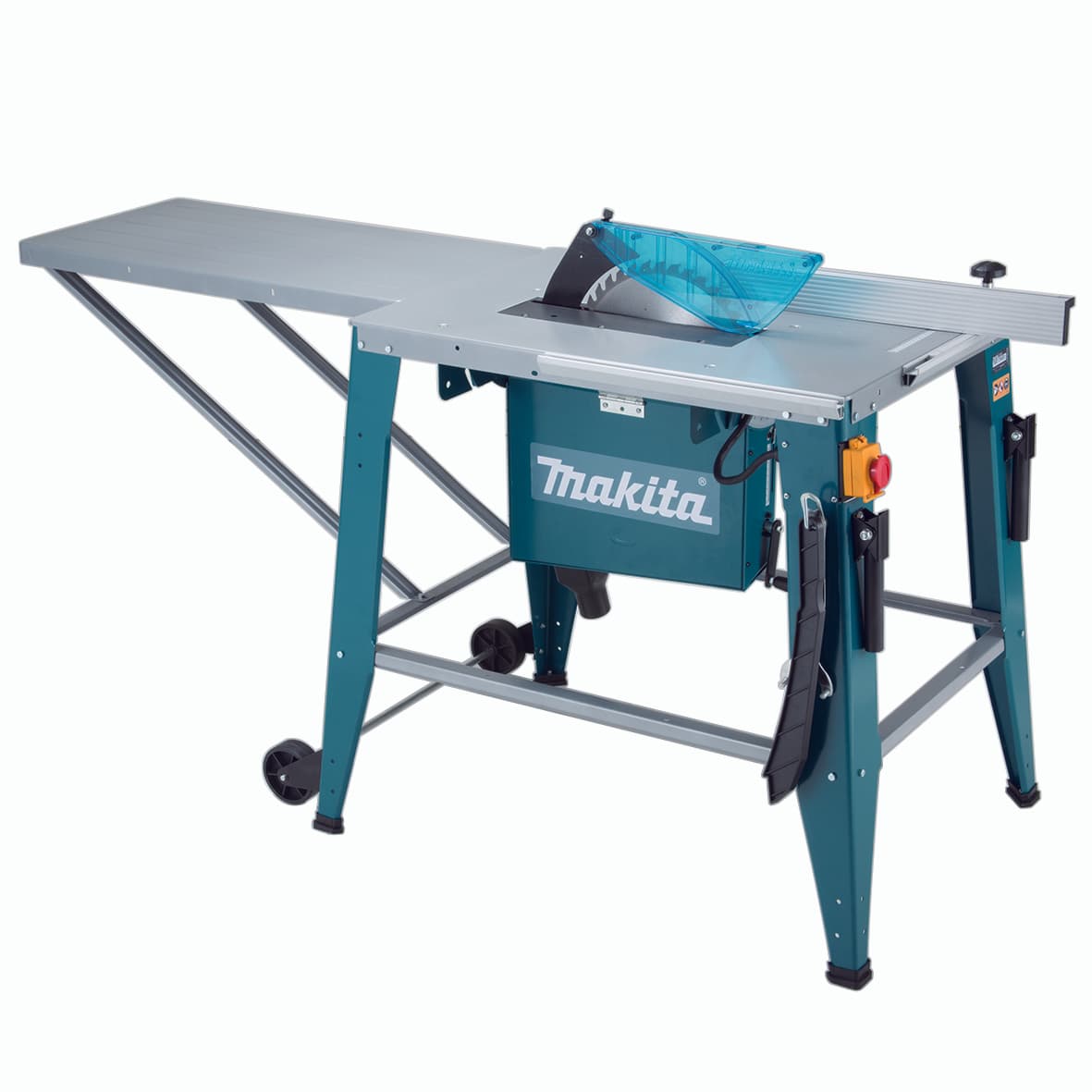
Makita 2712 Saw Bench
Makita · Woodworking Machines

Makita MLT100N Saw Bench
Makita · Woodworking Machines
Factor FCWF50 Spindle Moulder 50 mm
Factor · Woodworking Machines

Makita PJ7000 Mortise Opening Machine
Makita · Woodworking Machines
1–24 of 31 · page 1 / 2
Planers, routers and speed
On an electric planer the figures that matter are depth of cut per pass and planing width. Several light passes beat one deep cut — easier on the motor and a better surface.
On a router, speed follows bit diameter: large bits run slower, or the edge burns and vibration rises. Collet size (6, 8, 12 mm) decides which bits you can fit.
- Several light planer passes beat one deep cut.
- Large router bit means lower speed.
- The collet must match the bit shank; reducers introduce play.
- On a lathe, speed falls as workpiece diameter rises.
Frequently Asked Questions
How deep a cut can a planer take in one pass?
Up to the machine's stated maximum, though in practice less. In hardwood, several light passes protect the motor and leave a better surface.
How do I set router speed?
By bit diameter. Large bits have high rim speed, so slow the router down; too fast burns the edge, darkens the surface and increases vibration.
What does the router collet do?
It clamps the bit and must match the shank exactly (6, 8, 12 mm). A wrong or worn collet lets the bit creep and causes vibration.
How is lathe speed chosen?
Speed comes down as workpiece diameter goes up. Rough large, unbalanced blanks slowly, then raise the speed as the piece is turned down.