Categories
Mitre Saws
A mitre saw is the machine for angled, repeatable cuts: the angle sets both horizontally (mitre) and vertically (bevel), and the same dimension repeats across a batch. The catalogue holds 13 models.
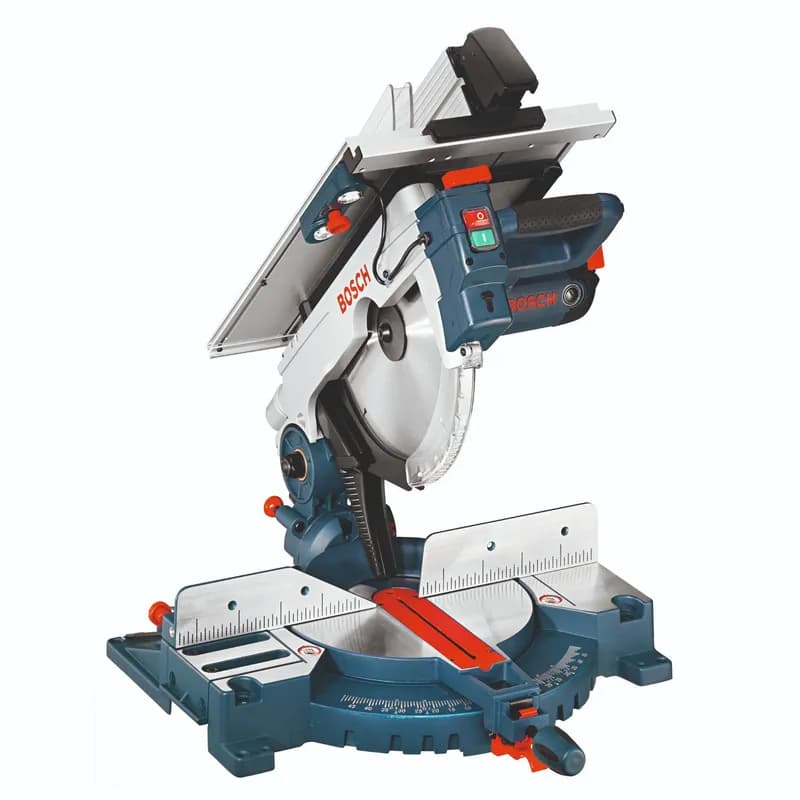
Bosch Square Cutting 1800W GTM 12 JL 0601B15001
Bosch · Mitre Saws

Makita MLS100N Square Cutter
Makita · Mitre Saws
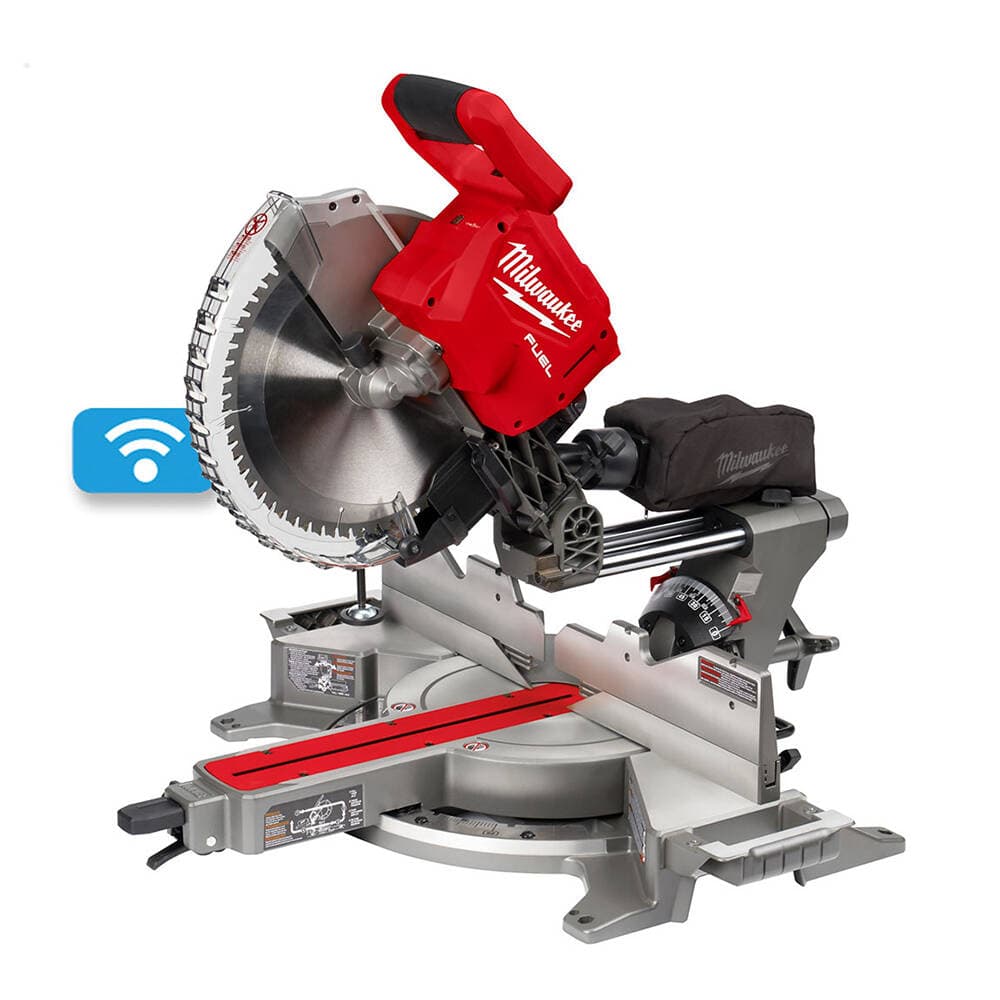
Milwaukee M18 FMS 305 - 0 Cordless Square Kesme
Milwaukee · Mitre Saws
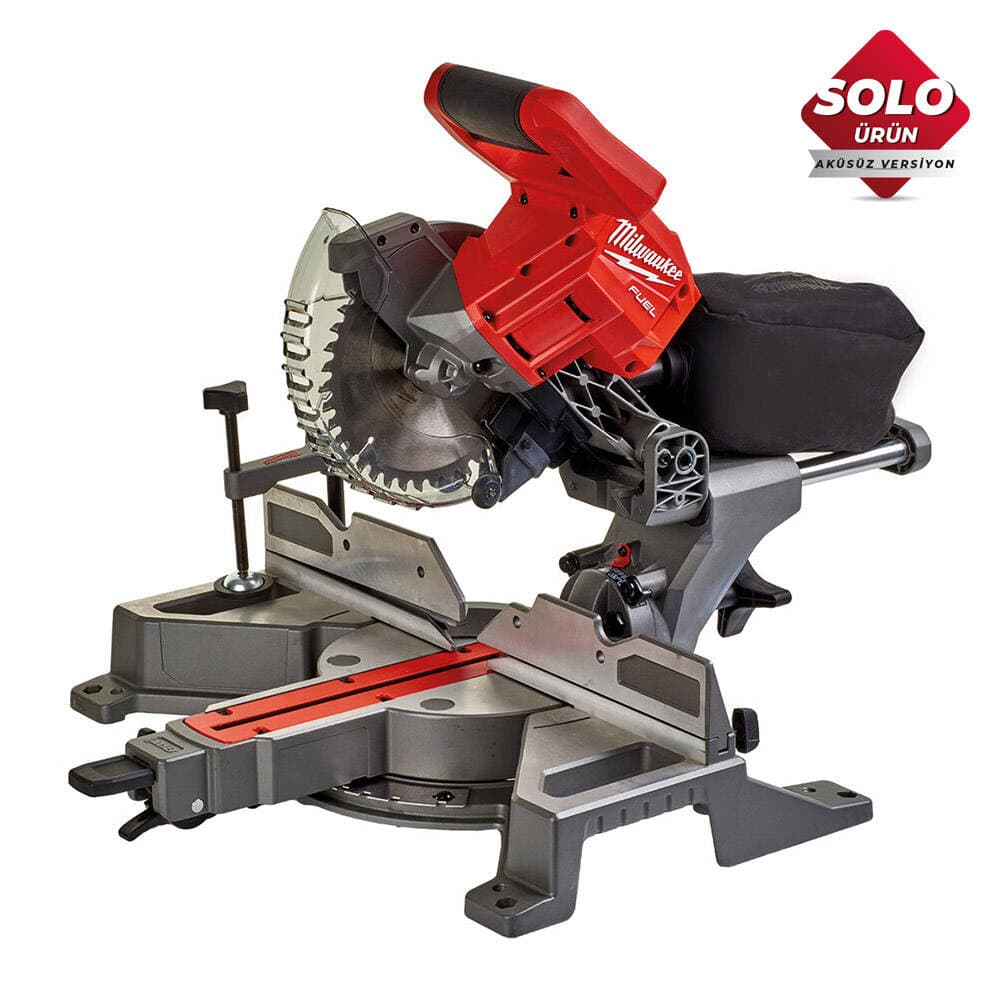
Milwaukee M18 FMS190-0 Cordless Square Kesme
Milwaukee · Mitre Saws
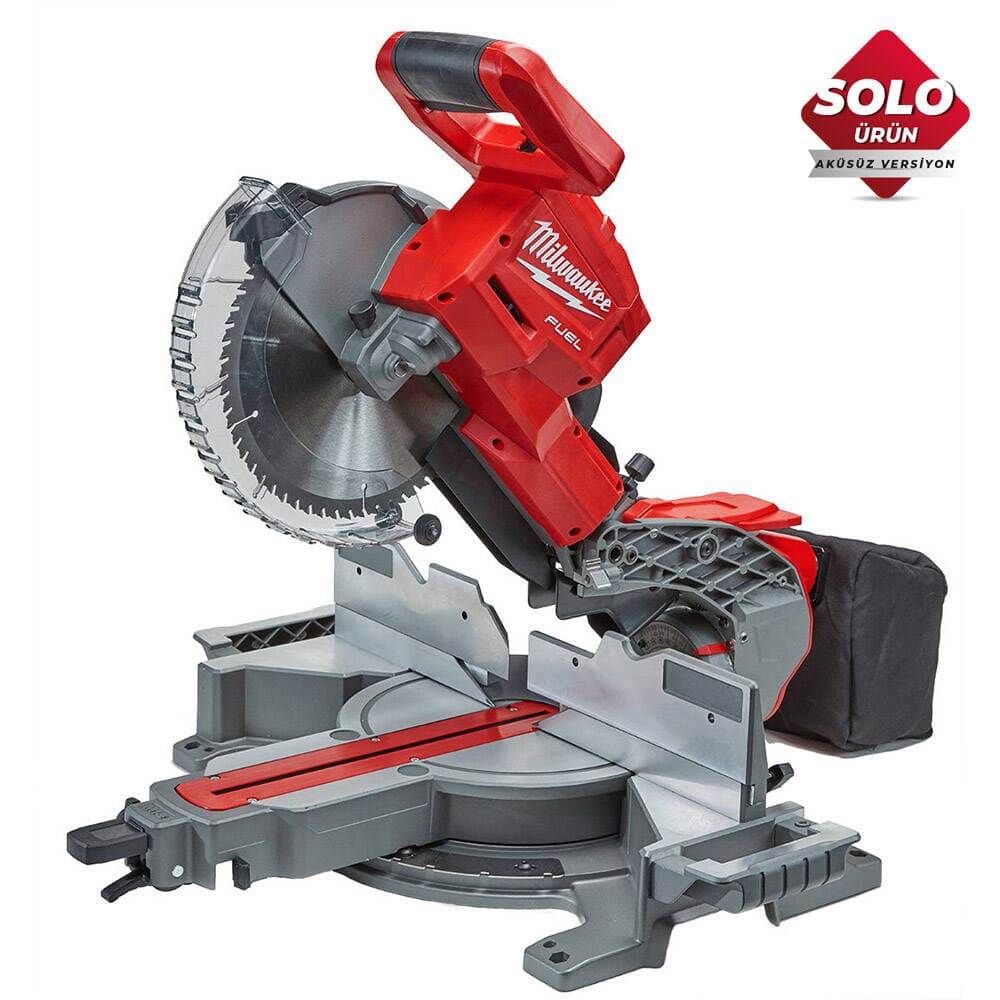
Milwaukee M18 FMS254-0 Cordless Square Kesme
Milwaukee · Mitre Saws
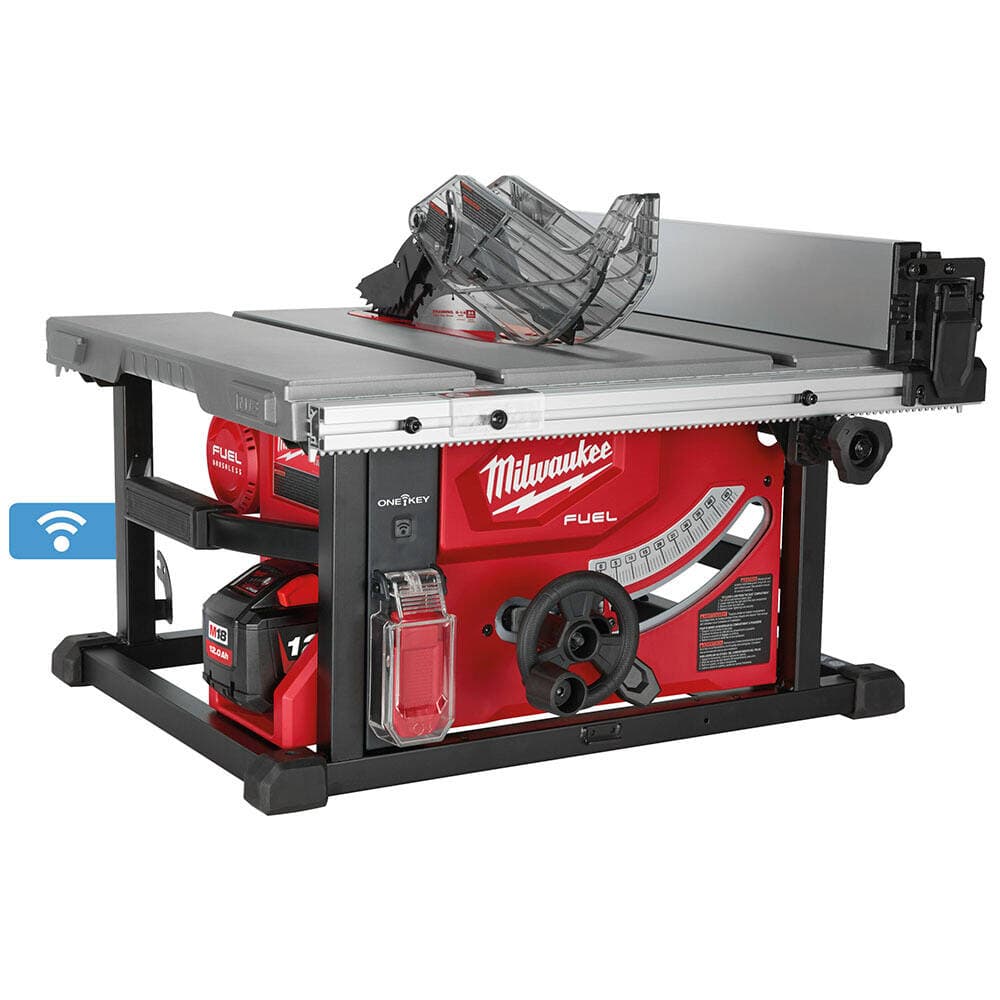
Milwaukee M18 FTS210-121B Cordless Tezgah Square Kesme
Milwaukee · Mitre Saws
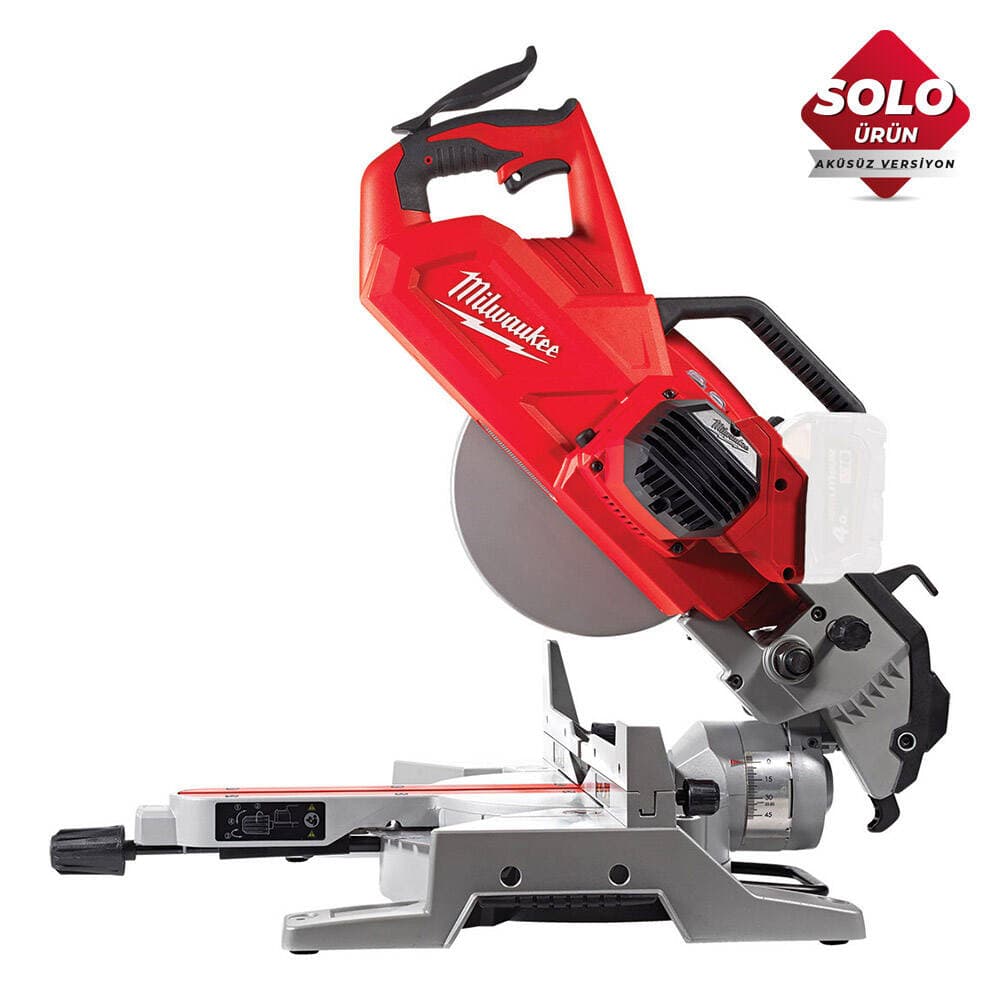
Milwaukee M18 SMS 216-0 Cordless Square Kesme
Milwaukee · Mitre Saws
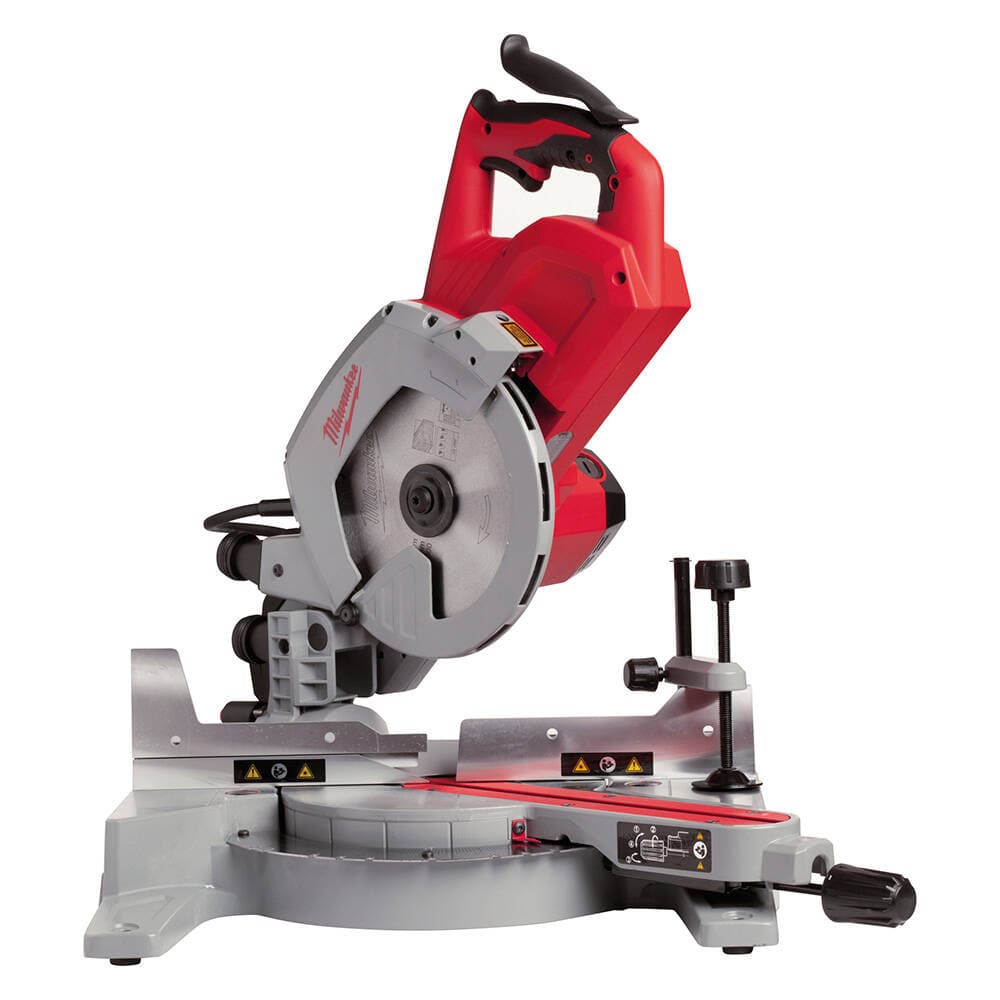
Milwaukee MS 216 SB 216 mm Square Kesme
Milwaukee · Mitre Saws
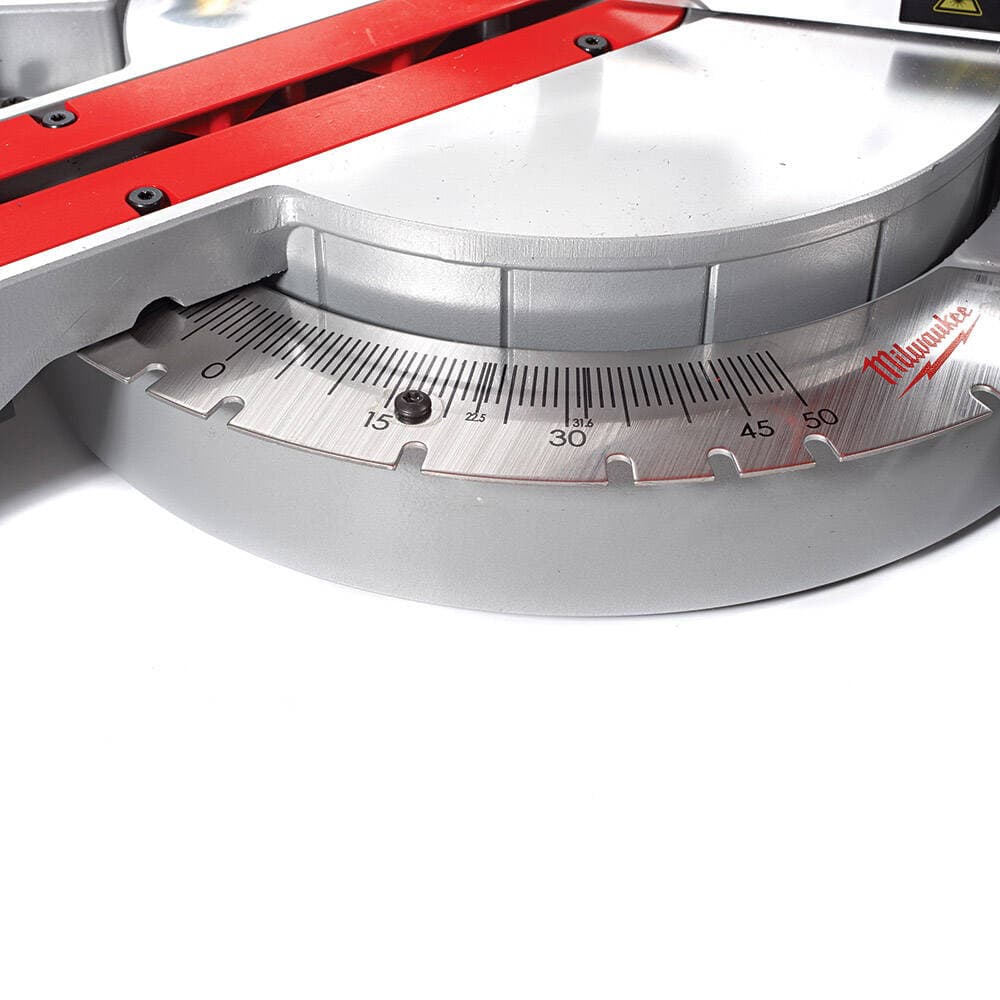
Milwaukee MS 216 SB Square Kesme (T: 216 mm)
Milwaukee · Mitre Saws
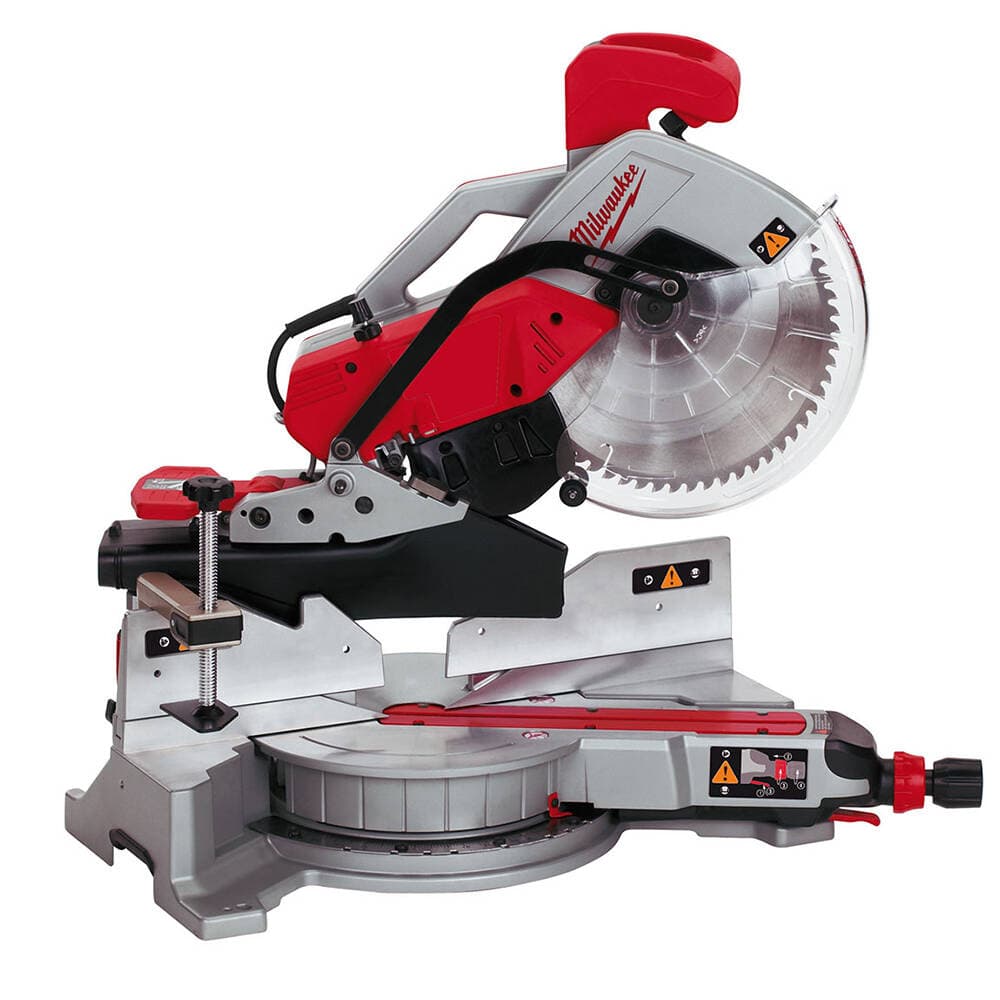
Milwaukee MS 304 DB 305 mm Square Kesme
Milwaukee · Mitre Saws
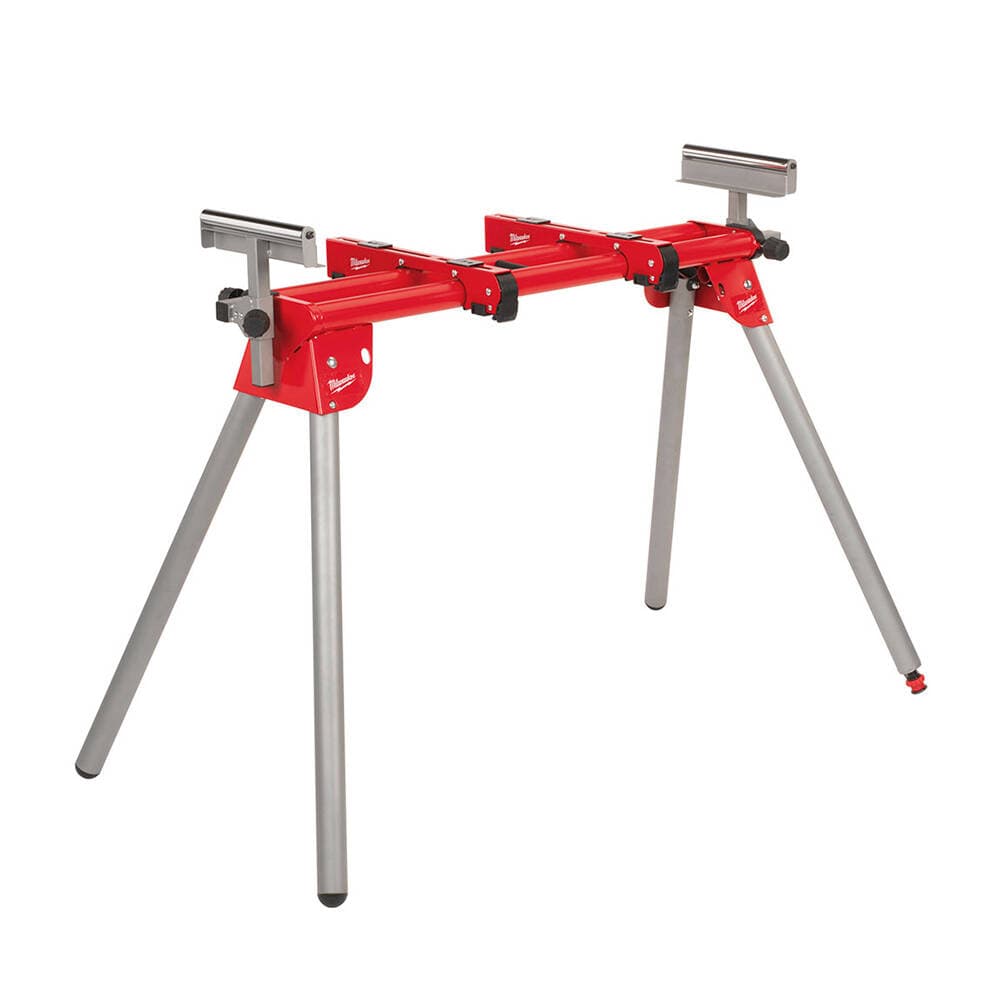
Milwaukee MSL 1000 Square Kesme Stand
Milwaukee · Mitre Saws
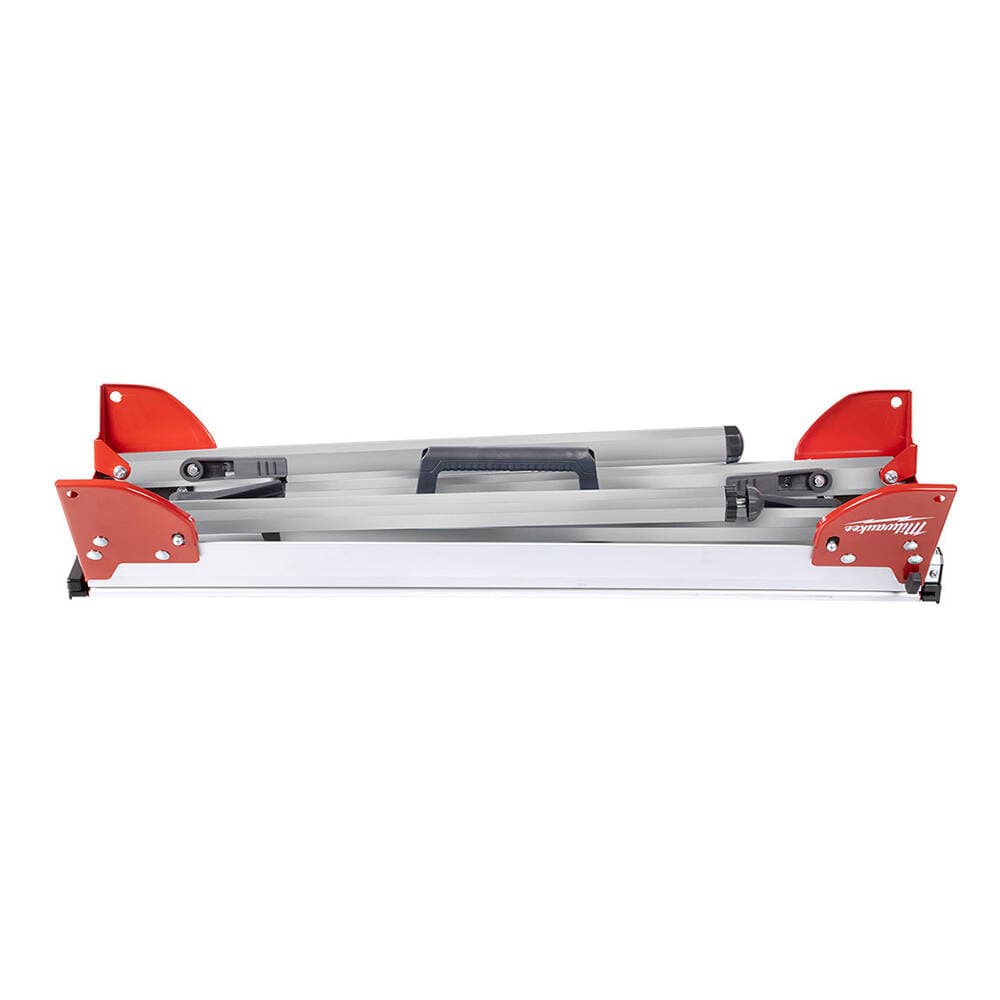
Milwaukee MSL 2000 Square Kesme Stand
Milwaukee · Mitre Saws
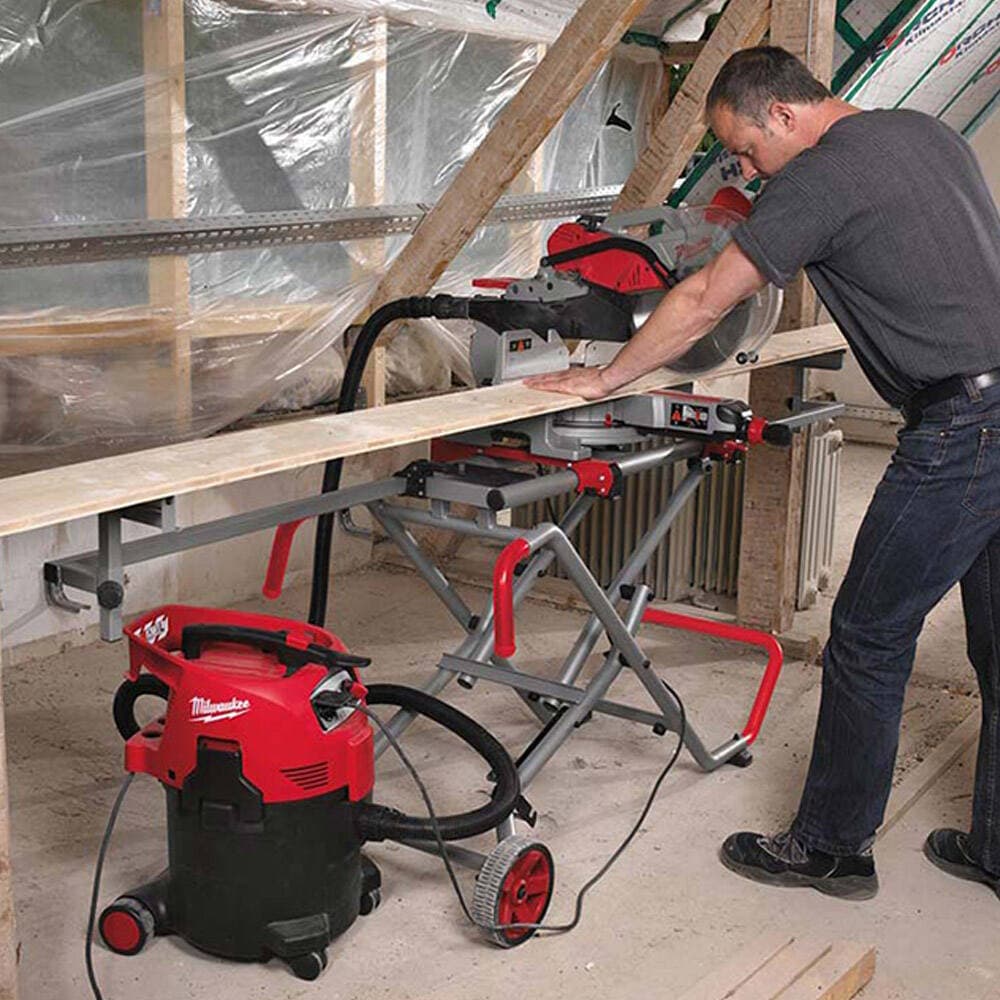
Milwaukee MSUV 275 Universal Square Kesme Bench
Milwaukee · Mitre Saws
Fixed and sliding models
On a fixed saw the blade only drops, and cross-cut width is limited by blade diameter. On a sliding model the head travels on rails, so much wider stock can be cut — the deciding difference for wide boards, skirting and heavy timber.
Double-bevel machines tilt both ways without turning the workpiece, which saves real time on cornice and skirting where two angles meet.
- Fixed: narrow sections, economical, light.
- Sliding: wide cross-cut capacity.
- Double bevel: tilts both ways without flipping the piece.
- Laser or shadow lines show the cut, they do not set the dimension.
Frequently Asked Questions
Do I need a sliding model?
It depends on the width you cut. Skirting, wide boards and heavy timber need a slide; narrow trim and mouldings do not.
What is the difference between mitre and bevel?
Mitre is the horizontal angle (the table rotates); bevel is the blade tilting from vertical. Used together they give a compound cut.
Which blade should I use?
Fine-tooth blades (60-80 teeth) give clean cross cuts. Aluminium and laminate call for special negative-rake blades.
Why are my cuts off-size?
Usually the fence is out of square, the workpiece is not seated against it, or the bevel is not truly at zero. Check the angle settings periodically with a square.