Categories
Oscillating Multi-Tools
A multi-tool oscillates its blade side to side through a small angle at high speed; because nothing rotates, it makes controlled cuts in walls, tight corners and installed work. The catalogue holds 12 models.
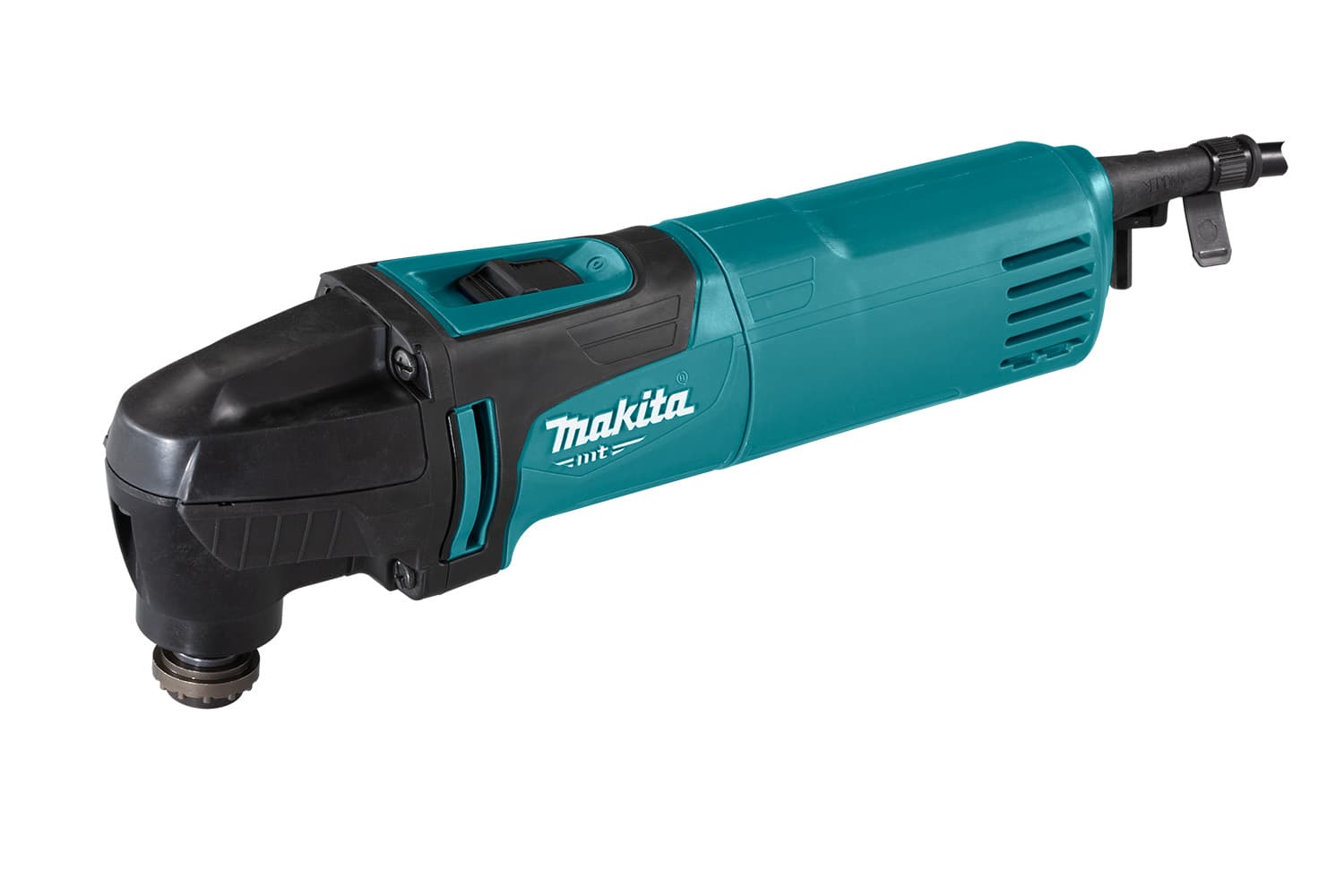
Makita M9800BKX4 Multi-Purpose Alet 15.000-22.000 D/dk
Makita · Oscillating Multi-Tools

Makita DTM50Z Multi-Purpose Alet 18V
Makita · Oscillating Multi-Tools

Makita TM3000CX3 Multi-Purpose Alet
Makita · Oscillating Multi-Tools
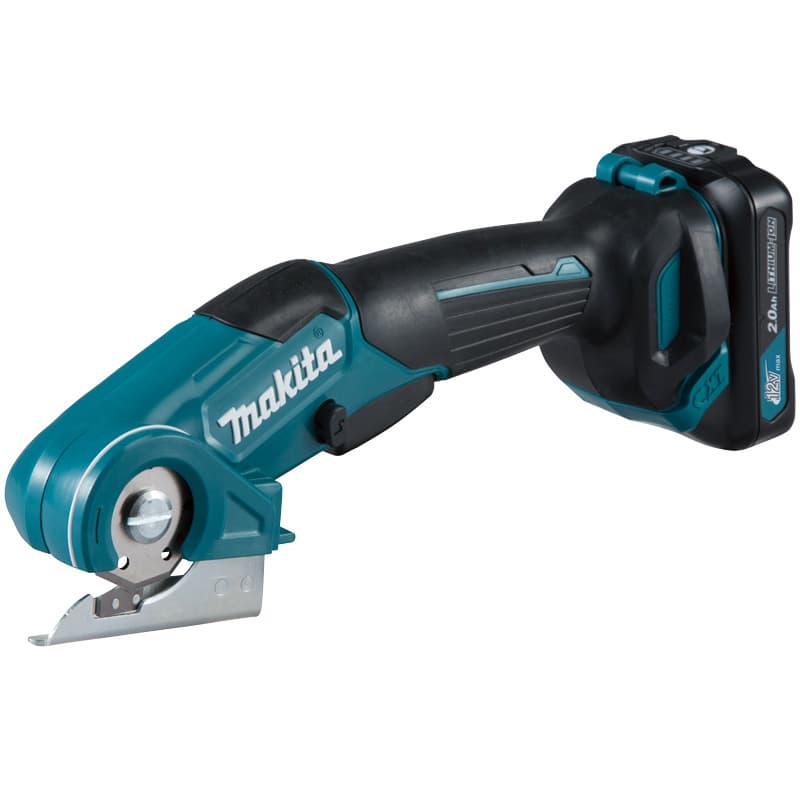
Makita CP100DWA Multi-Purpose Kesici 12V
Makita · Oscillating Multi-Tools
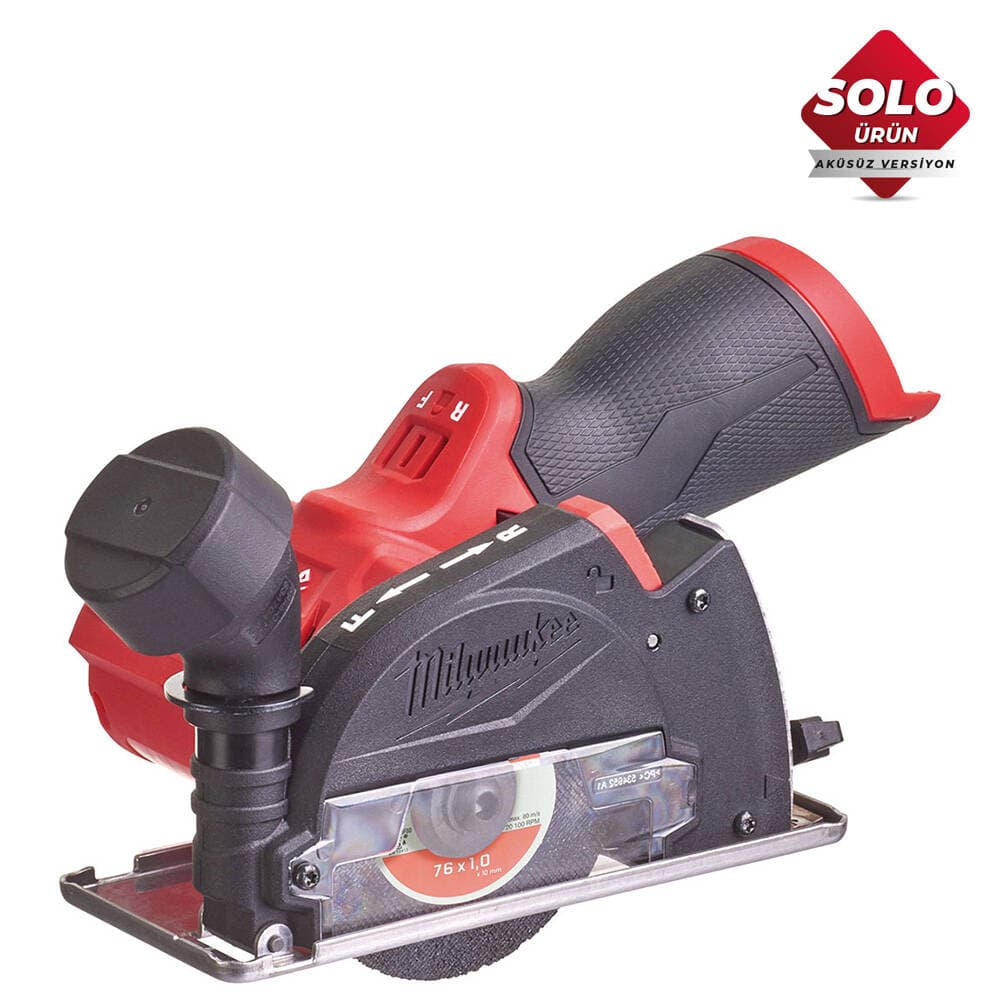
Milwaukee M12 FCOT-0 Cordless Multi-Materyal Kesim
Milwaukee · Oscillating Multi-Tools
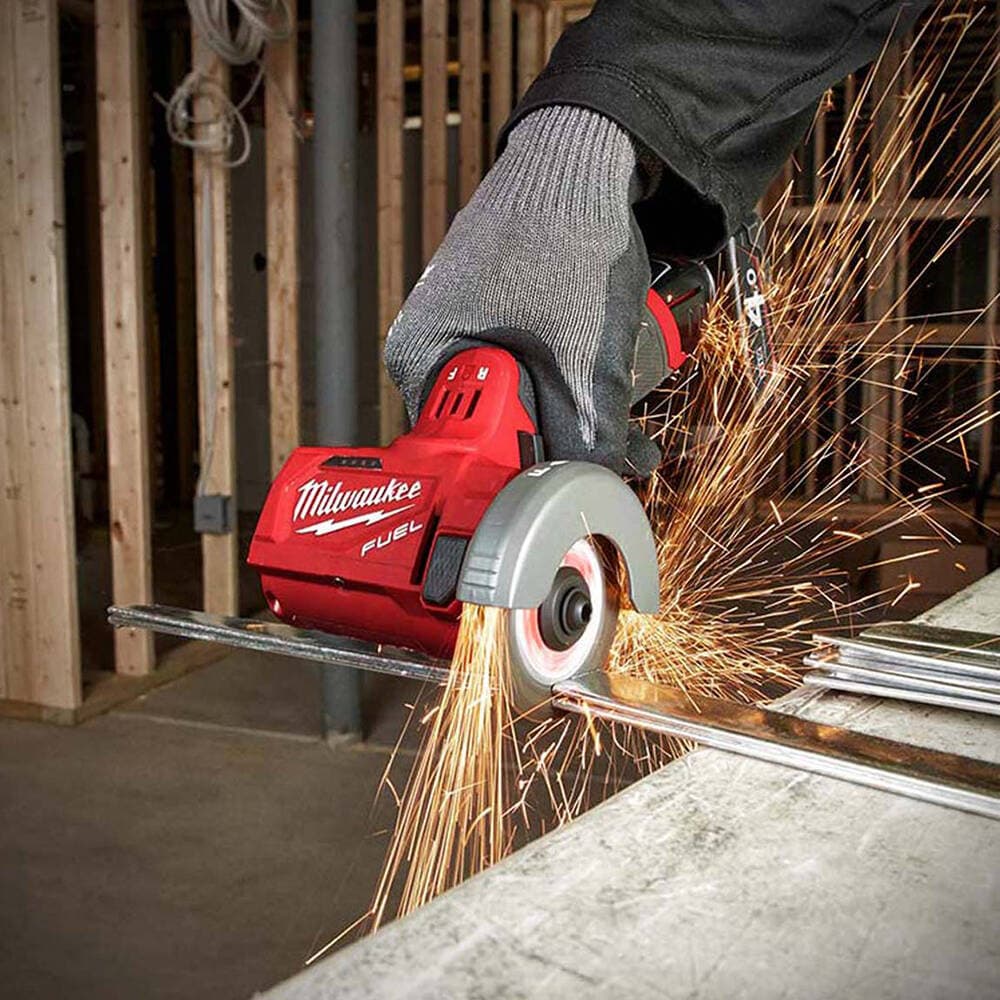
Milwaukee M12 FCOT-422X Cordless Multi-Materyal Kesim
Milwaukee · Oscillating Multi-Tools
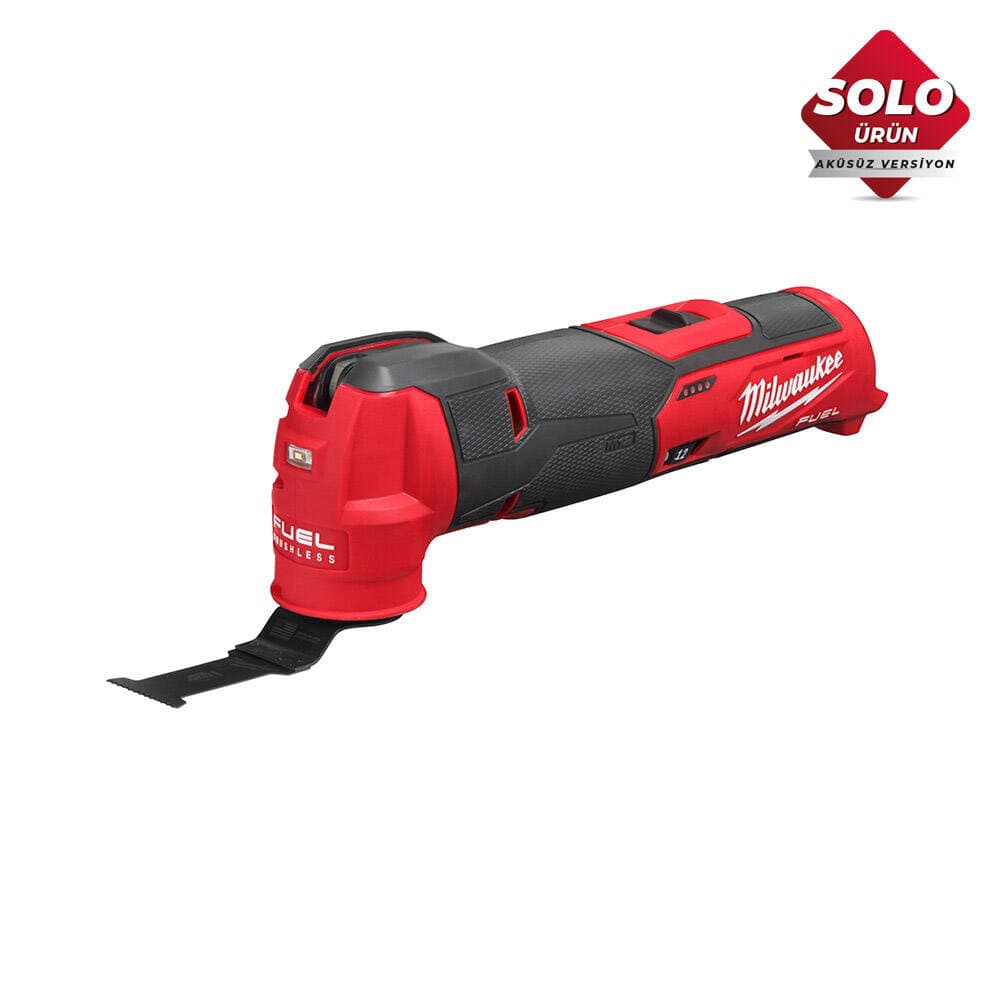
Milwaukee M12 FMT-0 Cordless Multi-Tool
Milwaukee · Oscillating Multi-Tools
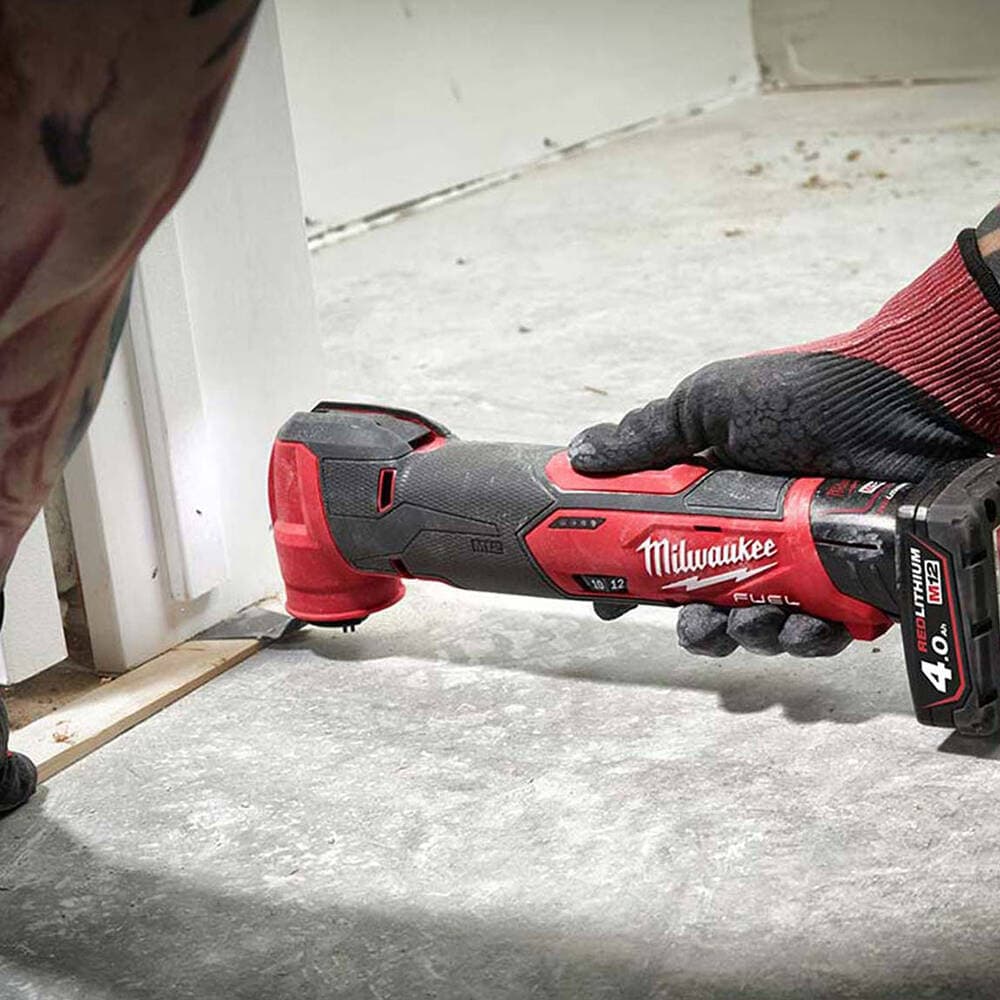
Milwaukee M12 FMT-422X Cordless Multi-Tool
Milwaukee · Oscillating Multi-Tools
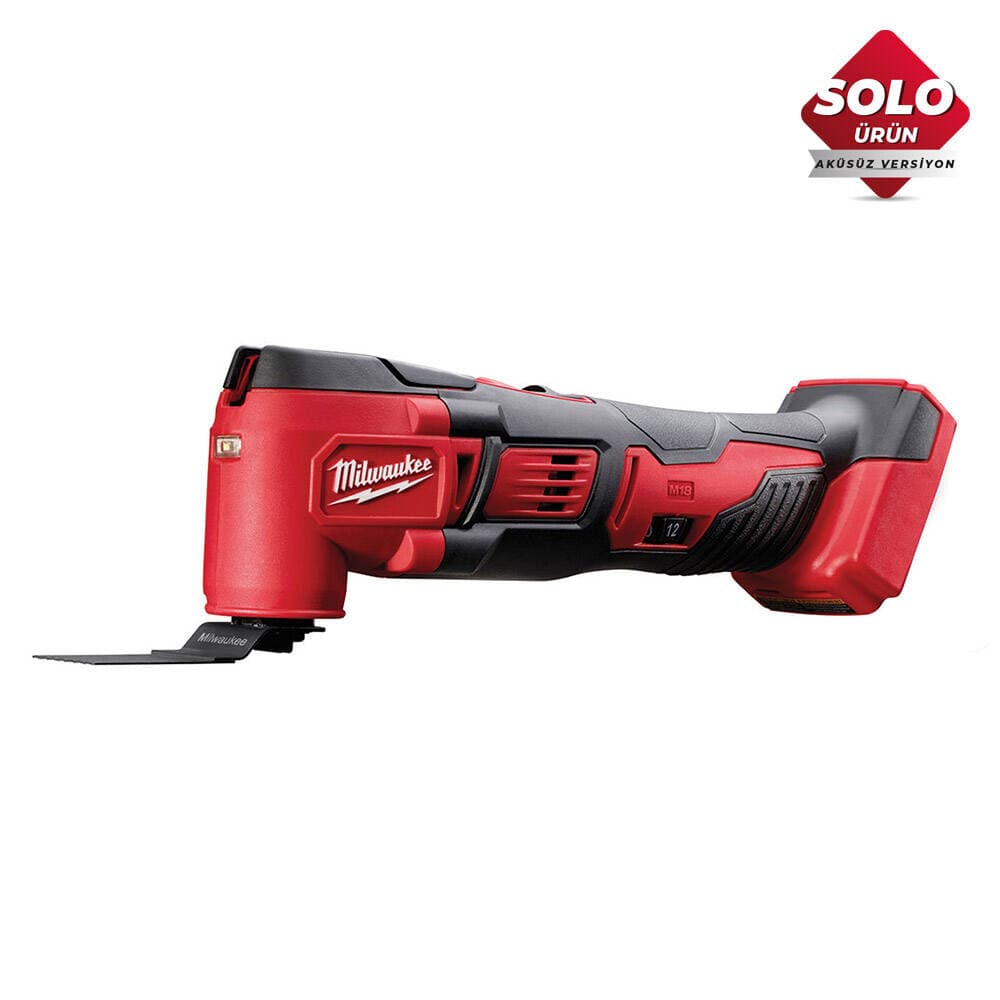
Milwaukee M18 BMT-0 Cordless Multi-Tool
Milwaukee · Oscillating Multi-Tools
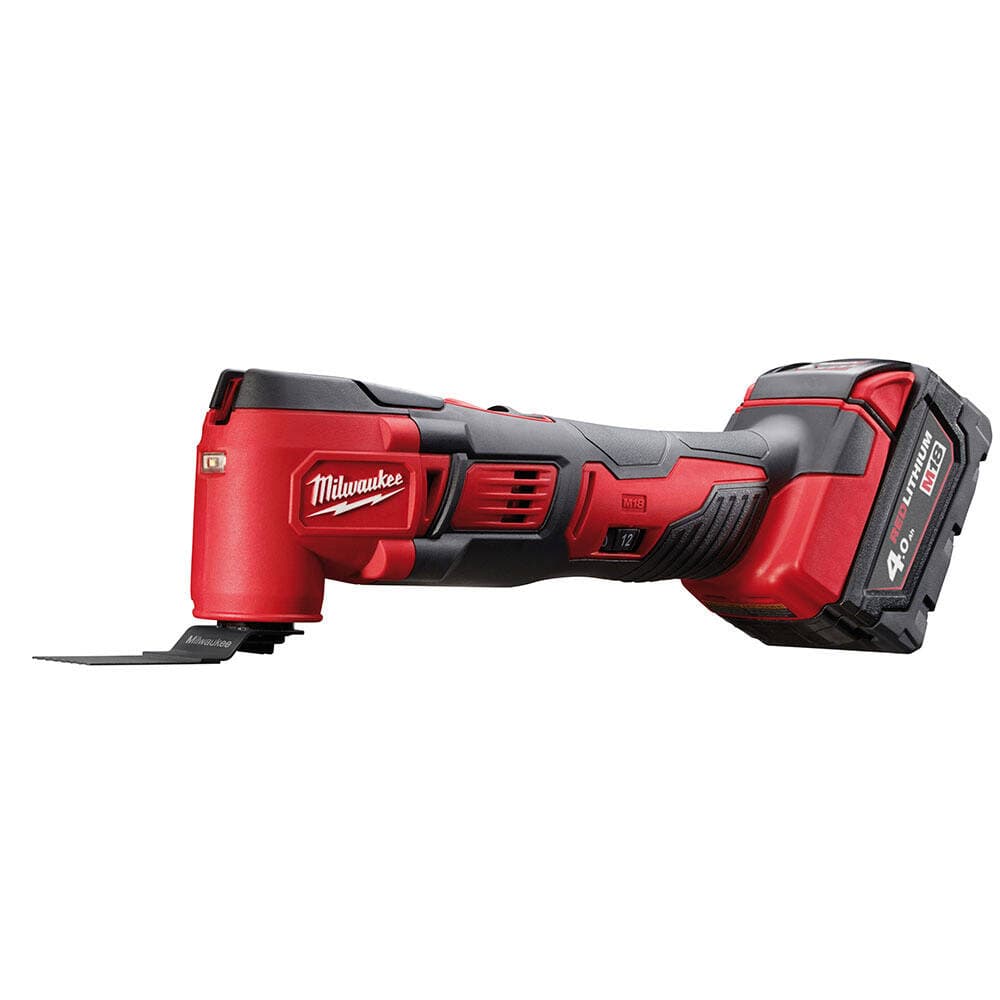
Milwaukee M18 BMT-421C Cordless Multi-Tool
Milwaukee · Oscillating Multi-Tools
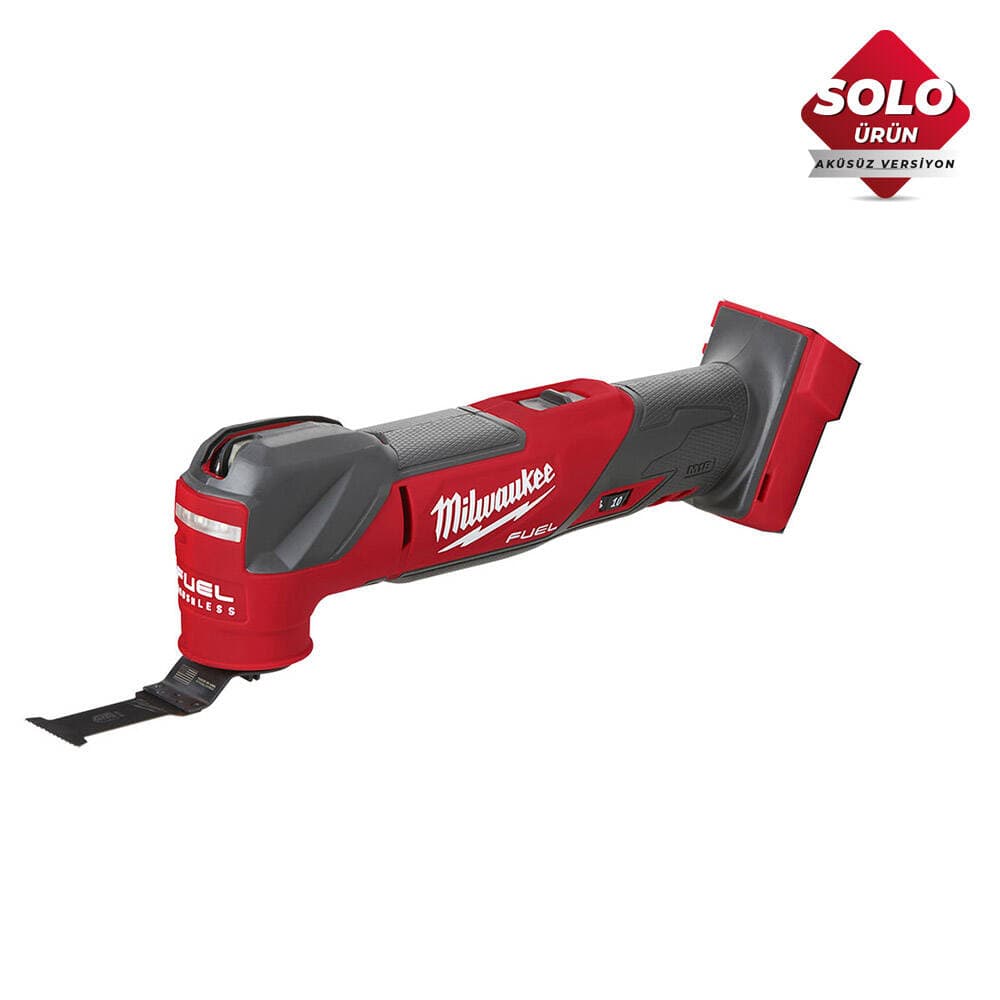
Milwaukee M18 FMT-0X Fuel Multi-Tool
Milwaukee · Oscillating Multi-Tools
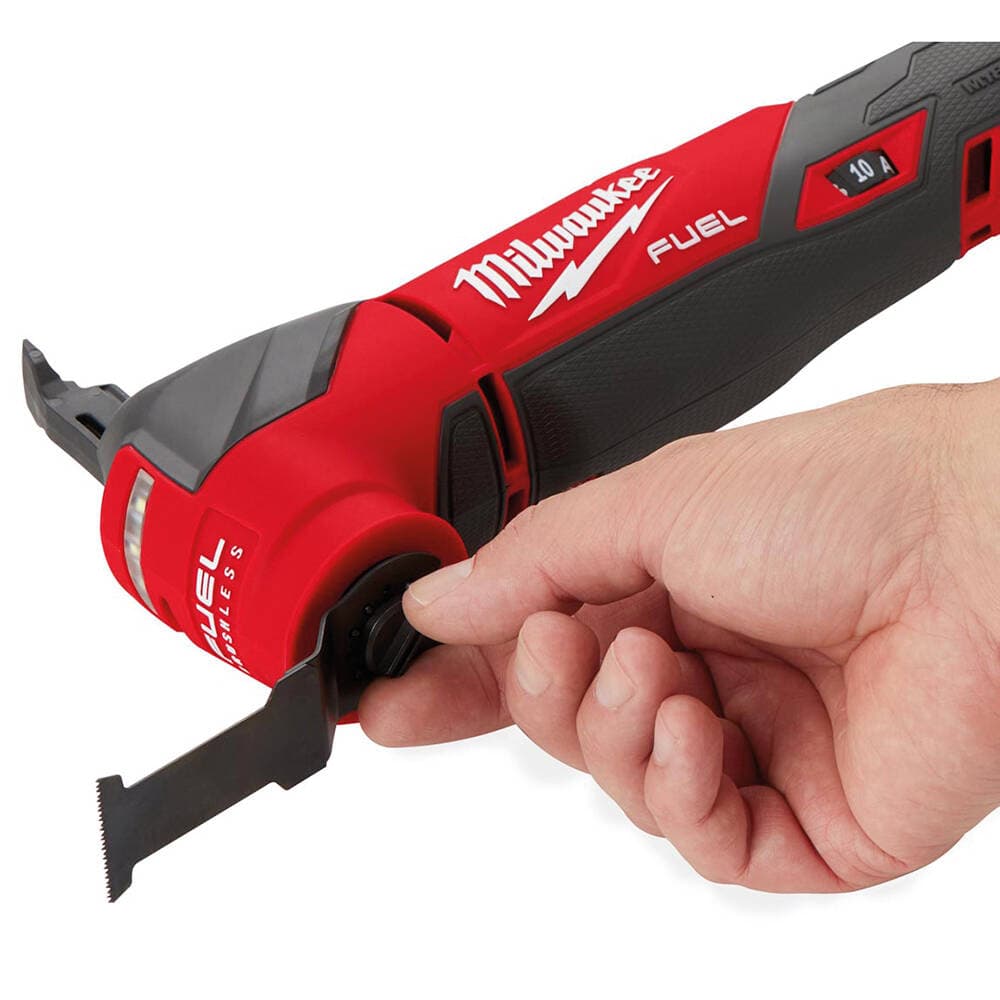
Milwaukee M18 FMT-502X Fuel Multi-Tool
Milwaukee · Oscillating Multi-Tools
When a multi-tool is the answer
You buy this machine for access and control, not speed: trimming under a door casing, correcting installed joinery, cutting out sealant, sanding into a corner. Larger machines either will not reach or damage what is around the cut.
The accessory mount is part of the choice: star-type quick systems (Starlock and similar) hold accessories tool-free and without play, while universal adapters accept other brands' blades.
- Plunge blades: timber, plasterboard, plastic, nail-embedded wood (bimetal).
- Segment blades: joints, sealant and grout.
- Scraper/sanding pad: corner sanding, adhesive residue.
- Speed control: low for plastics, high for timber.
Frequently Asked Questions
Where is a multi-tool indispensable?
In cuts you cannot otherwise reach: trimming installed casings and skirting, opening small rectangles in a wall, removing sealant and grout, sanding into corners.
Are accessories interchangeable between brands?
Star-type quick mounts work within their own ecosystem; many machines accept other brands through a universal adapter. Check the mount before buying.
Can it cut nail-embedded wood?
With a bimetal plunge blade, yes. A plain wood blade loses teeth on the first nail.
What is speed control for?
It matches oscillation rate to the material: low speed stops plastics melting, high speed advances faster in timber.