Categories
Chain Hoists & Winches
Hoists and winches lift vertically. A chain hoist multiplies a hand-pulled chain through a gearbox so one person can raise tonnes; the electric version does the same job on a button and much faster. The range here runs from 500 kg to 20 tonnes and includes lever hoists, wire rope pullers and tripod winches.
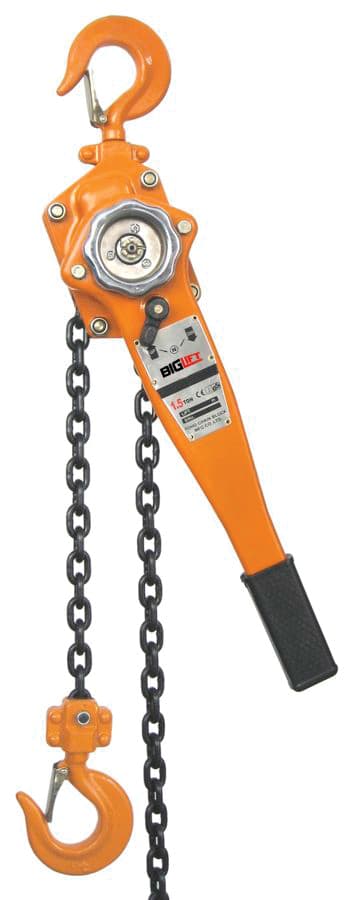
Biglift BIGHUB1.50-1.5 Lever Hoist 1.5 t
BIGLIFT · Chain Hoists & Winches
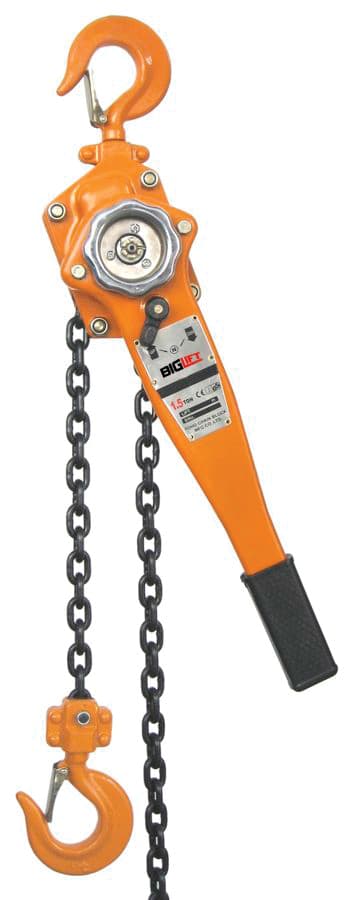
Biglift BIGHUB3-1.5 Lever Hoist 3 t
BIGLIFT · Chain Hoists & Winches
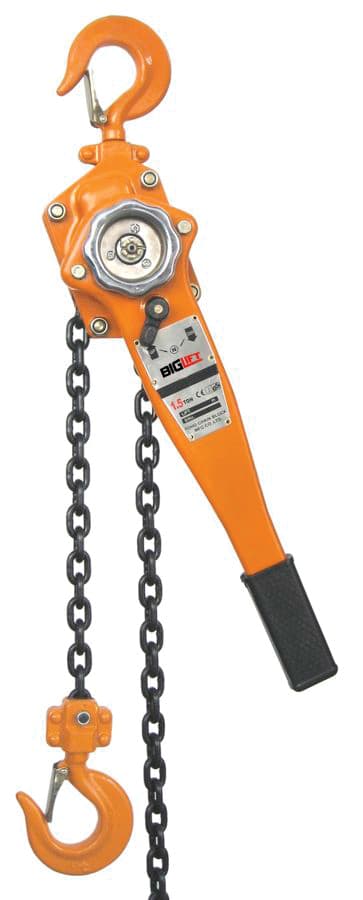
Biglift BIGHUB0.75-1.5 Lever Hoist 750 kg
BIGLIFT · Chain Hoists & Winches
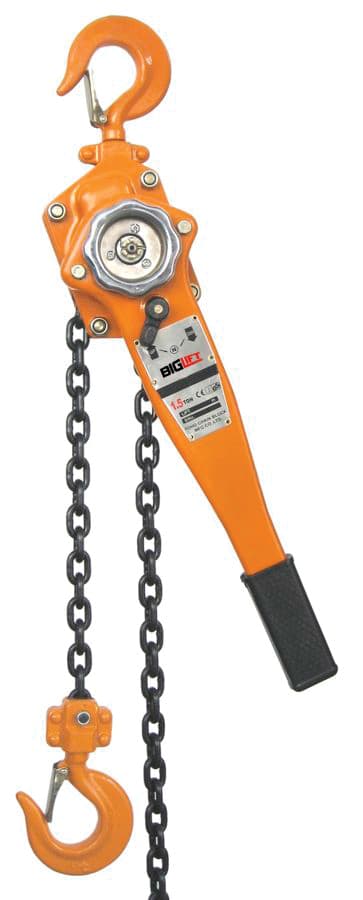
Biglift BIGHUB6-1.5 Lever Hoist 6 t
BIGLIFT · Chain Hoists & Winches
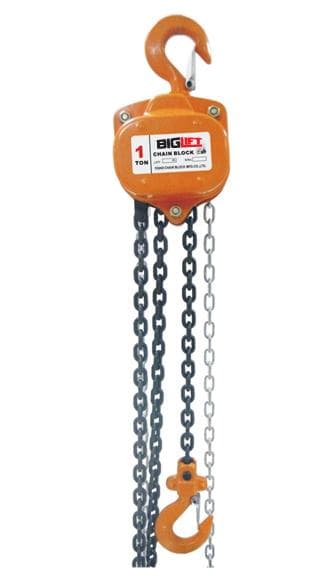
Biglift BIGCAR0.5-5 Chain Hoist 500 kg
BIGLIFT · Chain Hoists & Winches
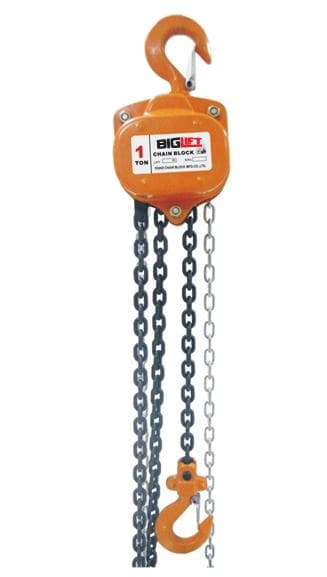
Biglift BIGCAR1-3 Chain Hoist 1 t
BIGLIFT · Chain Hoists & Winches
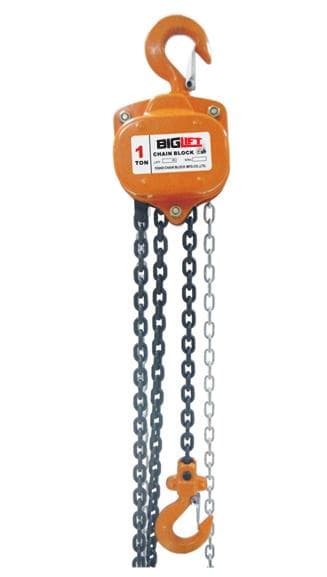
Biglift BIGCAR1-5 Chain Hoist 1 t
BIGLIFT · Chain Hoists & Winches
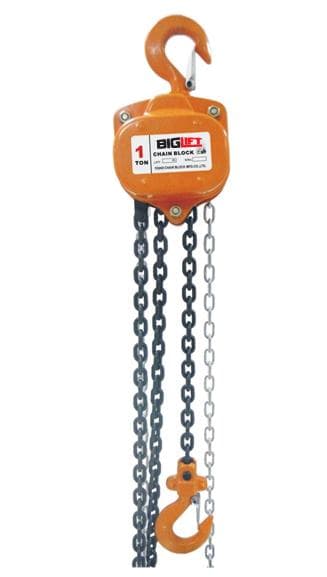
Biglift BIGCAR10-5 Chain Hoist 10 t
BIGLIFT · Chain Hoists & Winches
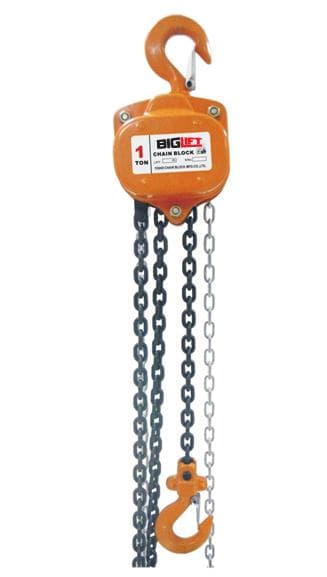
Biglift BIGCAR2-3 Chain Hoist 2 t
BIGLIFT · Chain Hoists & Winches
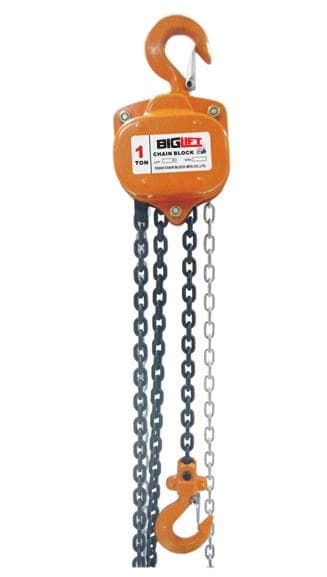
Biglift BIGCAR2-5 Chain Hoist 2 t
BIGLIFT · Chain Hoists & Winches
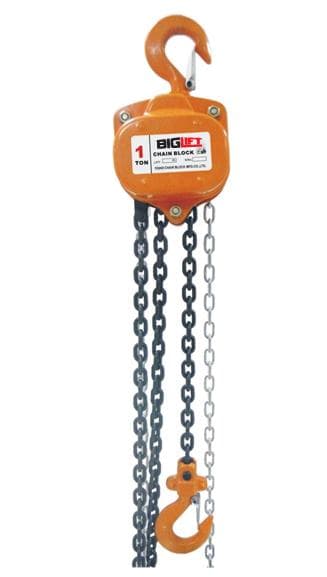
Biglift BIGCAR20-5 Chain Hoist 20 t
BIGLIFT · Chain Hoists & Winches
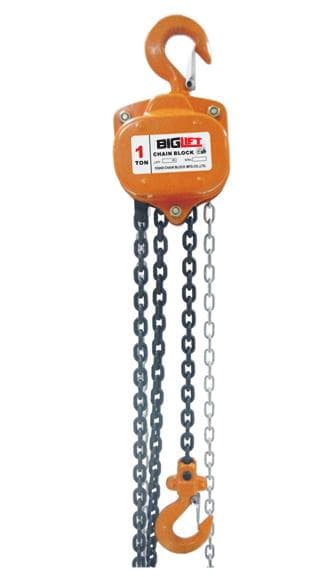
Biglift BIGCAR3-3 Chain Hoist 3 t
BIGLIFT · Chain Hoists & Winches
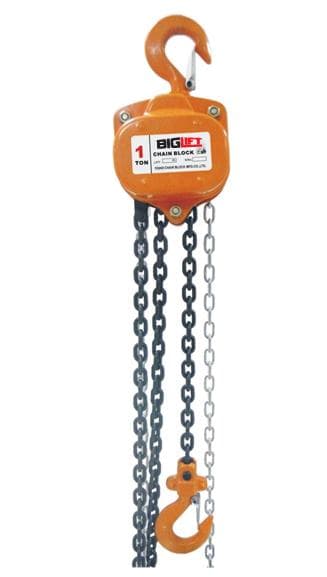
Biglift BIGCAR3-5 Chain Hoist 3 t
BIGLIFT · Chain Hoists & Winches
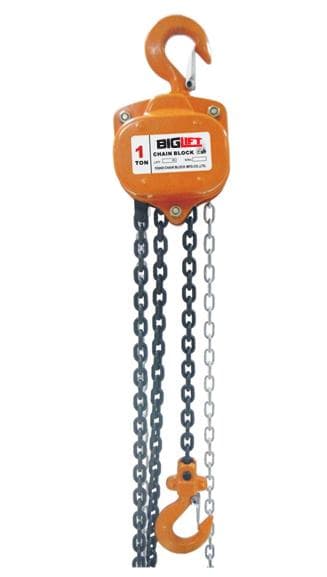
Biglift BIGCAR0.5-3 Chain Hoist 500 kg
BIGLIFT · Chain Hoists & Winches
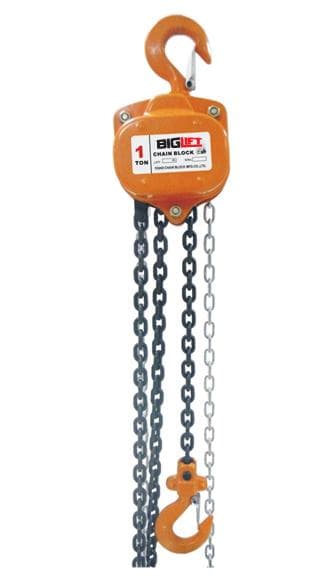
Biglift BIGCAR5-5 Chain Hoist 5 t
BIGLIFT · Chain Hoists & Winches
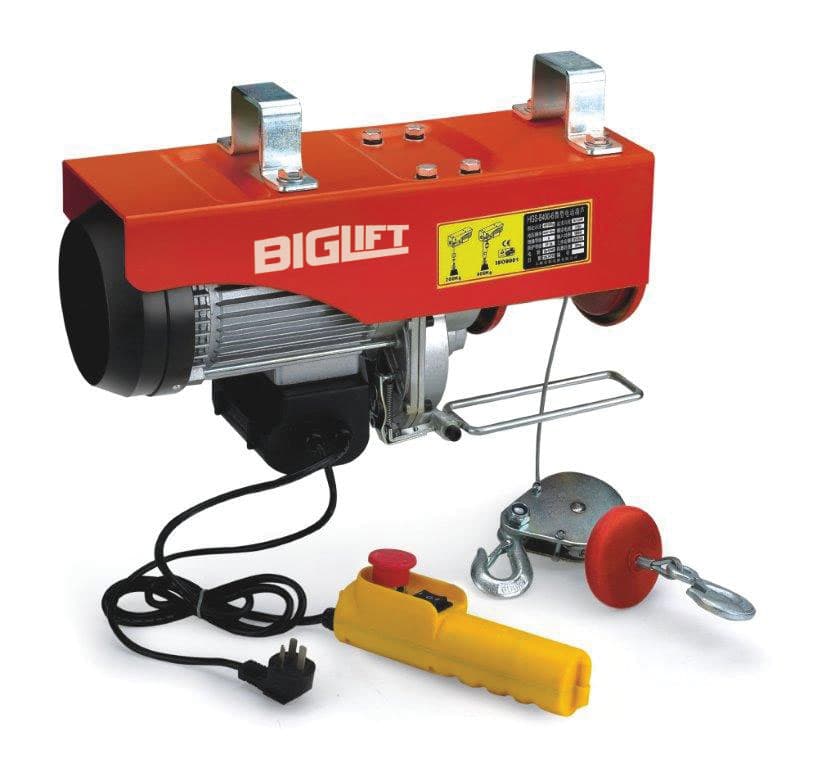
Biglift MAXVINC300/600 Electric Chain Hoist
BIGLIFT · Chain Hoists & Winches
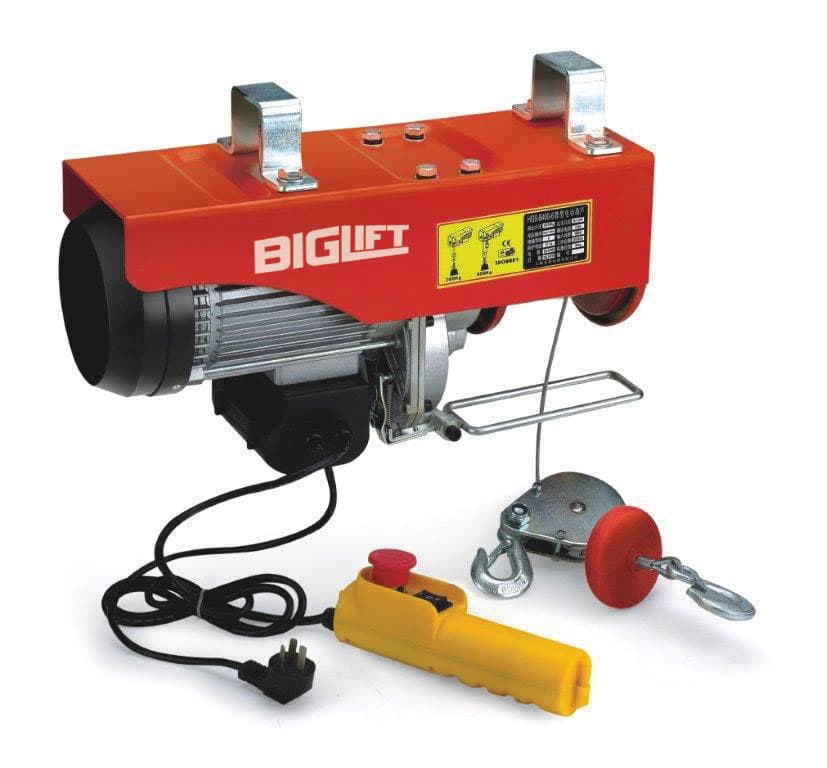
Biglift MAXVINC250/500 Electric Chain Hoist
BIGLIFT · Chain Hoists & Winches
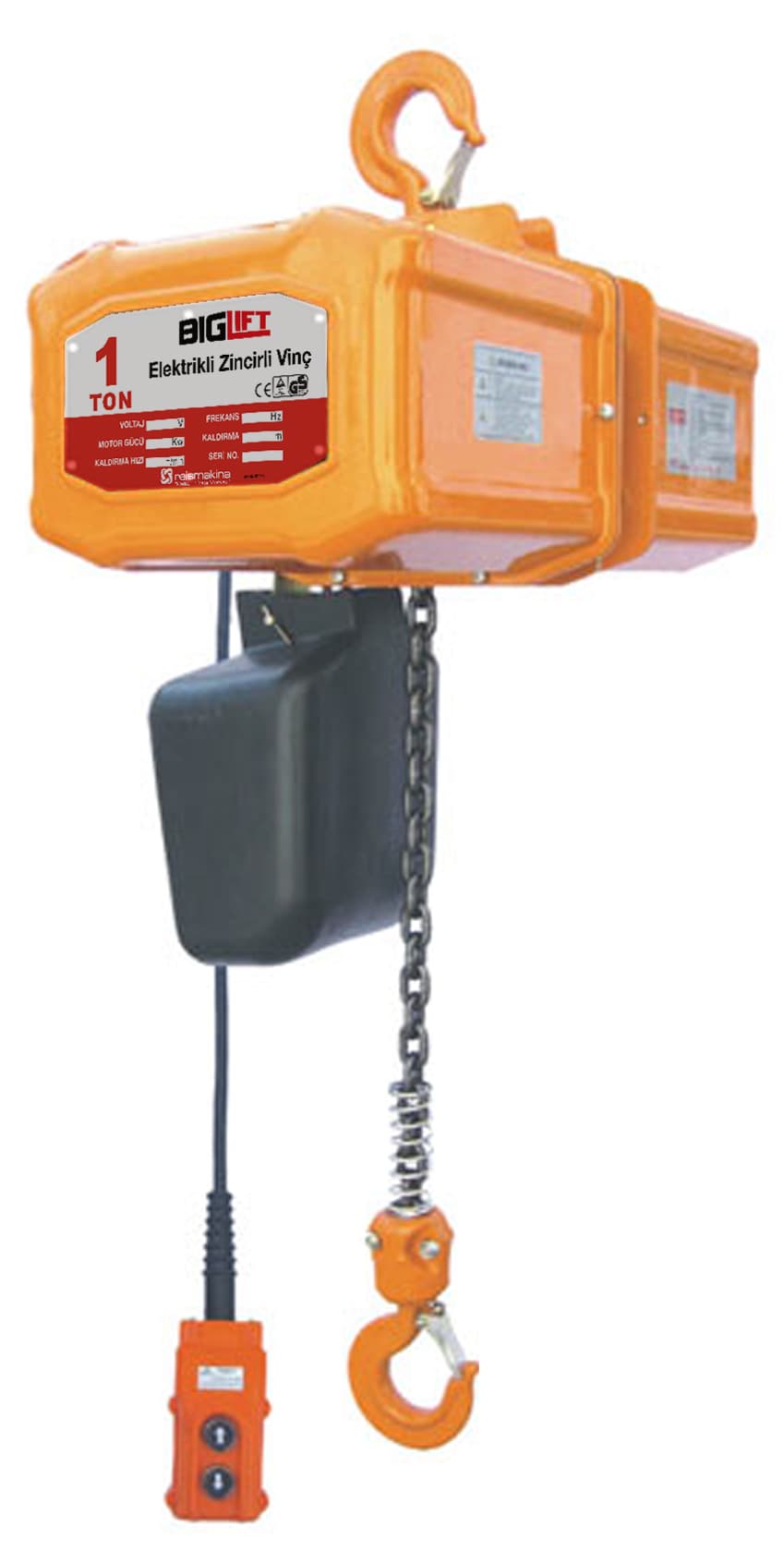
Biglift BIGVINC-1 Electric Chain Hoist 1 t
BIGLIFT · Chain Hoists & Winches
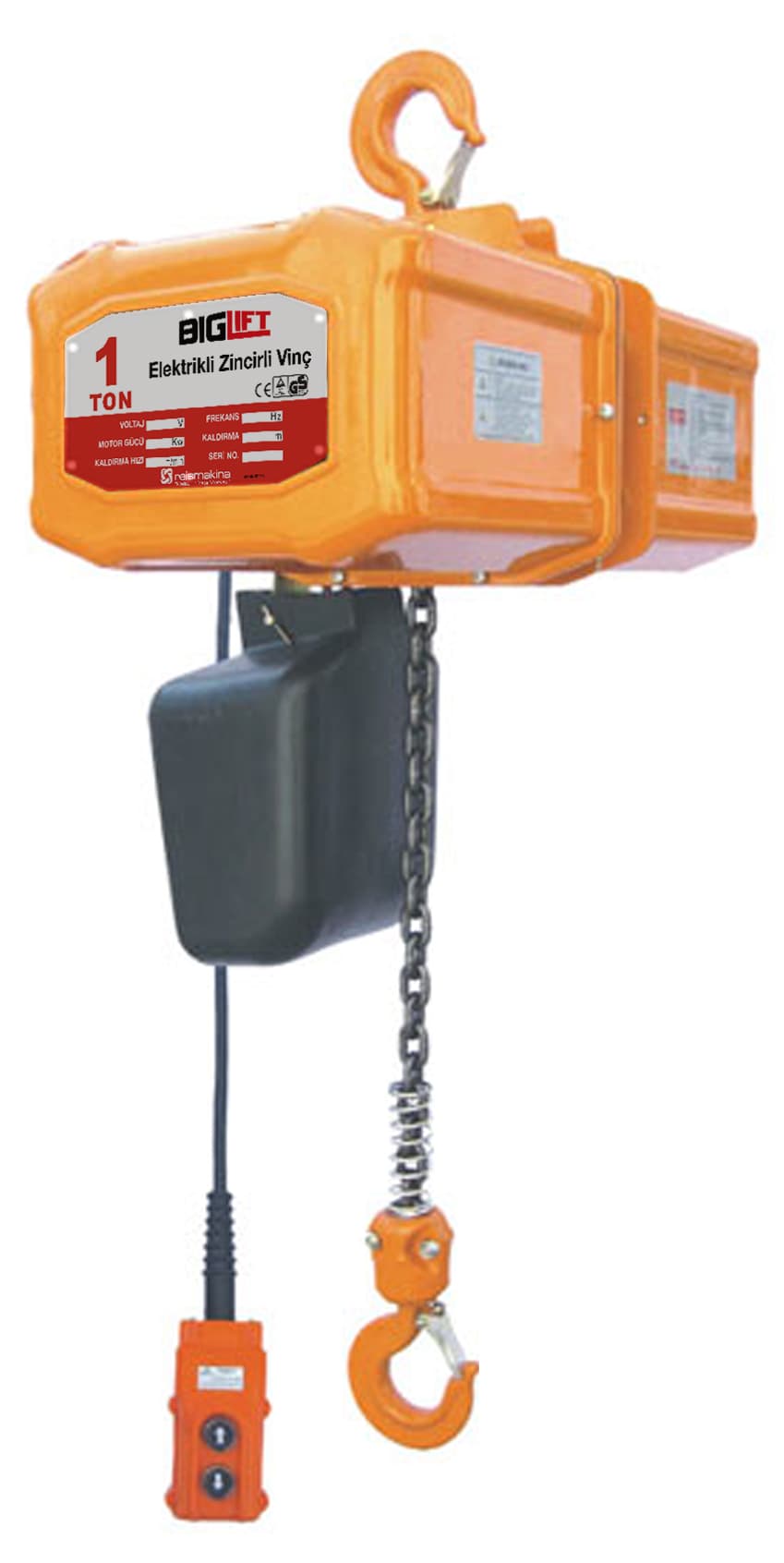
Biglift BIGVINC-2 Electric Chain Hoist 2 t
BIGLIFT · Chain Hoists & Winches
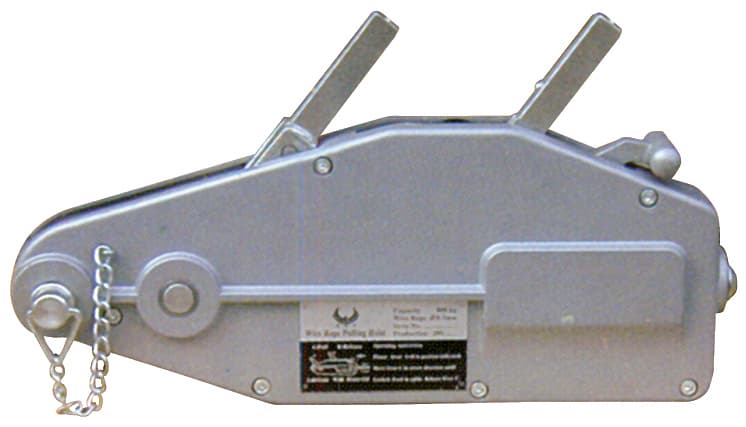
Big Red TRK0800 Wire Rope Puller 800 kg
BIG RED · Chain Hoists & Winches
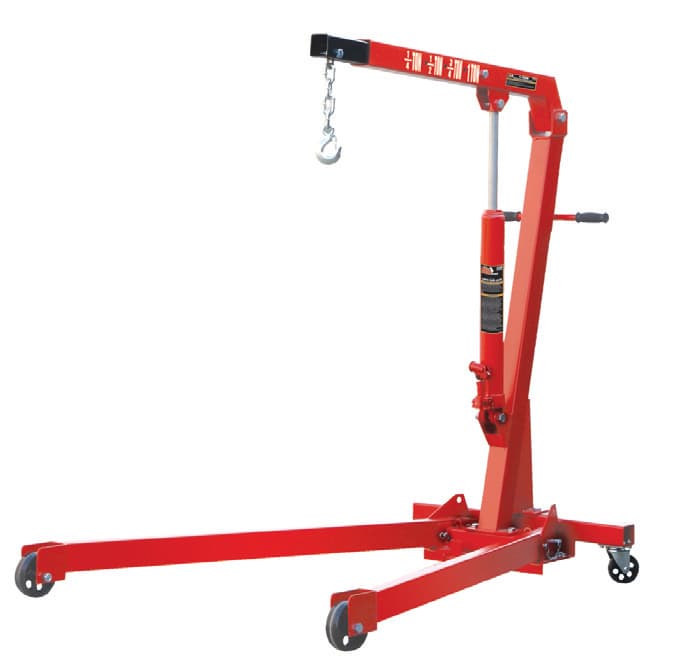
Big Red T31002 Tripod Winch 1 t
BIG RED · Chain Hoists & Winches
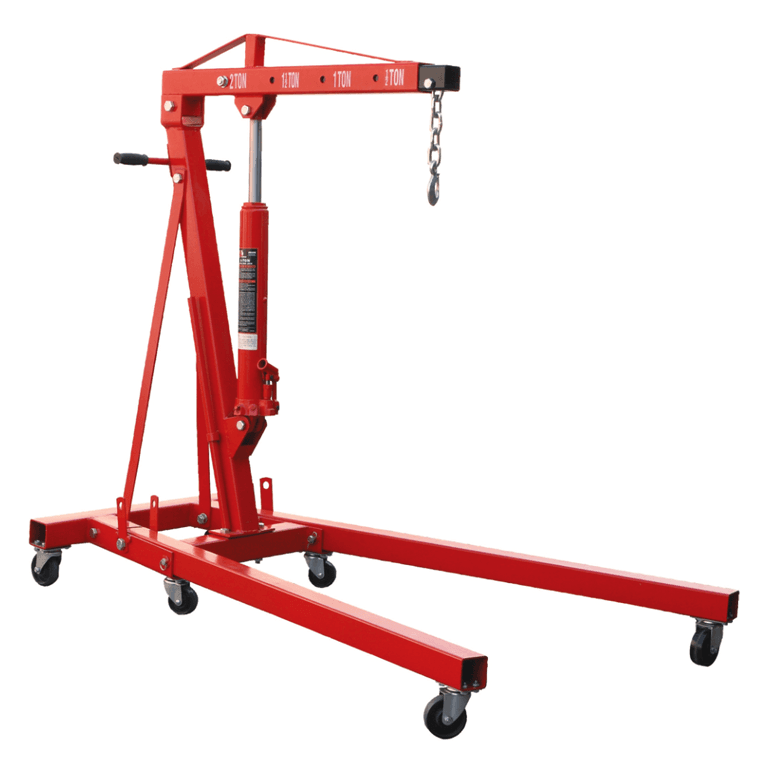
Big Red T32002X Tripod Winch 2 t
BIG RED · Chain Hoists & Winches
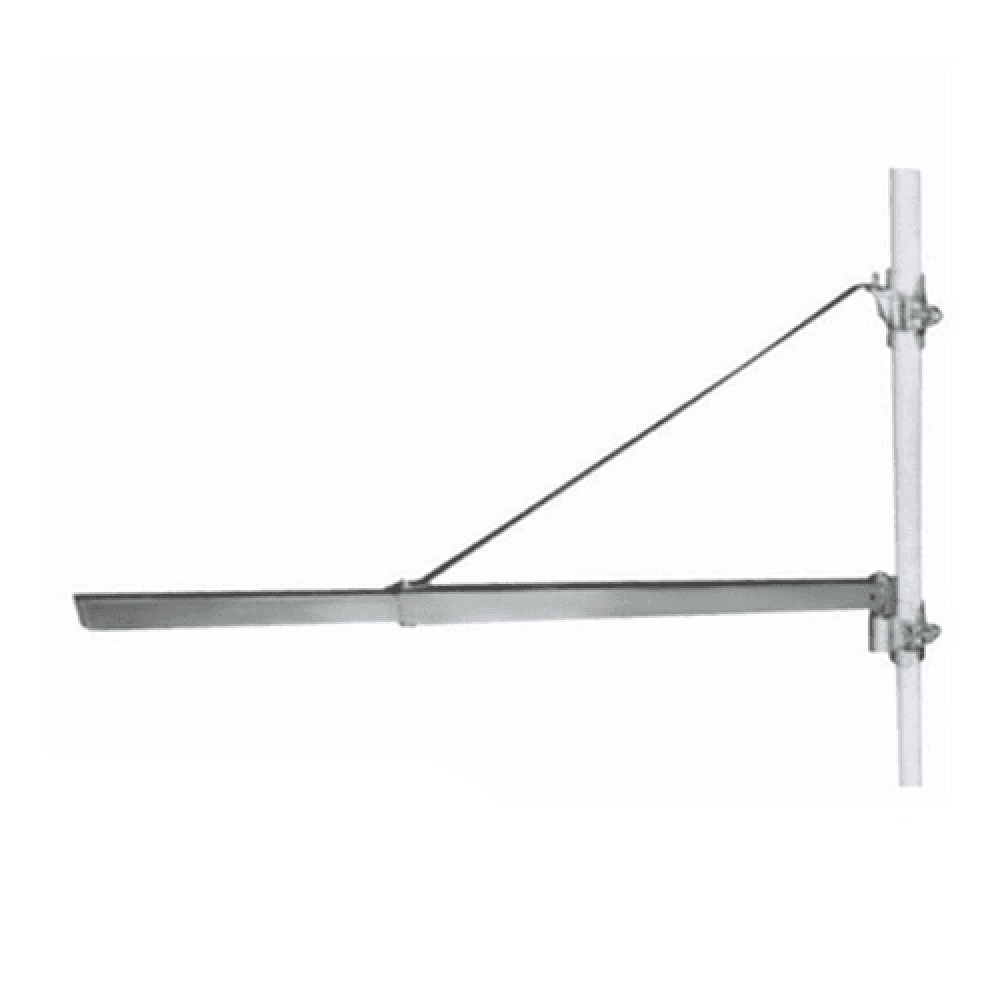
Biglift HST-250-1100 Hoist Mounting Attachment 250 kg
BIGLIFT · Chain Hoists & Winches
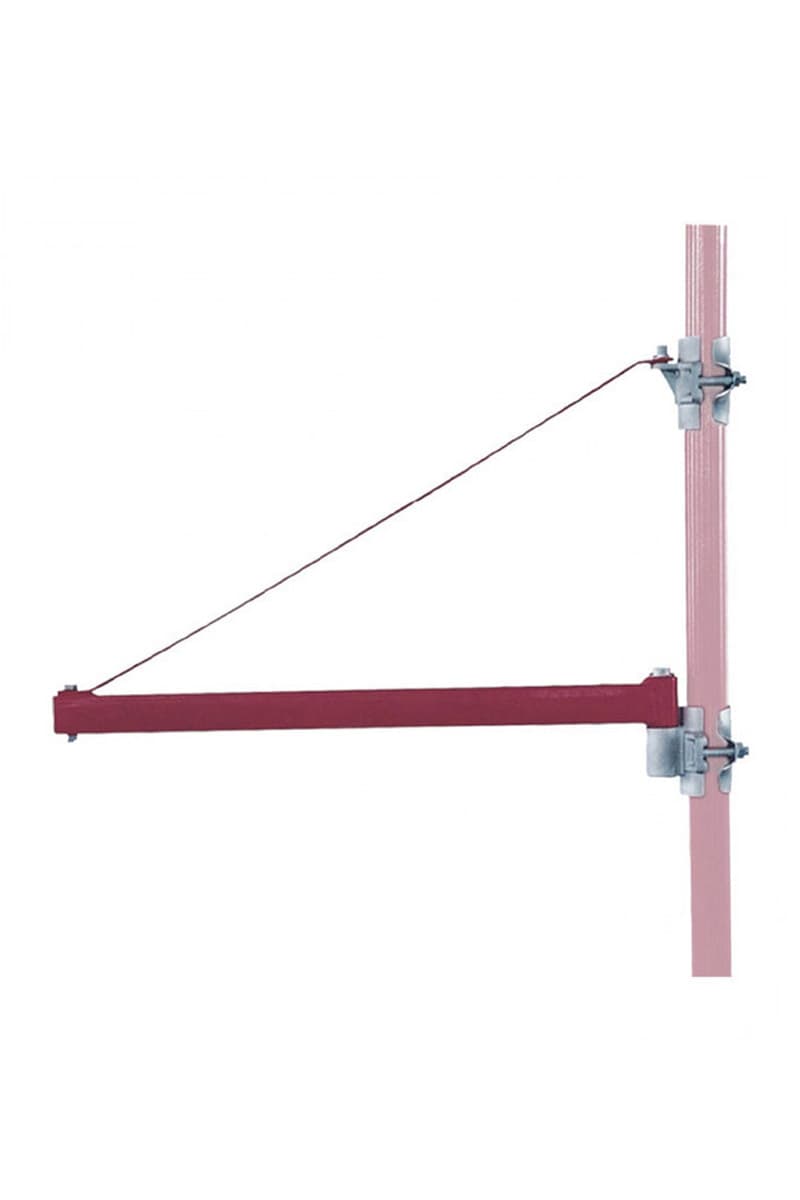
Biglift HST-600-750 Hoist Mounting Attachment 600 kg
BIGLIFT · Chain Hoists & Winches
1–24 of 28 · page 1 / 2
Start with lift height, not capacity
Chain or rope length is settled before capacity, because it is a hard limit on how far the load can travel. Measure from the anchor point to the floor and specify the chain accordingly; standard models come with 3 m and 5 m chains.
The second measurement is headroom: the minimum distance between the hook and the anchor. Under a low ceiling that figure directly limits how high the load can go.
Manual, electric, lever and rope
All four lift vertically; what separates them is how often the job happens and how tight the space is. On a production line with repetitive lifts a manual hoist lengthens the cycle; for a maintenance job done twice a year an electric hoist is cost with no return.
| Equipment | Drive | Typical capacity | Best at |
|---|---|---|---|
| Chain hoist | Hand chain | 500-20,000 kg | Occasional lifting from a fixed point |
| Electric chain hoist | Electric motor | 300-2,000 kg | Repetitive, fast lifting |
| Lever hoist | Short lever | 750-6,000 kg | Tight spaces, horizontal tensioning |
| Wire rope puller | Wire rope | 800-3,200 kg | Long-distance pulling, recovery |
| Tripod winch | Manual/electric | 1,000-2,000 kg | Shafts, manholes, confined spaces |
Anchor points and inspection
The structure matters as much as the hoist: the beam, ceiling fixing or trolley has to carry the load being lifted. Mounting attachments are therefore chosen to match the hoist's rating.
Lifting equipment is inspected at least once a year unless the applicable standard says otherwise, and tested at no less than 1.25 times the declared capacity. Chain wear, hook throat opening and brake function are the core items in that inspection.
Frequently Asked Questions
How high does a chain hoist lift?
As high as its chain is long. Standard models come with 3 m and 5 m chains, and longer chains can be specified for higher anchor points.
Electric hoist or manual chain hoist?
For a few lifts a day a manual hoist is enough and cheaper to own. On production and assembly lines with repetitive lifting, an electric hoist shortens the cycle markedly.
What is a lever hoist used for?
It lifts and pulls on a short lever. Because it works in tight spaces and can tension horizontally, it is the tool for maintenance, assembly and tensioning work.
What is the difference between a rope puller and a chain hoist?
A rope puller feeds wire rope through its body, so its reach is the length of rope you feed it — which suits long-distance pulling. A chain hoist works on a chain and suits vertical lifting from a fixed anchor.
What should I mount a hoist to?
A beam, ceiling fixing or trolley rated to carry the load being lifted. The mounting attachment is chosen to match the hoist's own rating.
Do chain hoists need periodic inspection?
Yes. Lifting equipment is inspected by authorised persons at least once a year unless the applicable standard says otherwise, and tested at no less than 1.25 times the declared capacity.