Categories
Locks & Latches
Locks & Latches gathers every part of door security in one place: the lock mortised into the door, the cylinder that turns it, the door furniture around it, and the hasps and chain locks that have nothing to do with doors. This page explains which lock suits which door and how cylinder length is chosen. Thirteen lock types are also listed as subgroups.
Product Types
Go straight to the product type you need.
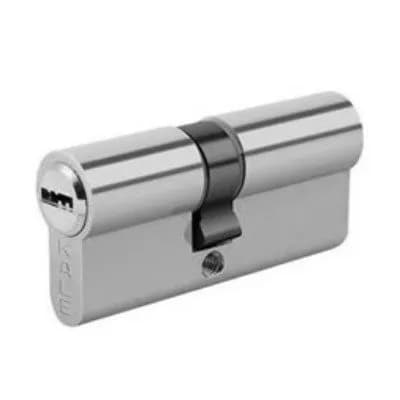 Lock Cylinders39 products
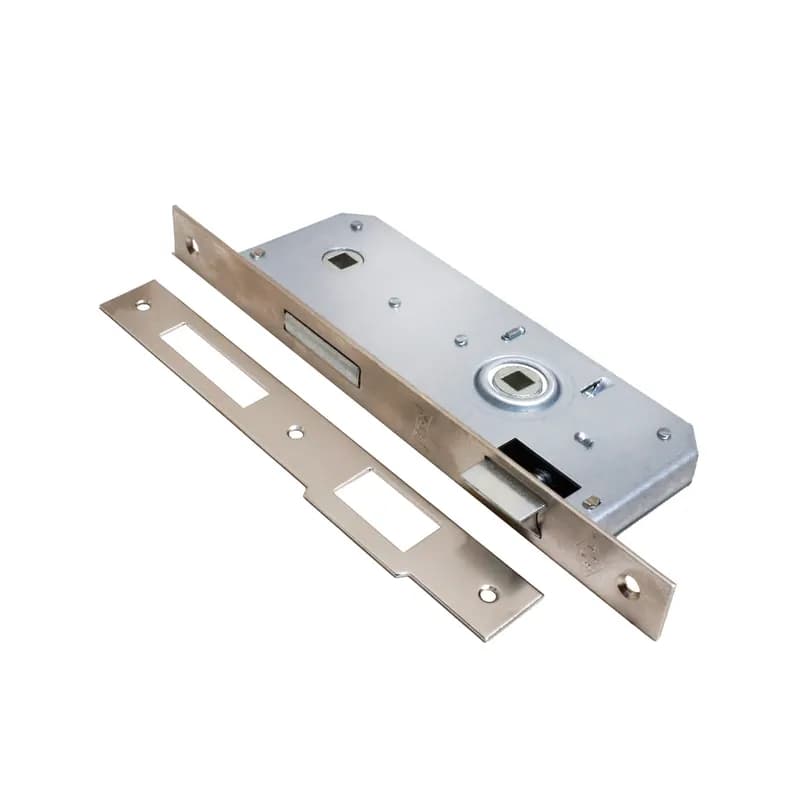 Interior Door Mortise Locks36 products
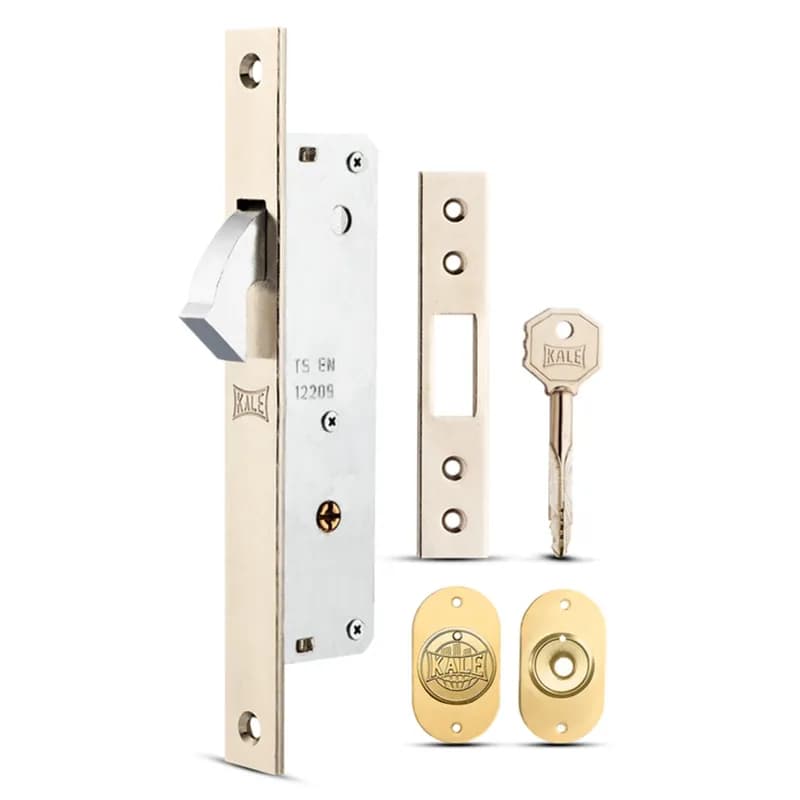 Cylinder Mortise Locks35 products
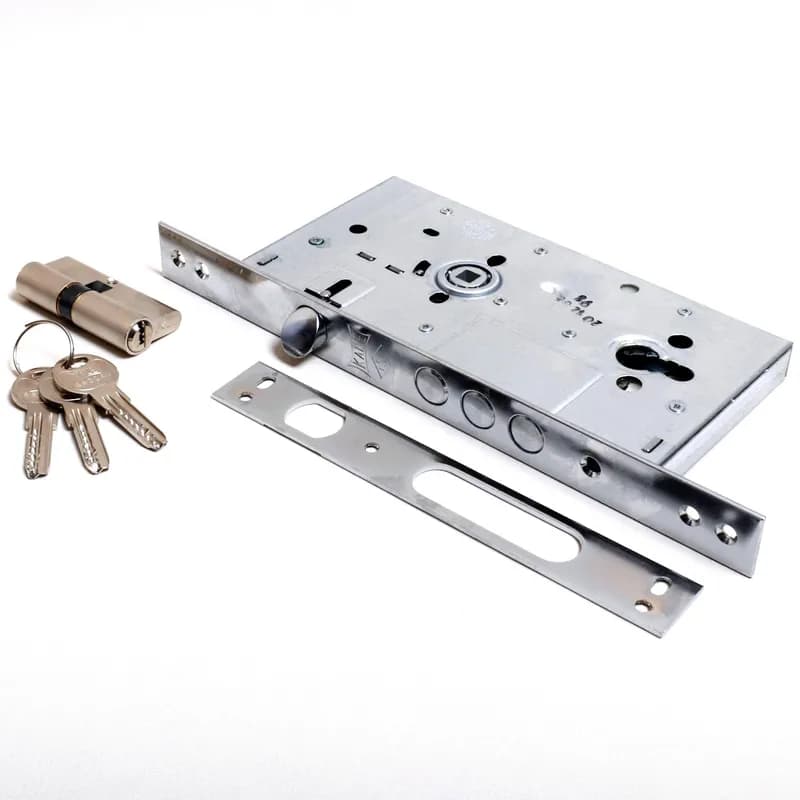 Steel Door Locks31 products
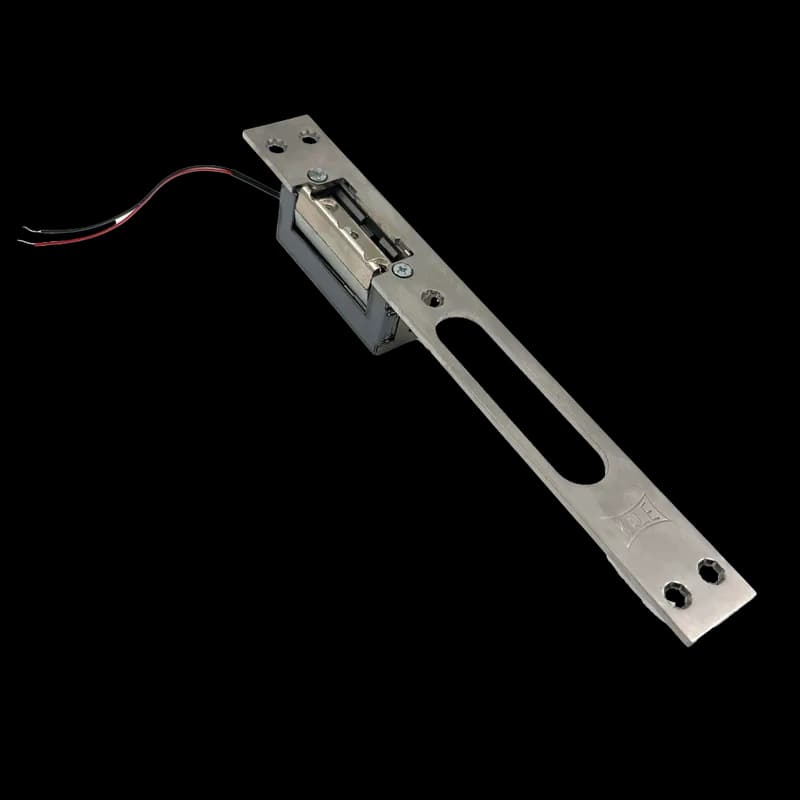 Lock Accessories24 products
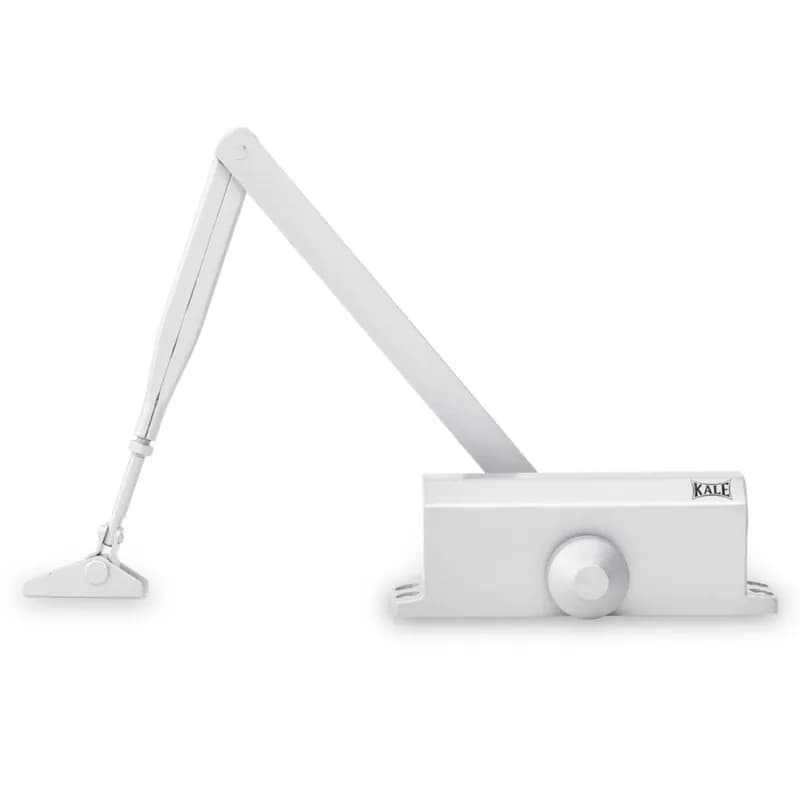 Door Closers16 products
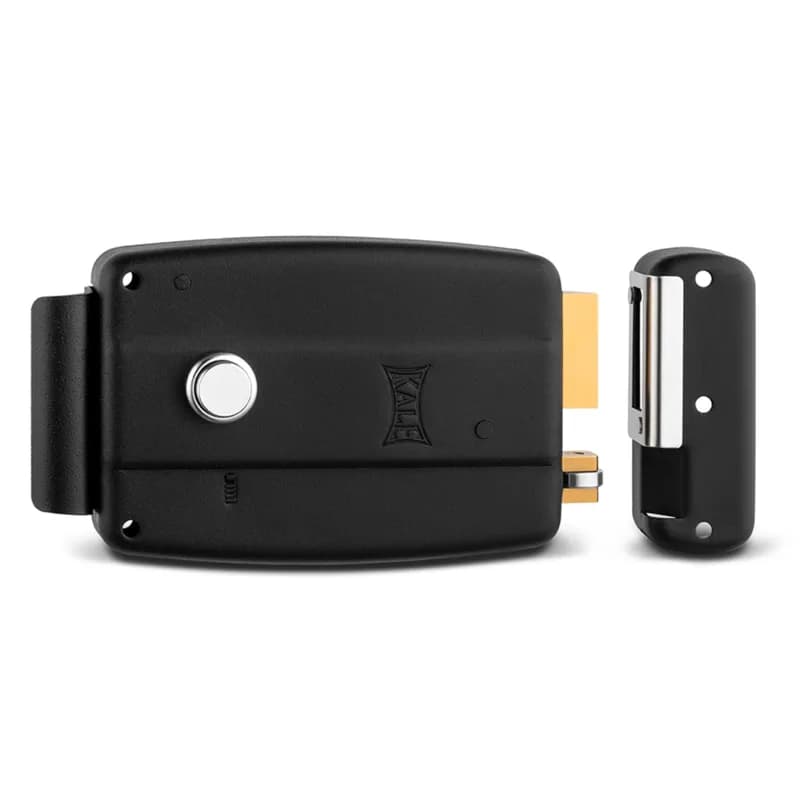 Surface-Mounted Rim Locks15 products
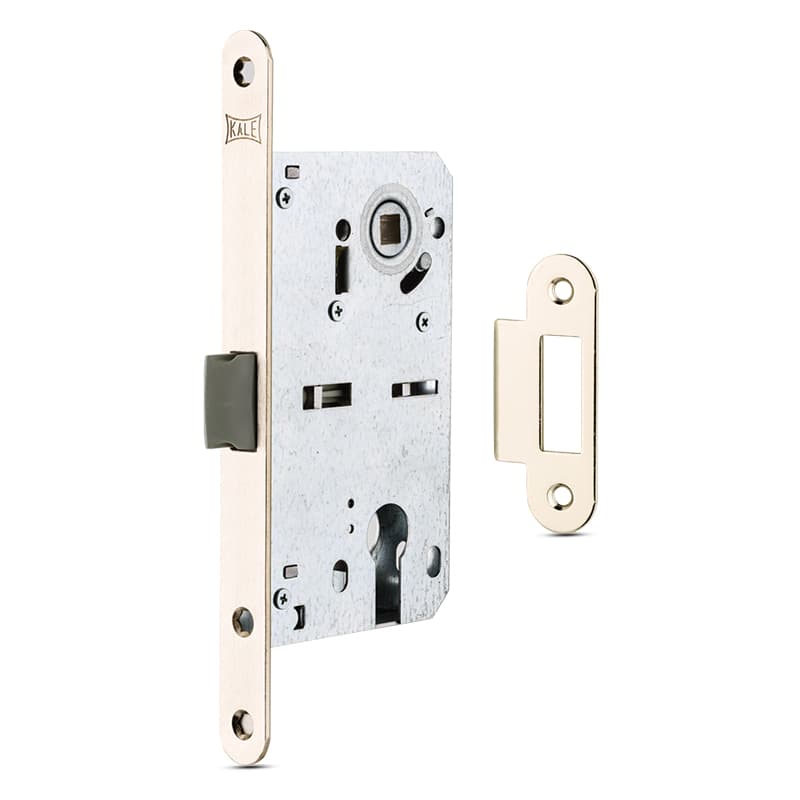 Silent Series Locks11 products
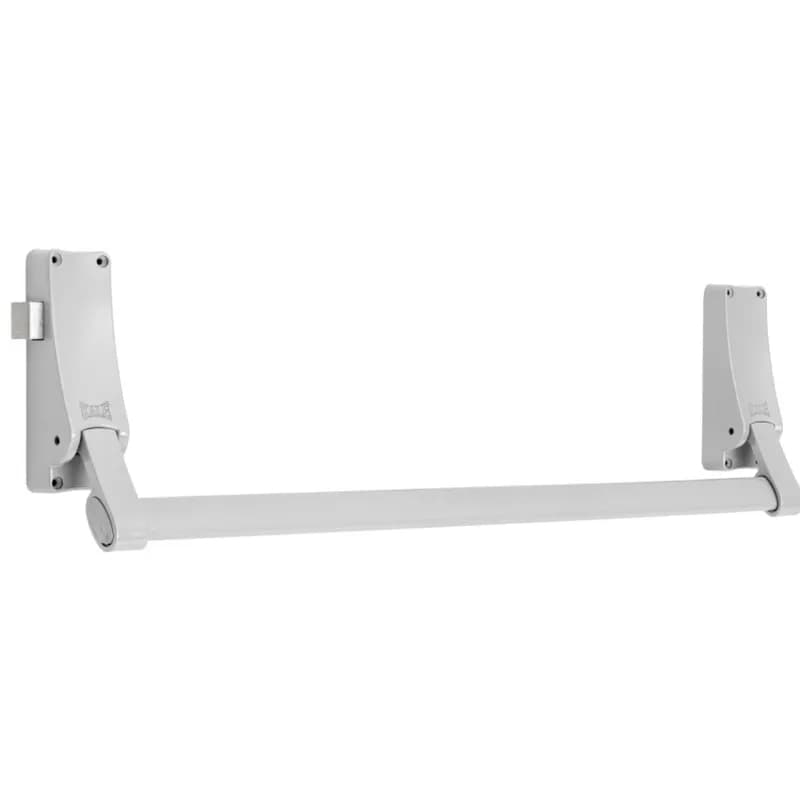 Panic Bars11 products
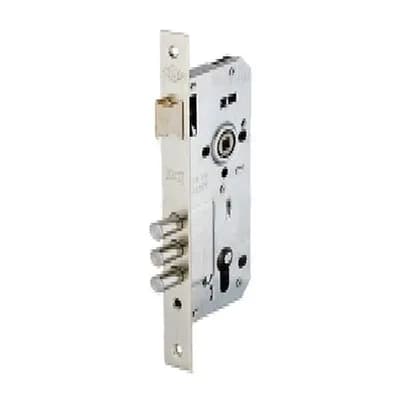 Security Mortise Locks7 products
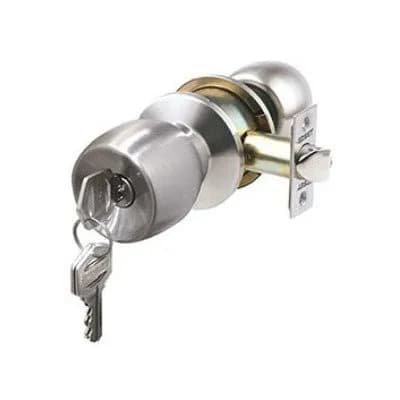 Knob Locks7 products
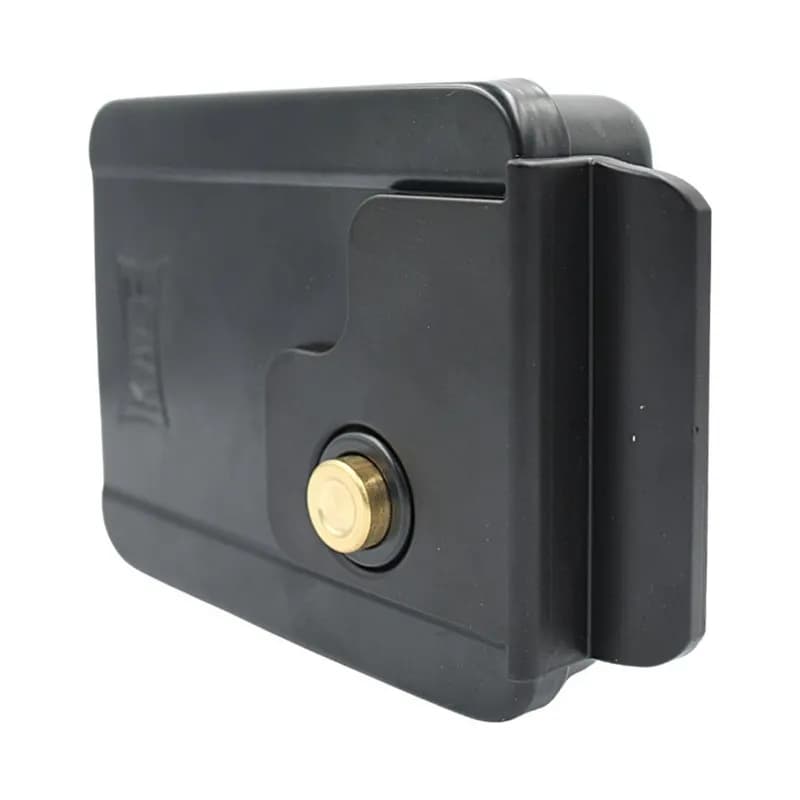 Electric Door Strikes6 products
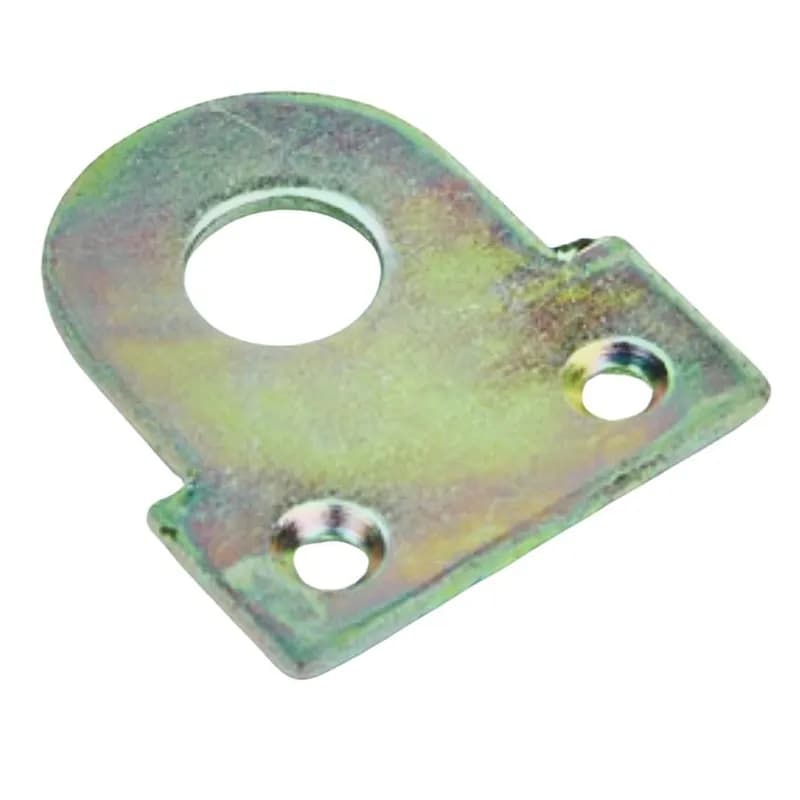
Çınar Kilit Askısı Düz KOD:910
Locks & Latches
Kale Bathroom/WC Mortise Lock, Bearing Type 35 mm Nickel 169 R
Kale Kilit · Interior Door Mortise Locks
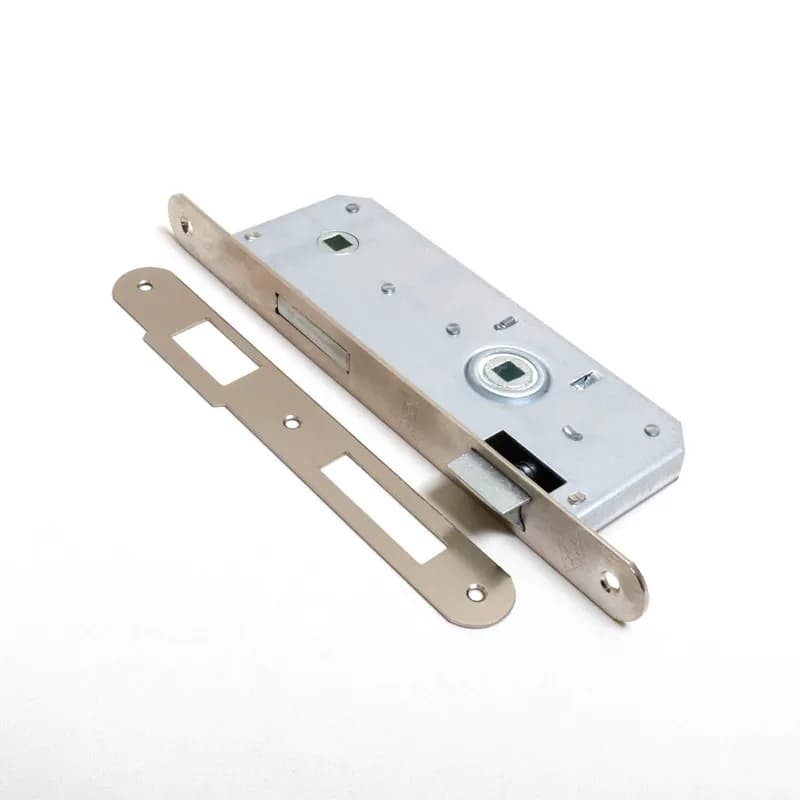
Kale Bathroom/WC Mortise Lock, Bearing Type 35 mm Oval Nickel 169 R
Kale Kilit · Interior Door Mortise Locks
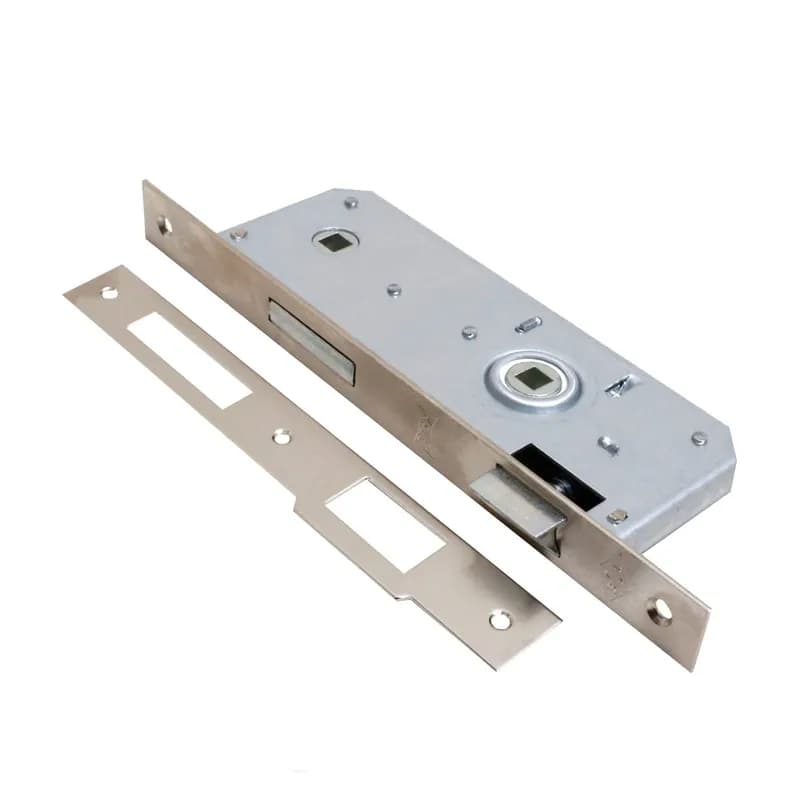
Kale Bathroom/WC Mortise Lock, Bearing Type 40 mm Nickel 169 R
Kale Kilit · Interior Door Mortise Locks
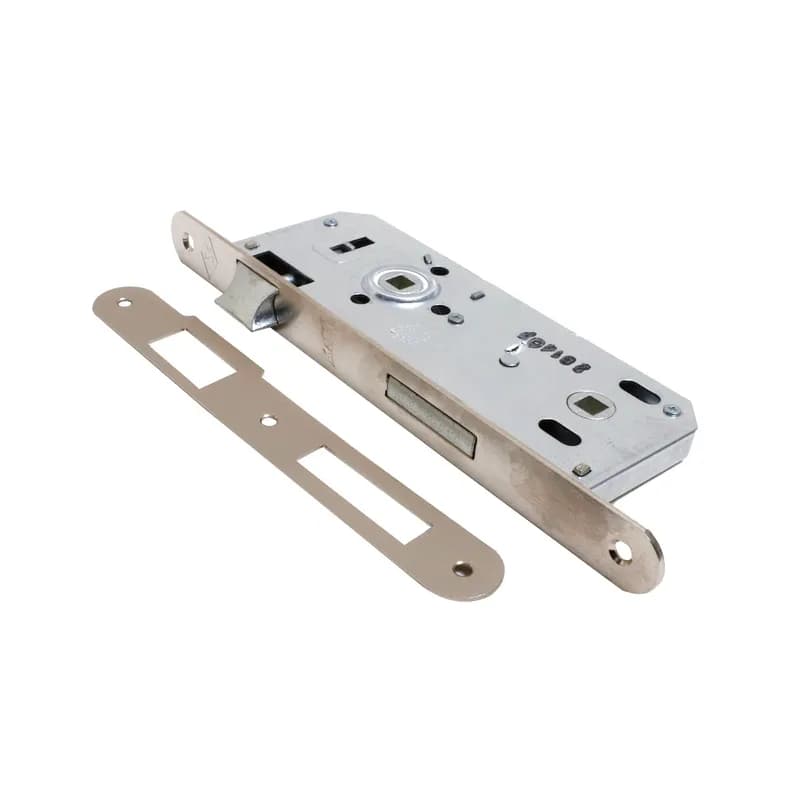
Kale Bathroom/WC Mortise Lock, Bearing Type 40 mm Oval Nickel 169 R
Kale Kilit · Interior Door Mortise Locks
Kale Push-to-Open Door Set, Stainless Multi Type KD012/30-125
Kale Kilit · Lock Accessories
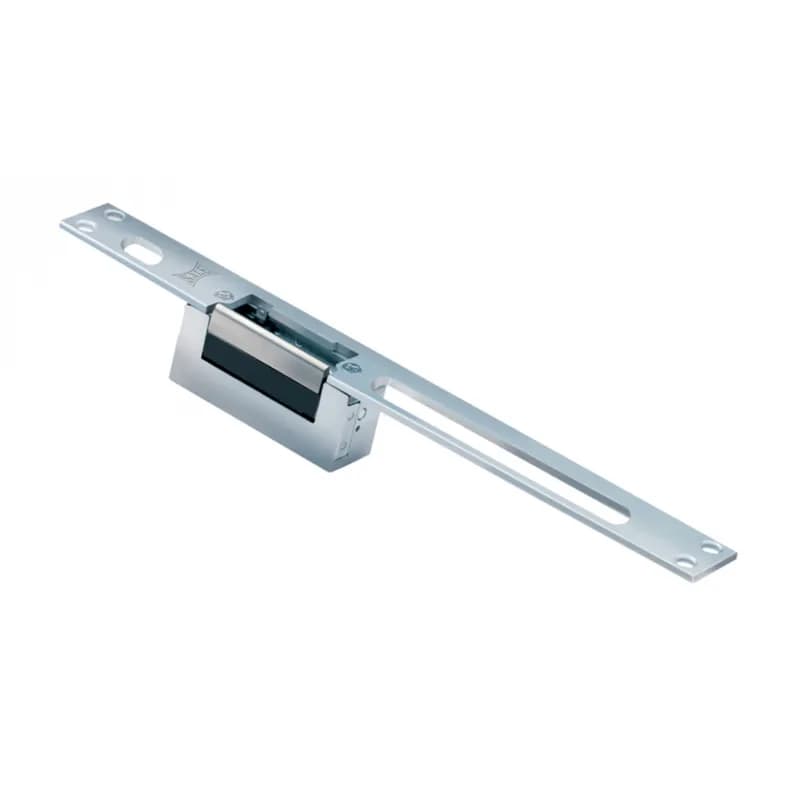
Kale Push-to-Open Door Set, Stainless Multi Type KD012/30-124
Kale Kilit · Lock Accessories
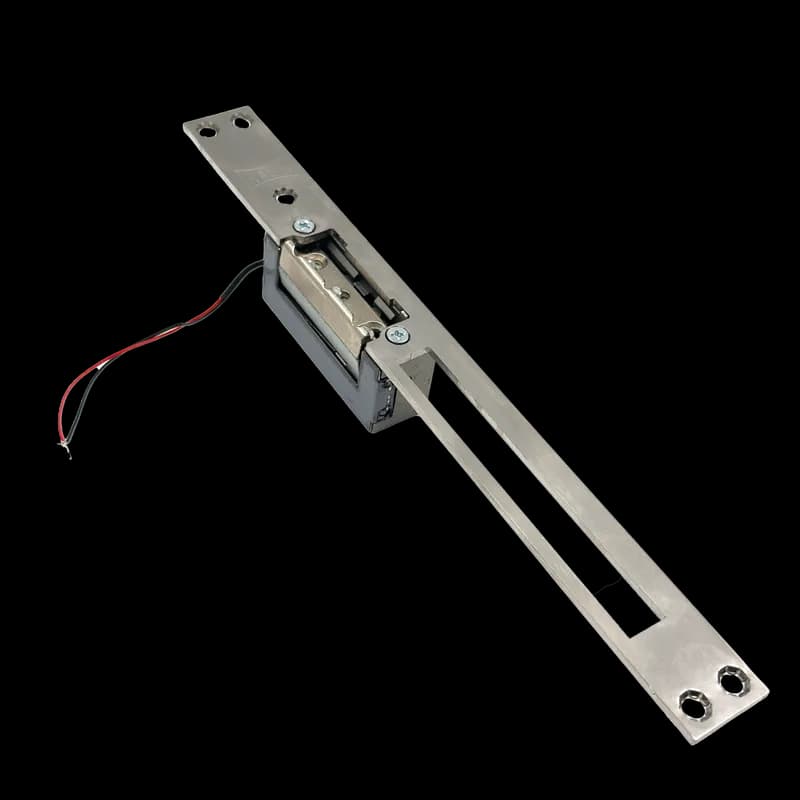
Kale Adjustable Latch Push-to-Open Set, Stainless KD012/30-222
Kale Kilit · Lock Accessories
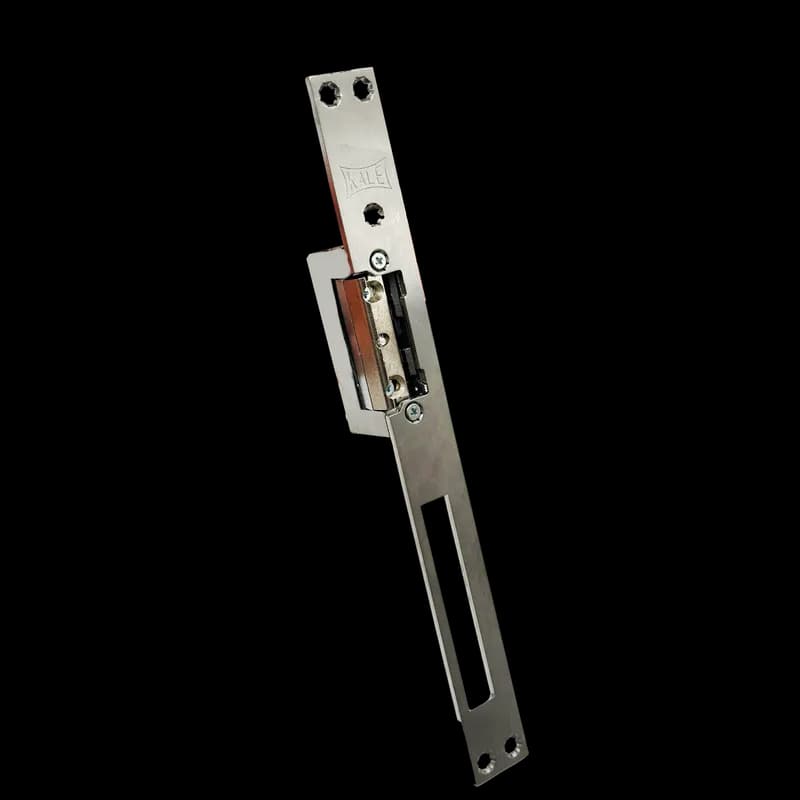
Kale Push-to-Open Door Set, Stainless Standard KD012/30-211
Kale Kilit · Lock Accessories
Kale Ball-Pin Cylinder Security Mortise Lock, 3 Bolts 45 mm Nickel 2000
Kale Kilit · Security Mortise Locks
Kale Ball-Pin Euro Cylinder 68 mm Nickel 164 BNE
Kale Kilit · Lock Cylinders
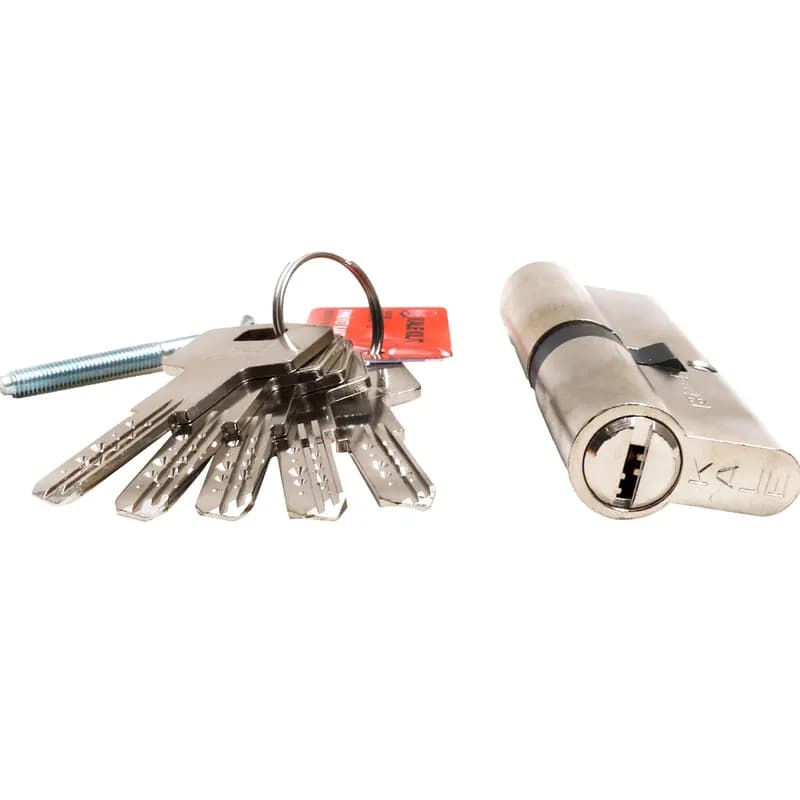
Kale Ball-Pin Euro Cylinder 90 mm Nickel 164 BNE
Kale Kilit · Lock Cylinders
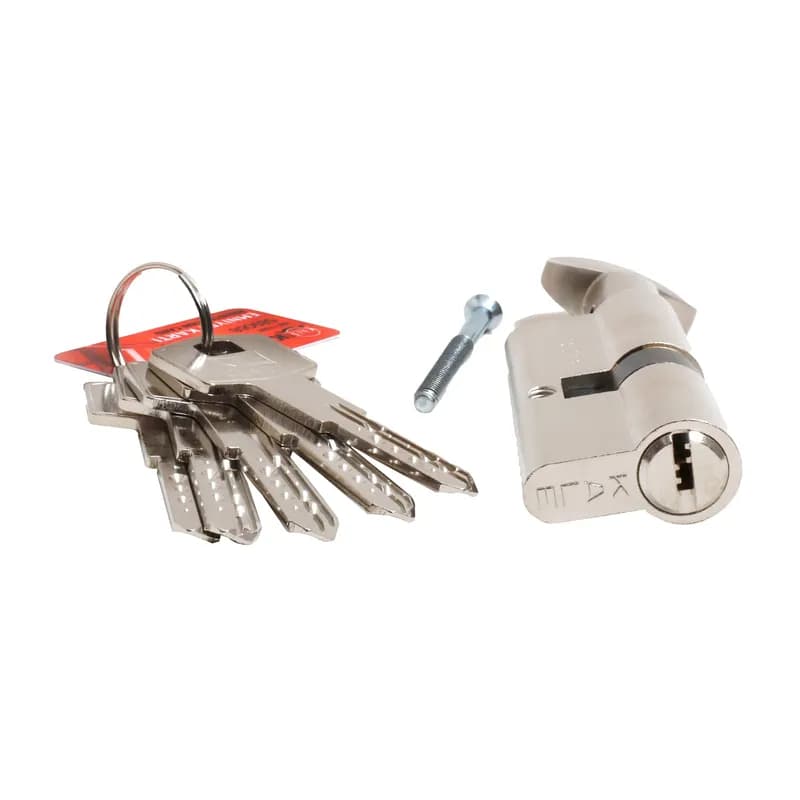
Kale Thumbturn Ball-Pin Cylinder 68 mm Satin 164 BME
Kale Kilit · Lock Cylinders
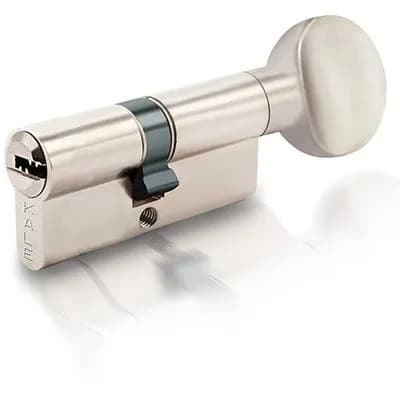
Kale Thumbturn Ball-Pin Cylinder 90 mm Satin 164 BME
Kale Kilit · Lock Cylinders
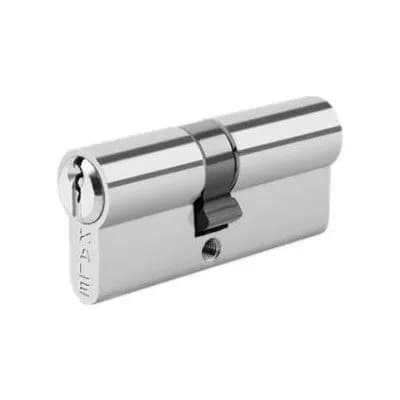
Kale Standard Euro Cylinder 68 mm Nickel 164 GNC
Kale Kilit · Lock Cylinders
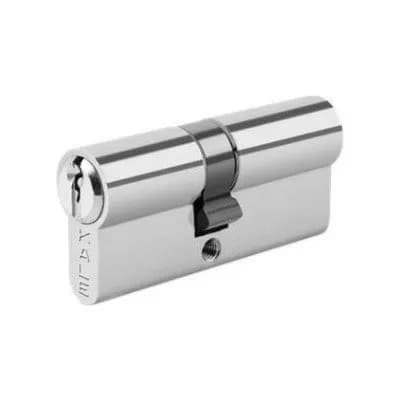
Kale Standard Euro Cylinder 76 mm Nickel 164 GNC
Kale Kilit · Lock Cylinders
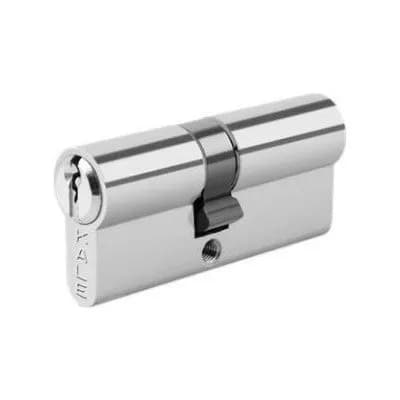
Kale Standard Euro Cylinder 83 mm Nickel 164 GNC
Kale Kilit · Lock Cylinders
Kale Standard Euro Cylinder 90 mm Nickel 164 GNC
Kale Kilit · Lock Cylinders
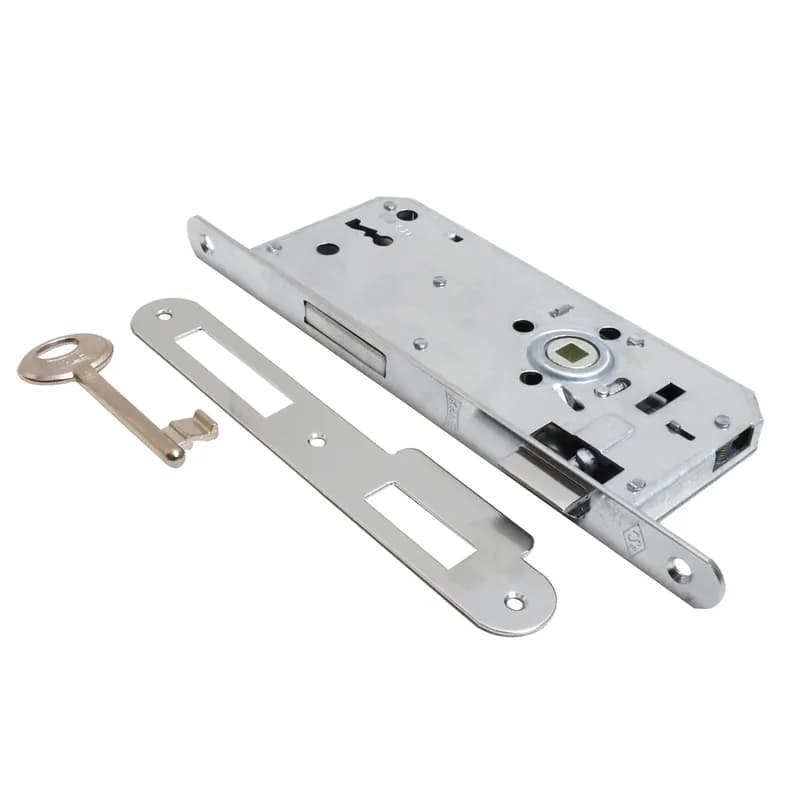
Kale Extra Mortise Lock, Oval Faceplate 45 mm Chrome 141
Kale Kilit · Interior Door Mortise Locks
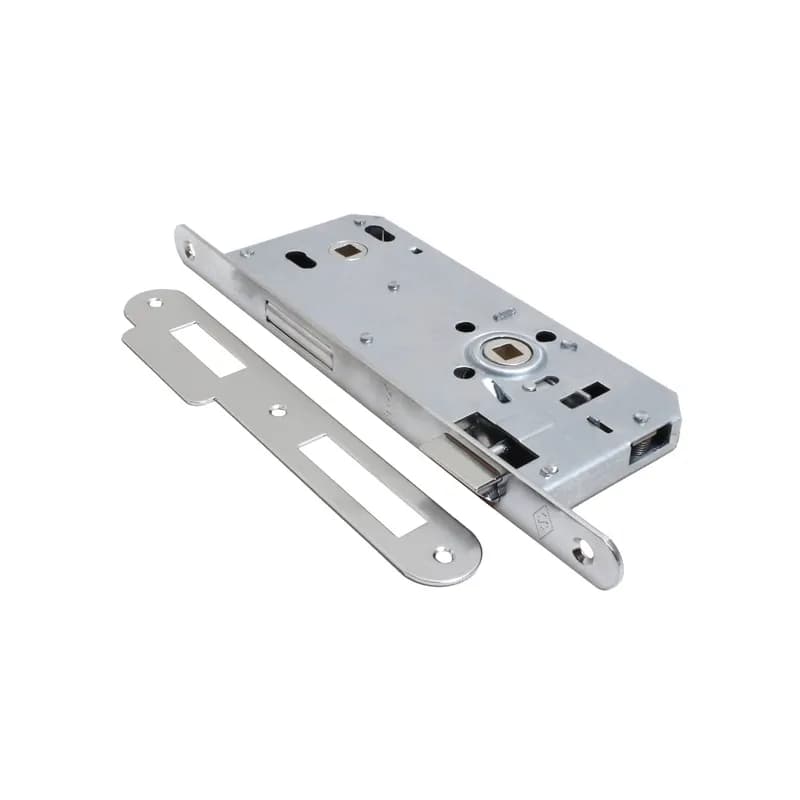
Kale Extra Mortise WC Lock, Oval Faceplate 45 mm Chrome 149
Kale Kilit · Interior Door Mortise Locks
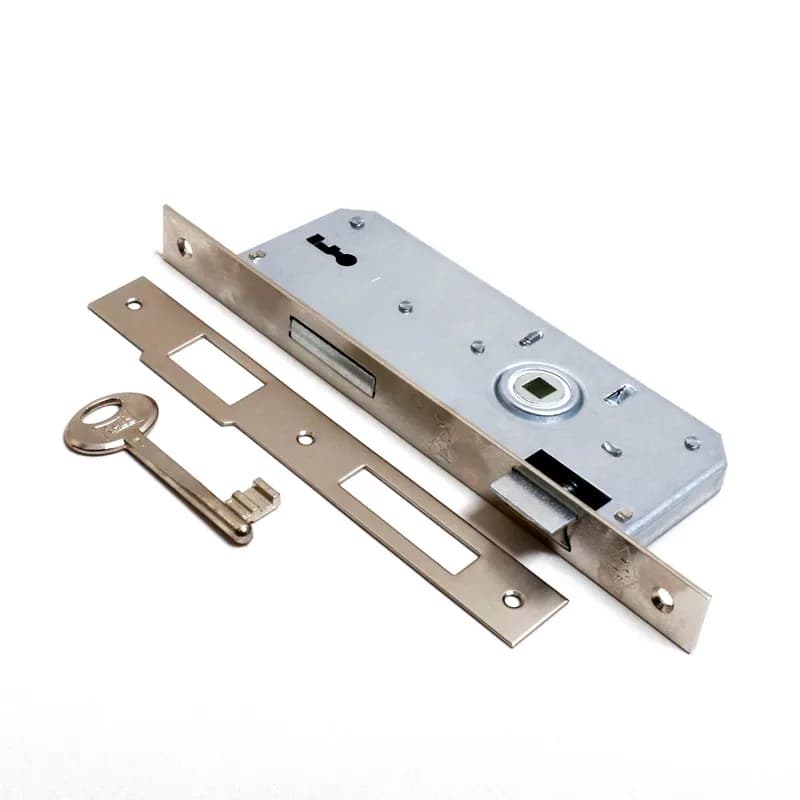
Kale Interior Door Mortise Lock, Bearing Type 35 mm Nickel 151 R
Kale Kilit · Interior Door Mortise Locks
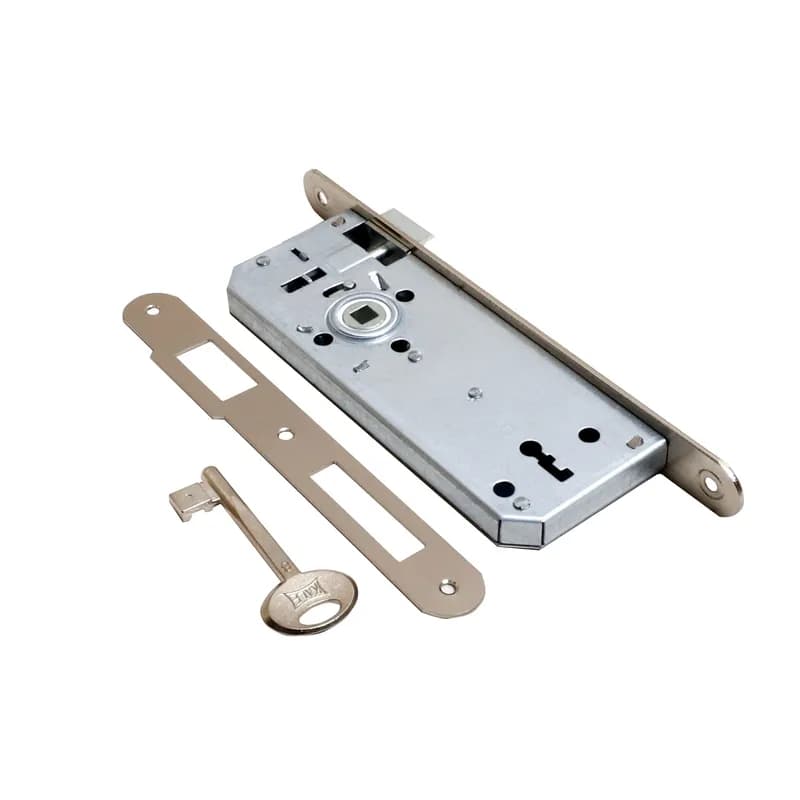
Kale Interior Door Mortise Lock, Bearing Type 35 mm Oval Nickel 151 R
Kale Kilit · Interior Door Mortise Locks
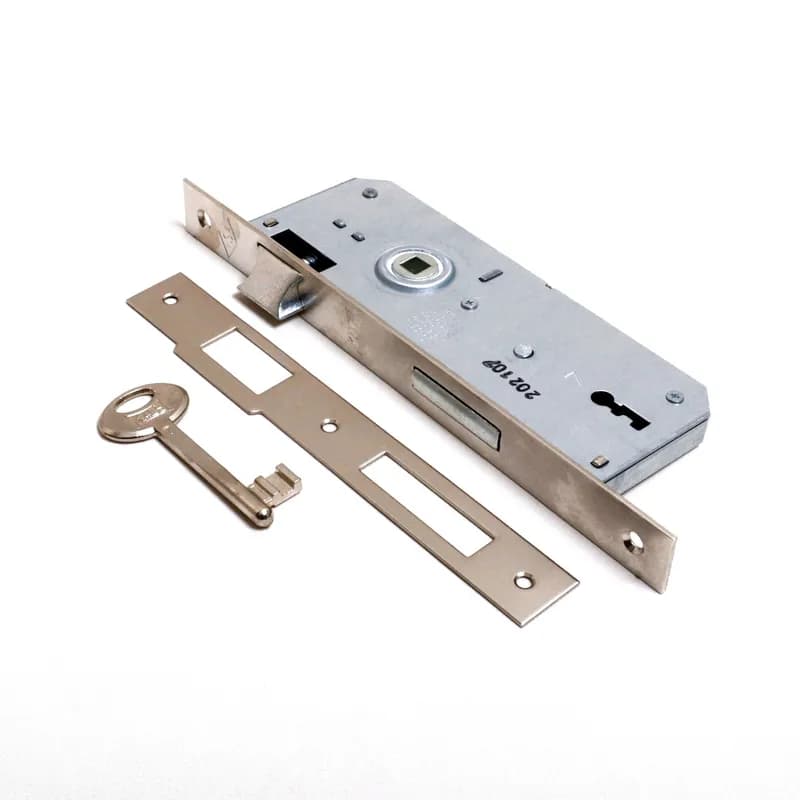
Kale Interior Door Mortise Lock, Bearing Type 40 mm Nickel 151 R
Kale Kilit · Interior Door Mortise Locks
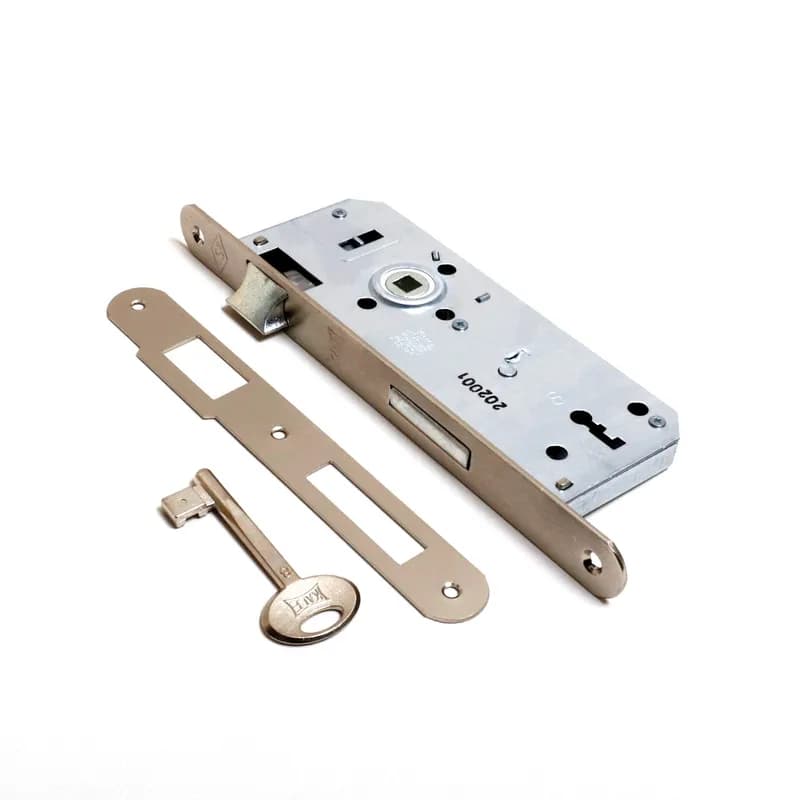
Kale Interior Door Mortise Lock, Bearing Type 40 mm Oval Nickel 151 R
Kale Kilit · Interior Door Mortise Locks
1–24 of 282 · page 1 / 12
The lock follows the door
Interior doors — bedrooms, bathrooms — take a mortise lock in either a passage or a bathroom-WC function. Apartment entrance doors take a cylinder mortise lock, steel doors a multi-point system, and metal doors where no mortise pocket can be cut take a surface-mounted rim lock.
The cylinder matters as much as the lock: ball-pin cylinders resist copying and picking better, and trap or latching versions block the mechanism outright when an attack is attempted.
| Door | Lock | Subgroup |
|---|---|---|
| Room, bathroom-WC | Mortise lock | Interior door mortise locks |
| Apartment entrance | Cylinder mortise lock | Cylinder mortise locks |
| Steel door | Multi-point, hook bolt | Steel door locks |
| Metal door | Surface-mounted rim lock | Surface-mounted rim locks |
| Fire exit | Panic bar | Panic bars |
| Any door | Cylinder | Lock cylinders |
Hasps, bicycle and motorcycle locks
The second group here has nothing to do with doors: pinned security hasps, cable hasps with keys and lock hangers close cabinets, chests and site equipment. Bicycle and motorcycle locks use a steel cable, a chain or a U-bar — length (65-170 cm) and body thickness set the resistance.
Door security fittings, roses and door closers also sit under this heading; a closer's number is chosen by the weight of the door.
Frequently Asked Questions
Are the mortise lock and the cylinder separate products?
Yes. The mortise lock is the mechanism sunk into the door leaf; the cylinder is the part the key turns. It is chosen separately and its length follows the door thickness.
What is a ball-pin cylinder?
One with additional ball pins in the mechanism, giving better resistance to copying and picking than a standard cylinder. Trap versions lock the mechanism outright when an attack is attempted.
Can an ordinary mortise lock go into a steel door?
No. Steel doors use multi-point locks that secure the leaf at several points; a single-bolt mortise lock matches neither the pocket nor the security level.
How is a bicycle lock length chosen?
It must be long enough to pass through the bike and around a fixed point. The catalogue runs from 65 to 170 cm; body thickness sets the cut resistance.
What does a door closer number mean?
It is the power size matched to door weight and width. Size 2 suits light interior doors, sizes 4-5 heavy wide doors; the wrong number either fails to close the door or slams it.