Categories
Lock Cylinders
The cylinder is the heart of the lock — the part the key turns — and it largely sets the security level of the door. This page covers how cylinder length is chosen, what ball-pin and anti-pick mechanisms do, and what a master-keyed cylinder is for. The catalogue holds 39 models from 68 to 90 mm.
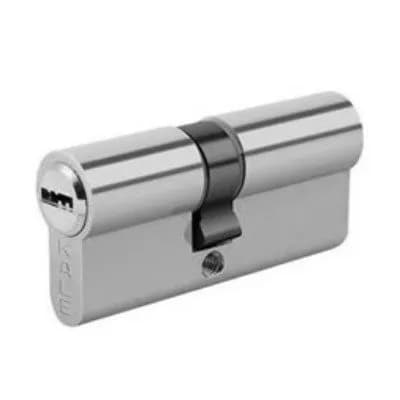
Kale Ball-Pin Euro Cylinder 68 mm Nickel 164 BNE
Kale Kilit · Lock Cylinders
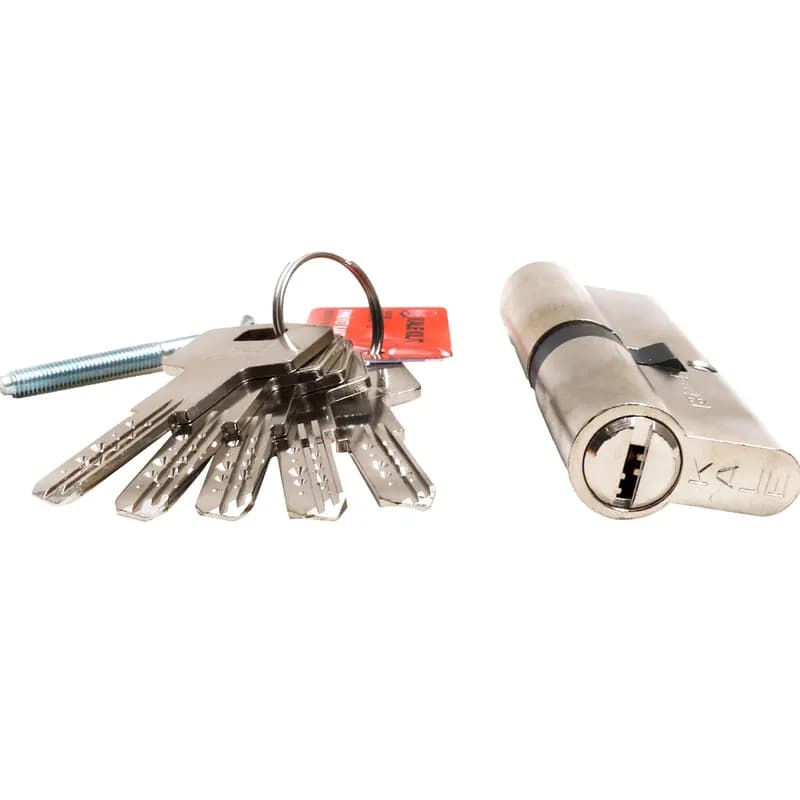
Kale Ball-Pin Euro Cylinder 90 mm Nickel 164 BNE
Kale Kilit · Lock Cylinders
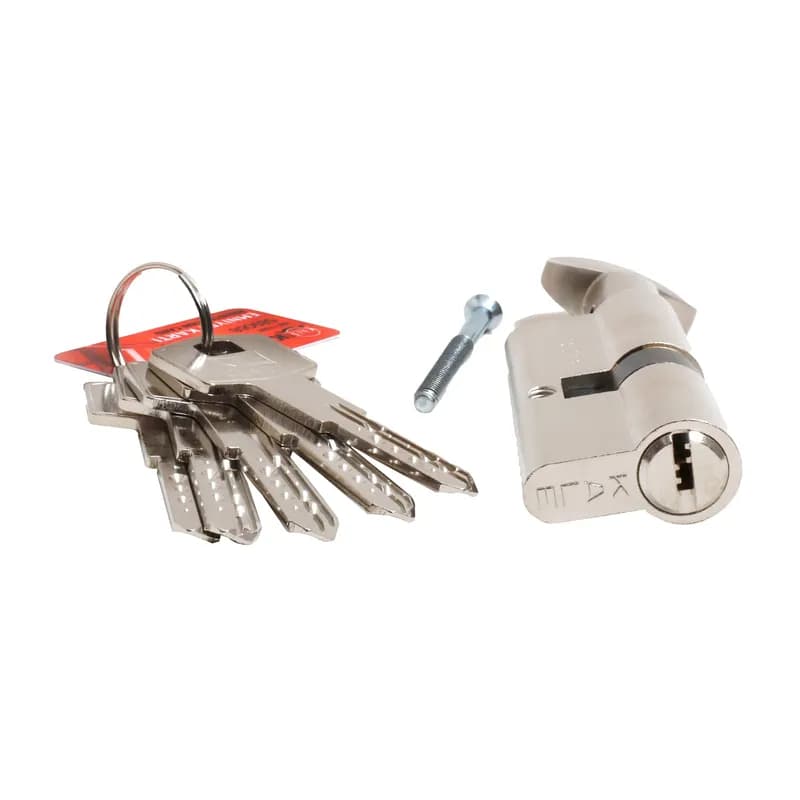
Kale Thumbturn Ball-Pin Cylinder 68 mm Satin 164 BME
Kale Kilit · Lock Cylinders
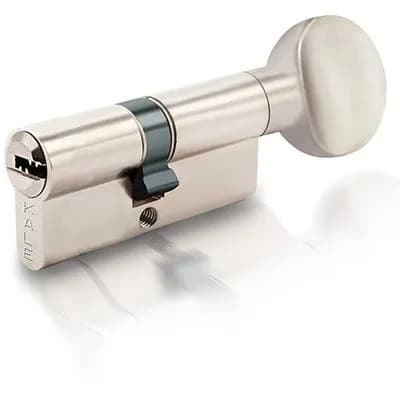
Kale Thumbturn Ball-Pin Cylinder 90 mm Satin 164 BME
Kale Kilit · Lock Cylinders
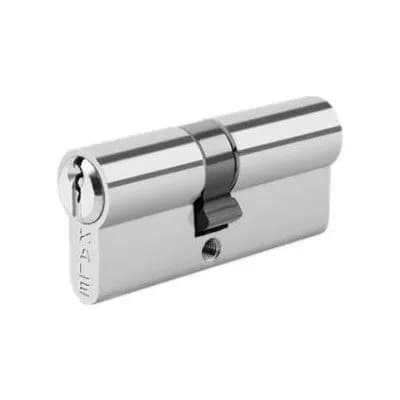
Kale Standard Euro Cylinder 68 mm Nickel 164 GNC
Kale Kilit · Lock Cylinders
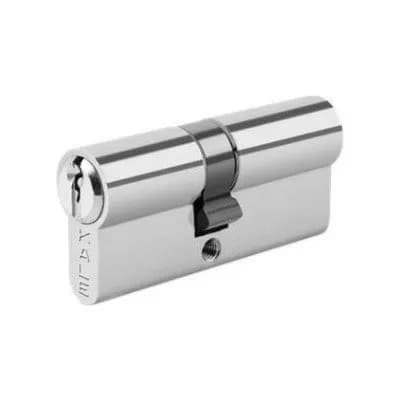
Kale Standard Euro Cylinder 76 mm Nickel 164 GNC
Kale Kilit · Lock Cylinders
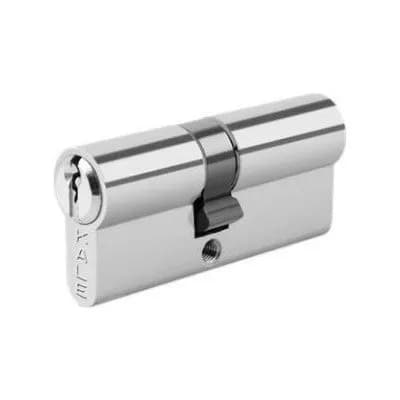
Kale Standard Euro Cylinder 83 mm Nickel 164 GNC
Kale Kilit · Lock Cylinders
Kale Standard Euro Cylinder 90 mm Nickel 164 GNC
Kale Kilit · Lock Cylinders
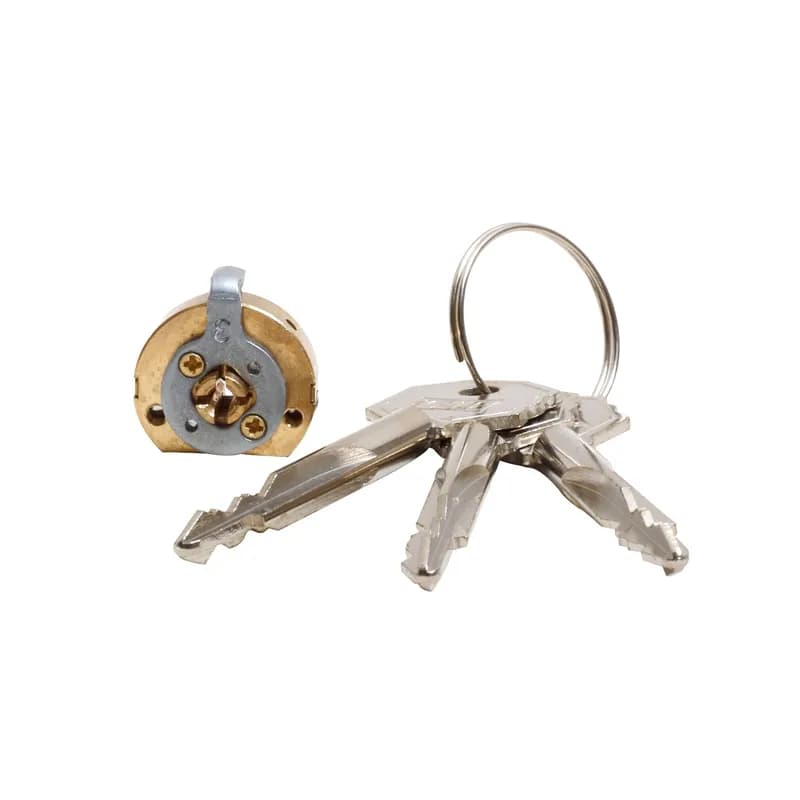
Kale Fiam Cylinder, 3 Keys 164 F3
Kale Kilit · Lock Cylinders
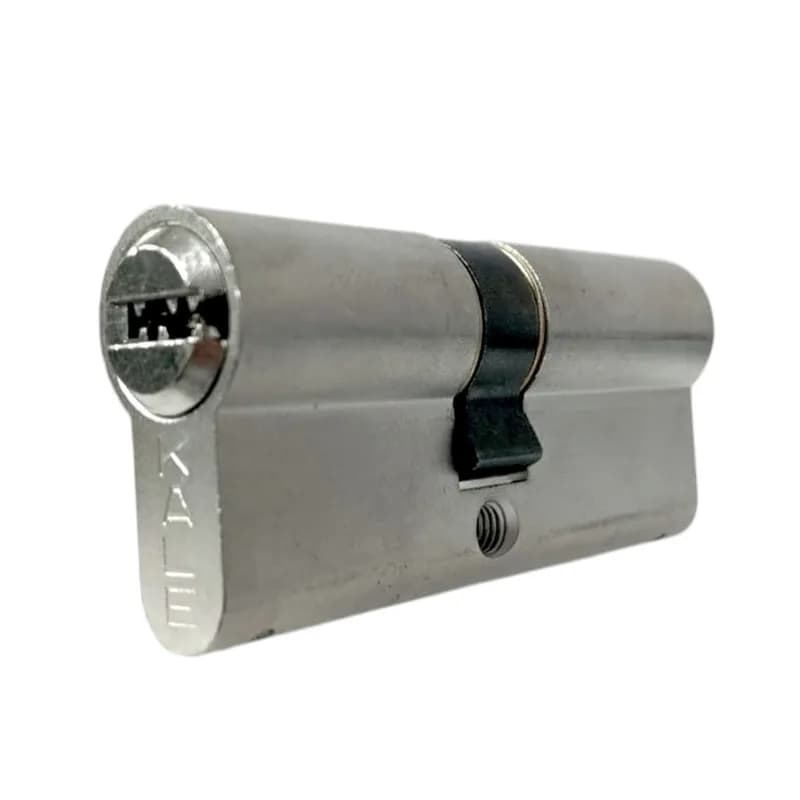
Kale Master Key System Cylinder 68 mm Satin 164 SNC
Kale Kilit · Lock Cylinders
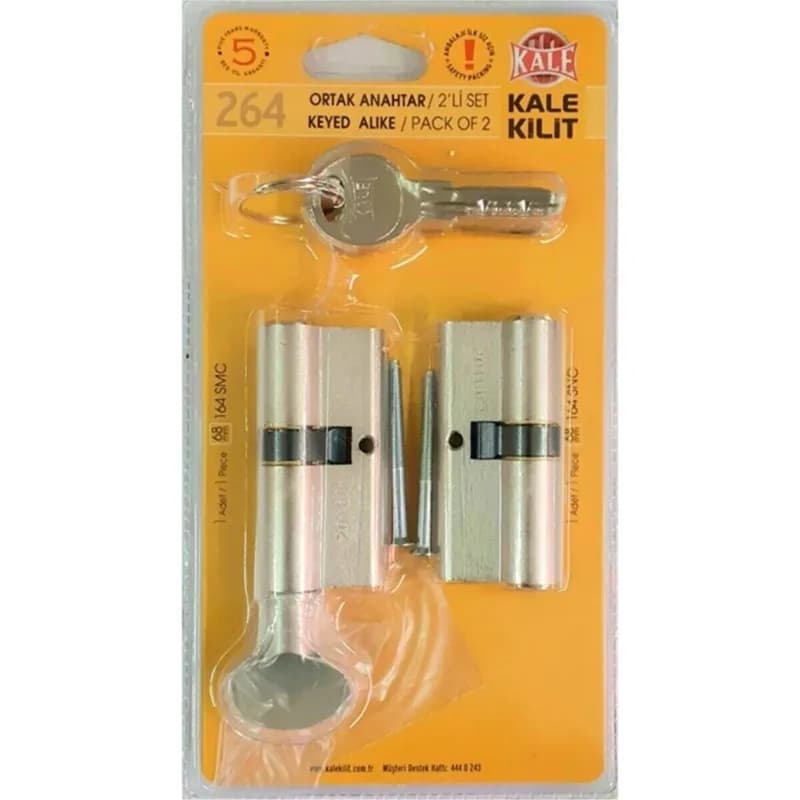
Kale Twin System Cylinder Set 68 mm Nickel 264 SNC+SMC
Kale Kilit · Lock Cylinders
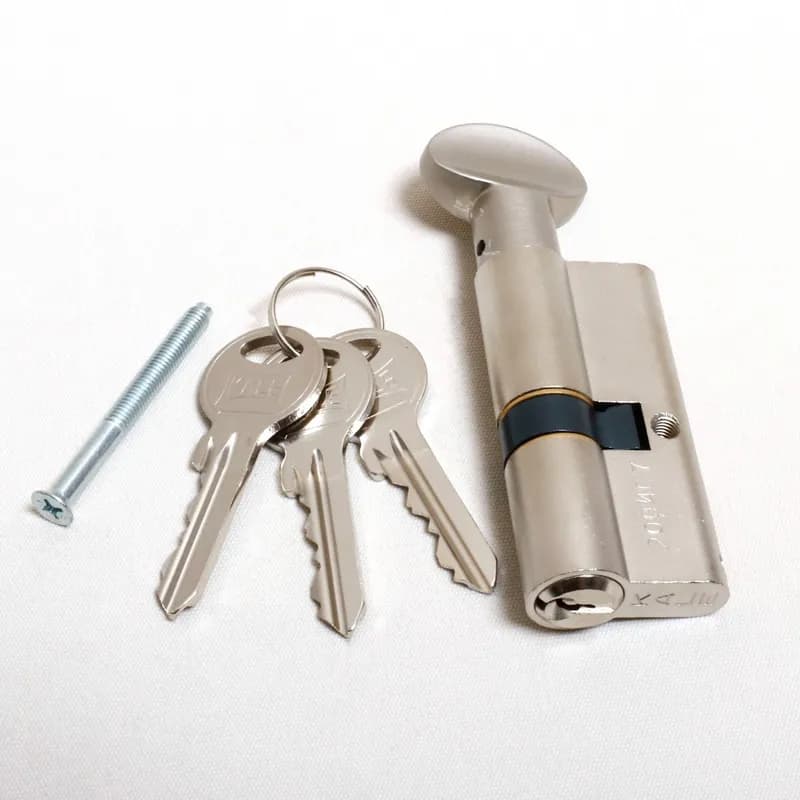
Kale Standard Thumbturn Cylinder 68 mm Satin 164 GMC
Kale Kilit · Lock Cylinders
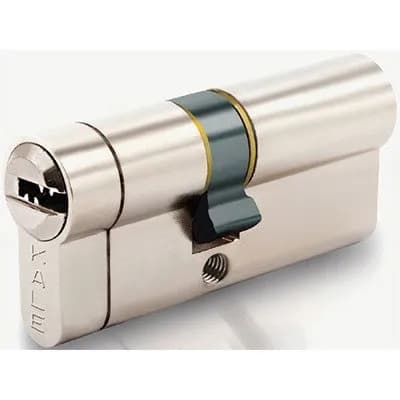
Kale Trap-Pin Ball System Cylinder 68 mm Satin 164 KTB S
Kale Kilit · Lock Cylinders
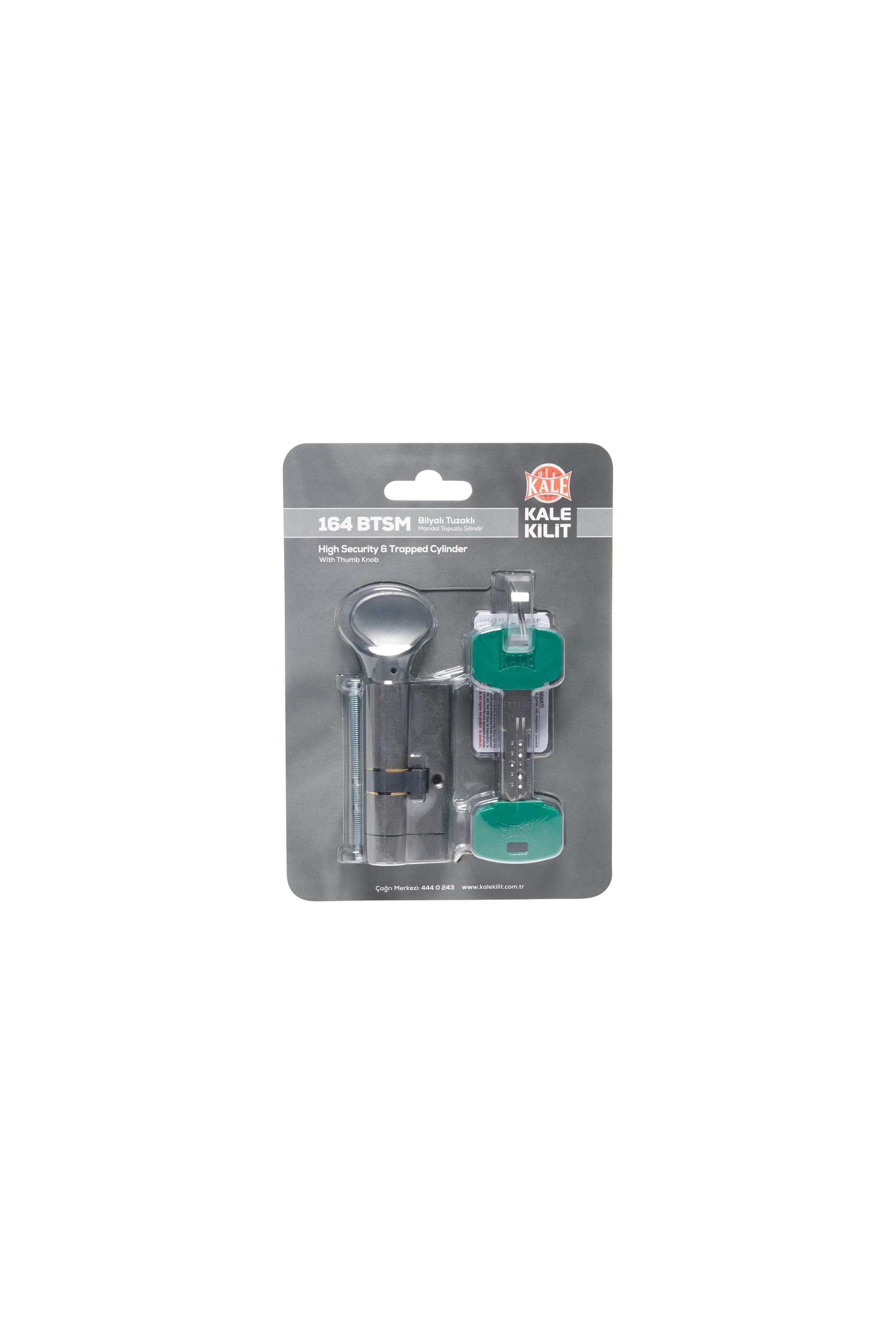
Kale Anthracite Ball Trap-Pin Thumbturn Cylinder 164 BTSM
Kale Kilit · Lock Cylinders
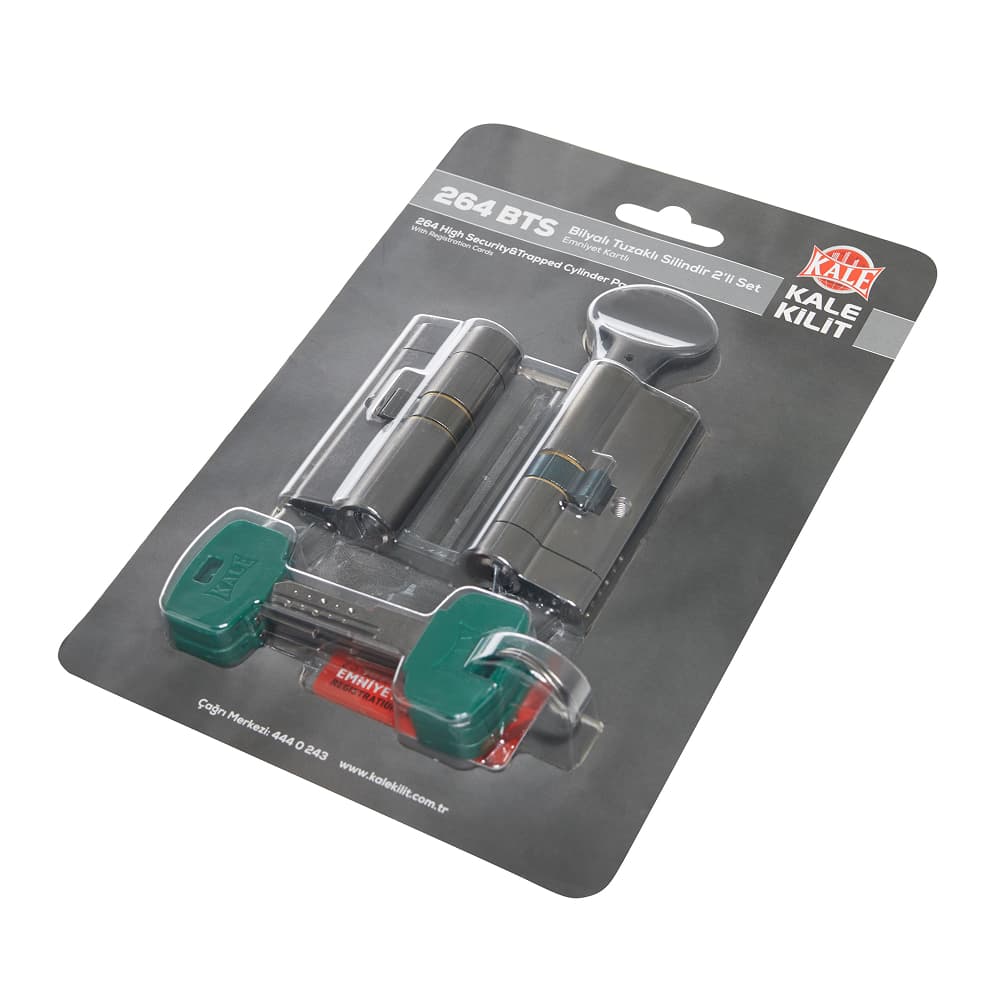
Kale Anthracite Ball Trap-Pin Cylinder, Twin Set 264 BTS
Kale Kilit · Lock Cylinders
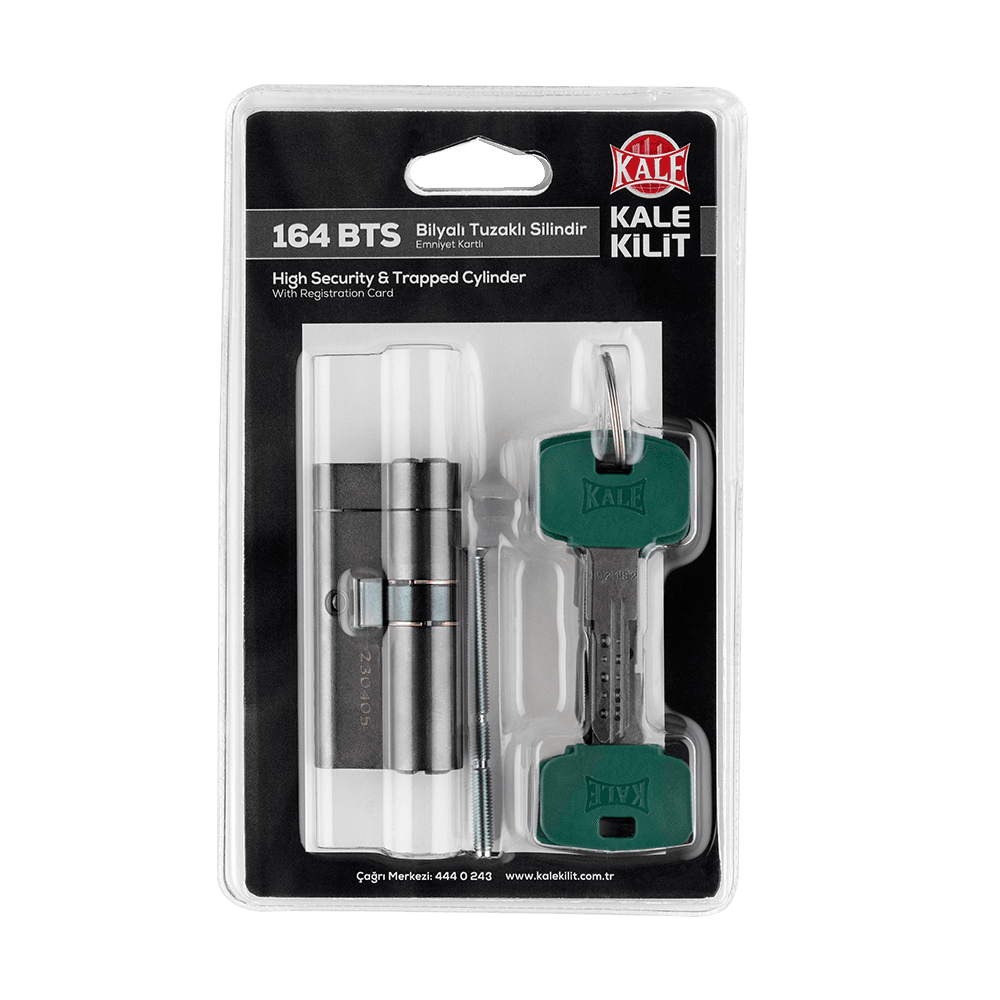
Kale Anthracite Ball Trap-Pin Cylinder 164 BTS
Kale Kilit · Lock Cylinders
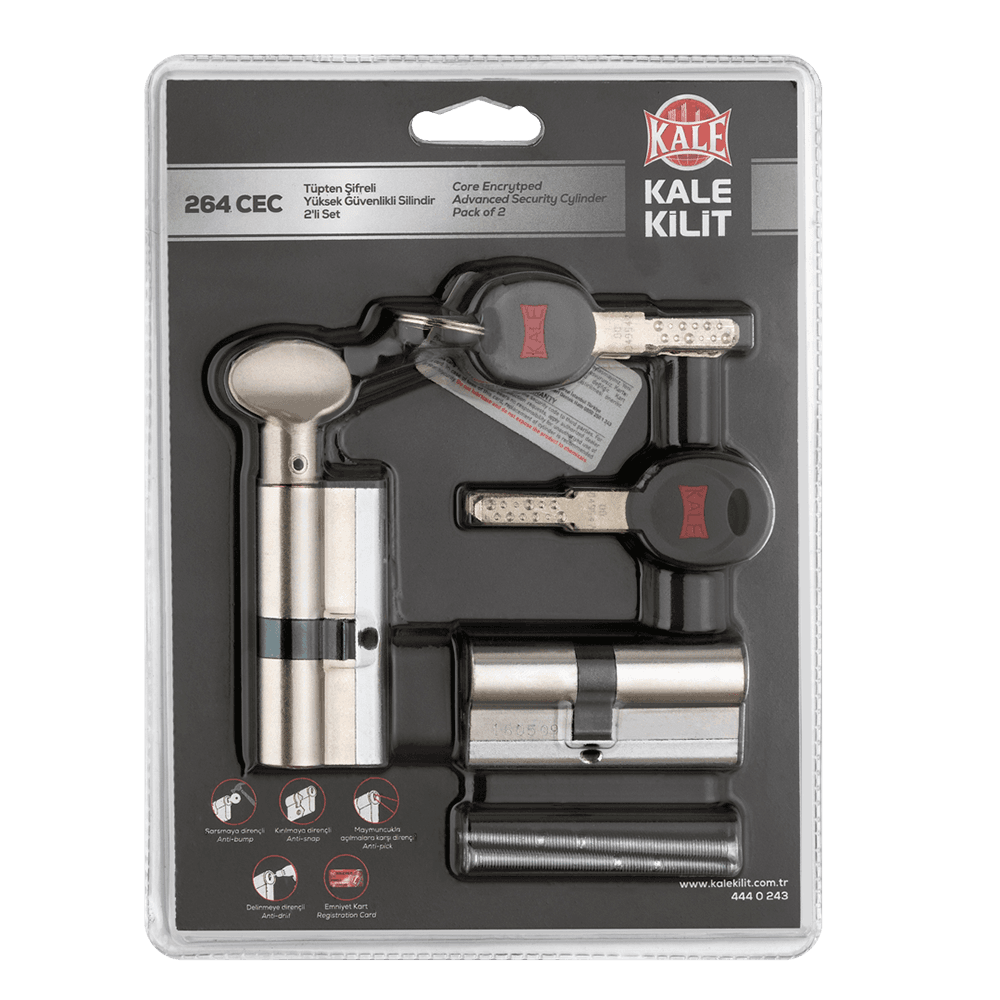
Kale Tubular High-Security Cylinder, Twin Set 264 CEC
Kale Kilit · Lock Cylinders
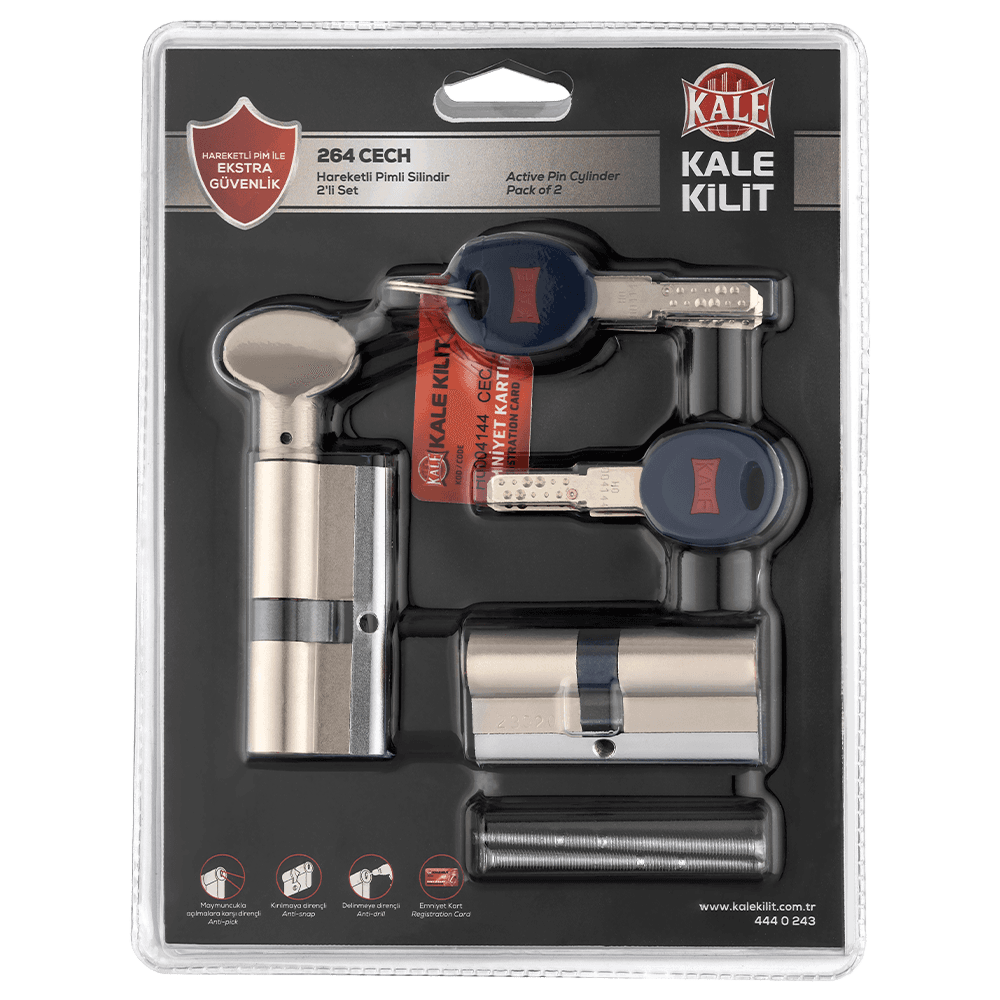
Kale Floating-Pin Cylinder, Twin Set 264 CECH
Kale Kilit · Lock Cylinders
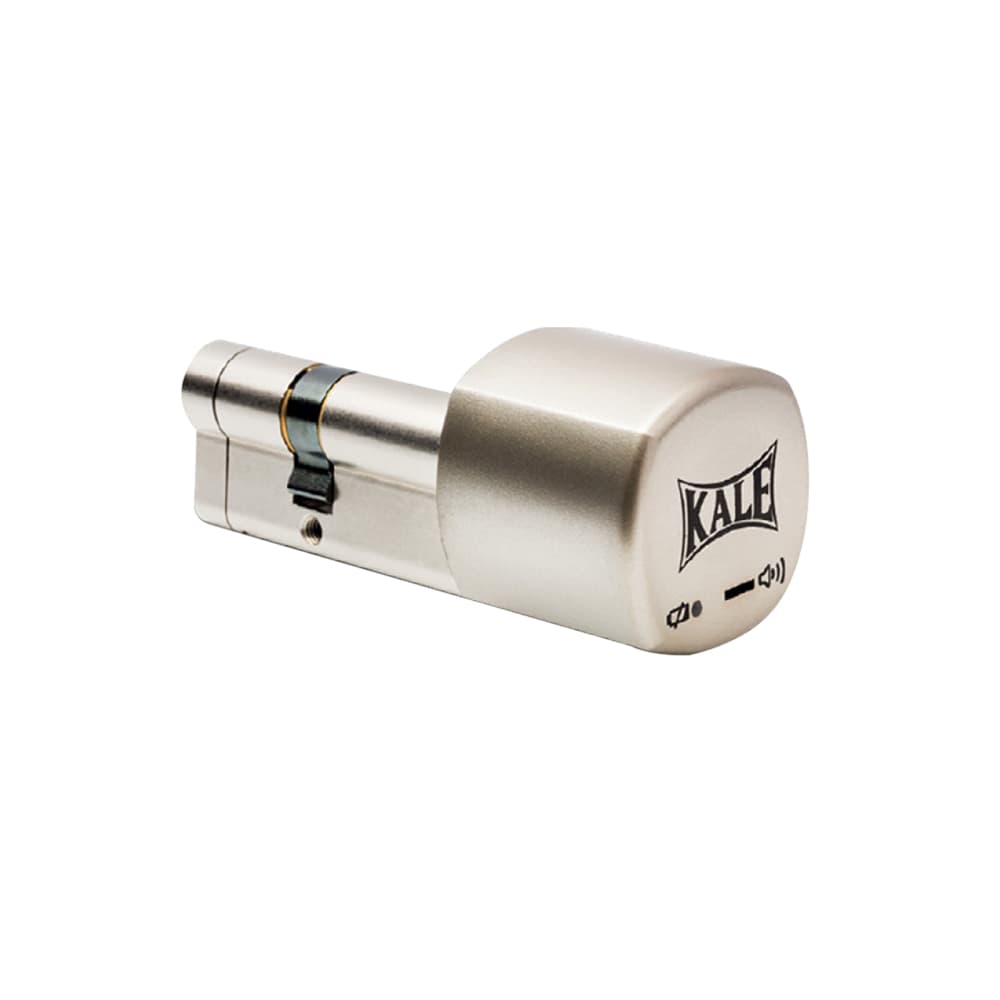
Kale Alarm Cylinder 164 ASYN
Kale Kilit · Lock Cylinders
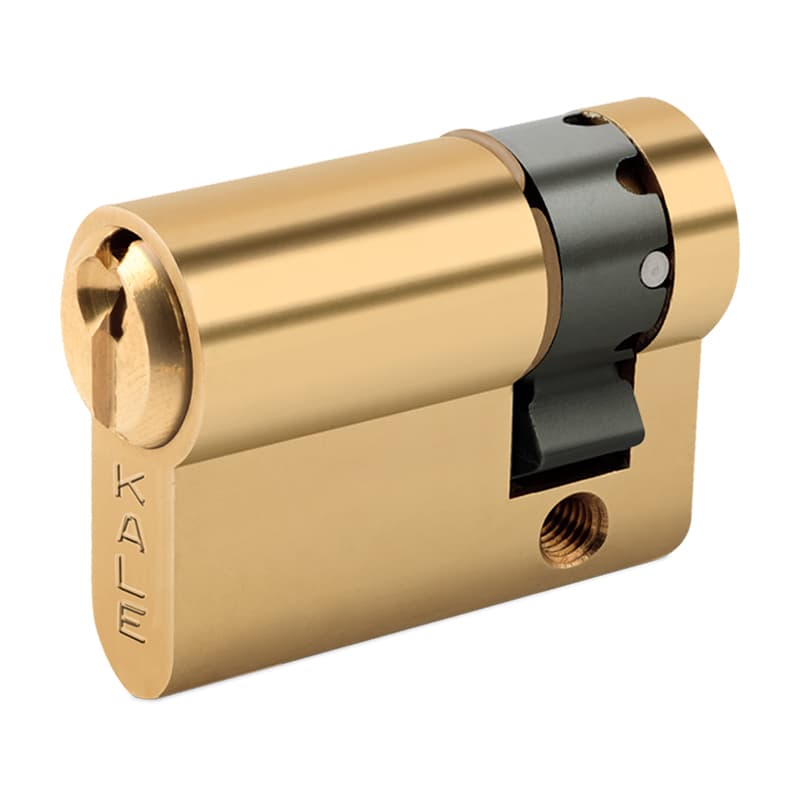
Kale Half Cylinder, Ball Standard/System 164 BD/GD/SD
Kale Kilit · Lock Cylinders
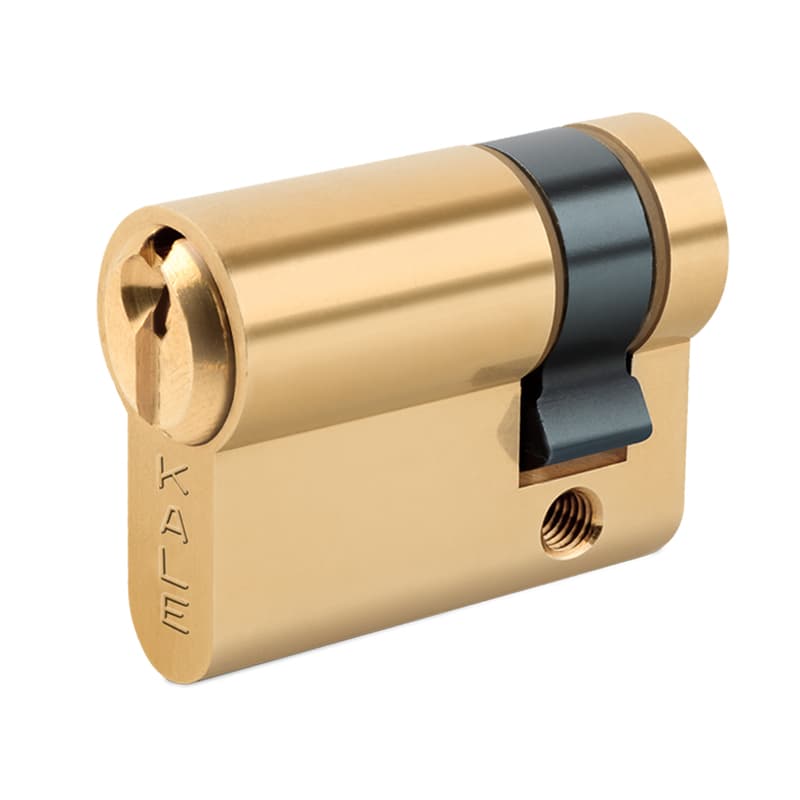
Kale Half Cylinder, Ball Standard/System 164 BR/GR/SR
Kale Kilit · Lock Cylinders
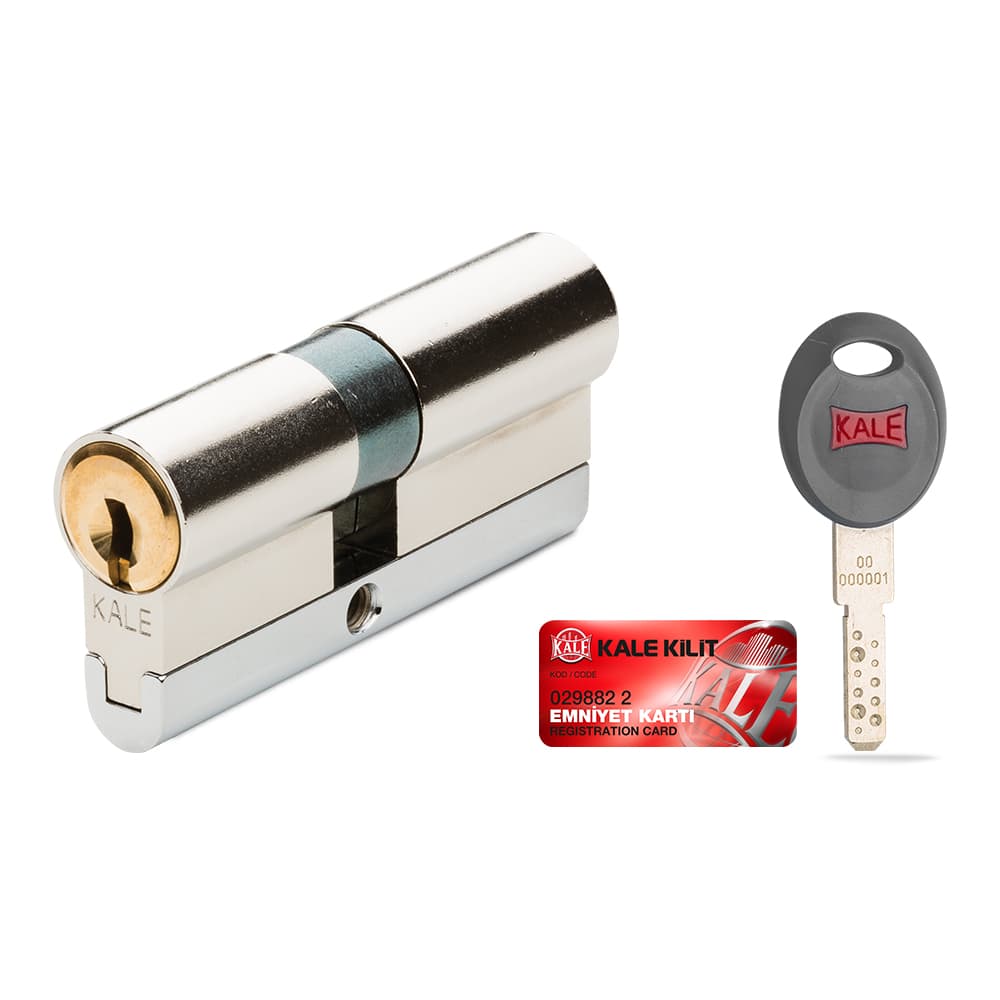
Kale Tubular High-Security Cylinder 164 CEC
Kale Kilit · Lock Cylinders
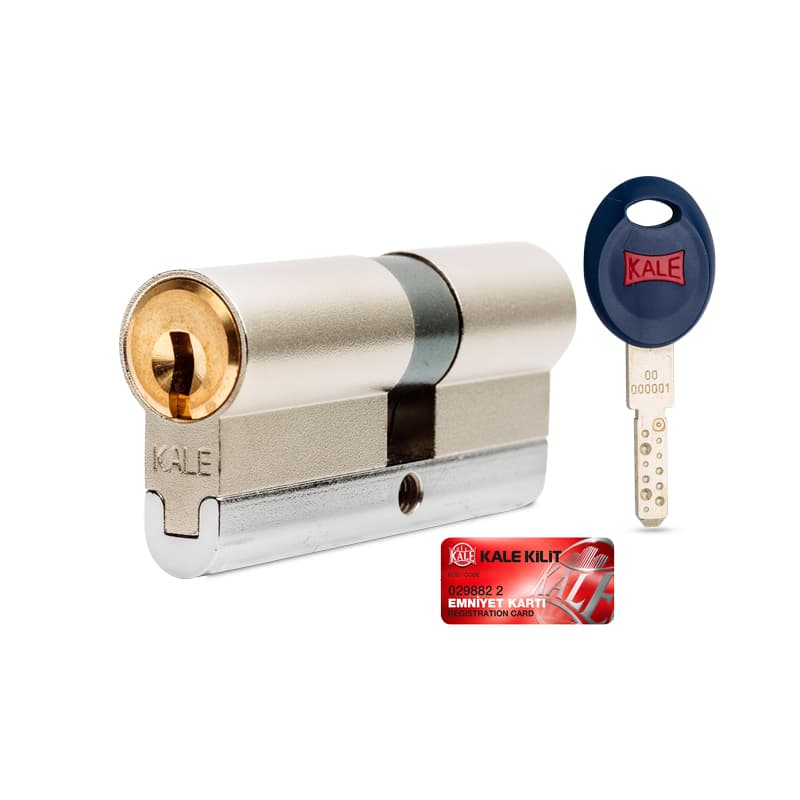
Kale Floating-Pin Cylinder 164 CEC H
Kale Kilit · Lock Cylinders
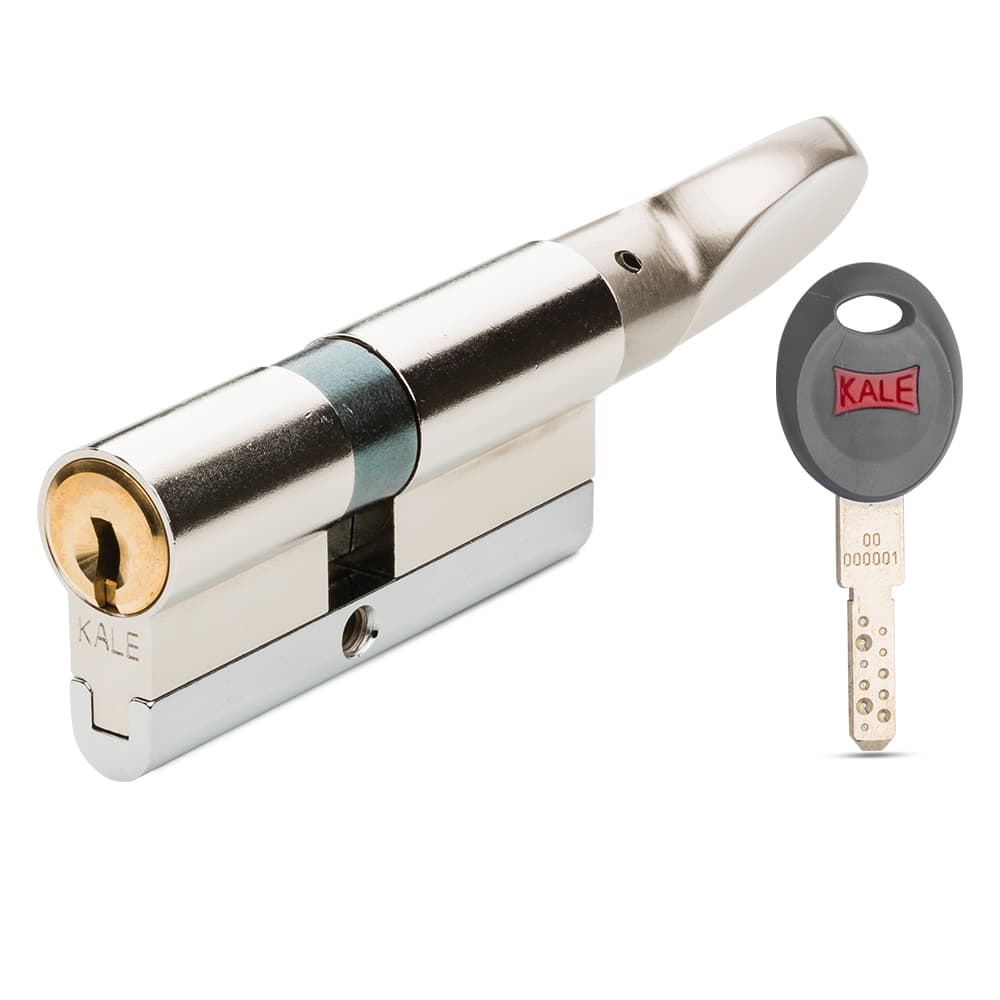
Kale Tubular Thumbturn Cylinder 164 CEC M
Kale Kilit · Lock Cylinders
1–24 of 39 · page 1 / 2
Choosing the length: 68, 76, 83, 90 mm
Cylinder length follows the thickness of the door leaf and the position of the lock inside it. The rule is simple: the cylinder must not protrude more than 3 mm past the rose on either face. A proud cylinder can be gripped with pliers and snapped; one that is too short sits inside the rose and the key will not turn fully.
The fixing screw hole is not always central — a 68 mm cylinder may be split 31+37. Measure the inside and outside faces separately before ordering.
| Length | Typical use |
|---|---|
| 68 mm | Interior door, standard leaf |
| 76 mm | Apartment entrance door |
| 83 mm | Thick leaf, steel door |
| 90 mm | Insulated and multi-layer leaves |
Standard, ball-pin, anti-pick and master-keyed
A standard cylinder has its pins in a single row. A ball-pin cylinder adds ball pins: harder to copy and far more resistant to picking. Anti-pick cylinders block the mechanism outright when an attack is detected, and latching versions keep the lock shut even if the cylinder is snapped.
A master-keyed cylinder lets every door in a building open with its own key while a single master key opens them all. These orders are taken with a door list and an access chart.
Frequently Asked Questions
How do I measure cylinder length?
Measure from each face of the door to the centre of the cylinder screw separately. The cylinder must not protrude more than 3 mm on either face.
Why is a ball-pin cylinder more secure?
It carries additional ball pins in the mechanism, which makes the key harder to copy and gives real resistance to picking.
What does an anti-pick cylinder do?
When it detects an attack it blocks the mechanism: the cylinder can no longer be turned and the lock stays shut. It then has to be replaced.
Can I change the cylinder without changing the lock?
Yes. The cylinder is independent of the mortise lock body; one screw releases it and a replacement of the same length and offset goes straight in.
How is a master key system ordered?
With a door list and an access chart showing which key opens which doors. Cylinders are made to that chart, so adding doors later needs planning.