Categories
Cylinder Mortise Locks
The cylinder mortise lock is the standard lock of an apartment entrance door: turned by a cylinder, latched by the handle, deadbolted by the key. This page covers the wide/narrow distinction and the dimensions to check. The catalogue holds 35 models.
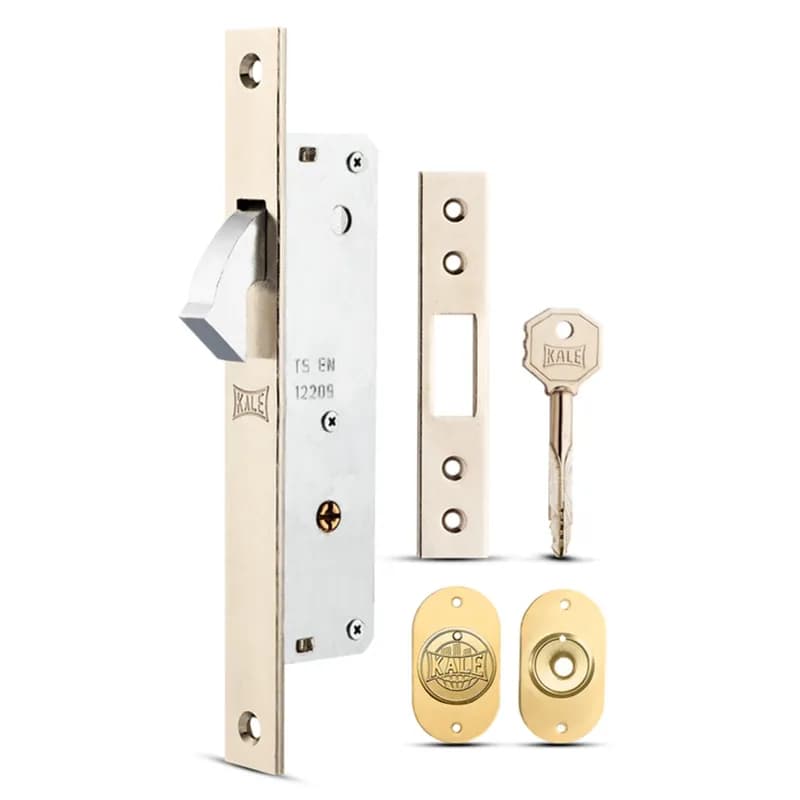
Kale Fiam Cylinder Sliding Door Lock 201 F
Kale Kilit · Cylinder Mortise Locks
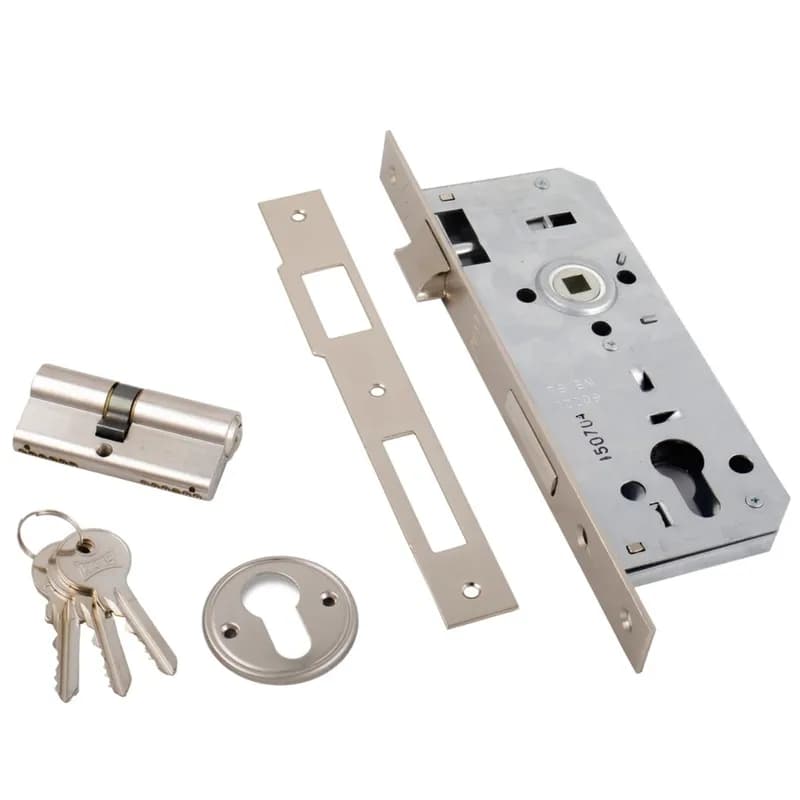
Kale Cylinder Apartment Mortise Lock 35 mm Nickel 152 R
Kale Kilit · Cylinder Mortise Locks
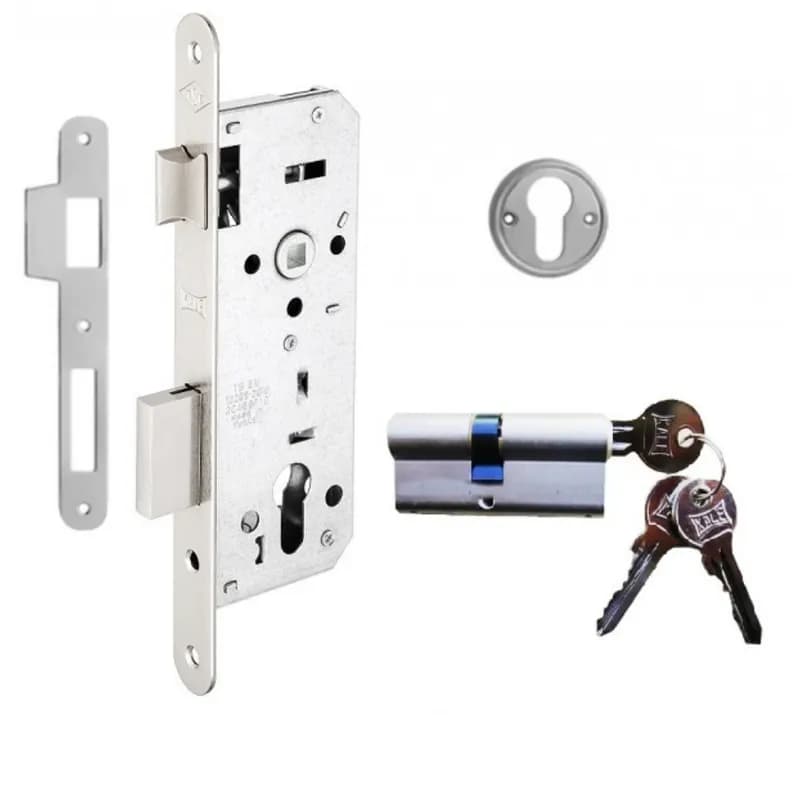
Kale Cylinder Apartment Mortise Lock 35 mm Oval Nickel 152 R
Kale Kilit · Cylinder Mortise Locks
Kale Cylinder Apartment Mortise Lock 40 mm Nickel 152 R
Kale Kilit · Cylinder Mortise Locks
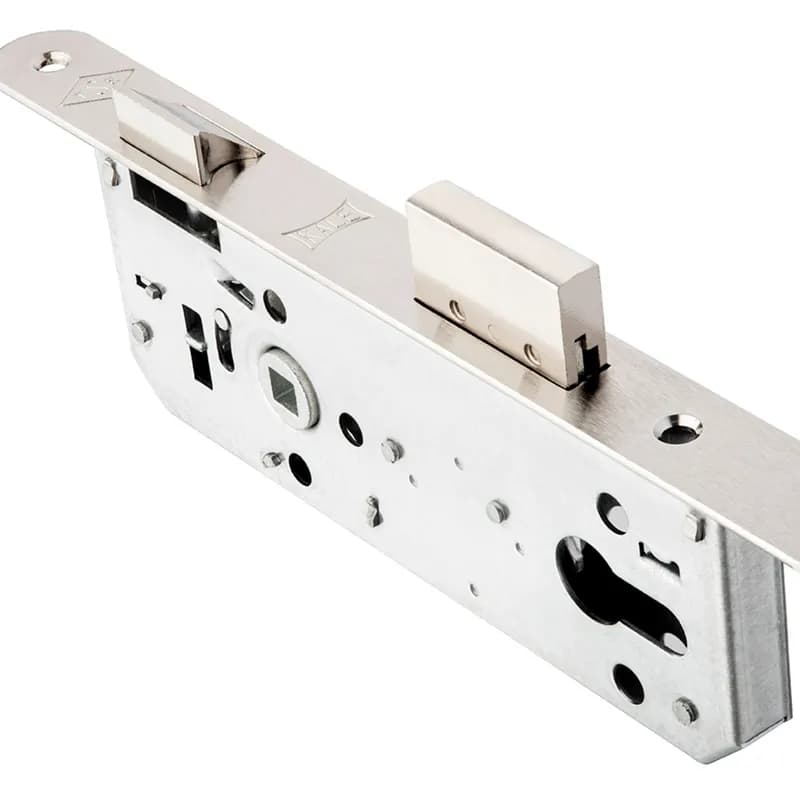
Kale Cylinder Apartment Mortise Lock 40 mm Oval Nickel 152 R
Kale Kilit · Cylinder Mortise Locks
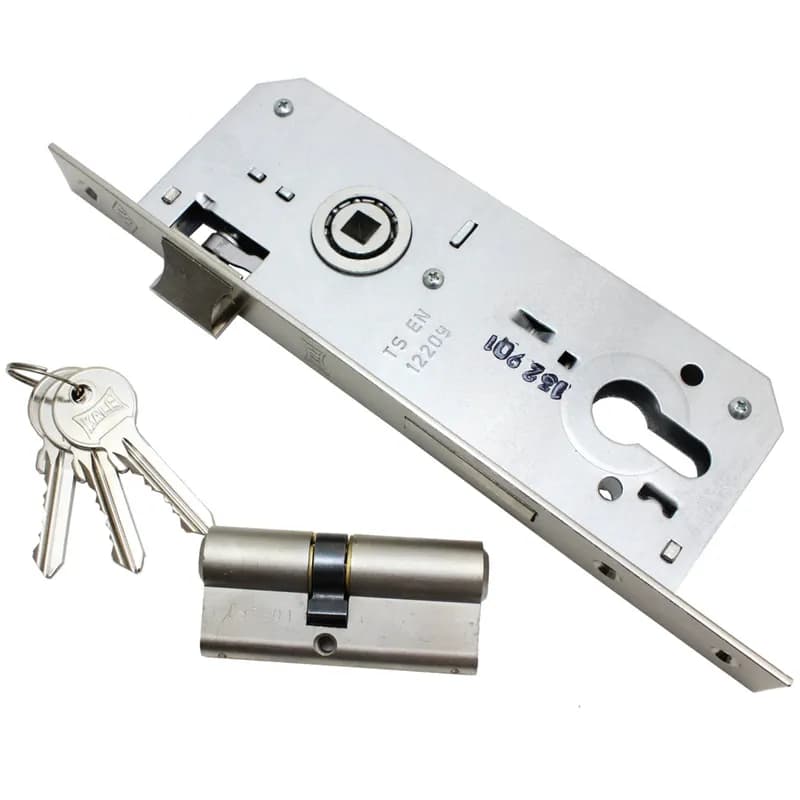
Kale Cylinder Apartment Mortise Lock 45 mm Nickel 152 R
Kale Kilit · Cylinder Mortise Locks
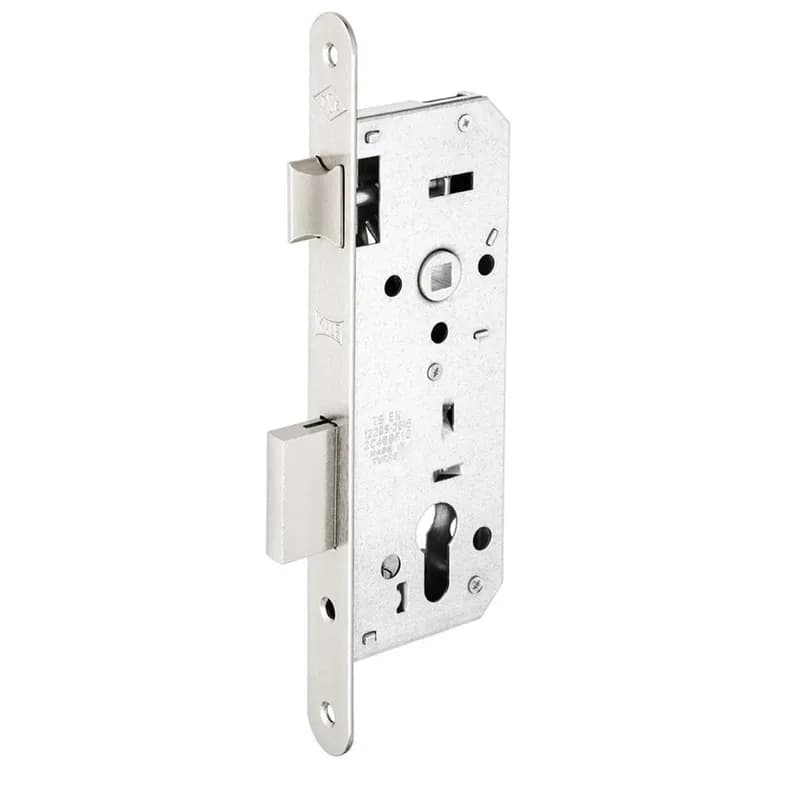
Kale Cylinder Apartment Mortise Lock 45 mm Oval Nickel 152 R
Kale Kilit · Cylinder Mortise Locks
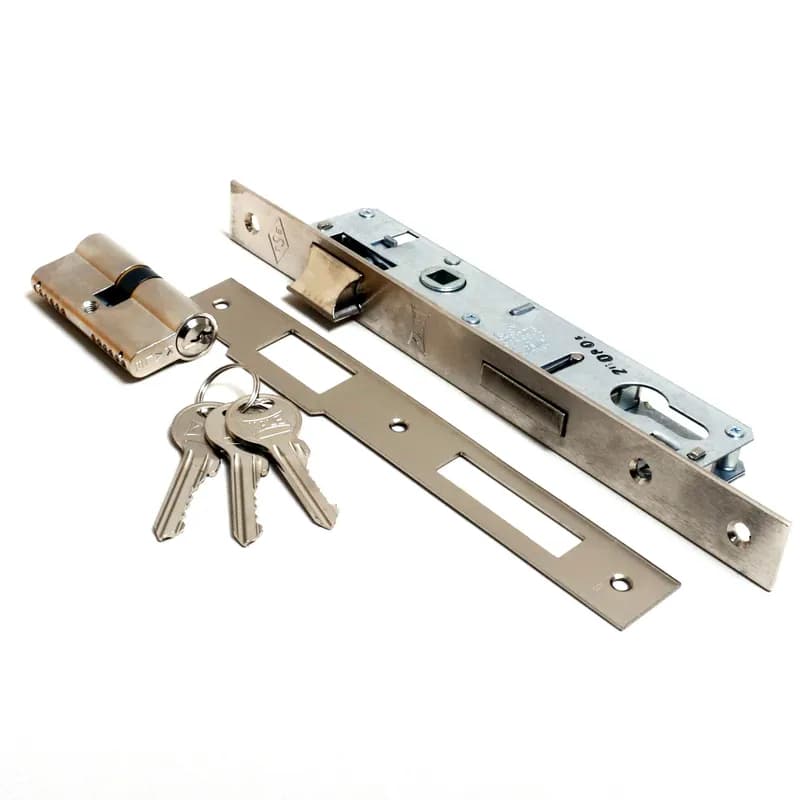
Kale Latch-Type Cylinder Apartment Lock 20 mm Nickel 153
Kale Kilit · Cylinder Mortise Locks
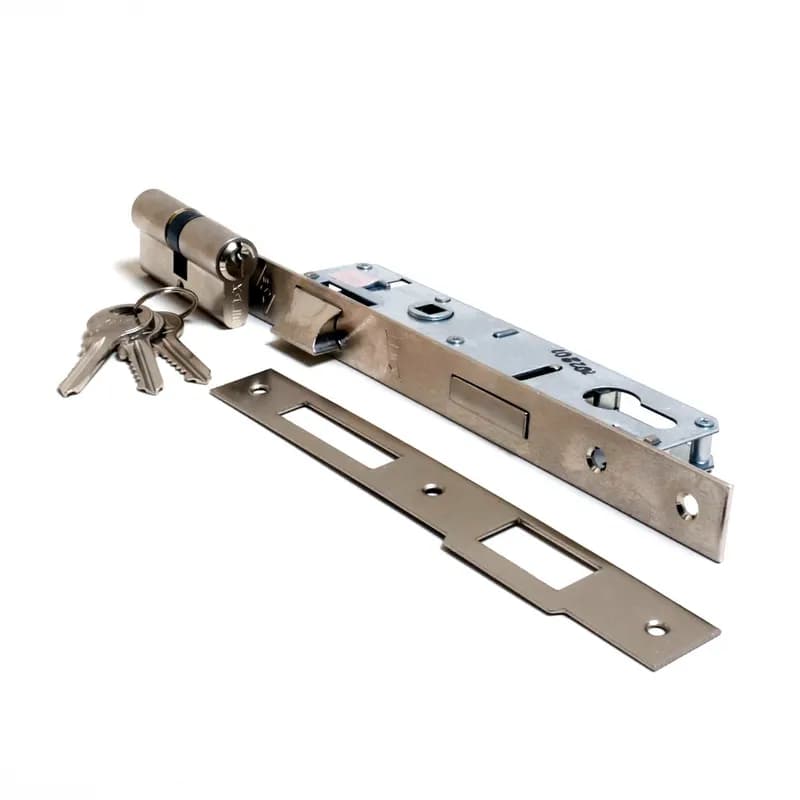
Kale Latch-Type Cylinder Apartment Lock 25 mm Nickel 153
Kale Kilit · Cylinder Mortise Locks
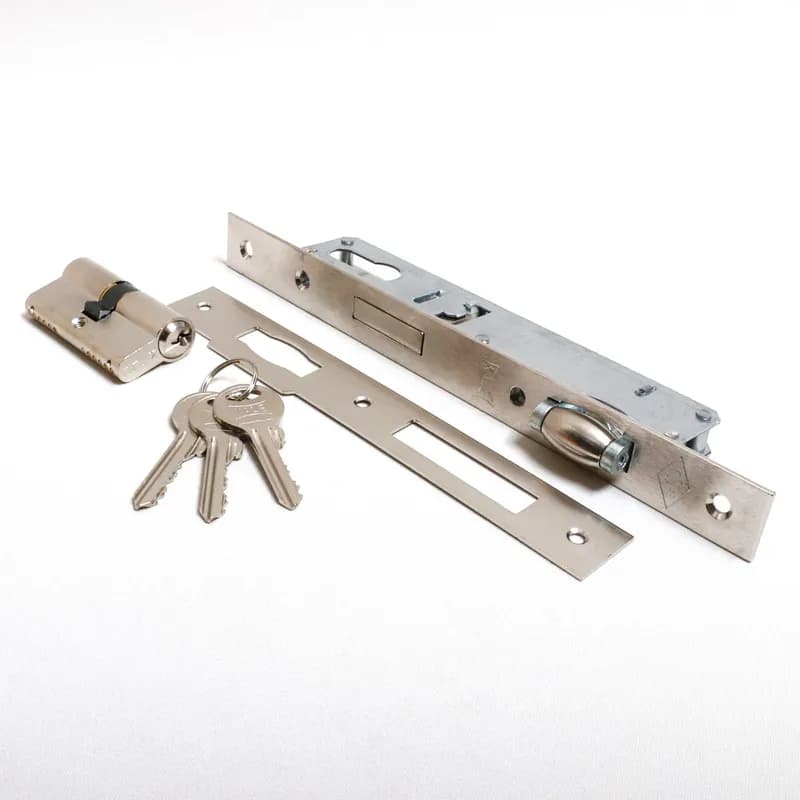
Kale Roller Cylinder Apartment Lock 20 mm Nickel 155
Kale Kilit · Cylinder Mortise Locks
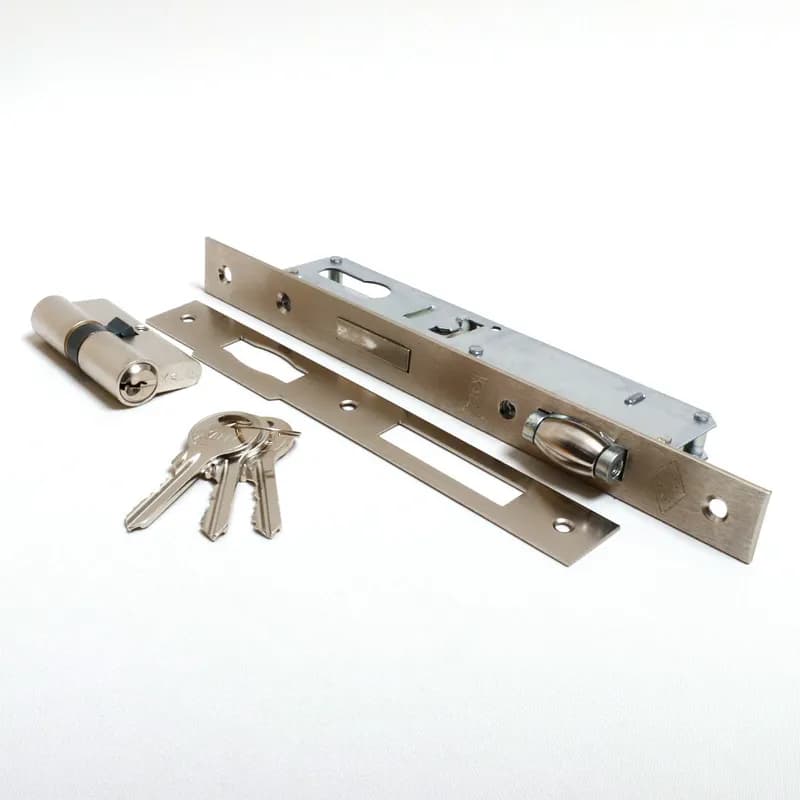
Kale Roller Cylinder Apartment Lock 25 mm Nickel 155
Kale Kilit · Cylinder Mortise Locks
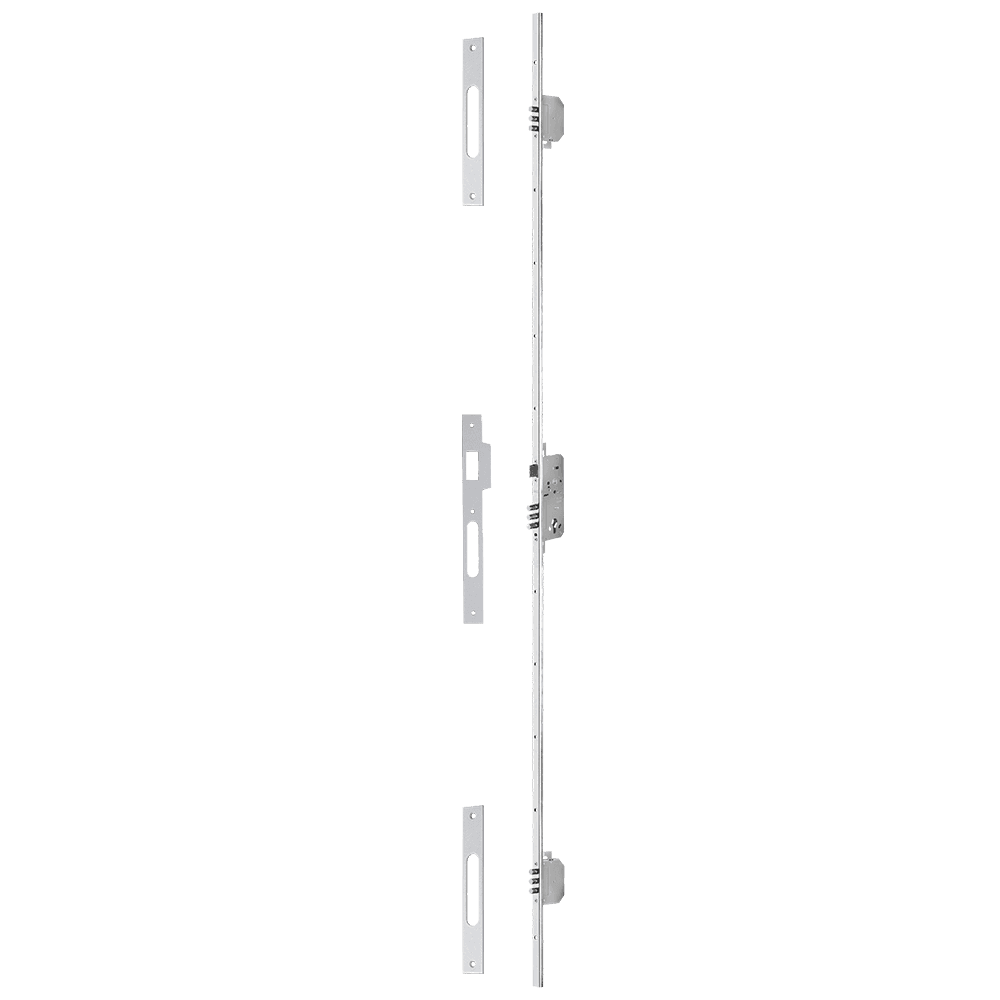
Kale Cylinder Mortise Lock 356 MULTİ
Kale Kilit · Cylinder Mortise Locks
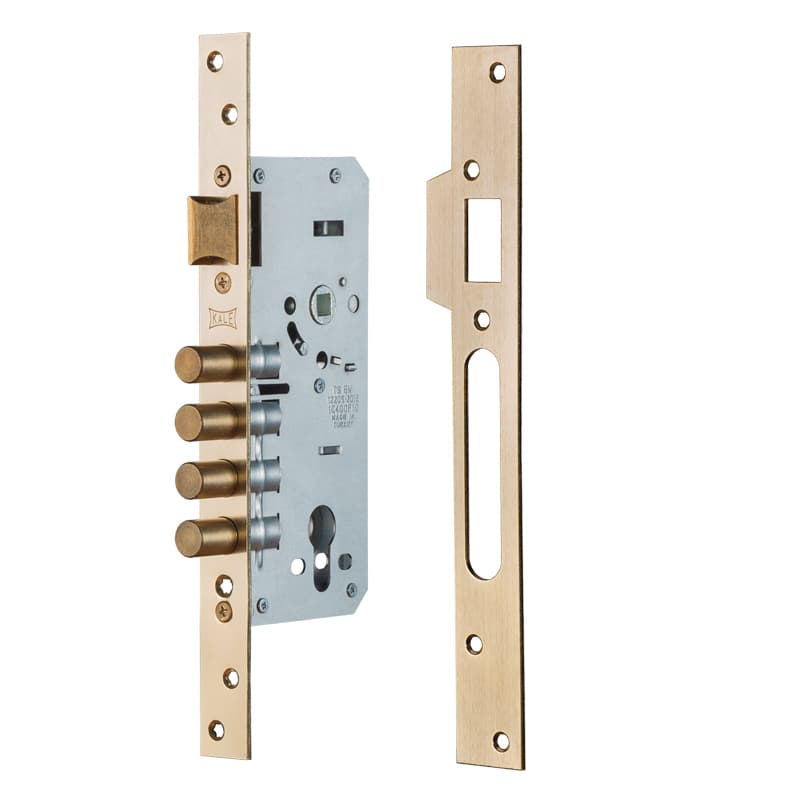
Kale Cylinder Mortise Lock 152 50
Kale Kilit · Cylinder Mortise Locks
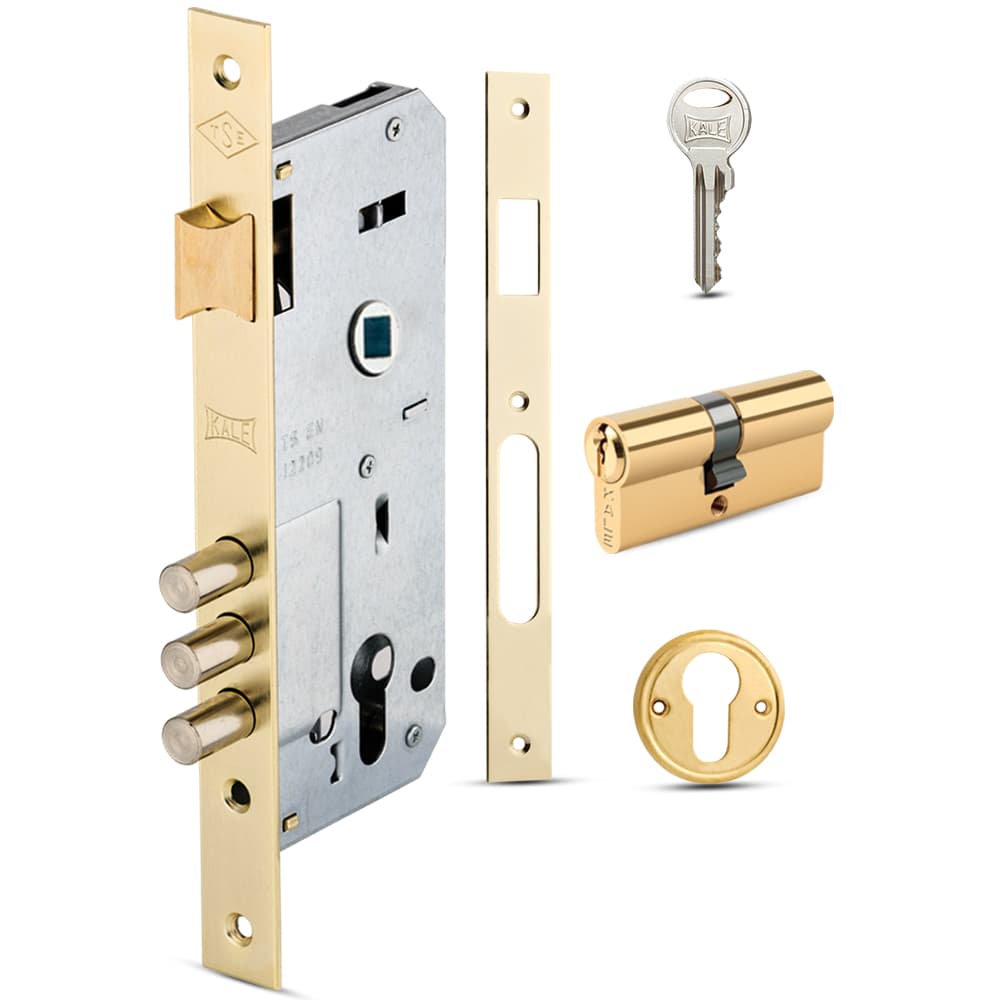
Kale Cylinder Mortise Lock 152 3MR
Kale Kilit · Cylinder Mortise Locks
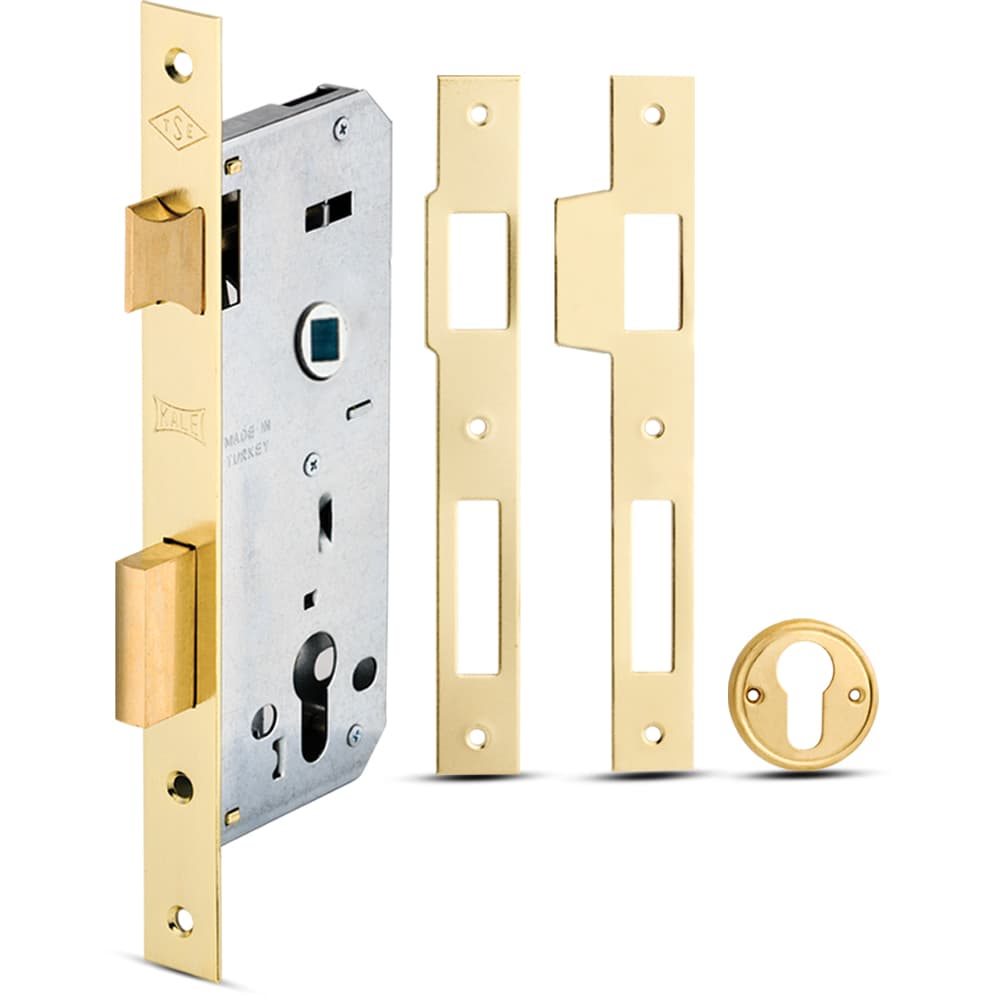
Kale Cylinder Mortise Lock 152 R 3T
Kale Kilit · Cylinder Mortise Locks
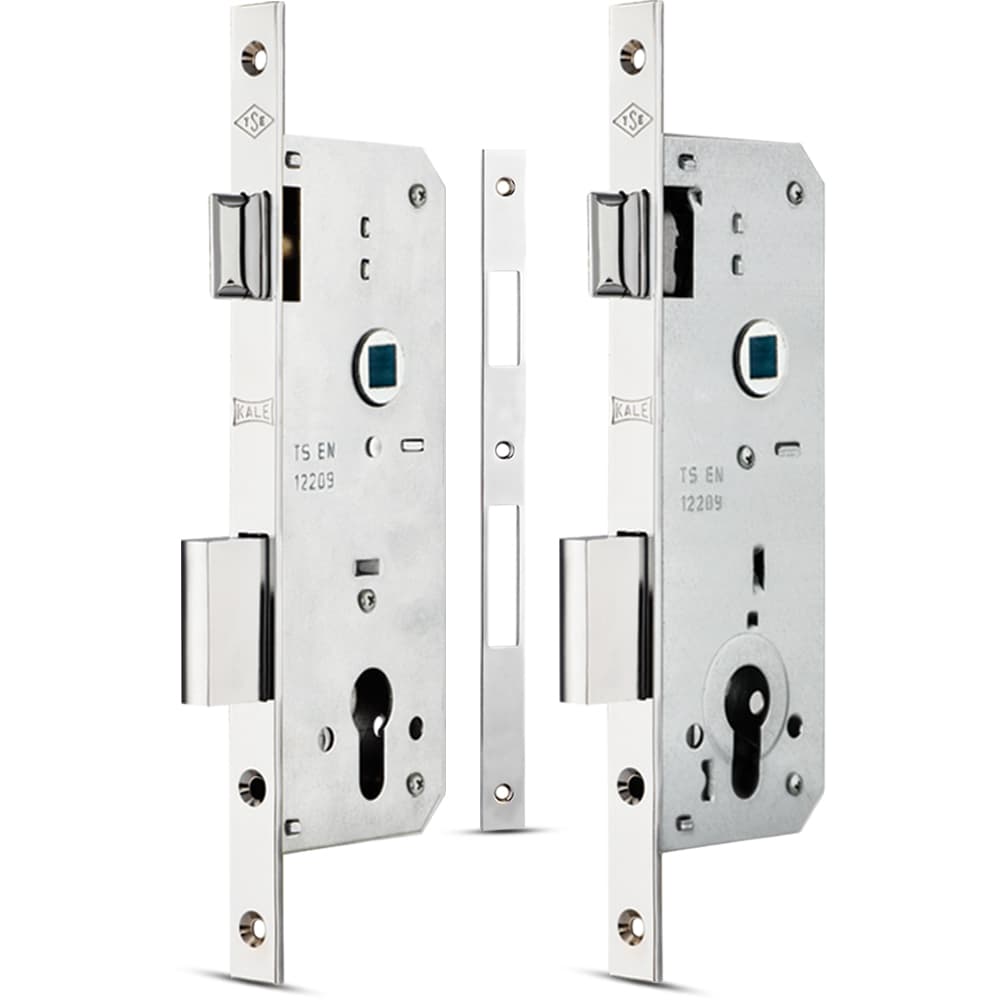
Kale Cylinder Mortise Lock 152 RP
Kale Kilit · Cylinder Mortise Locks
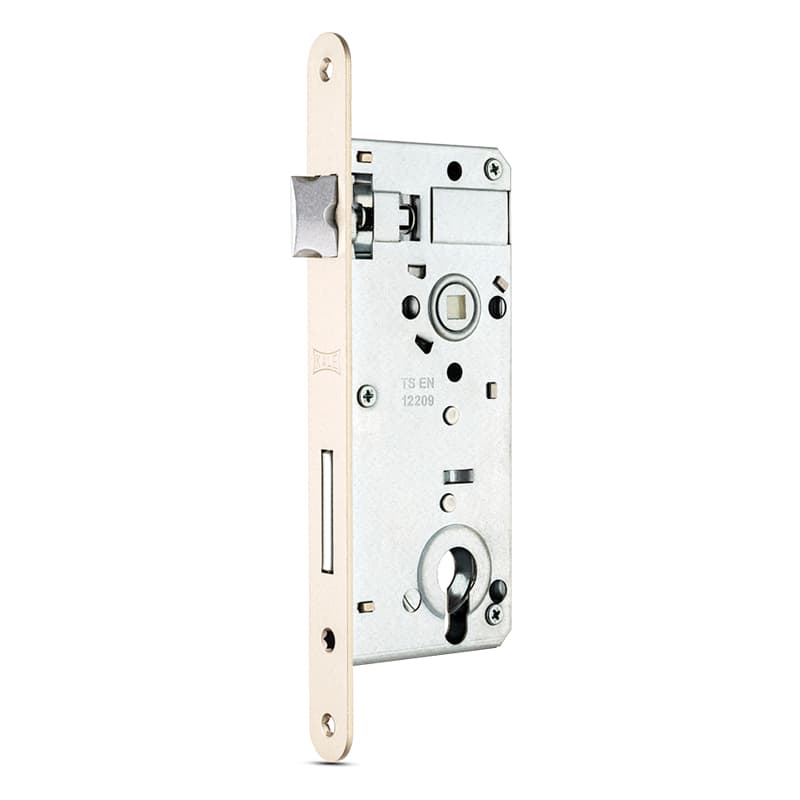
Kale Cylinder Mortise Lock 152 T 50
Kale Kilit · Cylinder Mortise Locks
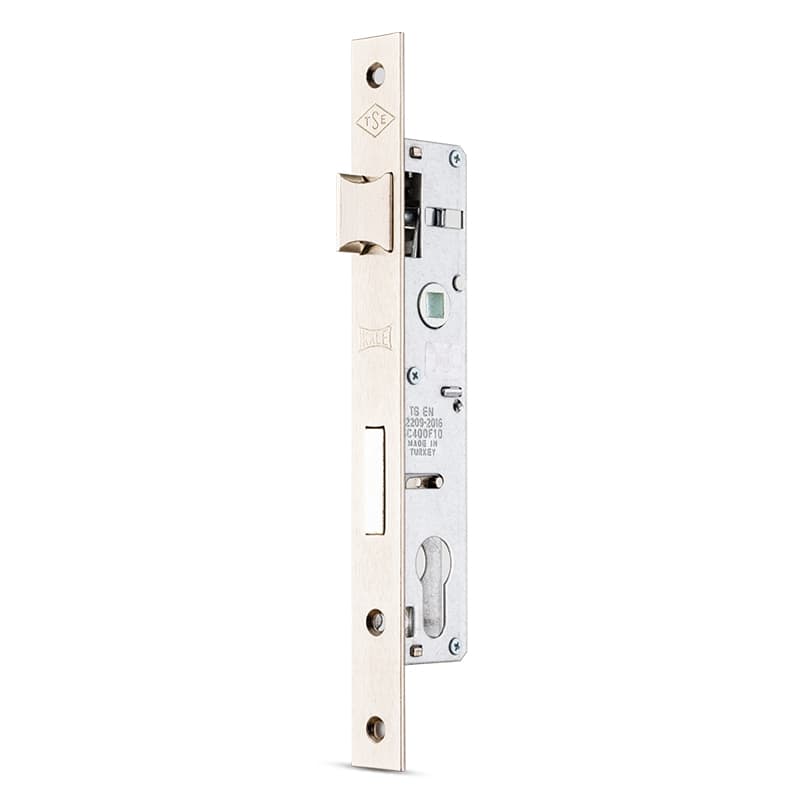
Kale Cylinder Mortise Lock 153
Kale Kilit · Cylinder Mortise Locks
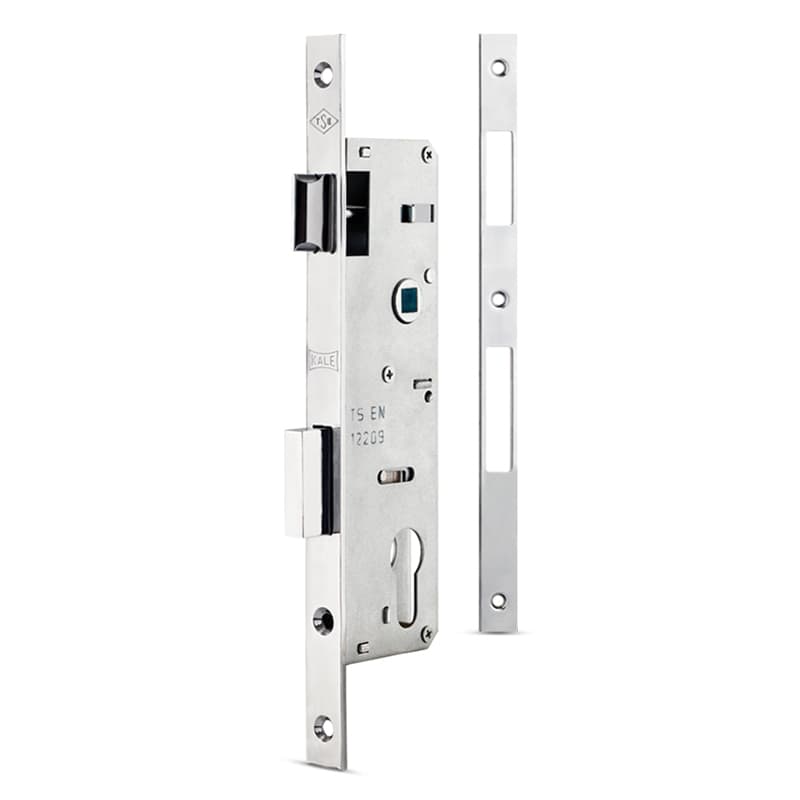
Kale Cylinder Mortise Lock 153 P
Kale Kilit · Cylinder Mortise Locks
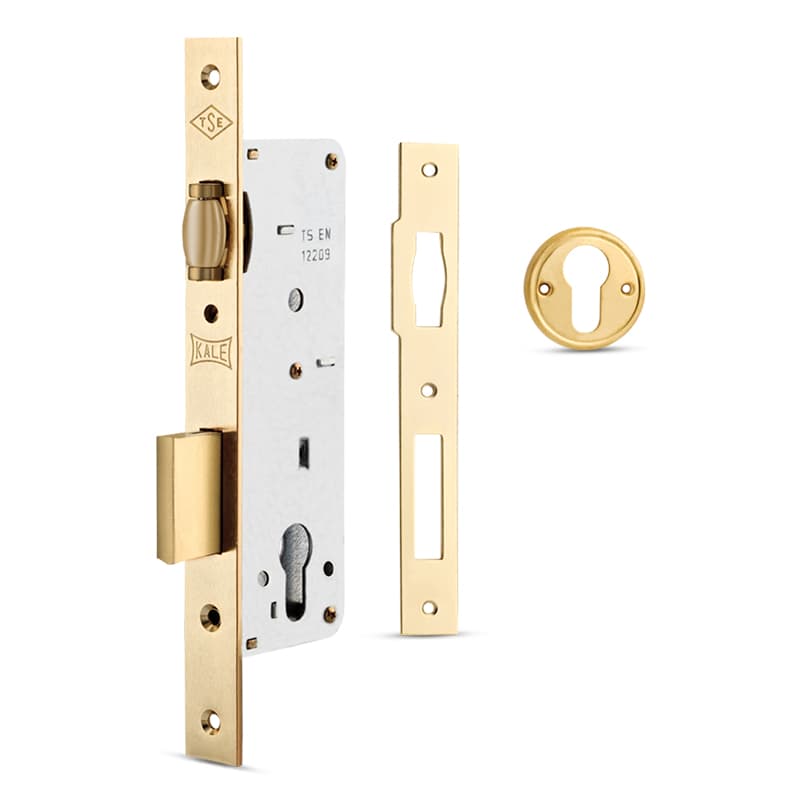
Kale Cylinder Mortise Lock 154
Kale Kilit · Cylinder Mortise Locks
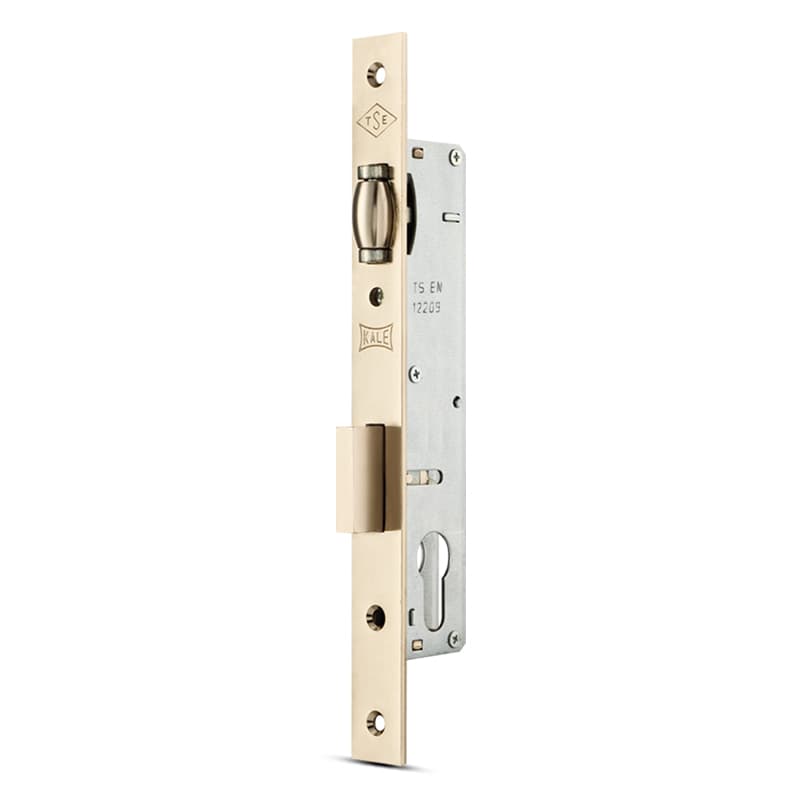
Kale Cylinder Mortise Lock 155
Kale Kilit · Cylinder Mortise Locks
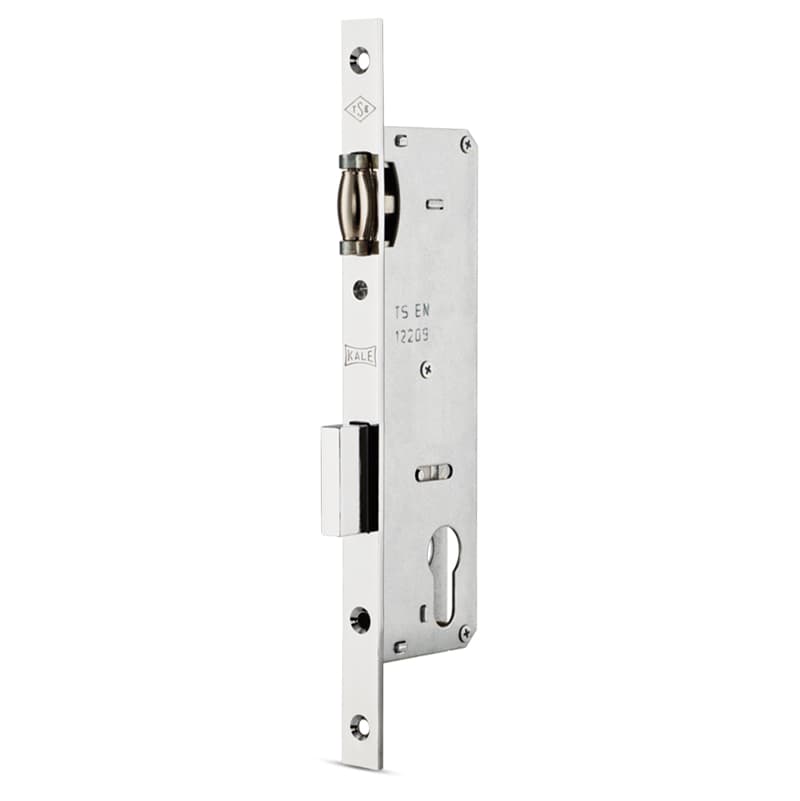
Kale Cylinder Mortise Lock 155 P
Kale Kilit · Cylinder Mortise Locks
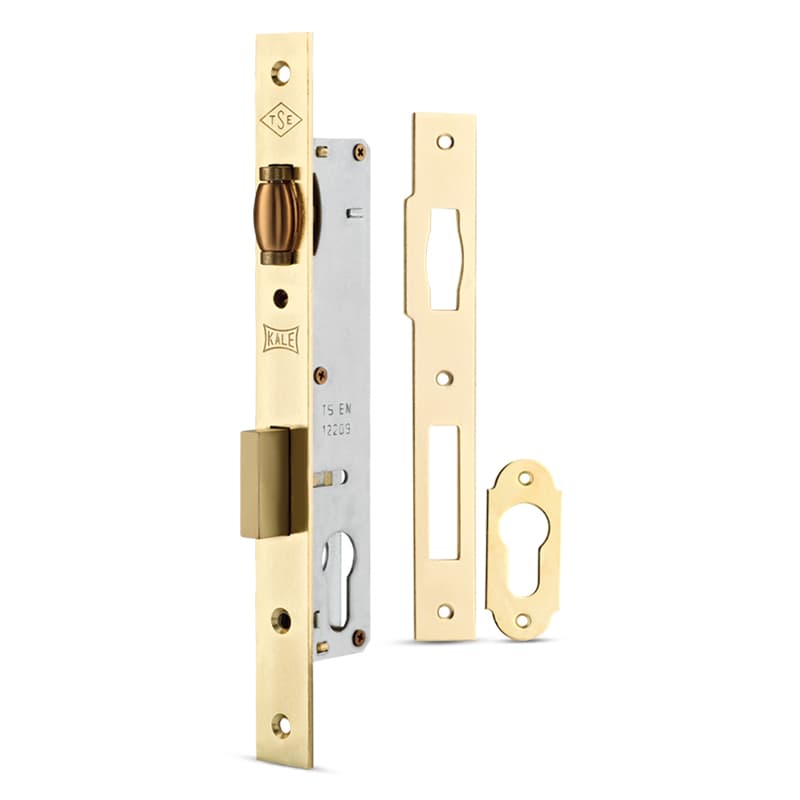
Kale Cylinder Mortise Lock 155 U
Kale Kilit · Cylinder Mortise Locks
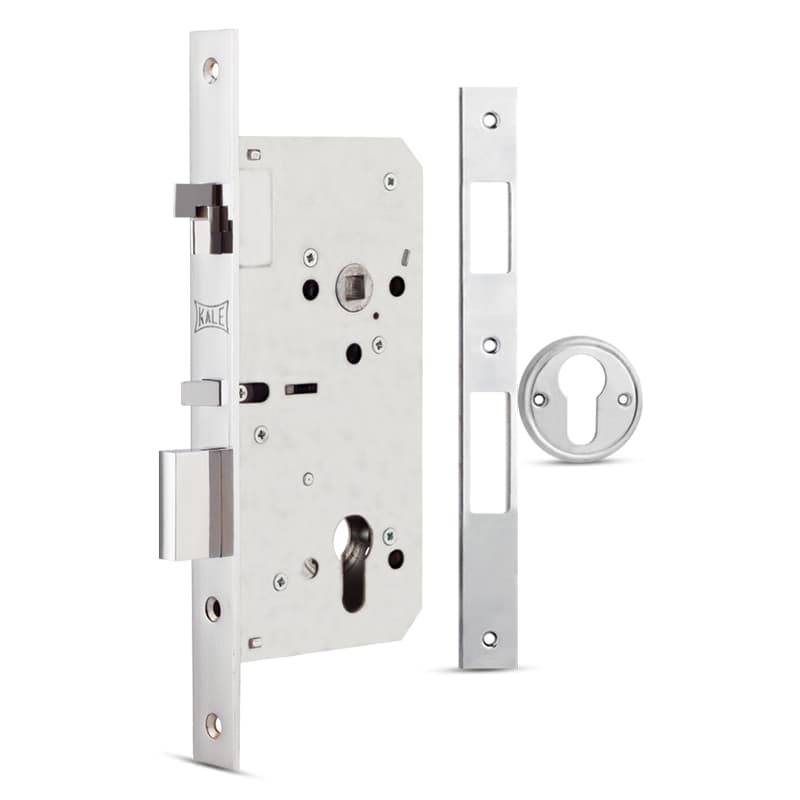
Kale Automatic Locking Cylinder Mortise Lock Wide Type, Automatic Locking, Wooden Doors 182
Kale Kilit · Cylinder Mortise Locks
1–24 of 35 · page 1 / 2
Wide body, narrow body and dimensions
Wide-body locks are for timber leaves and sit deeper into the door; narrow-body locks are designed for the slim profiles of uPVC and aluminium joinery. The difference is body width and backset — a wide body will not fit a narrow profile.
Three dimensions to check before ordering: the centre distance (usually 85 mm), the backset from the leaf edge to the spindle, and the position of the bolt on the faceplate. The cylinder is chosen separately, its length set by the leaf thickness.
Frequently Asked Questions
What is the difference between wide and narrow bodies?
Body width and backset. The wide body suits timber leaves, the narrow body the slim profiles of uPVC and aluminium; neither fits the other's pocket.
Is the cylinder included?
No, it is a separate product. The cylinder is chosen in 68-90 mm to suit the leaf thickness and fits with a single screw.
Which measurements do I need?
The centre distance between spindle and cylinder (usually 85 mm), the backset from the leaf edge to the spindle, and the faceplate length.
Will this lock fit a steel door?
No. Steel doors use multi-point locks that secure the leaf at several points; a single-bolt cylinder mortise lock matches neither the pocket nor the security level.
Does replacing the lock mean recutting the door?
Not if the replacement comes from the same dimension family. A different backset or centre distance means cutting a new pocket.