Categories
Steel Door Locks
A steel door lock resists attack by securing the leaf at several points rather than one. This page covers the difference between multi-point, hook bolt and pin bolt types, and what to measure before replacing one. The catalogue holds 31 models.
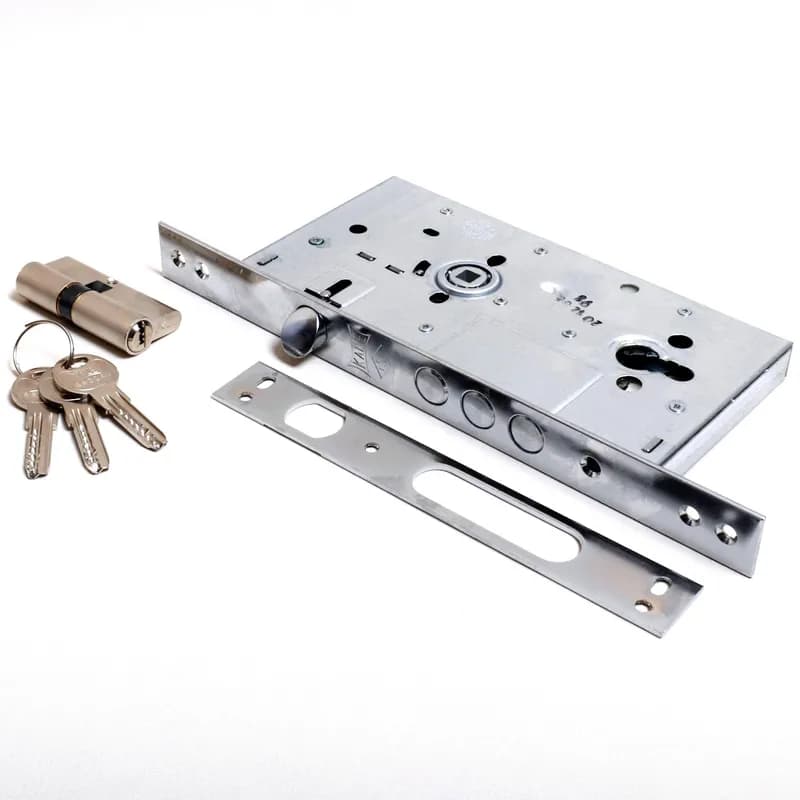
Kale Monoblock Steel Door Mortise Lock Nickel 252 R/SN
Kale Kilit · Steel Door Locks
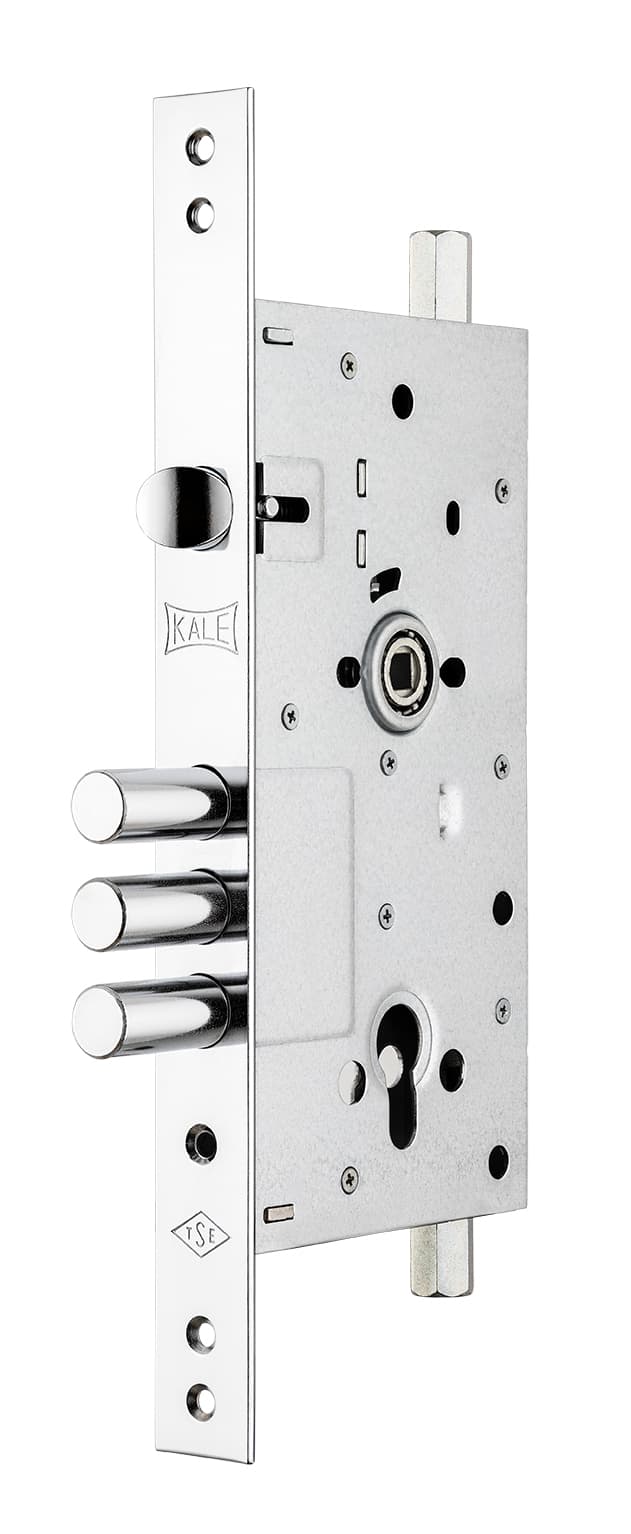
Kale Light Multisystem Centralised Steel Door Lock 252 RM
Kale Kilit · Steel Door Locks
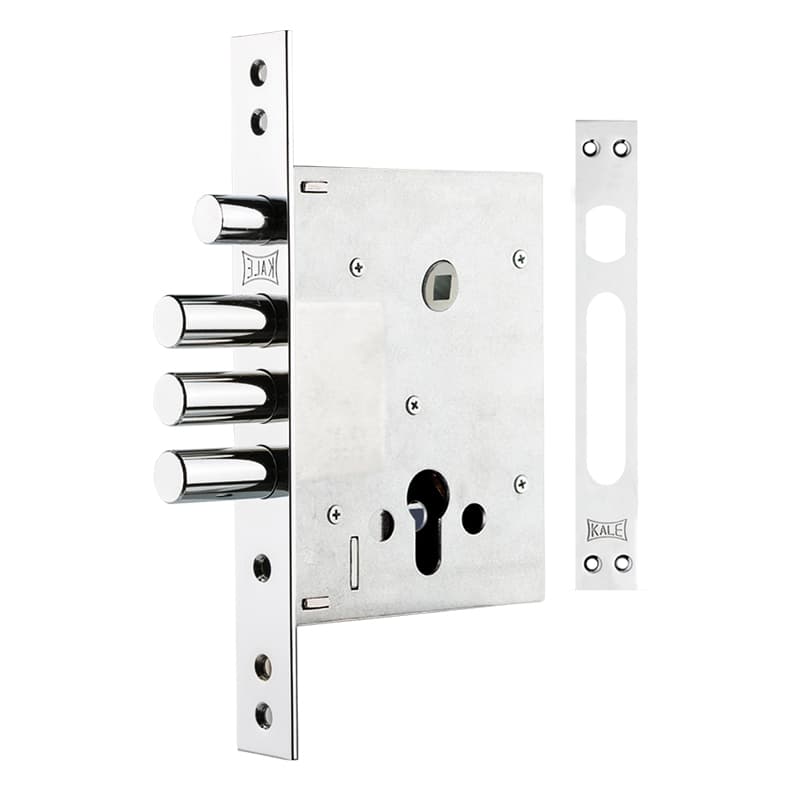
Kale Steel Door Security Mortise Lock with Auxiliary Bolt 257 X
Kale Kilit · Steel Door Locks
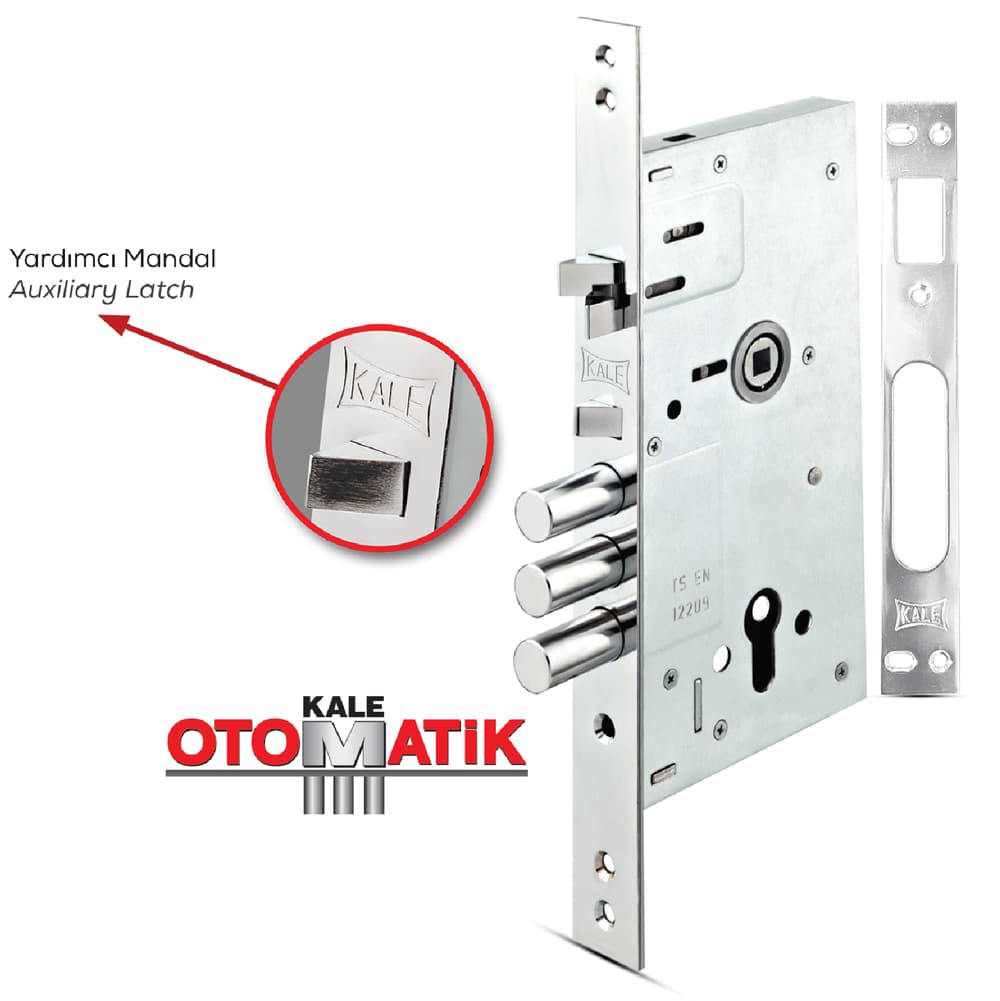
Kale Automatic Latch and Bolt Locking Lock 252 RAV
Kale Kilit · Steel Door Locks
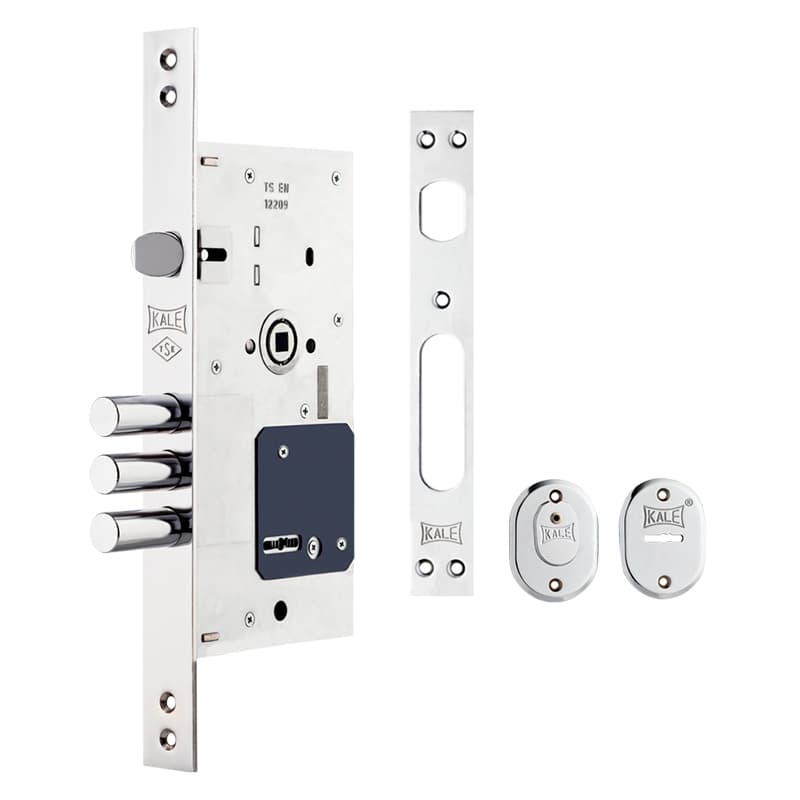
Kale Pinned Steel Door Mortise Lock 252 RL
Kale Kilit · Steel Door Locks
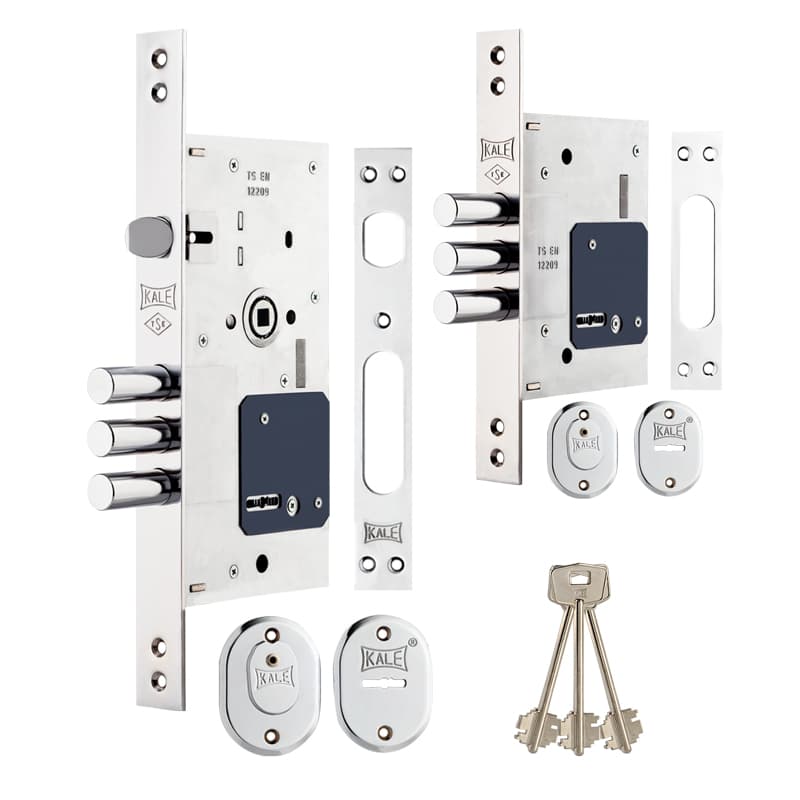
Kale Pinned Steel Door Mortise Lock Set 252 RL SET
Kale Kilit · Steel Door Locks
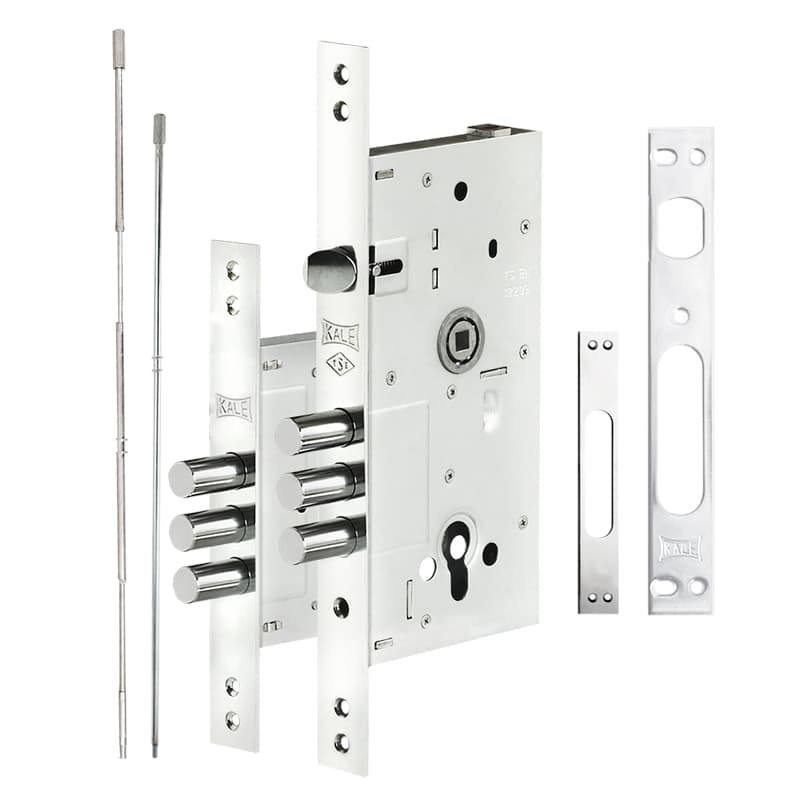
Kale Multisystem Semi-Centralised Steel Door Lock 252 RYM
Kale Kilit · Steel Door Locks
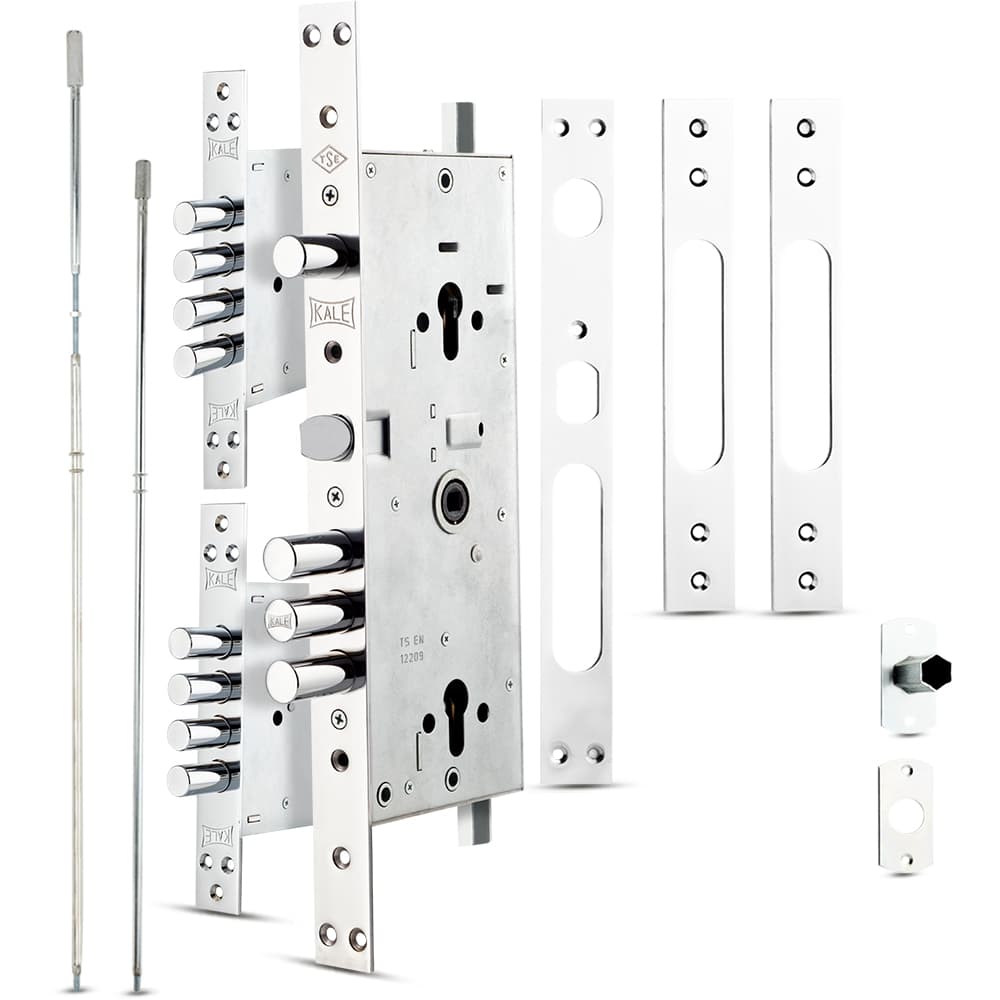
Kale Multisystem Centralised Steel Door Lock 256
Kale Kilit · Steel Door Locks
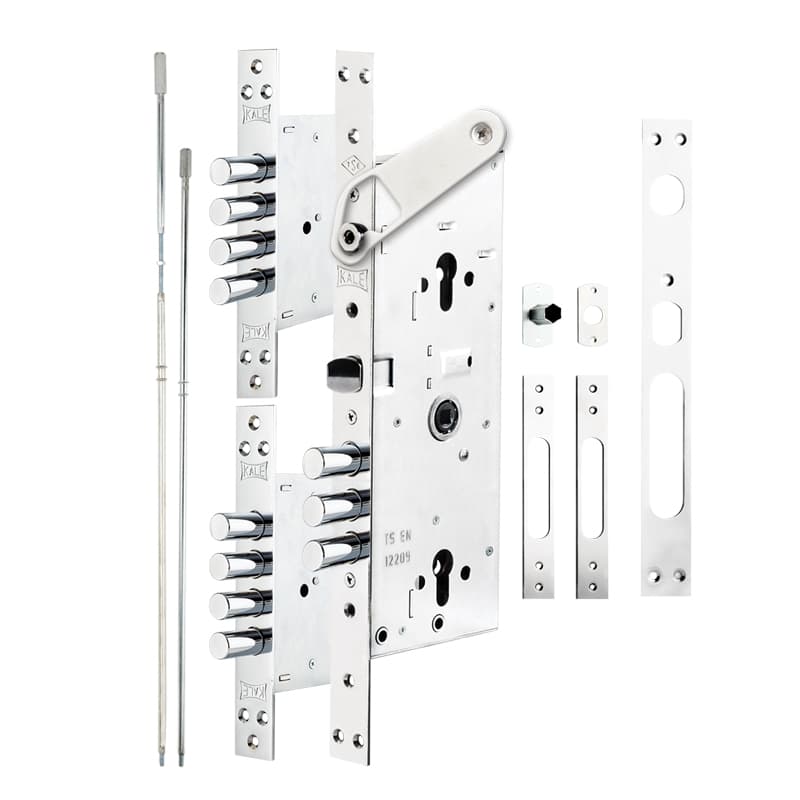
Kale Multisystem Centralised Steel Door Lock with Concealed Security Clamp 256 G
Kale Kilit · Steel Door Locks
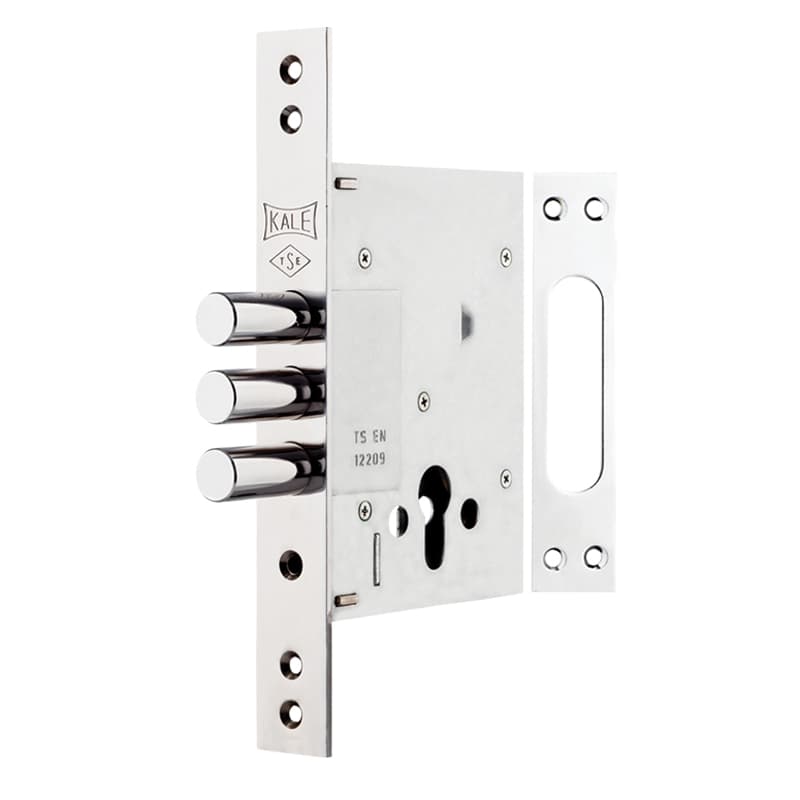
Kale Plus Steel Door Security Mortise Lock 257
Kale Kilit · Steel Door Locks
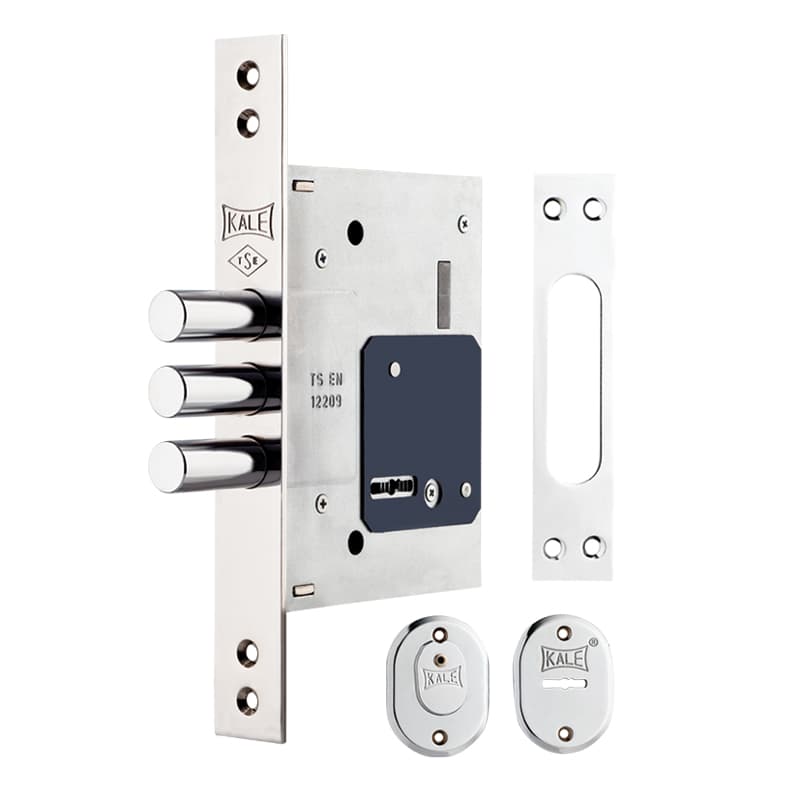
Kale Pinned Steel Door Security Mortise Lock 257 L
Kale Kilit · Steel Door Locks
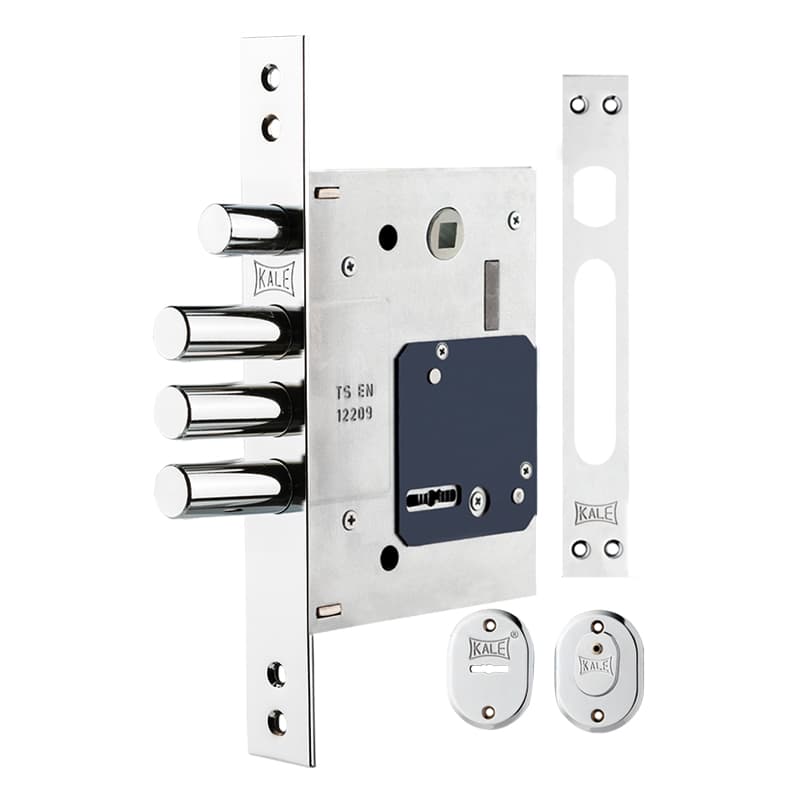
Kale Pinned Steel Door Security Mortise Lock 257 LX
Kale Kilit · Steel Door Locks
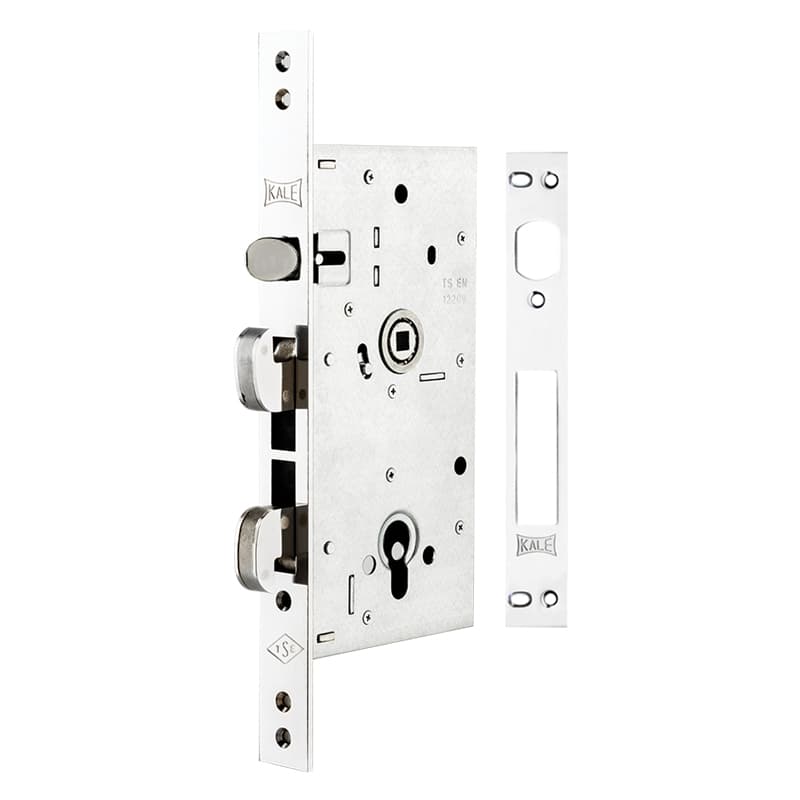
Kale Champion Hook Steel Door Mortise Lock 262 R
Kale Kilit · Steel Door Locks
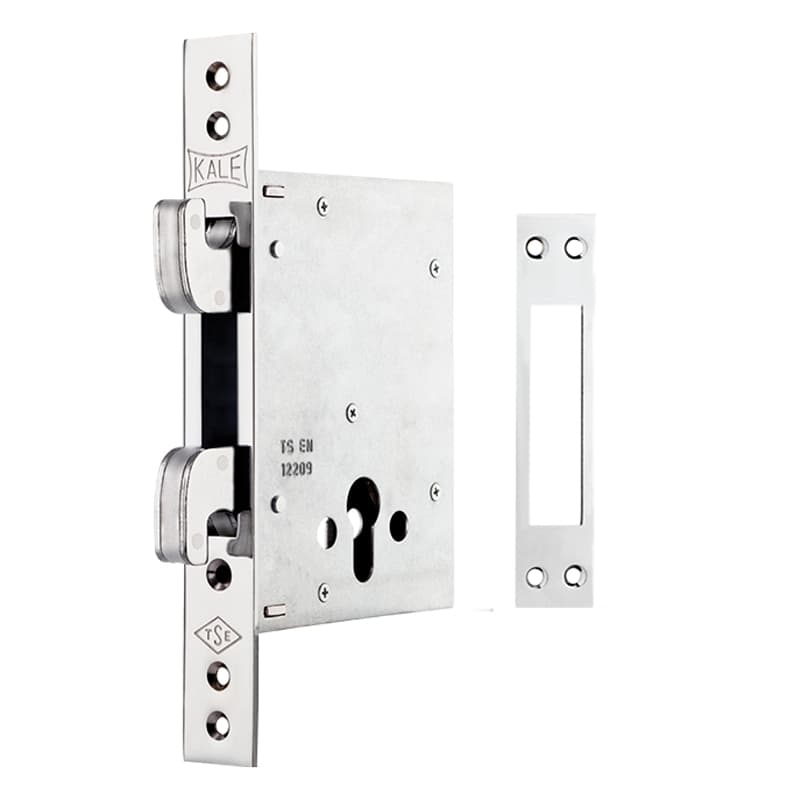
Kale Champion Hook Steel Door Security Mortise Lock 267
Kale Kilit · Steel Door Locks
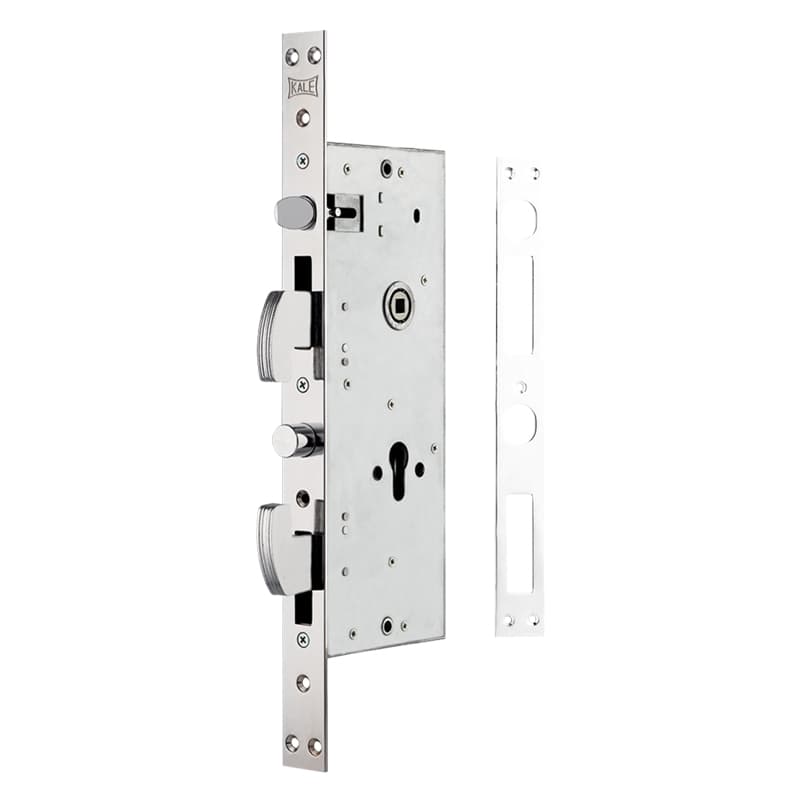
Kale Champion Hook Steel Door Mortise Lock 276
Kale Kilit · Steel Door Locks
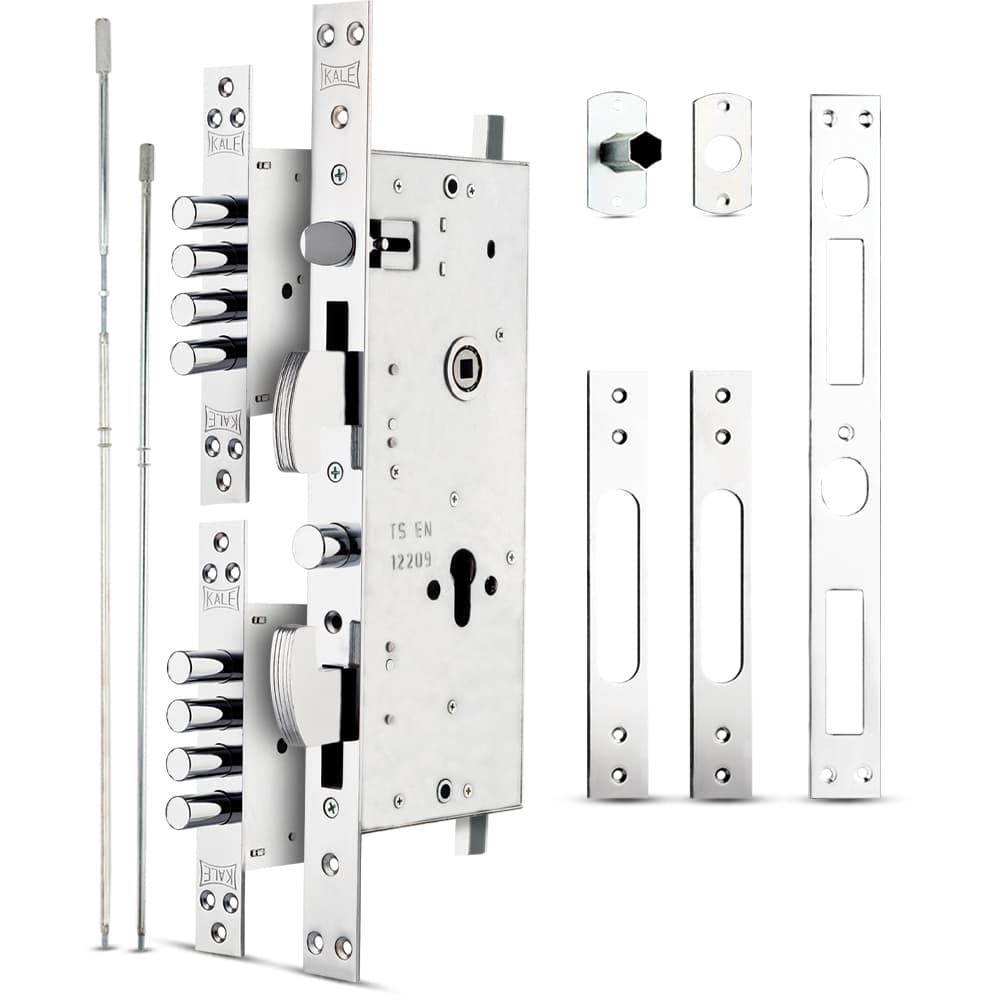
Kale Champion Multisystem Centralised Hook Steel Door Lock 276 T
Kale Kilit · Steel Door Locks
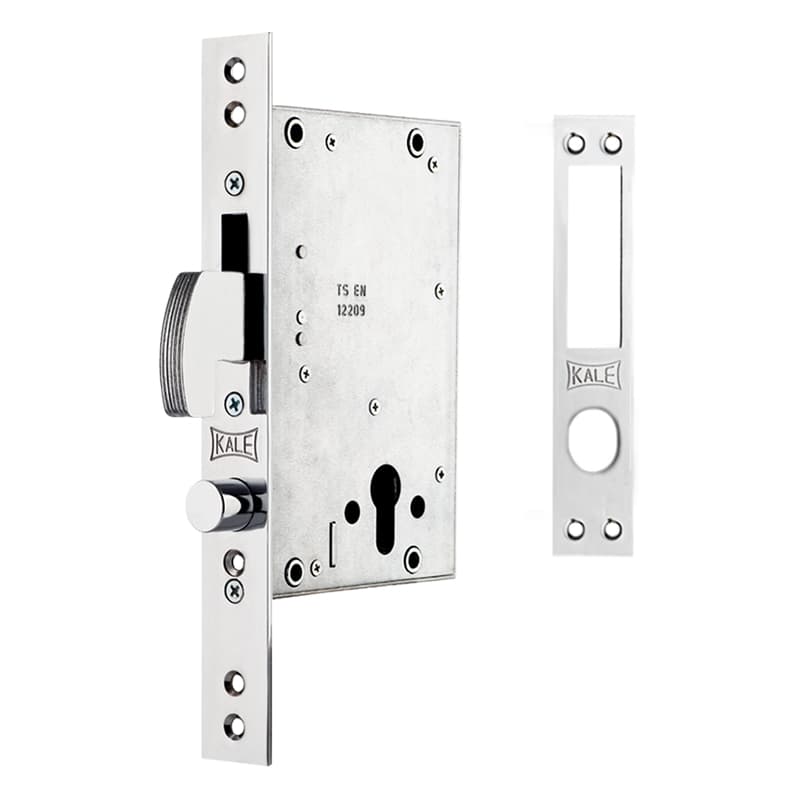
Kale Champion Hook Steel Door Security Mortise Lock 277
Kale Kilit · Steel Door Locks
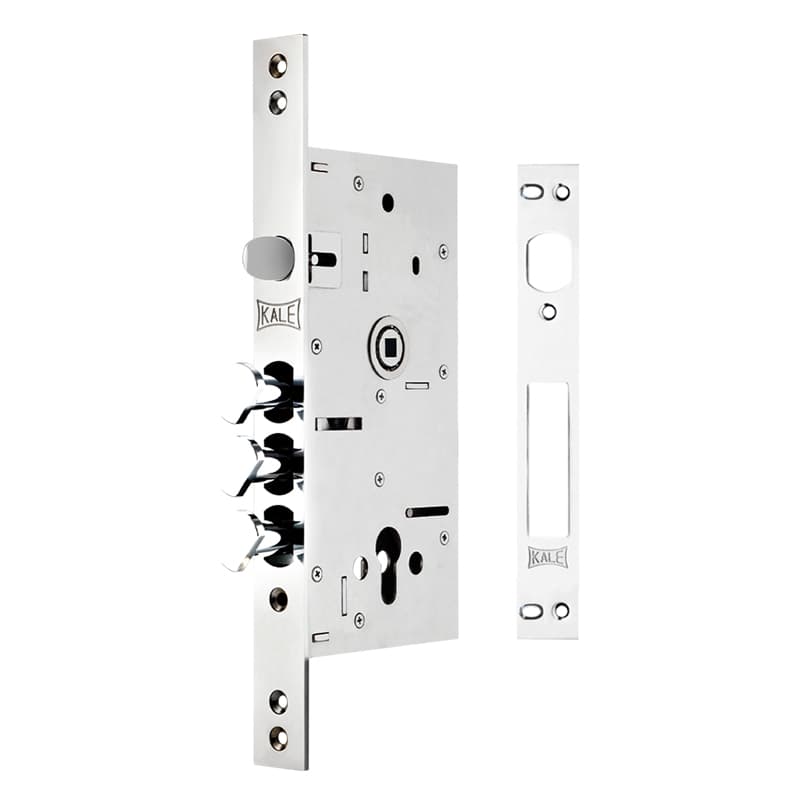
Kale Rotating Bolt Steel Door Mortise Lock 282 RD
Kale Kilit · Steel Door Locks
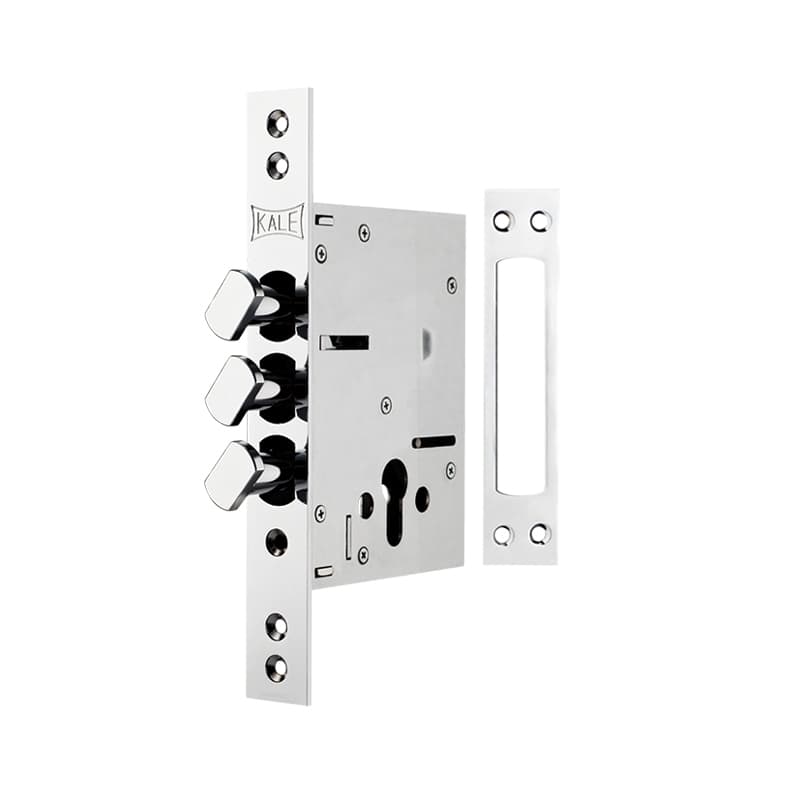
Kale Rotating Bolt Steel Door Security Mortise Lock 287 D
Kale Kilit · Steel Door Locks
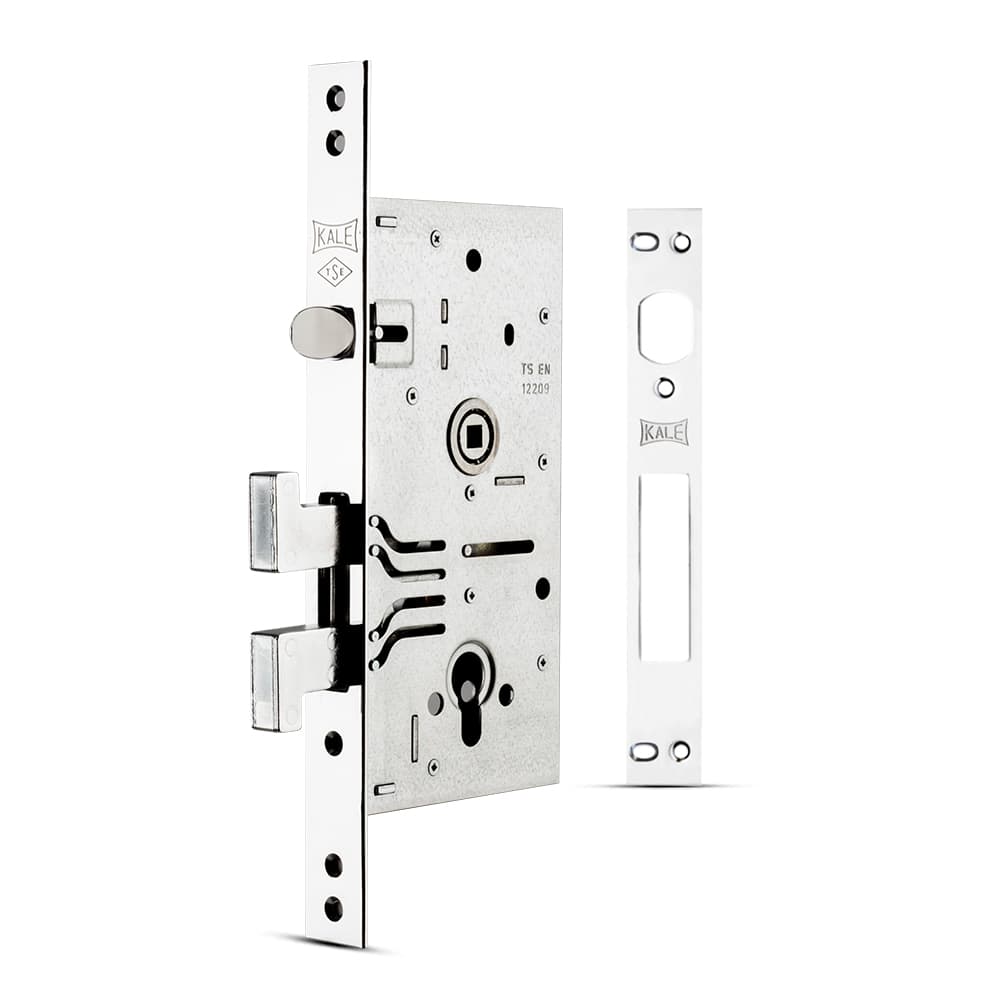
Kale Champion Hook Steel Door Mortise Lock 292 R
Kale Kilit · Steel Door Locks
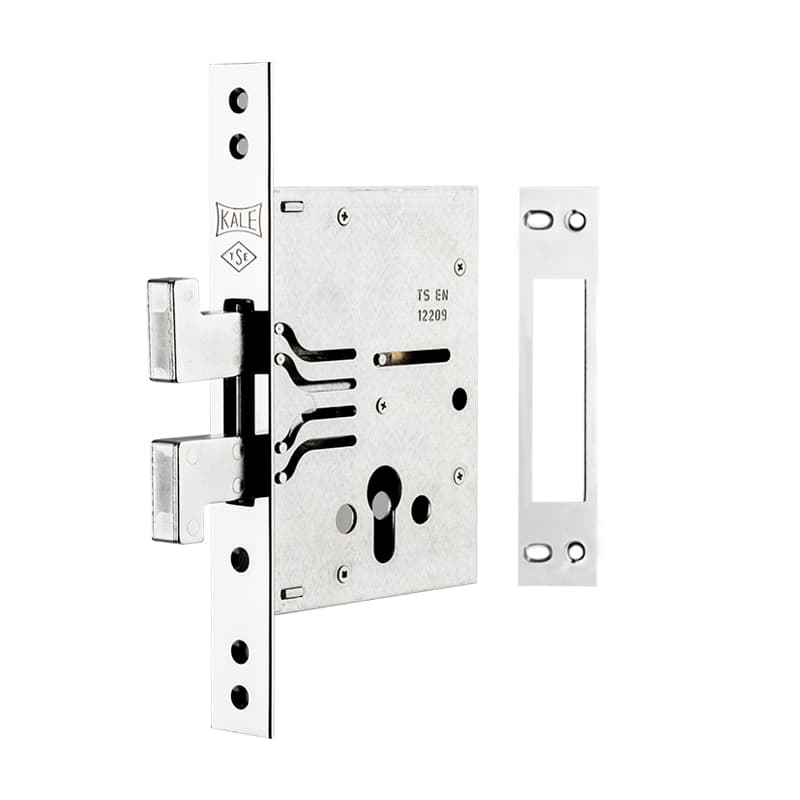
Kale Champion Hook Steel Door Security Mortise Lock 297
Kale Kilit · Steel Door Locks
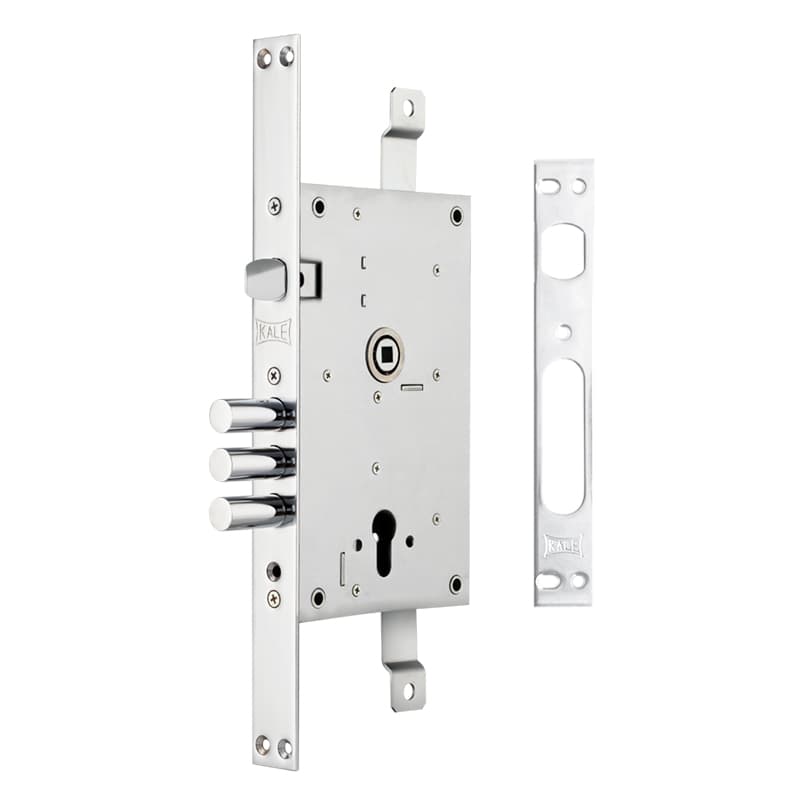
Kale Steel Door Mortise Lock 352 R
Kale Kilit · Steel Door Locks
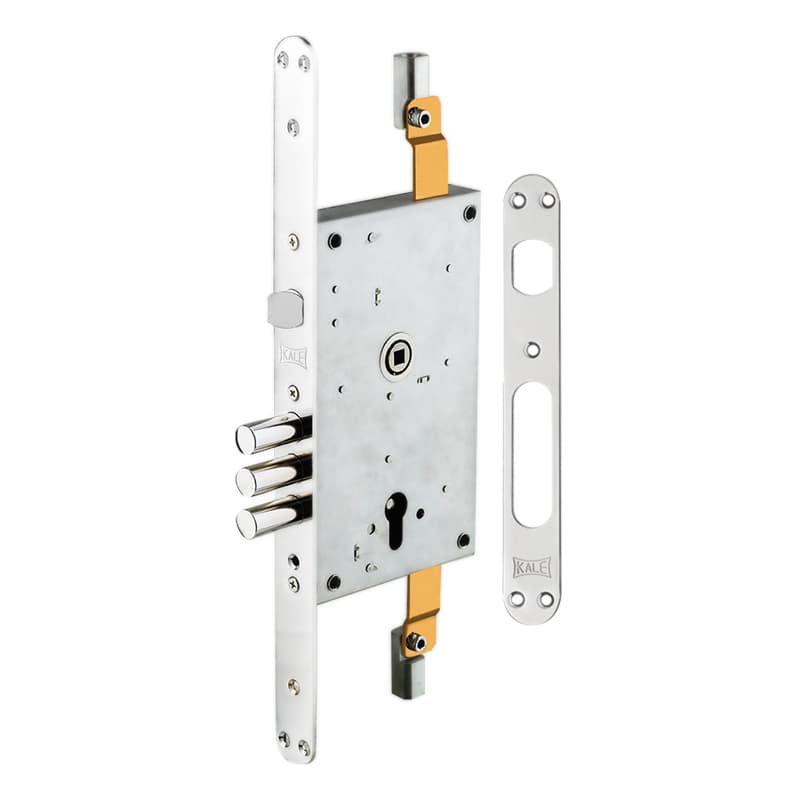
Kale Multisystem Centralised Steel Door Lock Oval Faceplate and Keep 352 RT
Kale Kilit · Steel Door Locks
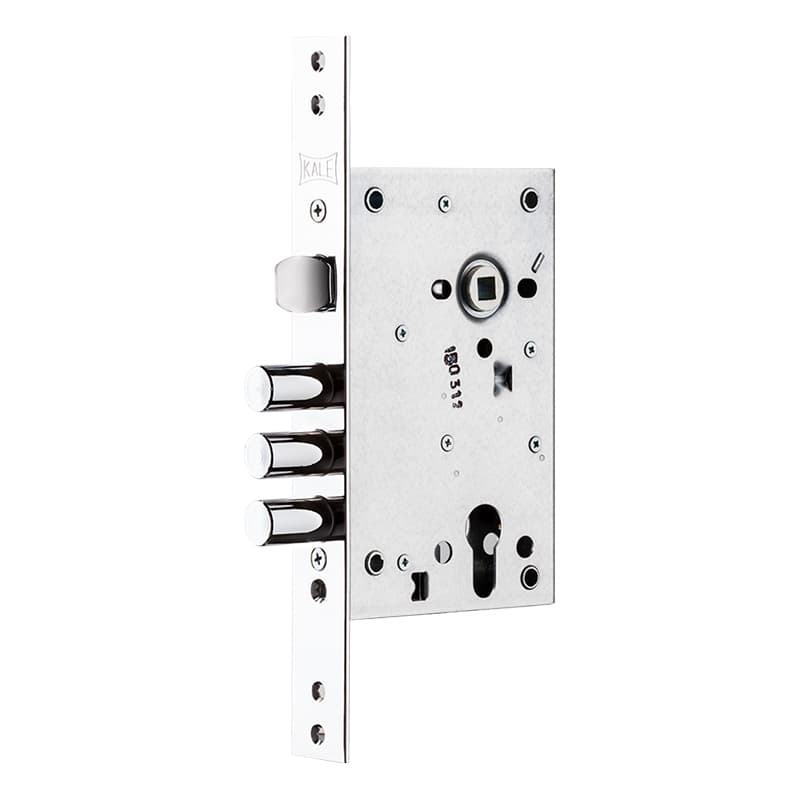
Kale Monoblock Steel Door Mortise Lock 442
Kale Kilit · Steel Door Locks
1–24 of 31 · page 1 / 2
Multi-point, hook bolt and pin bolt
In a central multi-point lock, turning the key drives the side bolts together with vertical rods running to the top and bottom edges of the leaf, so the door locks in three directions at once. Semi-central systems drive some of those points.
Hook bolts hook into the keep plate as they throw and stop the leaf being pulled away from the frame — particularly effective against lifting and levering. Pin bolt types drive cylindrical pins into the keep instead. Monoblock locks combine the whole mechanism in a single body.
Frequently Asked Questions
What is a multi-point lock?
One where turning the key drives vertical rods to the top and bottom edges of the leaf as well as the side bolts, locking the door at several points.
What is the advantage of a hook bolt?
It hooks into the keep plate as it throws and stops the leaf being pulled away from the frame — far more effective than a straight bolt against lifting and levering.
Can I replace my existing steel door lock?
Yes, if the replacement comes from the same dimension family. Compare centre distance, backset, rod connection type and faceplate length against the existing lock.
Is the cylinder chosen separately?
Yes. Steel door locks also work with a cylinder, chosen by leaf thickness — usually in the 83-90 mm range.
Does changing the lock raise the security level?
The cylinder matters as much as the lock. Pairing a multi-point lock with a ball-pin or anti-pick cylinder makes far more difference than changing the lock alone.