Categories
Interior Door Mortise Locks
An interior mortise lock is the mechanism sunk into the door leaf and operated by the handle. Two things decide the choice: the function of the door (passage, bathroom-WC or keyed) and the leaf dimensions. This page covers both. The catalogue holds 36 models.
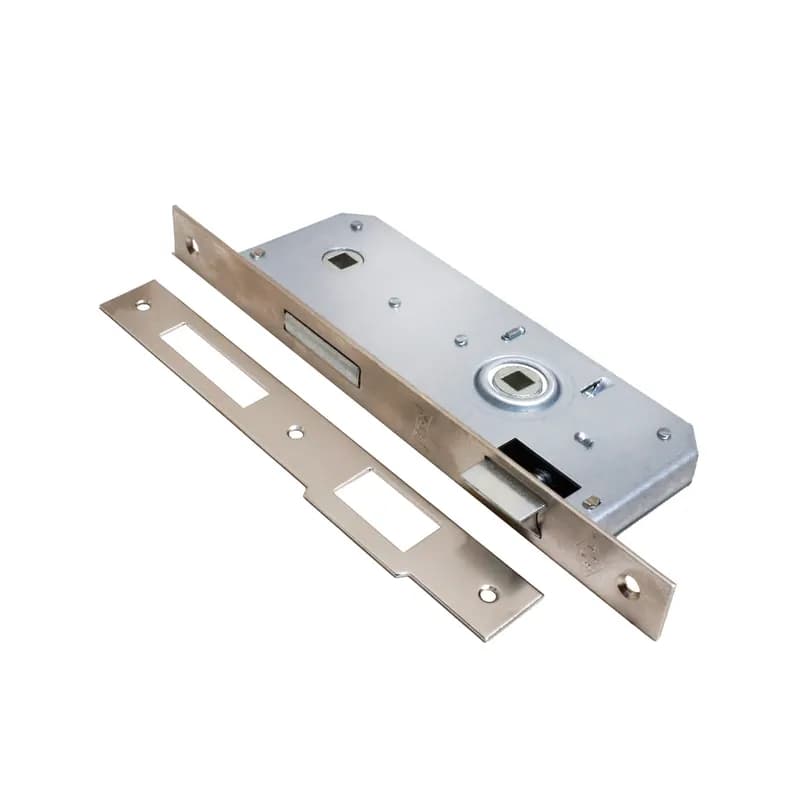
Kale Bathroom/WC Mortise Lock, Bearing Type 35 mm Nickel 169 R
Kale Kilit · Interior Door Mortise Locks
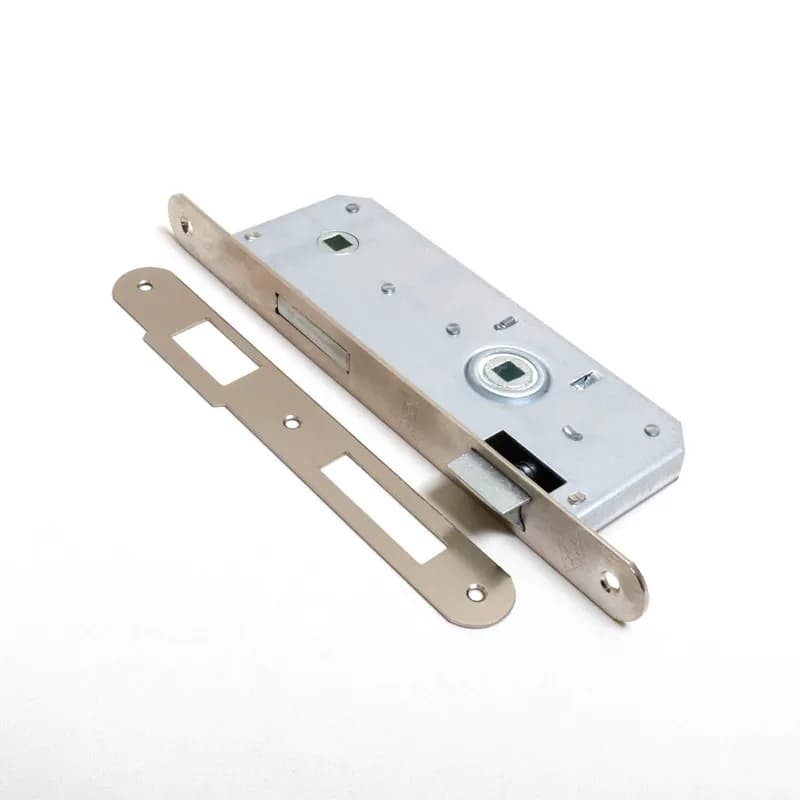
Kale Bathroom/WC Mortise Lock, Bearing Type 35 mm Oval Nickel 169 R
Kale Kilit · Interior Door Mortise Locks
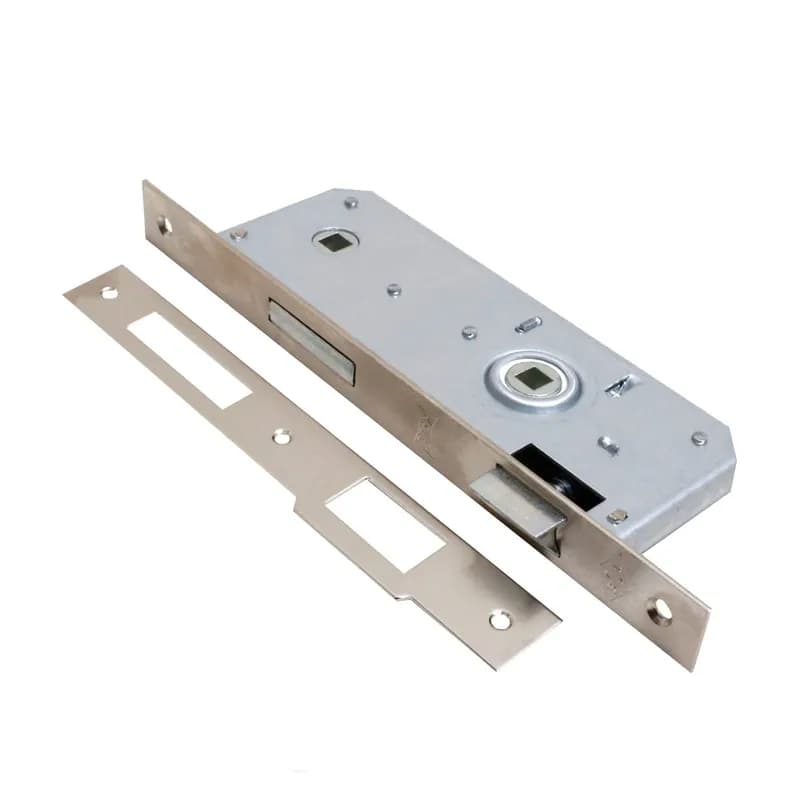
Kale Bathroom/WC Mortise Lock, Bearing Type 40 mm Nickel 169 R
Kale Kilit · Interior Door Mortise Locks
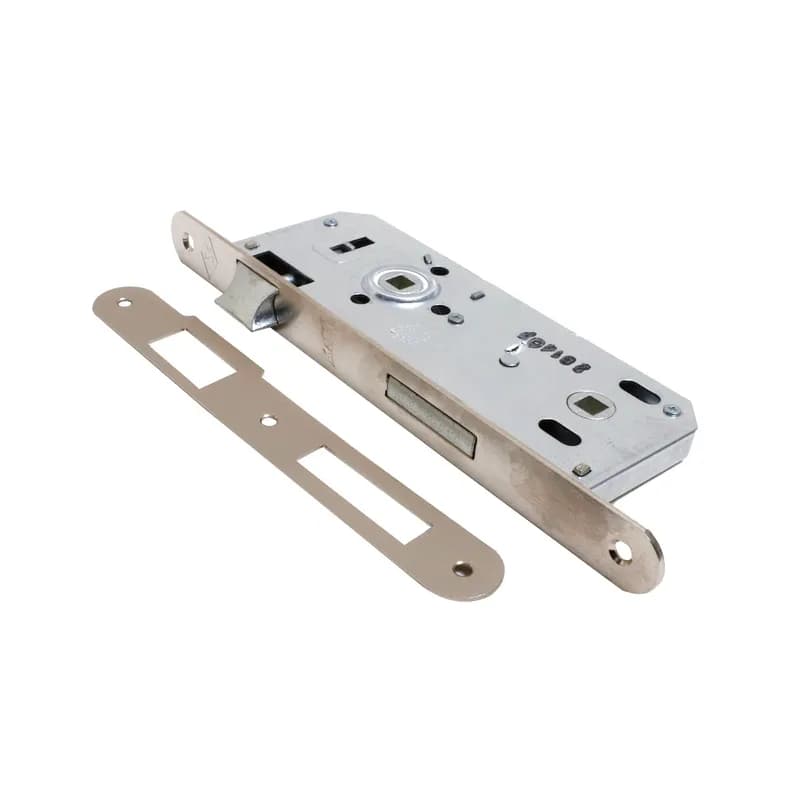
Kale Bathroom/WC Mortise Lock, Bearing Type 40 mm Oval Nickel 169 R
Kale Kilit · Interior Door Mortise Locks
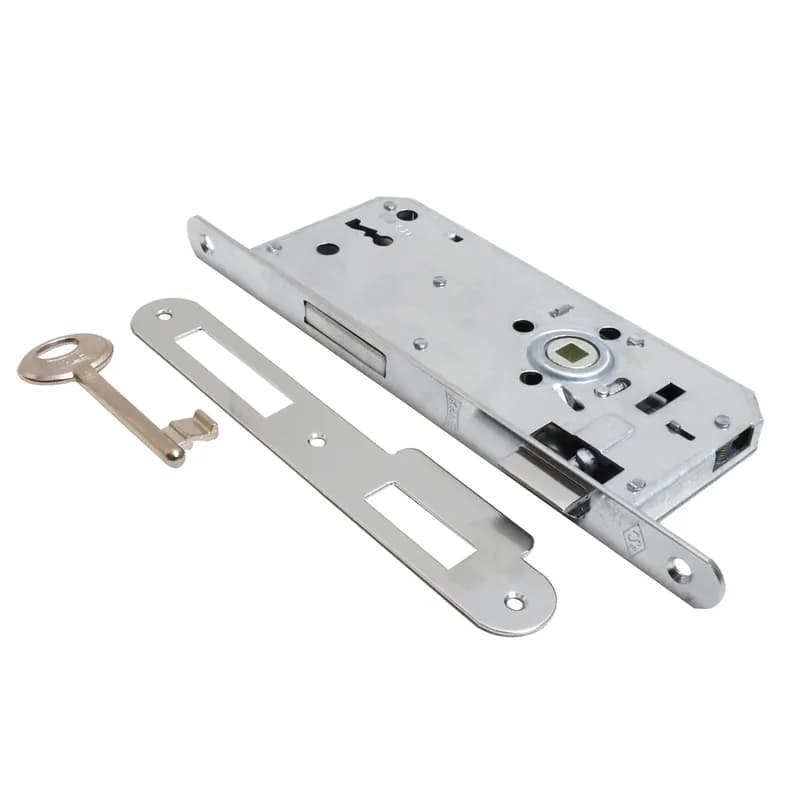
Kale Extra Mortise Lock, Oval Faceplate 45 mm Chrome 141
Kale Kilit · Interior Door Mortise Locks
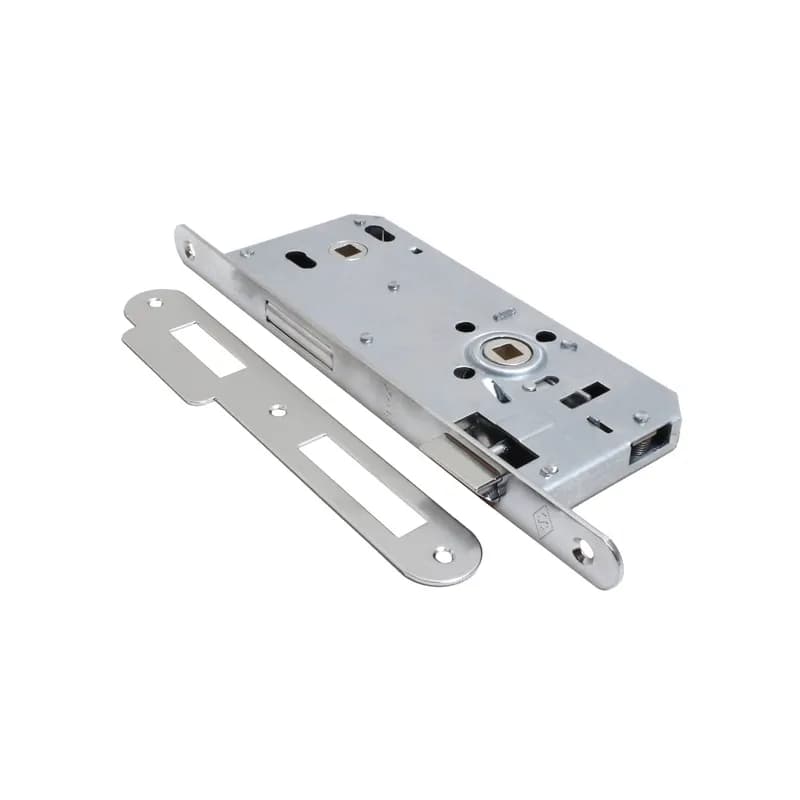
Kale Extra Mortise WC Lock, Oval Faceplate 45 mm Chrome 149
Kale Kilit · Interior Door Mortise Locks
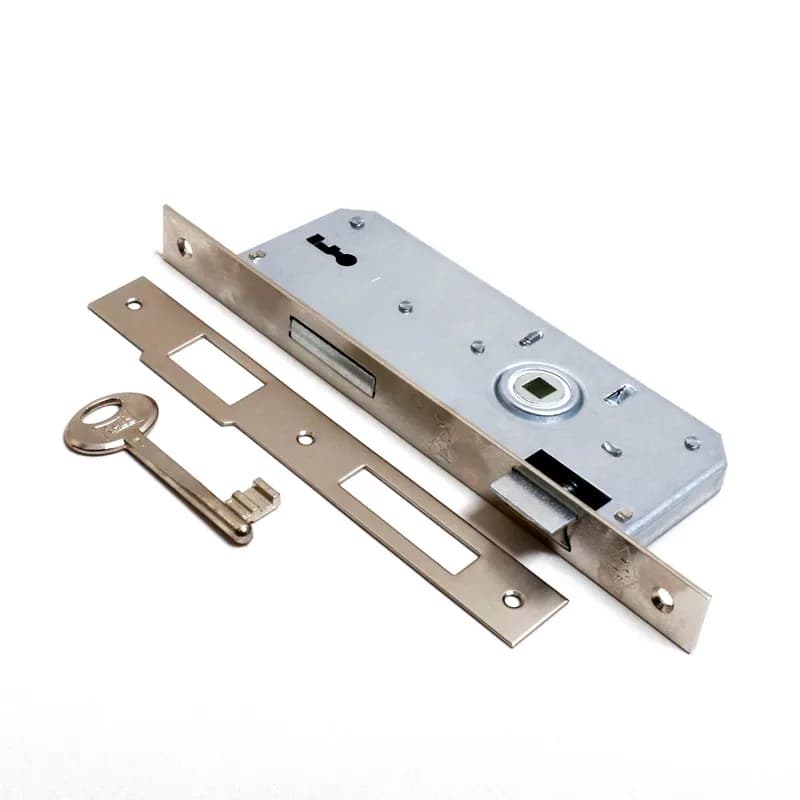
Kale Interior Door Mortise Lock, Bearing Type 35 mm Nickel 151 R
Kale Kilit · Interior Door Mortise Locks
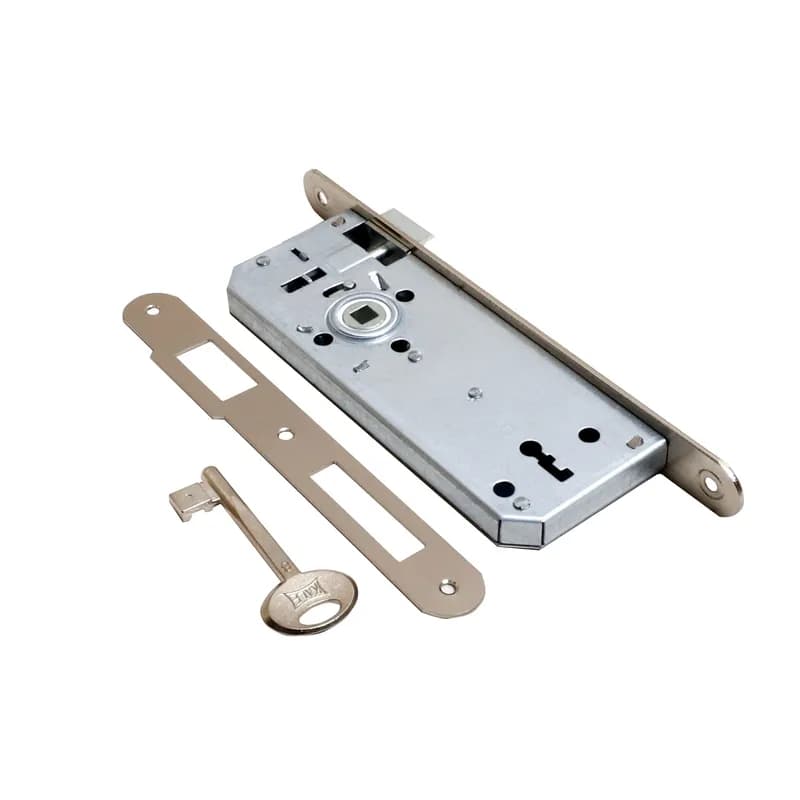
Kale Interior Door Mortise Lock, Bearing Type 35 mm Oval Nickel 151 R
Kale Kilit · Interior Door Mortise Locks
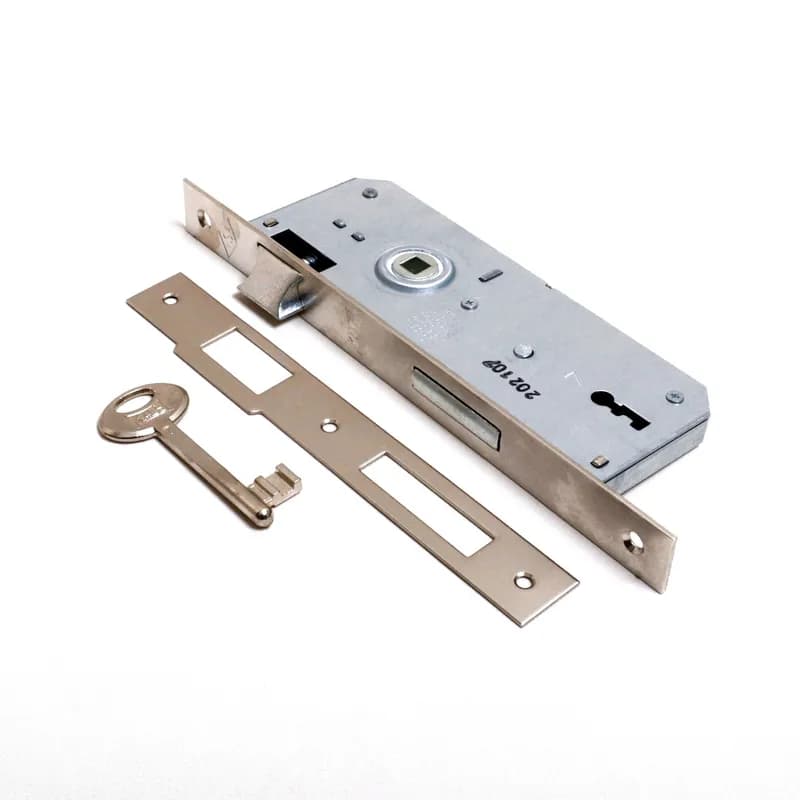
Kale Interior Door Mortise Lock, Bearing Type 40 mm Nickel 151 R
Kale Kilit · Interior Door Mortise Locks
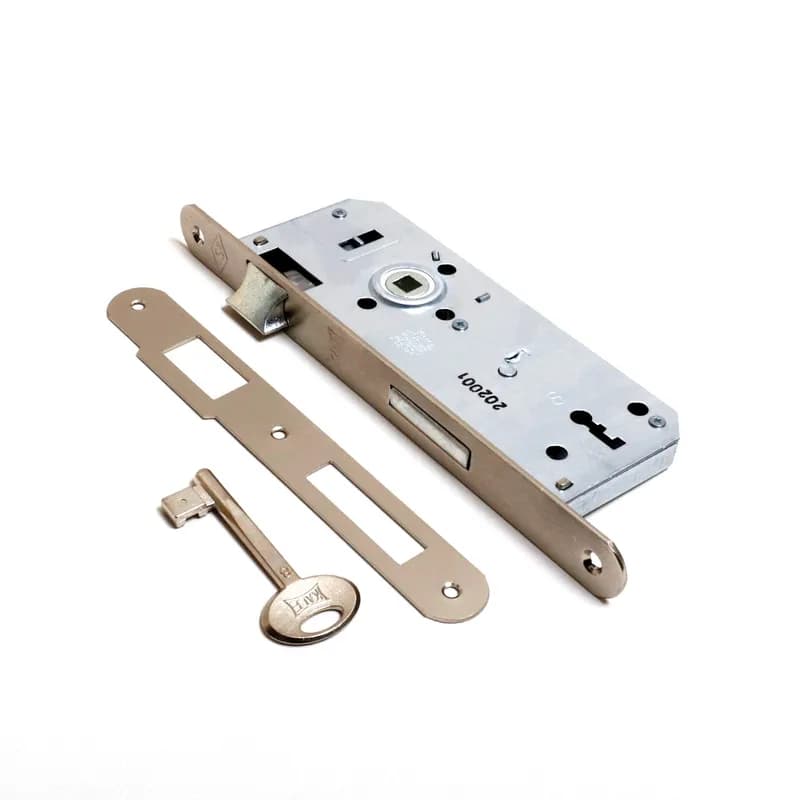
Kale Interior Door Mortise Lock, Bearing Type 40 mm Oval Nickel 151 R
Kale Kilit · Interior Door Mortise Locks
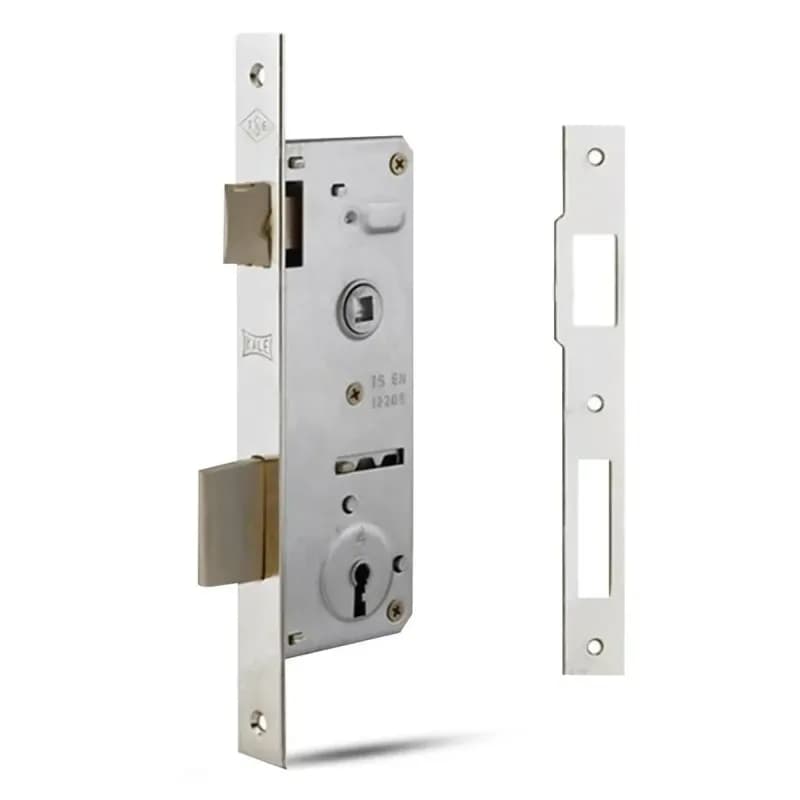
Kale Single-Key Room Mortise Lock Nickel 151
Kale Kilit · Interior Door Mortise Locks
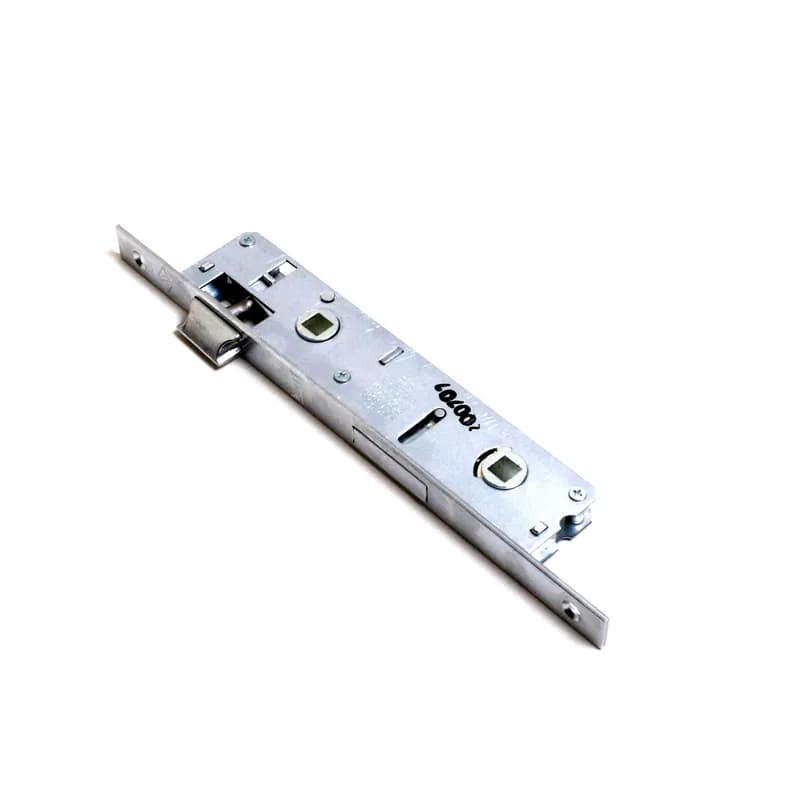
Kale PVC Door Bathroom/WC Lock 20 mm 269 P WC
Kale Kilit · Interior Door Mortise Locks
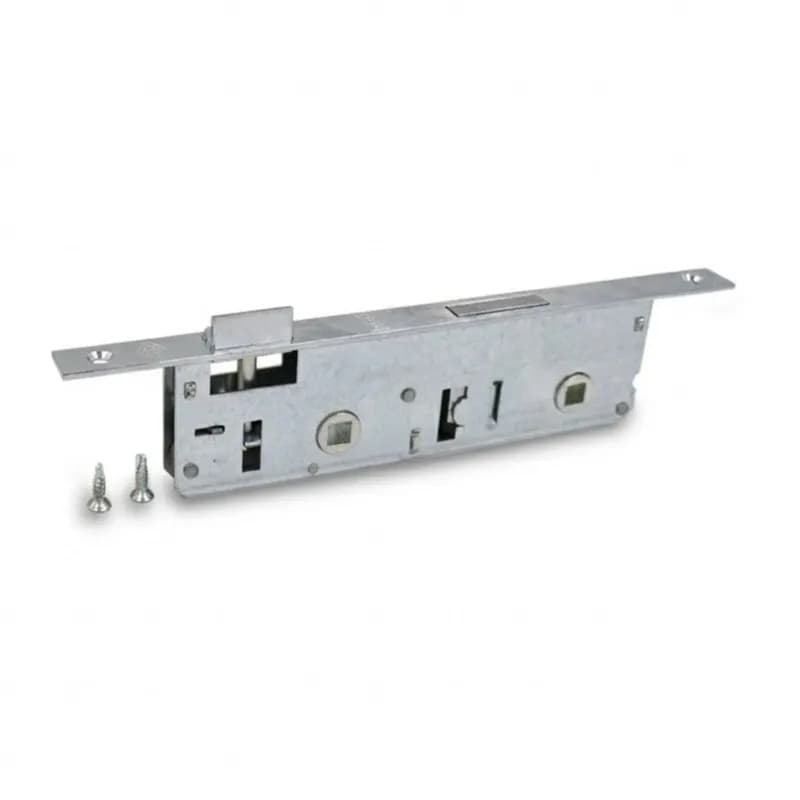
Kale PVC Door Bathroom/WC Lock 35 mm 269 P WC
Kale Kilit · Interior Door Mortise Locks
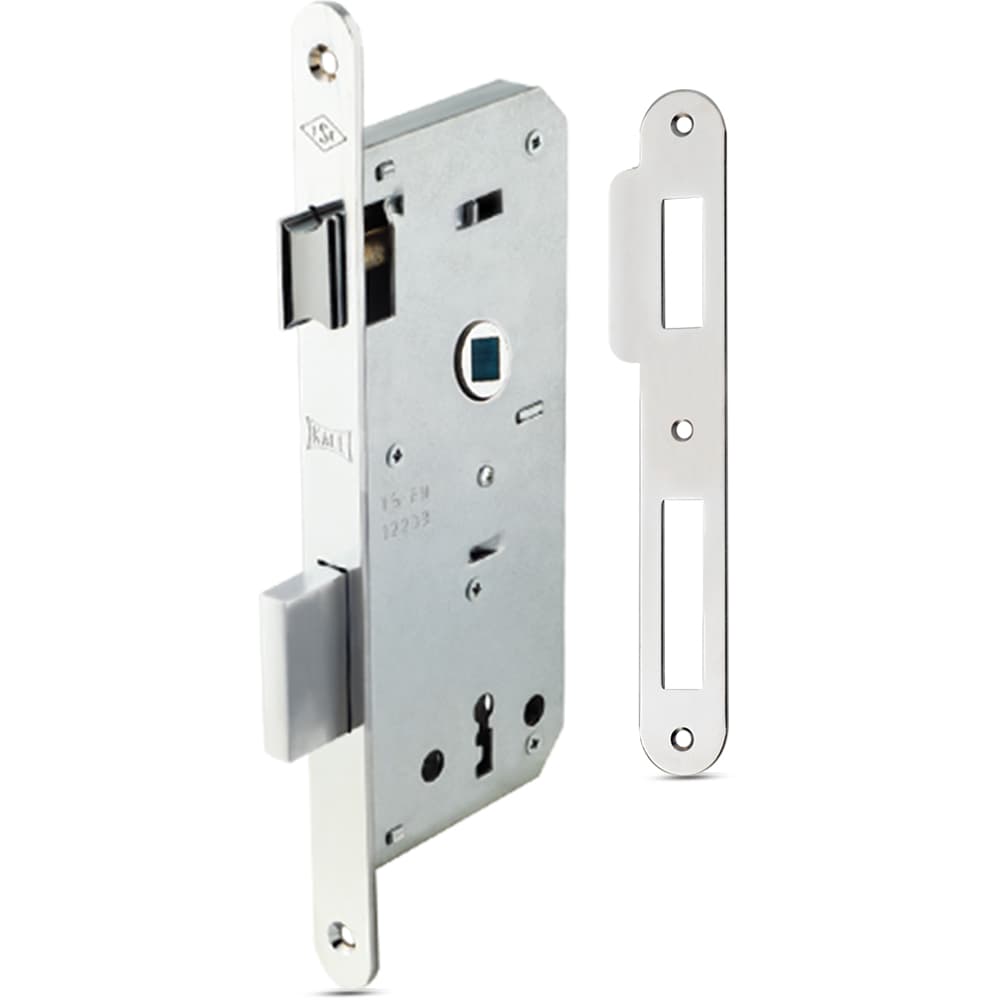
Kale Interior Door Mortise Lock Wide Type, Wooden Doors, for Rosette Handles 141 R
Kale Kilit · Interior Door Mortise Locks
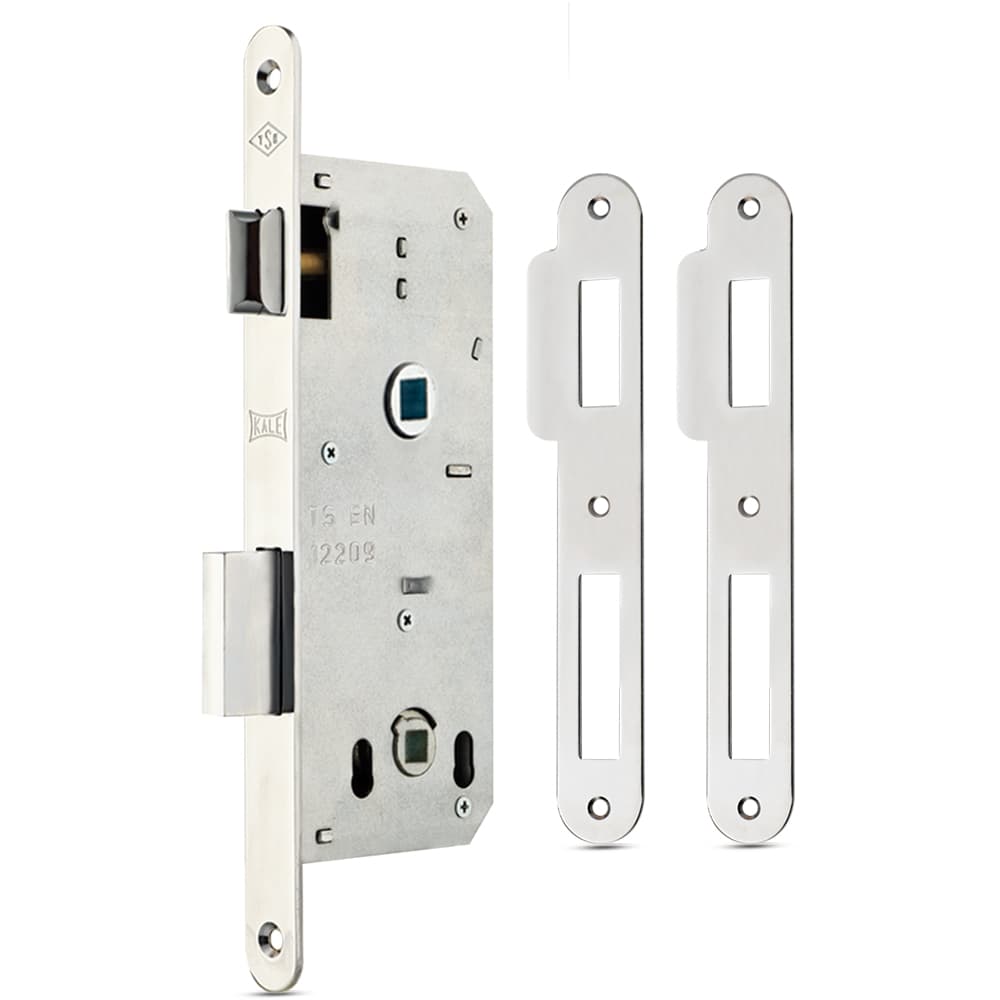
Kale Interior Door Mortise Lock Wide Type, Wooden WC Doors, for Rosette Handles 149 R WC
Kale Kilit · Interior Door Mortise Locks
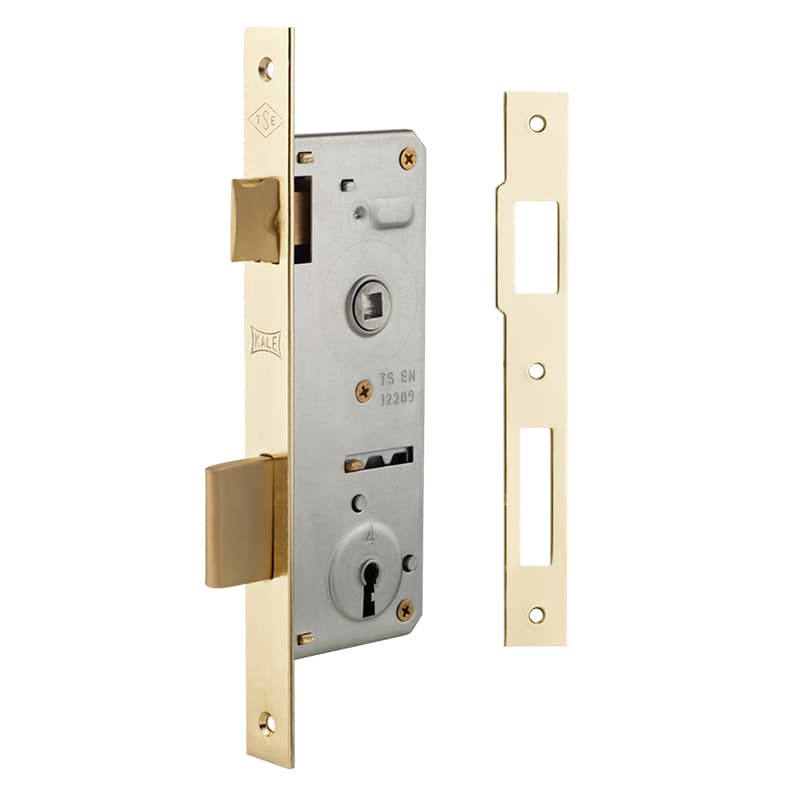
Kale Interior Door Mortise Lock Convex Latch, Wooden Doors 151
Kale Kilit · Interior Door Mortise Locks
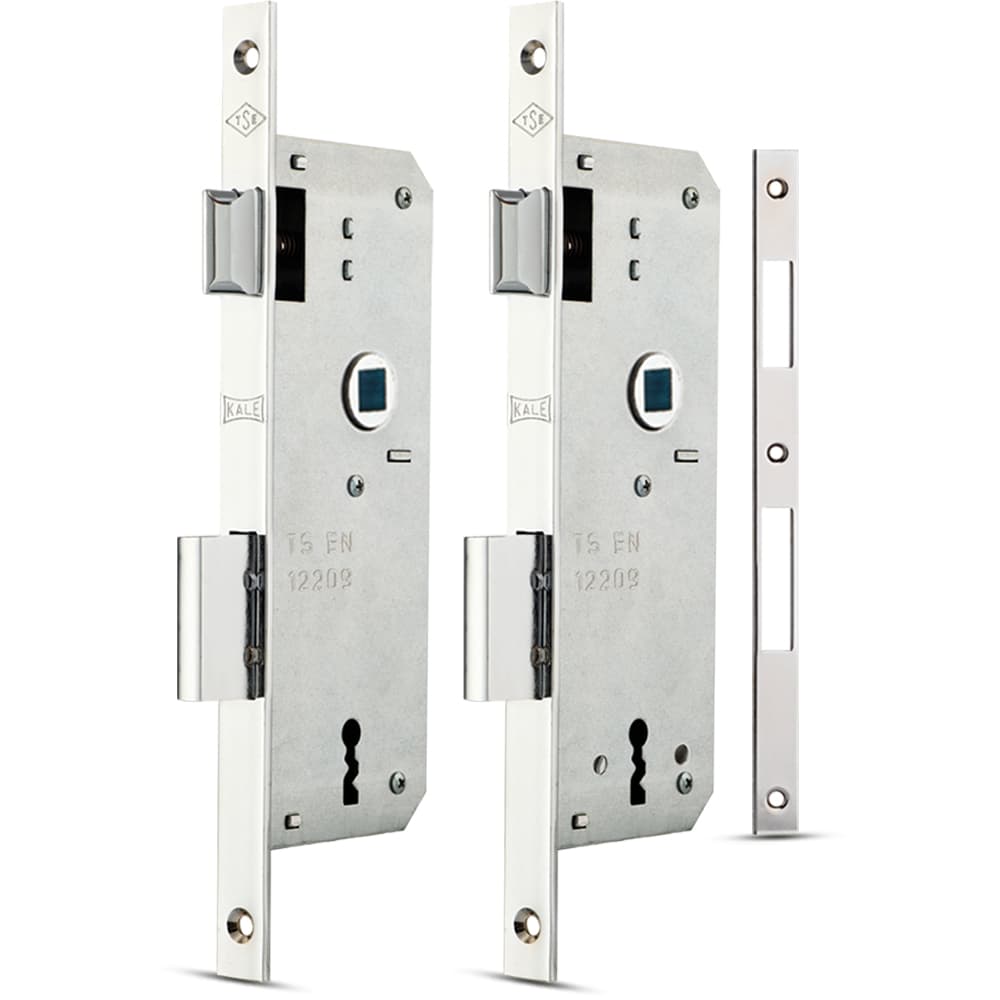
Kale Interior Door Mortise Lock Wide Type, PVC Doors 151 RP
Kale Kilit · Interior Door Mortise Locks
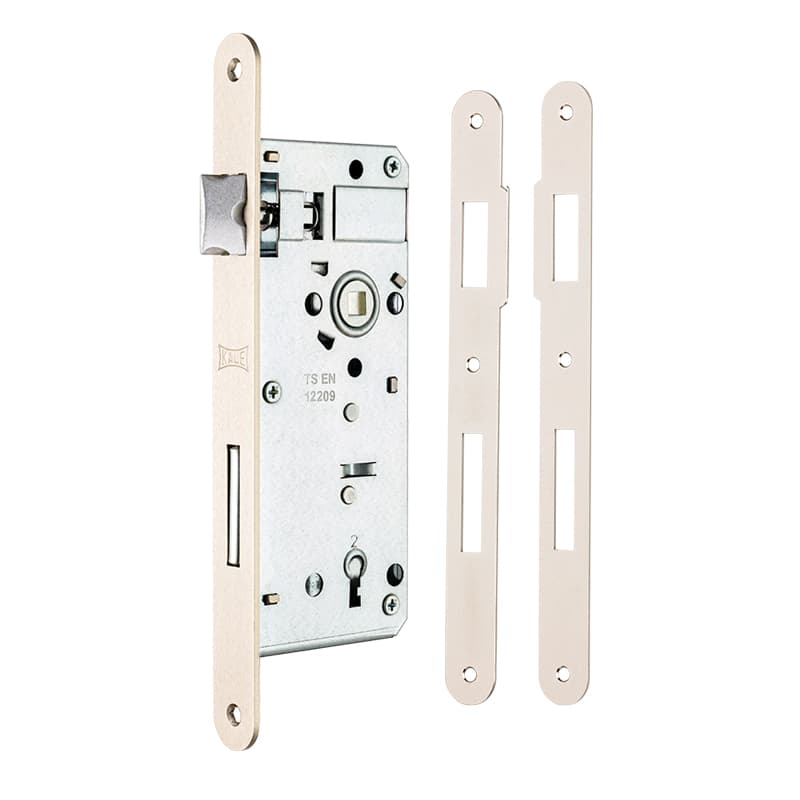
Kale Interior Door Mortise Lock Wide Type, No Bearing, Wooden Doors 151 T 50
Kale Kilit · Interior Door Mortise Locks
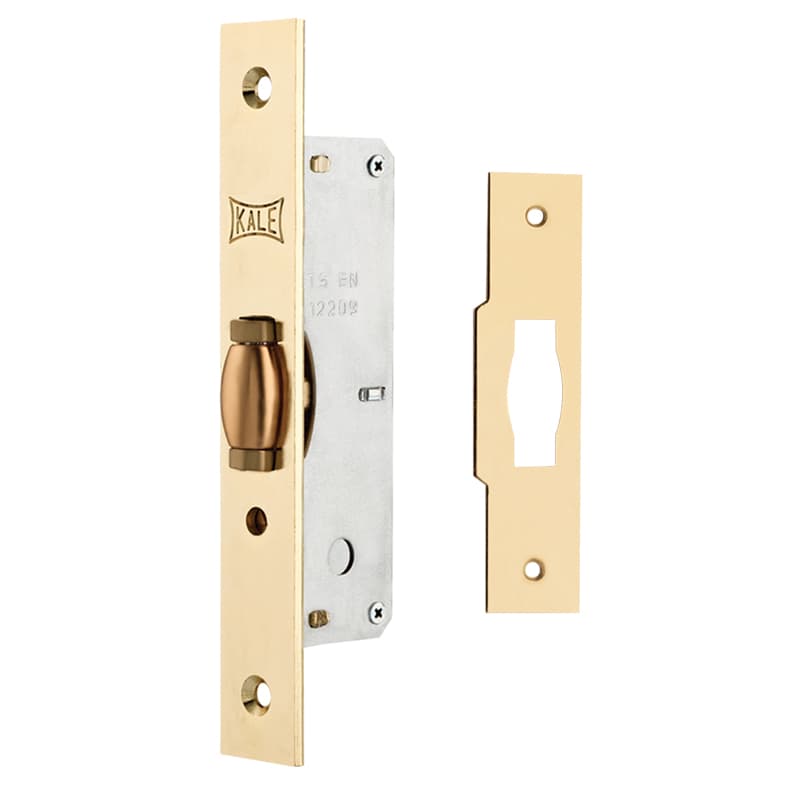
Kale Interior Door Mortise Lock Slam-Shut 155 B
Kale Kilit · Interior Door Mortise Locks
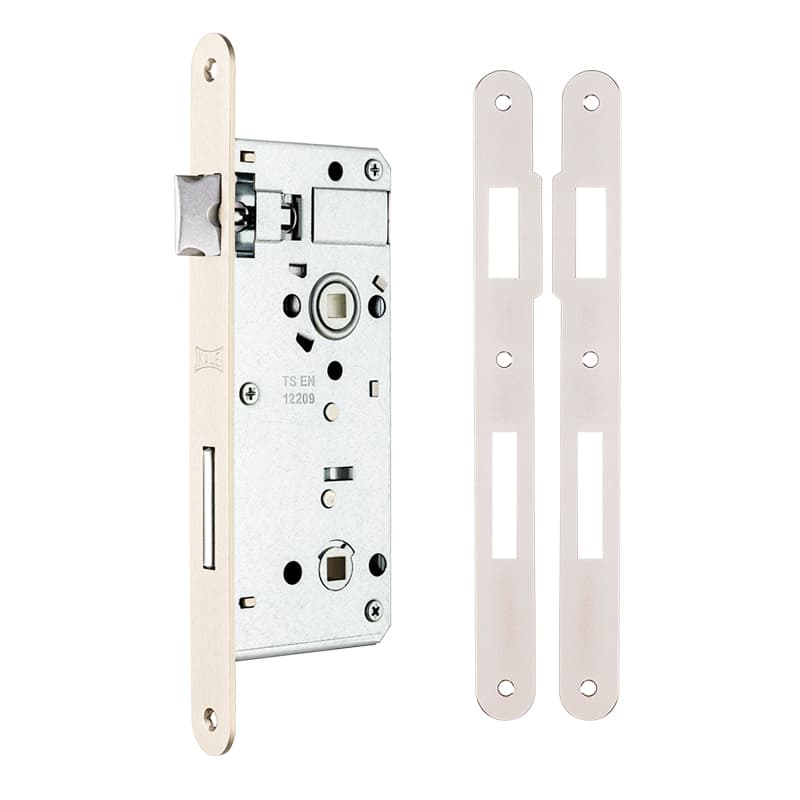
Kale Interior Door Mortise Lock 159 T 50
Kale Kilit · Interior Door Mortise Locks
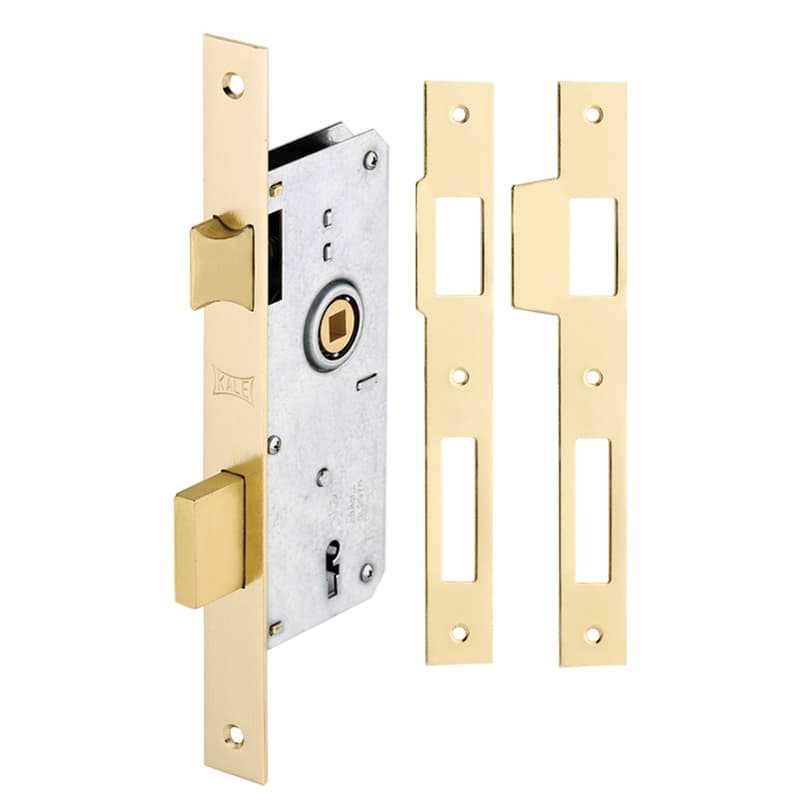
Kale Interior Door Mortise Lock Wide Type, Wooden Doors 166 AR
Kale Kilit · Interior Door Mortise Locks
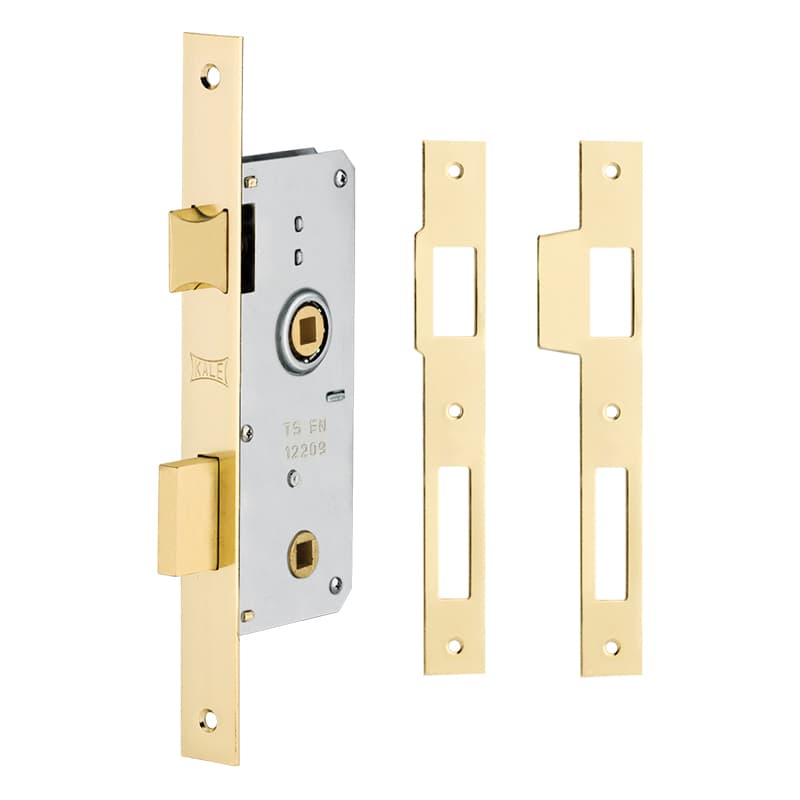
Kale Interior Door Mortise Lock Wide Type, Wooden WC Doors 166 AR WC
Kale Kilit · Interior Door Mortise Locks
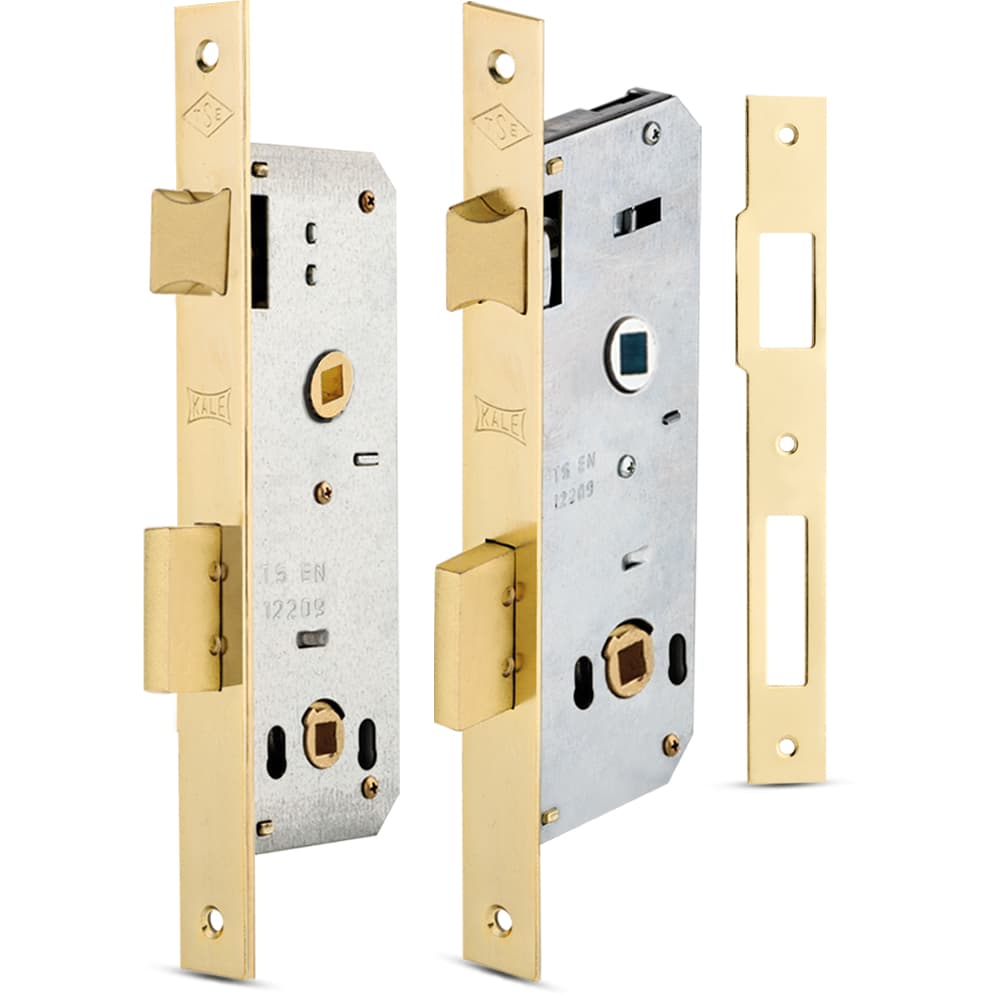
Kale Interior Door Mortise Lock Wide Type, Wooden WC Doors 169 R BANYO/WC
Kale Kilit · Interior Door Mortise Locks
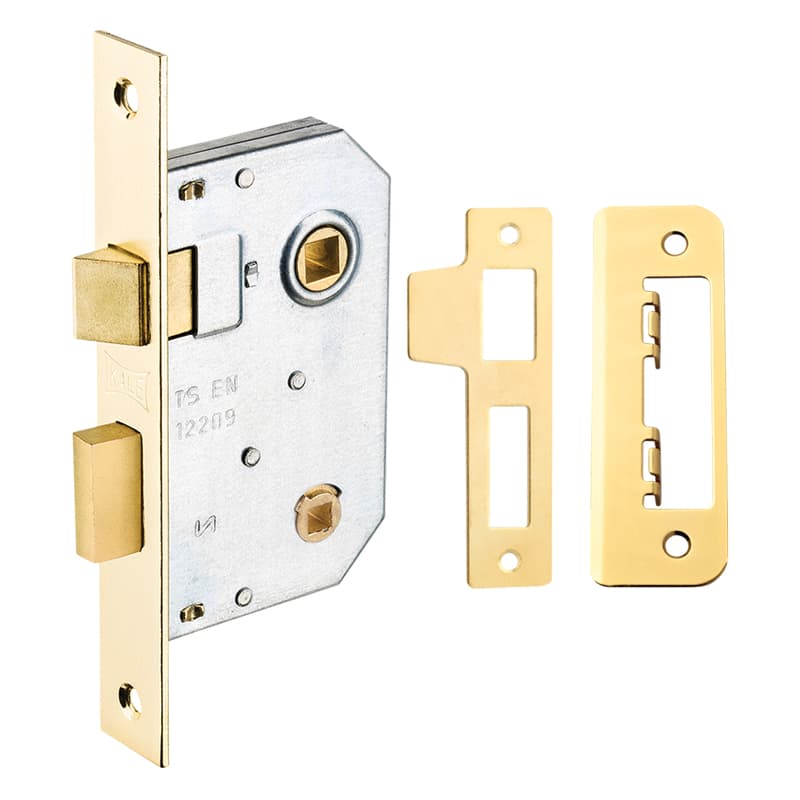
Kale Interior Door Mortise Lock Adjustable Keep, Wooden WC Doors 172 WC/172 E WC
Kale Kilit · Interior Door Mortise Locks
1–24 of 36 · page 1 / 2
Function and dimensions
A passage lock works on the latch alone; it holds the door shut but does not lock it. A bathroom-WC lock adds a thumbturn inside and an emergency release slot outside. Keyed versions have a cylinder pocket and lock with a key.
Two dimensions matter: the centre distance (from the handle spindle to the centre of the turn or cylinder, most often 85 mm) and the backset — how far the mechanism sits into the leaf, typically 35-45 mm. The handle set must match the same function.
| Function | Where | Handle set |
|---|---|---|
| Passage (latch only) | Bedroom, living room | Passage |
| Bathroom-WC (turn) | Bathroom, toilet | WC |
| Keyed (cylinder) | Study, office | Keyed |
Frequently Asked Questions
Does a passage lock lock the door?
No. It works on the latch alone and only holds the door shut. Locking needs a bathroom-WC (thumbturn) or a keyed version.
Can a bathroom lock be opened from outside?
Yes. Bathroom-WC locks have an emergency slot on the outside that can be turned with a coin or a flat screwdriver.
How do I check the lock dimensions?
Measure the distance between the handle spindle centre and the turn or cylinder centre (usually 85 mm), and the backset from the leaf edge to the spindle.
Can a timber door lock go into a uPVC door?
If the pocket matches, yes — but uPVC and aluminium leaves usually need a narrower lock body. Stating the leaf type when ordering is the safe route.
Does the handle set come with the lock?
No, it is a separate product, and it must match the lock's function: a WC set for a WC lock, a keyed set for a cylinder lock.