Categories
Electric Door Strikes
An electric strike controls the keep rather than the lock: a signal from the entry system releases the keep and the door is pushed open. The catalogue holds 6 models.
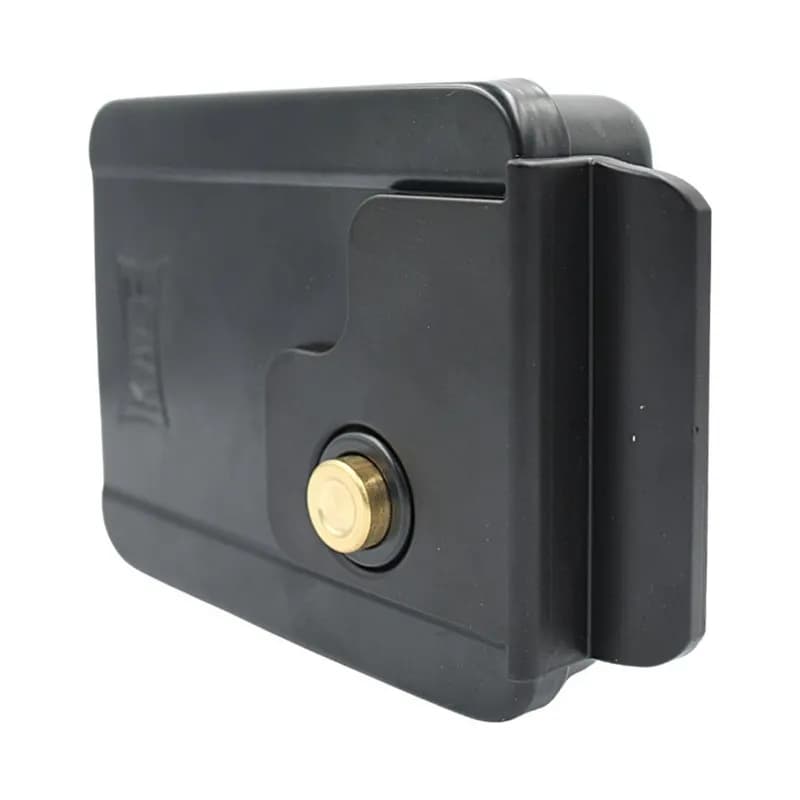
Kale Electric Door Strike 357 M
Kale Kilit · Electric Door Strikes
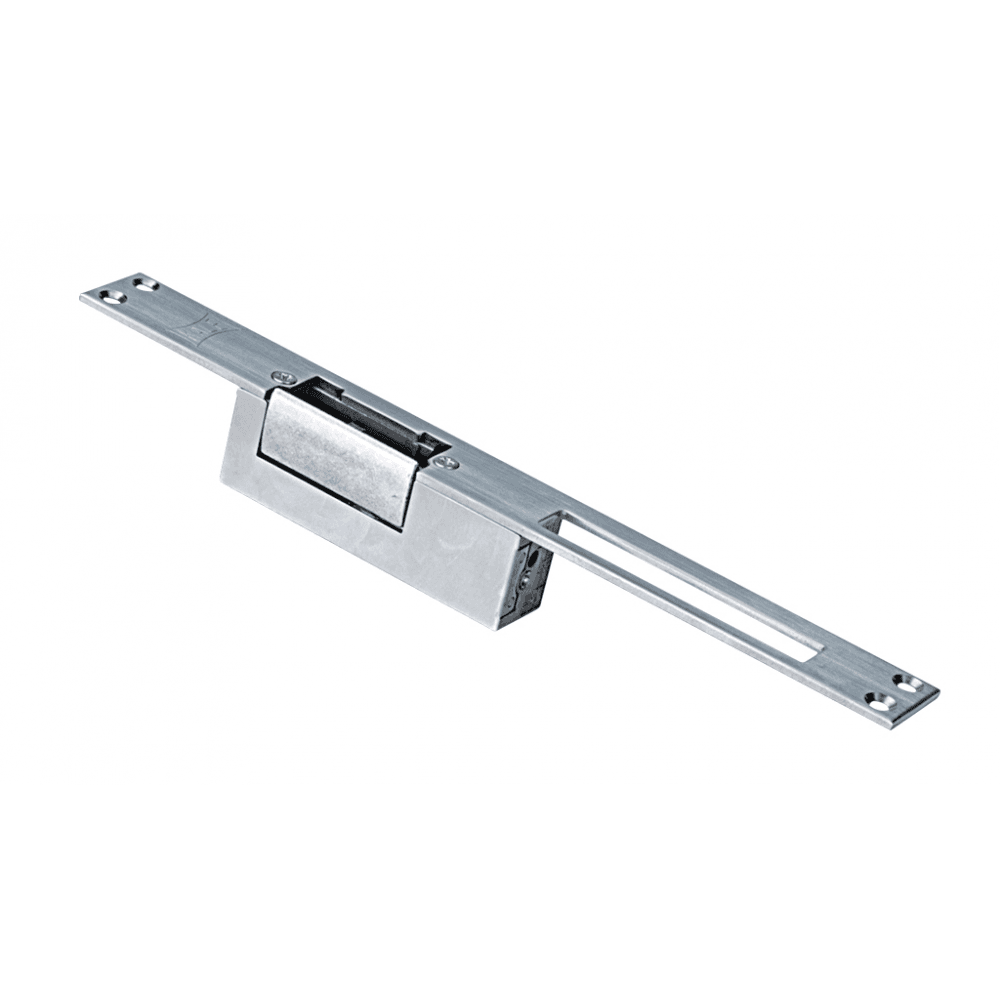
Kale Electric Door Strike KD012/10-211
Kale Kilit · Electric Door Strikes
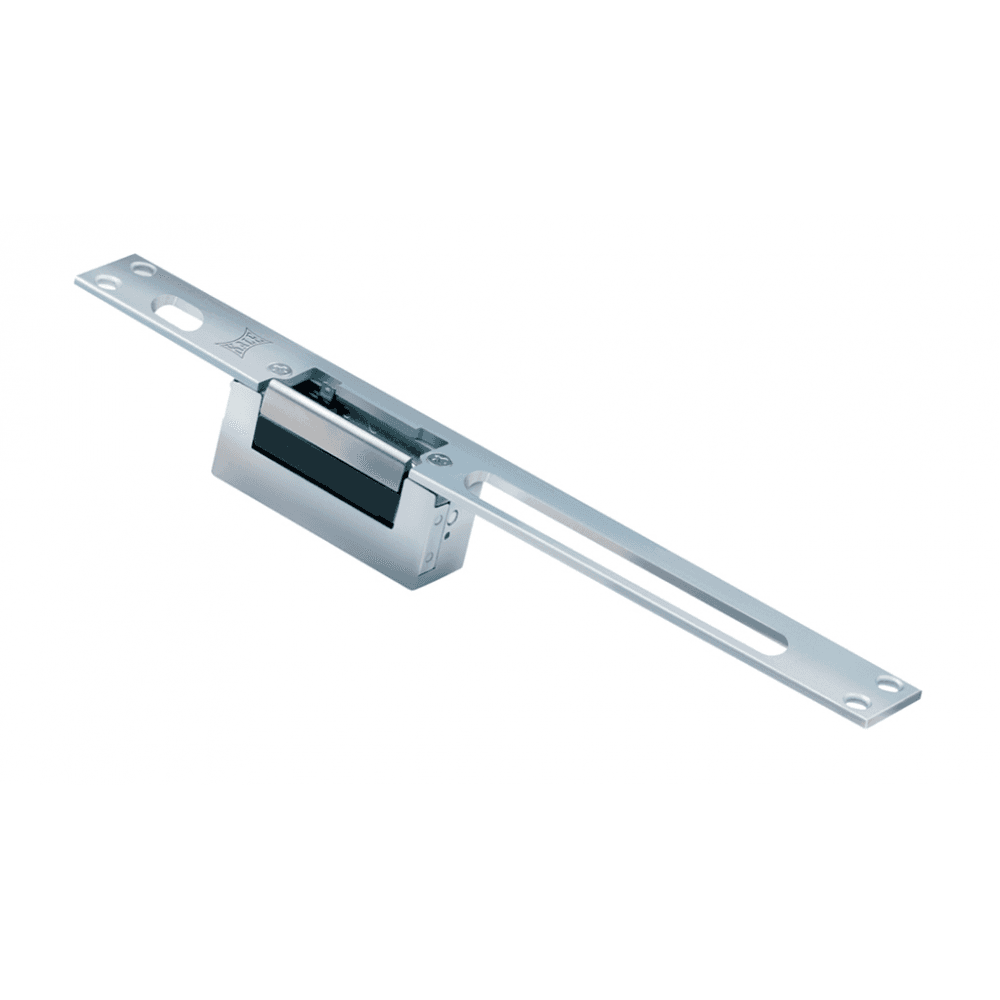
Kale Electric Door Strike KD012/20-124
Kale Kilit · Electric Door Strikes
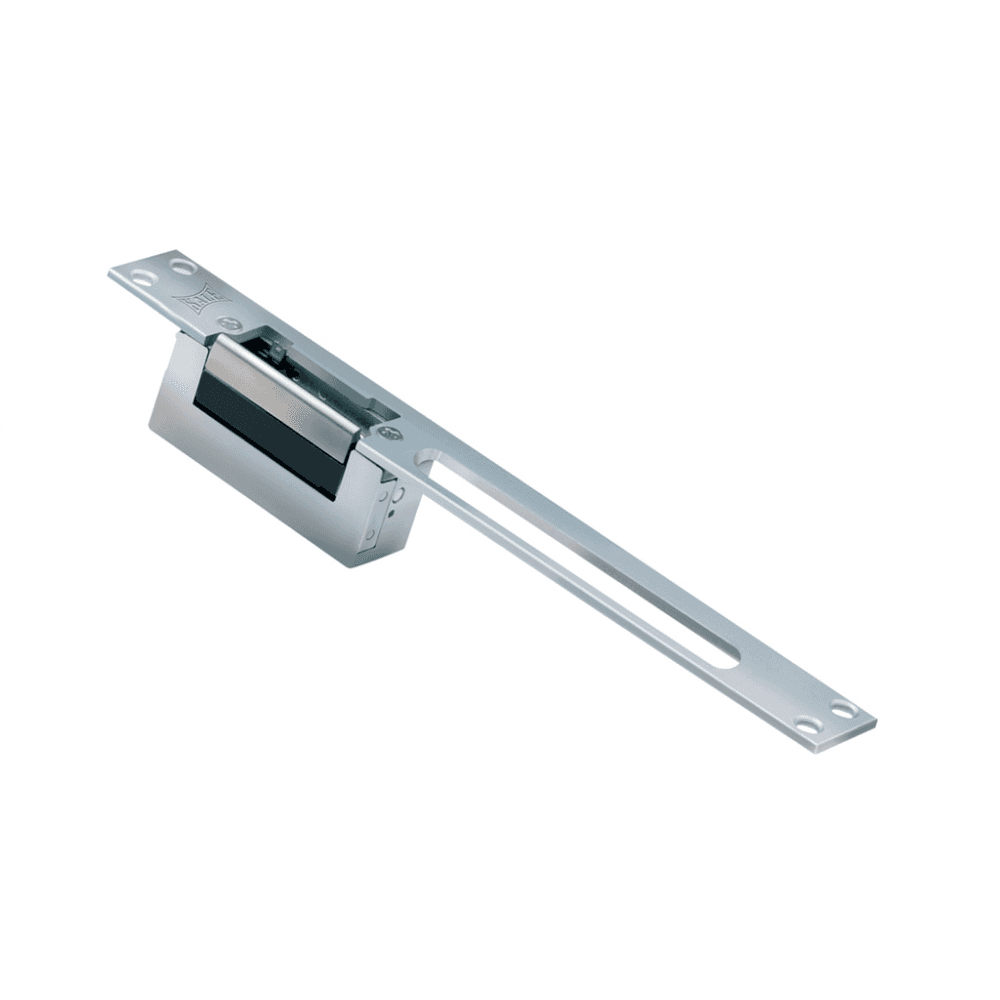
Kale Electric Door Strike KD012/20-125
Kale Kilit · Electric Door Strikes
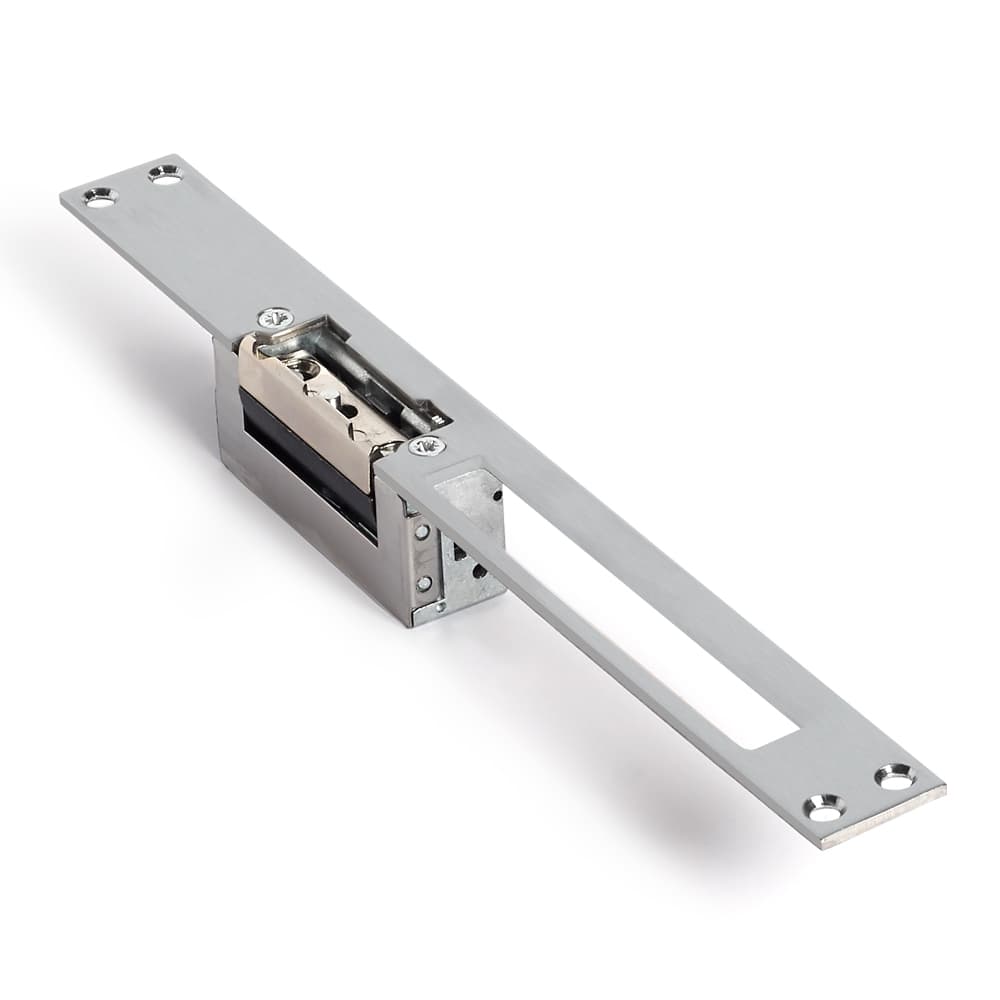
Kale Electric Door Strike KD012/20-222
Kale Kilit · Electric Door Strikes
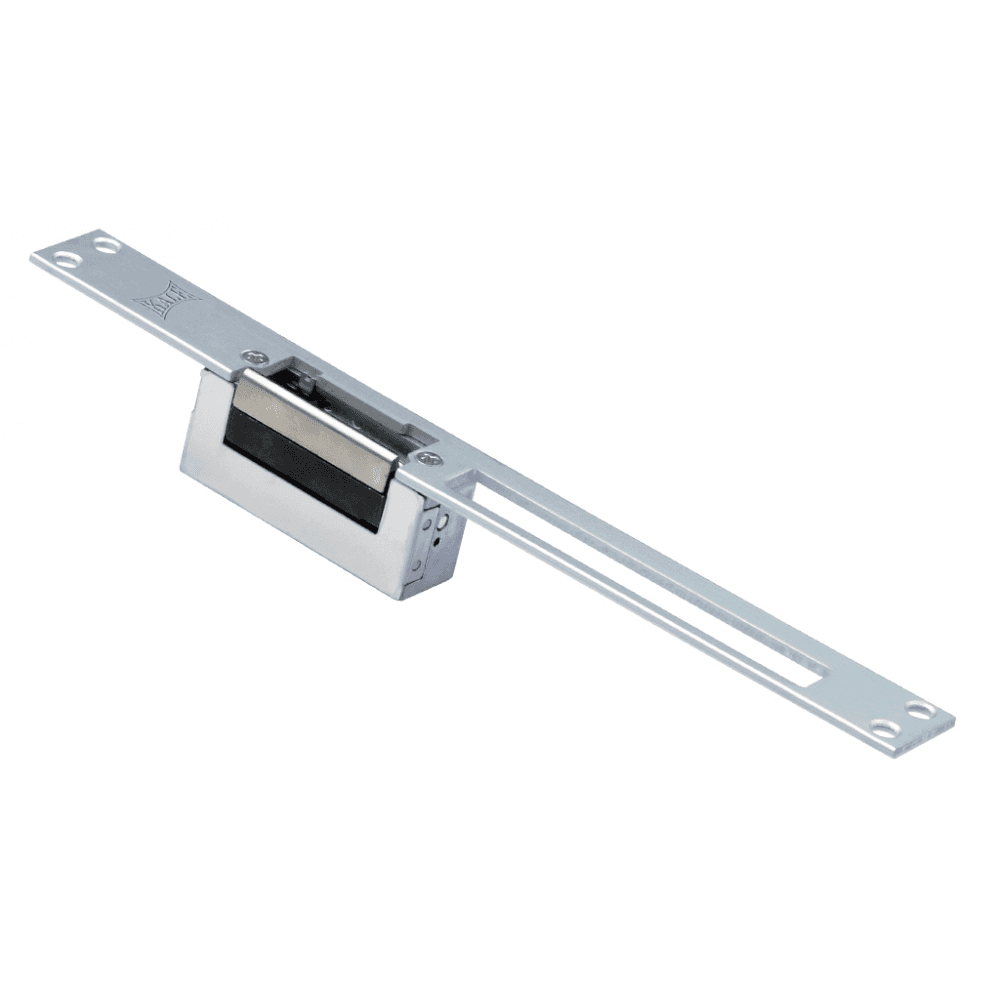
Kale Electric Door Strike KD012/20-332
Kale Kilit · Electric Door Strikes
How it works and how to choose
The strike is mounted in the door frame and the lock bolt seats into it. When the release is pressed, an electromagnet frees the keep's latch; the door can be pushed open during that window, after which the keep locks again.
Two points decide the choice: supply voltage (usually 12V AC/DC) and operating mode. Fail-secure models keep the door locked when power is lost; fail-safe models release the door on power loss and are preferred on fire escape routes.
Frequently Asked Questions
Does an electric strike replace the lock?
No. The lock stays in the door leaf; the electric strike is the frame-side part and releases the lock bolt when signalled.
What voltage does it use?
The models in this catalogue typically run on 12V AC/DC and connect directly to door entry systems. Check the voltage of the existing system before ordering.
Does the door open if the power fails?
It depends on the model. Fail-secure strikes keep the door locked on power loss; fail-safe models release it and are used on escape routes.
Does it work with any lock?
The bolt size and position must match the strike's pocket. Different strike dimensions exist for rim locks and mortise locks.