Categories
Hinges
A hinge carries the weight of the door and sets how it swings; it is chosen by leaf material, weight and joinery type. This page covers the types and how to read a size number. The catalogue holds over 35 models.
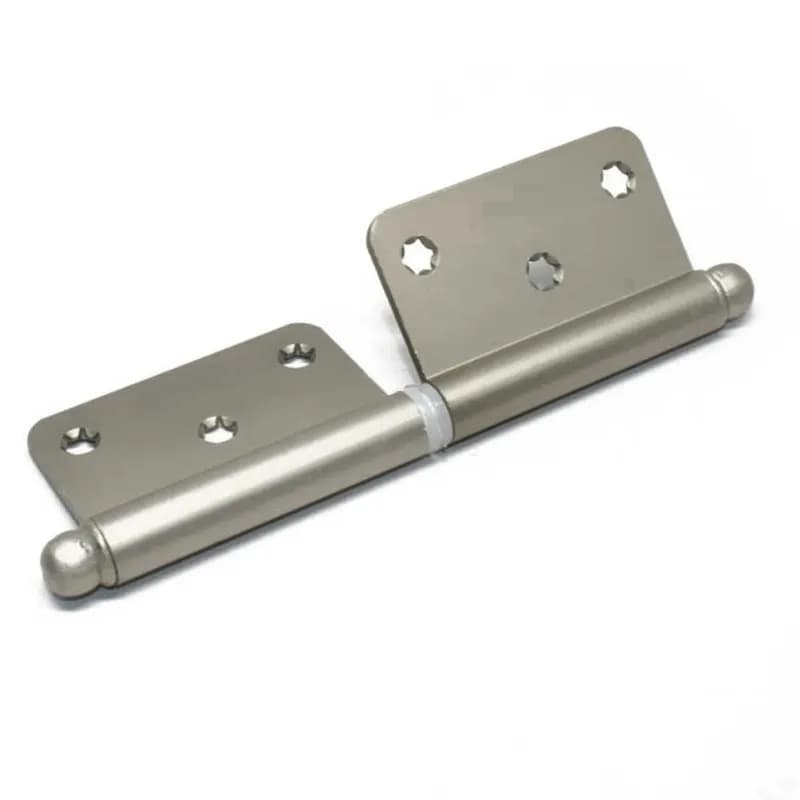
Alüminyum Cerman Yönsüz Menteşe Saten NO:12 2.8 mm
Hinges
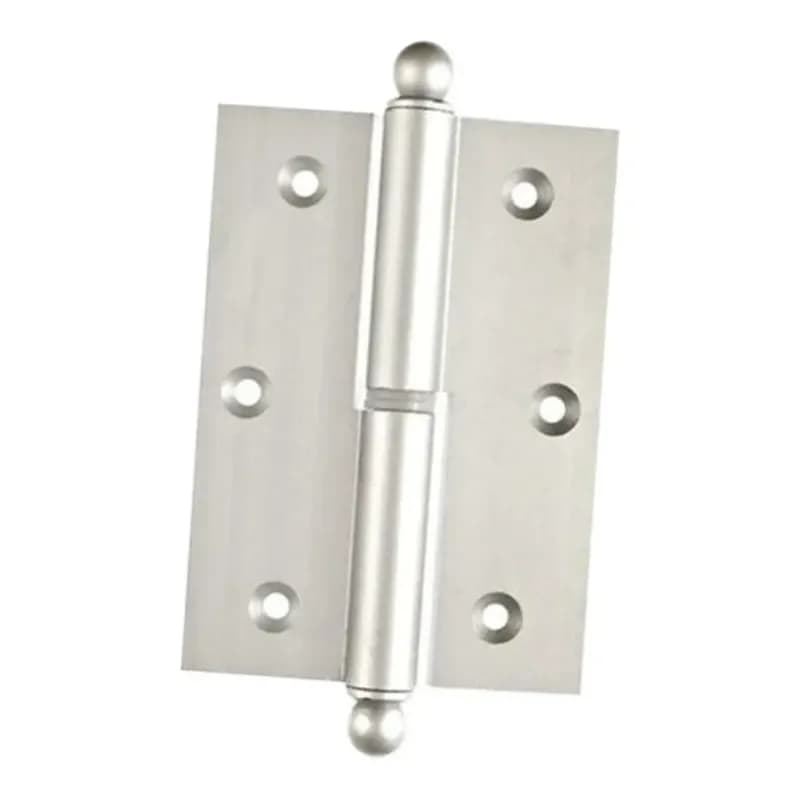
Alüminyum Okka Menteşe Saten NO:10 Sağ
Hinges
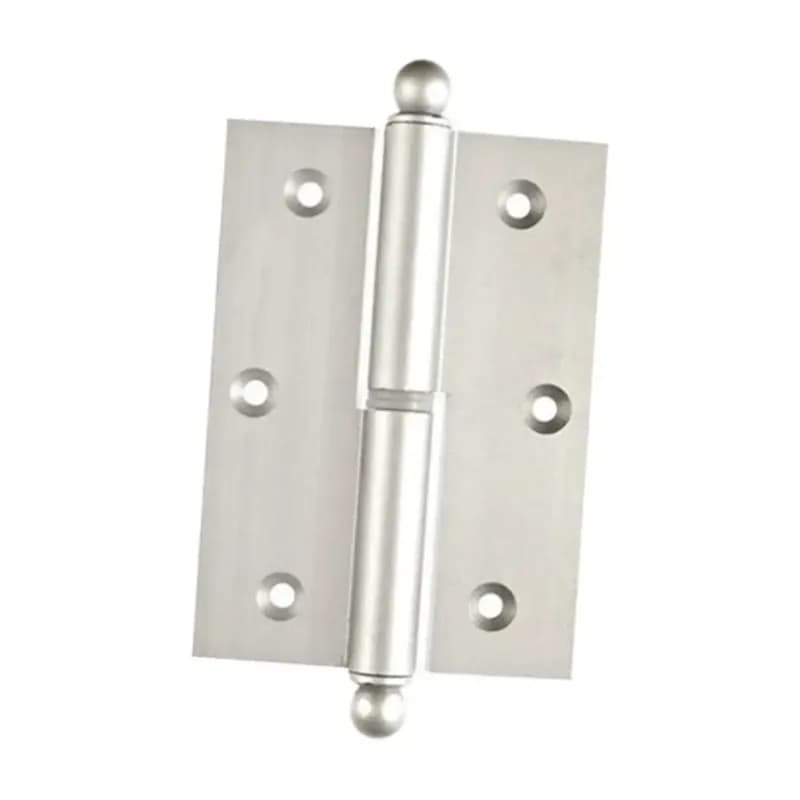
Alüminyum Okka Menteşe Saten NO:10 Sol
Hinges
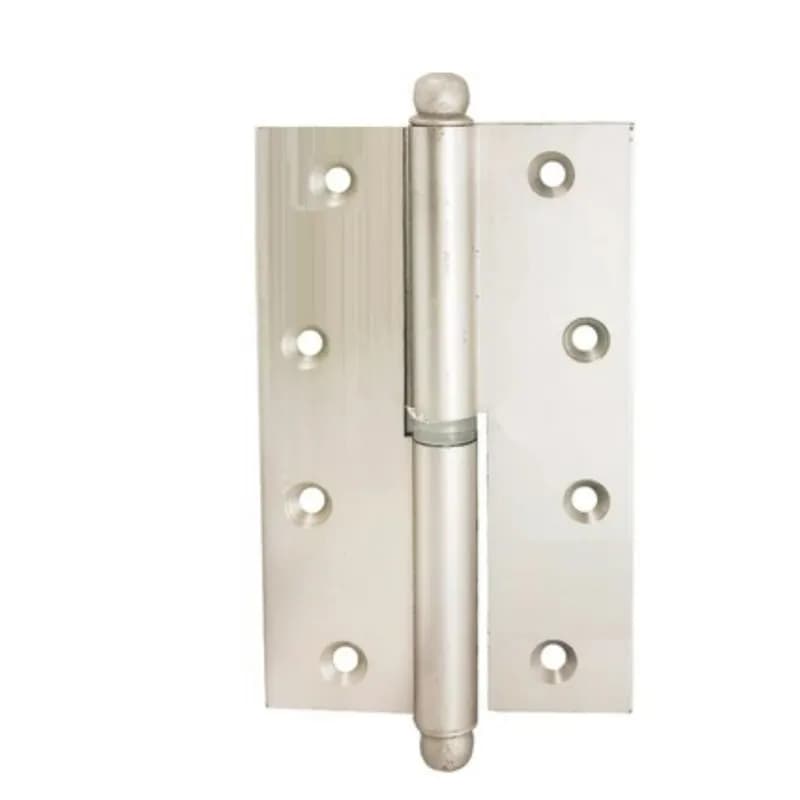
Alüminyum Okka Menteşe Saten NO:12 Sağ
Hinges
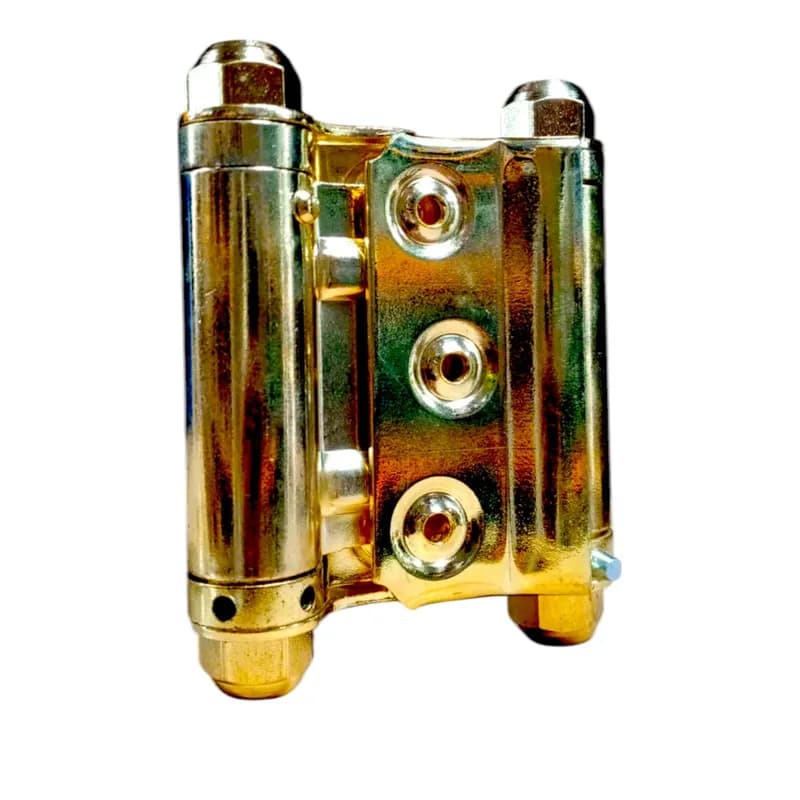
BEŞEL Yaylı Menteşe Sarı NO:29
BEŞEL · Hinges
BEŞEL Yaylı Menteşe Sarı NO:30
BEŞEL · Hinges
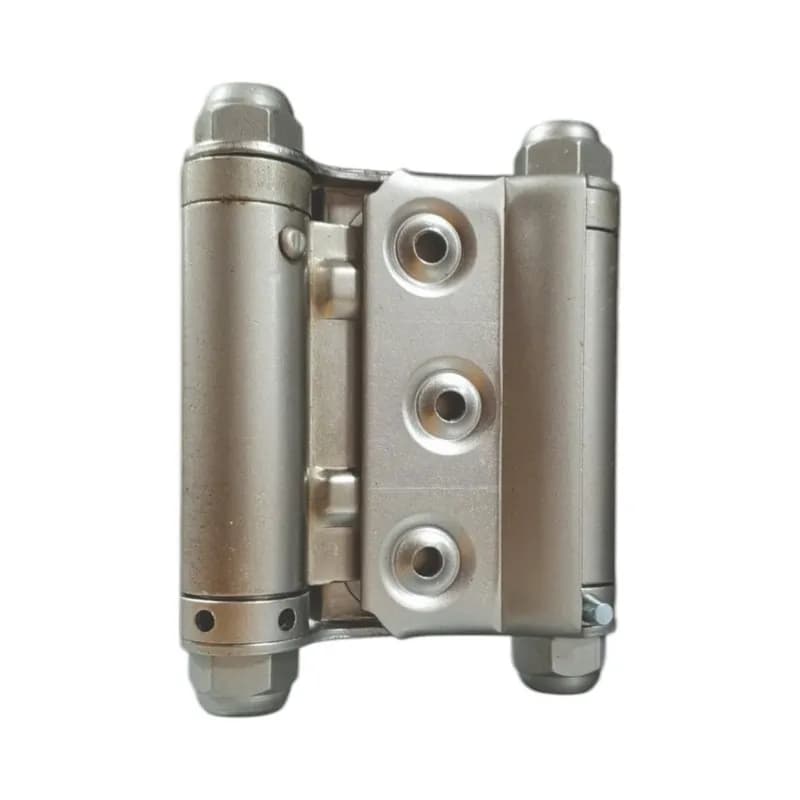
BEŞEL Yaylı Menteşe Saten NO:29
BEŞEL · Hinges
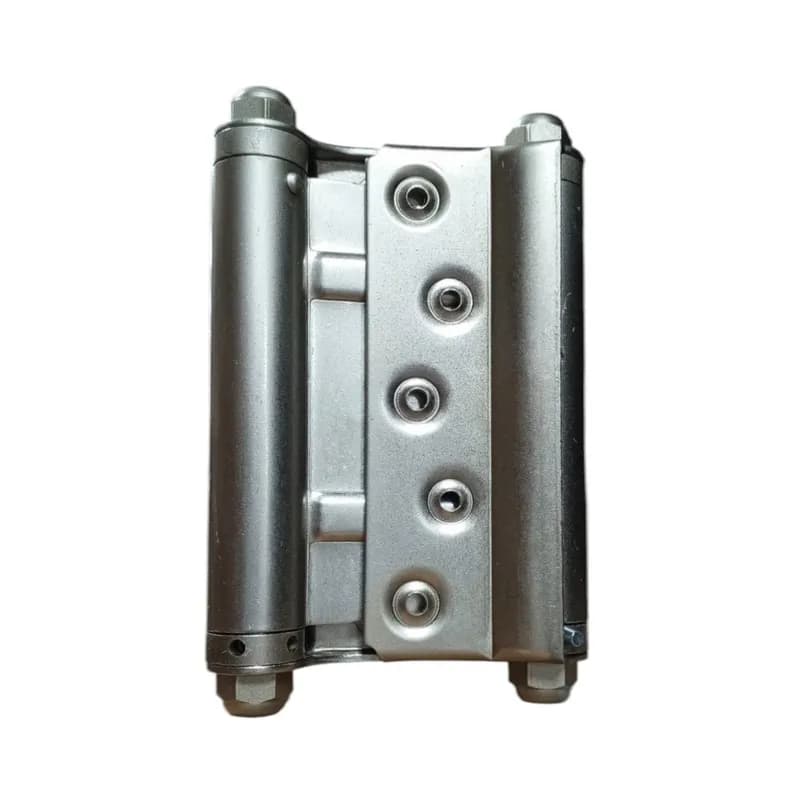
BEŞEL Yaylı Menteşe Saten NO:33
BEŞEL · Hinges
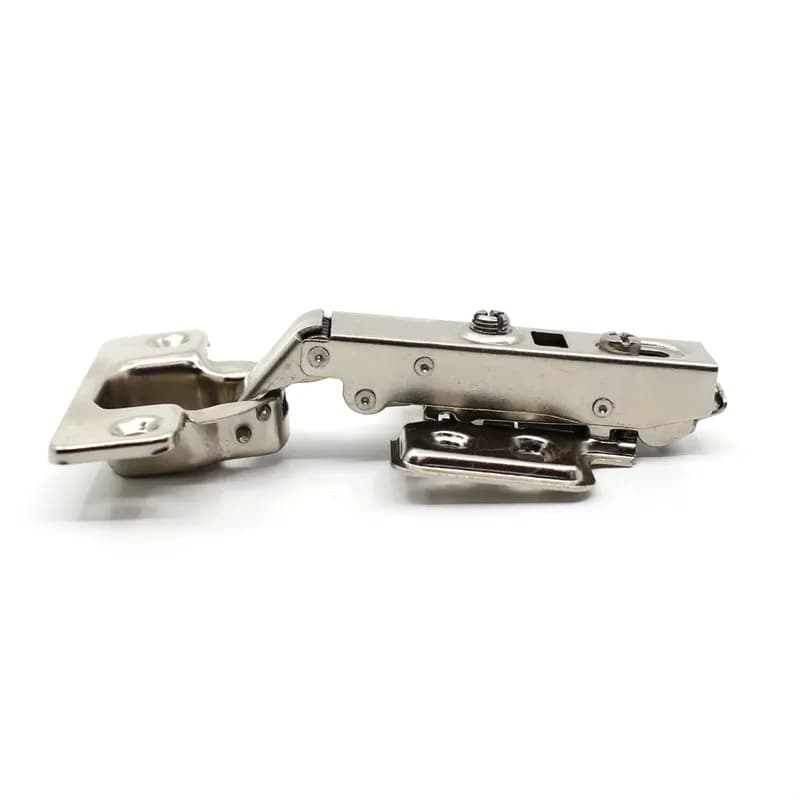
Canex Hidrolik (Frenli) Tas Menteşe Düz
Hinges
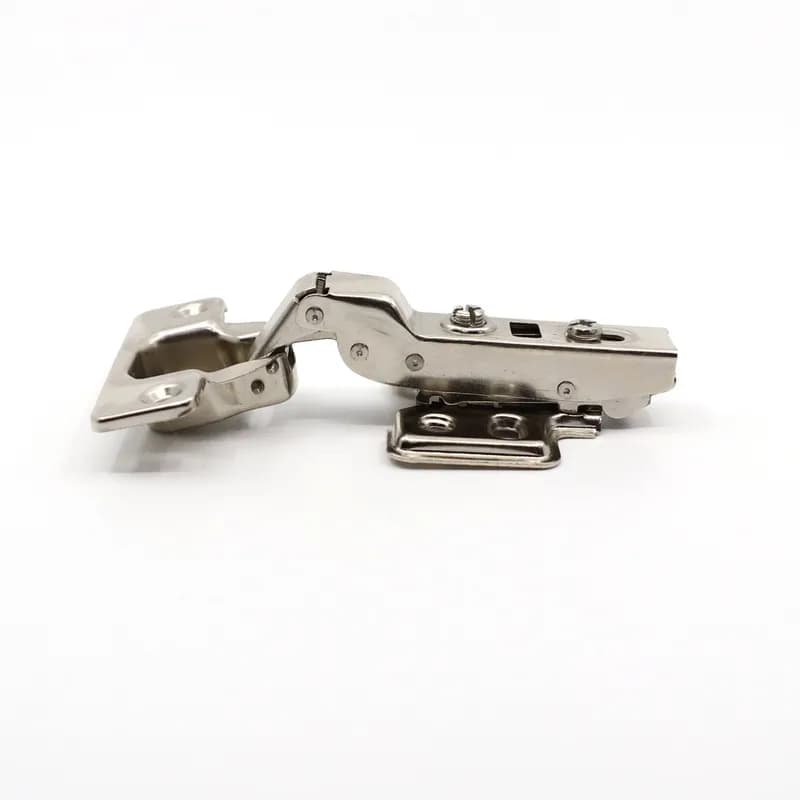
Canex Hidrolik (Frenli) Tas Menteşe Yarımdeve
Hinges
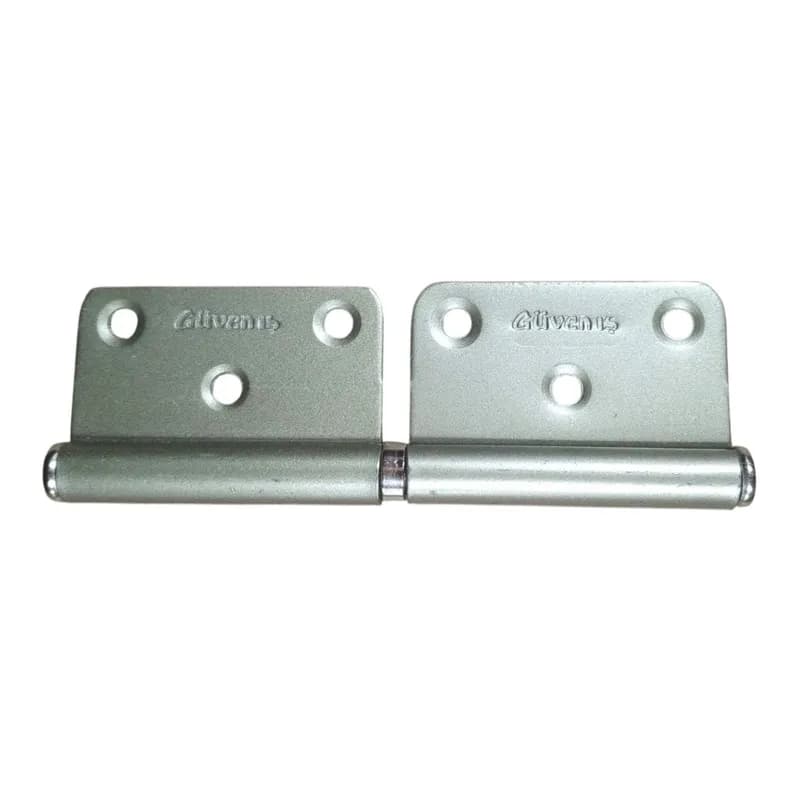
Çelik Panel Menteşe Saten 12 cm (2 mm)
Hinges
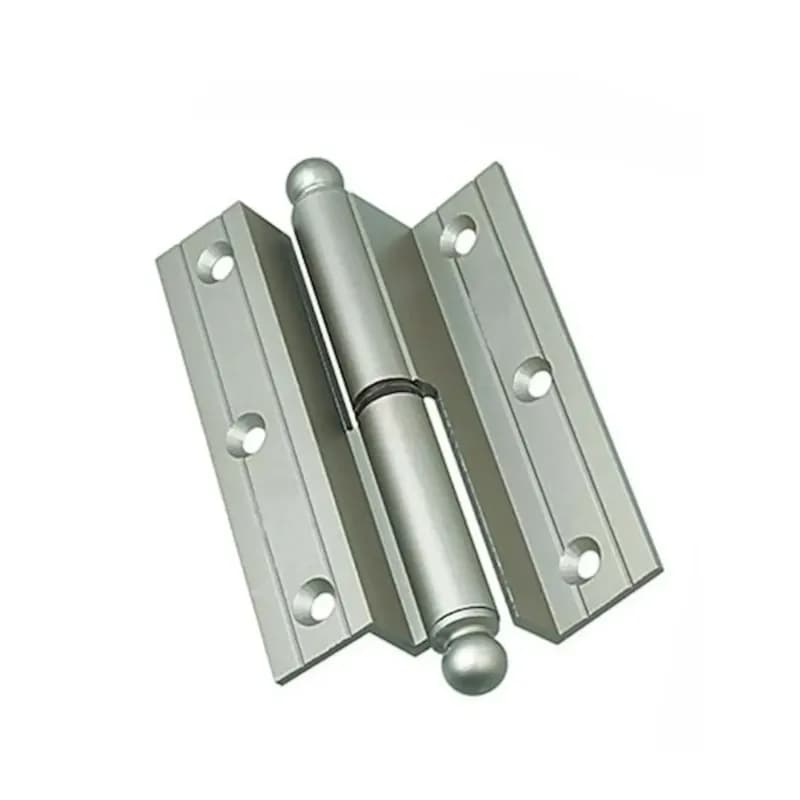
Cumbalı Alüminyum Menteşe Saten NO:10 Sağ
Hinges
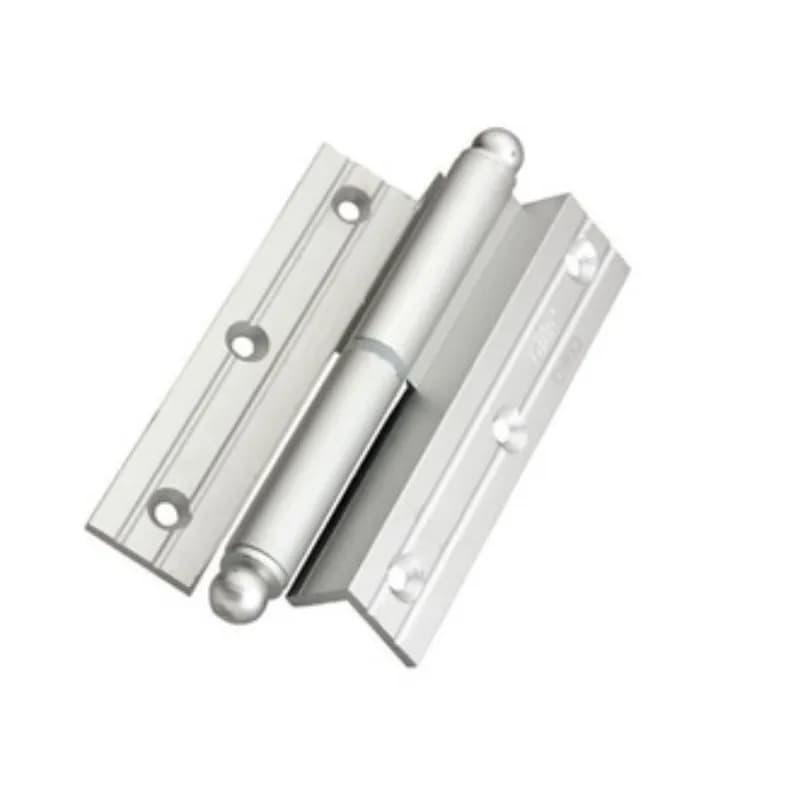
Cumbalı Alüminyum Menteşe Saten NO:10 Sol
Hinges
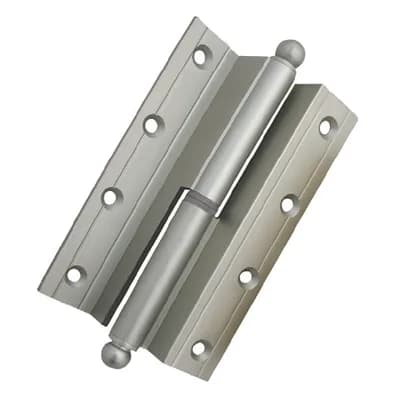
Cumbalı Alüminyum Menteşe Saten NO:12 Sol
Hinges
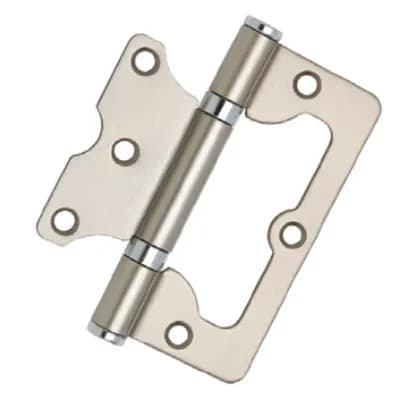
Elit Panel Menteşe Boyalı Saten NO:10 (2.5 mm)
Hinges
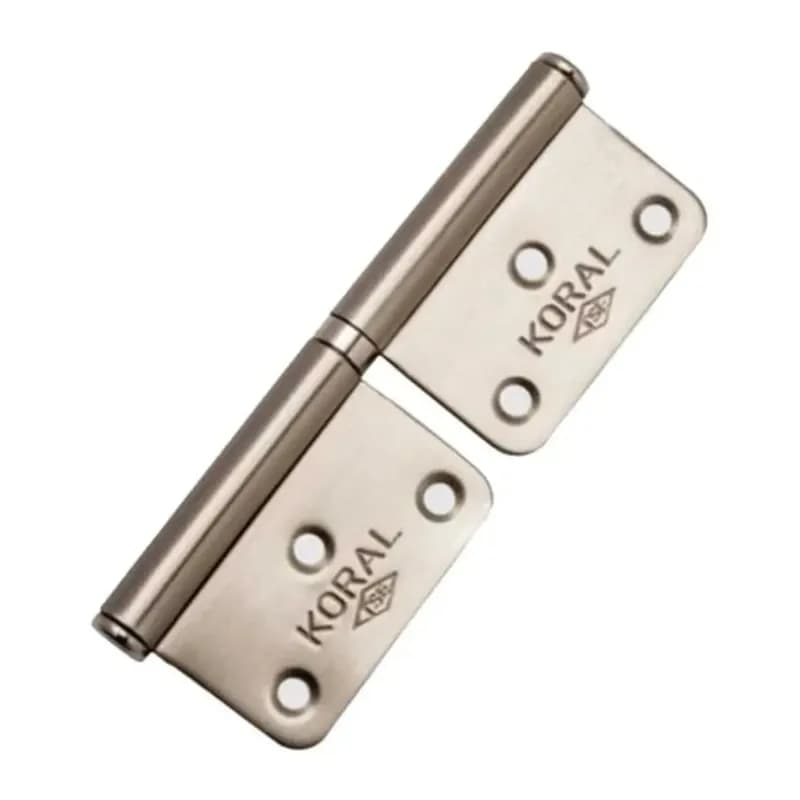
Koral Çelik Cerman Yönsüz Menteşe NO:12 SATEN(2MM)
Hinges
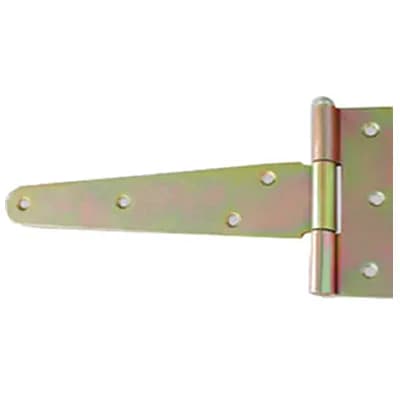
Kuyruklu Menteşe 904/3 (24 Ad.)
Hinges
Kuyruklu Menteşe 904/4 (24 Ad.)
Hinges
Kuyruklu Menteşe 904/5 (24 Ad.)
Hinges
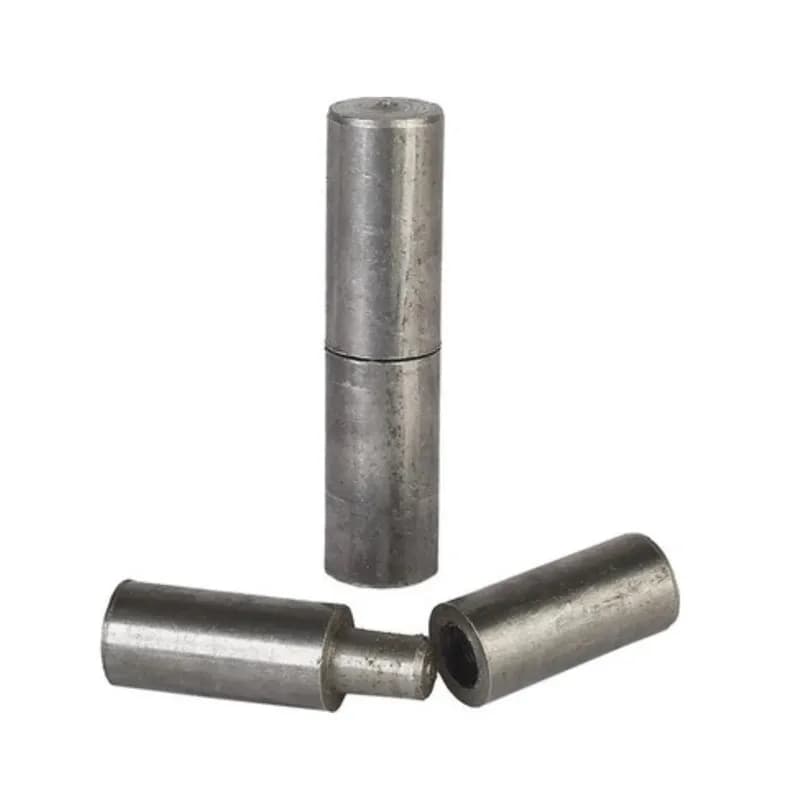
Mil Menteşe 10 mm
Hinges
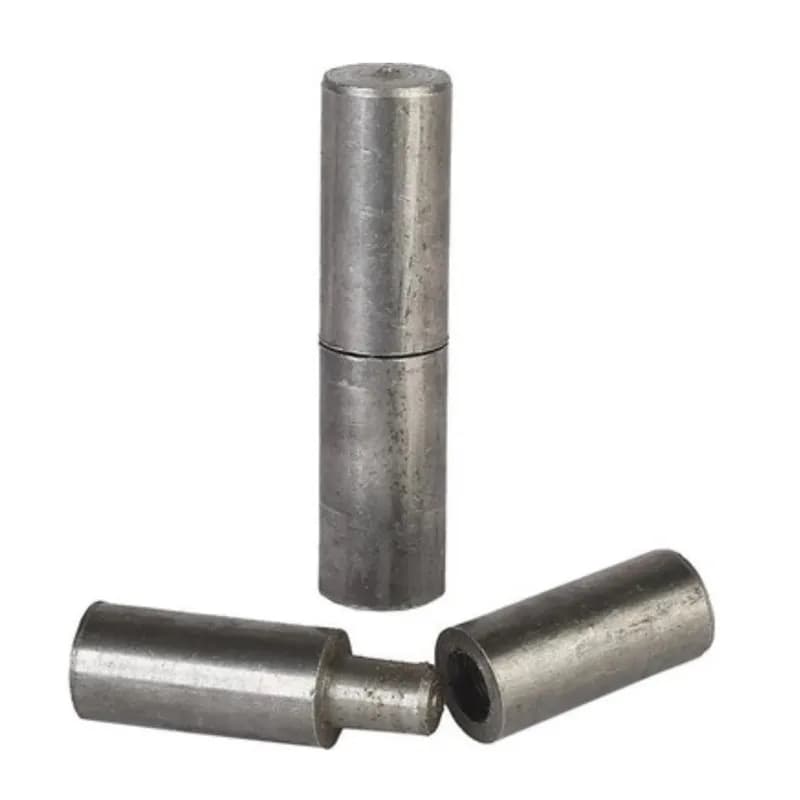
Mil Menteşe 12 mm
Hinges
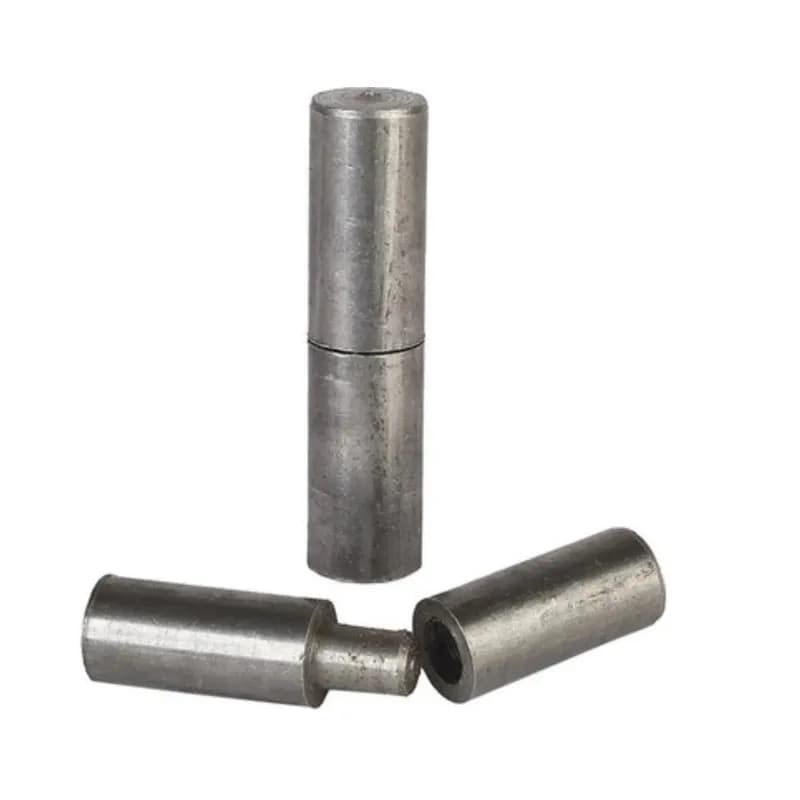
Mil Menteşe 16 mm
Hinges
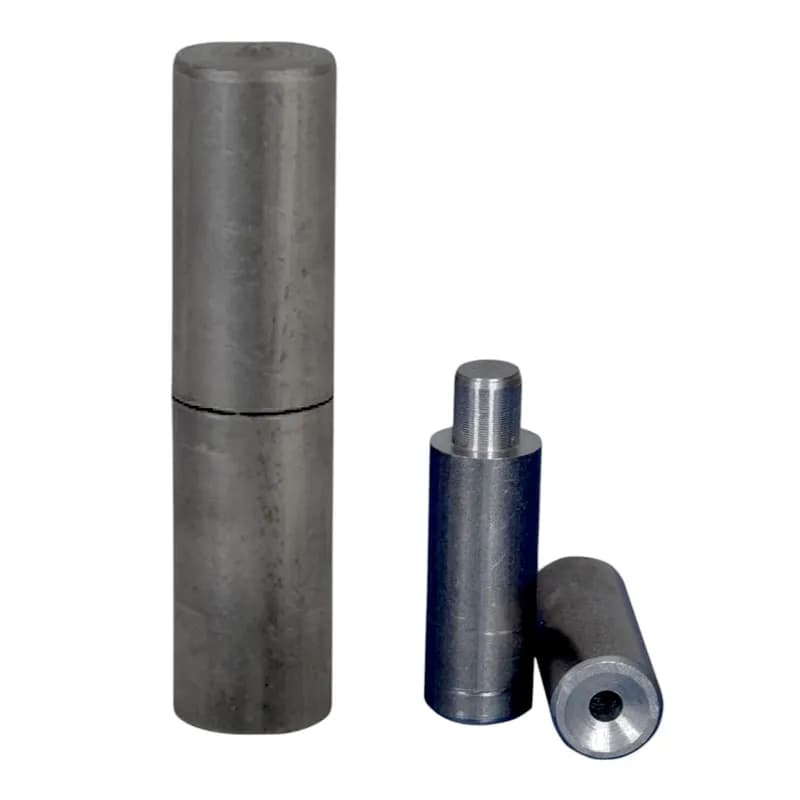
Mil Menteşe 22 mm
Hinges
Mil Menteşe 24 mm
Hinges
1–24 of 35 · page 1 / 2
Hinge types
The butt hinge, two leaves joined by a pin, is the most common type and is sized by number. A concealed cup hinge is used on furniture doors: it seats into a bored recess, is invisible from outside and adjusts in three axes — the soft-close version brings the door in quietly.
Pin hinges suit small boxes and cabinets, aluminium and flag hinges suit aluminium joinery, and panel hinges go on steel and panel doors. PVC zamak hinges are for uPVC leaves and come in joinery colours such as white and brown.
| Hinge | Where | Sizing |
|---|---|---|
| Butt hinge | Timber door, box | Number (2-4) |
| Concealed cup hinge | Furniture door | Straight / cranked |
| Pin hinge | Small door, box | 16-30 mm |
| Aluminium / flag hinge | Aluminium joinery | Number, right/left |
| Panel hinge | Steel and panel doors | 10-12 cm |
| PVC zamak hinge | uPVC leaf | 95 mm, coloured |
Count, handing and adjustment
The heavier the door, the more hinges: a standard interior door runs on two or three, heavy and tall leaves on four. They are not spaced evenly — they are grouped a little closer at the top, where the withdrawal load is.
Aluminium and flag hinges are handed, so the swing direction must be settled before ordering. Cup hinges adjust in three axes after fitting, so door alignment can be corrected later.
Frequently Asked Questions
How many hinges does a door need?
Two or three are enough on a standard interior door; heavy, tall or exterior doors take four. They are grouped slightly closer together at the top.
Straight or cranked cup hinge?
It depends on how the door sits against the carcass: the straight type overlays the side panel, the cranked type sits inside it. The wrong choice either binds or leaves a gap.
What does a soft-close cup hinge do?
A built-in damper slows the last few centimetres so the door closes quietly, preventing slamming and the loss of adjustment over time.
Are aluminium hinges handed?
Yes. Aluminium and flag hinges are made right- or left-handed to the swing of the door, so the handing must be settled before ordering.
What does the hinge number mean?
The size of the hinge leaf; the larger the number, the bigger the hinge and the heavier the leaf it carries.