Categories
Screws
Screws are the largest group in this tree, and the choice comes down to three things: the material they enter, whether the point needs a pilot hole, and whether the coating survives the environment. This page covers chipboard, drywall, self-drilling and roofing screws, how to read the diameter-length code, and how to pick a coating. The catalogue holds over 180 sizes from Akdeniz and Meridyen.
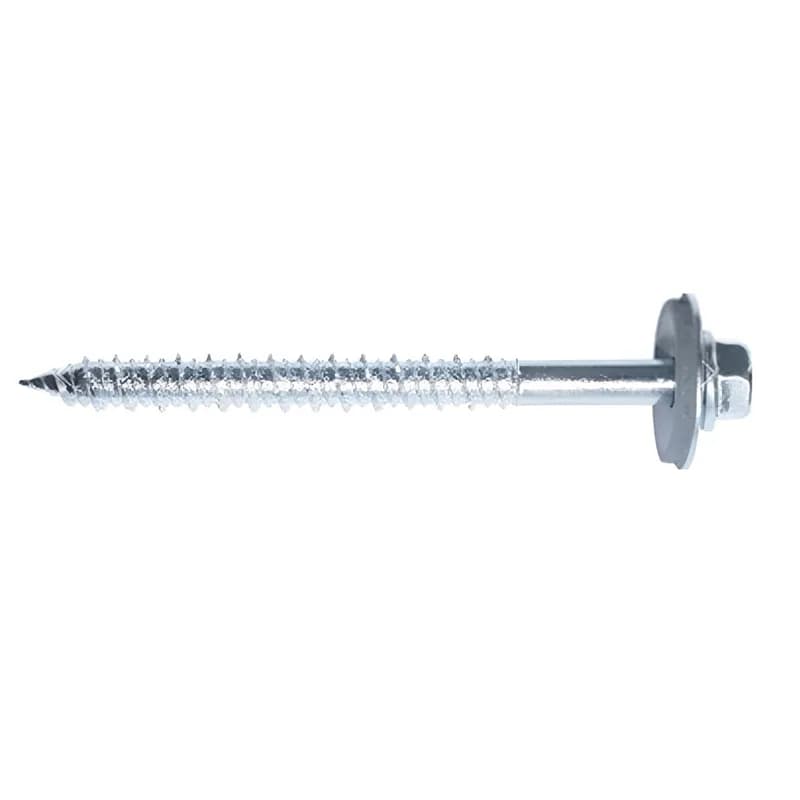
Akdeniz Ahşap Vidası (Betofas) 6.3x10⁵ (500 Ad.)
Akdeniz · Screws
Akdeniz Ahşap Vidası (Betofas) 6.3x125 (400 Ad.)
Akdeniz · Screws
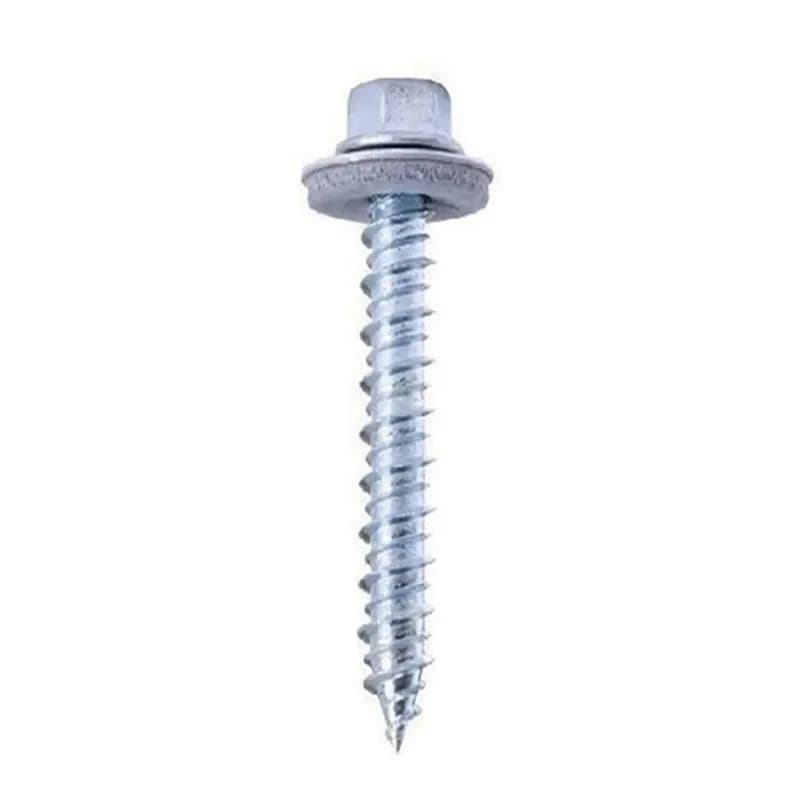
Akdeniz Ahşap Vidası (Betofas) 6.3x35 (1500 Ad.)
Akdeniz · Screws
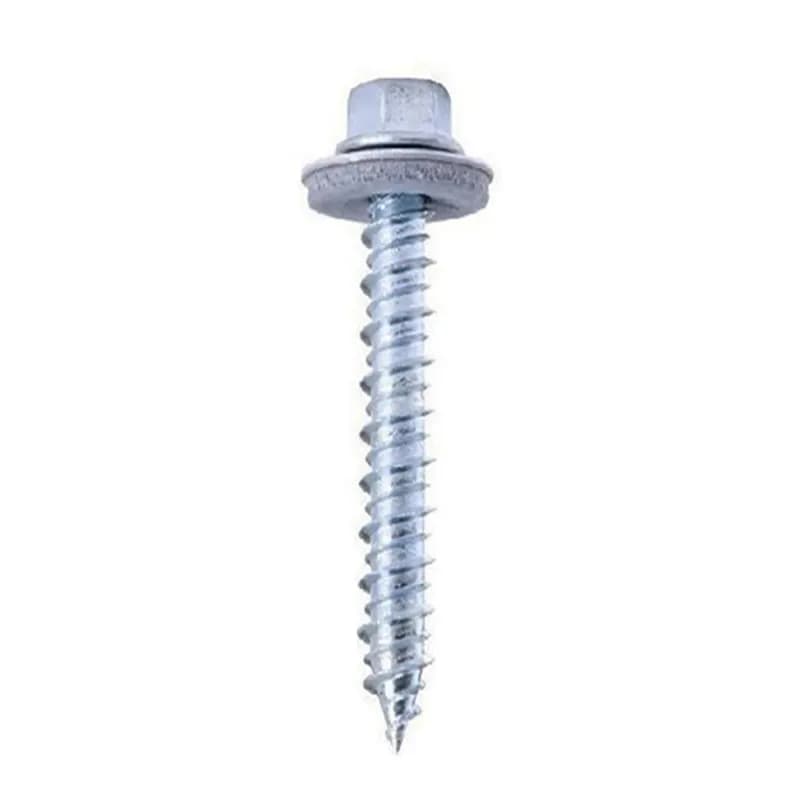
Akdeniz Ahşap Vidası (Betofas) 6.3x35 (2000 Ad.)
Akdeniz · Screws
Akdeniz Ahşap Vidası (Betofas) 6.3x45 (1500 Ad.)
Akdeniz · Screws
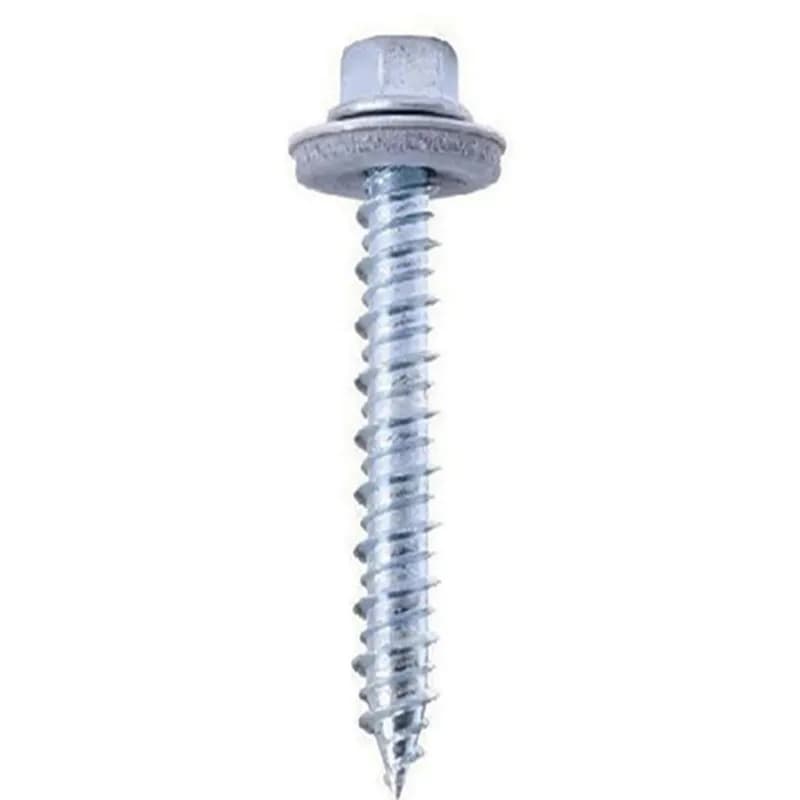
Akdeniz Ahşap Vidası (Betofas) 6.3x60 (900 Ad.)
Akdeniz · Screws
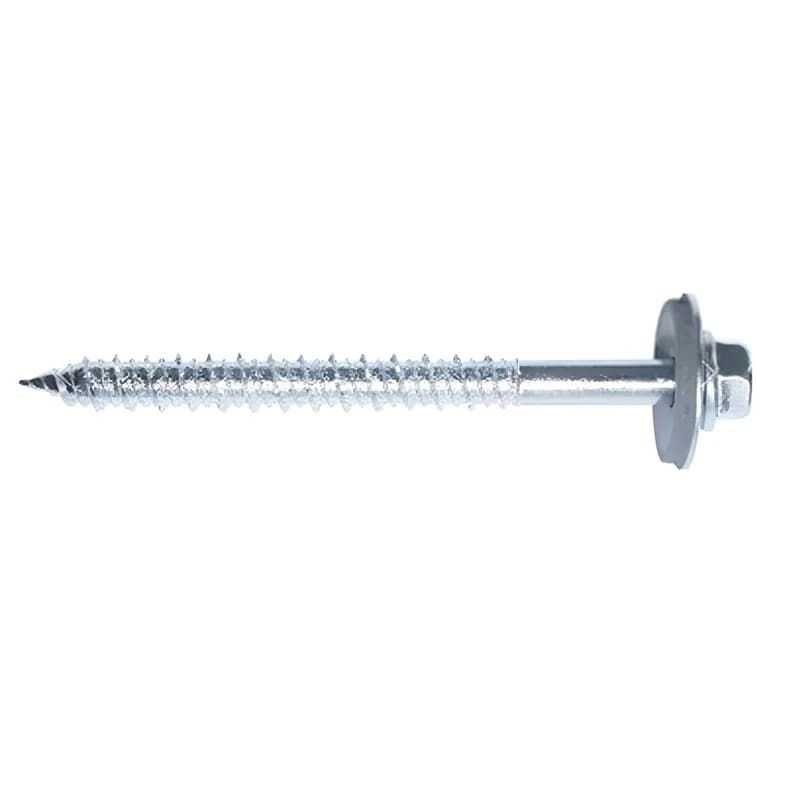
Akdeniz Ahşap Vidası (Betofas) 6.3x75 (800 Ad.)
Akdeniz · Screws
Akdeniz Ahşap Vidası (Betofas) 6.3x90 (600 Ad.)
Akdeniz · Screws
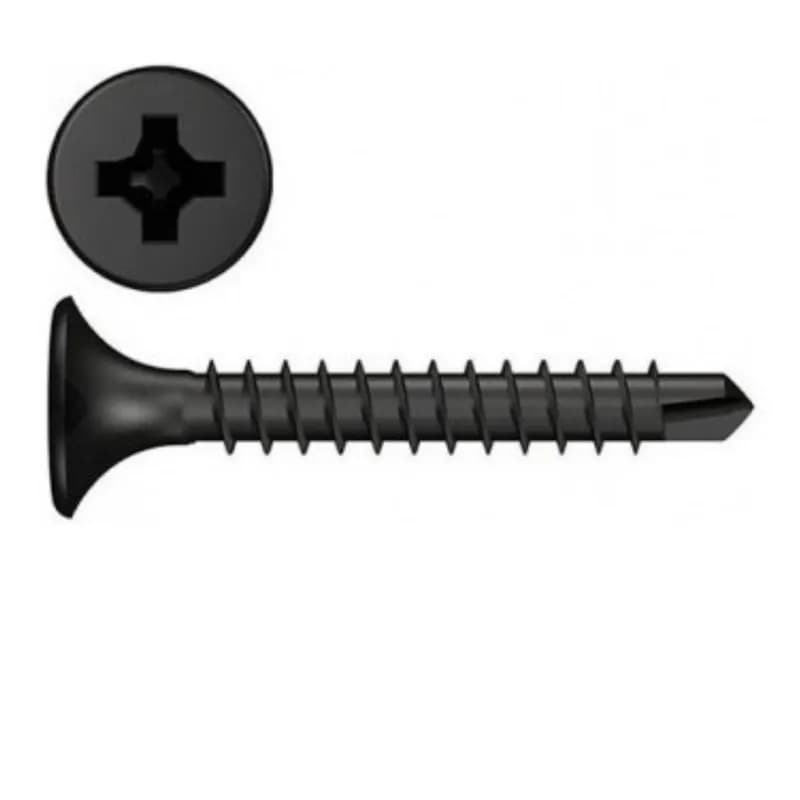
Akdeniz Alçıpan Vidası M.u.v. 3.5x25 (1000 Ad.)
Akdeniz · Screws
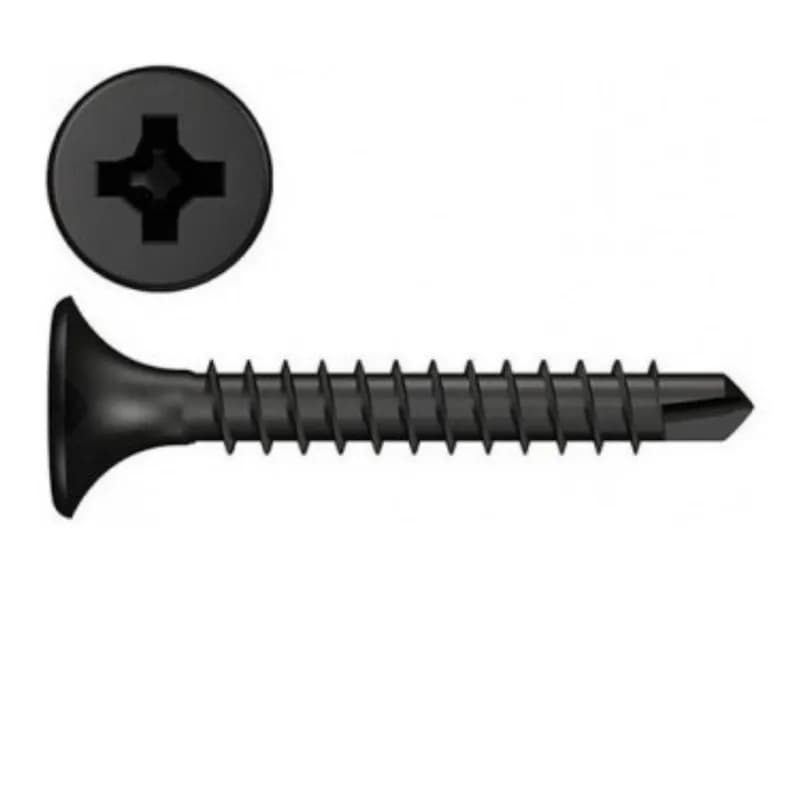
Akdeniz Alçıpan Vidası M.u.v. 3.5x35 (1000 Ad.)
Akdeniz · Screws
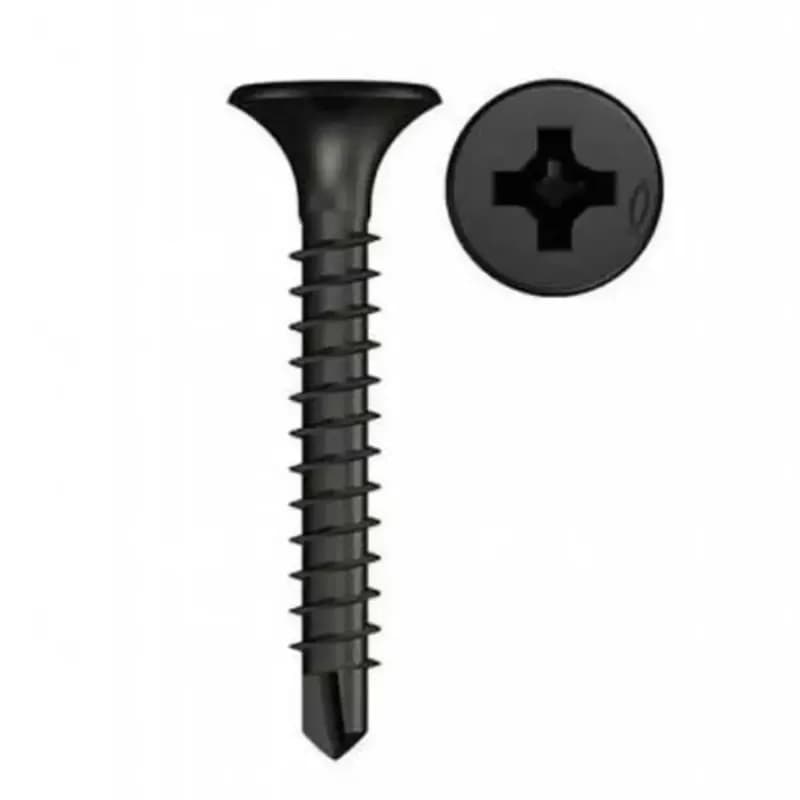
Akdeniz Alçıpan Vidası M.u.v. 3.5x45 (500 Ad.)
Akdeniz · Screws
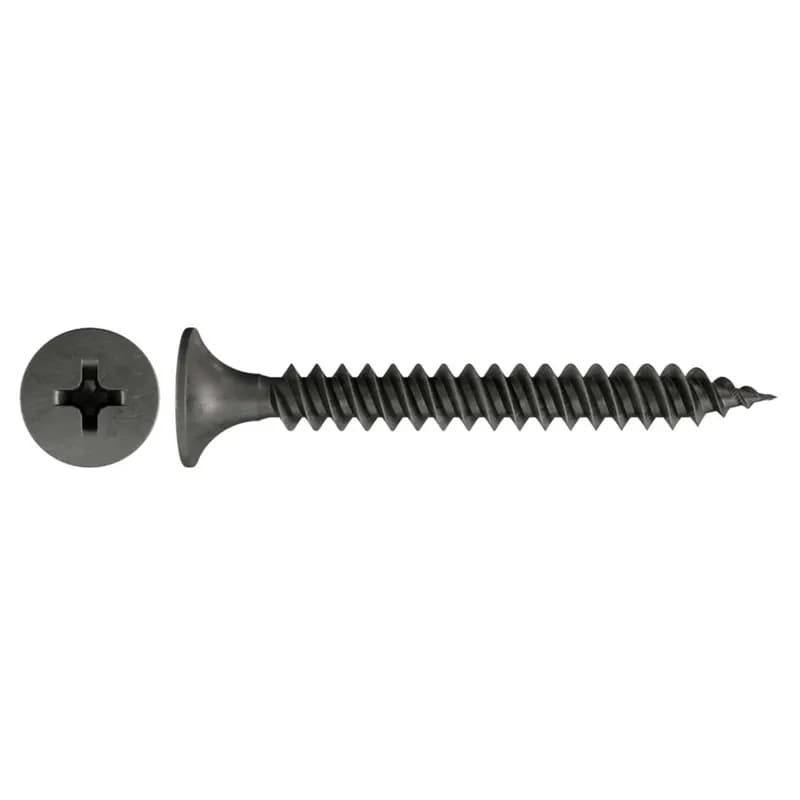
Akdeniz Alçıpan Vidası Sivri 3.5x25 (1000 Ad.)
Akdeniz · Screws
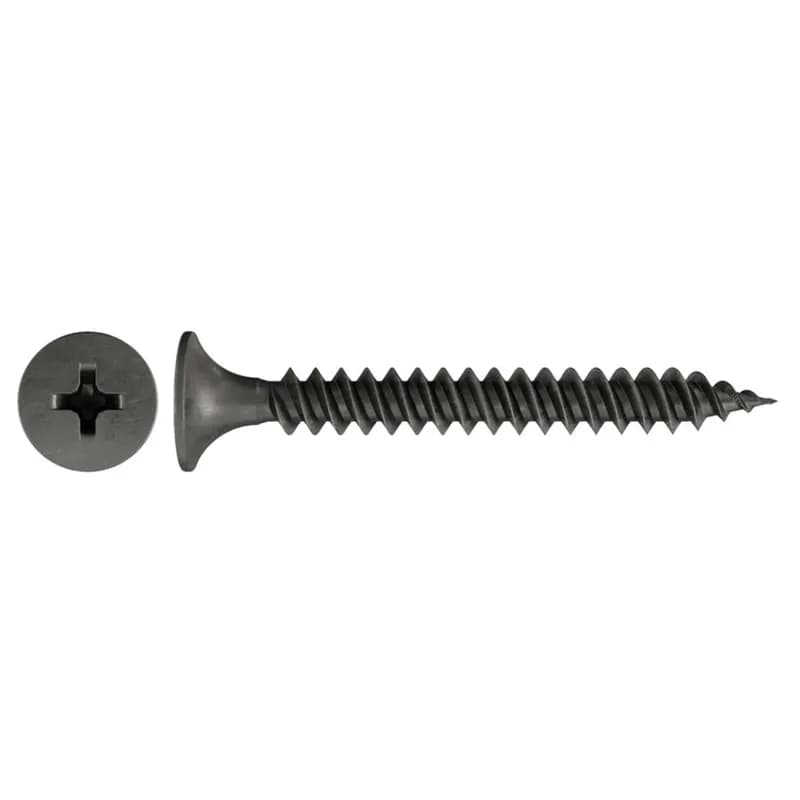
Akdeniz Alçıpan Vidası Sivri 3.5x35 (1000 Ad.)
Akdeniz · Screws
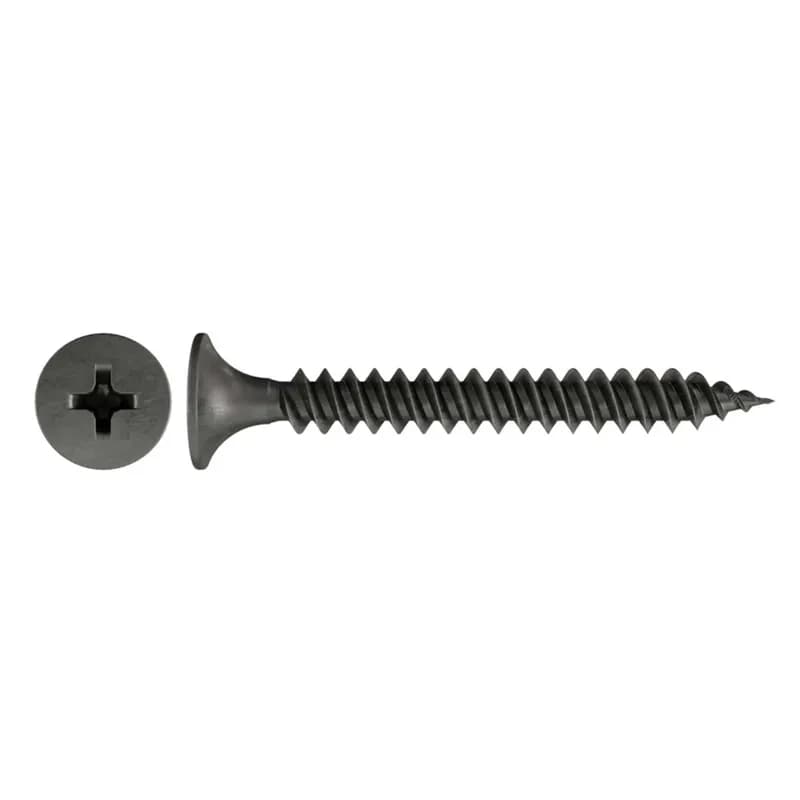
Akdeniz Alçıpan Vidası Sivri 3.5x45 (500 Ad.)
Akdeniz · Screws
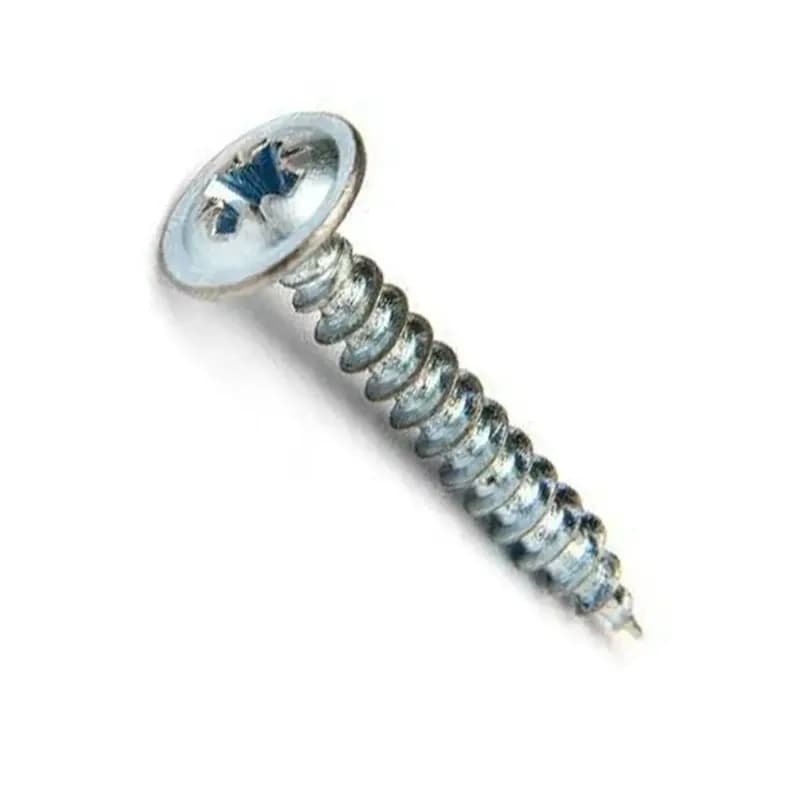
Akdeniz Arkalık Vidası 3.5x25 (1000 Ad.)
Akdeniz · Screws
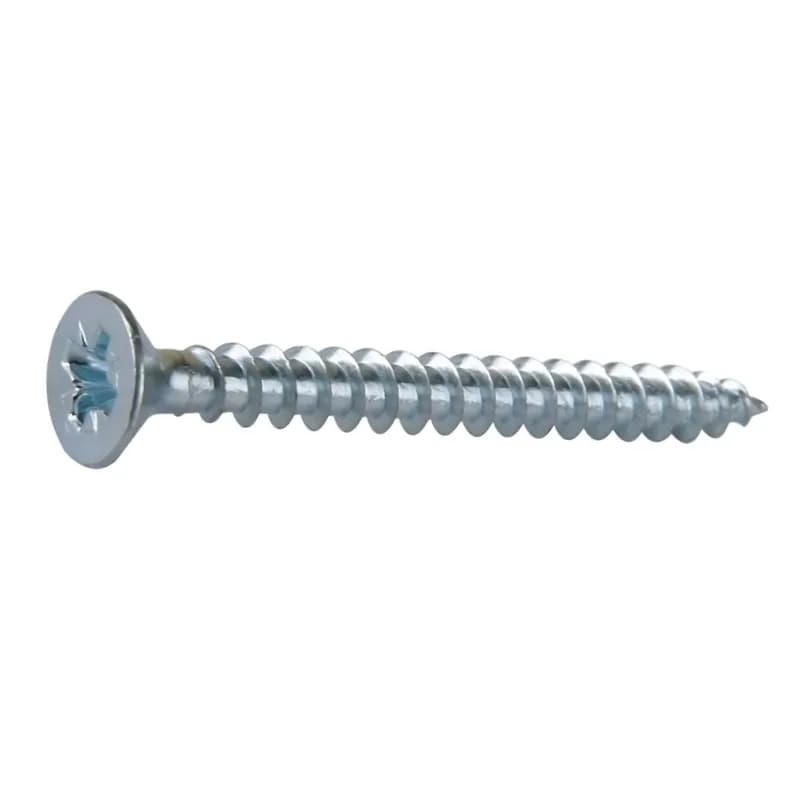
Akdeniz Sunta Vidası 3.5x13 (1000 Ad.)
Akdeniz · Screws
Akdeniz Sunta Vidası 3.5x16 (1000 Ad.)
Akdeniz · Screws
Akdeniz Sunta Vidası 3.5x18 (1000 Ad.)
Akdeniz · Screws
Akdeniz Sunta Vidası 3.5x20 (1000 Ad.)
Akdeniz · Screws
Akdeniz Sunta Vidası 3.5x25 (1000 Ad.)
Akdeniz · Screws
Akdeniz Sunta Vidası 3.5x30 (1000 Ad.)
Akdeniz · Screws
Akdeniz Sunta Vidası 3.5x35 (1000 Ad.)
Akdeniz · Screws
Akdeniz Sunta Vidası 3.5x40 (500 Ad.)
Akdeniz · Screws
Akdeniz Sunta Vidası 3.5x45 (500 Ad.)
Akdeniz · Screws
1–24 of 186 · page 1 / 8
Screw types and the materials they enter
What names a screw is its thread and its point. A chipboard screw has a coarse, deep thread that bites into wood fibre; a drywall screw has a fine thread and a bugle head that sinks without tearing the paper; a self-drilling (TEK) screw cuts its own hole and enters a steel stud with no pilot at all.
A trapezoidal roofing screw comes with a sealing washer: on a metal roof it is not the screw that keeps the hole watertight but the EPDM washer beneath its head.
| Screw | Material | Pilot hole | Note |
|---|---|---|---|
| Chipboard screw | Timber, chipboard, MDF | Needed in hardwood | General purpose, coarse thread |
| Drywall screw (sharp) | Plasterboard + timber stud | Not needed | Bugle head, sinks flush |
| Drywall screw (drill point) | Plasterboard + steel stud | Not needed | Self-drilling point |
| Self-drilling (TEK) | Sheet, profile, joinery | Not needed | Drills its own hole |
| Roofing screw | Trapezoidal sheet, sandwich panel | Not needed | EPDM sealing washer |
How to read diameter and length
The 4.5x45 in a product name means a 4.5 mm shank diameter and a 45 mm length. Length is measured from under the head on pan-head screws, and from the top of the head on countersunk ones.
A working rule: after passing through the piece being fixed, the screw should enter the base material by at least twice that thickness. For 18 mm chipboard, a 45-50 mm screw is the usual pick. Box quantities follow the size: thin, short sizes come in boxes of 1,000, thick and long ones in 50-100.
- First number: shank diameter in mm — it sets the holding power.
- Second number: length in mm — it sets the depth into the base material.
- In hardwood, drill a pilot slightly under the shank diameter to stop splitting.
- Coating: zinc or phosphate indoors, galvanised outdoors, stainless when wet.
Points and heads
The head decides how the screw sits against the surface: a countersunk head sinks flush, while pan and hex heads stay proud and give a wider clamping face. The recess is PZ (pozidriv), PH (phillips) or TX (torx); a TX recess transmits more torque and does not cam out.
Matching the driver bit to the recess directly affects service life: a PH bit in a PZ screw ruins both the recess and the bit.
Frequently Asked Questions
Is a chipboard screw the same as a wood screw?
In practice yes; a chipboard screw is fully threaded with a coarse thread and has replaced the classic wood screw in most joinery work. In hardwood you still drill a pilot hole to avoid splitting.
What does 4.5x45 mean?
A 4.5 mm shank diameter and a 45 mm length. The first figure sets the holding power, the second the depth into the base material.
How thick a section will a self-drilling screw go through?
It depends on the drill point length; the TEK sizes in this catalogue typically work in 1-3 mm sheet with no pilot hole. Thicker sections need a pilot.
Where do the sharp and drill-point drywall screws go?
The sharp point goes into timber studs and the drill point into steel studs. A sharp-point screw will lose its tip trying to enter a steel profile.
Why does a roofing screw have a washer?
On a metal roof, water enters through the hole the screw makes. The EPDM-bonded washer under the head seals that hole as it is tightened; without a sound washer the screw itself seals nothing.
How many are in a box?
It follows the size: thin, short sizes come in 500-1,000 piece boxes, thick and long ones in 50-200. The quantity is stated in the product name.