Categories
Padlocks
A padlock is chosen by body width, shackle length and body material. This page explains what the millimetre figure describes, what shrouded and horizontal types are for, and which material survives outdoors. The catalogue holds over 100 models from Kale, Yuma and YMK.
Product Types
Go straight to the product type you need.
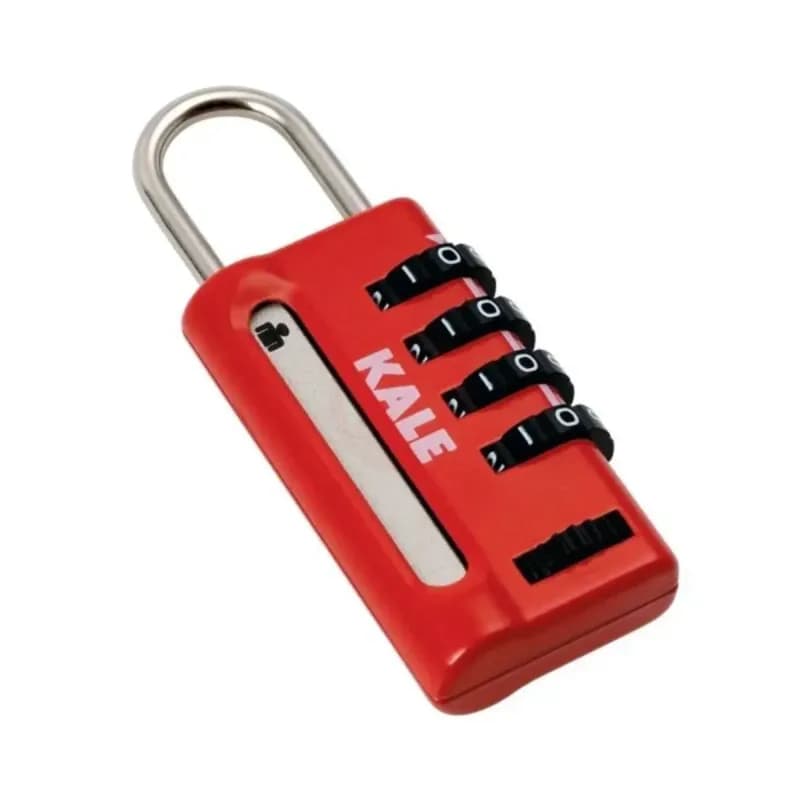
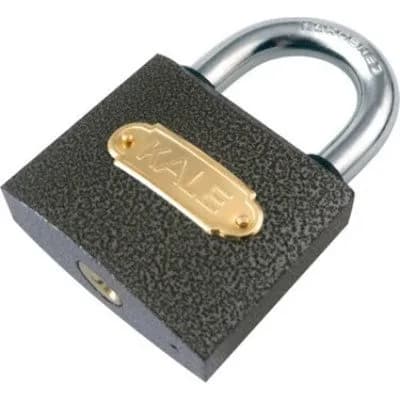
Kale Cast Body Padlock 20 mm KD001/10-120
Kale Kilit · Padlocks
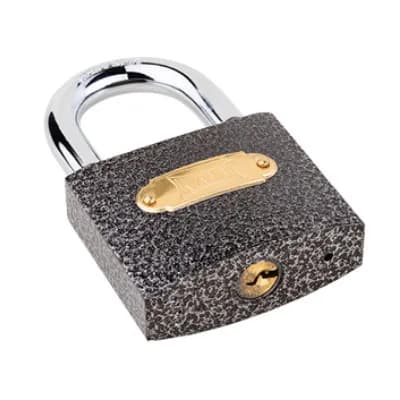
Kale Cast Body Padlock 25 mm KD001/10-125
Kale Kilit · Padlocks
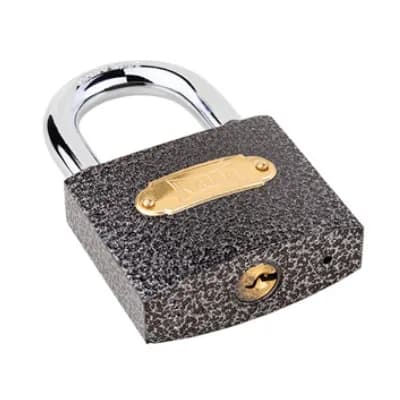
Kale Cast Body Padlock 30 mm KD001/10-130
Kale Kilit · Padlocks
Kale Cast Body Padlock 40 mm KD001/10-140
Kale Kilit · Padlocks
Kale Cast Body Padlock 50 mm KD001/10-150
Kale Kilit · Padlocks
Kale Cast Body Padlock 60 mm KD001/10-160
Kale Kilit · Padlocks
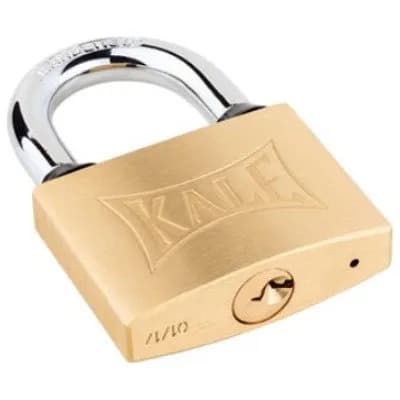
Kale Brass Padlock 20 mm KD001/10-220
Kale Kilit · Padlocks
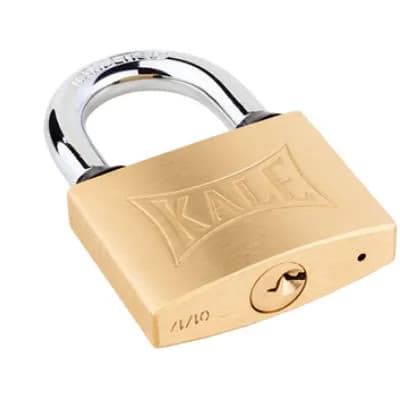
Kale Brass Padlock 25 mm KD001/10-225
Kale Kilit · Padlocks
Kale Brass Padlock 30 mm KD001/10-230
Kale Kilit · Padlocks
Kale Brass Padlock 40 mm KD001/10-240
Kale Kilit · Padlocks
Kale Brass Padlock 50 mm KD001/10-250
Kale Kilit · Padlocks
Kale Brass Padlock 60 mm KD001/10-260
Kale Kilit · Padlocks
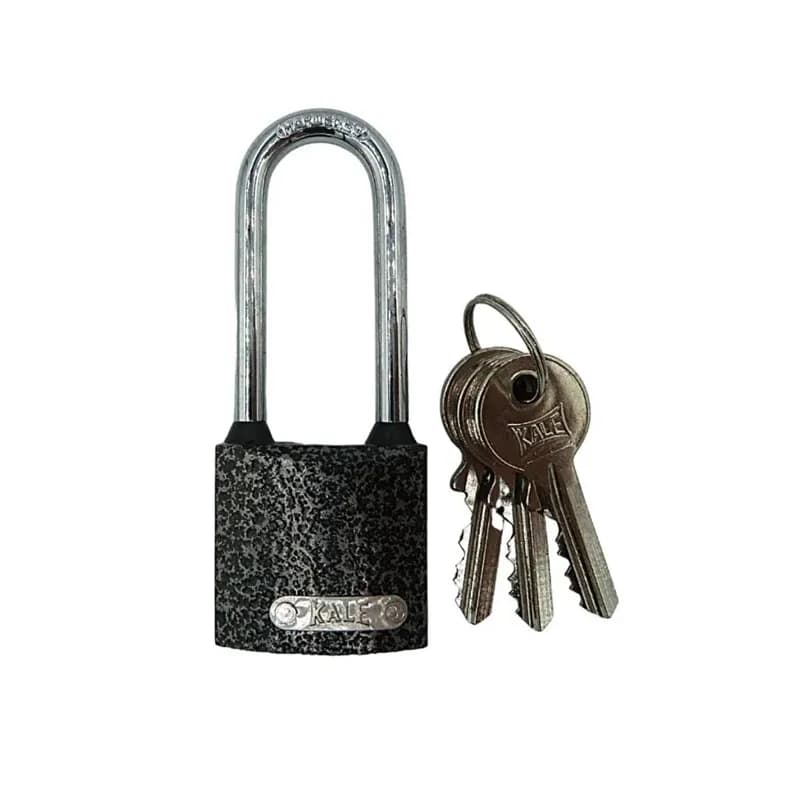
Kale Long Shackle Cast Padlock 30 mm KD001/70-530
Kale Kilit · Padlocks
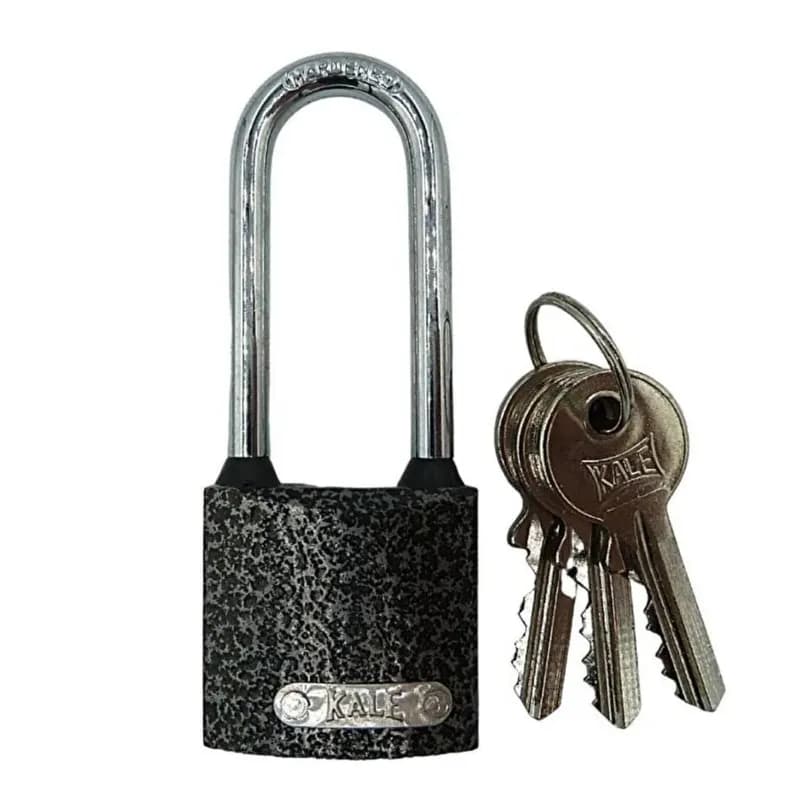
Kale Long Shackle Cast Padlock 40 mm KD001/70-540
Kale Kilit · Padlocks
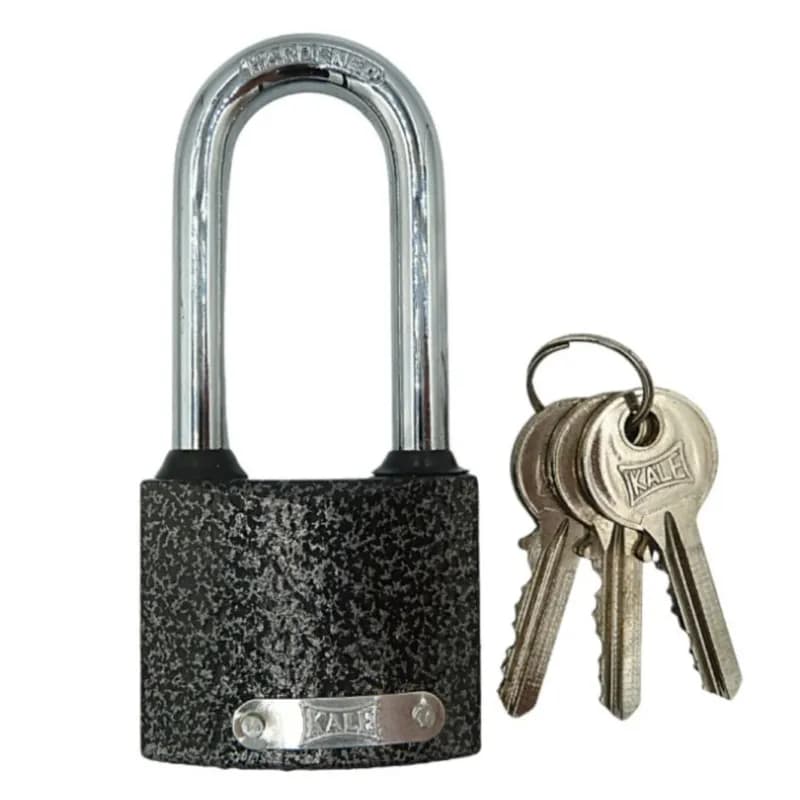
Kale Long Shackle Cast Padlock 50 mm KD001/70-550
Kale Kilit · Padlocks
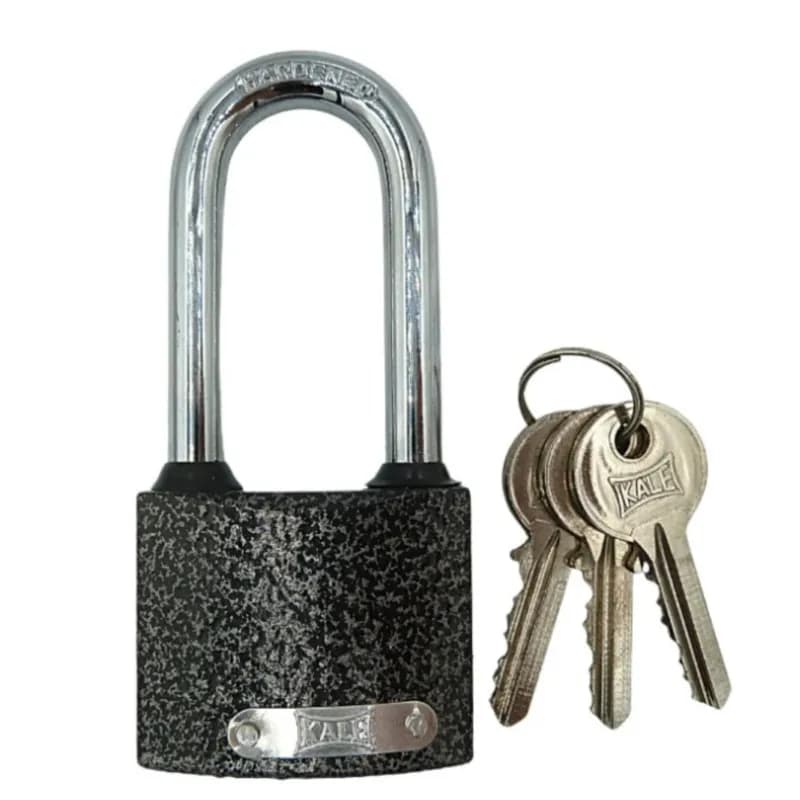
Kale Long Shackle Cast Padlock 60 mm KD001/70-560
Kale Kilit · Padlocks
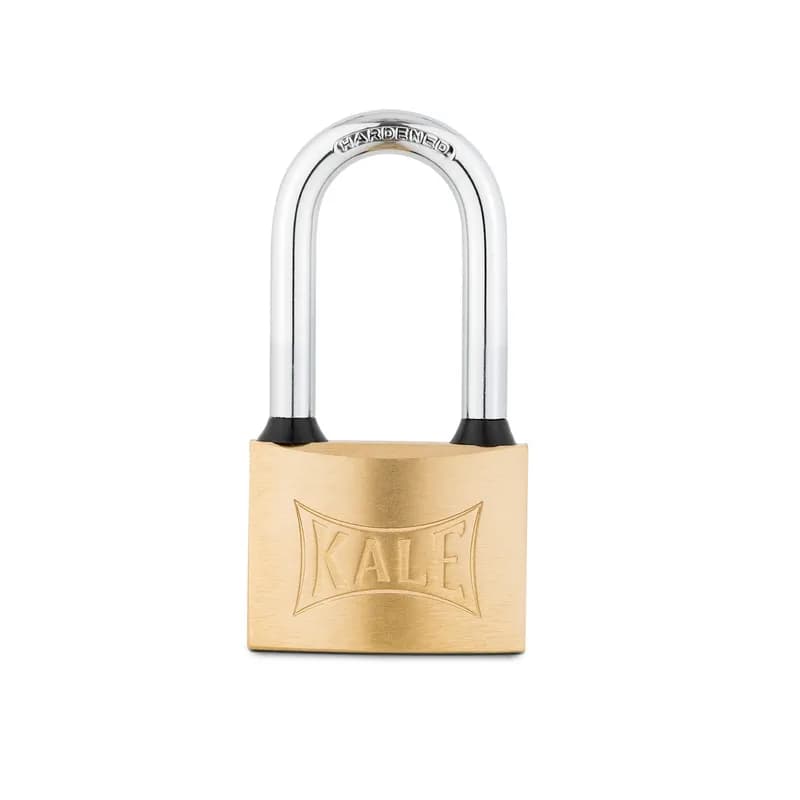
Kale Long Shackle Brass Padlock 30 mm KD001/70-630
Kale Kilit · Padlocks
Kale Long Shackle Brass Padlock 40 mm KD001/70-640
Kale Kilit · Padlocks
Kale Long Shackle Brass Padlock 50 mm KD001/70-650
Kale Kilit · Padlocks
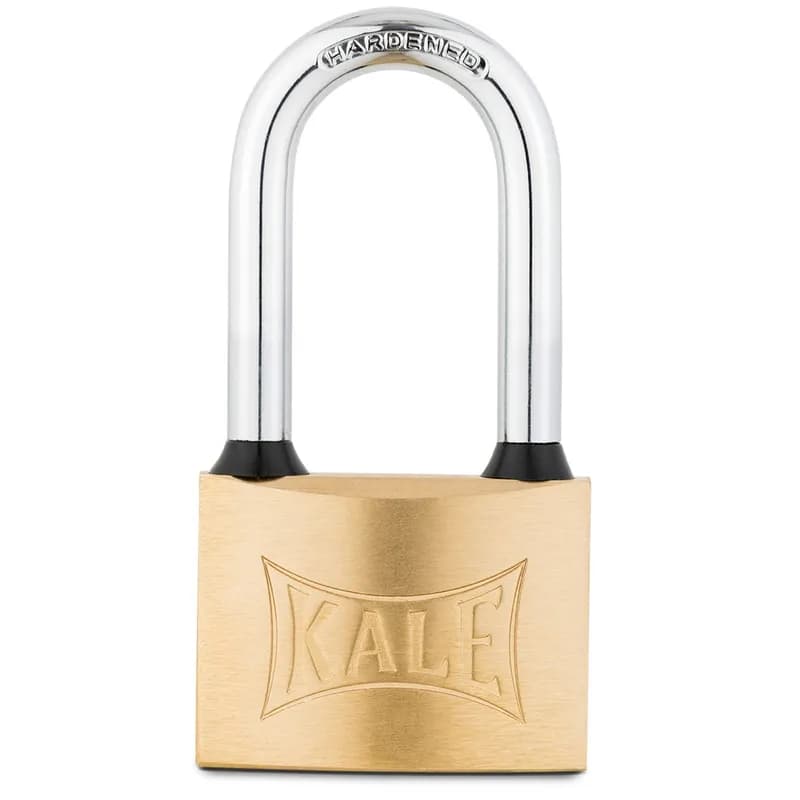
Kale Long Shackle Brass Padlock 60 mm KD001/70-660
Kale Kilit · Padlocks
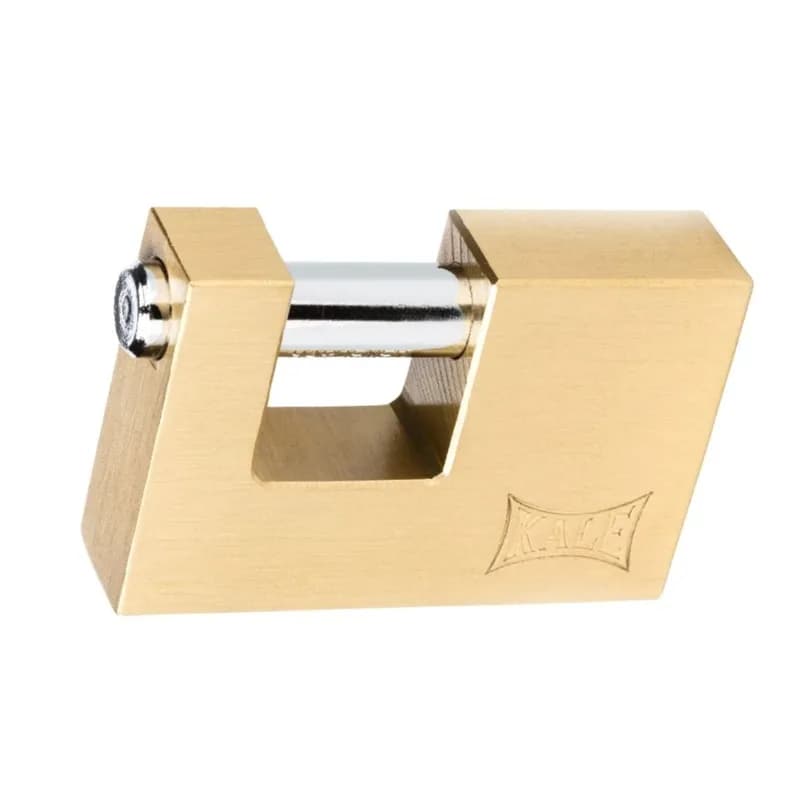
Kale Horizontal Brass Padlock 70 mm KD001/50-270
Kale Kilit · Padlocks
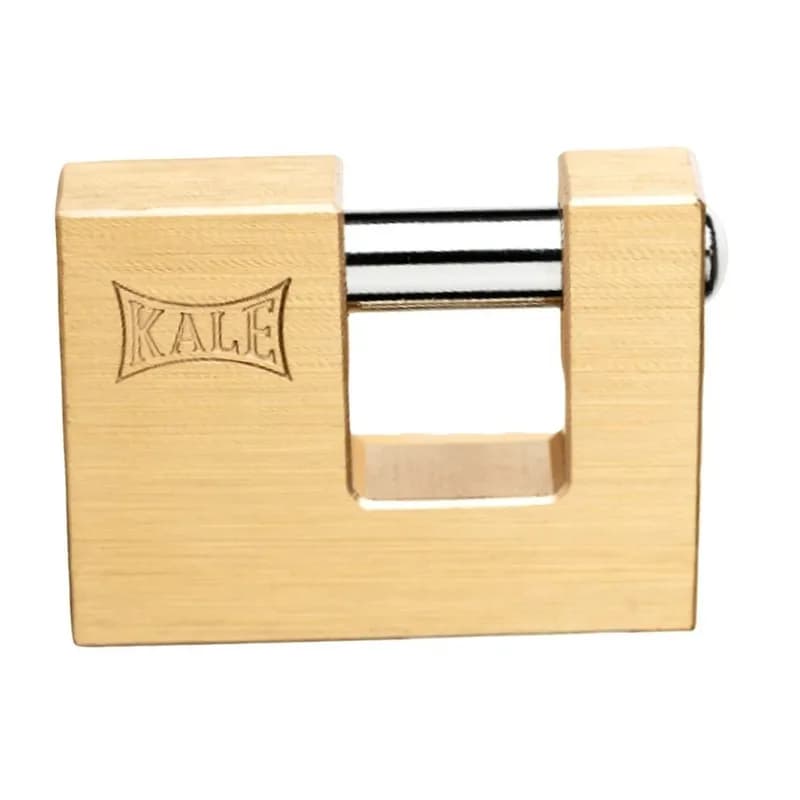
Kale Horizontal Brass Padlock 80 mm KD001/50-280
Kale Kilit · Padlocks
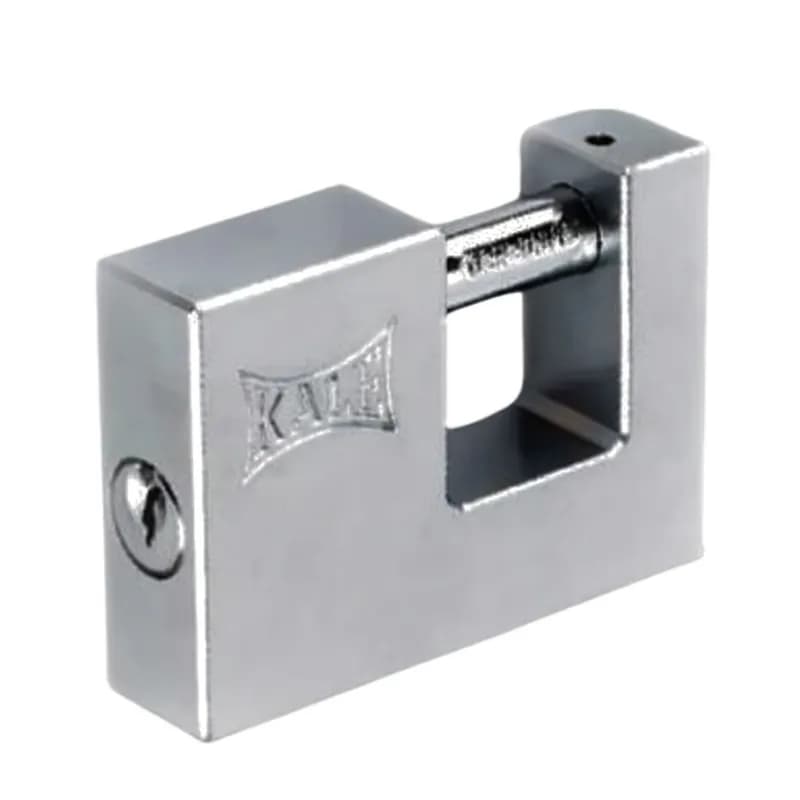
Kale Horizontal Brass Padlock, Satin 70 mm KD001/50-170
Kale Kilit · Padlocks
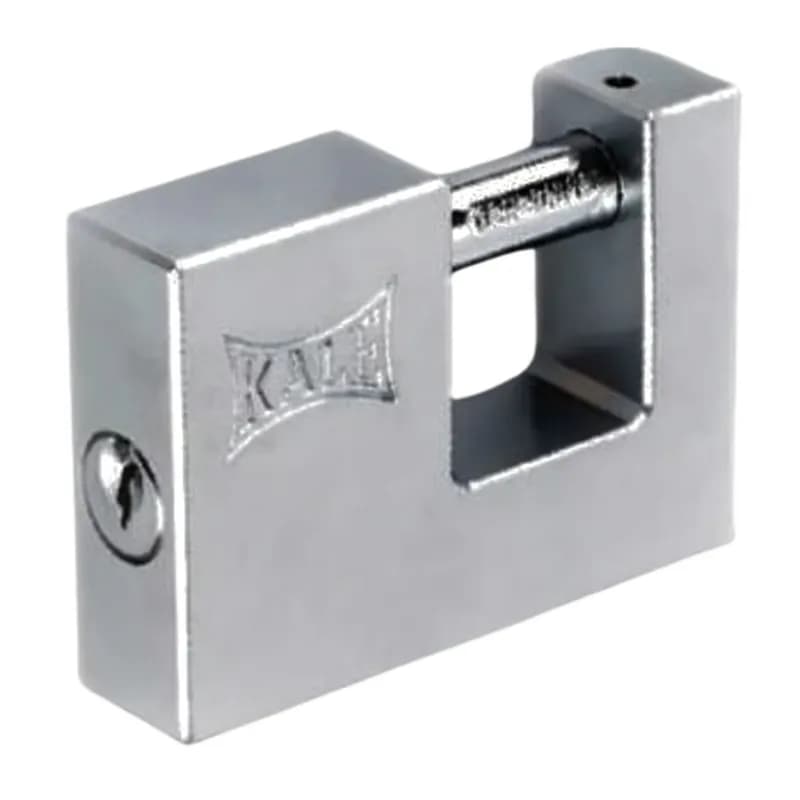
Kale Horizontal Brass Padlock, Satin 80 mm KD001/50-180
Kale Kilit · Padlocks
1–24 of 113 · page 1 / 5
Size and body: from 25 mm to 90 mm
The millimetre figure in a padlock's name is the body width; as it grows, both the mechanism and the shackle get thicker and resistance to attack rises. For cabinets and cases 20-32 mm is enough; for store doors, containers and gates 50-70 mm; for exterior doors and site use 80-90 mm.
The body material follows the environment. Brass does not corrode and is the dependable outdoor choice; cast and zamak bodies are cheaper and belong indoors; stainless steel is for coastal and chemical exposure.
| Body | Suits | Note |
|---|---|---|
| Brass | Outdoor, damp | Corrosion-free, the classic pick |
| Stainless steel | Coastal, chemical | Highest corrosion resistance |
| Cast / zamak | Indoor, cabinets | Economical |
| Brass/nickel plated | General use | Plating for looks and protection |
Shackle types and locking
A short shackle leaves less exposed and resists cutting better; a long shackle is for thick hasps, chains and anywhere two rings must be spanned. In a shrouded padlock the shackle sits inside the body, leaving nothing for a cutter to grip — which is why it is preferred on exterior doors and containers.
Horizontal padlocks have a wider body and a double-ball mechanism; combination models remove the key entirely and suit shared access points. Keyed-alike sets can be quoted separately on bulk orders.
- Short shackle: better cut resistance.
- Long shackle: for thick hasps and chains.
- Shrouded: shackle enclosed, the highest protection.
- Combination: keyless, for shared access points.
Frequently Asked Questions
What does the mm figure on a padlock mean?
The body width. A 50 mm padlock has a 50 mm wide body; as the figure grows the mechanism and shackle thicken and resistance to attack rises.
Short or long shackle?
A short shackle leaves less exposed and resists cutting better. A long shackle is used when it must pass through a thick hasp, a chain or two rings.
What is a shrouded padlock?
One with a closed body where the shackle sits inside it. Because it leaves no surface for a cutter to grip, it is preferred on containers, stores and exterior doors.
Which body should I choose outdoors?
Brass does not corrode in damp conditions and is the classic pick. Stainless steel is used on the coast and in chemical exposure; cast and zamak bodies belong indoors.
Are combination padlocks secure?
They solve key loss and key distribution and are practical at shared points. Physical resistance still comes from the body material and size; the combination mechanism is independent of that.
Can keyed-alike sets be supplied?
They can be requested on bulk orders. Send the model and quantities and we confirm availability and lead time together.