Categories
Nails
The nail is still the fastest and cheapest fixing in formwork, pallets and rough carpentry. This page covers hand-driven and nailer nails, where headed and headless types belong, and why the angle and collation of a strip matter. The catalogue holds over 130 sizes plus Milwaukee nailer nails.
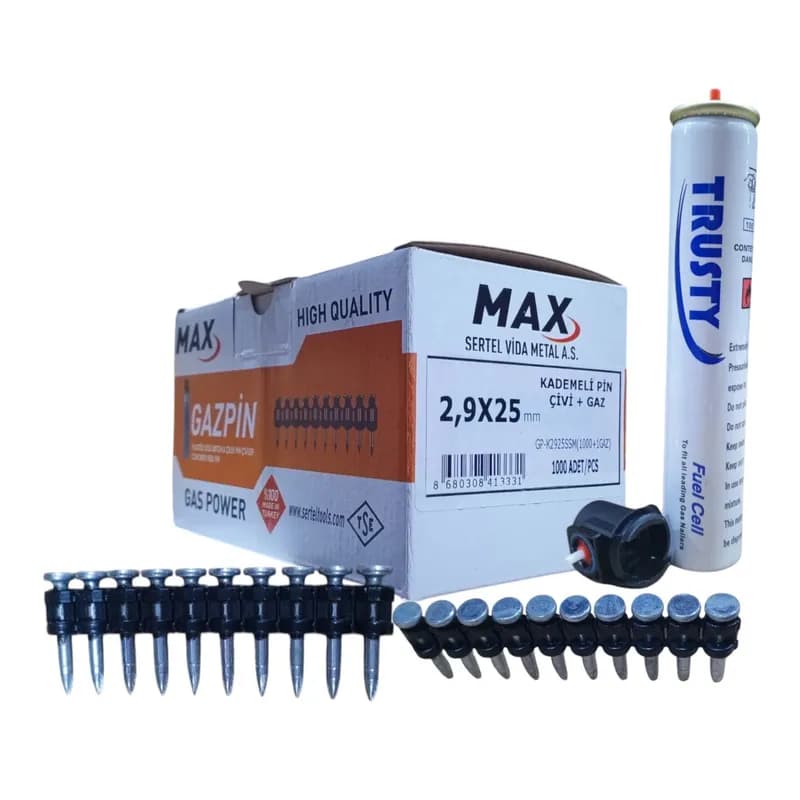
Akdeniz Max Gazlı Taban. Çivi 25 (1000 ÇİVİ+1 Gaz)
Akdeniz · Nails

Akdeniz Max Gazlı Taban. Çivi 32 (1000 ÇİVİ+1 Gaz)
Akdeniz · Nails
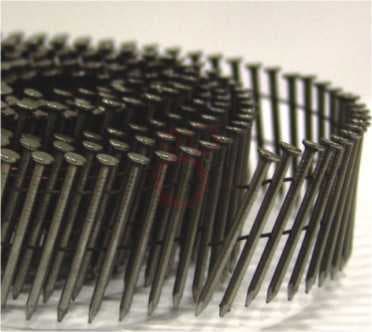
BEA Nails
BEA · Nails
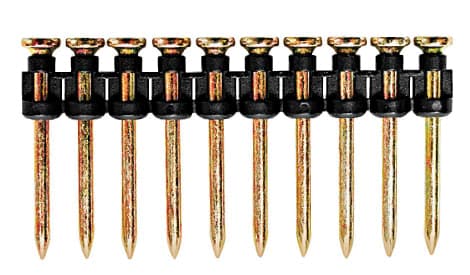
BEA CN 26X15 Concrete Nails
BEA · Nails
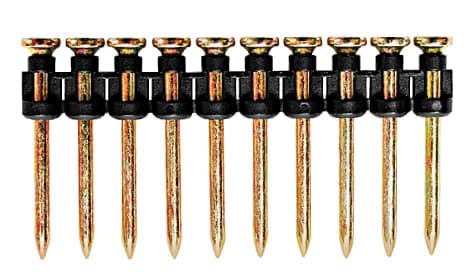
BEA CN 26X20 Concrete Nails
BEA · Nails
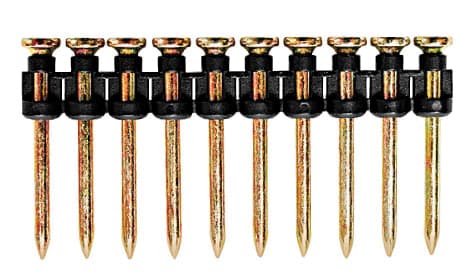
BEA CN 26X25 Concrete Nails
BEA · Nails
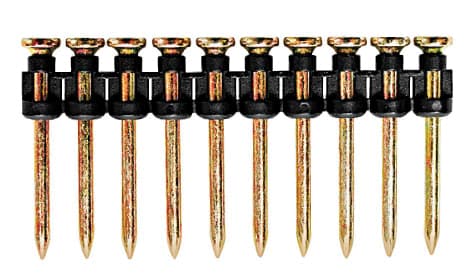
BEA CN 26X30 Concrete Nails
BEA · Nails
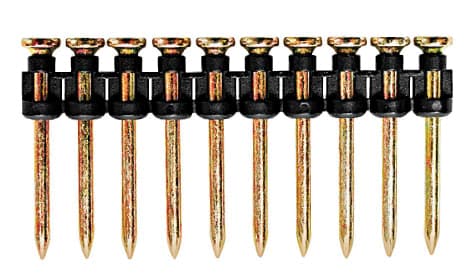
BEA CN 26X40 Concrete Nails
BEA · Nails
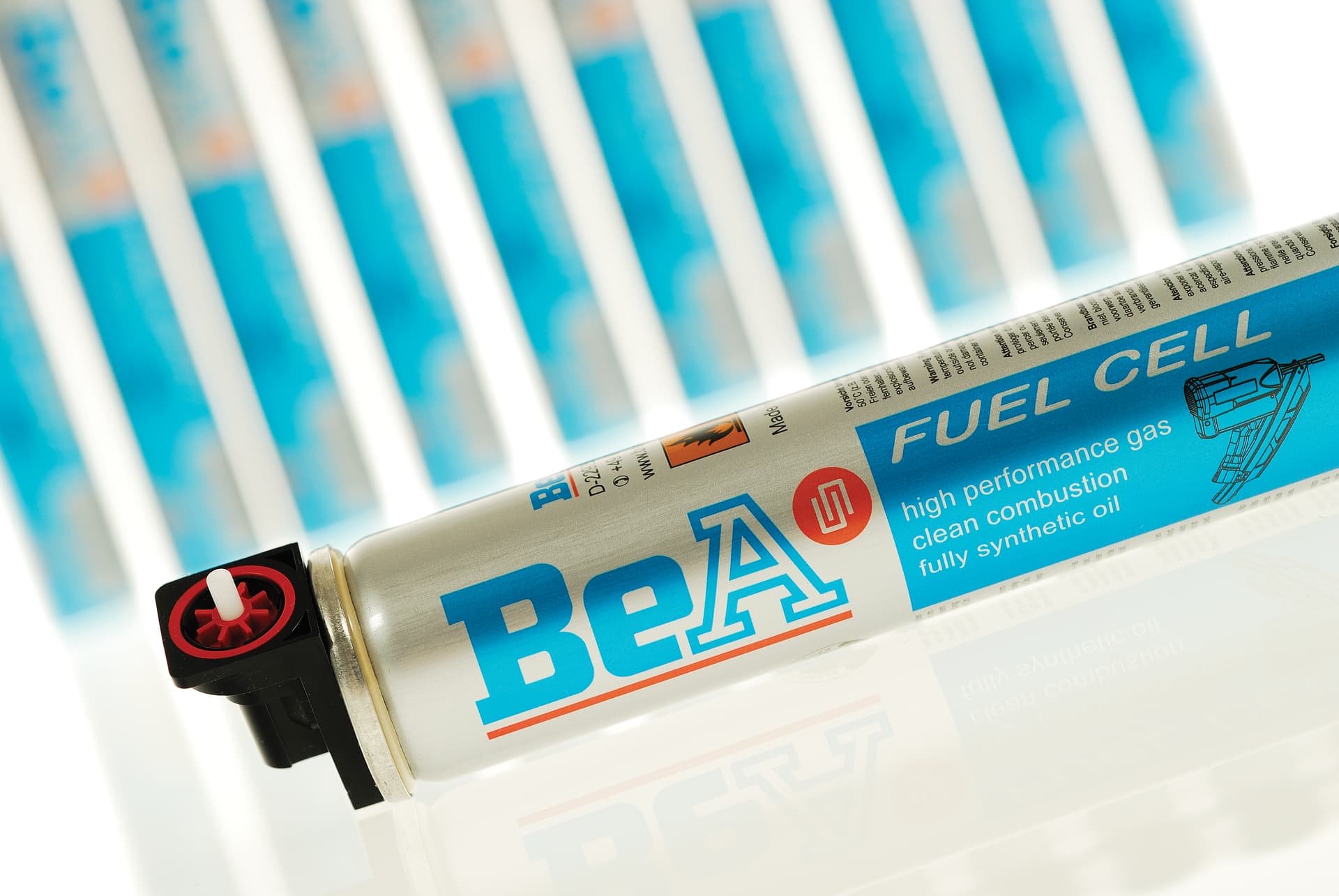
BEA CN60FCR Replacement Gas Cartridge
BEA · Nails
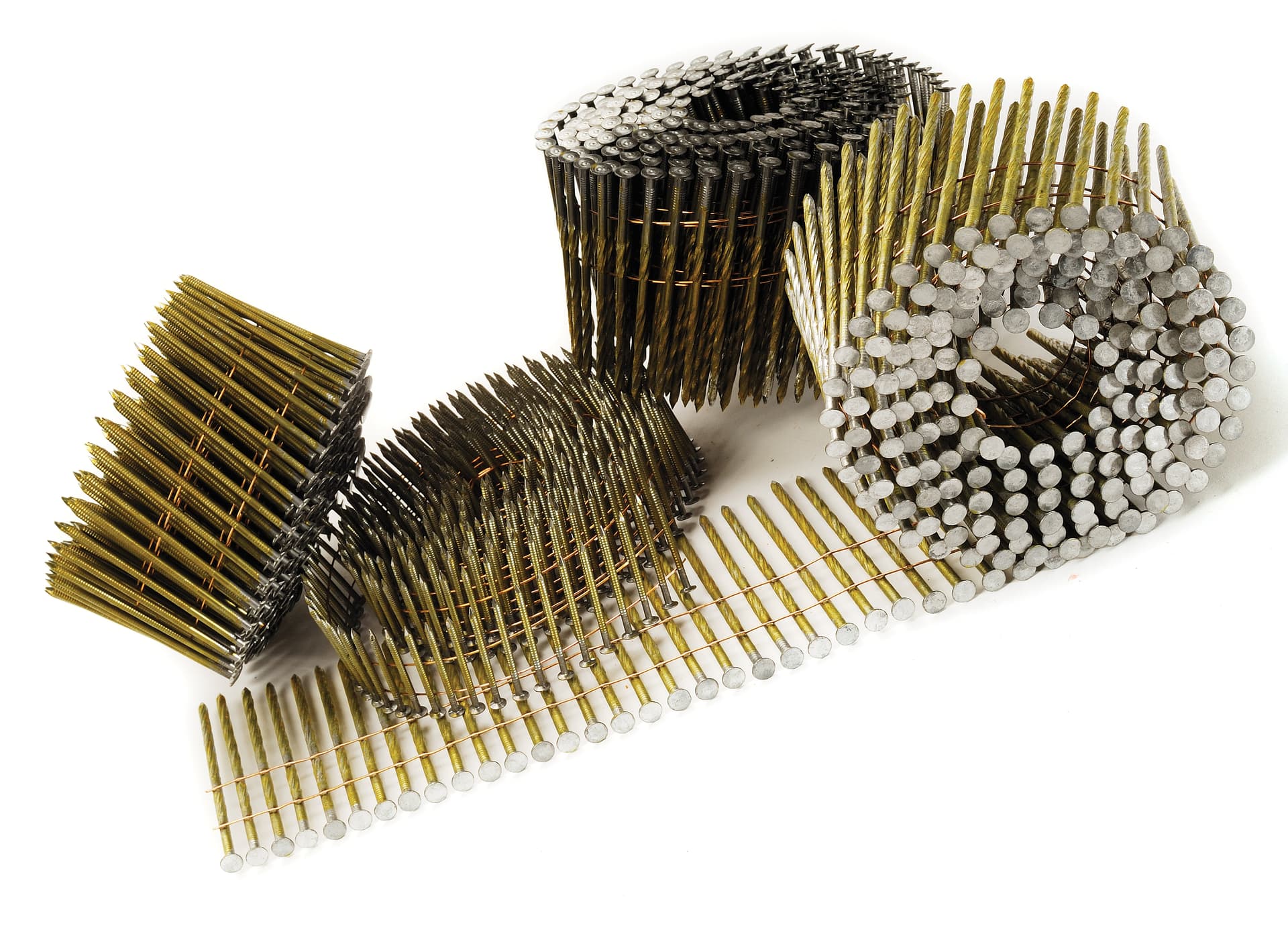
BEA DC2.1X35BK Head Nails
BEA · Nails
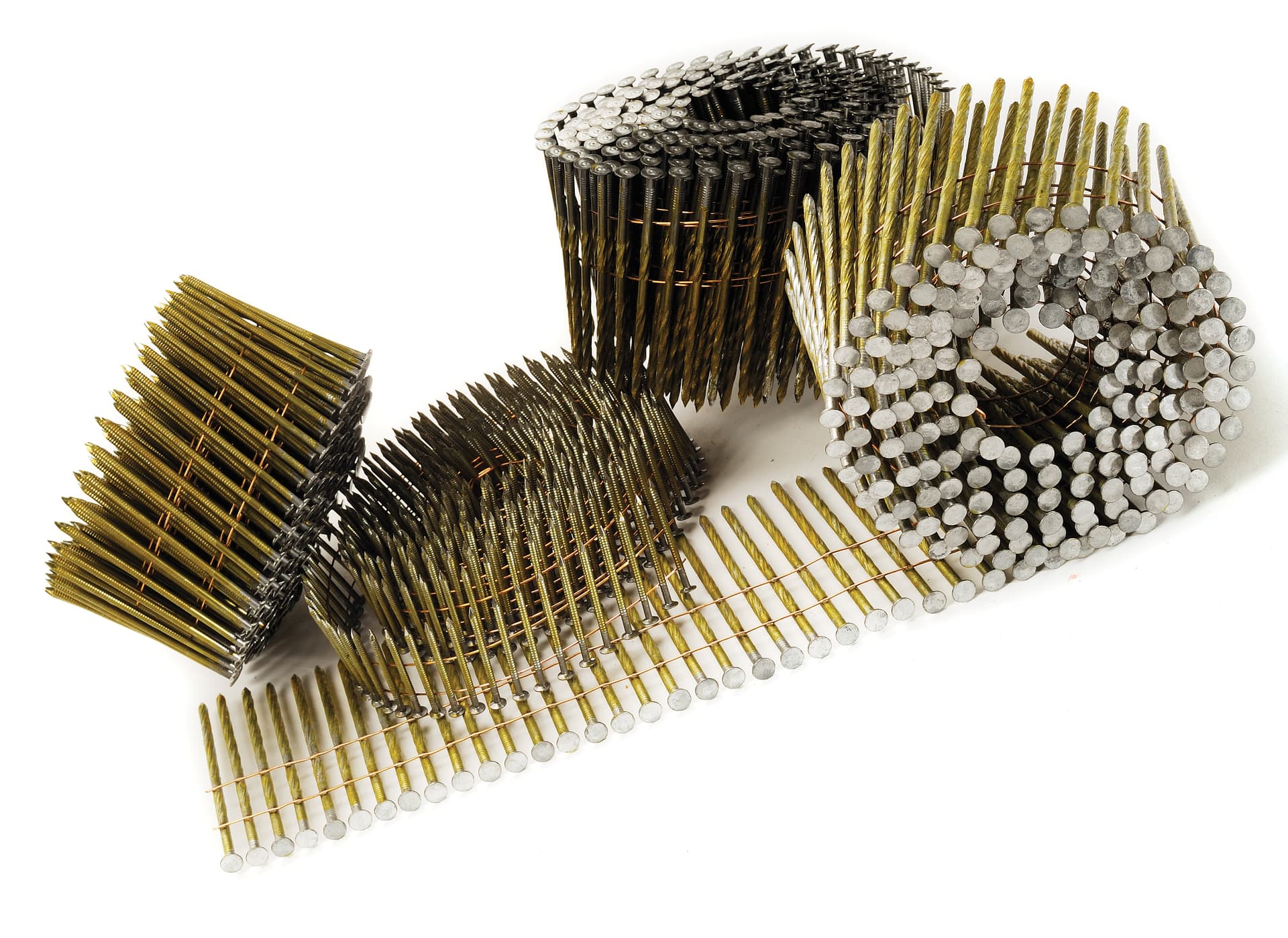
BEA DC2.1X40BK Head Nails
BEA · Nails
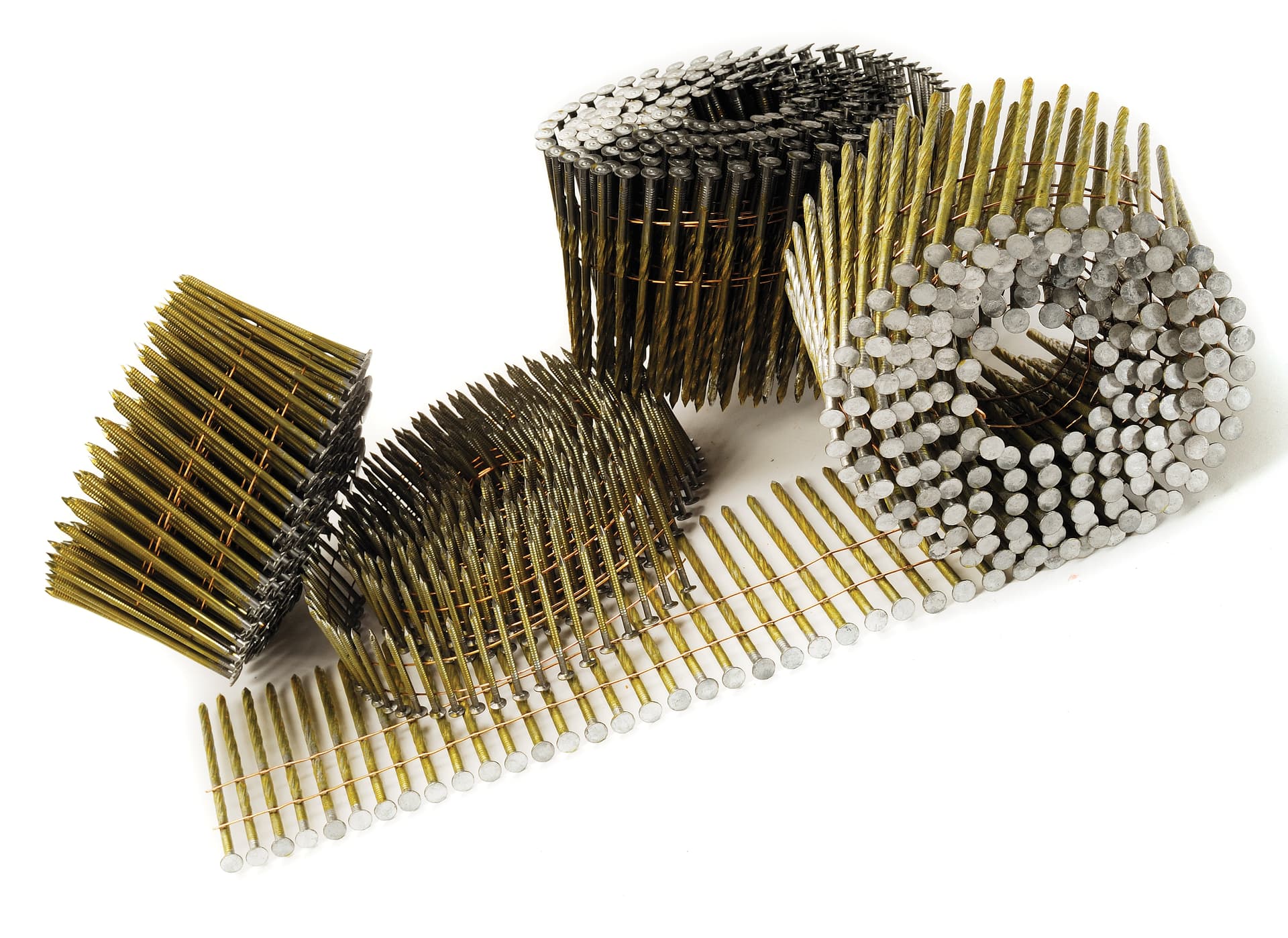
BEA DC2.1X45BK Head Nails
BEA · Nails
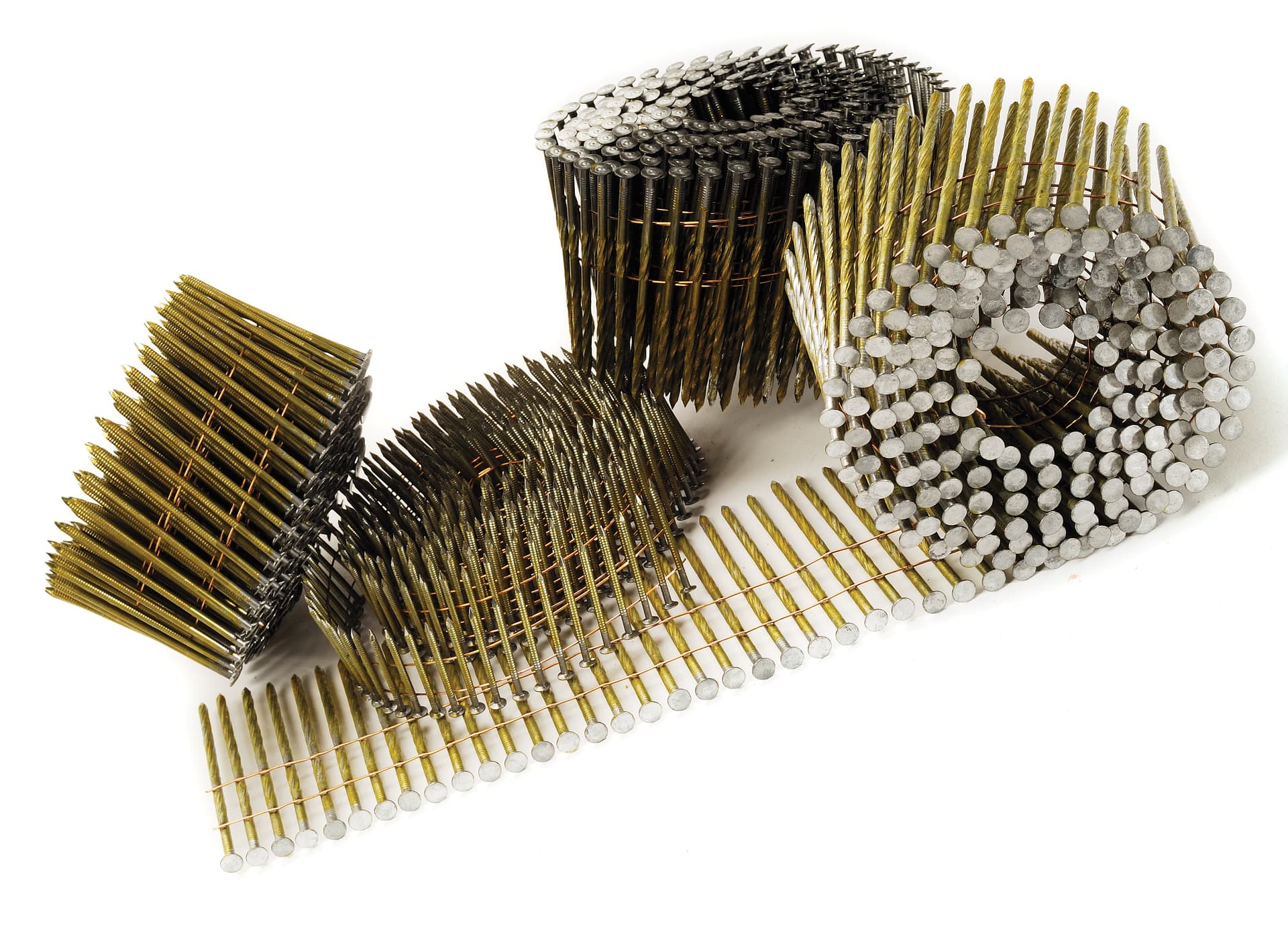
BEA DC2.1X50BK Head Nails
BEA · Nails
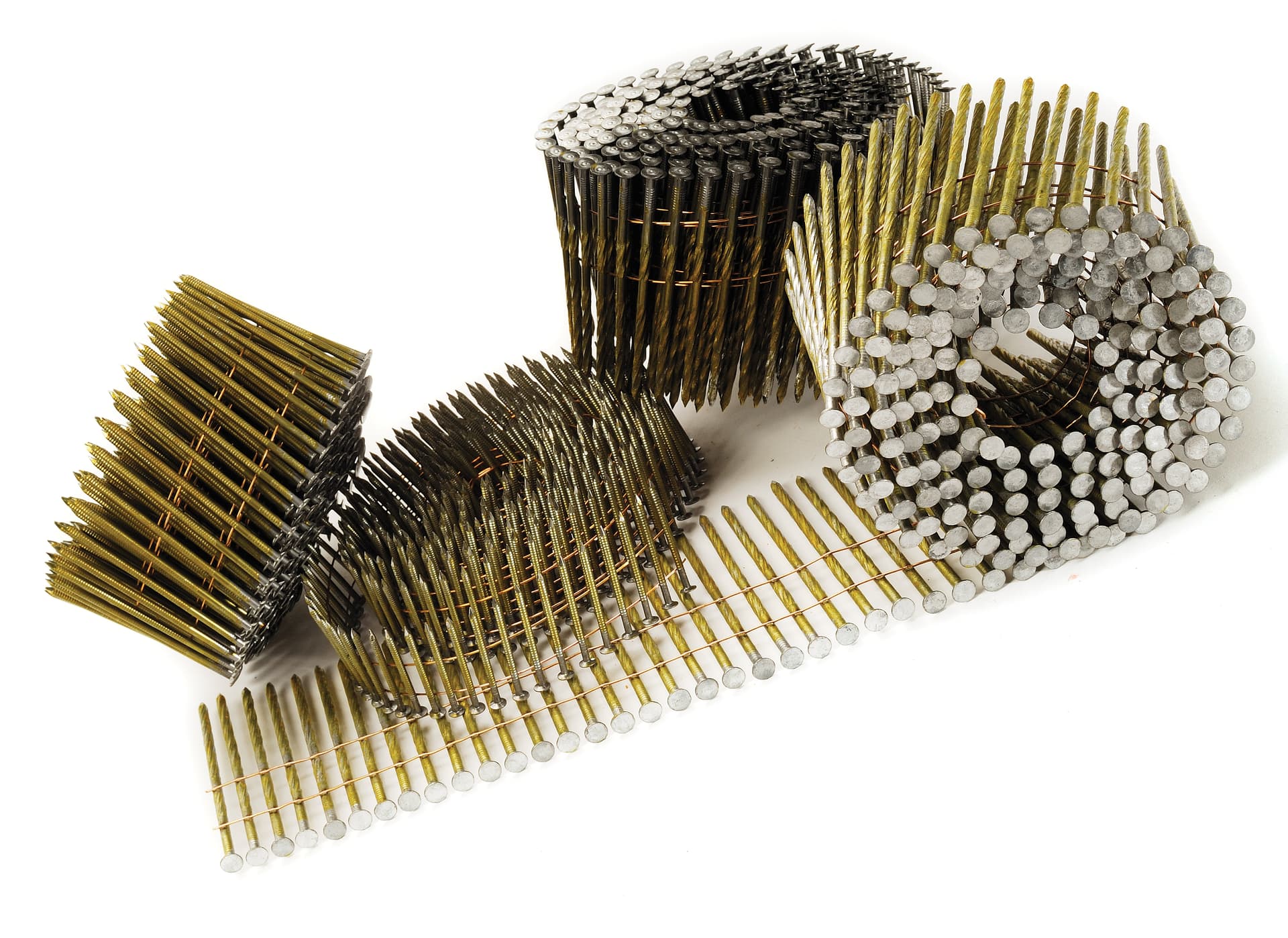
BEA DC2.5X45BK Head Nails
BEA · Nails
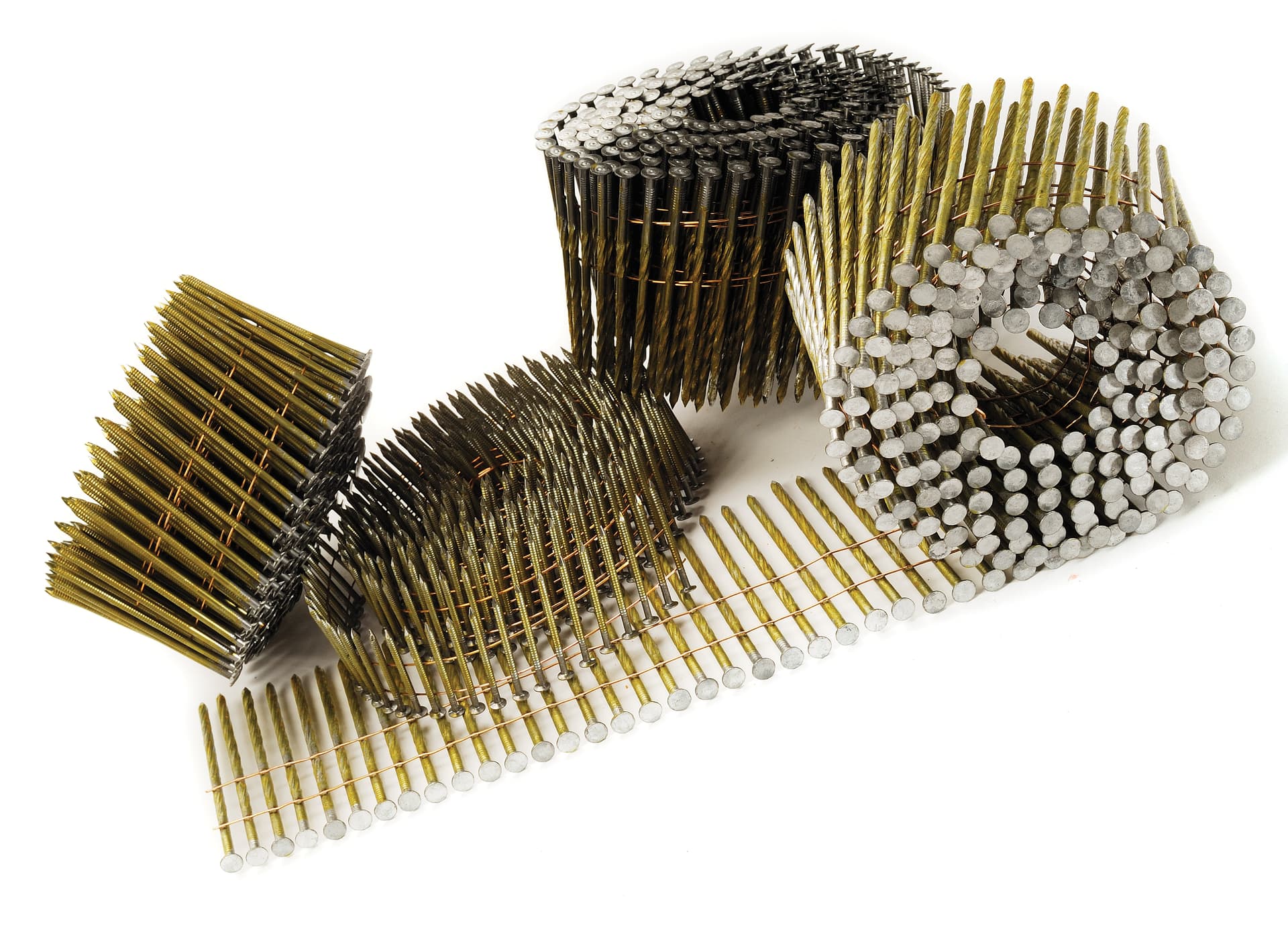
BEA DC2.5X55BK Head Nails
BEA · Nails
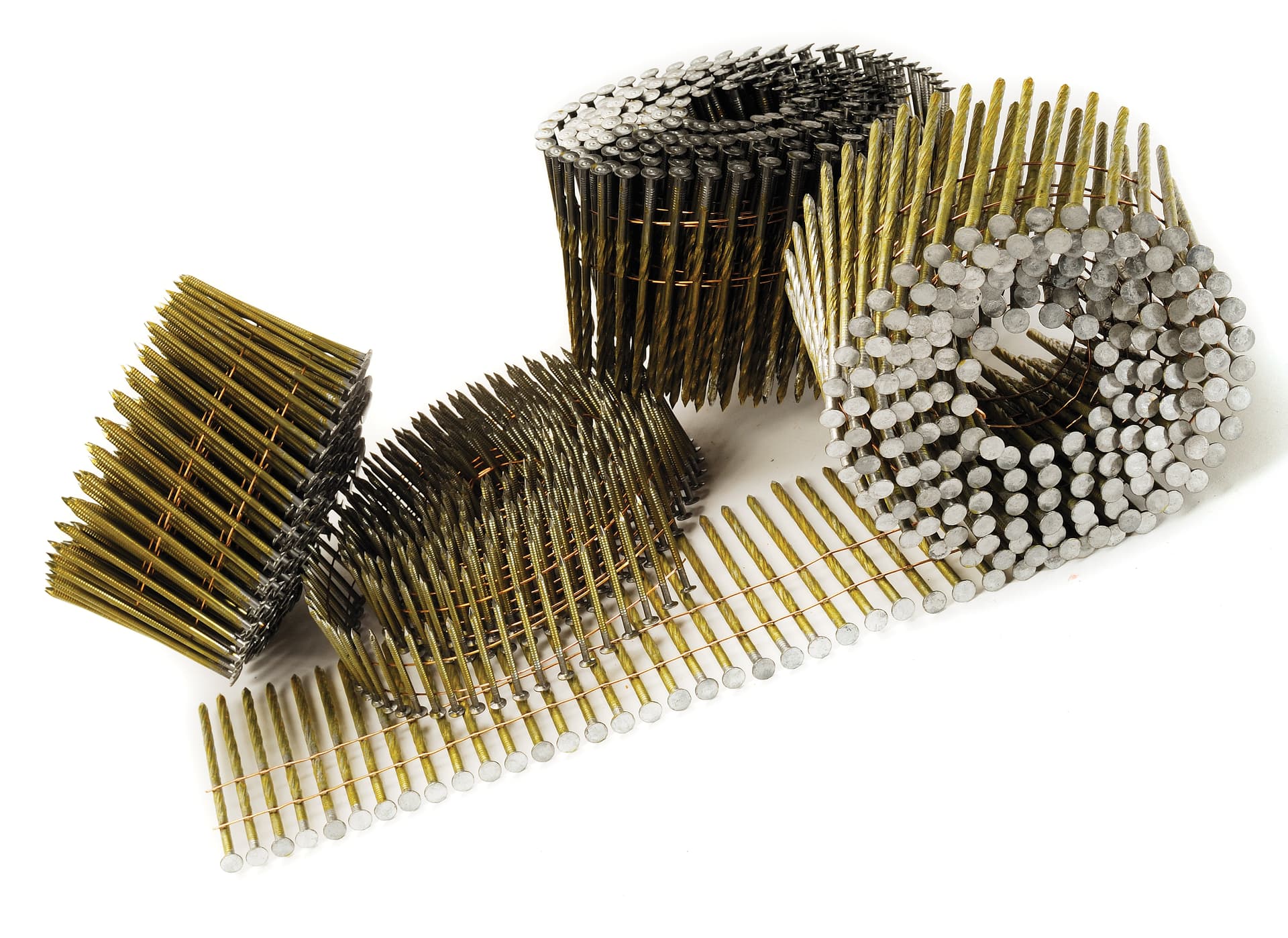
BEA DC2.5X60BK Head Nails
BEA · Nails
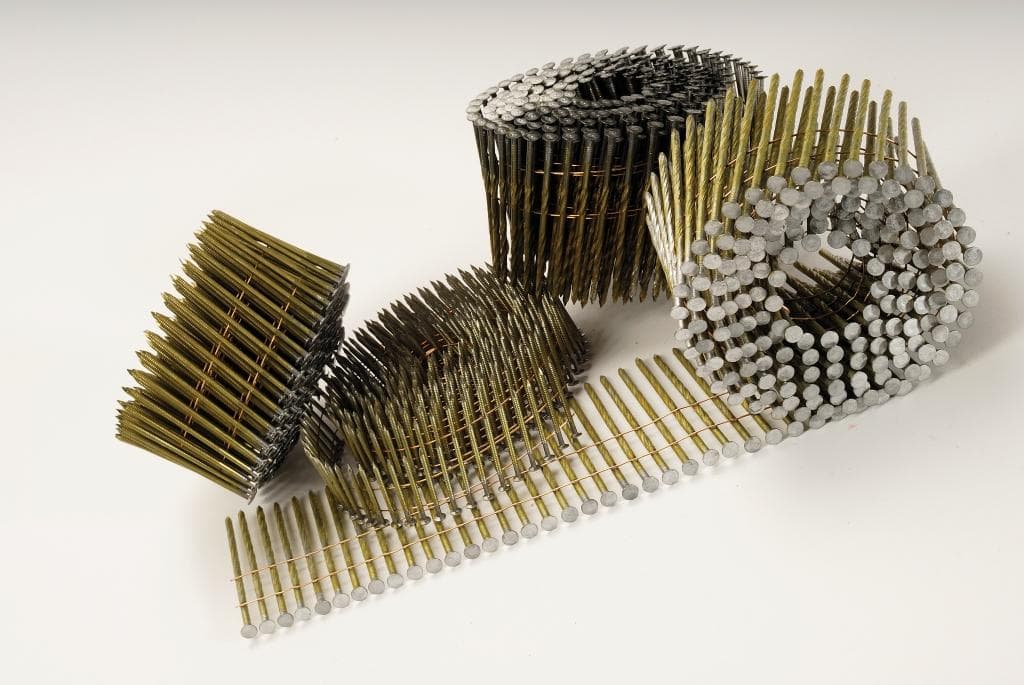
BEA DC2.8X60BK Head Nails
BEA · Nails
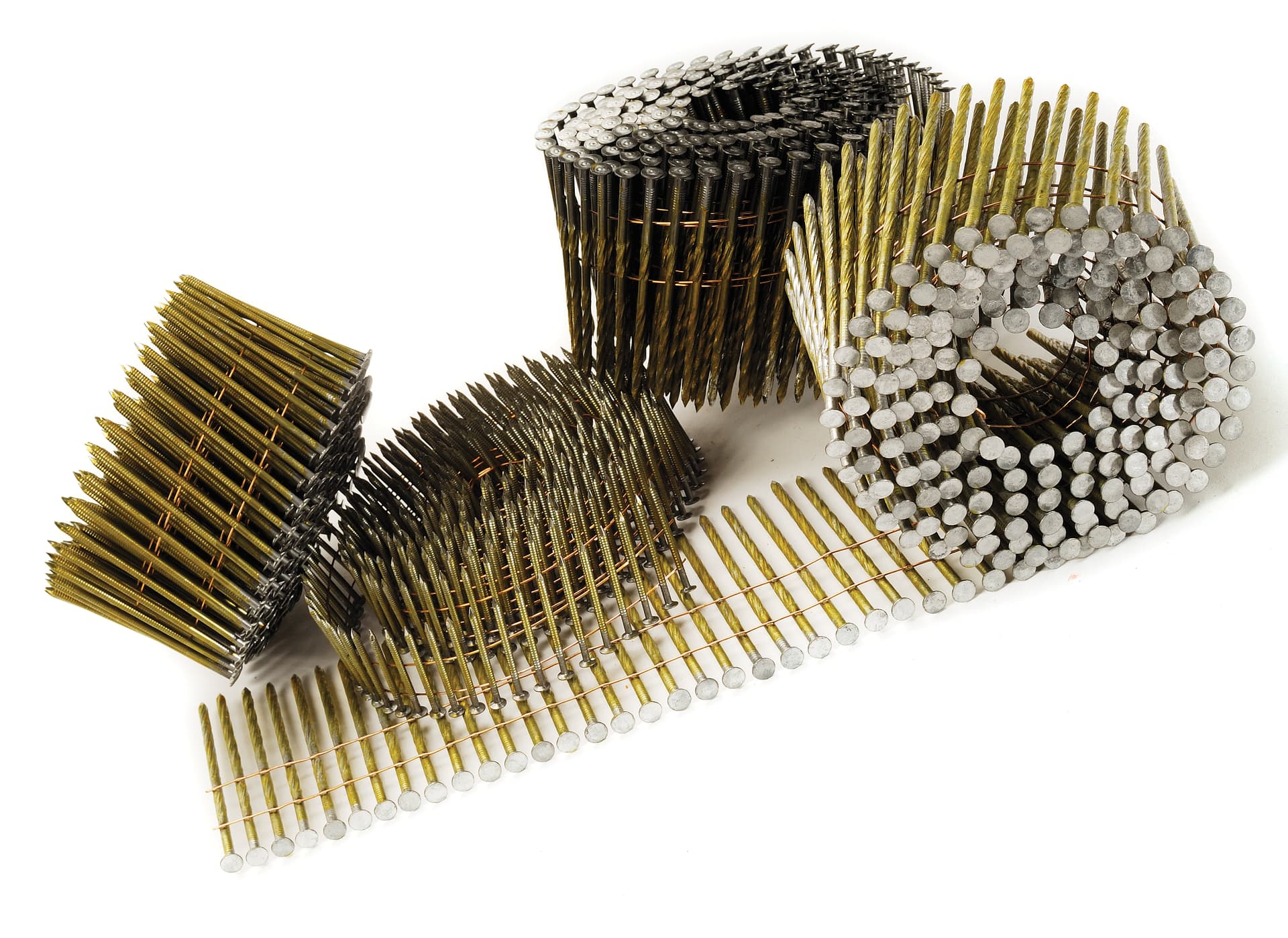
BEA DC3.1X70BK Head Nails
BEA · Nails
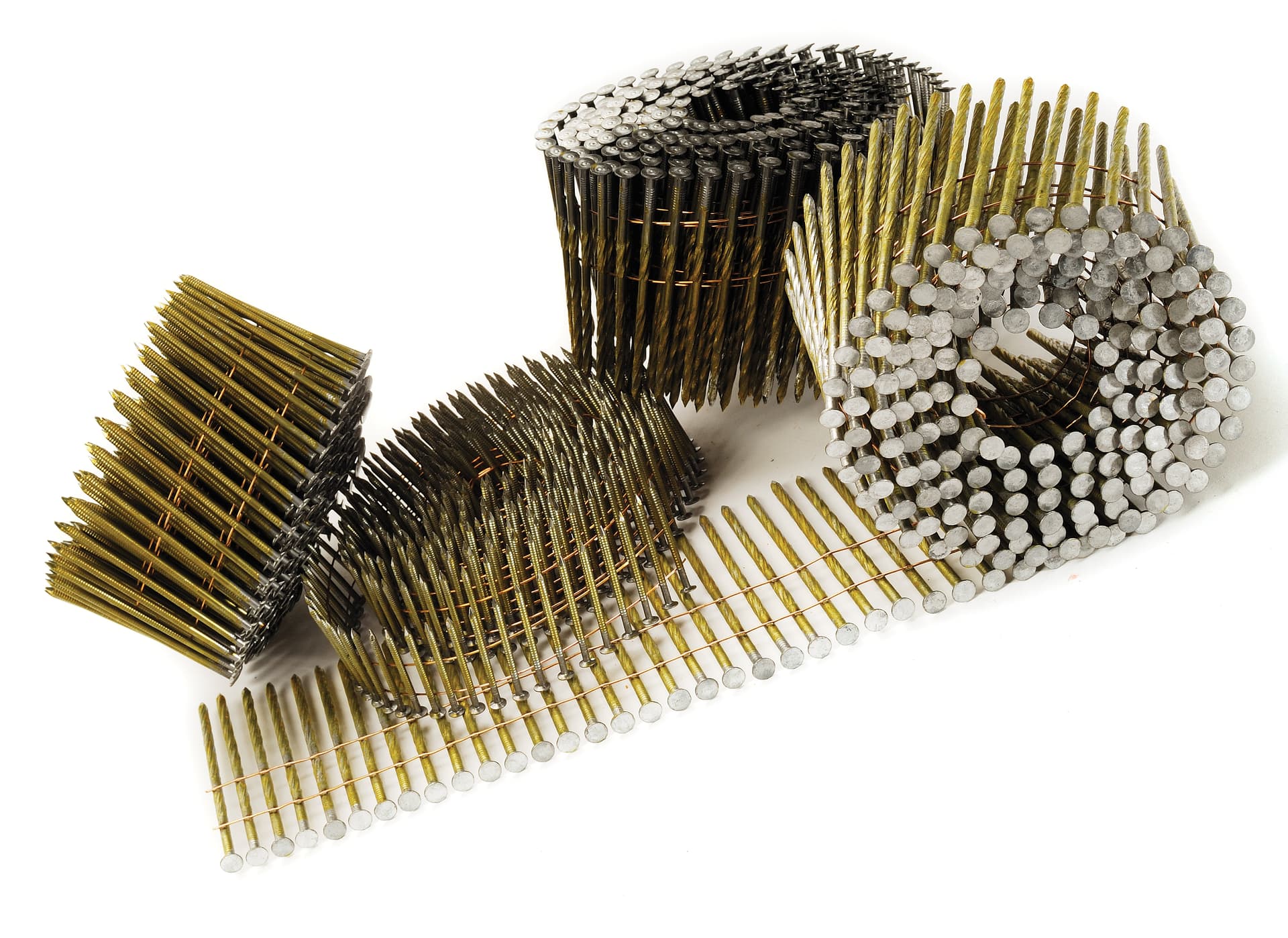
BEA DC3.1X80BK Head Nails
BEA · Nails
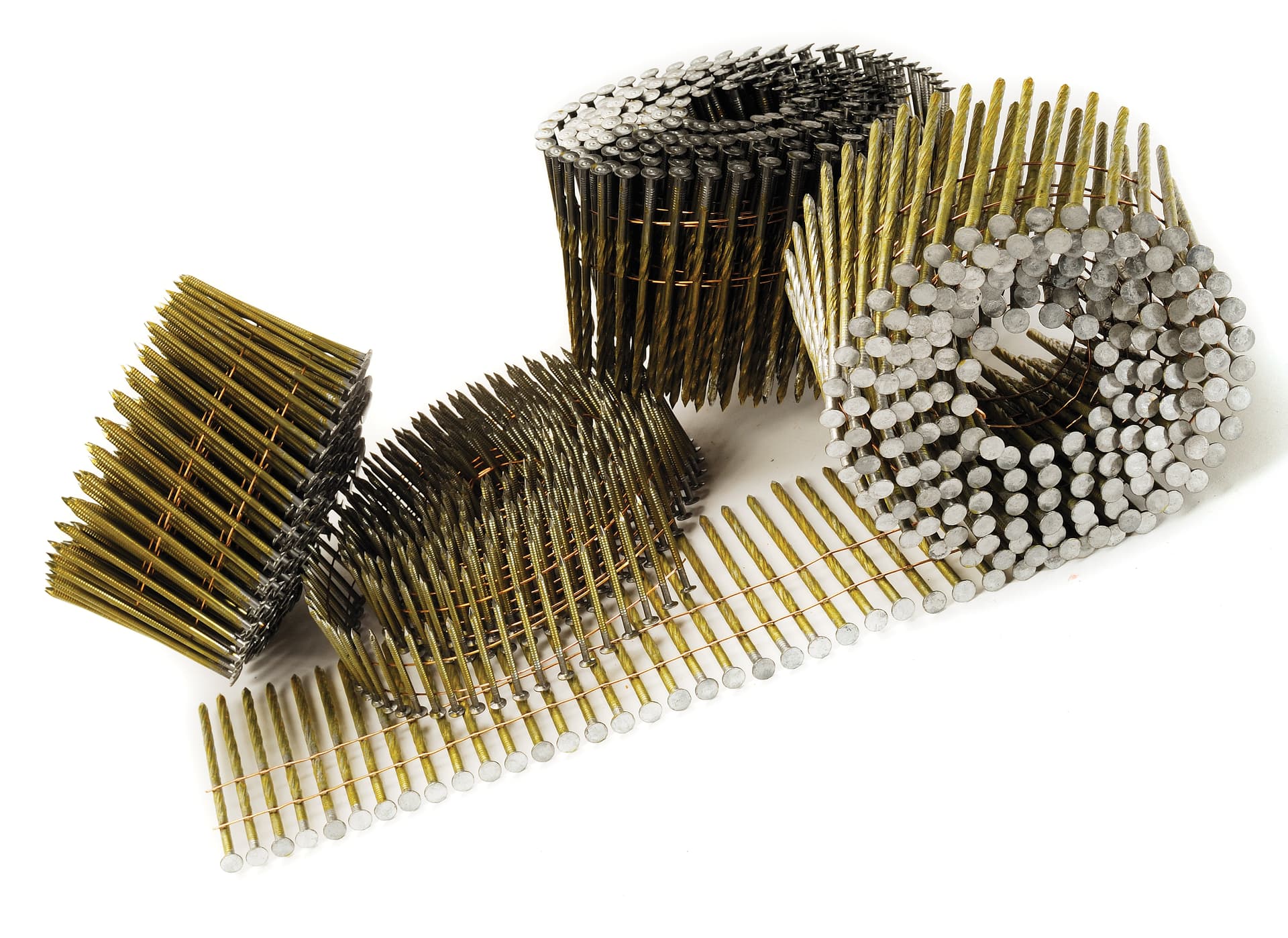
BEA DC3.1X90BK Head Nails
BEA · Nails
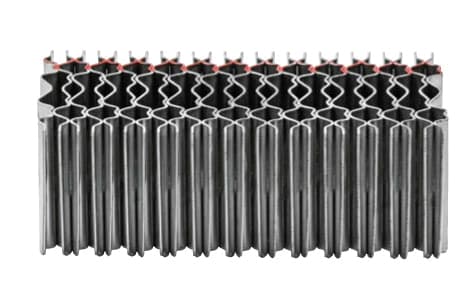
BEA WM12 Corrugated Fasteners
BEA · Nails
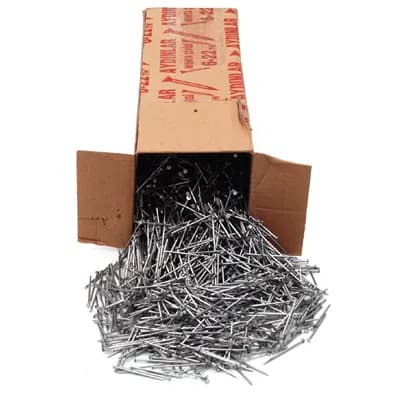
Cam Çivisi 2.5 kg
Nails
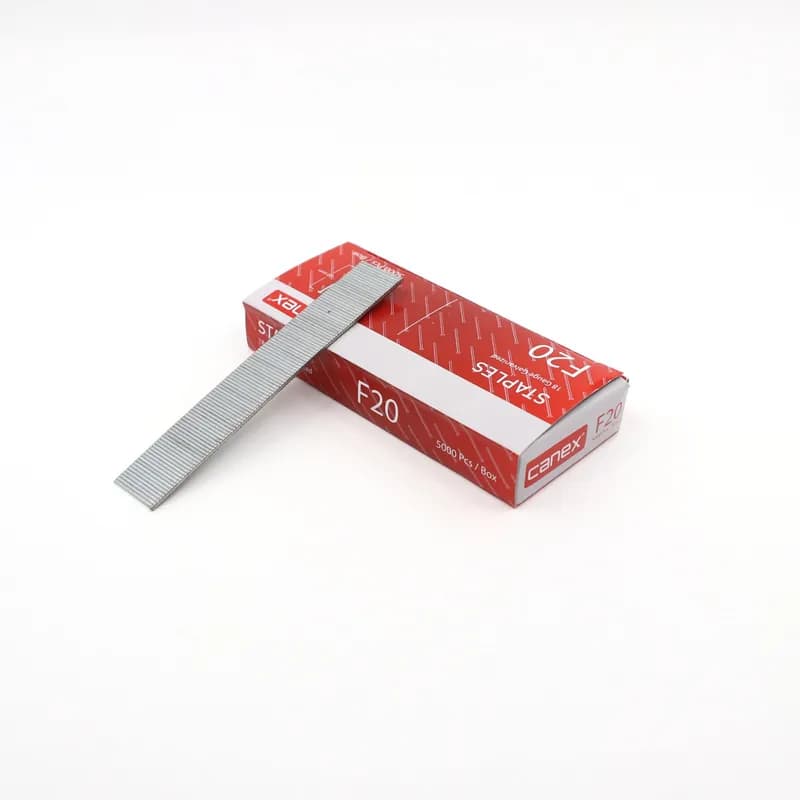
Canex Havalı Tabanca Çivisi 20 mm
Nails
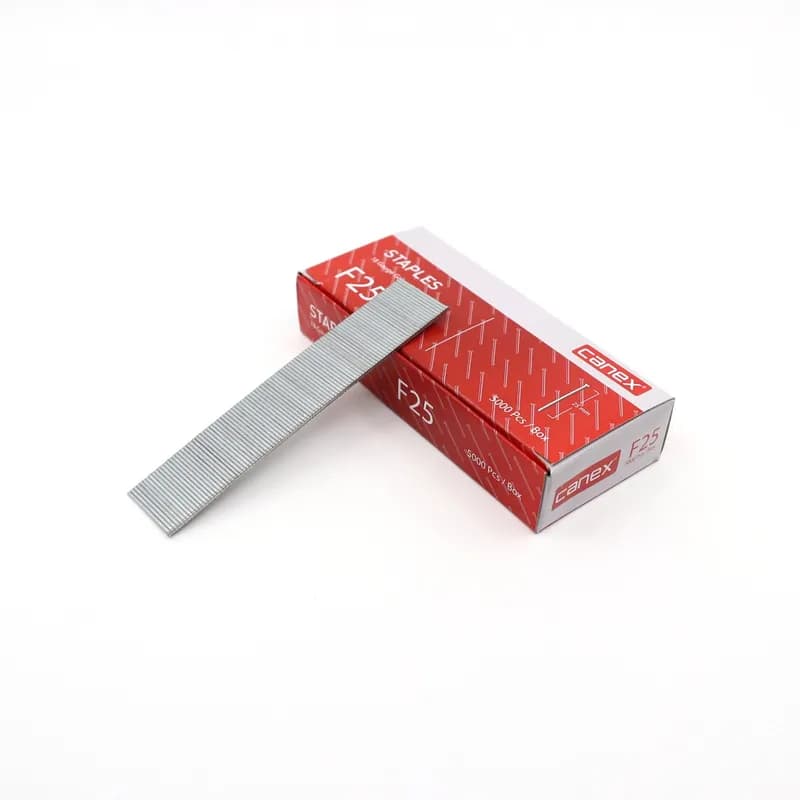
Canex Havalı Tabanca Çivisi 25 mm
Nails
1–24 of 194 · page 1 / 9
Hand-driven nails
The common nail is the standard for formwork and rough carpentry, sized by a number that combines diameter and length. Wire nails are small and fine, and come headed (TP) or headless (TH): a headless nail leaves no mark on the face, which is why it goes into cladding, mouldings and furniture.
Clout nails have a wide head that presses thin material without crushing it; hardened grooved masonry nails are made to be driven into concrete and brick.
| Nail | Where | Note |
|---|---|---|
| Common nail | Formwork, rough carpentry | Sized by number |
| Wire nail, headed (TP) | General assembly | Head stays proud |
| Wire nail, headless (TH) | Cladding, mouldings, furniture | Leaves no mark |
| Clout nail | Thin sheet, packaging | Wide head |
| Grooved masonry nail | Concrete, brick | Hardened |
Nailer nails: collation, angle and gauge
Pneumatic and cordless nailers take nails in strips or coils rather than singly. A tool accepts only its own collation, angle and gauge: a 34° D-head strip will not feed a 21° round-head tool.
Gauge describes how fine the nail is — the higher the number, the thinner the nail. An 18G brad is fine and leaves almost no mark, for cladding and trim; ring shank nails resist withdrawal thanks to the rings on the shank and are preferred for pallets and outdoor work.
- Check the angle and collation the tool accepts.
- 18G brad: fine, near-invisible, for cladding and trim.
- Ring shank: ringed shank, high withdrawal resistance.
- Box quantities are high (3,000-12,000); plan consumption accordingly.
Frequently Asked Questions
What is the difference between headed and headless wire nails?
A headed (TP) nail stays proud and clamps harder; a headless (TH) nail sinks into the surface and leaves no mark. Visible surfaces, cladding and mouldings take the headless type.
Will any nail fit any nailer?
No. Nailer nails are made to a strip angle (21°, 30°, 34°), a collation (wire, plastic or paper) and a gauge; anything outside the combination the tool accepts will not feed.
What is a ring shank nail for?
The rings lock into the wood fibre and resist the nail pulling back out. In pallets, canopies and outdoor work — anywhere with withdrawal load — it holds far better than a smooth shank.
What does 18G mean?
It is the gauge of the nail; the higher the number, the thinner the nail. An 18G brad is a fine, near-invisible nail used for cladding and trim.
Can nails be driven into concrete?
With a hardened grooved masonry nail and a suitable powder-actuated or impact tool. An ordinary wood nail will simply bend.