Categories
Rope
Rope is chosen by material and diameter: steel and polyester rope of the same diameter serve entirely different loads and uses. This page covers the types, where each belongs, and what the diameter means. The catalogue holds over 45 sizes from İpsan and Özkul.
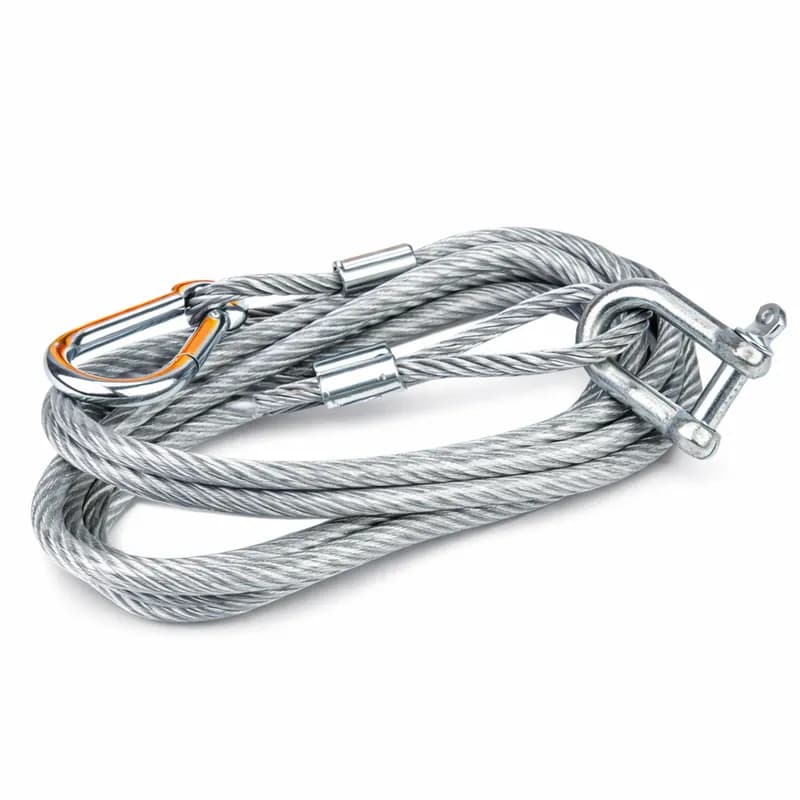
ELTOS Çelik Çekme Halatı 6-8 mm 3.5 mt ÇH200
ELTOS · Rope
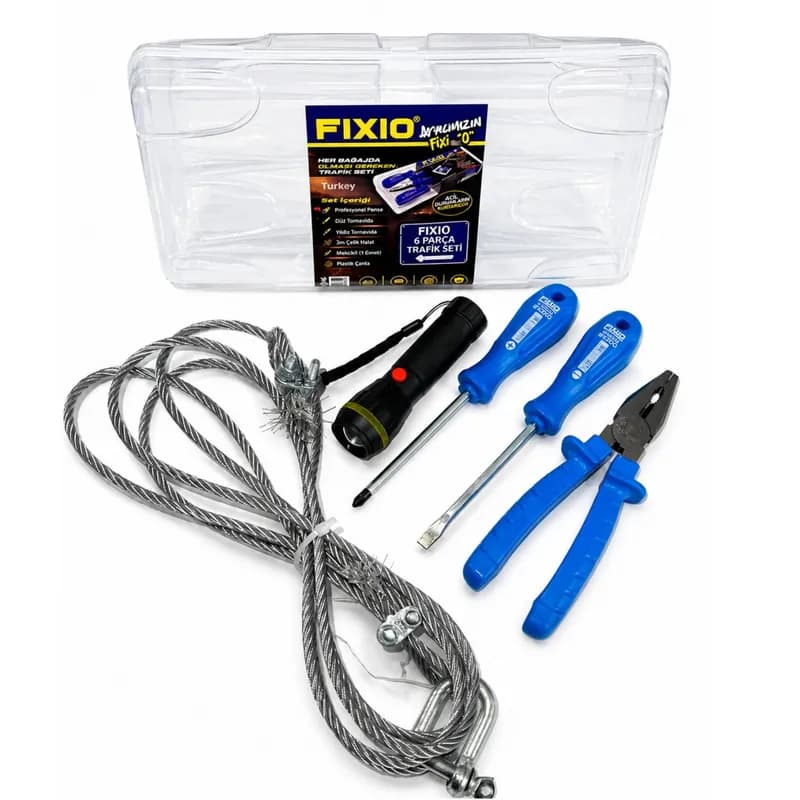
Fıxıo Oto Trafik Seti Çelik Halatlı 6 Lı FTS-1006
Rope
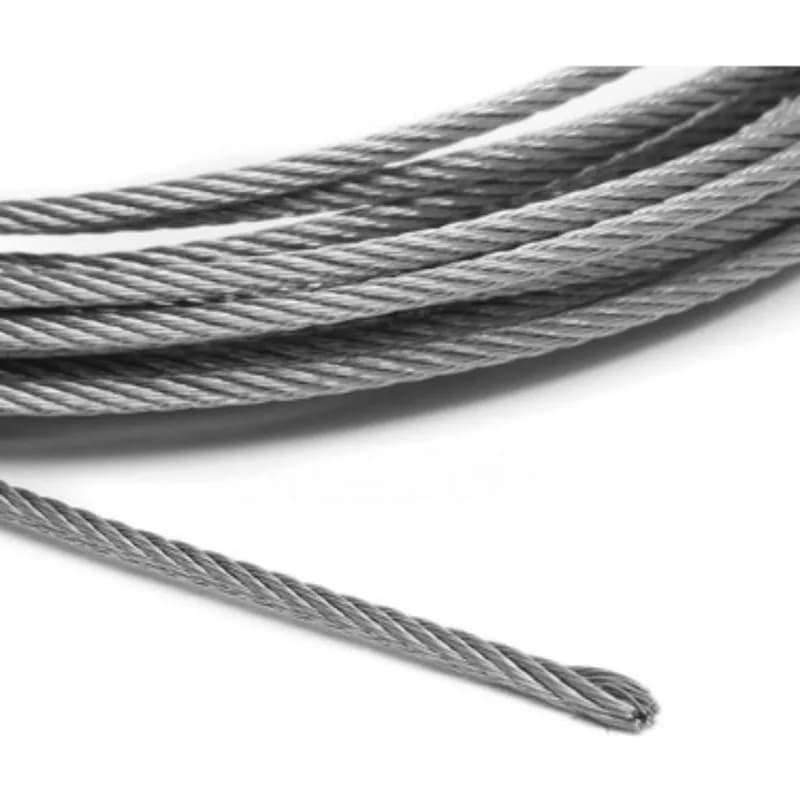
Galveniz Çelik Halat 10 mm
Rope
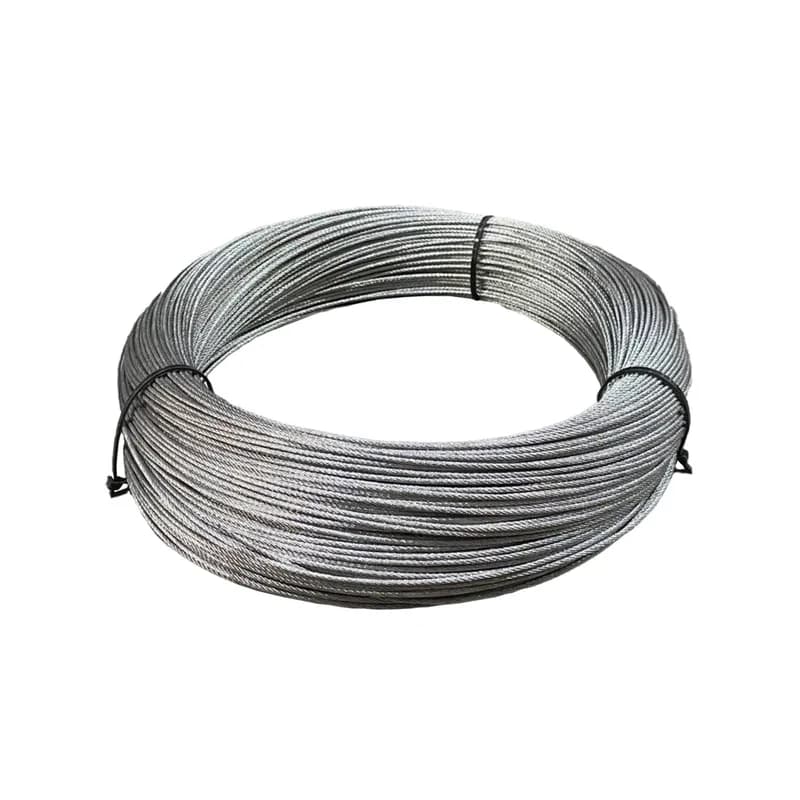
Galveniz Çelik Halat 12 mm
Rope
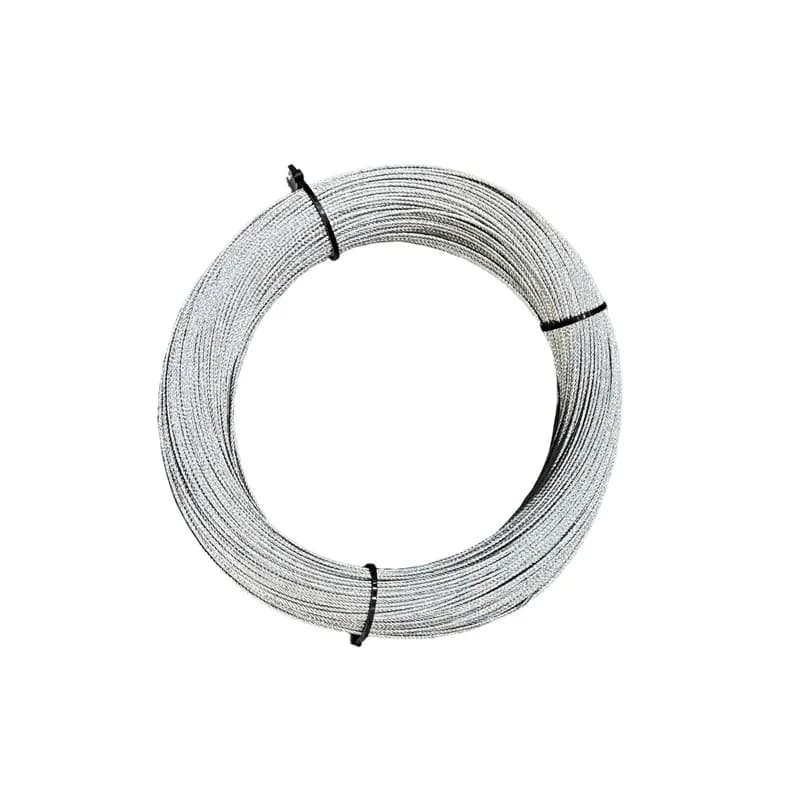
Galveniz Çelik Halat 2 mm
Rope
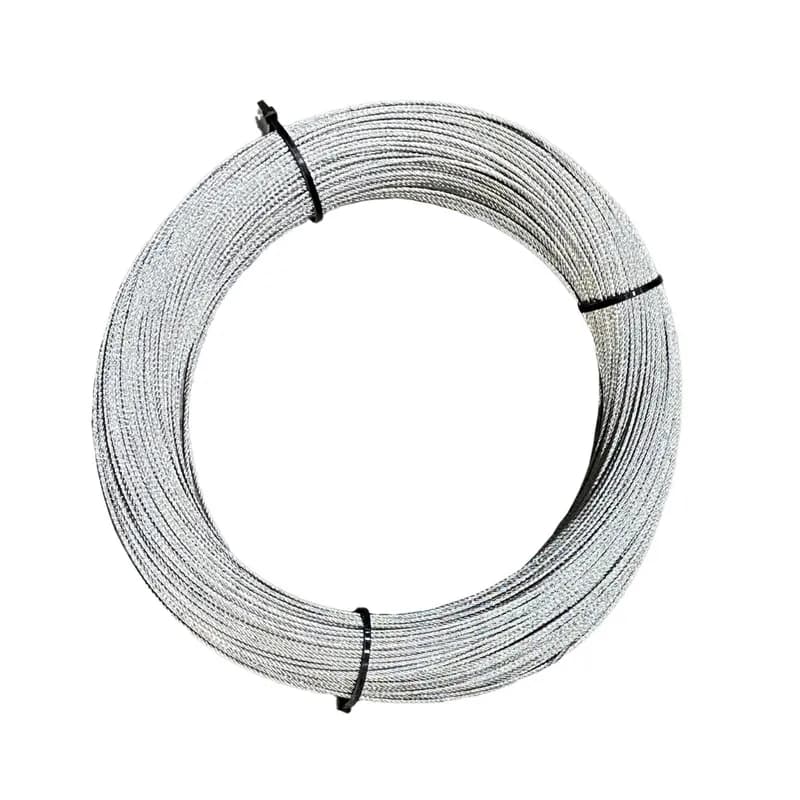
Galveniz Çelik Halat 3 mm
Rope
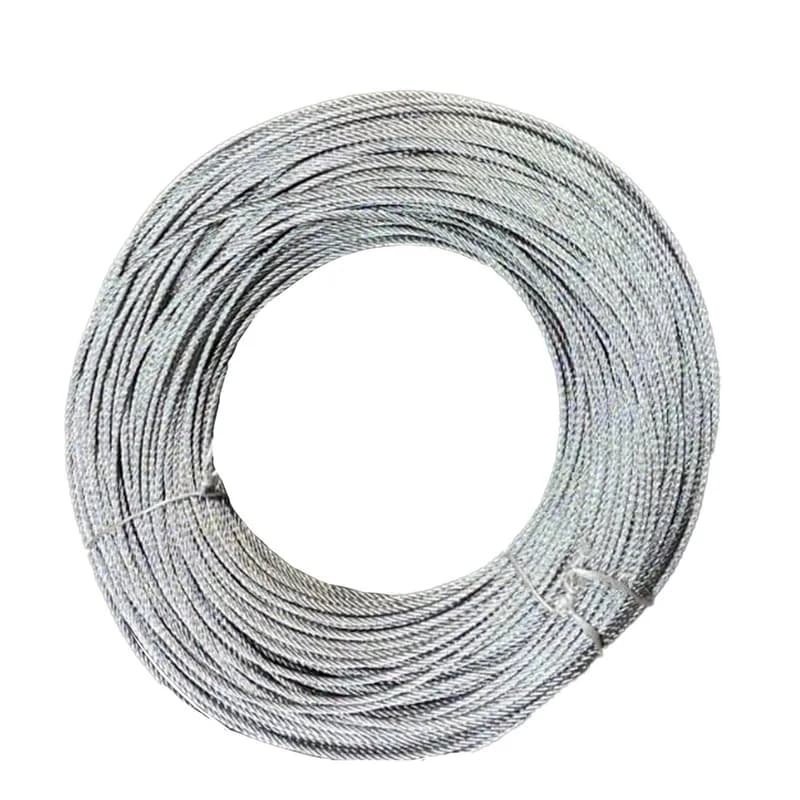
Galveniz Çelik Halat 4 mm
Rope
Galveniz Çelik Halat 5 mm
Rope
Galveniz Çelik Halat 6 mm
Rope
Galveniz Çelik Halat 8 mm
Rope
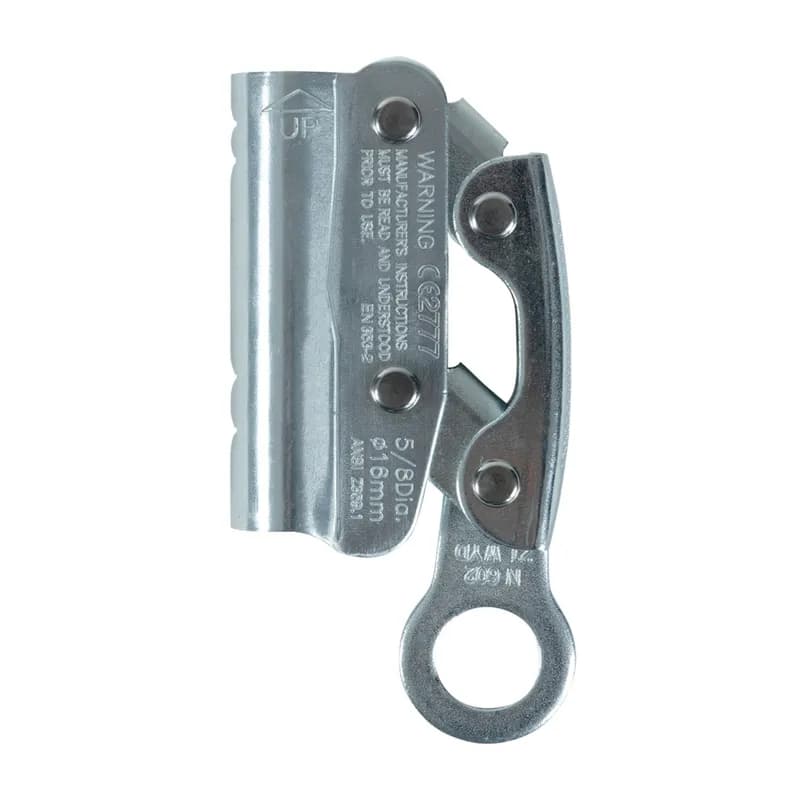
İp Halat Tutucu 12.16 mm KK03
Rope
İPSAN 1.KALİTE İpek Örme Halat (İskota) 10 mm
İPSAN · Rope
İPSAN 1.KALİTE İpek Örme Halat (İskota) 12 mm
İPSAN · Rope
İPSAN 1.KALİTE İpek Örme Halat (İskota) 6 mm
İPSAN · Rope
İPSAN 1.KALİTE İpek Örme Halat (İskota) 8 mm
İPSAN · Rope
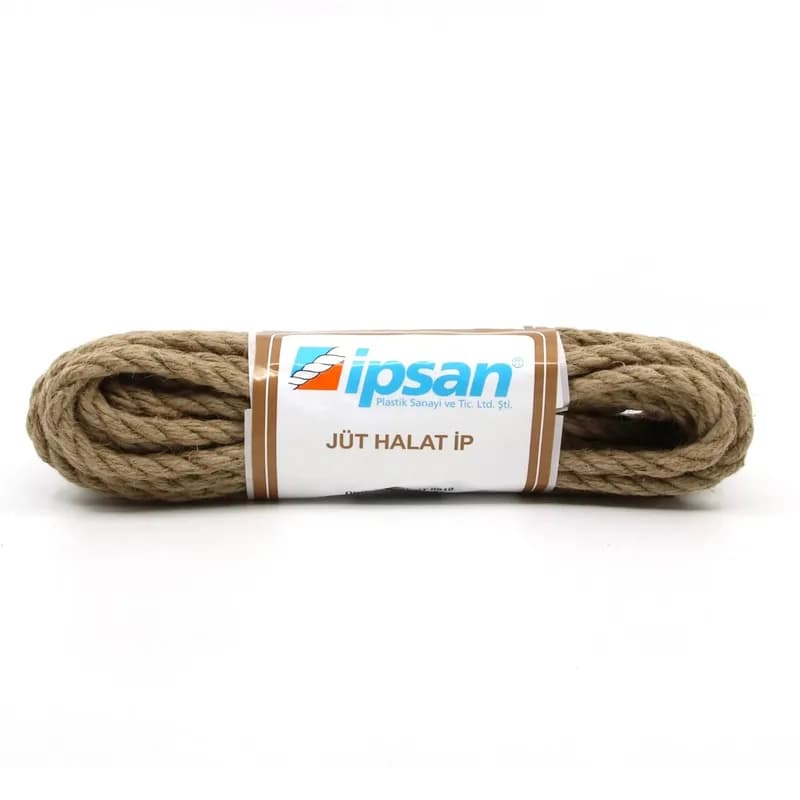
İPSAN Kendir Halat(jüt) 5 mm 10 mt JT0510
İPSAN · Rope
İPSAN Kendir Halat(jüt) 5 mm 20 mt JT0520
İPSAN · Rope
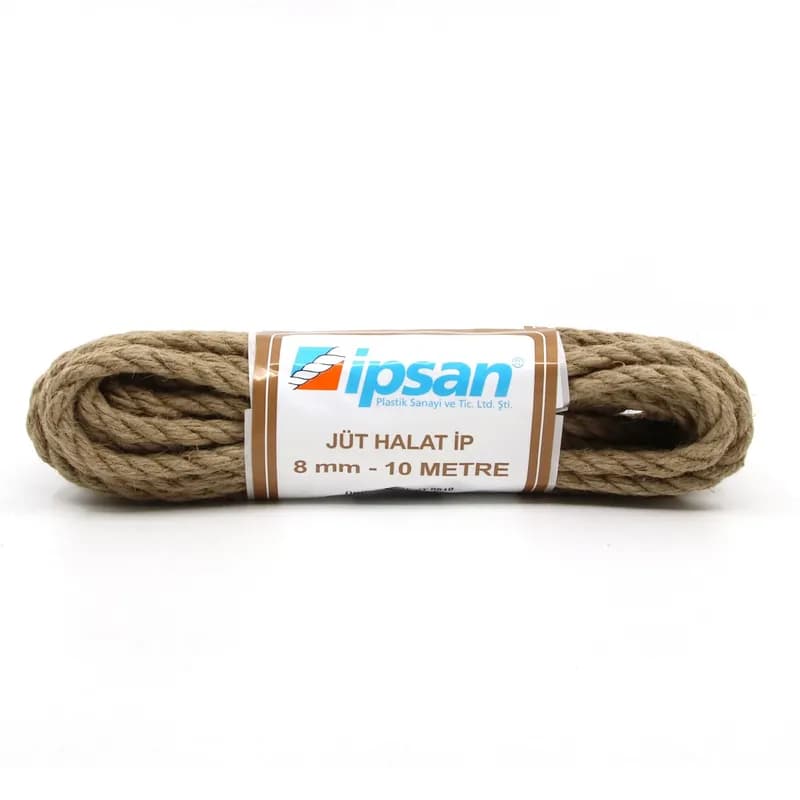
İPSAN Kendir Halat(jüt) 8 mm 10 mt JT0810
İPSAN · Rope
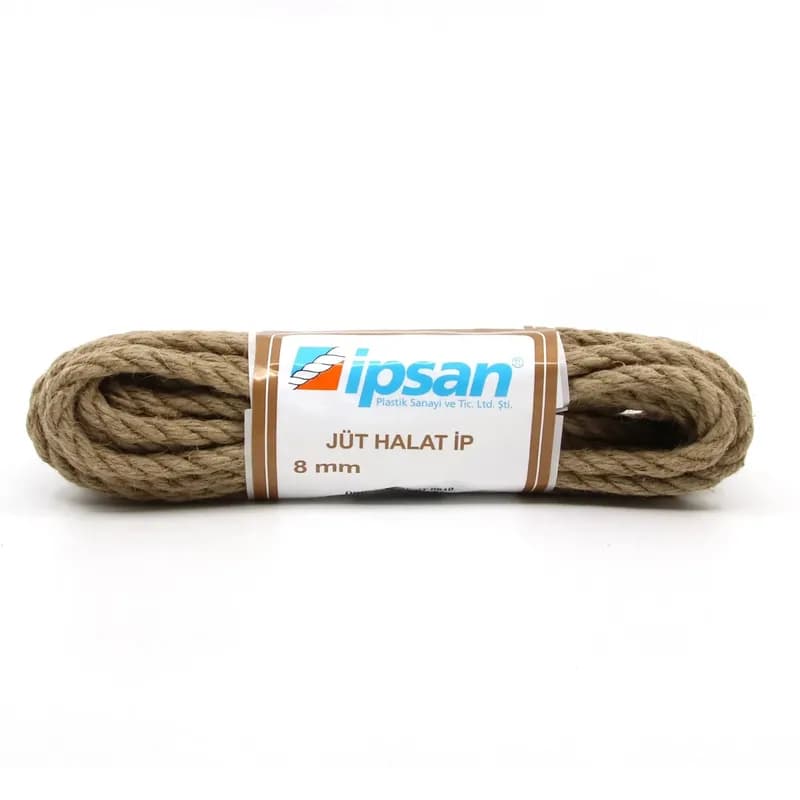
İPSAN Kendir Halat(jüt) 8 mm 20 mt JT0820
İPSAN · Rope
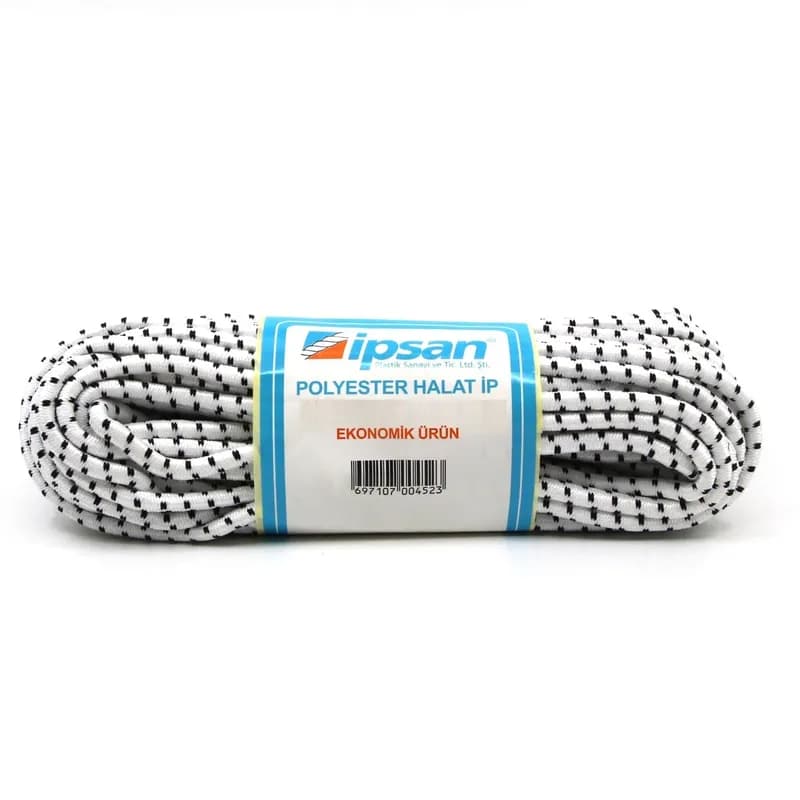
İPSAN Polyester İpek Örme Halat 4 mm 10 mt PY0410
İPSAN · Rope
İPSAN Polyester İpek Örme Halat 4 mm 20 mt PY0420
İPSAN · Rope
İPSAN Polyester İpek Örme Halat 6 mm 10 mt PY0610
İPSAN · Rope
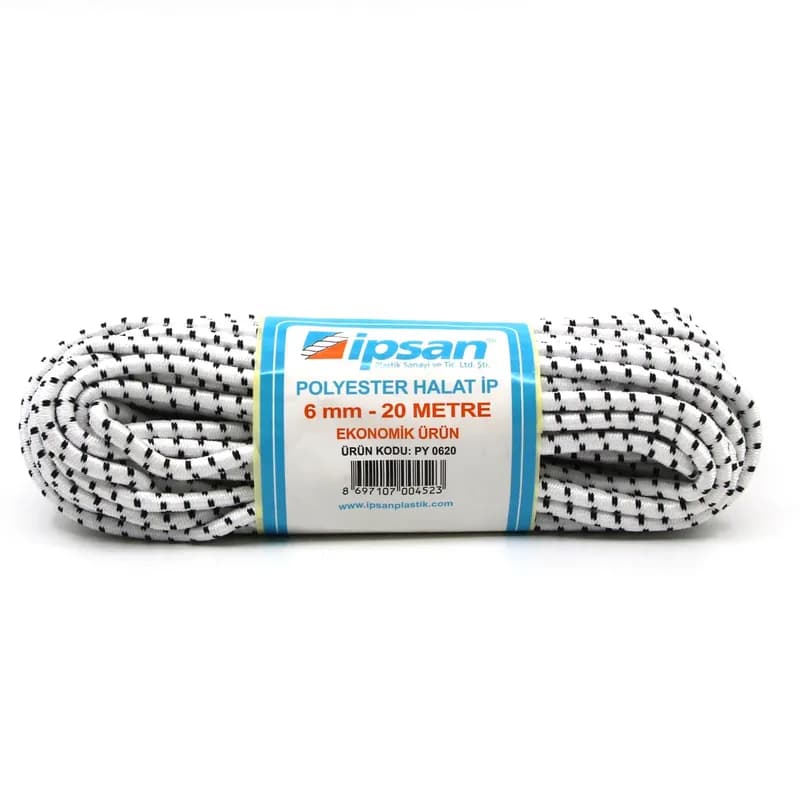
İPSAN Polyester İpek Örme Halat 6 mm 20 mt PY0620
İPSAN · Rope
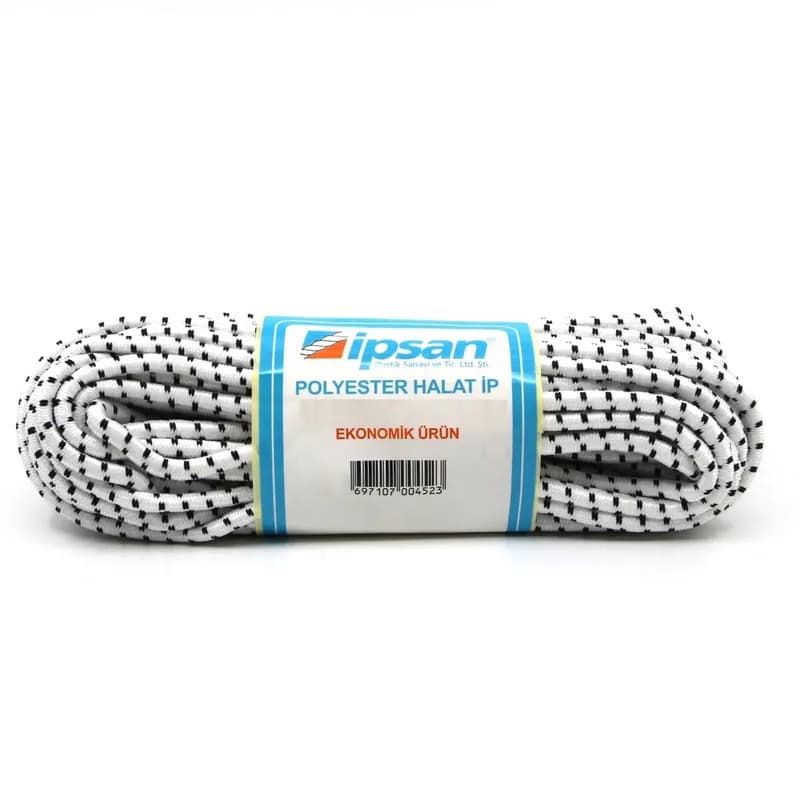
İPSAN Polyester İpek Örme Halat 8 mm 10 mt PY0810
İPSAN · Rope
1–24 of 47 · page 1 / 2
Types of rope
Steel wire rope is for heavy loads, pulling and suspension; it does not stretch and resists cutting. Galvanising slows corrosion outdoors, while the clear PVC-coated version protects both the surface it runs over and the hands that touch it.
Braided polyester rope is light, flexible and knots well — the standard for tying, hanging and general use. Jute rope is for natural looks and decorative work and weakens when wet. Bungee cord ties by stretching: it secures loads and is never a load-bearing rope.
| Rope | Where | Note |
|---|---|---|
| Galvanised steel wire | Pulling, suspension, tensioning | No stretch, heavy load |
| PVC-coated steel wire | Visible runs, protection | Clear jacket |
| Braided polyester | Tying, hanging, general | Light, knots well |
| Jute rope | Decorative, natural | Weakens when wet |
| Bungee cord | Load securing | Not load-bearing |
Diameter, clips and turnbuckles
Diameter sets the capacity directly; on steel wire rope, doubling the diameter roughly quadruples the load. Capacity also depends on the termination: an under-tightened clip lets go long before the rope itself does.
Steel wire rope ends are locked back on themselves with wire rope clips sized to match the rope diameter, and tension is set with a hook-and-eye turnbuckle. Both live under Clamps & Tensioners in this catalogue.
Frequently Asked Questions
Steel wire or polyester rope?
Heavy loads, pulling and tensioning call for steel wire rope, which does not stretch and resists cutting. For tying, hanging and general hand work, braided polyester is more practical.
How do I choose the diameter?
By the load to be carried. On steel wire rope capacity rises quickly with diameter — but the real capacity is set by the termination, and an under-tightened clip fails before the rope.
What is PVC-coated wire rope for?
The jacket keeps the wires from contact, protects surfaces from scoring and slows corrosion. It is preferred on visible tension lines and anywhere hands touch the rope.
Can jute rope be used outdoors?
For short-term and decorative use, yes; but natural fibre loses strength when wet and under sunlight over time. Permanent load-bearing runs should use polyester or steel.
How is a rope end terminated?
On steel wire rope the end is turned back on itself and locked with clips matching the rope diameter. Tension is then adjusted with a hook-and-eye turnbuckle.