Categories
Wood Filler
Wood filler fills a dent, split or screw hole and sands back flush with the surface — with the right shade, the repair disappears. The catalogue holds 20 colours, from oak, walnut, pine and beech to black, white and grey.
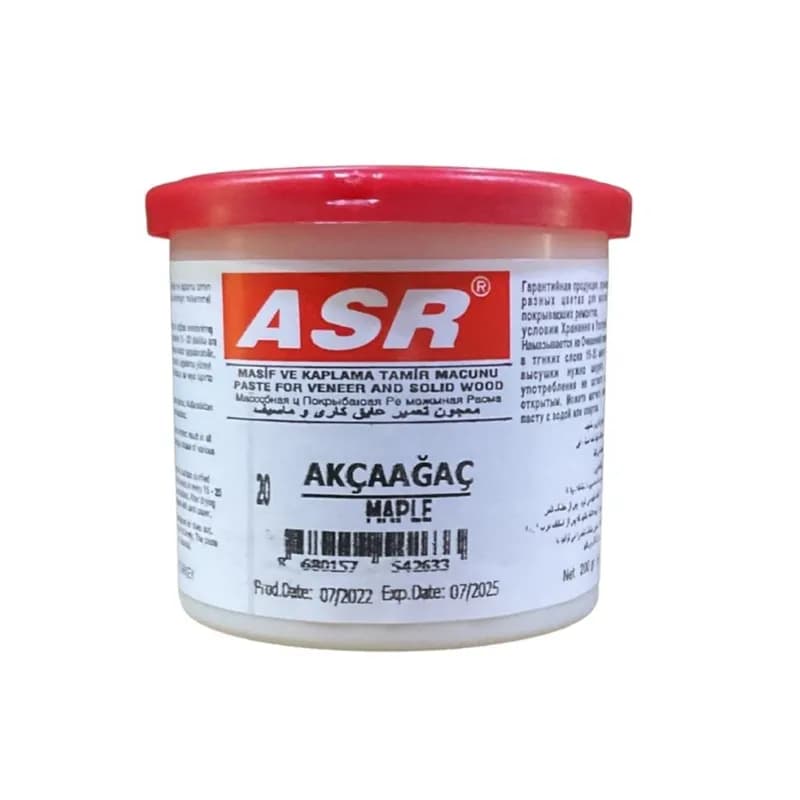
ASR Wood Filler 200 g Maple
ASR · Wood Filler
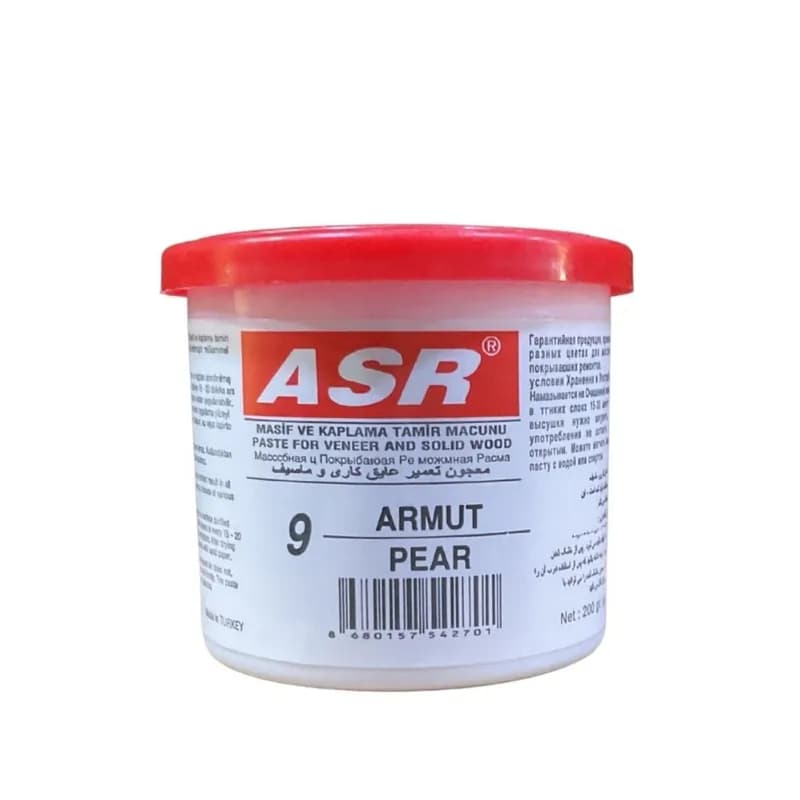
ASR Wood Filler 200 g Pear
ASR · Wood Filler
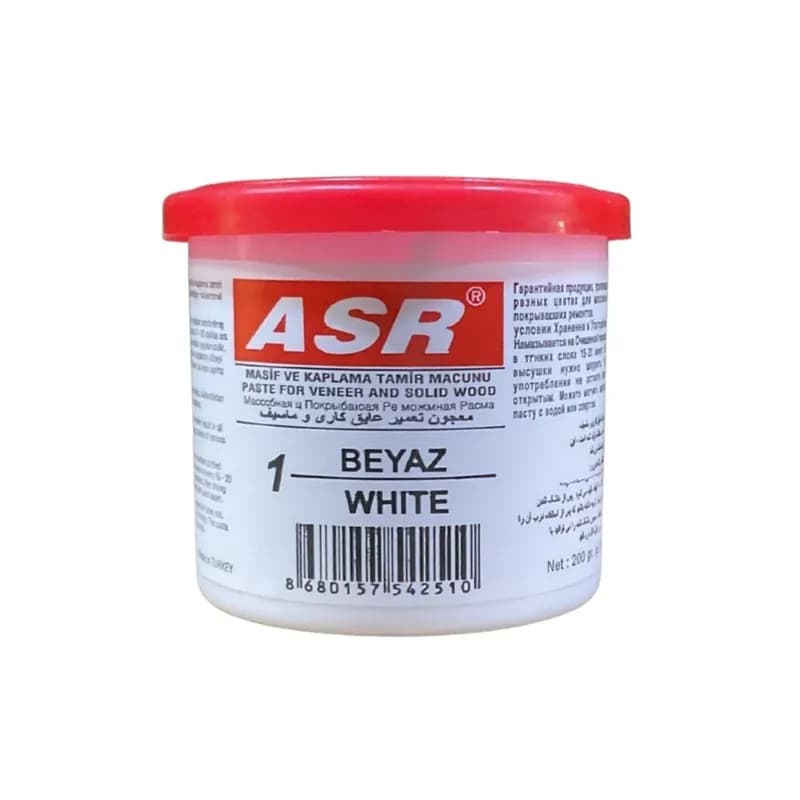
ASR Wood Filler 200 g White
ASR · Wood Filler
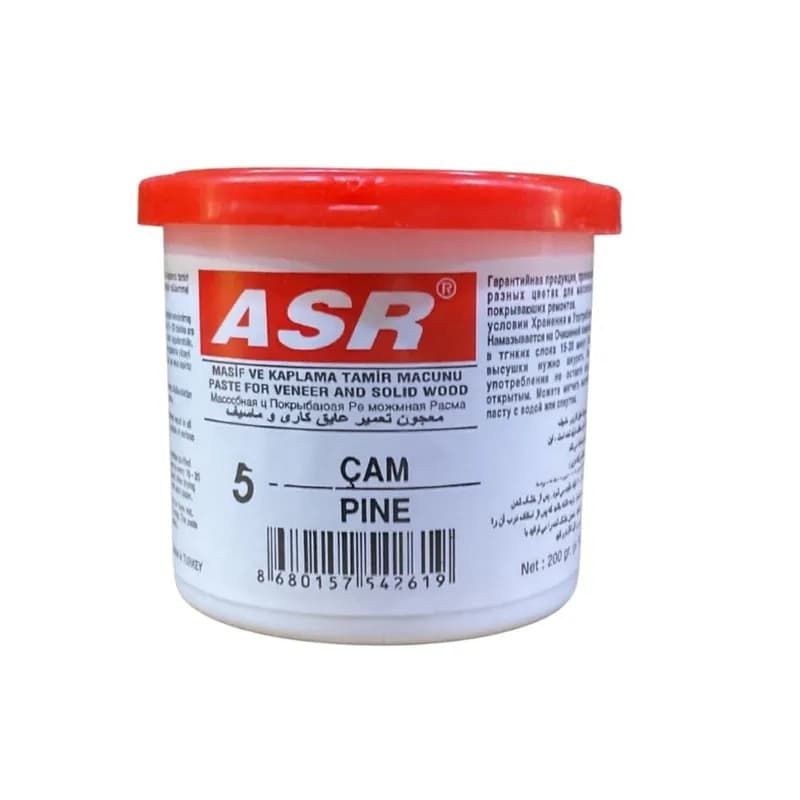
ASR Wood Filler 200 g Pine
ASR · Wood Filler
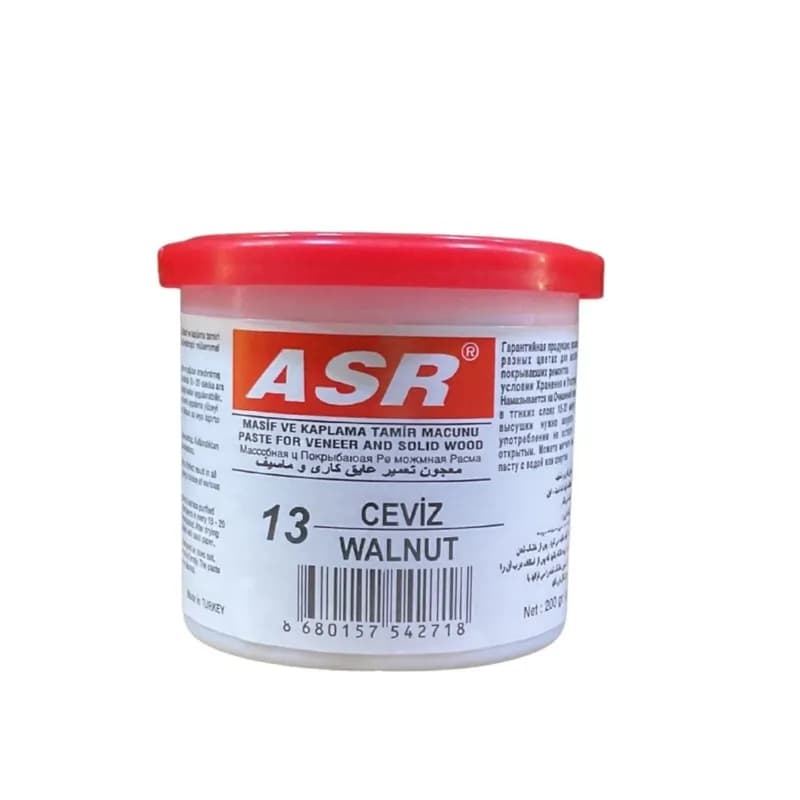
ASR Wood Filler 200 g Walnut
ASR · Wood Filler
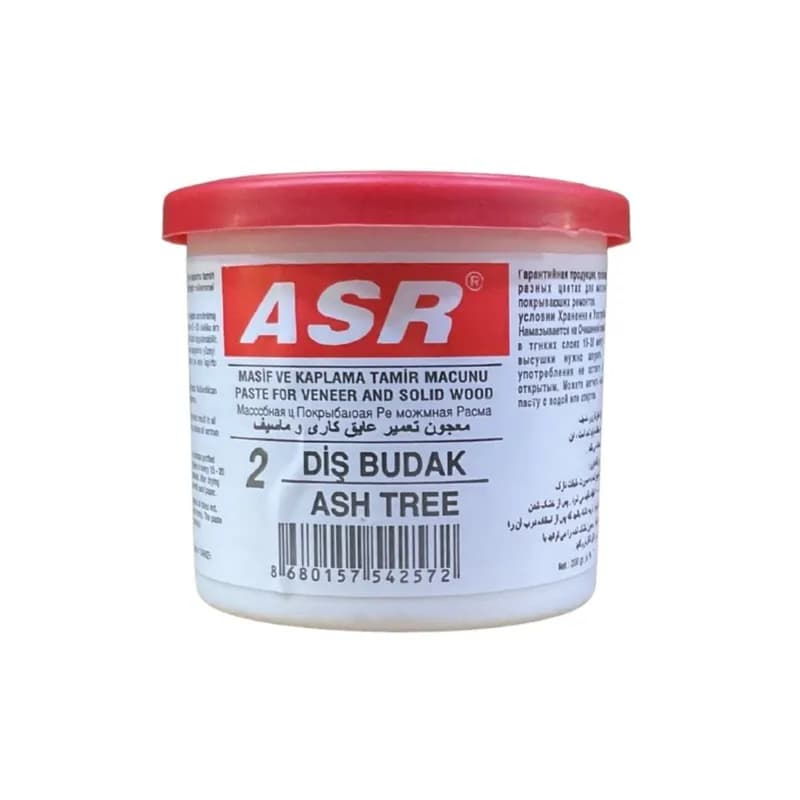
ASR Wood Filler 200 g Ash
ASR · Wood Filler
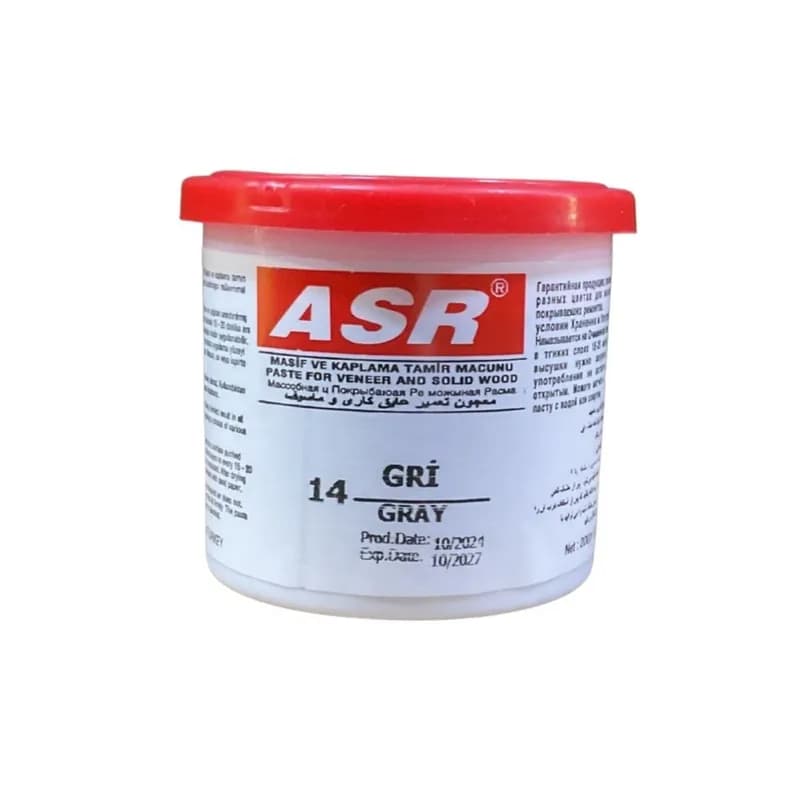
ASR Wood Filler 200 g Grey
ASR · Wood Filler
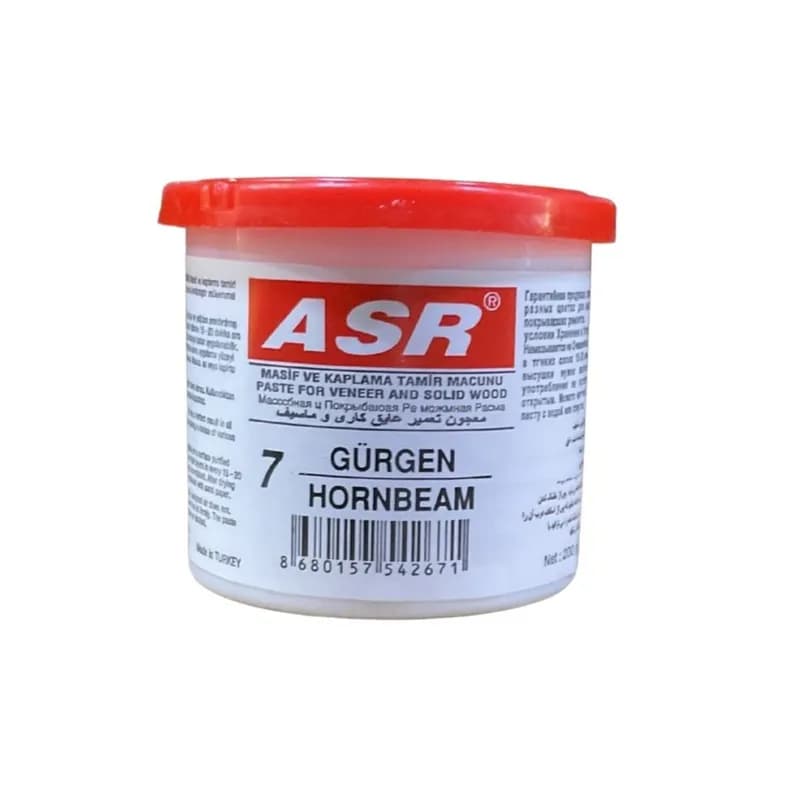
ASR Wood Filler 200 g Hornbeam
ASR · Wood Filler
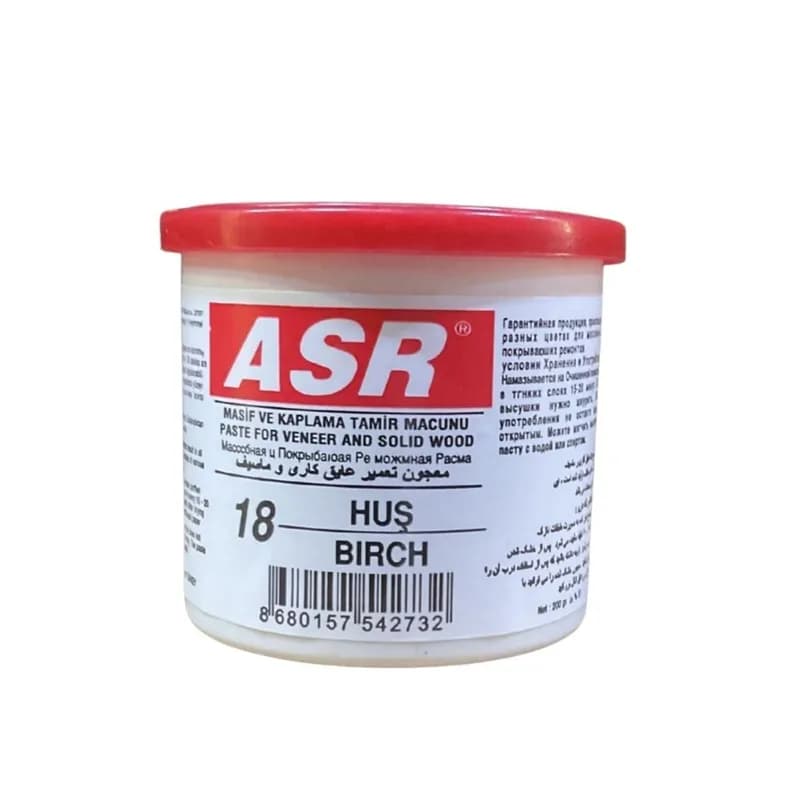
ASR Wood Filler 200 g Birch
ASR · Wood Filler
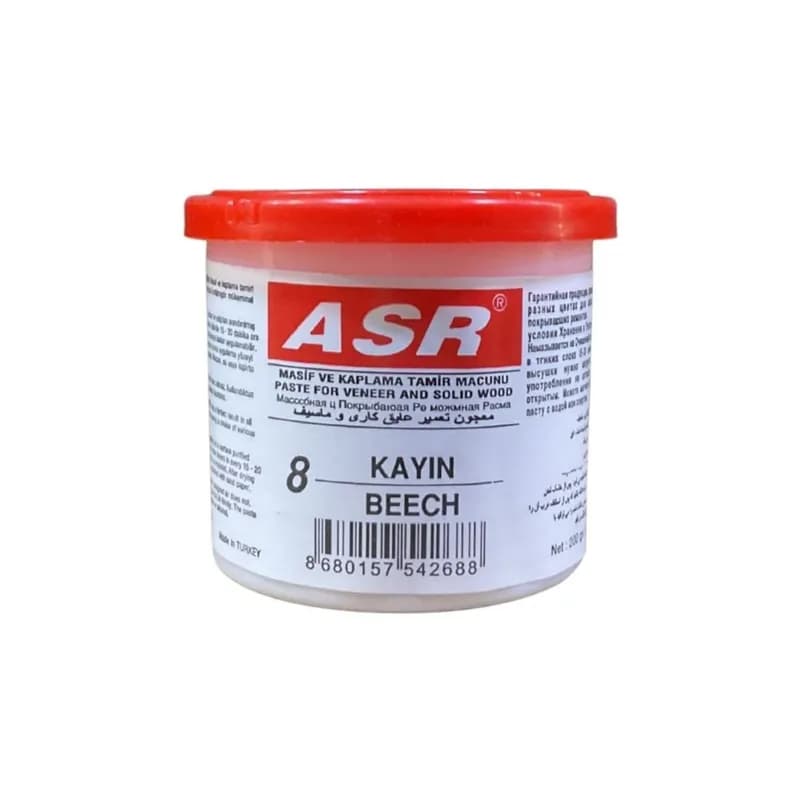
ASR Wood Filler 200 g Beech
ASR · Wood Filler
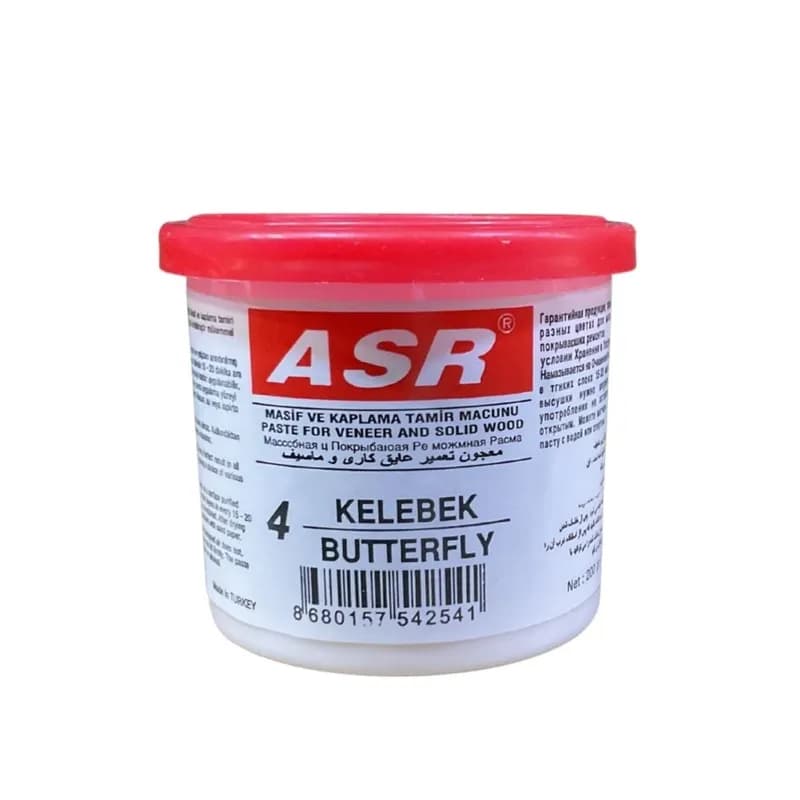
ASR Wood Filler 200 g Butterfly
ASR · Wood Filler
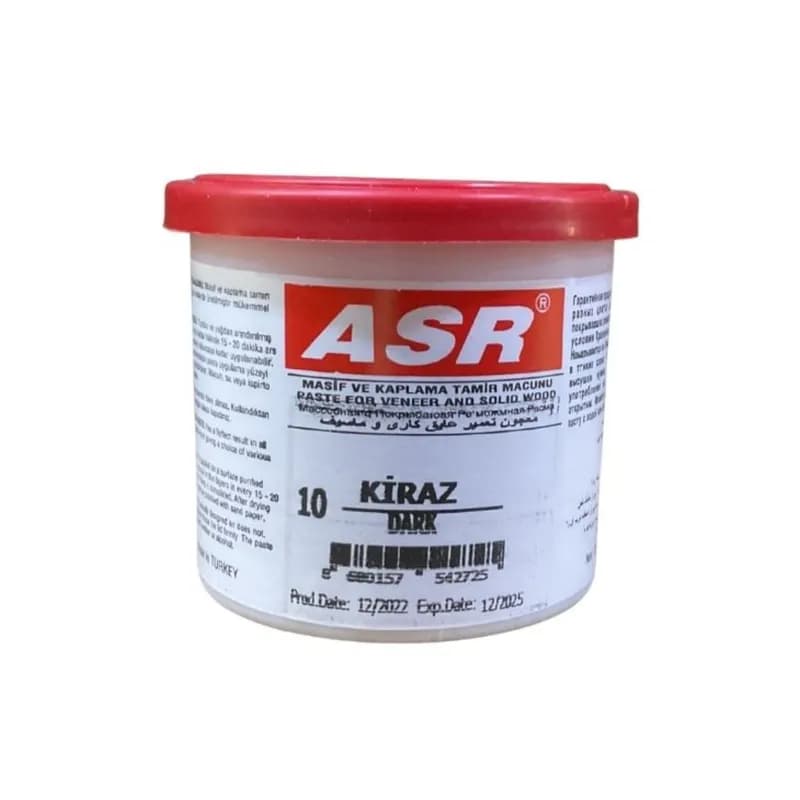
ASR Wood Filler 200 g Cherry
ASR · Wood Filler
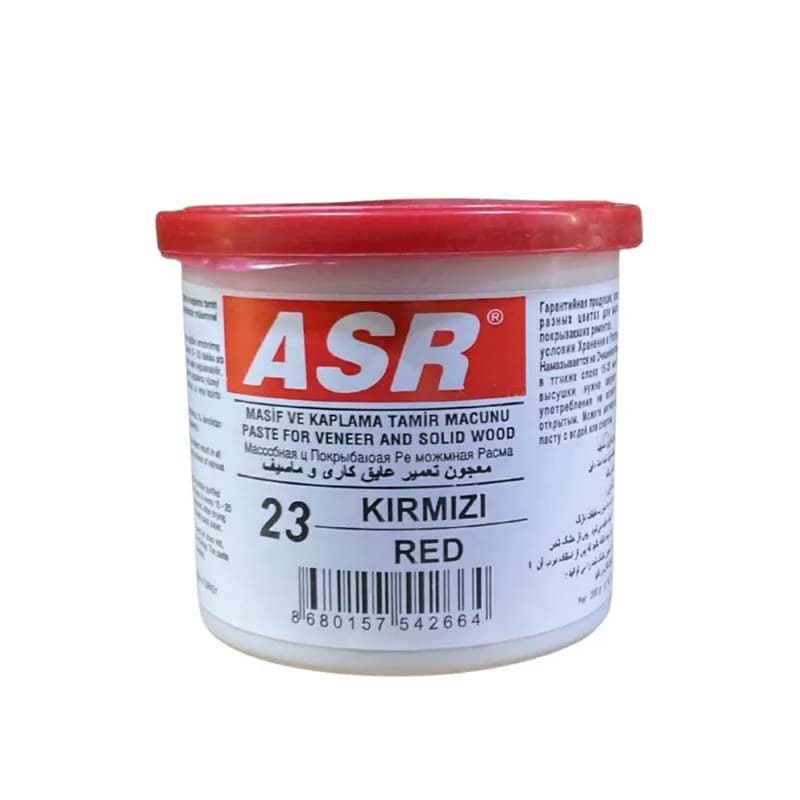
ASR Wood Filler 200 g Red
ASR · Wood Filler
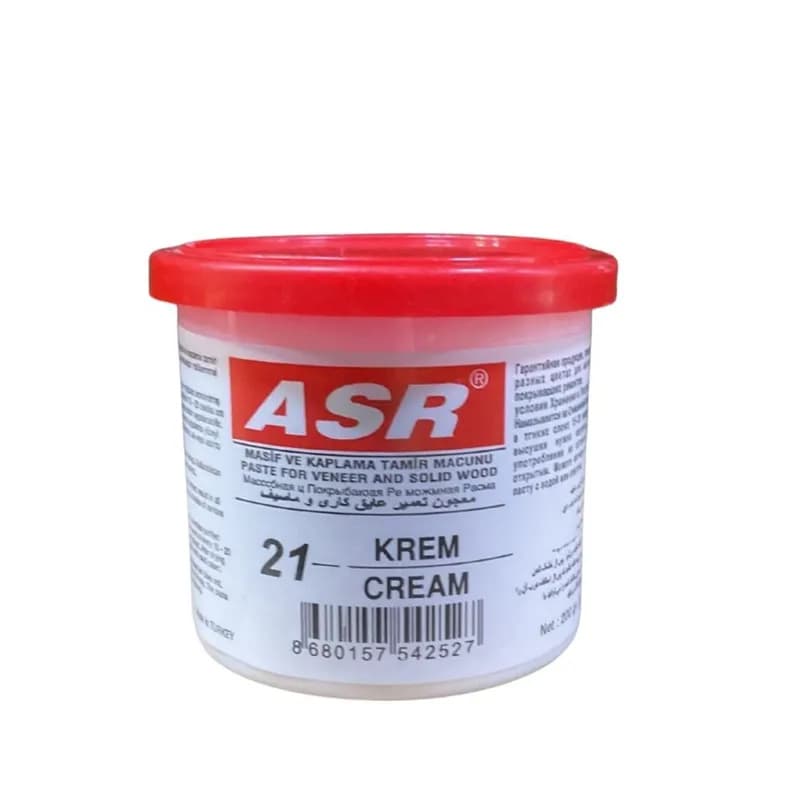
ASR Wood Filler 200 g Cream
ASR · Wood Filler
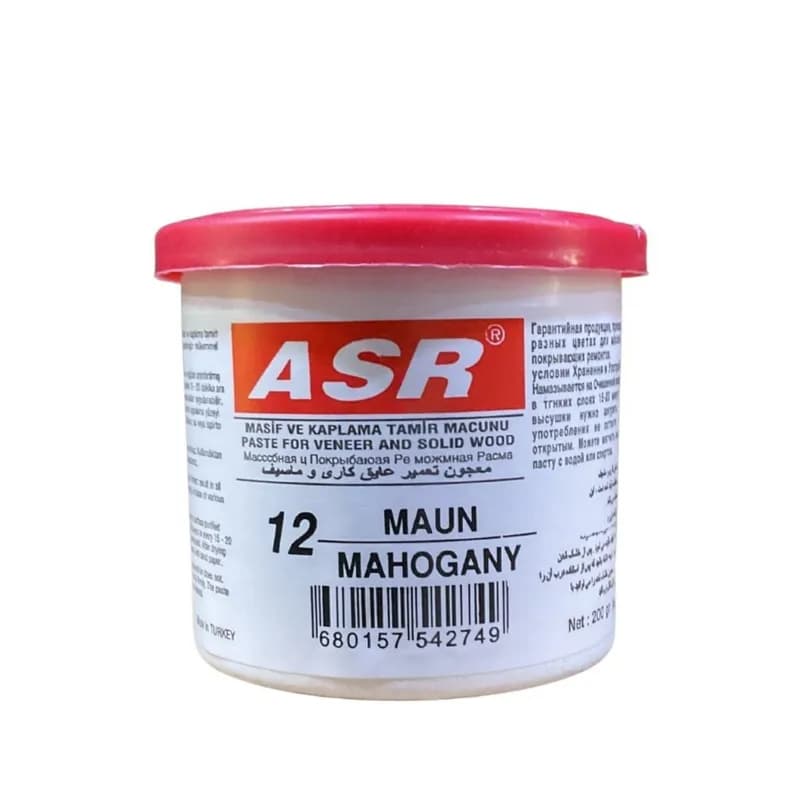
ASR Wood Filler 200 g Mahogany
ASR · Wood Filler
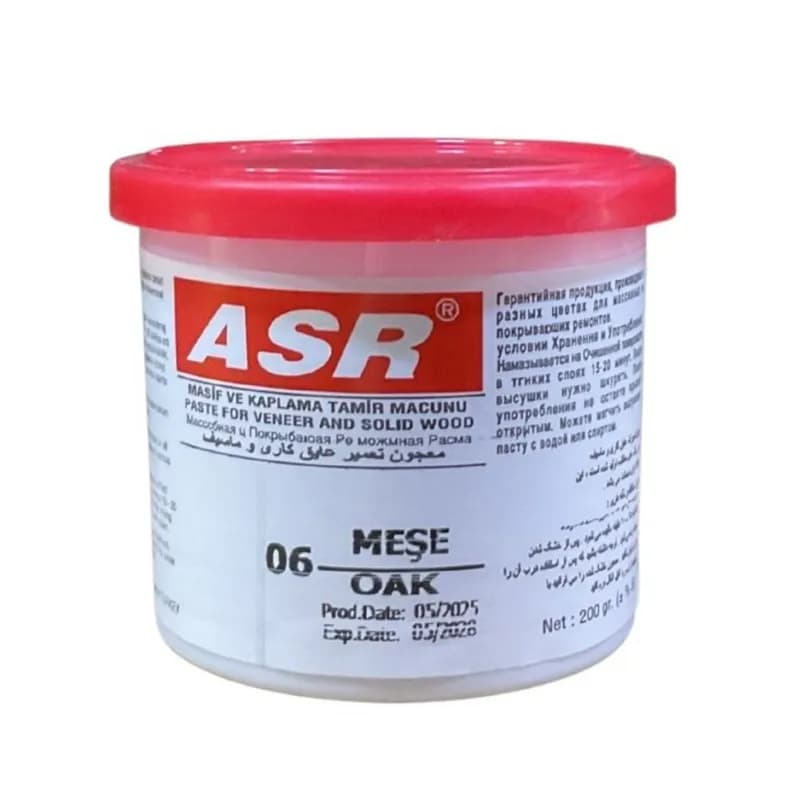
ASR Wood Filler 200 g Oak
ASR · Wood Filler
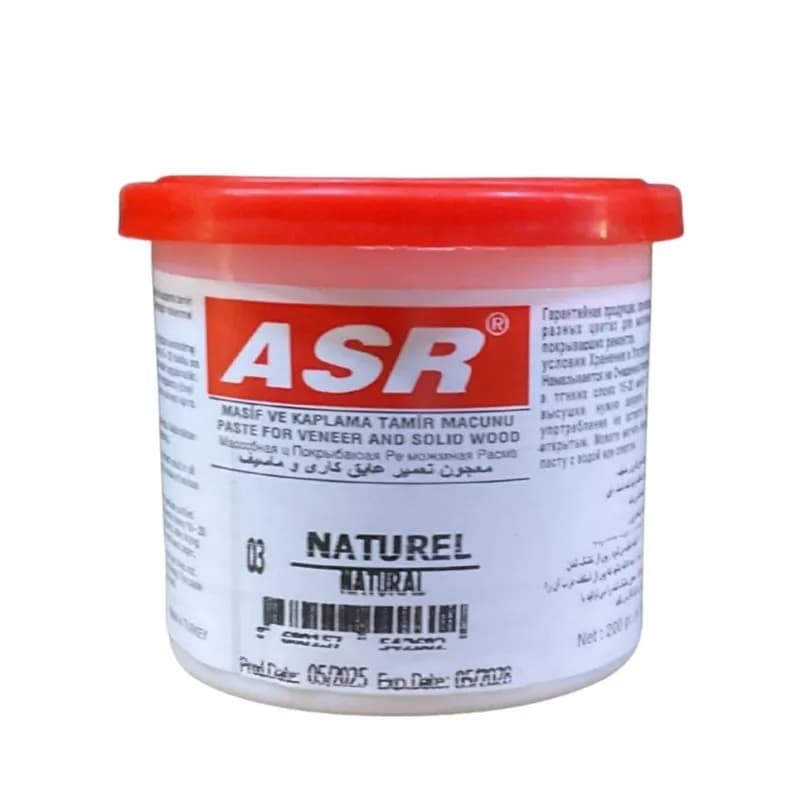
ASR Wood Filler 200 g Natural
ASR · Wood Filler
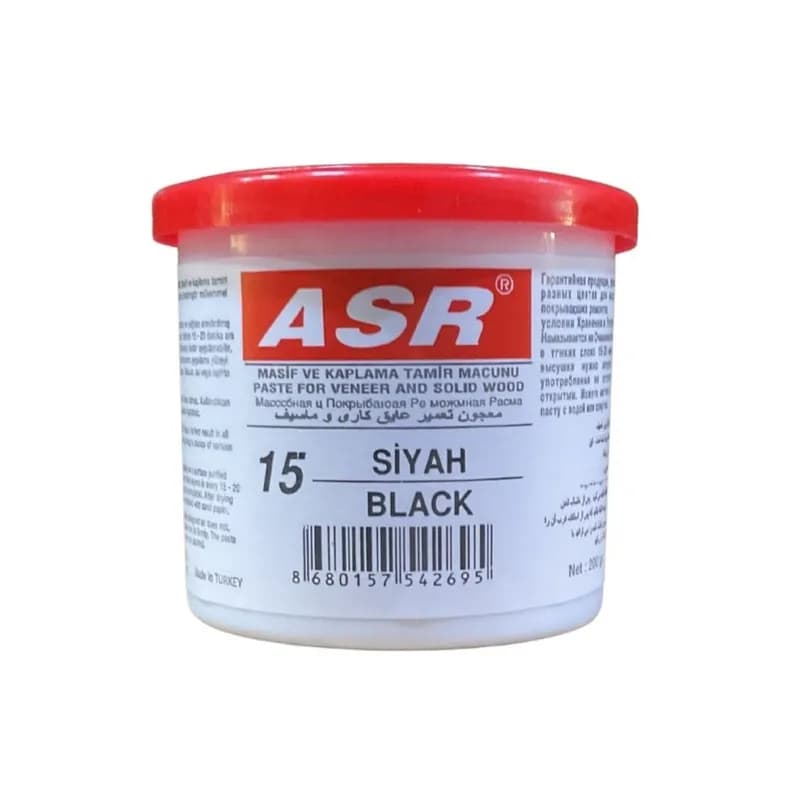
ASR Wood Filler 200 g Black
ASR · Wood Filler
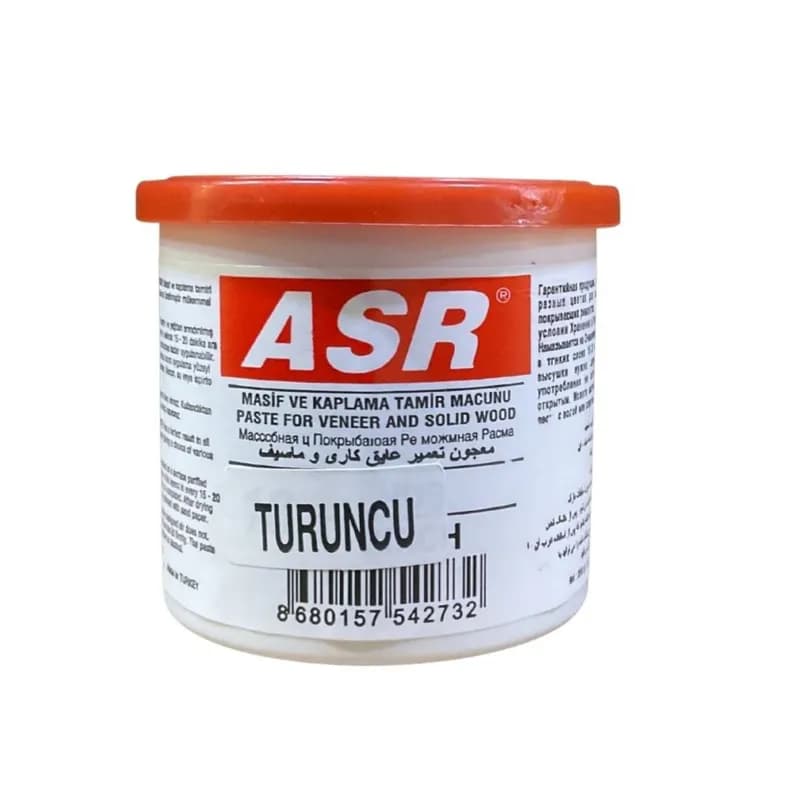
ASR Wood Filler 200 g Orange
ASR · Wood Filler
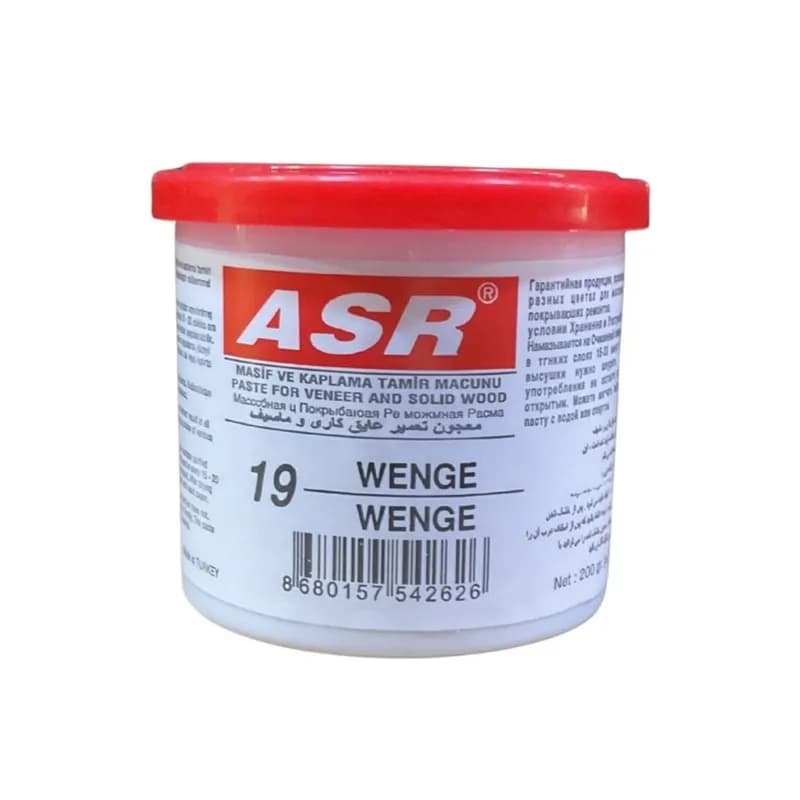
ASR Wood Filler 200 g Wenge
ASR · Wood Filler
Choosing a shade and applying it
Match the shade not to the bare timber but to the tone under the finish that will go over it, since most fillers dry a shade lighter. On visible work, test on a small area first.
Build the filler up in layers: filling a deep void in one go lets the surface skin over while the inside stays soft, and the repair sinks later. Once dry, sand it back flush with a fine grit.
- Timber shades: oak, walnut, pine, beech, hornbeam, birch, cherry, mahogany, wenge, ash, maple, pear.
- Plain colours: white, cream, grey, black, red, orange, natural.
- Fill deep voids in layers.
- Sand back with a fine grit (180-240) once dry.
Frequently Asked Questions
How do I choose the filler shade?
By the tone after the finish is applied. Most fillers dry a shade lighter and change again under varnish, so test on a small area where the repair will show.
Will varnish and paint hold on filler?
Yes — wood repair fillers are made to be varnished and painted. Let the filler dry fully and sand it back first.
Can I fill a deep void in one pass?
No. Applied thick, the surface skins over while the inside stays soft and the repair sinks later. Build it up in layers, letting each dry.
Why did the filler crack as it dried?
Usually it was applied too thick, or the timber still holds moisture. As damp timber dries and moves, the fill splits.