Categories
Epoxy Adhesives
Epoxy is a family of adhesives that hardens by chemical reaction between two components, giving structural strength on metal, concrete and much else — and because it cures rather than dries, it works in gap-filling joints too. The catalogue holds 14 products.
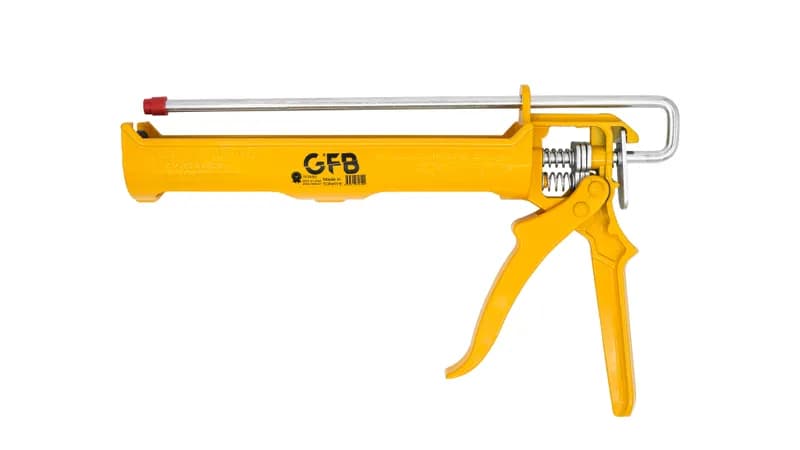
GFB Epoxy Applicator Gun Aluminium Body 345 ml
GFB · Epoxy Adhesives
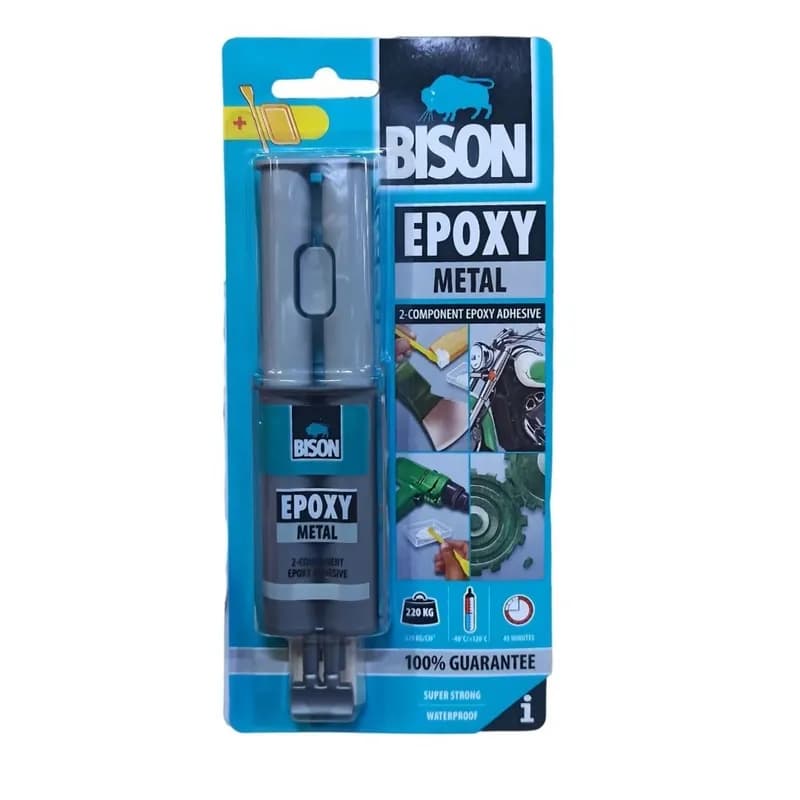
Bison Epoxy Adhesive 24 ml
BİSON · Epoxy Adhesives
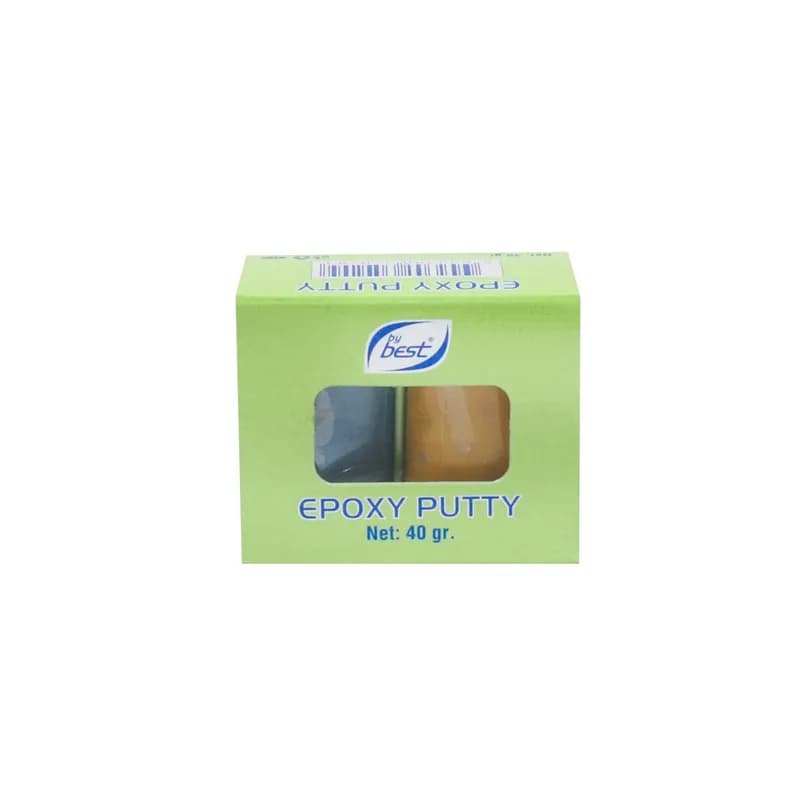
ByBest Epoxy Putty 40 g
BYBEST · Epoxy Adhesives
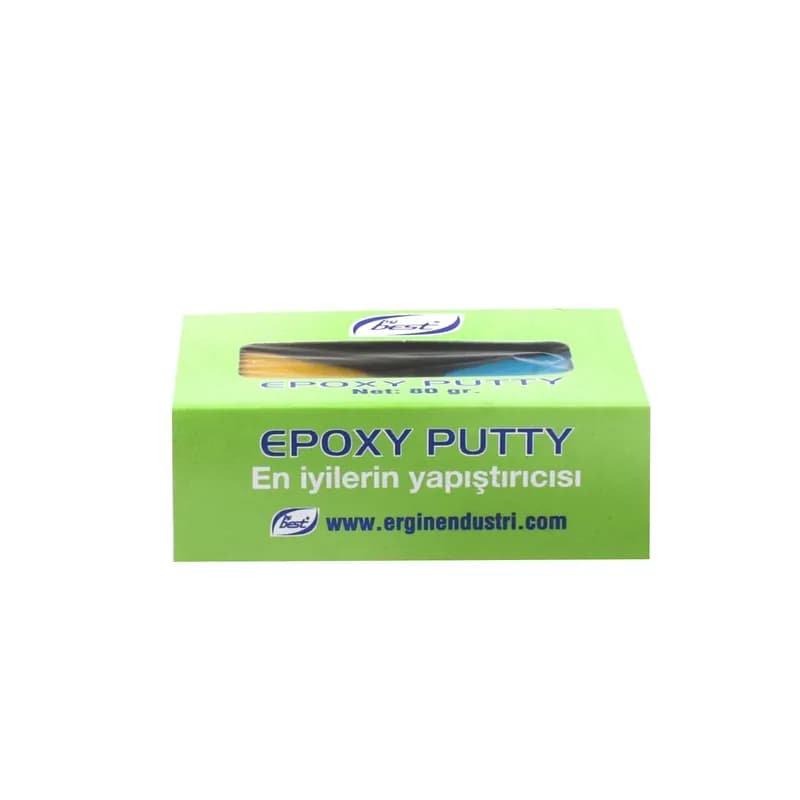
ByBest Epoxy Putty 80 g
BYBEST · Epoxy Adhesives
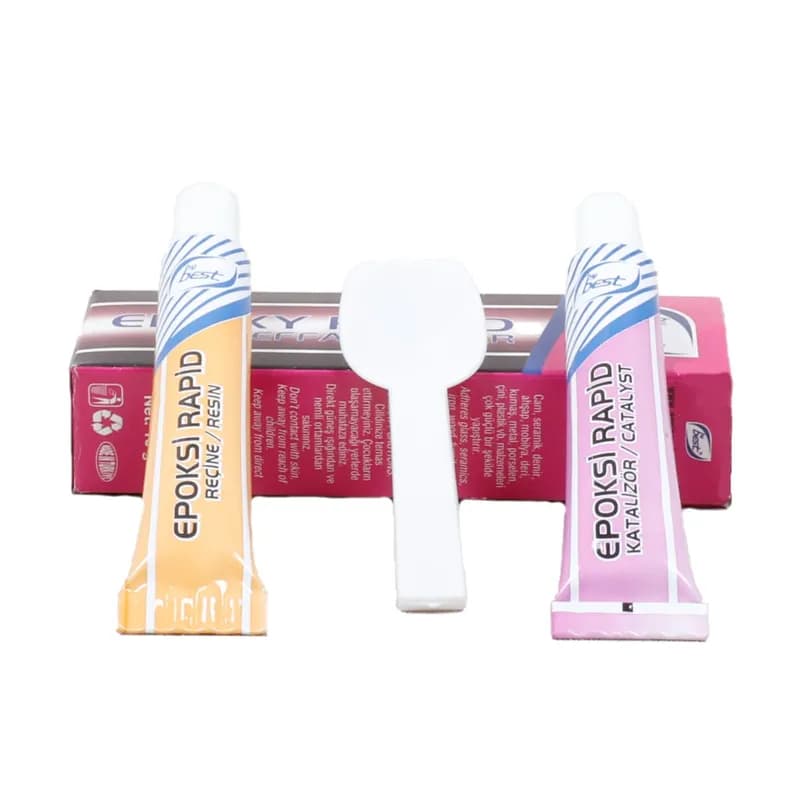
ByBest Epoxy Adhesive Rapid 16 g
BYBEST · Epoxy Adhesives
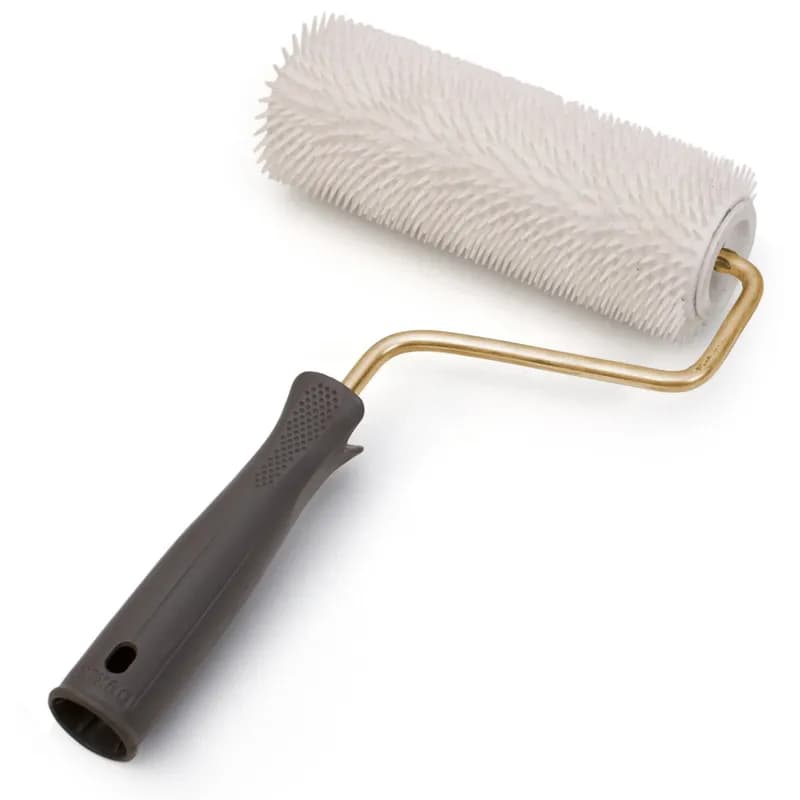
Dekor Epoxy Spiked Roller 20 cm 1220
Dekor · Epoxy Adhesives
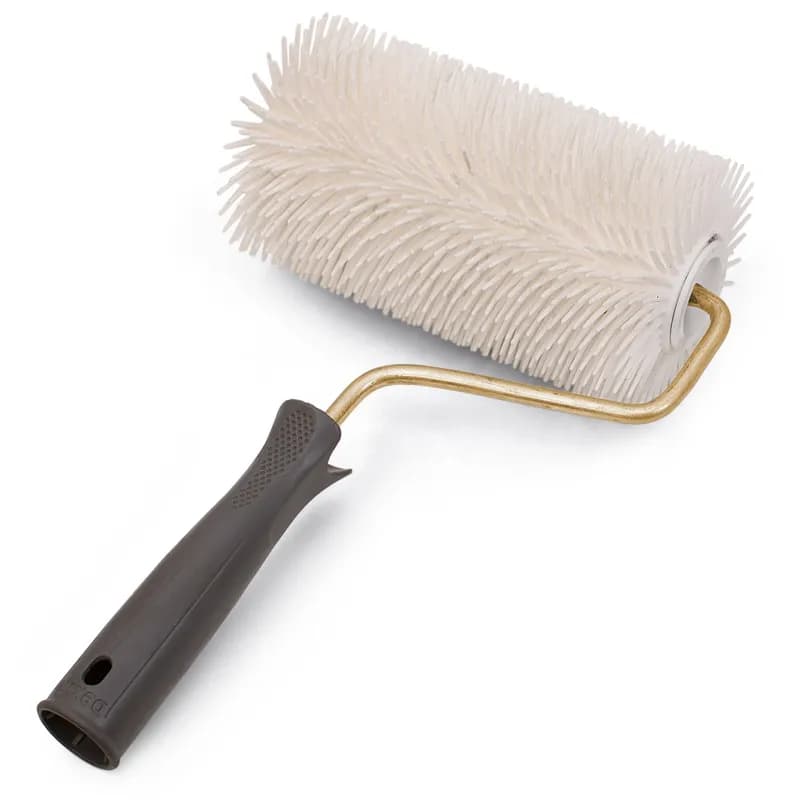
Dekor Epoxy Spiked Roller 20 cm 1223
Dekor · Epoxy Adhesives
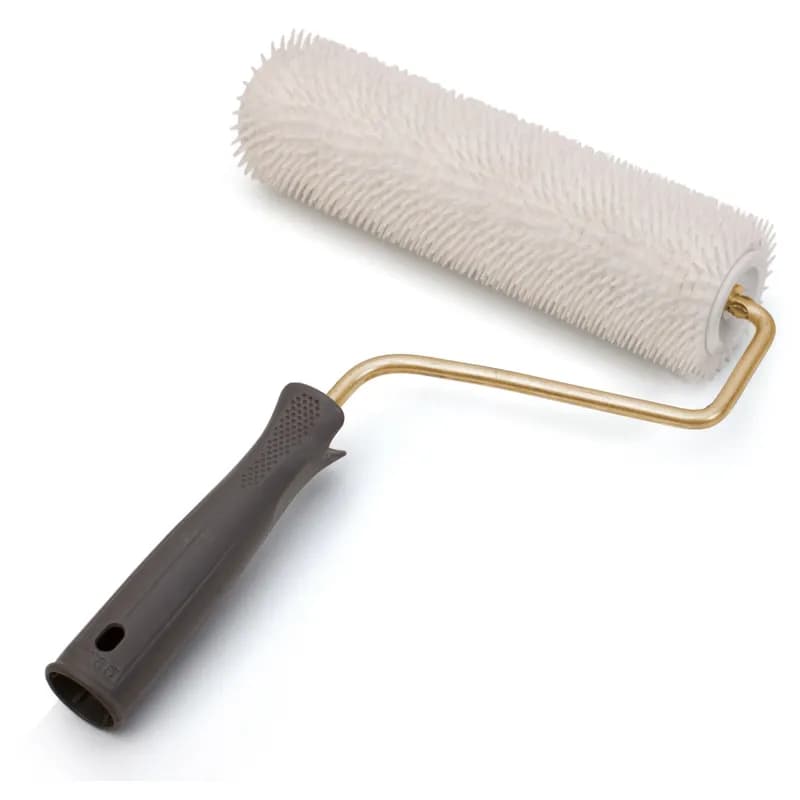
Dekor Epoxy Spiked Roller 25 cm 1221
Dekor · Epoxy Adhesives
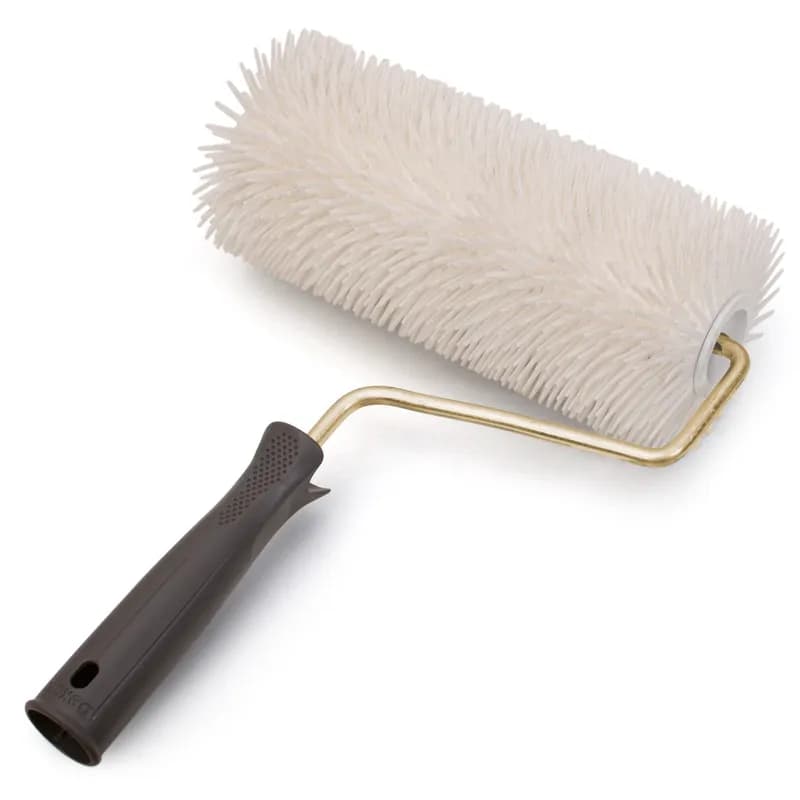
Dekor Epoxy Spiked Roller 25 cm 1224
Dekor · Epoxy Adhesives
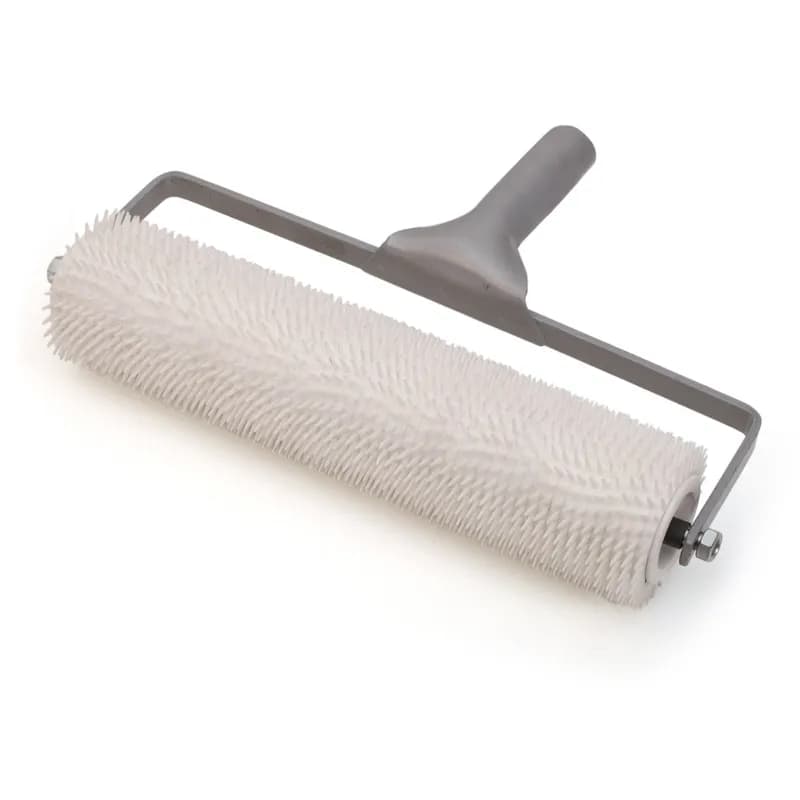
Dekor Epoxy Spiked Roller 30 cm 1222
Dekor · Epoxy Adhesives
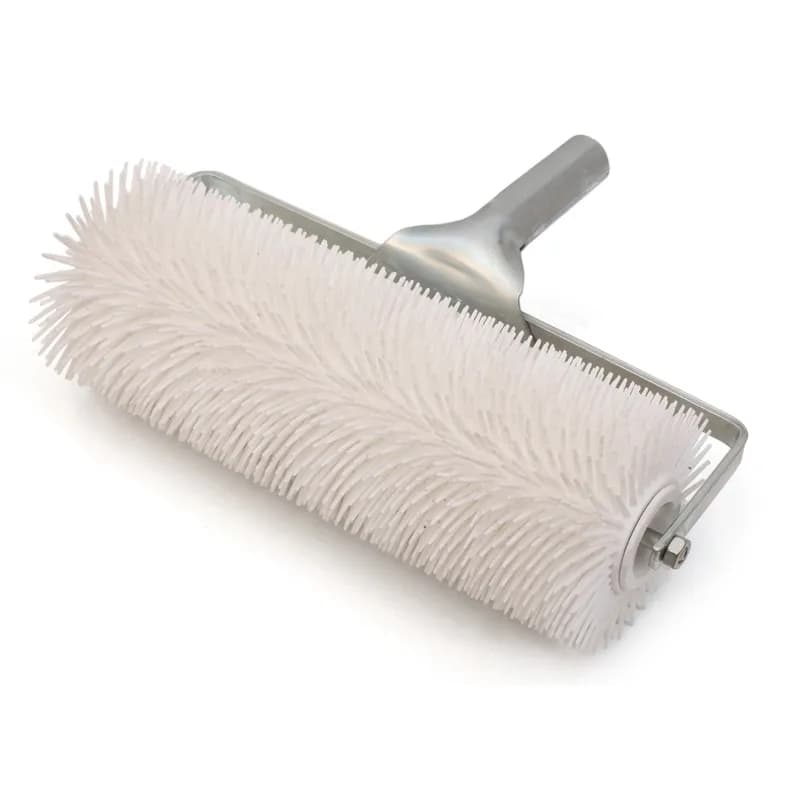
Dekor Epoxy Spiked Roller 30 cm 1225
Dekor · Epoxy Adhesives
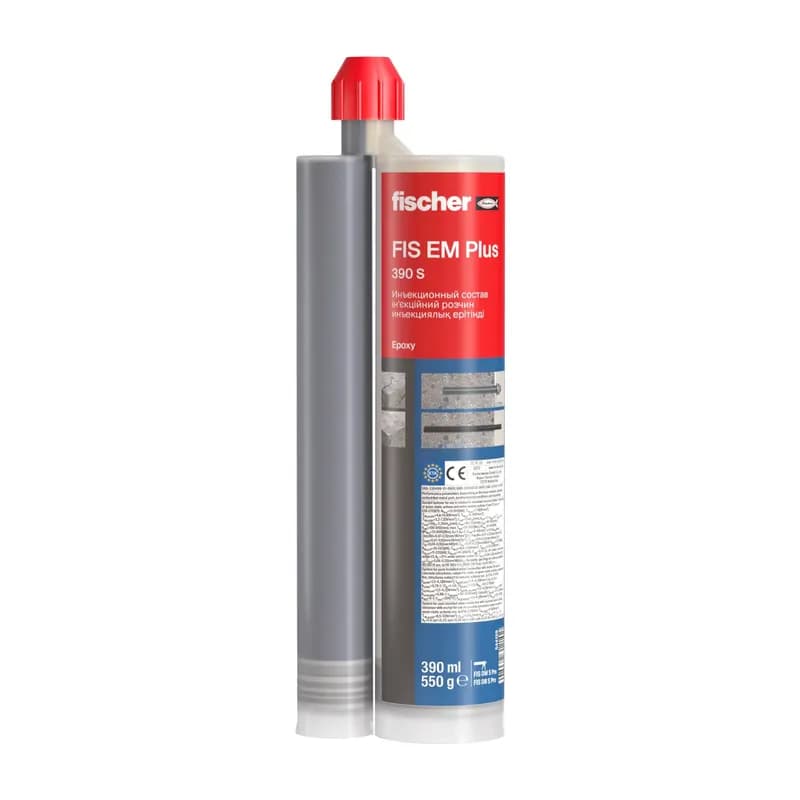
Fischer Chemical Anchor
Epoxy Adhesives
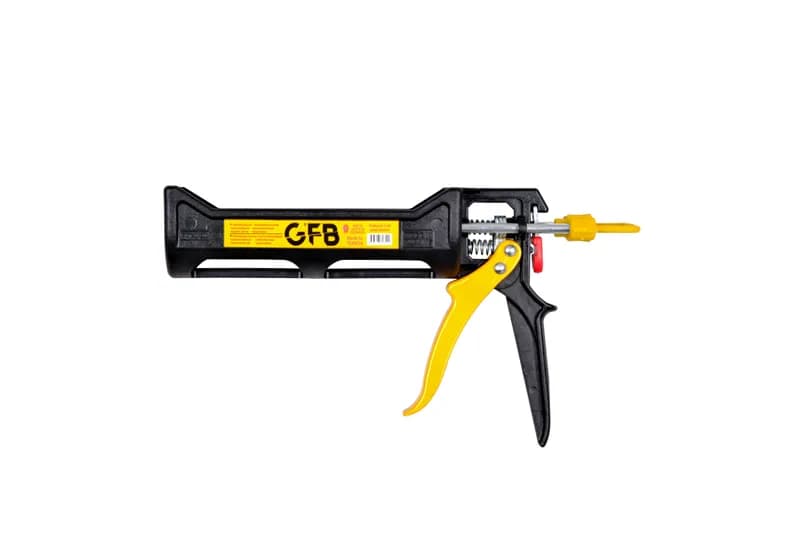
GFB Epoxy Applicator Gun Plastic Body 410 ml Pro
GFB · Epoxy Adhesives
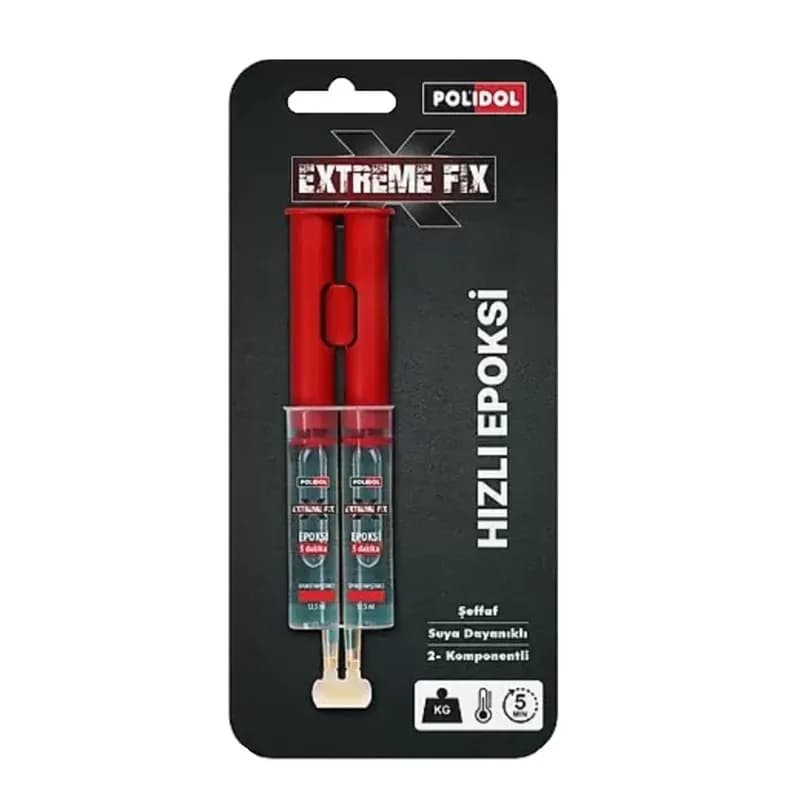
Polidol Extreme Fix Epoxy Adhesive 25 ml Clear
Epoxy Adhesives
The forms epoxy comes in
The same chemistry is sold three ways, each suited to different work.
| Form | What it does | Where |
|---|---|---|
| Liquid/gel epoxy | Two components mixed to bond | Metal, ceramic, glass, plastic repair |
| Epoxy putty | Kneaded by hand, fills gaps | Leak repair, filling breaks, tapping threads |
| Chemical anchor | Injected into the hole to bond a stud | Anchors in concrete and perforated brick |
| Rapid epoxy | Grabs within minutes | Small and urgent repairs |
Mixing, pot life and surface
The mixing ratio is a rule, not a suggestion: too little hardener leaves a joint that stays soft or never sets. Mix both parts until the colour is uniform.
Pot life is how long the mix stays workable, and it shortens as temperature rises; full strength takes hours. Degreasing and lightly abrading the surface are the two steps that raise bond strength most.
Chemical anchors
Drill the hole, clear it completely of dust, and inject the resin from the bottom up; then set the stud with a twisting motion. Unlike a mechanical anchor it does not load the substrate with expansion force, which is why it suits small edge distances and perforated brick.
Failing to clean the hole is the most common application error, and it lowers the anchor's load capacity directly.
Frequently Asked Questions
Why does the epoxy mixing ratio matter so much?
Epoxy cures by chemical reaction between two components rather than by drying. Off ratio, the reaction does not complete: the joint stays soft or never sets.
What is epoxy putty for?
It is epoxy in a kneadable form: it fills gaps, does not run on vertical surfaces, and can be machined or drilled once hard. It is used for pipe leaks and rebuilding broken parts.
Chemical anchor or mechanical anchor?
Chemical anchors suit small edge distances, perforated brick and high loads, because they apply no expansion force to crack the substrate. For simple, lightly loaded fixings a mechanical anchor is enough.
What will epoxy not bond to?
Low surface energy plastics such as polyethylene, polypropylene and PTFE, and greasy or dusty surfaces. Degreasing and light abrasion raise the bond considerably.
How long does epoxy take to set?
It depends on the product: rapid grades grab in minutes, standard epoxies reach full strength in hours. Lower temperatures lengthen both.