Categories
Polyurethane Foam
Polyurethane foam cures on the moisture in the air after it leaves the can, expanding to fill the void so that it insulates and fixes at once. This page explains gun grade against straw, the fire classes, and what actually decides yield. The catalogue holds 17 products.
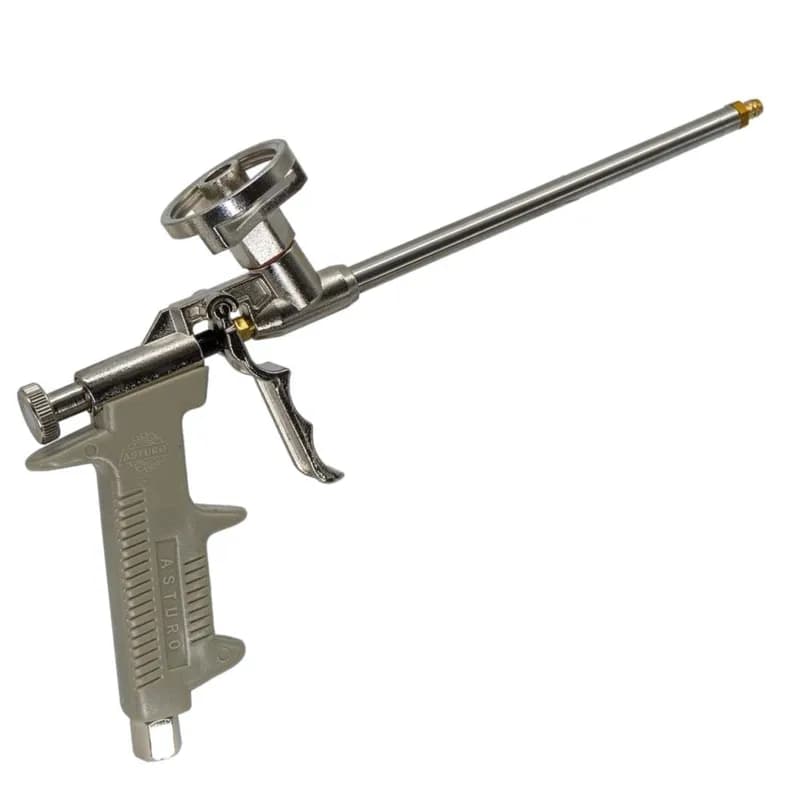
Asturo Foam Gun Metal Body
ASTURO · Polyurethane Foam
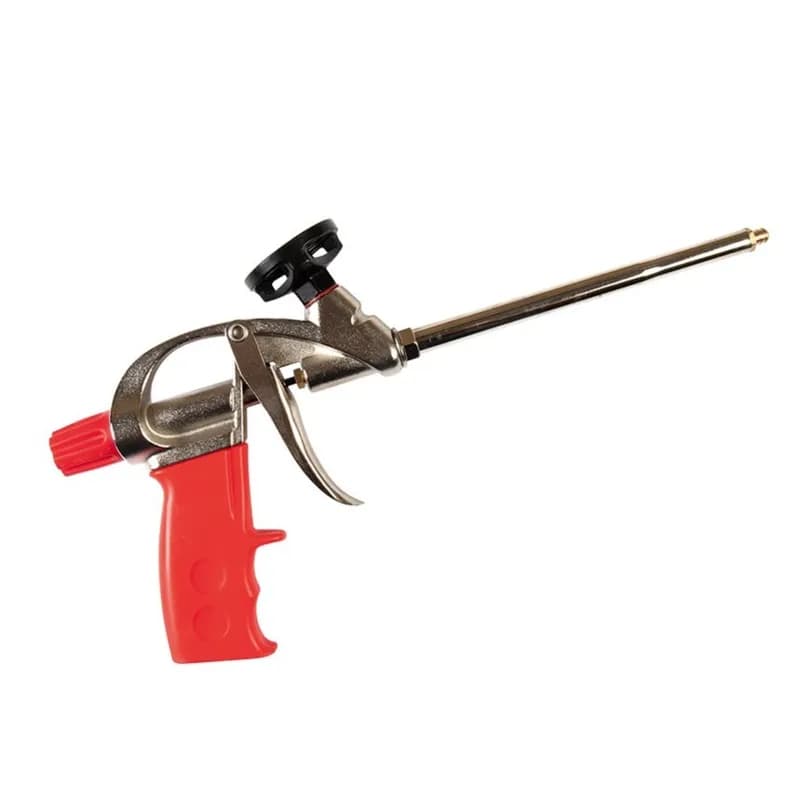
GFB Foam Gun Metal Body
Polyurethane Foam
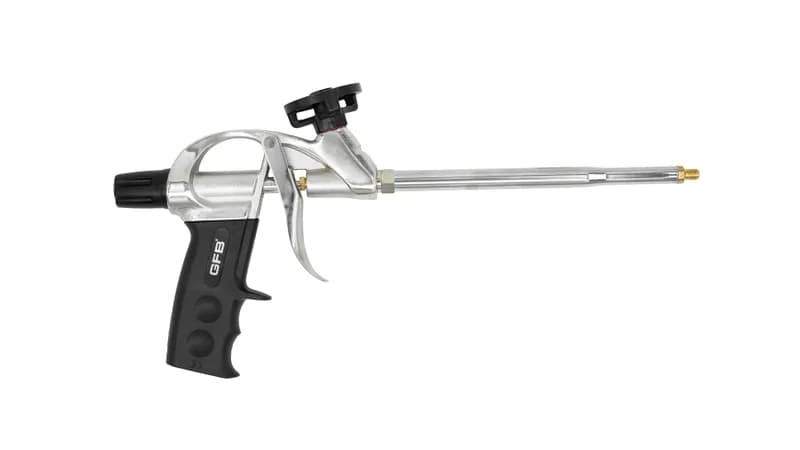
GFB Foam Applicator Gun
GFB · Polyurethane Foam
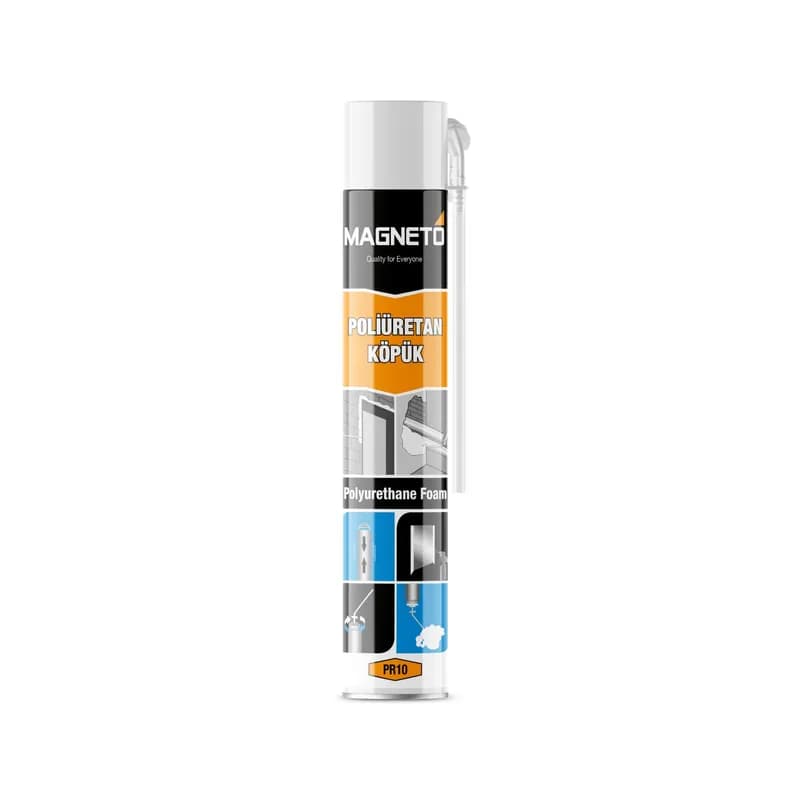
Magneto Polyurethane Foam 600 g
MAGNETO · Polyurethane Foam
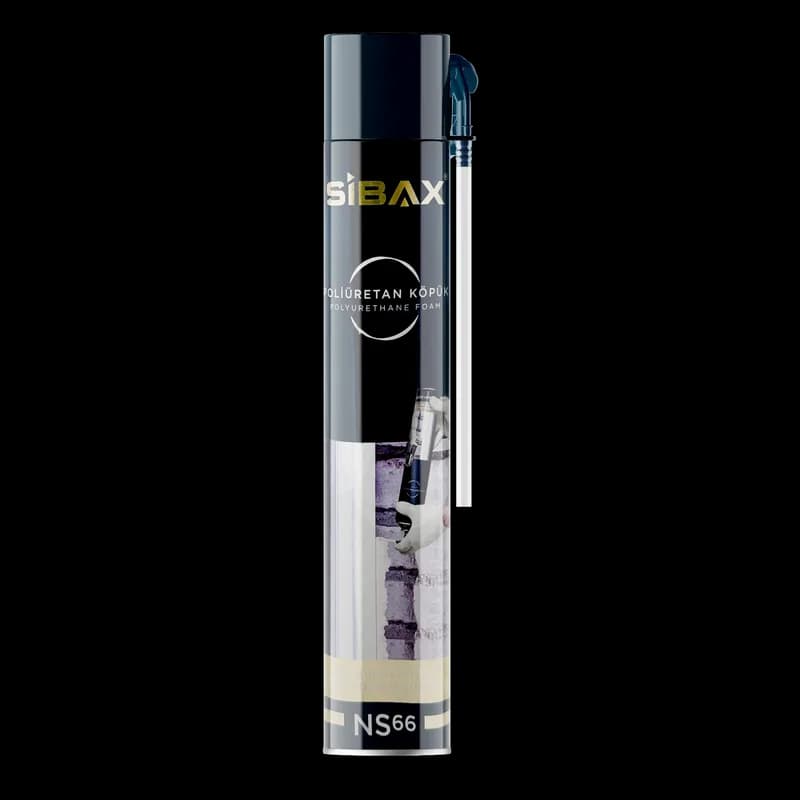
Sibax Polyurethane Foam 600 g
Polyurethane Foam
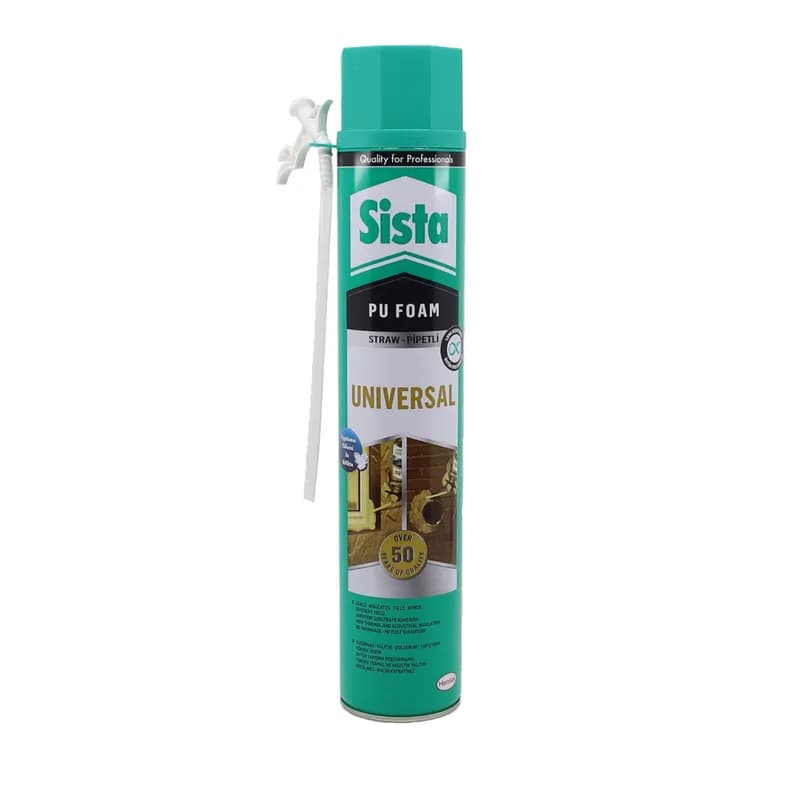
Sista Polyurethane Foam 750 ml
Polyurethane Foam
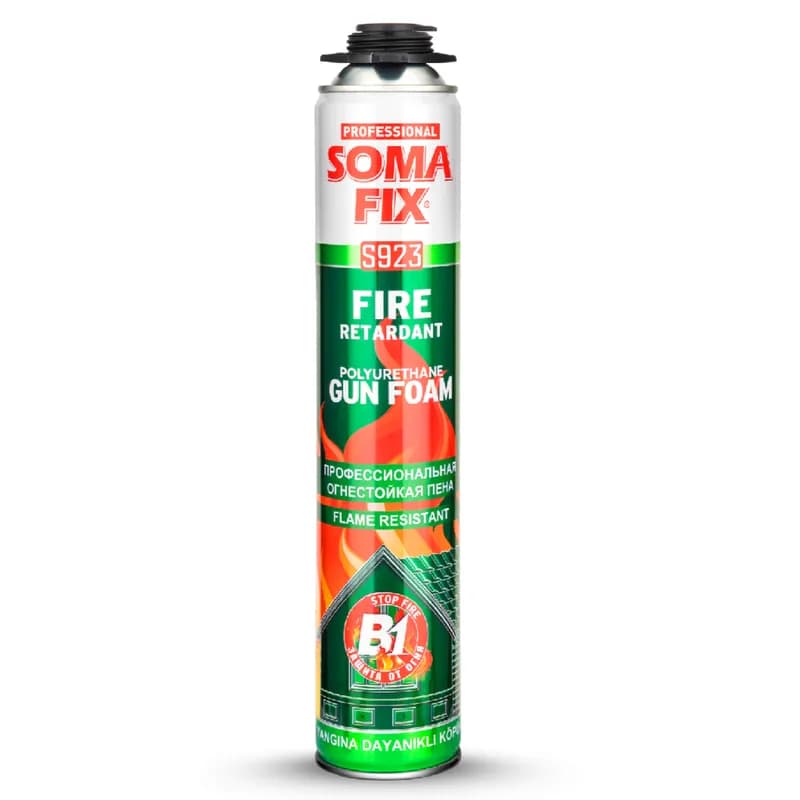
Somafix Fire Rated Foam Gun Grade 750 ml B1
SOMAFIX · Polyurethane Foam
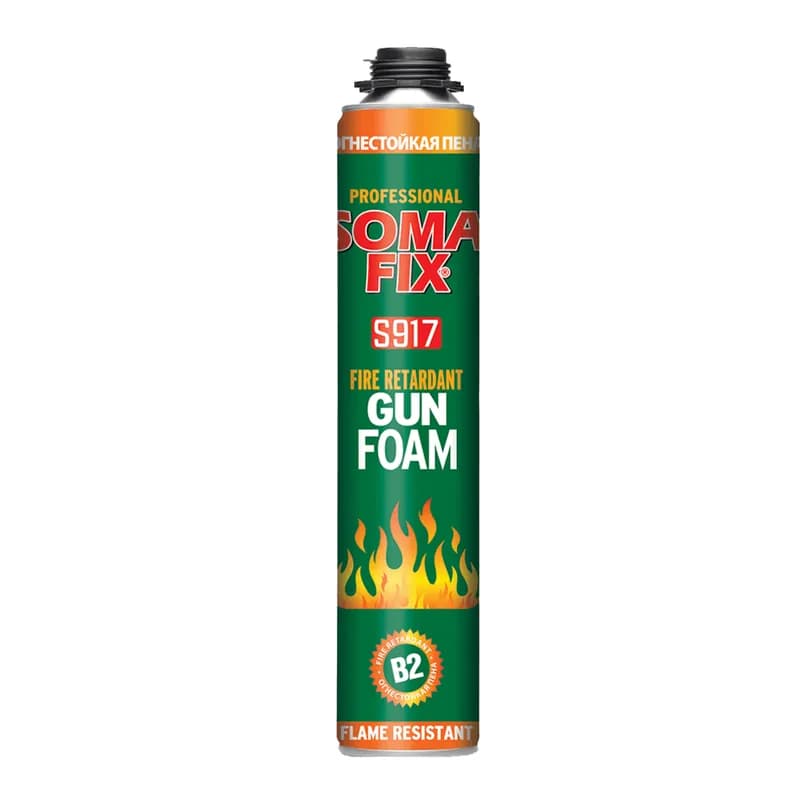
Somafix Fire Rated Foam Gun Grade 750 ml B2
SOMAFIX · Polyurethane Foam
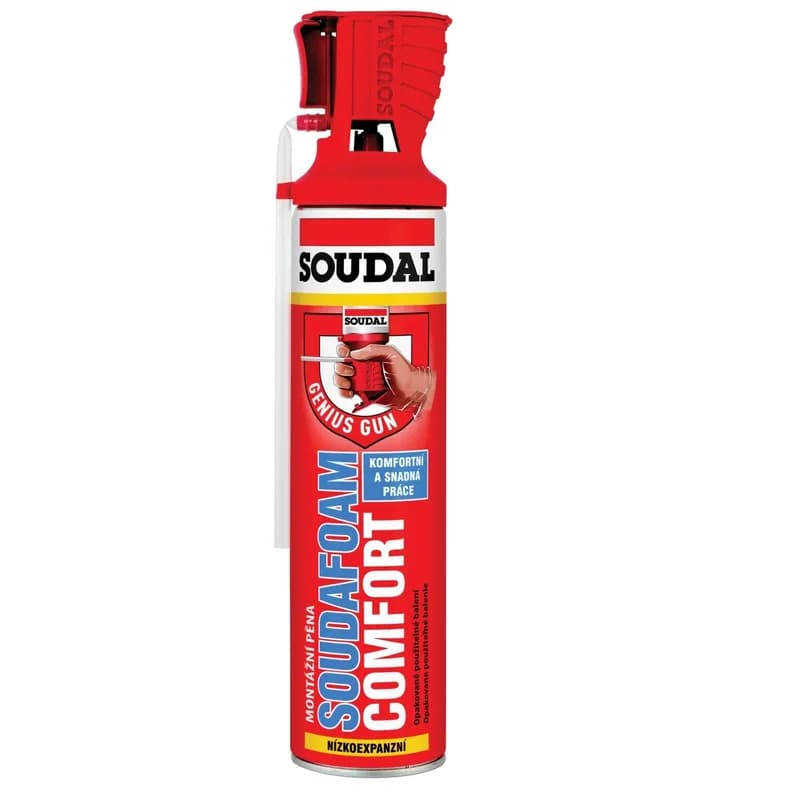
Soudal Comfort Polyurethane Foam 750 ml
Soudal · Polyurethane Foam
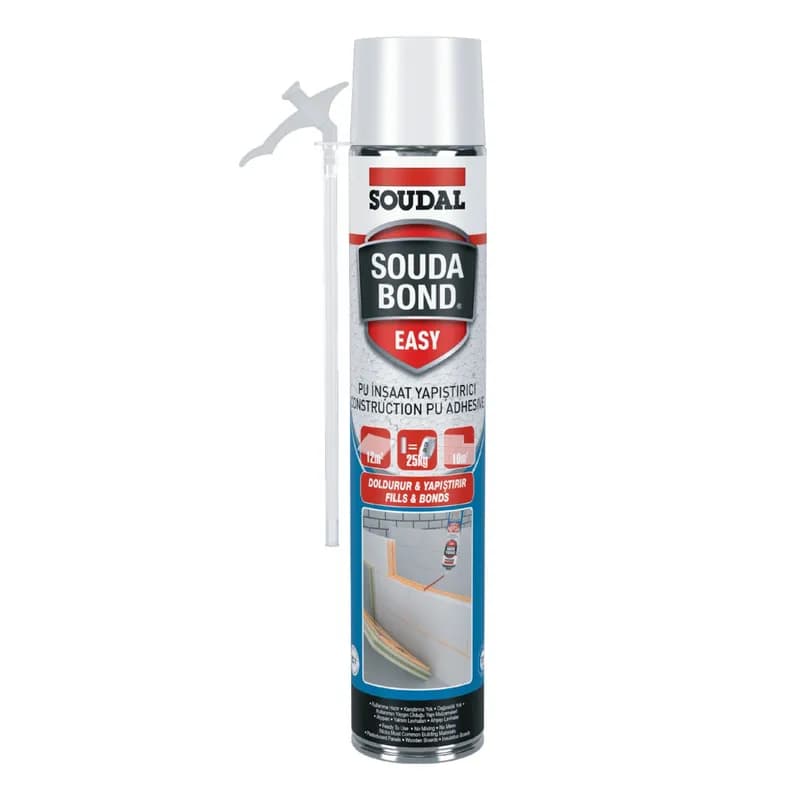
Soudal Easy Insulation Board Adhesive Foam Straw 750 ml
Soudal · Polyurethane Foam
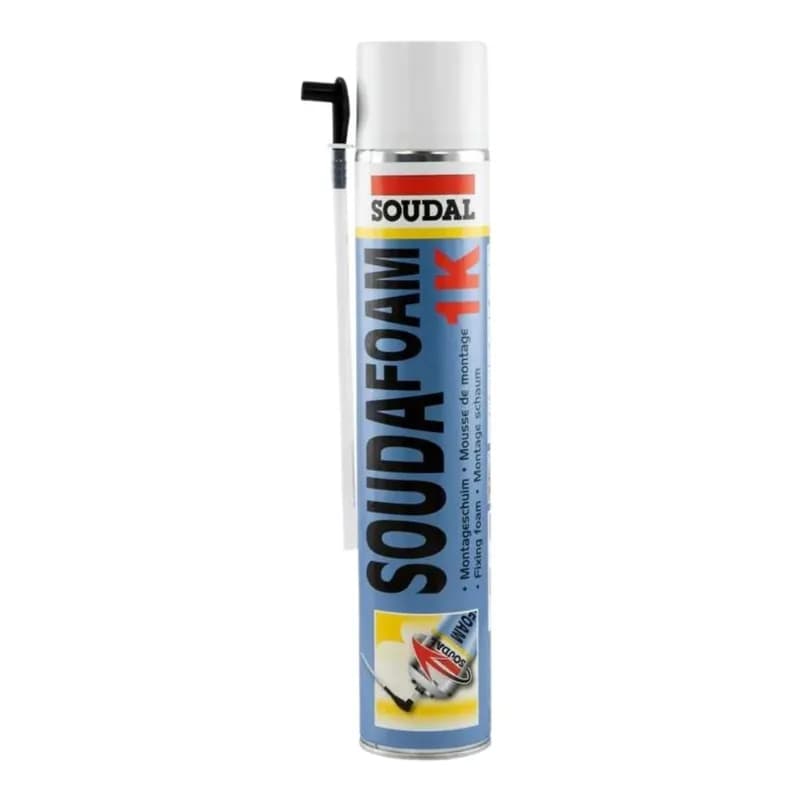
Soudal Polyurethane Foam Straw 750 ml
Soudal · Polyurethane Foam
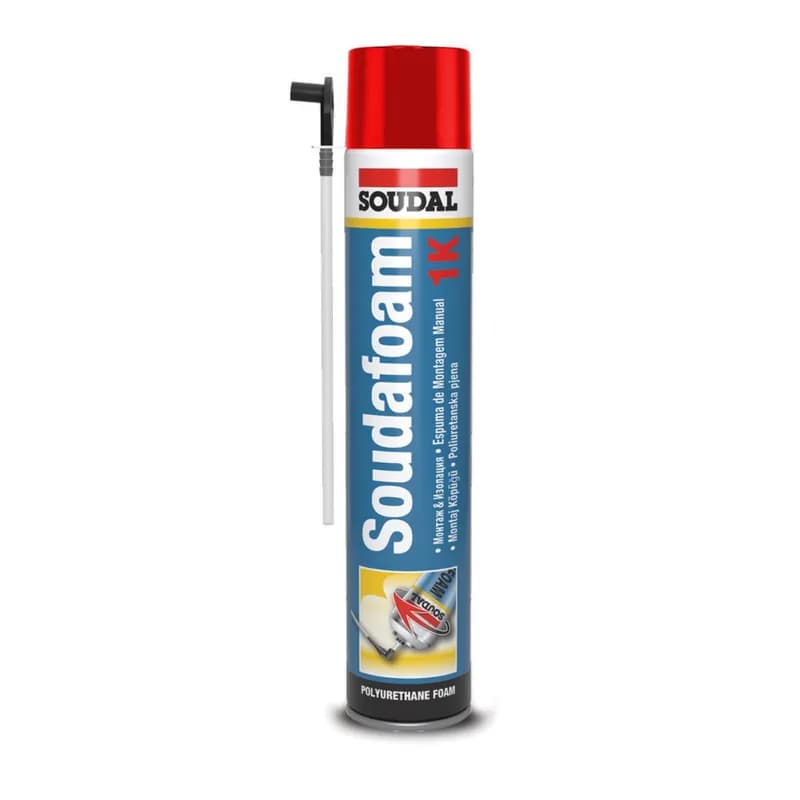
Soudal Polyurethane Foam 600 g
Soudal · Polyurethane Foam
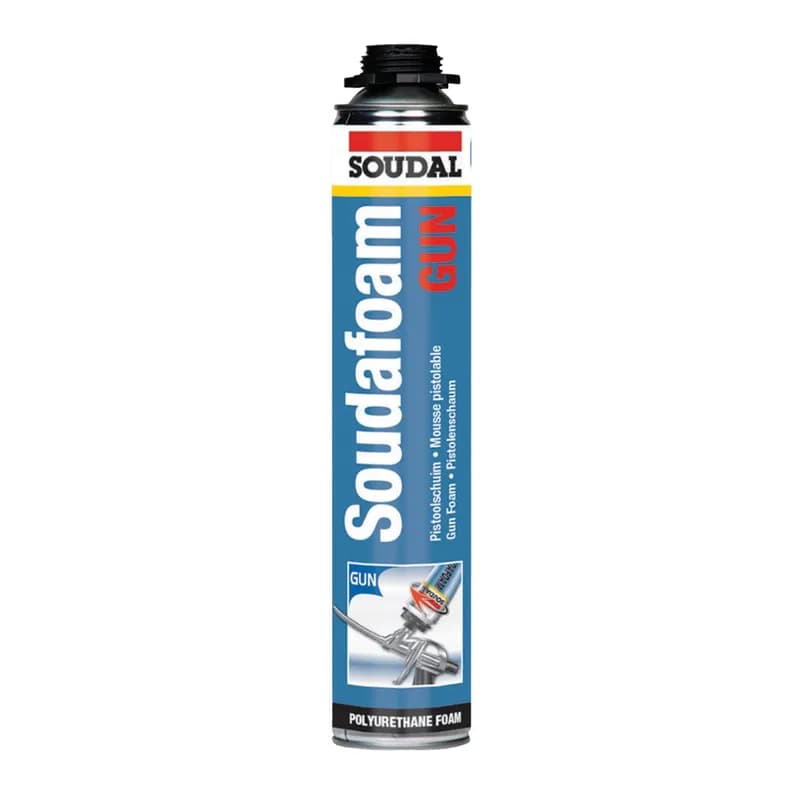
Soudal Polyurethane Foam Gun Grade 750 ml
Soudal · Polyurethane Foam
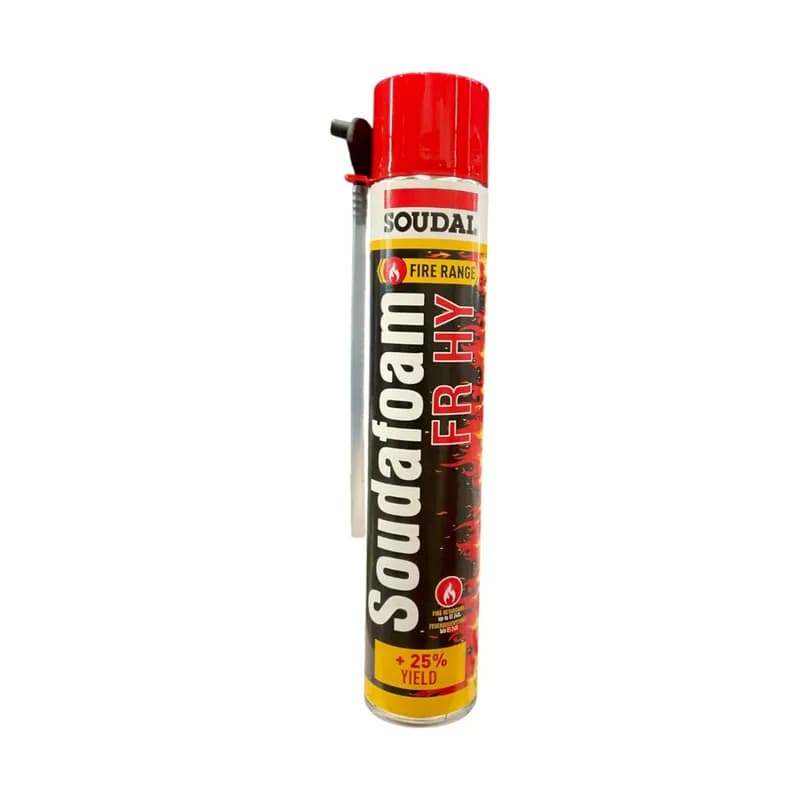
Soudal Fire Rated Foam Straw 750 ml B1 153087
Soudal · Polyurethane Foam
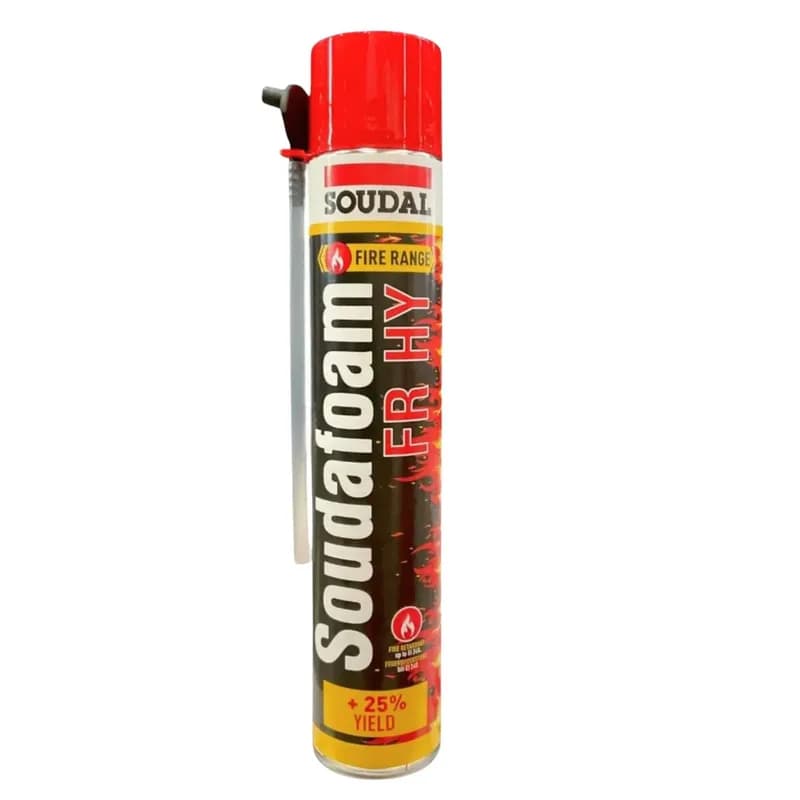
Soudal Fire Rated Foam Straw 750 ml B1 162182
Soudal · Polyurethane Foam
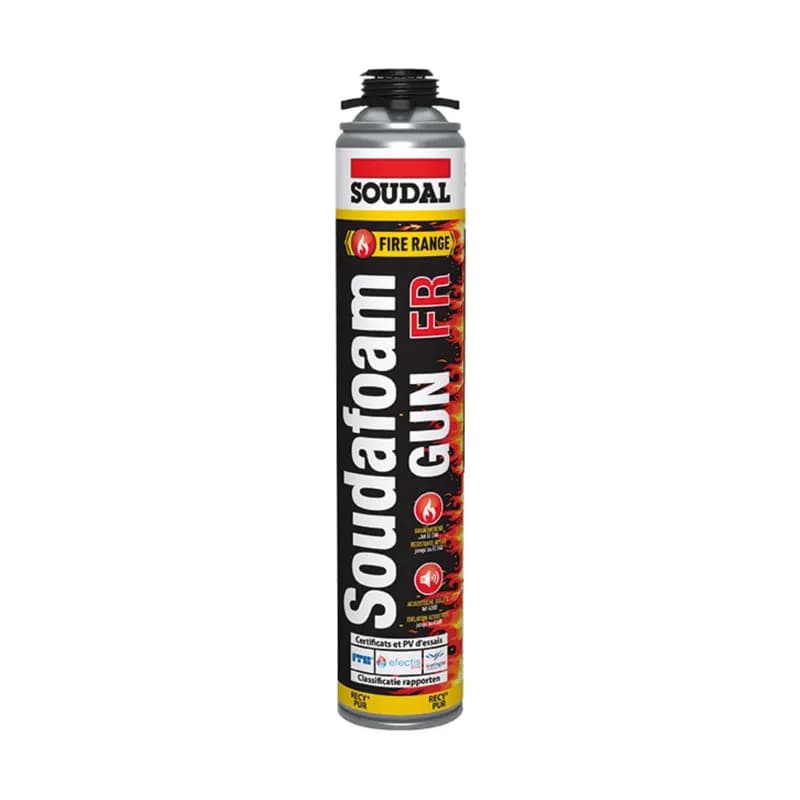
Soudal Fire Rated Foam Gun Grade 750 ml B1
Soudal · Polyurethane Foam

Stern Foam Cleaner 500 ml
Polyurethane Foam
Gun grade, straw and special foams
The type follows how continuous the work is and where the foam goes.
| Type | Advantage | Where |
|---|---|---|
| Straw foam | No equipment, low cost | One-off small jobs |
| Gun grade foam | Metered output, little waste | Production fixing, regular work |
| Fire foam (B1/B2) | Reaction-to-fire class | Regulated penetrations |
| Board adhesive foam | Bonds insulation board | External wall insulation |
| Low expansion foam | Will not bow the frame | Door and window frame fixing |
Yield and application
The yield in litres on the can is measured in laboratory conditions; on site, temperature, humidity and technique change it noticeably. Shaking the can thoroughly and bringing it to room temperature are the two steps that affect yield most.
Because the foam cures on airborne moisture, lightly dampening the substrate speeds the cure and improves the cell structure. Do not fill the void completely — the foam expands to close the rest, and overfilling bows the frame.
- Shake the can 20-30 times before use.
- Fill about half the void; expansion closes the rest.
- Uncured foam cleans off with gun cleaner; cured foam only comes off mechanically.
- Cured foam degrades in UV and must be covered outdoors.
Fire foam and gun care
B1 and B2 are reaction-to-fire classes, B1 being the higher performance and what regulated penetrations require. Fire foams are usually a distinct colour so they are not confused with standard foam.
A foam gun lasts years if it is flushed with cleaner at the end of the job; foam left to cure inside blocks it permanently. As long as a can stays fitted, the gun stays ready to use.
Frequently Asked Questions
Gun grade or straw foam?
For one-off small jobs, straw foam is enough. For regular work, gun grade meters its output, wastes less, lays neater, and stays ready as long as a can is fitted.
What is the difference between B1 and B2 foam?
Both are reaction-to-fire classes; B1 is the higher performance and is what regulated penetrations require. B2 is for general use.
How much does one can yield?
The litre figure is printed on the can, but it is measured in laboratory conditions. On site, temperature, humidity and technique can reduce it considerably.
Why did my foam not expand properly?
Most often the can was not shaken enough, the can was cold, or the air was dry. Foam cures on airborne moisture — dampening the substrate improves both expansion and cell structure.
Which foam is used for fixing frames?
Low expansion (frame) foam. Standard foam can bow a frame inwards as it expands, which is why doors and windows take the special formulation.
How is cured foam removed?
Mechanically only — by cutting or scraping. Cleaners work on uncured foam and inside the gun, which is why excess should be removed before it sets.