Categories
Sealants & Acrylics
A sealant does more than close a joint: it absorbs the building's movement, and whether it can be painted depends on its chemistry. This page covers the difference between polyurethane, acrylic and siliconised sealants, cartridge against sausage, and what movement capability means. The catalogue holds 25 products.
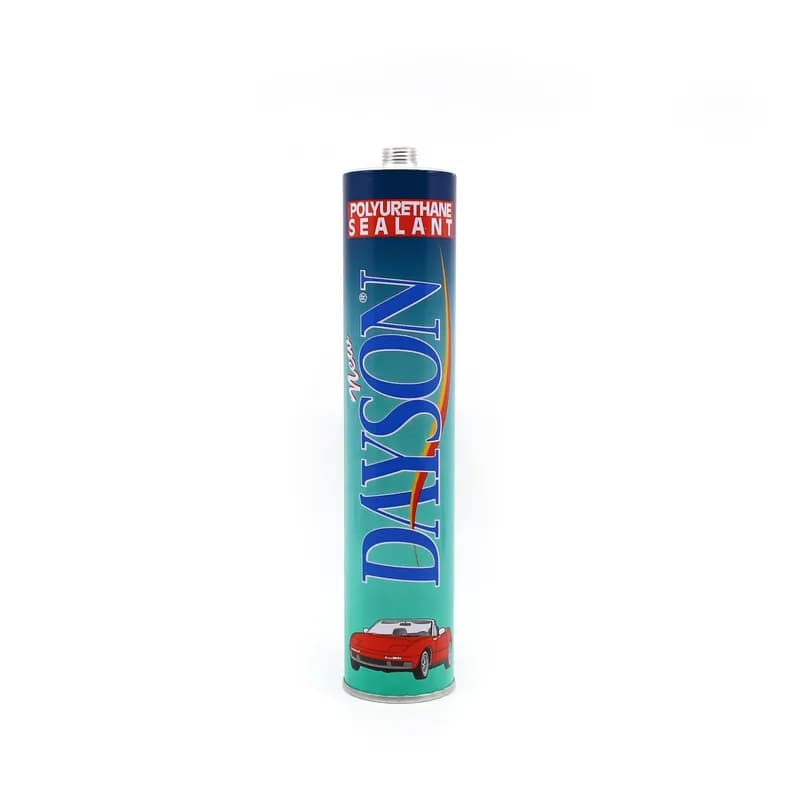
Dayson Extra Polyurethane Sealant 280 ml Anthracite Grey RAL 7016
Dayson · Sealants & Acrylics
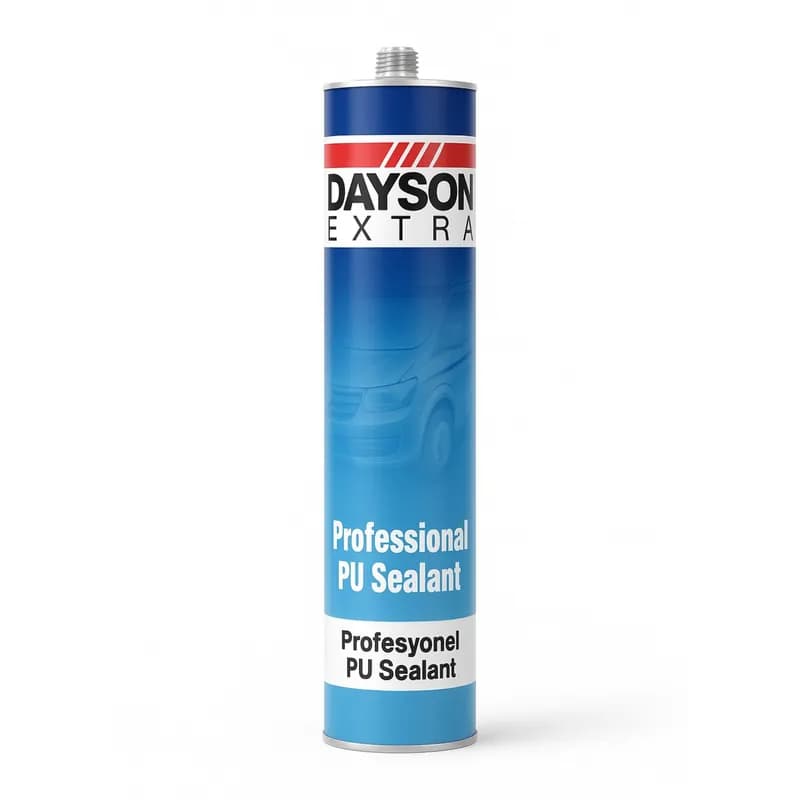
Dayson Extra Polyurethane Sealant 280 ml White
Dayson · Sealants & Acrylics
Dayson Extra Polyurethane Sealant 280 ml Grey
Dayson · Sealants & Acrylics
Dayson Extra Polyurethane Sealant 280 ml Red
Dayson · Sealants & Acrylics
Dayson Extra Polyurethane Sealant 280 ml Black
Dayson · Sealants & Acrylics
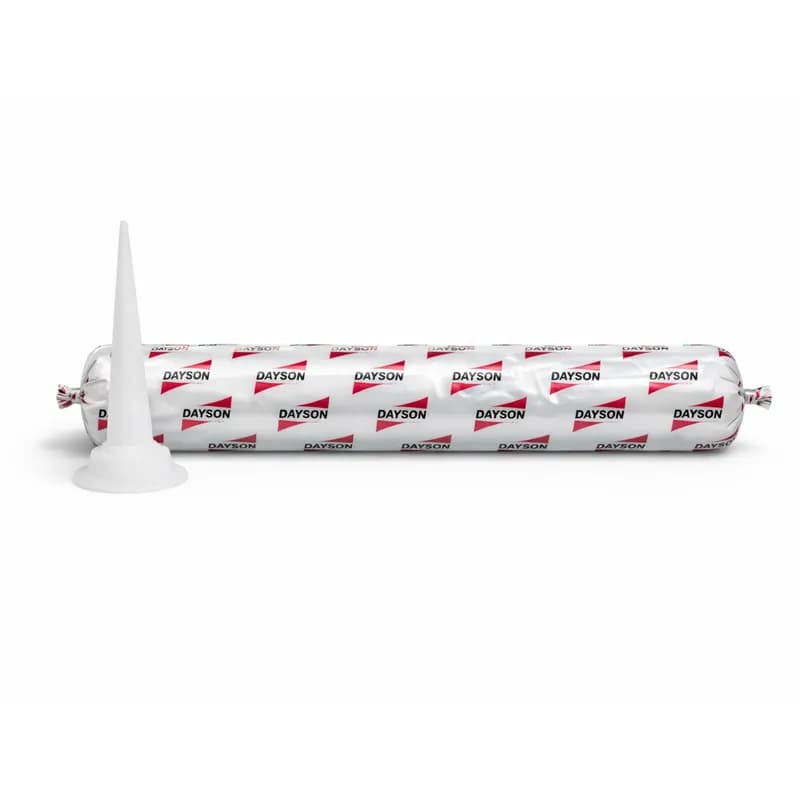
Dayson Polyurethane Sealant Sausage 600 ml Anthracite Grey RAL 7016
Dayson · Sealants & Acrylics
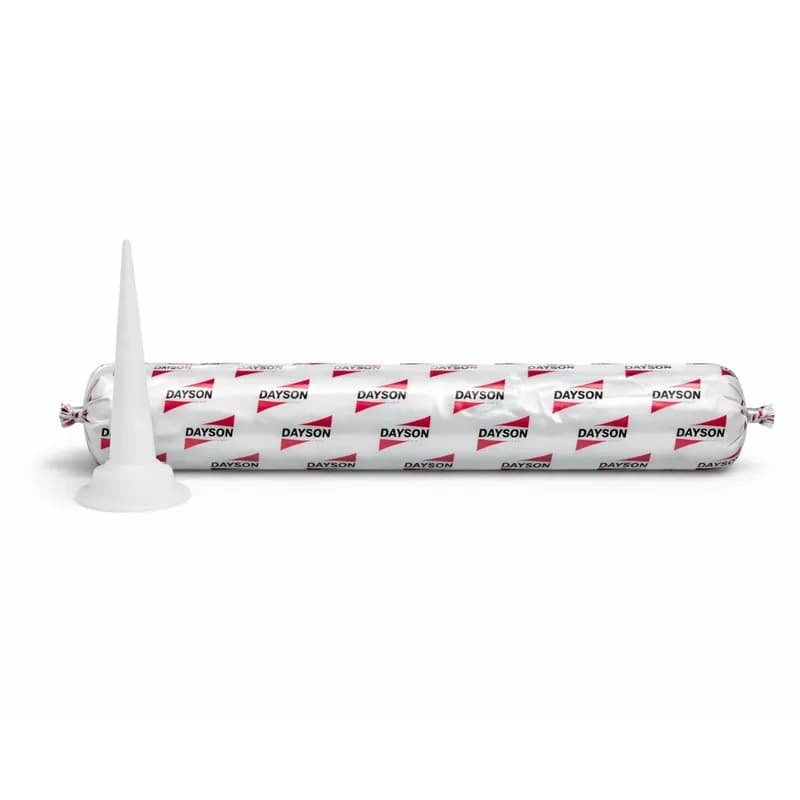
Dayson Polyurethane Sealant 600 ml White
Dayson · Sealants & Acrylics
Dayson Polyurethane Sealant Sausage 600 ml Grey
Dayson · Sealants & Acrylics
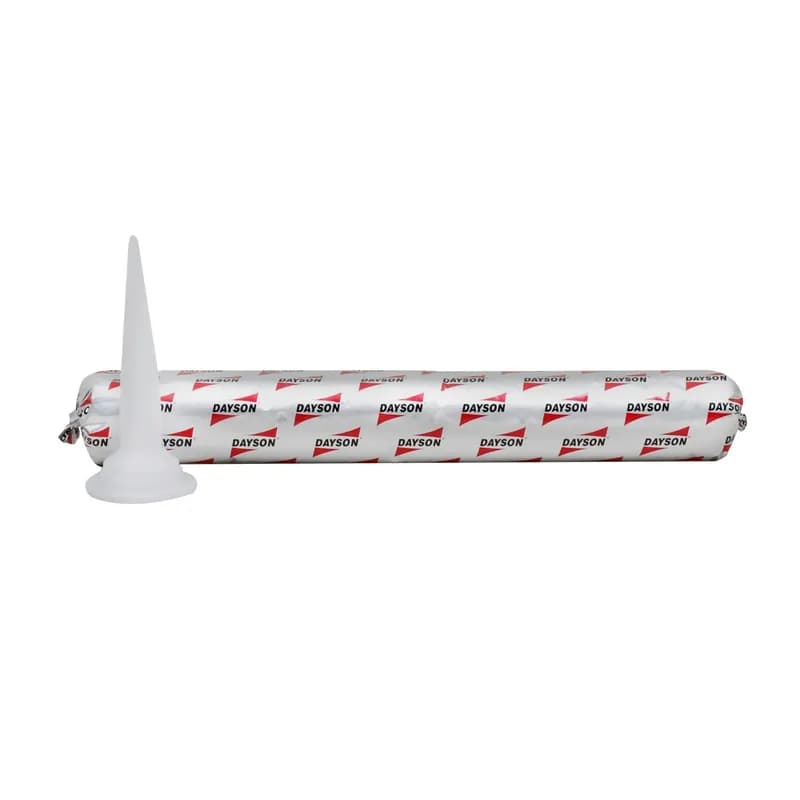
Dayson Polyurethane Sealant Sausage 600 ml Black
Dayson · Sealants & Acrylics
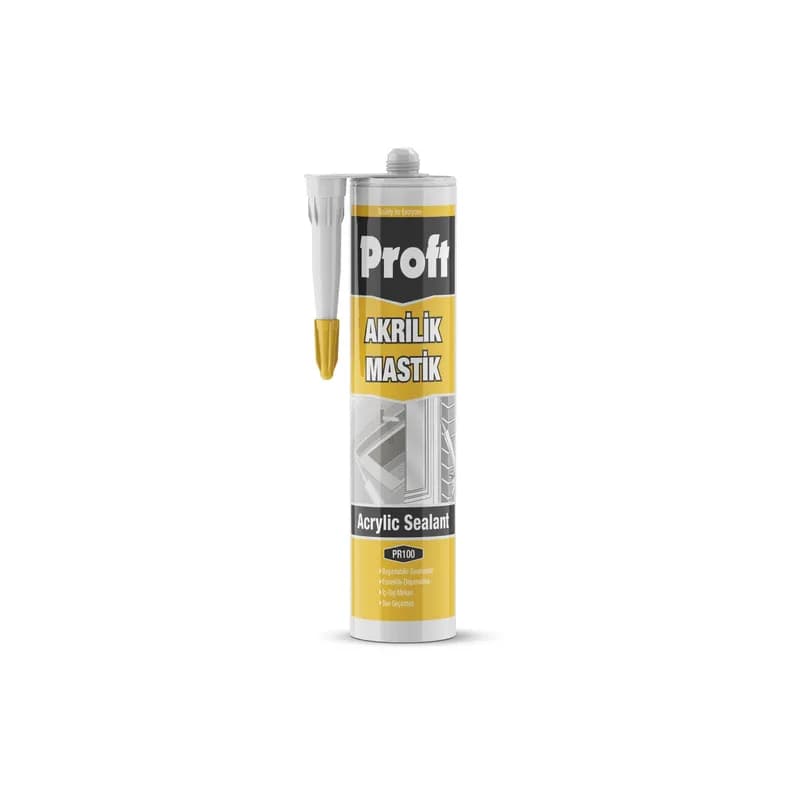
Proft Acrylic Sealant 450 g Golden Oak
Proft · Sealants & Acrylics
Proft Acrylic Sealant 450 g Anthracite Grey
Proft · Sealants & Acrylics
Proft Acrylic Sealant 450 g White
Proft · Sealants & Acrylics
Proft Acrylic Sealant 450 g Grey
Proft · Sealants & Acrylics
Proft Acrylic Sealant 450 g Black
Proft · Sealants & Acrylics
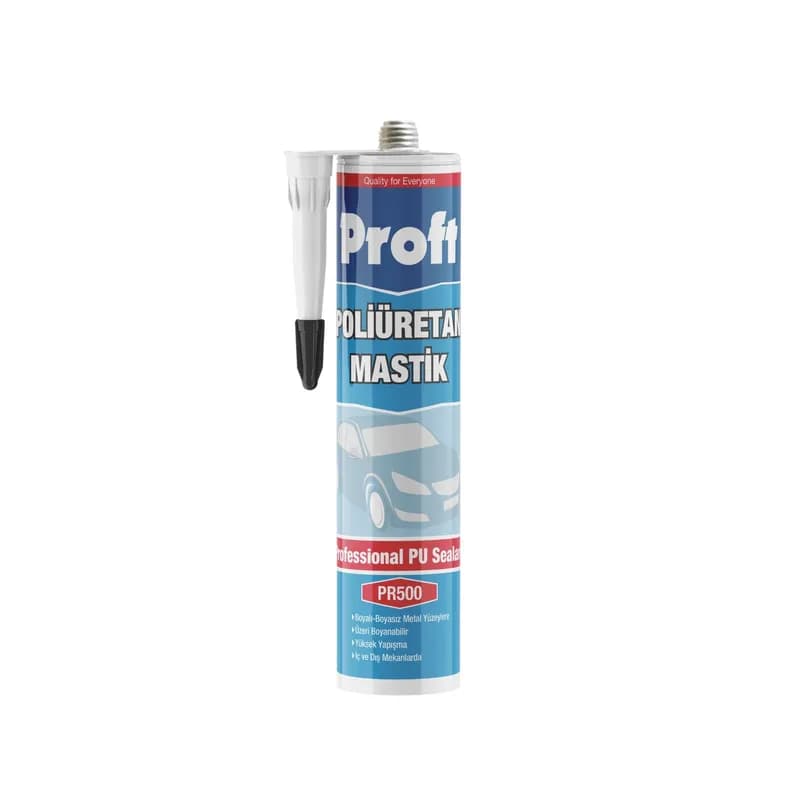
Proft Polyurethane Sealant 280 ml White
Proft · Sealants & Acrylics
Proft Polyurethane Sealant 280 ml Grey
Proft · Sealants & Acrylics
Proft Polyurethane Sealant 280 ml Black
Proft · Sealants & Acrylics
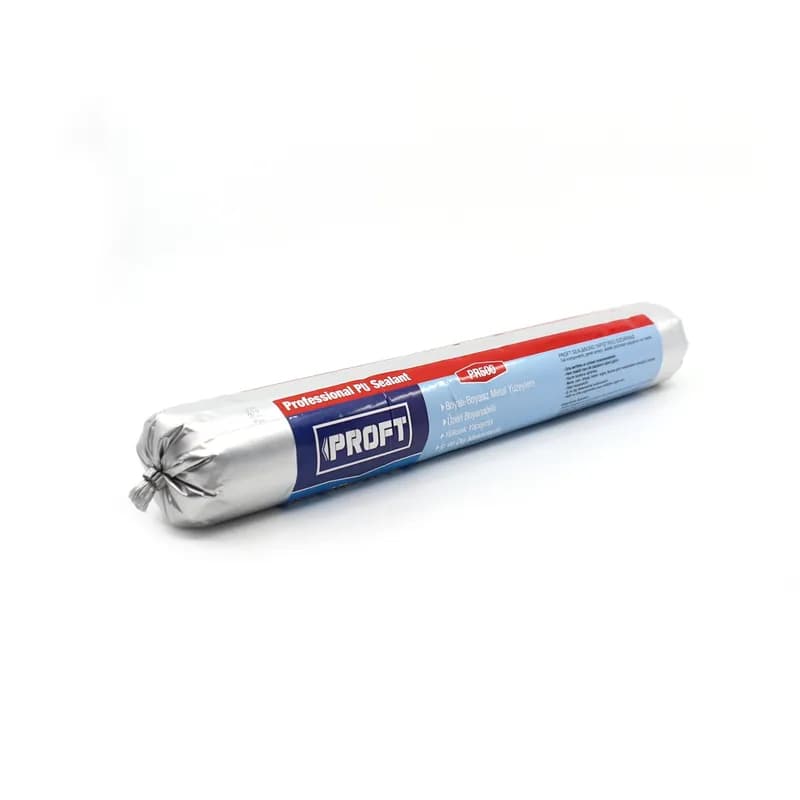
Proft Polyurethane Sealant Sausage 600 ml Black
Proft · Sealants & Acrylics
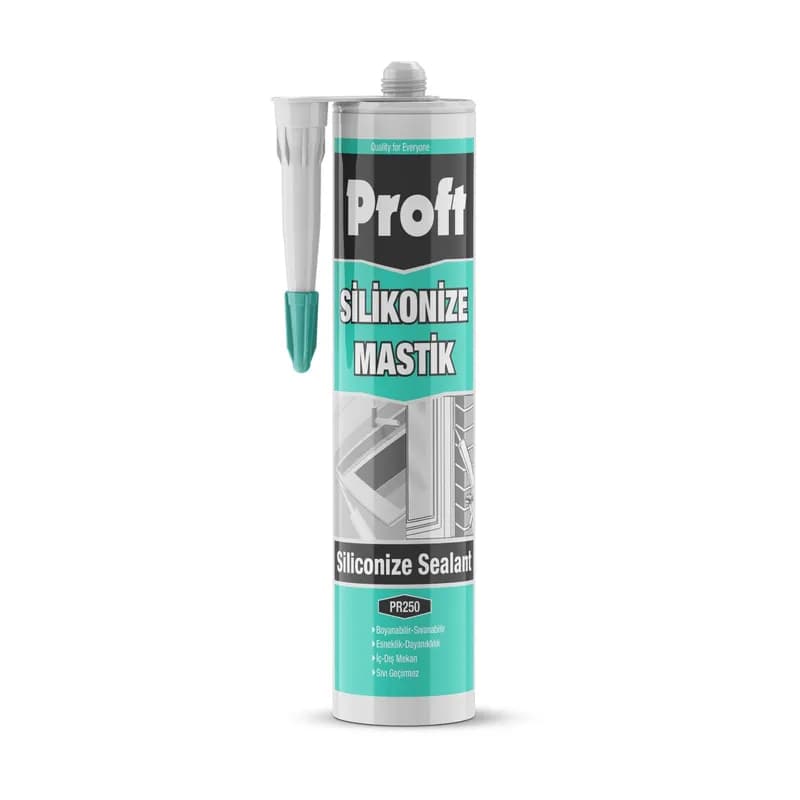
Proft Siliconised Sealant 450 g Golden Oak
Proft · Sealants & Acrylics
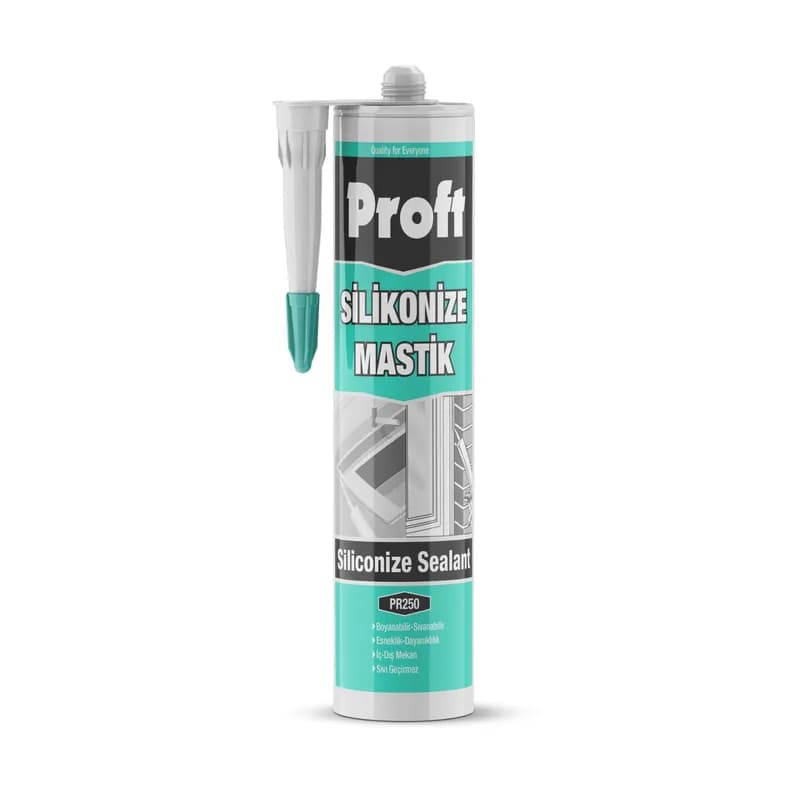
Proft Siliconised Sealant 450 g White
Proft · Sealants & Acrylics
Proft Siliconised Sealant 450 g Cream
Proft · Sealants & Acrylics
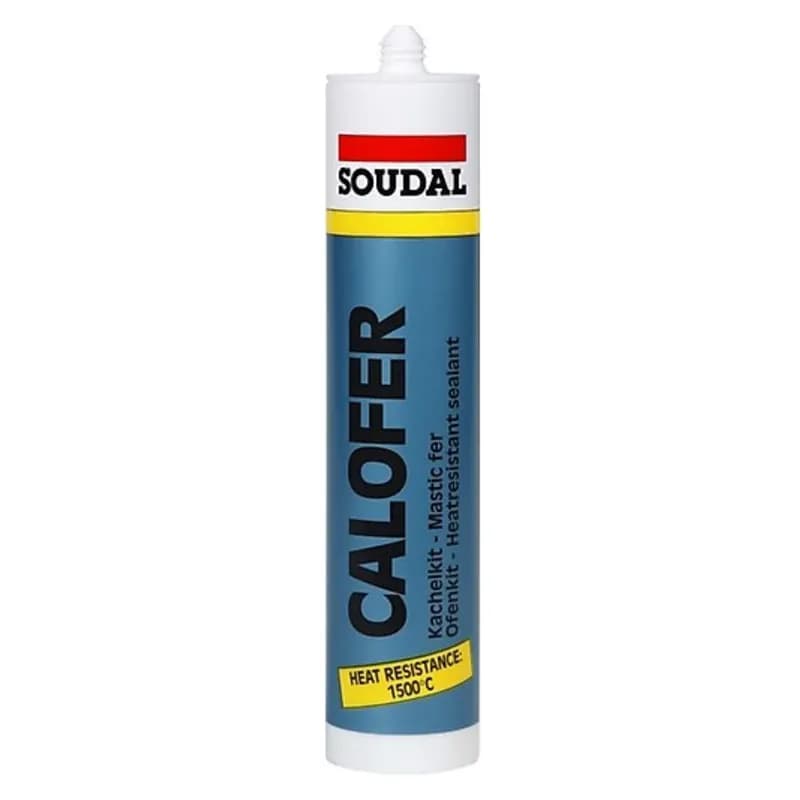
Soudal Fireplace Sealant 300 ml 1500°C
Soudal · Sealants & Acrylics
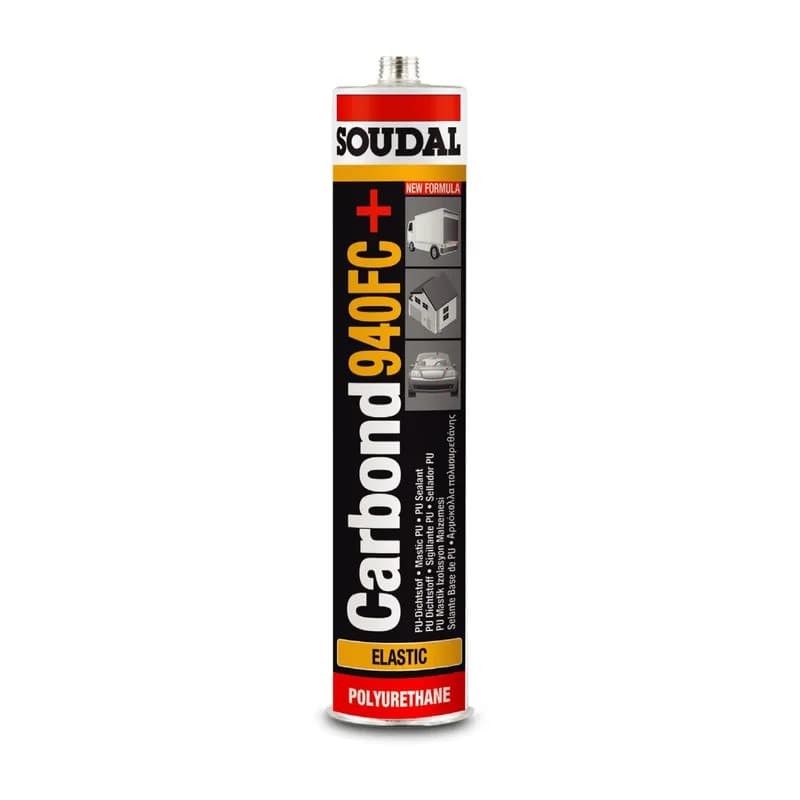
Soudal Polyurethane Sealant 280 ml Black
Soudal · Sealants & Acrylics
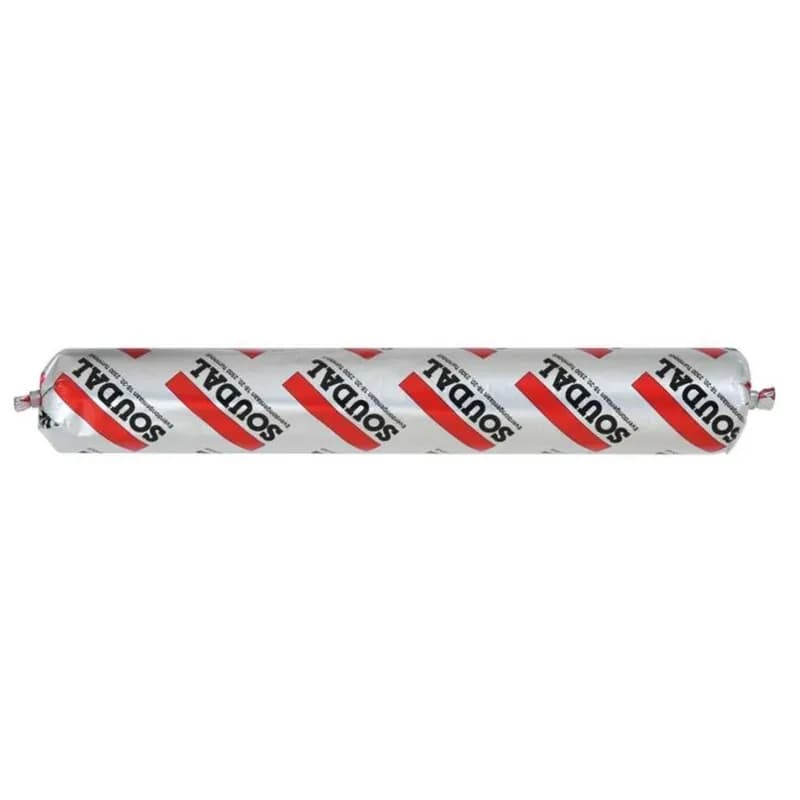
Soudal Polyurethane Sealant Sausage 600 ml Grey
Soudal · Sealants & Acrylics
1–24 of 28 · page 1 / 2
Three sealants, three jobs
Sealants divide by chemistry, and that decides both durability and whether paint will hold.
| Type | Movement | Paintable? | Where |
|---|---|---|---|
| Polyurethane | High | Yes, once cured | Facade joints, precast, vehicles, floor joints |
| Acrylic | Low | Yes | Interior cracks, around frames, skirting |
| Siliconised | Medium | Yes | Timber frames, interior joints, repairs |
| Fireplace sealant | Low | No | Fireplaces, flues, high-temperature points |
Cartridge or sausage?
The 280-310 ml cartridge runs in a standard gun and suits occasional work. A 600 ml foil sausage leaves far less packaging waste for the same volume and costs less per litre, but needs a sausage gun.
For crews working continuously the sausage is the clear saving on both cost and waste; for a few cartridges a year, the cartridge is enough.
Colour and paint
Sealants come in white, grey, anthracite (RAL 7016), black and timber shades; choosing the right colour on a visible joint removes the need to paint at all. Where a polyurethane joint will be painted, let it cure fully first or the paint will crack.
Remember that paint does not hold on silicone: a "siliconised" sealant is acrylic-based and takes paint, while pure silicone does not.
Frequently Asked Questions
How does polyurethane sealant differ from silicone?
Polyurethane bonds structurally, takes paint and has higher mechanical strength. Silicone is more flexible and more resistant to water and UV, but will not hold paint and bonds less strongly.
Can acrylic sealant be used outdoors?
Not in moving facade joints — it cannot take the movement and will part. It can serve in sheltered, static cracks, but its proper place is indoors.
What is a siliconised sealant?
An acrylic-based sealant with silicone added to raise its flexibility. It keeps acrylic's paintability while flexing more than pure acrylic, and is common around timber frames and interior joints.
Why choose sausages over cartridges?
A 600 ml foil sausage leaves far less packaging waste for the same volume and costs less per litre. It needs a sausage gun, which makes it worthwhile for crews working continuously.
When can a sealant be painted over?
Polyurethane must cure fully first; paint applied early cracks as the joint moves. Acrylic can be painted shortly after the surface has dried.
How does fireplace sealant differ?
It is formulated to survive high temperatures and is generally not painted. Ordinary sealants break down at those temperatures, so fireplaces, flues and oven surrounds take a high-temperature product only.